“SC Asks the Hard Question: Will US Courts Share With India?”

- January 30, 2026


The Supreme Court asked US pharmaceutical company Pfizer whether courts in the US and other Western countries would similarly share information with India under the principle of reciprocity.
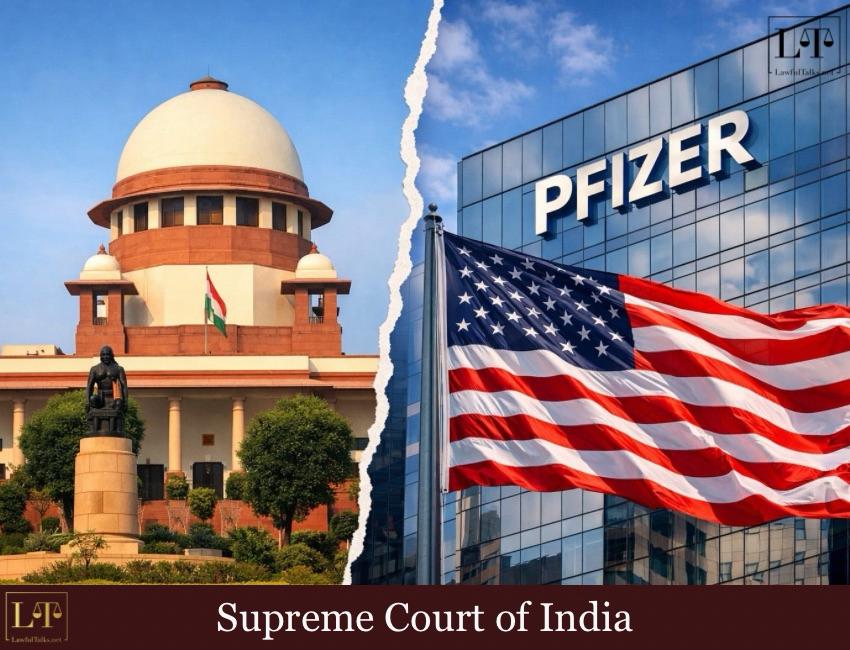
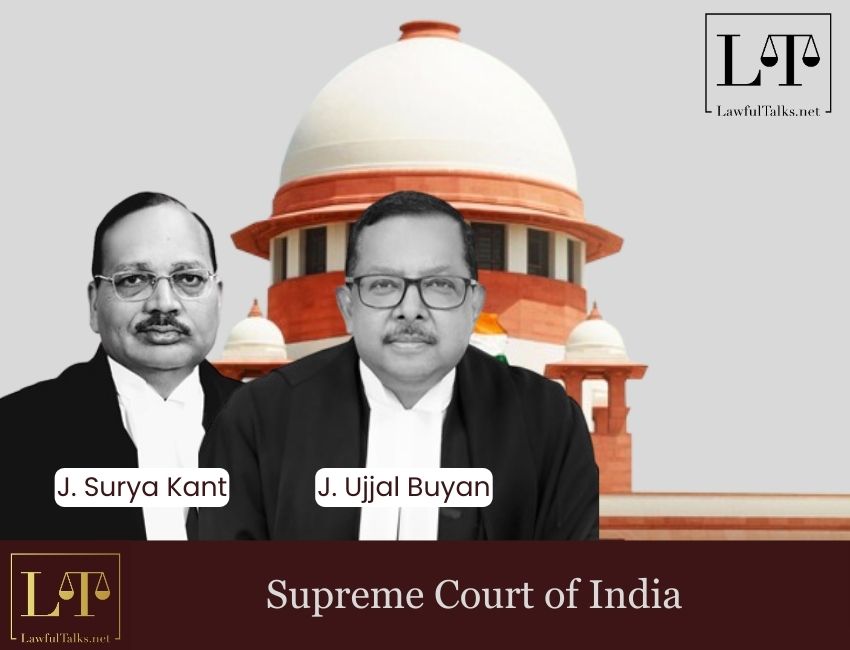
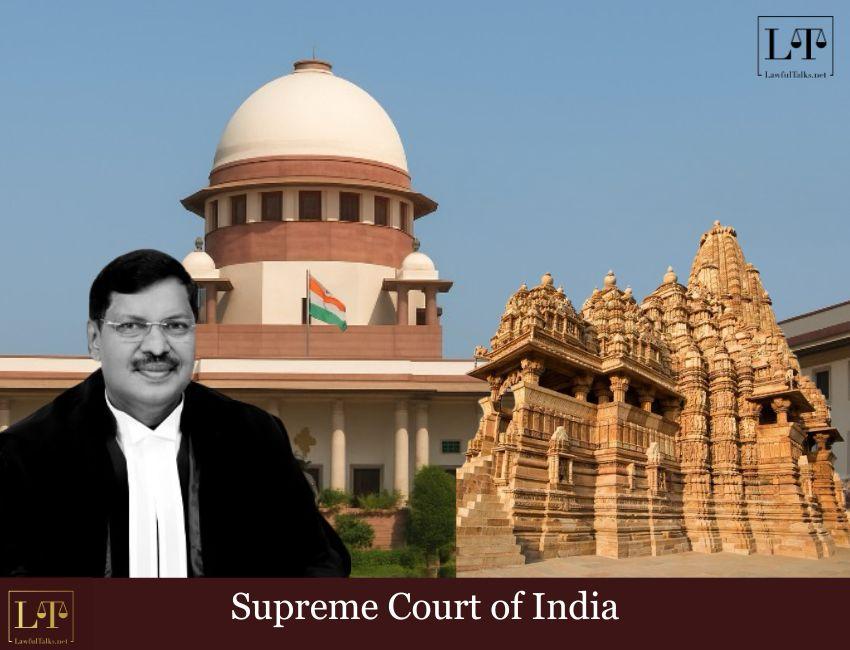
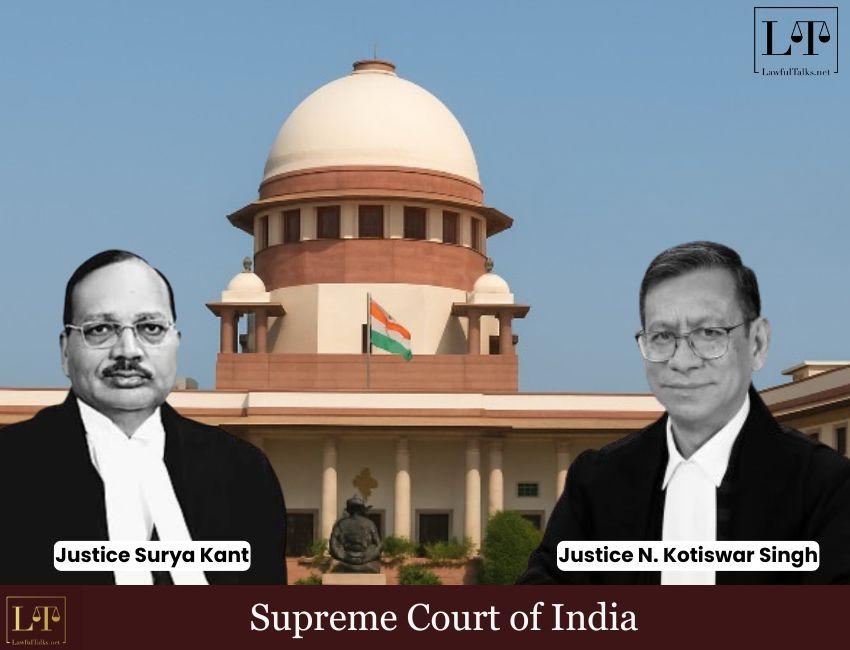
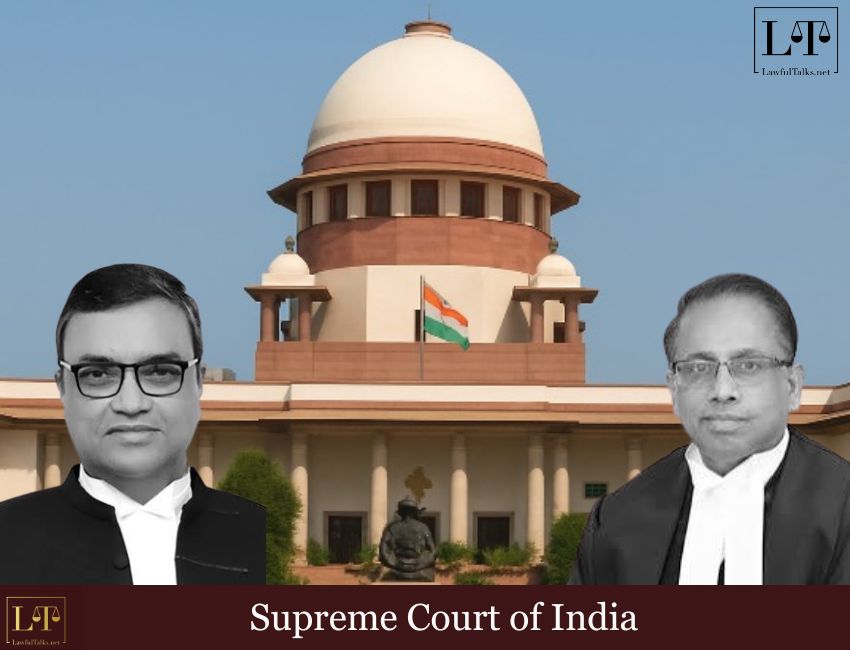
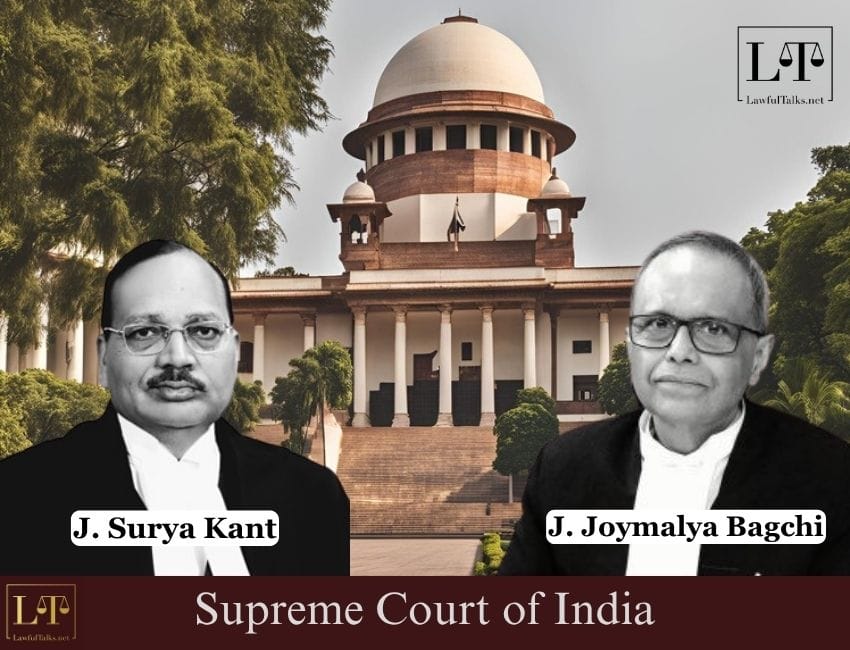
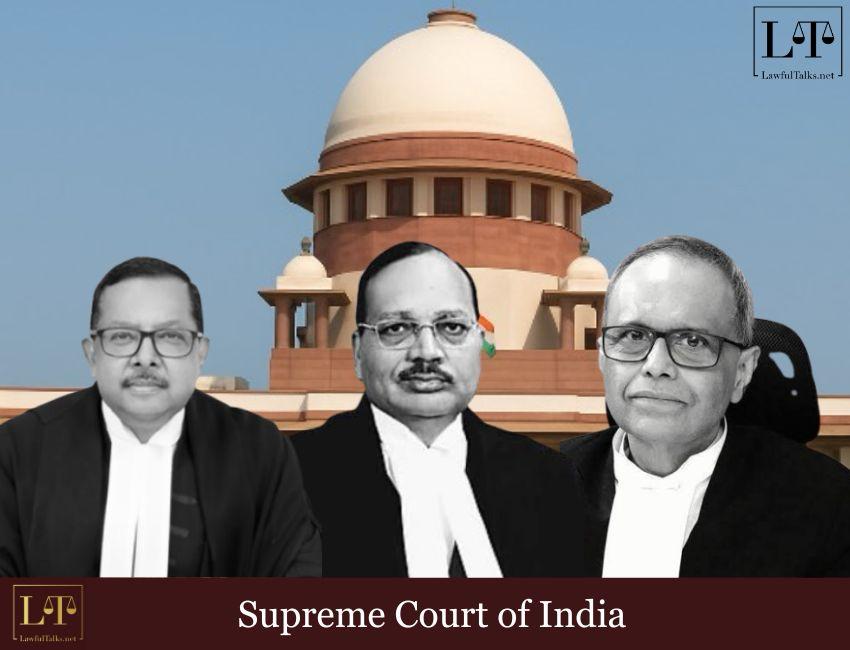
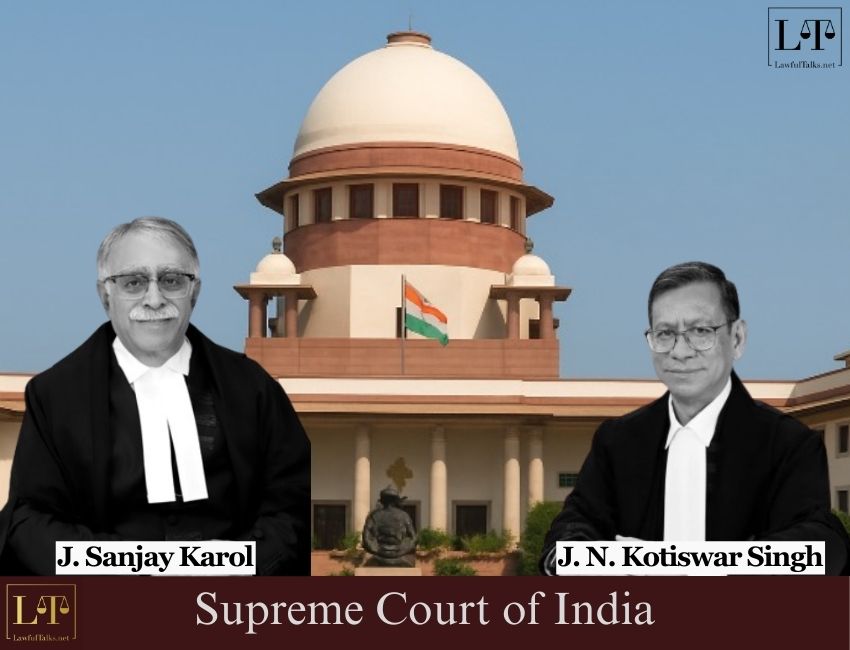
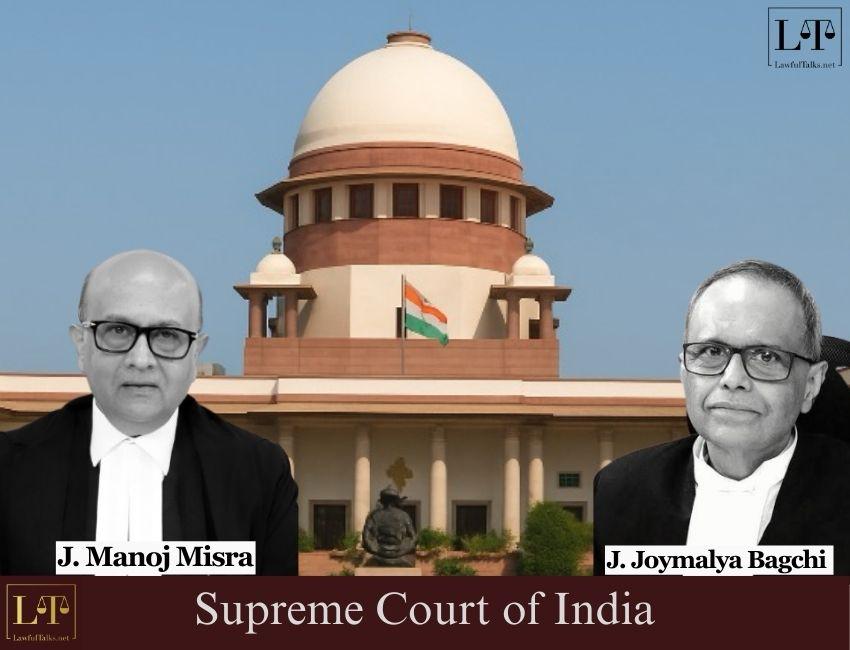
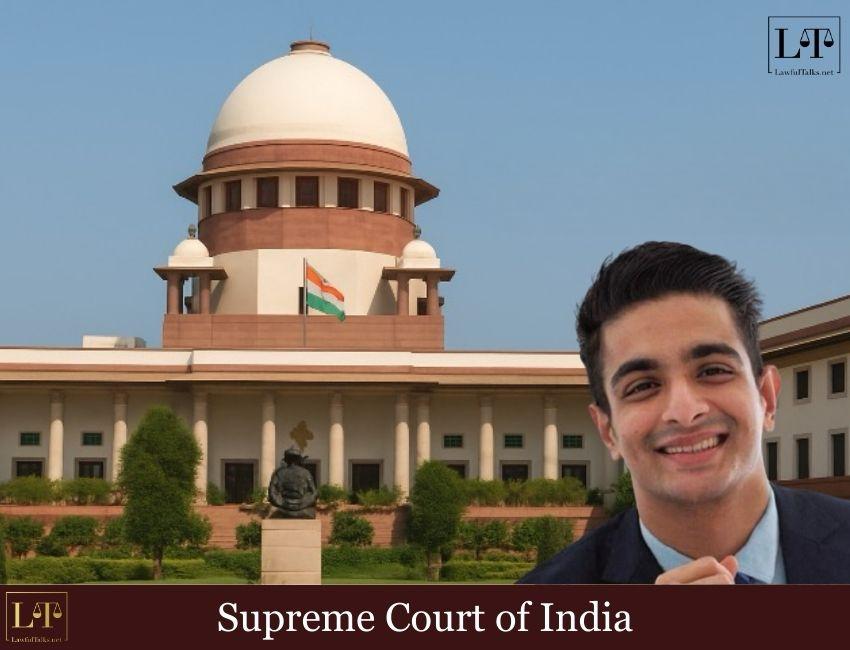
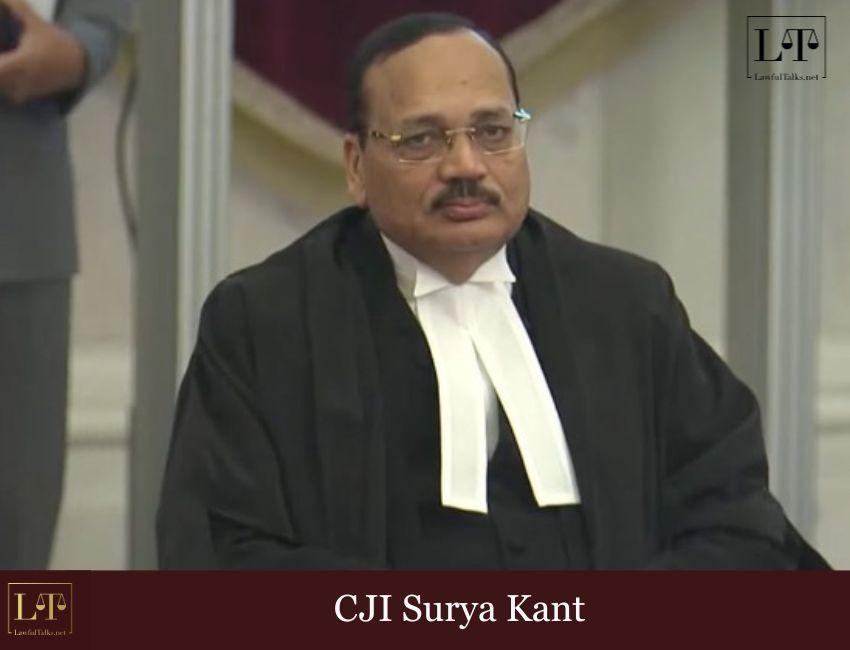
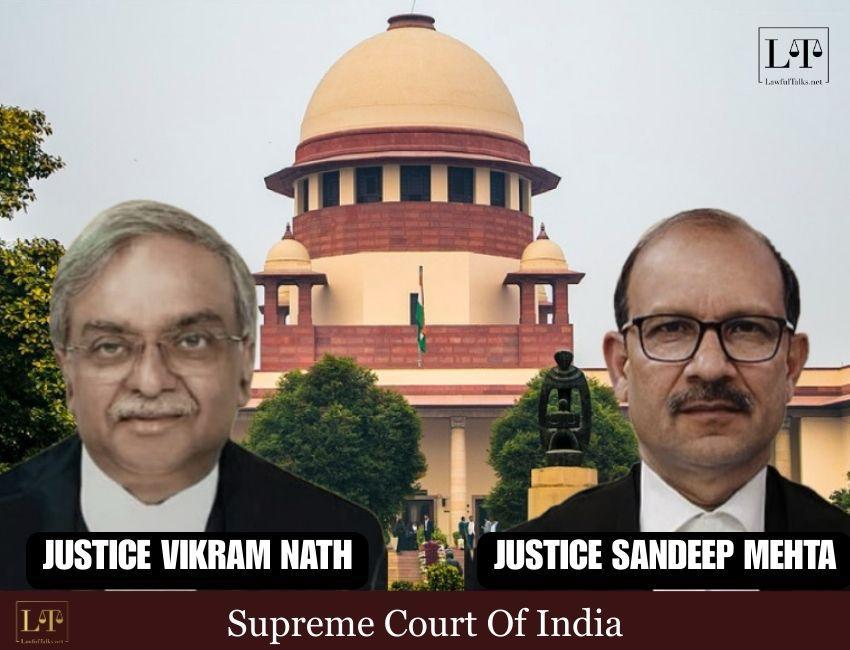
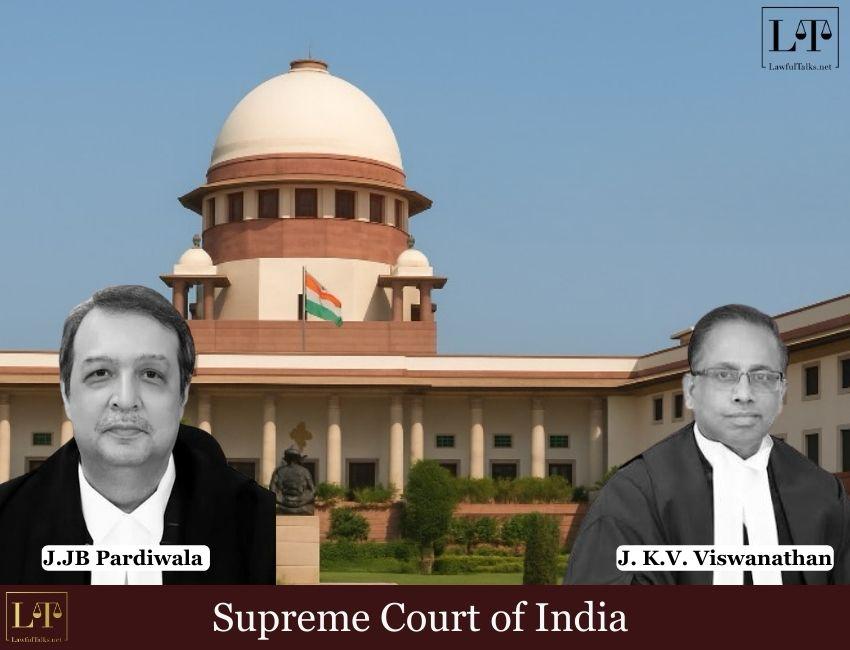
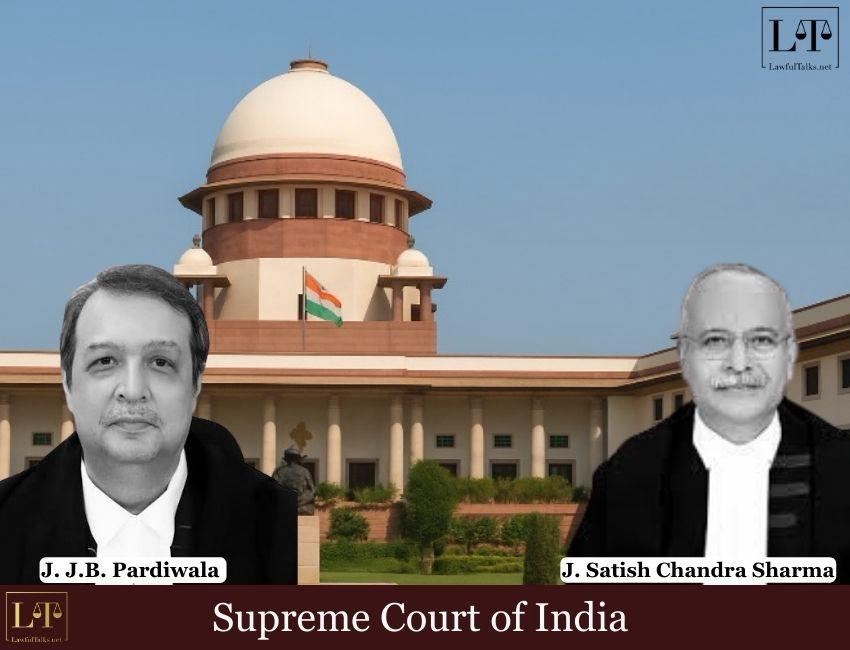
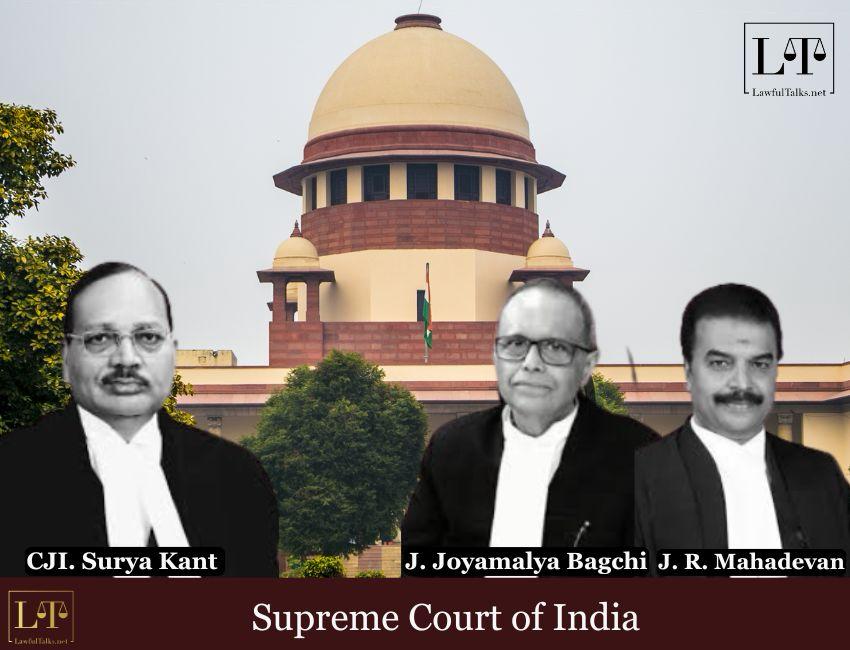
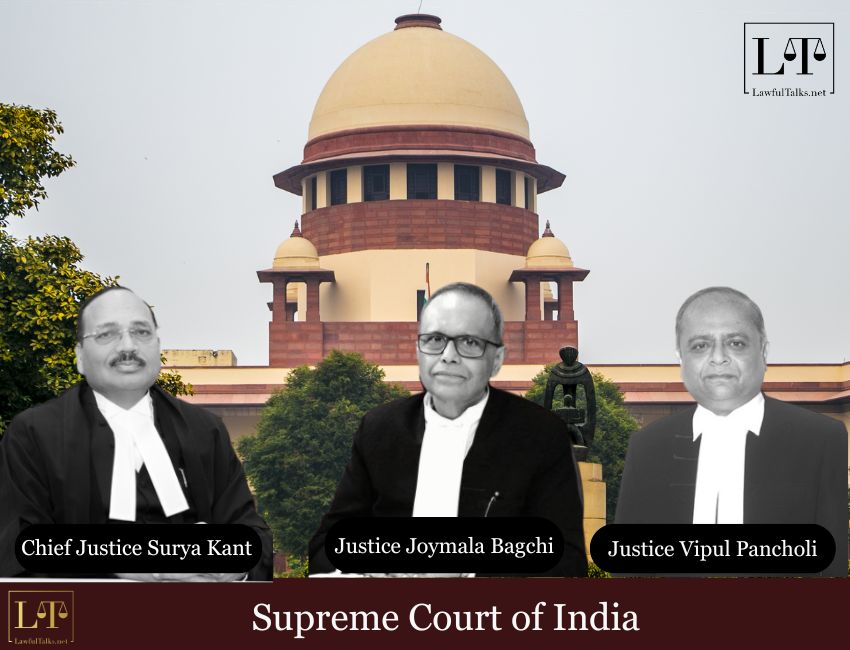
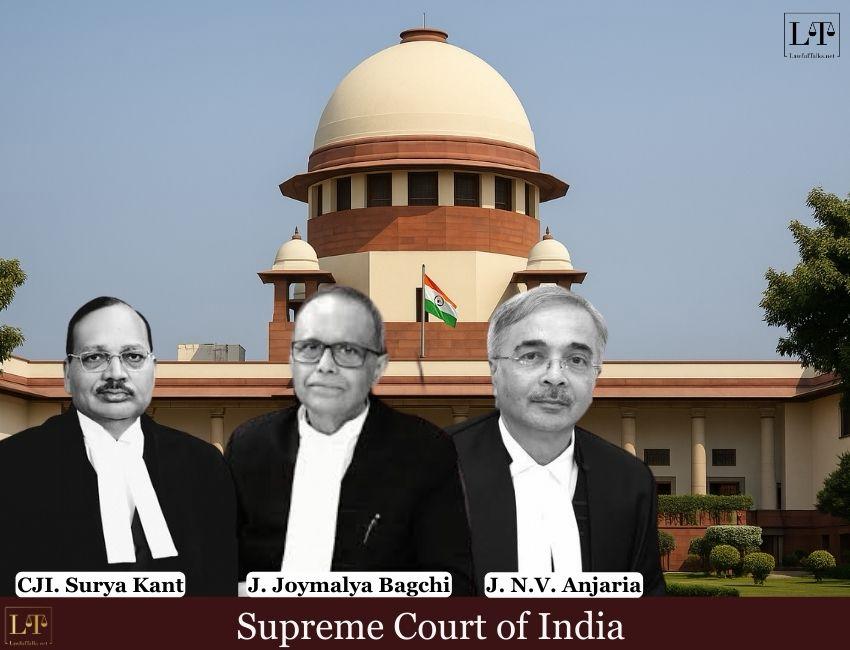
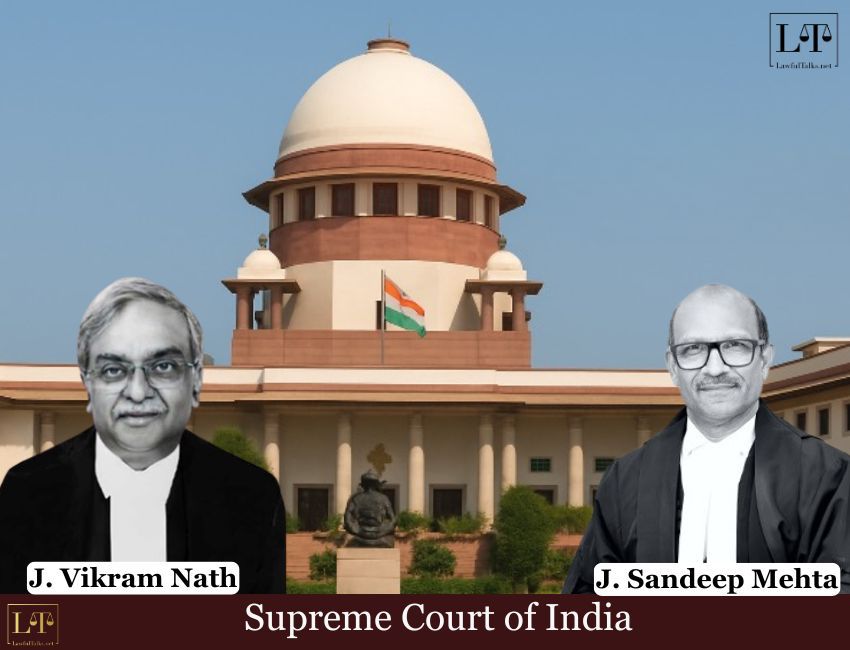
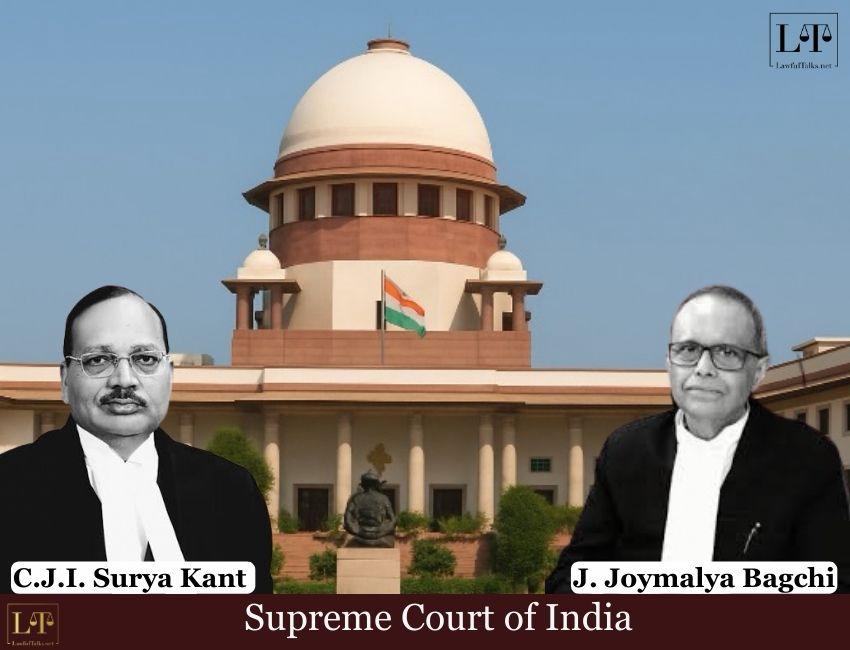
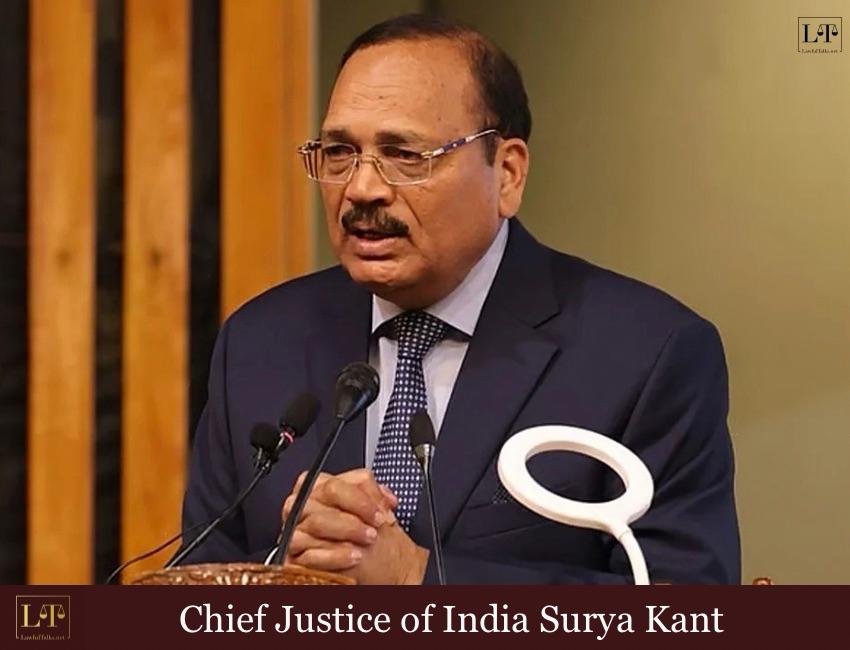
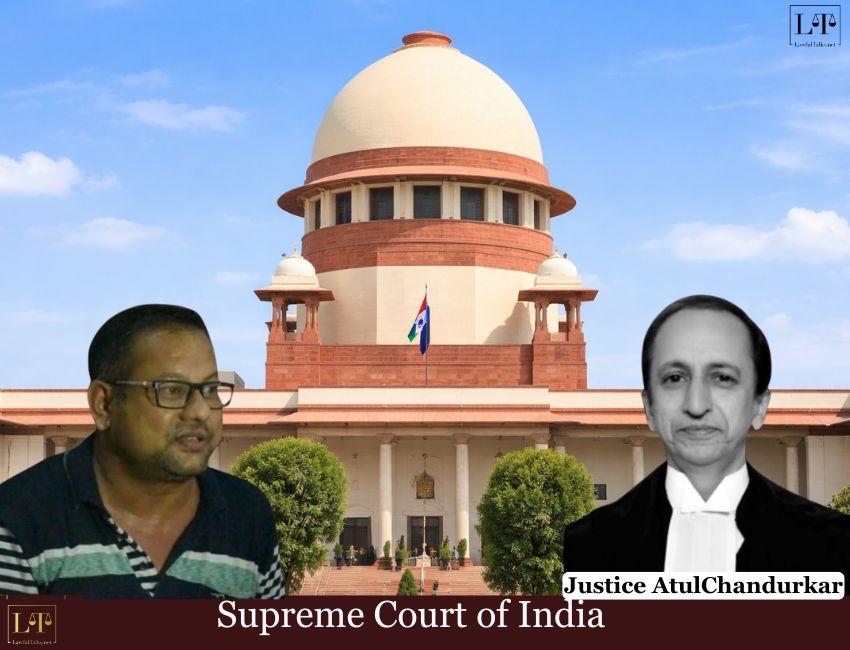
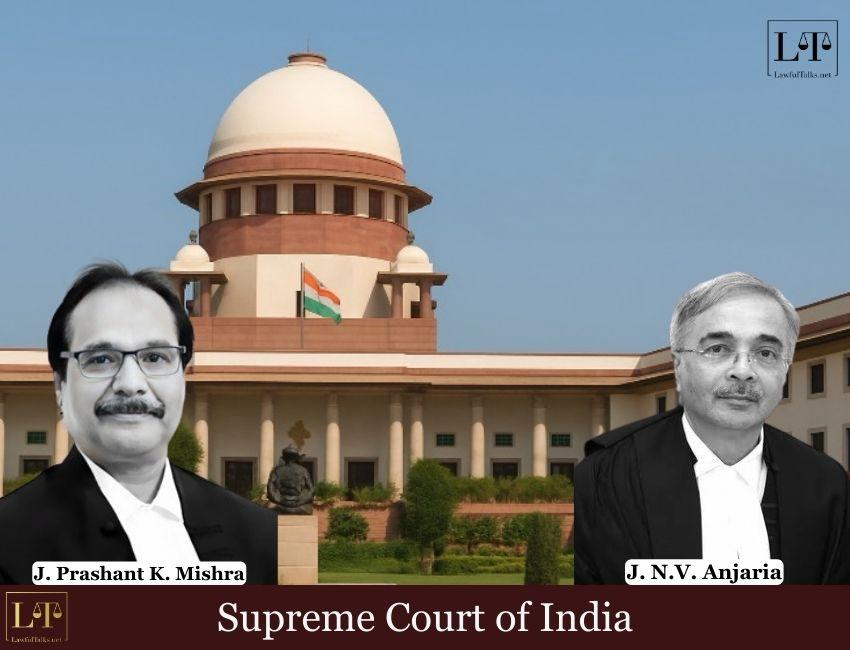
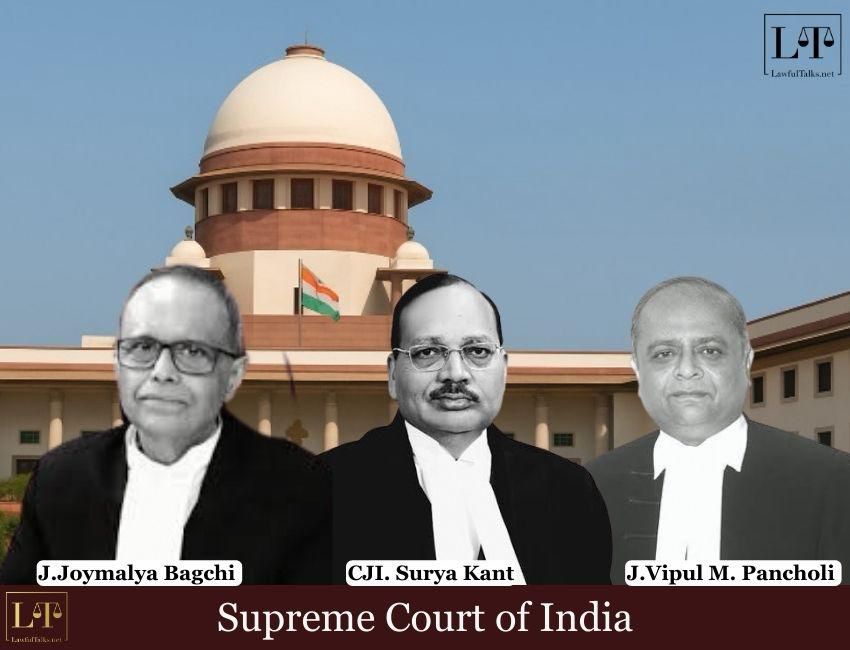
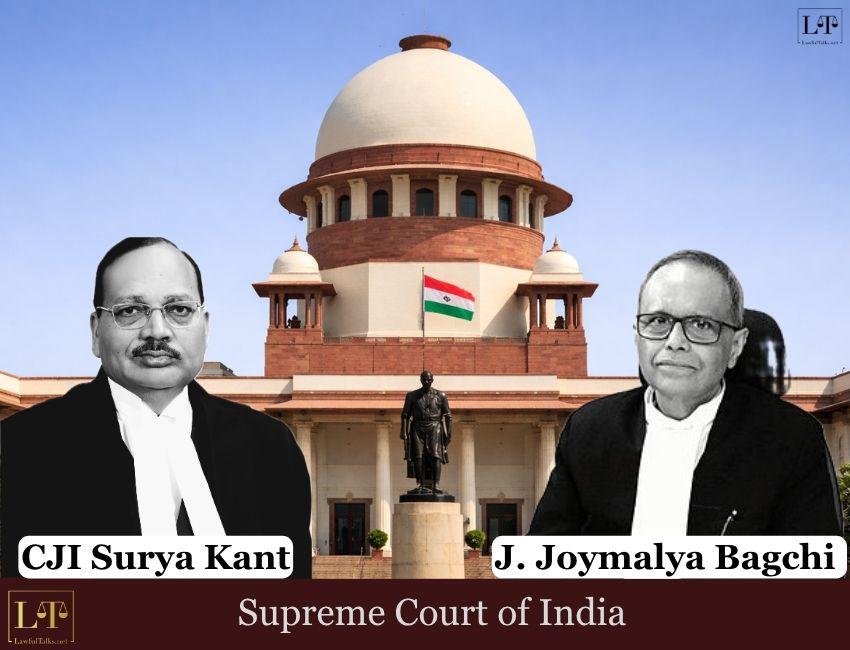
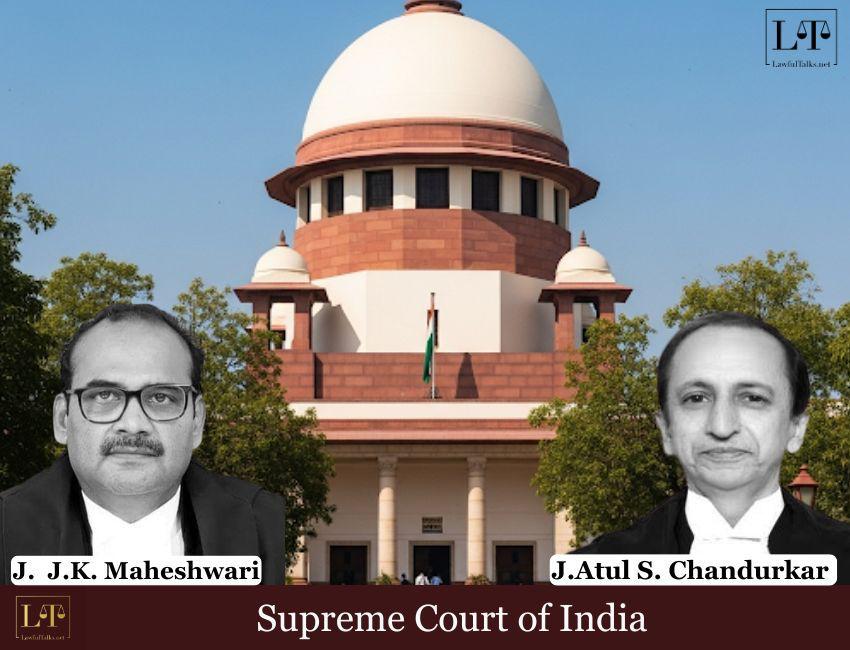
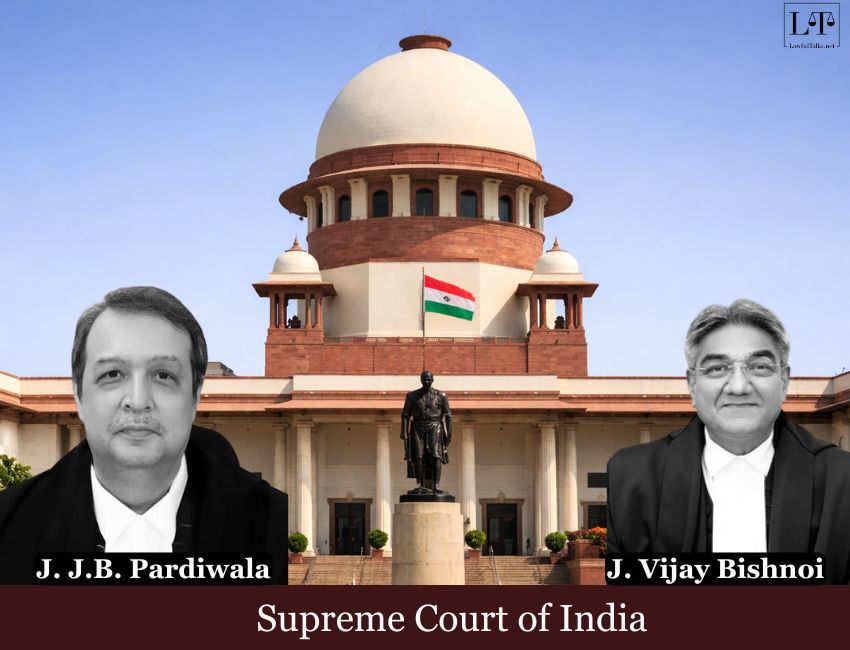
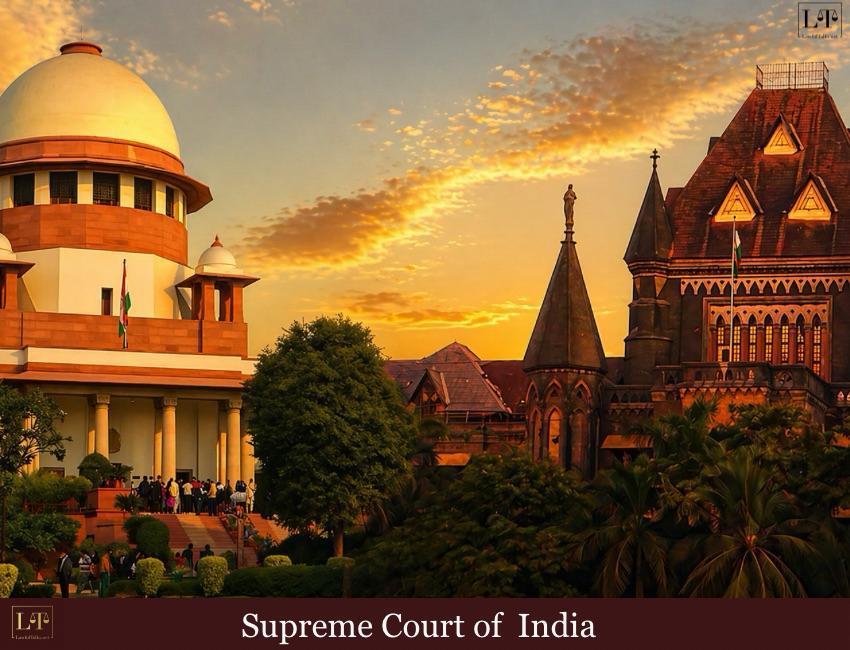
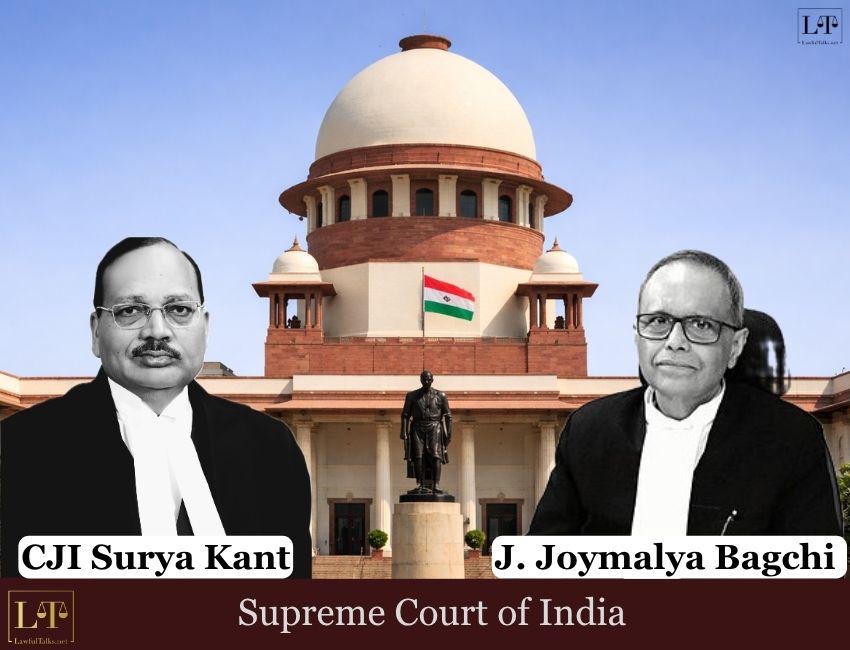
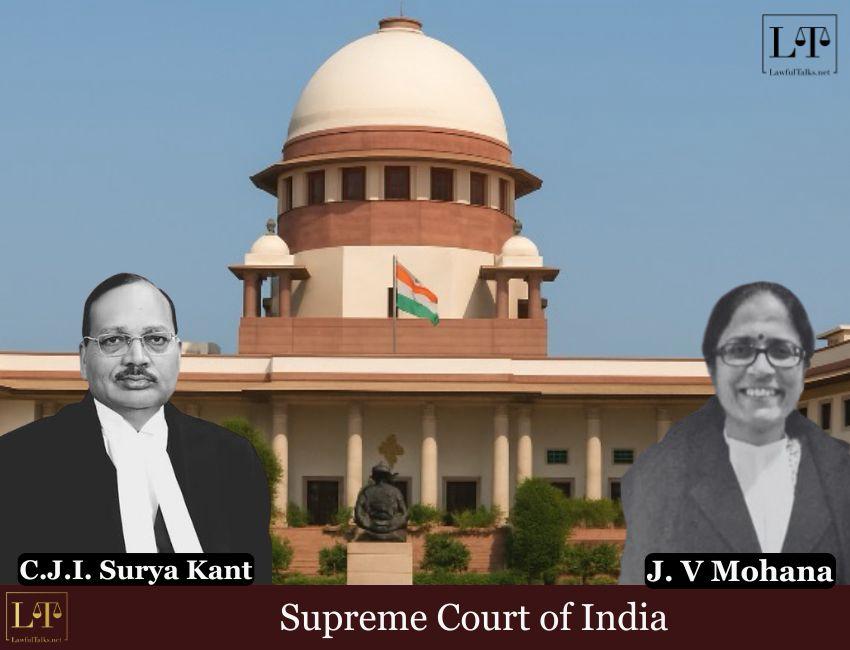
A bench of Chief Justice of India(CJI) Surya Kant and Justice Joymalya Bagchi was hearing Pfizer’s challenge to a Madras High Court decision, which had refused to enforce Letters Rogatory issued by a US court seeking documents and witness testimony from Chennai-based Softgel Healthcare Pvt. Ltd.
Letters Rogatory are official requests from one nation's court to another's for evidence collection in proceedings.
The CJI highlighted sovereignty issues, stating, "When you want to have information, you want to hijack information from any part of the globe. When the question comes of getting information, then you impose your superiority."
Facts:
Pfizer holds a US patent for the crystalline forms of Tafamidis, sold under the brand name Vyndamax. It filed a patent infringement suit in the Delaware District Court against Cipla and Zenara (now Hikma), alleging that Softgel manufactures the drug for them. As part of the case, Pfizer sought documents related to the testing, development, and production of the drug by issuing Letters Rogatory to Indian authorities.
Legal Proceedings:
Counsel Amit Sibal appearing for Pfizer stressed the urgency of the matter in view of the Delaware trial scheduled for April 27. He pointed out that Letters Rogatory work on the principle of reciprocity, meaning foreign courts are expected to comply when Indian courts make similar requests.
The Supreme Court then issued a notice to examine whether foreign courts, in fact, honour the principle of reciprocity when such requests are made by Indian entities.
The CJI remarked: "It's not that we are issuing notice because we are convinced with you, we are issuing notice for a different purpose- we would like to know if an Indian company goes there and seeks an order, will they issue ?"
He added, "We will not compromise with the sovereignty of our country. We are issuing notice because we want to settle the law."
The CJI also insisted the Union of India join as a party:
"To my mind, the Union should be a party here; we would like to have their opinion also. It's not a question of prejudice, it's a question of sanctity and sovereignty."
Sibal countered that "sovereignty doesn't come into it, they are a private party." but CJI replied, "It does come! When you want to have information, you want to hijack information from any part of the globe. When the question comes of getting information, then you impose your superiority."
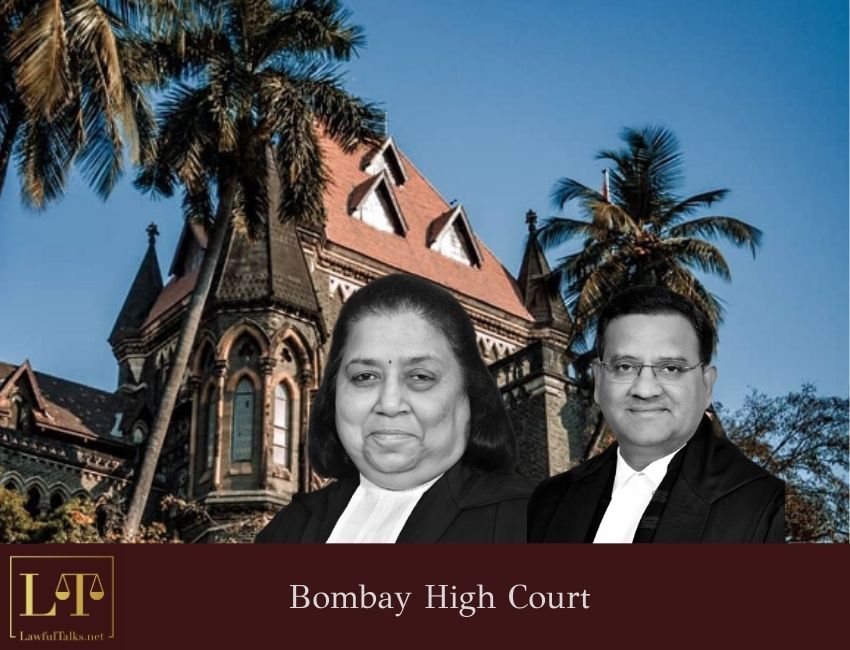
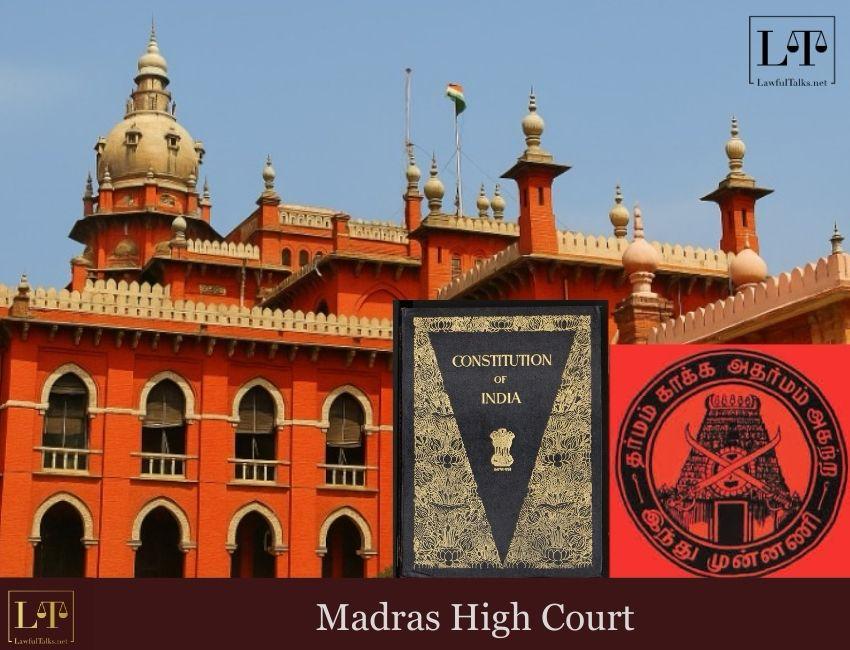
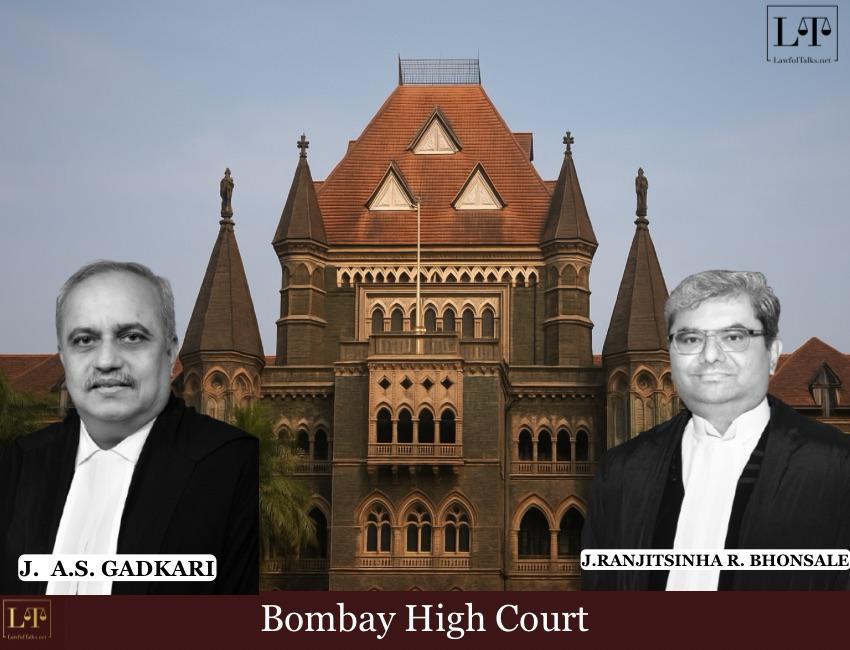
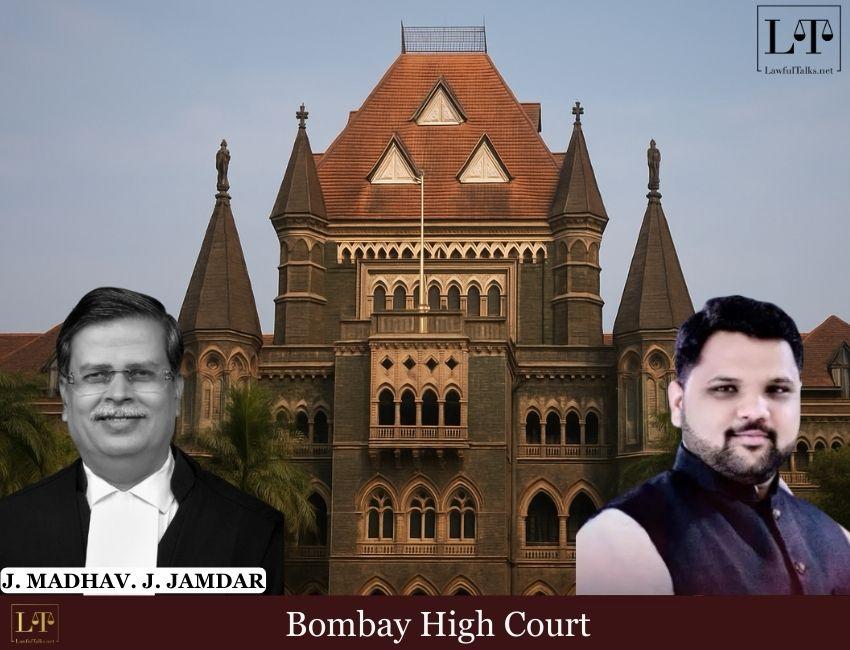
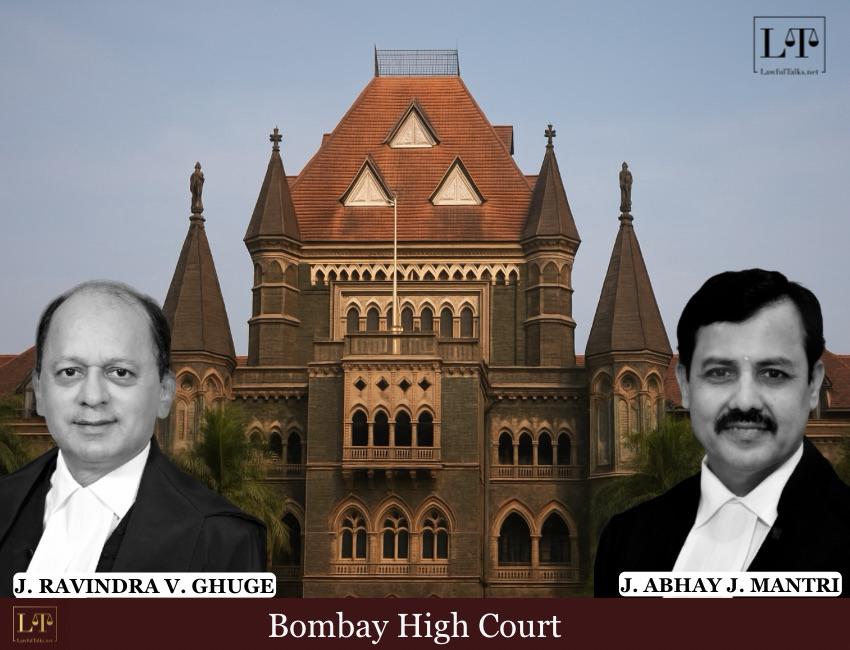
A Division Bench of the Madras High Court comprising Justice G. Jayachandran and Justice Mummineni Sudheer Kumar,set aside a Single Judge’s order that had allowed Pfizer to obtain documents through Letters Rogatory.
Pfizer holds a US patent over the crystalline forms of Tafamidis, sold under the brand name Vyndamax, and has sued Cipla and Zenara (now Hikma) for patent infringement before the District Court of Delaware. Claiming that Softgel Healthcare Pvt. Ltd. was manufacturing the drug for the defendants, Pfizer sought disclosure of documents related to the testing, development, and manufacturing of the drug through Letters Rogatory issued to Indian authorities. It approached the Madras High Court seeking the appointment of a Commissioner to collect documents, record evidence, and set up a confidentiality club.
Softgel opposed the request, arguing that it was not a party to the US proceedings, that sharing the documents would expose its confidential manufacturing information and harm its business interests, and that Pfizer’s corresponding patent application in India had already been rejected, with an appeal against that rejection still pending.
Although the Single Judge allowed Pfizer’s applications, the Division Bench took a different view. It held that the requests did not satisfy the requirement of specificity under Article 3 of the Hague Convention and amounted to impermissible pre-trial discovery. The Court also noted that India has invoked Article 23 of the Convention, which allows refusal of such requests.
Accordingly, Softgel’s appeals were allowed, the Single Judge’s order was set aside, and Pfizer’s applications were dismissed.



































































































































































































































Sign up for free and be the first to get notified about curated content just for you.