SC Cracks Down On ‘Backdoor’ Arrest Protection In FIR Quash Cases

- January 22, 2026


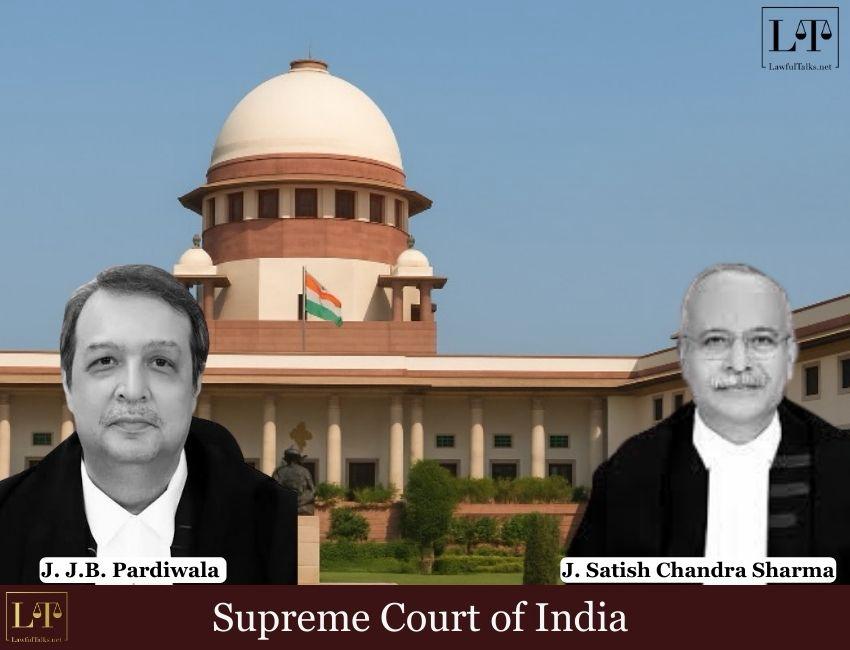
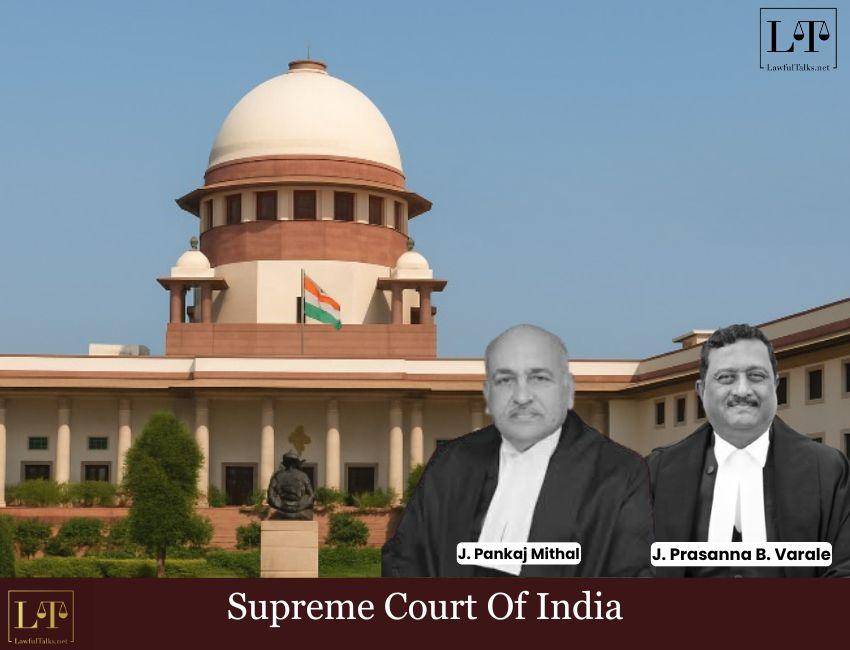
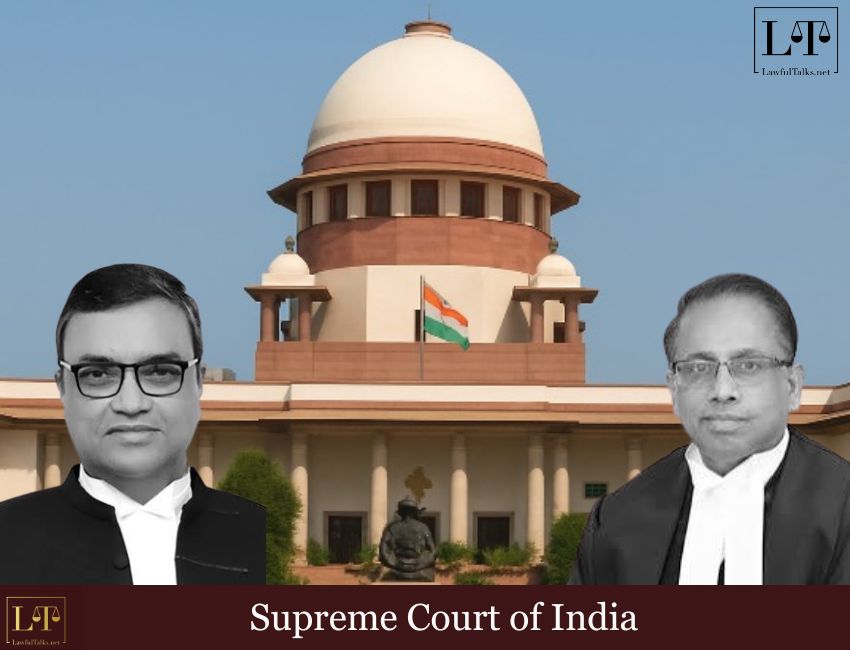
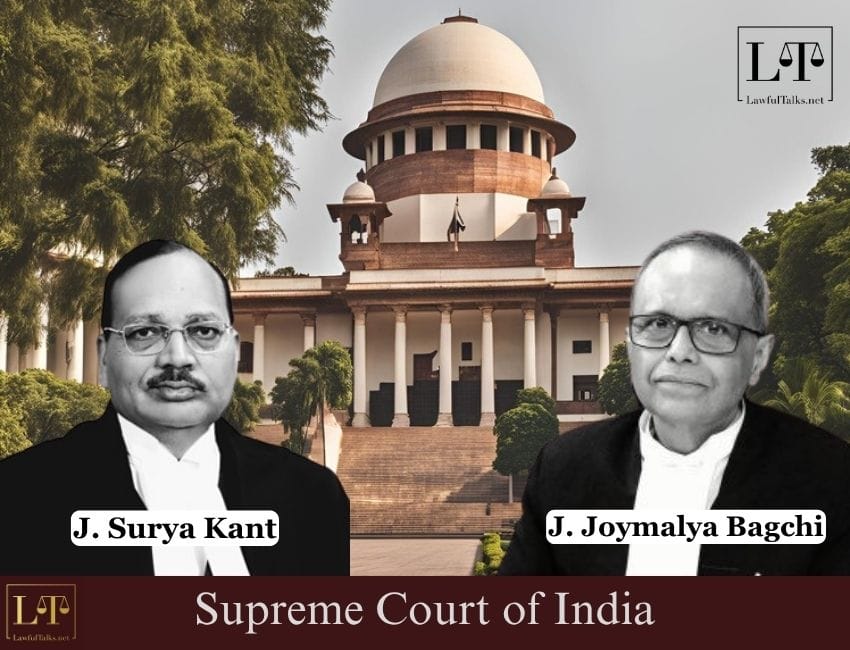
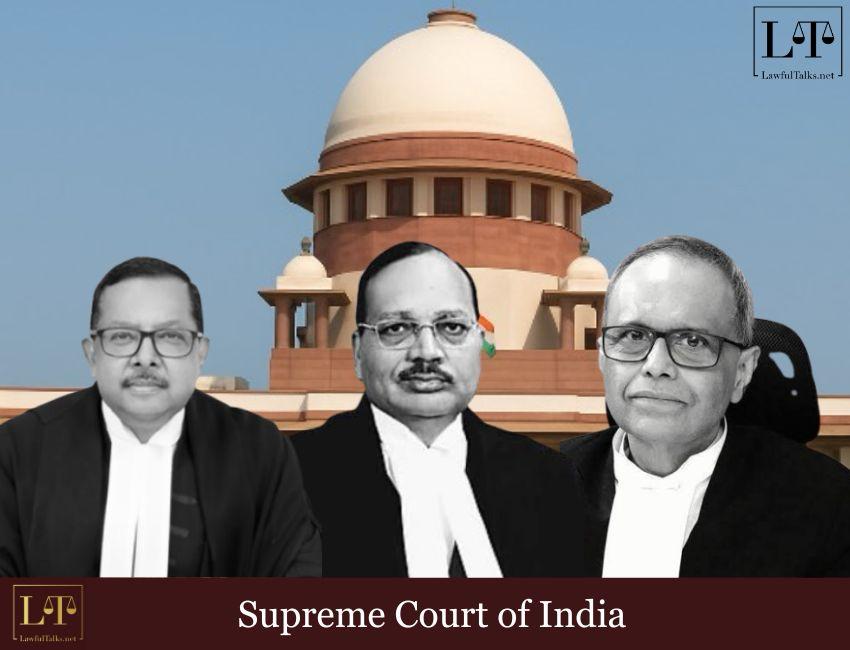
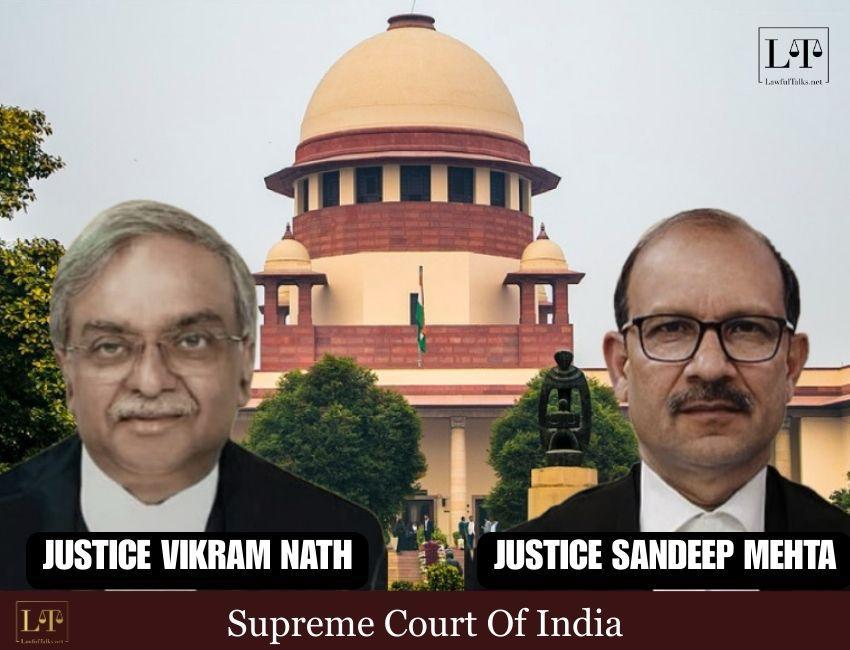
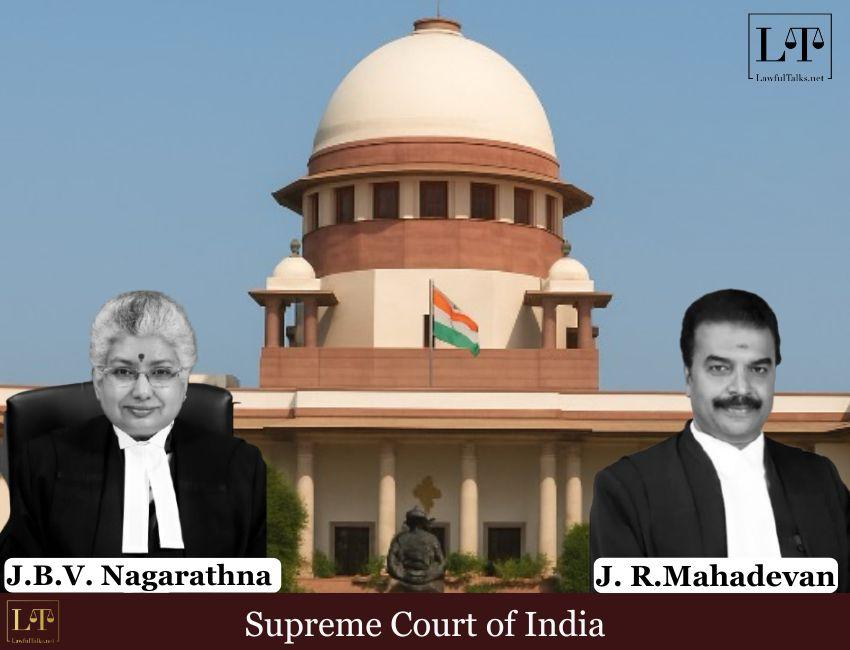
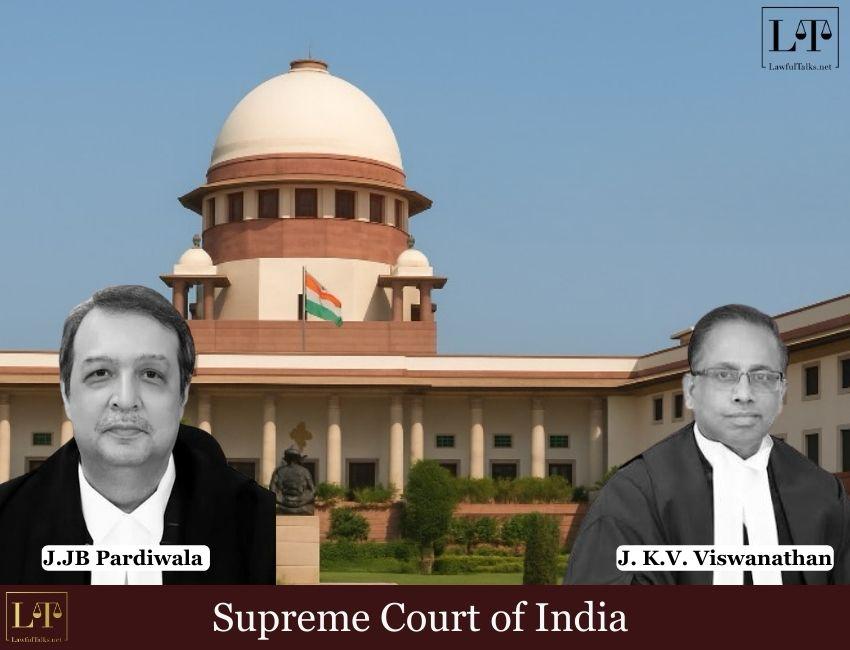
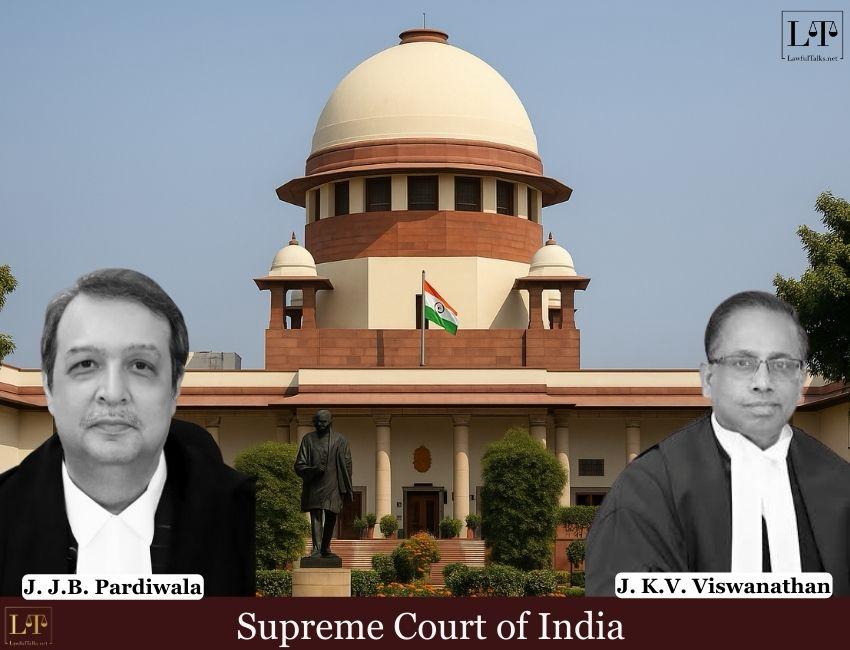
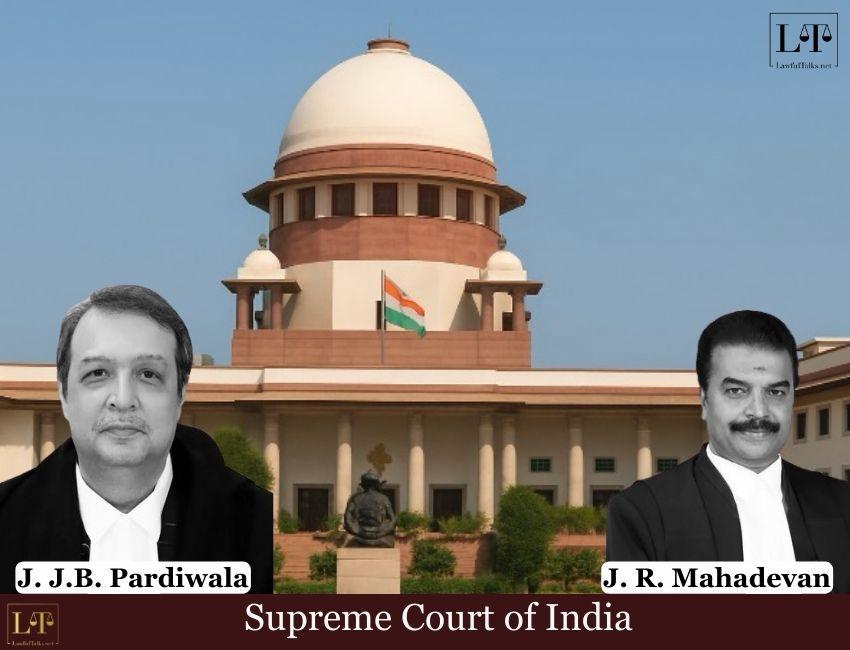
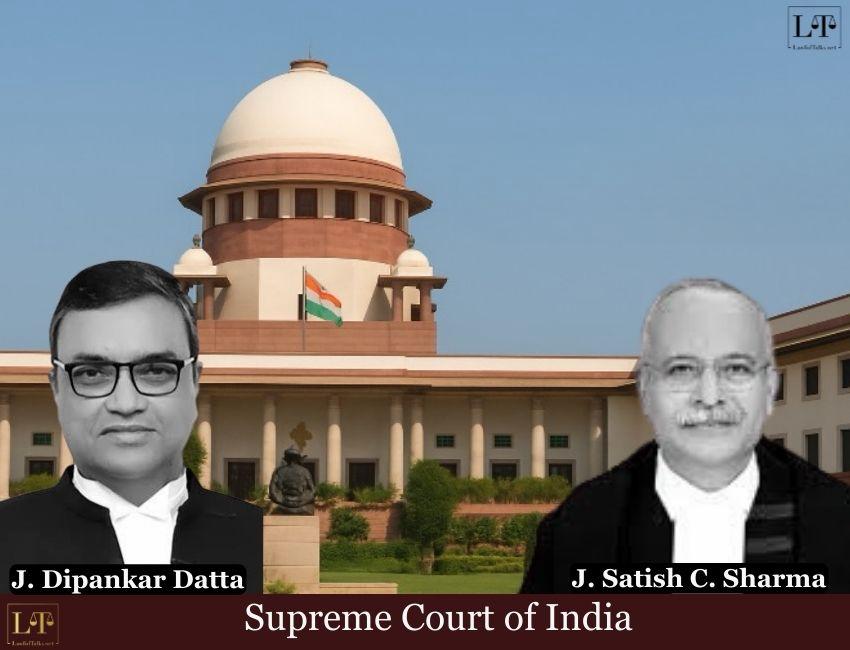
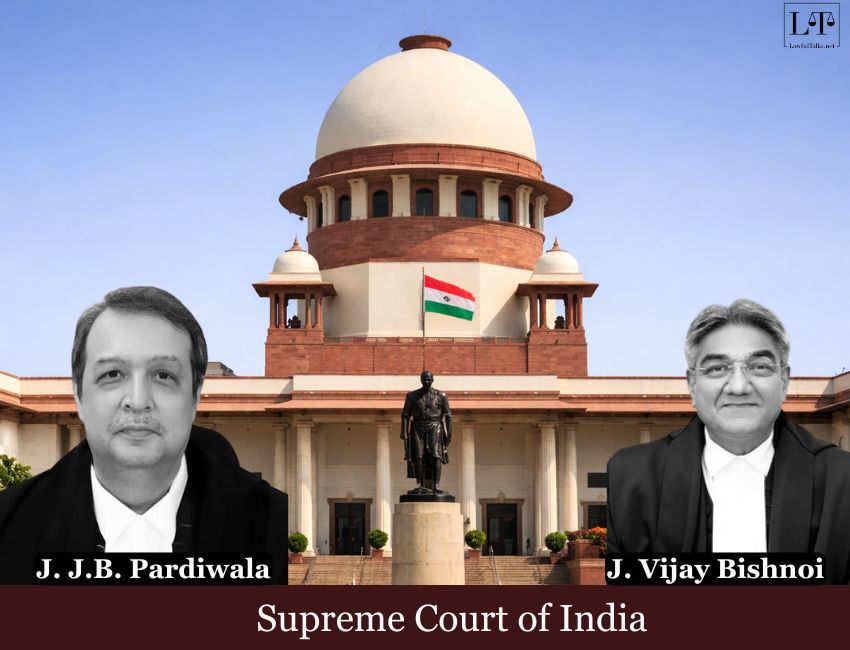
The Supreme Court bench of Justices J.B. Pardiwala and Satish Chandra Sharma held that when High Courts refuse to quash an FIR, they cannot at the same time direct the police to follow Section 41A of the Criminal Procedure Code, 1973.
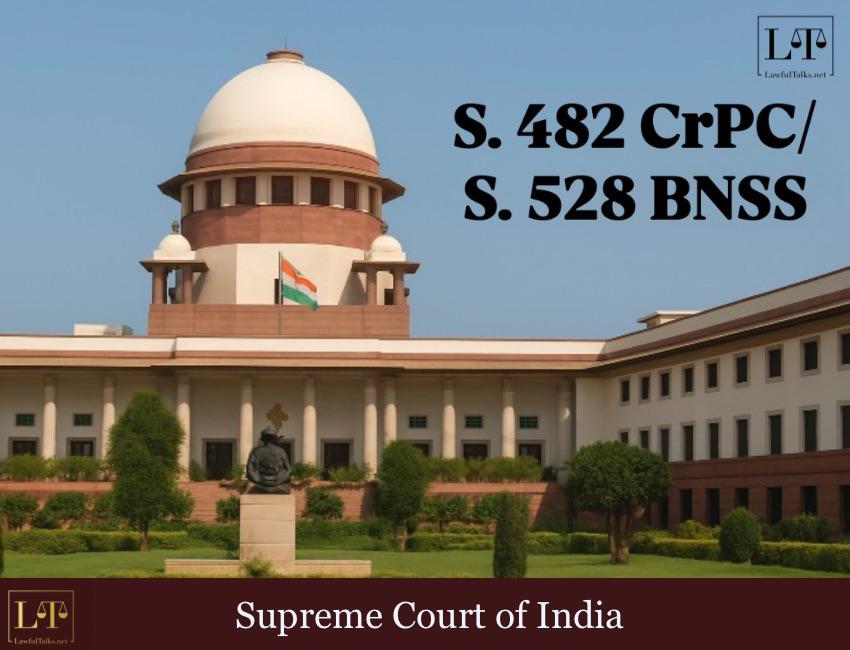
The Court explained that under Section 41A, if an accused appears regularly in response to a notice, the police are barred from arresting them. This protection effectively amounts to interim relief. Since granting interim protection is not permissible while deciding a petition seeking quashing of an FIR, High Courts should not issue such directions at that stage.
Section 41A of the Cr.P.C. (corresponding to Section 35 of the BNSS) requires the police to issue a written notice asking a person to appear before them, instead of arresting them, in cognizable offences where an immediate arrest is not necessary.
Background:
This appeal arises out of an order dated 26.11.2025 passed by the Telangana High Court in Criminal Petition No. 15489 of 2025, whereby the petition filed by respondent Nos. 2 and 3 was disposed of with a direction to the Investigating Officer to adhere to the procedure laid down by this Court in Arnesh Kumar v. State of Bihar reported in (2014) 8 SCC 273.
The counsel appearing for the appellant submitted that in the first instance the High Court should not have entertained the writ petition and if at all the High Court was inclined to entertain the writ petition at least the de facto complainant who was very much there before the High Court, should have been heard. He also yielded that the matter came to be disposed of by the High Court on the very first day without issuance of any notice, either to the State or to the Defacto Complainant.
Supreme Court’s Reasoning And Ruling:
Clarifying the legal position, the Court observed that, “In a petition where quashing of the FIR is prayed for, the High Court should not have passed an order directing the Investigating Officer to comply with Section 41-A of the Criminal Procedure Code, 1973 (for short, “the Cr.PC) because it indirectly amounts to granting a relief which High Court could have considered only if a prima facie case for quashing of the FIR is made out.”
The court concluded reiterating that the, “impugned order is quashed and the matter is remitted to the High Court. The High Court shall issue notice to the de facto complainant, who is the appellant herein, afford him an opportunity of being heard, and thereafter pass a fresh final order. It is, however, clarified that until the,“ High Court reconsiders and decides the matter, no coercive action shall be taken against respondent Nos. 2 and 3”.
The aforesaid proposition of law has been well explained by this Court in its decision in Neeharika Infrastructure (P) Ltd. v. State of Maharashtra reported in(2021) 19 SCC 401’’.
CASE DETAILS : PRACTICAL SOLUTIONS INC. (THR. AUTHORIZED REPRESENTATIVE) VERSUS THE STATE OF TELANGANA & ORS.
















































































































































































































































































































































Sign up for free and be the first to get notified about curated content just for you.