“Third Child Costs Panchayat Seat: Orissa HC Warns Of Population Crisis”

- February 02, 2026


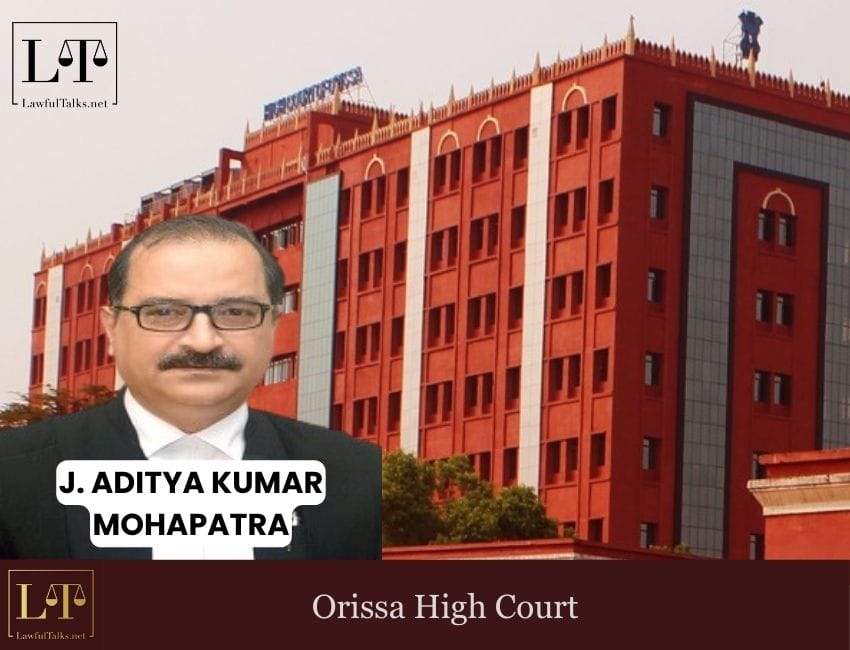
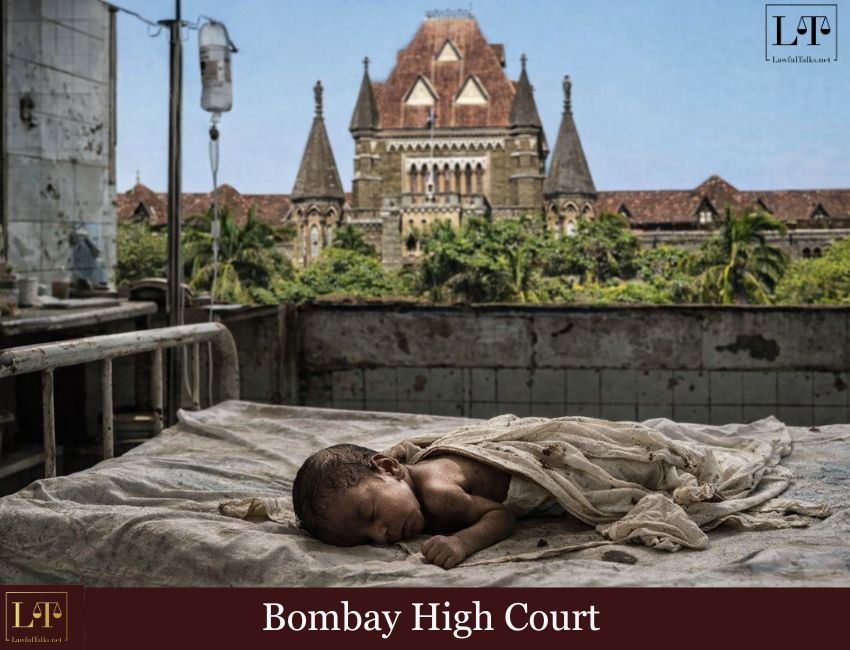
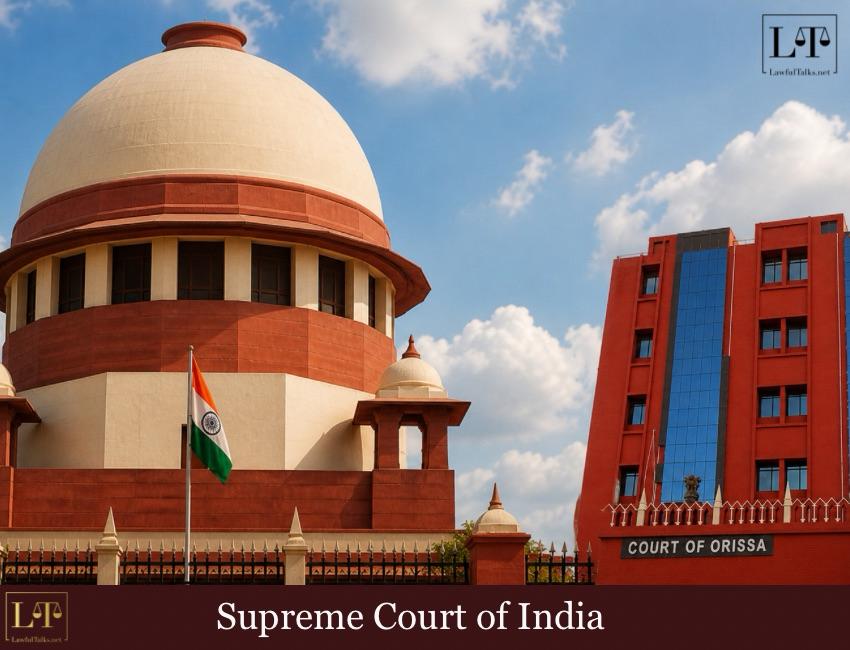
The Orissa High Court recently upheld the disqualification of a Gram Panchayat Member for having more than two children, which is a valid ground for disqualification under the Odisha Gram Panchayats Act, 1964.
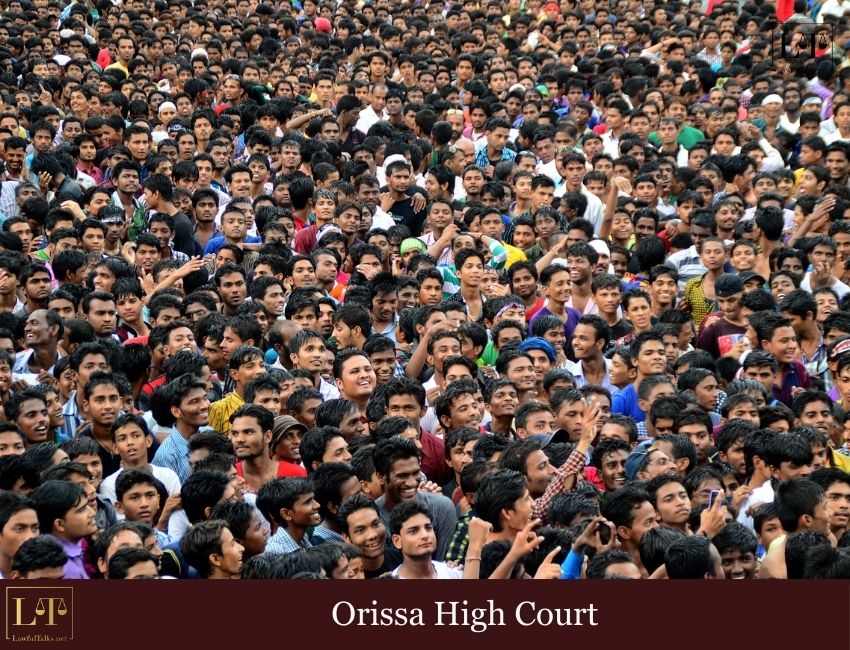
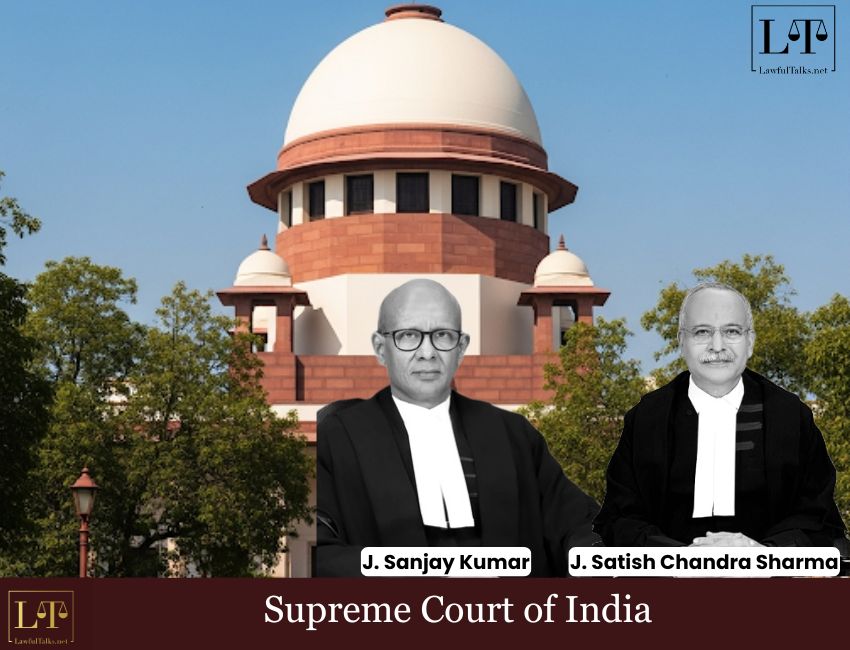
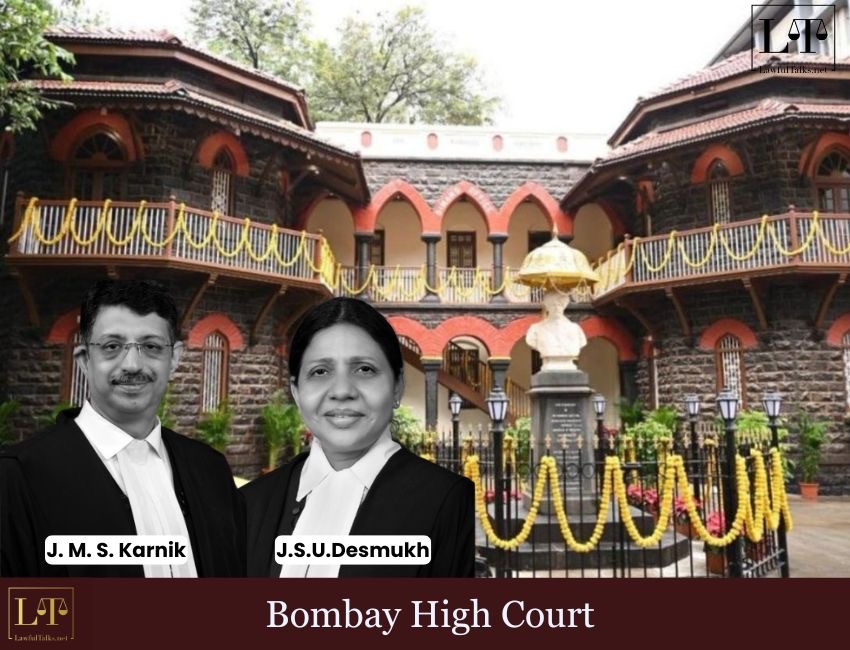
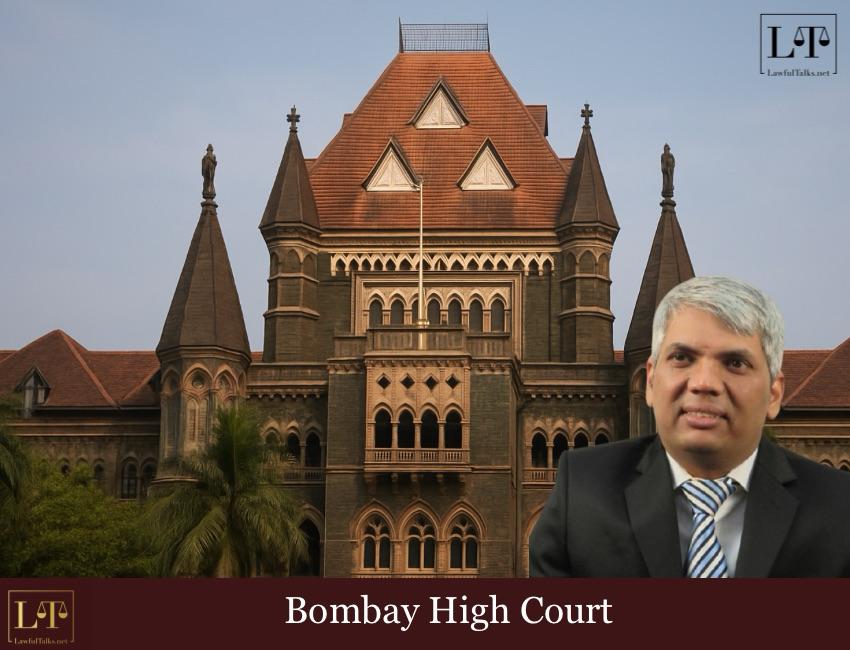
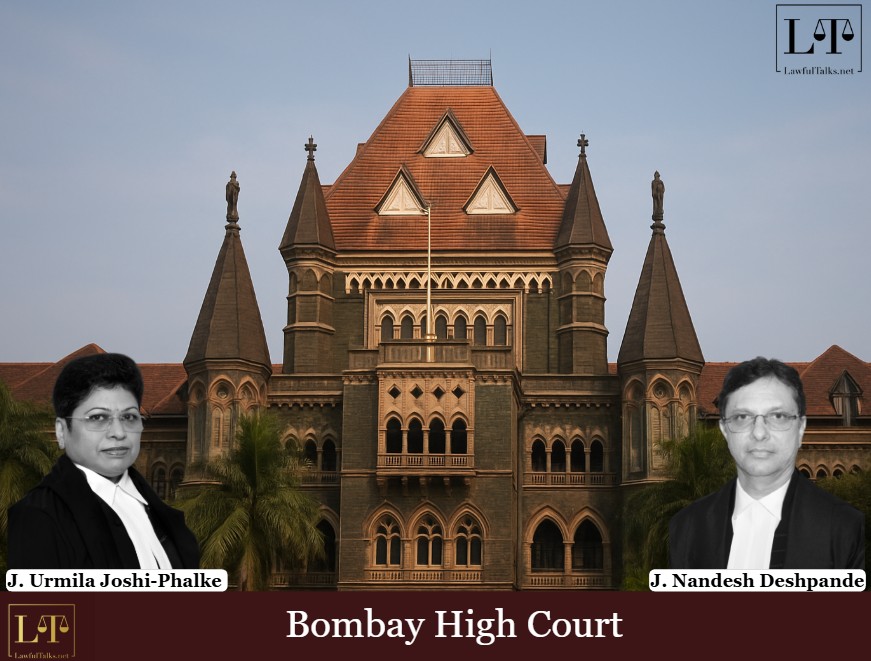
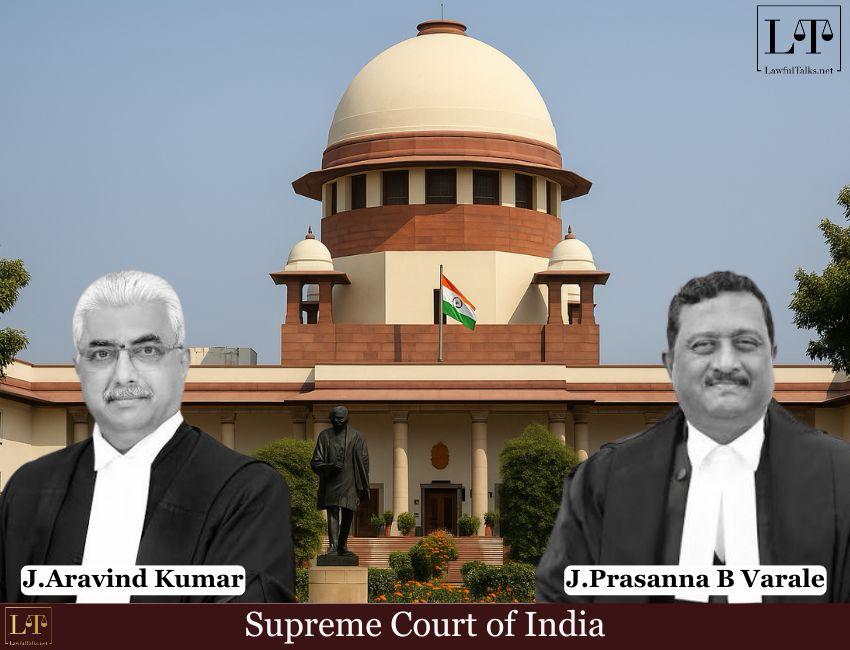
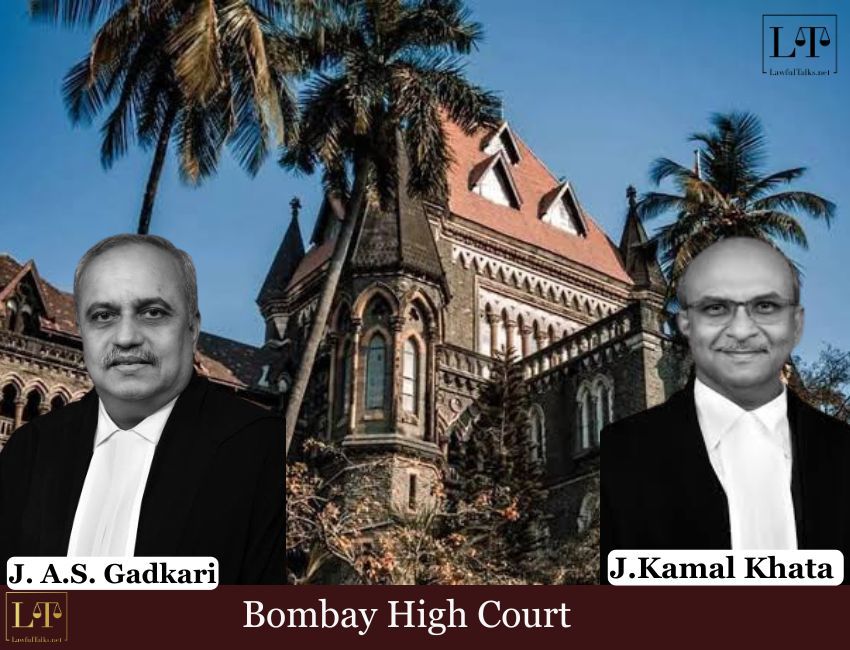
In its judgement, a Division Bench of Justice Dixit Krishna Shripad and Justice Chittaranjan Dash also discussed the issue of population growth in India. The Bench referred to earlier court decisions that support the objective of controlling the country’s population.
The Court dismissed the appeal and emphasised that population control measures should be actively implemented by government institutions as well as by civil society.
Facts:
The appellant previously held the position of a Member of the Gram Panchayat, and was disqualified from the post because he had more than two children, which is barred under Sec. 25(1)(v) of the Odisha Gram Panchayats Act, 1964. Aggrieved by his disqualification, the appellant filed a writ petition challenging it.
Upon the affirmation of his disqualification by a Single Judge bench of the Orissa High Court, the appellant filed an appeal further challenging the judgement of the Single Bench.
Counsel for the appellant argued that the proviso to Sec. 25(1)(v)- protects persons who had more than two children either before,or within one year from, the commencement of the Orissa Grama Panchayats (Amendment) Act, 1994. On this basis, it was submitted that the appellant was exempt from disqualification.
Counsel for the State, however, argued the case on its merits and defended the disqualification of the Gram Panchayat Member.
Judgement and Analysis:
The Division Bench of the Orissa High Court heard the intra-court appeal and upheld the judgement of the Single Bench. It held that the Member’s children were born outside the exemption period and observed that the “case of Appellant is one of Text Book for attracting the disqualification clause, the protective Proviso remaining miles away”.
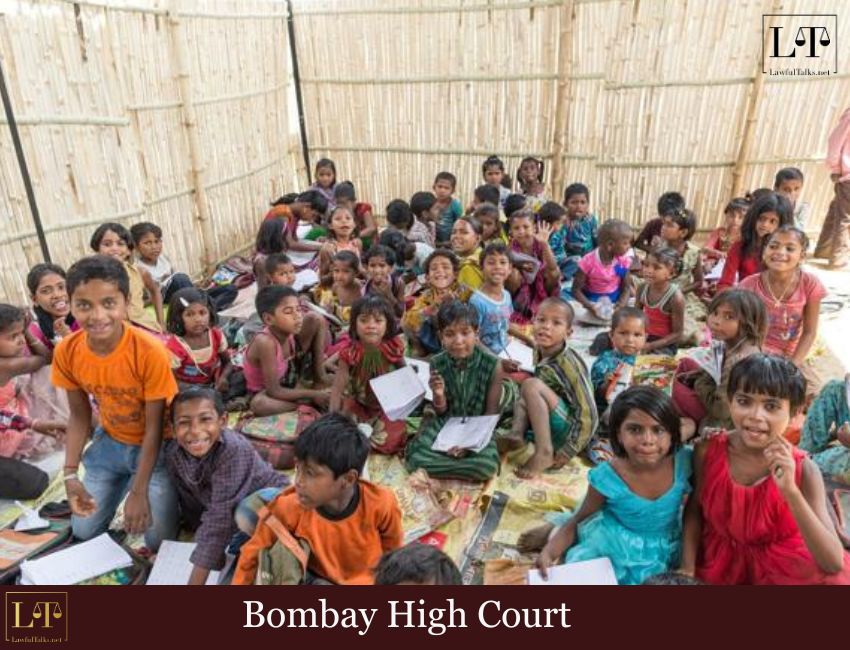
The Bench also used the occasion to discuss population growth in India. Referring to writings of various scholars and reports of United Nations bodies, the Court highlighted the serious and harmful effects of unchecked population growth. It noted that the “gigantic population of the Country” is clearly “coming in the way of implementation of several socio-welfare schemes”.
The Court further referred to the foresight shown by Parliament in addressing rapid population growth and promoting family planning, particularly through steps such as the Forty-Second Constitutional Amendment Act, 1976.
Referring to reports of various United Nations bodies, including the United Nations Population Fund (UNFP)’s India Policy, the UN World Health organisation, etc.,the Court stressed the serious and immediate risk of a population explosion in India. It observed that there is a need for suitable policies to protect the value and dignity of the people.
Finally, the Court opined that “It is high time that 'powers that be' turn the pages of this Essay before the 'population explosion' happens in the Country”, appealing to civil society and governmental and constitutional bodies to formulate appropriate measures.
The Court deemed the appeal by the Member to be devoid of merits and therefore liable to be dismissed.
Case Details:: Maheswar Jena v. Madhusudan Dalai & Others [Writ Appeal No. 1962 of 2025]





















































































Sign up for free and be the first to get notified about curated content just for you.