“10.5 Judges Per Million Is Not Enough — But SC Says PIL Isn’t the Way”

- January 29, 2026


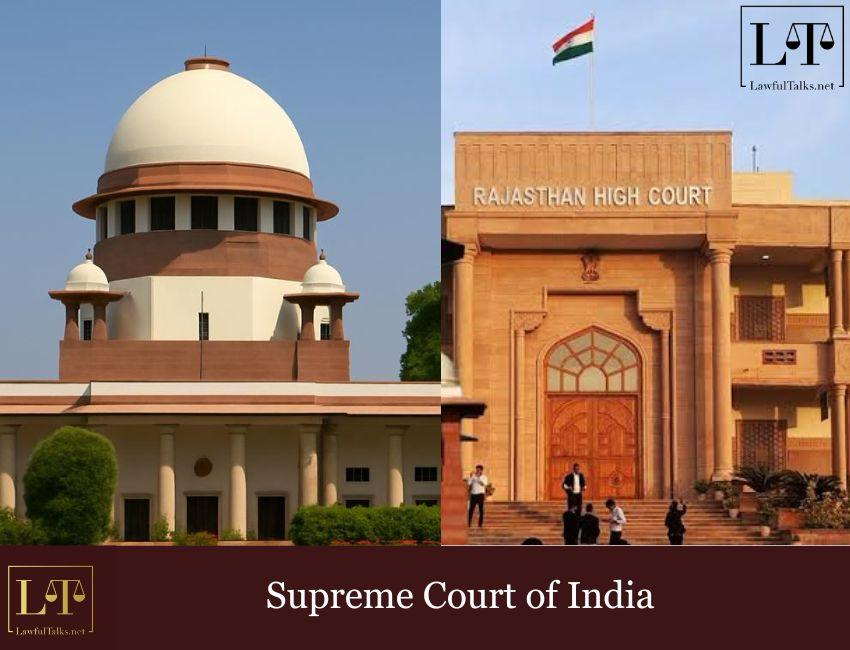
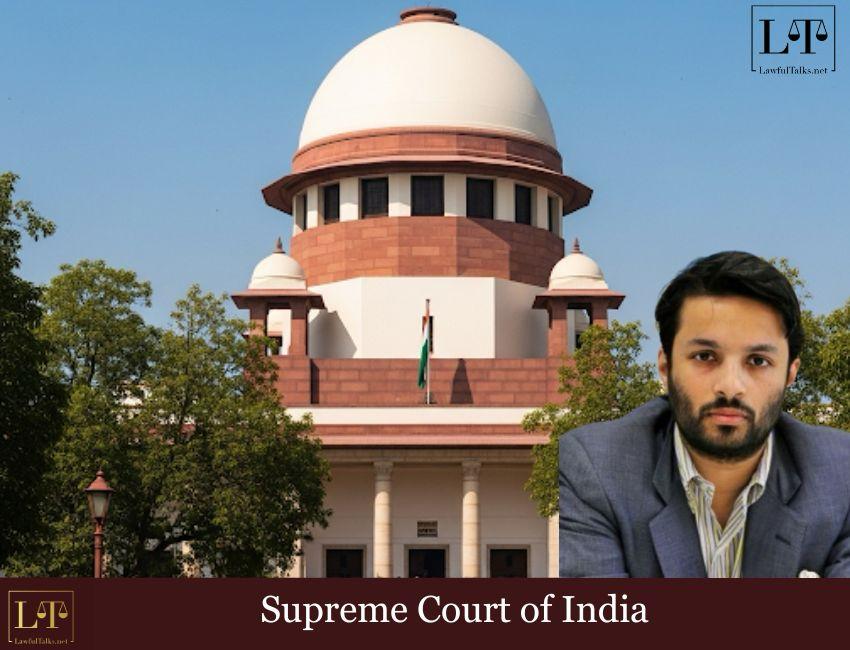
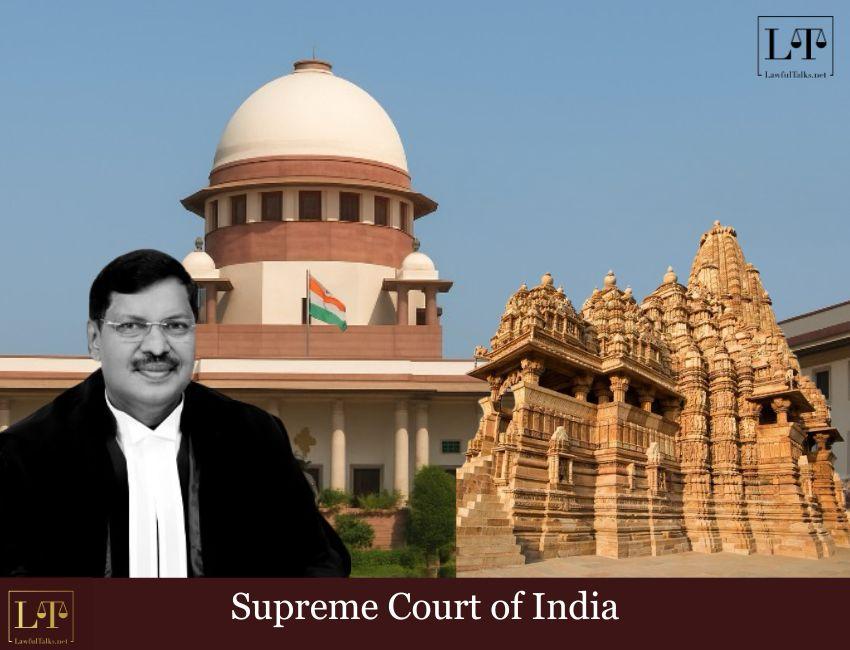
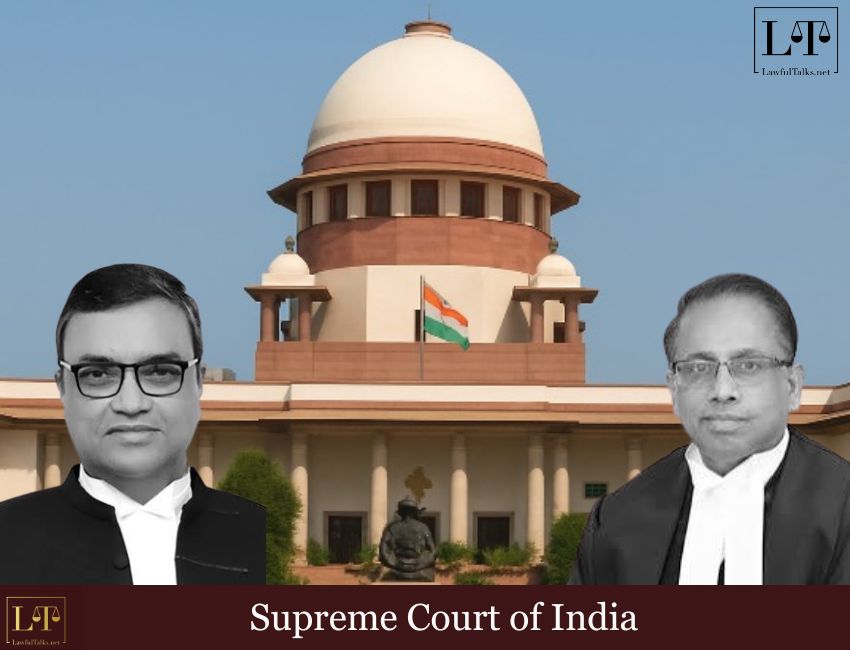
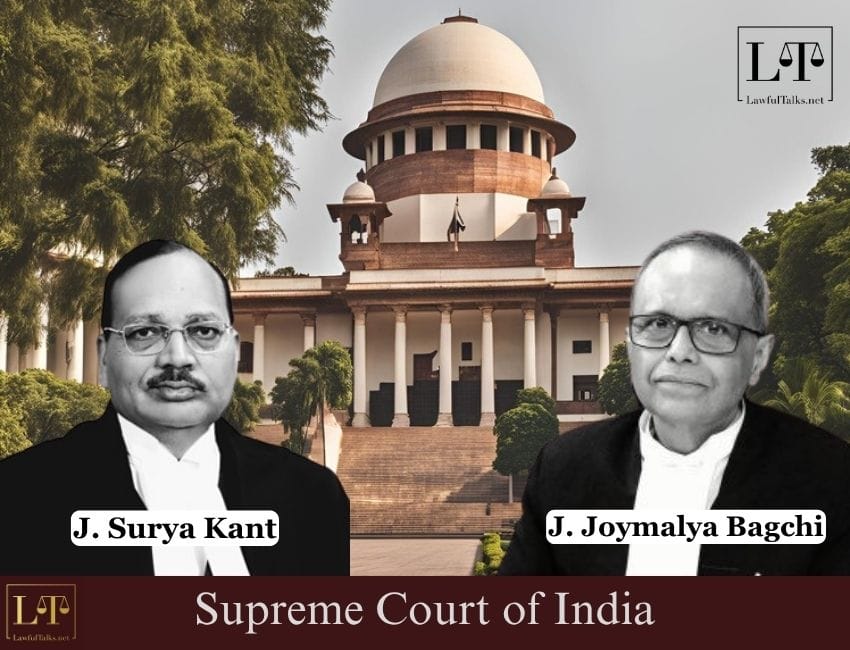
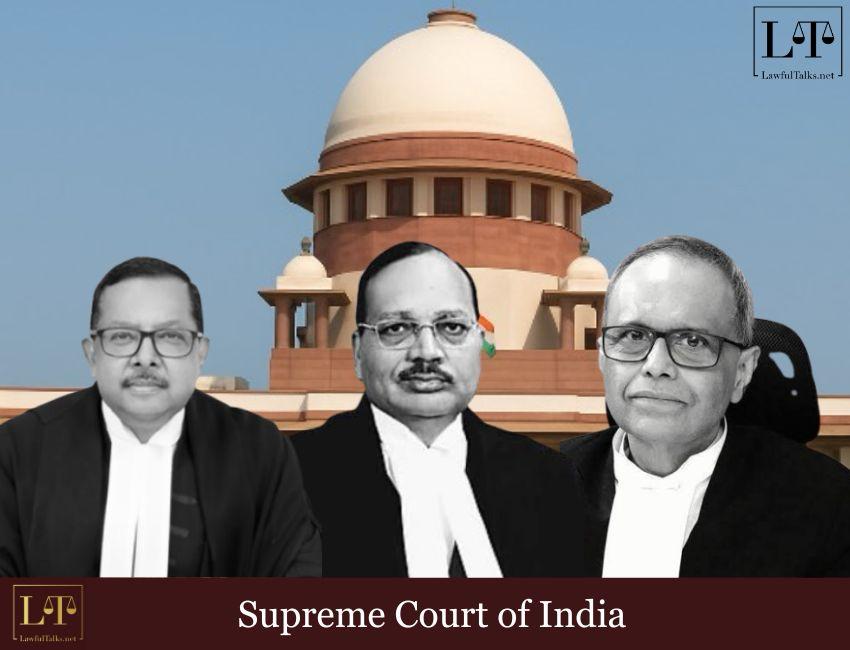
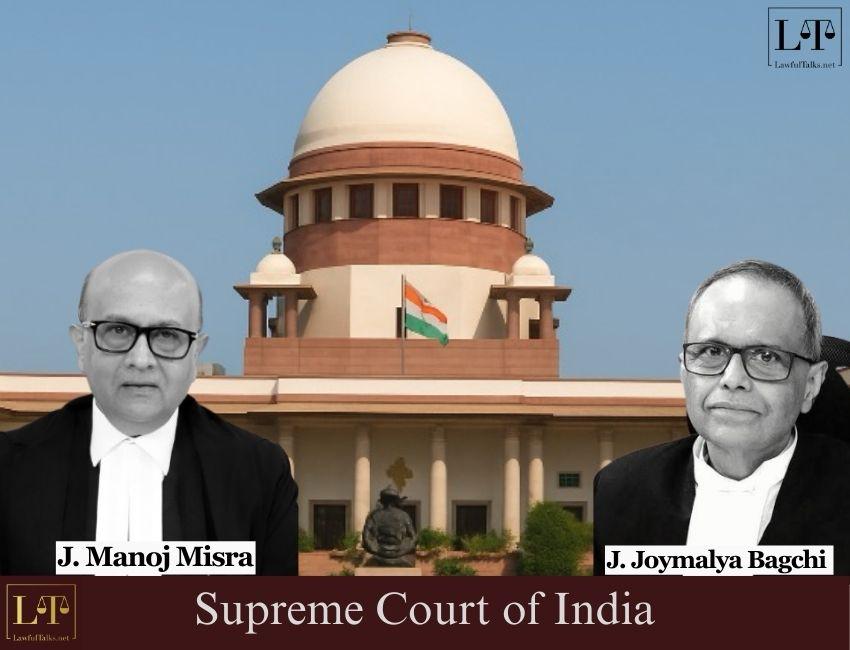
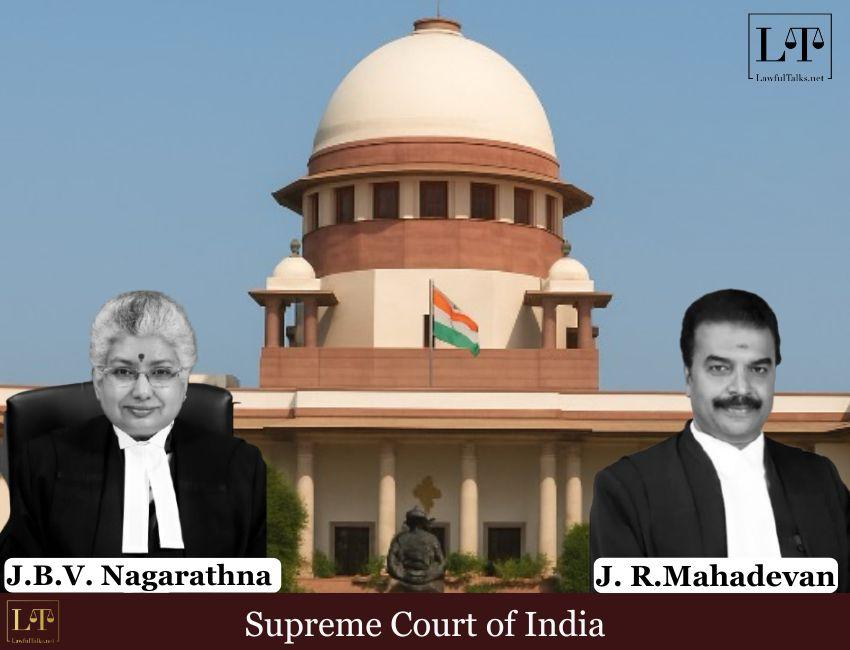
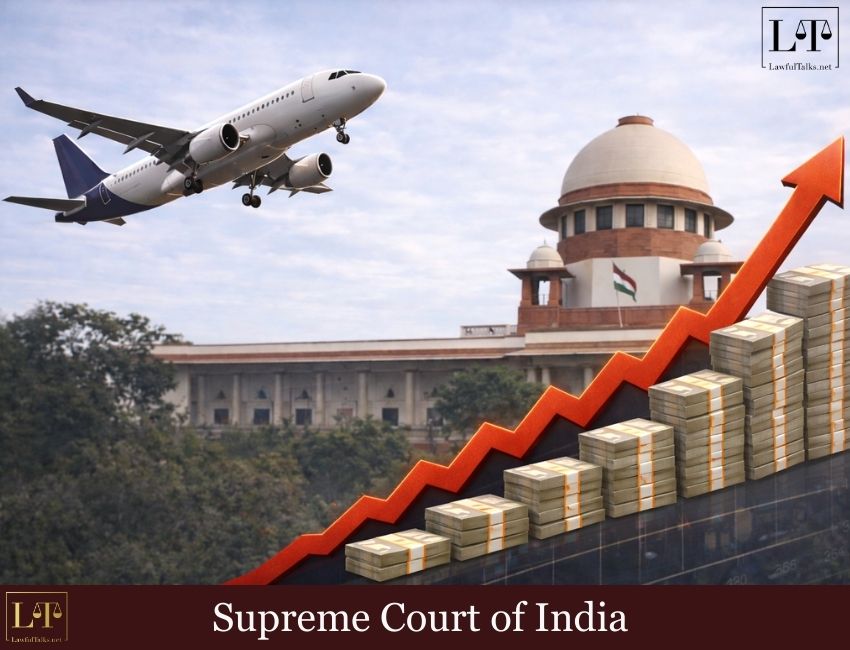
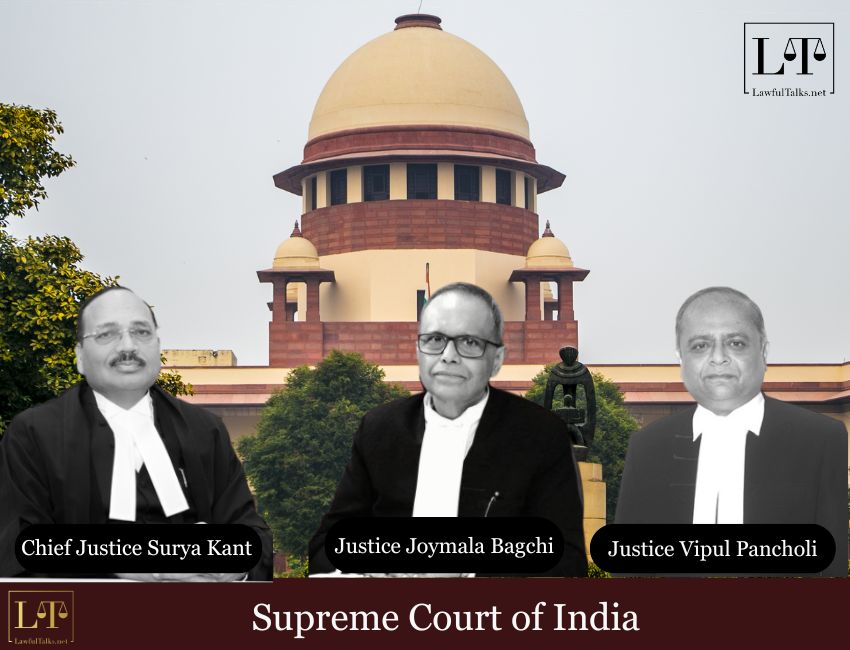
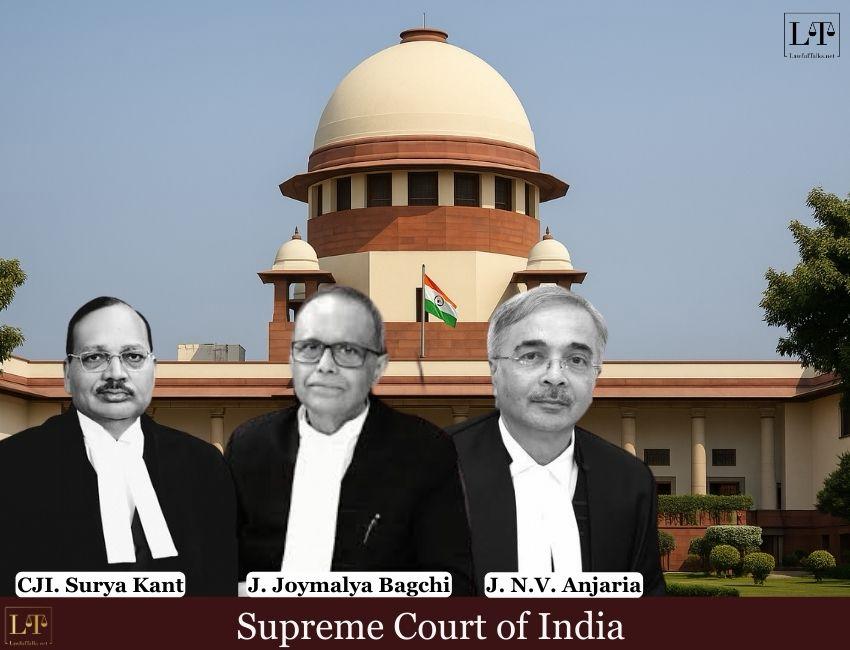
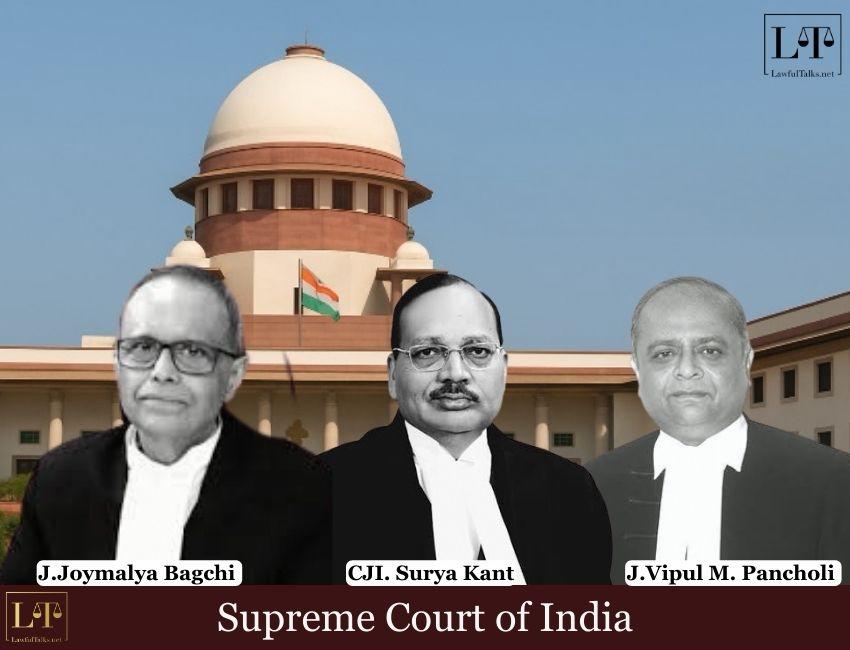
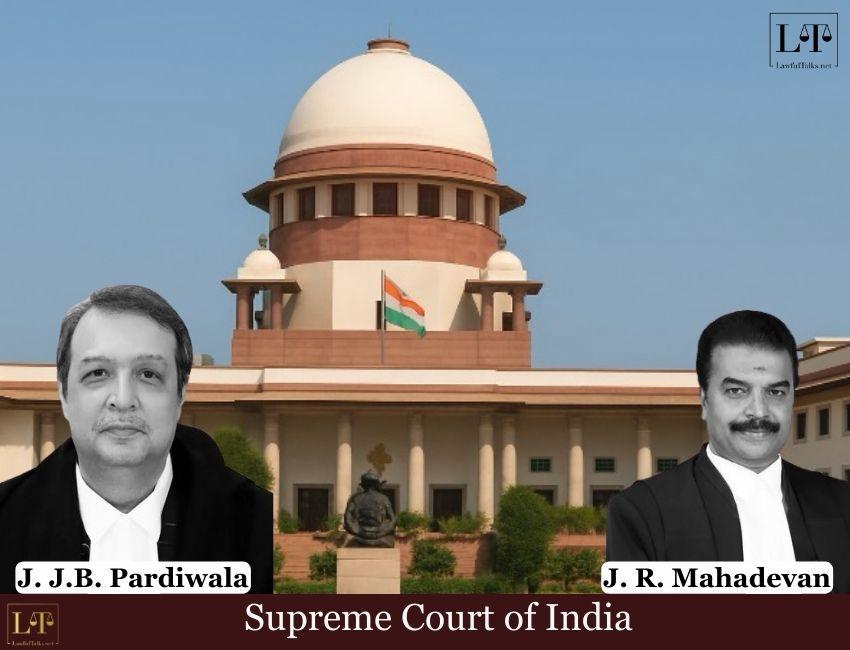
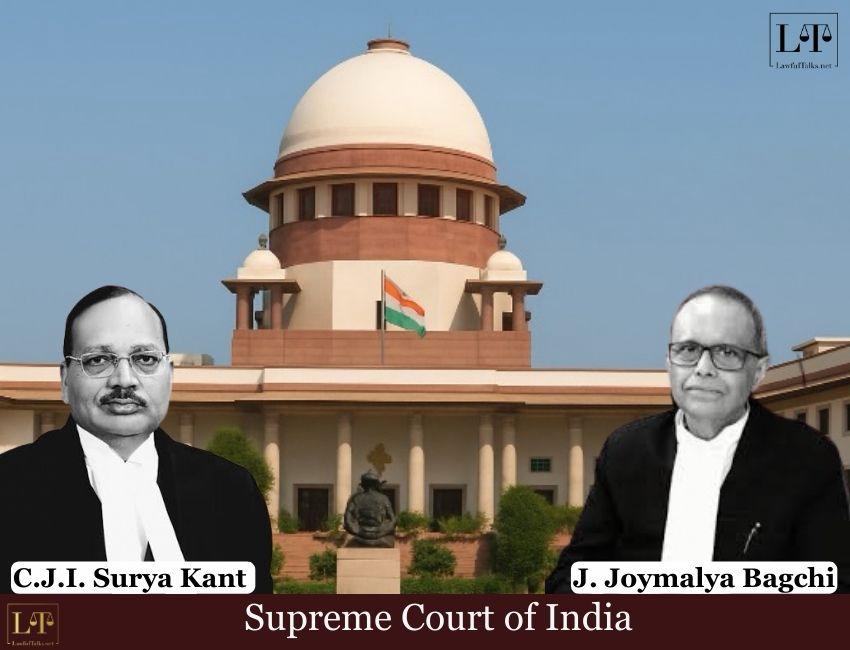
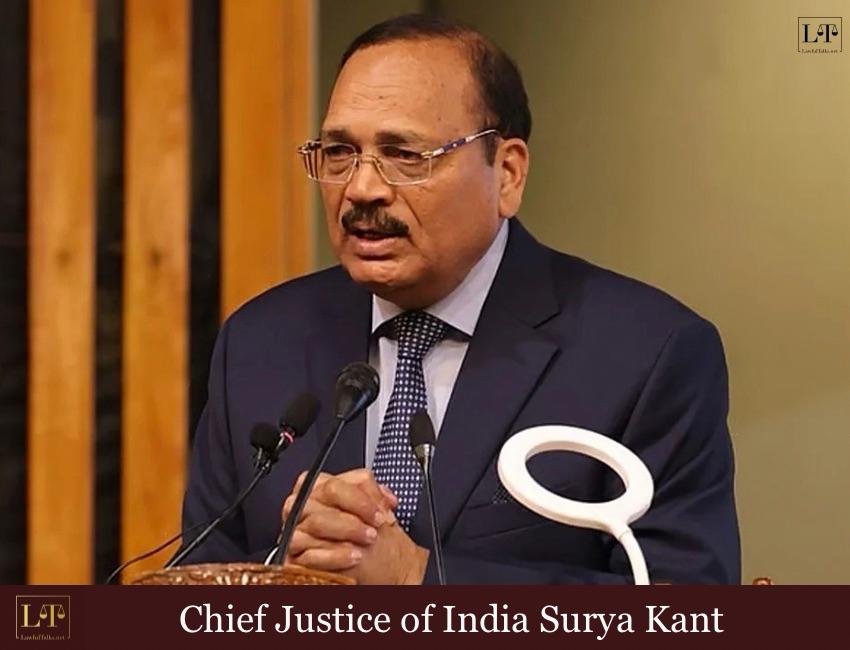
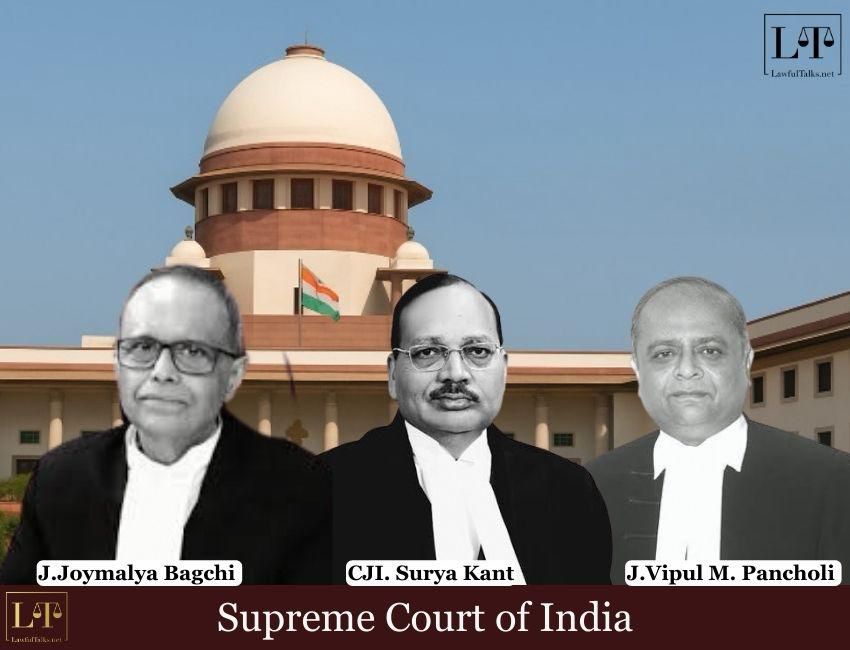
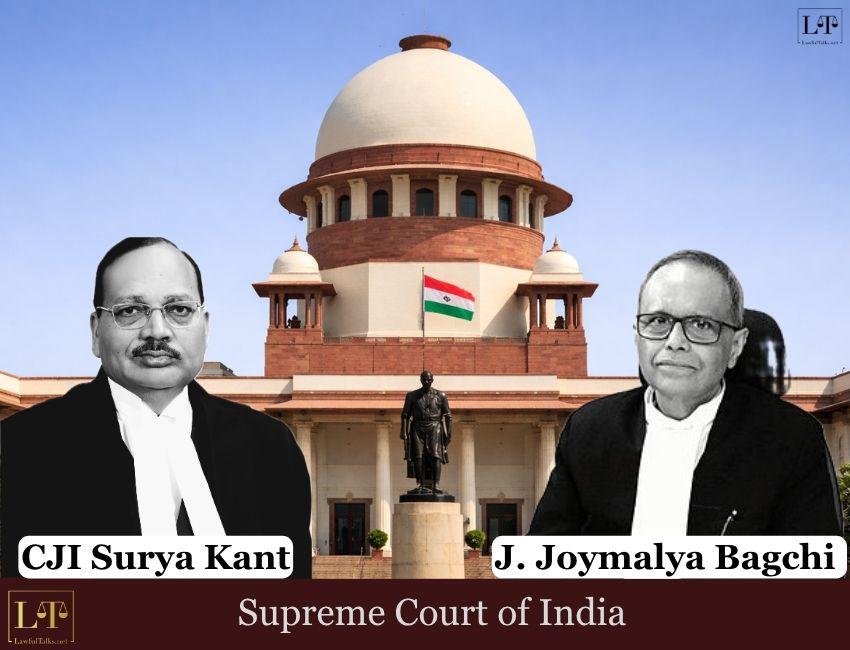
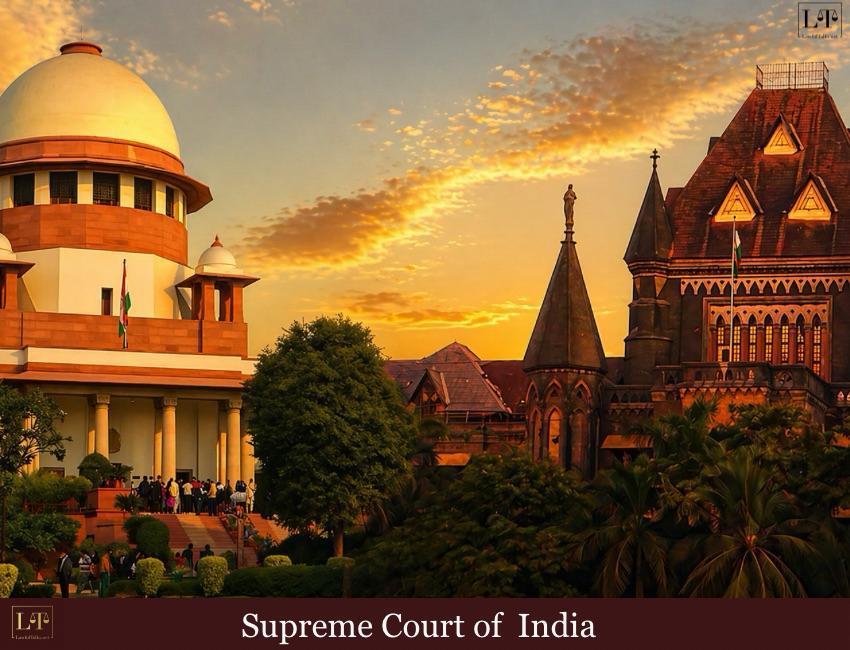
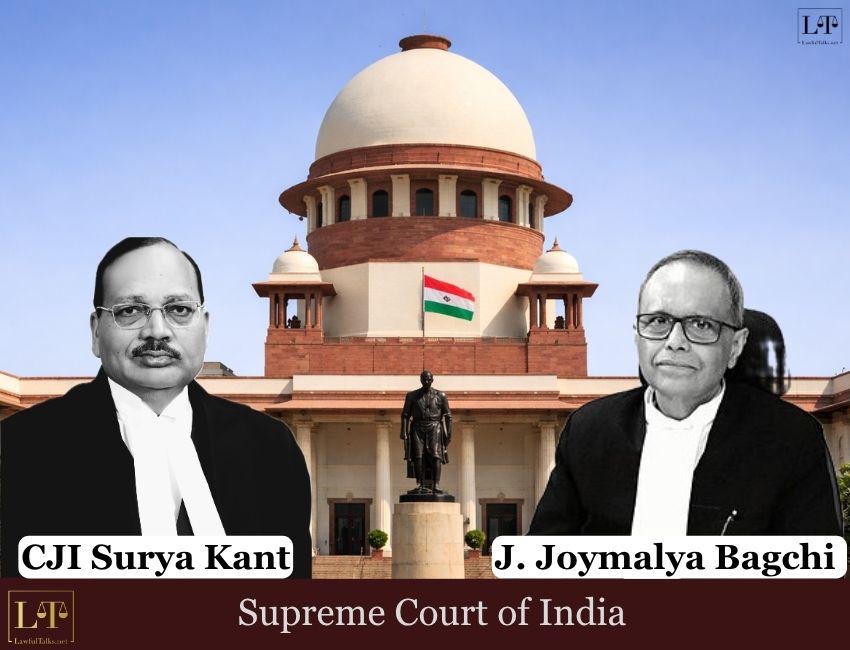
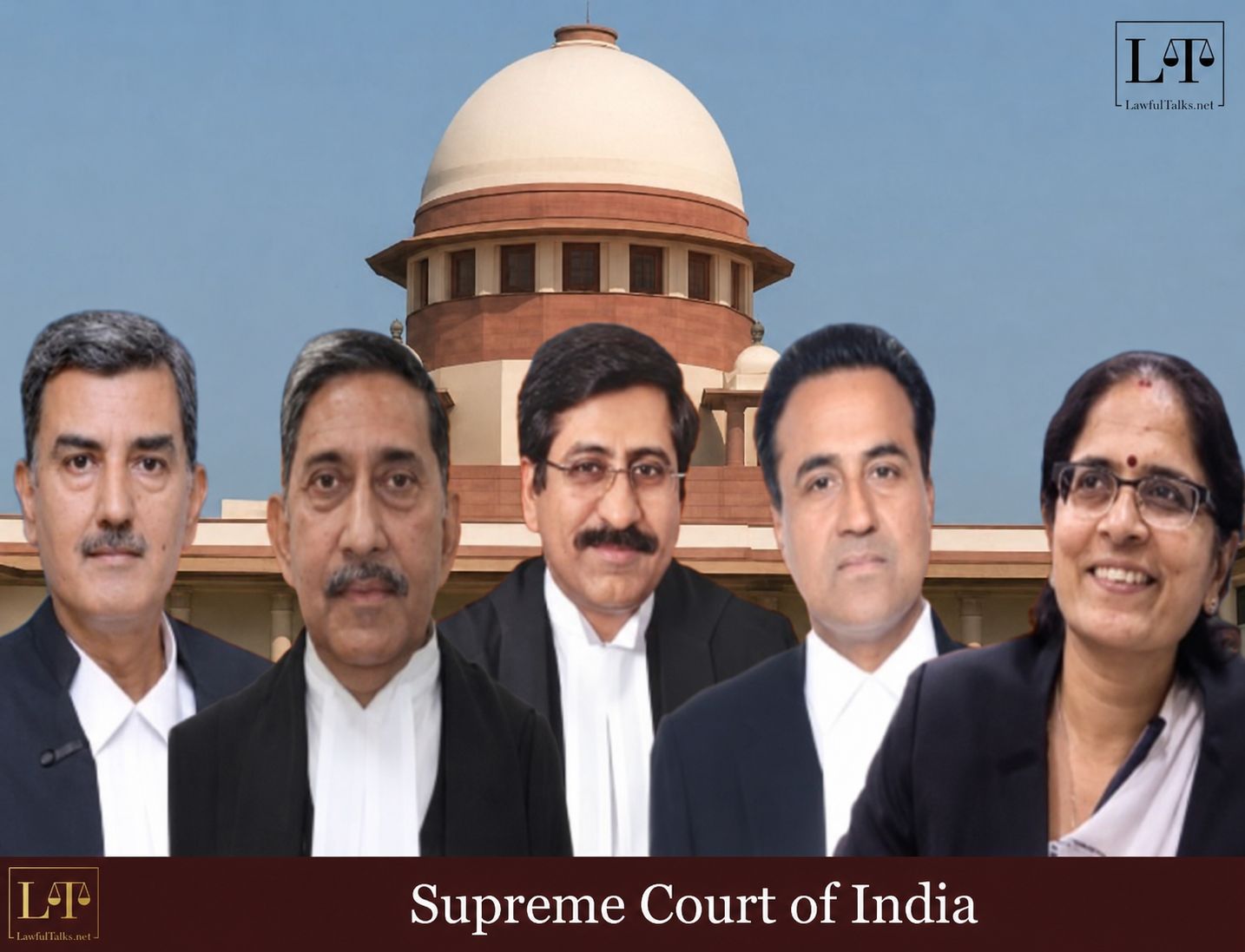
The Supreme Court has declined to entertain a public interest litigation (PIL) that sought to enhance the judge to population ratio to 50 judges per million to curb the pendency of cases nationwide. The petition was brought by the Forum for Fast Justice before a bench led by Chief Justice of India (CJI)Surya Kant and Justices Joymala Bagchi and R Mahadevan.
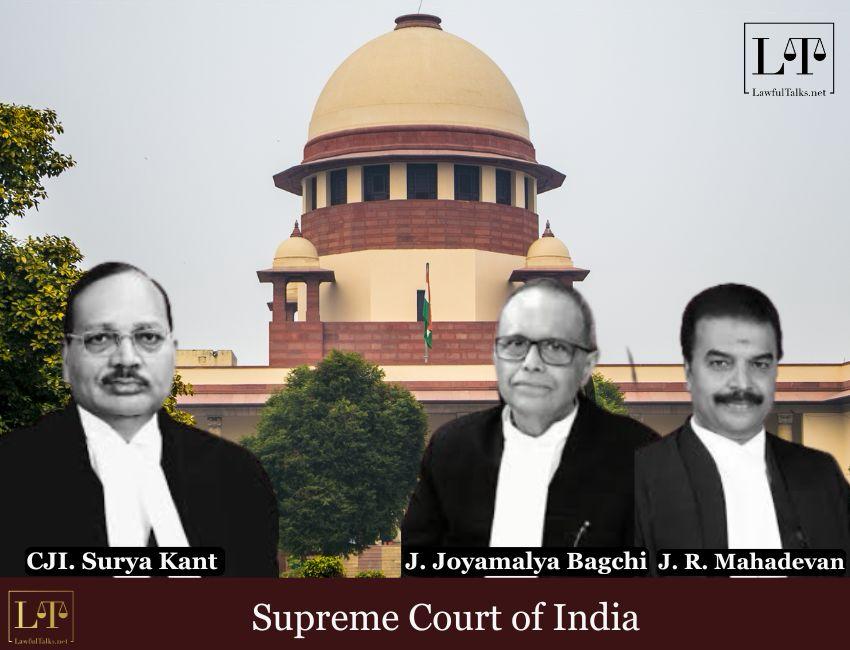
Although initially reluctant to entertain the PIL, the CJI highlighted that the matter should be considered by the administrative side of the court.
Facts:
The petitioner’s advocate pointed out that India currently has only 10.5 judges per million people, far below the suggested standard of 50 judges per million, and argued that judicial strength must be increased urgently. However, the bench held that this was an administrative matter to be considered by the Supreme Court in consultation with other High Courts, and therefore dismissed the PIL.
The petition sought enforcement of earlier Supreme Court directions from Imtiyaz Ahmad V. State of Uttar Pradesh, which had called for adopting a scientific method to improve the judge-to-population ratio. It also referred to directions issued to the National Court Management Systems Committee (NCMSC) to frame a policy for increasing the number of judges and for reducing the pendency of cases across courts in the country.
The plea further relied on the All India Judges Association (2002) decision, which had directed the authorities to “increase judge strength fivefold from 10.5 to 50 per million, to fill up existing vacancies by 2003, to create ad-hoc posts of judges and commensurate infrastructure by 2007”. The petition pointed out that even now, these directions have not been implemented by the concerned government authorities.
The following reliefs were sought by the Petitioners:
A. Issue an order, direction or writ in the nature of mandamus directing the Union of India and State Governments to implement the specific directions passed by this Hon’ble Court in Criminal Appeal No. 254-262 of 2012 titled ‘Imtiyaz Ahmad Vs. State of U.P. and others’ and All India Judges Association (2002) 2002 (2) SCR 712 by framing a time-bound National Judicial Manpower Plan to achieve 50 judges per million population.;
B. Direct the NCMSC to formulate a scientific method for determining the basis for computing the required number of judges for the High Court and the Supreme Court of India on urgent basis in addition to the required number of judges in the District Courts on an ongoing basis every 5 years; and
C. Direct the respondents to formulate a master plan of 5 years to finish the pending litigations in various courts by suitable means such as employing and taking assistance of the suitable retired judicial officers, suitable members of the Bar and other legal experts by appointing them as ad-hoc judges, if so required; and
D. Direct the Union and State Government to assess year wise progress of judicial infrastructure and facilities in the Courts and making available the required infrastructure, services, facilities, technology tools, equipment and suitably trained manpower that meets the needs and expectations of the litigants for a fast, transparent, efficient and cost effective justice without burdening the judicial officers with unbearable, unmanageable and irrational workload; and
E. Direct the Government of India and State Governments to allocate adequate budgetary support to the judiciary, legal aid systems and alternative disputes settlement mechanisms; and
F. Appoint expert panel of legal luminaries (watchdog) to advice and suggest necessary ways and means to improve condition of judiciary and its infrastructure considering ground realities and current needs and aspirations of the people of India; and
G. Direct application of appropriate state of the art technology tools including blockchain, Artificial Intelligence and other information and communication technology tools to impart speedy, transparent, fair and efficient justice delivery system to the people of India; and
H. Make the Hon'ble Supreme Court of India, or any other designated authority considered appropriate for the purpose, responsible and accountable for monitoring and exercising regulatory control, superintendence and discipline over the organs involved in the planning of speedy and effective administration of justice.
The bench agreed that the issue required administrative consideration by the Supreme Court in consultation with other High Courts and consequently the PIL was dismissed.
Case Details: FORUM FOR FAST JUSTICE AND ANR. Vs. UNION OF INDIA AND ORS W.P. (c) No. 48/2026






























































































































































































































































































Sign up for free and be the first to get notified about curated content just for you.