“After Bail, No Daily Court Parade: SC Slams Mandatory Appearance Orders”

- January 19, 2026


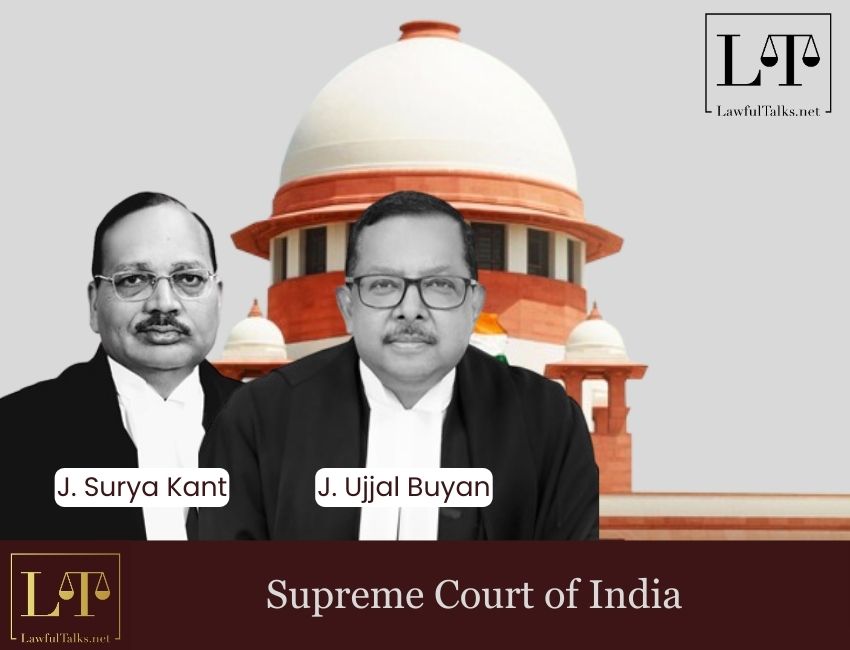
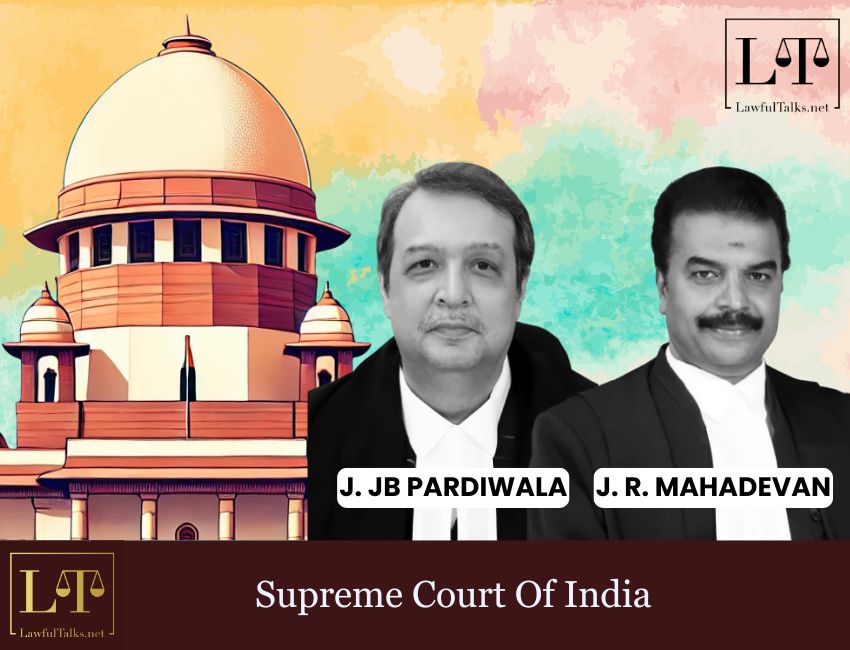
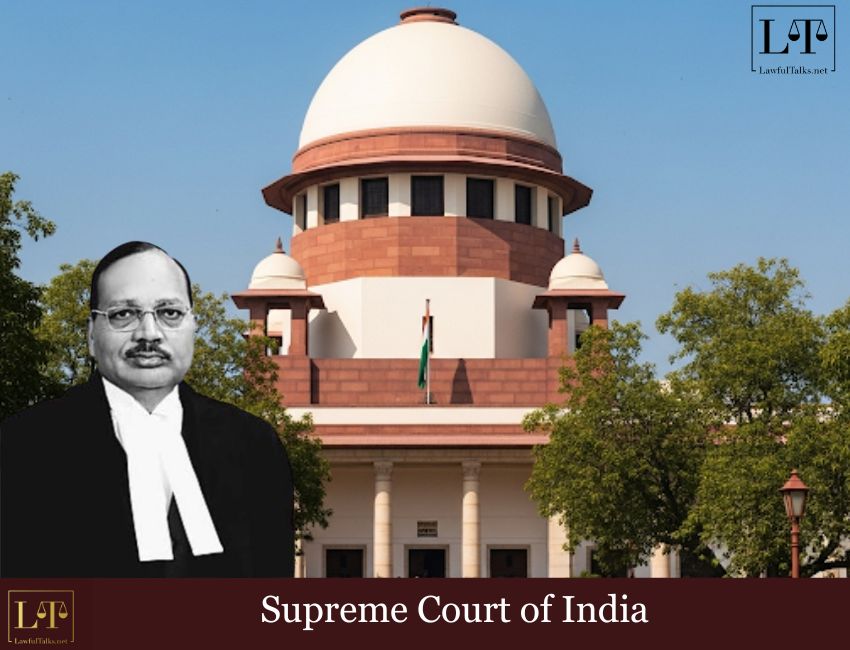
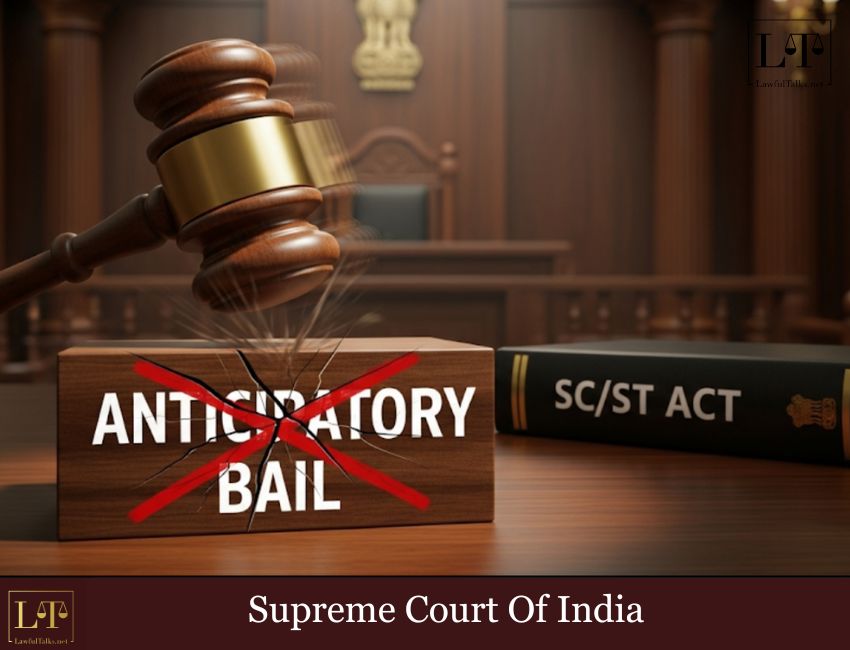
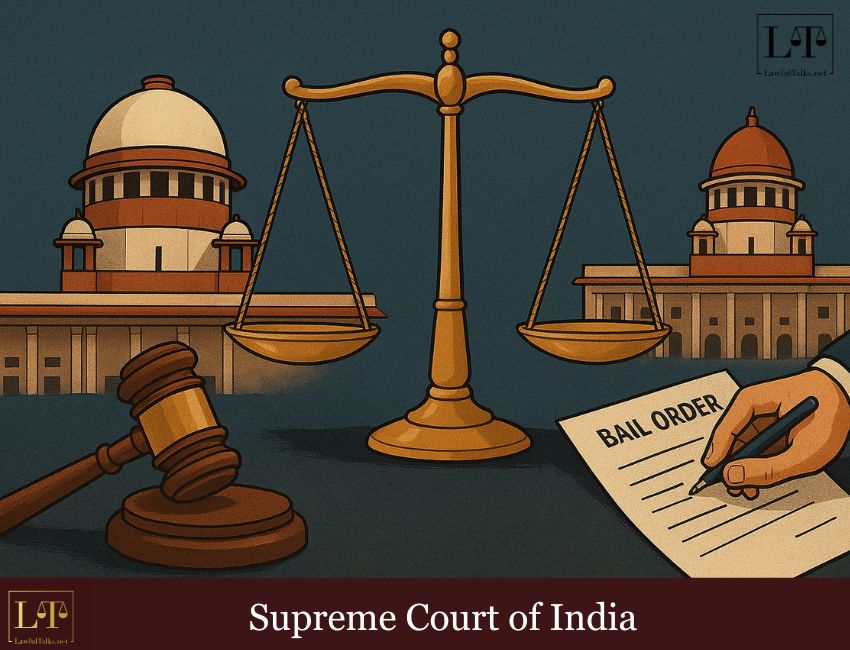
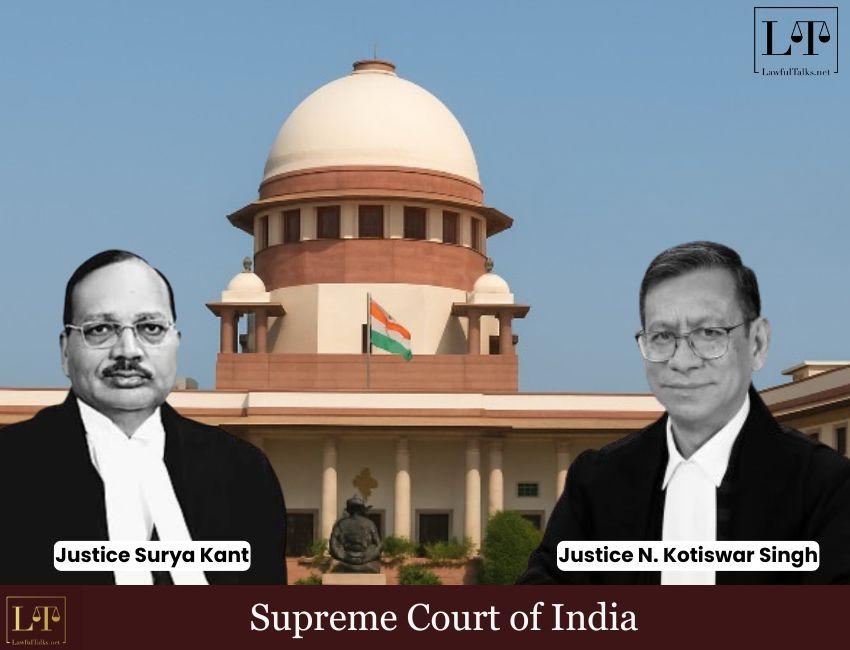
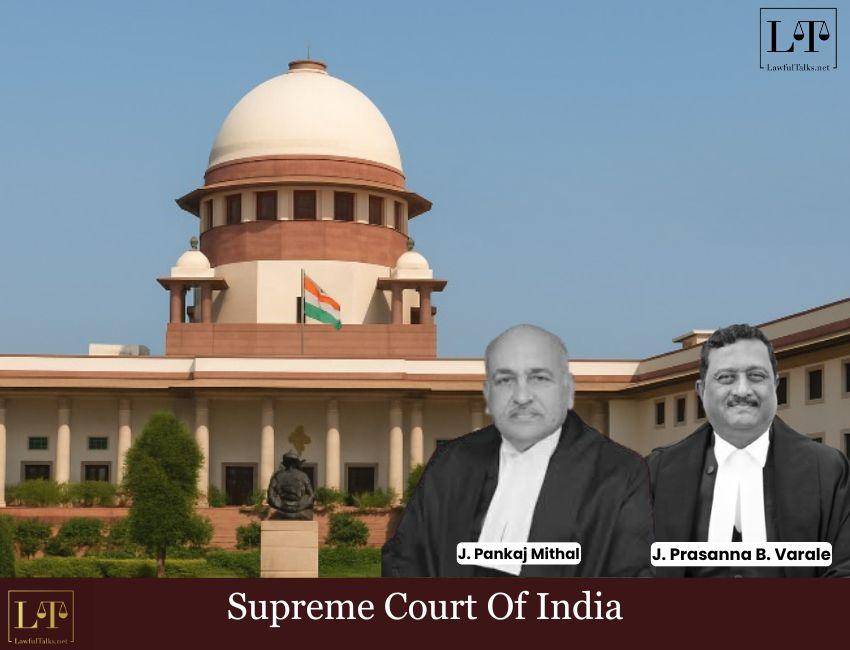
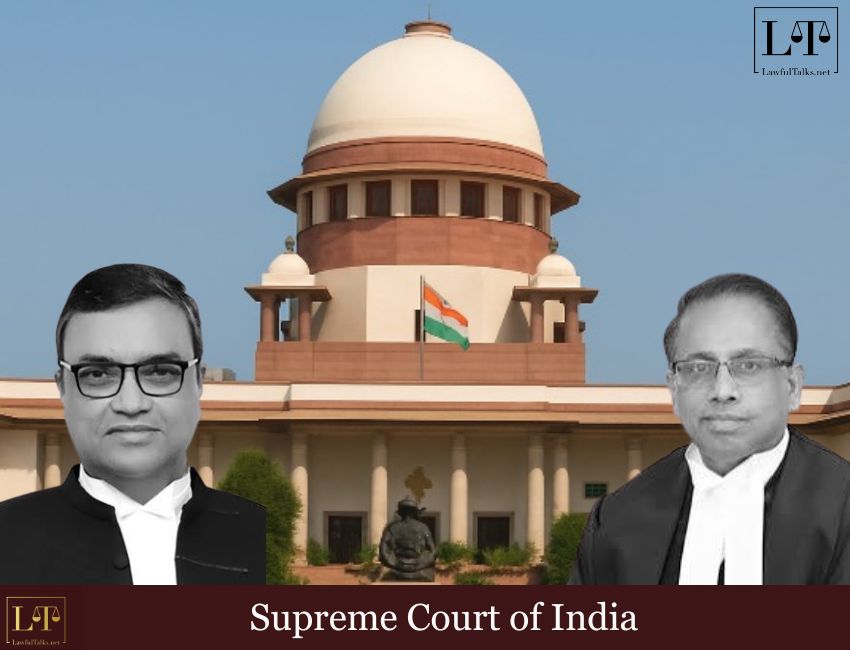
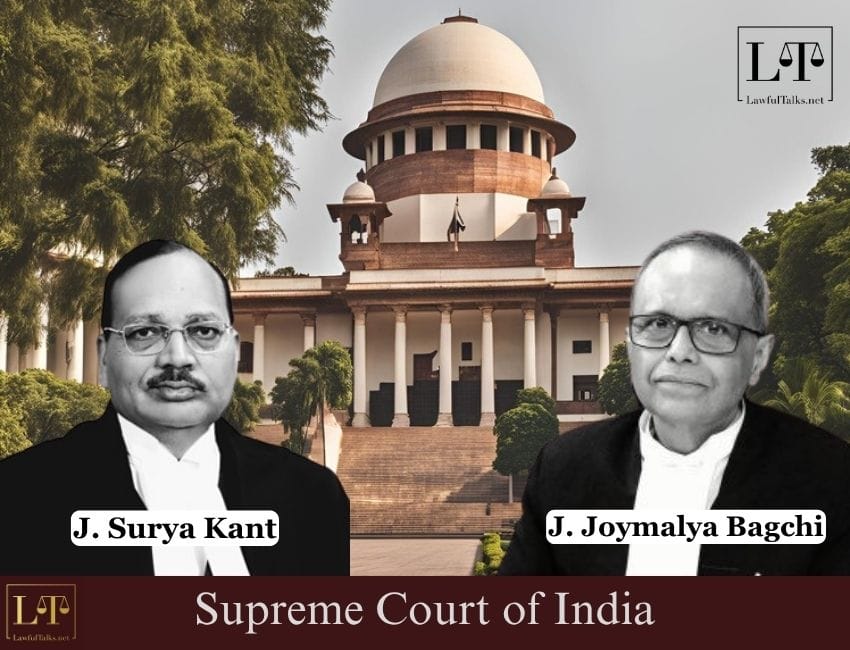
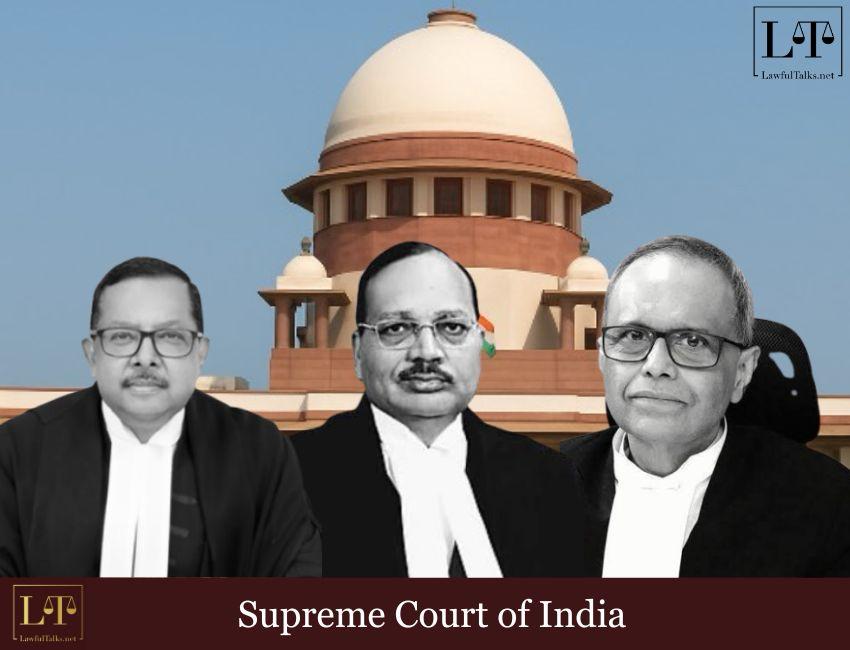
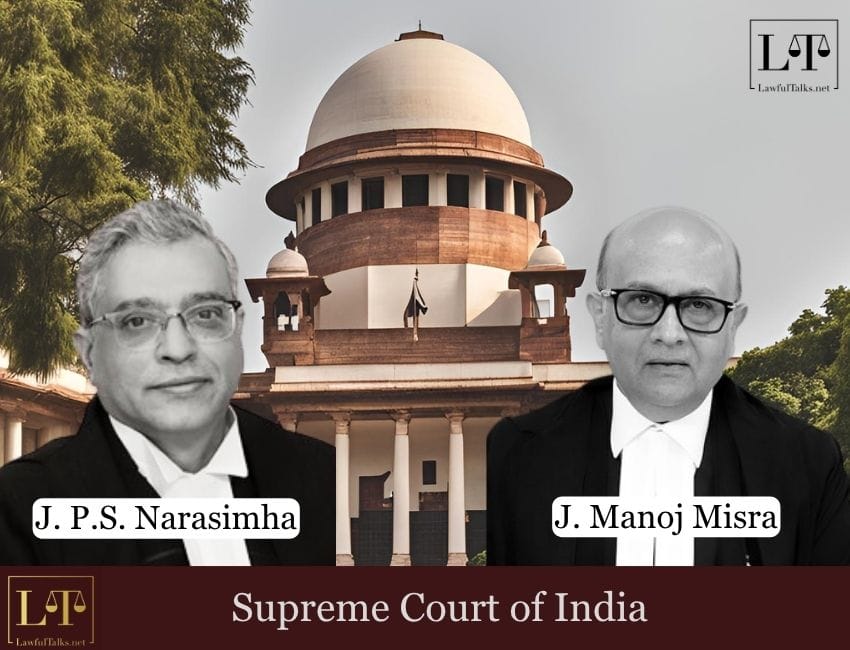
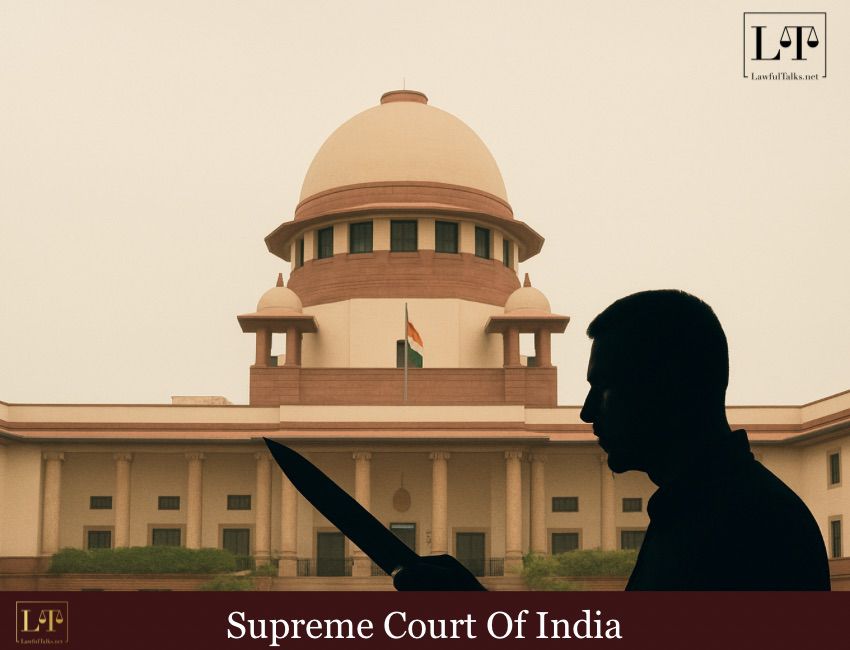
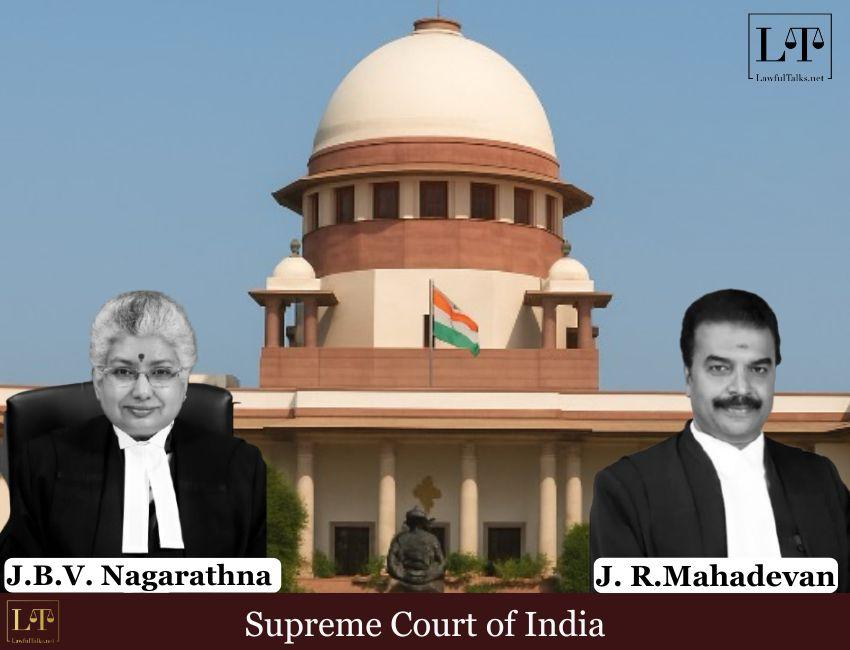
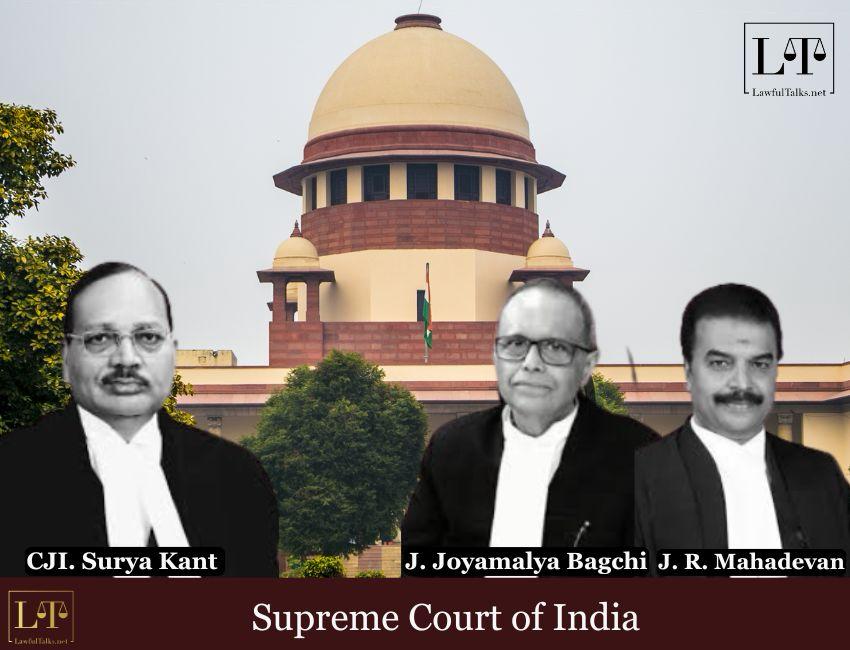
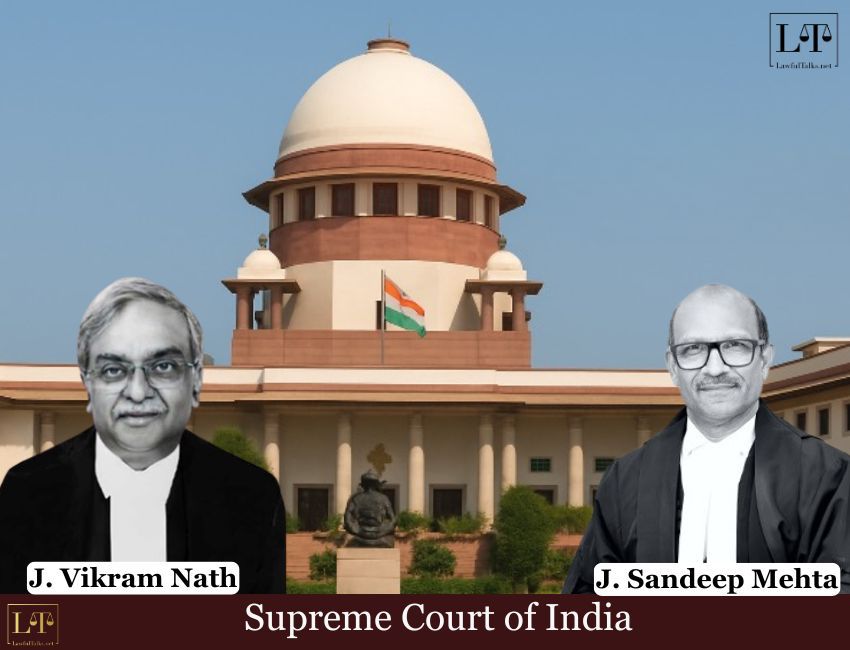
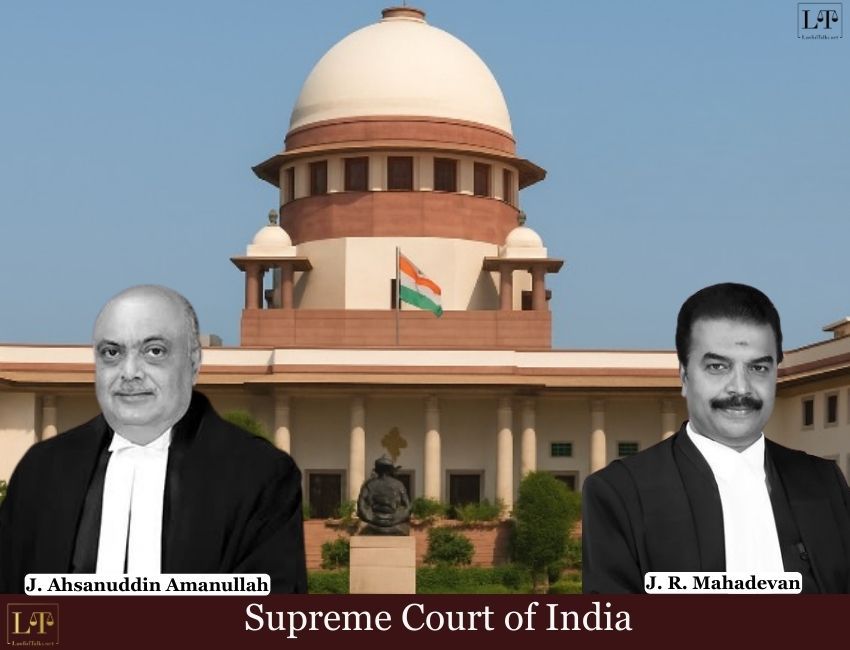
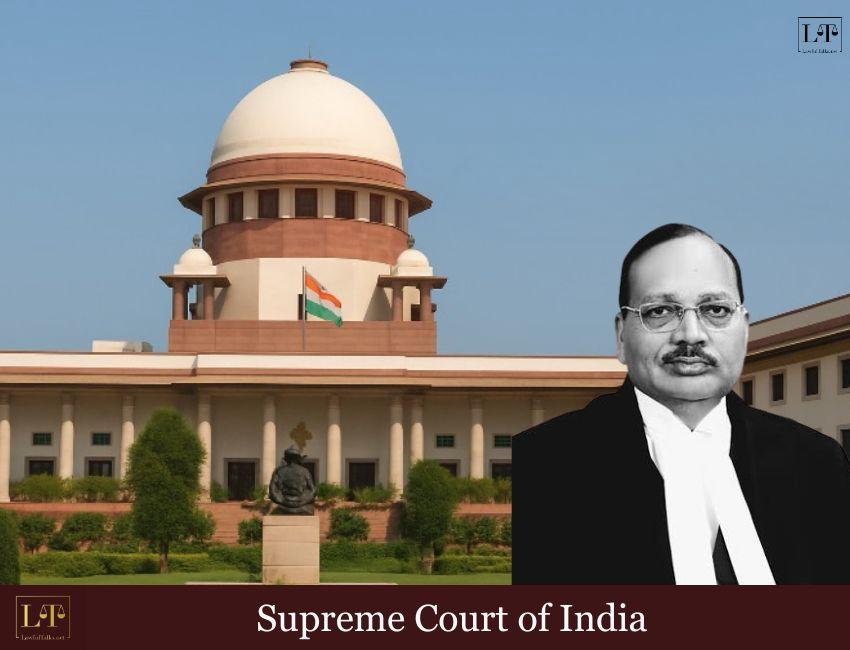
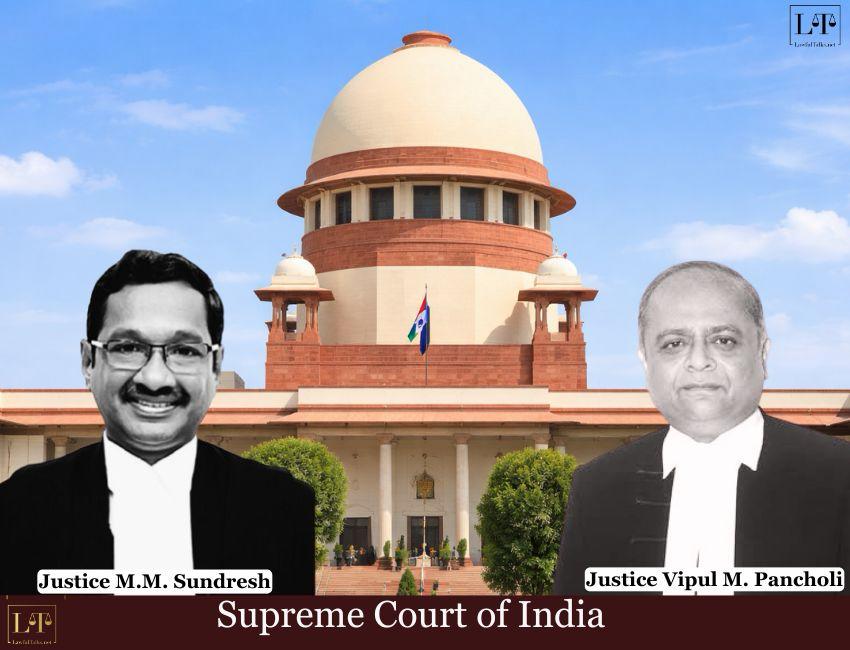
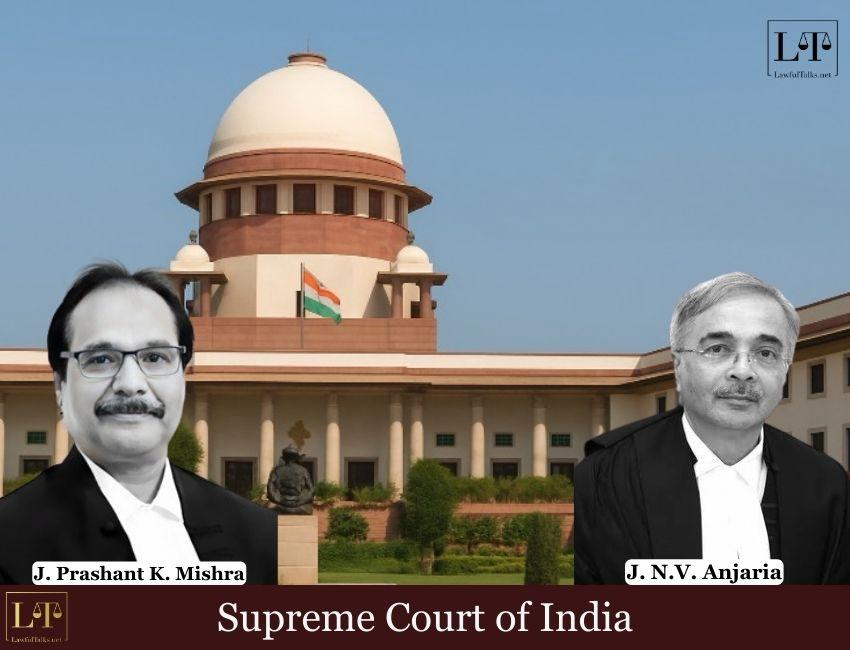
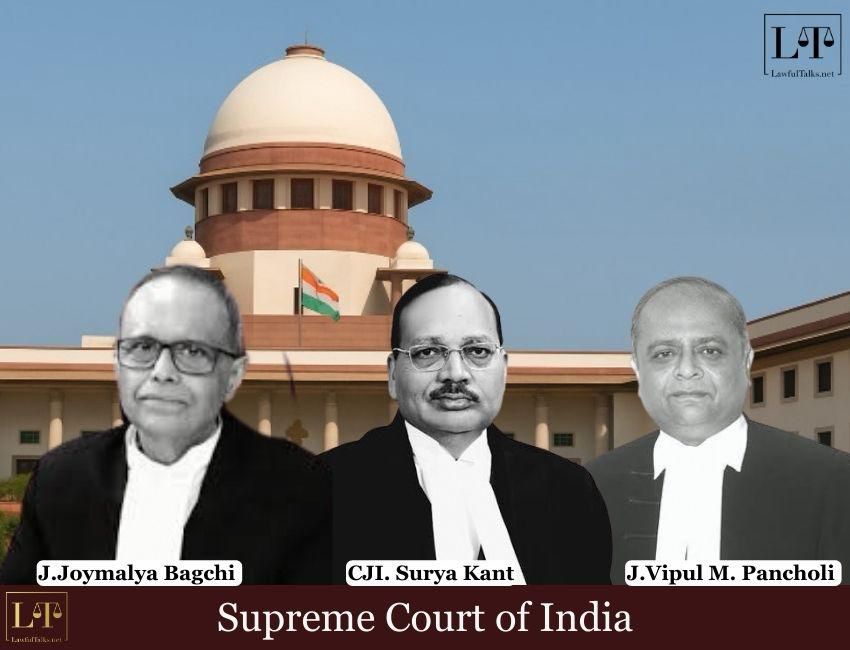
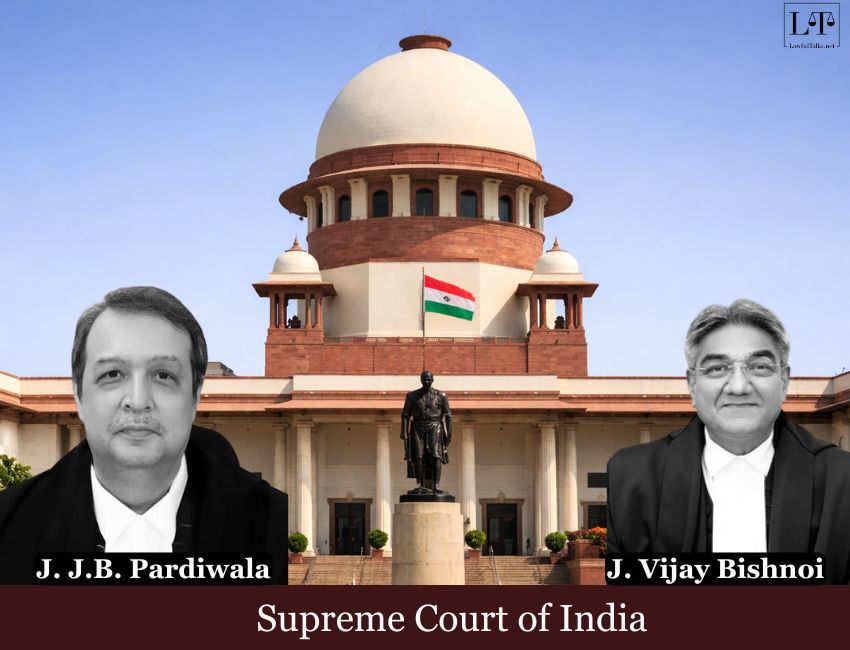
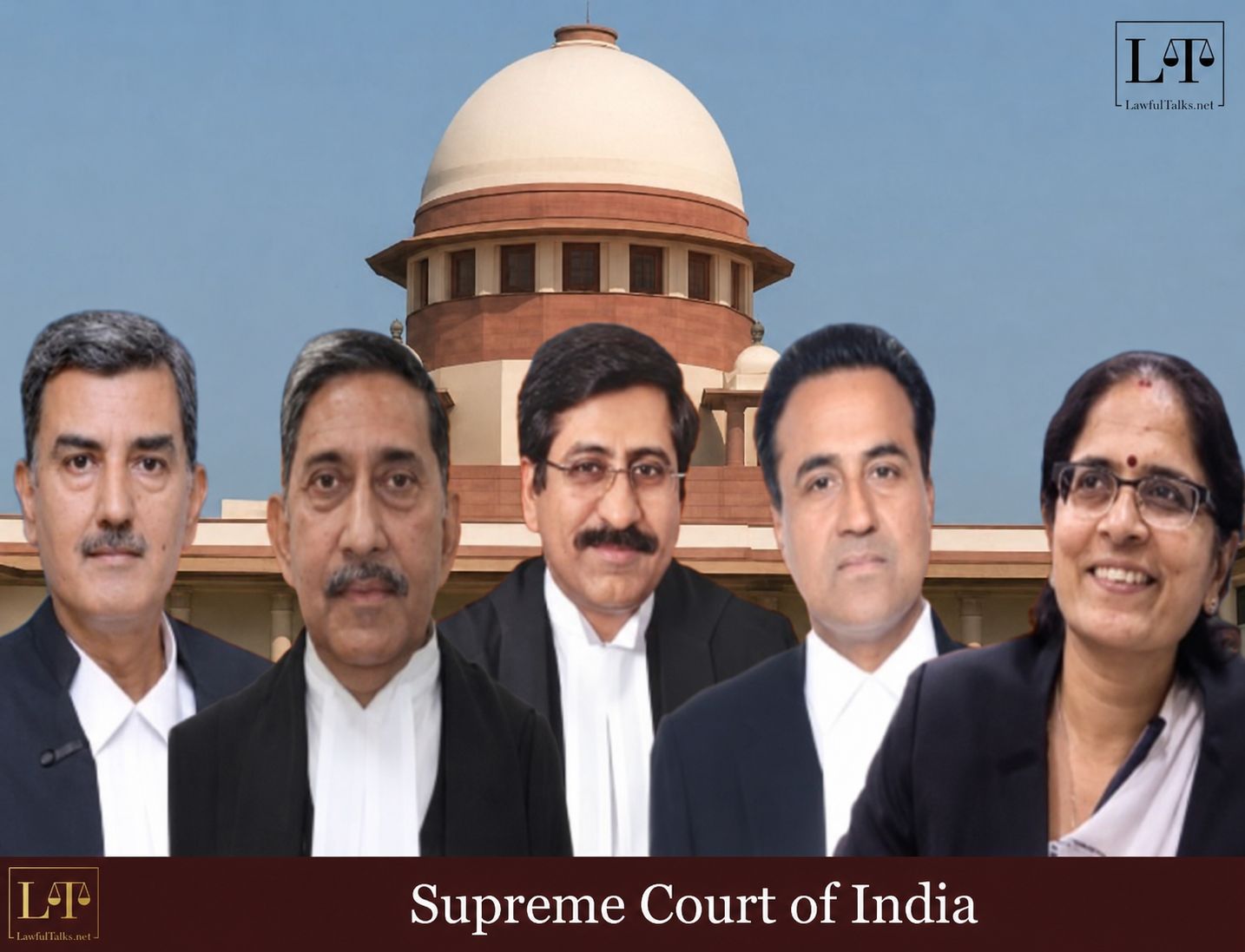
Justice Aravind Kumar and Justice Prasanna B Varale of the Supreme Court recently ruled that compelling an accused to attend every appellate hearing becomes unnecessary once their sentence is suspended and bail approved.
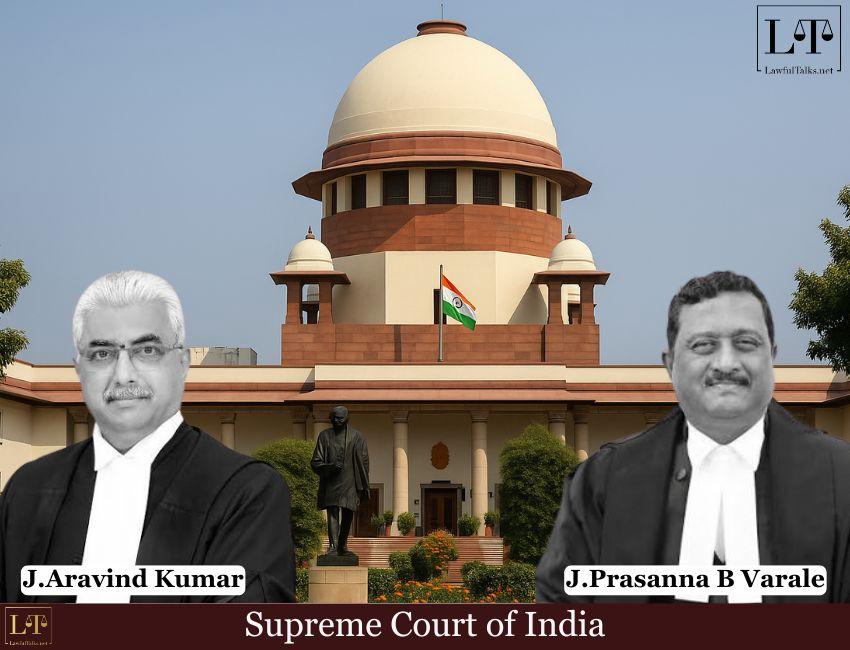
"The appeal before the Appellate Court many a times would be pending for months or years together and many a times after being posted before the Court for hearing it would be adjourned for myriad reasons namely either at the instance of the appellant - accused or the State or the complainant etc. However, in such circumstances, to call upon the accused to be present on every date of hearing before the Revisional Court or the Appellate Court would be burdensome to such accused and same is not warranted at all and it would serve no purpose", the bench observed.
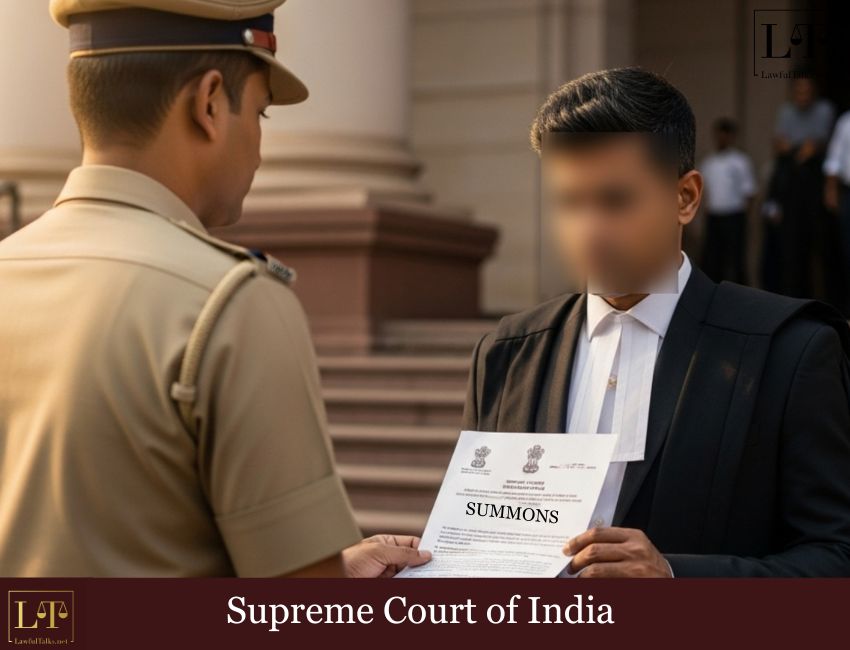
The Court emphasized that dismissal of the appeal or revision would automatically have legal consequences, allowing the local magistrate to summon the accused whenever required.
Background:
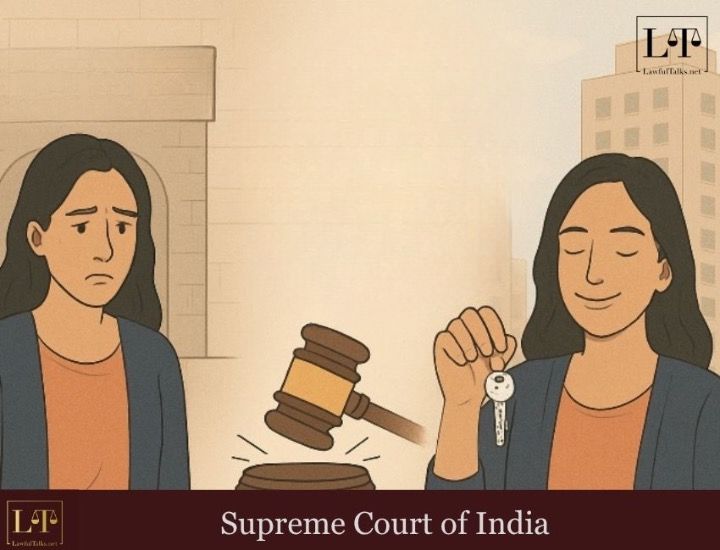
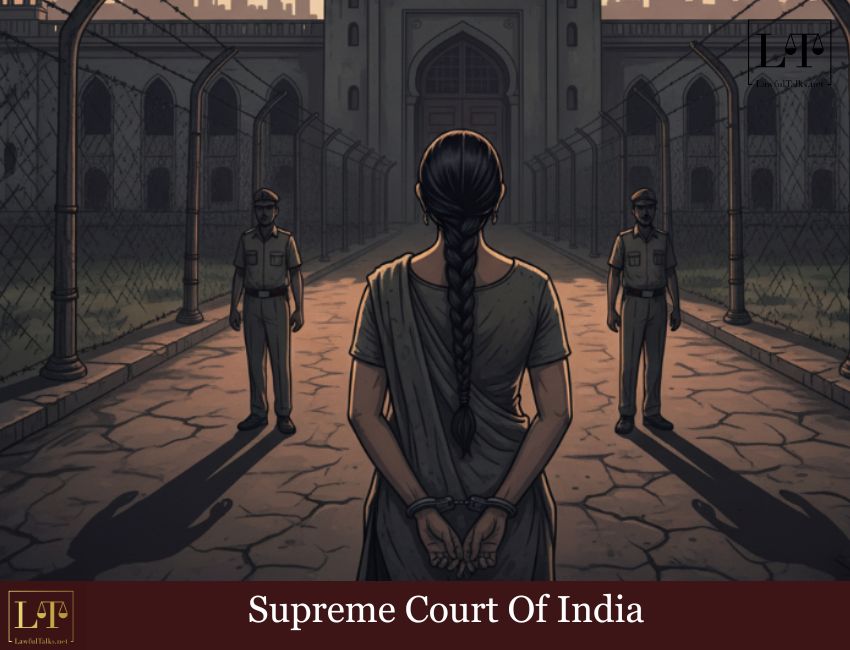
The observation was made in a cheque dishonour case. The appellant had been convicted but was granted suspension of sentence and bail during the pendency of her appeal. The situation worsened when the appellate court cancelled her bail and issued a non-bailable warrant, citing repeated changes of counsel. She was arrested, her bail application was rejected, and she then approached the High Court. After that, she moved the Supreme Court against an order refusing adjournment.
While issuing notice, the Supreme Court strongly criticised the appellate court for insisting on the appellant’s presence on every date of hearing, calling it “appalling” and “shocking”. The Court said:
“It is appalling and shocking to note that appellate court having insisted for appearance of the appellant on every date of hearing particularly in the backdrop of the suspension of sentence already passed. Prima facie the course open for the appellate court was to either appoint an amicus curiae and hear the appeal on merits and pass appropriate orders thereon or grant an opportunity to the concerned appellant-accused to make alternate arrangement if counsel was not assisting the Court.”
At the latest hearing, a senior advocate appearing for the State of Haryana informed the Court that this practice of requiring the accused to remain present on every date of hearing continues across the State, even after suspension of sentence and grant of bail. He referred to Form No. 45 (Bond and Bail-Bond for attendance before the Officer in Charge of a Police Station or Court) in Schedule II of the CrPC, and said that the undertaking in the bond to attend court is relied upon by appellate and revisional courts to issue such directions.
Supreme Court’s Order:
In response, the Supreme Court issued its directive and ordered that a copy of the judgment be sent to the Chief Justice of the Punjab and Haryana High Court for circulation to all district courts. The Court also directed that the appellant’s bail would continue until the final disposal of her criminal appeal, and asked her to fully cooperate so that the appeal can be decided expeditiously.
Case Details: MEENAKSHI v. STATE OF HARYANA, SLP(Crl) No. 19050/2025
































































































































































































Sign up for free and be the first to get notified about curated content just for you.