From Gallows To Curative Court: SC Revives Red Fort Attack Death Sentence Challenge

- January 22, 2026


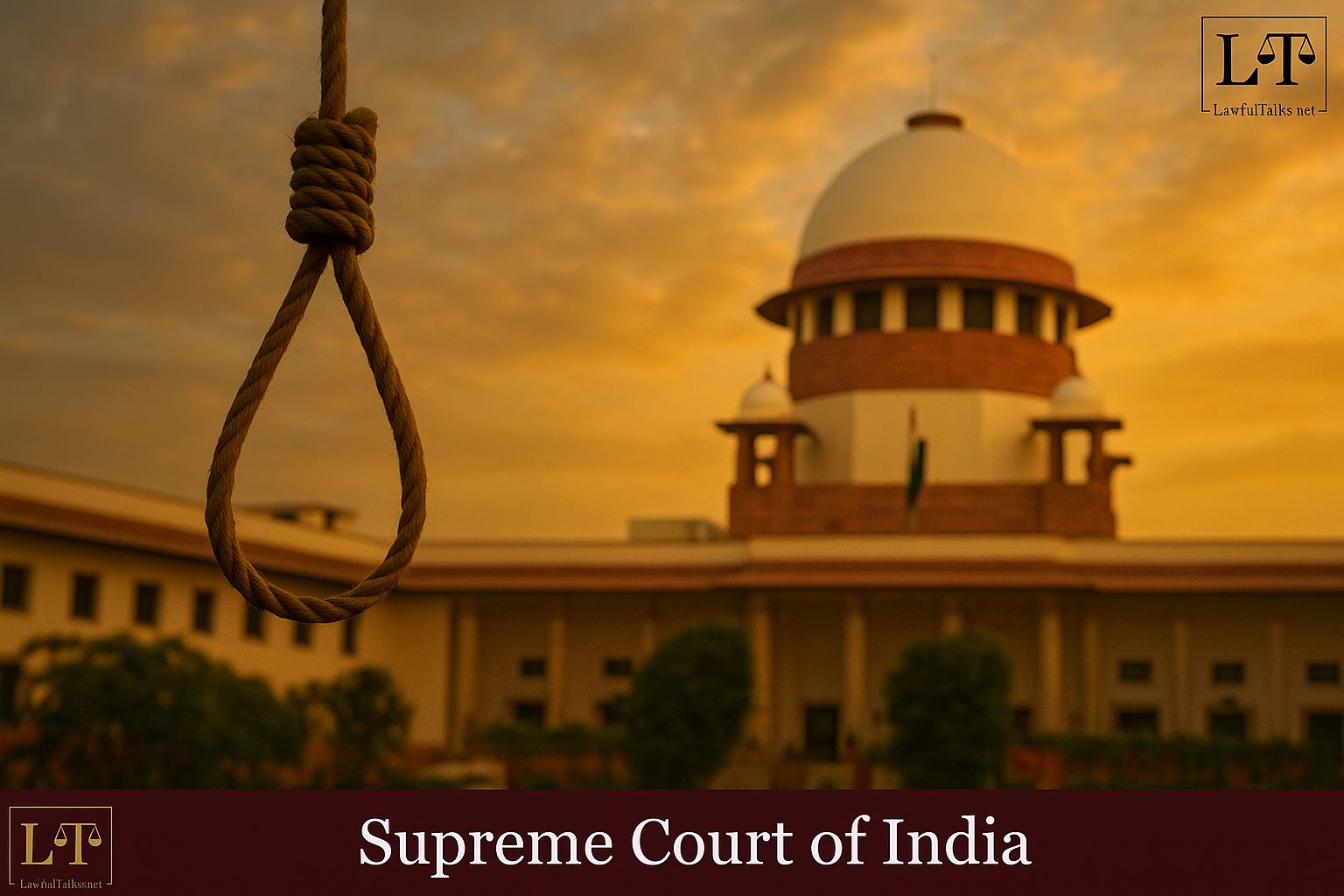
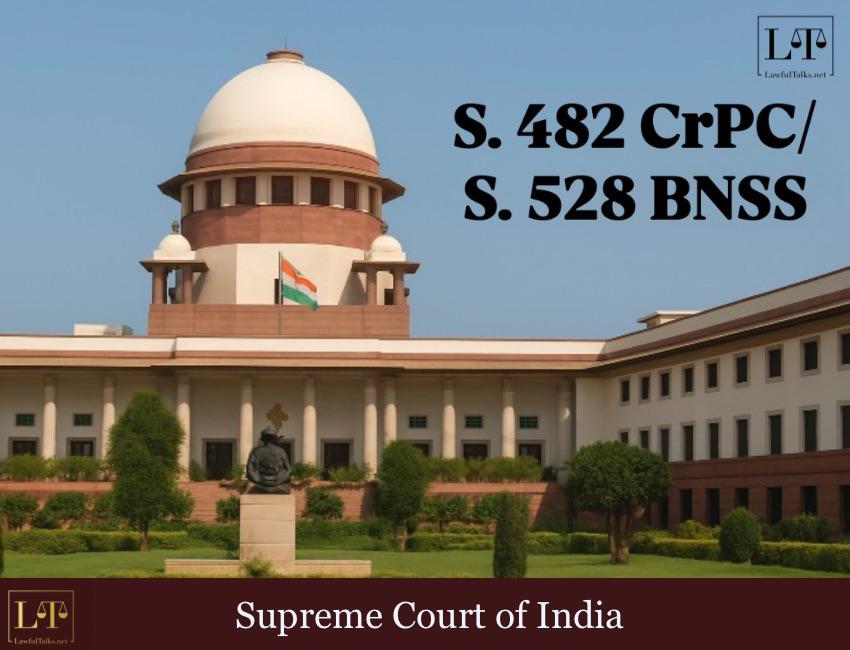
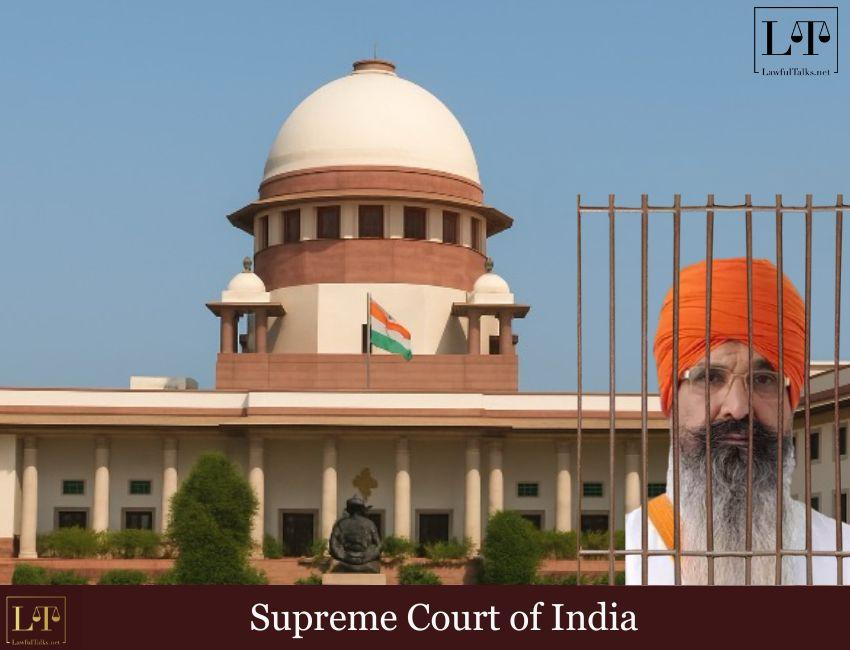
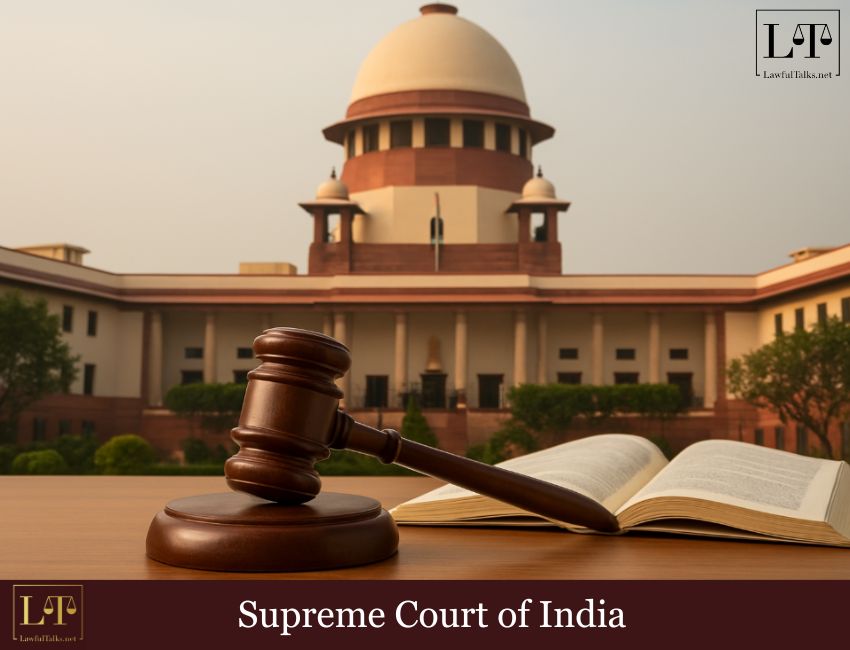
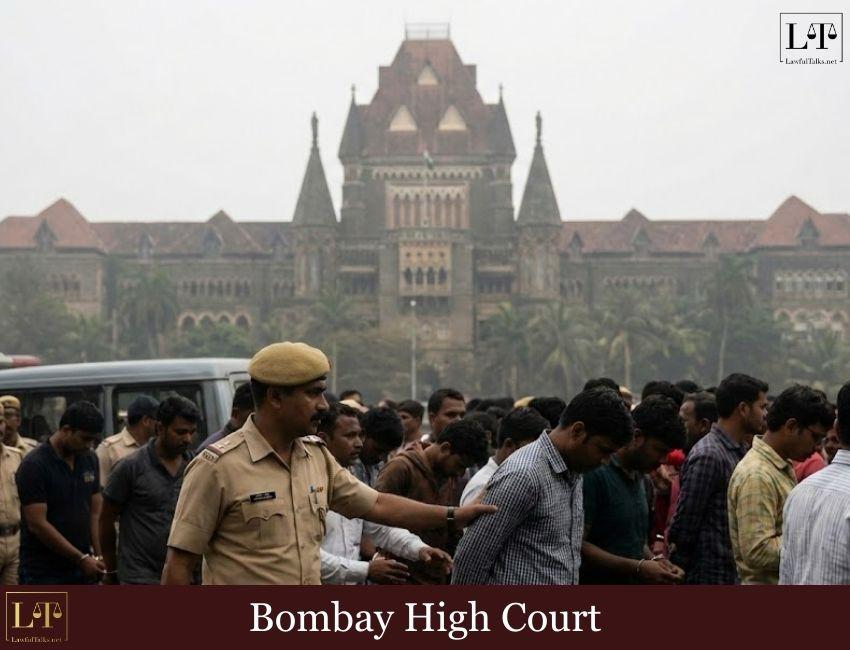
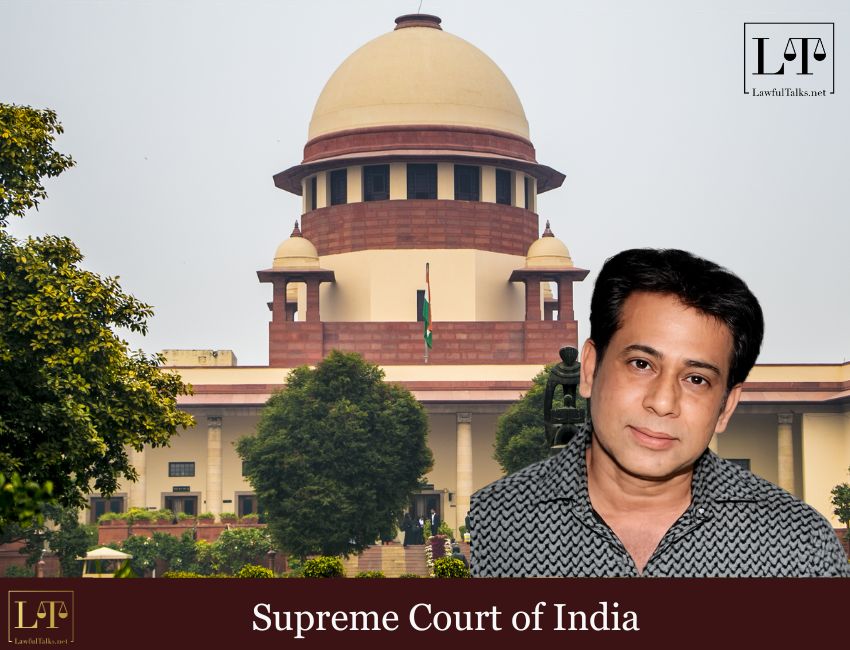
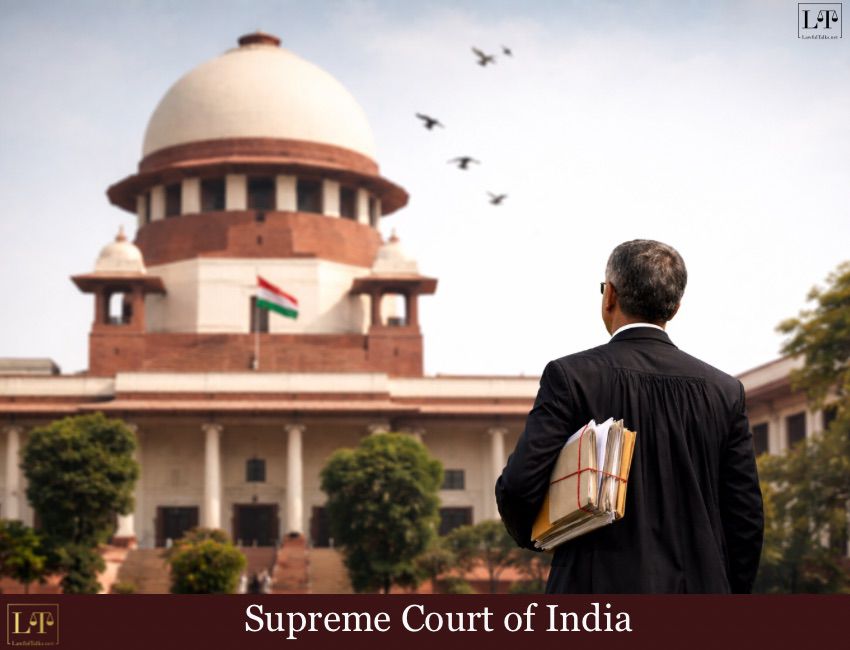
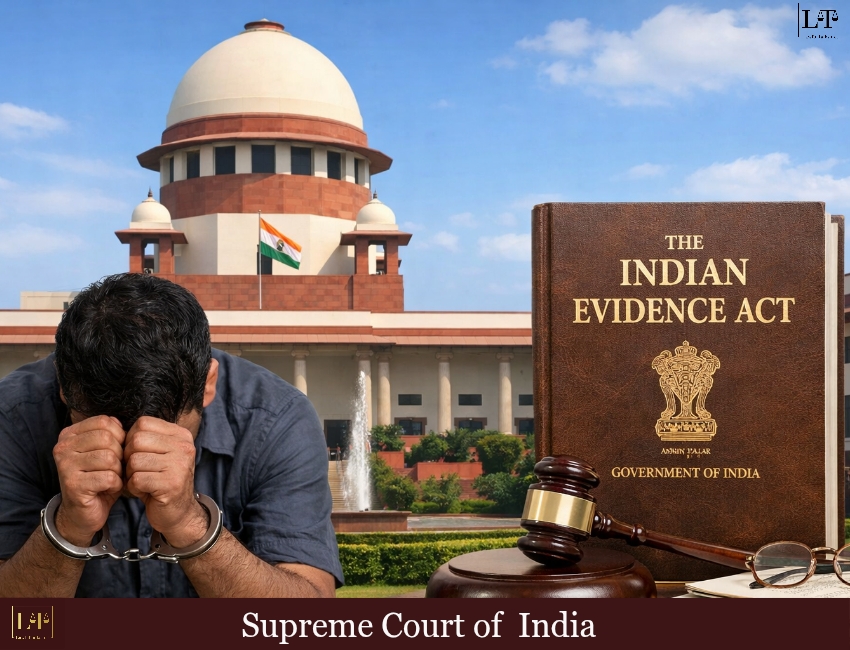
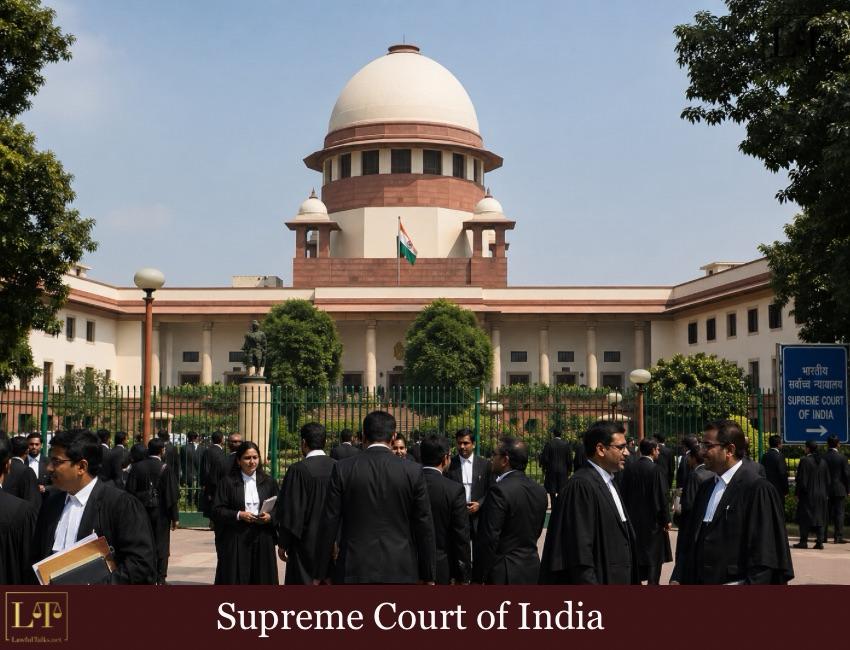
The Supreme Court on Thursday drew attention after it issued a notice on a curative petition filed by Lashkar-e-Taiba militant Mohd. Arif, who has been sentenced to death for the 2000 Red Fort attack.
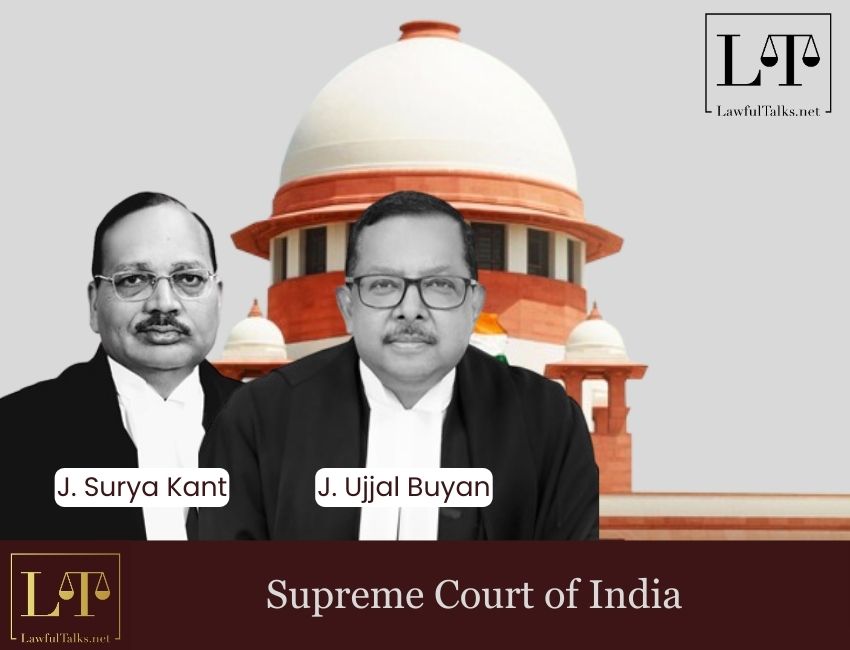
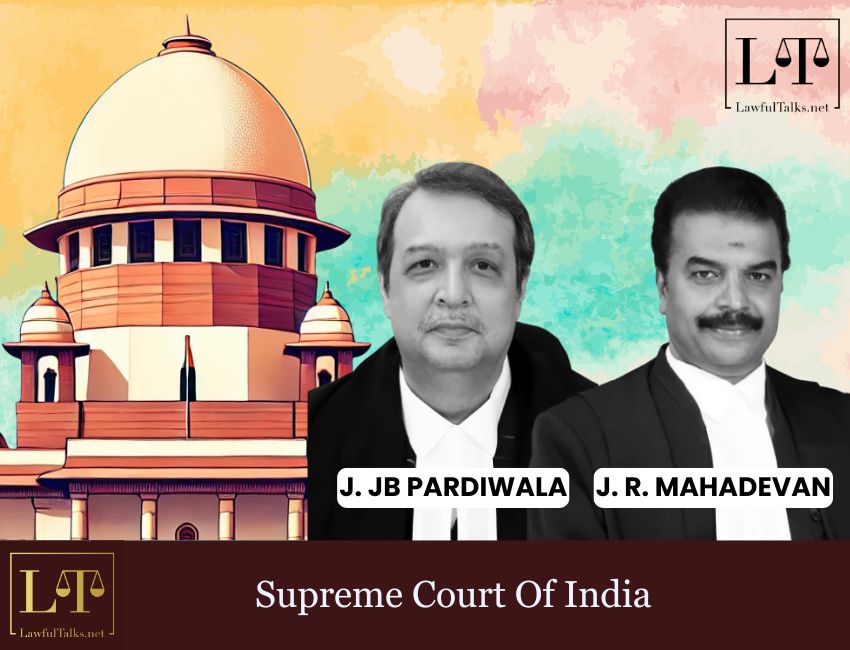
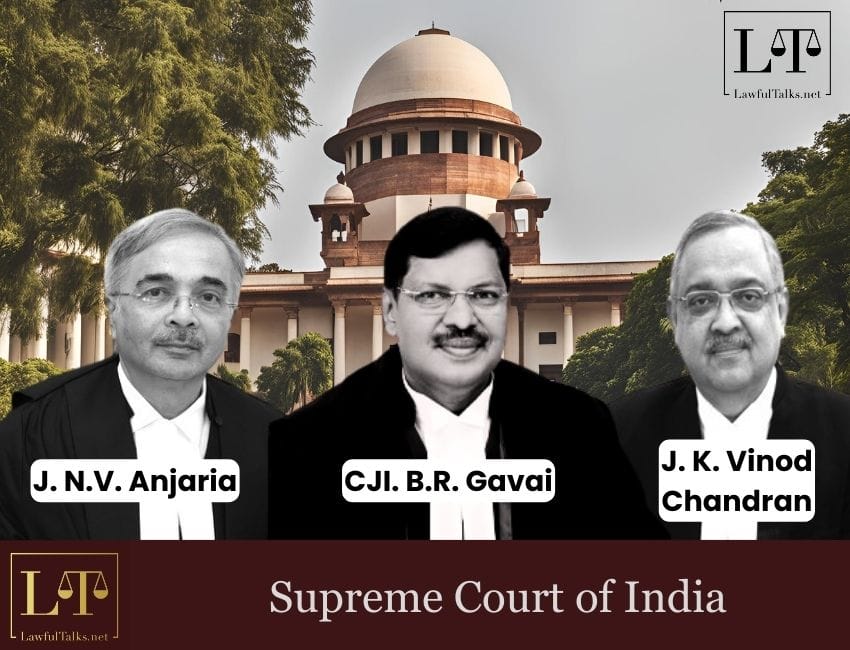
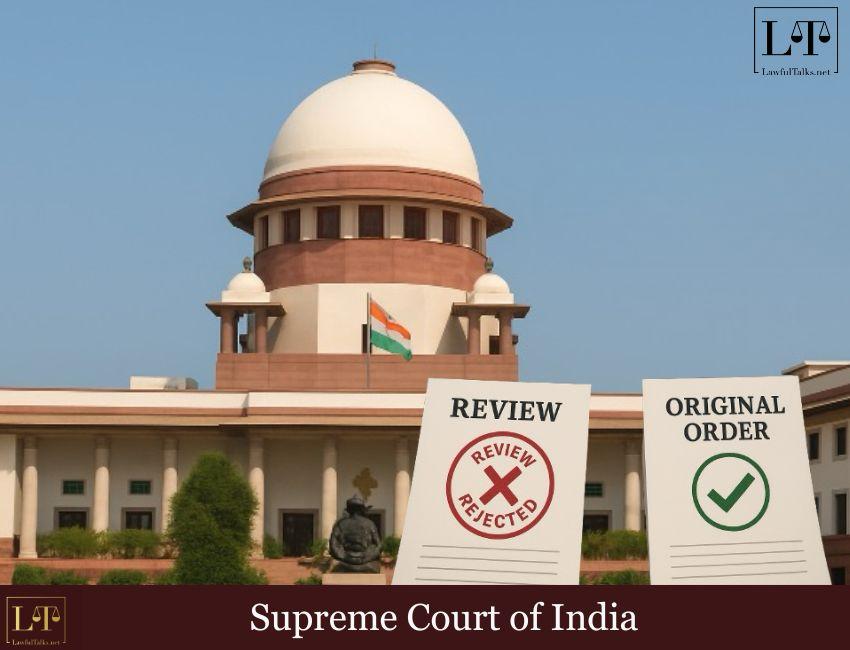
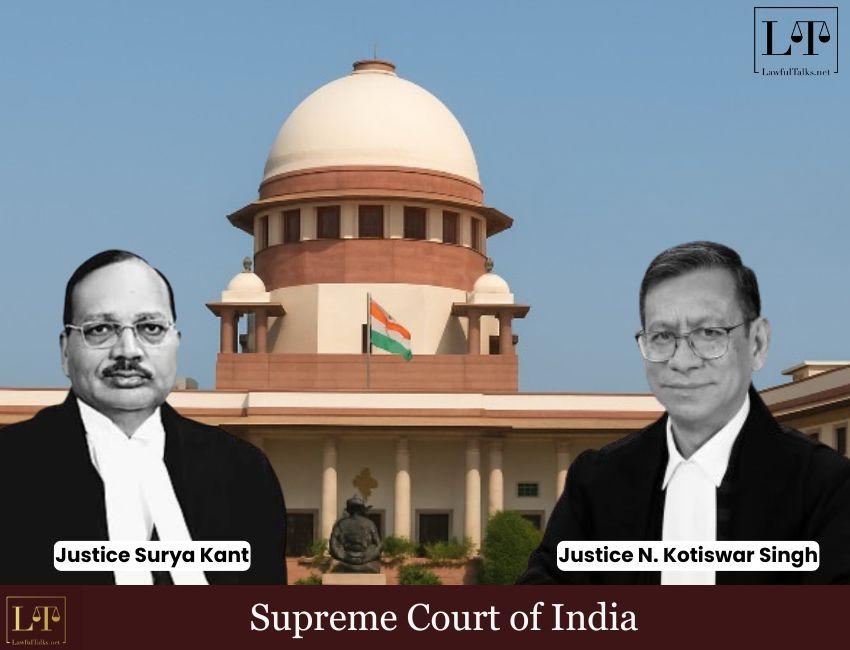
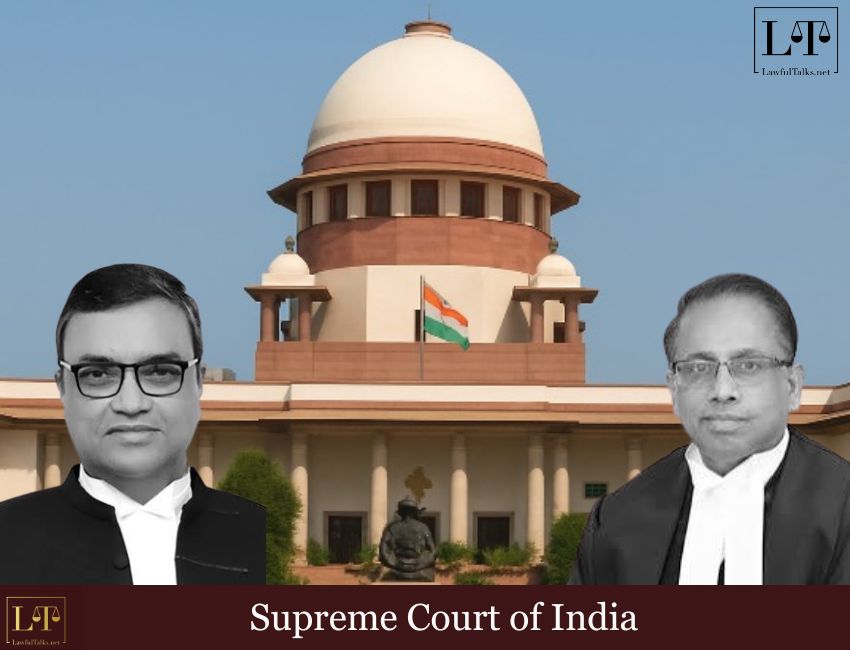
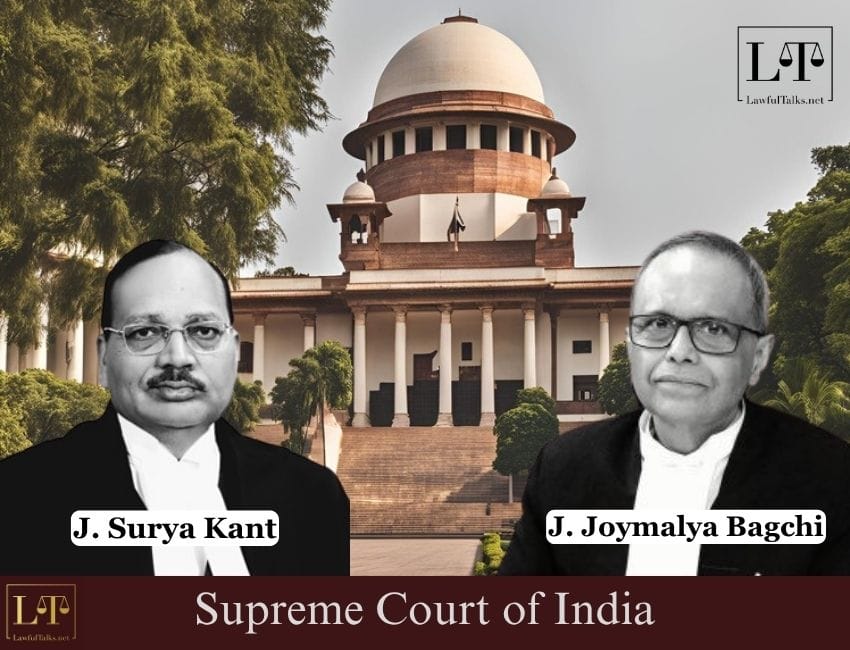
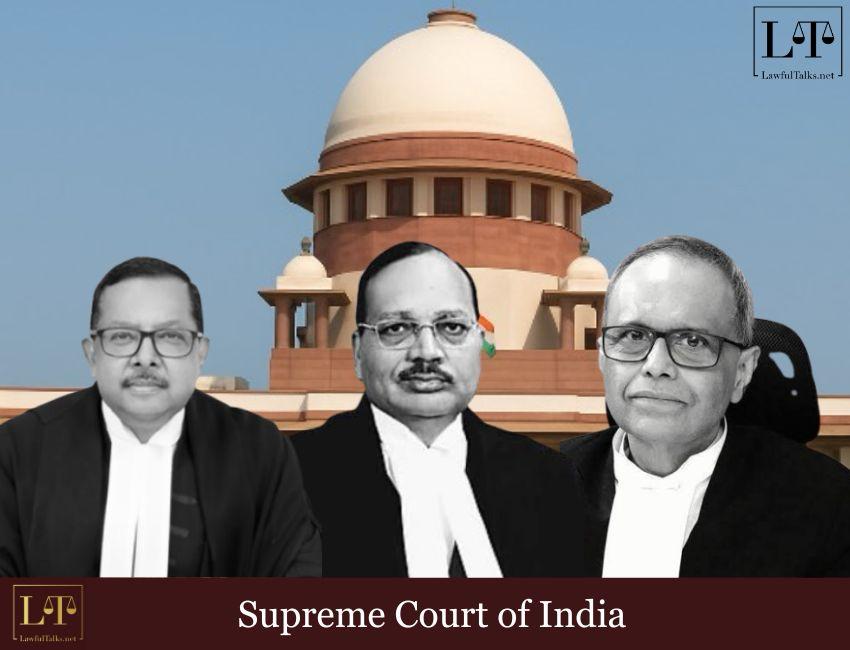
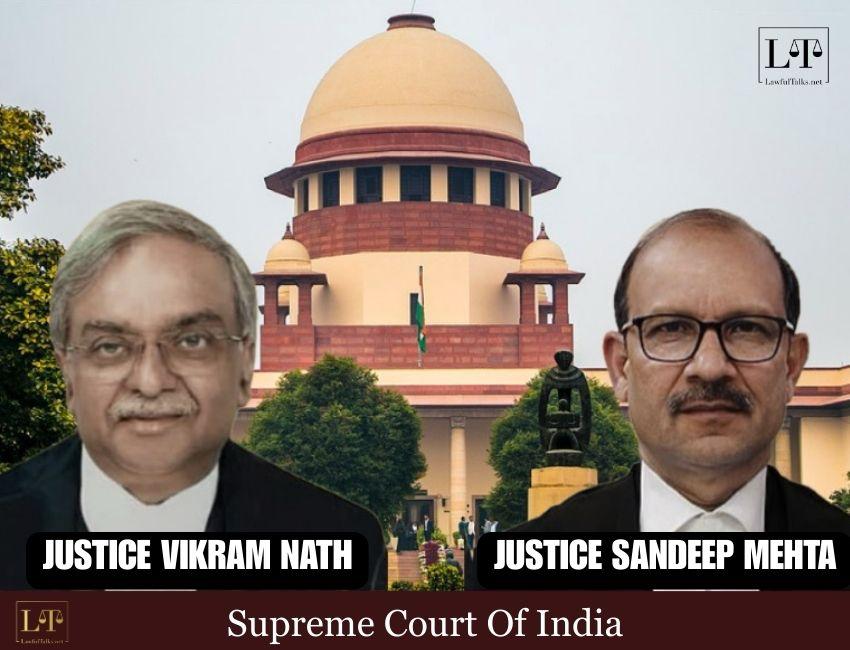
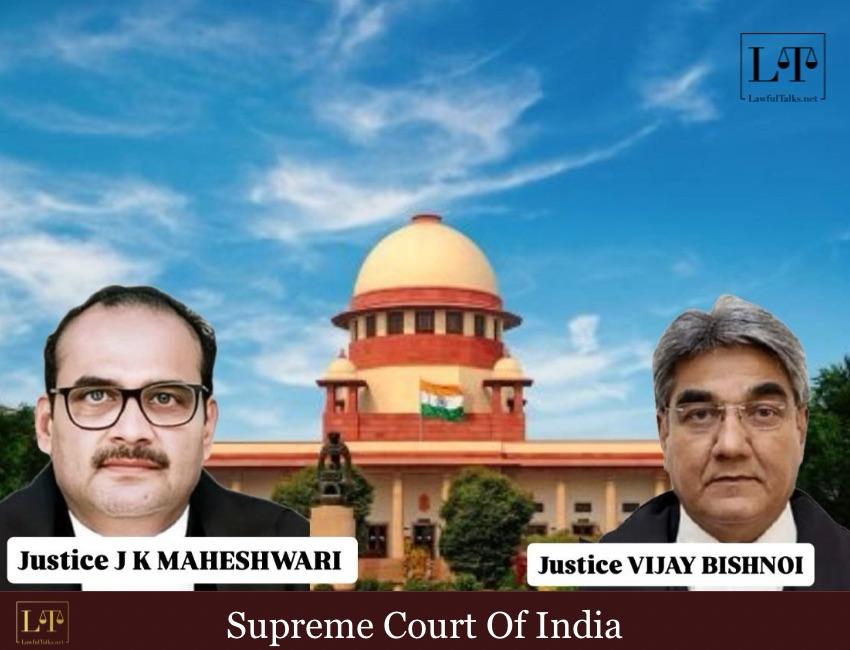
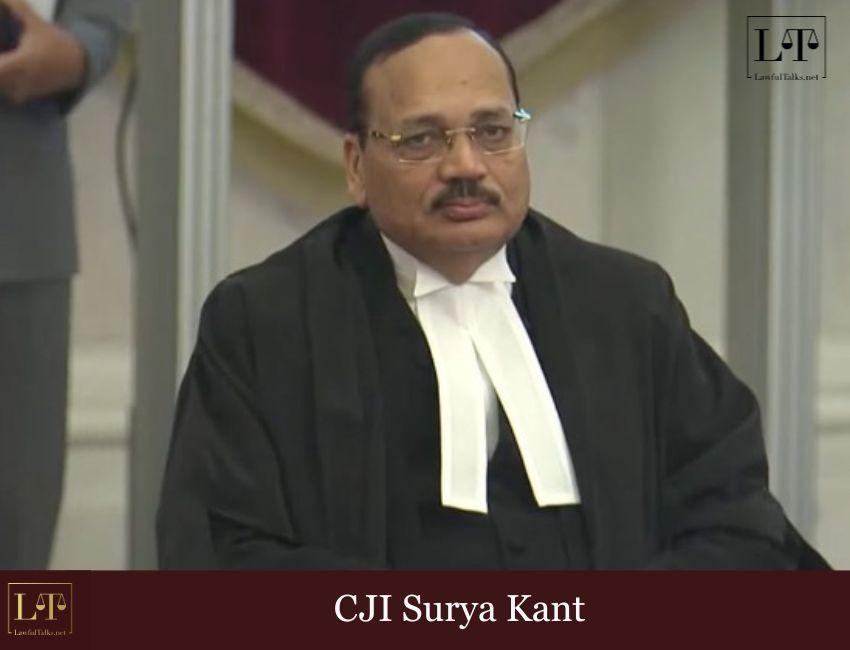
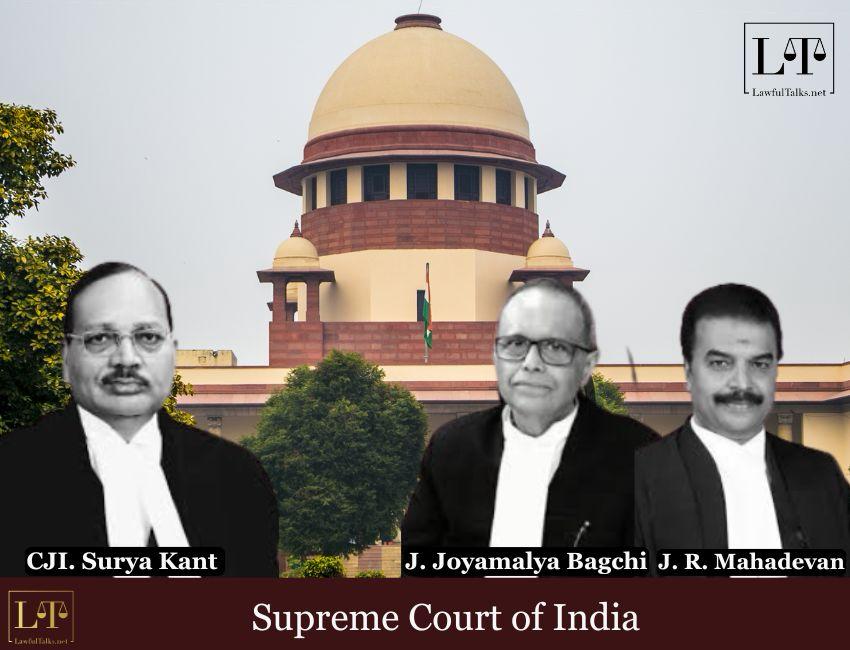
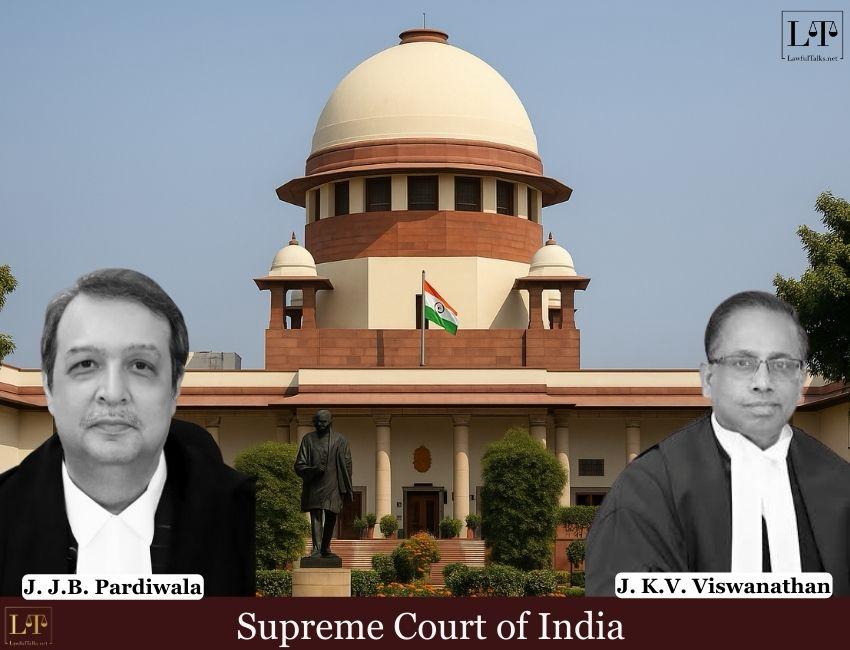
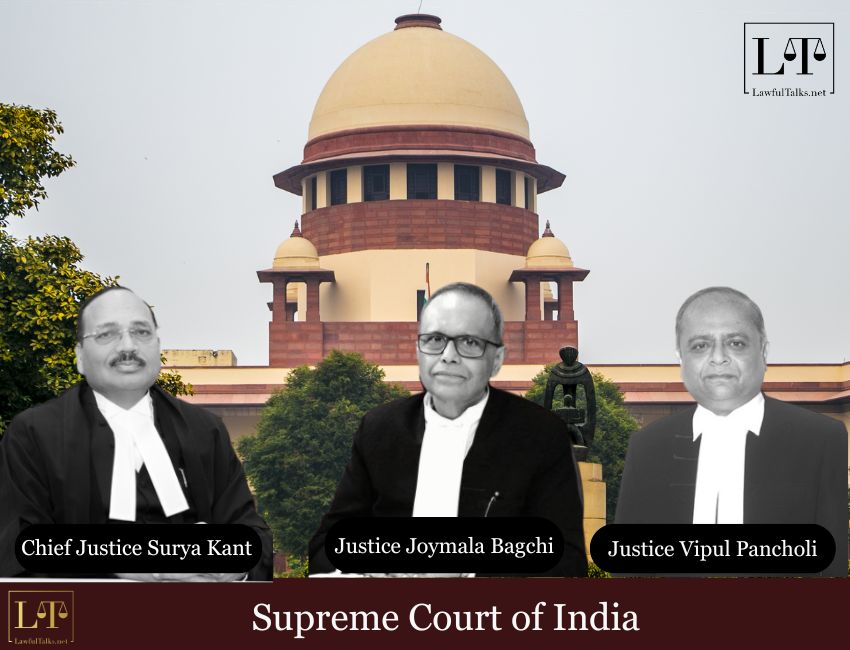
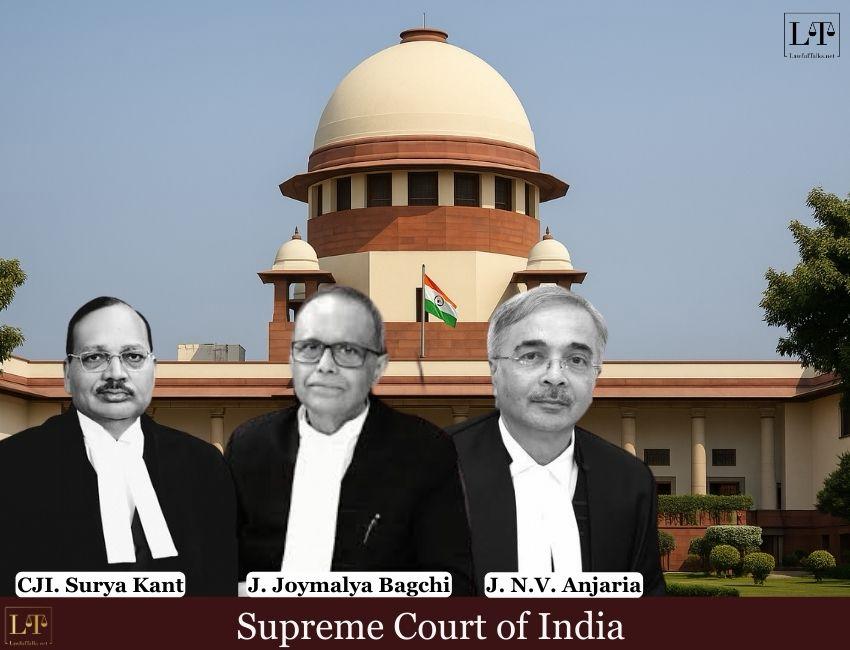
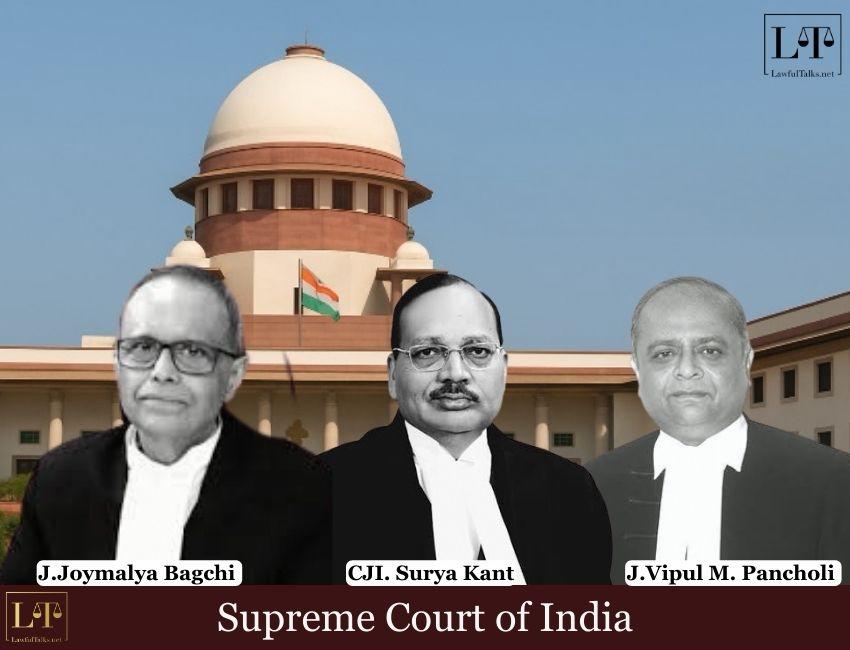
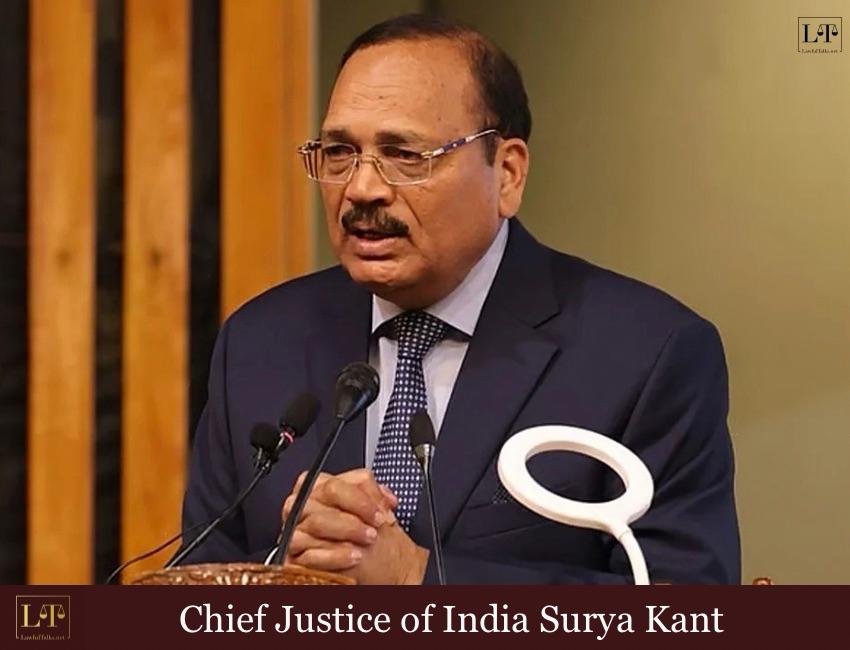
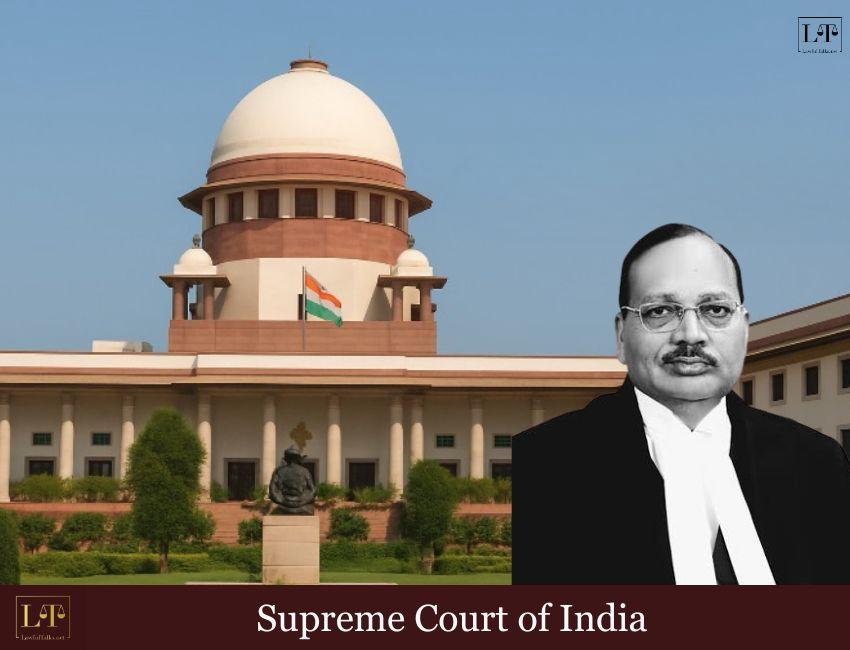
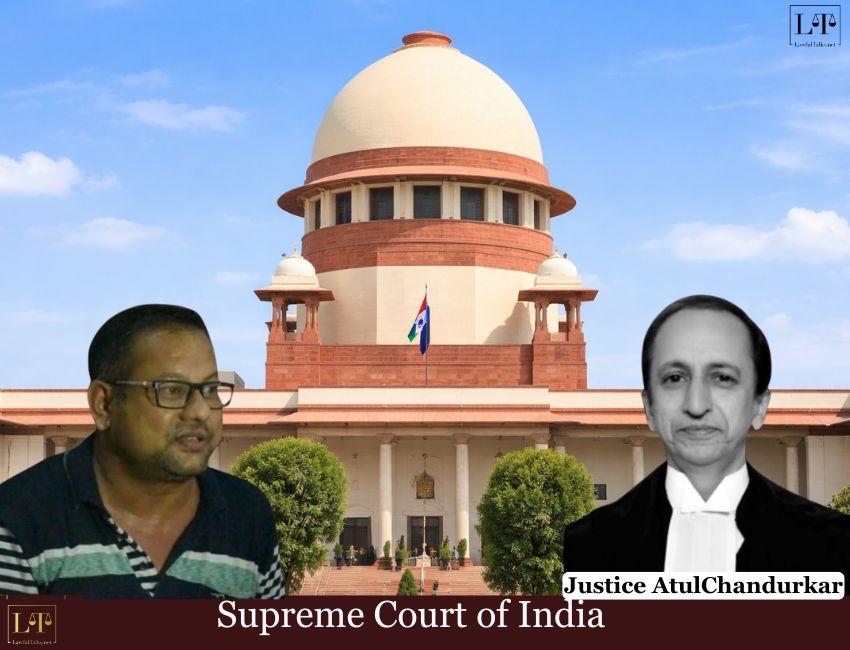
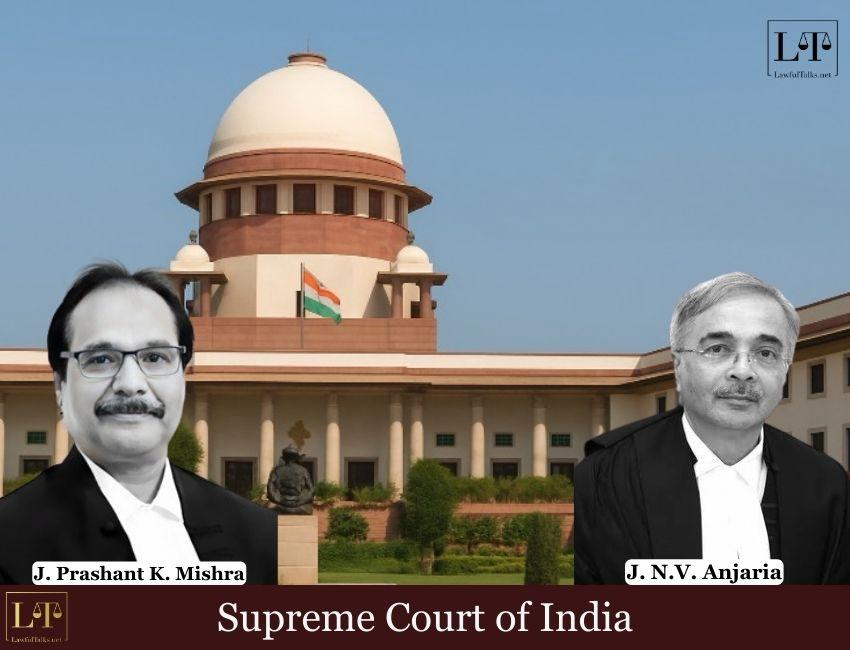
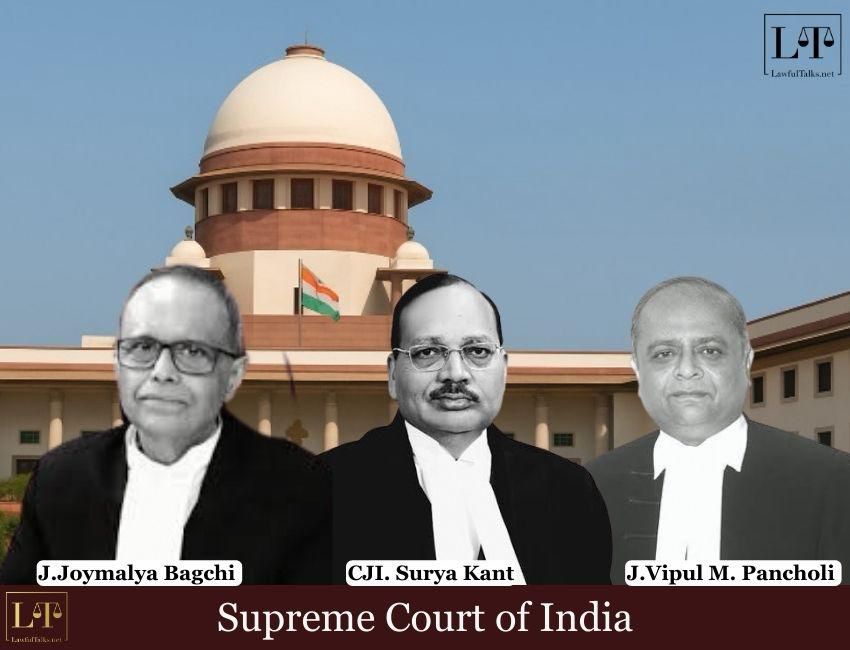
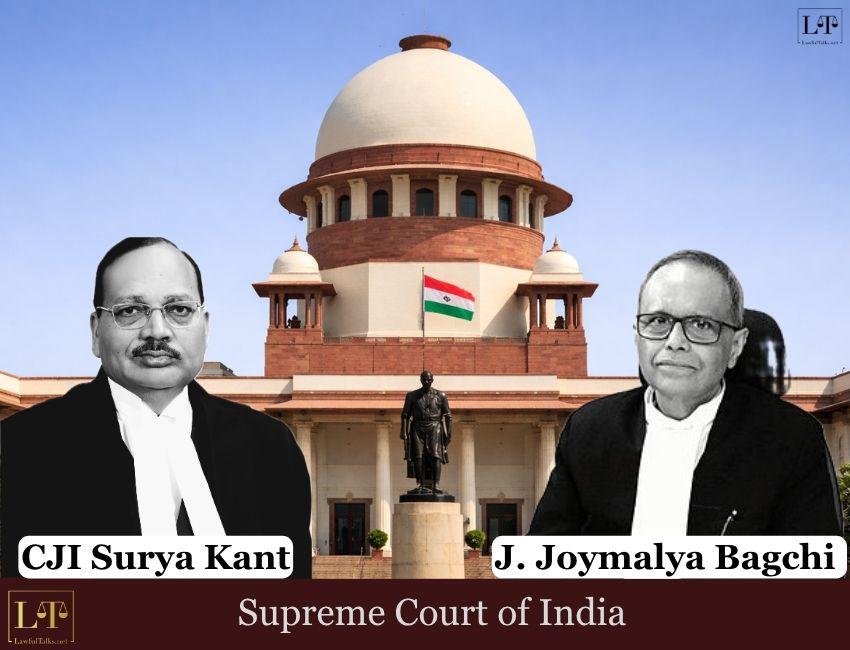
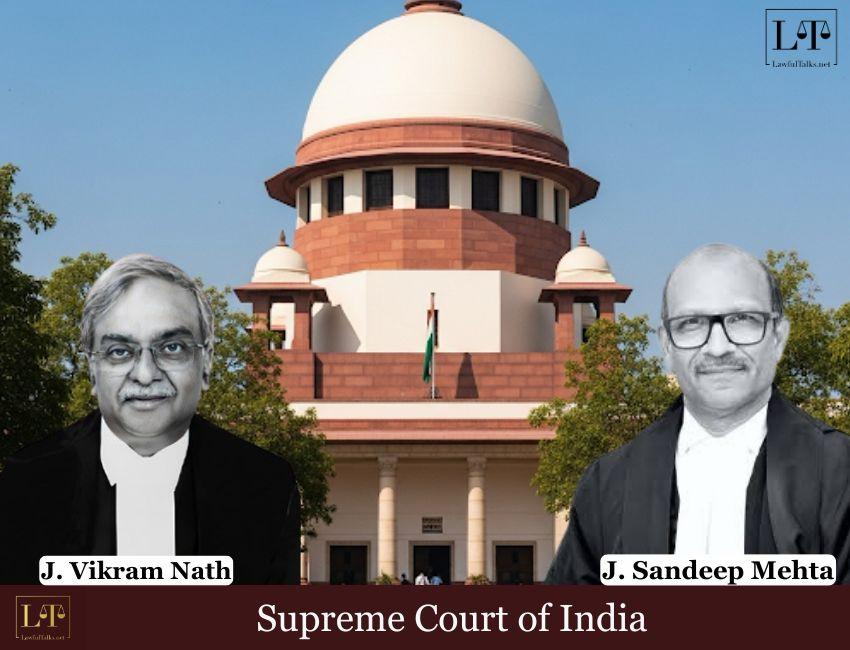
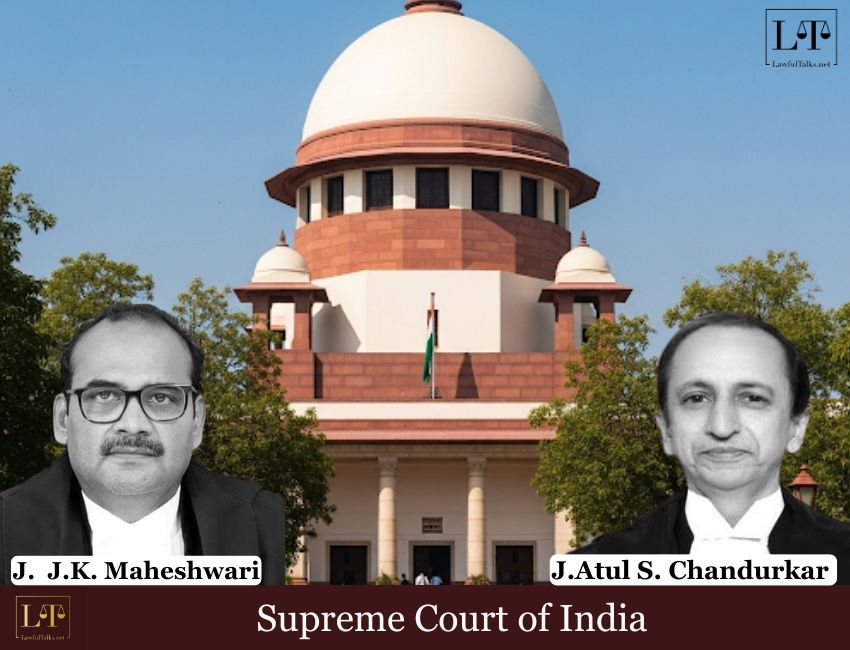
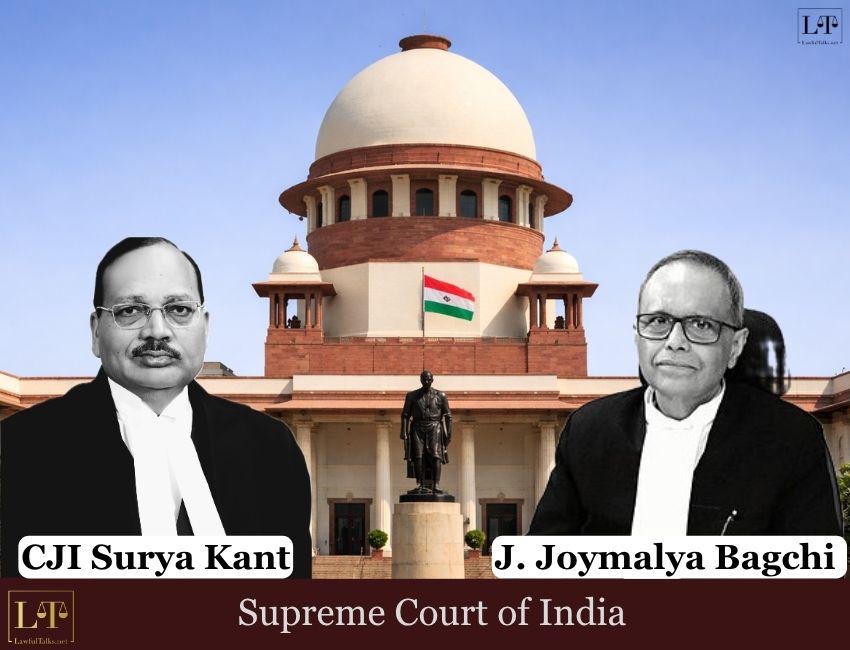
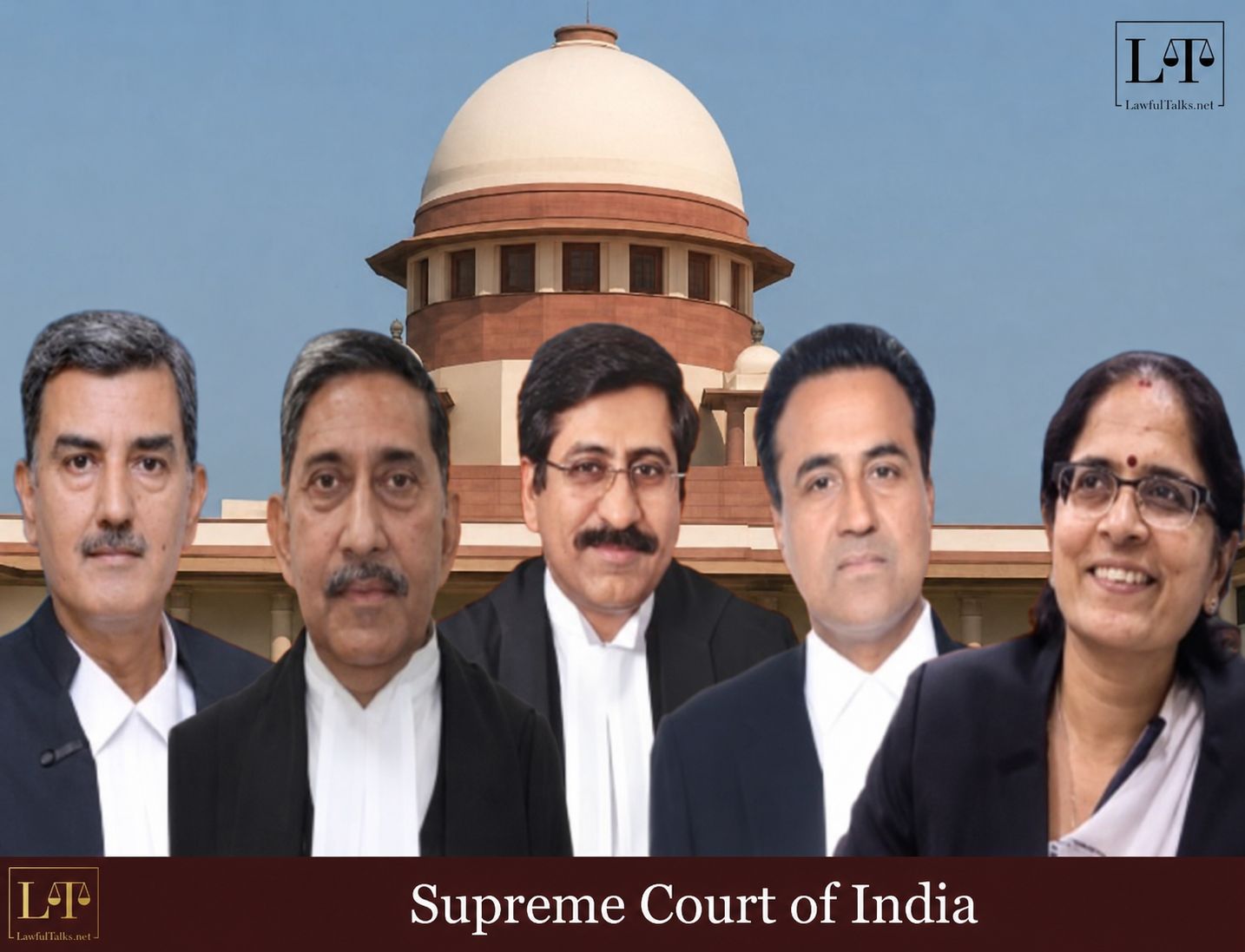
A bench headed by Chief Justice Surya Kant, along with Justices Vikram Nath and J.K. Maheshwari, considered Arif’s challenge to the Court’s November 2022 judgment, which had upheld his death sentence and dismissed his review petition.
In its 2022 ruling, the Supreme Court had said that acts of terrorism which threaten the unity, integrity and sovereignty of India are the most serious aggravating factors and outweigh any mitigating circumstances.
Facts:
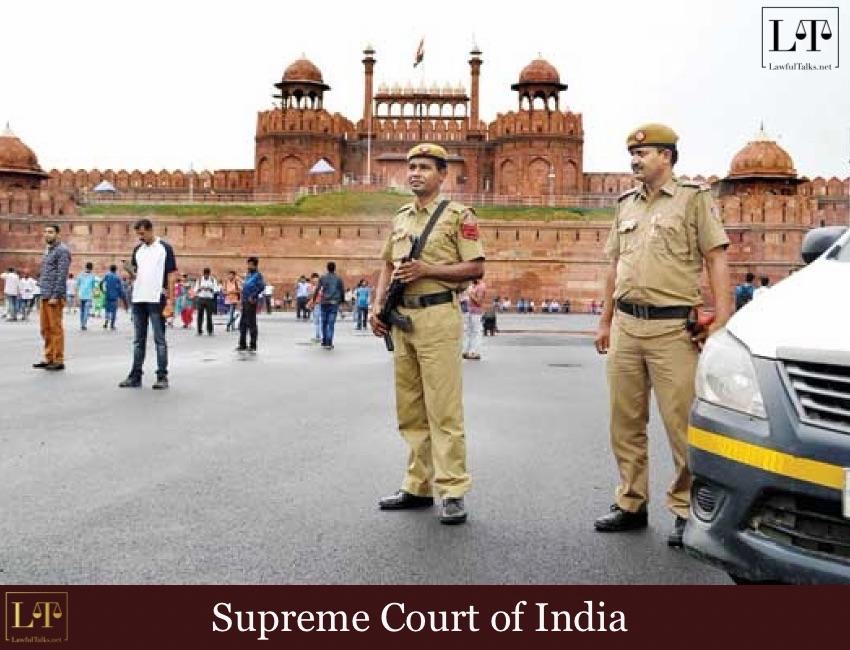
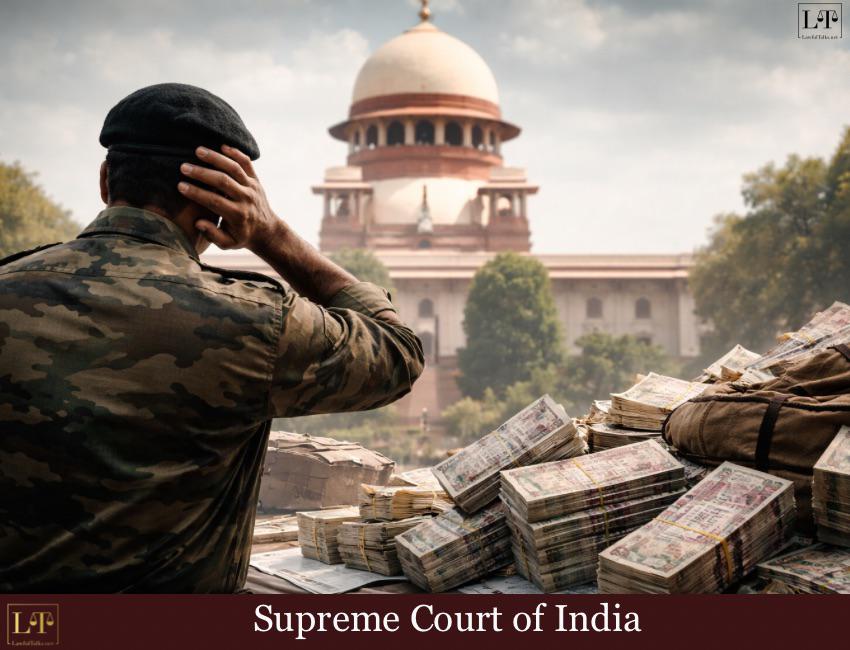
The case relates to a deadly attack on Delhi’s Red Fort on December 22, 2000, when gunmen opened fire and killed three soldiers of the 7th Rajputana Rifles. Pakistani national Mohd. Arif was arrested a few days later on December 25, 2000.
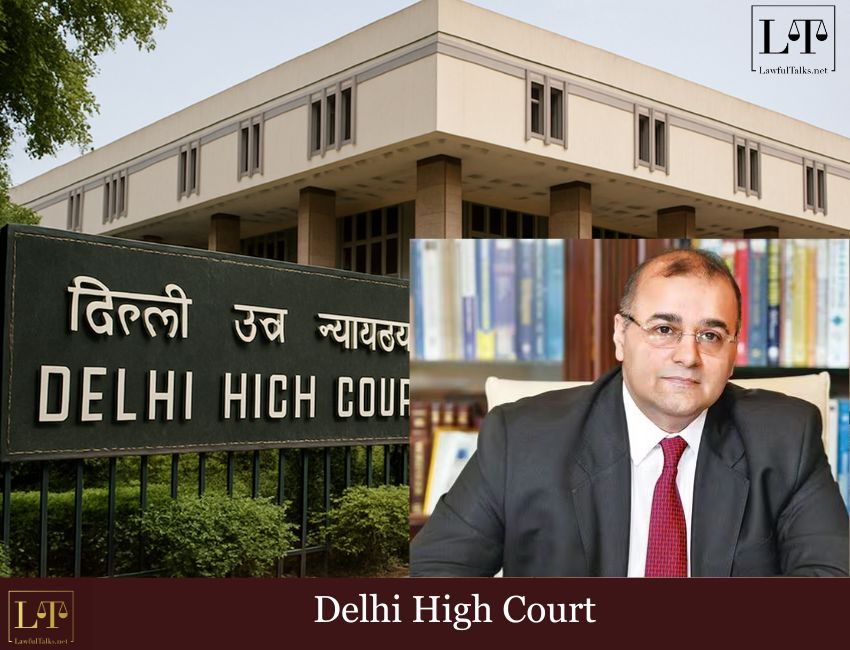
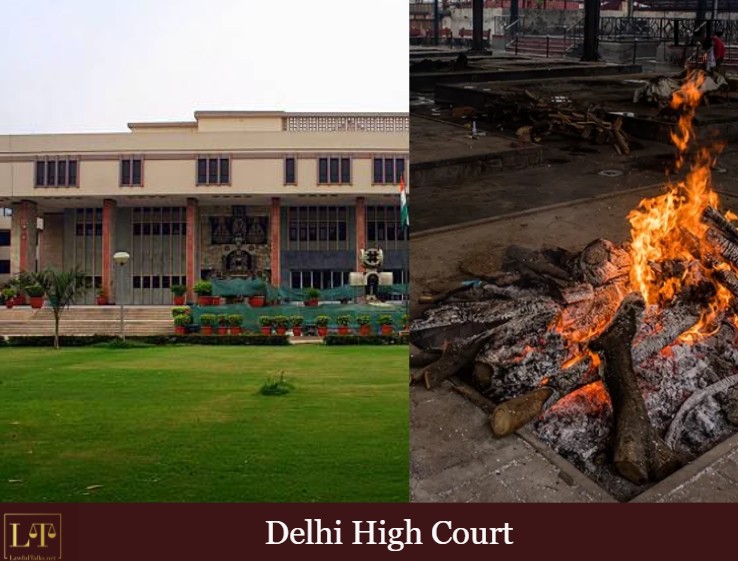
A trial court convicted him on October 24, 2005, and sentenced him to death on October 31, 2005. The Delhi High Court upheld the conviction and death sentence on September 13, 2007.
The Supreme Court dismissed Arif’s appeal on August 10, 2011, and rejected his review petition on August 28, 2011. The Court noted that the attack was aimed at the nation itself, that Arif had entered India illegally as a foreign national, and that the incident was part of a larger conspiracy involving war against India and the killing of army personnel. It held that the death penalty was the only appropriate punishment.
Arif’s execution was stayed by the Supreme Court on April 28, 2014. Later, in 2016, after a Constitution Bench ruled that review petitions in death penalty cases must be heard in open court, the Supreme Court decided to reopen his review petition.
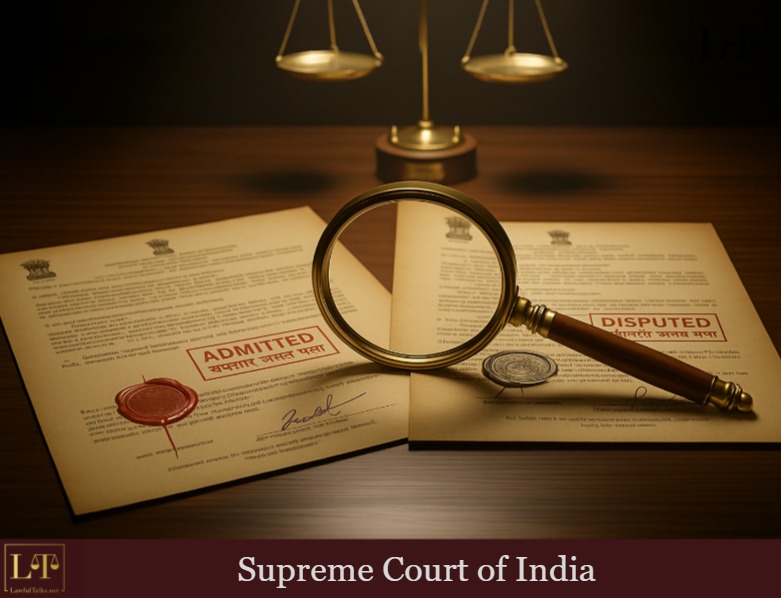
During these hearings, Arif challenged the call detail records used against him, arguing that they were admitted without the mandatory Section 65B certificate under the Indian Evidence Act, 1872. He also claimed that his disclosure statements were unreliable because he was mistreated between his actual arrest and his formal arrest. Arif further argued that the recovery of ammunition and the Batla House encounter involving Abu Shamal could not be linked to him.
He also asked the Court to consider whether he had the potential to reform or be rehabilitated, and whether he continued to pose a danger to society.
On the issue of electronic evidence, the Supreme Court clarified that electronic records such as call detail records require a Section 65B(4) certificate unless the original records are produced. Although the Court removed the call detail records that did not have the required certificate, it still confirmed Arif’s conviction on the basis of the other available evidence.
On sentencing, the Court rejected Arif’s claims of reform. It said there was no evidence to support any mitigating factors in his favour, and that the aggravating factors—especially the direct attack on the nation’s sovereignty—clearly outweighed any mitigating considerations.
Case Detail: Mohd Arif@Ashfaq v. State (NCT of Delhi) Diary No. 29481/2024





















































































Sign up for free and be the first to get notified about curated content just for you.