“Six Assailants, Eight Injuries—And Bail?”: SC Tears Into Bombay High Court Order

- February 04, 2026


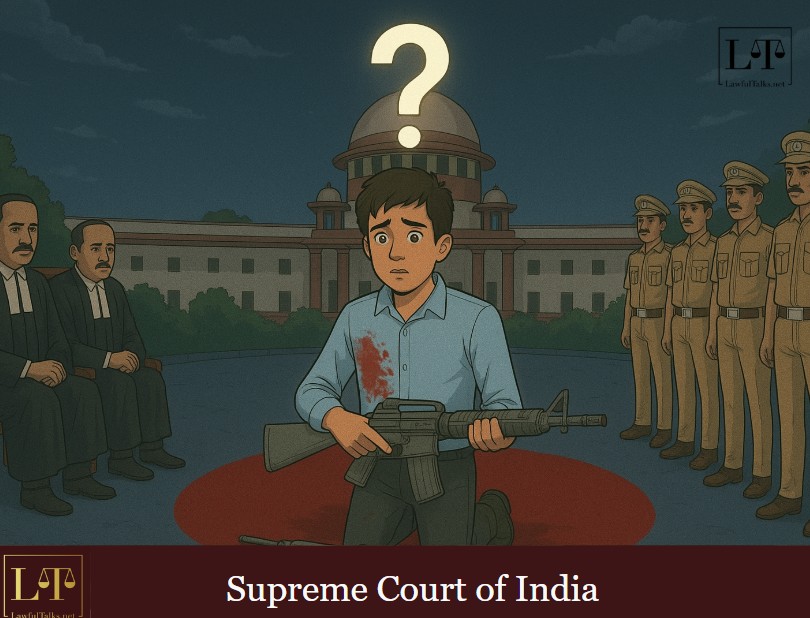
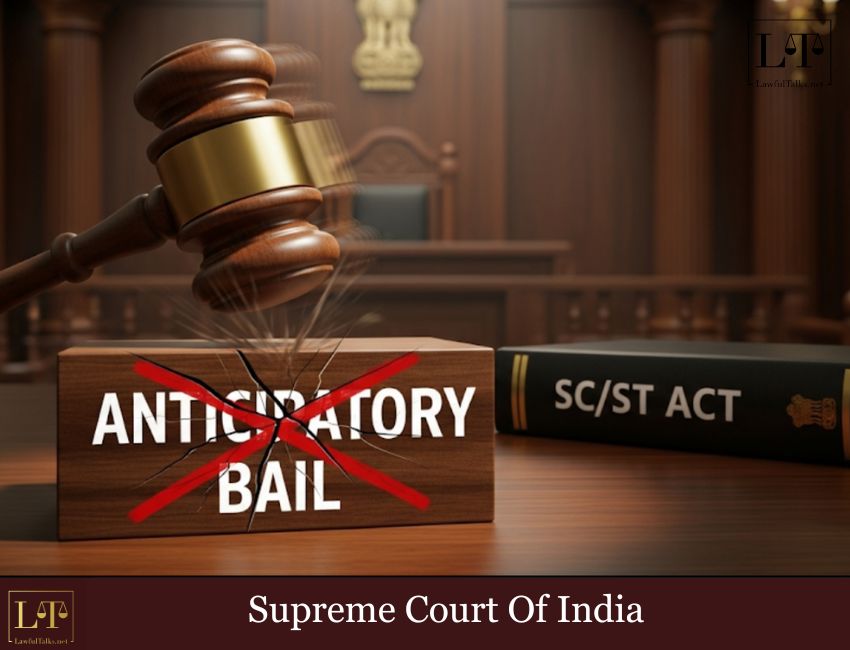
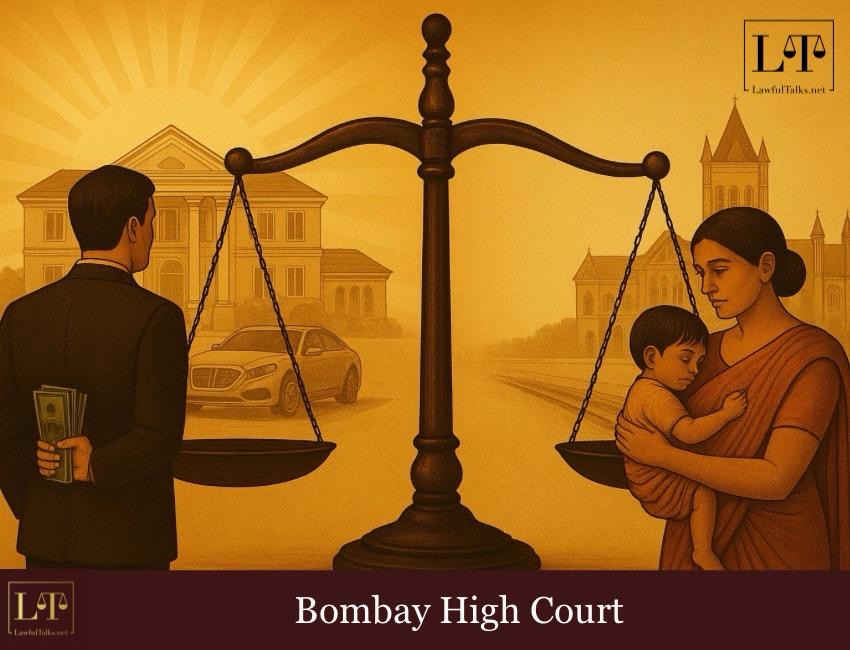
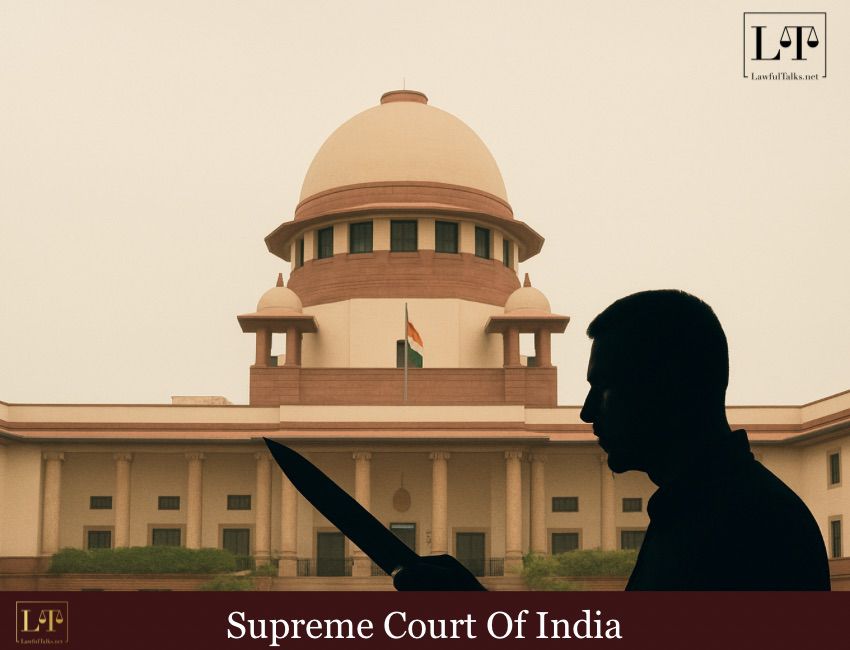
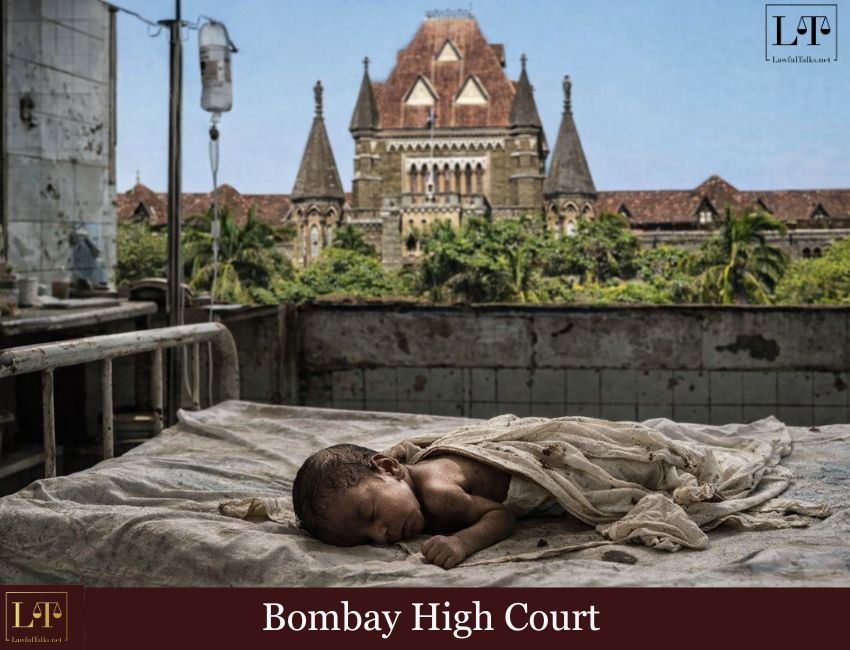
The Supreme Court strongly criticised a Bombay High Court order that had granted bail to two accused in the killing of a Scheduled Caste man during a land dispute.
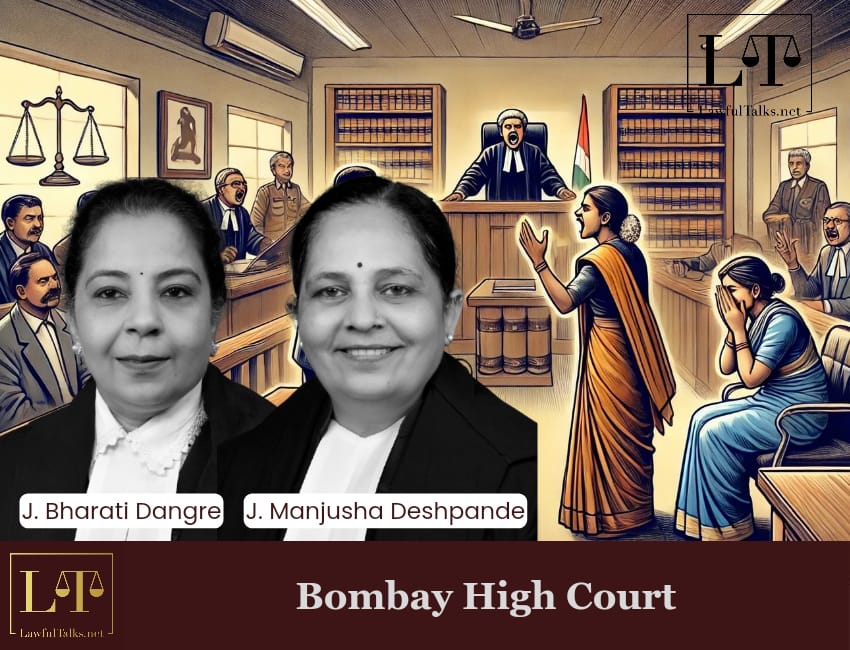
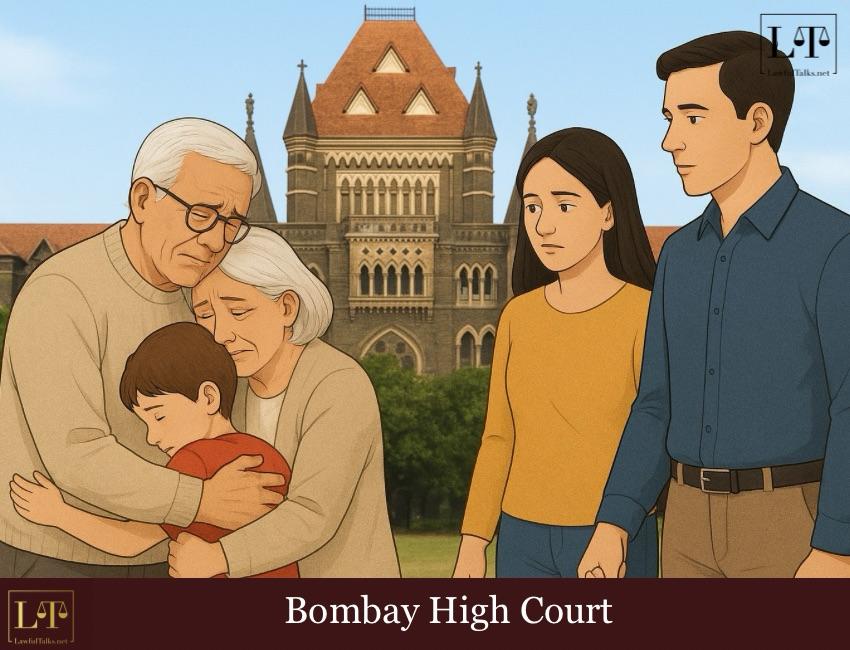
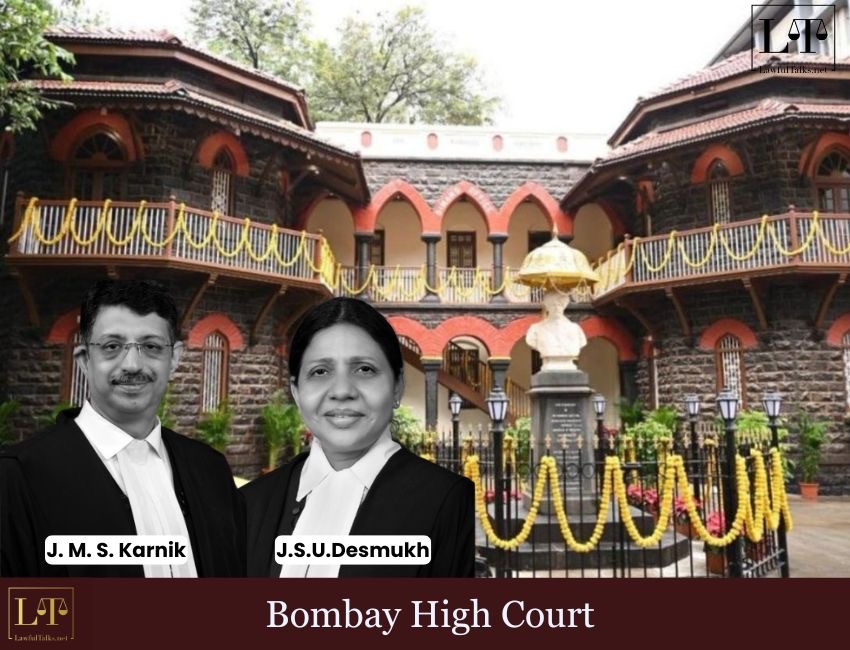
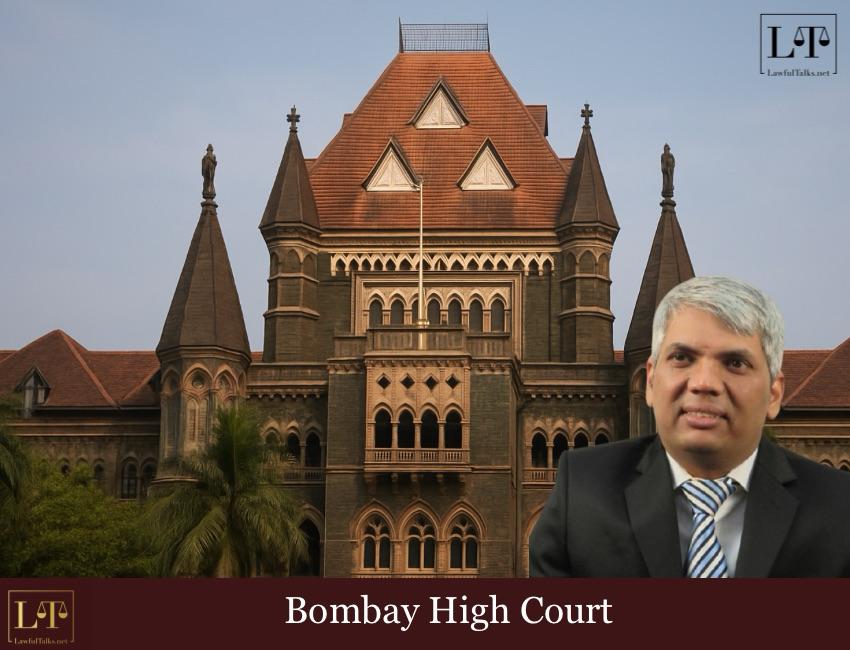
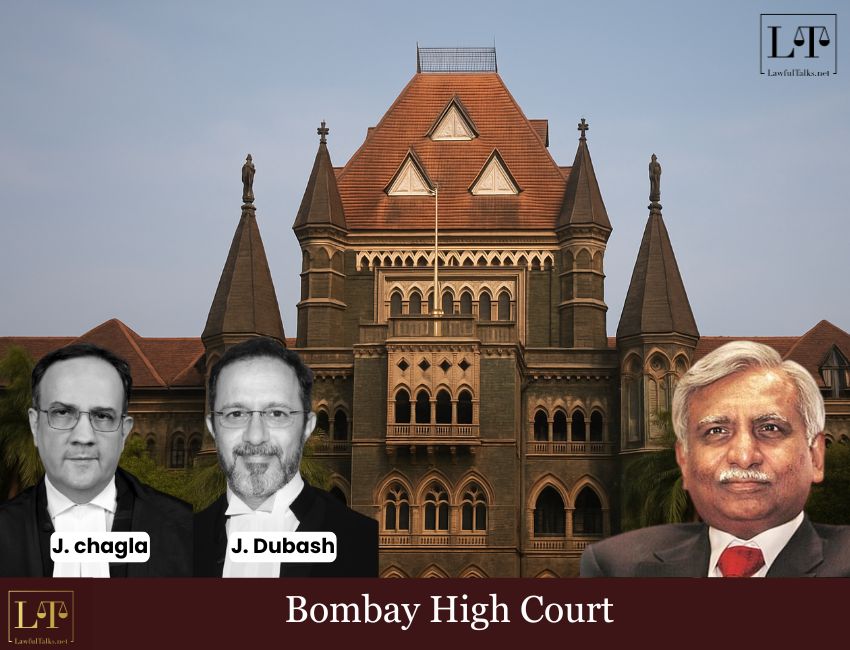
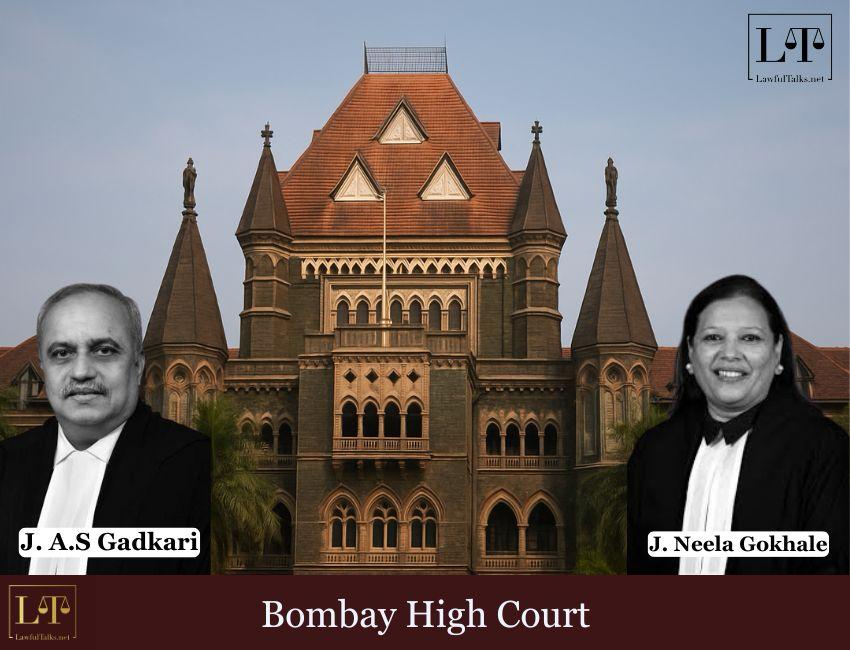
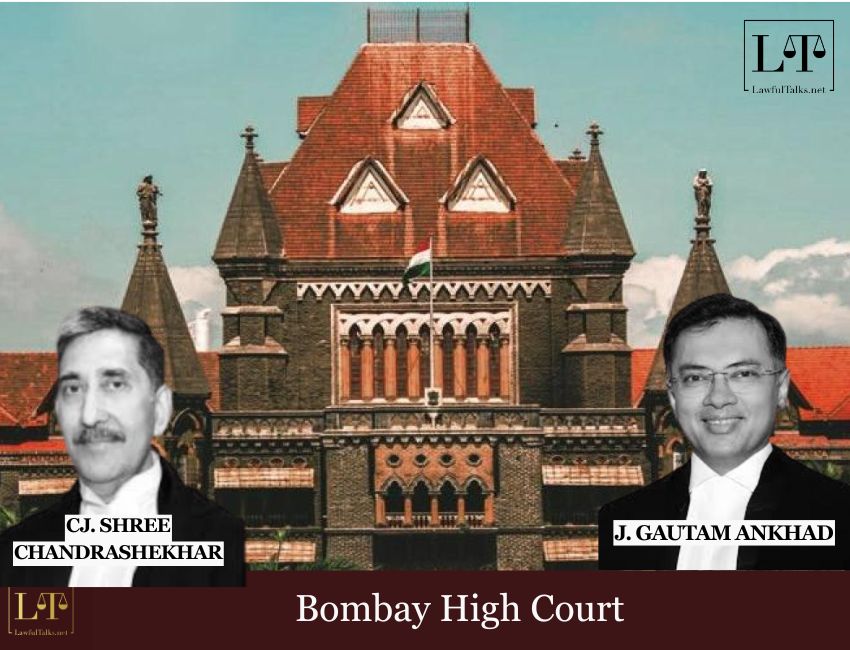
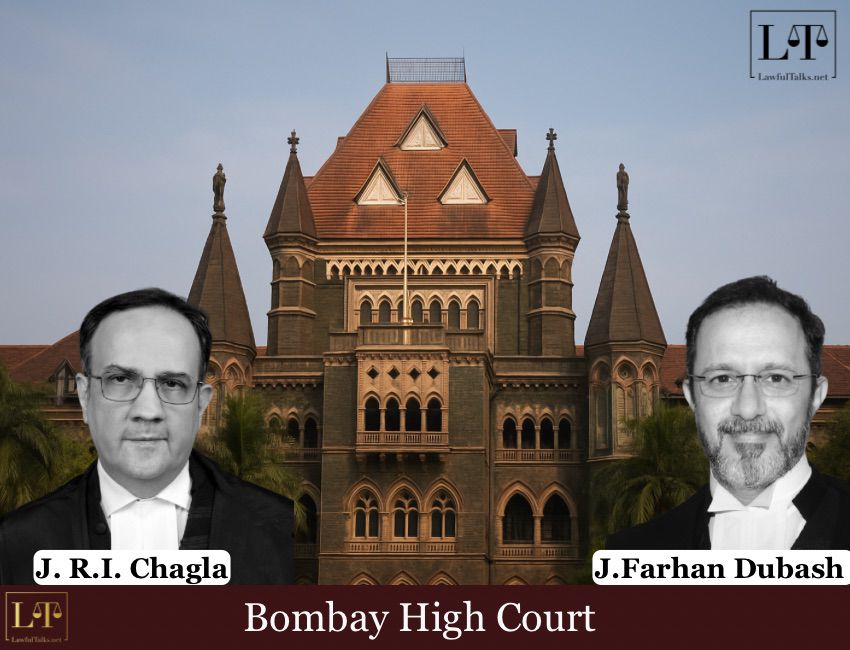
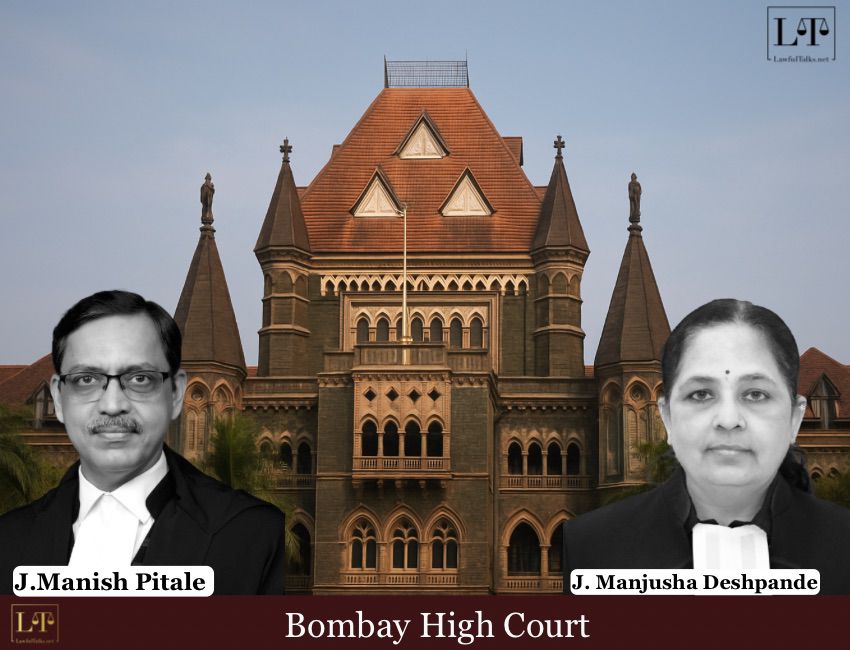
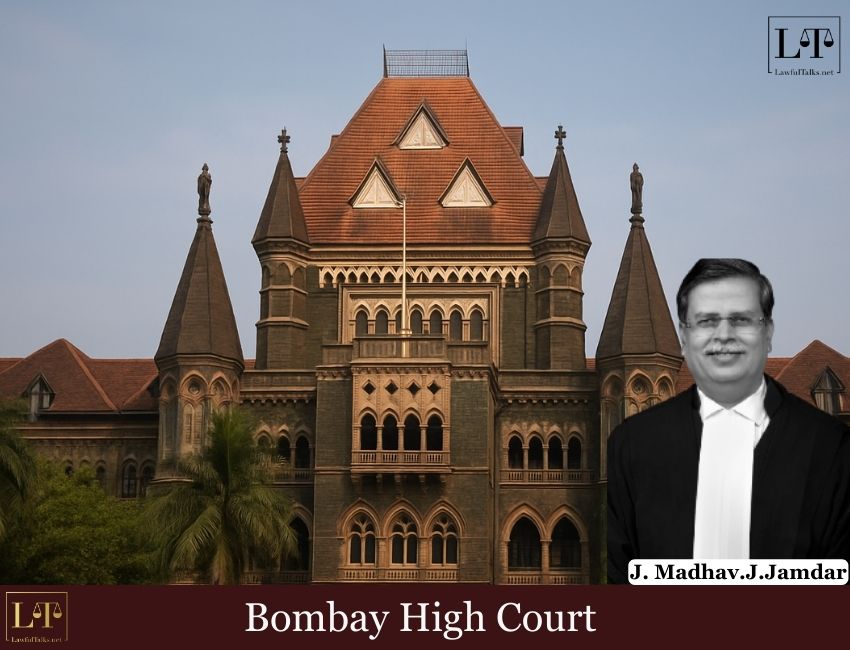
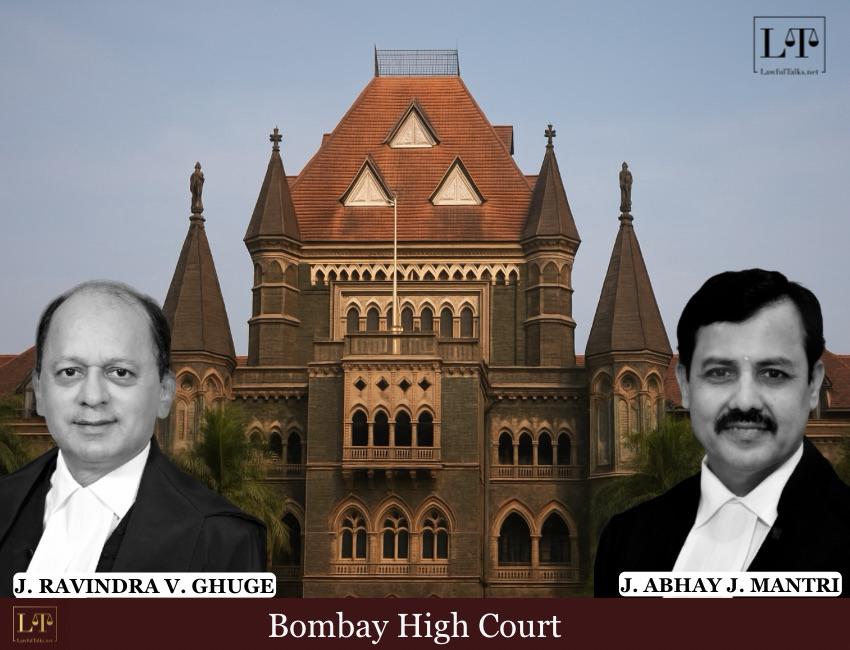
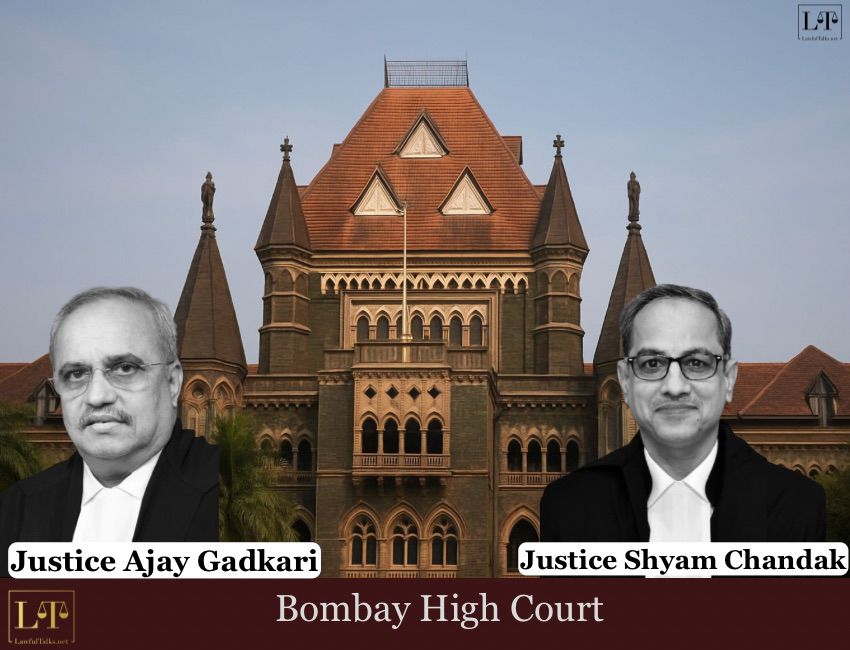
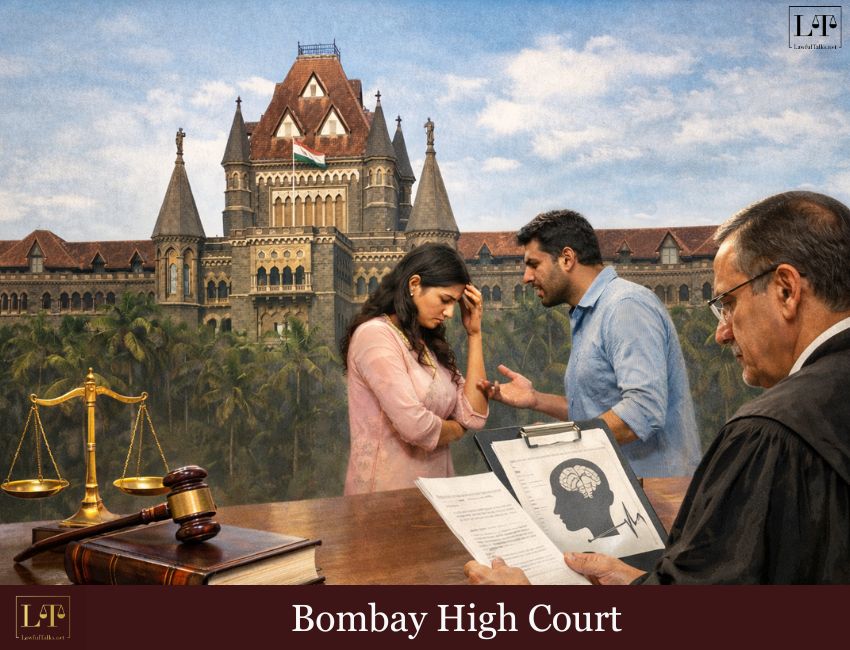
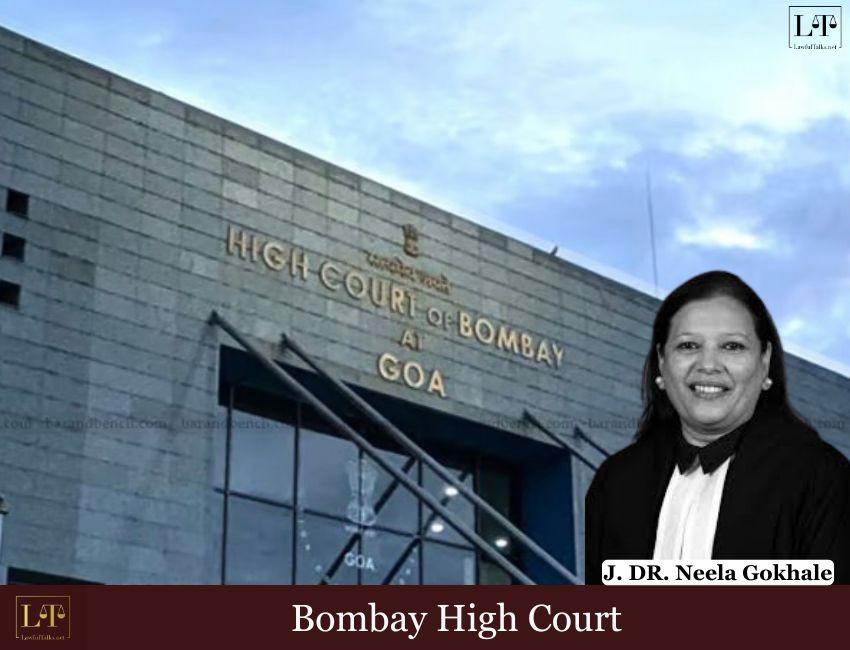
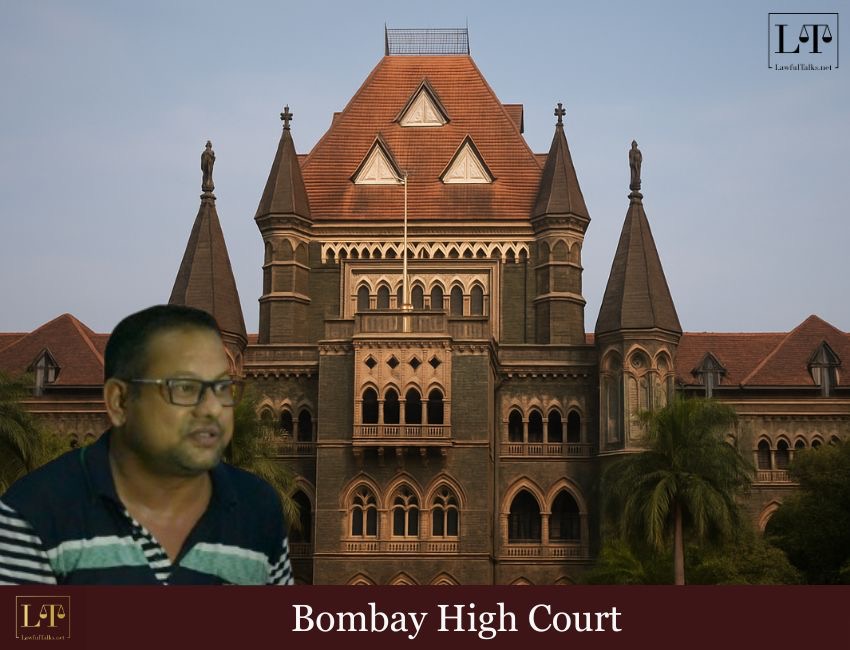
The bail had been granted by the Aurangabad Bench of the Bombay High Court, comprising Justice Vibha Kankanwadi and Justice Y. G. Khobragade, despite allegations that the accused had brutally assaulted and killed the victim.
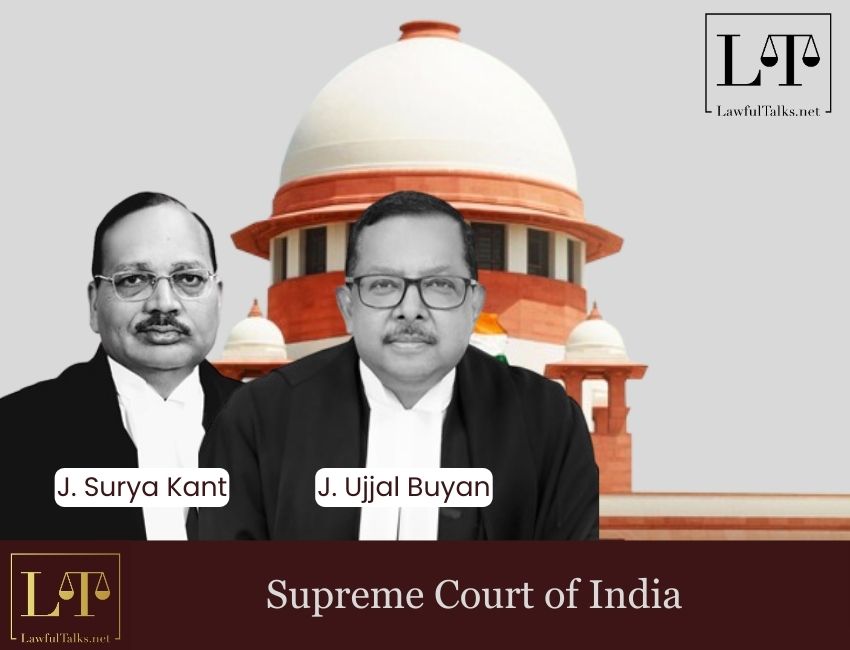
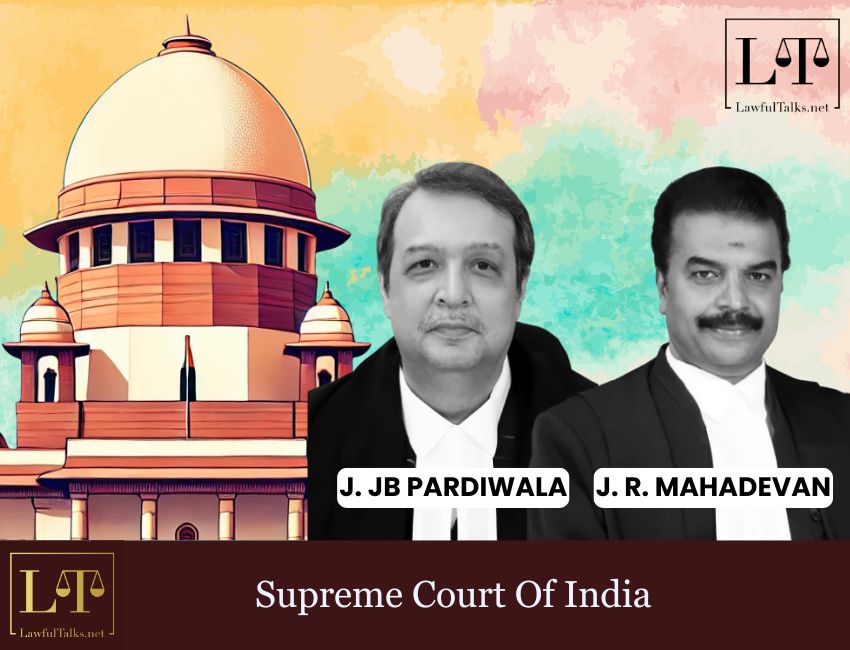
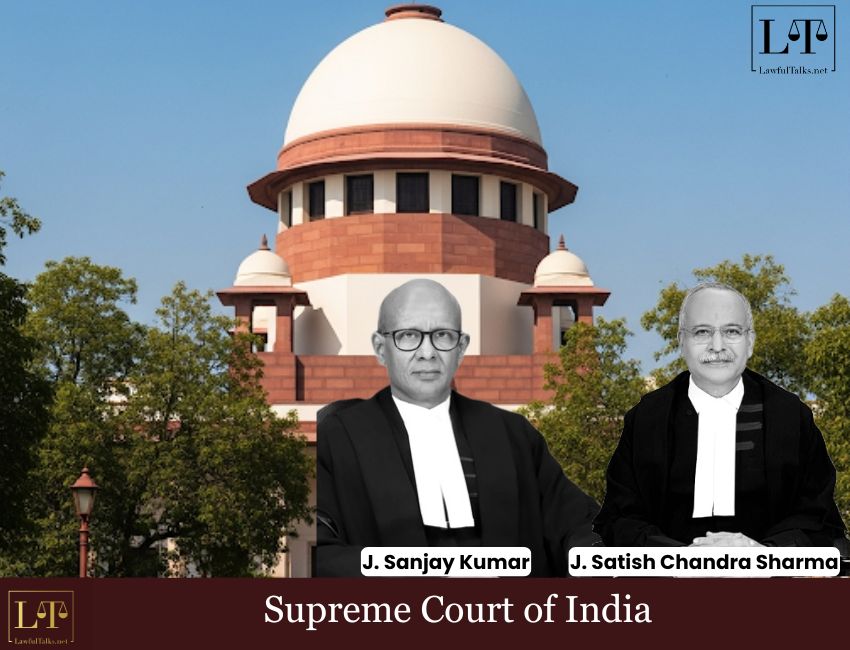
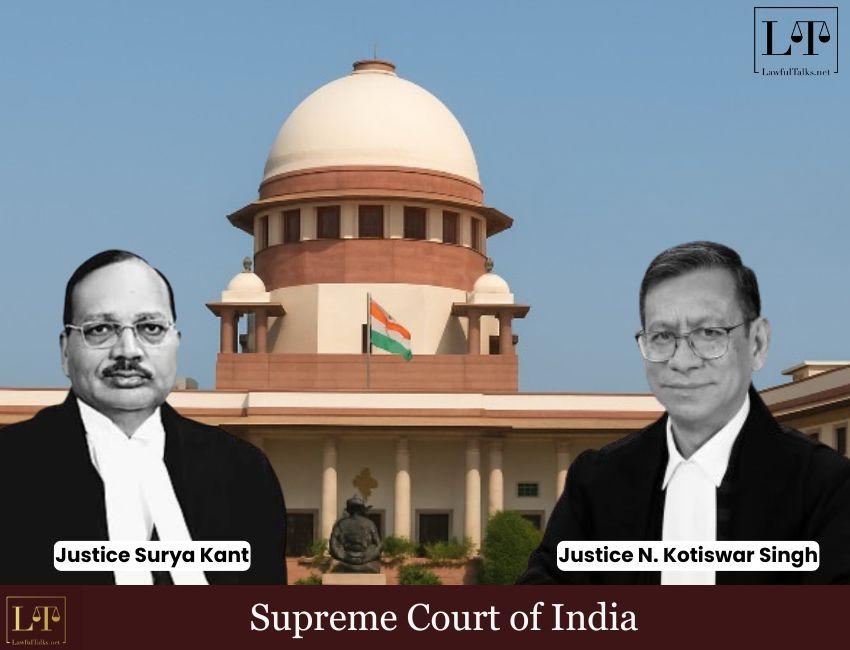
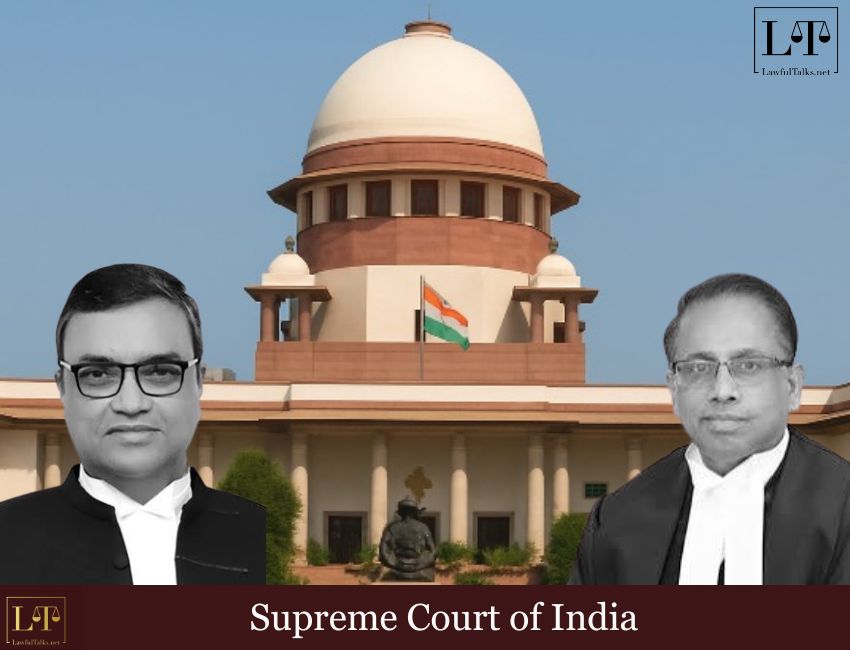
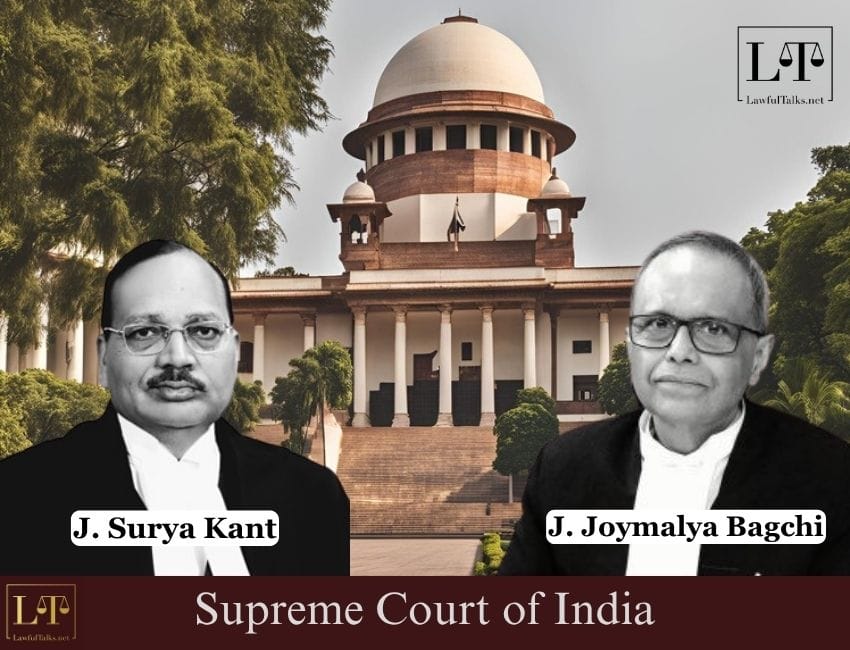
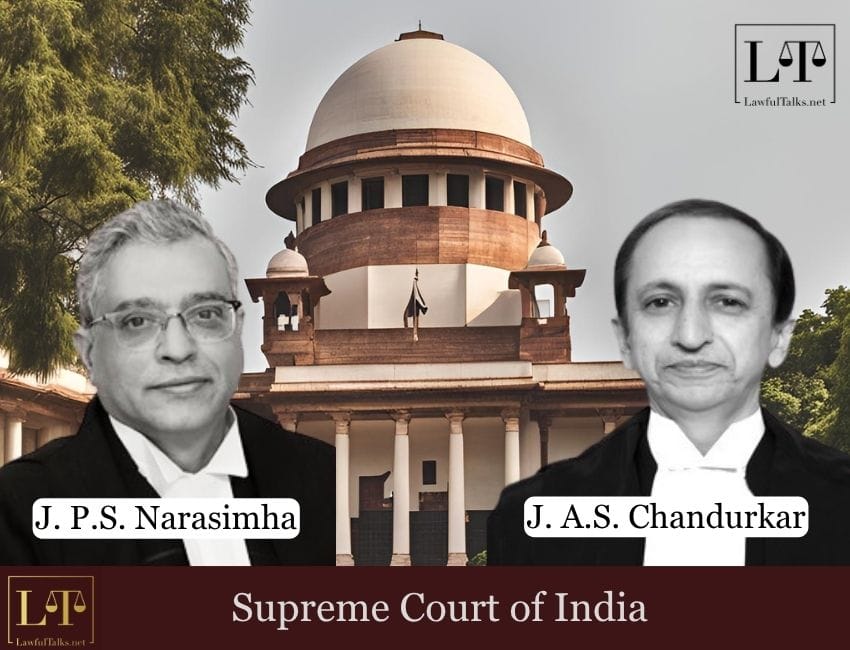
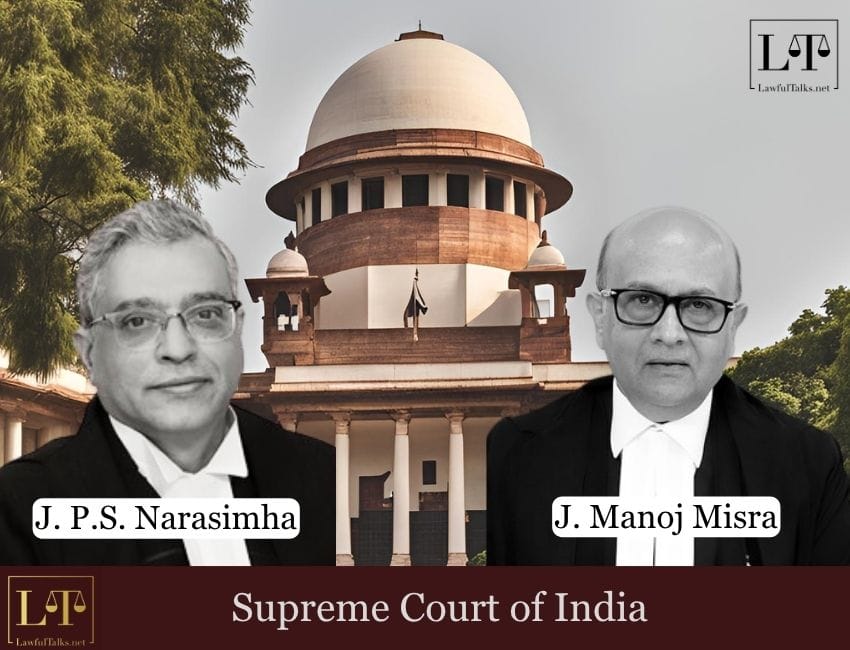
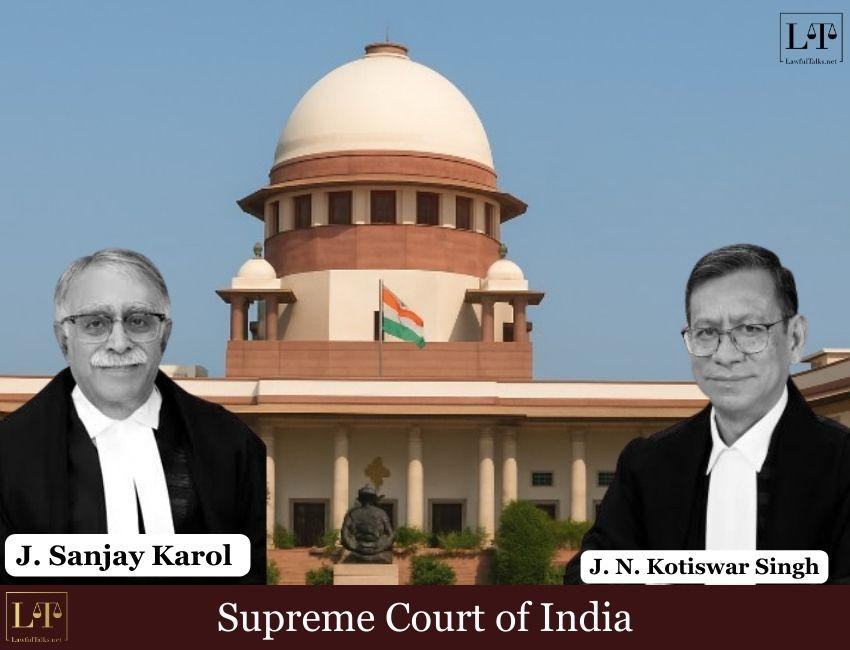
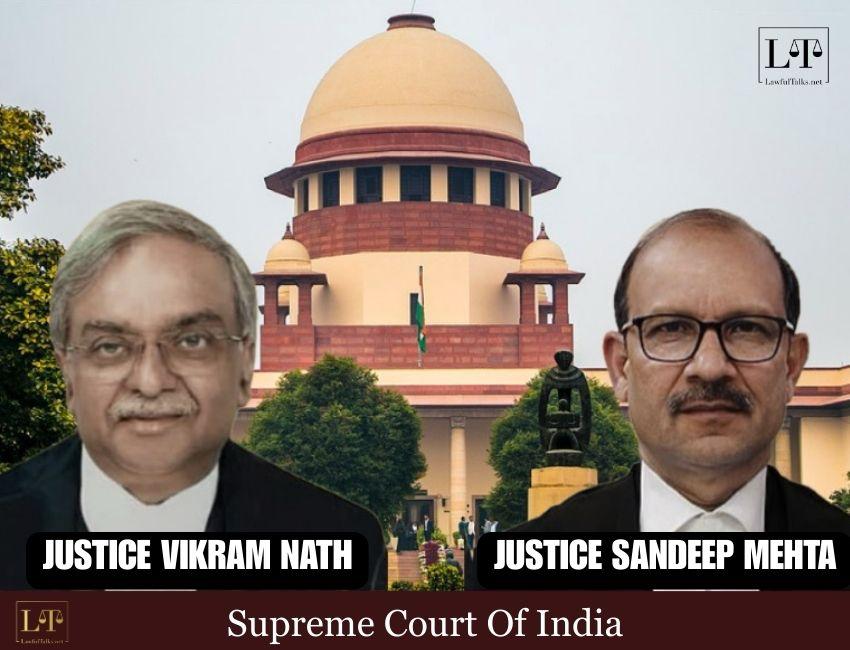
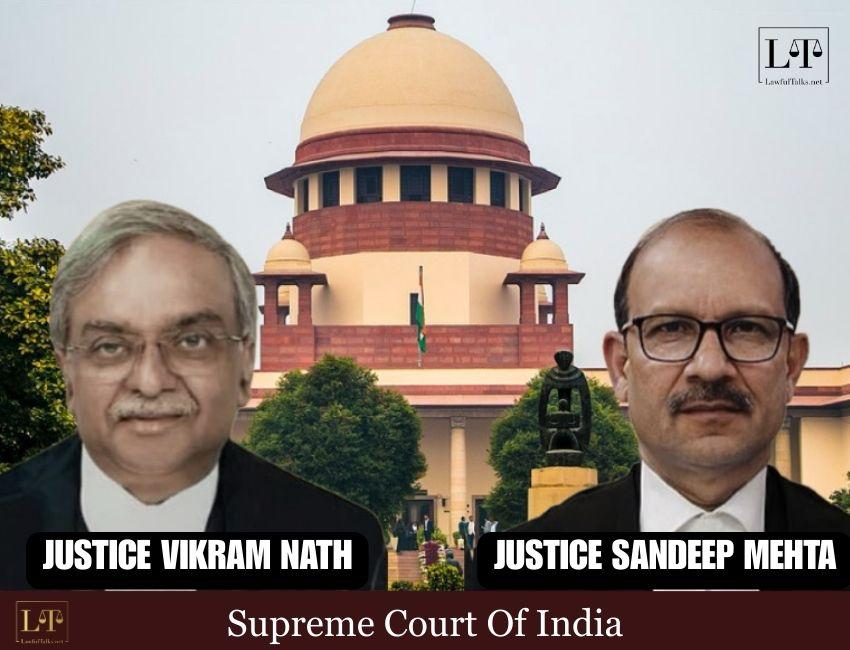
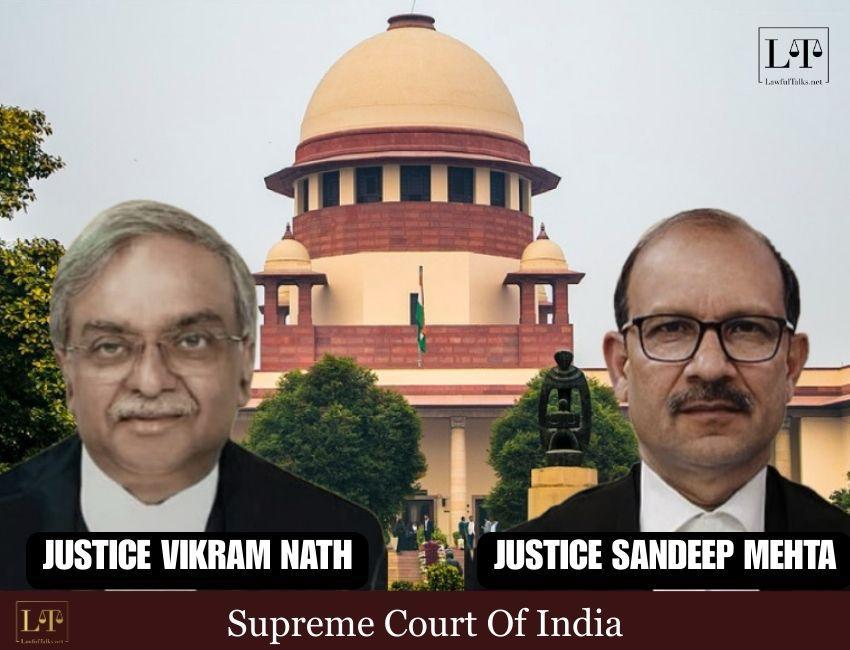
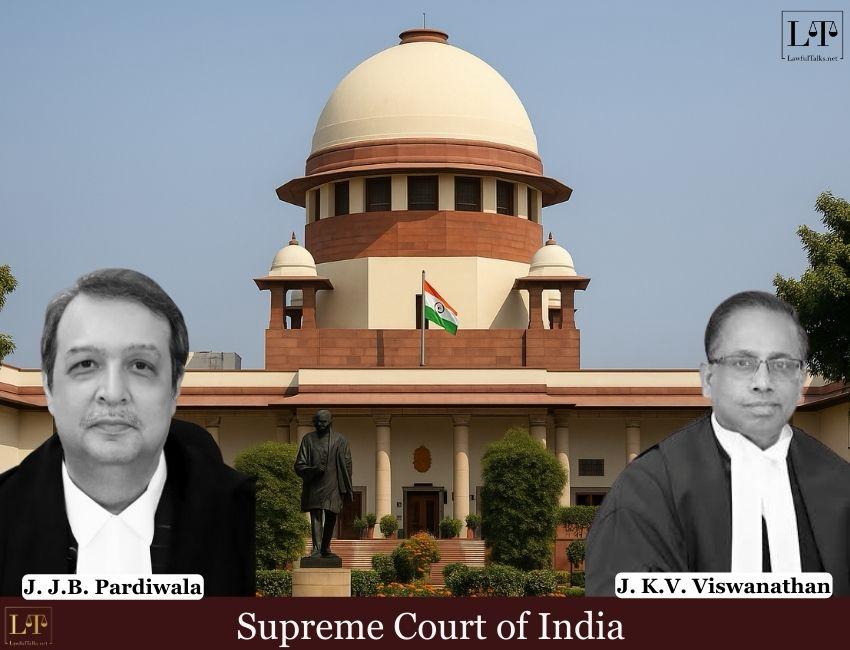
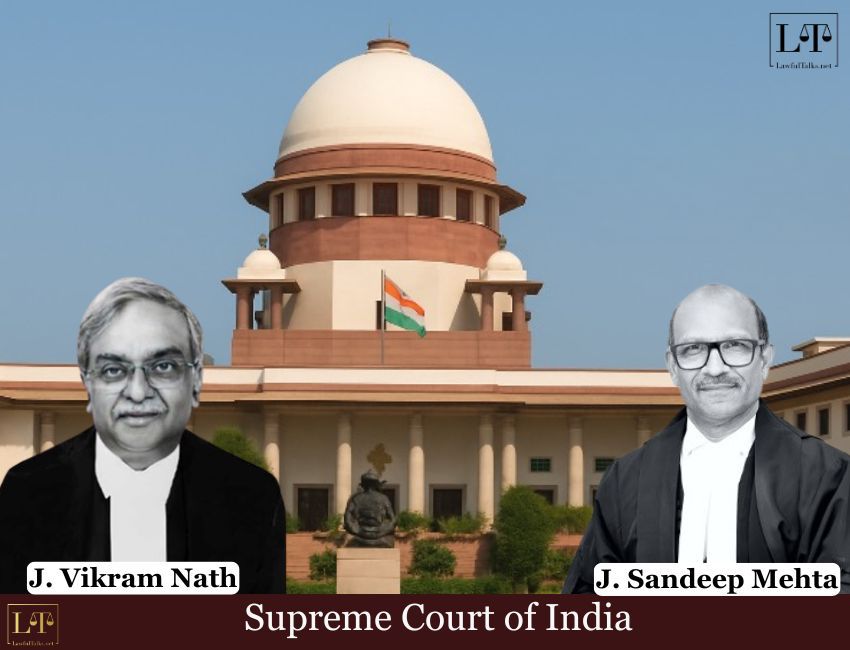
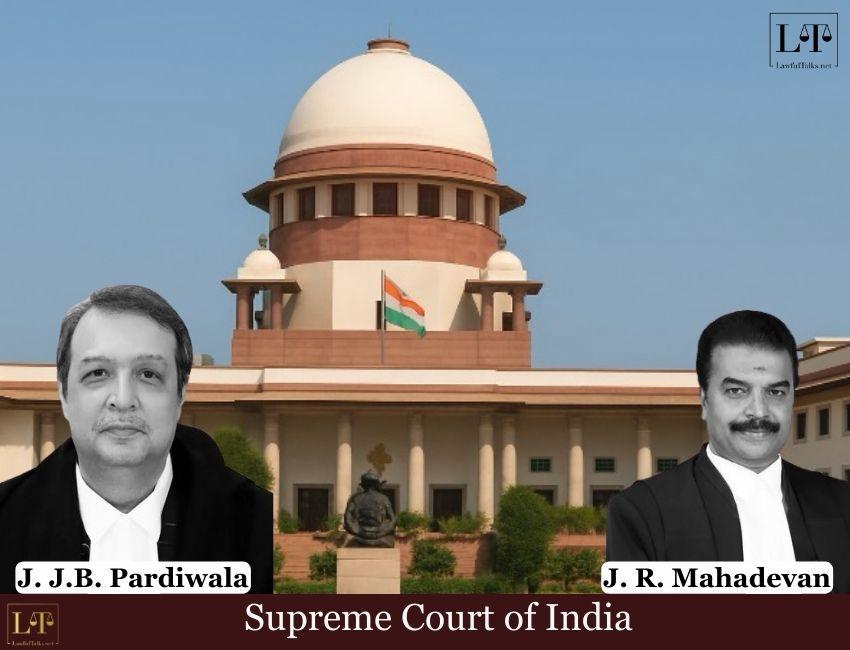
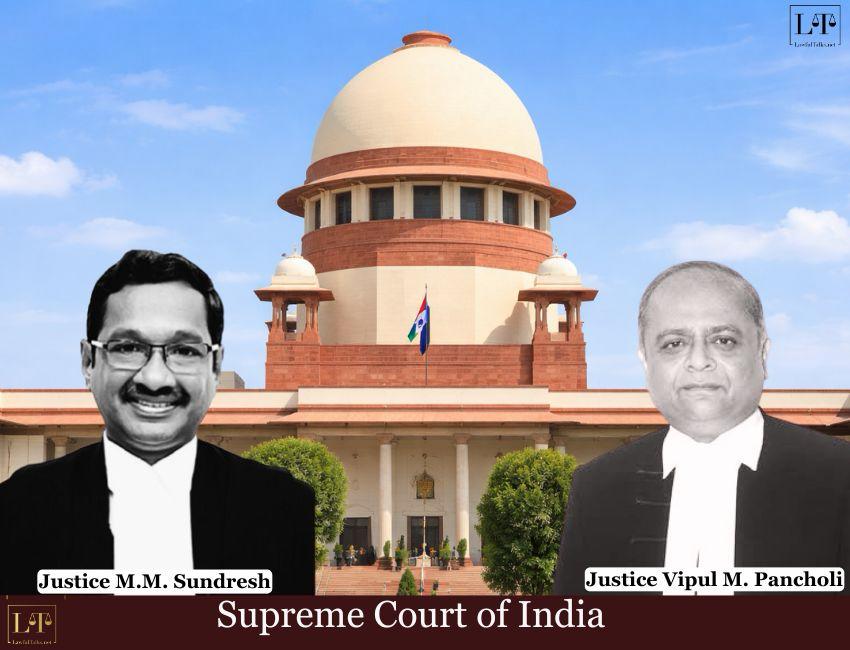
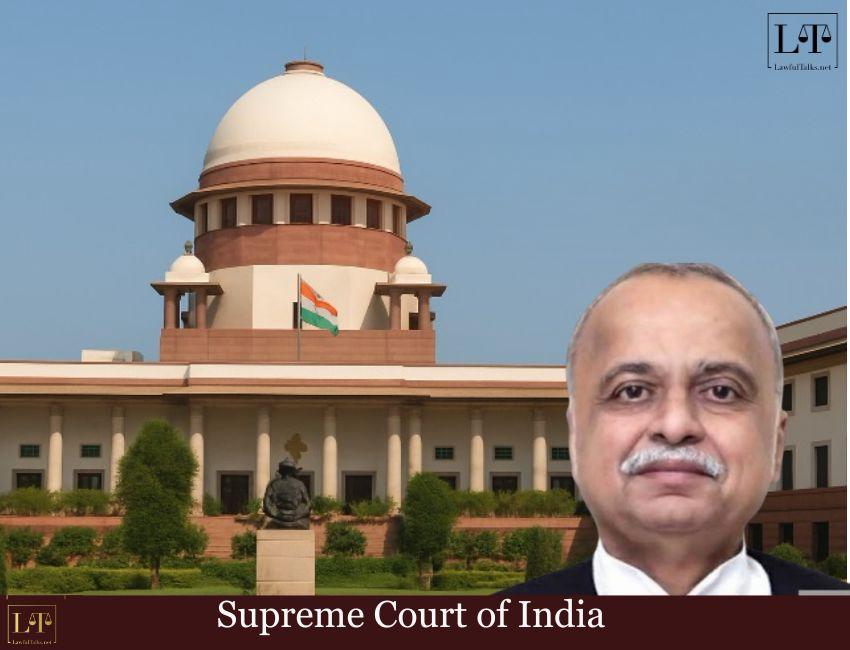
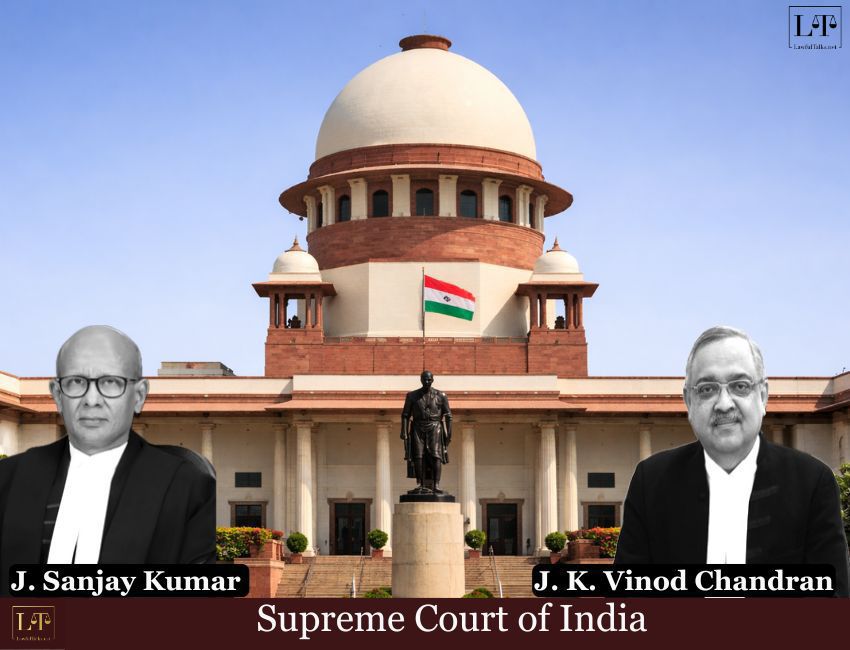
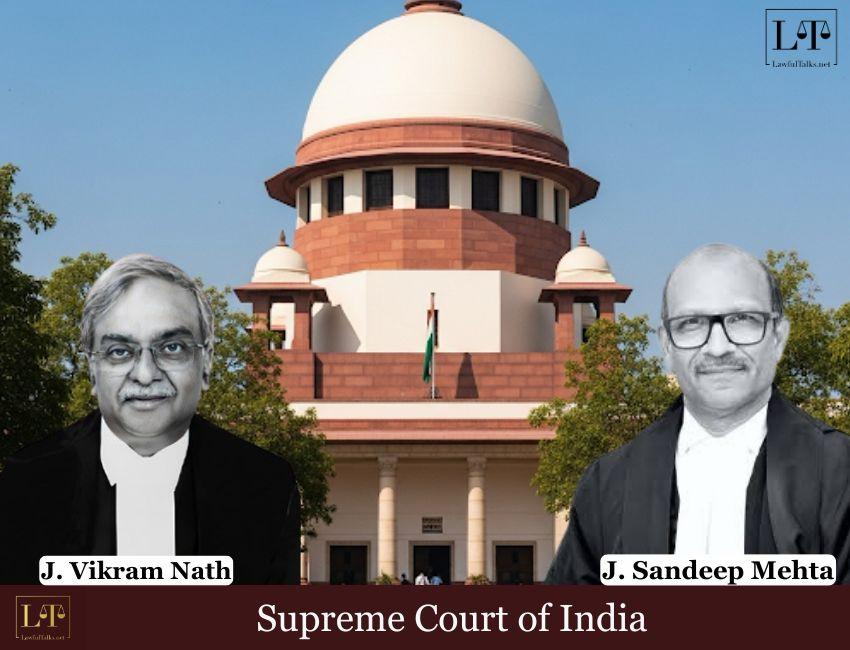
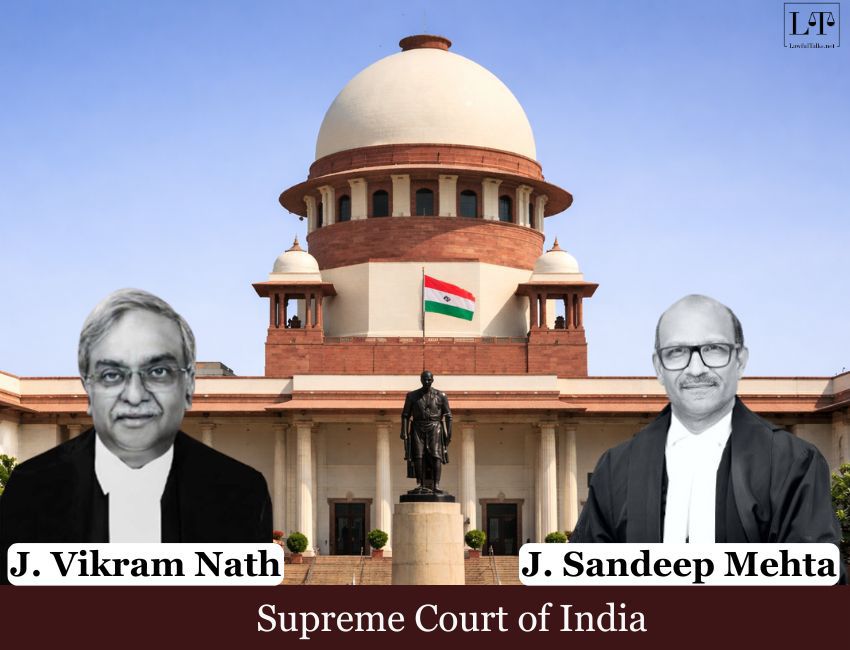
The matter was heard by a Supreme Court bench of Justices Vikram Nath and Sandeep Mehta, which was considering a petition filed by the victim’s wife challenging the High Court’s bail order.
After hearing arguments from both sides, the Supreme Court reserved its judgment.
Bench Raises Serious Questions on Bail:
During the hearing, Justice Sandeep Mehta questioned the reasoning adopted by the High Court while granting bail.
He asked, “What’s the reason given by High Court? Specific allegations not there? How can bail be granted in such a case? There are 8 injuries and 6 assailants. Indiscriminate beating in the middle of the market. How does it expect? Eyewitnesses have photographic memory? They are suppose to measure the injuries?”
When the counsel for the accused argued that there were no specific details about which accused caused which injury, Justice Mehta responded sharply, “How can you expect an eyewitness to narrate that? Can that be a ground in such a case?”
In response to a specific query from the Court, the petitioner’s counsel stated that Respondent No. 1 had been in judicial custody for six months.The court was also informed that charges have already been framed in the case, whereupon Justice Nath directed the respondent’s counsel, "You go back inside."
The respondent's counsel argued that the respondent has been out on bail for 3 years without violating any conditions. She added that the trial is unlikely to conclude anytime soon.
When she reiterated that the FIR does not clarify who inflicted which injury, Justice Mehta remarked, "“It is not required when Sections 147, 148 and 149 apply… why specific act is required to be mentioned?”
Justice Mehta also dismissed the argument regarding the absence of recoveries from the accused, stating, “Recovery is only for corroboration.”
The bench also noted that the petitioner herself was an injured eyewitness. After recording these observations, the Supreme Court reserved its orders.
Genesis Of The Case:
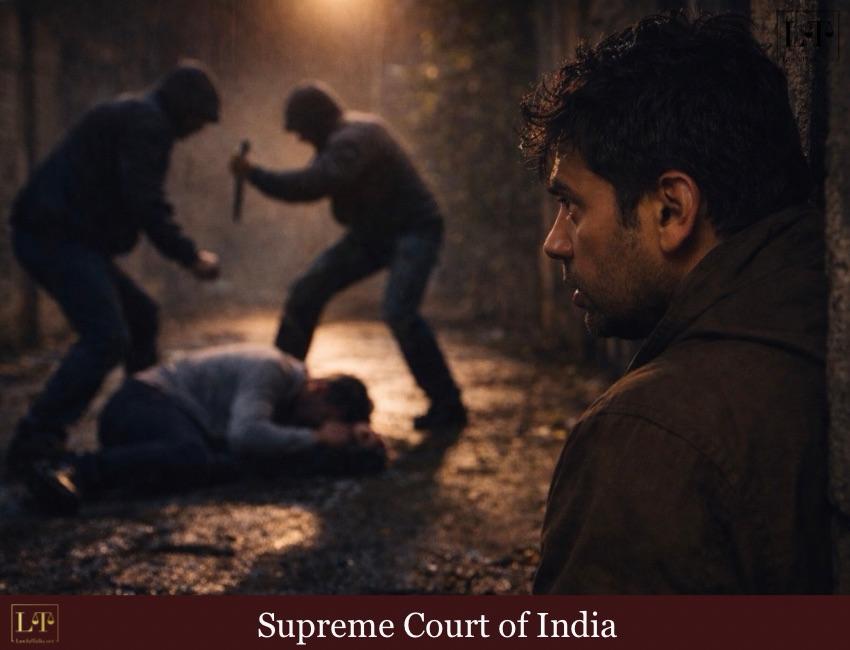
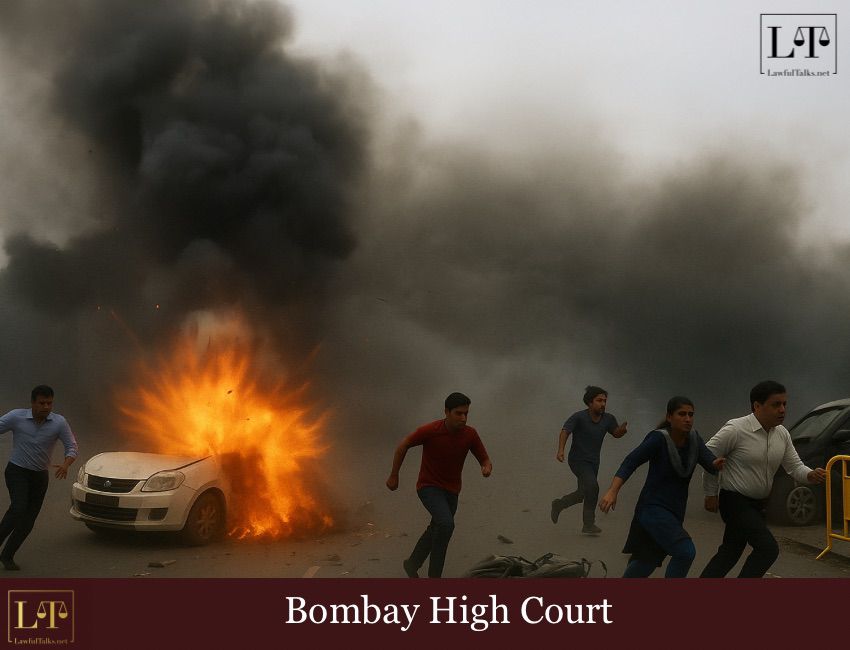
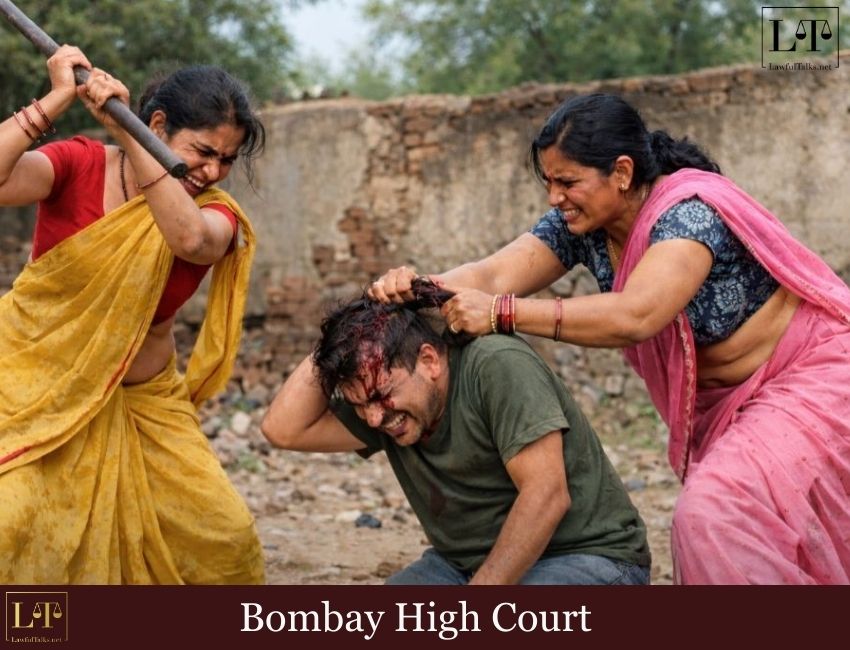
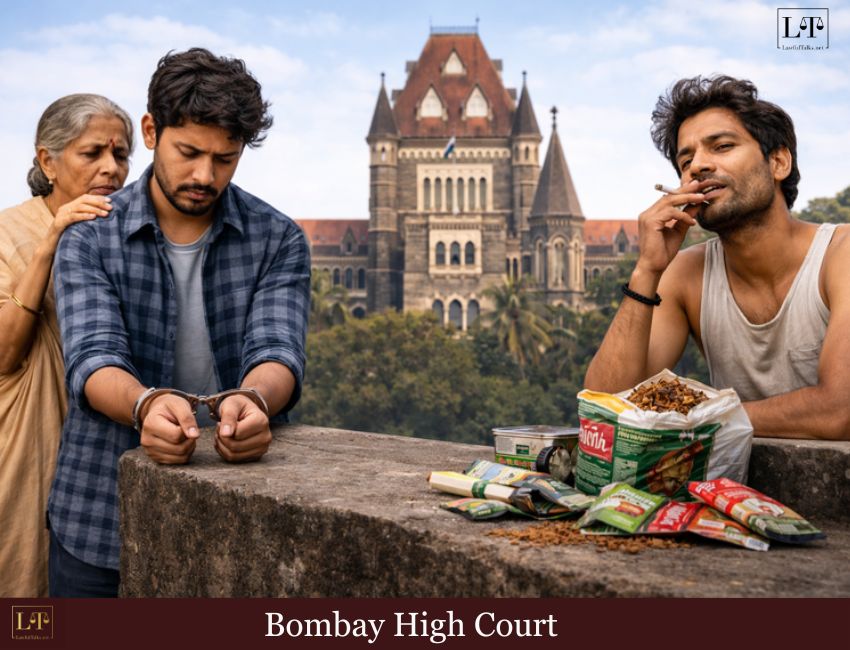
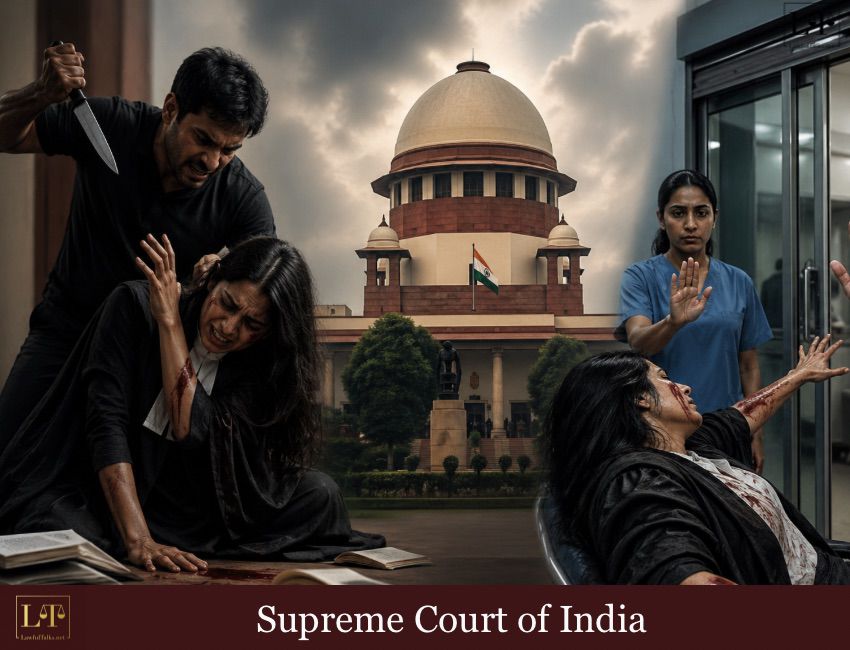
The incident took place in August 2022. The petitioner, her husband, and their daughter, who belong to the Hindu Mahadeo Koli caste, were living near the property of the accused. On the day of the incident, while the husband was dropping their daughter at school, he was brutally attacked by six men carrying iron rods and sticks. The attack happened in public, right outside a shop.
When the petitioner and other relatives rushed to rescue him, they were also assaulted and injured. During the assault, caste-based abuses were allegedly hurled at them. It was further alleged that three of the accused, including the respondents, exposed themselves while abusing the victims.
The police registered a case under Sections 302, 354, 294, 326, 324, 323, 504, 506, 509, 143, 144, 147, 148, 149 and 427 of the Indian Penal Code, along with Sections 3(1)(r), 3(1)(s), 3(2)(5), 3(2)(v-a), 3(1)(w) and 3(1)(g) of the SC/ST (Prevention of Atrocities) Act.
In January 2023, a Special Court rejected the respondents’ plea for regular bail. The respondents then approached the Bombay High Court, which granted them bail in March. The High Court cited the absence of clear material showing which accused caused which injury, the long-standing enmity between the parties, and the fact that some co-accused had already been granted bail.
Case Detail: SHOBHA NAMDEV SONAVANE Versus SAMADHAN BAJIRAO SONVANE AND ORS., SLP(Crl) No. 12440/2023























































































Sign up for free and be the first to get notified about curated content just for you.