‘Frozen In His Past’: Delhi HC Invokes Kafka, Orders Release of Ex-President’s Body Guard Harpreet Singh
- February 04, 2026


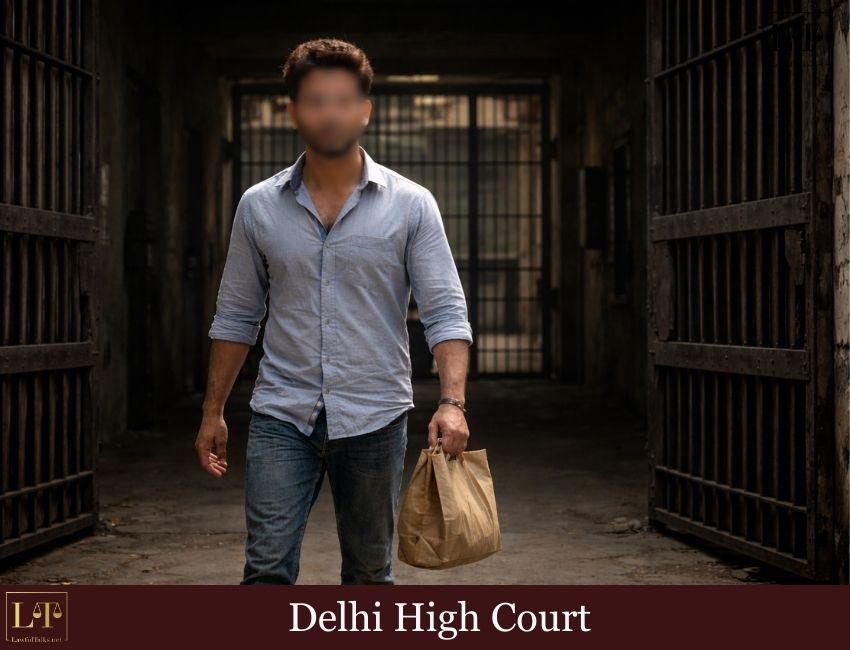
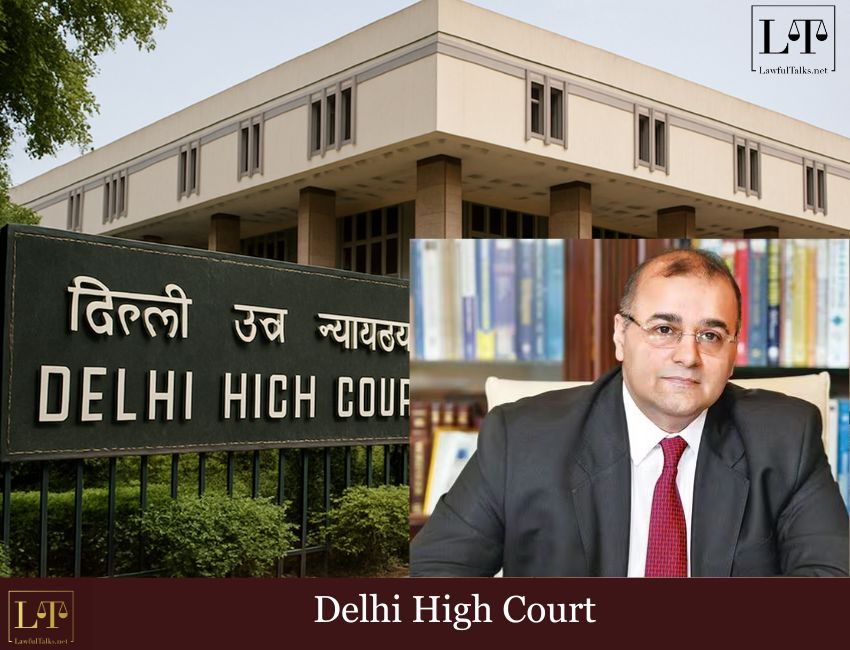
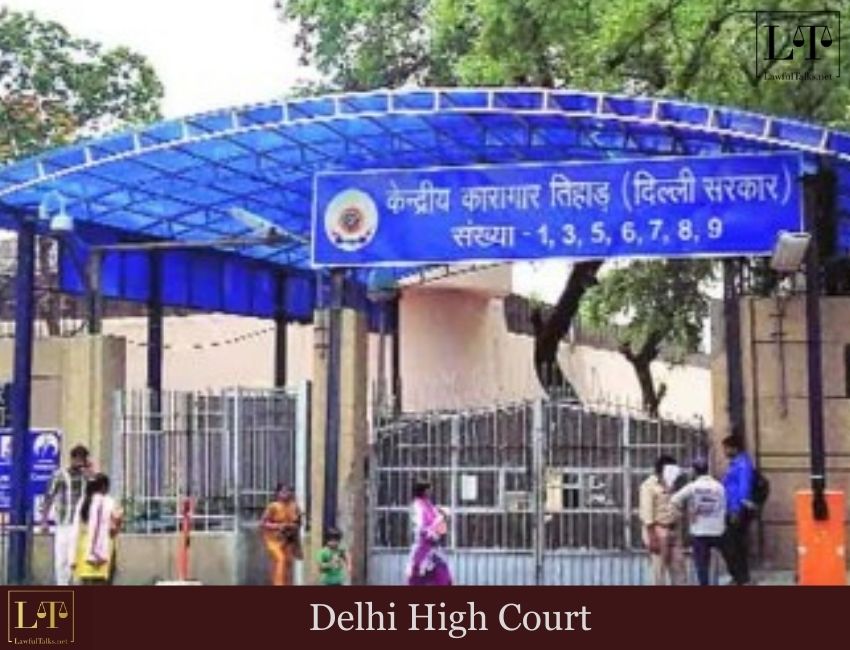
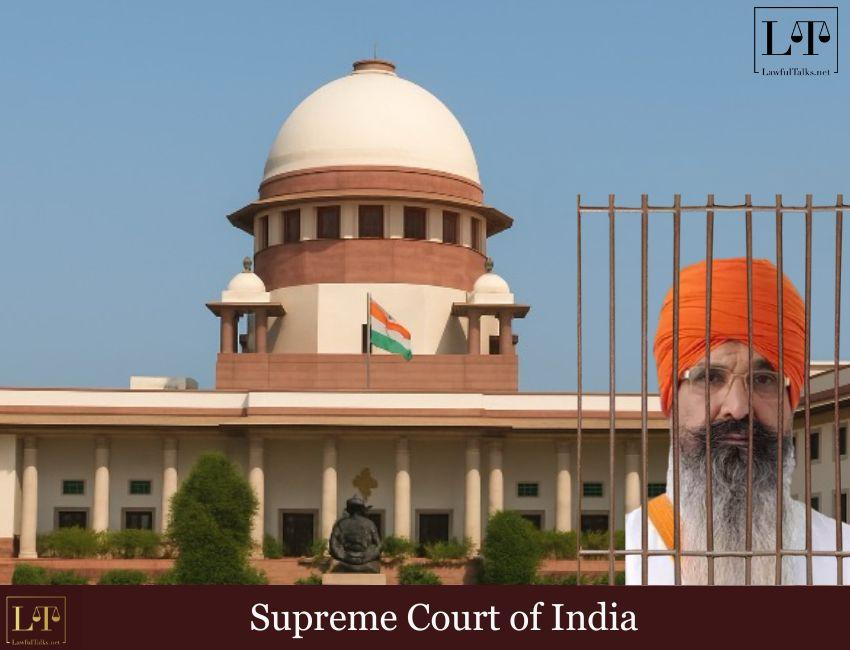
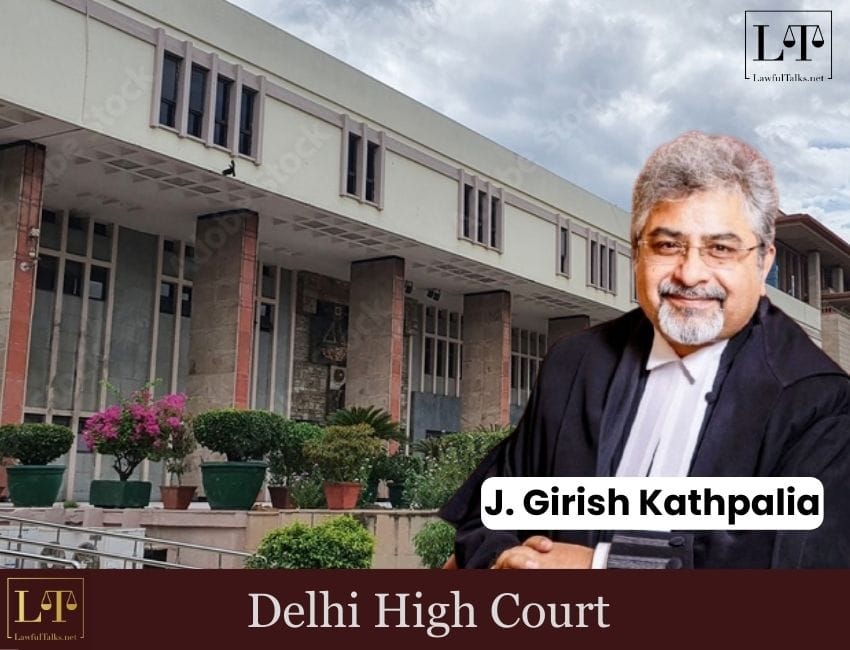
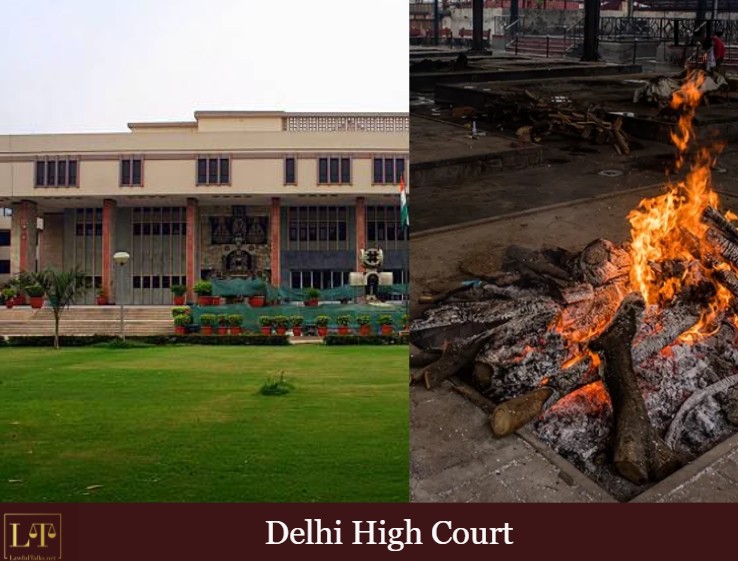
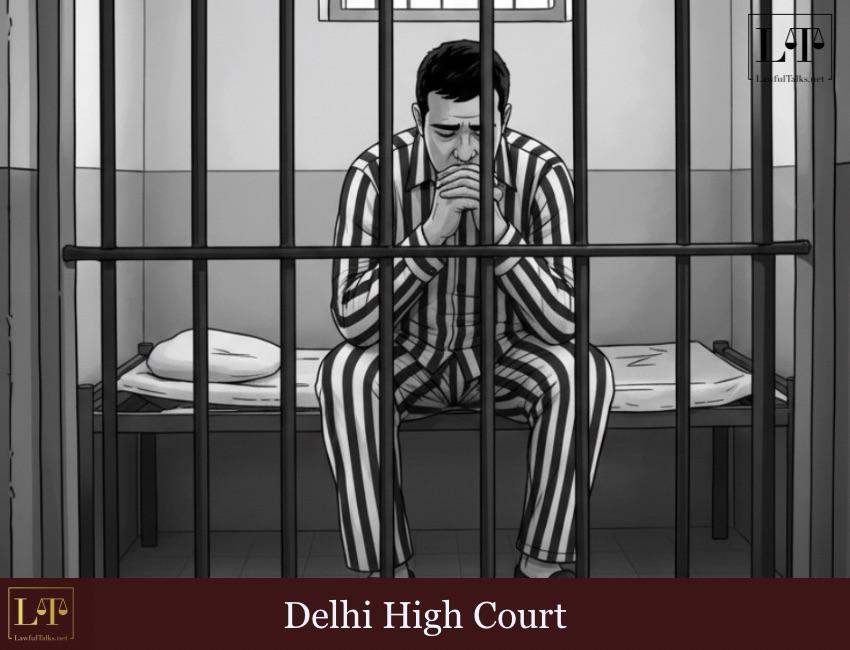
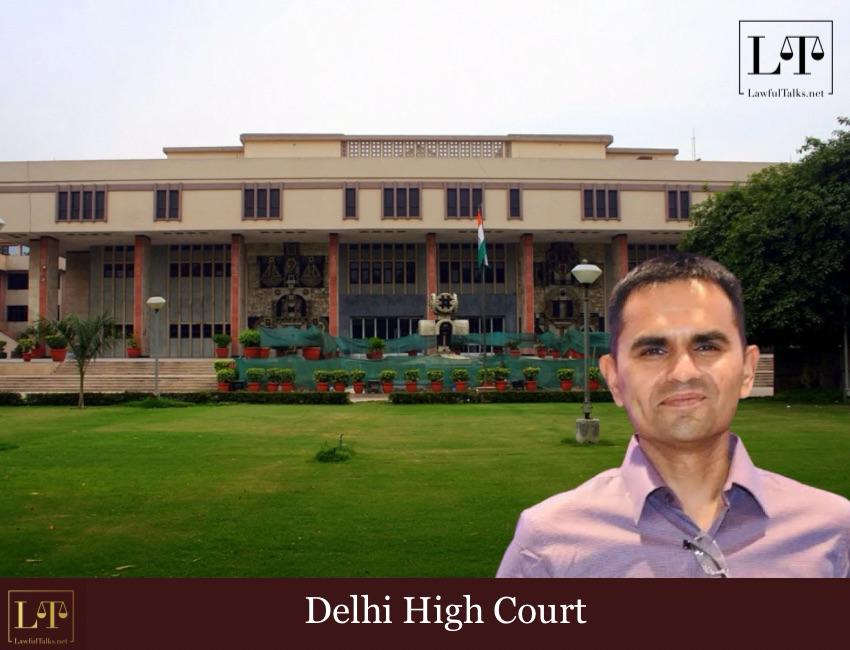
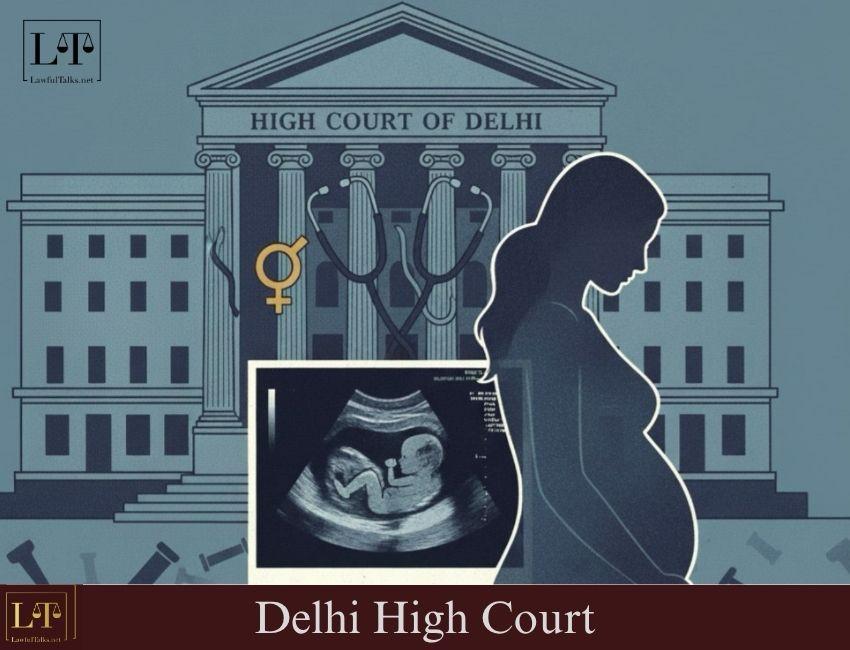
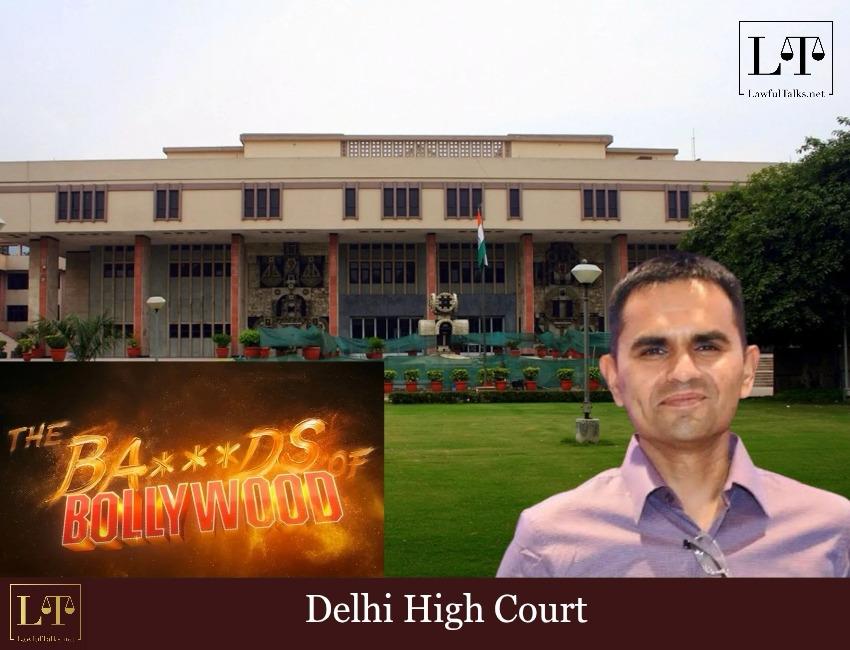
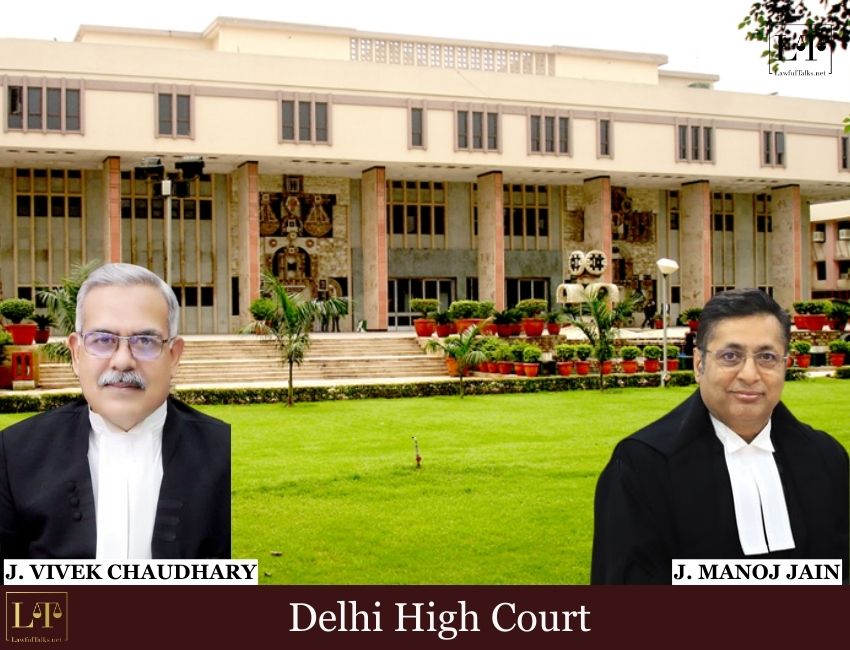
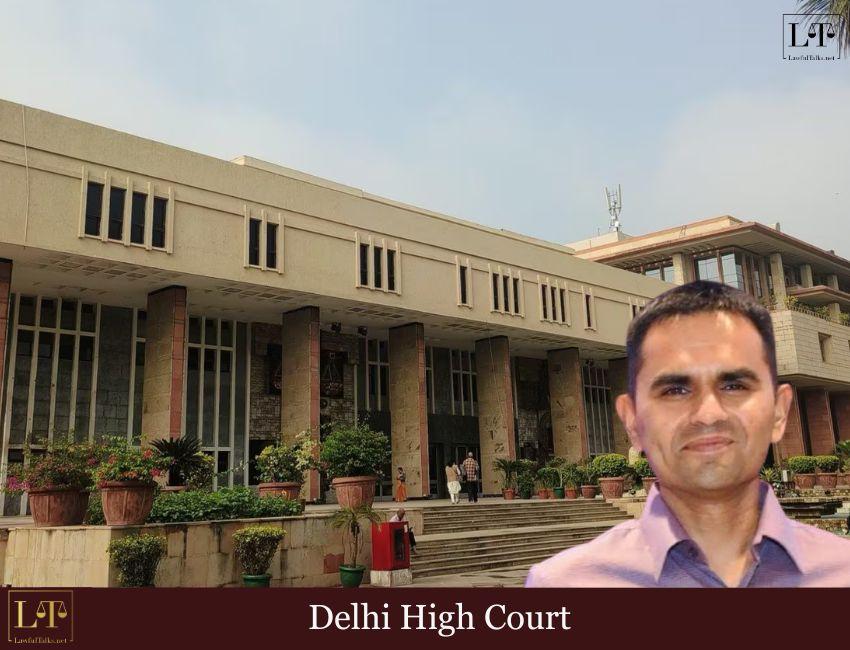
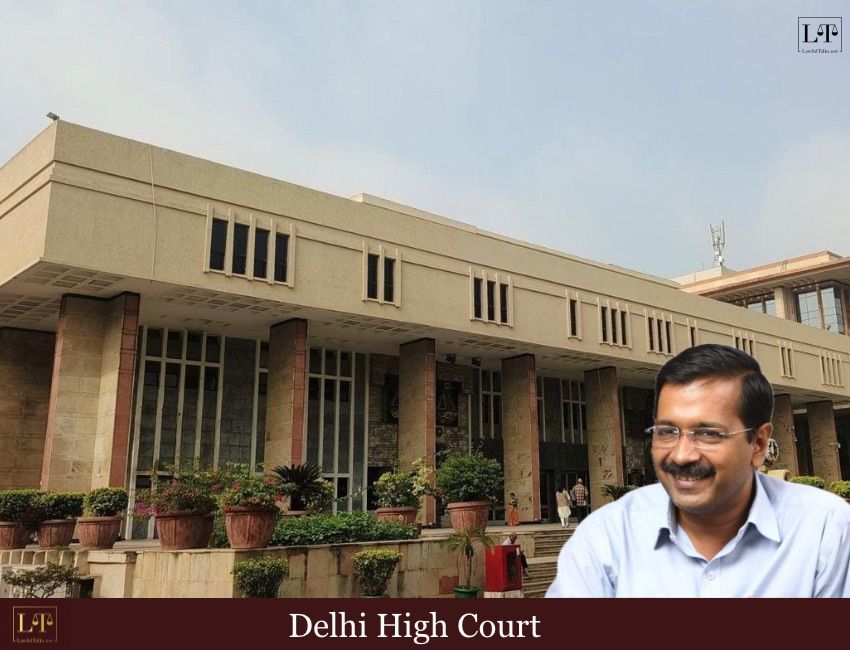
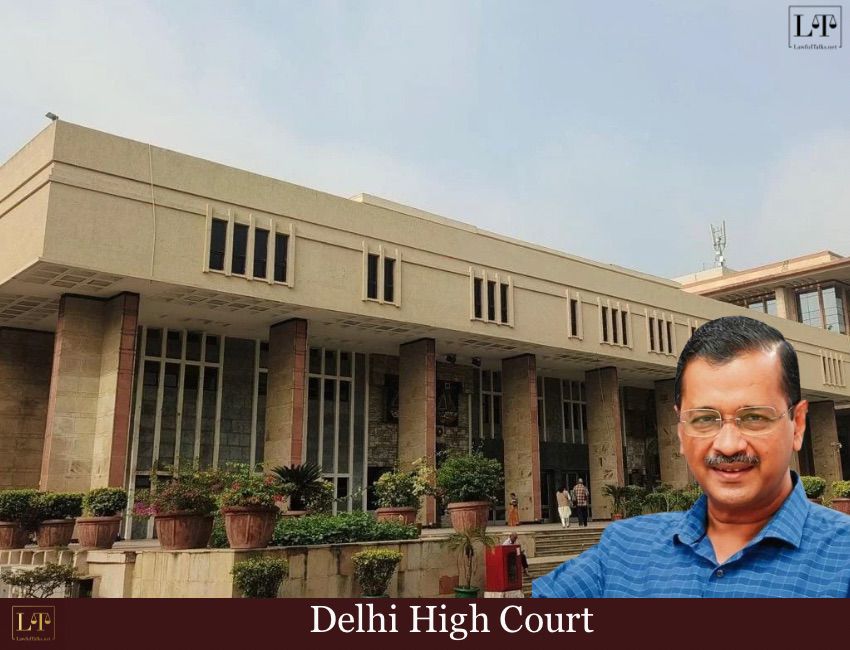
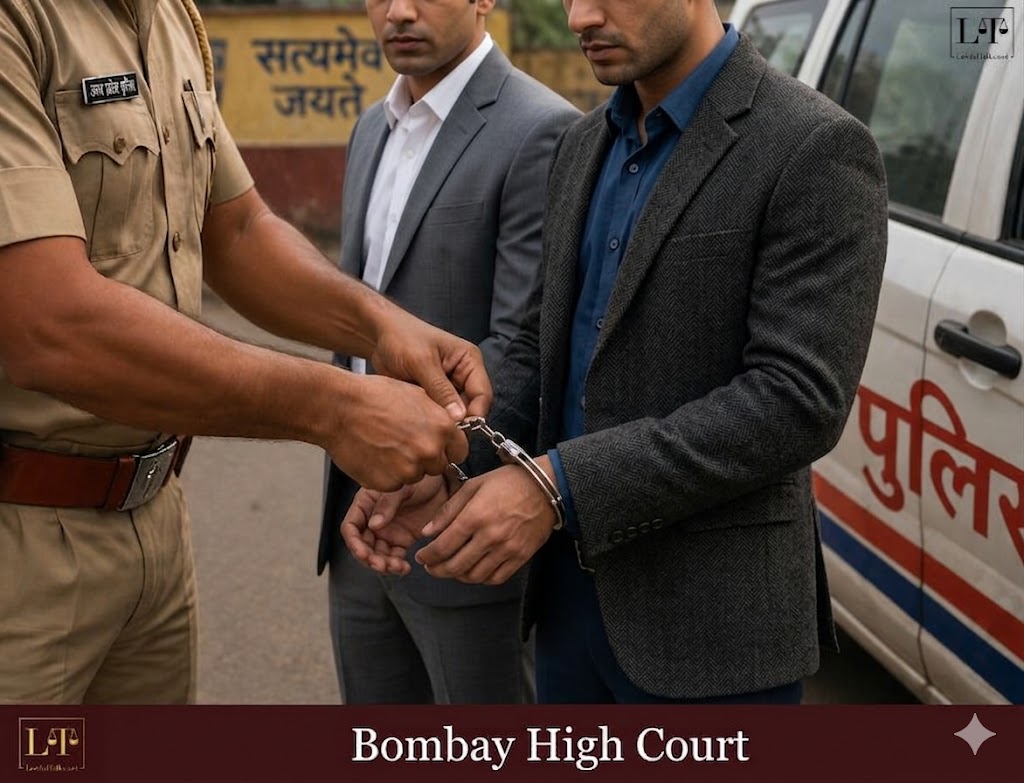
The Delhi High Court has ordered the premature release of Harpreet Singh, a former Presidential Body Guard who was serving a life sentence in a 2003 rape and robbery case. Justice Neena Bansal Krishna, while allowing his writ petition, held that keeping the petitioner in jail despite over 25 years in custody and repeated findings that he had reformed was arbitrary, mechanical, and in violation of constitutional principles.
Background:
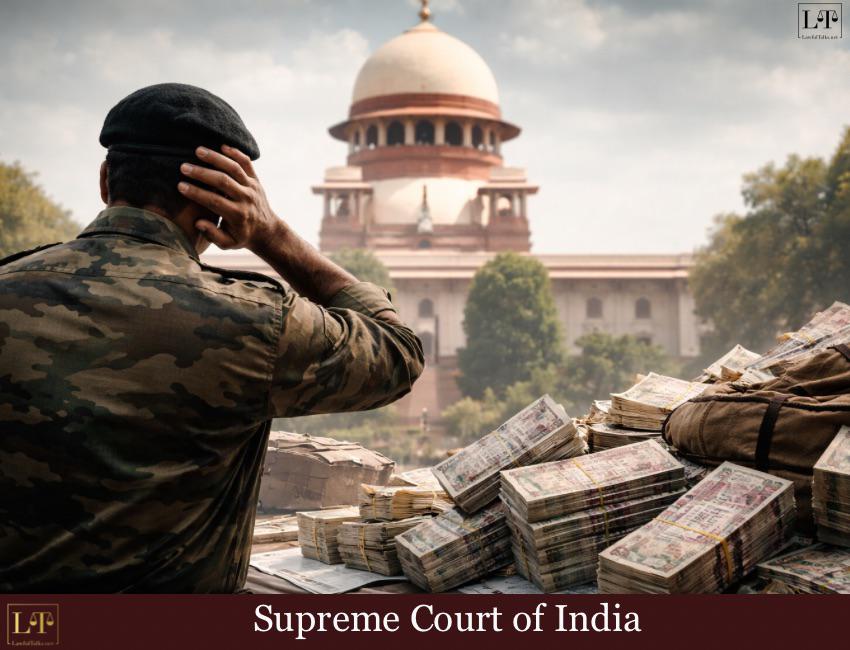
Harpreet Singh was convicted in 2009 under Sections 366, 376(2)(g), 394 and 34 IPC for the gang rape and robbery of a woman at Buddha Jayanti Park in Delhi, at a time when he was serving as a member of the President’s Body Guard. His conviction was upheld by the Delhi High Court in 2012.
From 2016 onwards, his plea for premature release was considered 12 times by the Sentence Review Board (SRB) but rejected each time, mainly because of the serious nature of the offence. This was done despite repeated reports of good conduct in jail, commendations from prison authorities, and favourable recommendations by probation officers.
By the time the court decided the present petition, Singh had spent more than 25 years in custody, including remission, thereby exceeding the maximum period allowed under the Delhi Government’s 2004 Remission Policy.
Court’s Critique of the Sentence Review Board (SRB):
The Court was unsparing in its assessment of how the SRB had dealt with Singh’s case over the years. Justice Bansal Krishna observed that the Board had reduced the sentence review process into a “mechanical and cyclostyled” exercise, repeatedly focussing only on the seriousness of the offence and ignoring the required reformative factors.
The Court noted that even in 2017, the SRB itself had recorded Singh’s “propensity for committing crime: Nil”, but still went on to deny him release on the same grounds.
The judgment also noted that Singh had been granted 29 paroles and furloughs, all without any adverse incident, which strongly showed that he was capable of reintegrating into society.
Reform Over Punishment:
The court said that Indian criminal law has clearly shifted away from punishment based on revenge and now focuses on reforming offenders.
Justice Bansal Krishna observed:
“Had gravity/heinousness of offence been the only criterion, then the entire foundation of Remission Policy crumbles, as it is never going to change.”
The Court further said that punishment cannot remain fixed based only on an old crime, especially when the convict’s later conduct shows that he has changed.
The judge strongly emphasised the principle of reformative justice, stating:“The ‘gravity of the offense’ belongs to the past, while the ‘conduct of the prisoner’ belongs to the present and the future.”
The court held that keeping Singh in custody even after he had crossed the maximum period allowed under the applicable policy violated his right to life and personal liberty under Article 21 of the Constitution.
It also found that the Sentence Review Board had failed to pass a “speaking order”, as it repeatedly ignored important material on record. This included commendation rolls and certificates of good conduct, reports from the Jail Superintendent, recommendations of the Chief Probation Officer, and the fact that there was no objection from the police authorities in Singh’s hometown.
The court said that because the Board failed to properly consider the material before it, the rejection orders were arbitrary and could not be sustained.
In an unusual closing note, Justice Bansal Krishna referred to Franz Kafka’s Metamorphosis to highlight the State’s failure to see the petitioner as anything more than his past crime.
“Much like Gregor Samsa, the Petitioner has been trapped by the State in the frozen image of his past criminality… rather than the reformed individual of 2025.”
The Court warned that letting a past offence override decades of proven reform would turn the justice system into “a retributive cage.” Allowing the writ petition, the Delhi High Court held:
“The impugned Minutes of the SRB dated 23.02.2024 and their subsequent approval… are arbitrary, irrational, and contrary to the record.”
Accordingly, the Court directed that Harpreet Singh be released from custody forthwith.
Case Details - Harpreet Singh v. State (Government of NCT of Delhi)


































































































Sign up for free and be the first to get notified about curated content just for you.