“Hit With Iron Rod — Still Not ‘Child Abuse’: Bombay HC”

- February 05, 2026


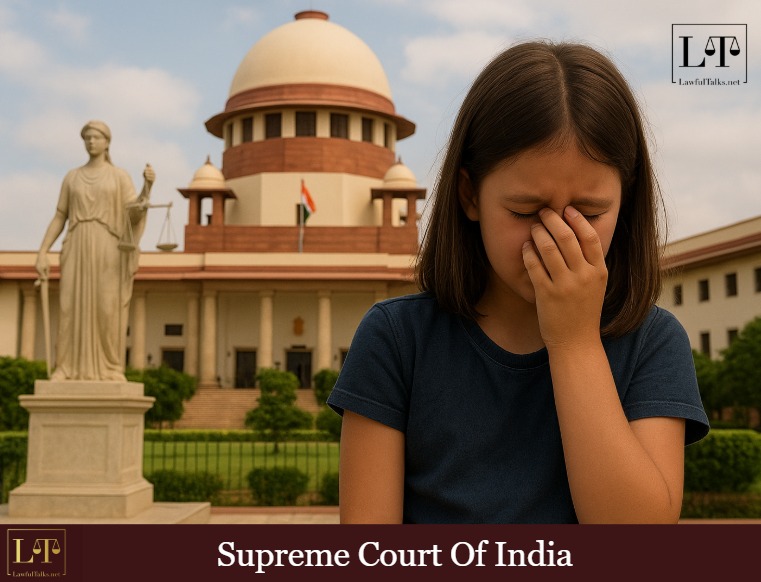
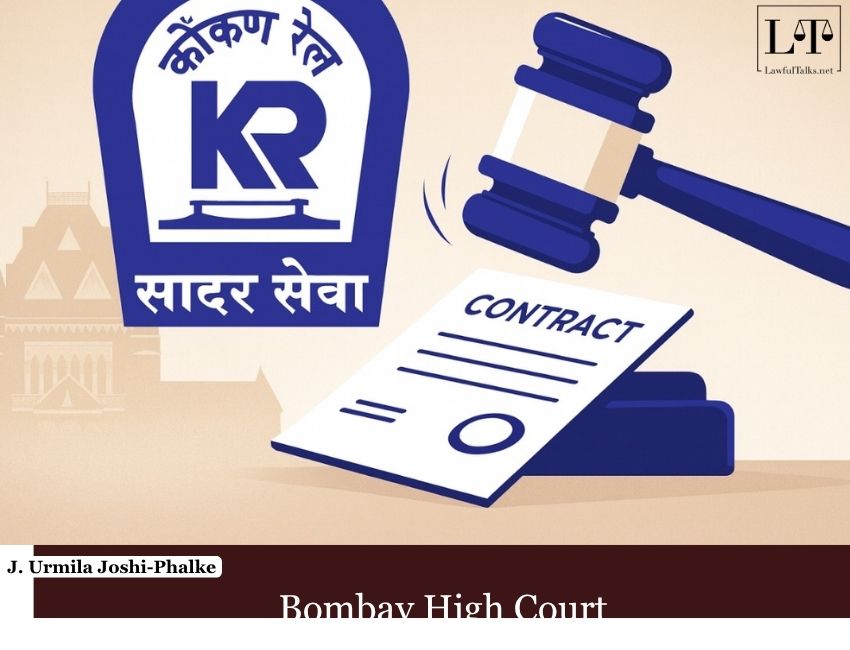
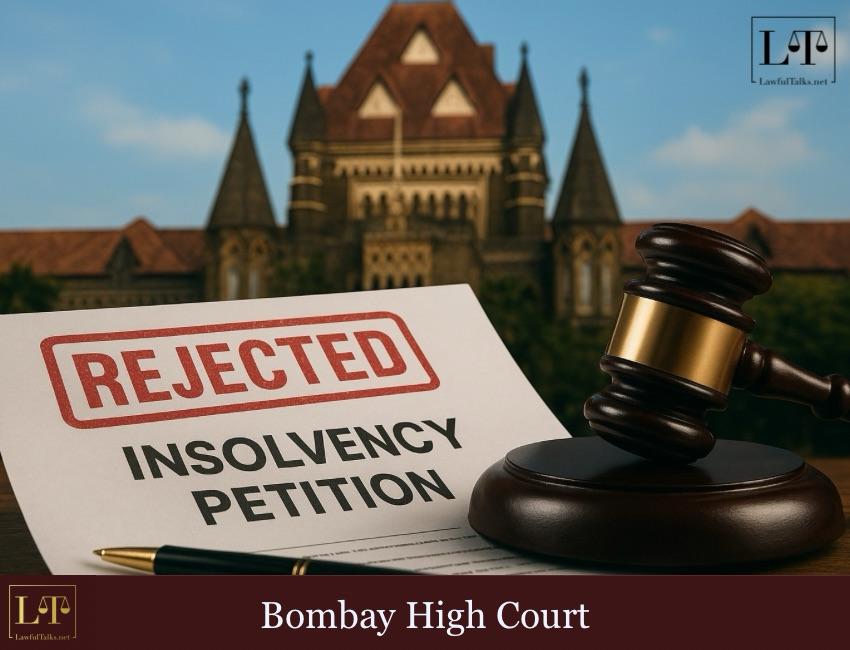
The Goa Bench of the Bombay High Court, acquitted two women who had been convicted for hitting their relative’s child on the head with an iron rod, causing a bleeding injury. The bench of Justice Shreeram Shirsat, who heard the matter held that a single incident of assault on a child does not automatically amount to “child abuse” under the Goa Children’s Act, 2003.

Case Background:
The appeal was filed by real sisters Anita Naik and Kunda Naik, challenging the June 30, 2016 judgment of the Children’s Special Court at Panaji. In that judgment, they had been convicted under Sections 504 (intentional insult with intent to provoke breach of peace) and 324 (voluntarily causing grievous hurt) of the Indian Penal Code, along with the relevant provisions of the Goa Children’s Act.
The Naik sisters were sentenced to one year's simple jail term for the offences under sections 504 and 324 along with a fine of Rs 500. However, for the offence under section 8(2) of the Goa Children's Act, they were asked to pay Rs 1 lakh each.
Court’s Reasoning And Ruling:
The judge noted from the prosecution case that on June 4, 2011, the victim, who was a minor at the time, was washing his face when the Naik sisters abused him in 'filthy' language and assaulted him with an iron rod on his head, right shoulder and right leg. This caused a 'bleeding' injury on his head. He received treatment at a government-run hospital and then lodged an FIR.
Justice Shirsat observed that in this case there were no claims that the minor victim had faced repeated harassment or more than one incident of assault by the applicant sisters. He said:
"I am of the opinion that the present case in hand being a solitary incident does not satisfy the essential ingredient of 'Child Abuse.' It cannot be attracted to every trivial or isolated incident involving a child, but must necessarily co-relate with acts involving cruelty, exploitation, deliberate ill-treatment, or conduct intended to cause harm and its legislative intent is to protect children against serious forms of abuse and not to criminalise minor, incidental acts emanating during the course of simple quarrels,"
The judge clarified that the offence of child abuse requires an intention to cause harm, cruelty, exploitation or ill-treatment to a child, and the conduct must be more than a one-time or momentary act arising from a quarrel.
The Court further said:
"A sudden reaction in the heat of the moment, without any evidence of deliberate or sustained maltreatment, does not satisfy the essential ingredients of child abuse. Therefore, in my opinion, taking into consideration the facts of the present case, the Children's Court has erred in convicting the Appellants under Section 8(2) of The Goa Children's Act, 2003 and therefore deserve to be acquitted for the said offence,"
The judge also held that the offence under Section 504 of the IPC was not made out in this case because there was no material on record to show that the accused had the intention to provoke, or the knowledge that their actions would cause a breach of peace.
The Court said that only the offence under Section 324 of the IPC was proved, as the prosecution successfully showed from the evidence that the sisters had assaulted the minor victim. The judge noted that there was no repetition of such an incident, the accused and the victim are related, and the incident took place in 2011.
Considering these circumstances, the Children’s Court was directed to examine whether the accused could be given the benefit of probation under the Probation of Offenders Act, 1985.
In light of these findings, the judge acquitted the Naik sisters of the charges under the Goa Children’s Act as well as under Section 504 of the IPC.
Case Title: Anita Naik vs State (Criminal Appeal 49 of 2016)
























































































































































































































































































































































































Sign up for free and be the first to get notified about curated content just for you.