“You Still Have to Pay”: SC Rejects ‘Educated Wife’ Defence, Doubles Alimony

- February 05, 2026


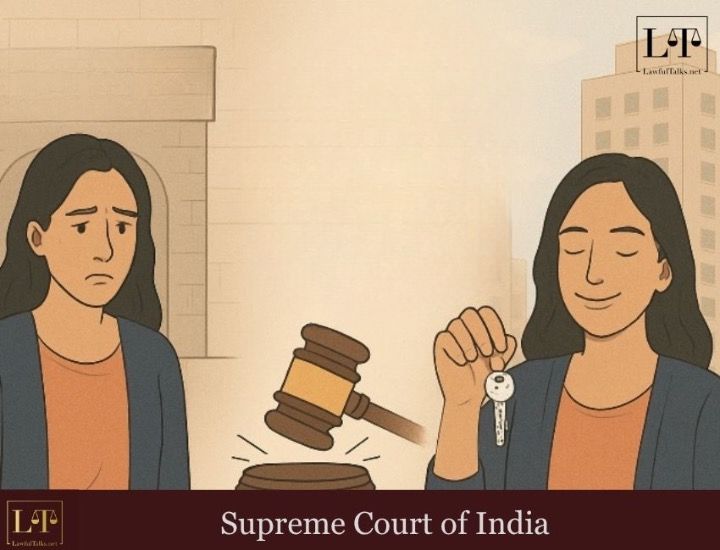
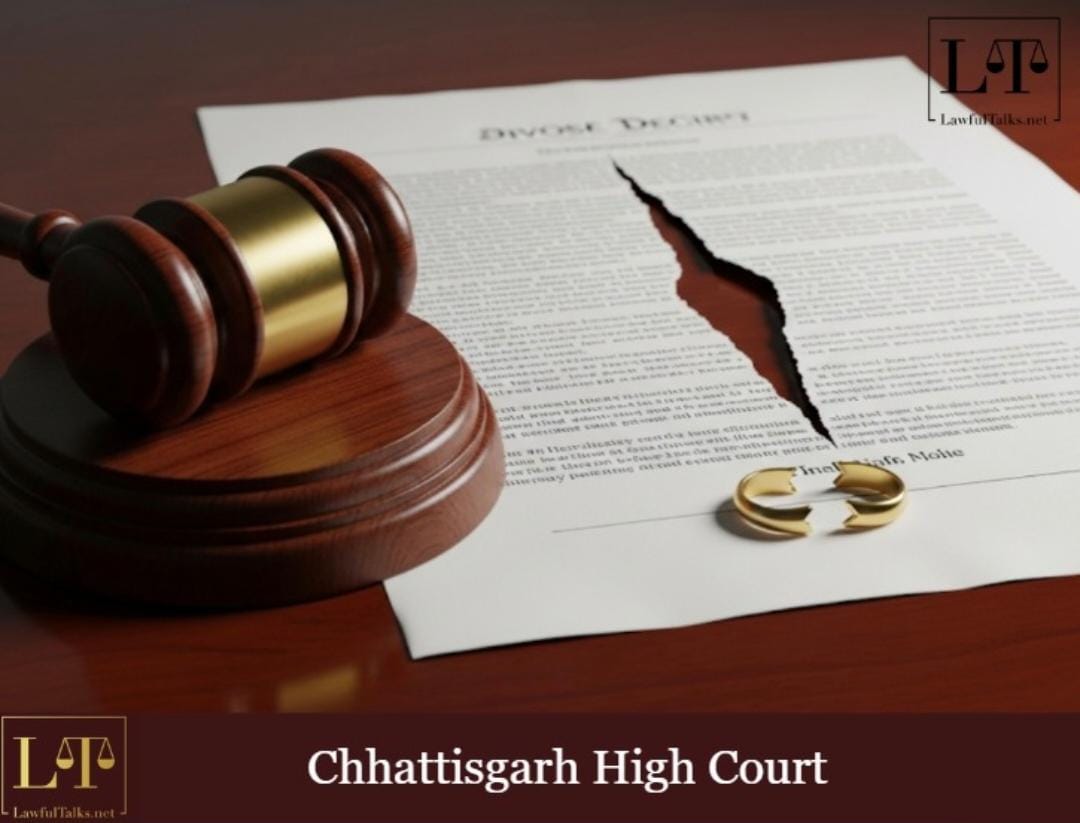
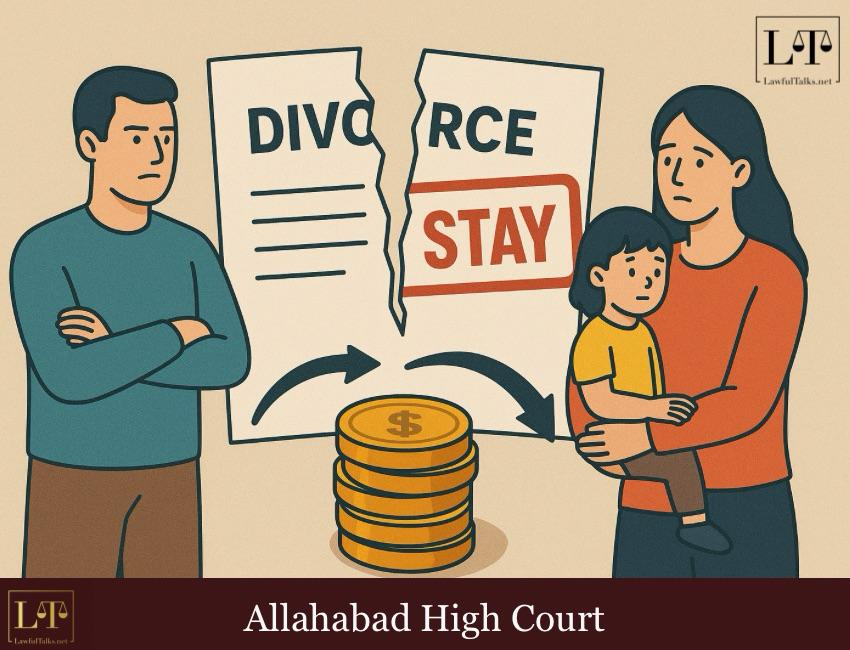
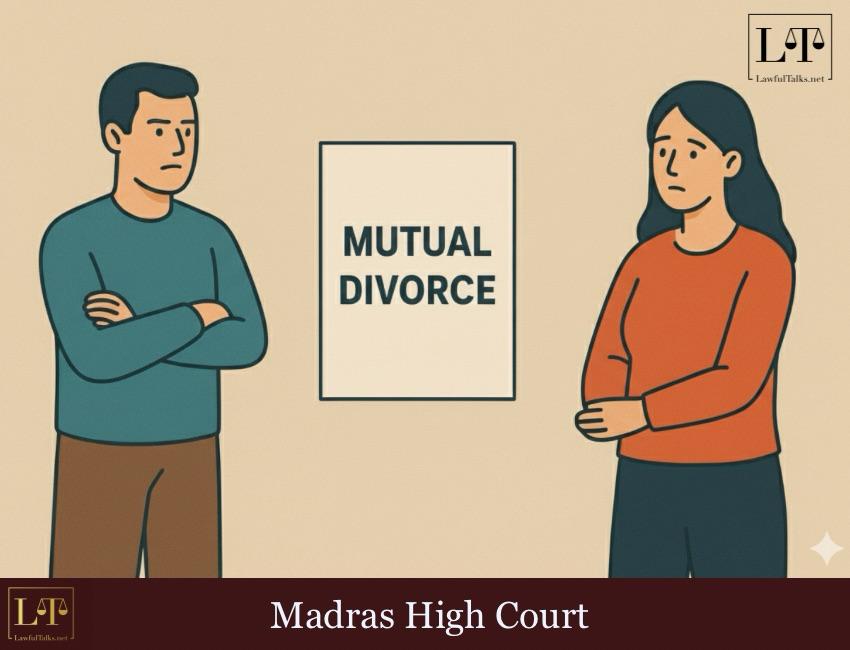
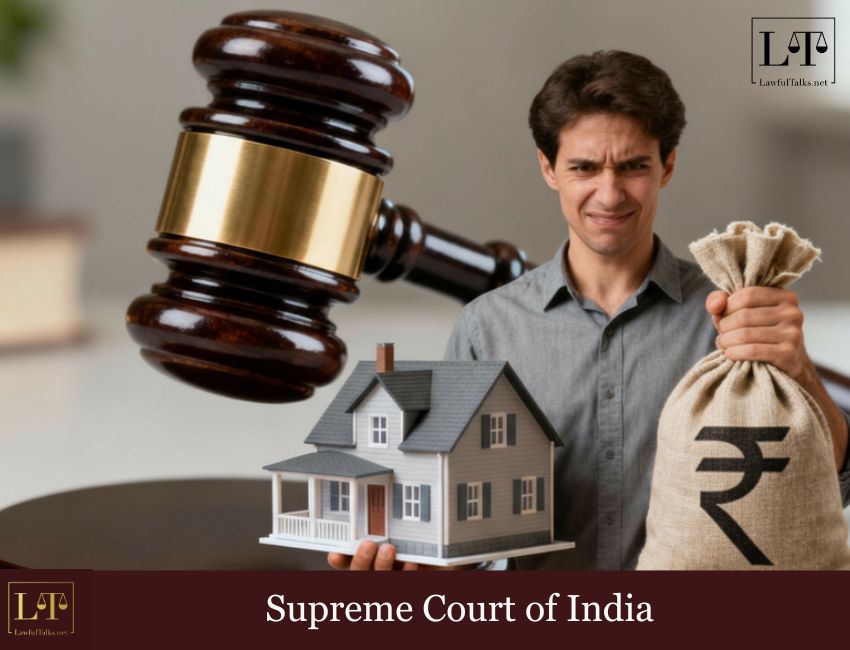
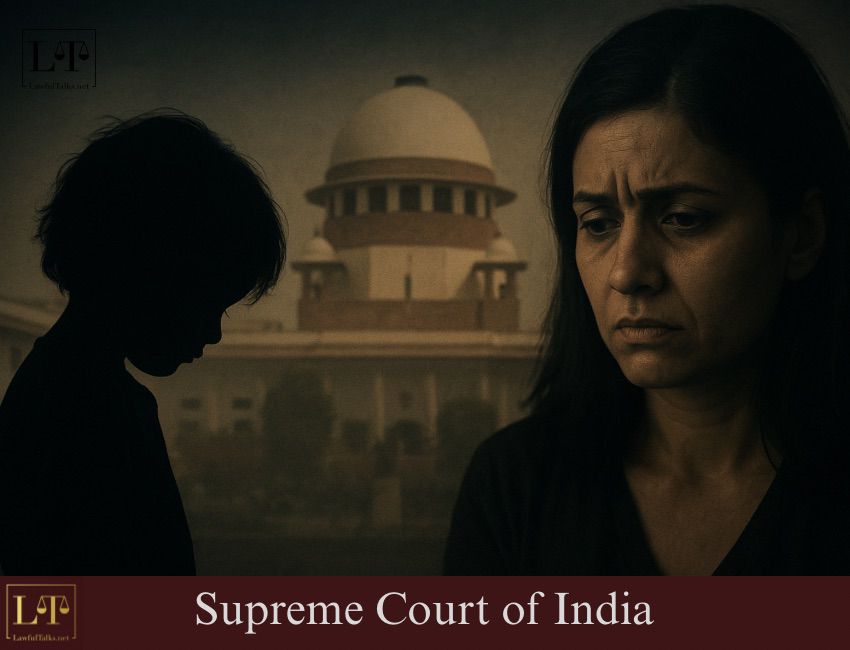
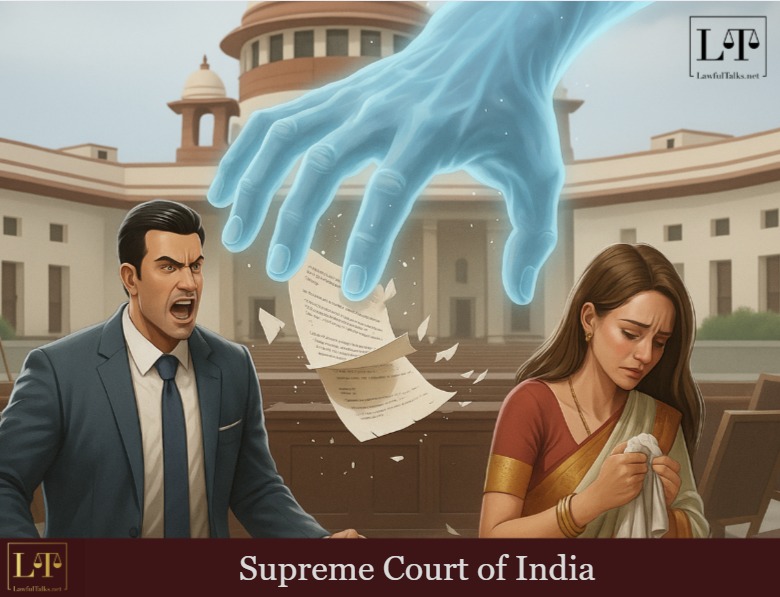
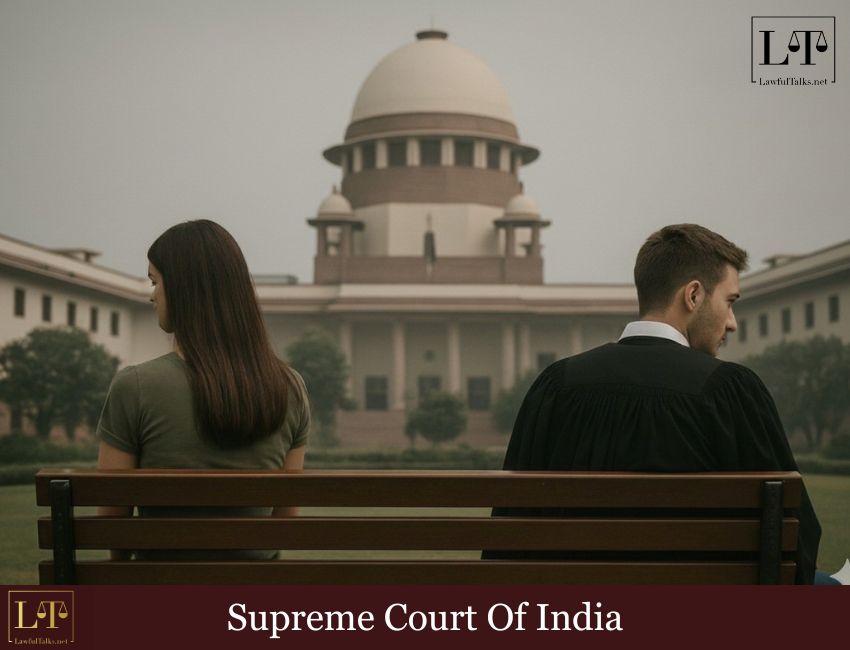
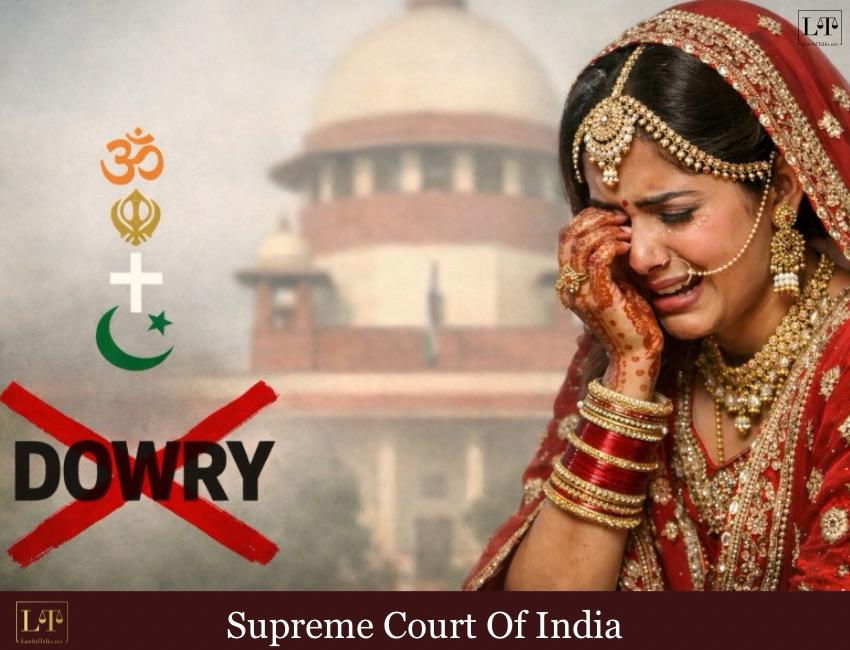
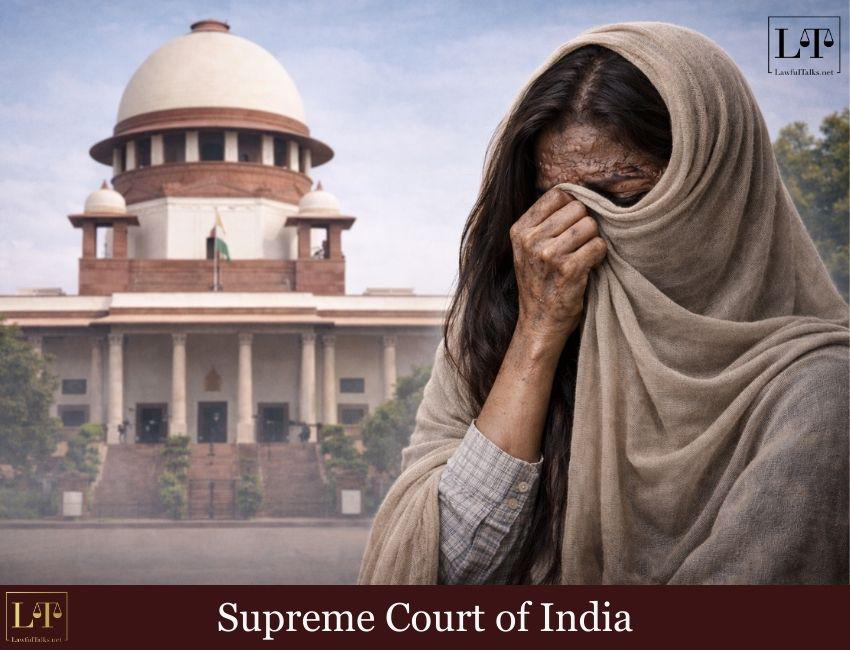
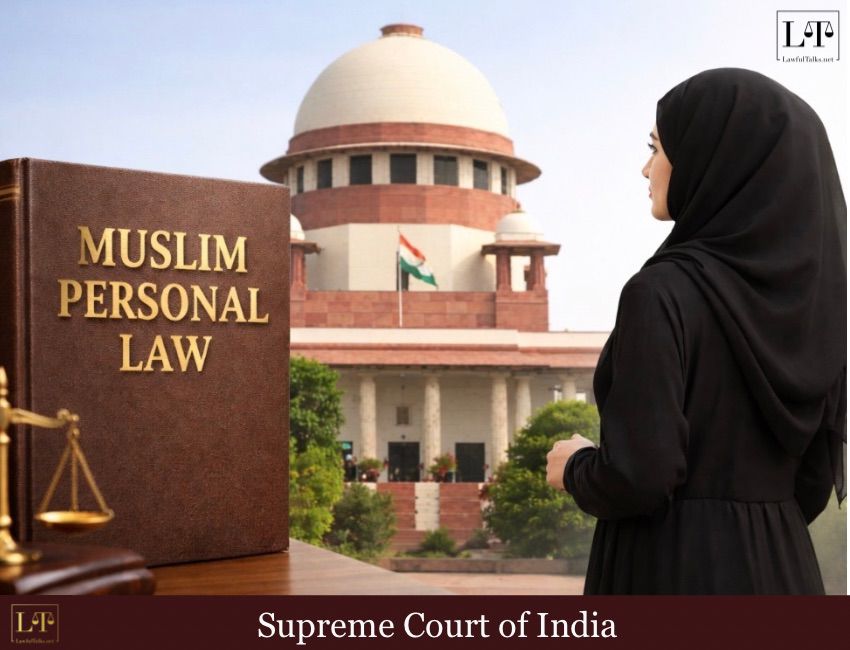
In a significant ruling on maintenance after divorce, the Supreme Court said a husband cannot avoid paying maintenance to his former wife just because she is educated or supported by her parents. The Court stressed that maintenance is meant to help the wife live with dignity and in a manner similar to the standard of living she had during the subsistence of the marriage.
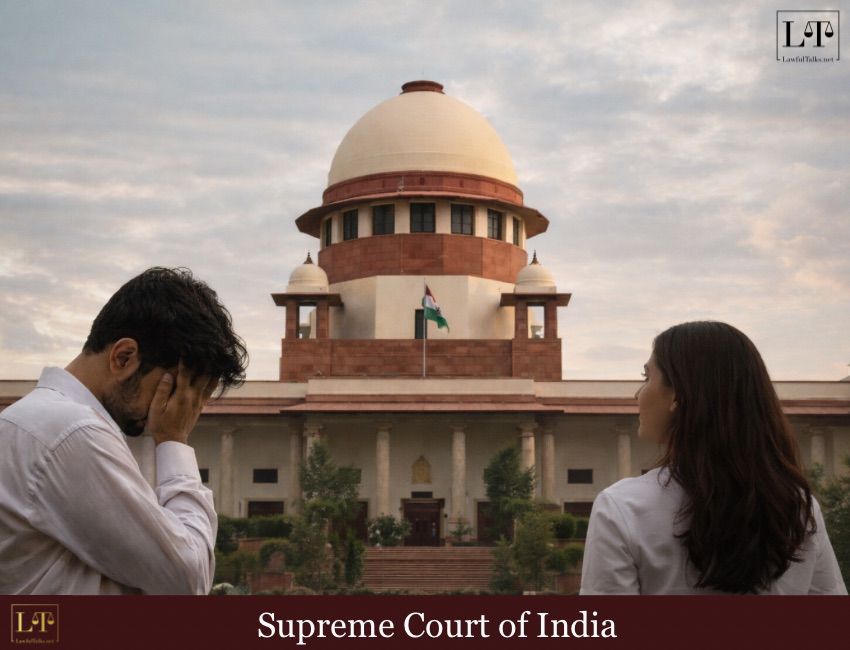
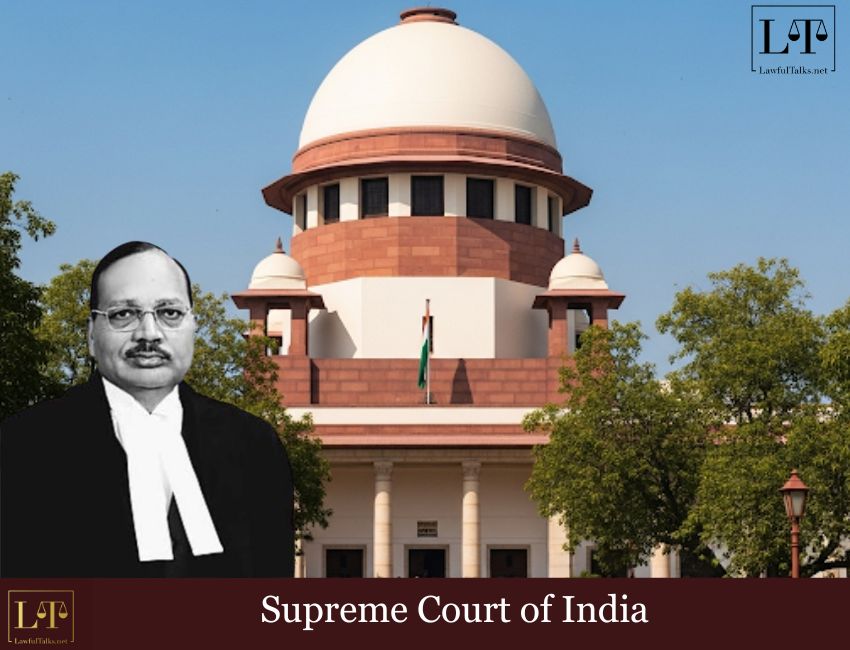
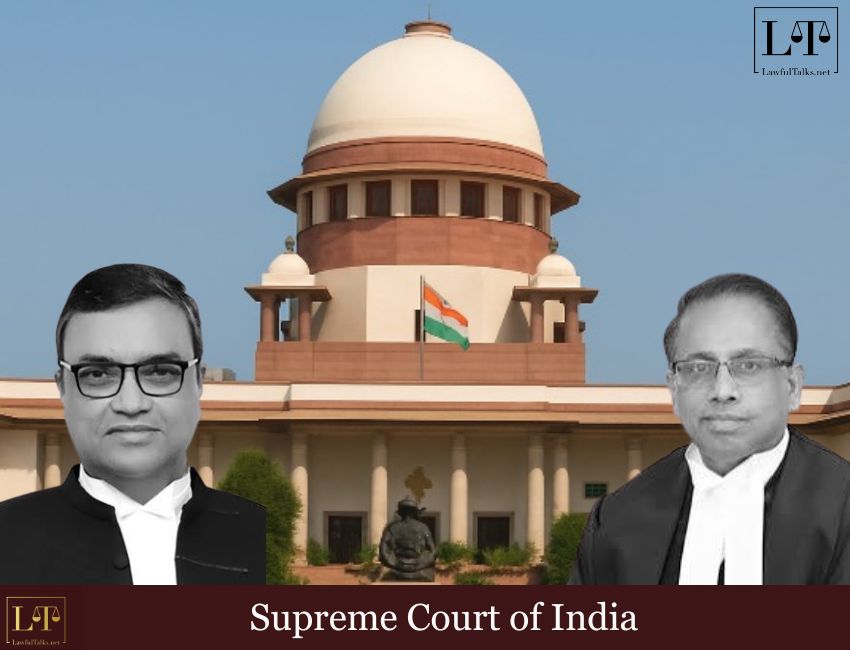
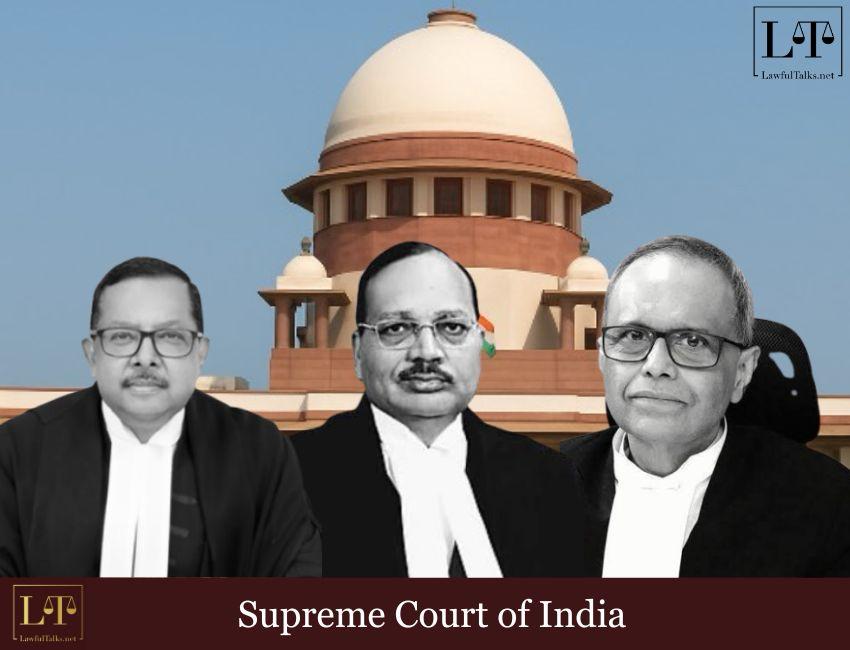
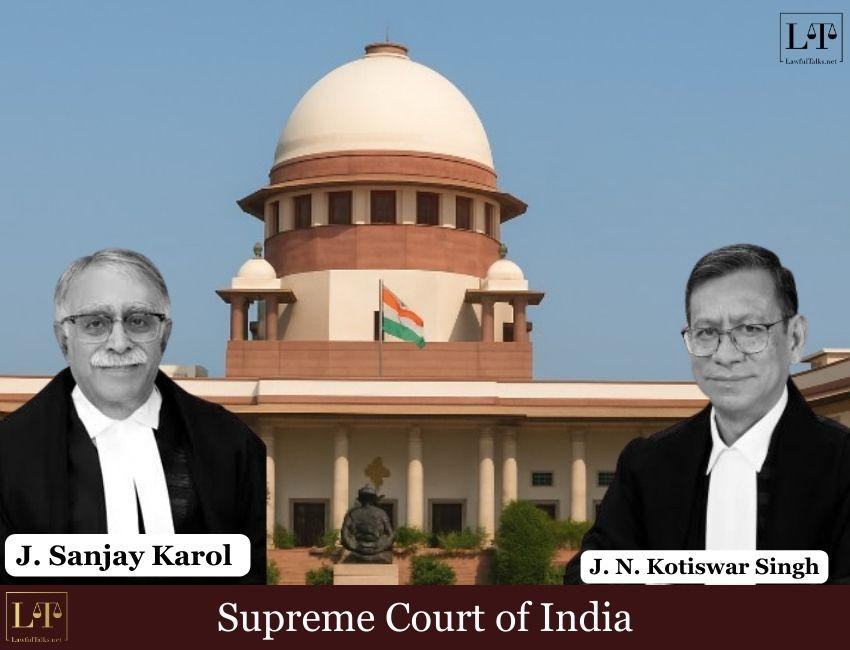
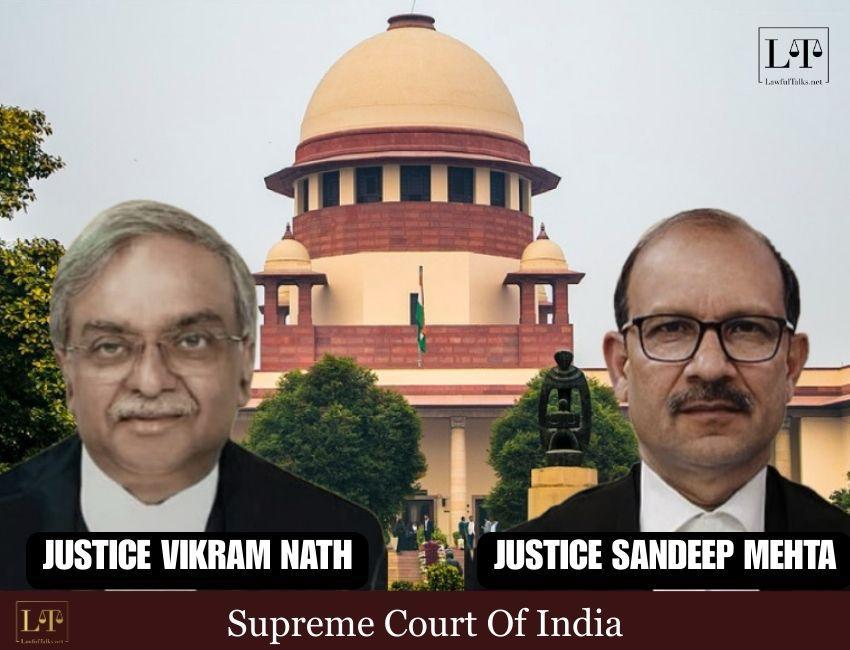
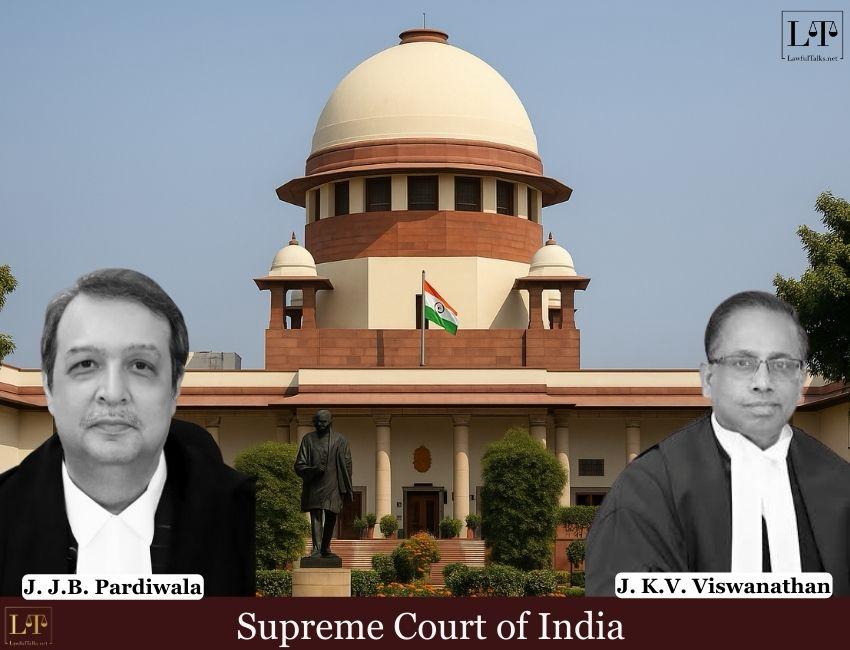
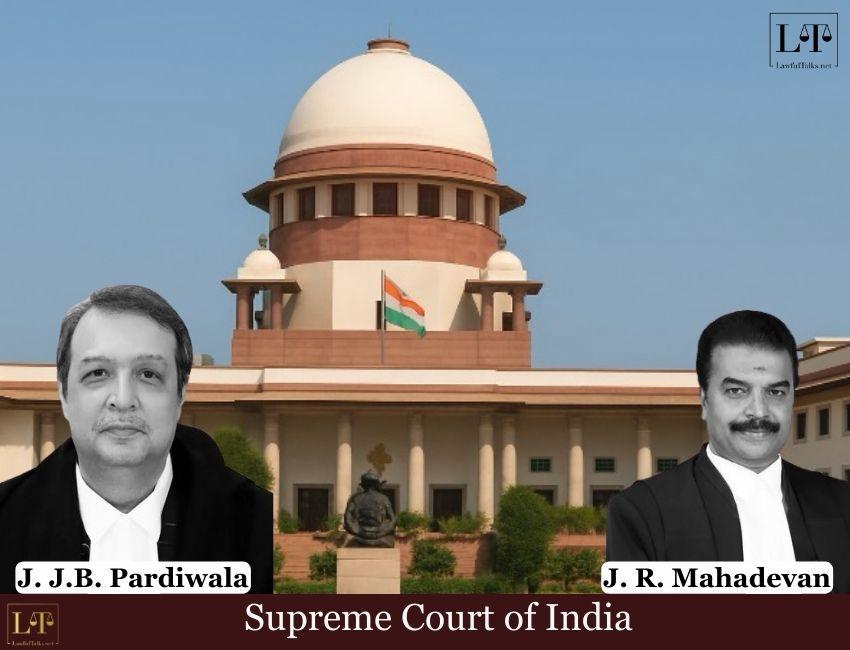
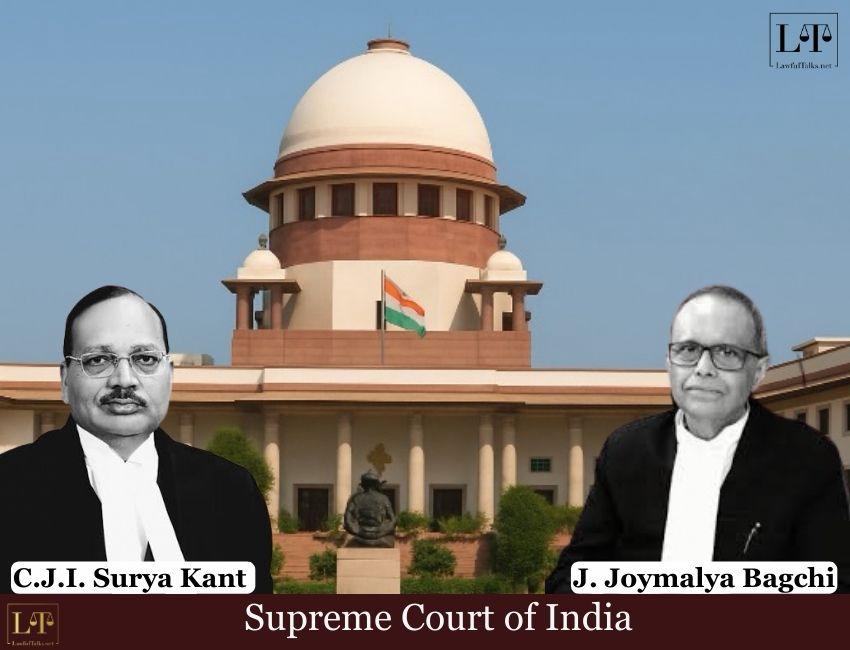
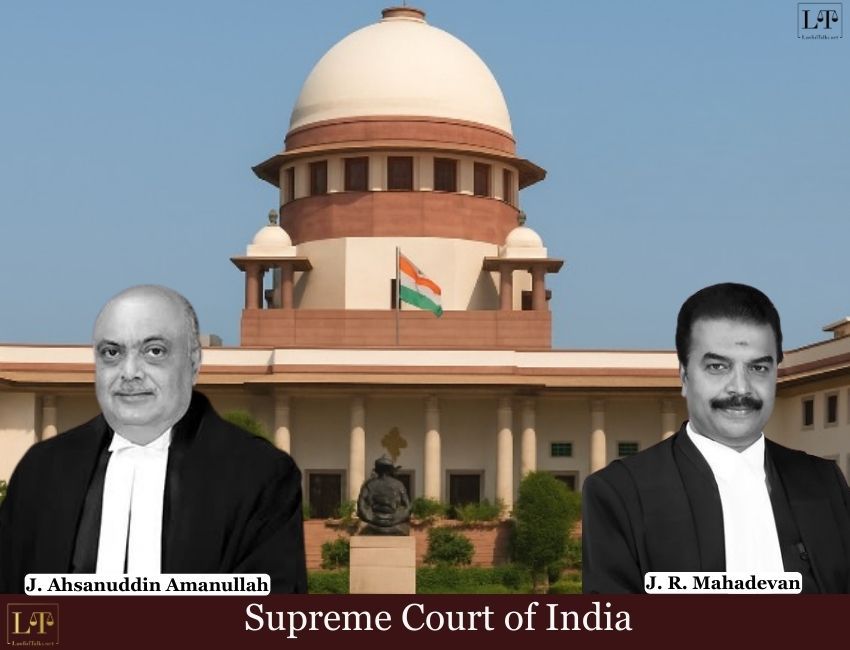
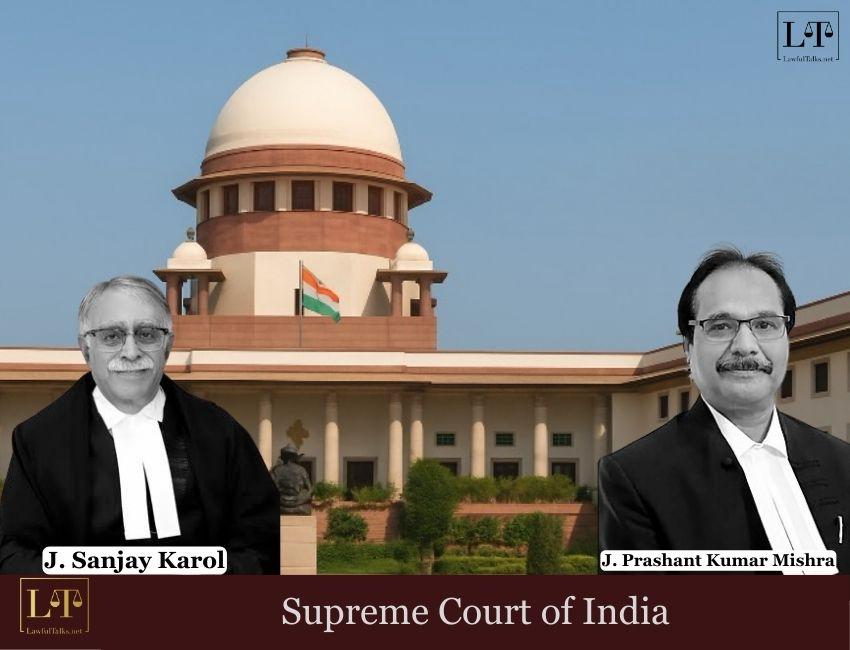
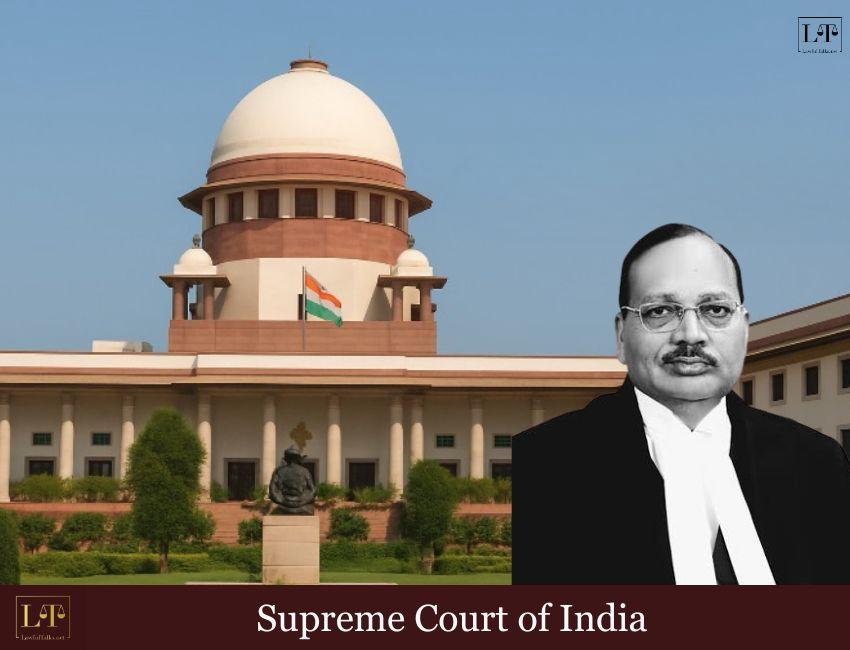
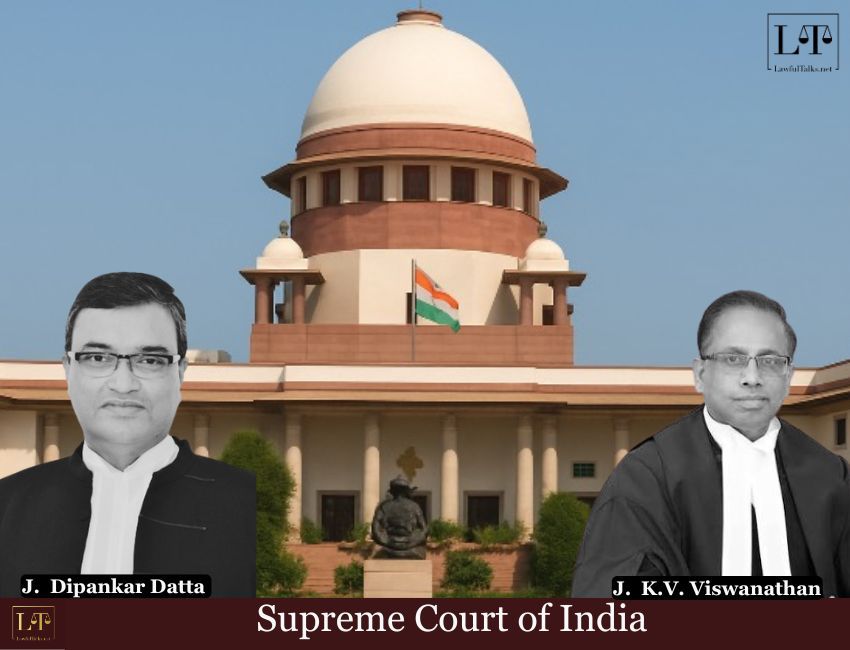
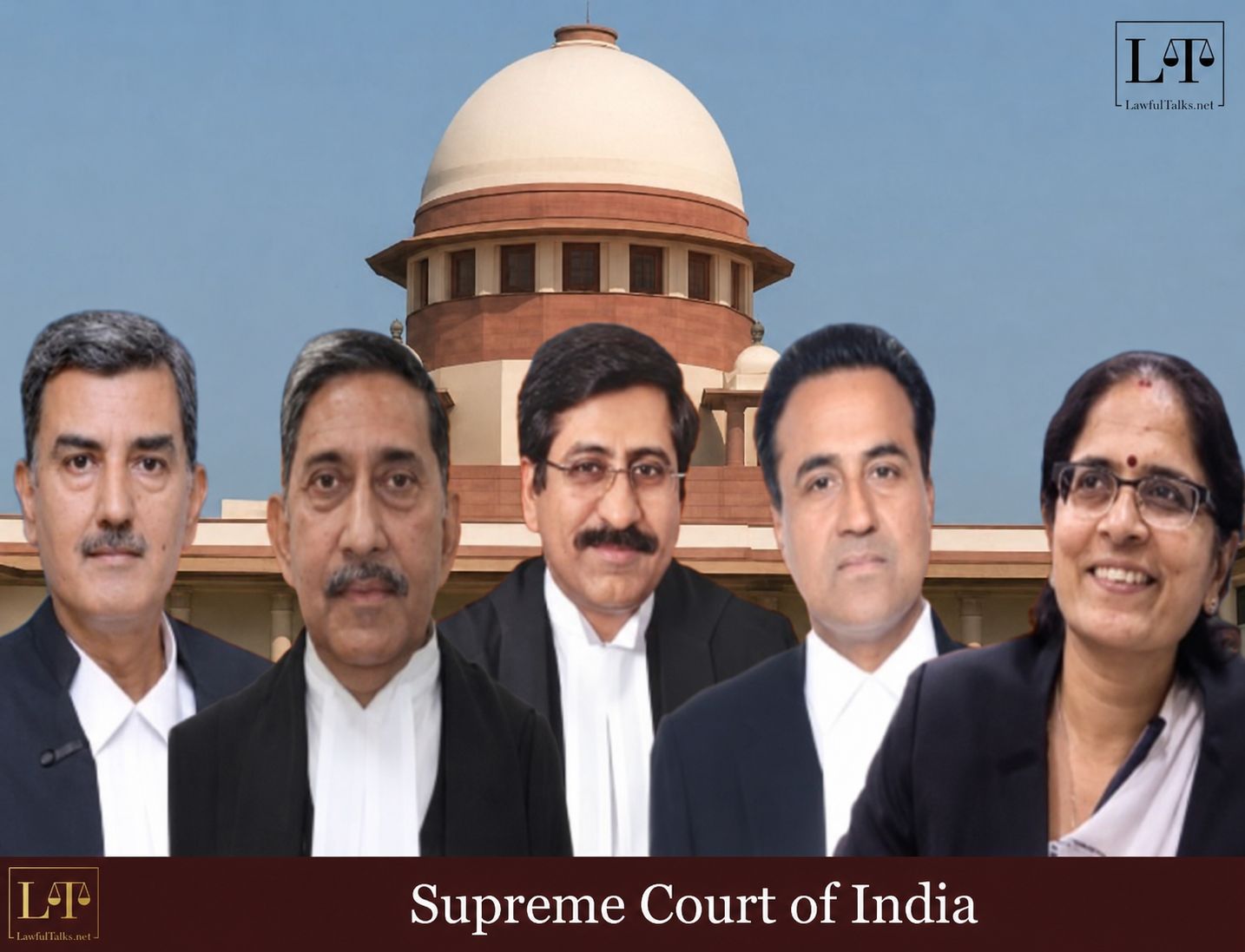
A bench of Justices SVN Bhatti & R Mahadevan said:
“Marriage, as an institution in our society, is founded on emotional bonding, companionship, and mutual support, which cannot be evaluated in purely monetary terms. A woman often enters matrimony with legitimate aspirations of a stable and dignified life. When such a marriage breaks down, the obligation of the husband to ensure that the wife is able to live with dignity does not come to an end merely on the ground that she is educated or has parental support. Post-divorce, the wife is entitled to live a life consistent with the standard of living she was accustomed to during the subsistence of the marriage.”
Case Background:
The appellant-wife and respondent-husband married in 1994, and a son was born out of the wedlock in 1997. Because of matrimonial disputes, they started living separately in 2011. The husband later filed for divorce under Section 13 of the Hindu Marriage Act, 1955. The Family Court granted a decree of divorce and ordered the husband to pay permanent alimony of ₹15,000 per month and a lump sum of ₹50,000 to the wife.
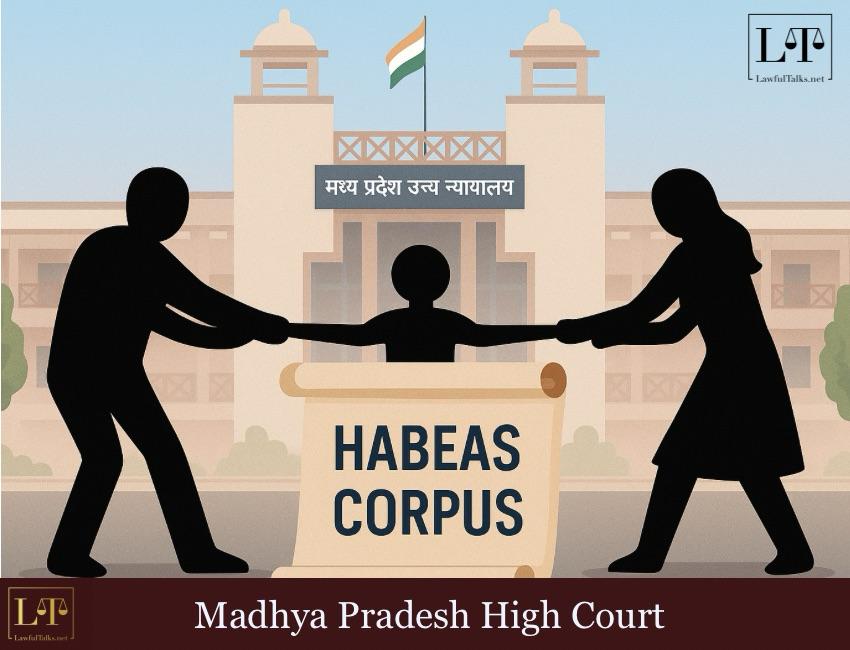
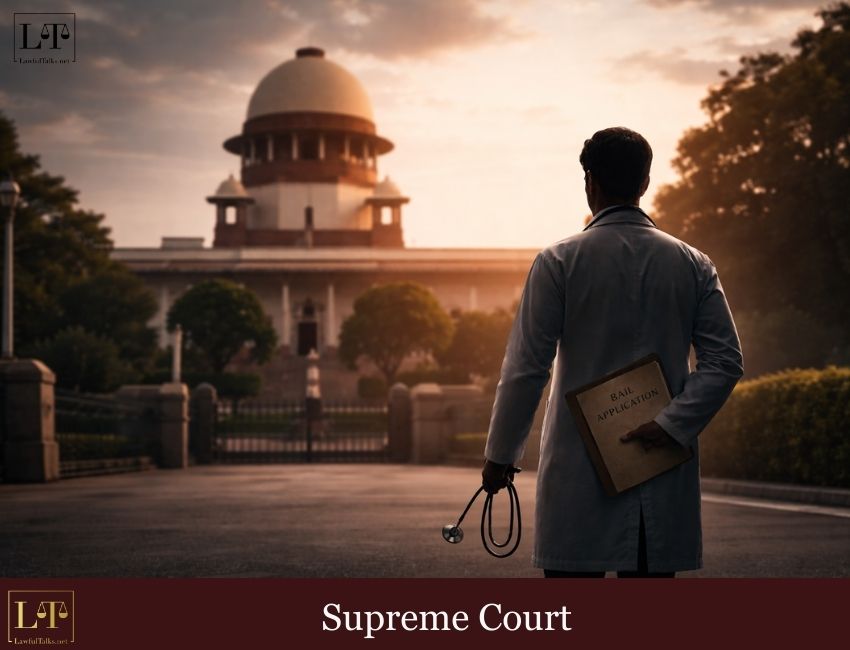
Aggrieved by the quantum of maintenance, the wife moved the Madhya Pradesh High Court seeking an enhancement. She argued that the husband was a doctor earning about ₹1.6 lakh per month, along with additional income from private practice and rental sources. The High Court dismissed her appeal and upheld the Family Court’s order, following which she approached the Supreme Court.
The husband opposed the plea for higher maintenance, saying that the wife was well-educated, able to support herself, and had enough help from her parents. He also claimed he was facing financial problems because his second marriage had also failed.
The Supreme Court rejected these arguments and said that a woman’s education or support from her parents cannot be a valid reason to deny or reduce maintenance. The bench reiterated that maintenance is not just for basic survival, but should allow the wife to live in a way similar to the standard of living she had during the marriage.
Relying on earlier judgments, including Rajnesh v. Neha, Manish Jain v. Akanksha Jain , Bhuwan Mohan Singh v. Meena, and Shailji v. Khobbanna, the Court underscored that a wife’s ability to earn or her educational qualifications do not take away her right to claim maintenance. It added that the husband’s financial capacity, the current cost of living, and inflation must be properly considered while deciding the amount.
Order:
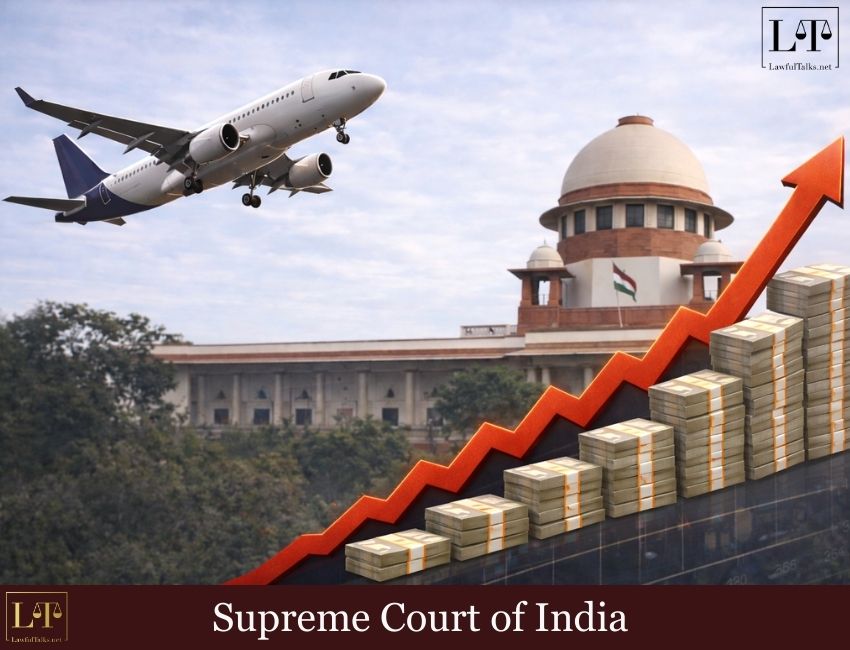
The Supreme Court found that the maintenance of ₹15,000 per month was too low and increased the permanent alimony to ₹30,000 per month. The Court ordered that the higher amount be paid from the date the special leave petition was filed, and the pending arrears must be cleared as per its directions.
The appeal was accordingly allowed.
Case Details: Anamika Jain v. Dr. Atul Jain (Civil Appeal arising out of SLP (C) No. 5220 of 2024)


















































































































Sign up for free and be the first to get notified about curated content just for you.