“Wait for March”: CJI Signals Big SC Hearing On Election Freebies

- February 06, 2026


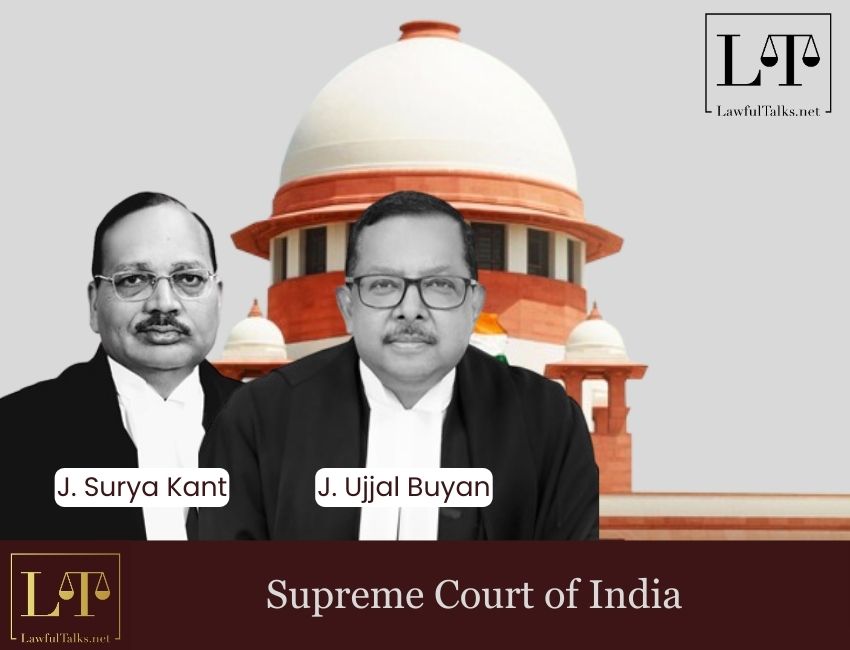
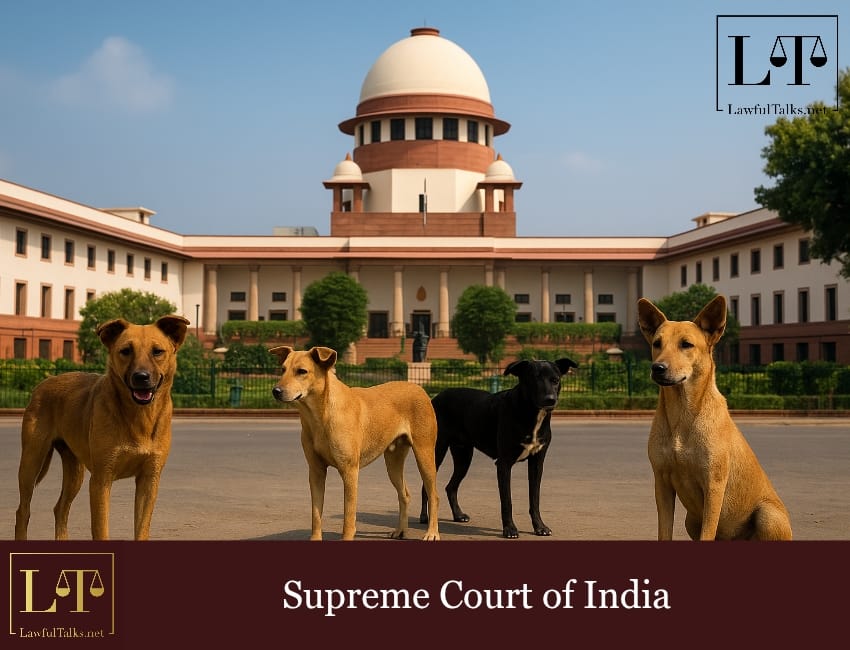
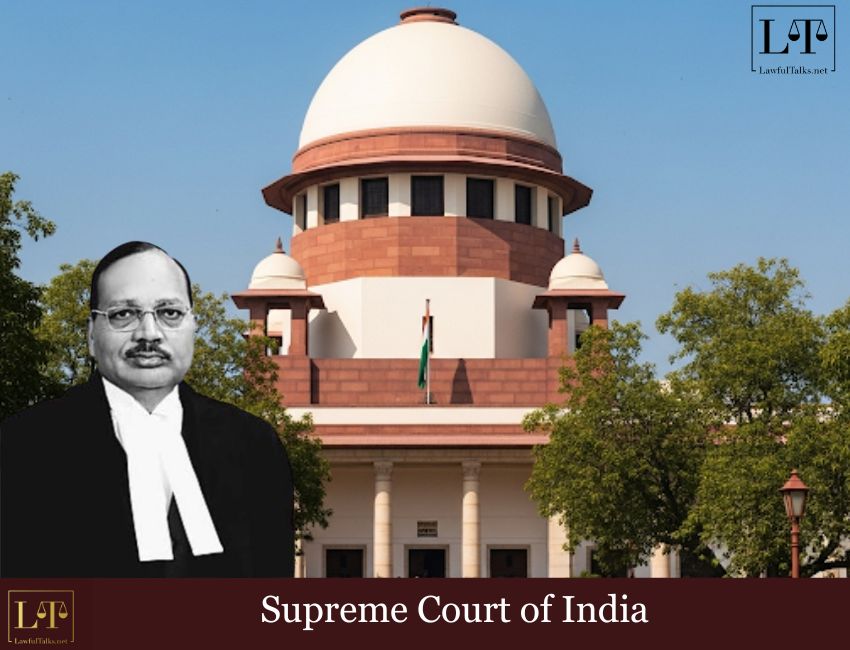
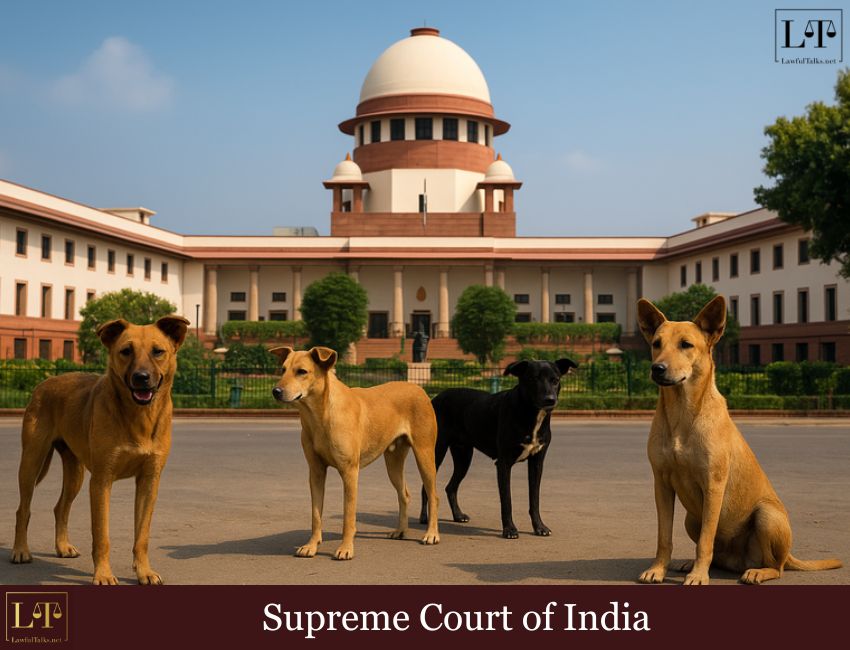
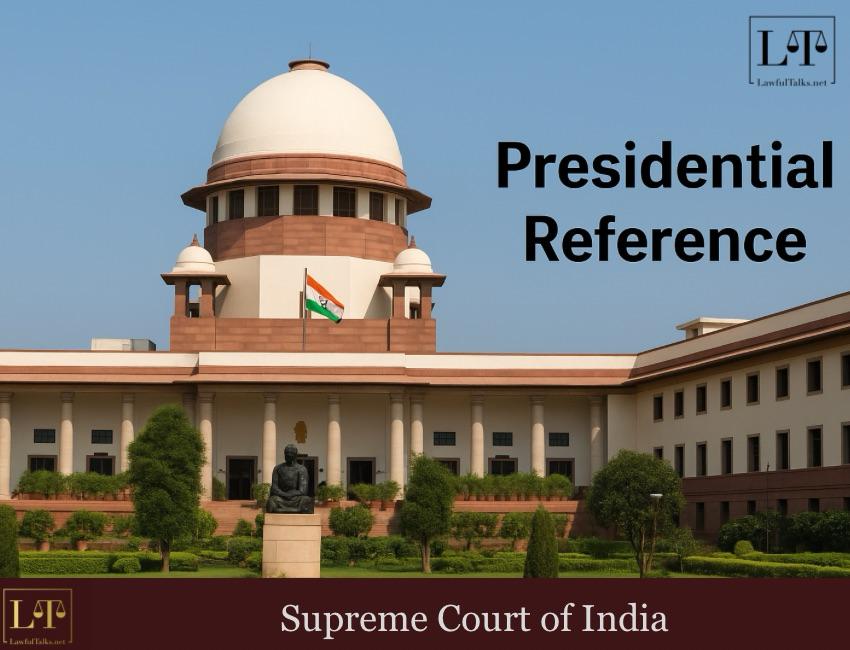
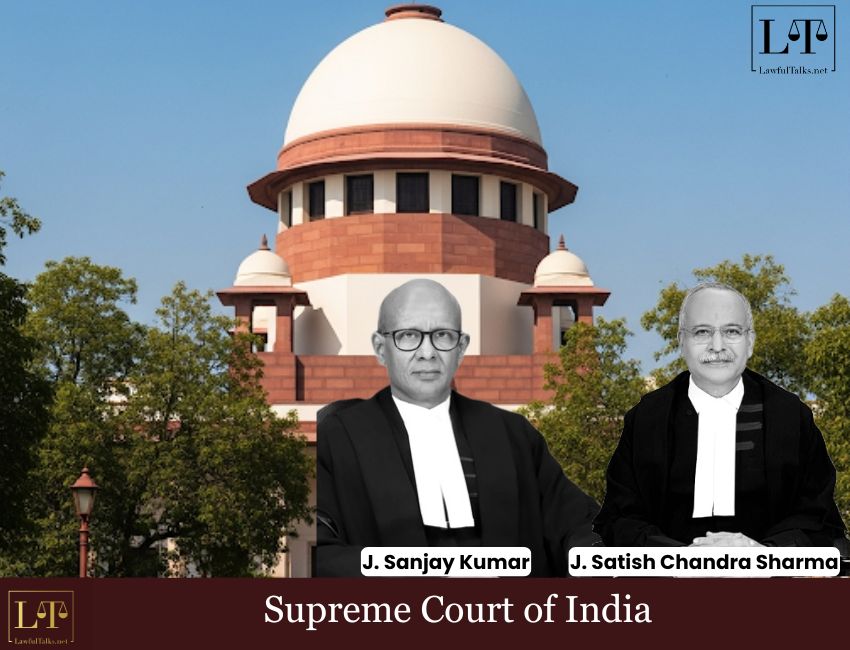
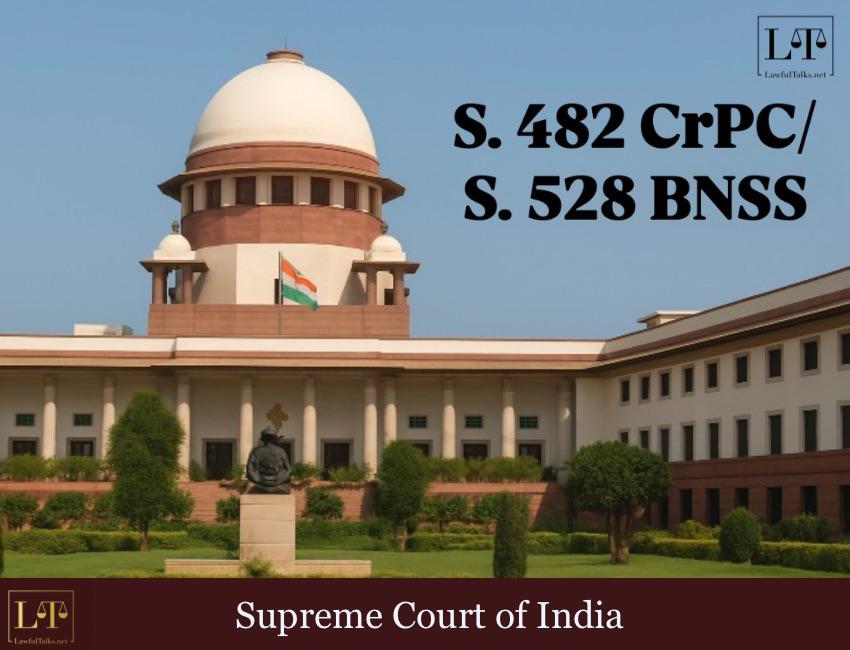
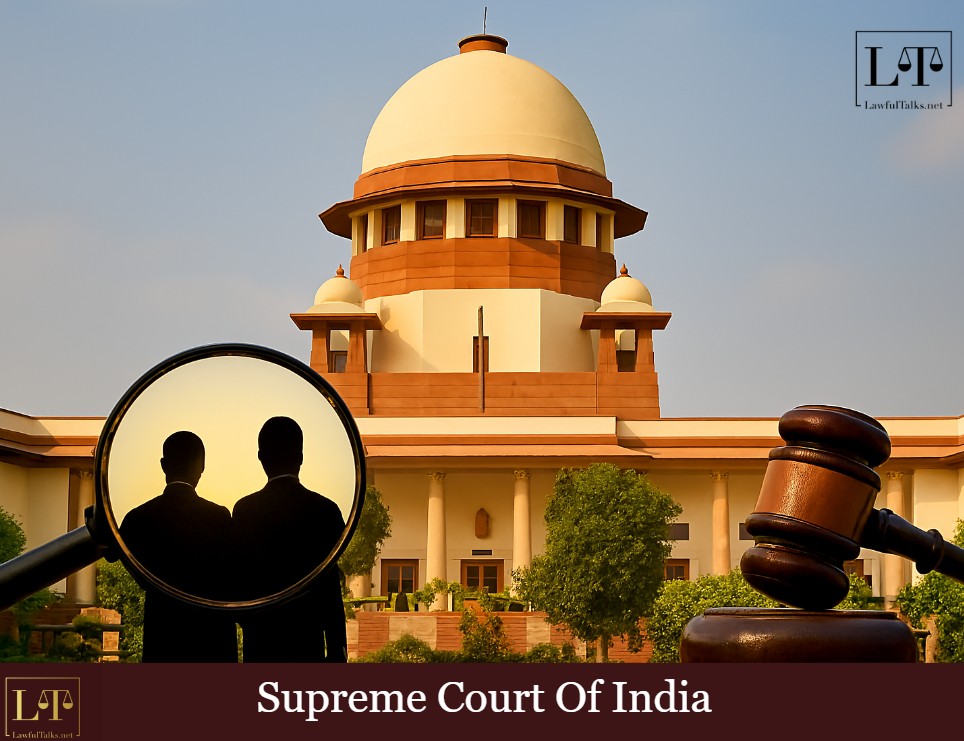
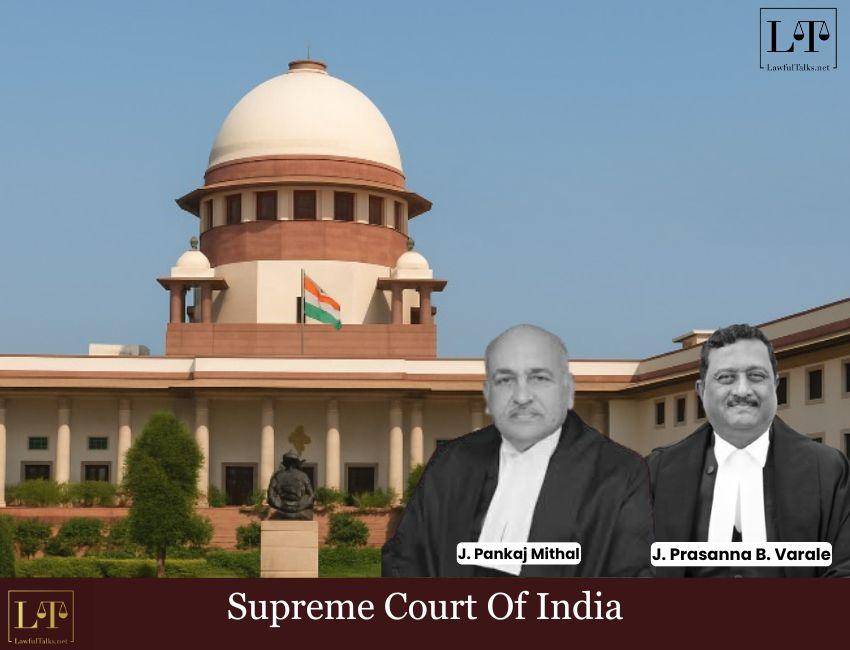
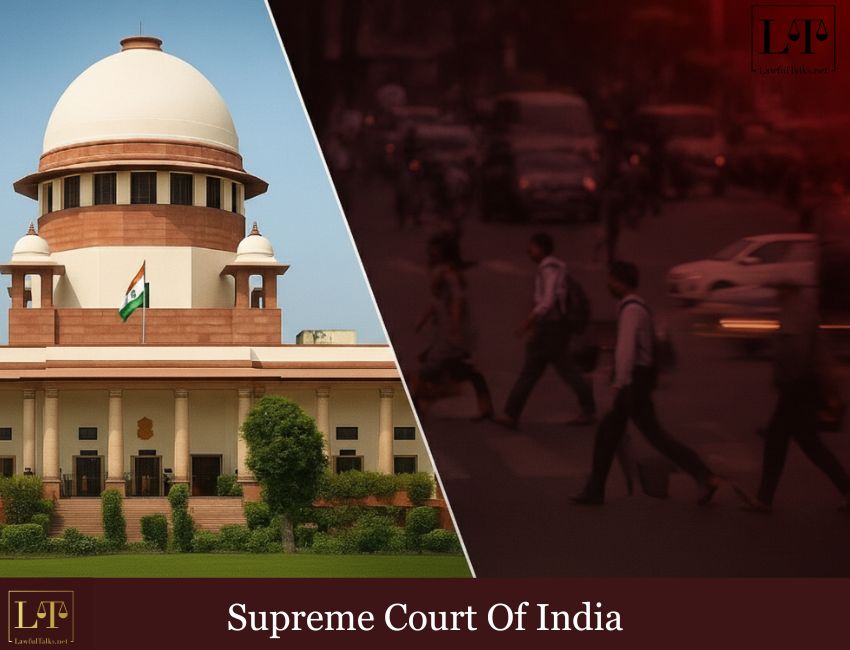
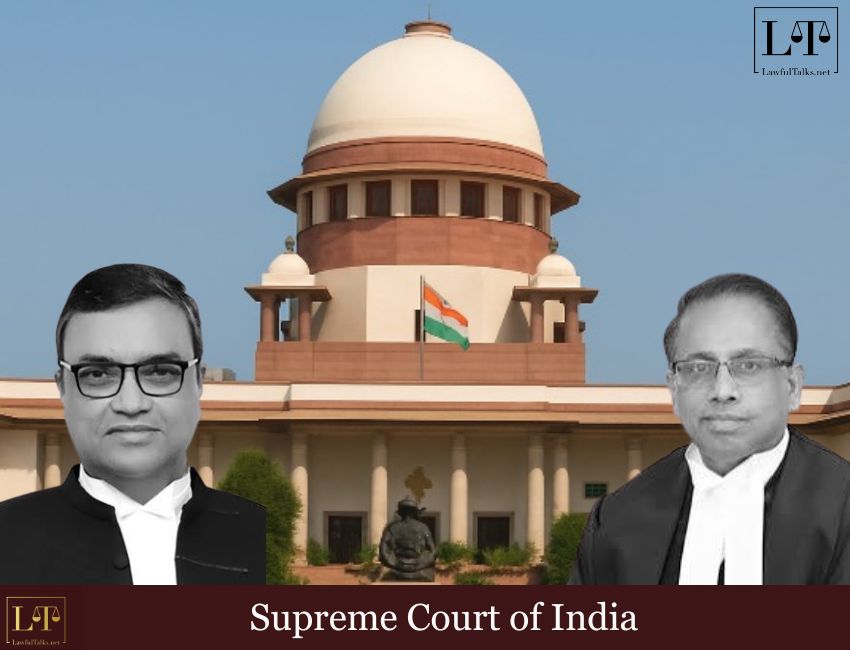
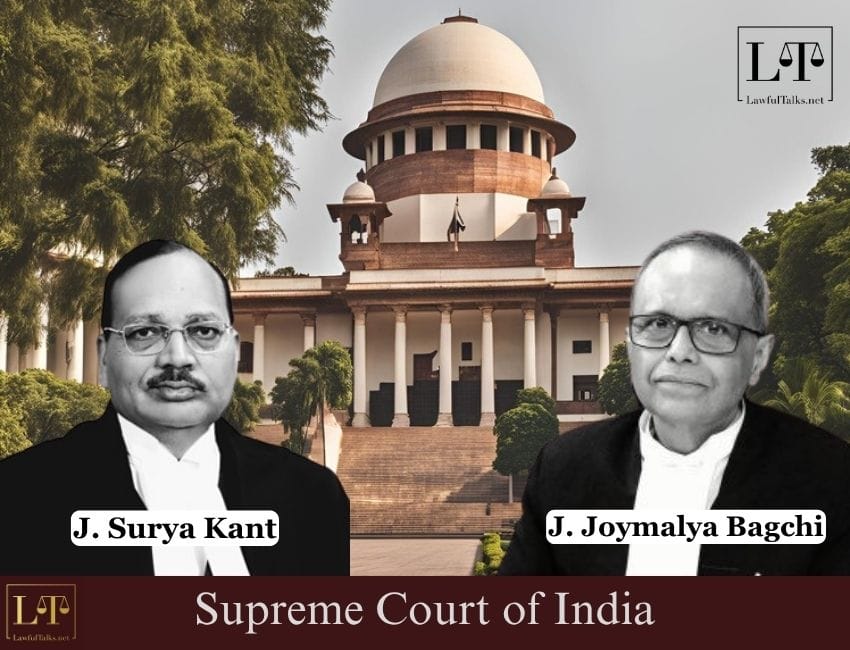
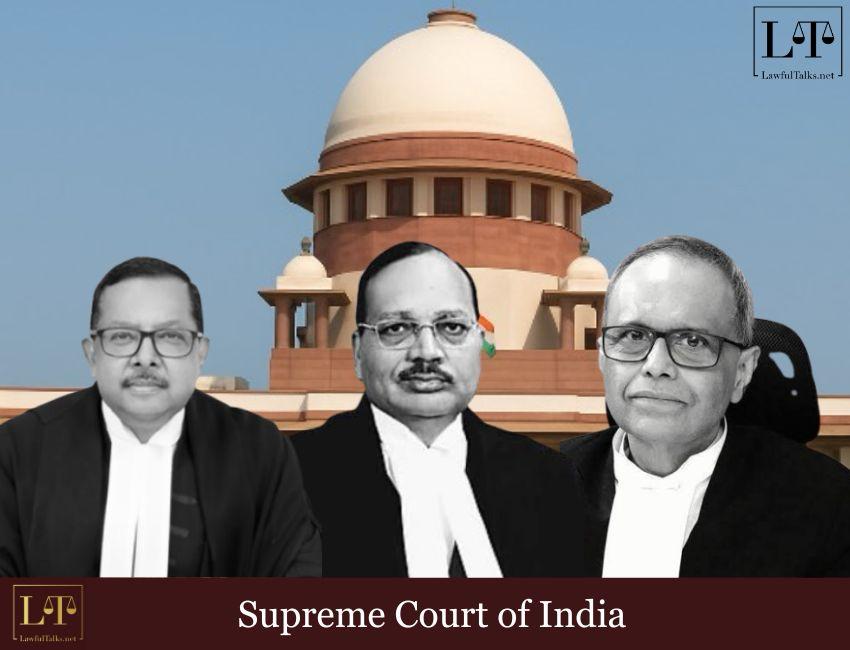
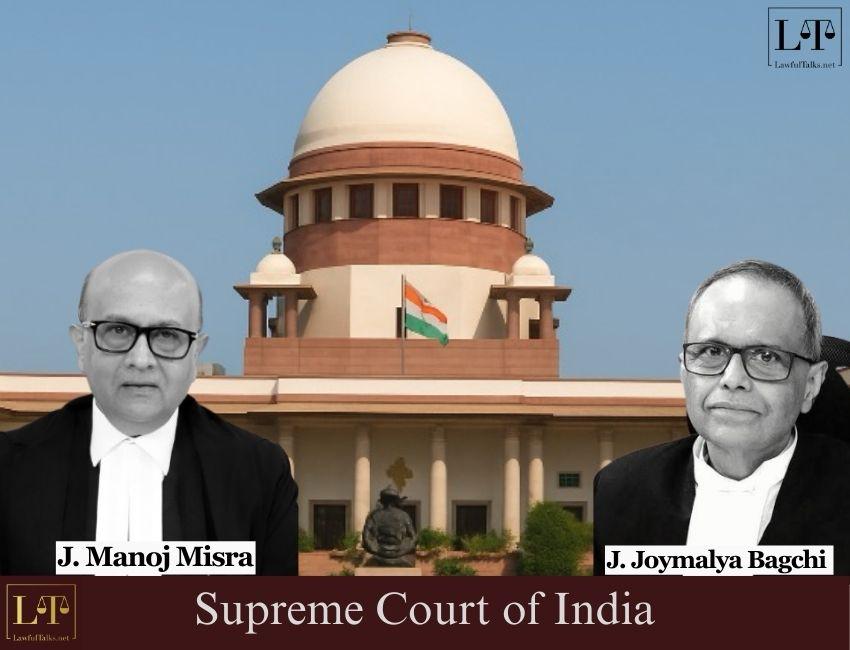
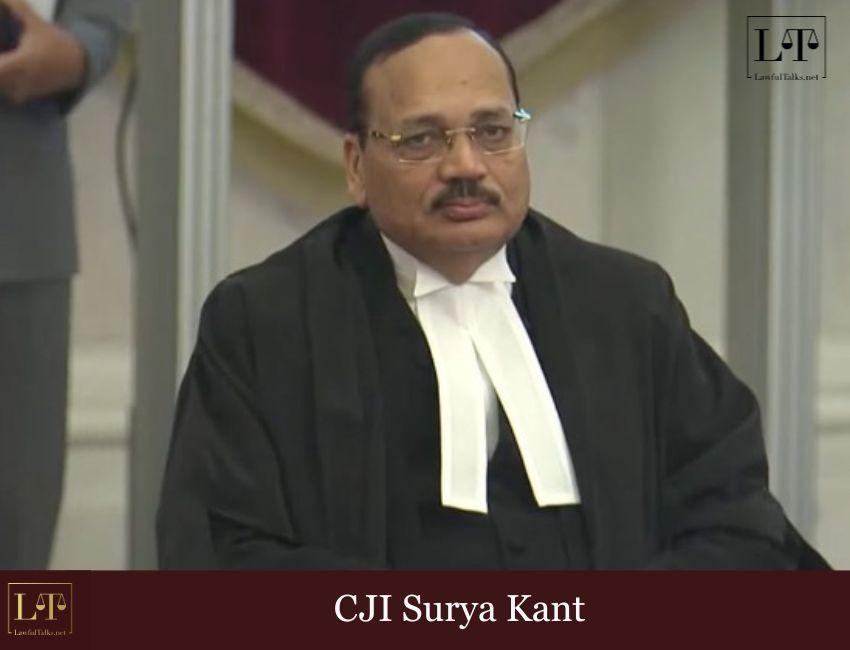
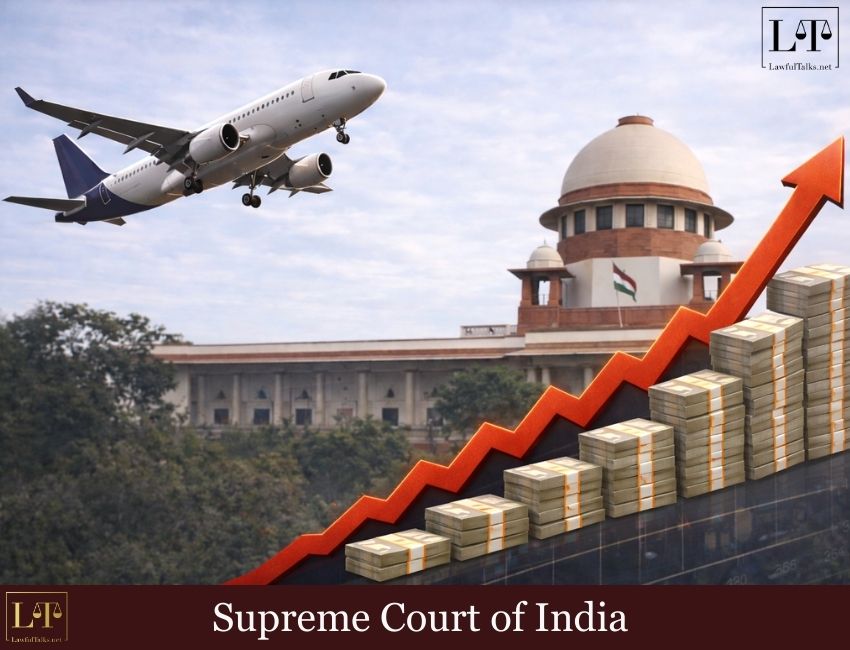
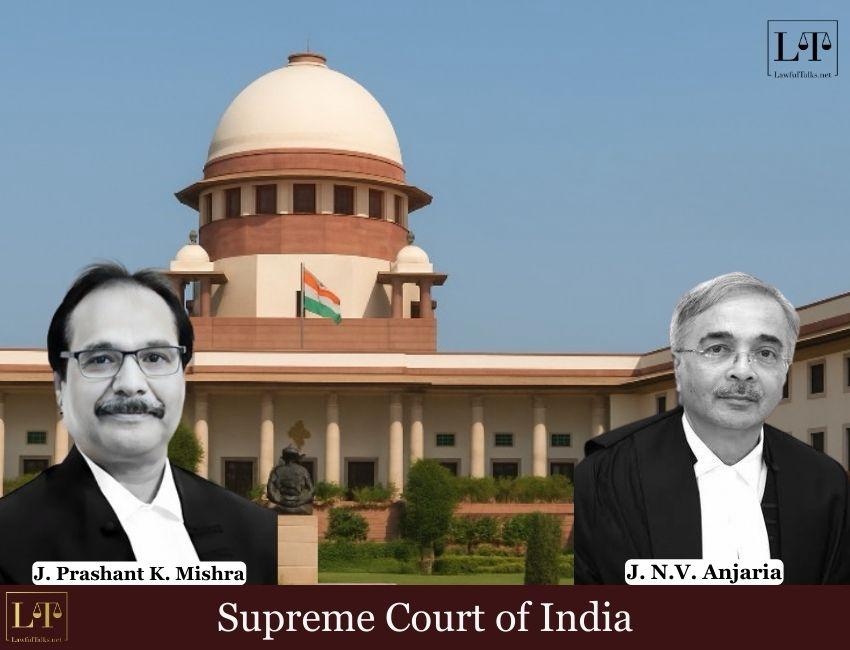
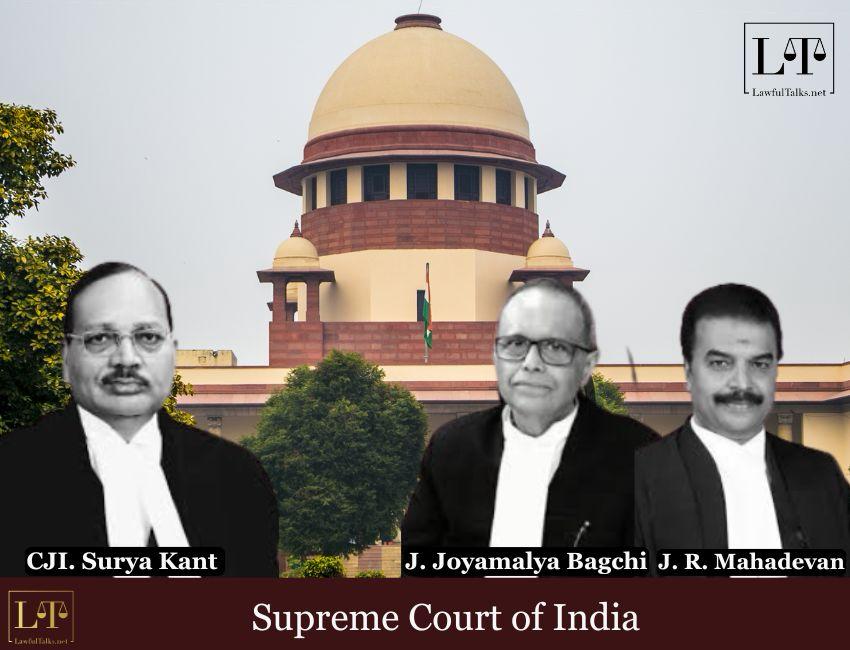
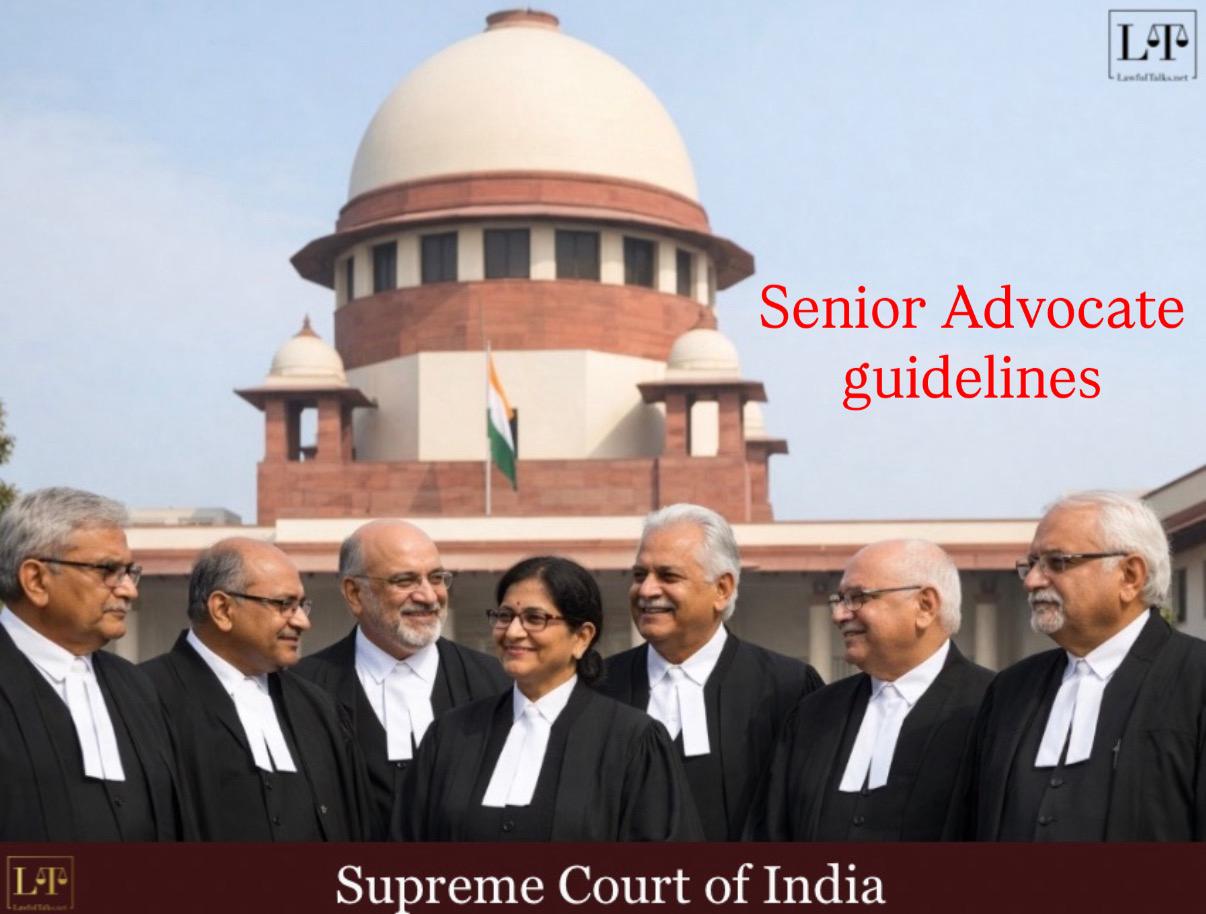
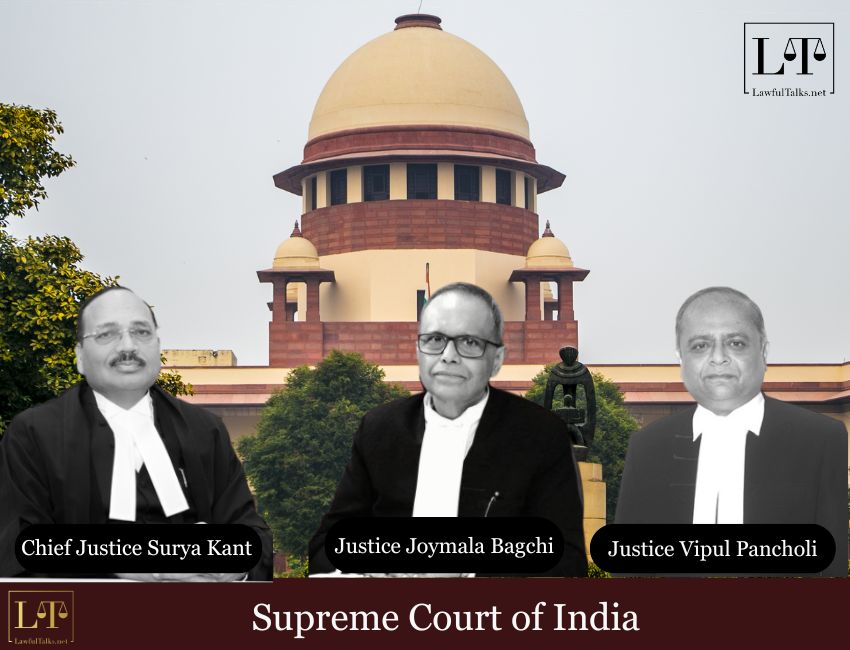
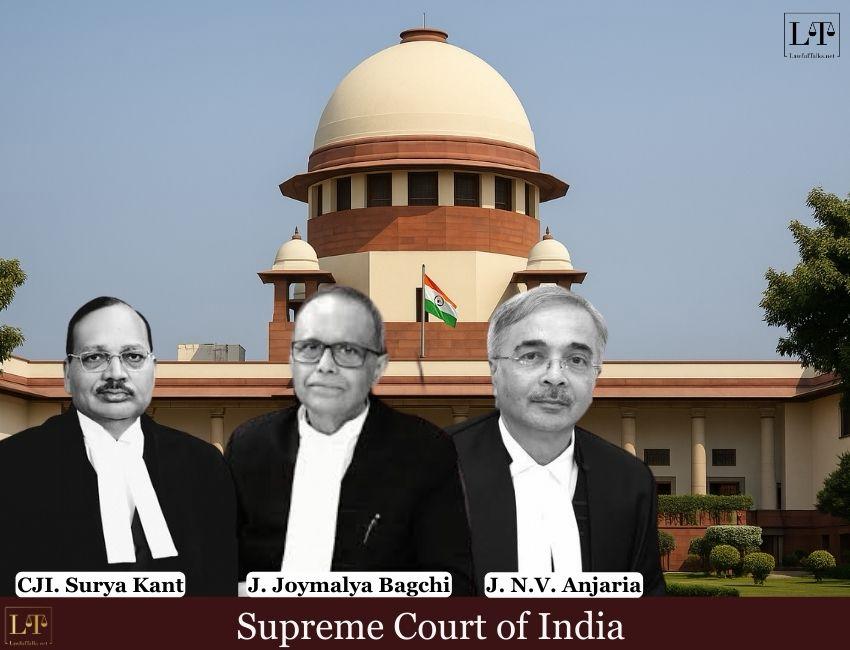
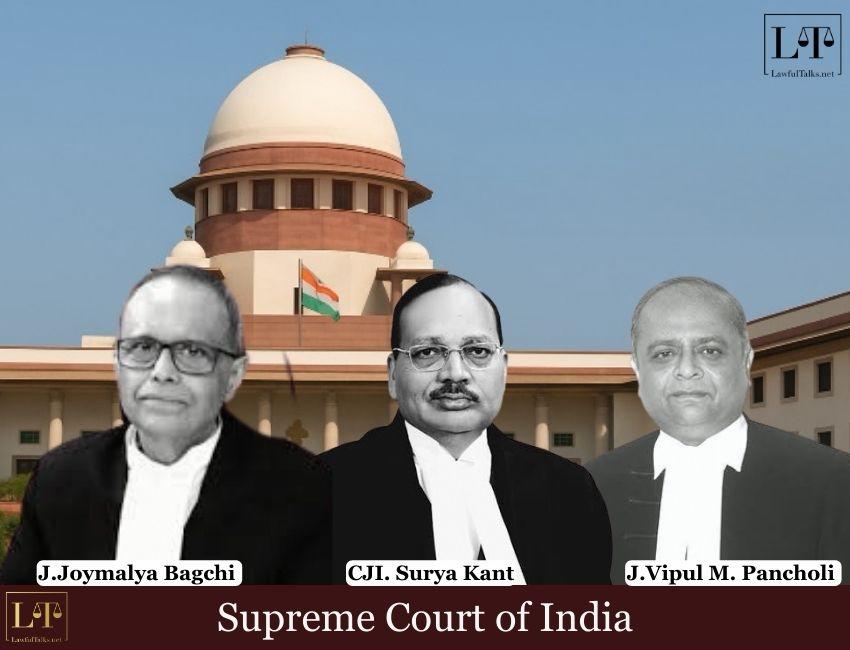
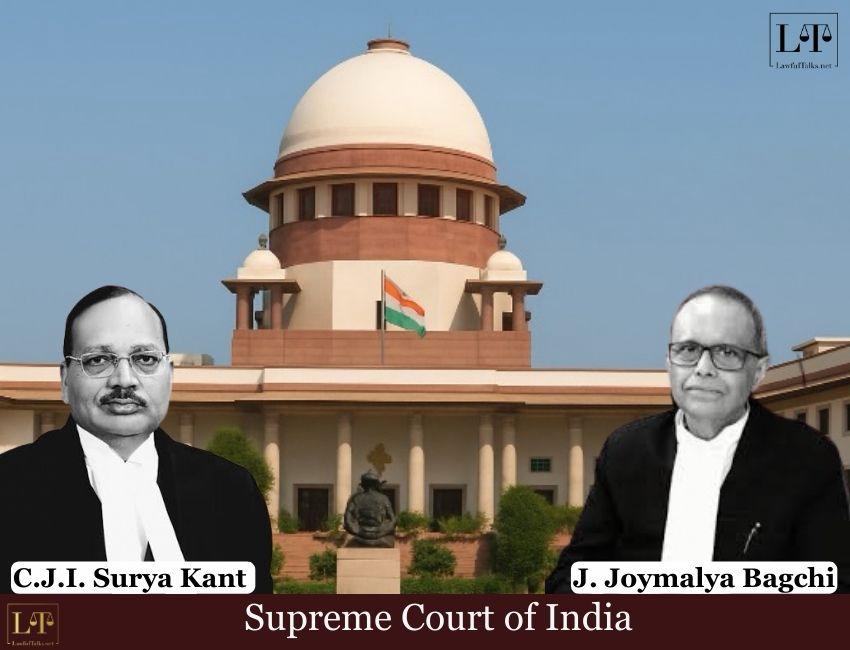
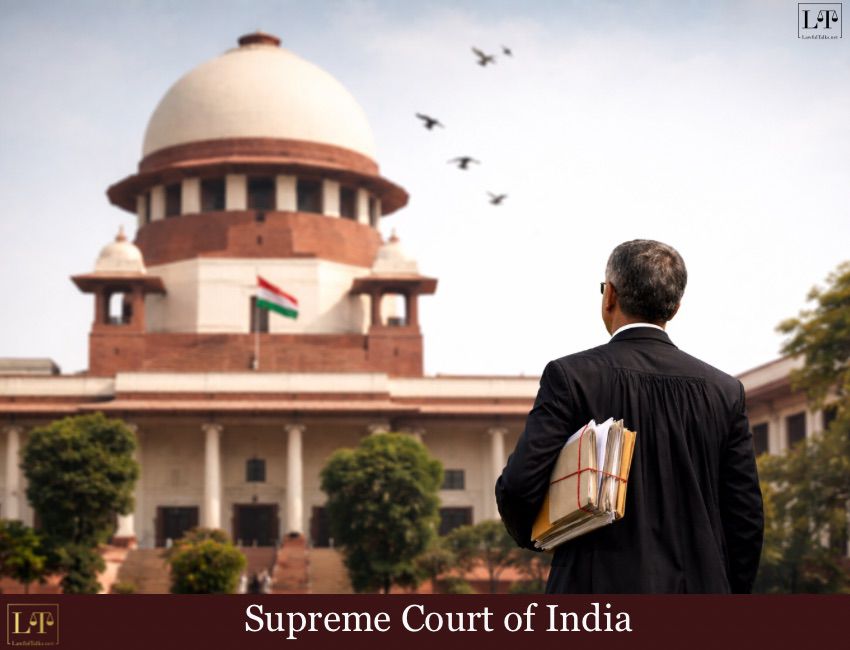
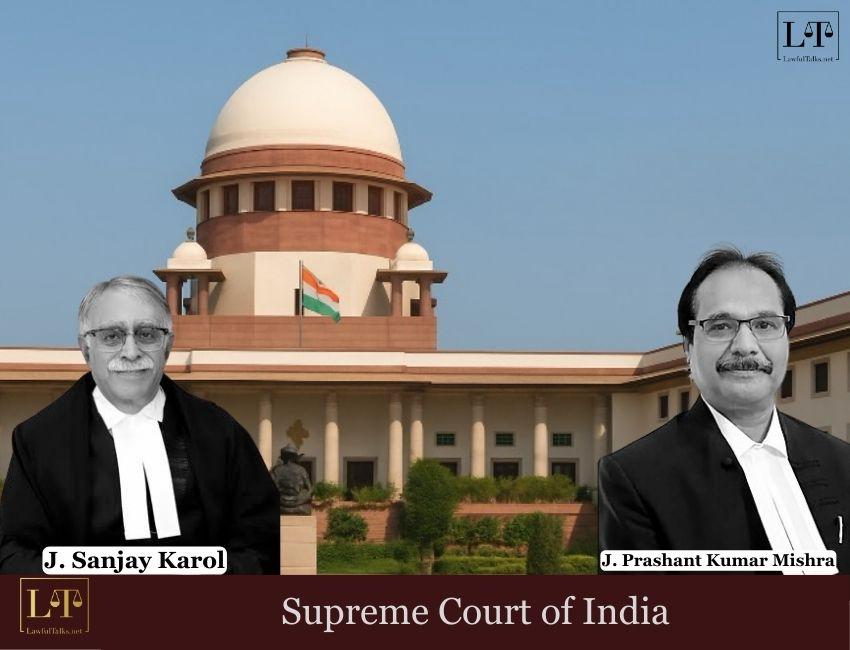
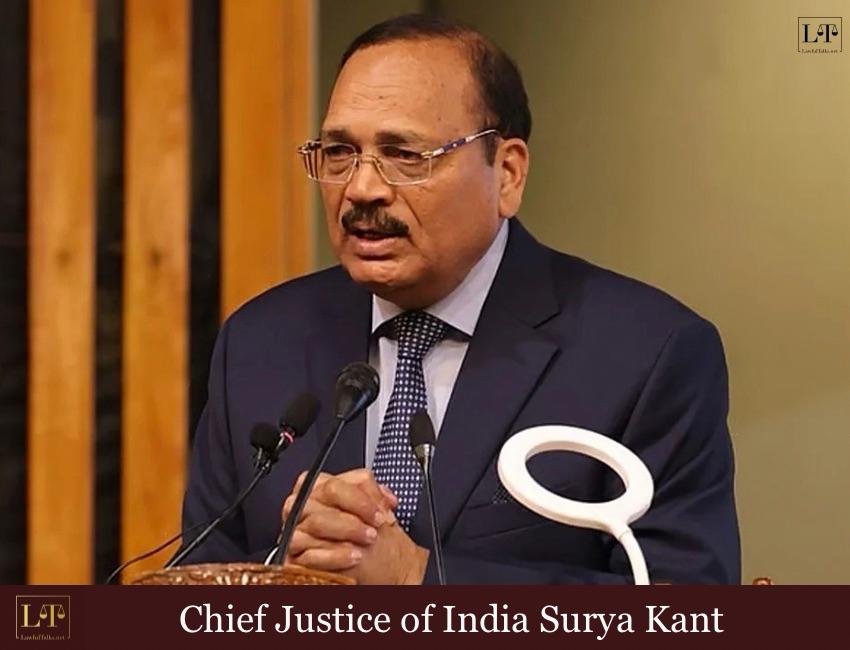
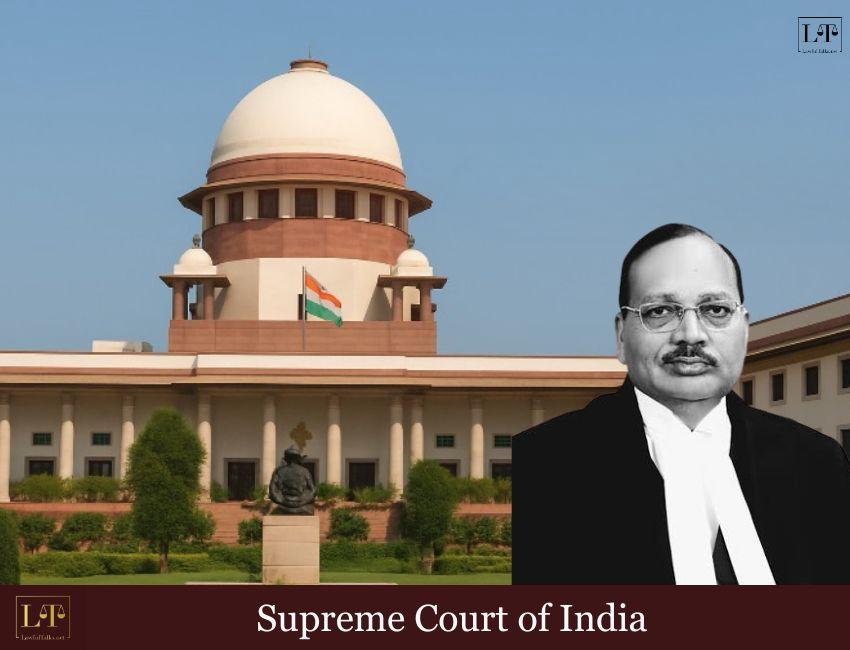
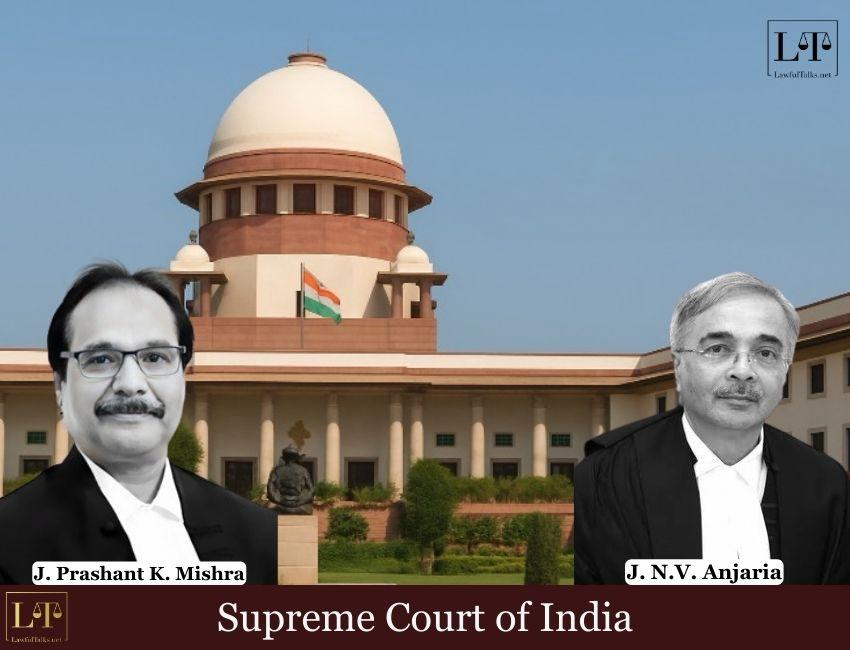
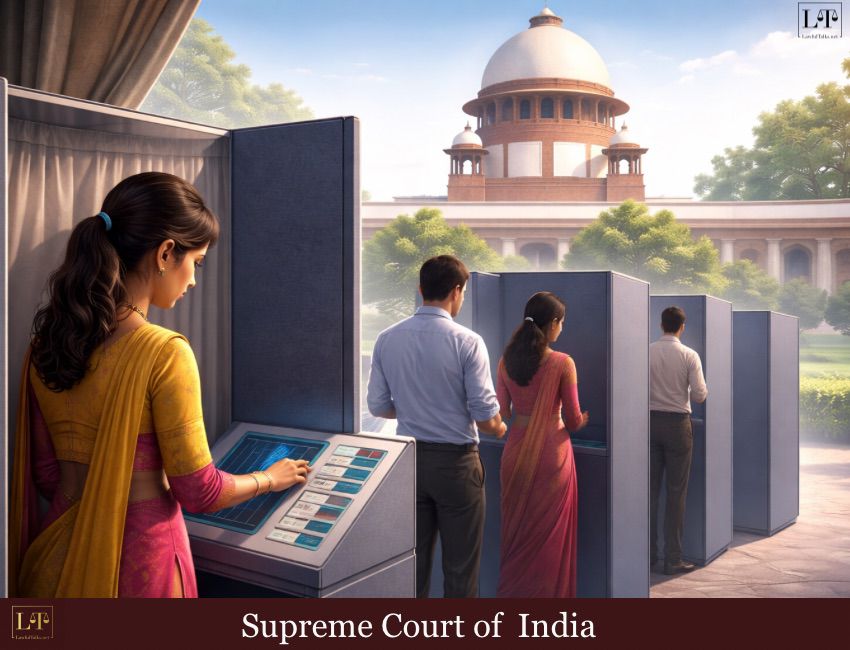
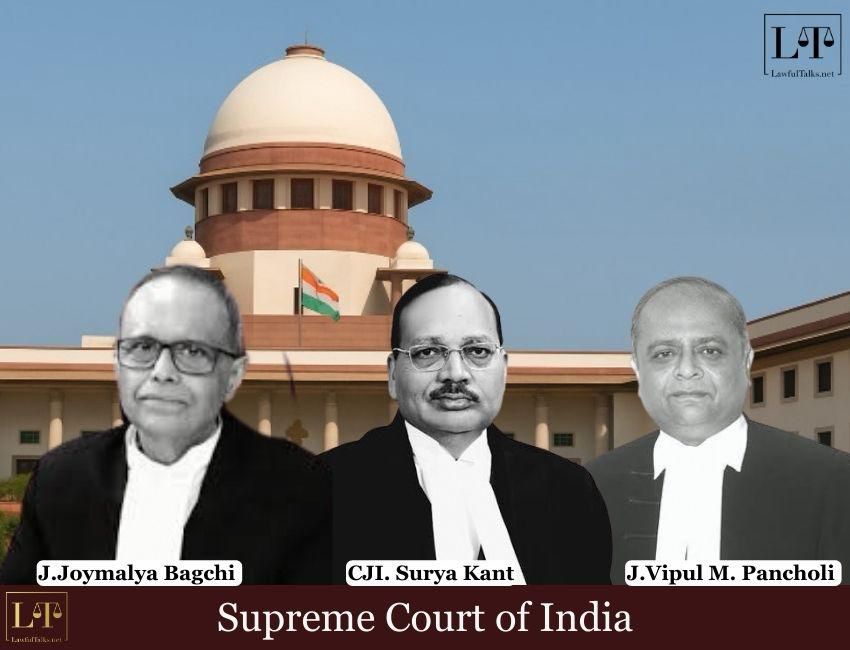
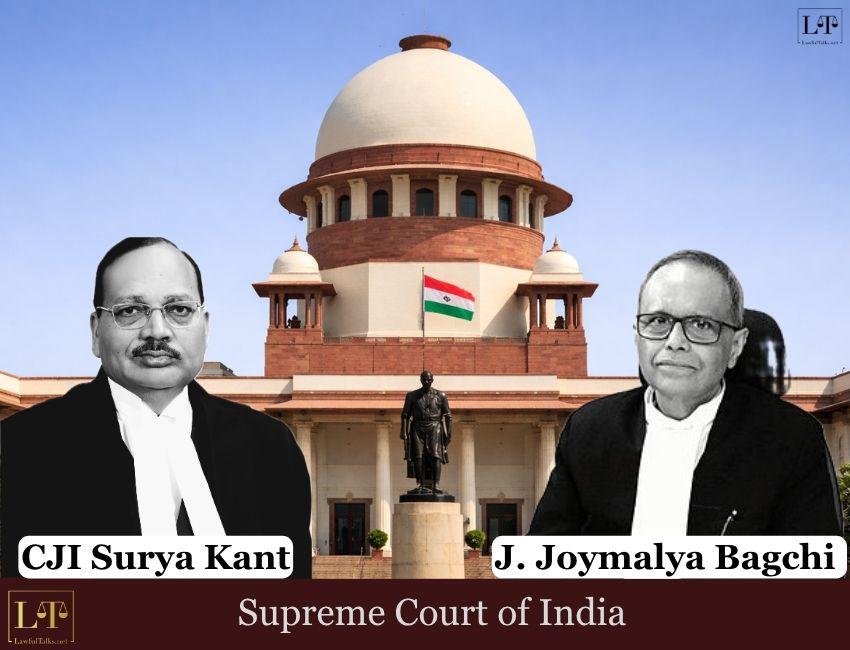
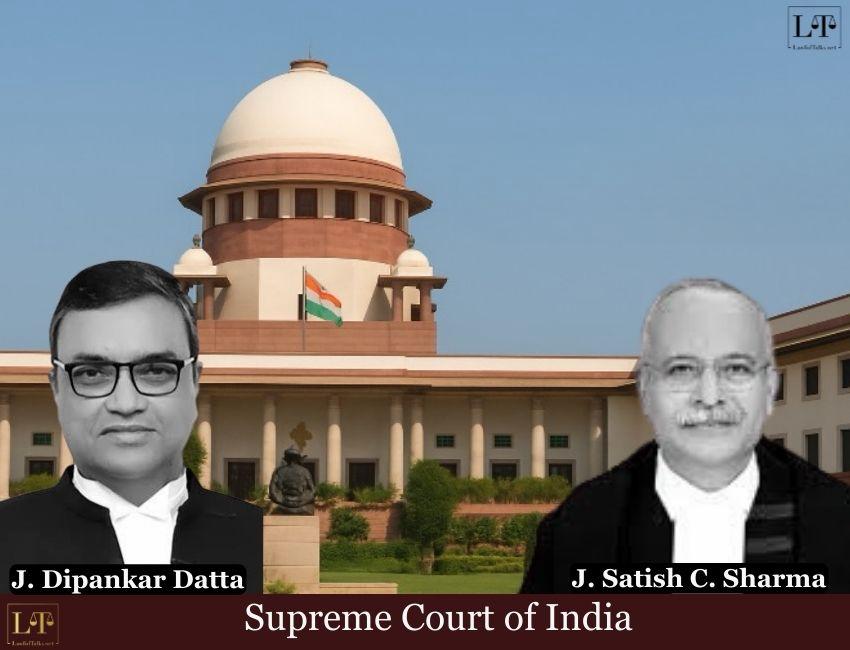
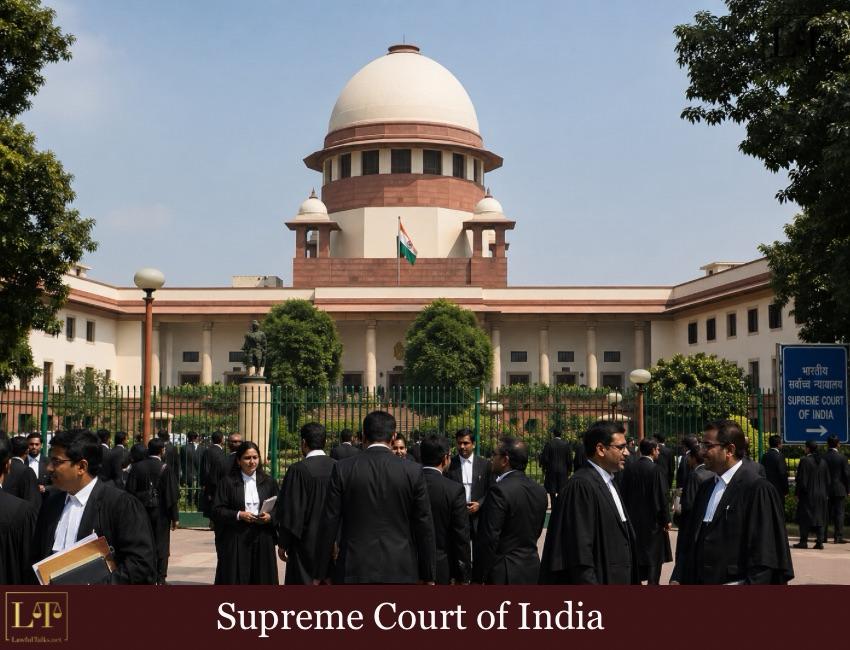
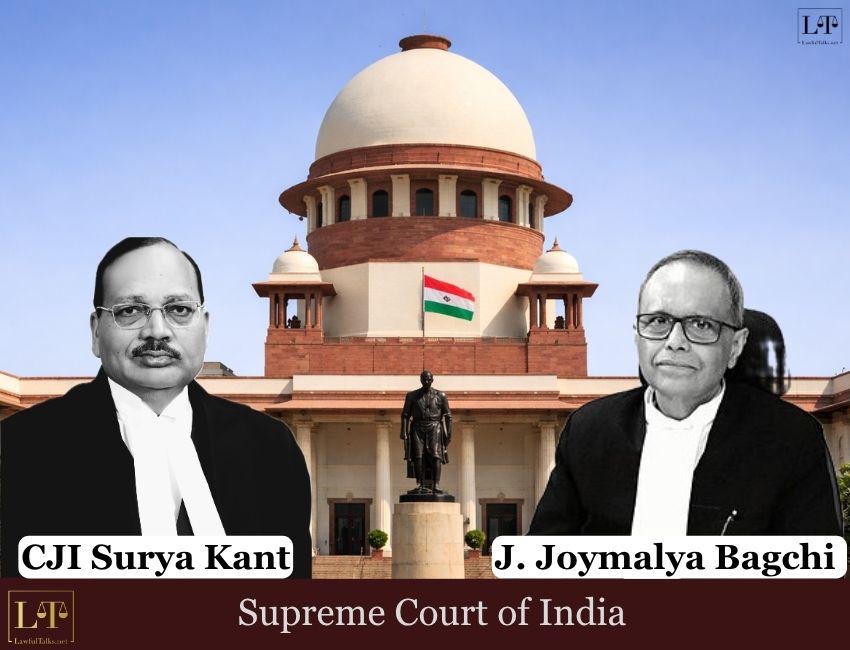
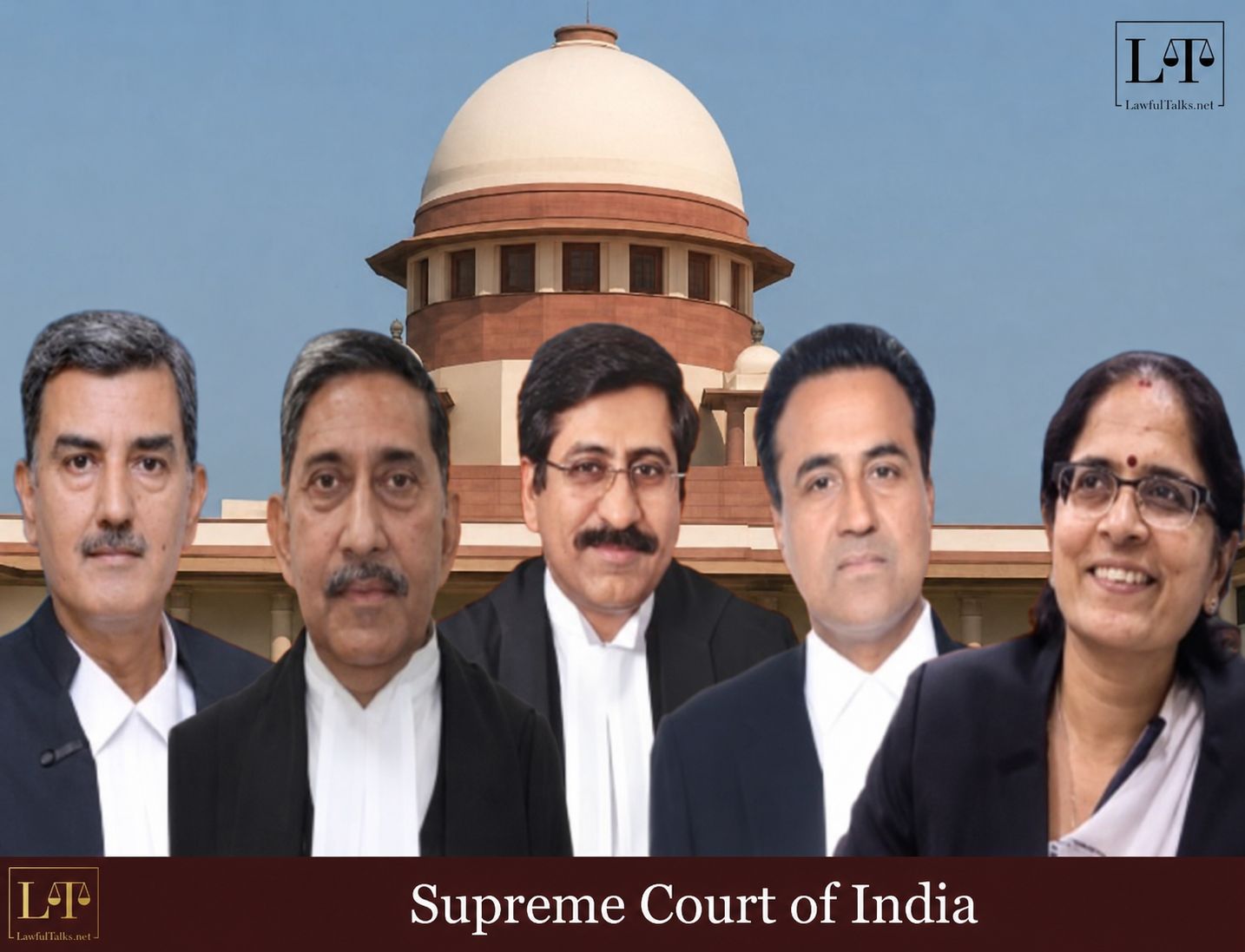
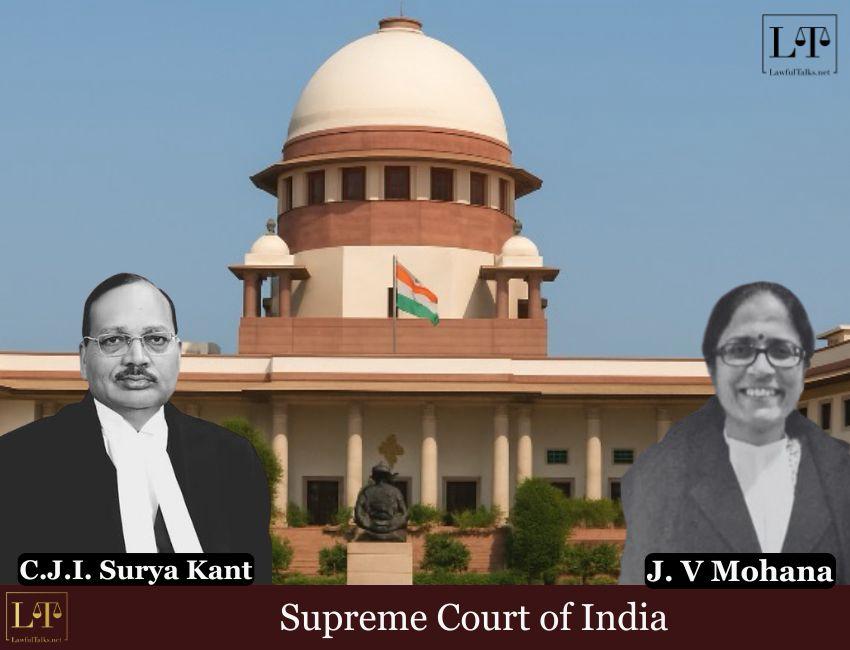
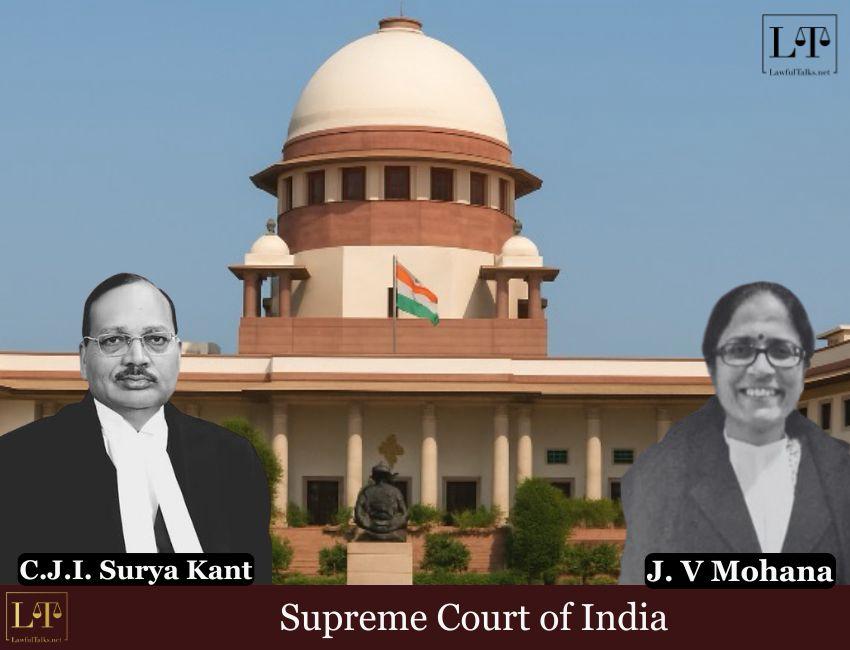
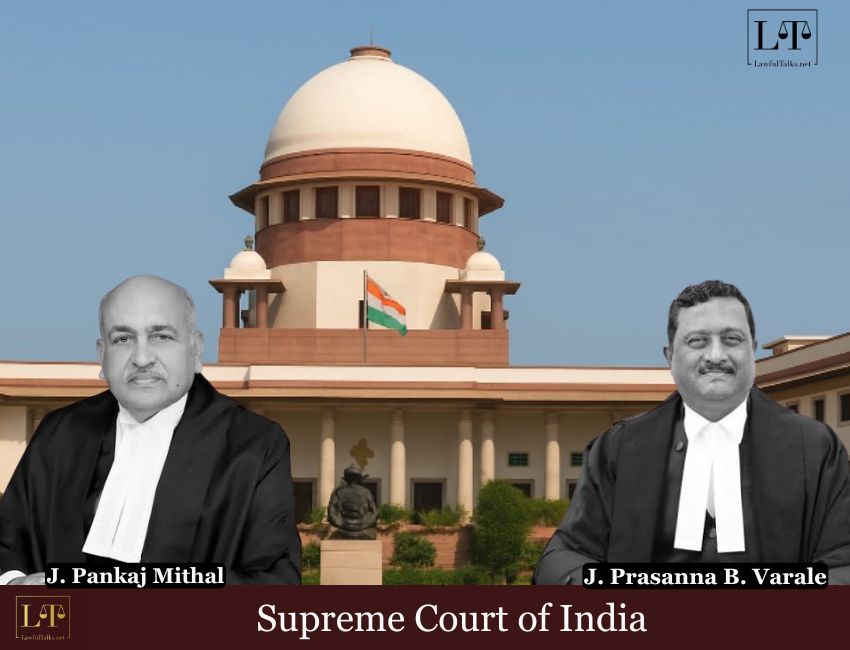
The Supreme Court on Thursday indicated that it is ready to closely examine the practice of political parties announcing and distributing freebies before elections. A Bench led by Chief Justice of India Surya Kant, and Justice Joymalya Bagchi, said the issue is of major public importance and should be heard by a three-judge Bench.
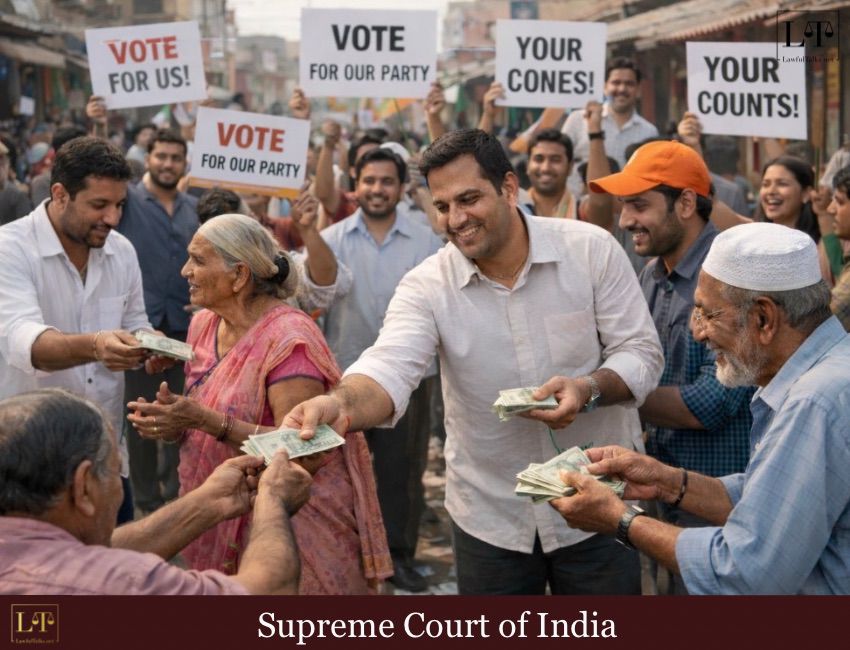
The matter came up after BJP leader and petitioner Ashwini Upadhyay mentioned his plea and requested an urgent hearing, citing several upcoming State Assembly elections. He said political parties are increasingly making extravagant promises just to attract voters.
SC Flags Freebies Issue For Larger Bench:
CJI Kant agreed that the issue raises serious concerns and said the case would be referred to a larger Bench for a detailed hearing. He remarked, “It is of paramount importance and is in public interest…this has to be heard by 3 judges bench.” Asking the petitioner to be patient, he added, “Wait for March,” indicating the Court may take it up around the end of the month.
During the brief hearing, Upadhyay argued that the sweeping promises made by the political parties in their manifestos amounted to electoral malpractice and sought judicial intervention. He submitted, “5 assembly elections are coming. Only sun and moon is left to promise. These are corrupt practices,"
What the PIL Seeks From Centre and EC:
His public interest petition seeks directions to the Central government and the Election Commission of India to regulate the contents of election manifestos, to fix responsibility for promises that involve the use of public funds, and to examine the broader implications of such pledges on the national economy and the integrity of the electoral process.
Several parties have criticised the petition as politically motivated, noting that the petitioner has links with the Bharatiya Janata Party. They also allege he ignored large benefits and concessions given to big industries by both the Union and State governments. Others said welfare schemes, subsidies and social support measures are needed to help weaker and vulnerable sections of society, and are not just “freebies.”
2013 Subramaniam Balaji Judgment Under Doubt:
In earlier hearings on the larger freebies issue, the Supreme Court had said the controversy involves complex legal and policy questions, especially about how much courts should interfere in decisions that are part of democratic policy-making.
The Bench also raised doubts about its 2013 judgment in Subramaniam Balaji v. Government of Tamil Nadu, which had held that promises made in election manifestos do not, by themselves, amount to corrupt practices, and said this ruling may need reconsideration.
Alongside this, the Court discussed forming an expert committee to study the economic impact of such pre-poll promises and to develop a clear definition of what can be called a “freebie,” so as to draw a proper line between genuine welfare measures and fiscally irresponsible electoral populism.
Case Detail: Ashwini Upadhyay v. Union of India & Ors













































Sign up for free and be the first to get notified about curated content just for you.