Winning A Partition Suit Isn’t Enough — You Still Need This, Says Calcutta HC

- February 11, 2026


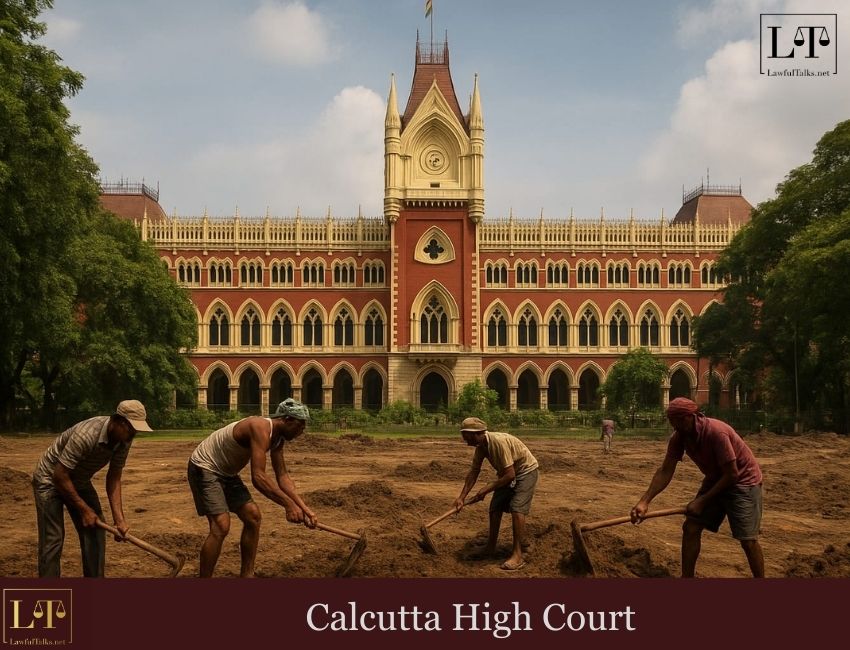
The Calcutta High Court has ruled that a final decree passed in a partition suit cannot be executed unless it is first written (engrossed) on proper stamp paper and the required stamp duty is paid, which means the Stamp Act must be followed before the decree can be enforced.
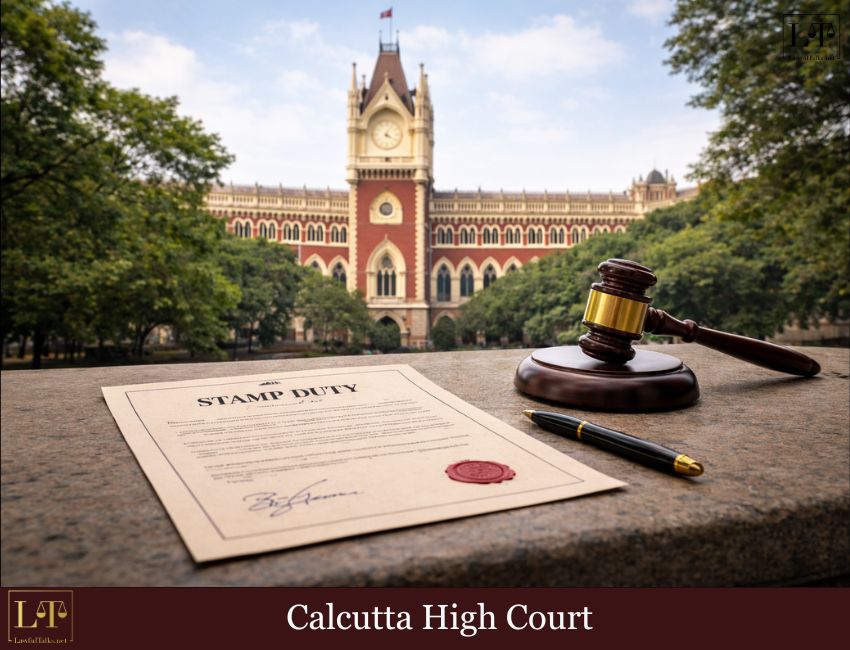
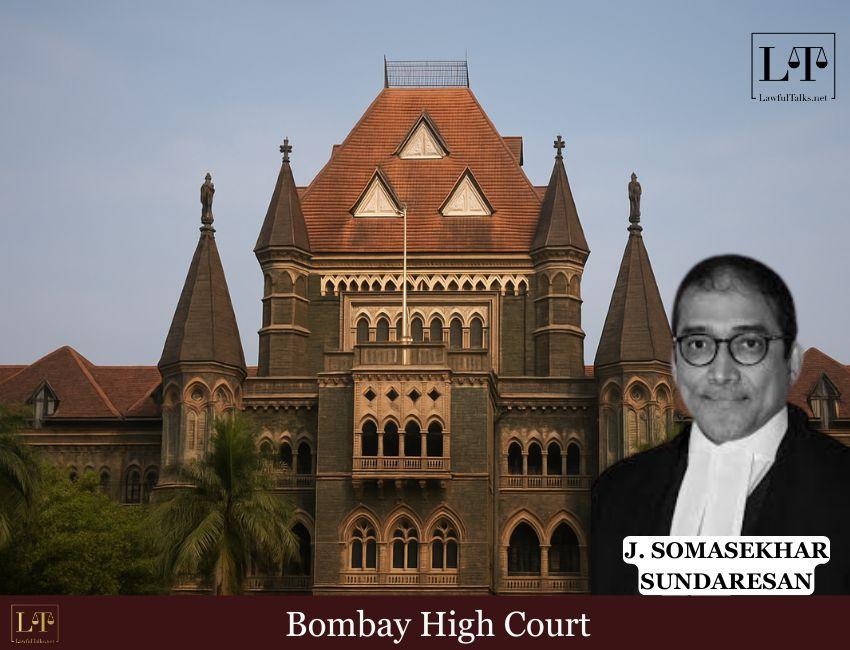
Exercising its revisional jurisdiction, the Bench of Justice Shampa Dutt (Paul) also clarified that to avoid delay, the decree-holder can pay the full stamp duty for the entire property upfront and later recover each co-sharer’s share of the amount from them.
Background of the Partition Suit:
The matter came from Title Suit No. 1843 of 2005, a long-pending partition suit. First a preliminary decree was first passed, and later a final decree gave one-fourth share to each co-sharer. The decree remained valid after appeals, as both the Division Bench and the Supreme Court dismissed challenges to it. After that, the decree holders initiated execution proceedings.
At the stage of execution, the judgment debtor raised an objection, contending that the decree was insufficiently stamped. The argument was that stamp duty had been paid only for the decree- holder’s one -fourth share, and not for the entire property covered by the final decree.
On this basis, it was submitted that the decree was not executable. It was further argued that the final decree could not be treated as executable unless full stamp duty was paid on the total value of the property.
However, the executing court rejected this objection. The court recorded that the office had already assessed the stamp duty and that the decree had been engrossed after payment under Article 45 of Schedule 1A of the Indian Stamp Act as applicable in West Bengal. Since all parties were given equal one-fourth shares, the court noted that stamp duty equal to one such share had been paid.
Before the High Court, the decree-holders agreed to pay the stamp duty for the entire property to remove any technical obstacle to execution, while keeping the right to later recover the proportionate amounts from the other co-sharers.
Ruling:
The bench examined the legal position and reiterated that a final decree can be executed only after it is properly prepared and stamped. The Court observed that unless the decree is written on the required stamp paper, it cannot be acted upon or enforced.
At the same time, the Court underscored that procedural rules should not defeat the substantive rights settled after long litigation.
Directions Issued By High Court:
Taking note of the undertaking given by the decree holders, the Court allowed them to pay the stamp duty for the full value of the property and then recover the respective shares from the other co-owners through due process. It ordered that once this payment is made, the executing court will proceed with the execution and ensure full satisfaction of the decree within one month.
The revisional application was disposed of on these terms, and all interim orders were vacated.
Detailed order awaited.
Case Details: Sri Sandip Kumar Saha v. Somnath Saha & Ors.
Case No.: C.O. 262 of 2024



















































































































































































Sign up for free and be the first to get notified about curated content just for you.