After This Case, SC Says Bail Applications Across India Won’t Be The Same

- February 12, 2026


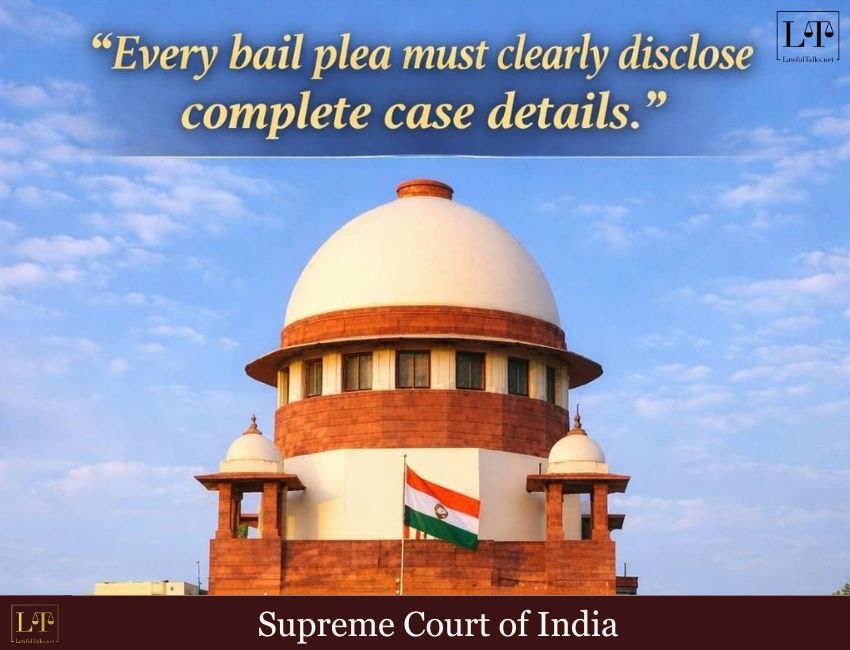
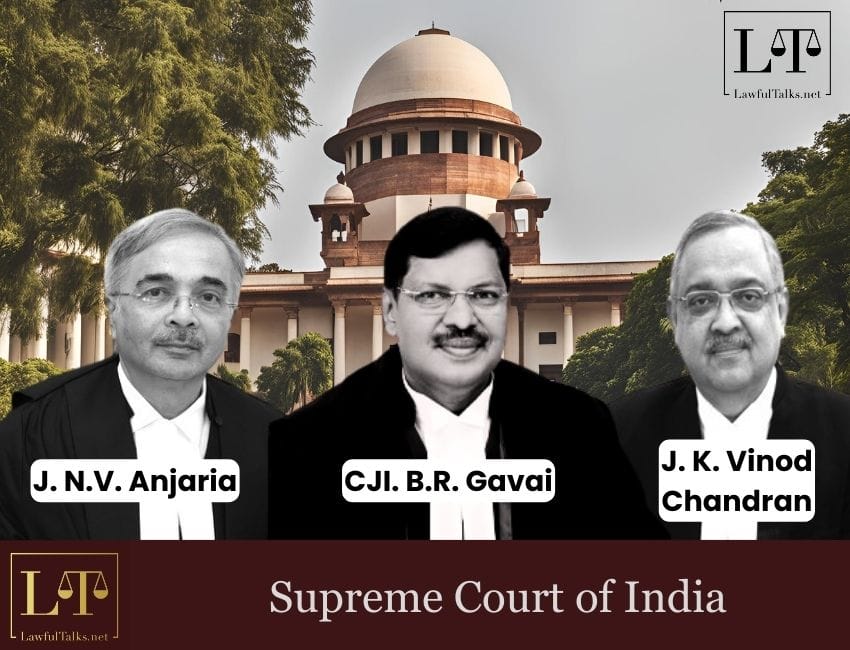
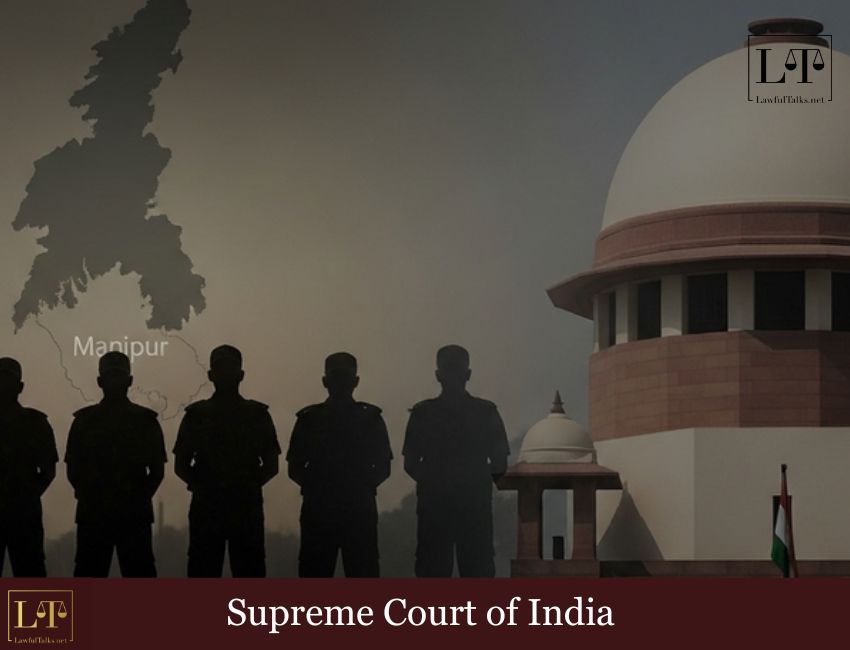
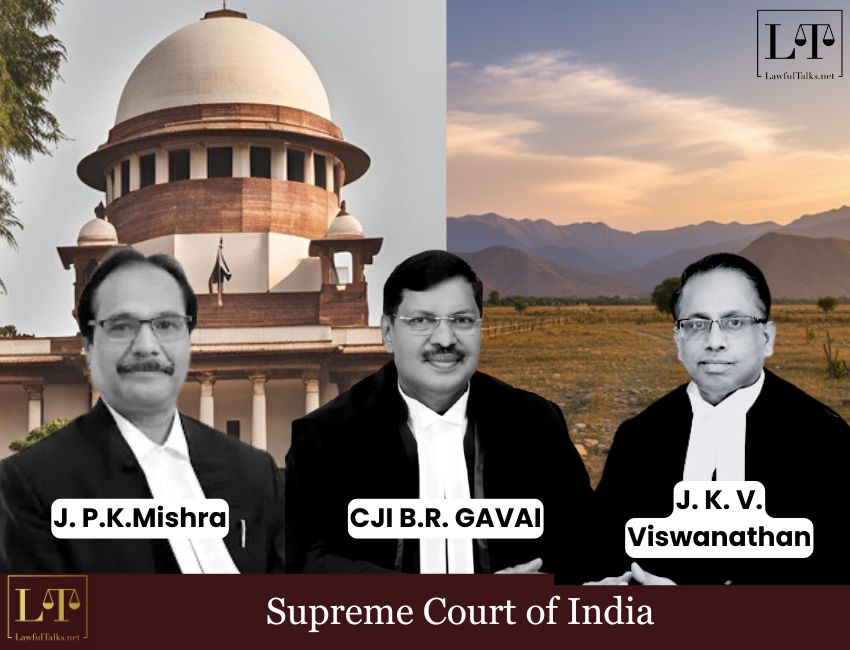
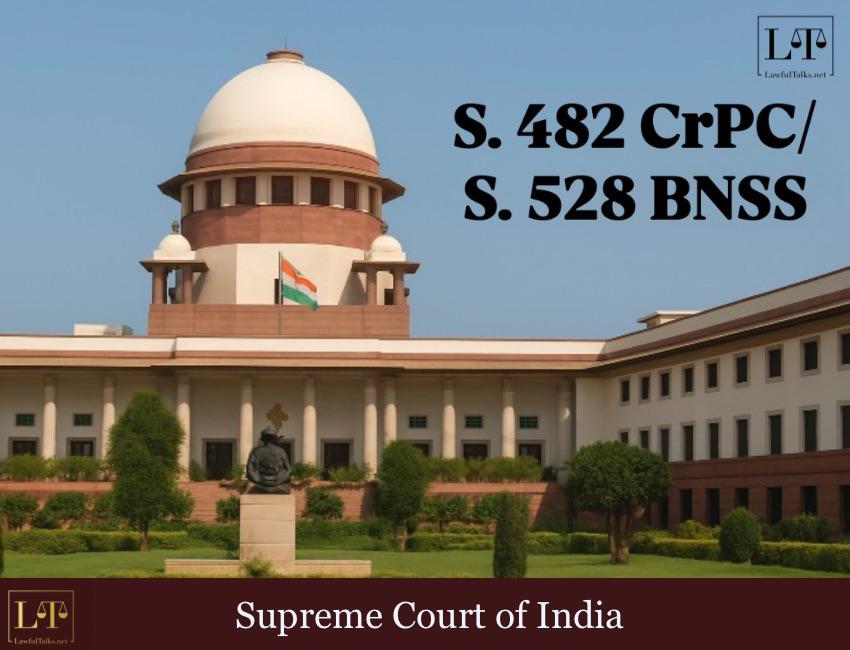
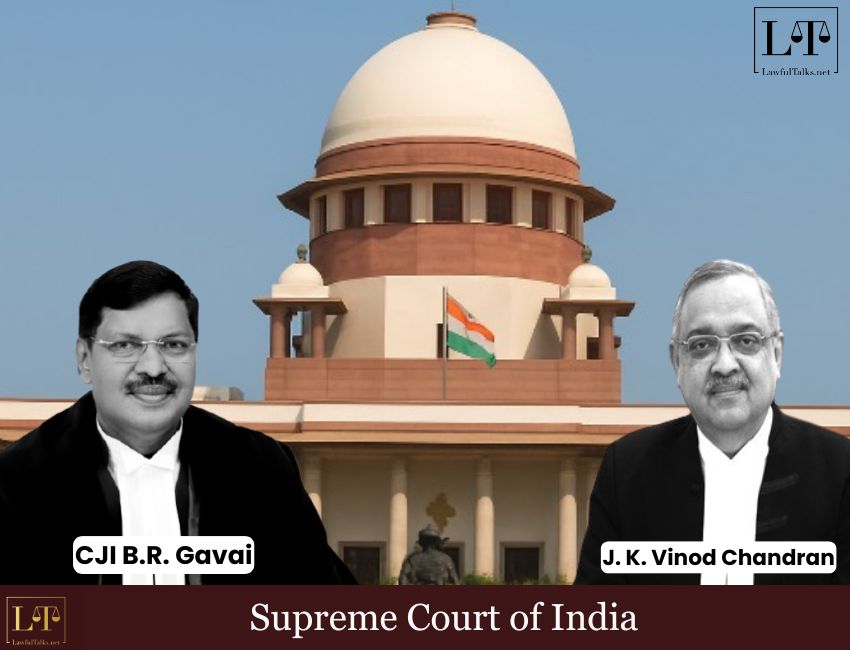
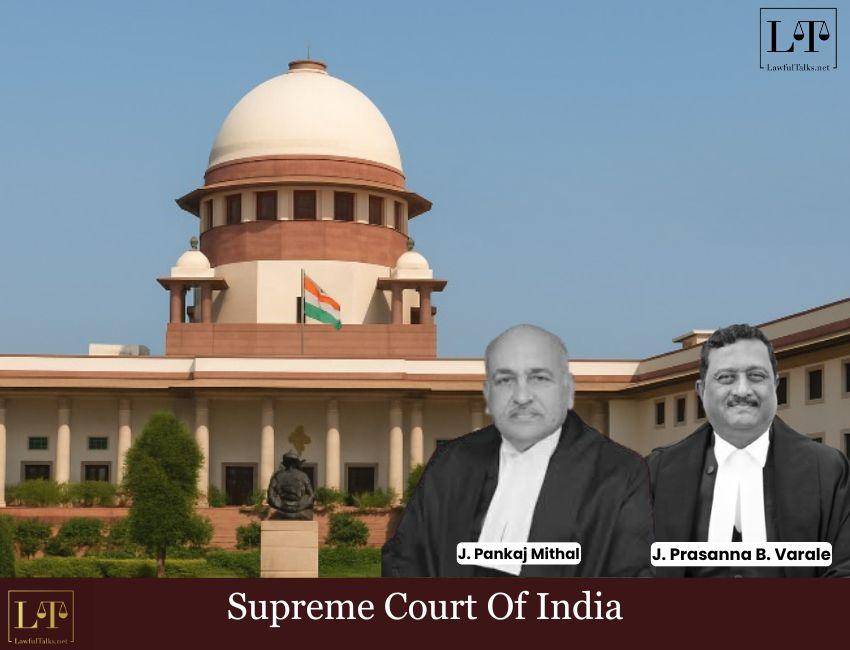
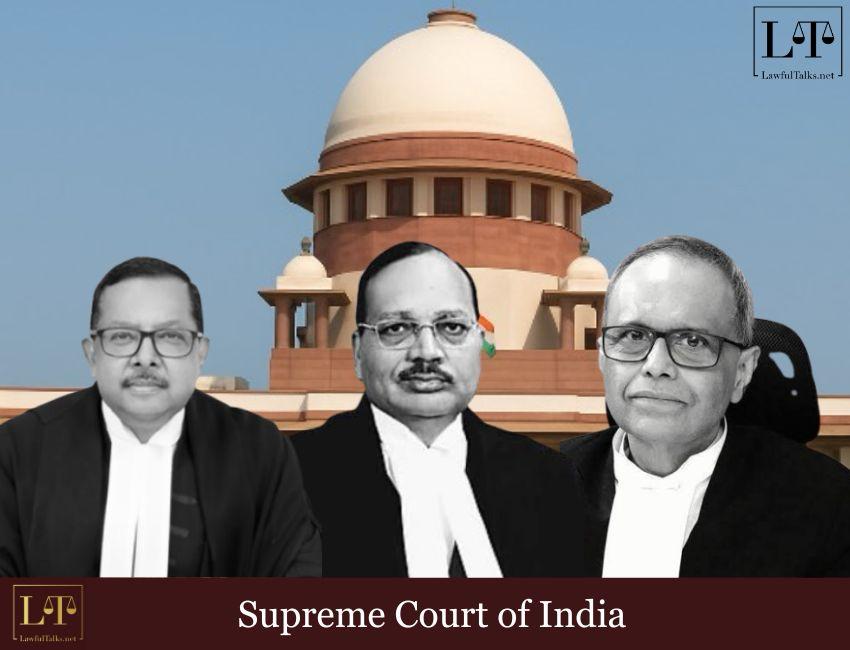
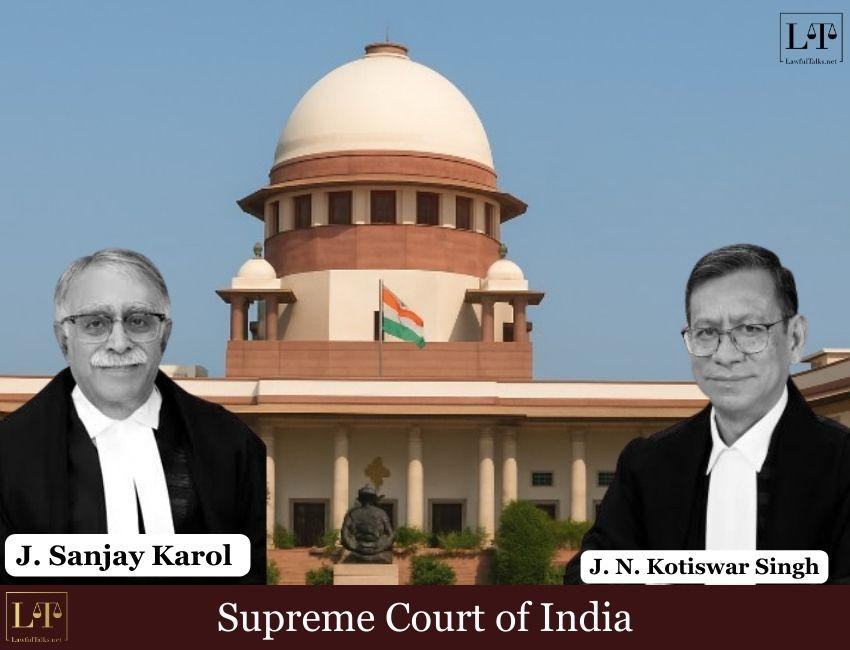
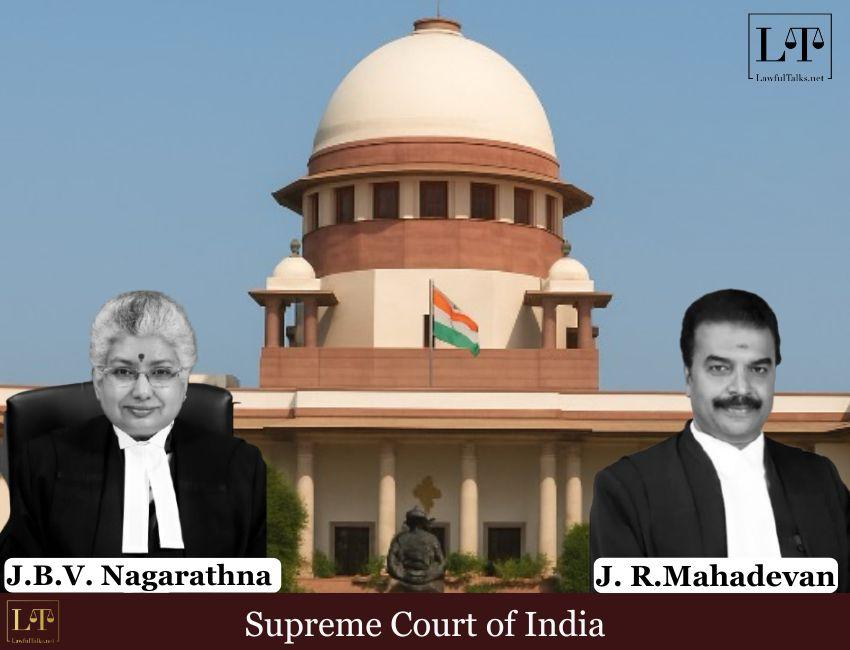
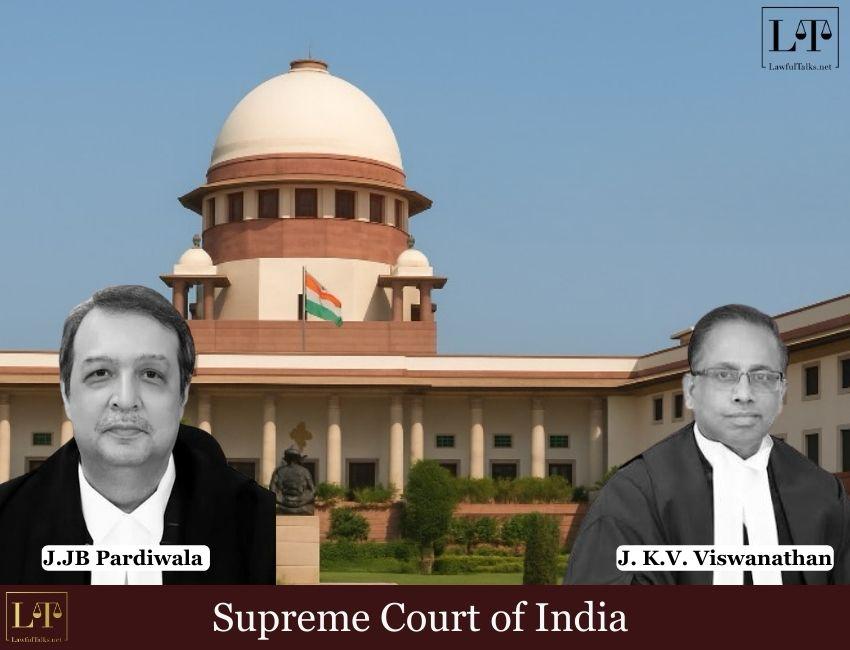
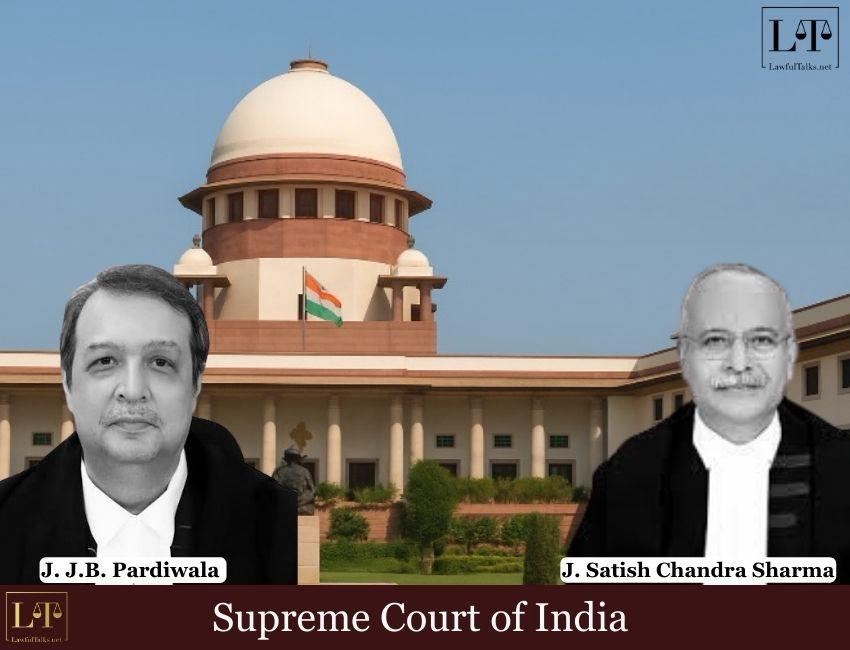
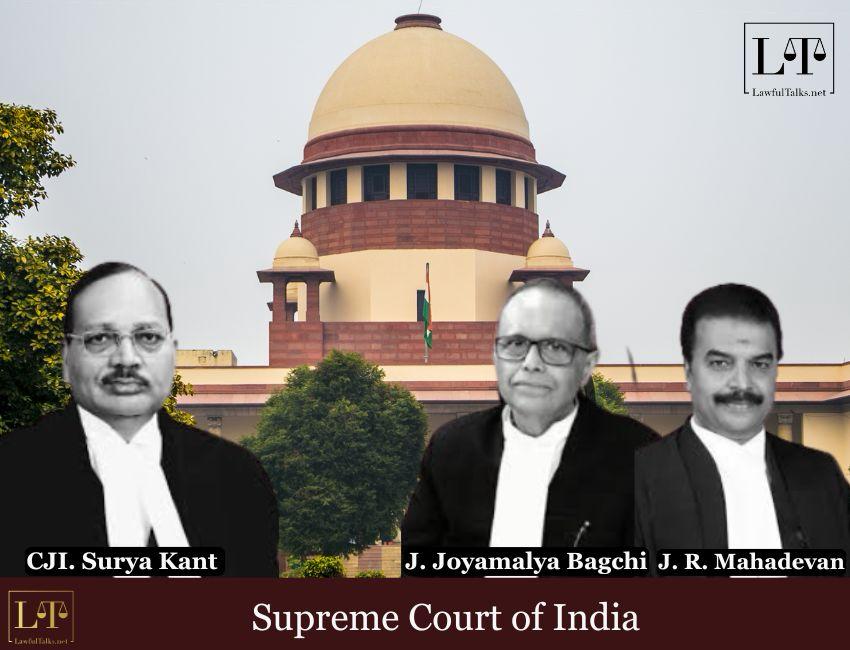
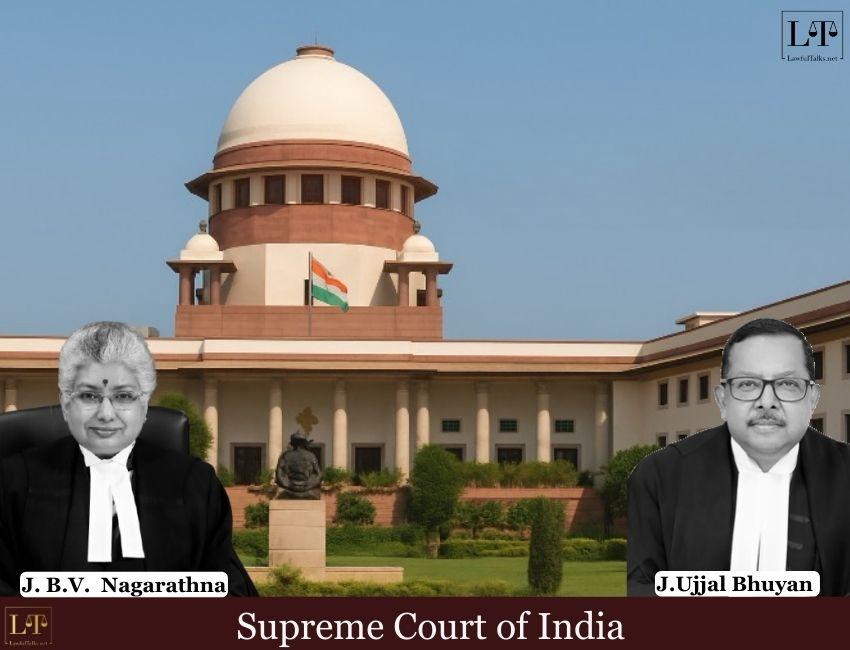
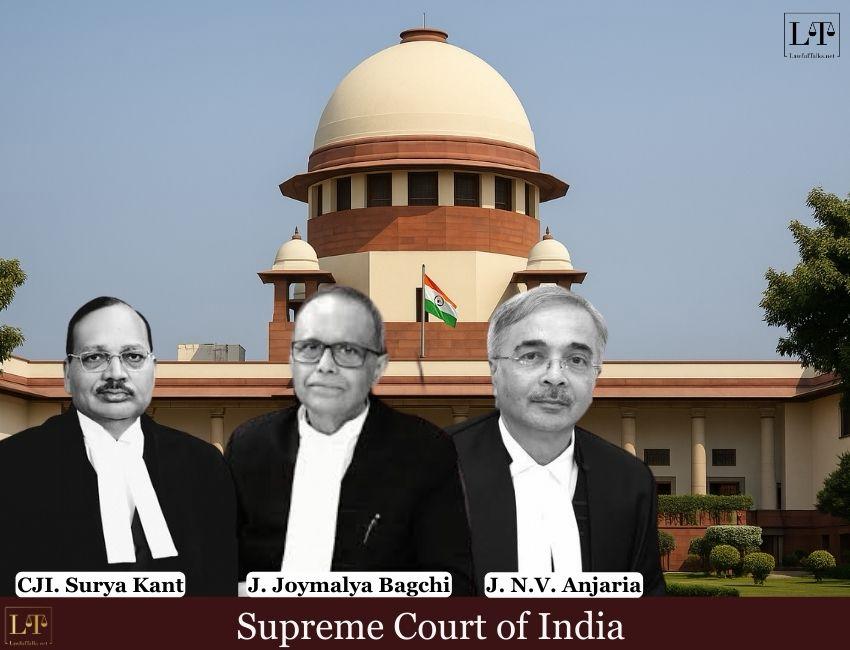
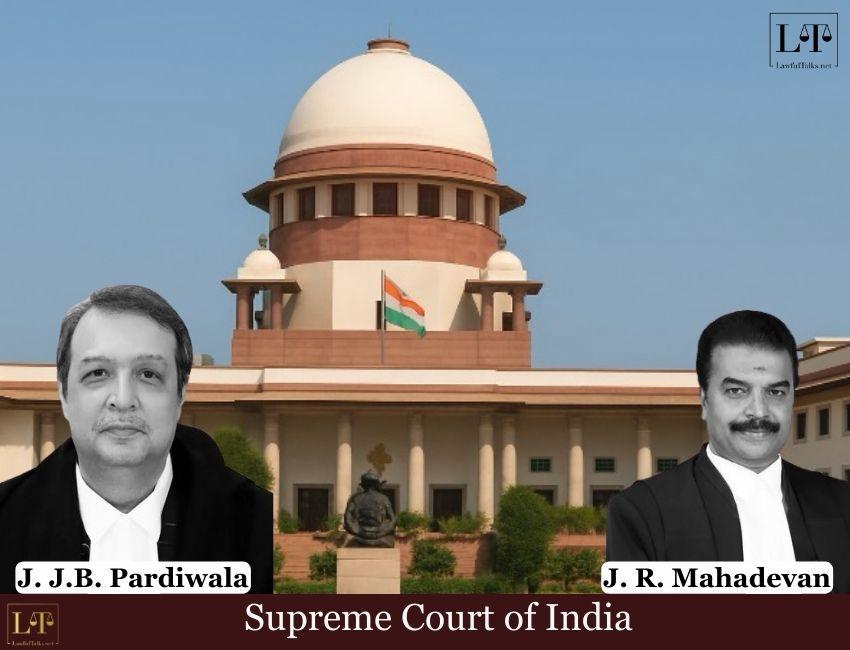
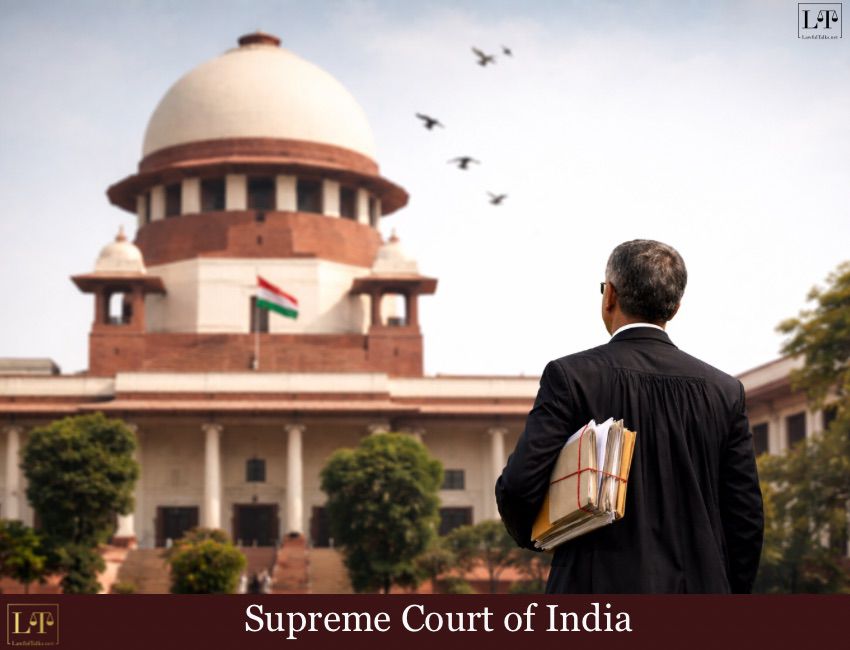
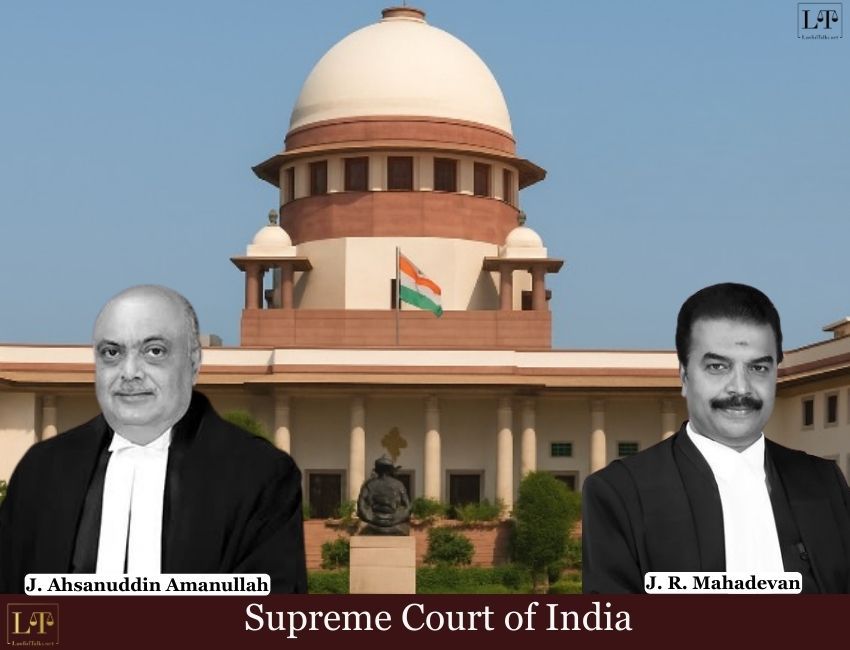
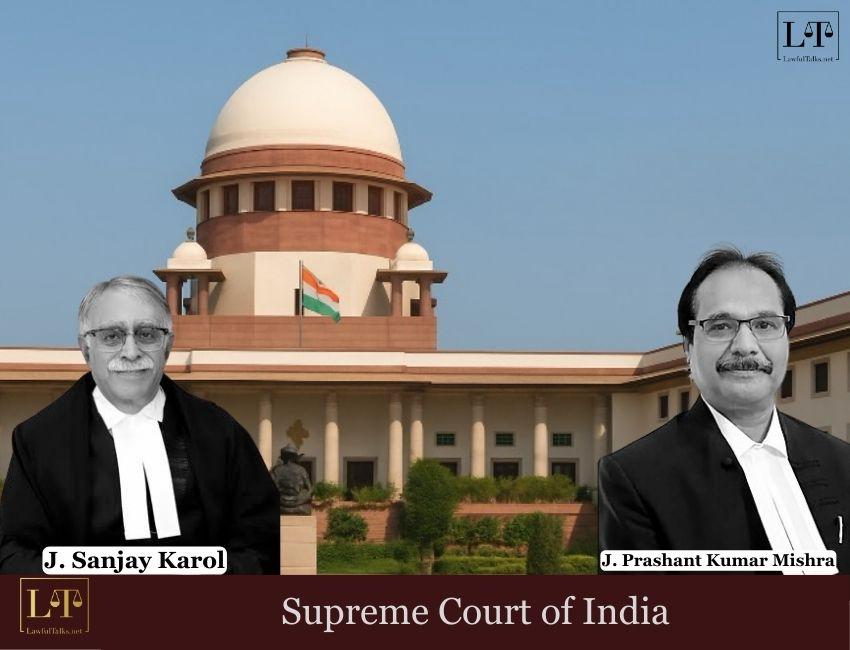
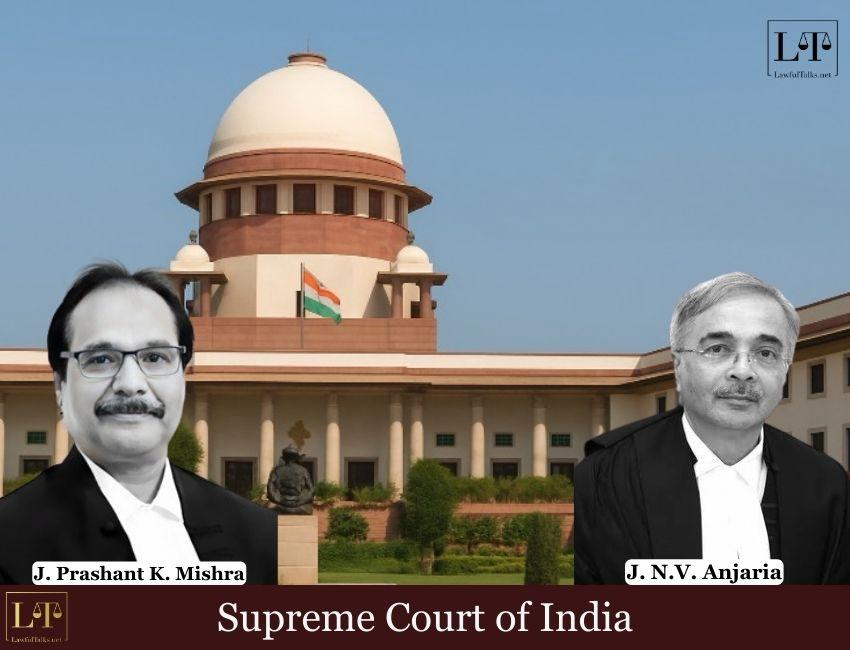
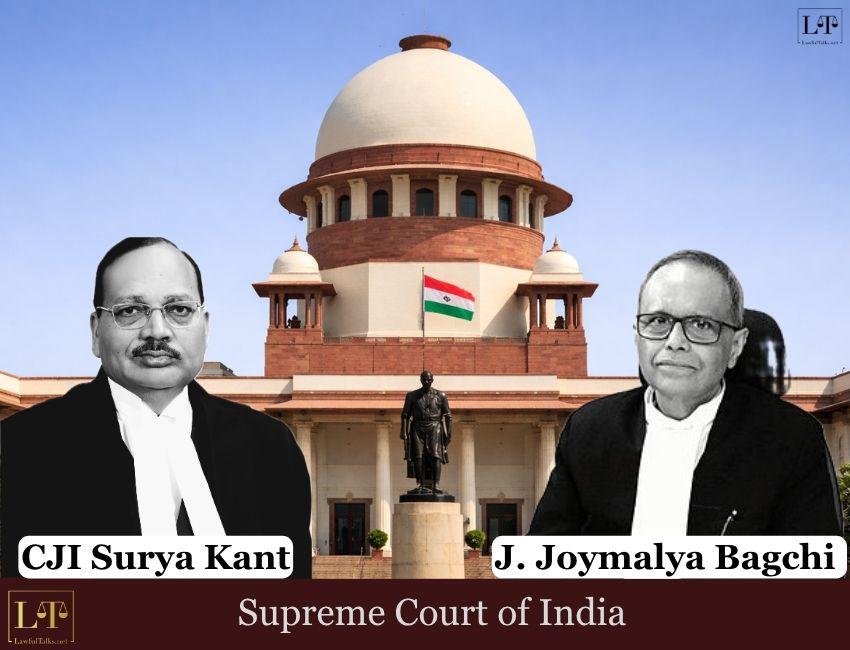
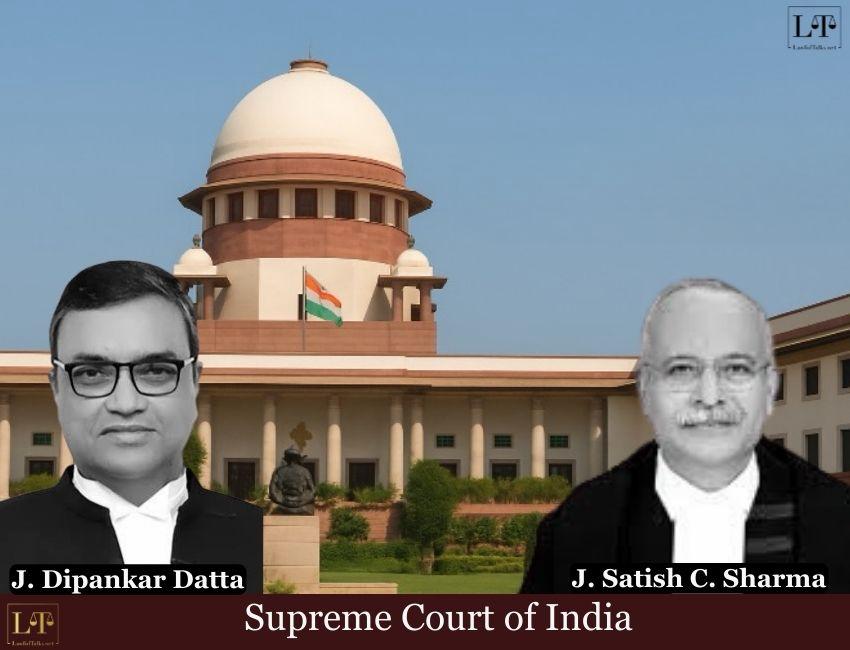
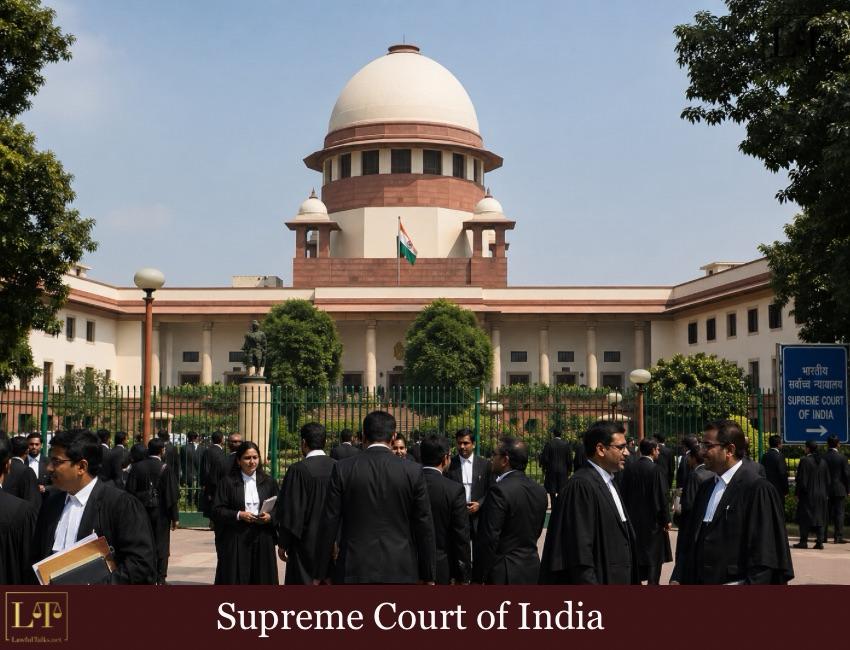
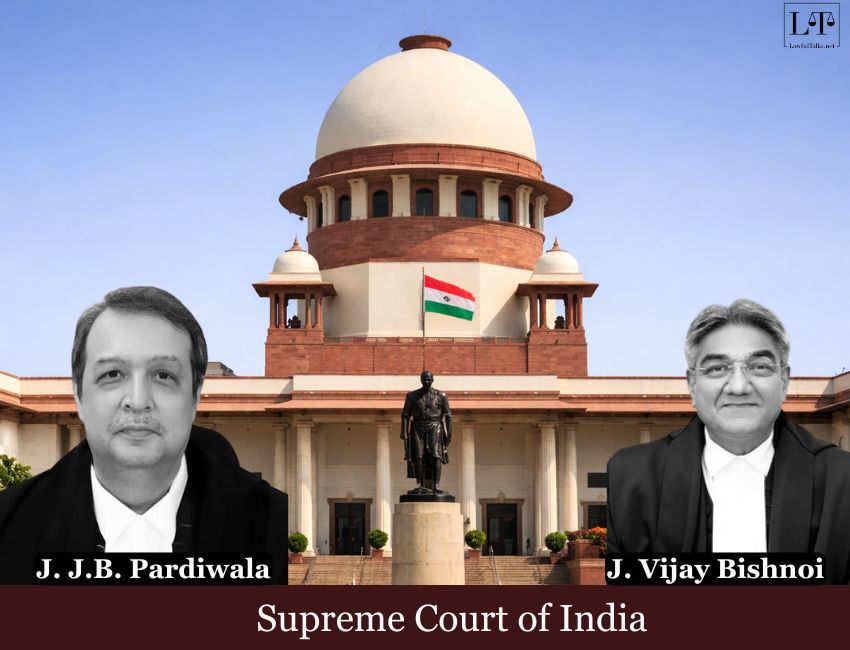
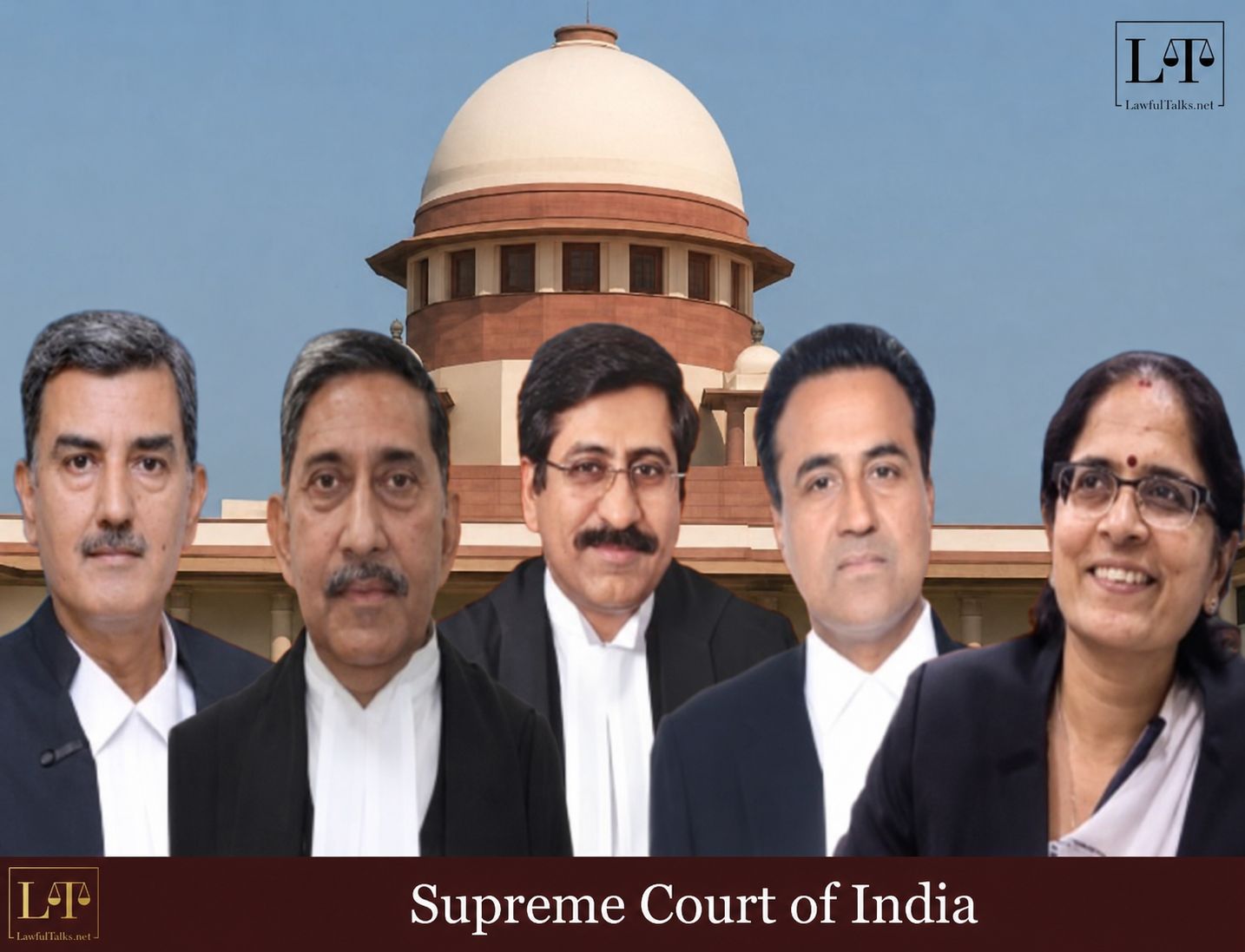
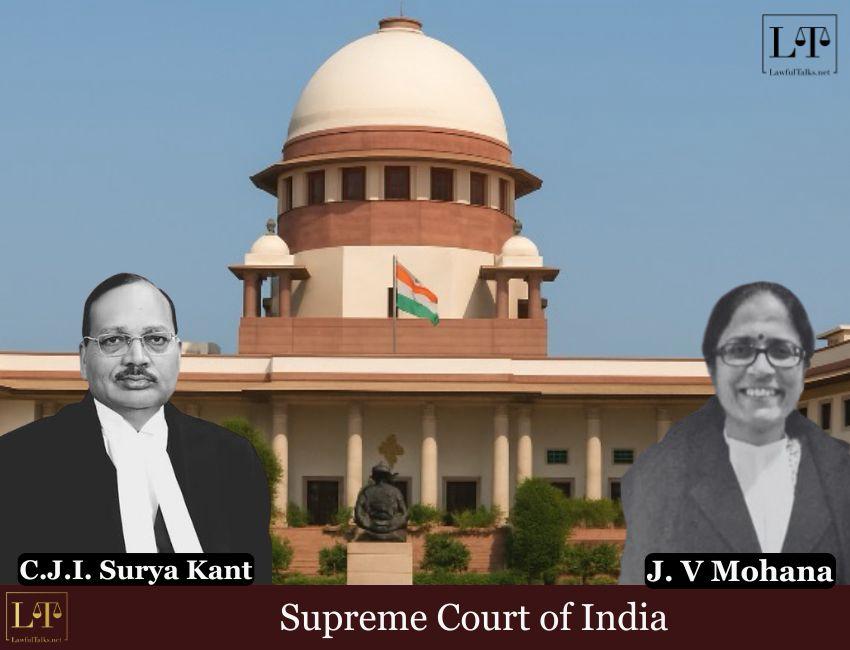
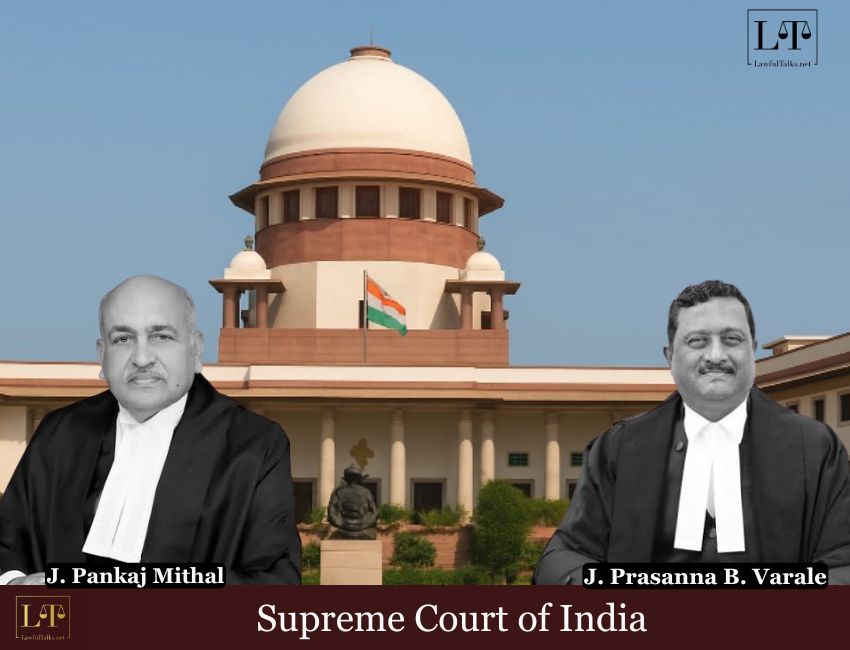
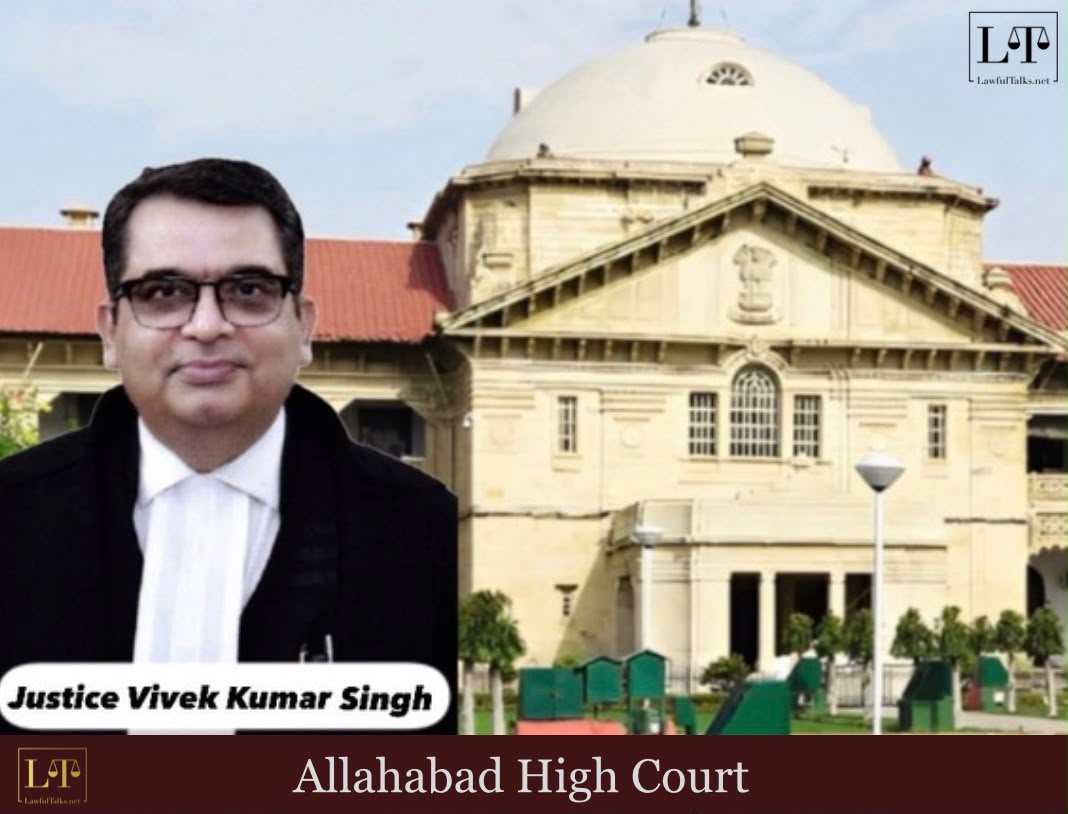
The Supreme Court bench comprising Justice Ahsanuddin Amanullah and Justice R Mahadevan has directed High Courts to ensure that every bail application clearly discloses all necessary case details, specifying that certain essential particulars must be included. This direction came while the Supreme Court was hearing a case relating to a bail order passed by the Allahabad High Court. The High Court had granted bail to an accused charged with obtaining a fake LL.B degree and allegedly running a racket supplying forged LL.B degrees.
Background of the Case:
The case arose from a dispute over a grant of bail to Mazhar Khan,who was accused of obtaining a fake LL.B degree from Sarvodaya Group of Institutions.The FIR also alleged that he was running a racket supplying forged degrees and had circulated visiting cards displaying degrees of LL.B., LL.M., and Ph.D. He was granted bail by the Allahabad High Court.
Defence Taken by Mazhar Khan:
Khan argued that the LL.B. degree was genuine and had been legally and validly issued by Sarvodaya Group of Institutions. He also contended that there was no valid proof that he supplied forged degrees to anyone and that the allegations against him were false and facetious. He further submitted that he had no criminal history and had been in jail since April 28, 2025. The accused also alleged that his sister-in-law, also the complainant, has falsely implicated him in this case as a result of a property dispute between them.
Allahabad High Court Grants Bail:
The State and the complainant’s lawyer opposed the bail request, arguing that the applicant’s innocence could not be decided before trial and that he should not be released. However, the High Court granted bail, observing that there was no strong material to suggest he would tamper with evidence.
Complainant Moves Supreme Court:
Aggrieved by this decision, the complainant approached the Supreme Court by filing a Special Leave Petition on November 17, 2025. The accused was then caught stalking and intimidating the complainant, after the bail was granted to him by the High Court.
Supreme Court’s Warning to the Accused:
The court said:"This court earlier expressly cautioned the accused that any instance of coercing the appellant into withdrawing the proceedings would invite strict action. The existence of a family or a property dispute does not dilute the gravity of allegations of impersonation as a legal professional and the use of the credentials before courts which has serious public and institutional ramifications extending for beyond the private dispute"
Appellant’s Arguments Before the Court:
The counsel for the appellant argued that the High Court granted bail to the accused ignoring key documents, including a letter from Veer Bahadur Singh Purvanchal University stating that no LL.B degree or marksheet was ever issued to the accused, and a communication from Sarvodaya Vidyapeeth Mahavidyalaya confirming that it does not offer any law course.
It was also submitted that Respondent No. 2 falsely portrayed himself as an innocent victim by claiming he did not know the LL.B degree was forged. According to the counsel, this is clearly false. Even after the FIR was registered and the degree was found prima facie forged, the accused appeared before this Court and obtained membership of the Supreme Court Bar Association, continuing his misrepresentation.
The counsel stated that after the present FIR was registered in 2024, four more FIRs were filed against the accused. Three of them were lodged by universities in Maharashtra and Karnataka and relate to forgery and facilitating fake academic degrees in fields including law and M.Phil (Health Sciences).
It was further submitted that the accused is the President of a Public Education Trust running Kohinoor Arts, Commerce and Science College. An FIR by Yashwantrao Chavan Maharashtra Open University alleges serious misuse of his position: the college was an examination centre where he was appearing for the M.A. (Hindi) exam, and a university fact-finding committee found that he pressured teachers to write the exam on his behalf.
Court’s Observations on Bail Process:
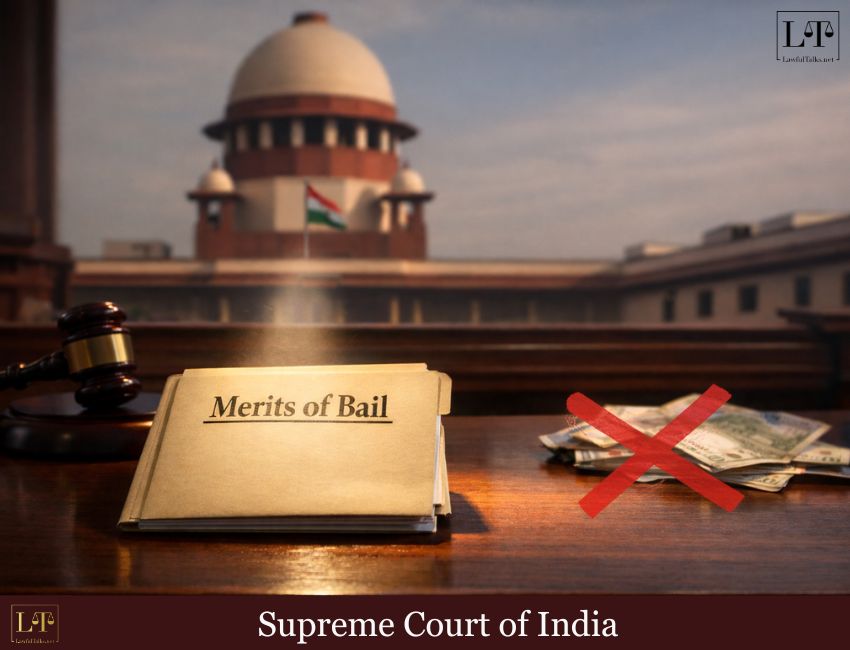
After hearing the appellant’s arguments, the Court seriously noted that bail applications are often decided on incomplete or selectively presented records, so courts can form only a prima facie view at that stage. It warned that hiding important facts may either lead to wrongful grant of bail or unnecessary prolonged detention. To prevent this, the Court stressed the need for transparency in bail proceedings and held that every bail applicant must disclose all material details.
Mandatory Disclosure in Bail Applications:
The court stressed that bail applicants must fully and honestly disclose all relevant facts. It observed:
"Thus, this Court is of the view that every petitioner or applicant seeking bail, at any stage of proceedings, is under an obligation to disclose all material particulars, including criminal antecedents and the existence of any coercive processes such as issuance of non-bailable warrants, declaration as a proclaimed offender, or similar proceedings, duly supported by an affidavit, so as to promote uniformity, transparency and integrity in bail adjudication"
In light of this, the Apex Court bench cancelled the bail granted to the accused and issued directions requiring all High Courts to ensure that bail applications disclose certain necessary details. The Court specified that every bail application must include the following essential particulars:
New Directions Issued to High Courts:
1.FIR number and date
2.Name of the police station concerned
3.Sections invoked by the investigating agency
4.Maximum punishment prescribed for the alleged offences
5.Date of arrest and total period of custody undergone
6.Current status of the trial
7.Details regarding compliance with procedural requirements
8.Criminal antecedents of the accused, if any
9.Information about previous bail applications and their status
CASE DETAILS: Case no. – SLP(Crl) No. 12669/202
Case Title: Zeba Khan v. State Of U.P.













































Sign up for free and be the first to get notified about curated content just for you.