Want The ‘Senior’ Gown? SC Brings Major Changes To Selection Process

- February 12, 2026


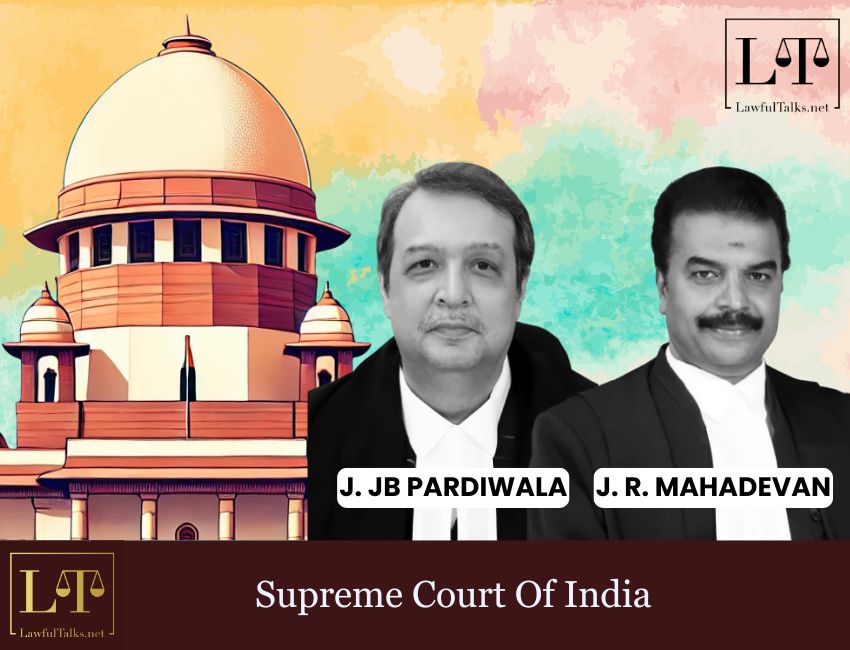
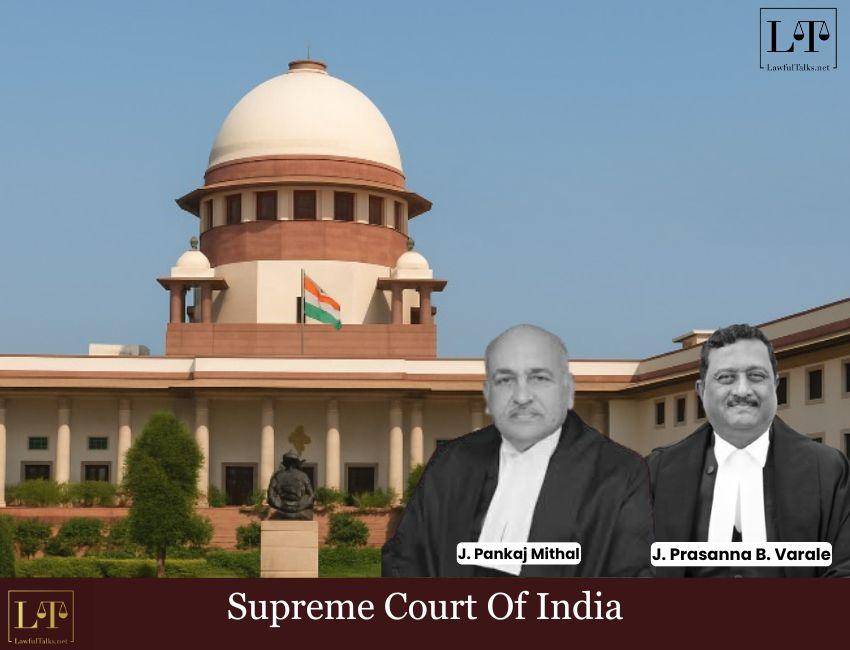
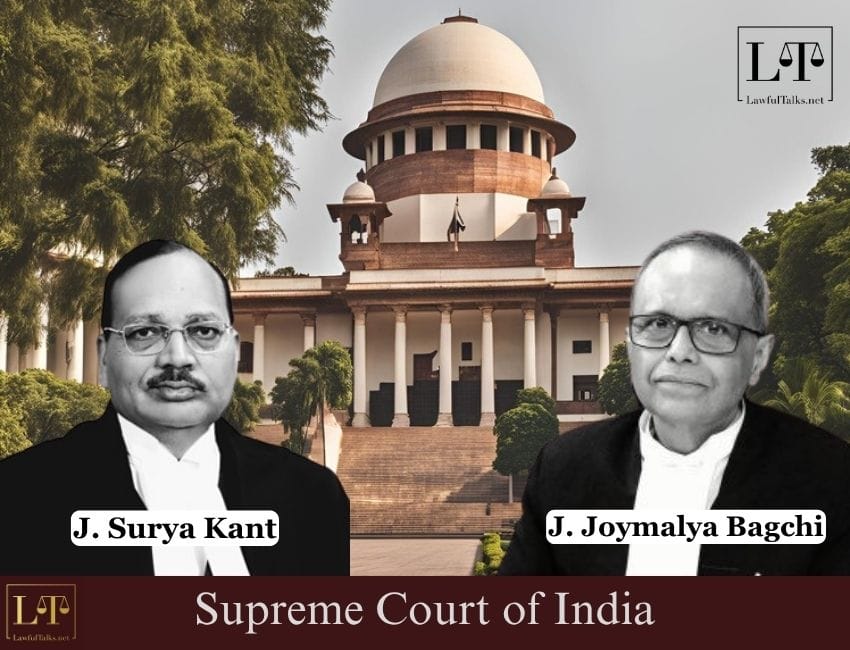
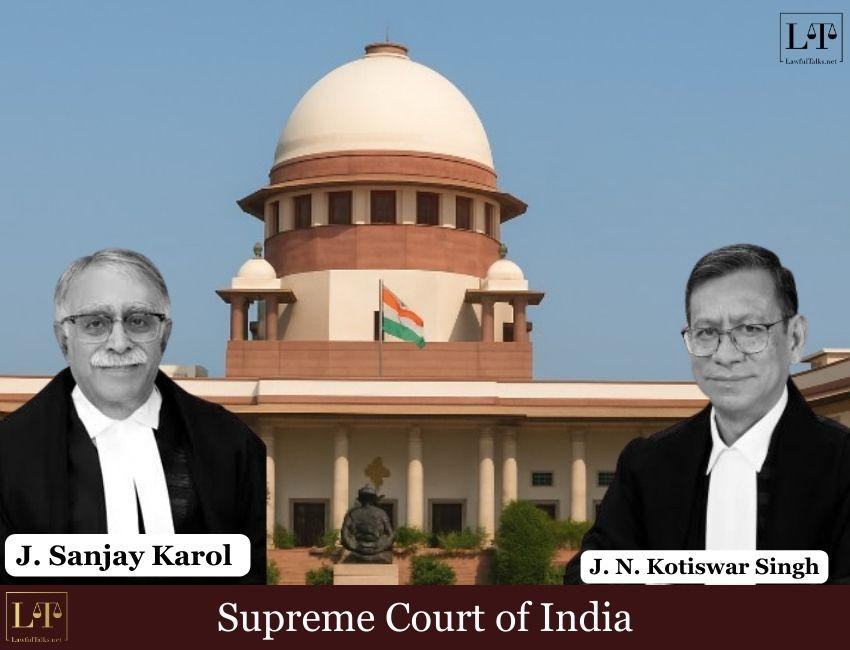
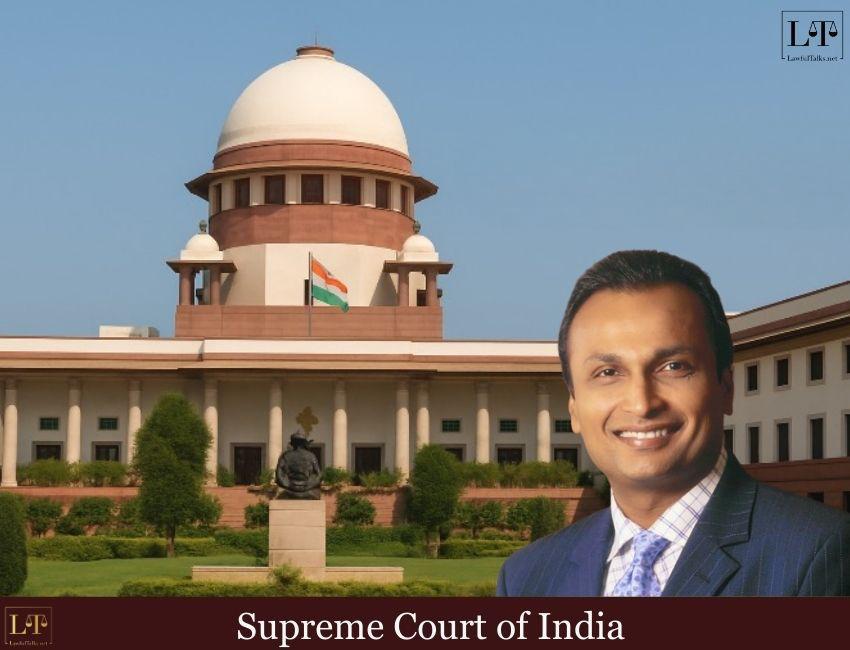
The Supreme Court of India has notified the new “Guidelines for Designation of Senior Advocates by the Supreme Court of India, 2026”, which replace the earlier 2023 guidelines pursuant to the decision in Jitender @ Kalla vs State (Govt. of NCT of Delhi) and Anr., decided on 13 May 2025.
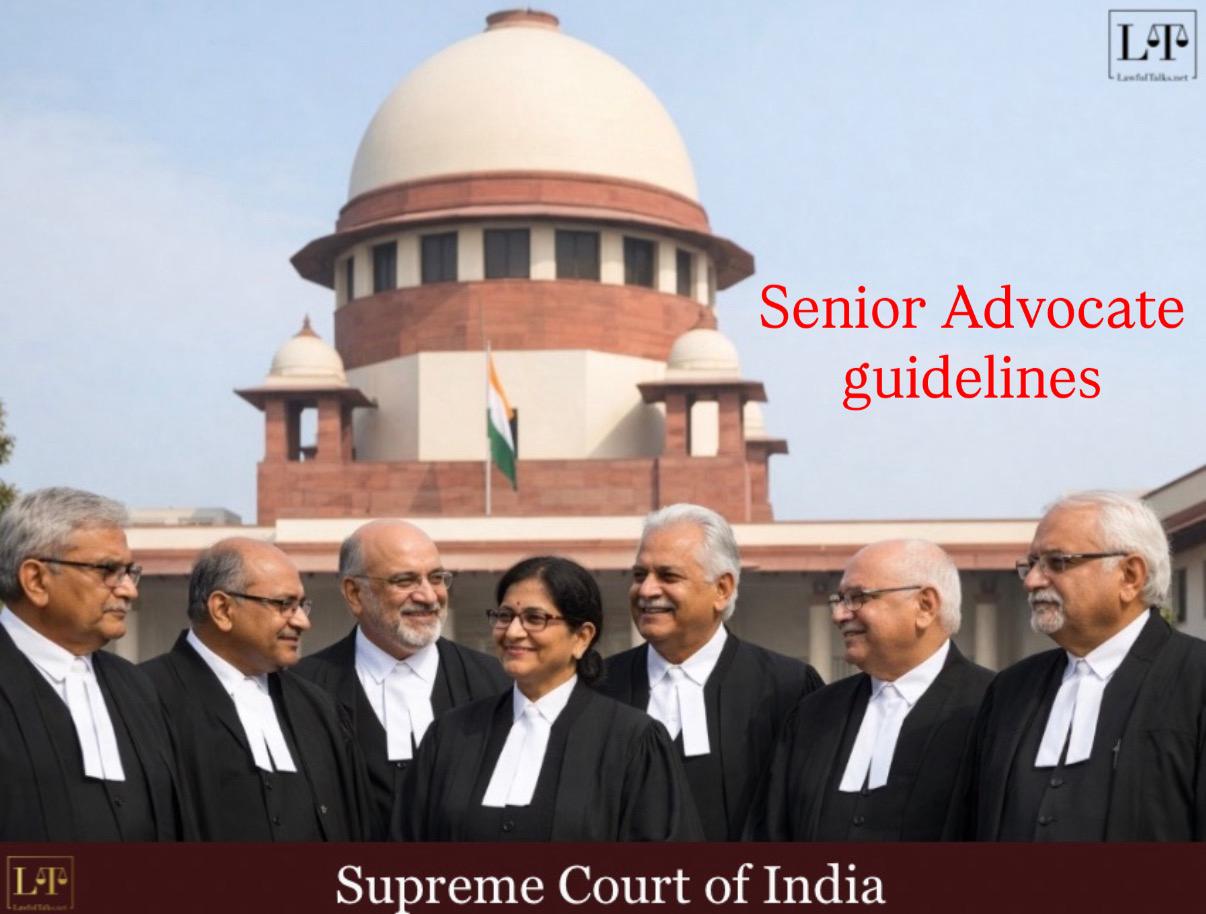
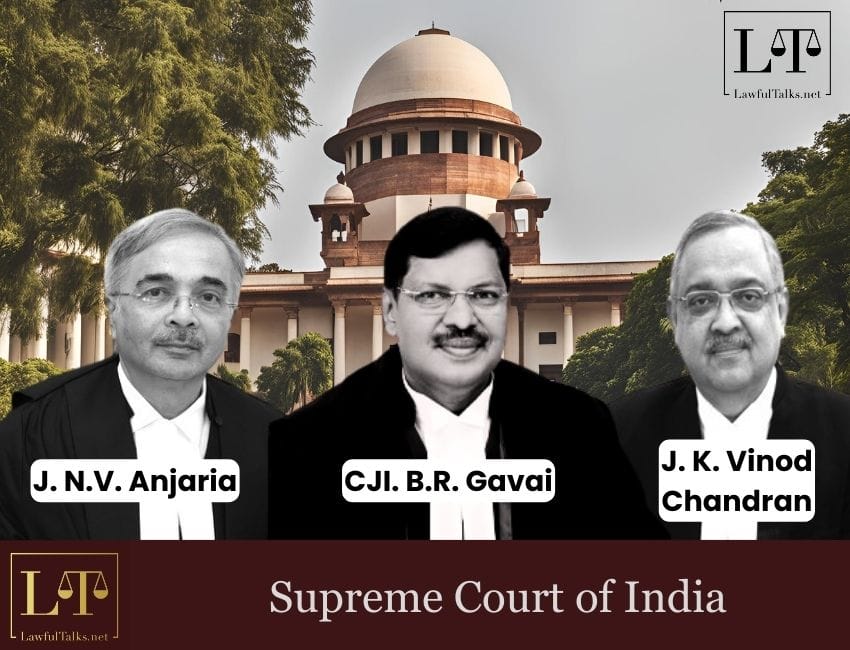
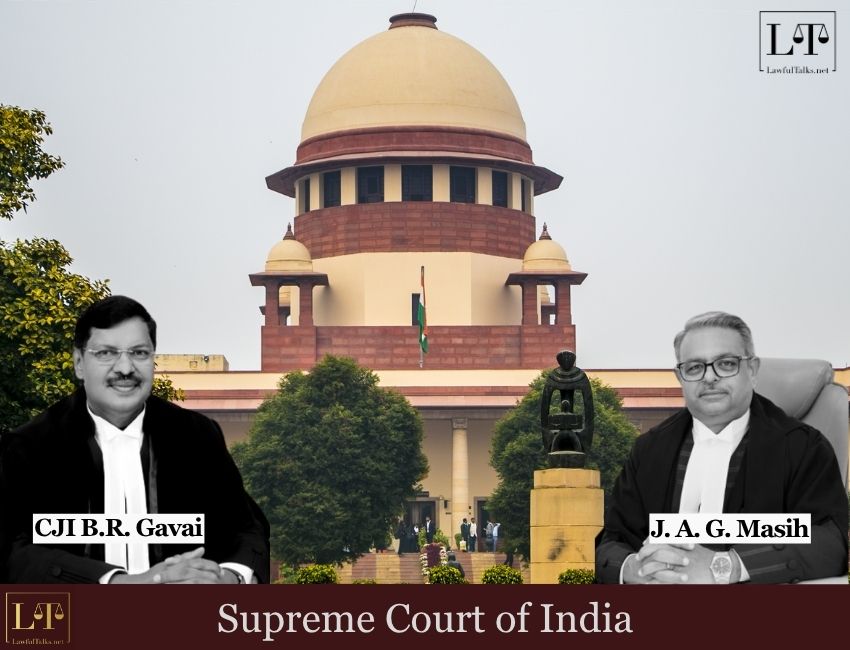
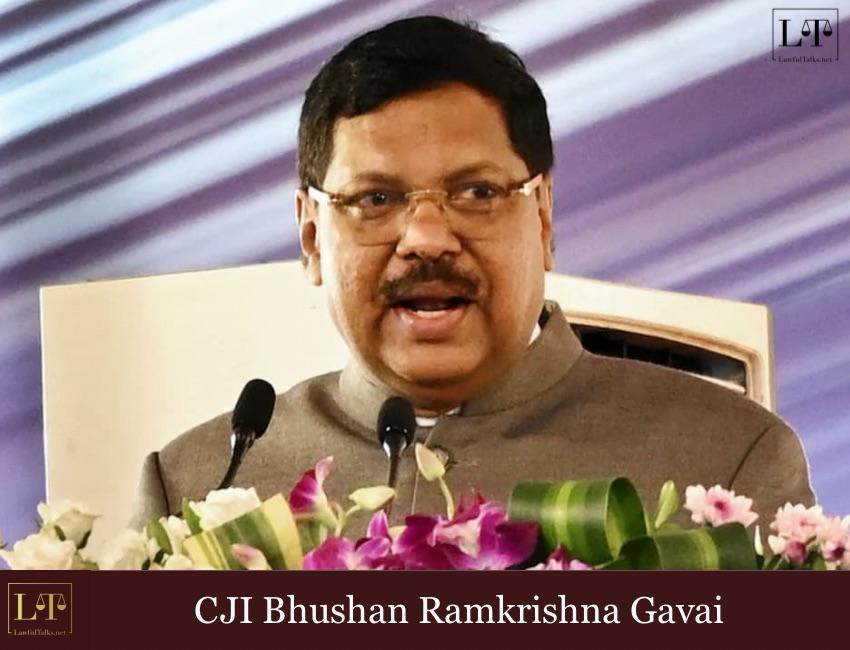
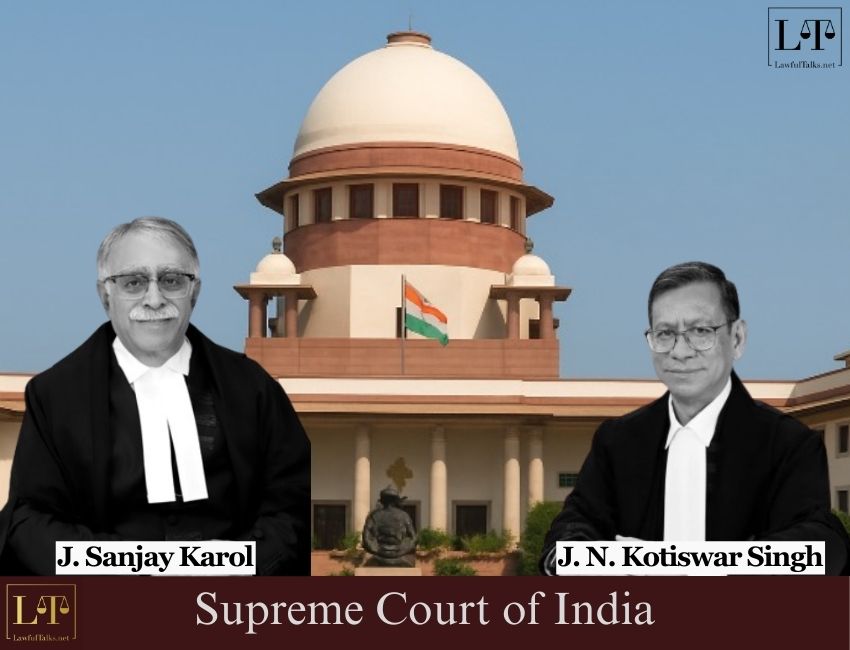
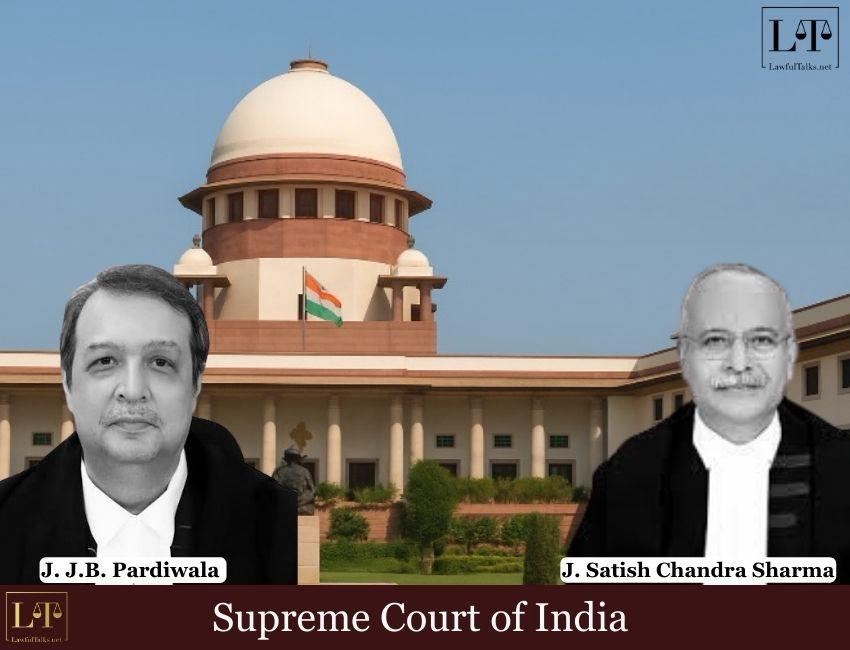
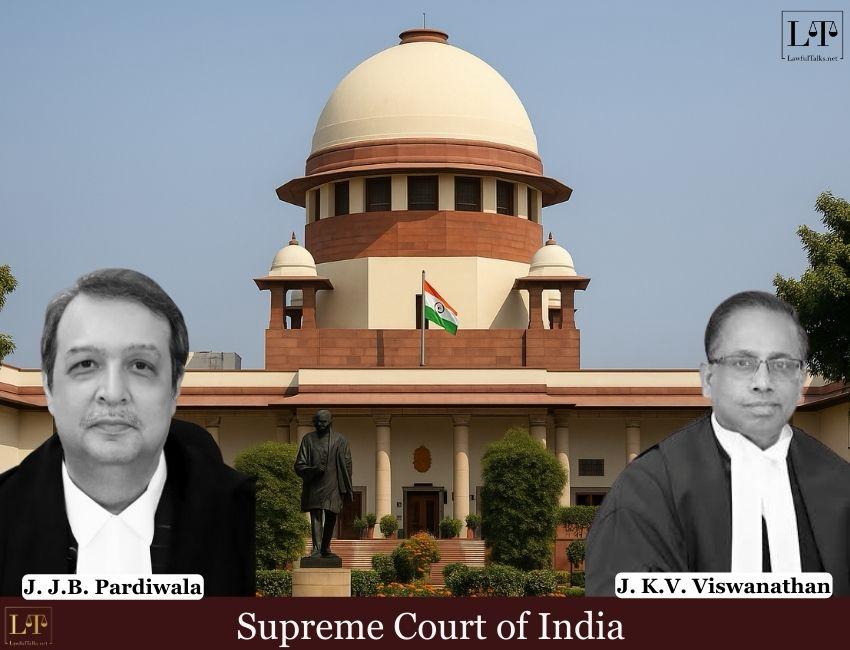
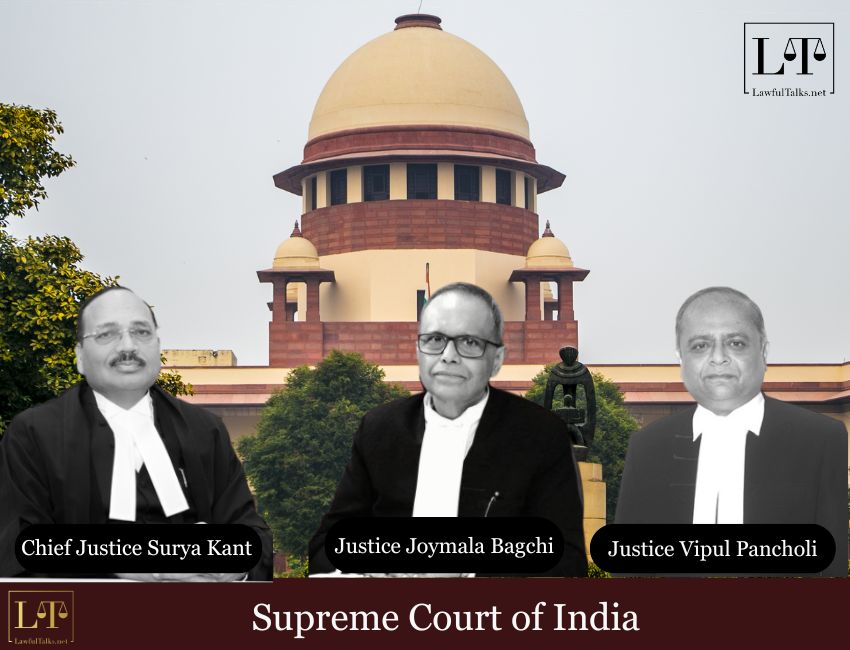
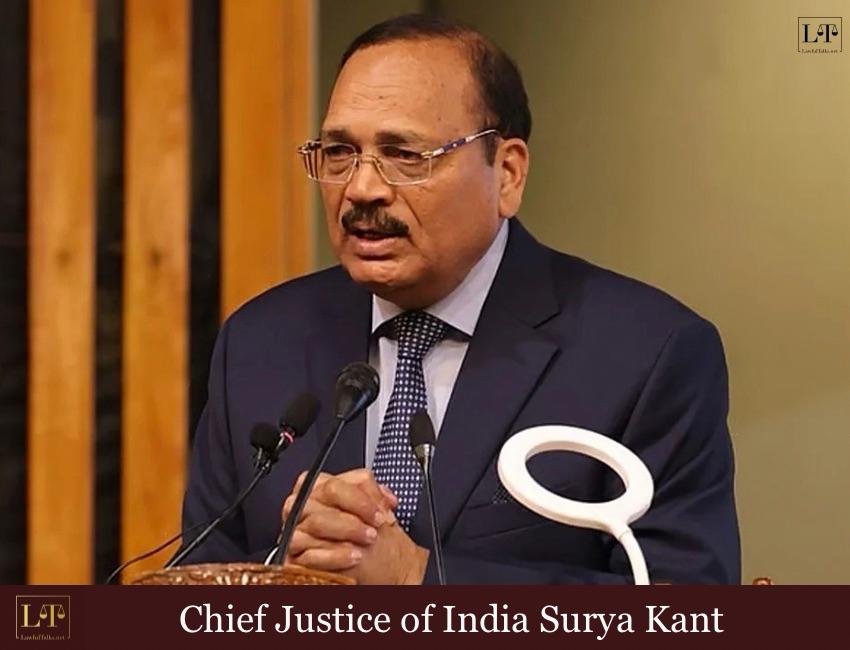
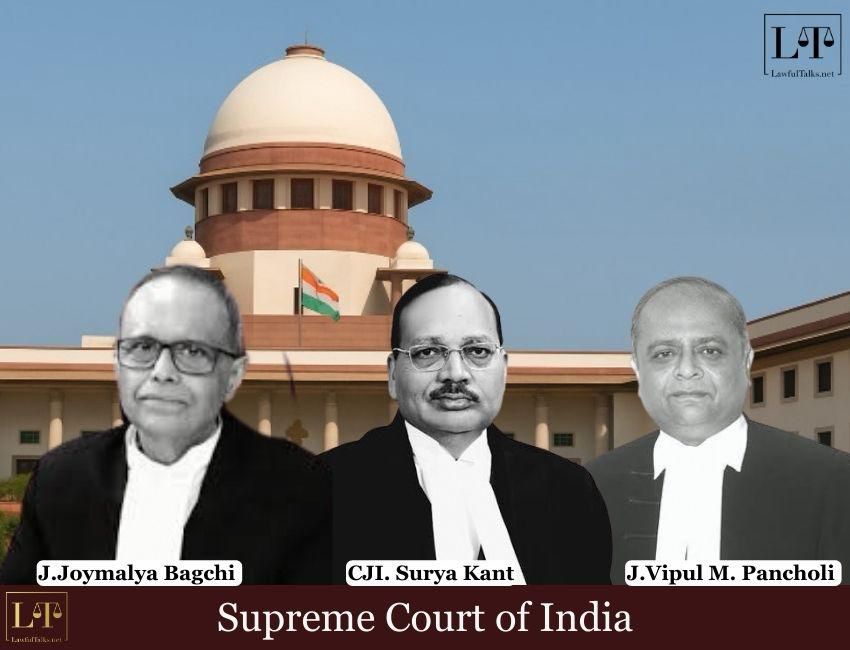
All matters relating to designation are now entrusted to a permanent “Committee for Designation of Senior Advocates” comprising the Chief Justice of India as Chairperson and the two senior-most Judges of the Supreme Court as members, assisted by a permanent Secretariat whose composition is to be decided by the Chief Justice of India in consultation with the Committee.
The Committee meets whenever the need arises, and the Secretariat acts as the working body that initiates, processes, and submits applications to the Full Court.
Initiation of the Process and Mode of Application:
The Secretariat must start the designation process at least once every year by inviting applications from advocates. A notice inviting applications is published on the Supreme Court’s official website, and information is also sent to the Supreme Court Bar Association and the Supreme Court Advocates-on-Record Association to ensure wide publicity. Applicants are given at least 21 days to submit their applications online in the prescribed Application-cum-Consent format (Annexure A), or through any other mode directed by the competent authority.
Eligibility Conditions for Advocates:
The Guidelines specify clear basic criteria that must be met to be considered for designation as a Senior Advocate.
Professional standing:
Minimum of ten years’ standing as an Advocate; or
Ten years’ combined standing as an Advocate and as a District and Sessions Judge or as a Judicial Member of a Tribunal whose eligibility requirement is not less than that for a District Judge.
Nature and place of practice:
The advocate must mainly practise in the Supreme Court.
Advocates with domain expertise before specialised Tribunals may receive concession regarding the extent of appearances in the Supreme Court.
Age requirement:
The advocate must have attained the age of 45 years.
The Full Court retains discretion to relax this requirement in deserving cases.
Bar on recent rejection or deferment
The advocate’s application for senior designation must not have been rejected by the Supreme Court of India or any High Court within the two years immediately preceding the notice.
Nor should such an application have been deferred by any court within the one year immediately preceding the date of notice inviting applications.
Data Collection, Transparency and Stakeholder Participation:
Once applications are received, the Secretariat compiles relevant data concerning the reputation, conduct, and integrity of the applicants, using both the information furnished in the application and additional sources identified by the Committee. The proposals are then published on the Supreme Court’s website, and suggestions or views from other stakeholders are invited, with at least fifteen days’ time allowed for responses. After this stage, the Secretariat prepares a comprehensive database and places the complete set of proposals before the Full Court for consideration.
Substantive Criteria: Ability, Standing and Special Knowledge:
The Full Court evaluates each application on an overall basis, focusing on the candidate’s ability, standing at the Bar, and special knowledge or experience in law.
Ability
Very sound knowledge of law, particularly in the branches of law in which the advocate practises.
Advocacy skills sufficient to effectively conduct a case before court.
Authorship of legal articles and commentaries is treated as part of “ability”.
Capacity to rationally critique judicial decisions is recognised as an aspect of ability.
No criminal antecedents and professional discipline:
The advocate must not have been convicted by a competent court.
They must not have been punished for offences involving moral turpitude or contempt of court.
They must not have been punished by any State Bar Council or the Bar Council of India for professional misconduct.
Processing before the Full Court and Mode of Decision:
All applications found eligible by the Secretariat, together with their supporting documents, are placed before the Full Court of the Supreme Court. The Full Court retains the power, even in the absence of an application, to recommend designation of a deserving advocate de hors an application, provided the advocate consents. The decision‑making process is designed to prioritise consensus; however, if consensus is not possible, the decision is taken by majority view, with voting by secret ballot permitted only in exceptional cases and for reasons to be recorded.
Special Pathway for Former Chief Justices and Judges of High Courts:
The Guidelines provide a separate, ongoing process through which former Chief Justices and Judges of High Courts can apply for designation as Senior Advocates.
Eligibility and application format
Former Chief Justices and former Judges of High Courts may at any time submit a request‑cum‑consent letter in the prescribed Annexure J format seeking designation.
Their letters must provide details such as enrolment, resumption of practice, field(s) of legal expertise, number of reported judgments delivered as judges, and the High Courts in which they served, with duration.
Restriction due to full‑time assignments
Those who have accepted or consented to accept any full‑time assignment are not considered for designation as Senior Advocates for as long as they hold that assignment.
Procedural formalities
Requests are submitted as paper books, duly tagged and indexed, in three identical sets, accompanied by copies of relevant certificates and lists of citations.
A soft copy in searchable mode, along with the scanned photograph, must also be submitted via email to the designated registry address.
Cooling‑off Periods, Fresh Applications and Communication of Decisions:
The Guidelines introduce fixed waiting periods before a case that was either rejected or deferred by the Full Court can be considered again.
Rejected or not favourably considered cases
Such cases may be reviewed or reconsidered only after two years from the date of the Full Court’s decision.
Deferred cases
Where an application is deferred, it cannot be reconsidered until one year has passed from the date of deferment.
Fresh applications and requests
After the expiry of the relevant period, advocates and former High Court judges must apply afresh or submit a fresh request letter, and their cases are processed under the procedure and requirements in force at that time.
The final decisions of the Full Court are communicated individually to all applicants, ensuring clarity and closure for each candidate.
Power to Review and Recall Designation:
The Full Court is vested with the authority to review its own decision conferring the status of Senior Advocate and to recall such designation where the advocate is found guilty of conduct that, in the Full Court’s view, disentitles them to continue as a Senior Advocate. Before such recall, the Guidelines require that an opportunity of hearing be afforded to the concerned advocate, embedding due process into the de‑designation mechanism.
Interpretation, Removal of Difficulties and Practical Instructions:
To prevent confusion and ensure the rules are applied uniformly, the Guidelines state that any question about their interpretation or application must be referred to the Chief Justice of India, whose decision will be final.The Chief Justice may also issue general or case-specific directions to resolve difficulties in implementing the Guidelines.
On the practical side, detailed instructions are given to advocates on how to fill Annexure A and the prescribed formats L‑1 to L‑6, including requirements such as providing judgment citations in chronological order, ensuring the name matches exactly with the enrolment certificate, and adhering to time limits and file size specifications for uploads.
Former High Court judges are additionally required to follow general instructions such as using the prescribed font and spacing, properly indexing documents, and filing both physical paper-book sets and a searchable soft copy, to maintain uniformity and administrative efficiency in processing requests.
Click here to read official notification






























































Sign up for free and be the first to get notified about curated content just for you.