“10+2 Not A Barrier Anymore — But There’s One Catch, Says SC”

- February 13, 2026


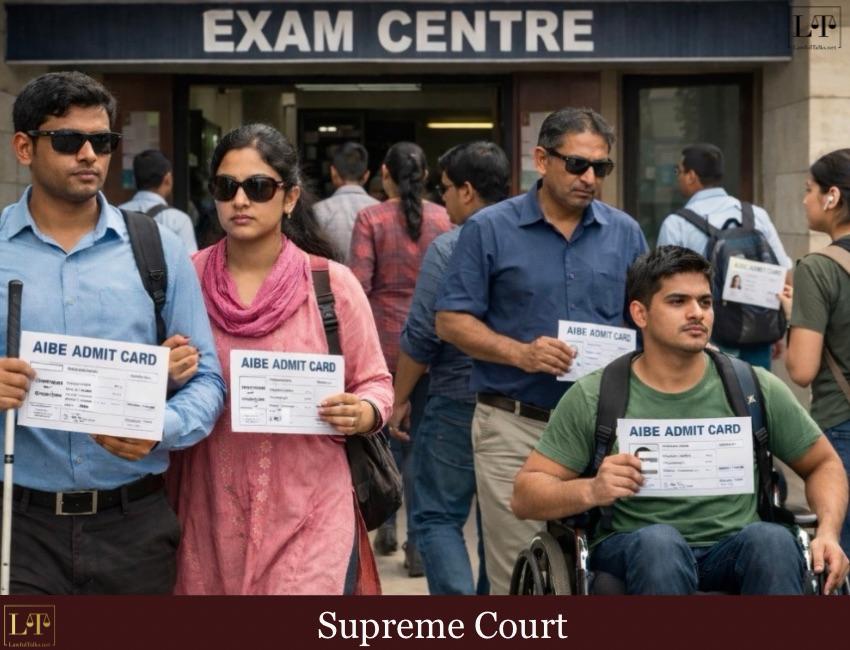
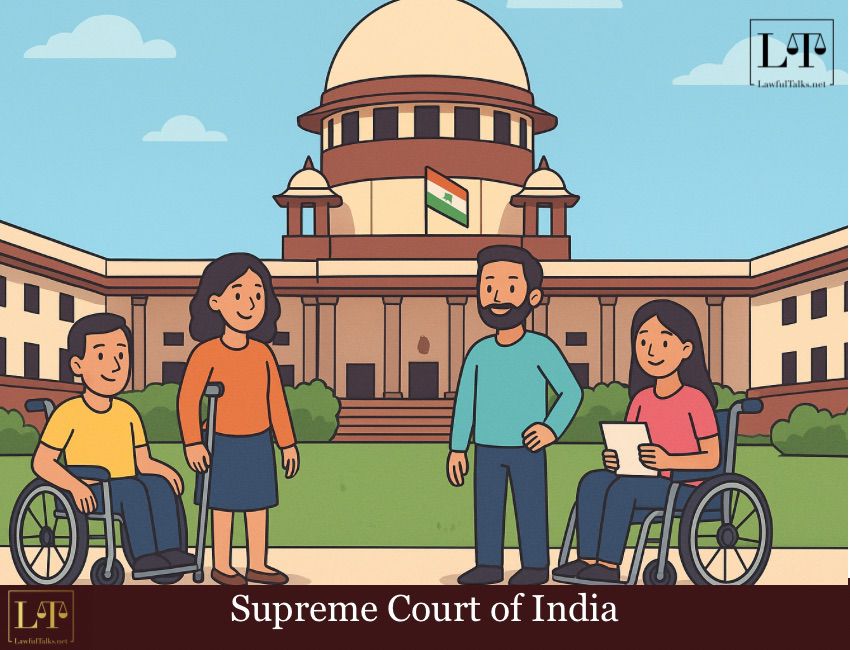
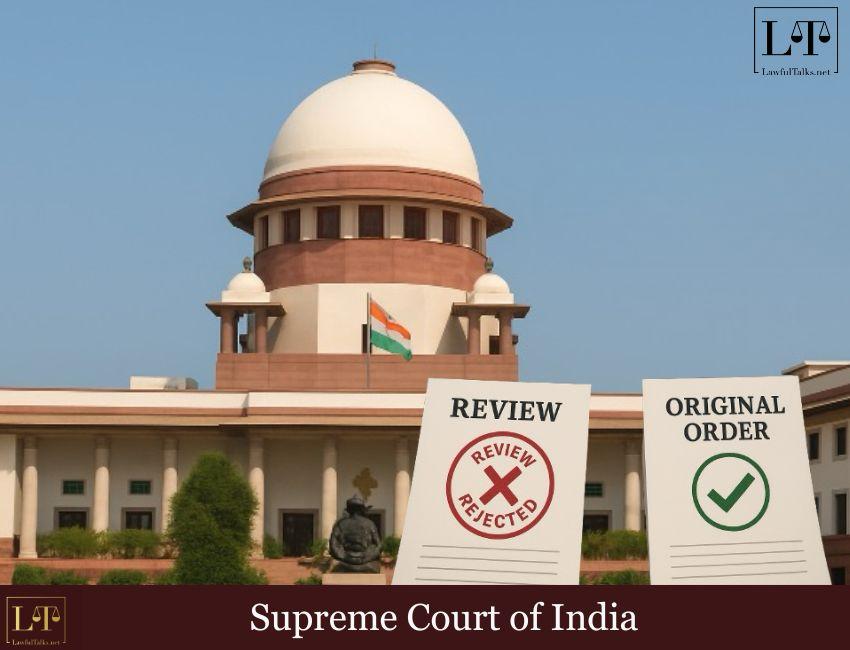
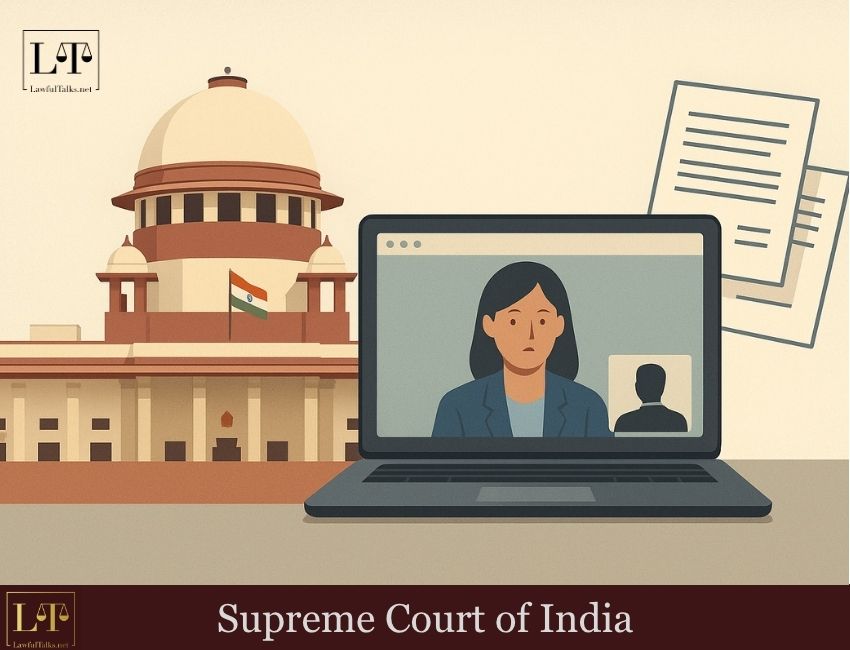
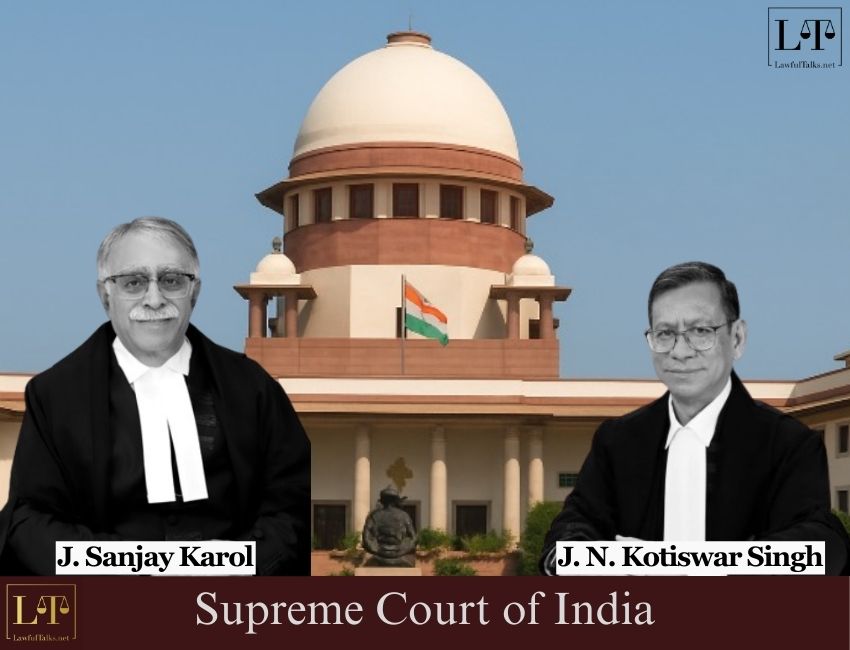
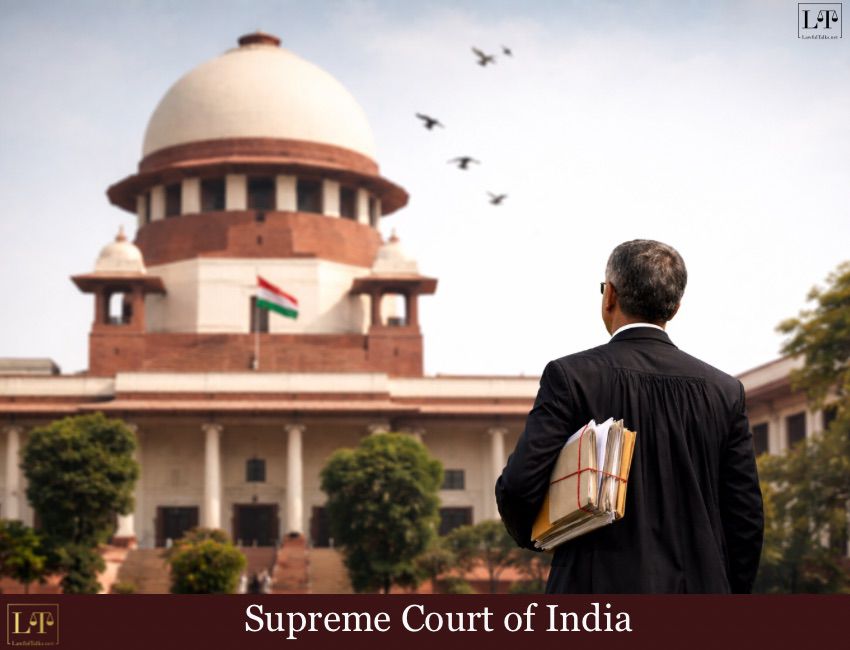
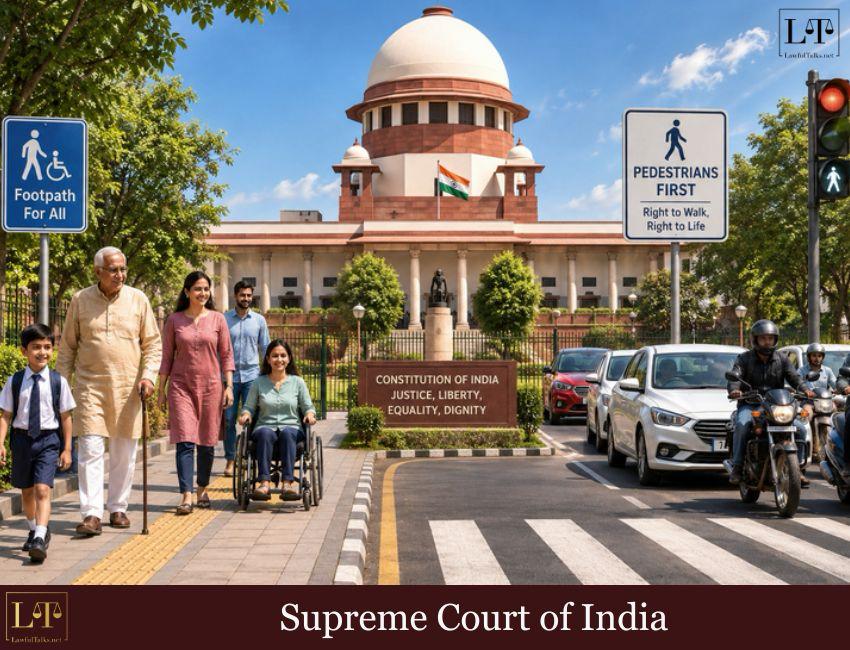
In an important ruling, the Supreme Court has allowed visually impaired candidates appearing for the All India Bar Examination(AIBE) and Common Law Admission Test (CLAT) exams to use scribes who have qualifications higher than Class 12, provided the scribes are not law graduates.
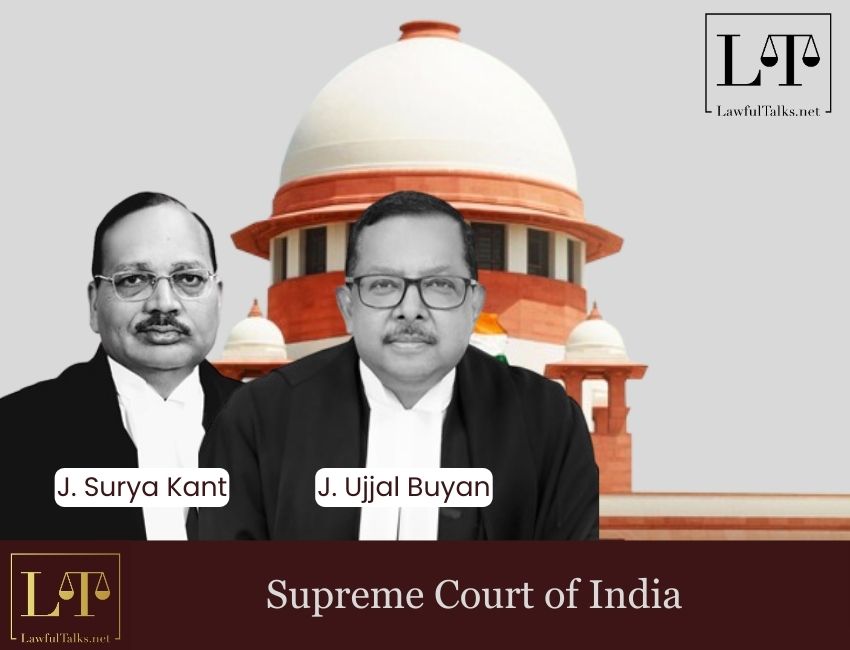
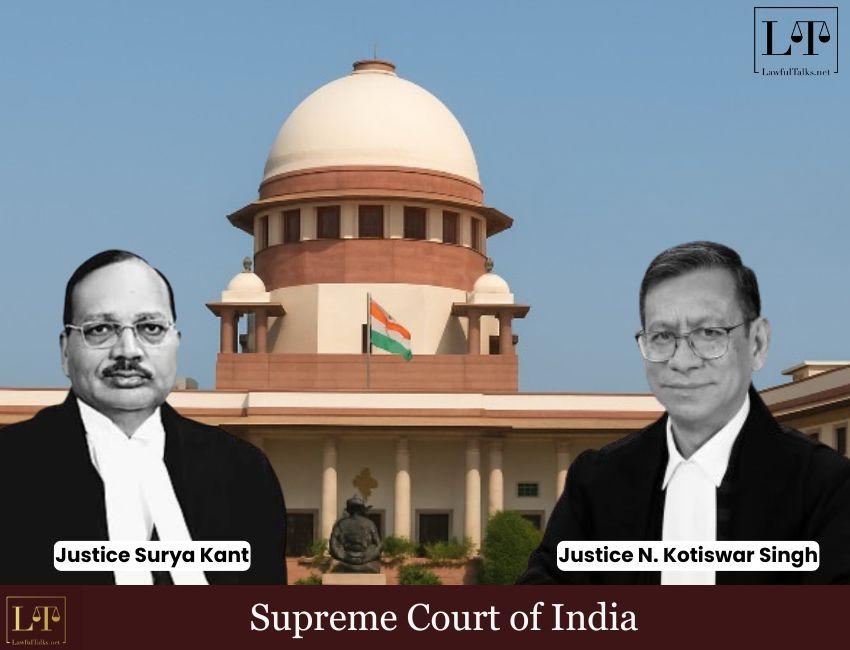
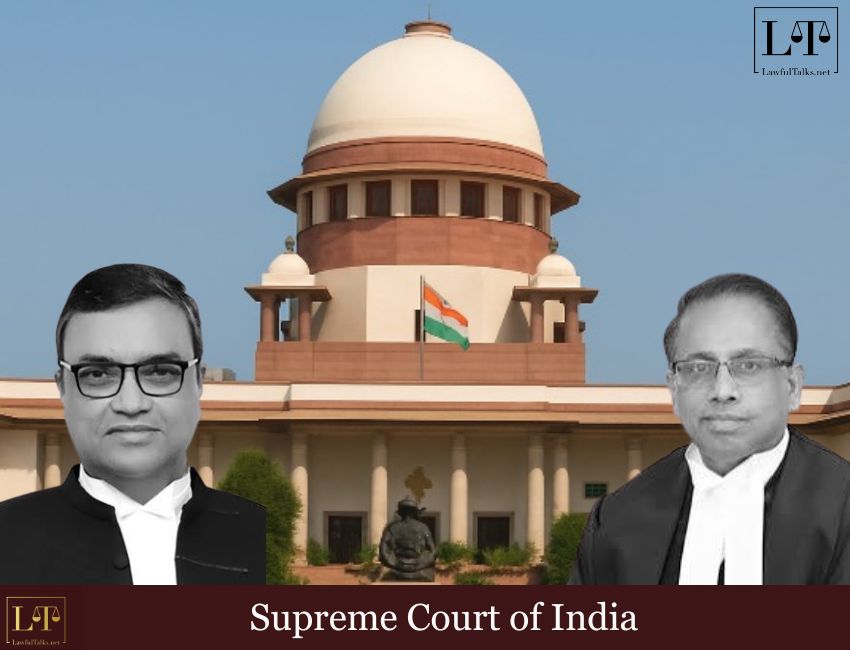
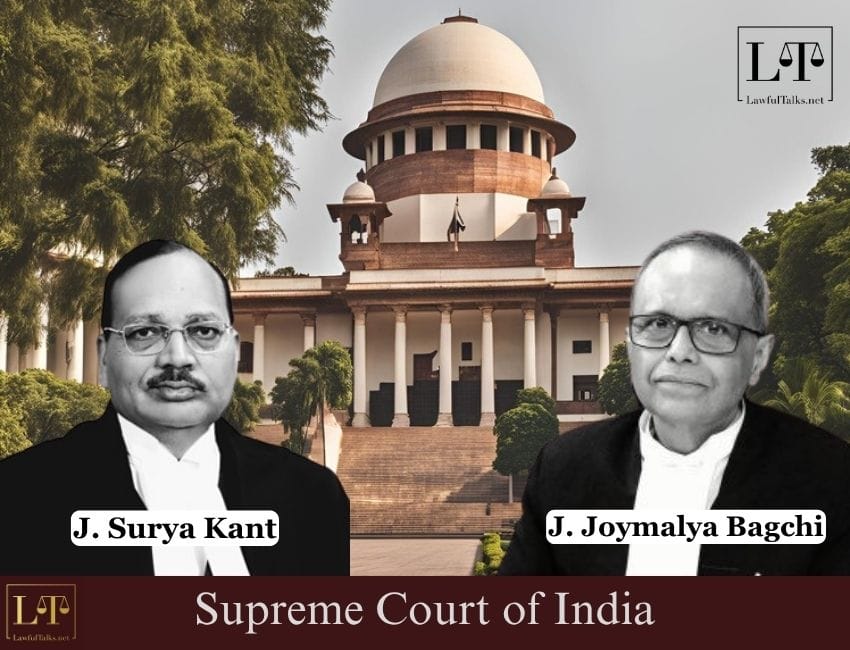
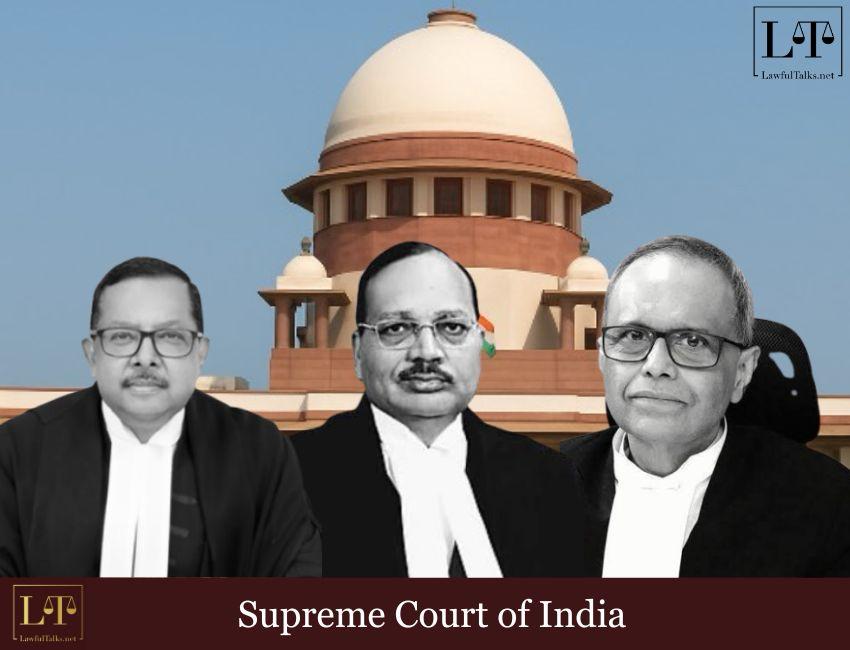
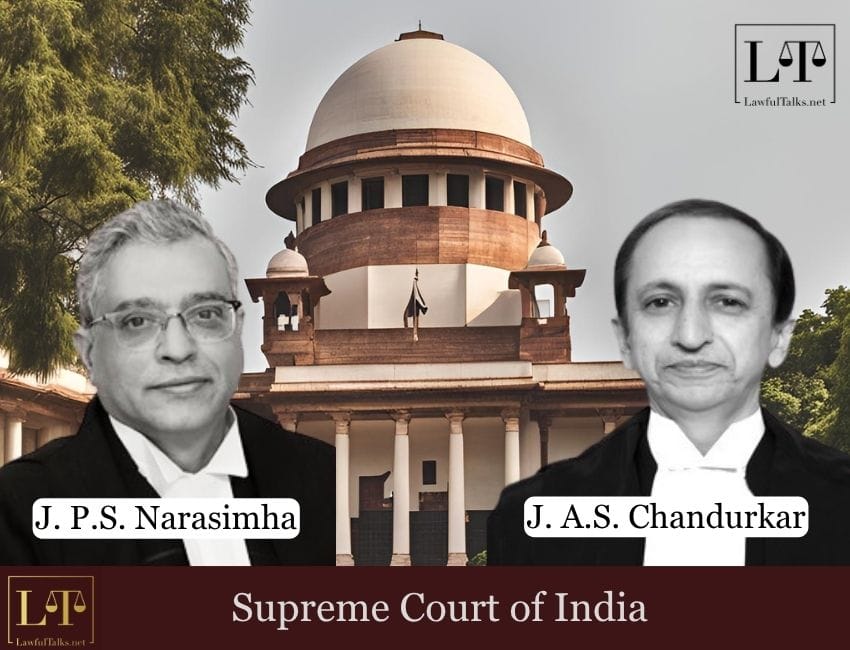
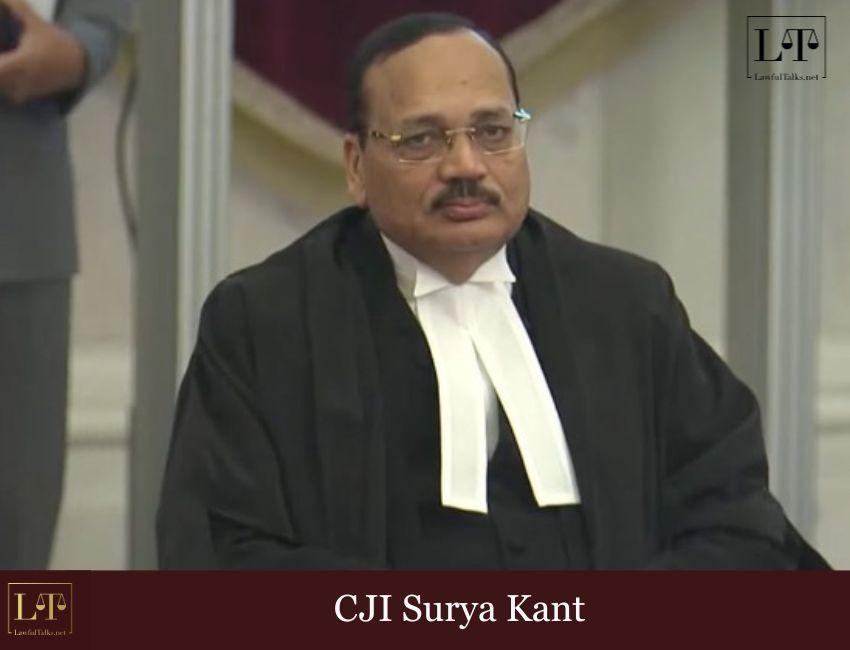
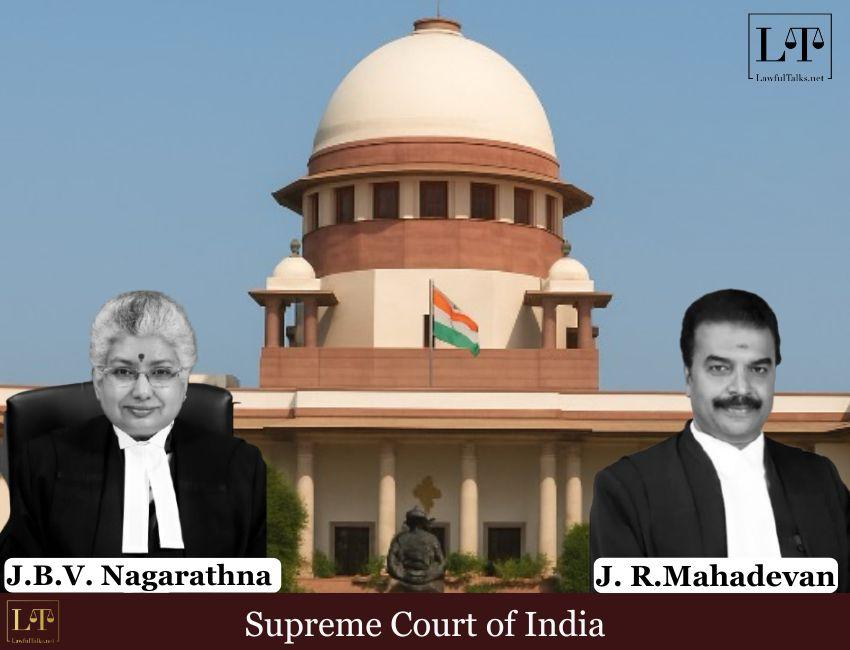
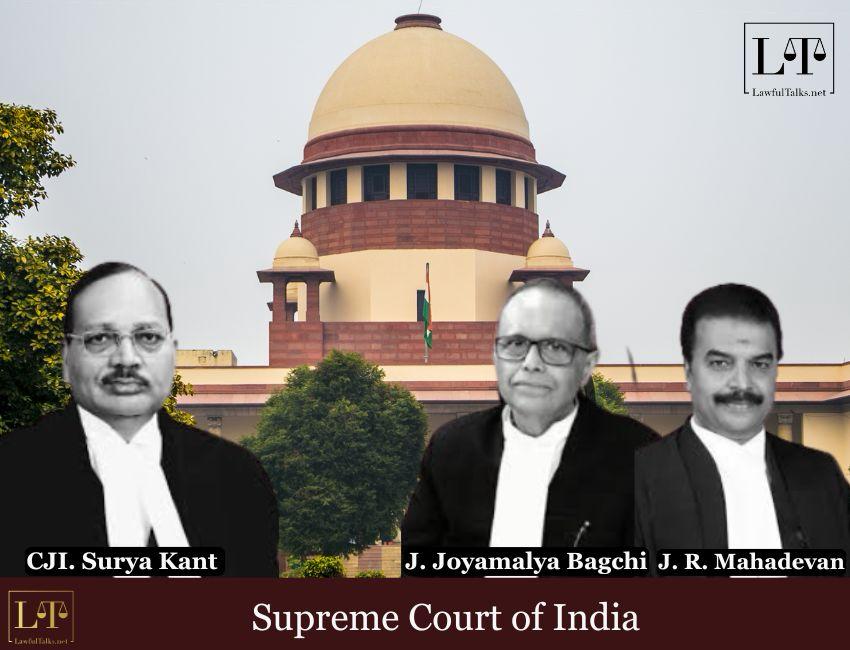
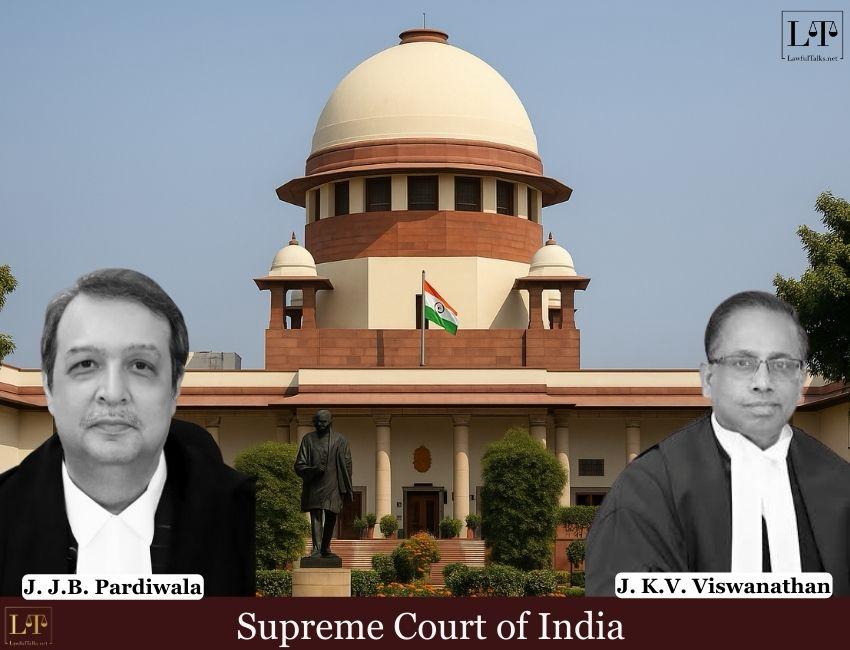
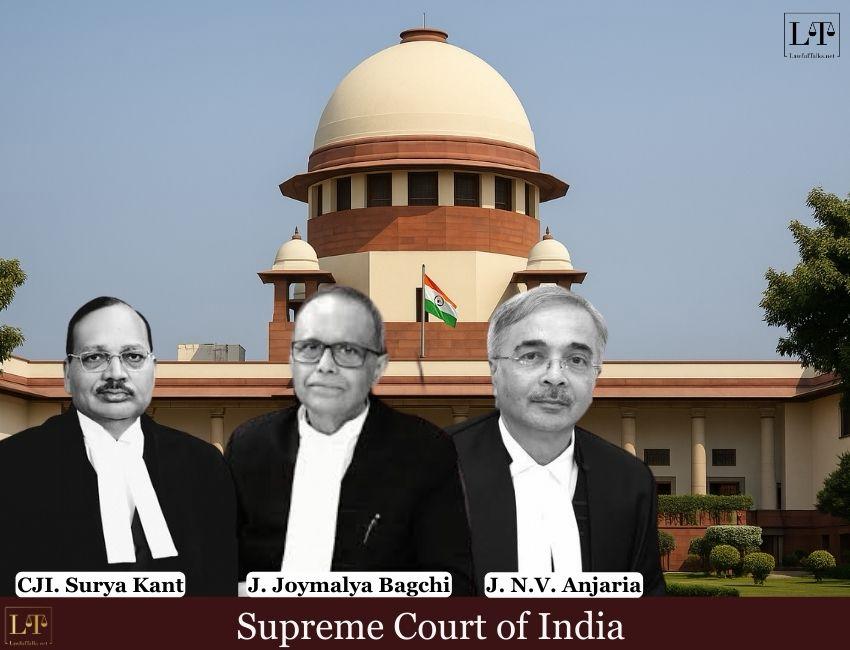
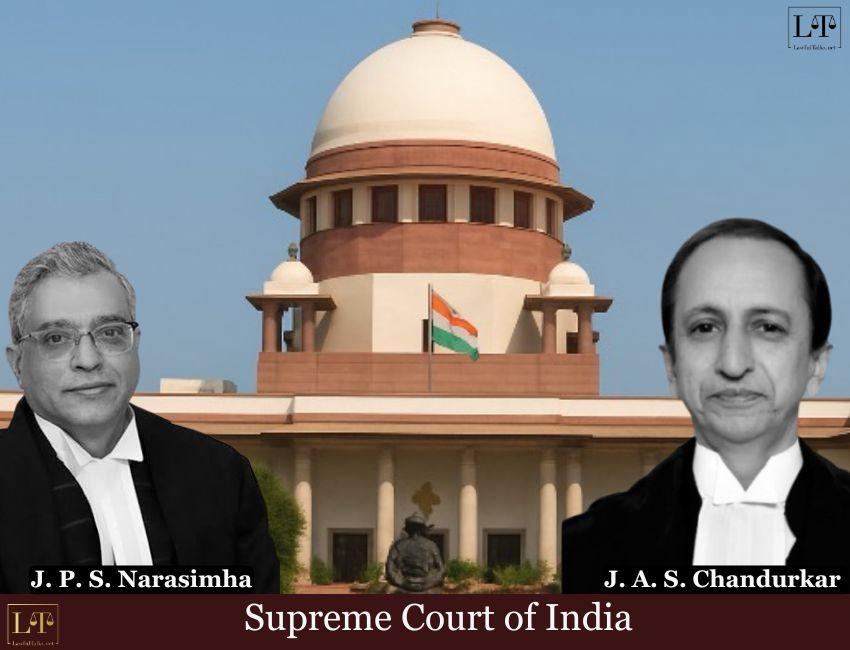
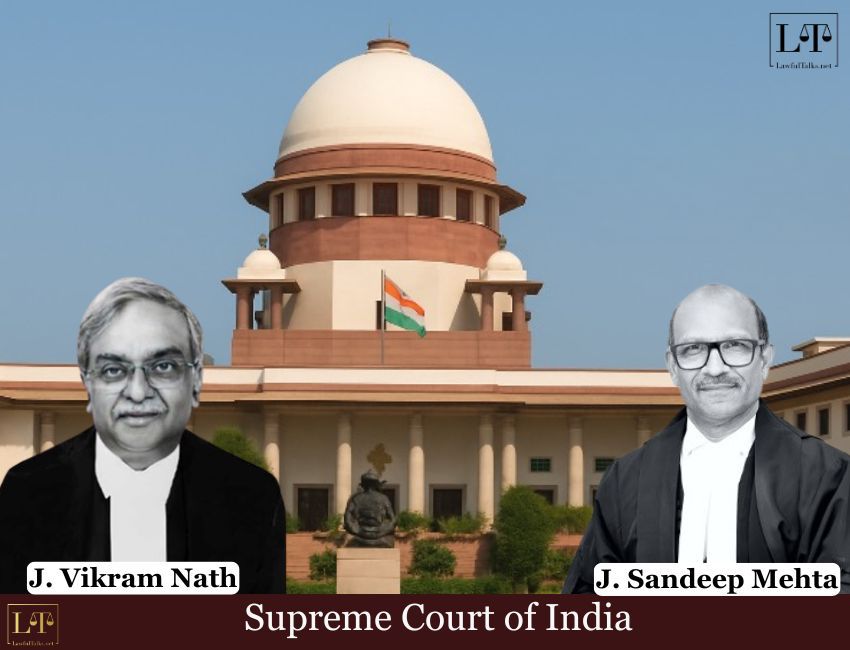
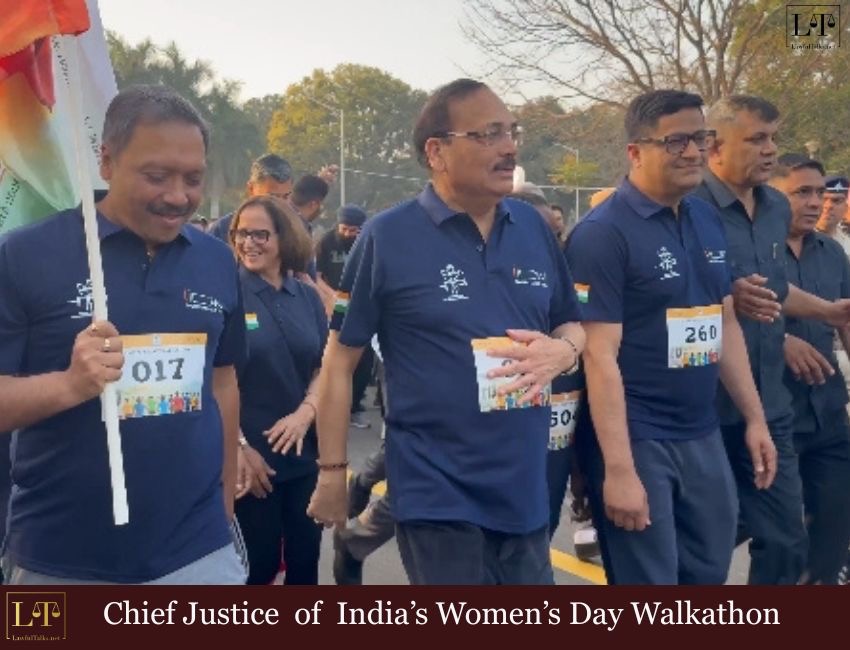
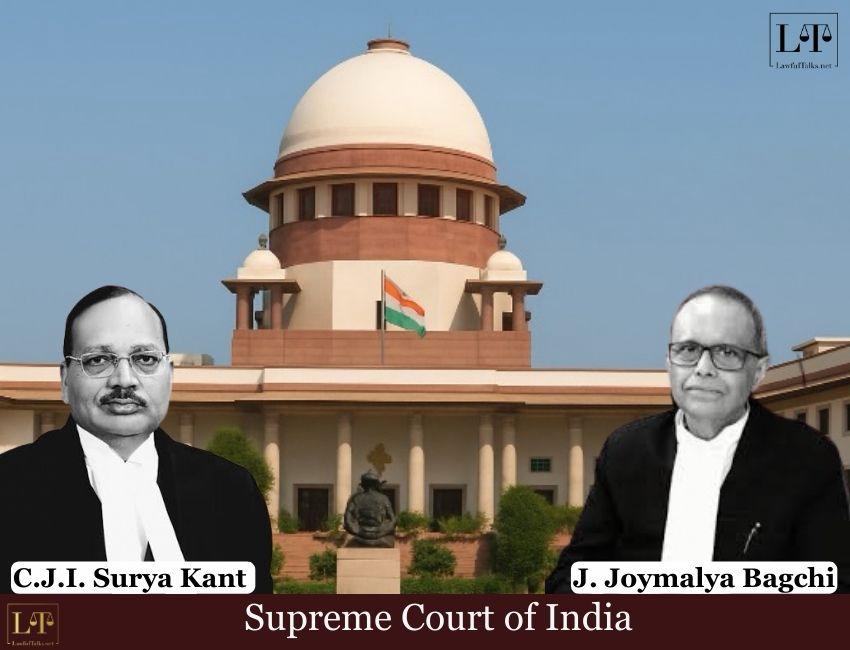
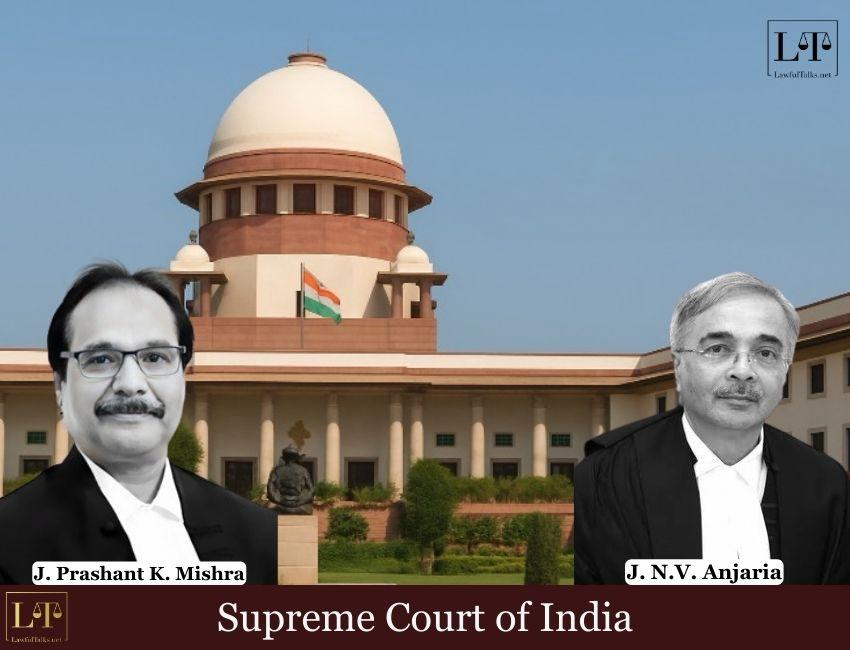
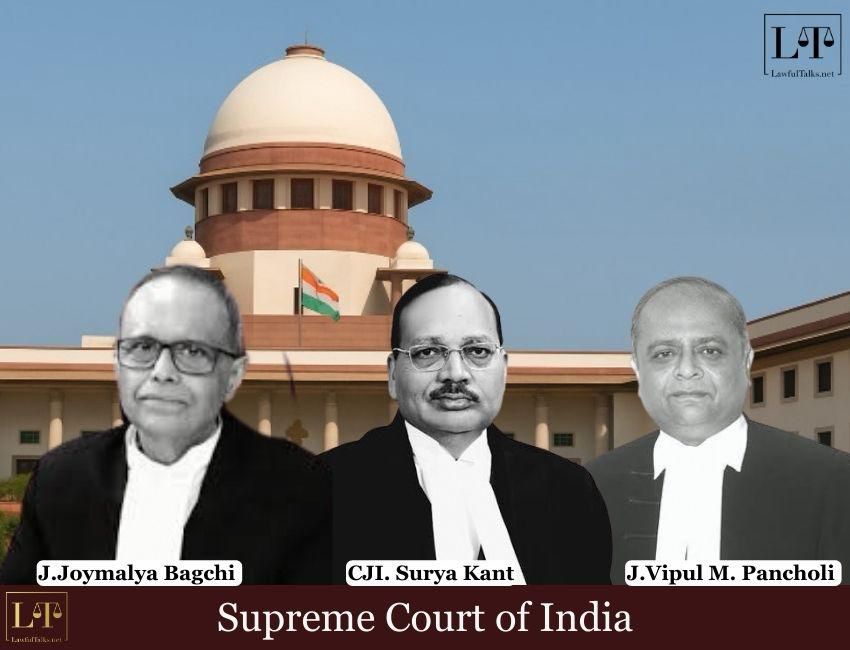
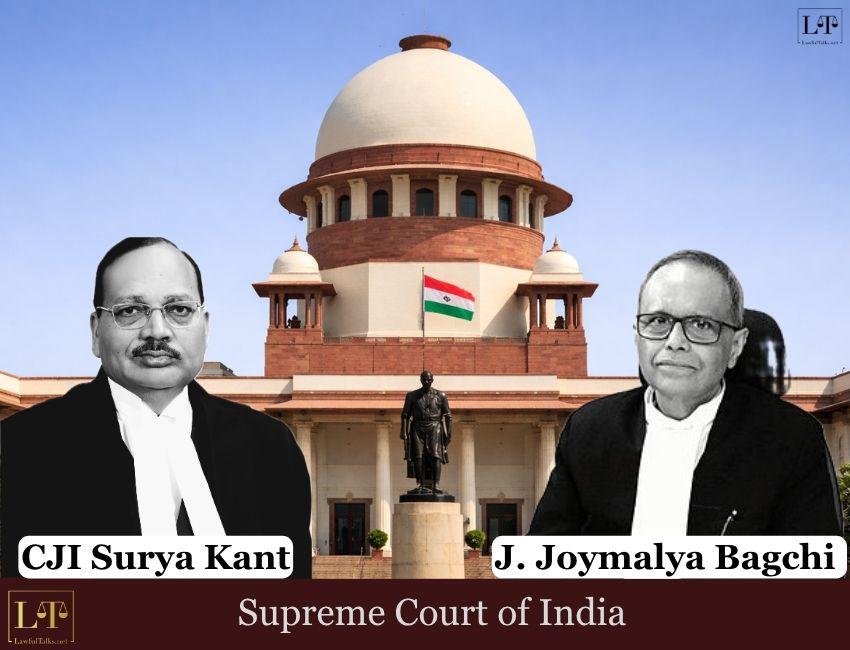
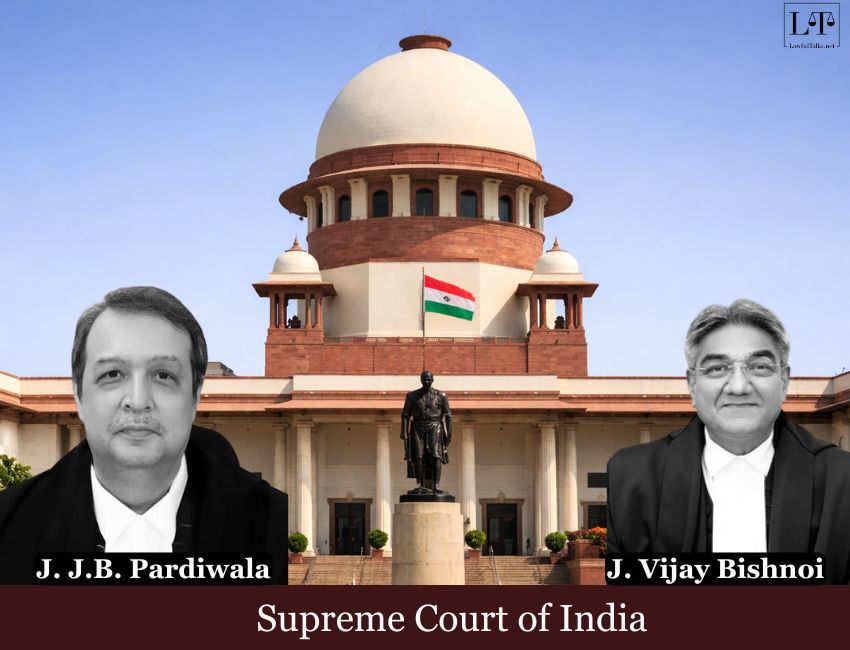
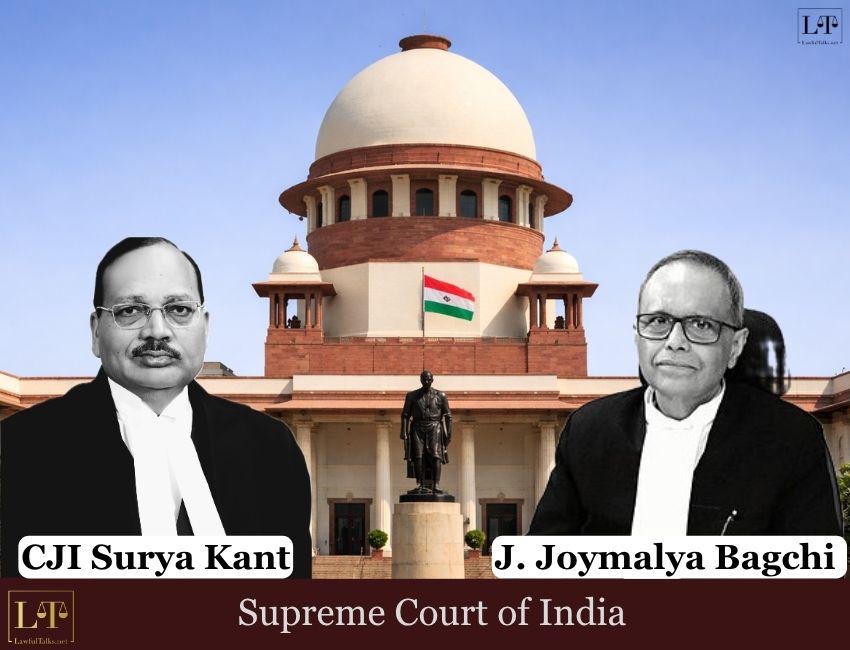
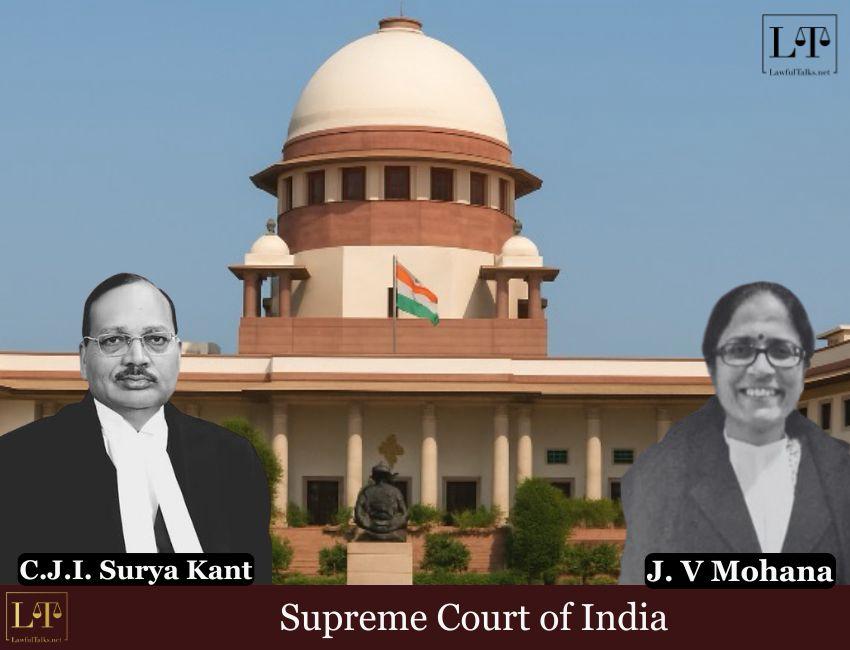
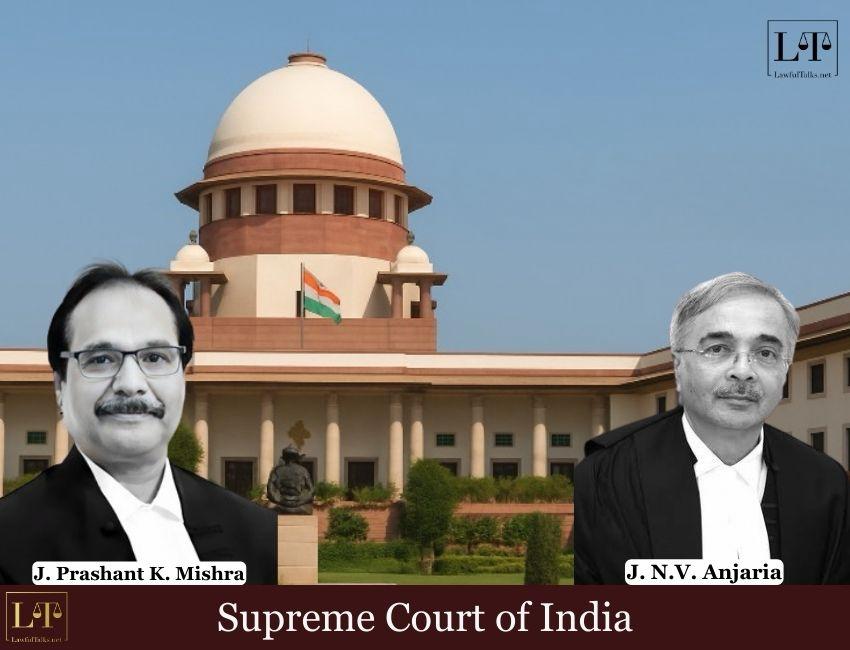
A bench led by Chief Justice Surya Kant, along with Justices Joymalya Bagchi and NV Anjaria, accepted the petitioners’ suggestions in full. The Court directed the Bar Council of India and the Consortium of National Law Universities to implement the changes quickly and issue formal notifications before the upcoming exams.
Who Can Now Act As A Scribe:
The Court approved the proposal that visually impaired candidates taking the All India Bar Examination can use a scribe who is an undergraduate, provided the scribe is not studying law or any other humanities subjects. This also means there is no restriction on choosing a scribe with qualifications higher than 10+2 schooling.
Earlier 10+2 Limit Removed:
Earlier, scribes were allowed to have only up to 10+2 credentials, so the petitioners asked for a change in the policy for these important exams. Following the guidelines of the Ministry of Social Justice and Empowerment to support differently-abled candidates in the All India Bar Examination and the Common Law Admission Test, the Court found no reason to reject the petitioners’ suggestions.
The respondents have been directed to file a compliance affidavit within two weeks, and the matter will be heard again on March 20, 2026.
Case Detail:YASH DODANI & ORS. VERSUS UNION OF INDIA & ORS.

























































































































































































































































































Sign up for free and be the first to get notified about curated content just for you.