Out On Bail? Supreme Court Says Police Can’t Pick You Up Again So Easily

- February 13, 2026


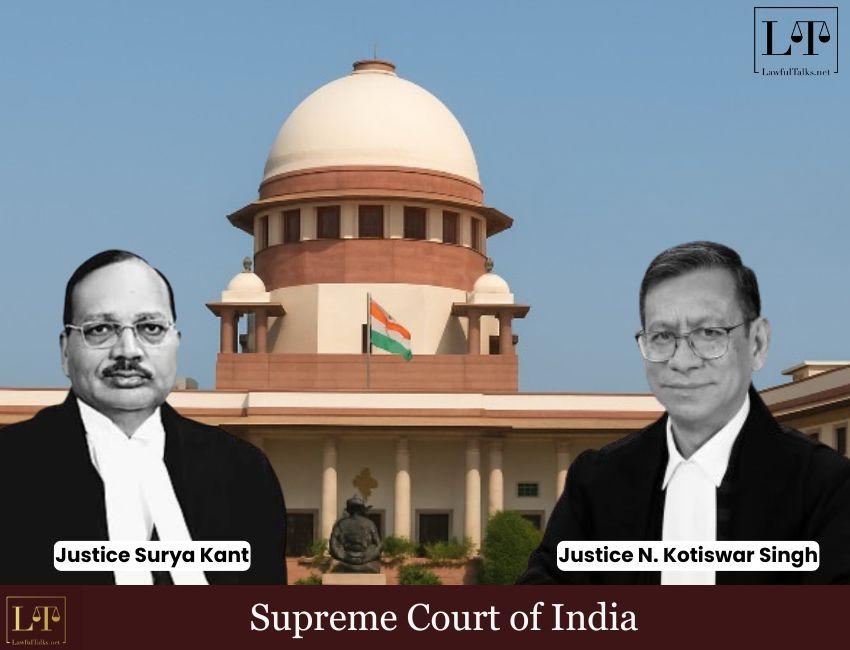
In a significant ruling protecting bail rights, the Supreme Court said the police cannot re-arrest a person who is already on bail just because new cognizable, non-bailable offences are added later in the charge sheet. For such an arrest, they must first obtain permission from the same court that granted bail.
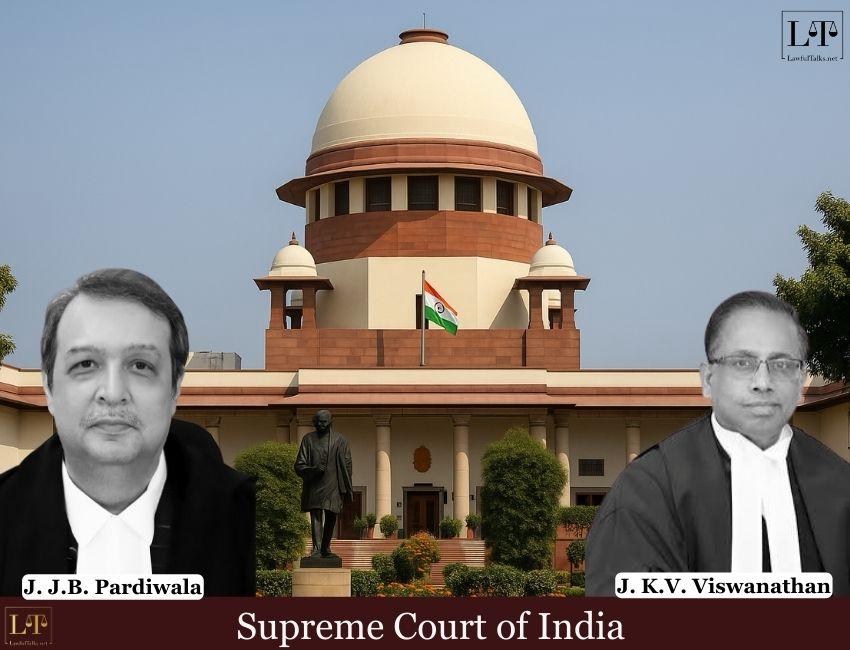
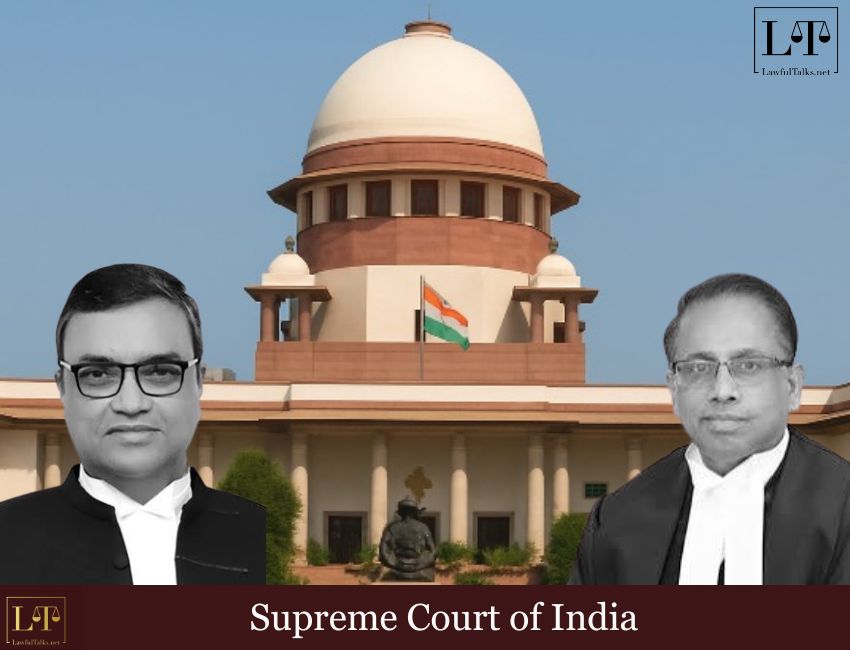
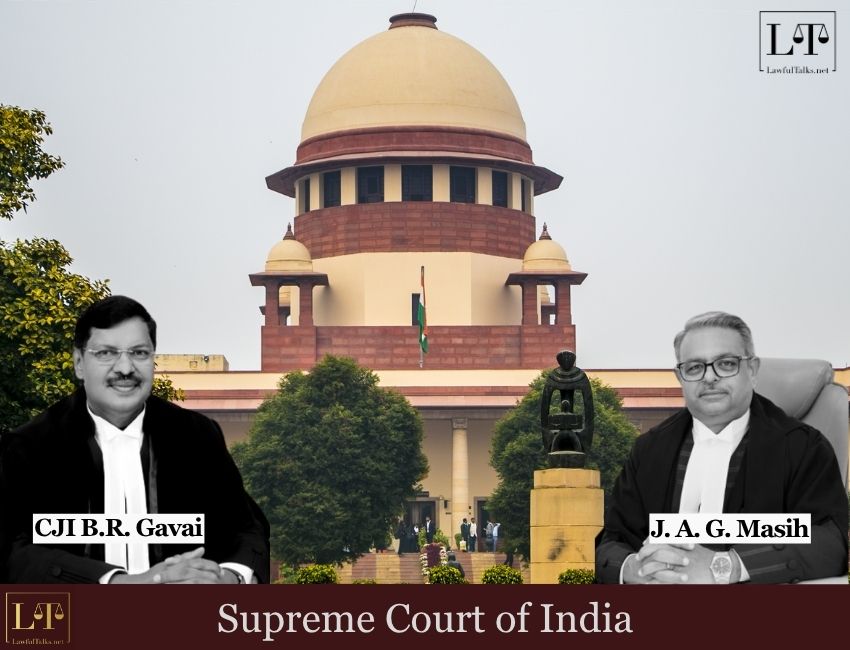
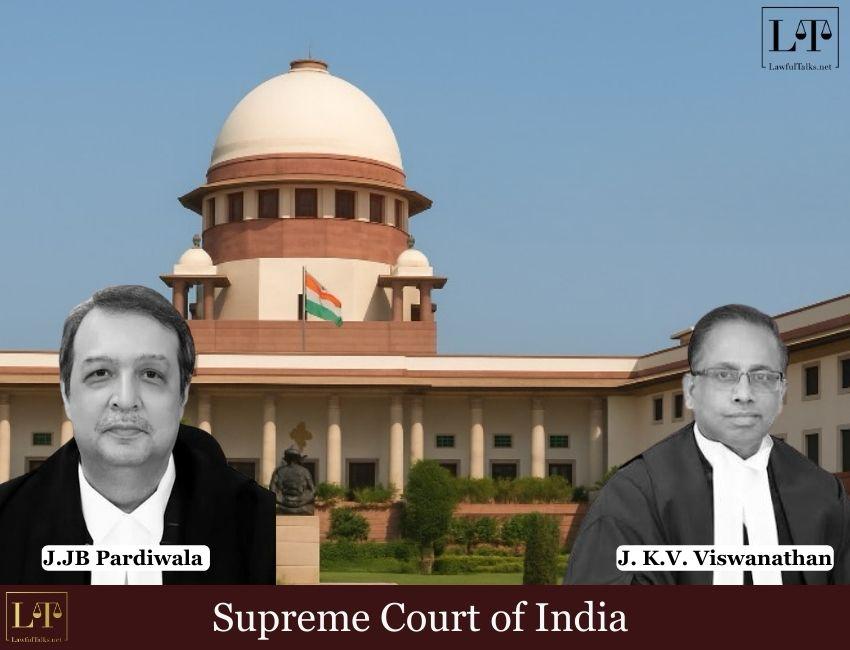
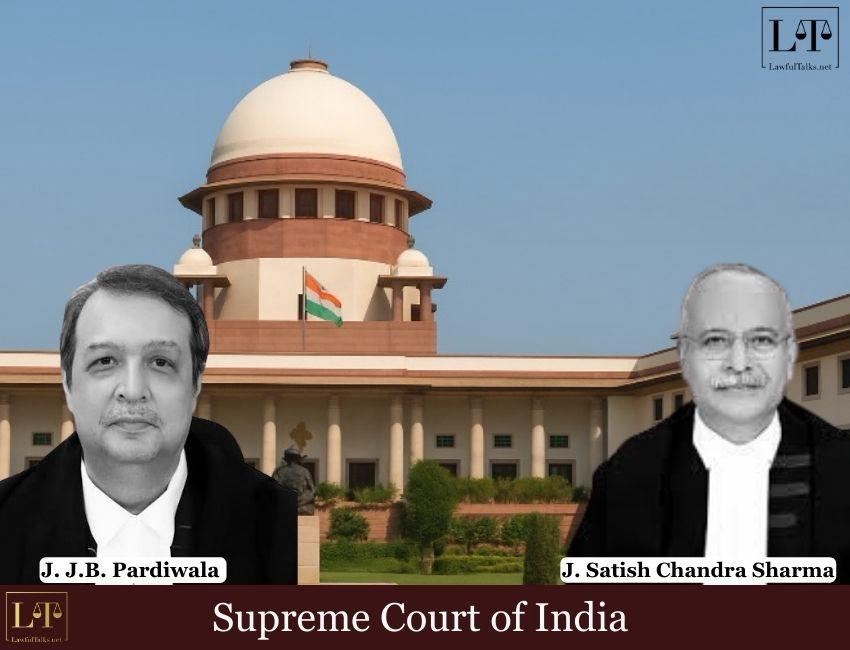
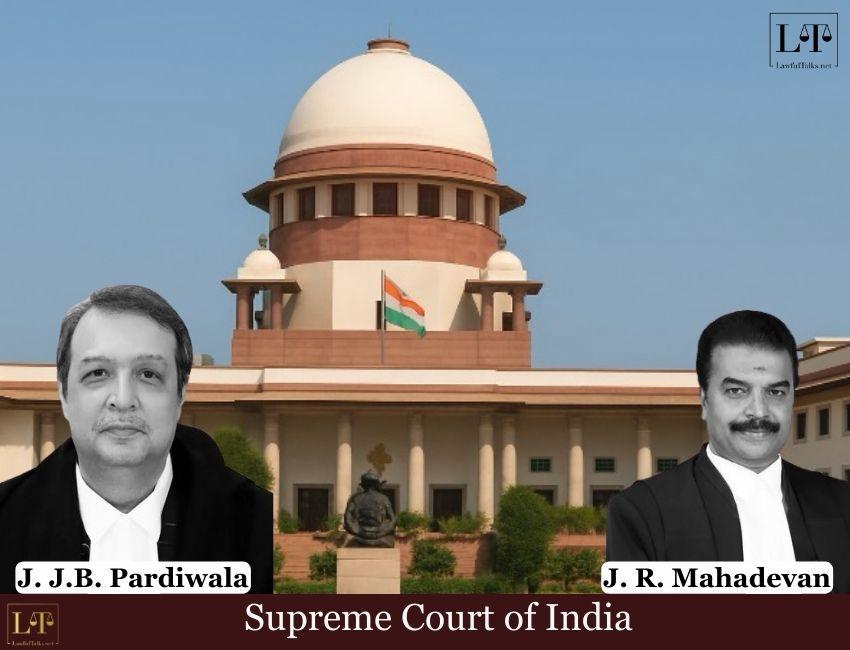
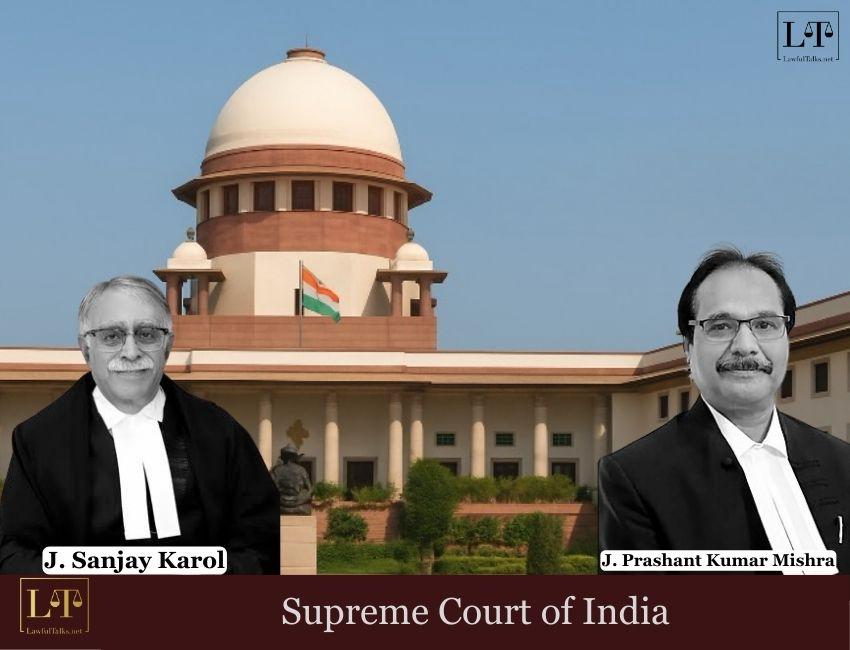
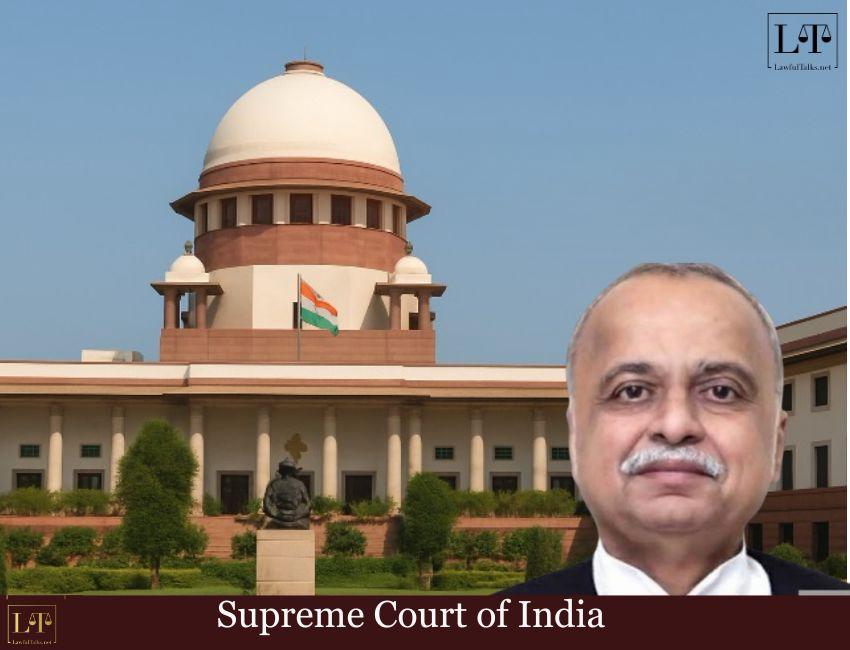
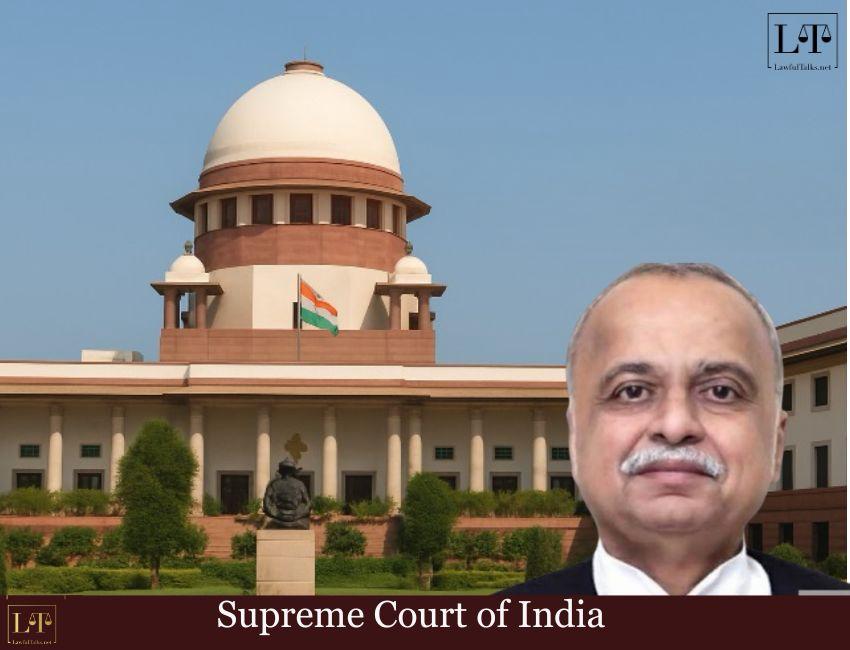
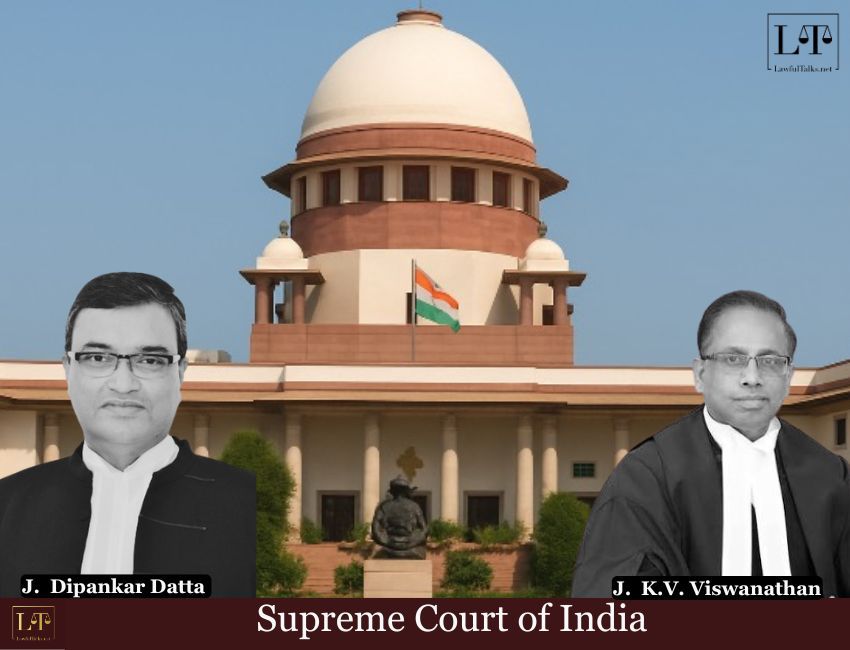
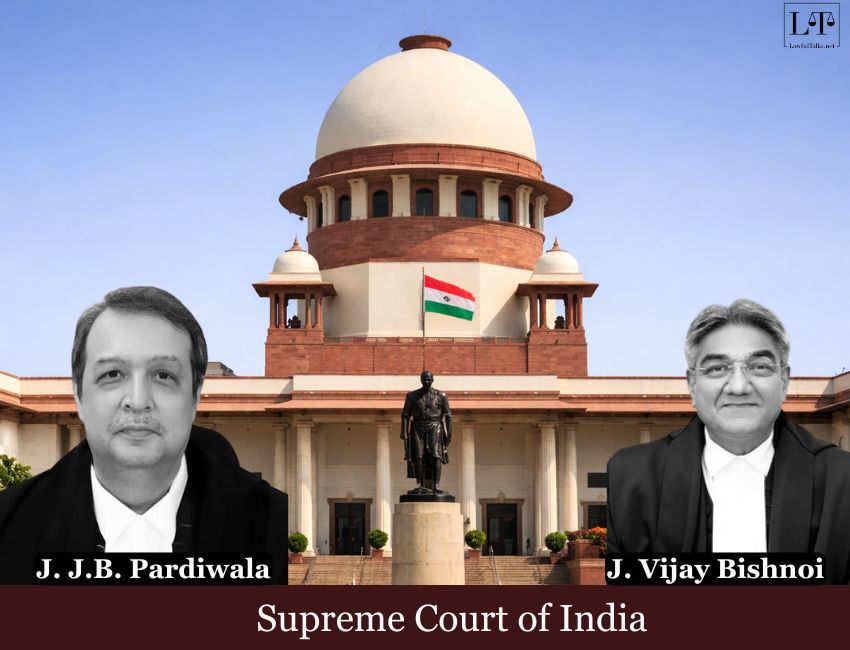
Justice JB Pardiwala and Justice KV Viswanathan said the investigating agency must first go to the court that granted bail and obtain its permission before making any arrest in such a situation.
What the Bench Observed:
“In a case where an accused has already been granted bail, the investigating authority on addition of an offence or offences may not proceed to arrest the accused, but for arresting the accused on such addition of offence or offences it needs to obtain an order to arrest the accused from the Court which had granted the bail,” observed a bench of Justices JB Pardiwala and KV Viswanathan.
Principles Laid Down by the Court:
Referring to earlier rulings in Pradeep Ram v. State of Jharkhand and Prahlad Singh Bhati v. NCT of Delhi, the Court urged judges to carefully review a case when more serious charges are added later.
It laid down these principles:
The accused can surrender and apply for bail for newly added cognizable and non-bailable offences. In the event of refusal of bail, the accused can certainly be arrested.
The investigating agency can seek order from the court under Sections 437(5) or 439(2) of Cr.P.C. respectively for arrest of the accused and his custody.
The Court, in exercise of its power under Sections 437(5) or 439(2) of Cr.P.C. respectively, can direct for taking into custody the accused who has already been granted bail after cancellation of his bail. The Court in exercise of its power under Section 437(5) as well as Section 439(2) respectively can direct the person who has already been granted bail to be arrested and commit him to custody on addition of graver and non-cognizable offences which may not be necessary always with order of cancelling of earlier bail.
They reiterated the fourth principle verbatim:
“In a case where an accused has already been granted bail, the investigating authority on addition of an offence or offences may not proceed to arrest the accused, but for arresting the accused on such addition of offence or offences it needs to obtain an order to arrest the accused from the Court which had granted the bail.”
Background of the case:
The ruling came in a dowry death appeal that challenged the Allahabad High Court’s anticipatory bail order given to the appellant, the victim’s brother-in-law, which had ended after the charge sheet was filed.
Relying on the five-judge bench decision in Sushila Aggarwal & Ors. vs. State (NCT of Delhi) & Anr., the Supreme Court set aside that time limit and confirmed:
“once anticipatory bail is granted, it ordinarily continues without fixed expiry.”, and “the filing of a charge-sheet, taking of cognizance, or issuance of summons does not terminate protection unless special reasons are recorded.”
Final Relief to the Appellant:
While granting anticipatory bail to the appellant, the bench addressed an important situation: a person gets bail during the investigation, and later more serious charges are added in the final charge sheet. It clearly said that the investigating agency cannot immediately arrest the person in such cases and must first obtain permission from the same court that granted bail.
Case Details: SUMIT VERSUS STATE OF U P & ANR.





































































































































































































































































































































































































































































Sign up for free and be the first to get notified about curated content just for you.