Smoke & No Pension: SC Denies Army Veteran Disability Claim

- February 17, 2026


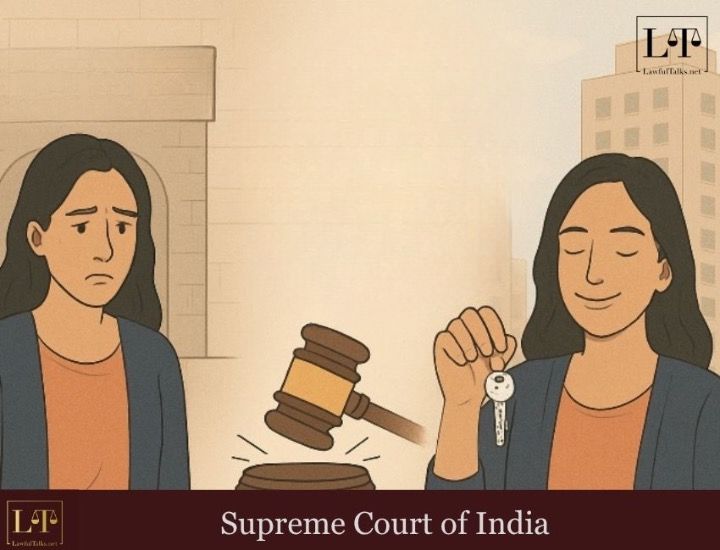
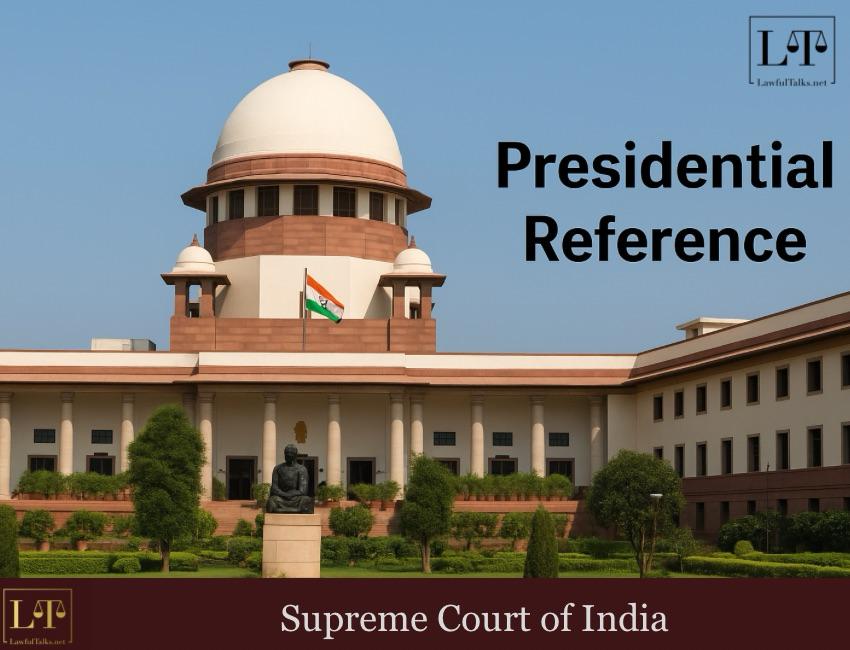
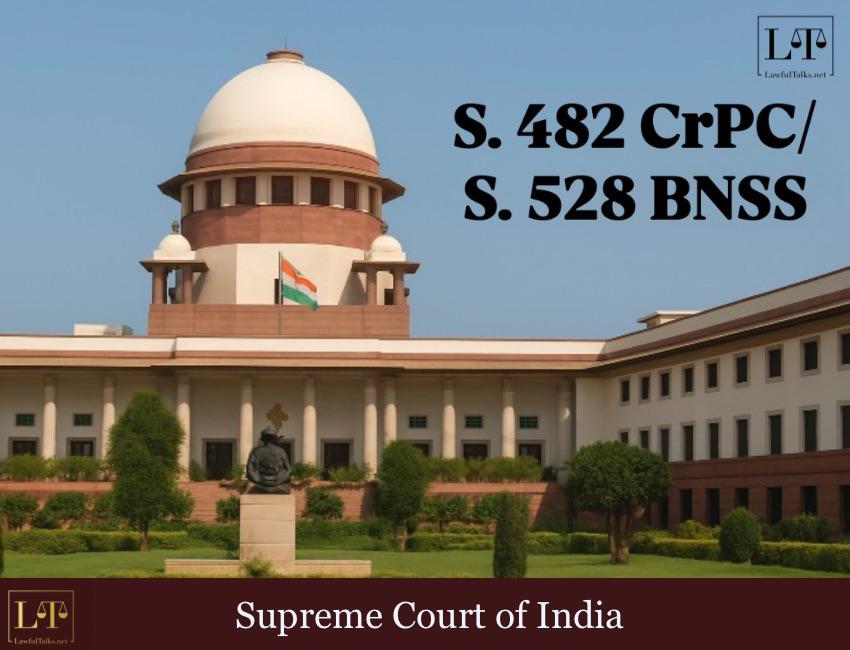
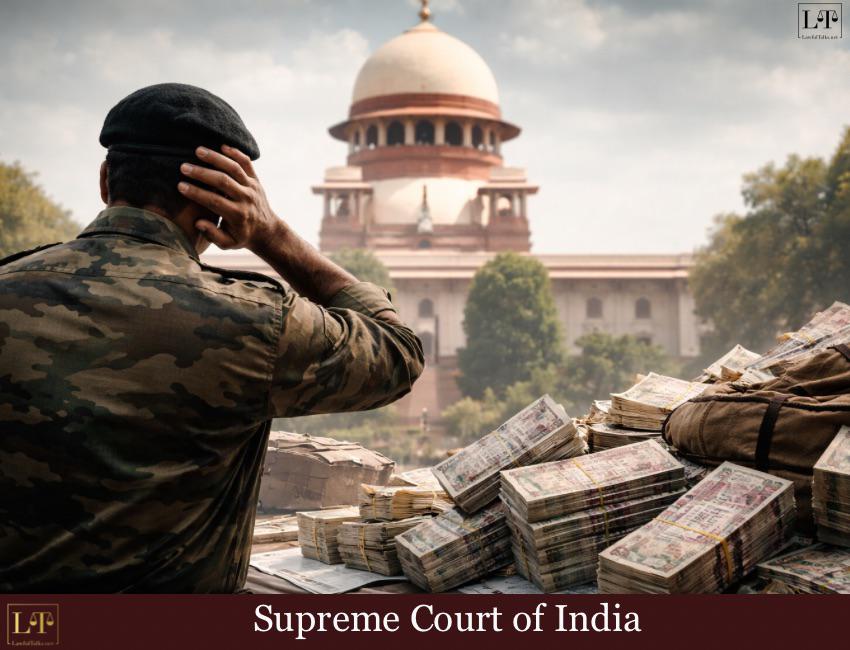
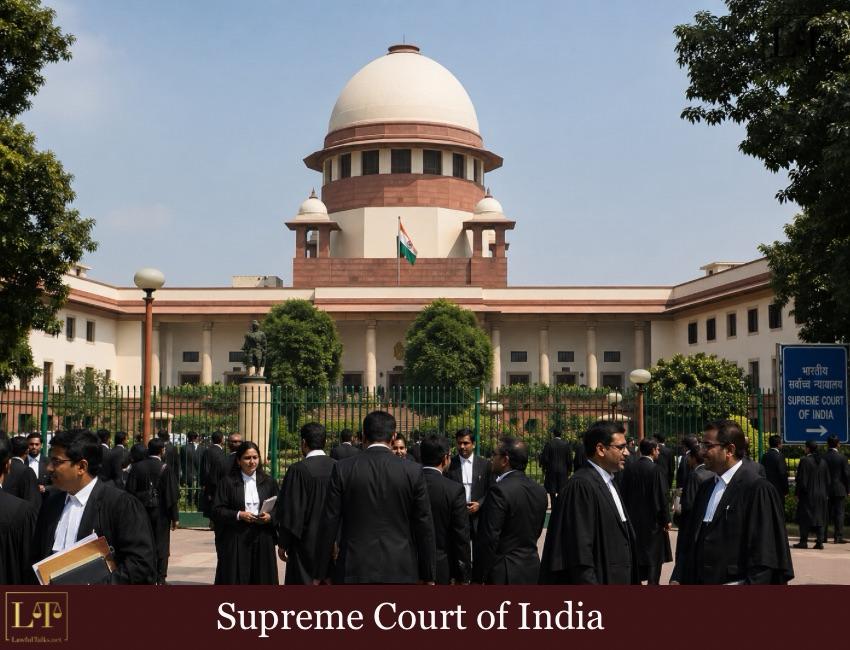
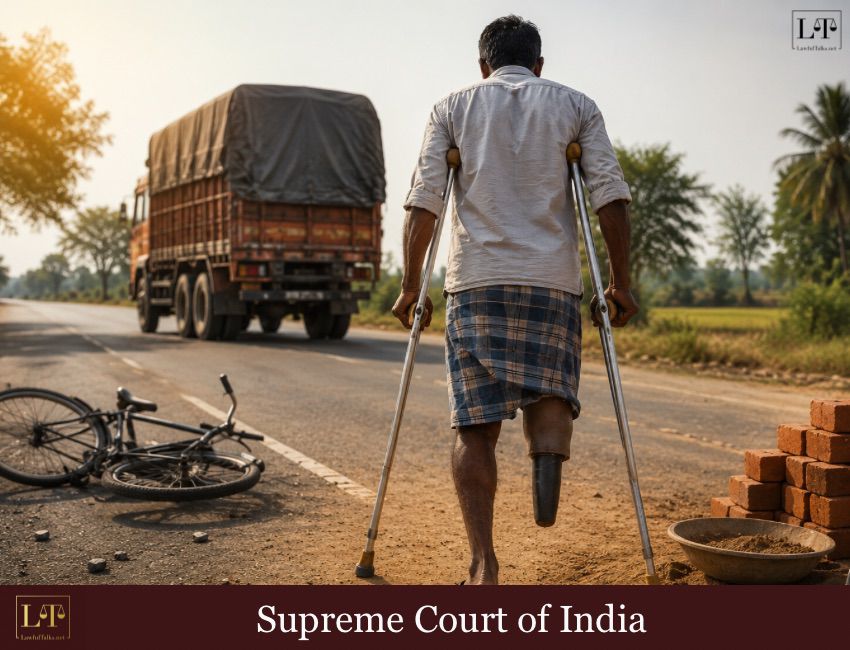
The Supreme Court dismissed a disability compensation claim filed by a former Army serviceman. It held that his illness was caused by his daily habit of smoking about ten beedis, and therefore could not be linked to his military service.
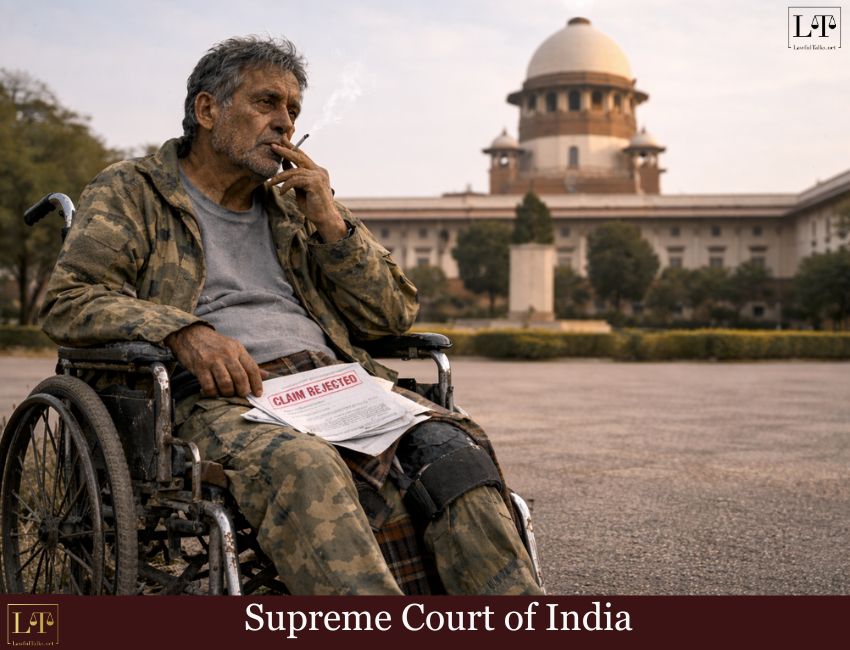
Rules Bar Compensation For Tobacco-Related Illness:
Referring to Regulation 173 of the Pension Regulations for the Army, 1961, and paragraph 6 of the Guide to Medical Officers, 2002, the Court said that “compensation cannot be awarded for any disablement or death arising from intemperance in the use of alcohol, 'tobacco' or drugs or sexually transmitted disease, as these are the matters within the member's own control.”
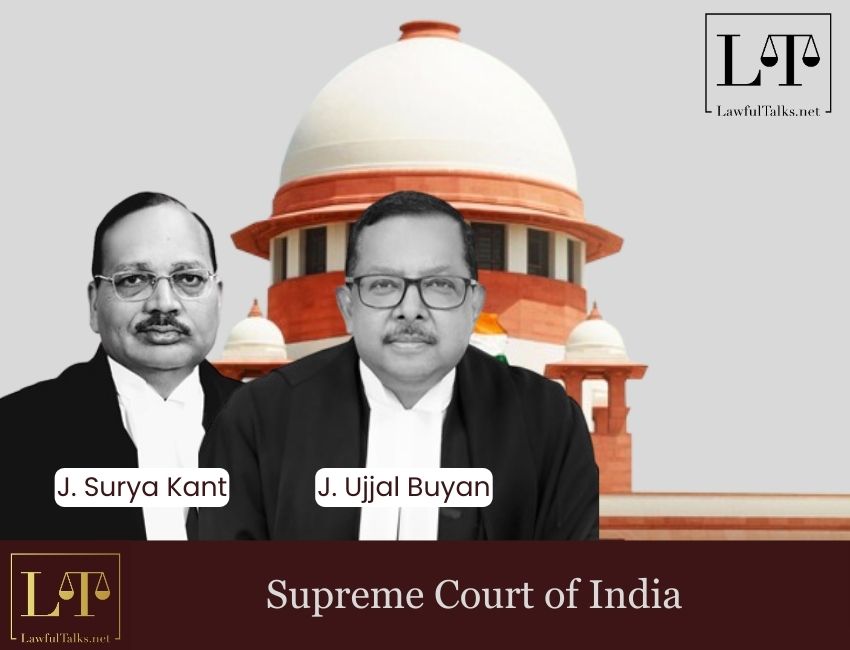
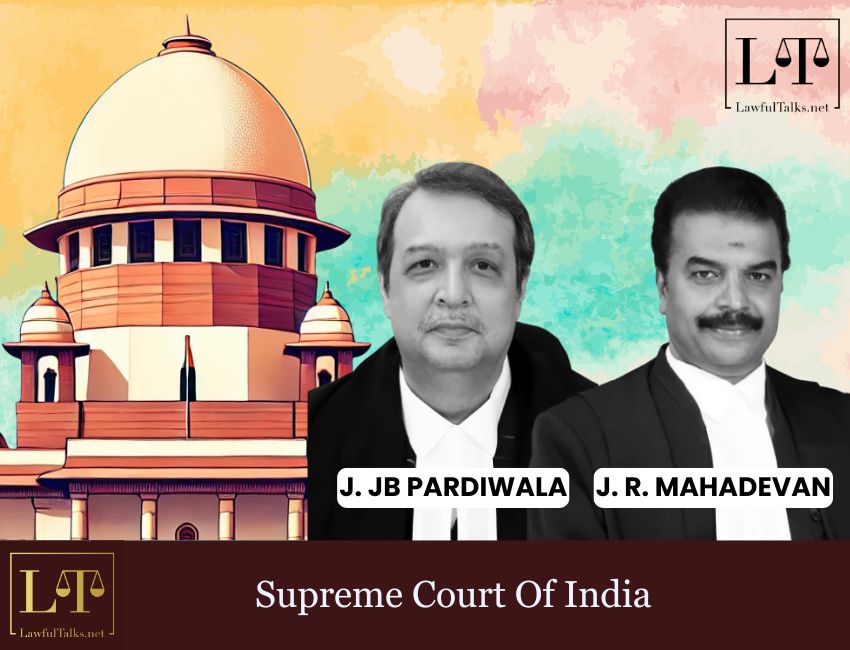
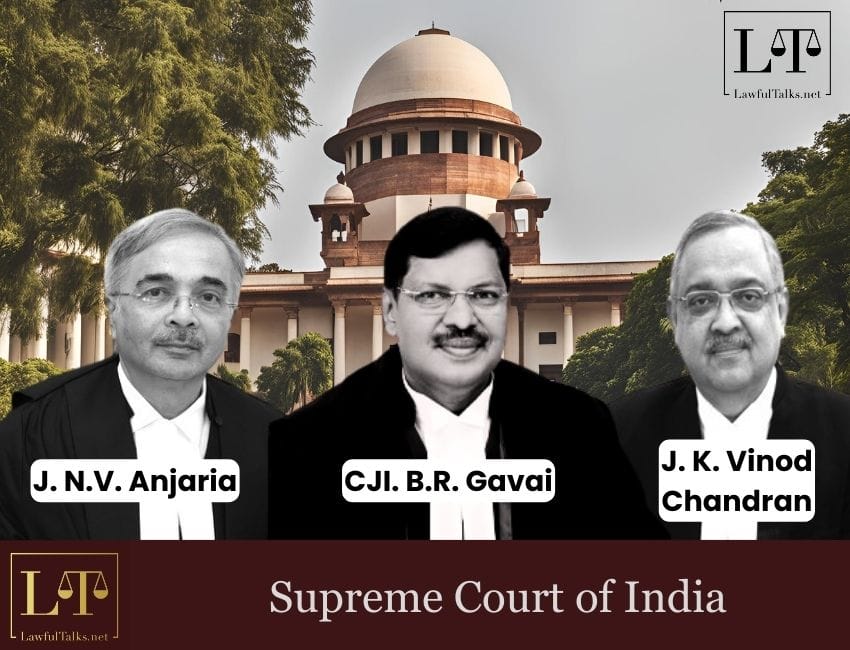
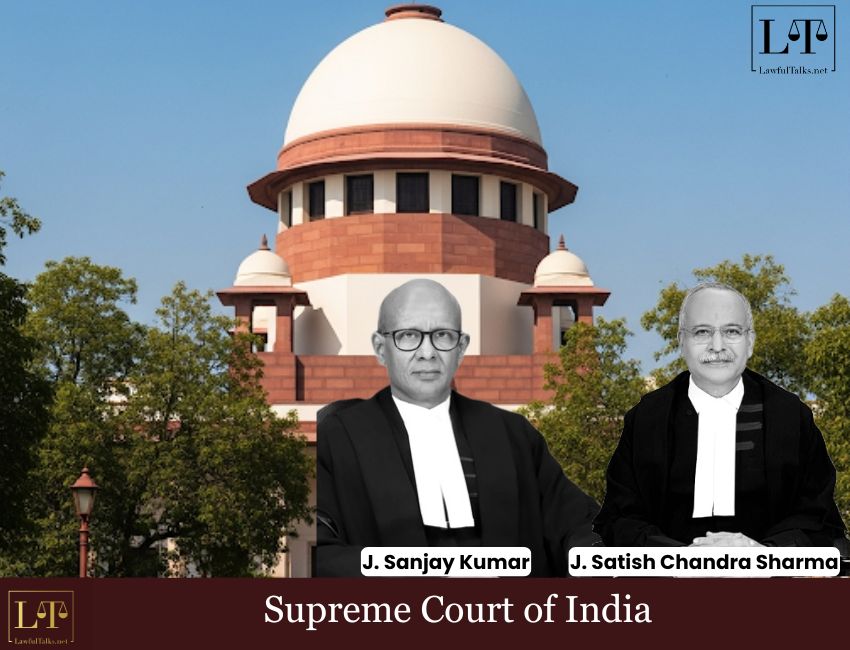
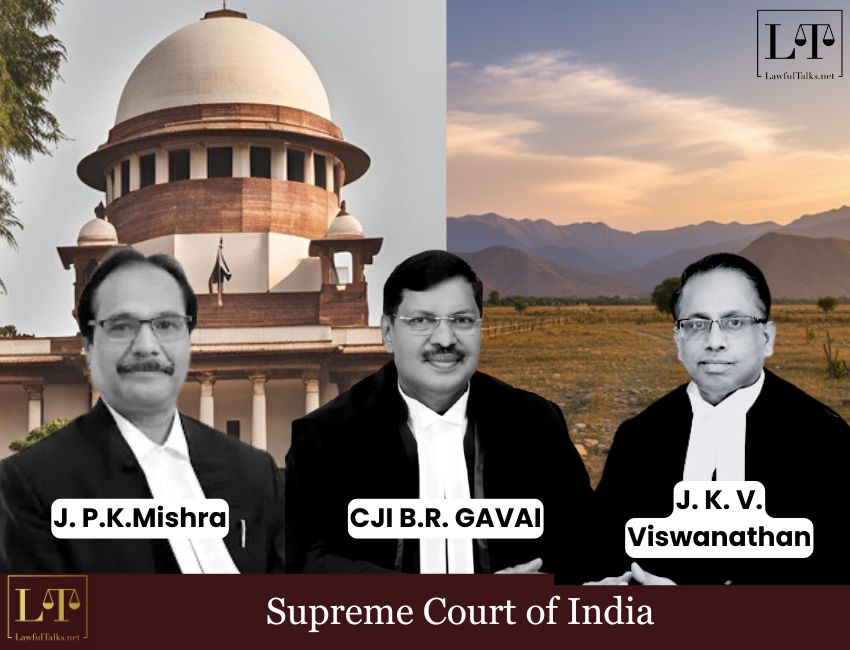
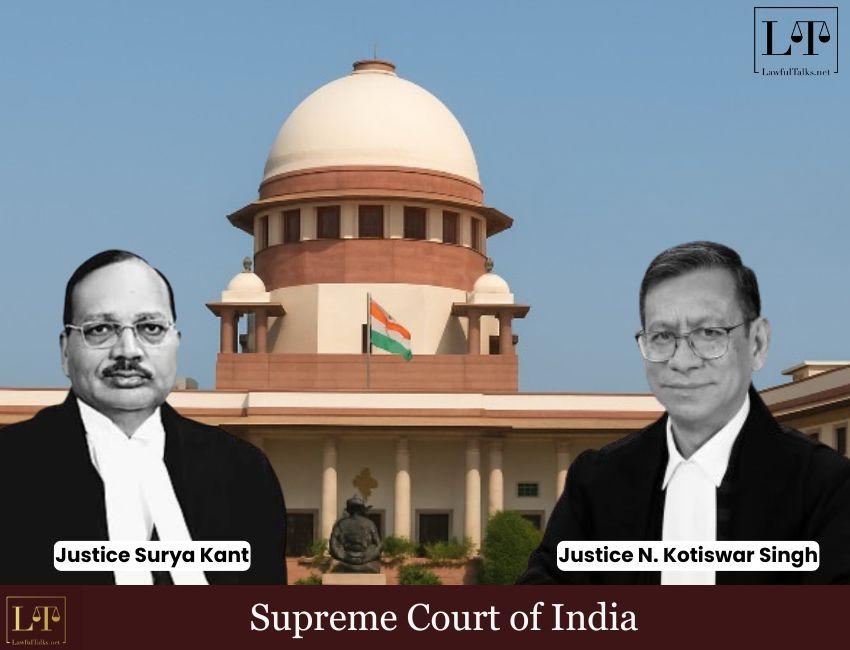
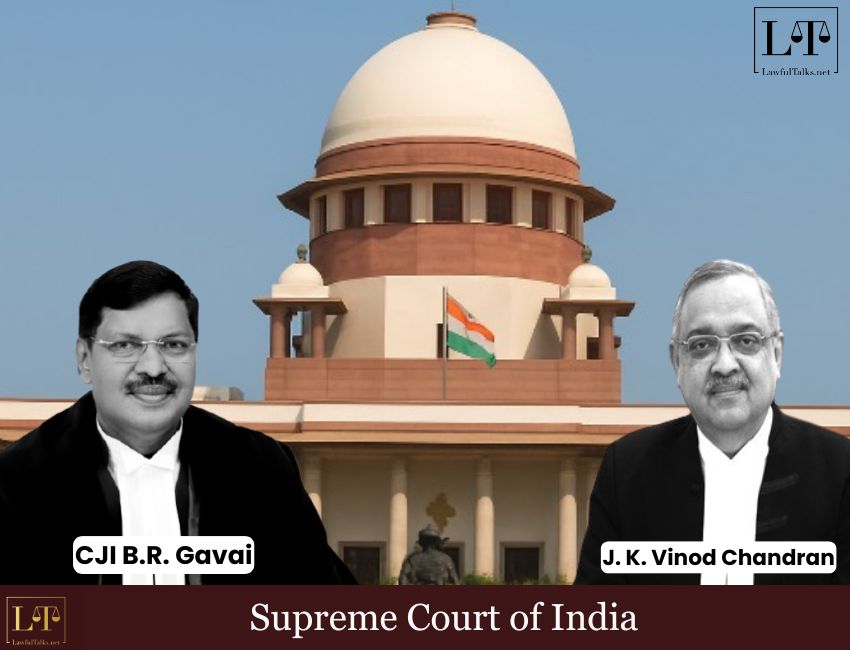
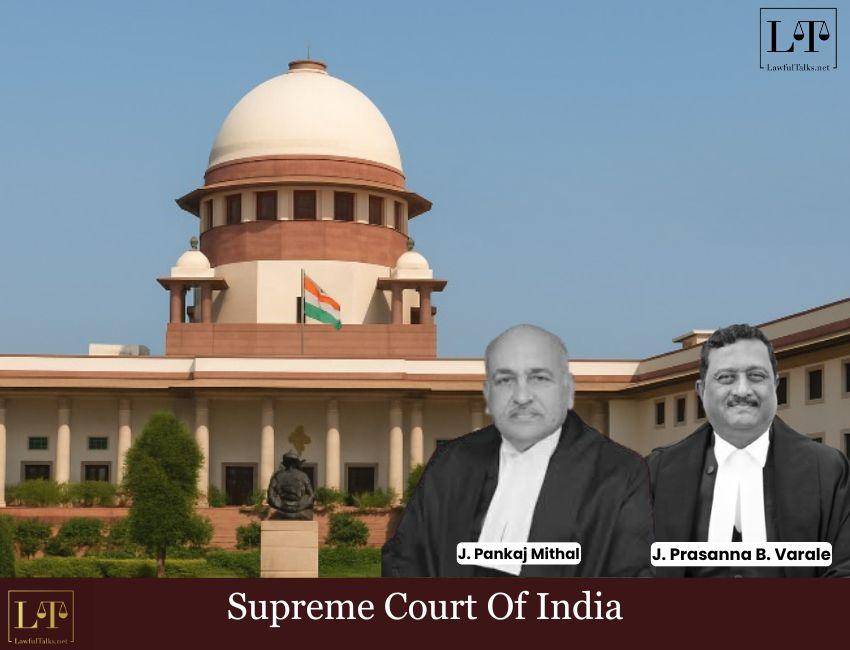
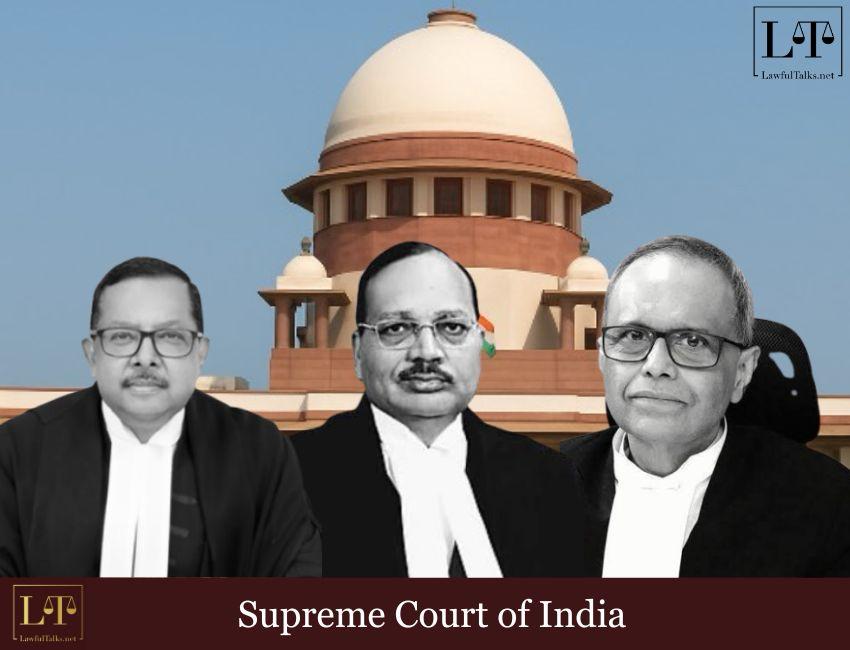
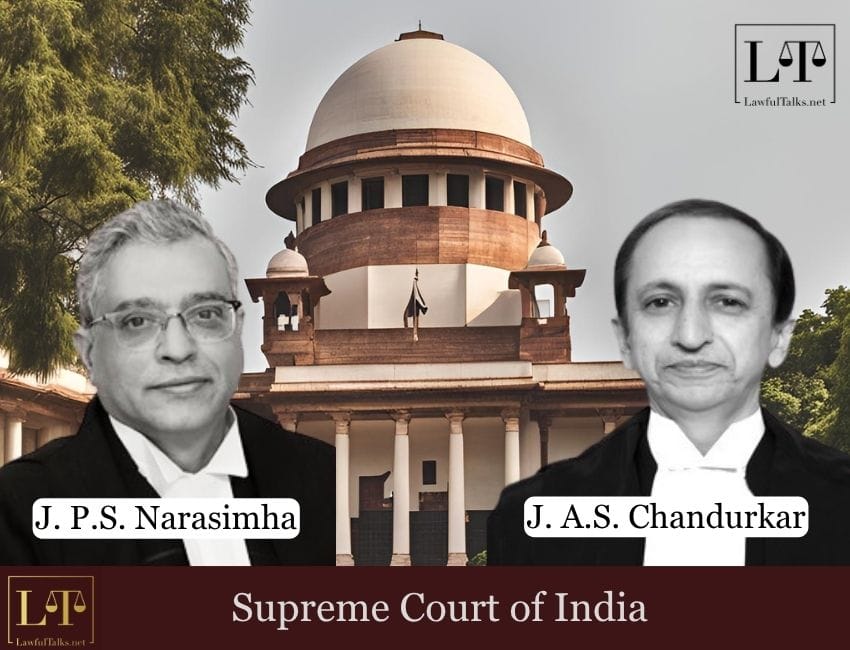
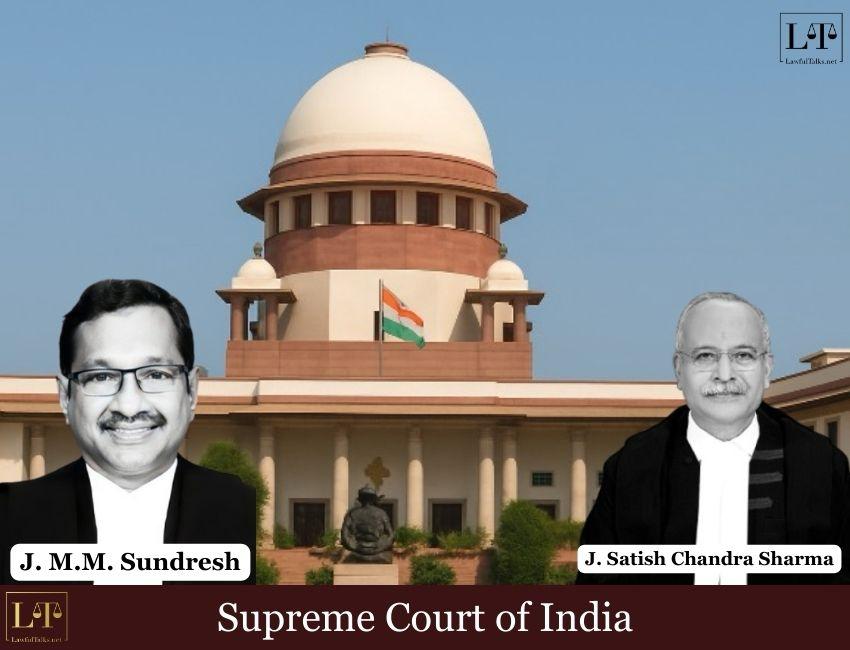
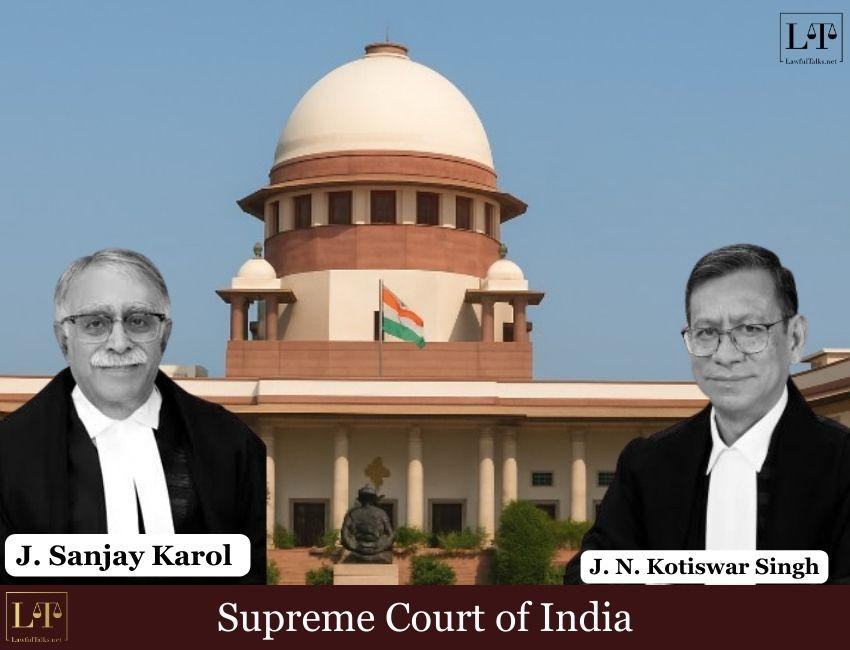
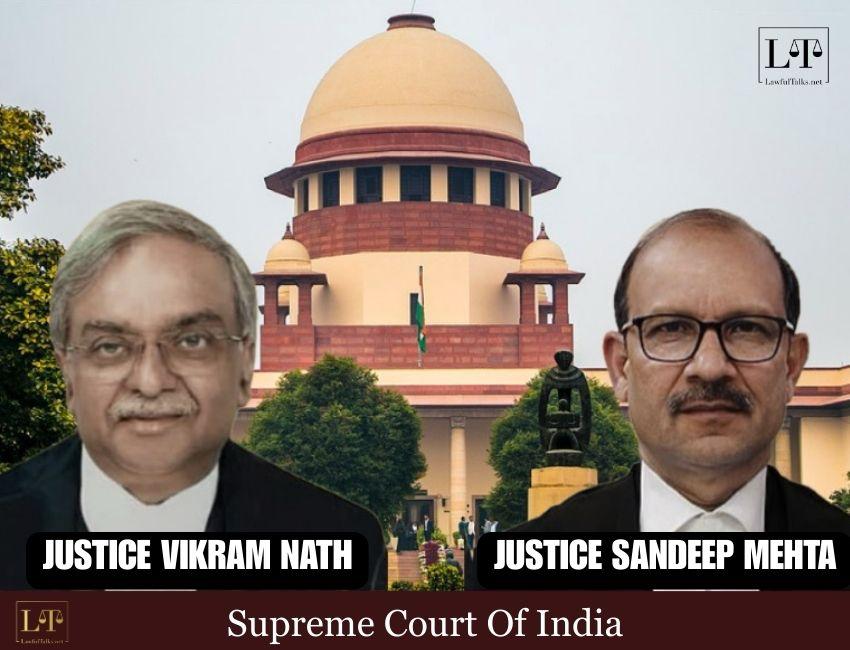
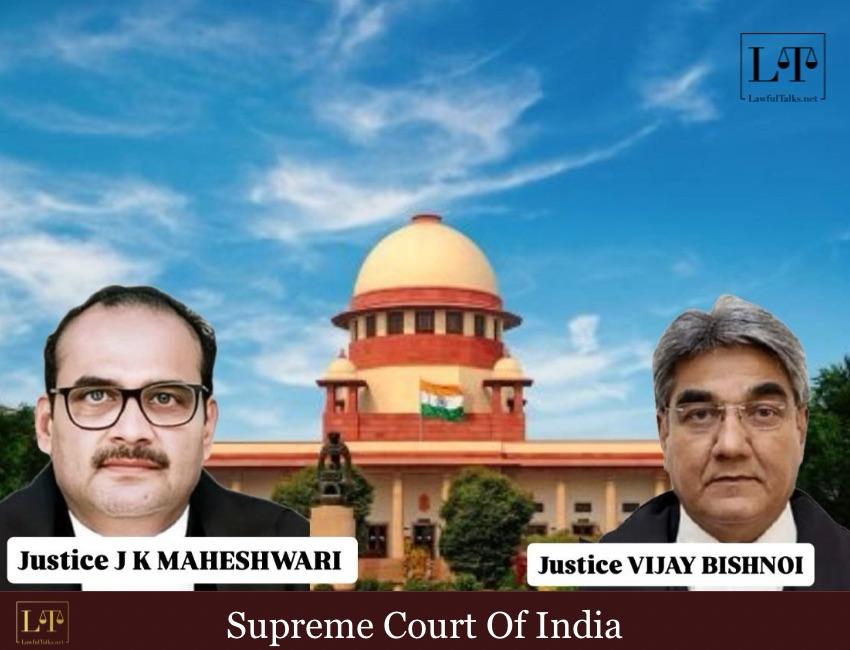
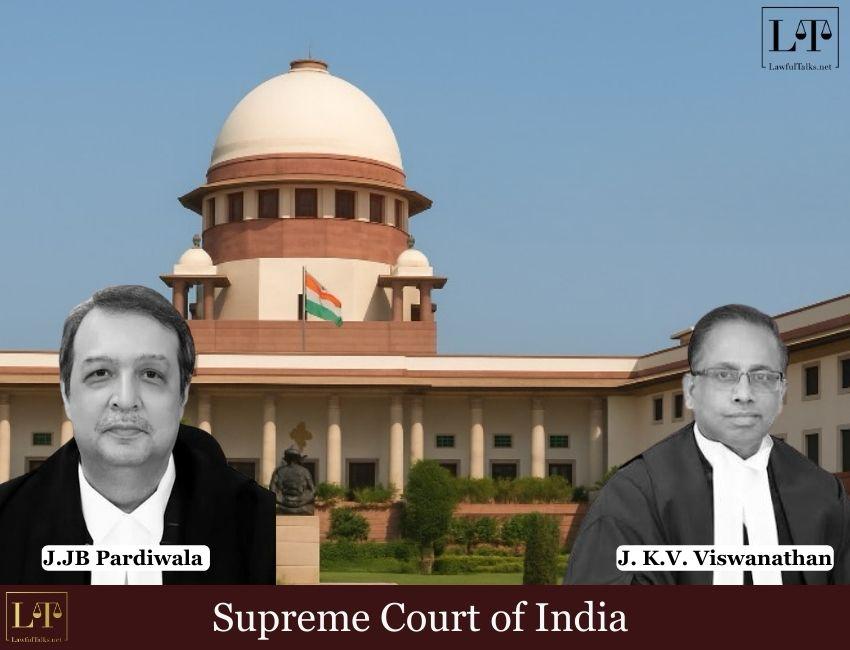
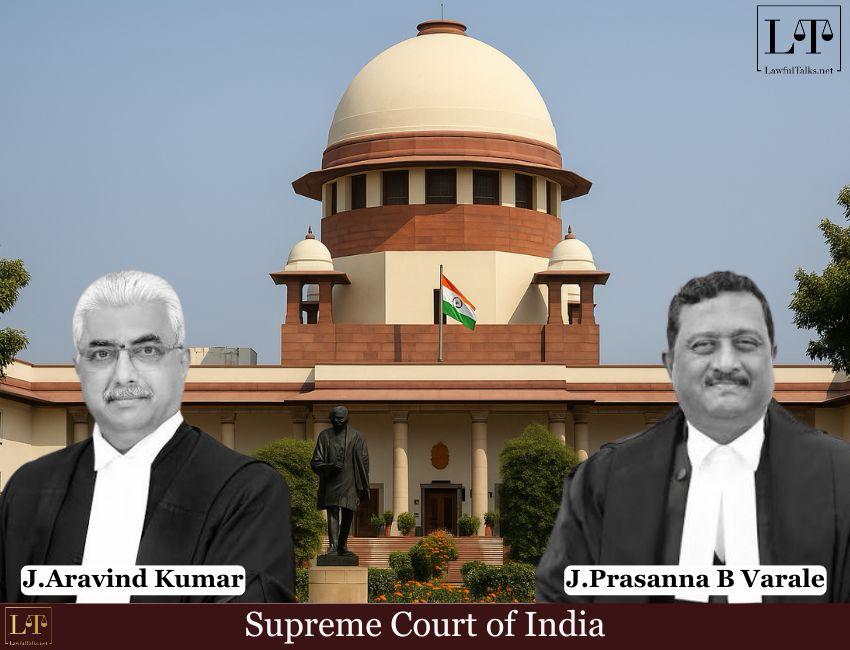
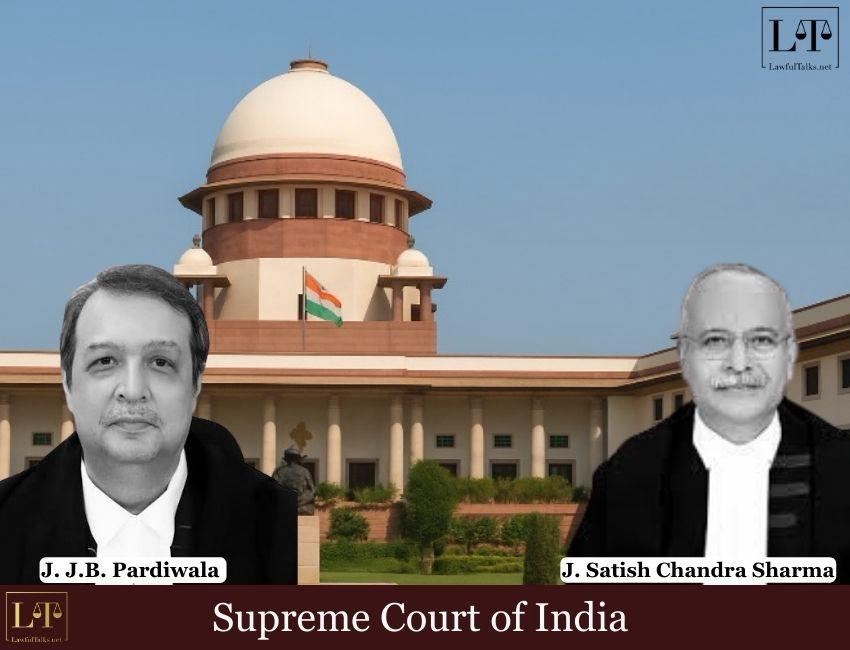
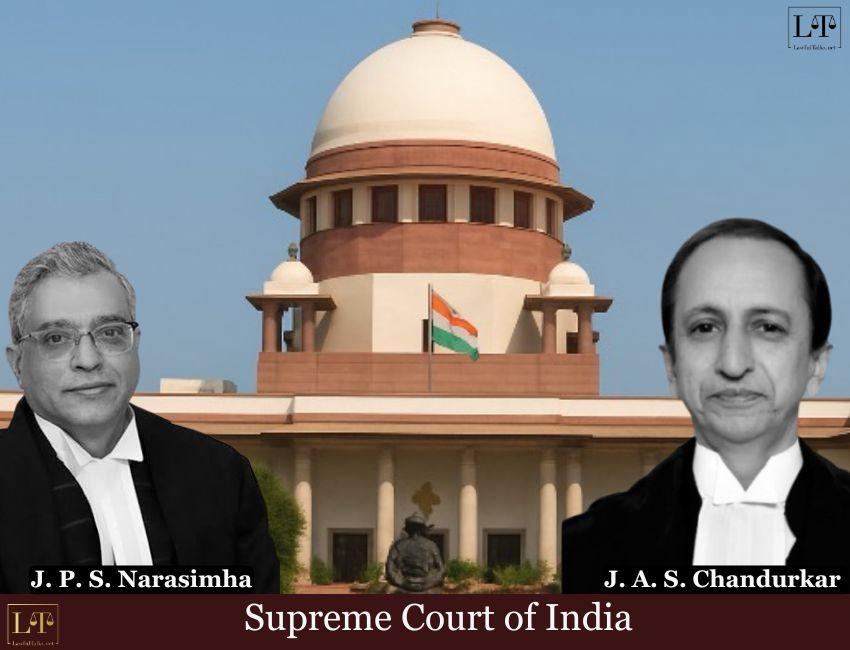
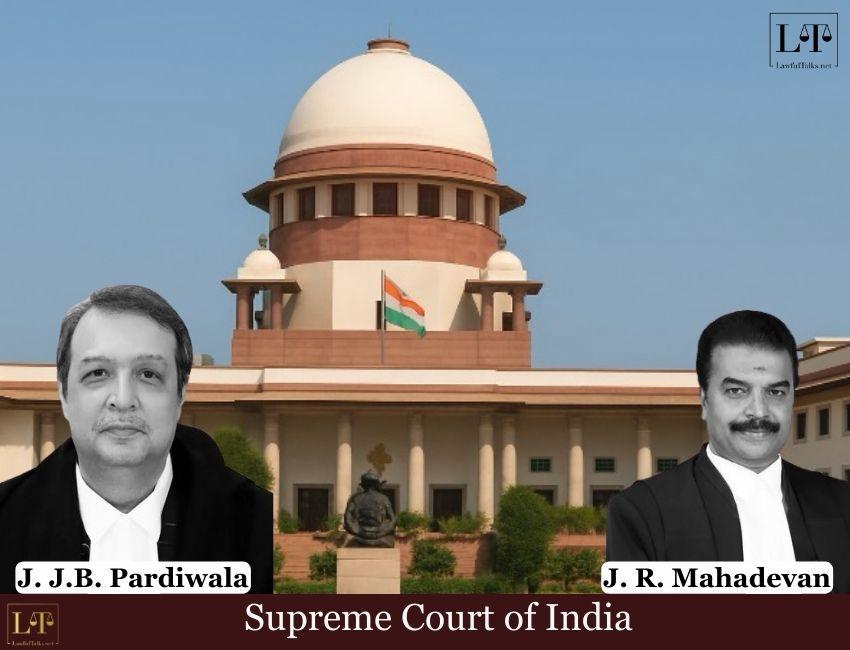
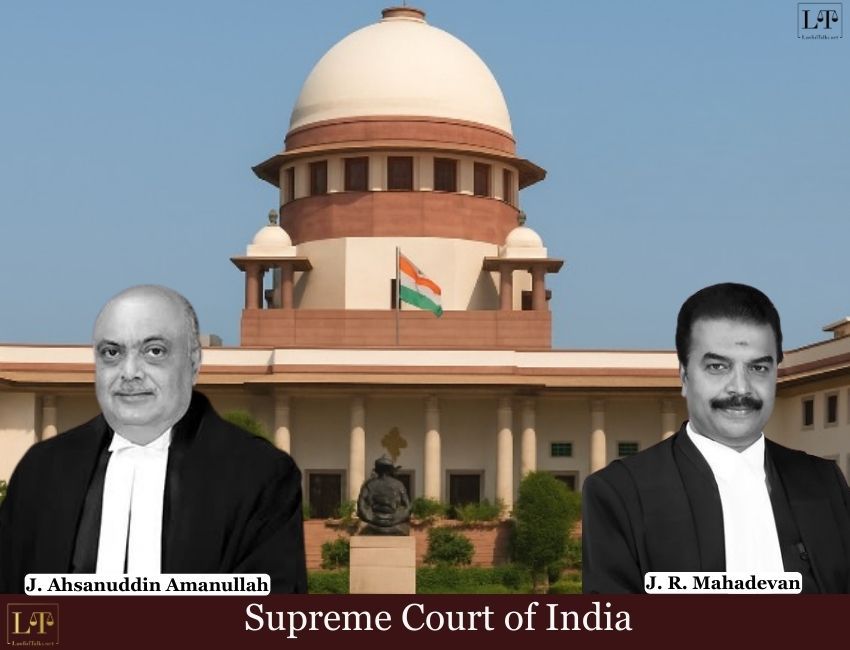
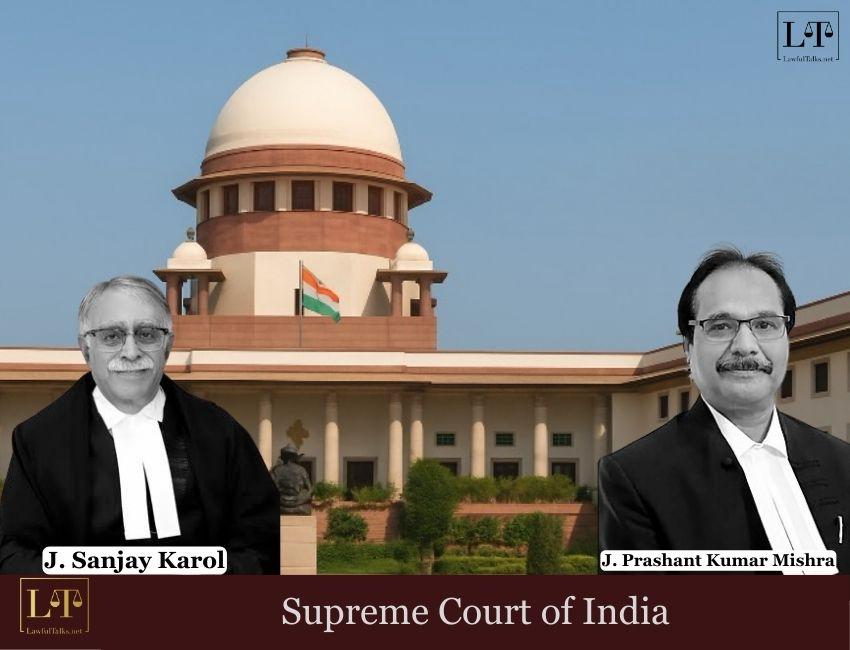
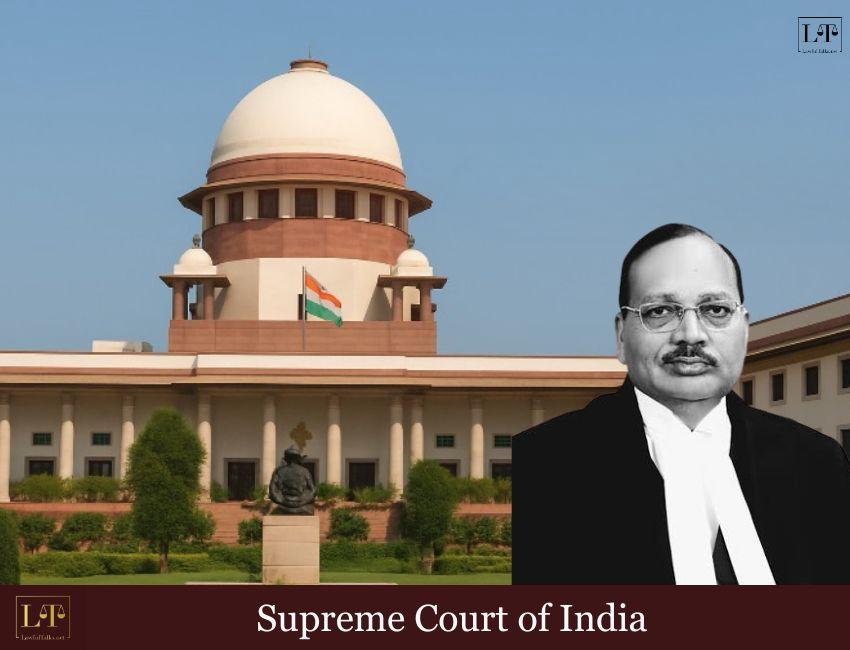
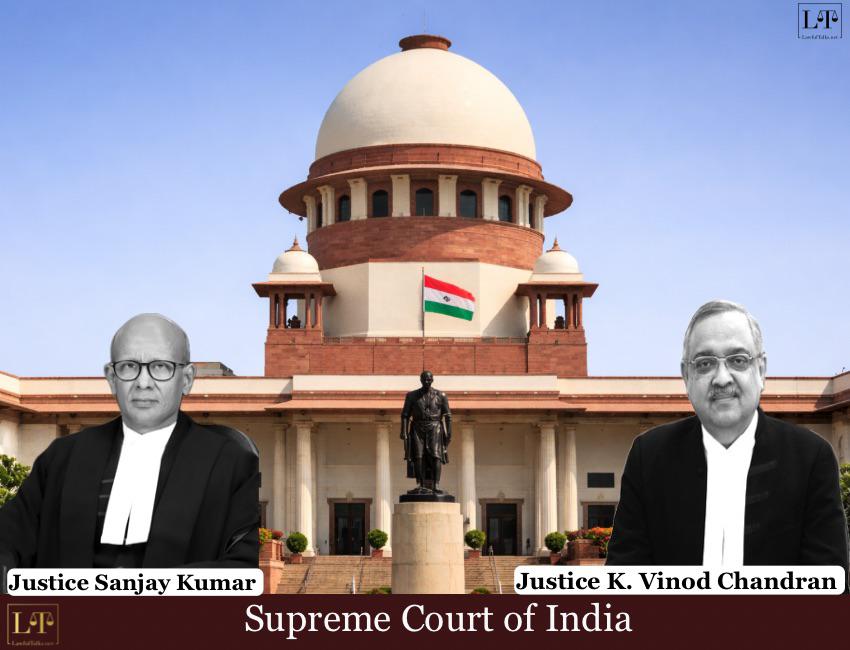
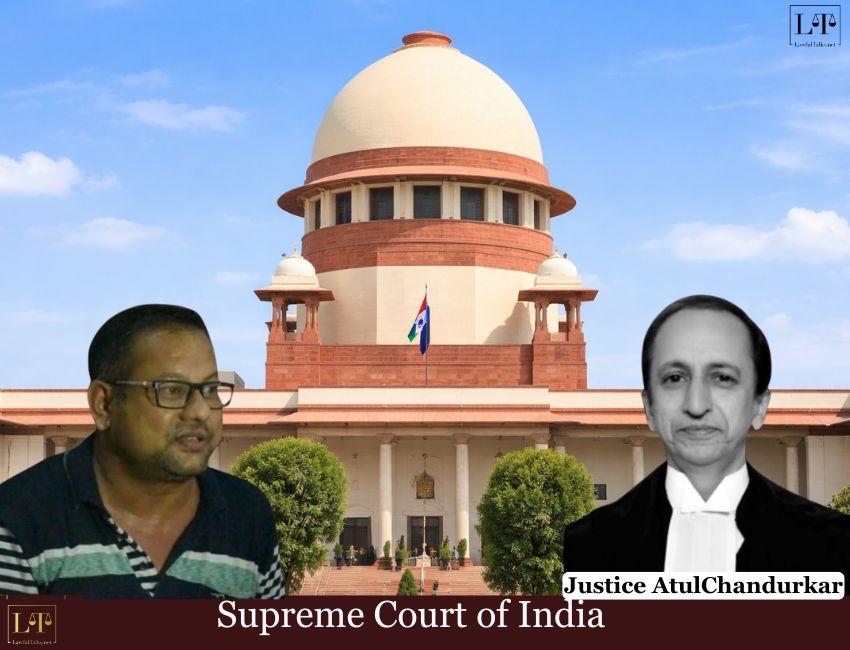
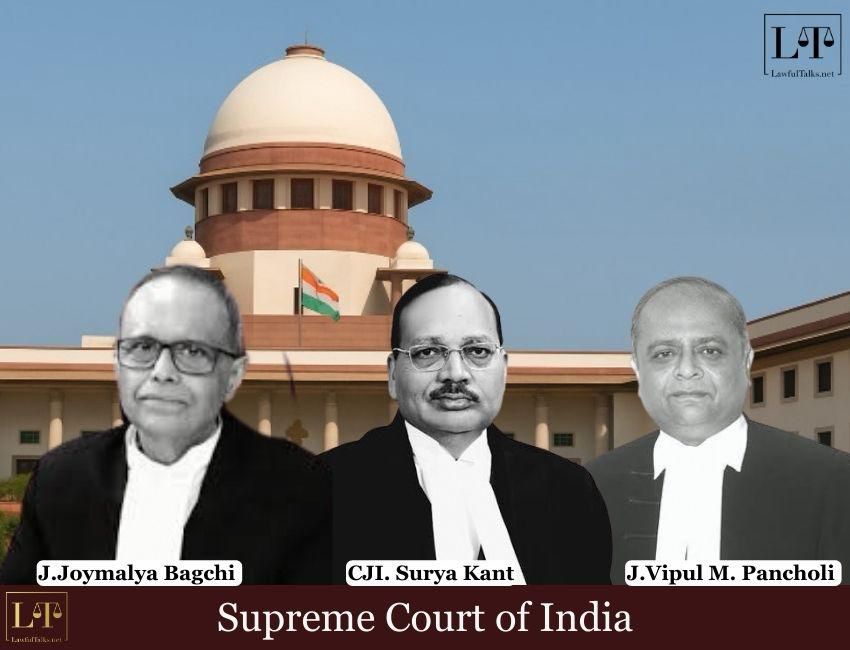
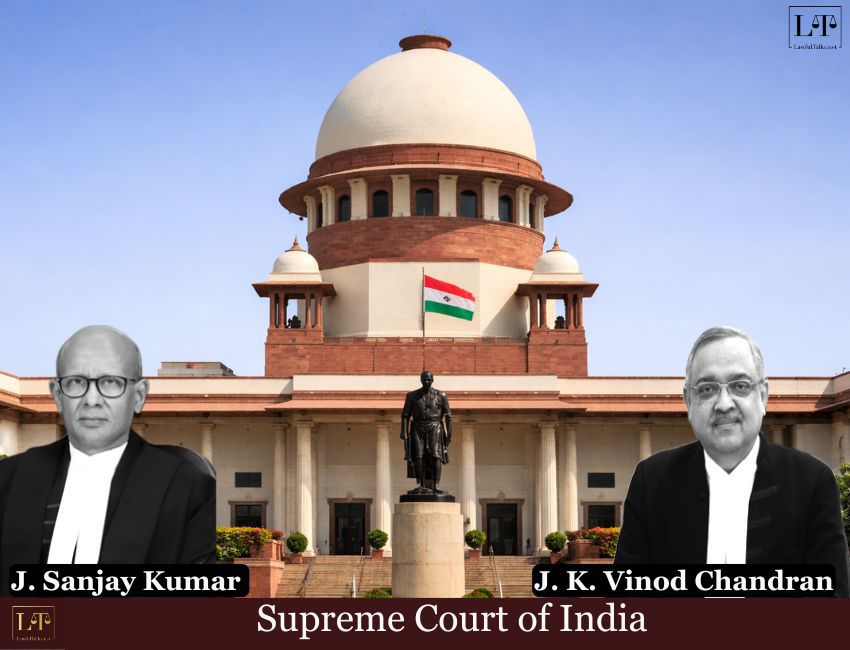
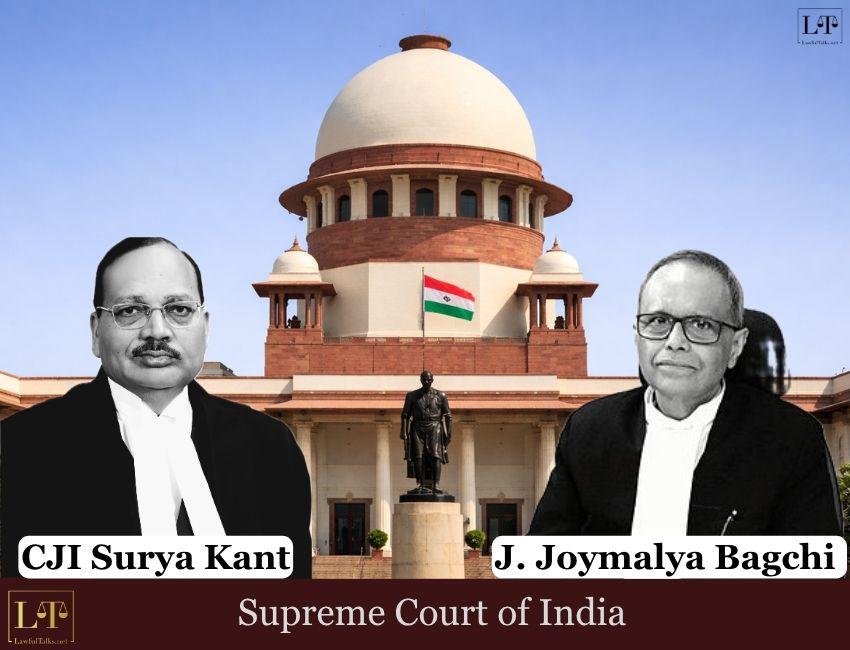
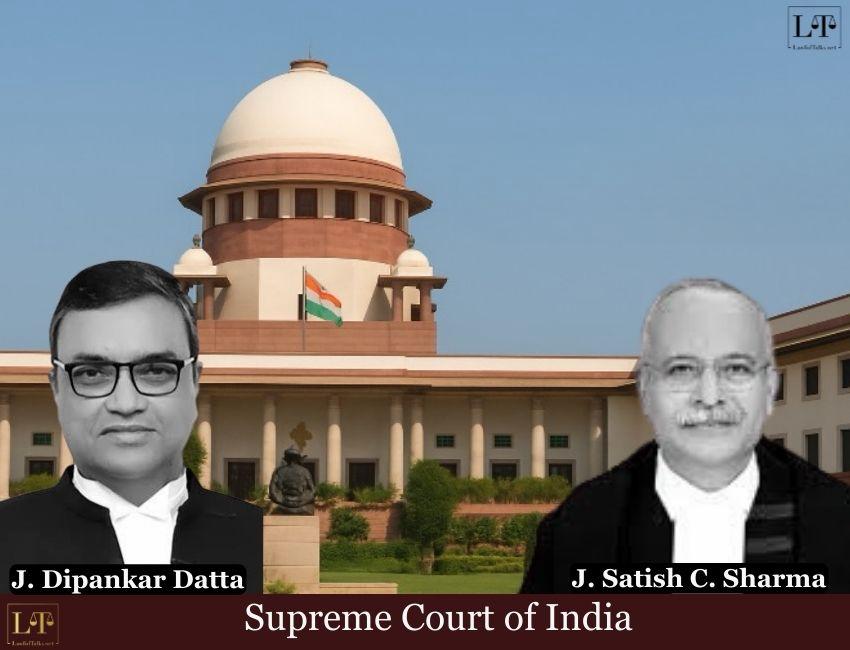
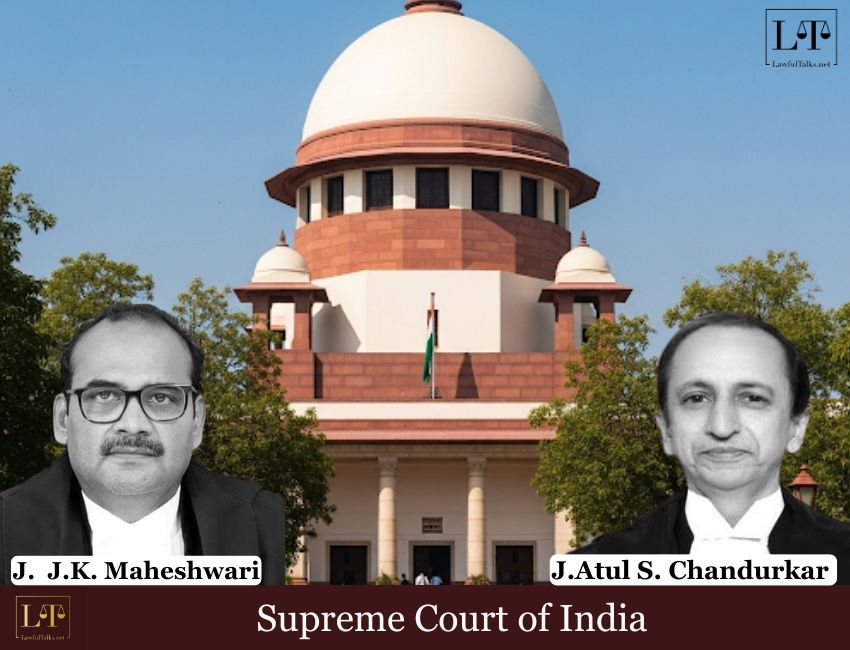
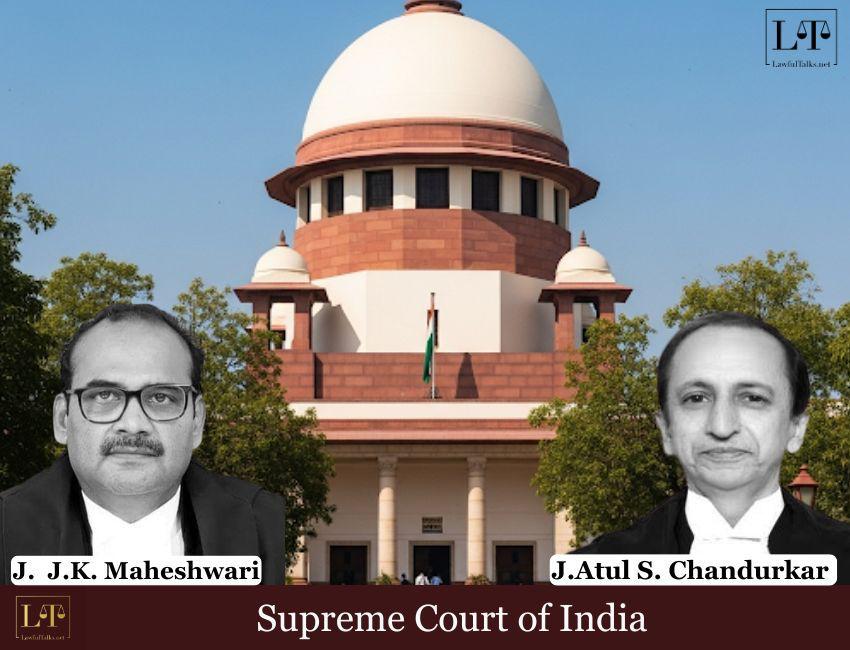
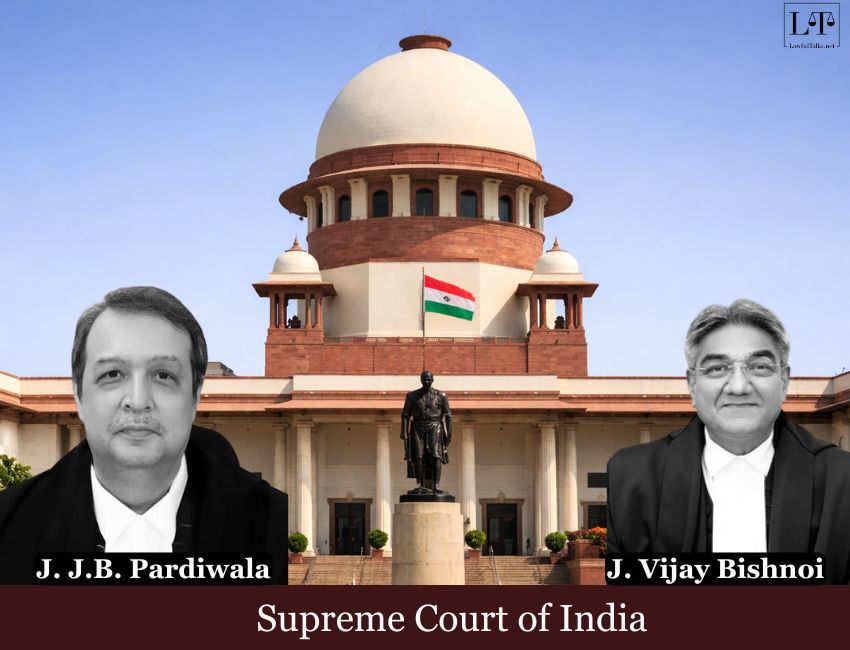
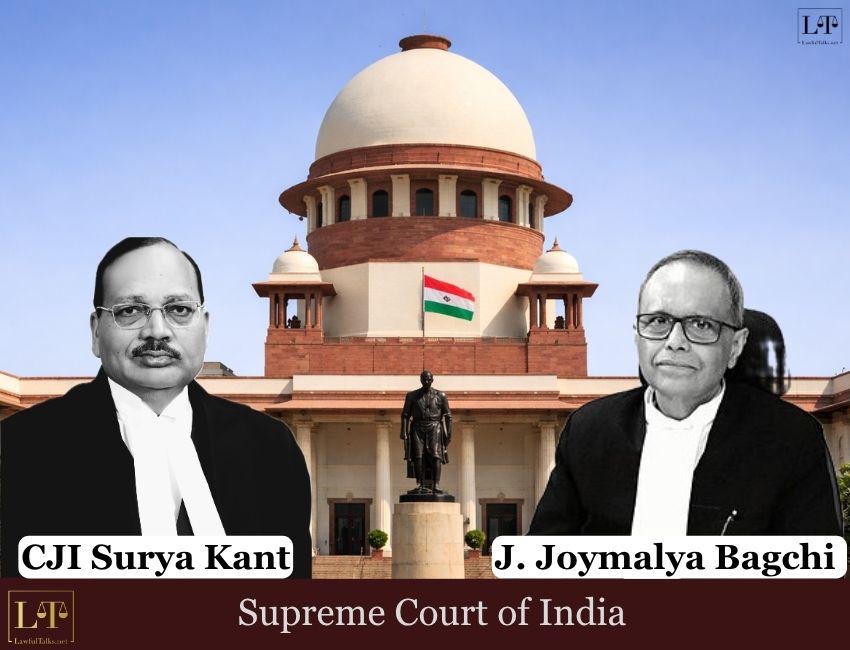
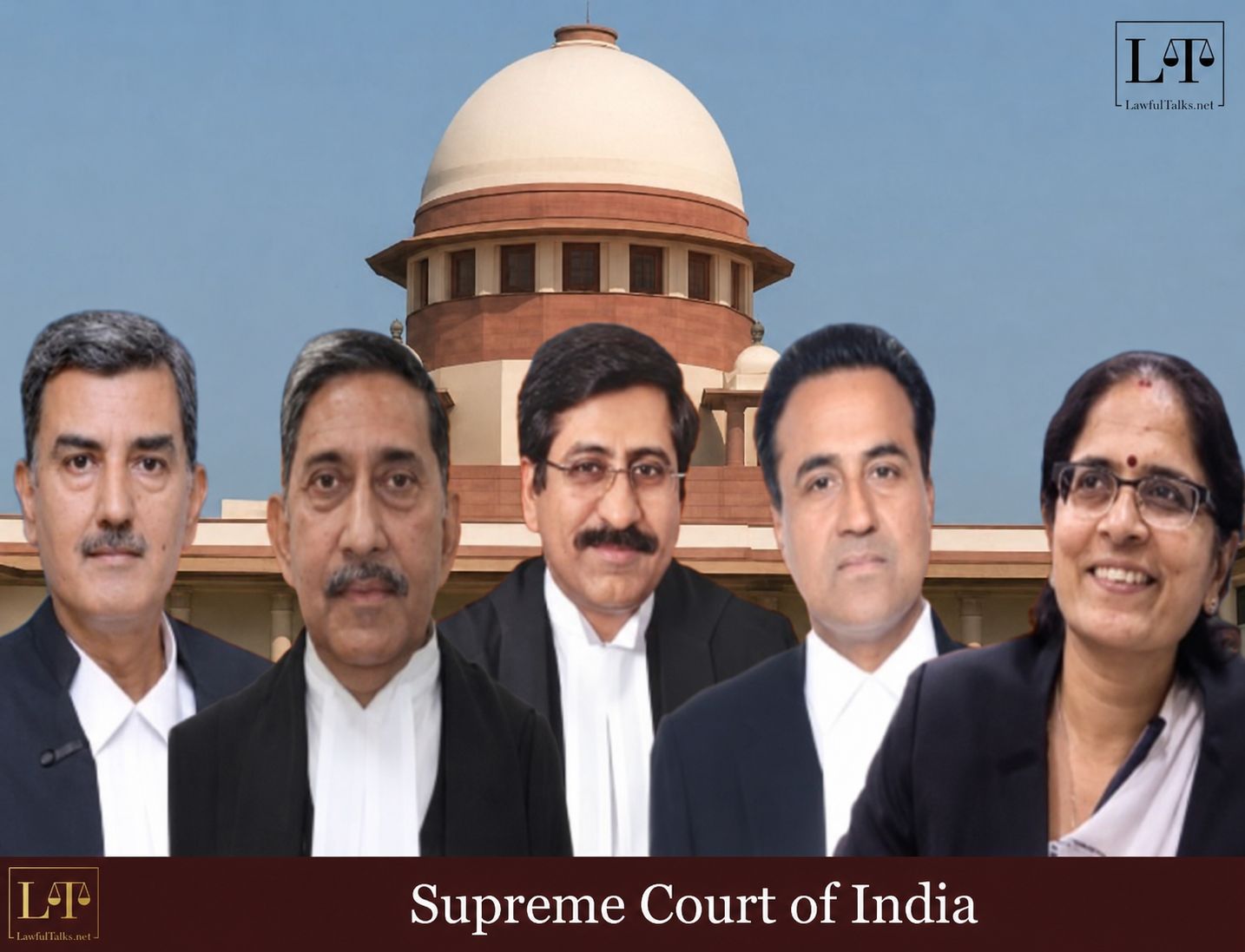
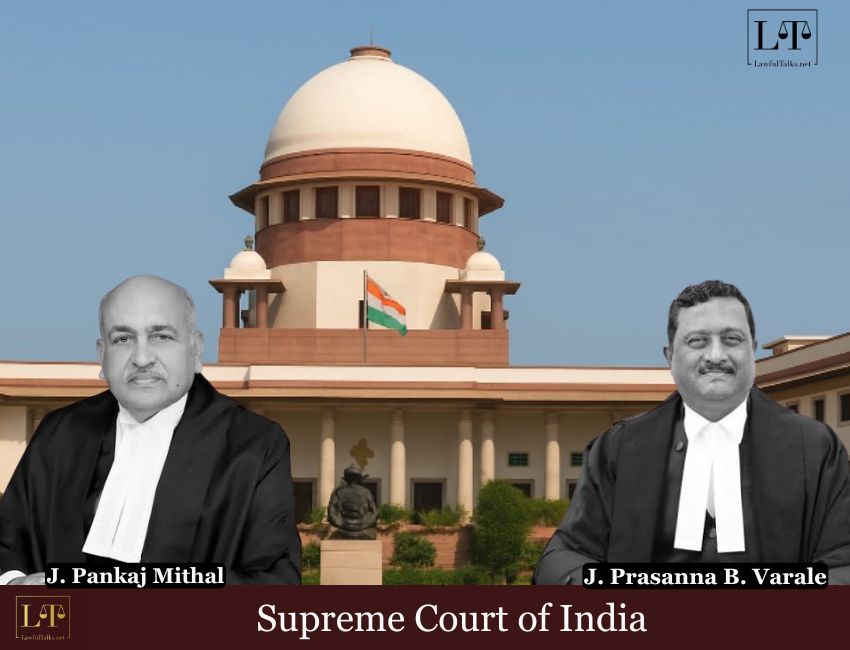
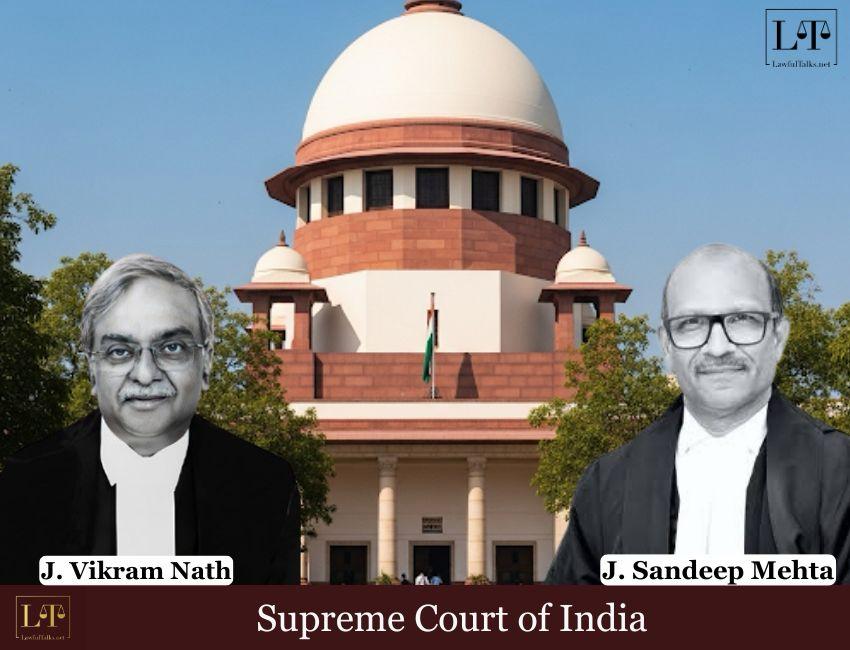
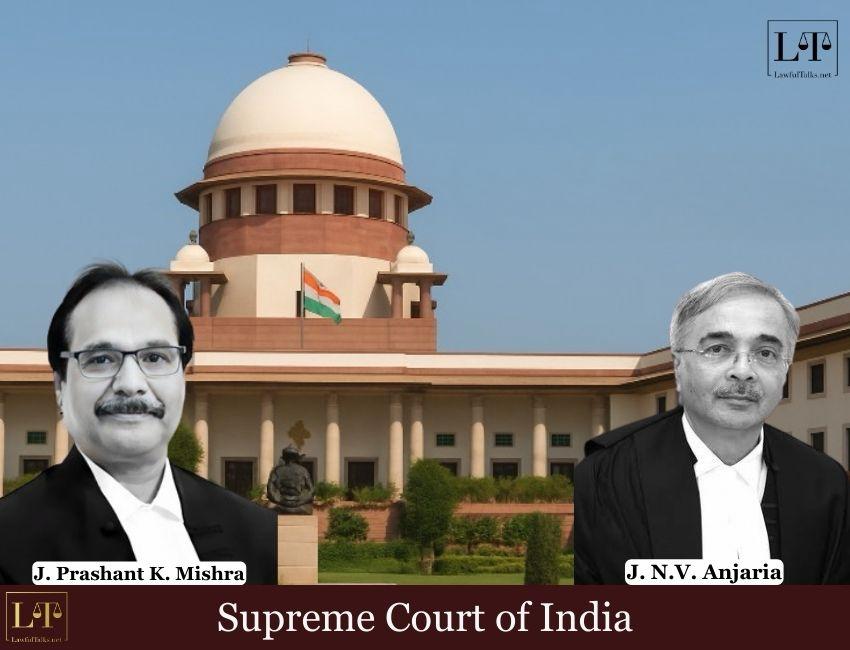
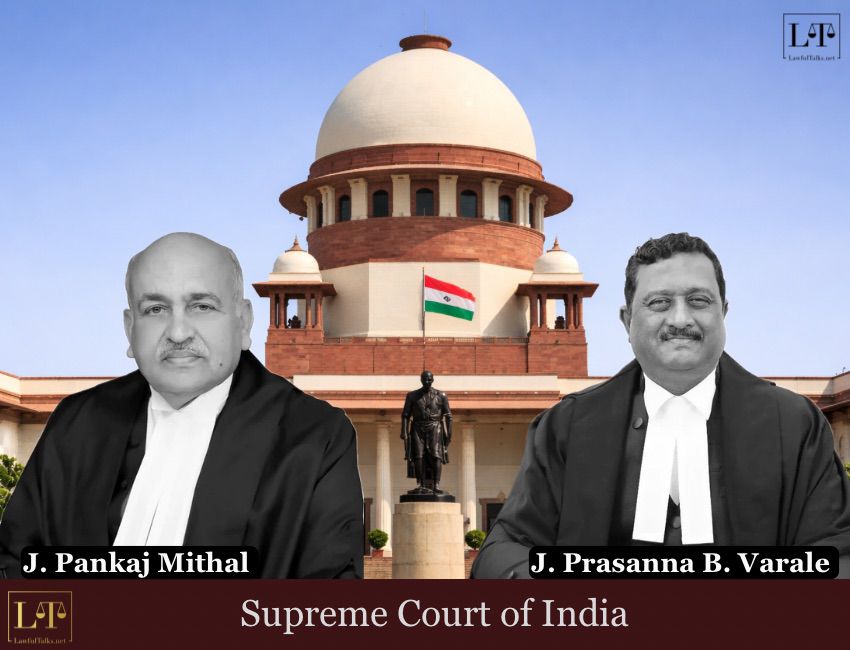
Justice Aravind Kumar and Justice Prasanna B. Varale affirmed the Armed Forces Tribunal's ruling, noting that medical records clearly mentioned the appellant's habit of smoking ten bidis everyday.
“The appellant was in the habit of smoking bidis that too ten bidis per day and it is trite position of medical law that an ischemic stroke occurs when a blood clot or fatty plaque (atherosclerosis) blocks an artery leading to brain, restricting oxygen which reduces blood flow and causing brain tissue damage and the medical opinion categorizing risk factors includes high blood pressure (hypertension), smoking, diabetes, high cholesterol, i.e., dyslipidemia, obesity and atrial fibrillation,” the bench remarked.
The Court determined that the “Stroke Ischemic RT MCA TERRITORY” suffered by the appellant was neither caused by nor aggravated by his military service, so it did not qualify for disability compensation under the Pension Regulations for the Army, 1961.
Siachen Precedent Held Inapplicable:
The bench rejected the appellant's reliance on Bijender Singh v. Union of India & Ors. (2025), saying it was based on different facts. In that case, the appellant had served at the high-altitude Siachen Glacier, and the Court rejected the Medical Board's opinion that a 15–19% disability was not related to service. No similar conditions existed in the present case, so the precedent was not relevant.
The appeal was therefore dismissed.
Case Title: SAREVESH KUMAR VERSUS UNION OF INDIA & ORS.





















































Sign up for free and be the first to get notified about curated content just for you.