Uncertainty Created By Us: SC Re-Examines Its Own Green Order

- February 17, 2026


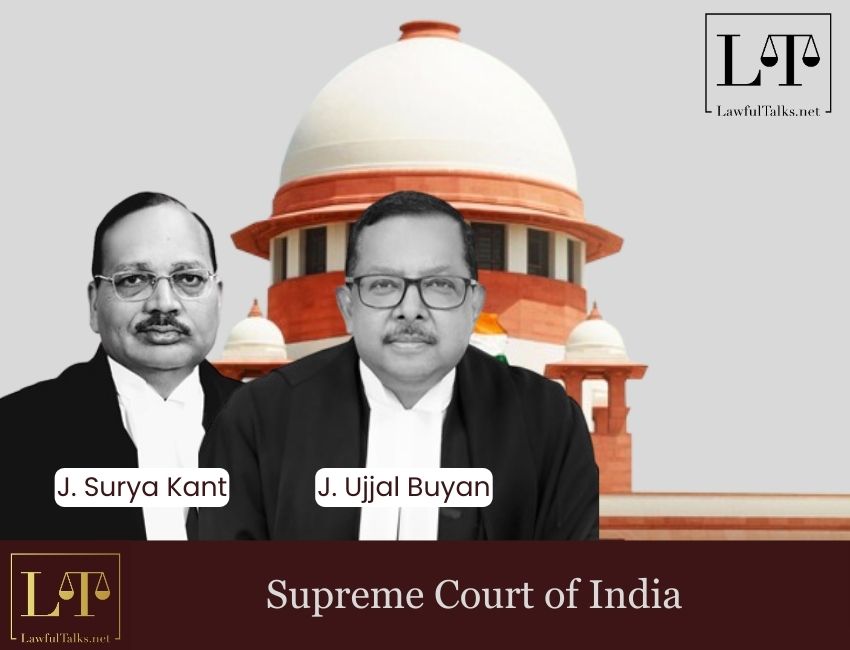
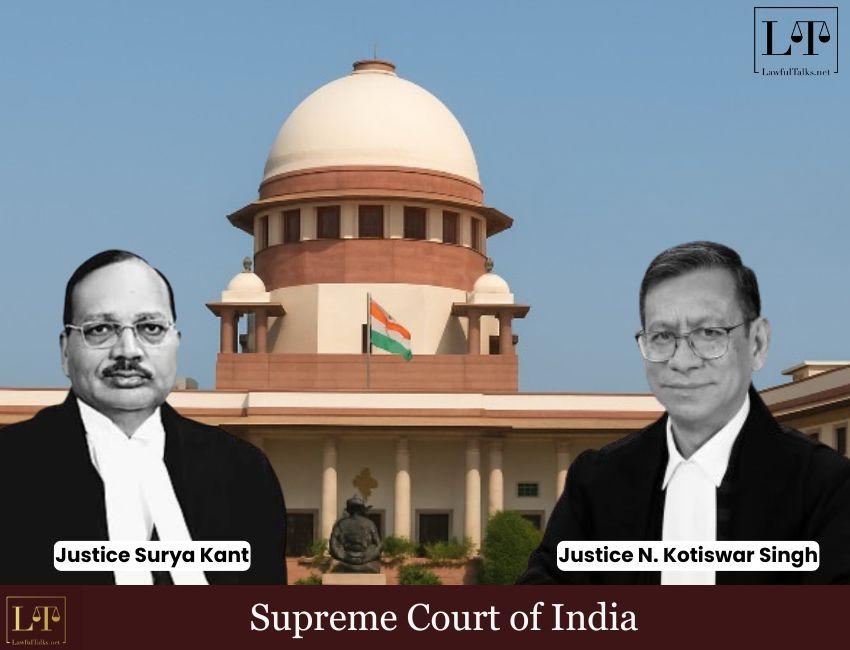
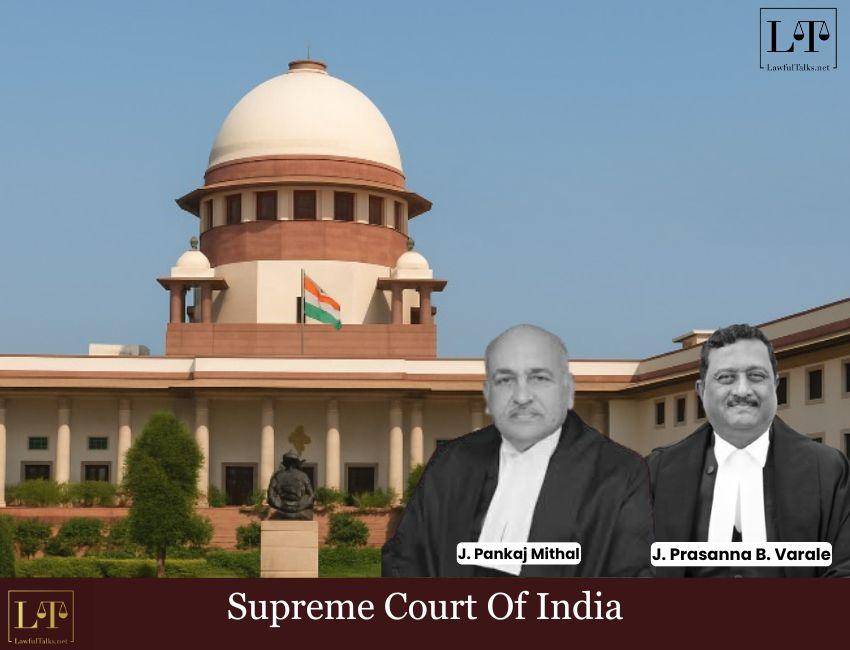
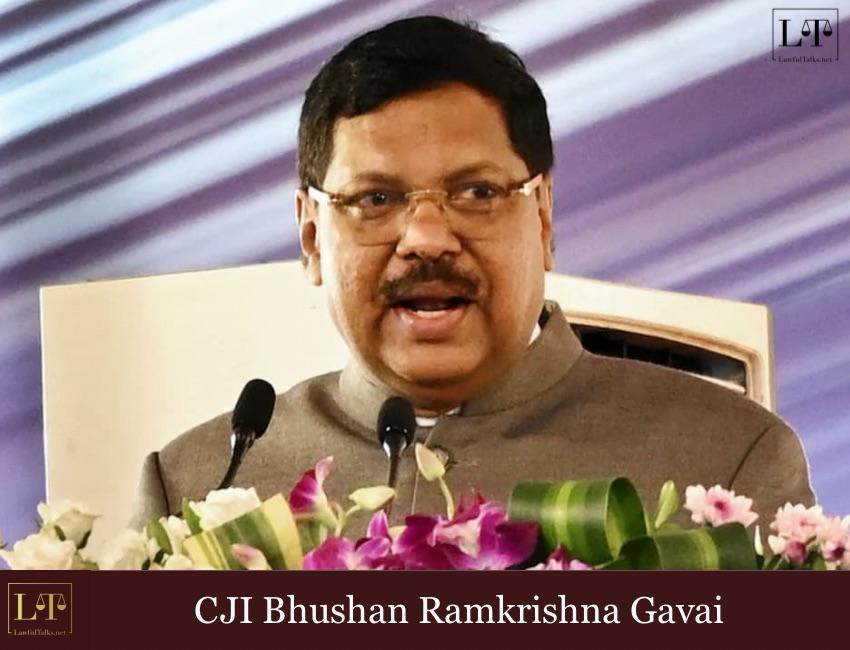
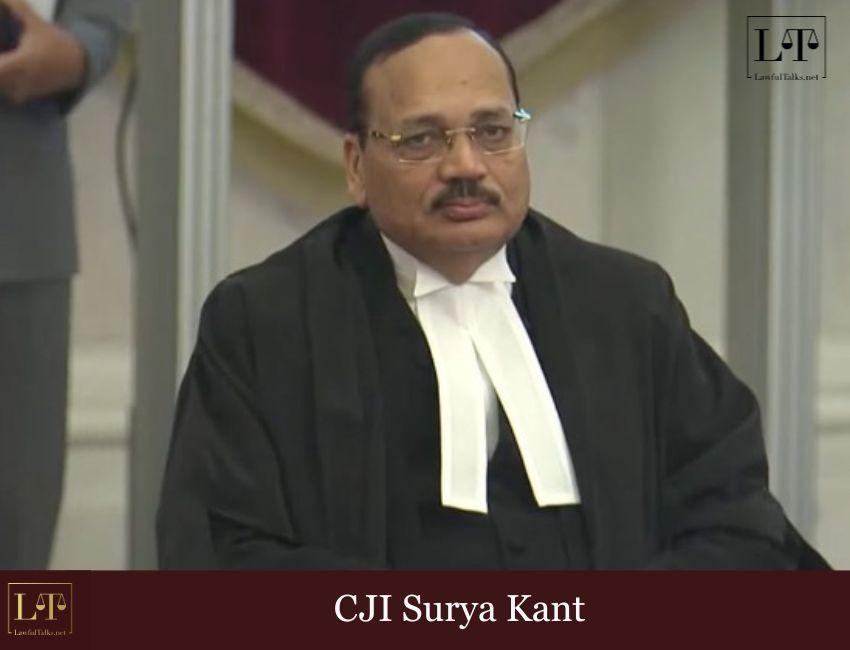
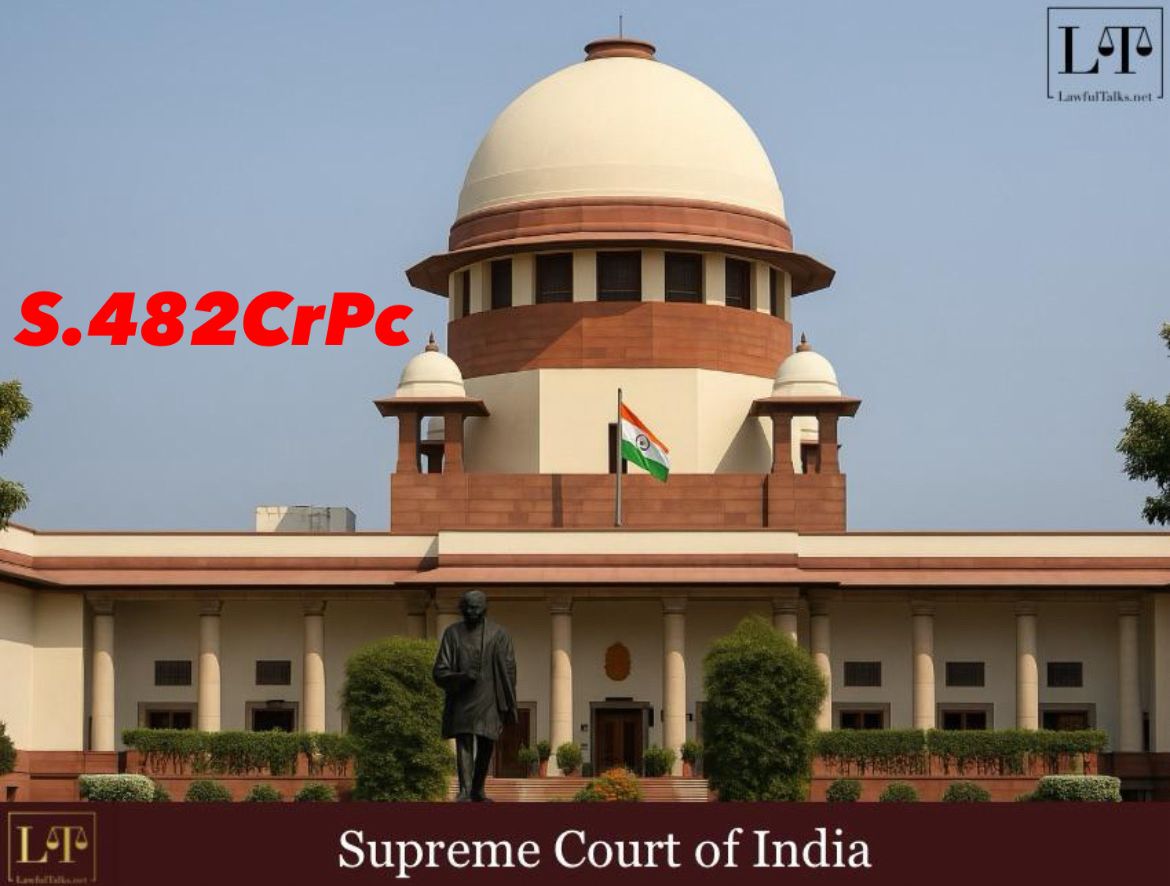
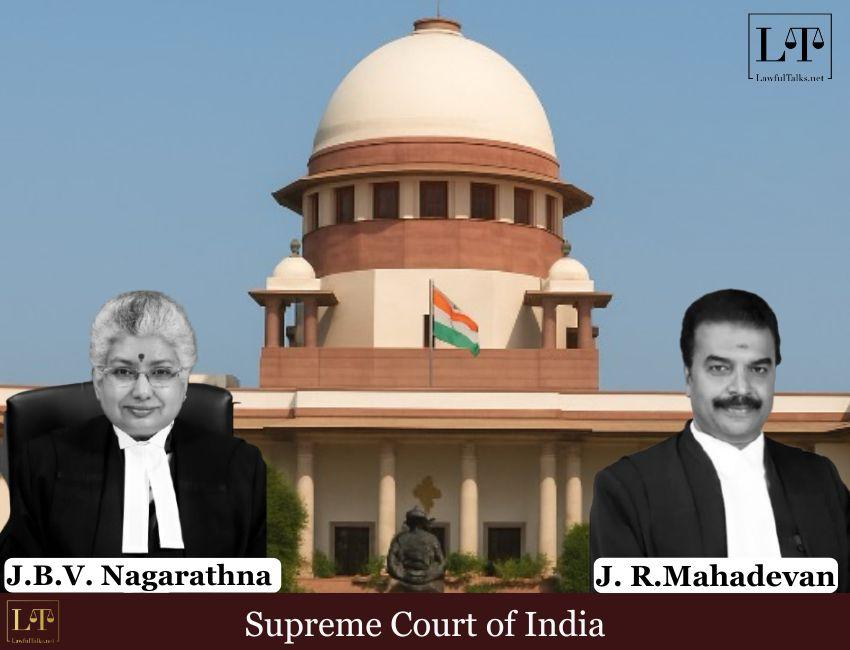
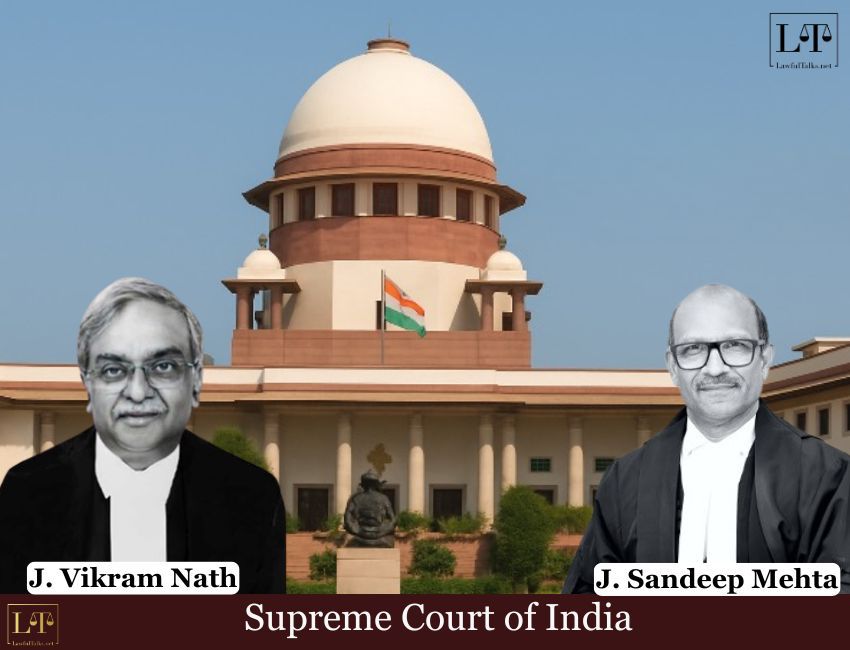
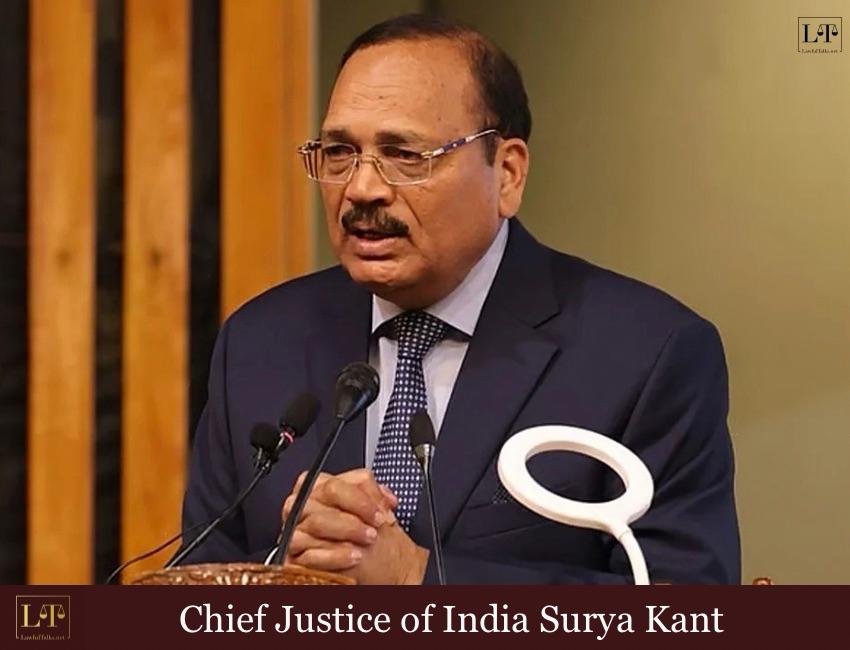
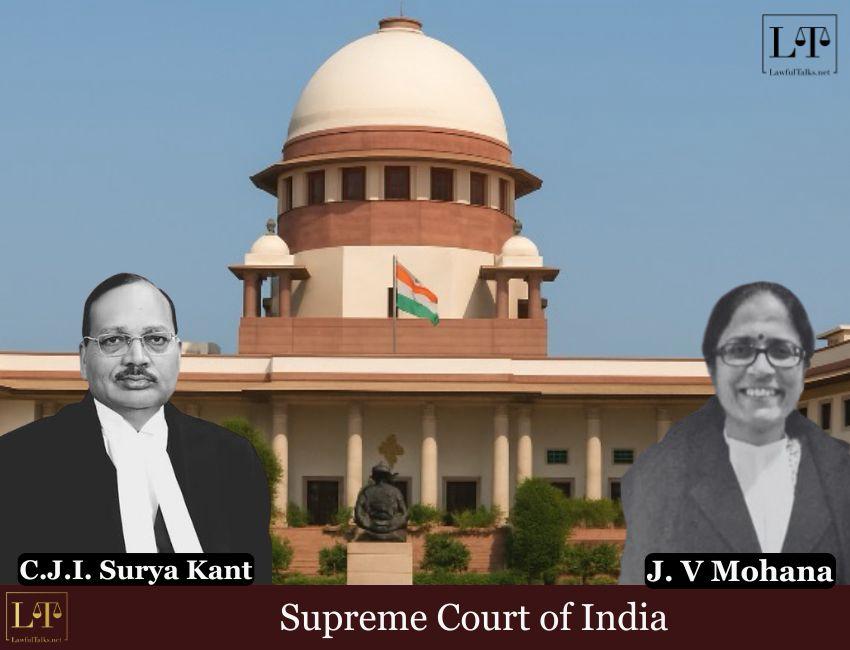
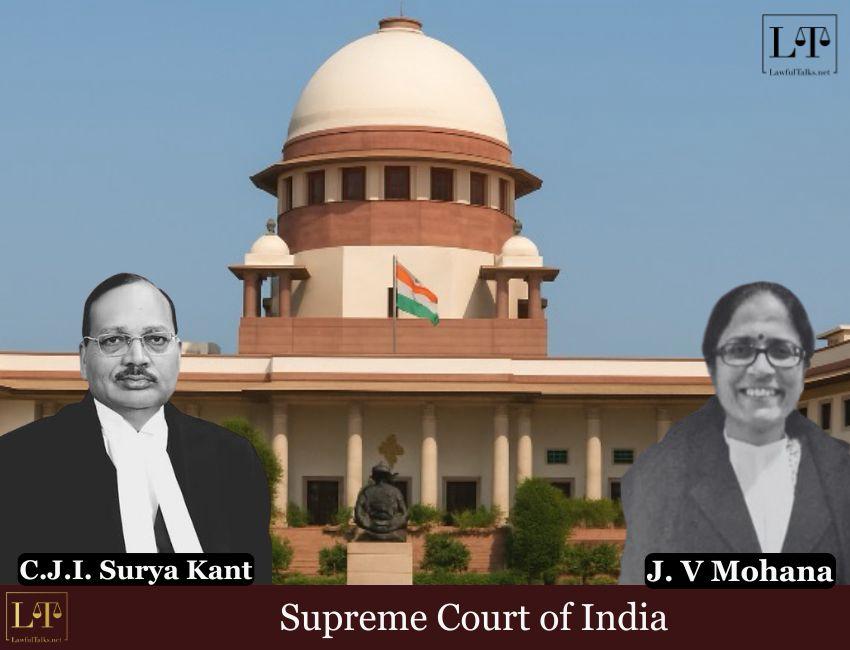
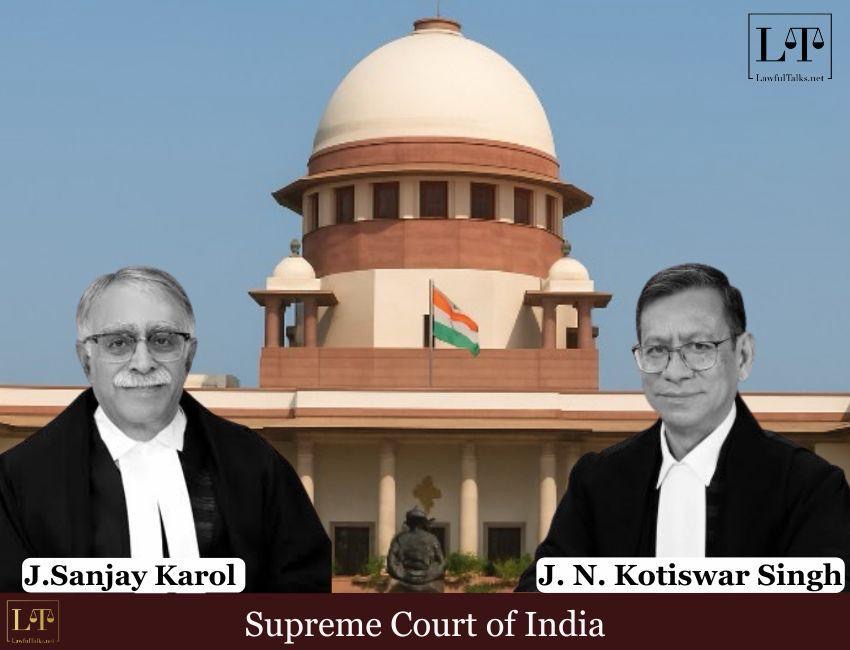
The Chief Justice of India (CJI) recently expressed discontent with the Supreme Court’s May 2025 judgement that prohibited granting post-facto Environmental Clearances.
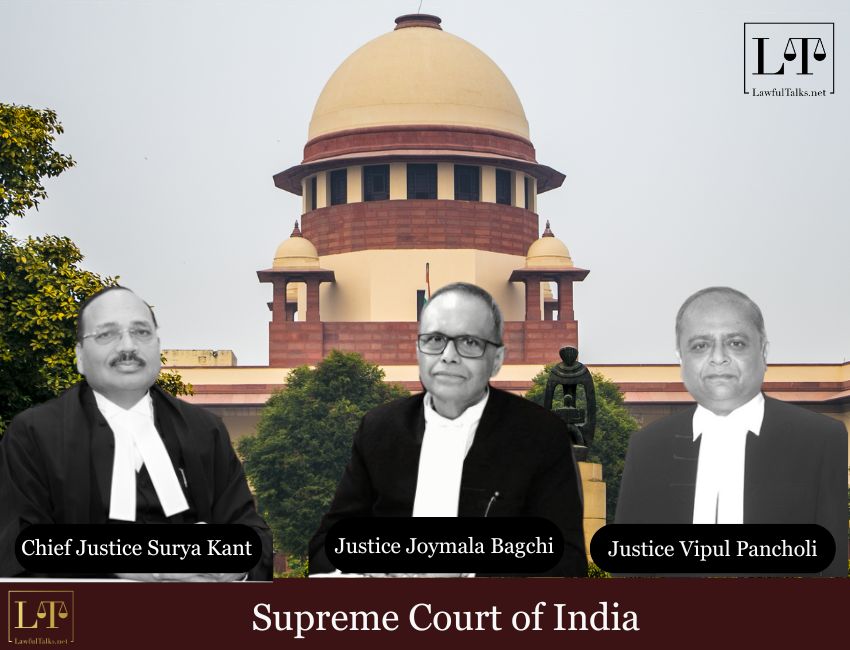
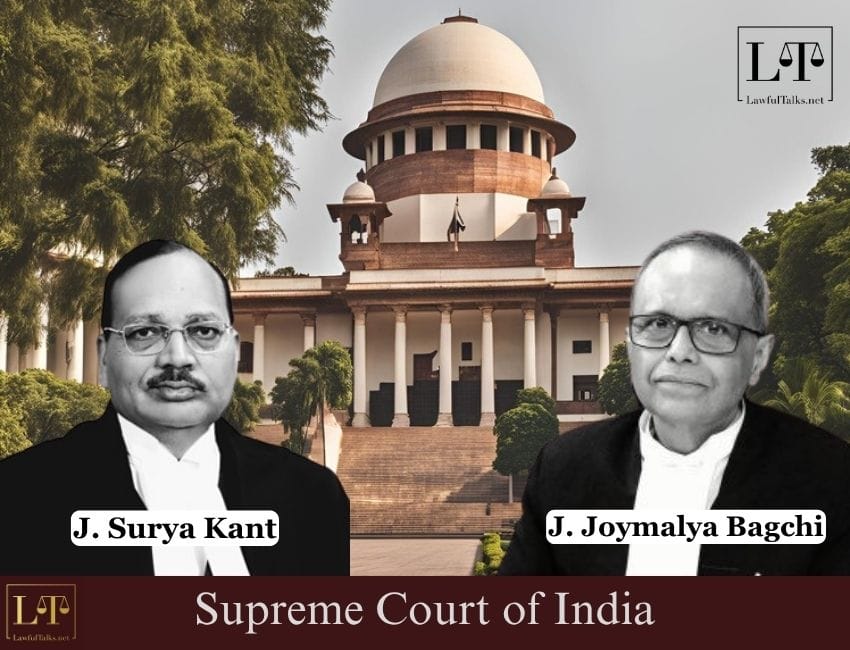
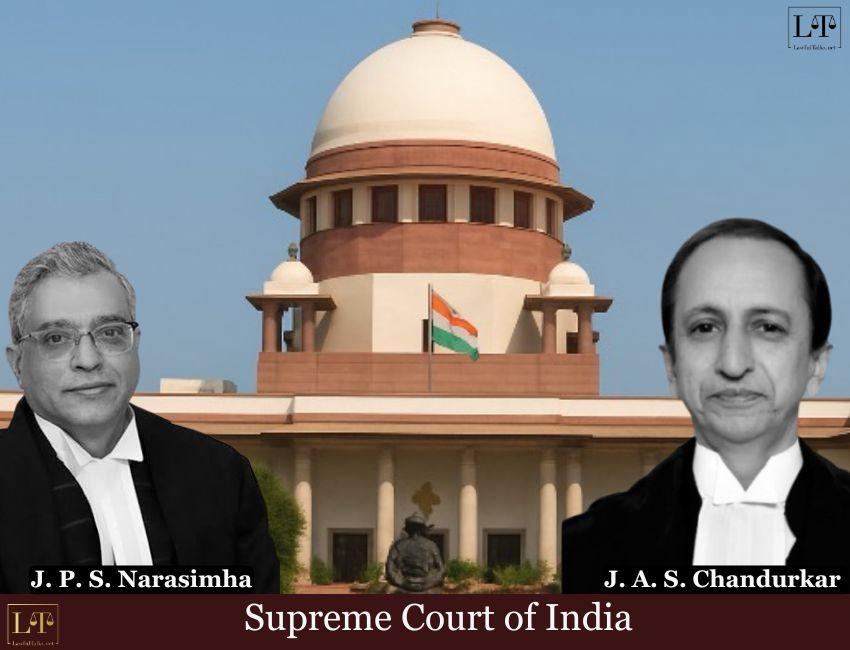
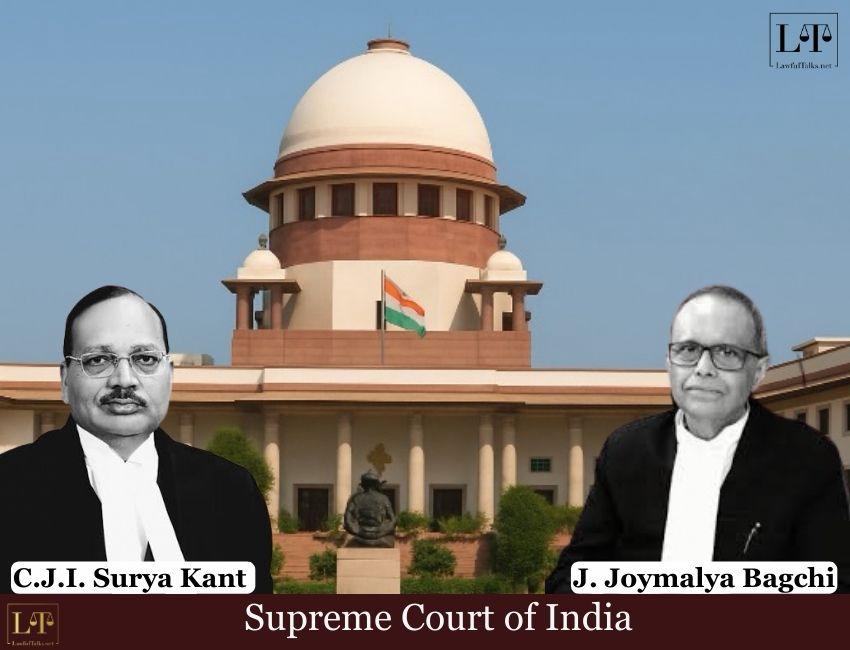
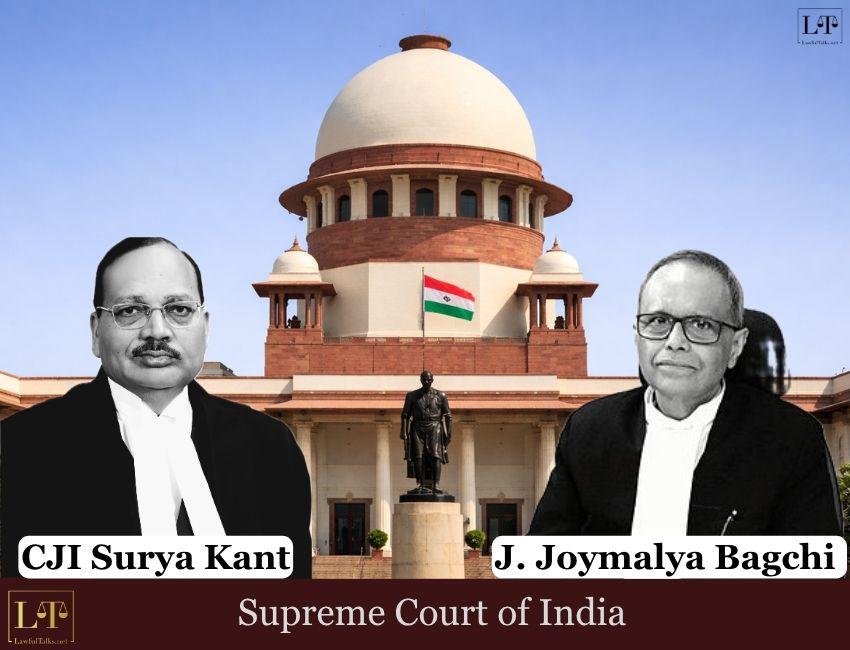
Examining the judgement of the ‘Vanashakti’ case, CJI Surya Kant said the ruling had created unnecessary uncertainty, leading the Supreme Court itself to unpredictability.
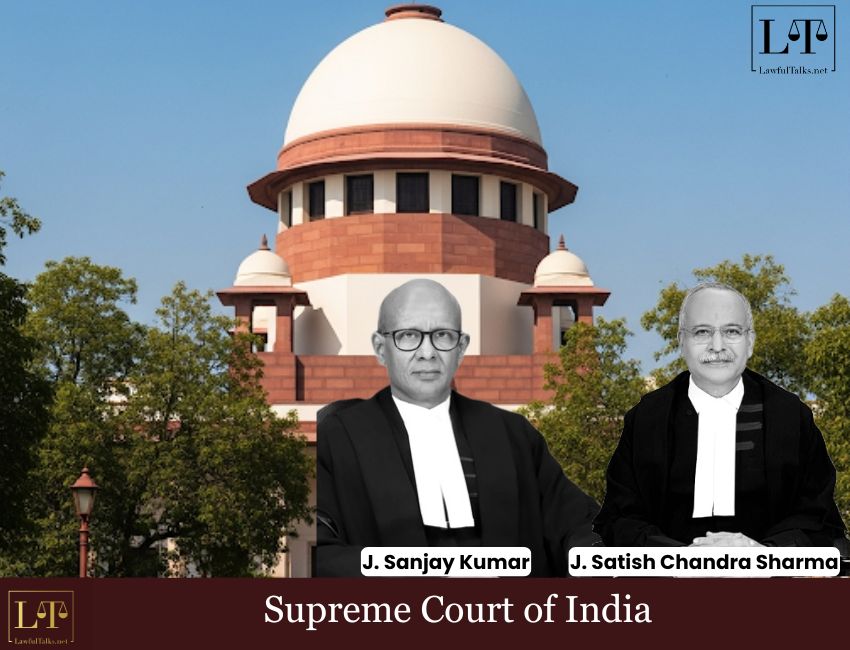
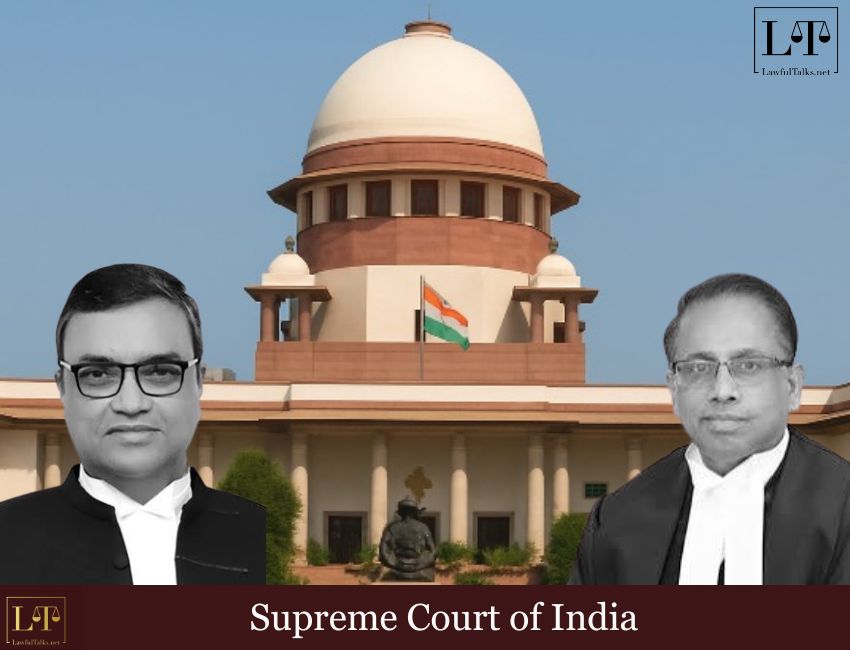
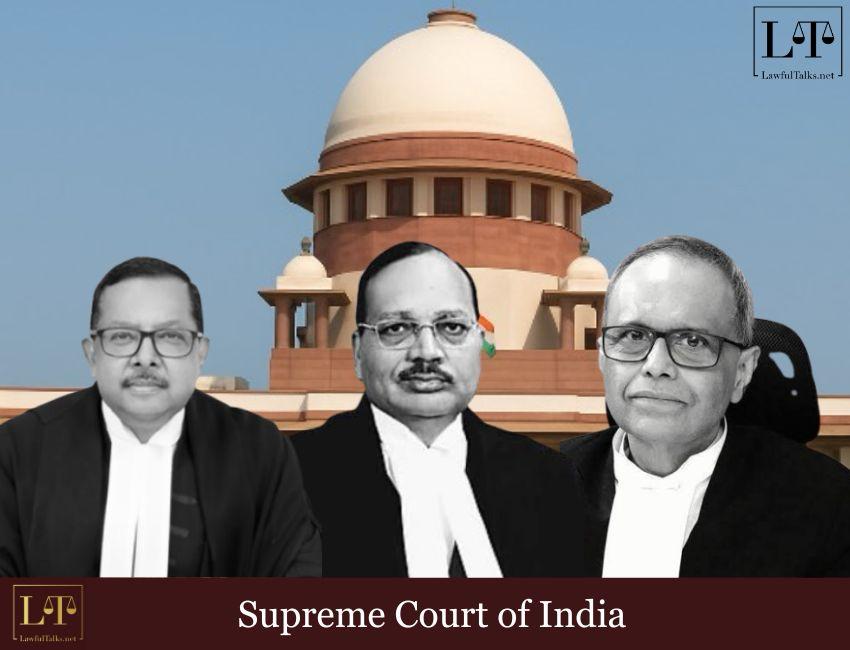
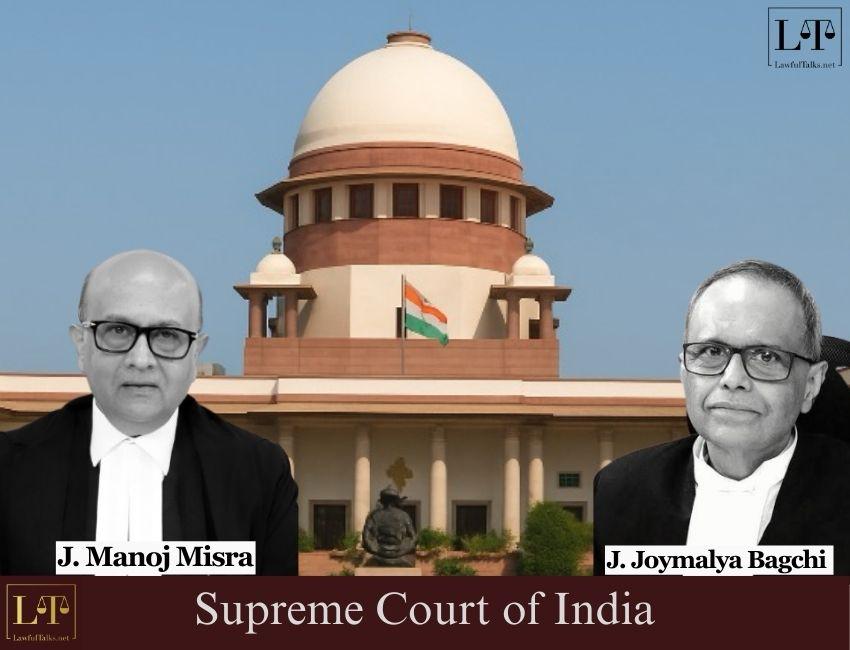
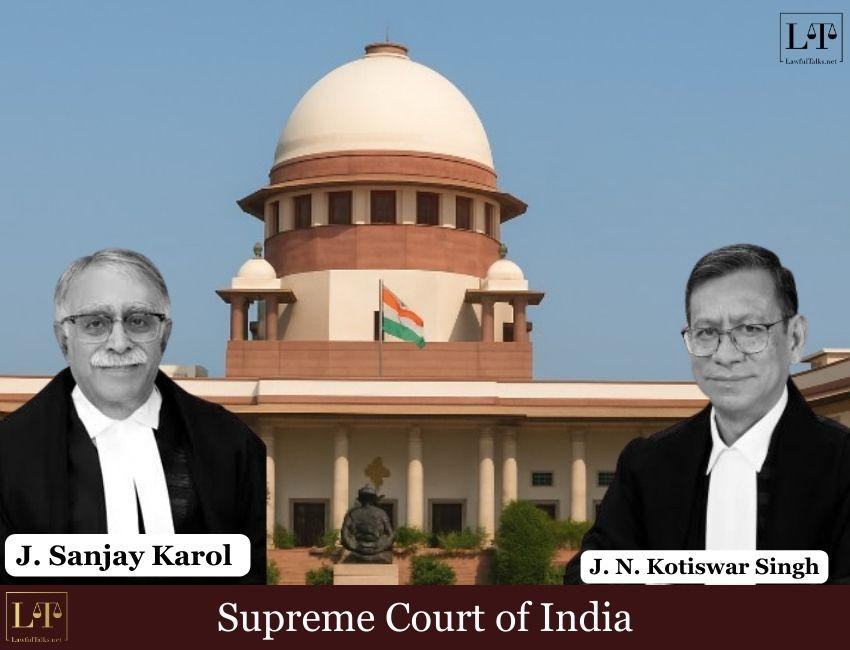
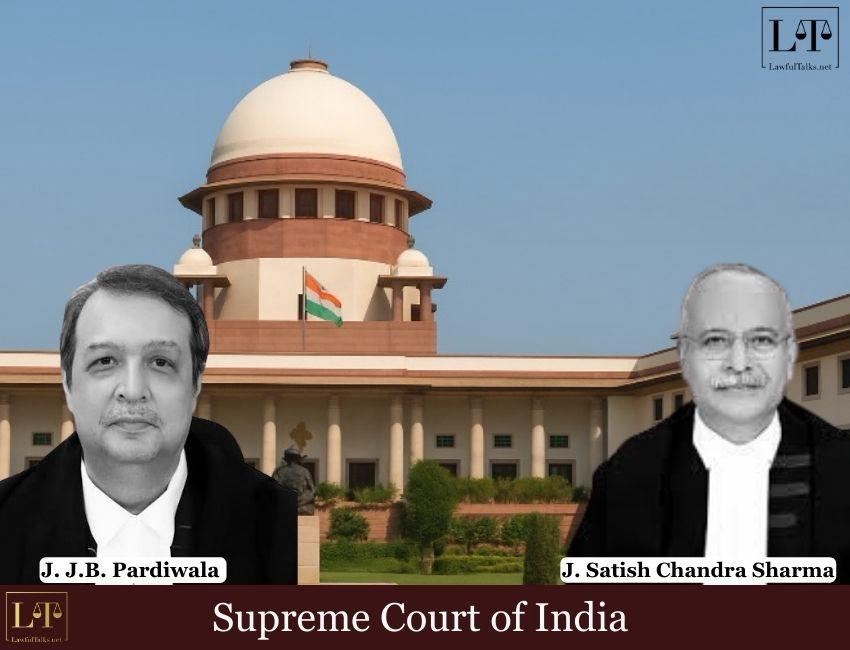
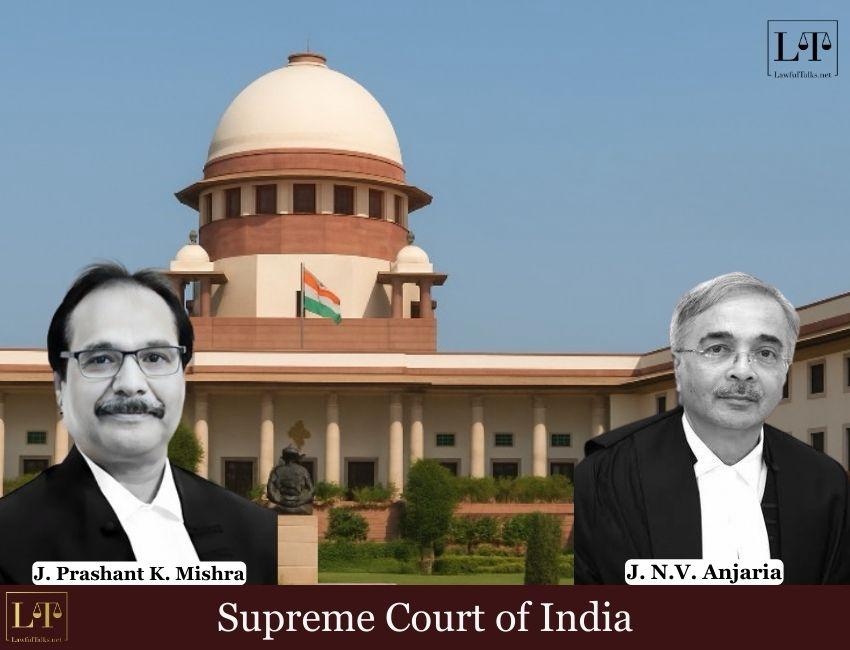
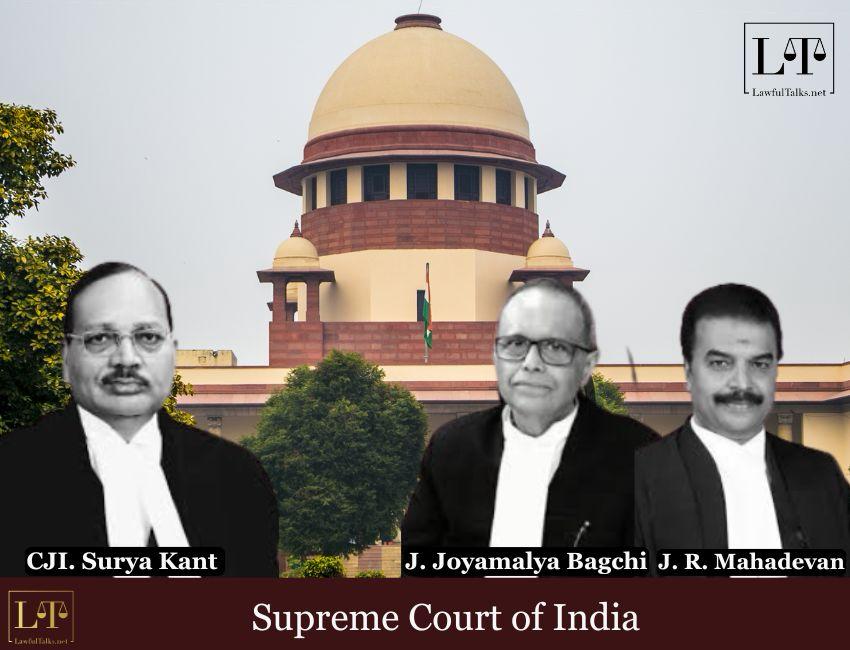
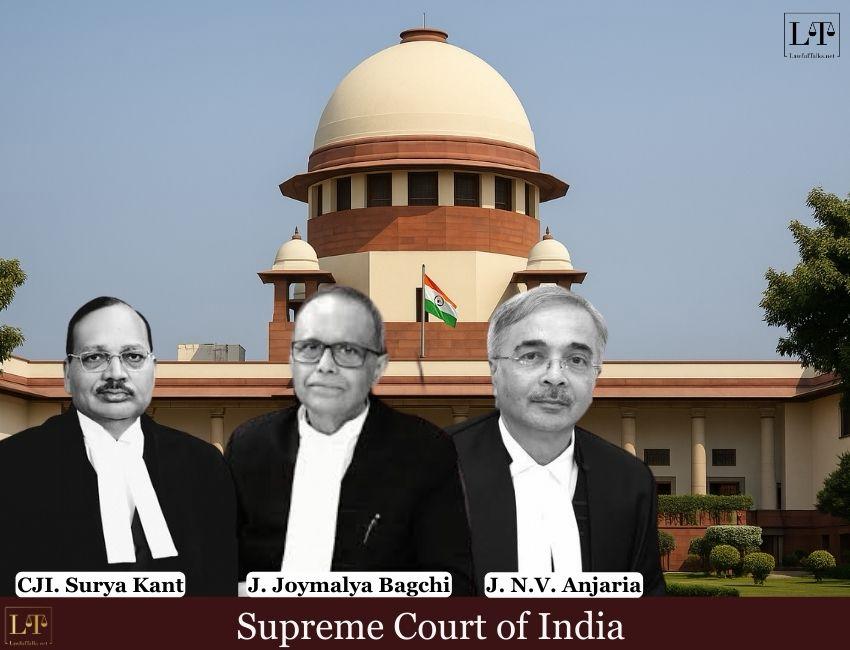
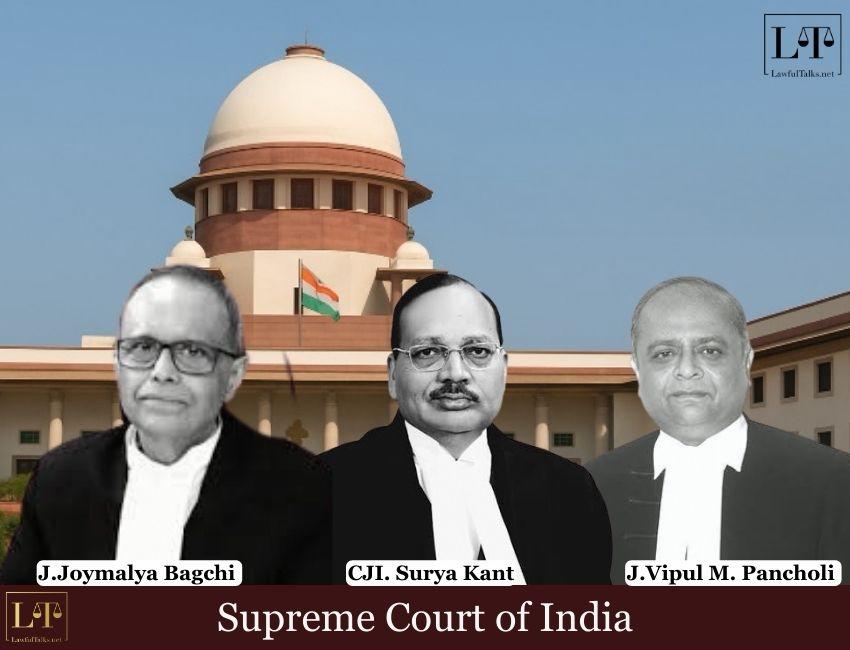
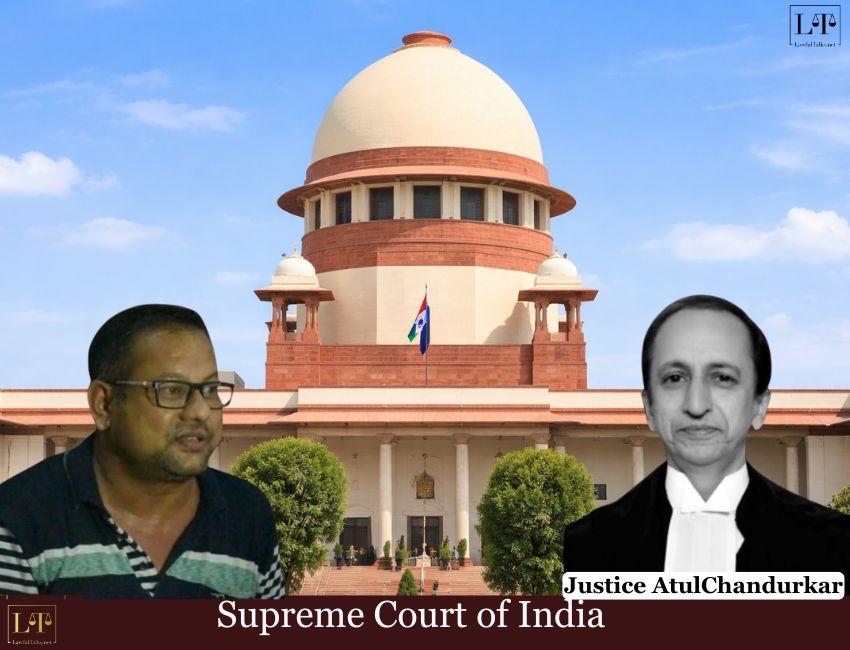
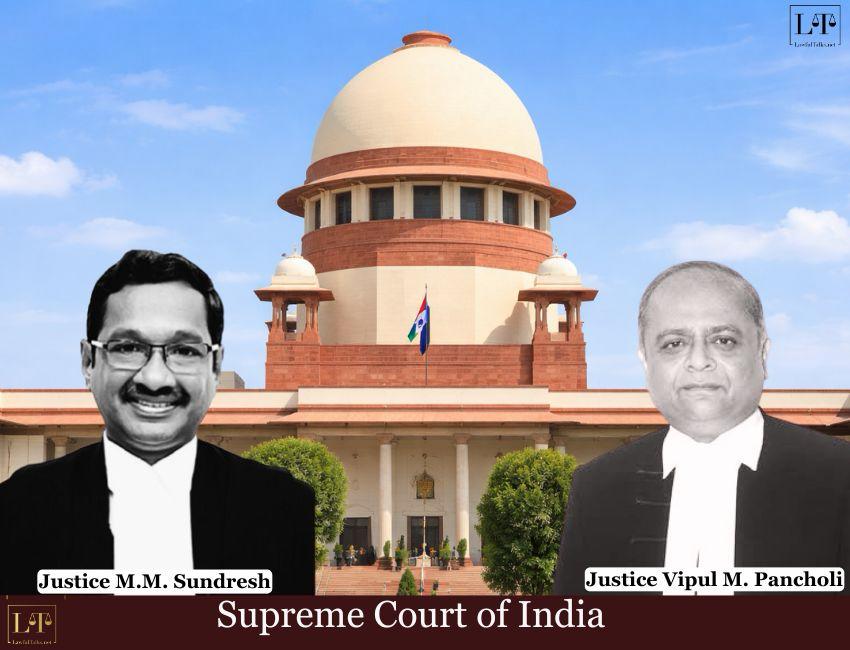
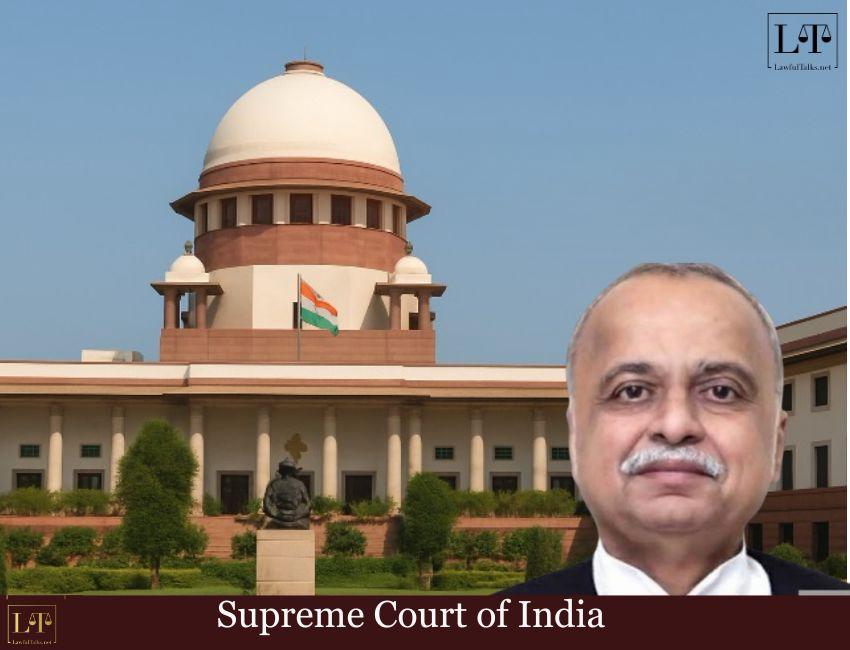
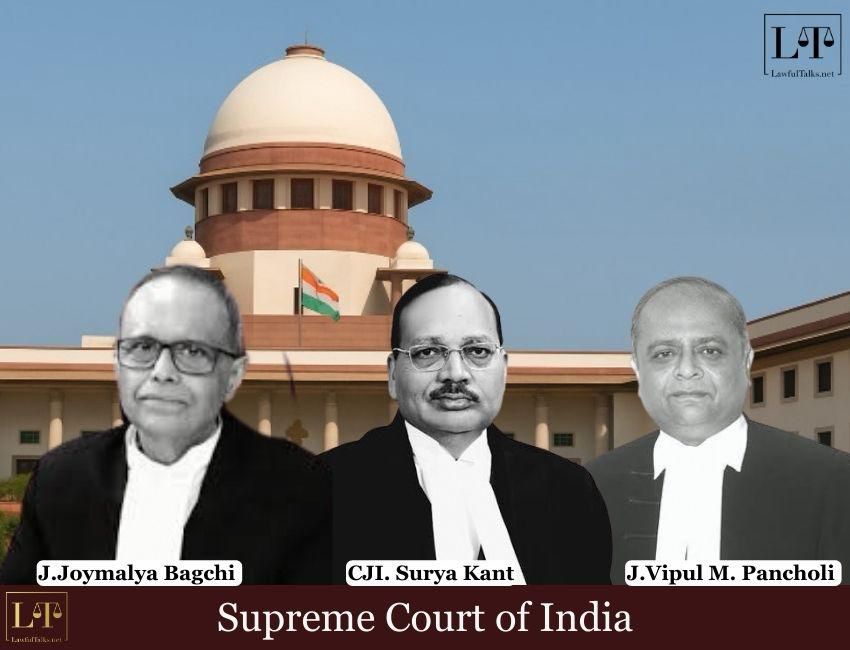
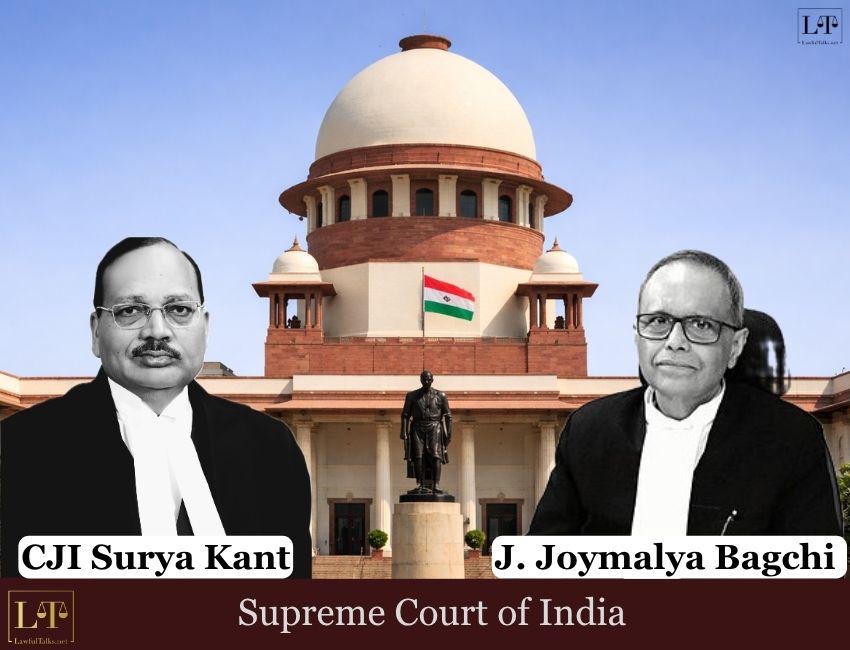
A Bench of CJI Surya Kant, Justice Joymala Bagchi and Justice Vipul Pancholi was examining whether two Office Memoranda (OMs) issued by the Union Government- which allow ex-post facto Environmental Clearances- are legally valid.
Facts:
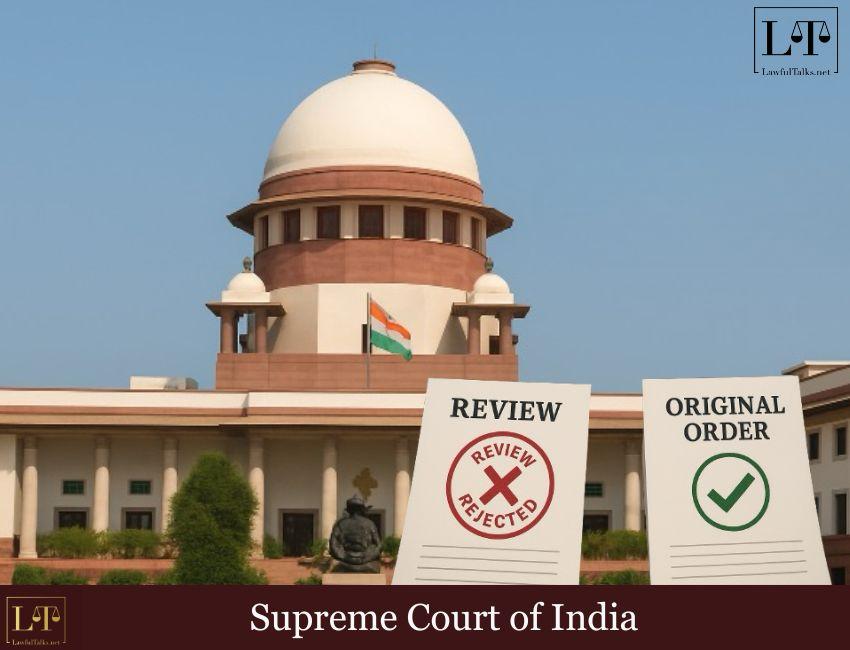
In November 2025, a three judge bench recalled the May 2025 judgement allowing the grant of ex-post facto Environmental Clearances and restored the cases to the file. The question before the CJI’s bench was whether this November 2025 order effectively upholds the Union Government’s Office Memoranda issued in 2017 and 2021, which permit the grant of ex-post facto Environmental Clearances.
Public Projects Affected By Judgment:
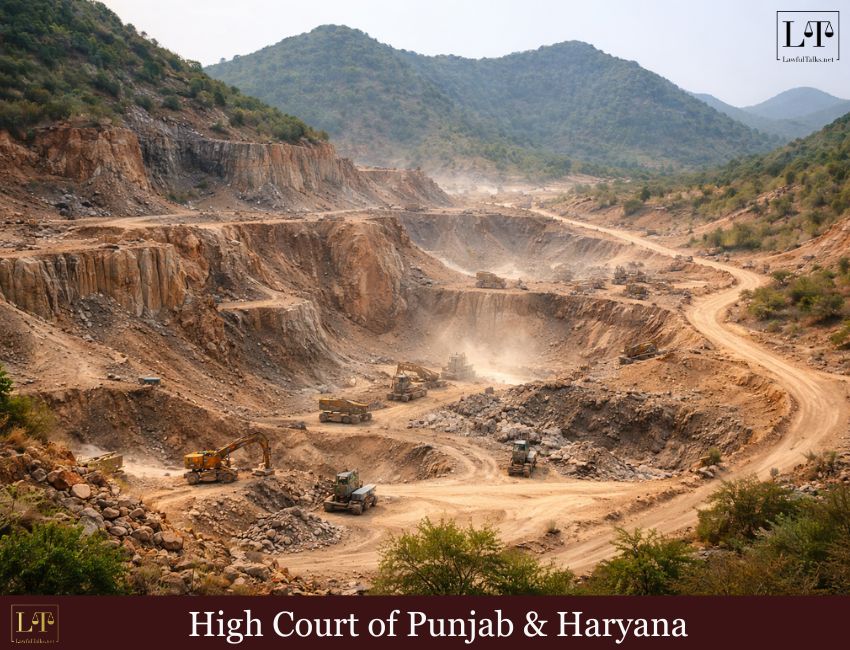
Solicitor General of India, Tushar Mehta, brought before the Chief Justice’s bench several public projects that were put into uncertainty because of the May 2025 judgment. These included a mining project of SAIL (Steel Authority of India Limited), a fully constructed airport in Karnataka, and the construction of a cancer hospital and a District Collectorate office in Tamil Nadu, which are now stalled due to the ruling.
The petitioners clarified that the review judgement did not clearly decide the validity of the Office Memoranda (OMs). They said that although the earlier judgment invalidating the OMs was recalled, the main case has been restored to the file for fresh consideration.
Court’s Observations:
Bench Says Ruling Contrary To Precedents
The bench said the May 2025 judgement went against the earlier Supreme Court precedents, and that the review judgement contains observations approving the 2017 and 2021 OMs. Justice Bagchi also referred to paragraph 140 of the review judgement, which disapproved of demolishing completed projects.
CJI Kant noted that the review judgement said the Supreme Court’s Common Cause precedent did not bar the grant of ex-post facto Environmental Clearances. Similarly, Justice Bagchi said it needs to be considered whether the observations in the review judgement are “binding precedents” or only tentative views meant to reopen the issue.
Justice Bagchi further explained that the basic rule of a review is that it only sets aside the earlier judgment and does not decide the case finally.
"The thing to be seen is if the finding binds us. It is by a coordinate bench," Justice Bagchi noted.
Lawyers in court also referred to the dissenting opinion in the review judgment. It said earlier precedents — Common Cause (2018) and Alembic Pharmaceuticals (2020) — had clearly ruled against granting ex-post facto Environmental Clearances. Because of this, the judgments that upheld the 2021 Office Memorandum (OM) — D. Swamy v. Karnataka State Pollution Control Board (2021) and Pahwa Plastics Private Limited v. Dastak NGO (2023) — were considered per incuriam.
CJI Criticises Two-Judge Bench Approach:
After noting this, Chief Justice Surya Kant expressed displeasure with the approach of the two-judge bench, saying it should have “considered the entire case law at that time before taking a view instead of unnecessarily creating uncertainty.”
Accepting the review bench’s per incuriam finding regarding the May 2025 judgment, the CJI added that the present bench would hear the case with an open mind.
The Bench was also informed about a recent notification issued on January 20 by the Ministry of Environment and Forests, which is waiting for the Supreme Court’s final decision.
The matter is to be examined on February 25.
Case Details: Vanashakti v Union of India W.P.(C) No. 1394/2023 and connected cases.















































































































































Sign up for free and be the first to get notified about curated content just for you.