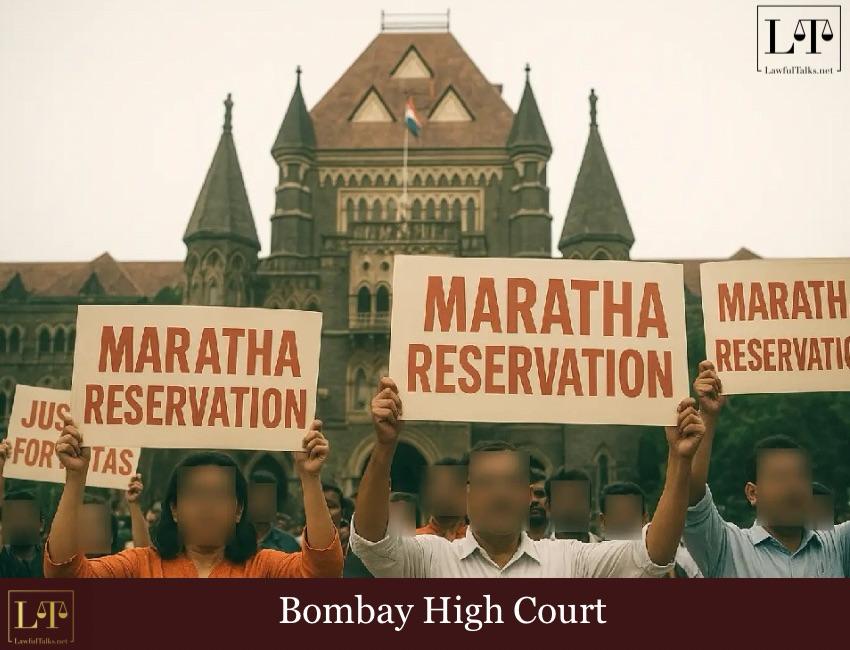
Court Notice On WhatsApp? Bombay HC Says It’s Valid Service

- February 18, 2026


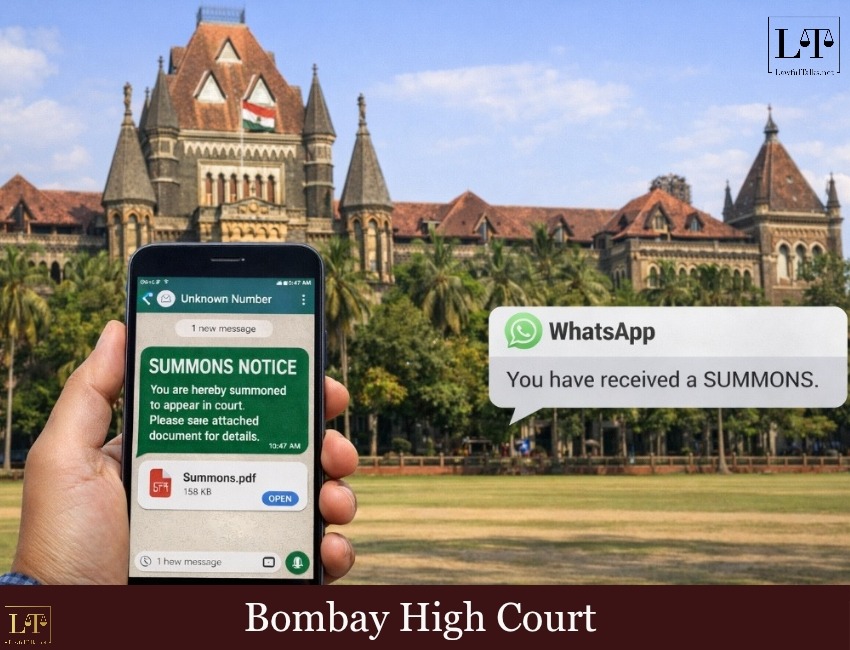
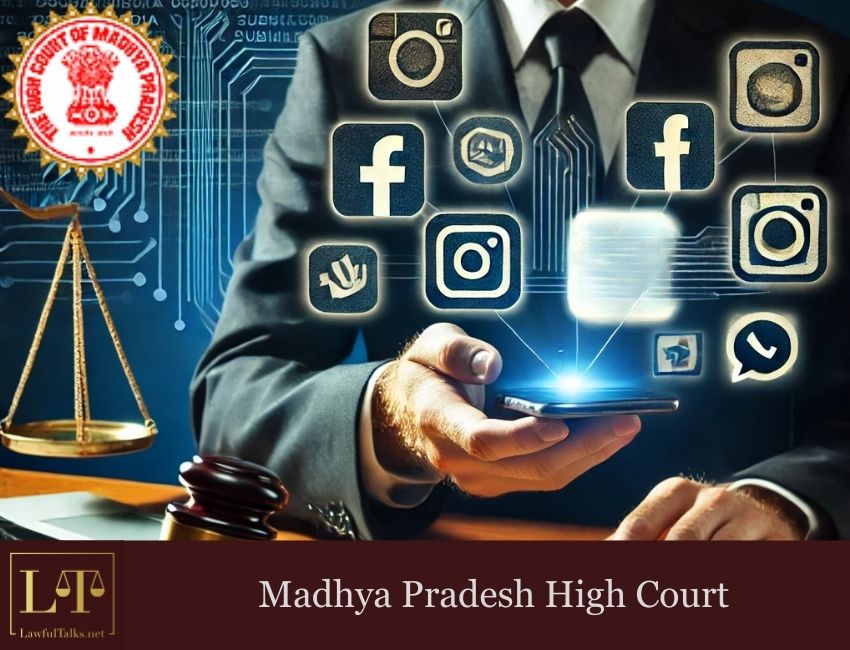
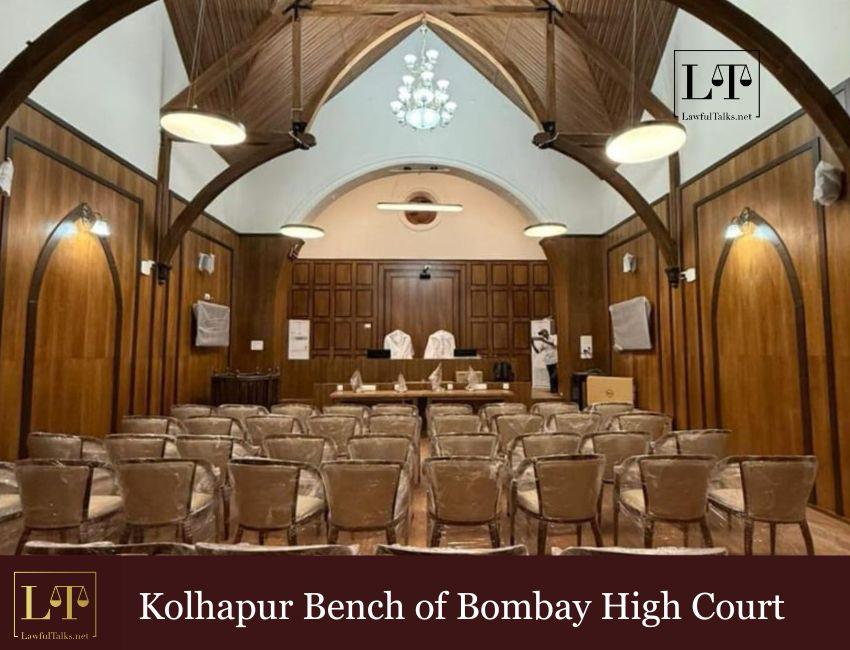
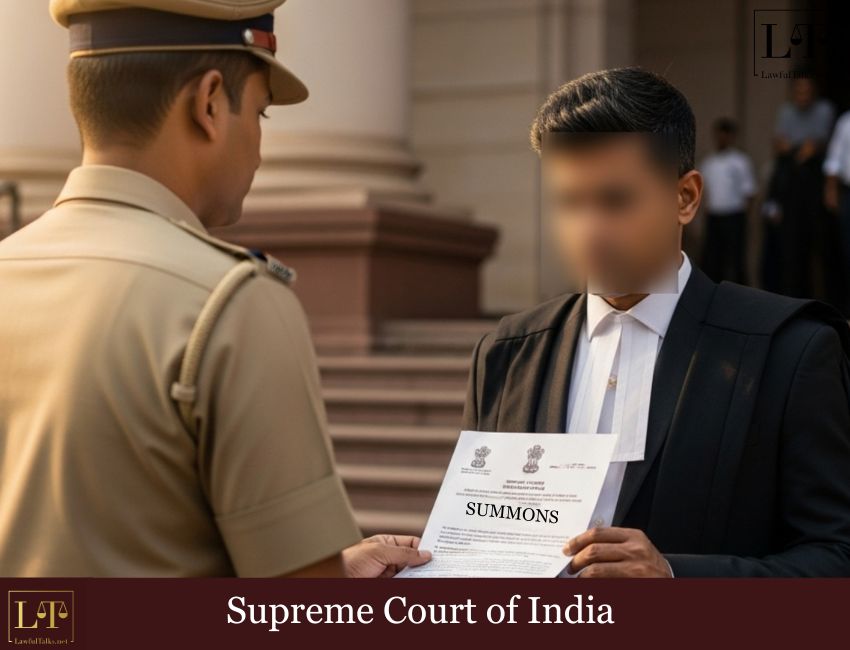
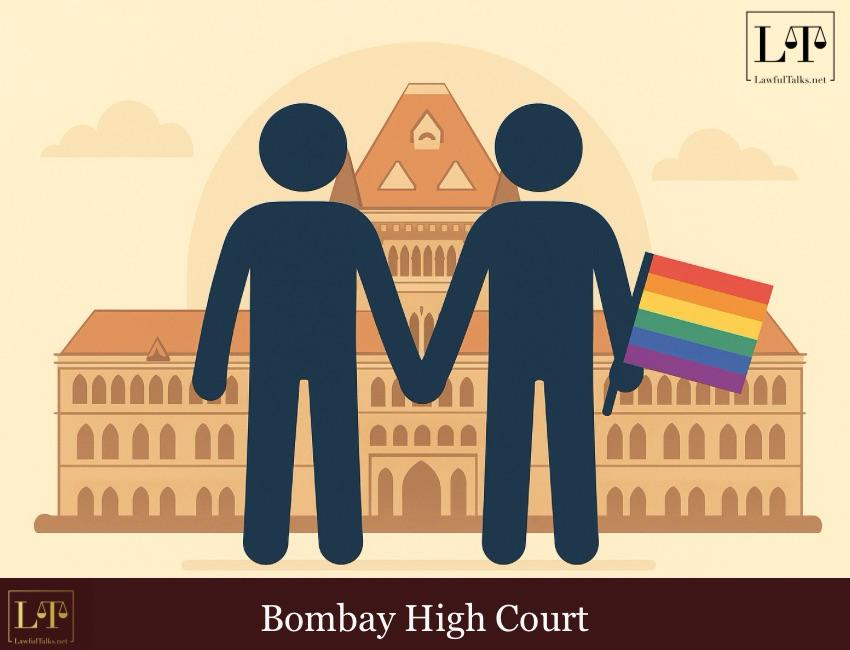
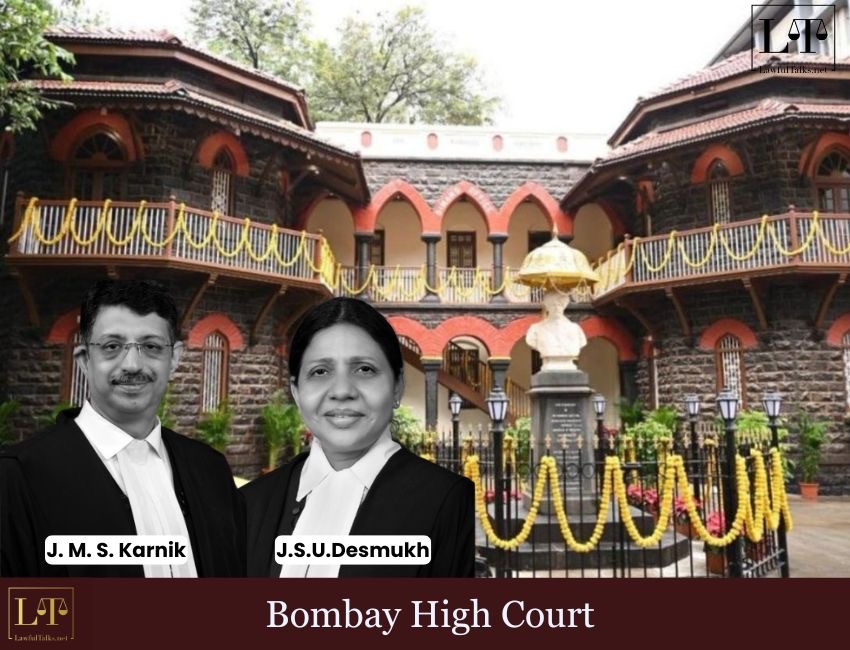
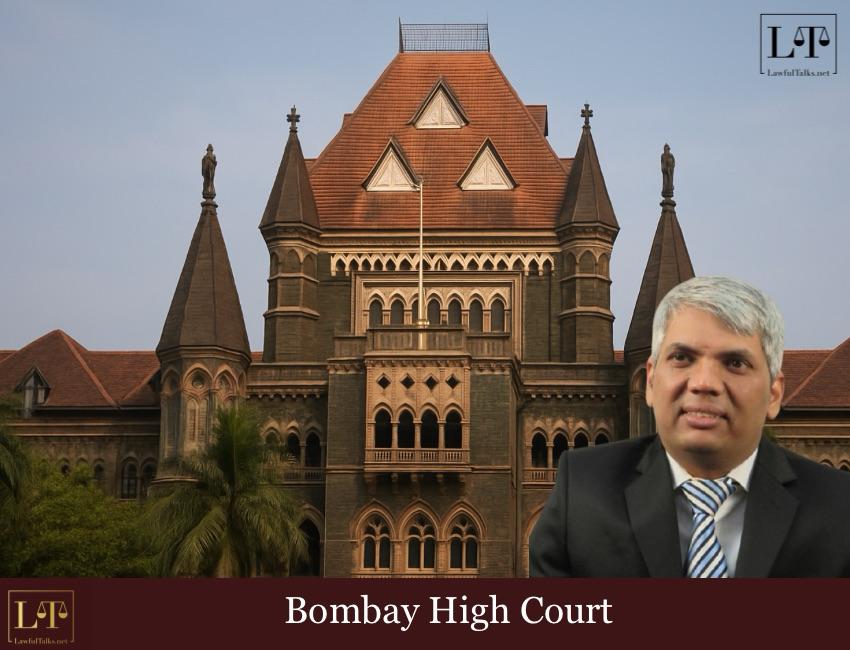
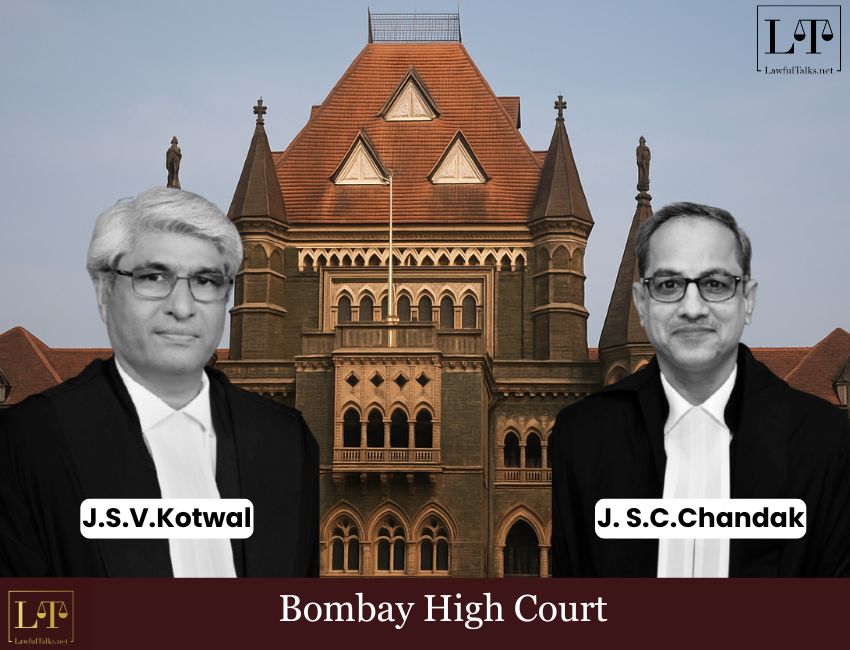
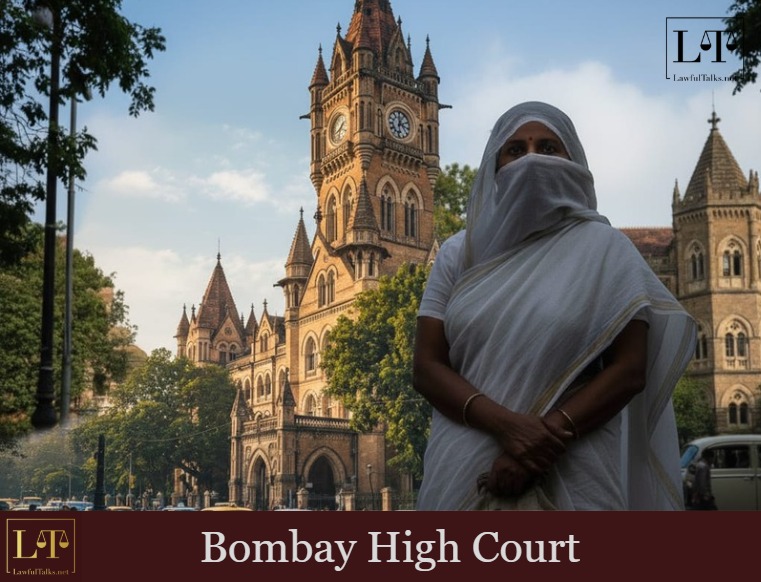
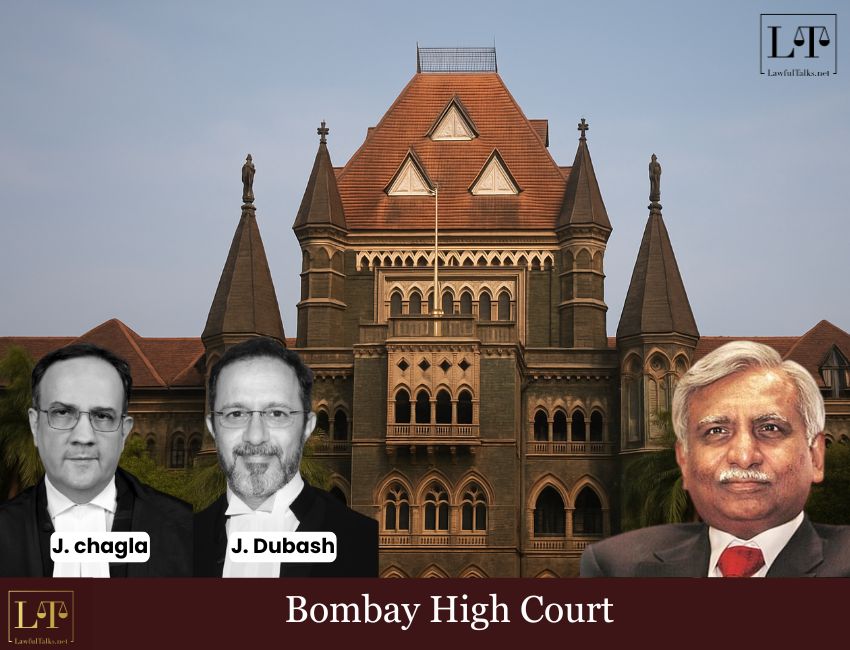
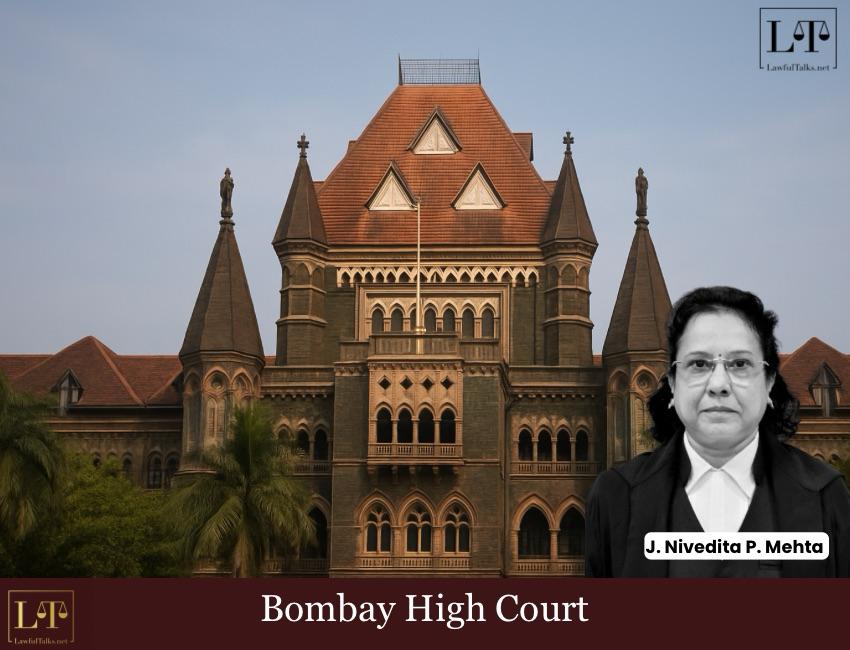
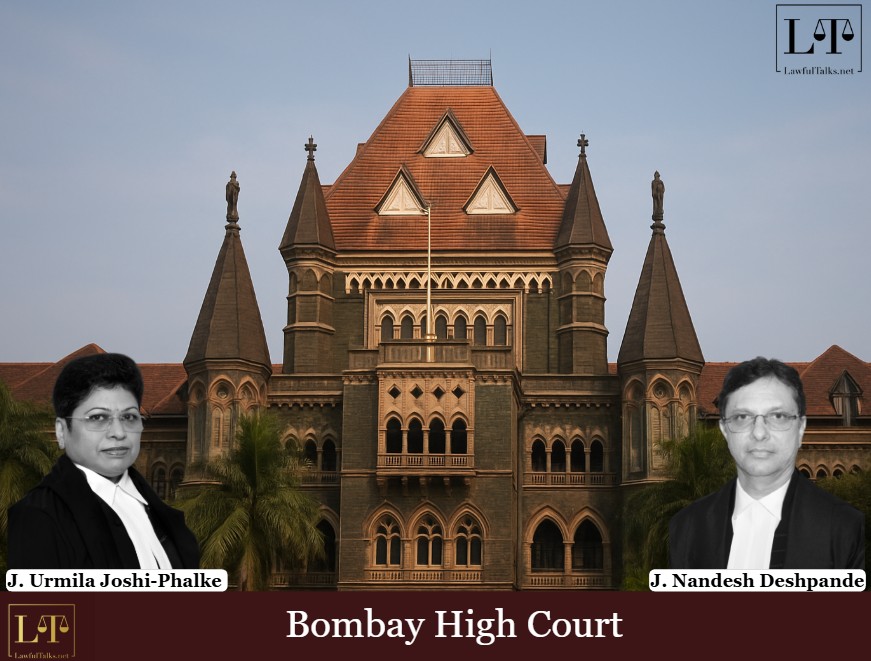
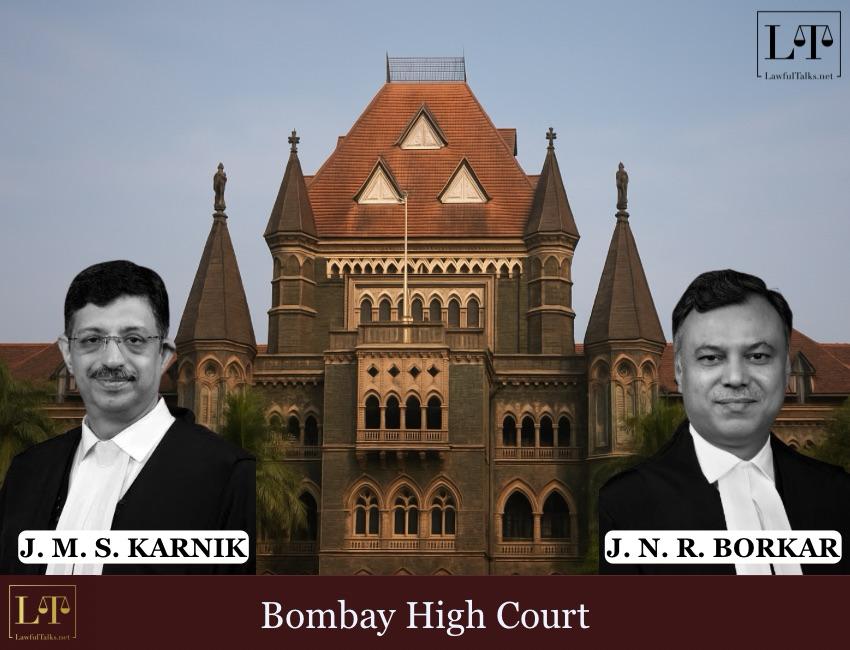
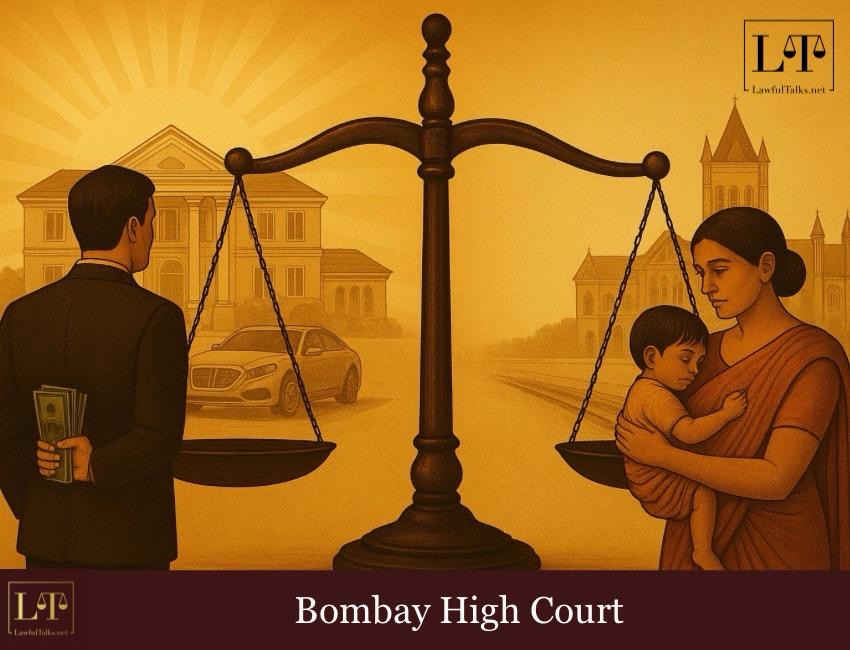
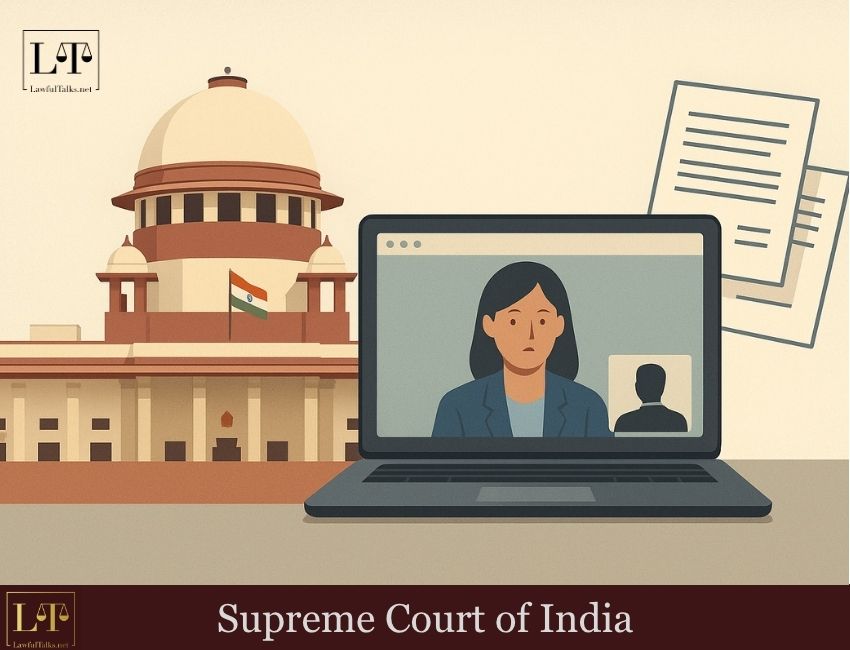
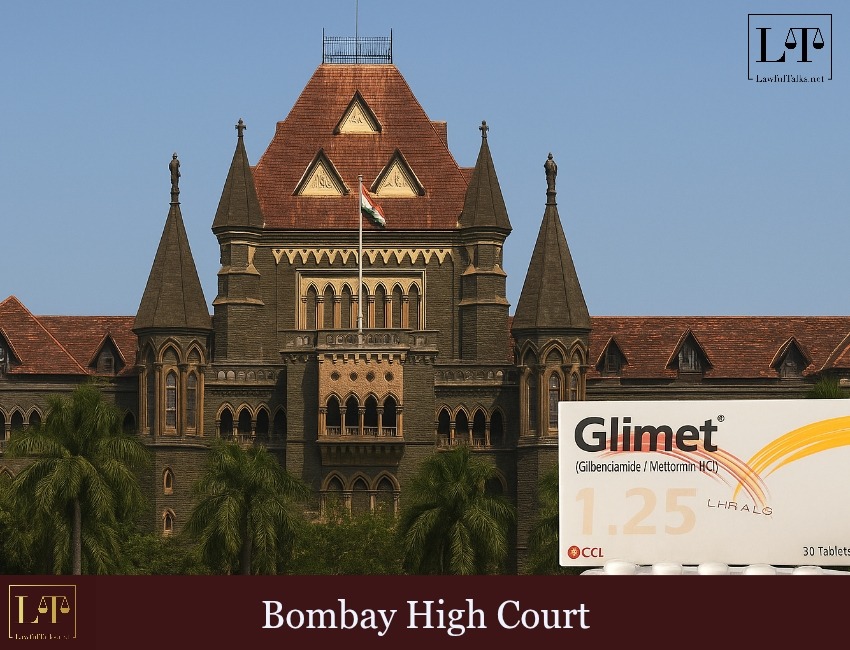
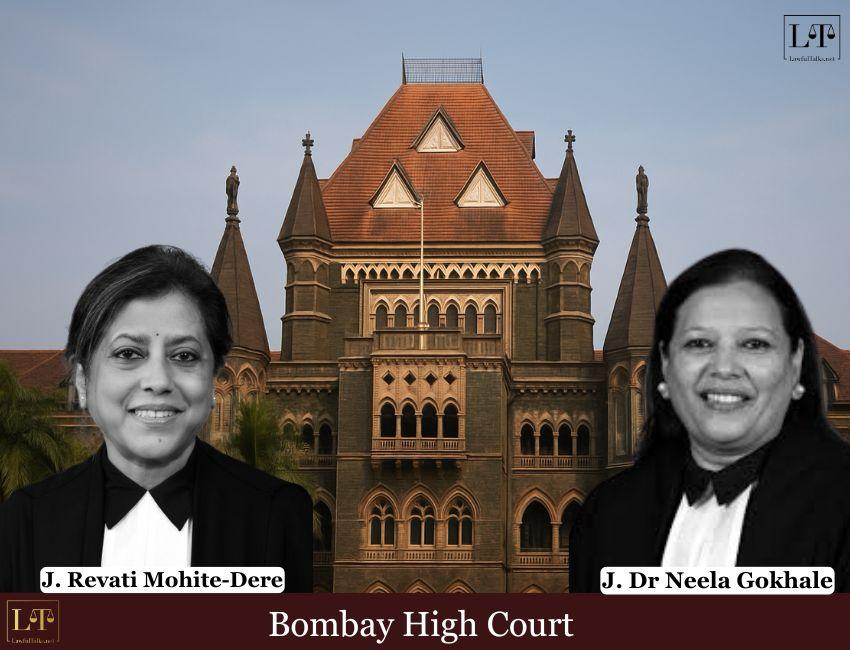
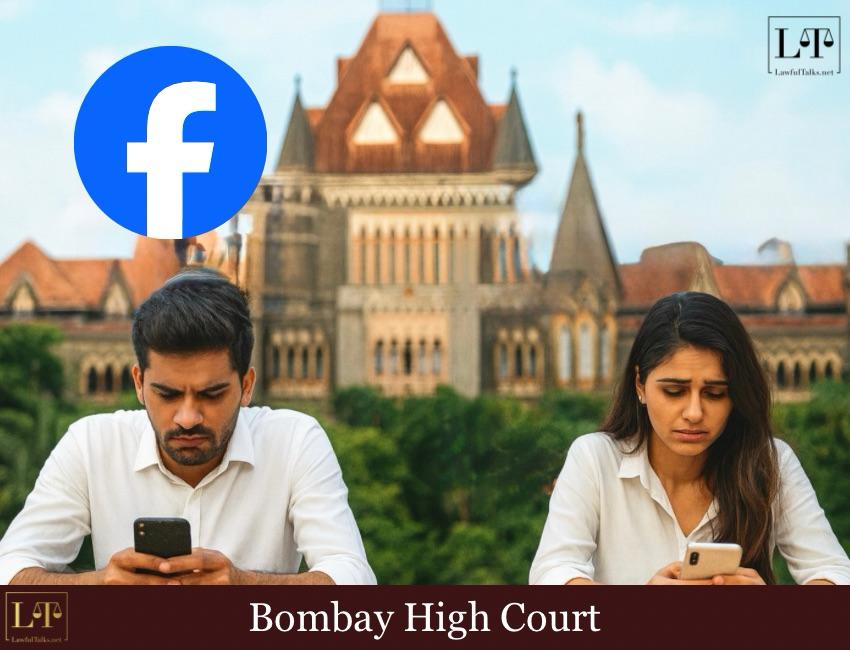
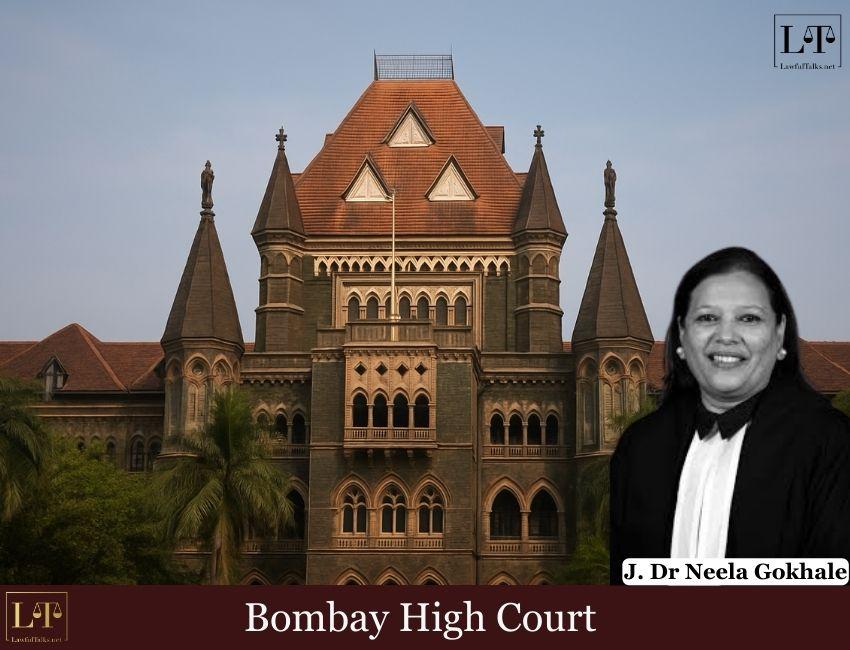
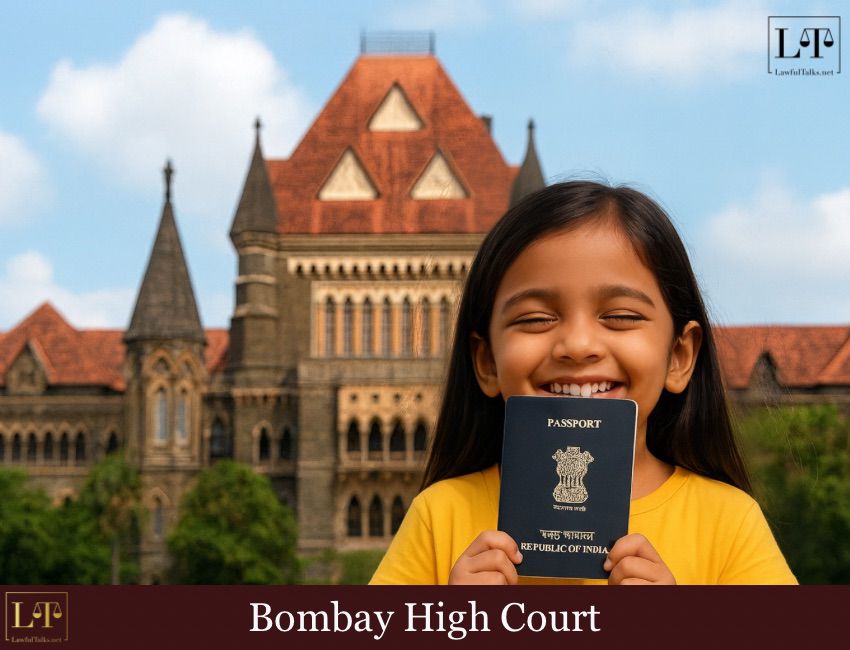
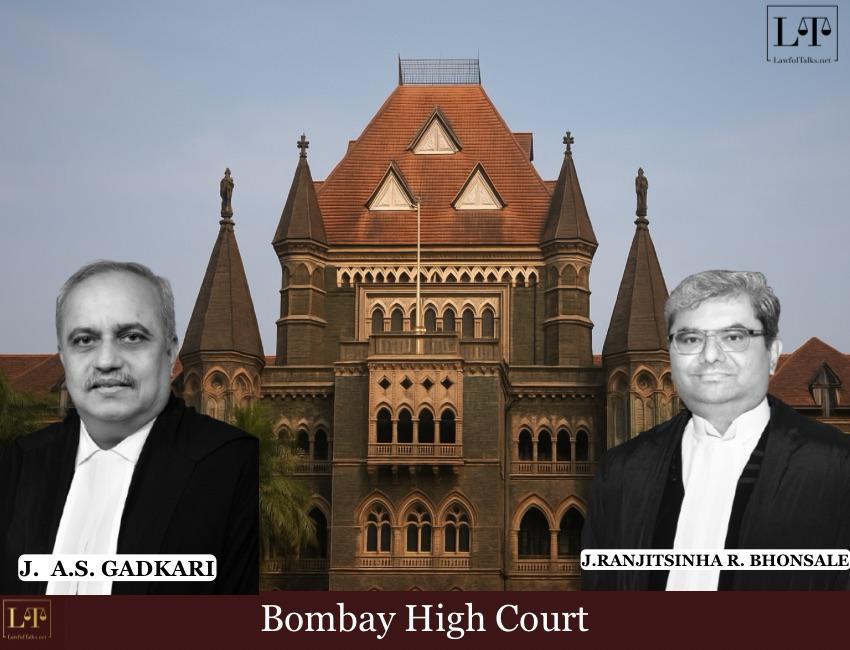
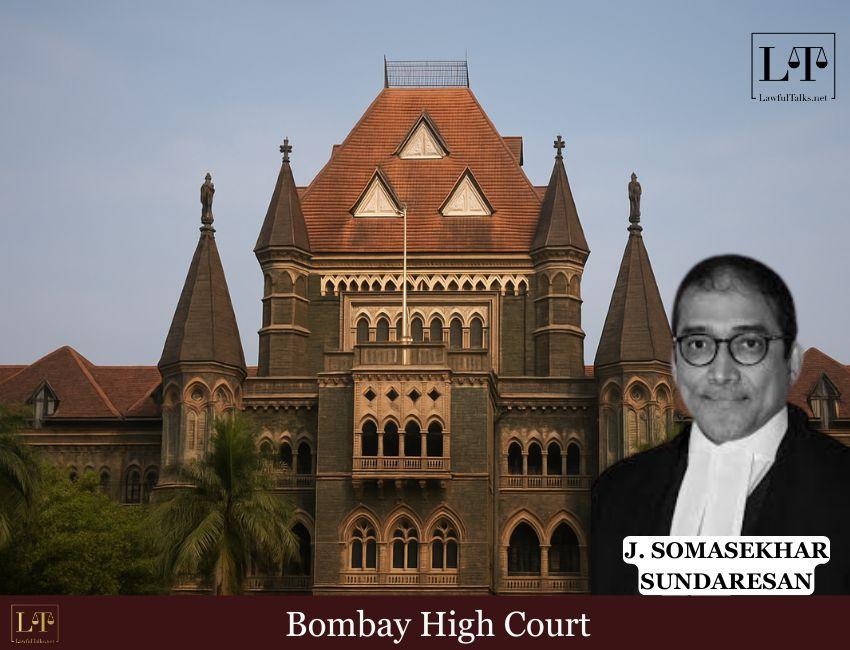
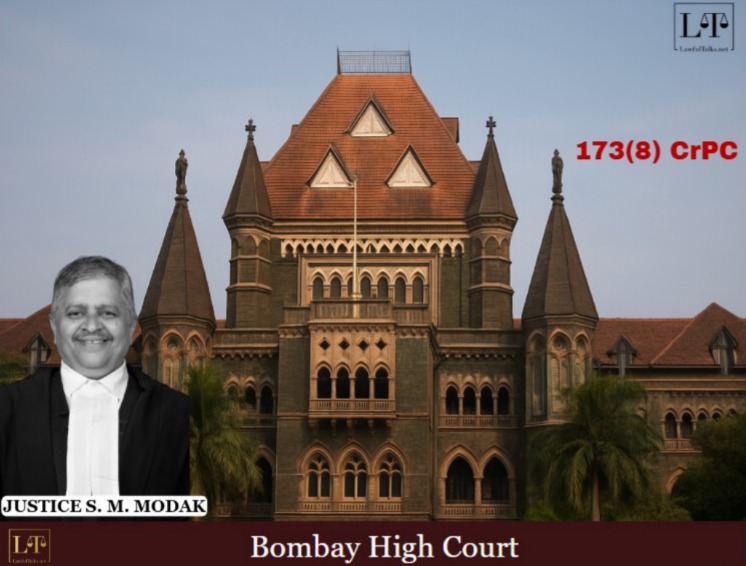
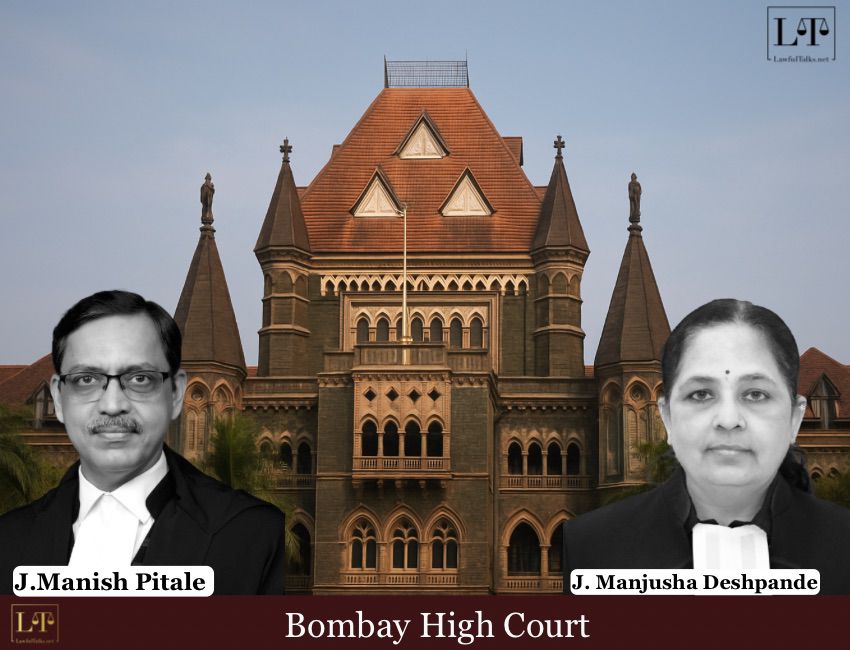
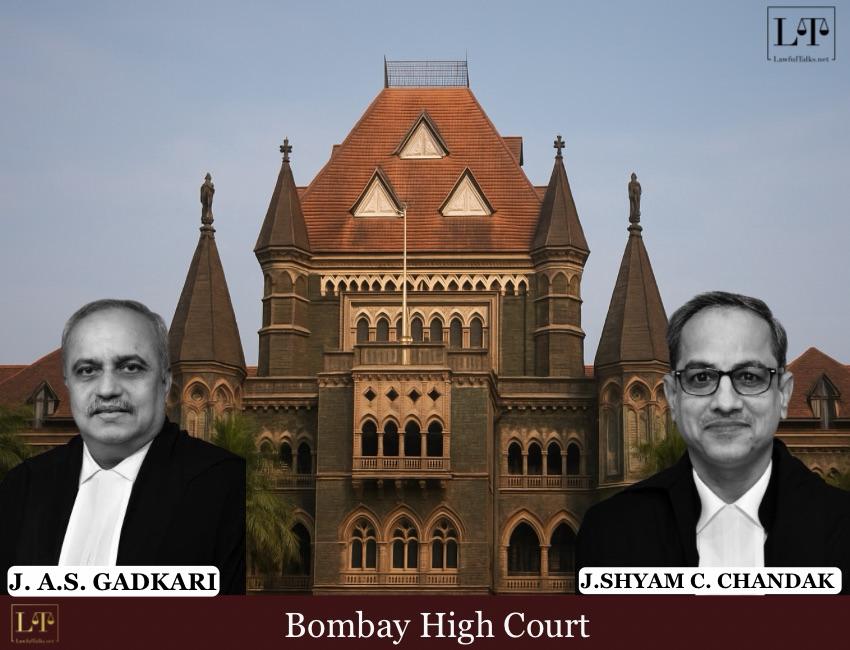
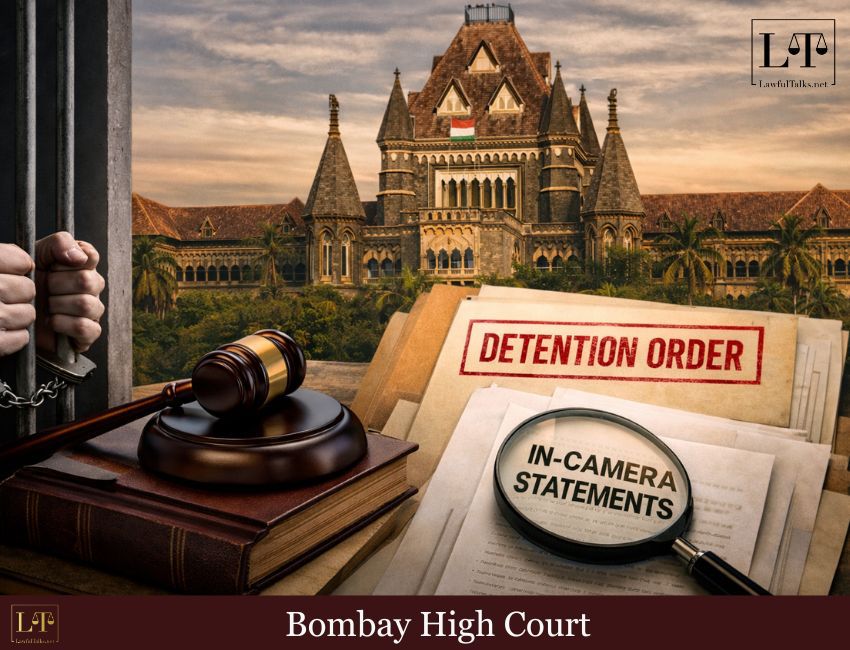
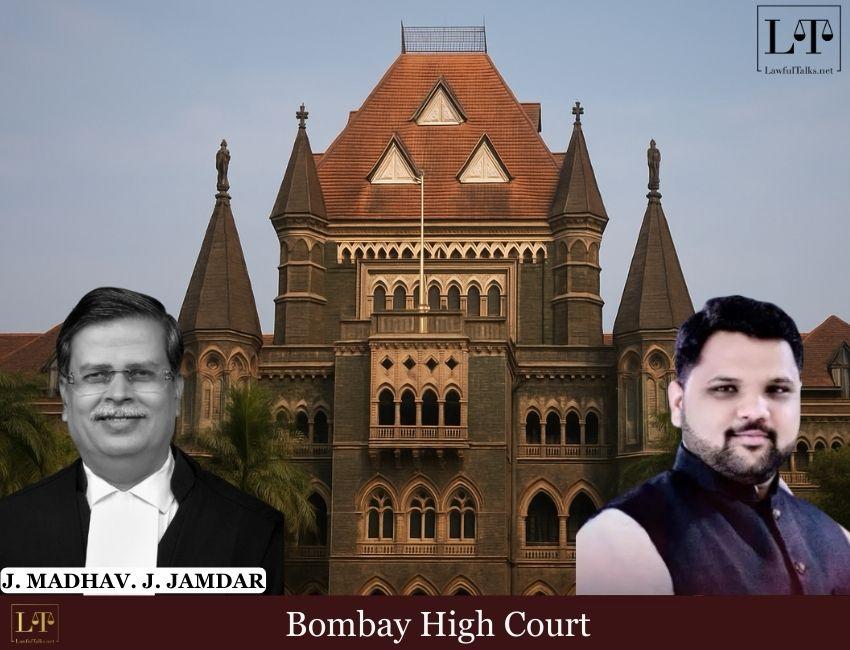
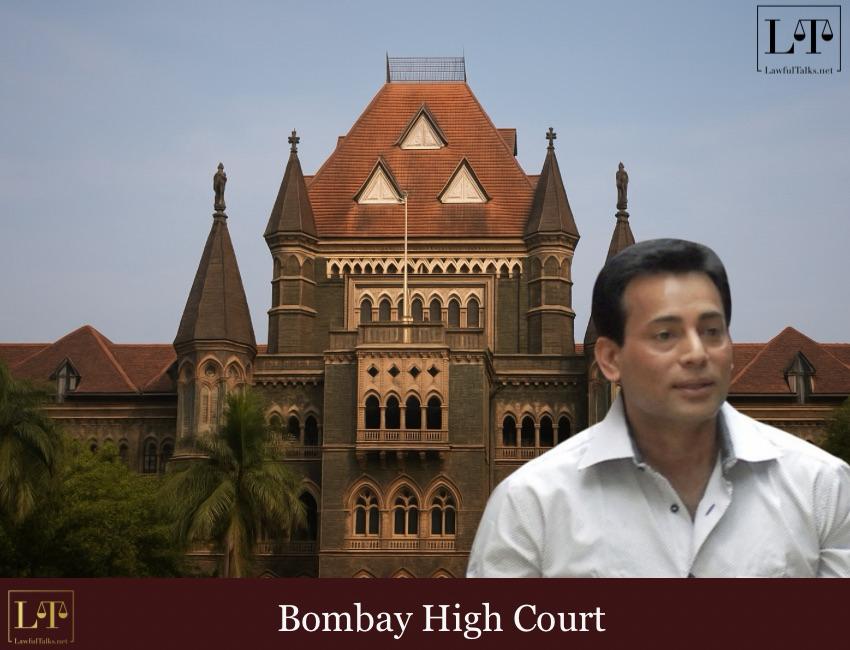
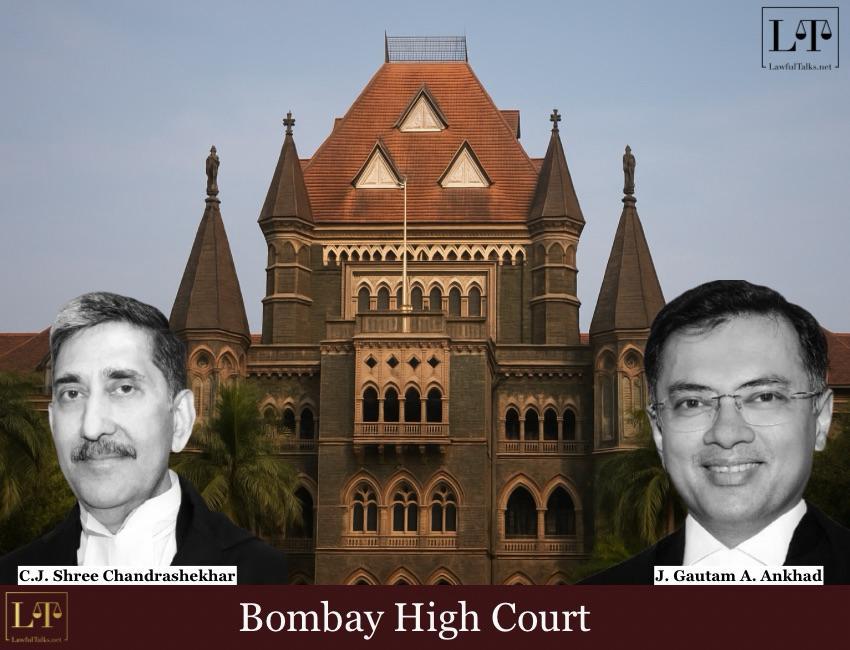
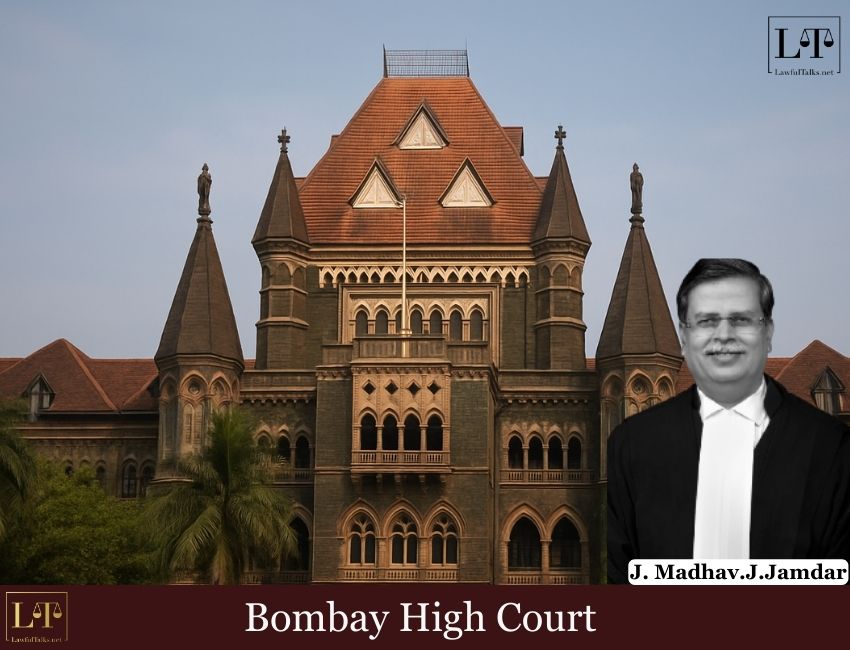
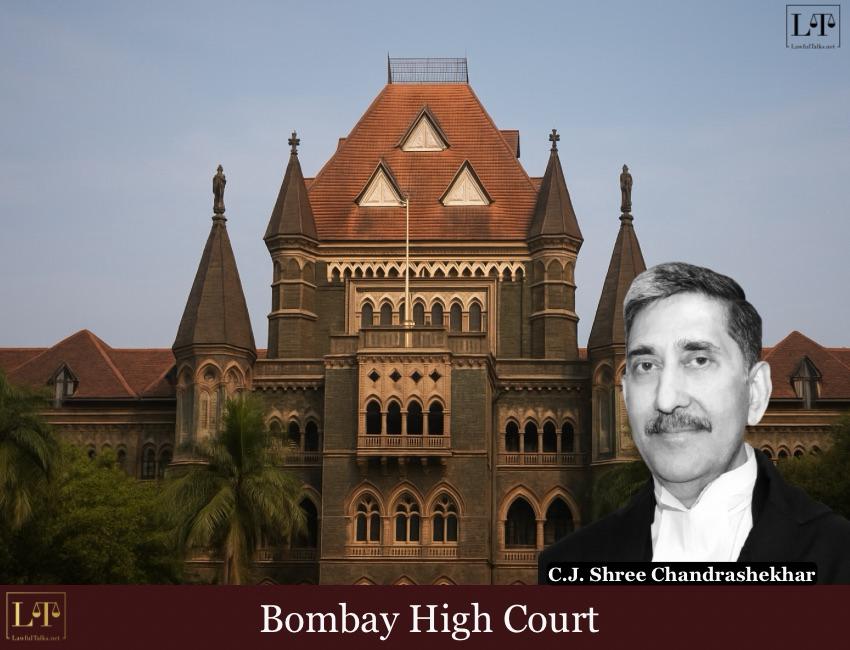
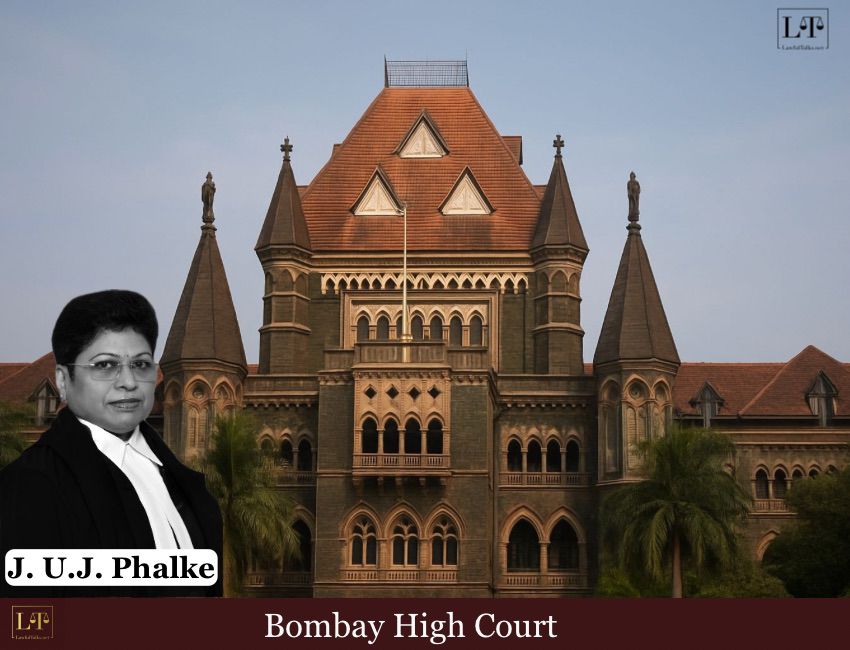
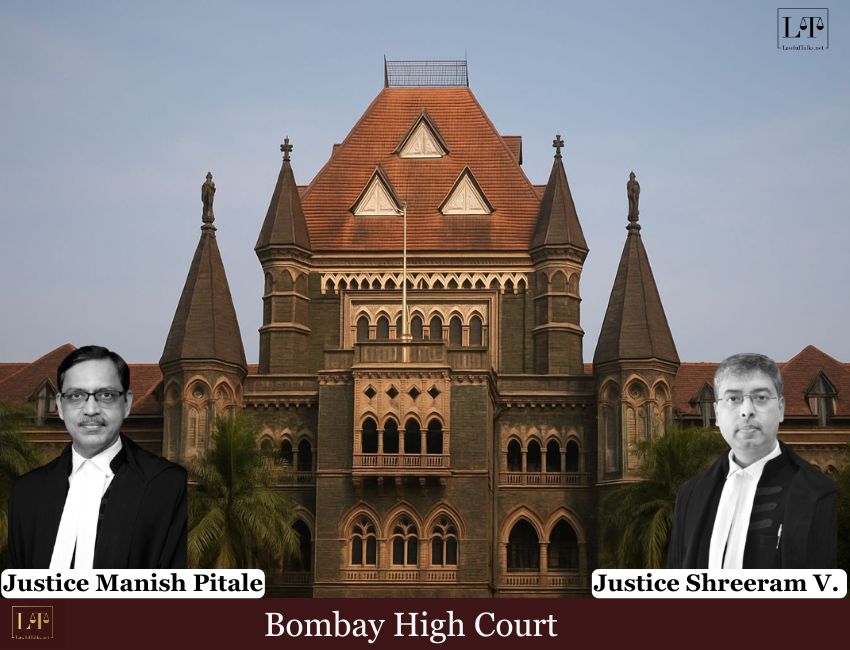
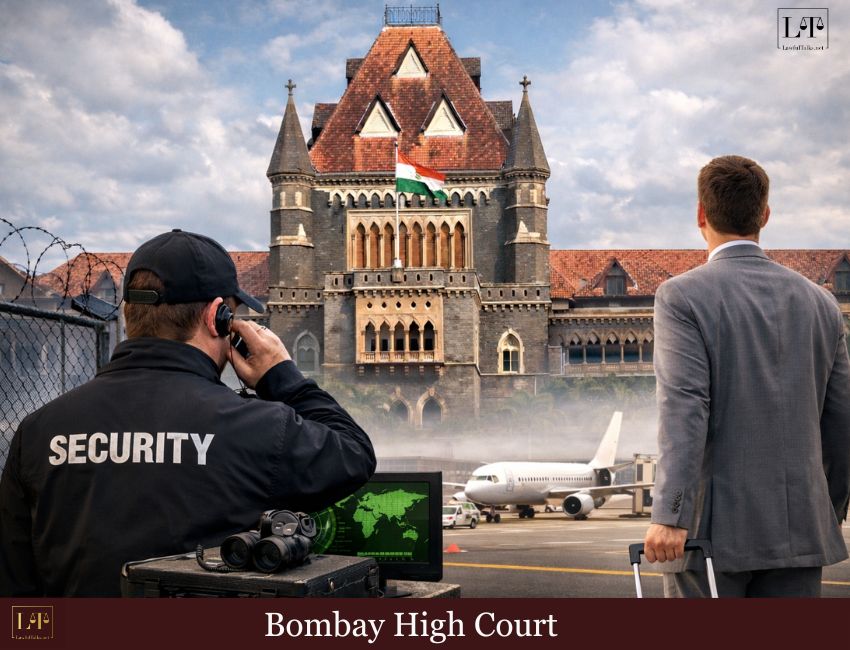
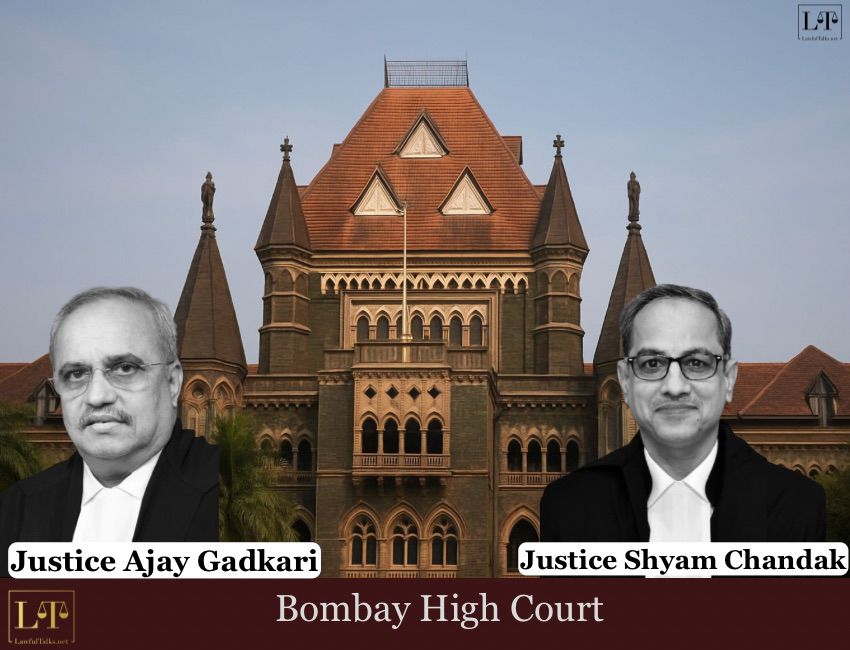
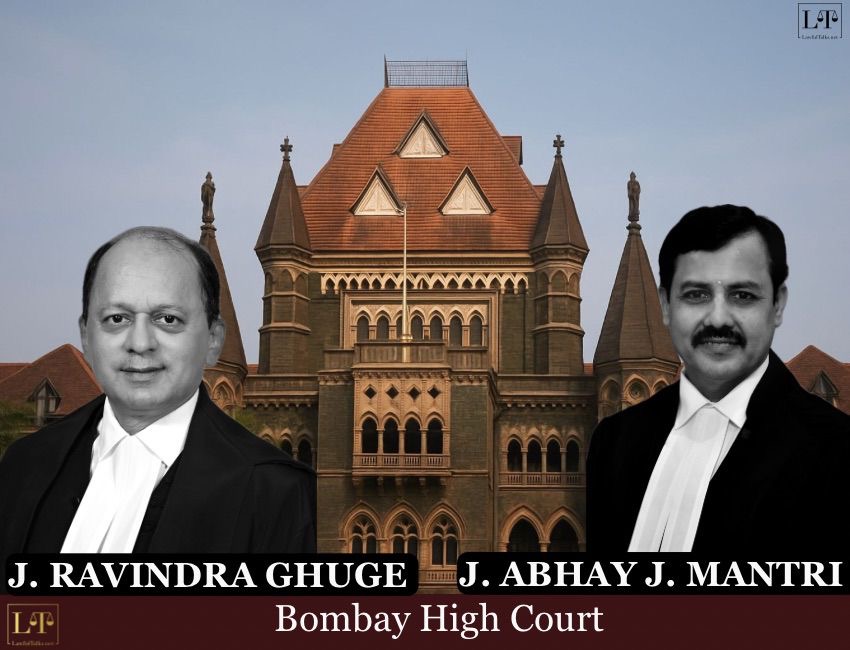
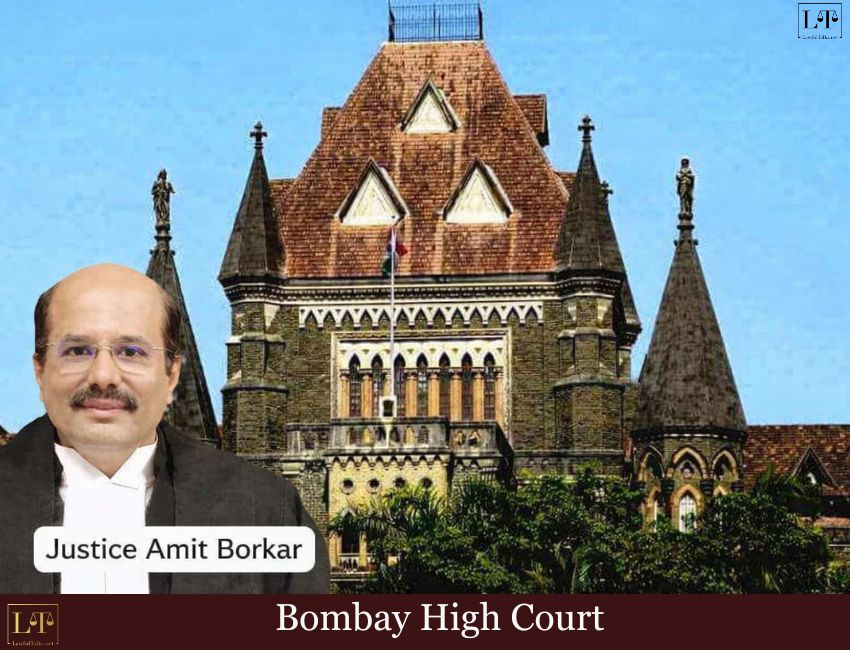
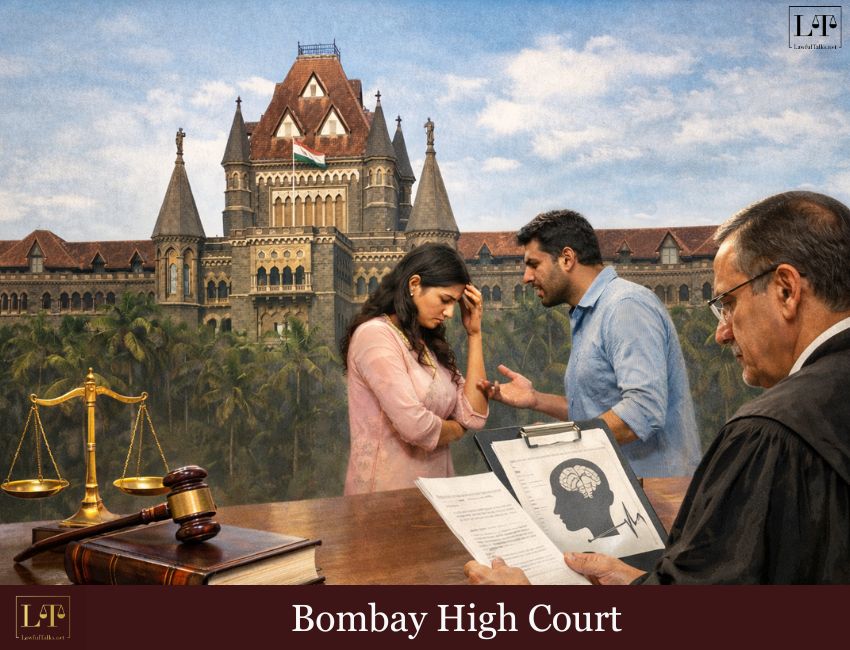
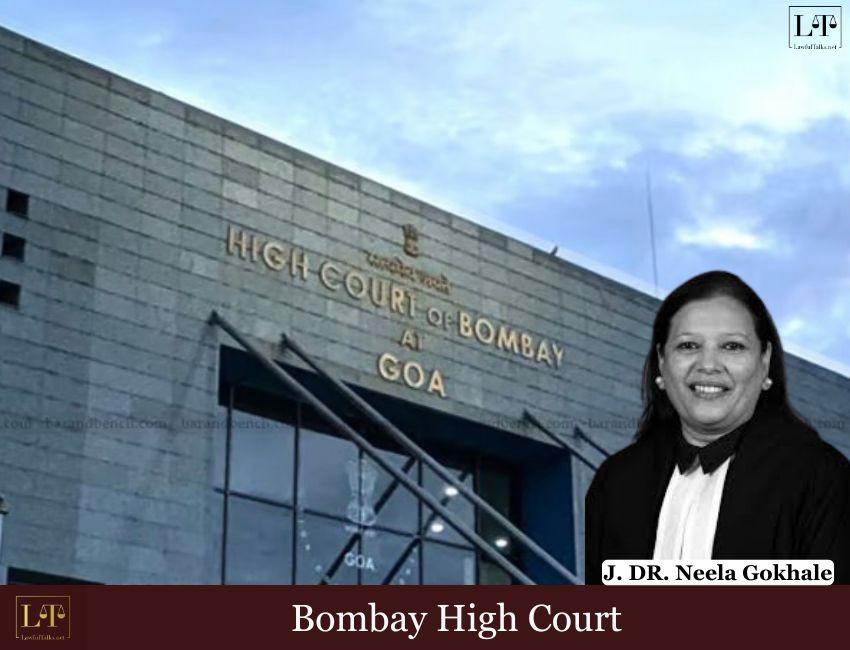
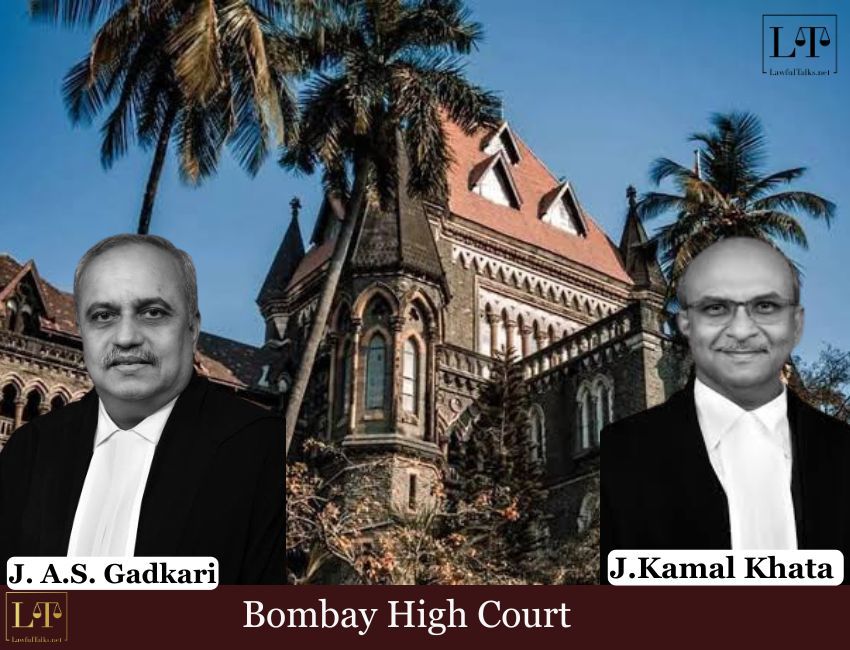
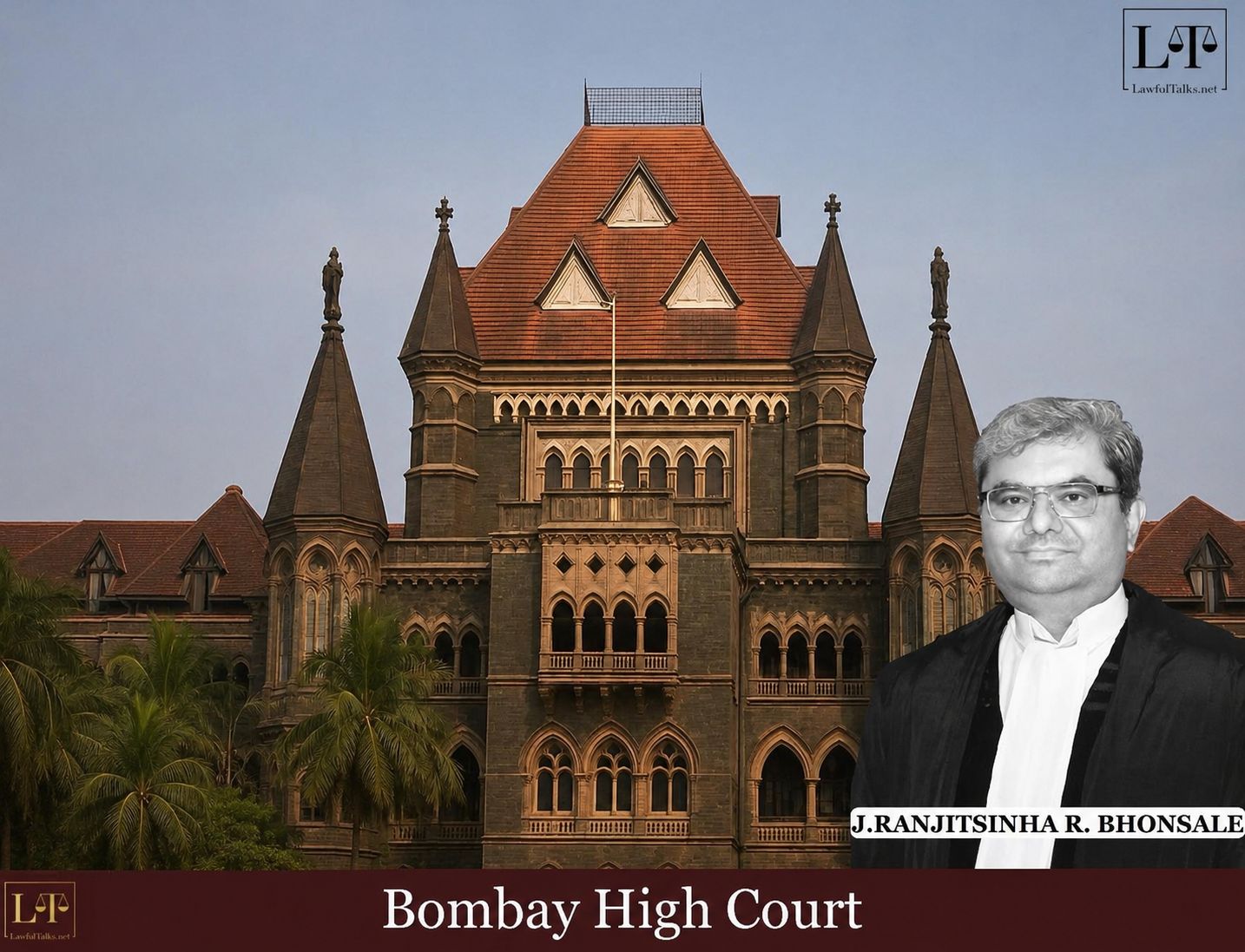
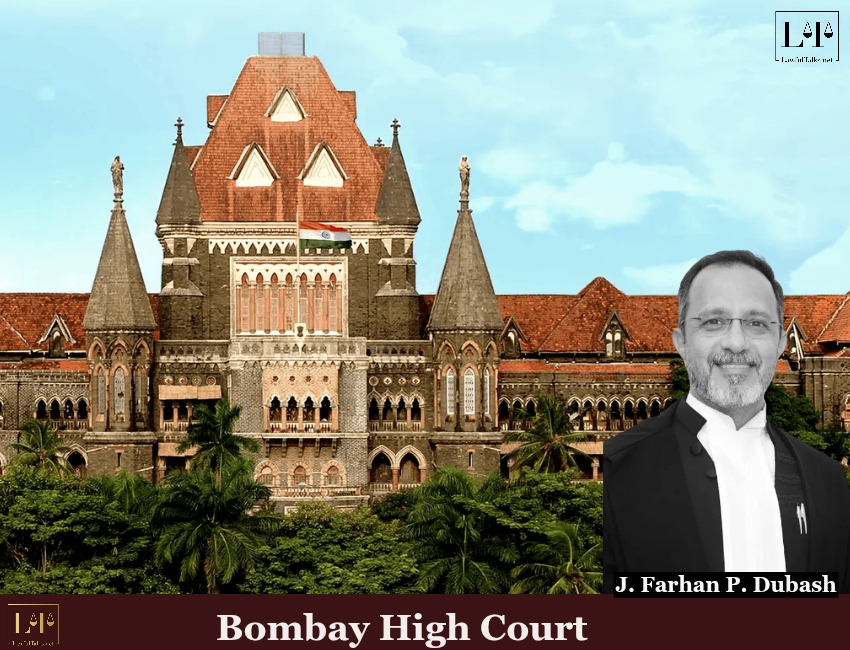
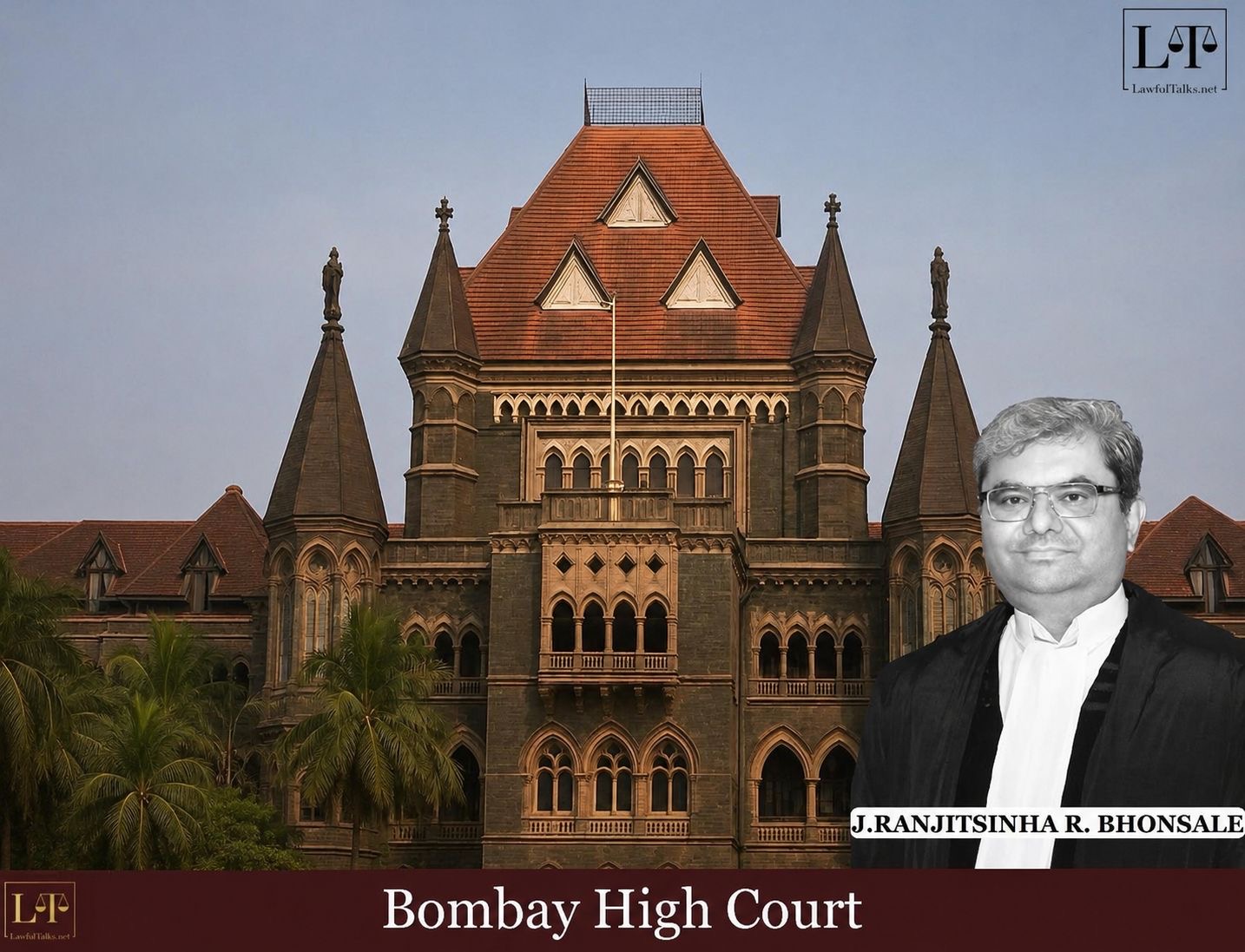
In an important decision by the Nagpur bench of the Bombay High Court, Justice Urmila Joshi-Phalke has affirmed that sending court summons through electronic methods- including mobile phones and WhatsApp- is completely valid under the Bharatiya Nagarik Suraksha Sanhita (BNSS).
Facts of the Case:
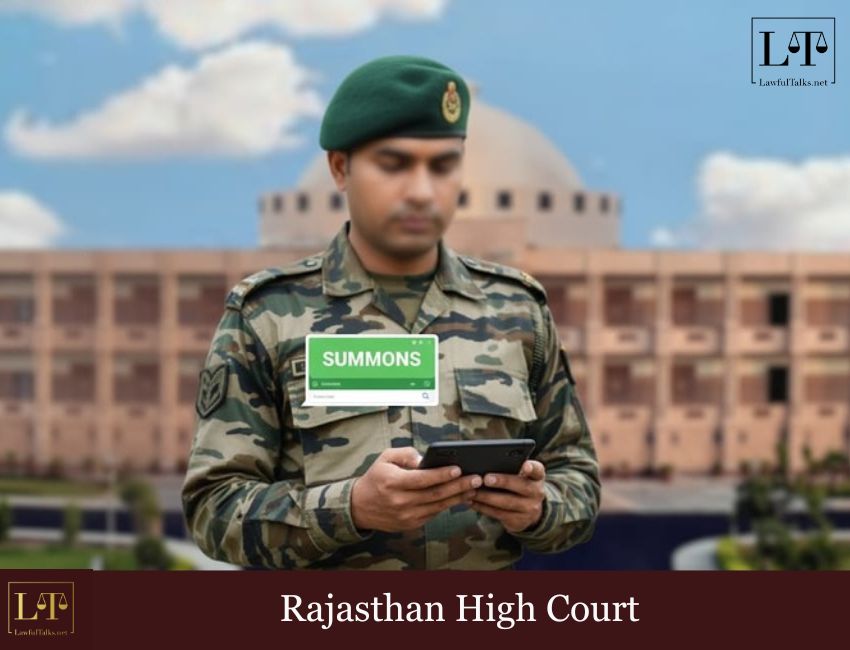
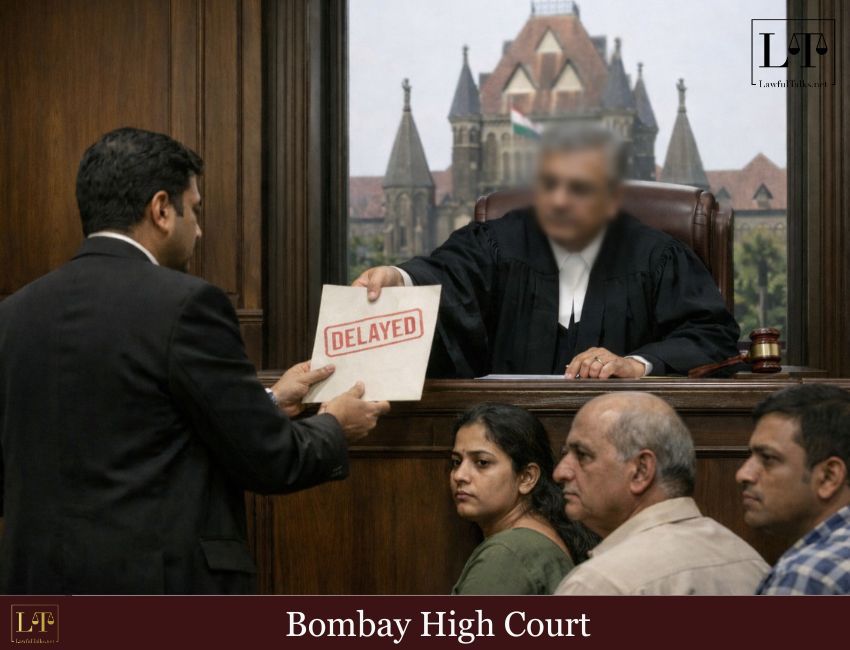
Based on this view, the High Court set aside the penalty imposed by the Special POCSO Court on a police constable. The constable had been accused of improper service in a child abuse case because he sent summons to prosecution witnesses through WhatsApp. Public Prosecutor D.V. Chauhan challenged the Special Court’s January 21 order, arguing it ignored important provisions of the BNSS, specifically Sections 70 and 530.
While examining these provisions, Justice Joshi-Phalke explained the updated rule in section 70 about proving service of summons when the serving officer is not present.
"The sub-Section (3) specifically states that all summons served through electronic communication under sections 64 to 71 shall be considered as duly served and a copy of such electronic summons shall be attested and kept as a proof of service of summons as well as Section 530 of the BNSS also deals with the aspect of trial and proceedings to be held in electronic mode. After going through these provisions it reveals that now the electronic mode is very well accepted by the amendment in BNSS," the judge observed in the order.
Purpose of Summons Explained:
Referring to the earlier case Kross Television India Pvt. Ltd. vs Vikhyat Chitra Production (2017), the court emphasized that the main purpose of a summons is primarily to inform the person receiving it.
"The purpose of service is to put the other party to notice and to give him a copy of the papers. The mode is surely irrelevant. Here in the present case also as the communication was already there as initially the summons was already served and the witnesses were bond over therefore, the communication through the mobile phone by the Constable regarding the information of date is of course not illegal it was only the purpose which required to be seen and now the mobile service by the electronic media is already accepted in view of Section 70 of BNSS," the judge elaborated.
The High Court held that the POCSO court had ignored these rules and wrongly imposed a fine on the constable, and therefore it fully quashed the order.
Case Details: State of Maharashtra vs Satish Sanjay Ramteke. [Criminal Application 222 of 2026]


































































































































Sign up for free and be the first to get notified about curated content just for you.