If You Live, You’re Liable: SC Rules Surviving Suicide Pact Is A Crime

- February 20, 2026


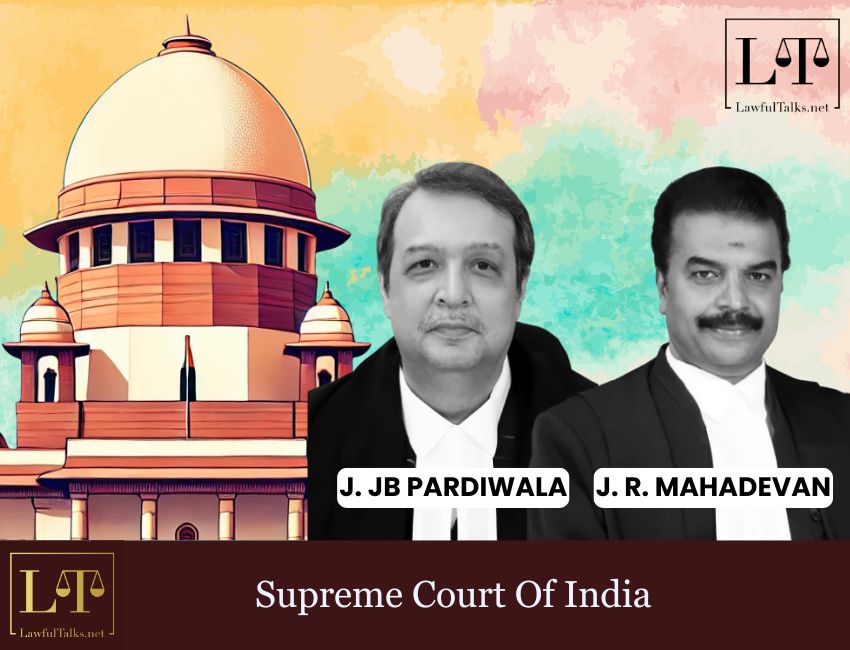
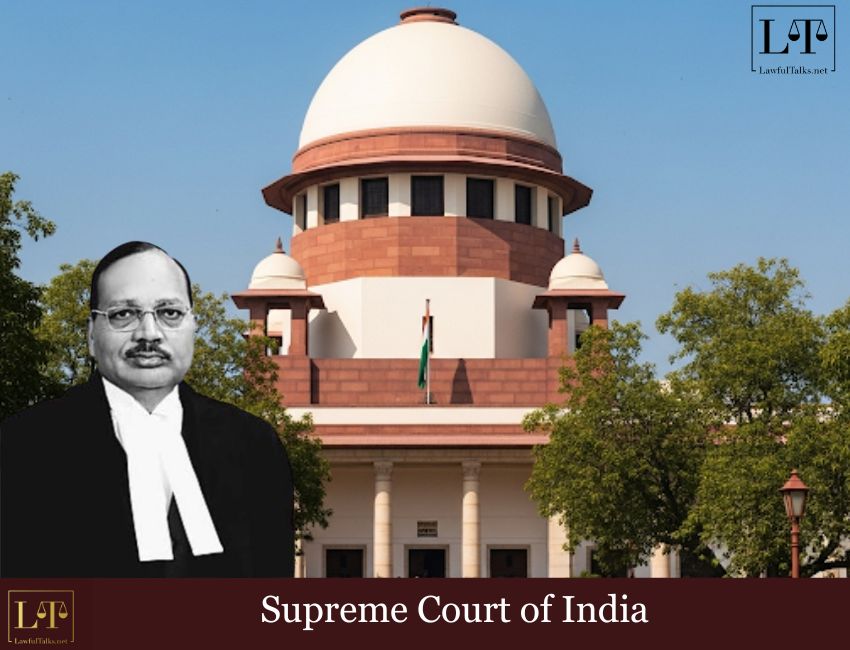
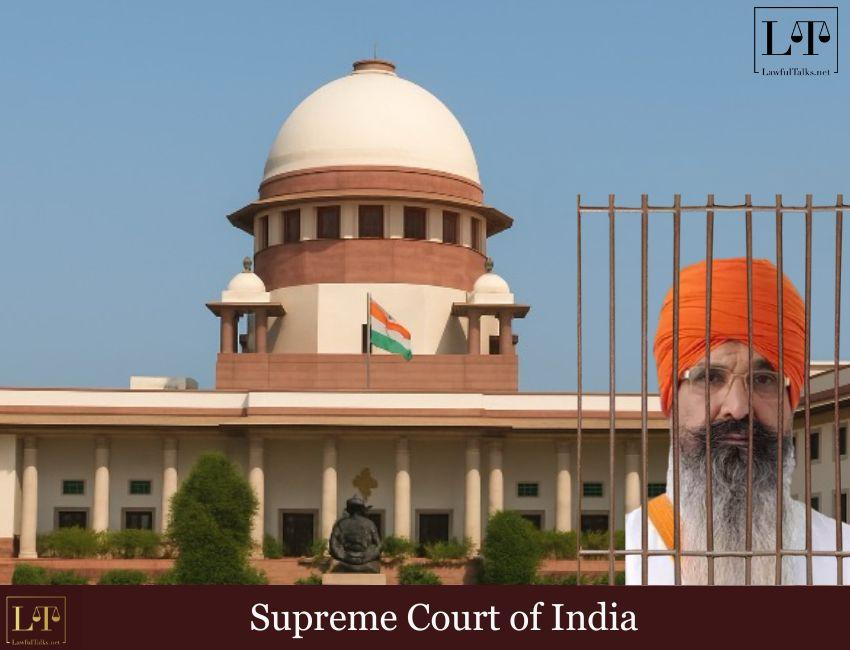
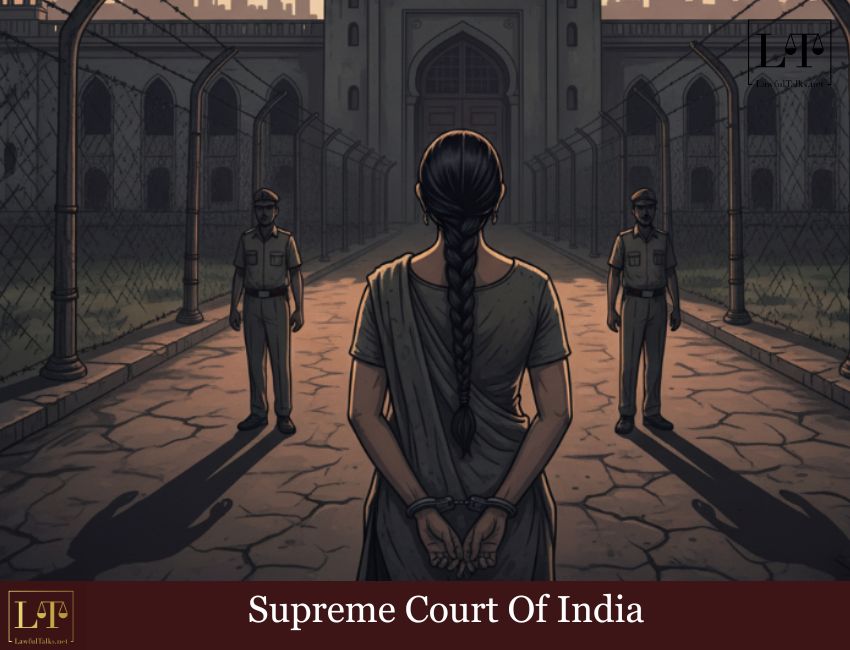
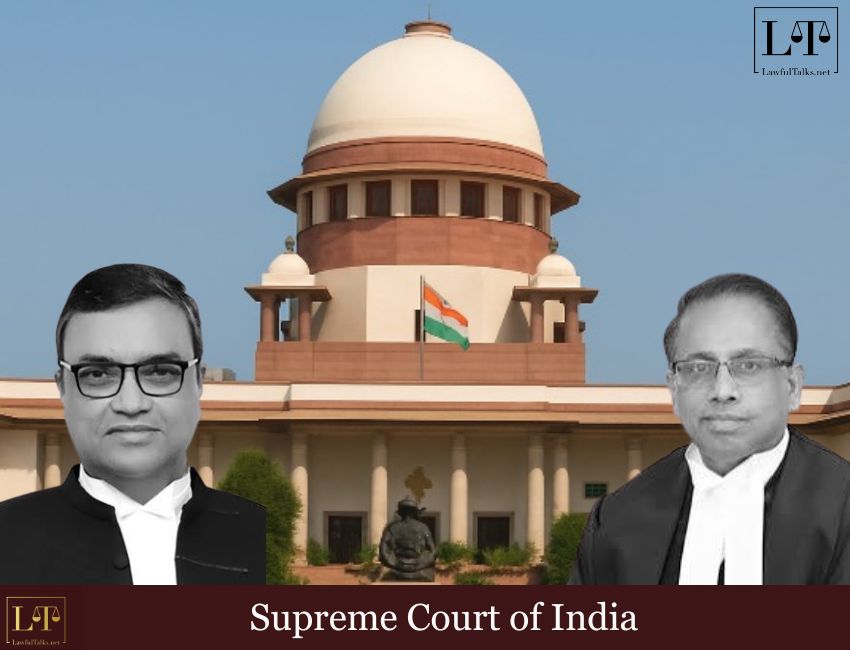
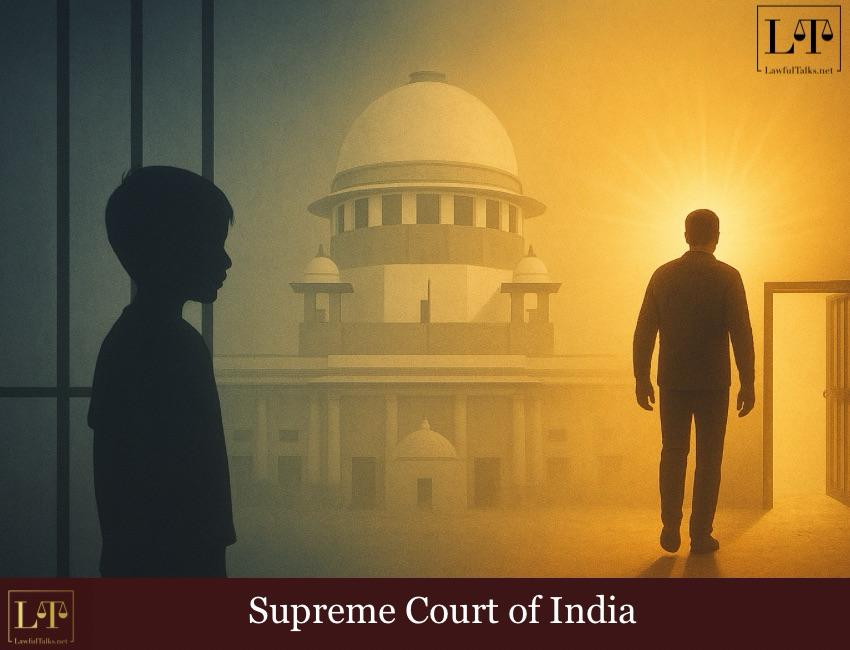
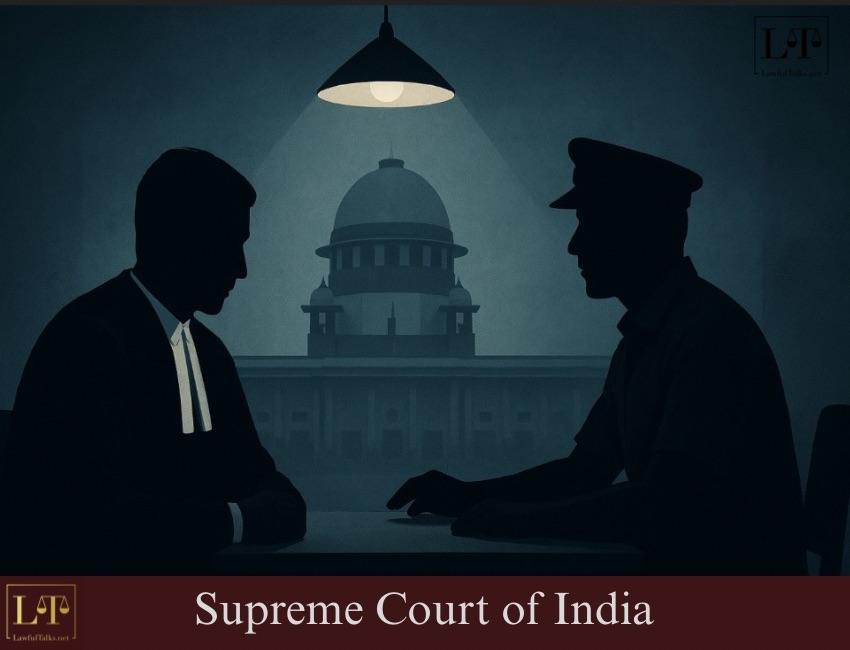
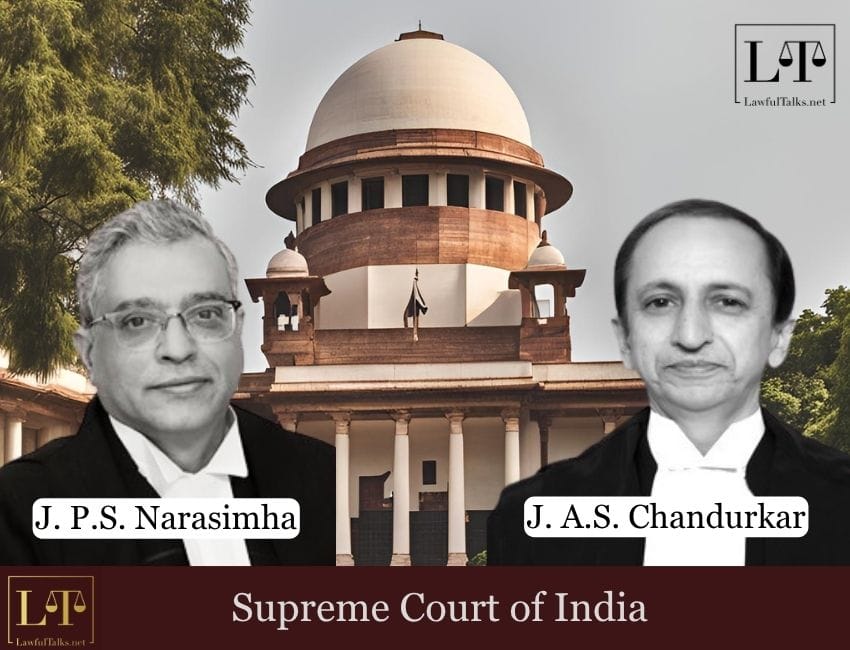
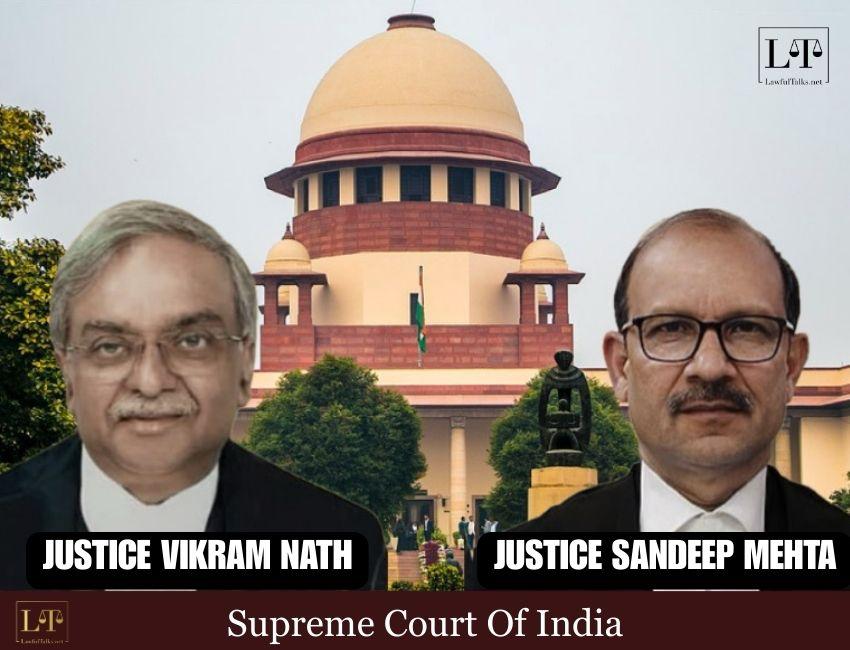
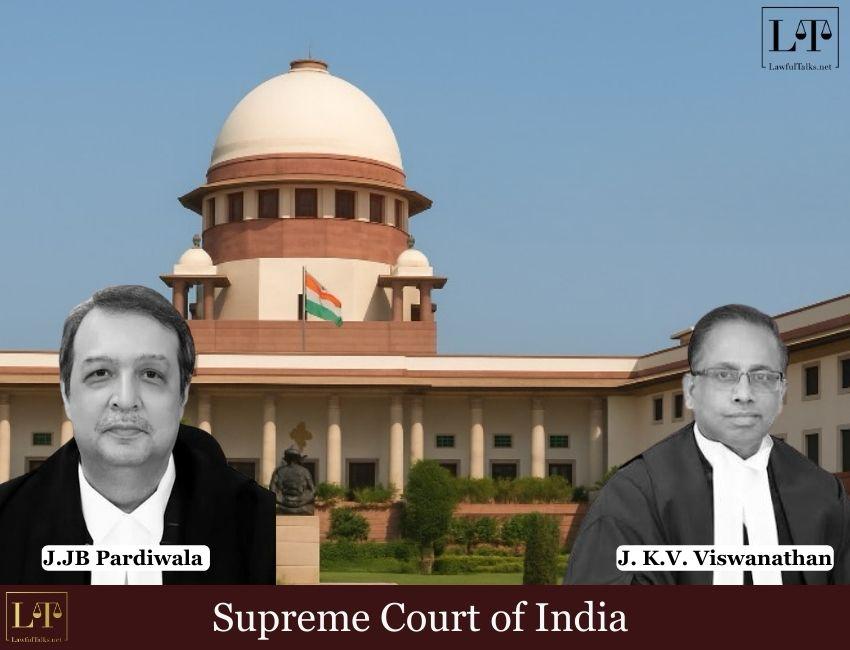
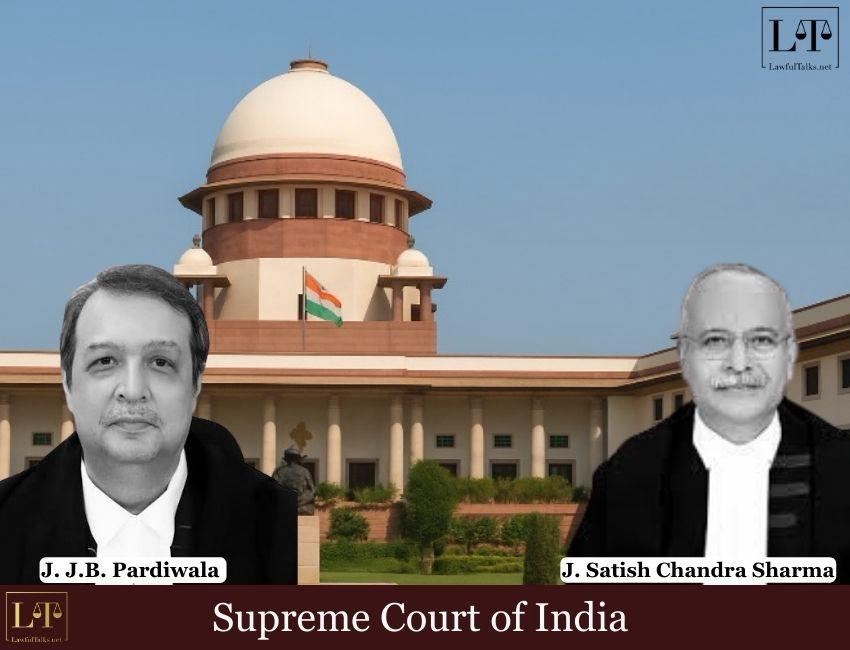
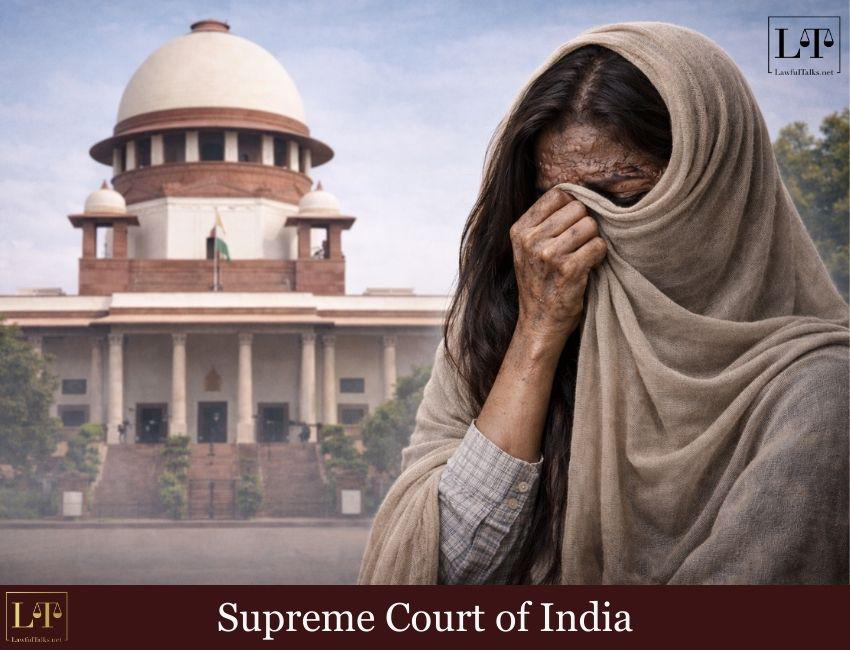
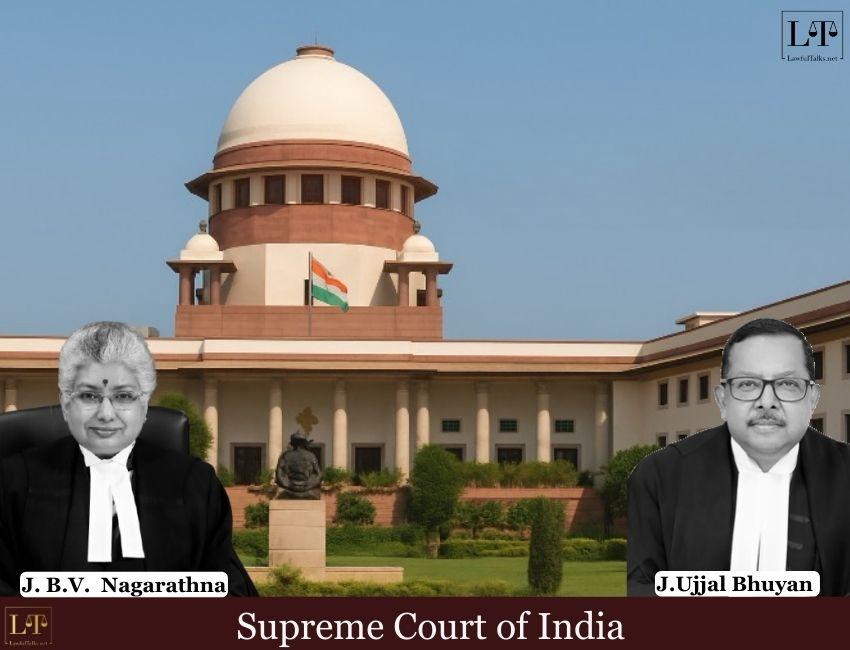
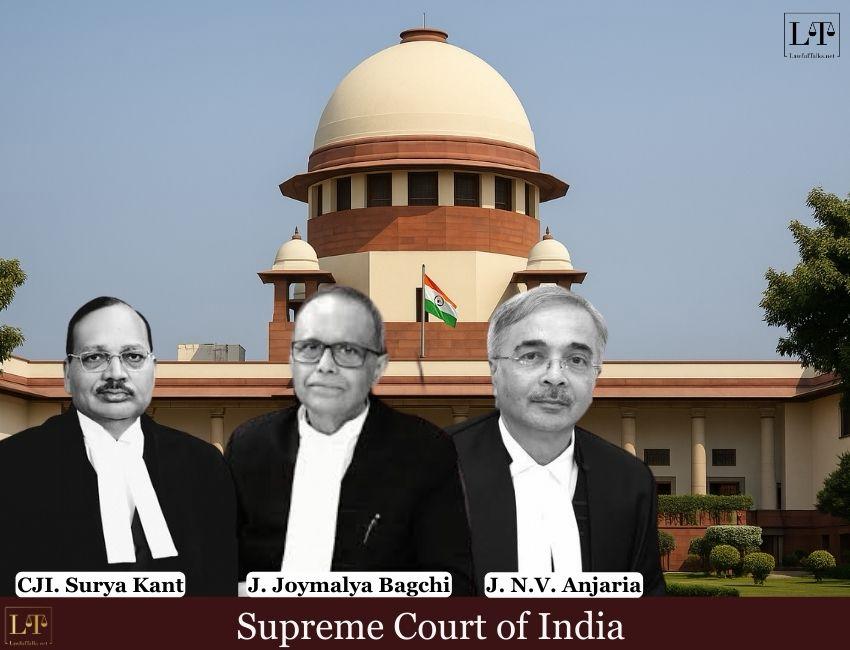
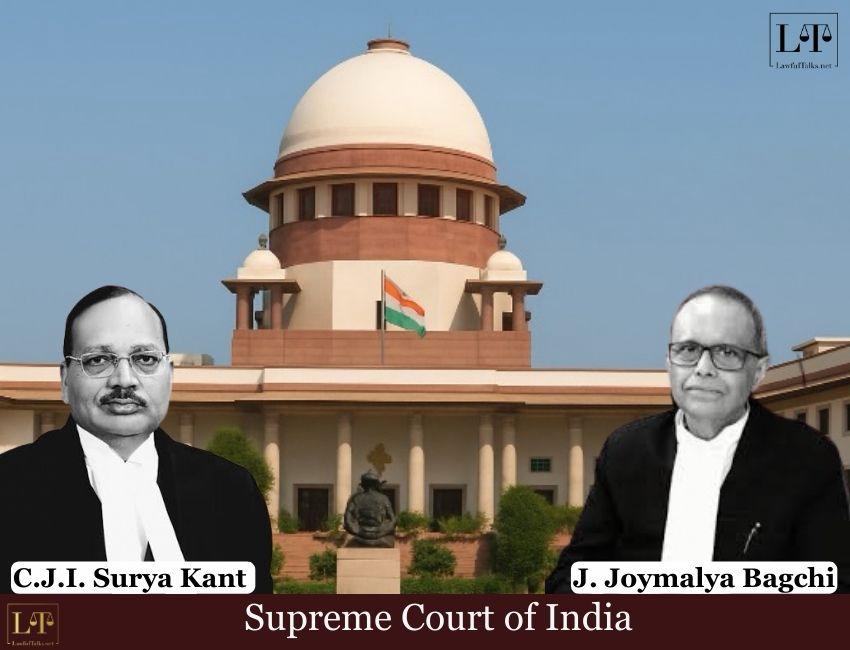
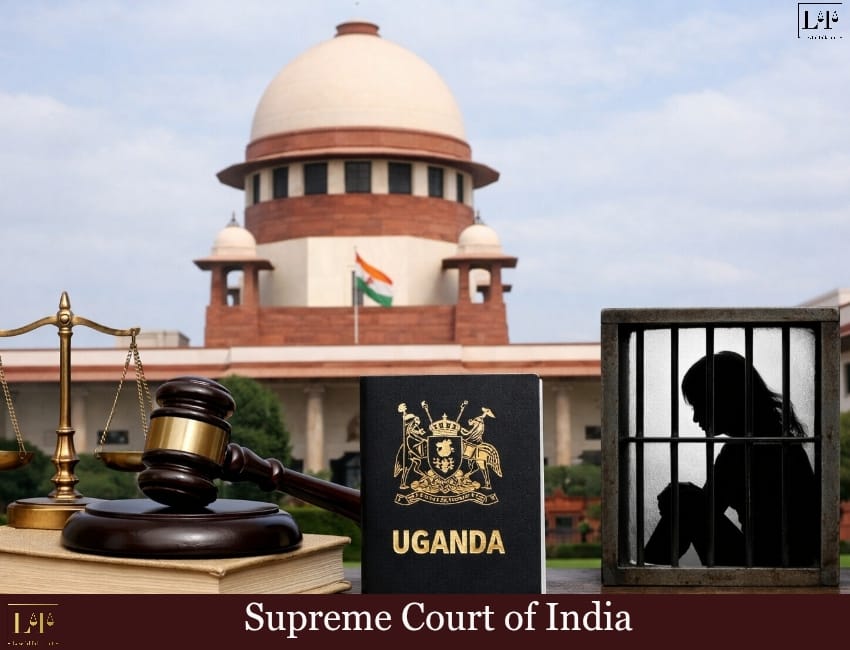
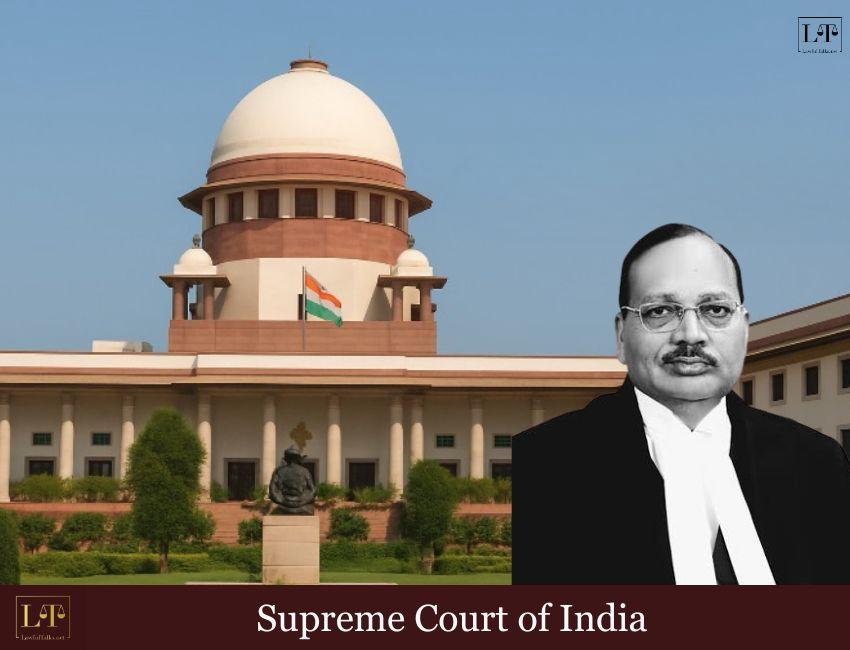
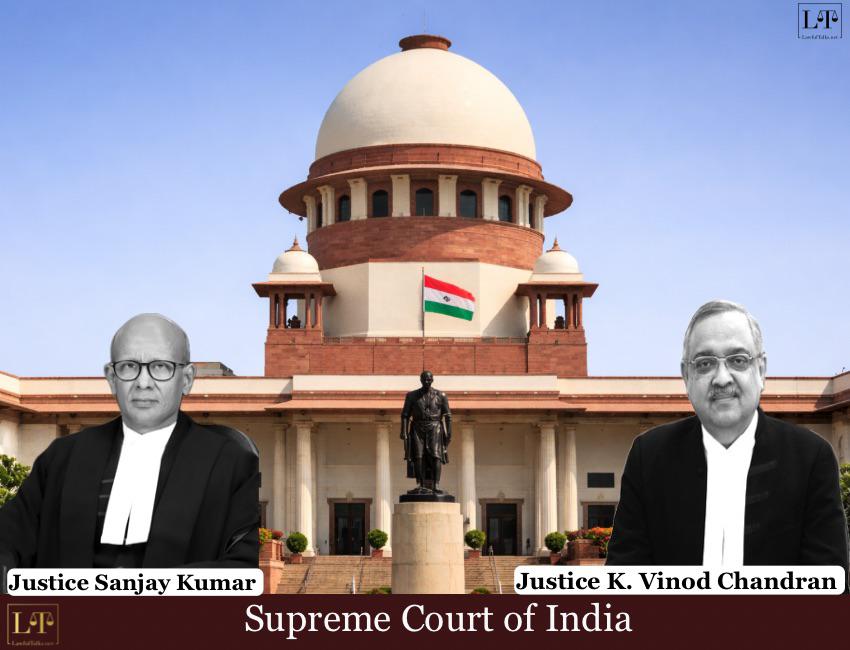
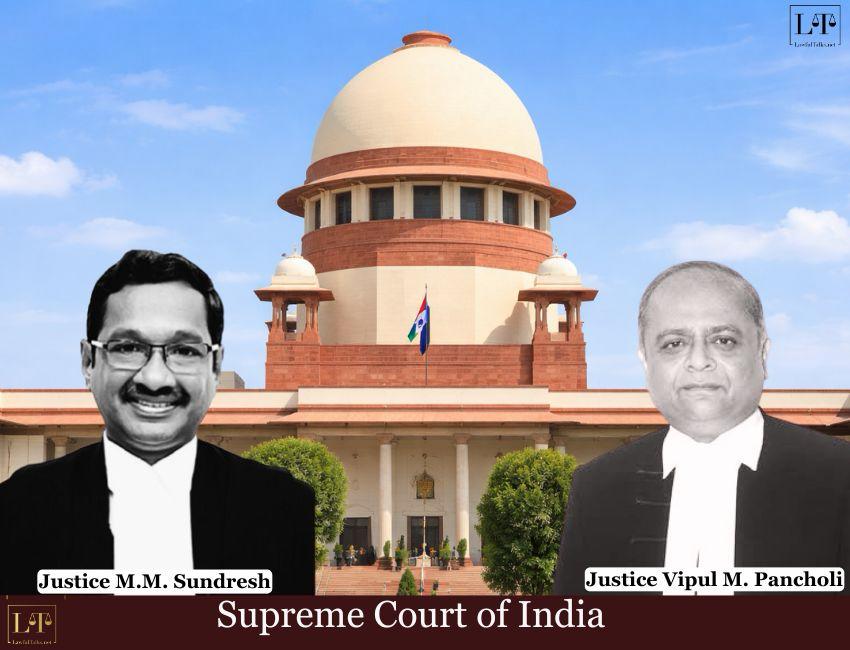
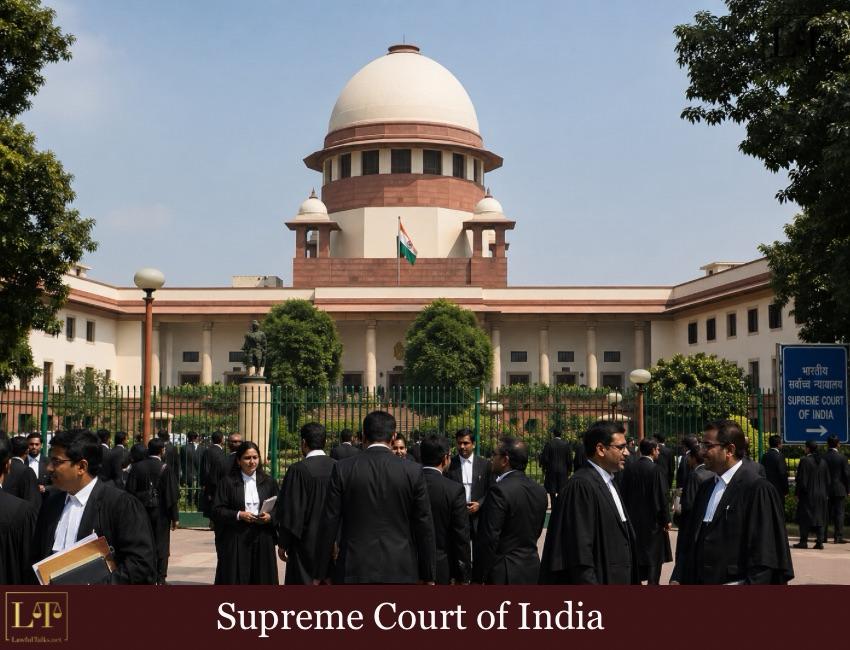
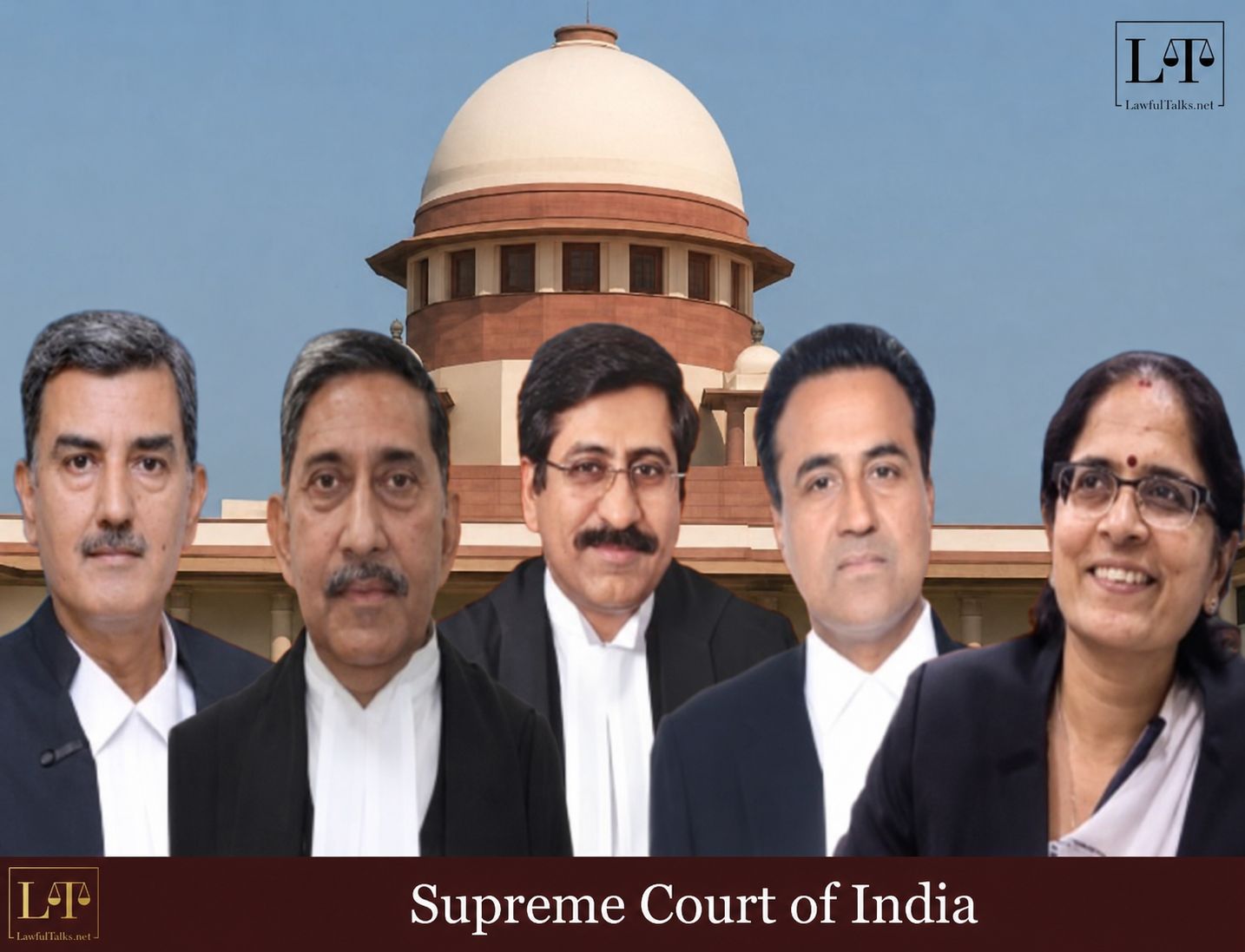
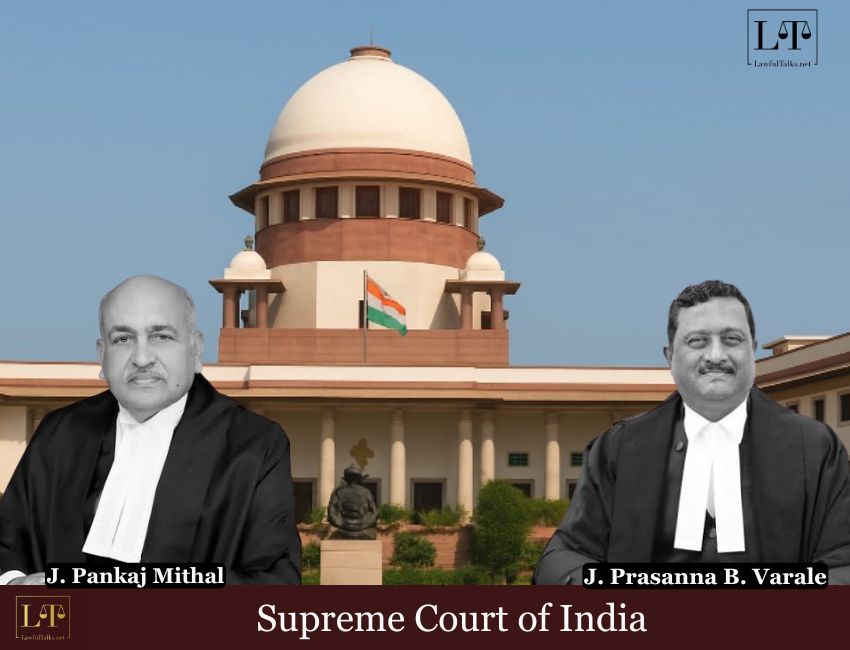
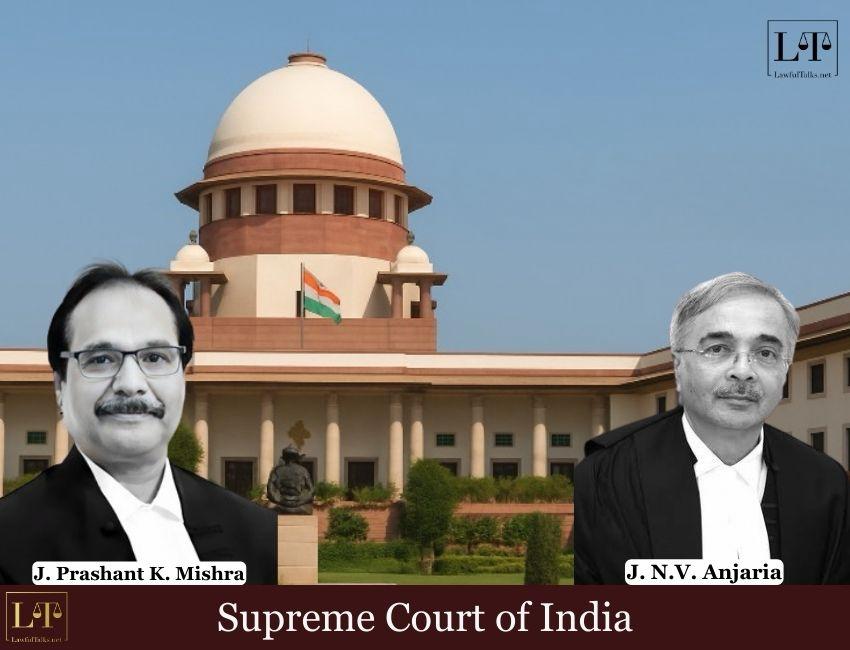
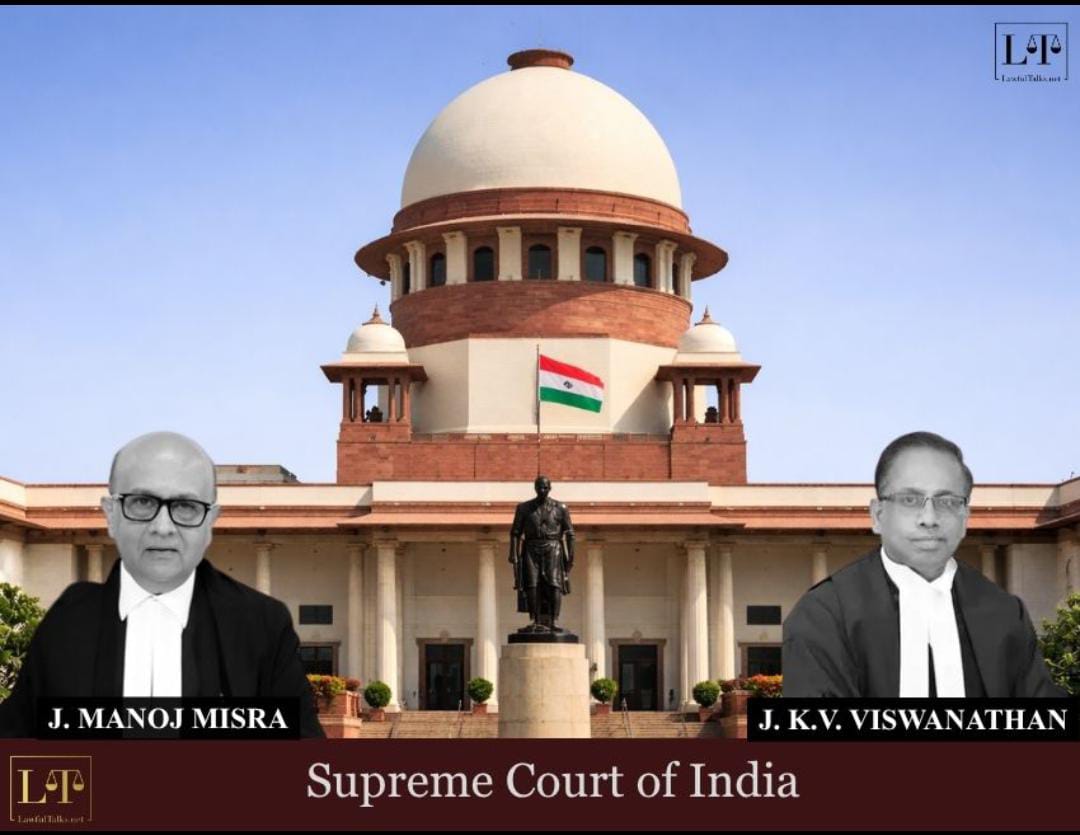
In an important judgment, Supreme Court judges Justice Rajesh Bindal and Justice Manmohan said that if two people agree to die together and one survives, the survivor can still be punished for abetment of suicide. The Court explained that the mutual decision to end life gives the mental encouragement required under Sections 306 and 107 of the Indian Penal Code (IPC).
Background of the Case:
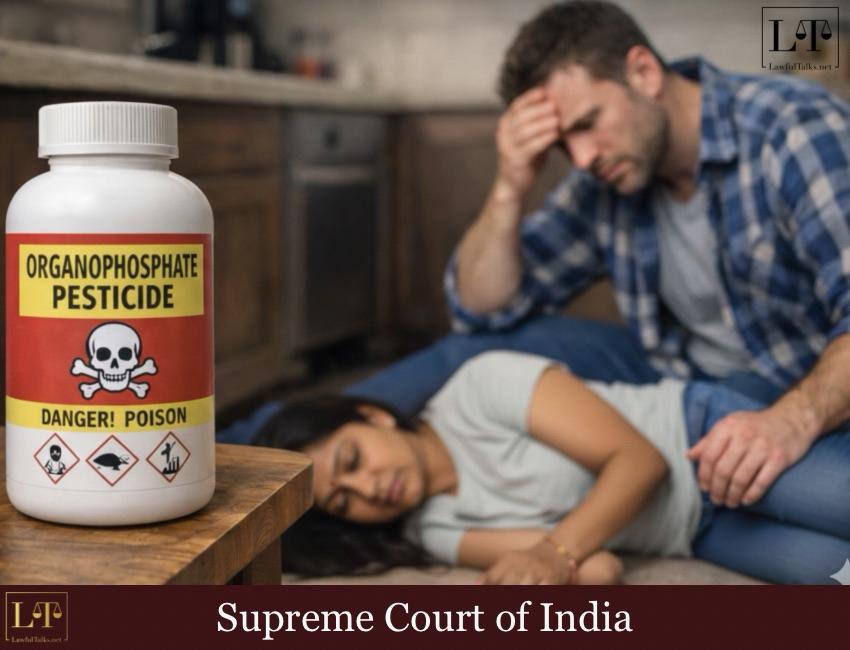
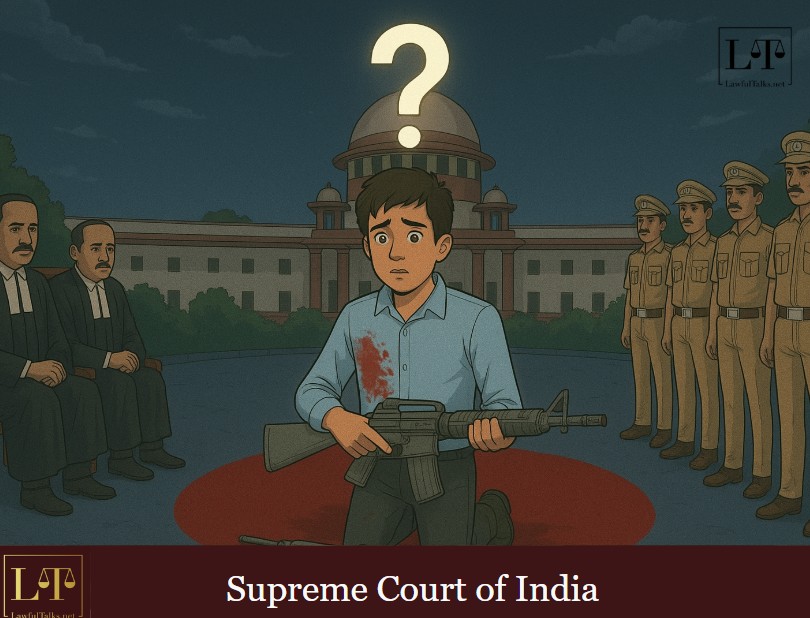
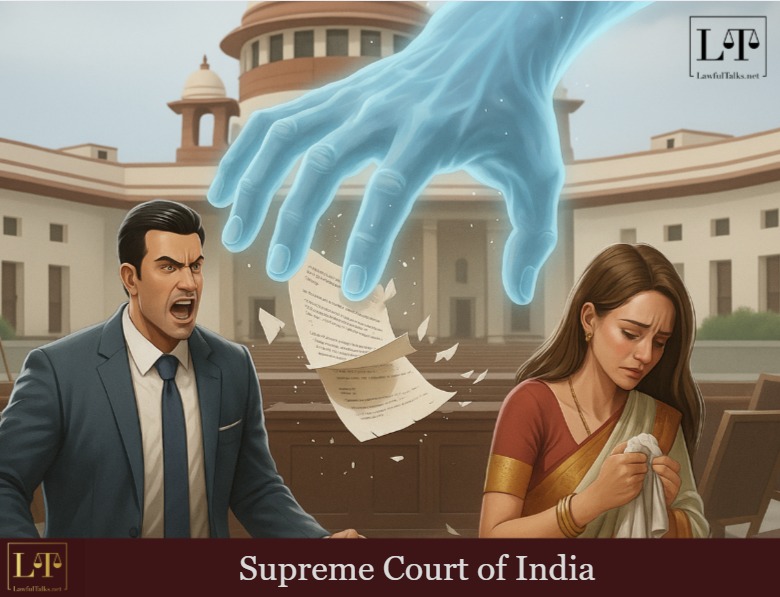
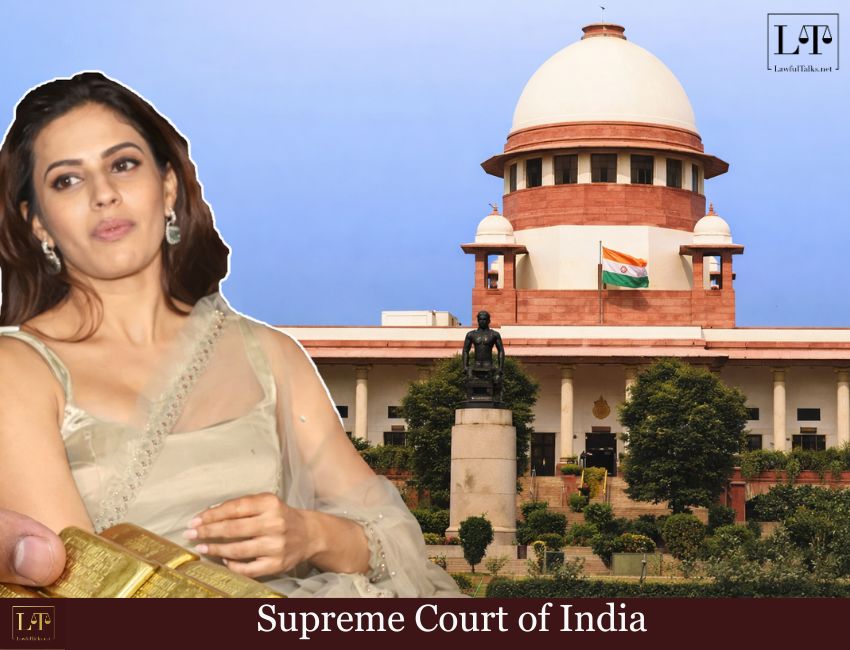
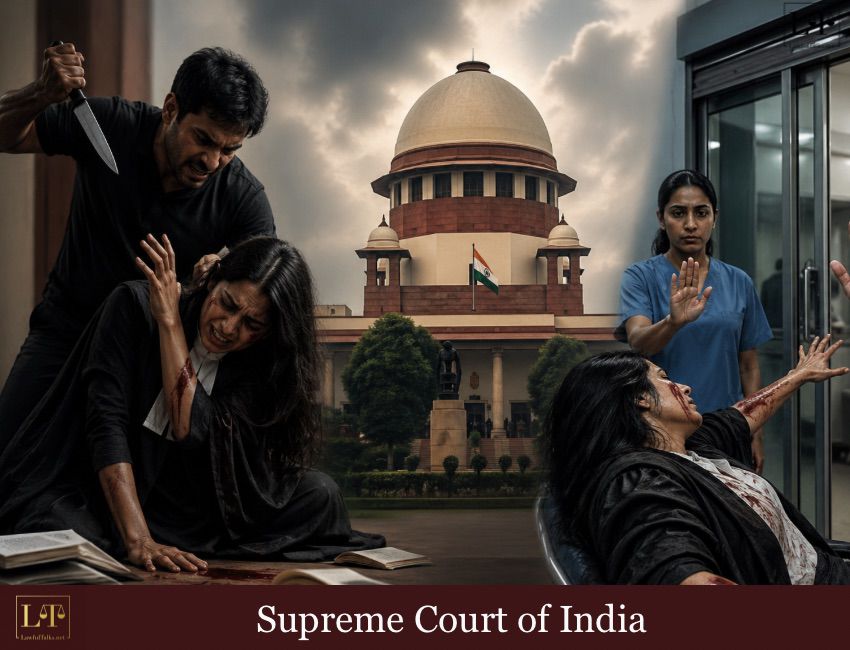
The ruling confirms the conviction of Gudipalli Siddhartha Reddy in the 2002 tragic death of well-known Tamil-Telugu actress Pratyusha. Both had consumed an organophosphate pesticide after Reddy’s family strongly opposed their marriage. Reddy survived, and the Court held him guilty.
The couple were in a relationship that Reddy’s parents opposed. They reportedly consumed the poison together, but only Reddy survived.
Appeals Before the Supreme Court:
At first, he was sentenced to five years in prison for abetment of suicide and attempted suicide. In 2004, the Andhra Pradesh High Court reduced his sentence to two years. Reddy then approached the Supreme Court asking it to remove the abetment charge. Separately, Pratyusha’s mother challenged the reduction of the sentence, alleging that her daughter had been raped and poisoned.
The Court clarified that abetment under Section 107 IPC is not limited to just giving someone the means to die. It stressed that taking part in a suicide pact creates “mutual encouragement and reciprocal commitment to die together,” and that the survivor’s participation acts as an important trigger for the death.
Court’s Key Legal Observations on Suicide Pacts:
"Notwithstanding the culpability of the act of purchasing pesticide, the Accused's participation in a suicide pact renders him culpable under Section 107 IPC. A suicide pact involves mutual encouragement and reciprocal commitment to die together. The survivor's presence and participation acts as a direct catalyst for the deceased's actions. It is pertinent to mention that abetting as defined under Section 107 IPC is not limited to physical act of supplying means to commit suicide. Accordingly, any psychological assurance or instigation, as long as the same is intentional and directly related to the commission of offence, also constitutes abetment," the Court observed.
The judgment further explained: "This Court is of the view that it is the reciprocal commitment of each party to commit suicide which provides necessary impetus/support to the other to go through with the act. In a suicide pact, it is implicit that each participant knows the intent of the other to commit the act knowing that their withdrawal from the pact will likely deter the other. Each party's resolve to commit the act is, therefore, reinforced and strengthened due to the participation of the other party. Suicide in a suicide pact is conditional upon mutual participation of the other. In other words, if not for the active participation of both the parties, the act would not occur. The law treats such conduct as abetment because the State has a fundamental interest in preserving life. Any assistance in ending life is treated as a crime against the State.
Consequently, this Court holds that the accused's conduct in entering into and acting upon the suicide pact falls squarely within all the three situations envisaged in Section 107 of the IPC. His participation directly facilitated the deceased's suicide. Notably, it is not his defence that the deceased was the dominant personality who pressured him into the pact. His culpability therefore stands established."
The Court rejected the mother’s allegations of rape and strangulation. It relied on strong medical and forensic evidence which showed that the death was caused only by organophosphate poisoning.
Medical and Forensic Evidence:
Doctors from CARE Hospital testified that Pratyusha was conscious when she arrived and told them she had consumed pesticide. This was supported by reports from AP FSL, CFSL, and an AIIMS panel, all of which found no signs of assault or choking.
Evidence also showed that Reddy had bought the deadly “Nuvacron” pesticide that evening and was seen with Pratyusha shortly before they were rushed to the hospital. In his Section 313 CrPC statement, he even denied that he had been admitted to the hospital, despite clear proof. Because of this, the Court drew negative conclusions against him.
The Bench rejected earlier cases cited by the defence that dealt with only harassment or passive presence. It highlighted Reddy’s active role — he bought the poison, joined the pact, and did not stop her. The Court also stressed the State’s duty to protect life and said such suicide pacts carry full criminal liability.
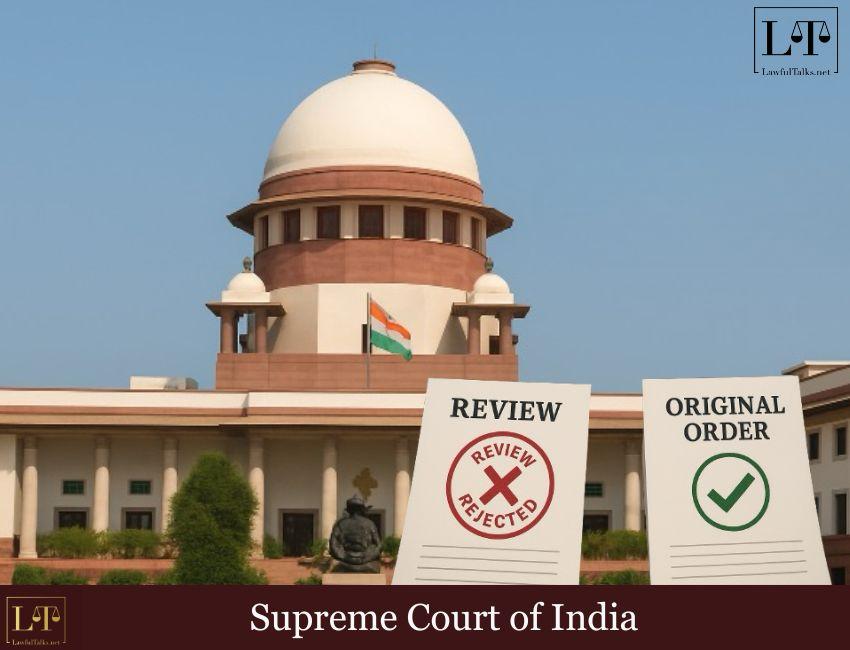
Both appeals were dismissed, and Reddy was ordered to surrender within four weeks.
Case Details : GUDIPALLI SIDDHARTHA REDDY v STATE C.B.I.|Crl.A. No. 457/2012 and P SAROJINI DEVI v.CBI |Crl A 894-895/2012














































































































Sign up for free and be the first to get notified about curated content just for you.