You Can’t Negotiate With POCSO: Bombay HC Imposes Full 20 Years

- February 20, 2026


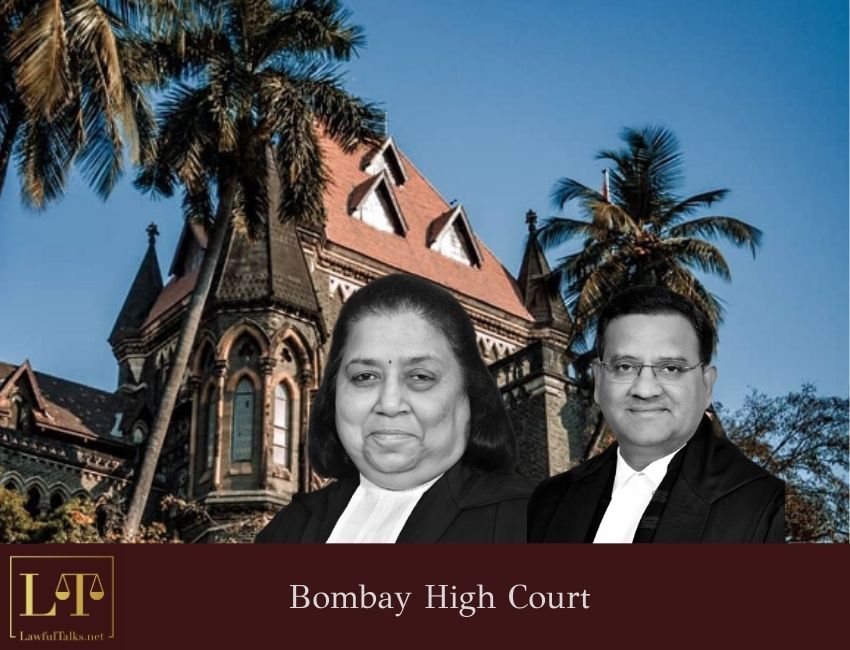
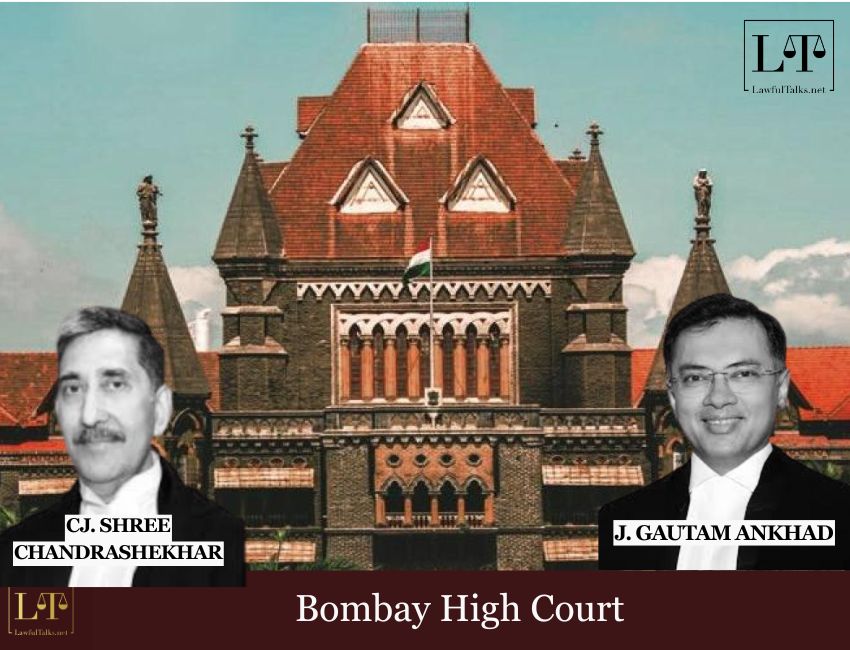
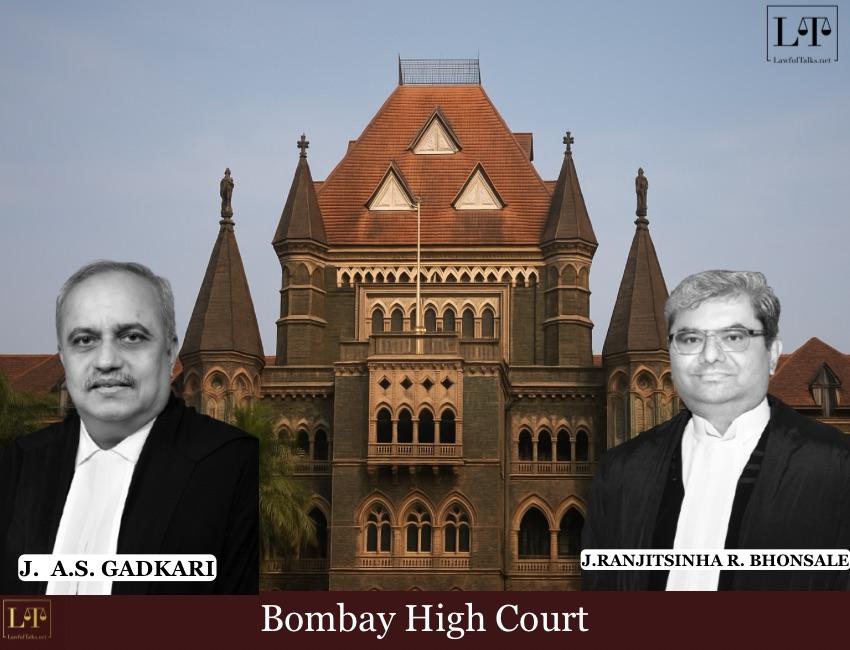
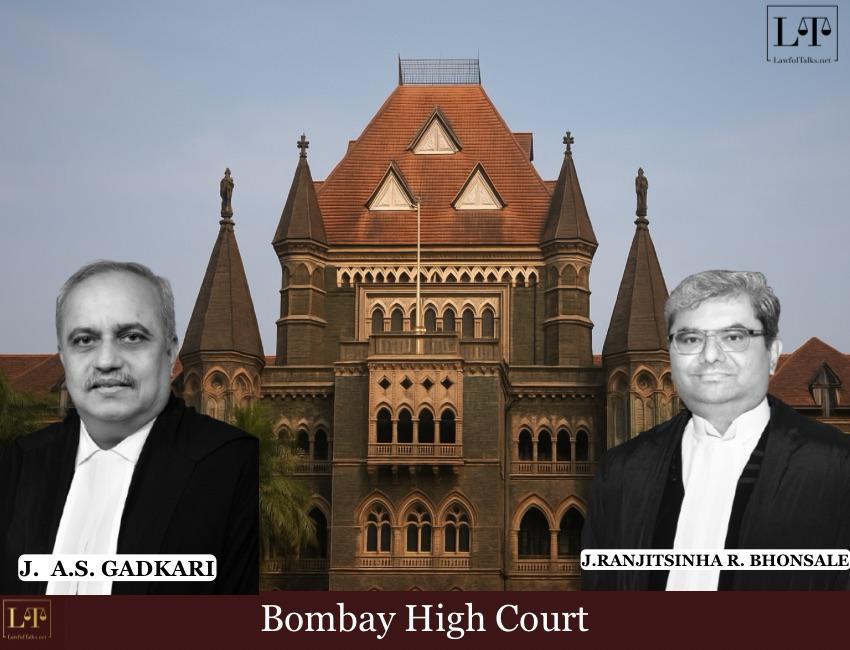
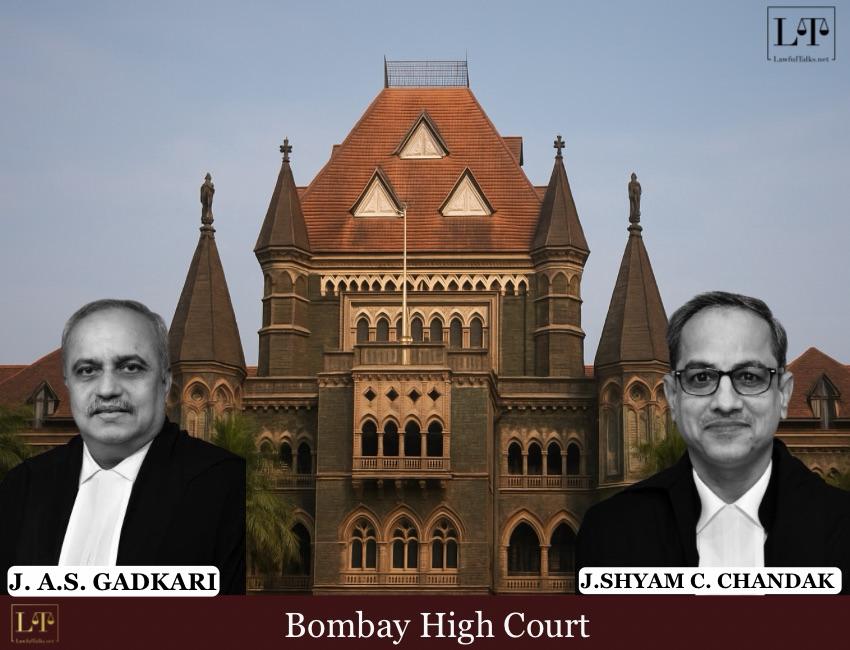
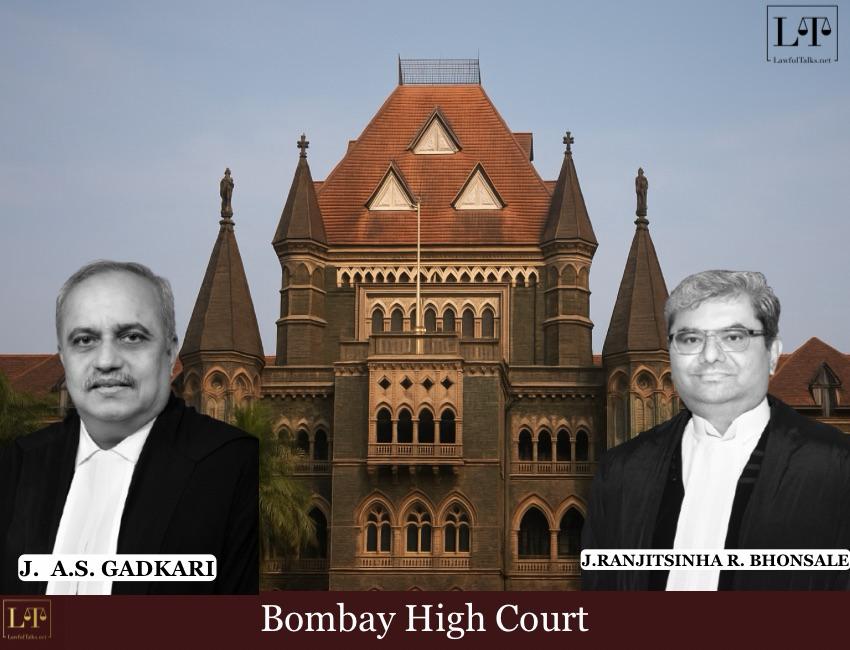
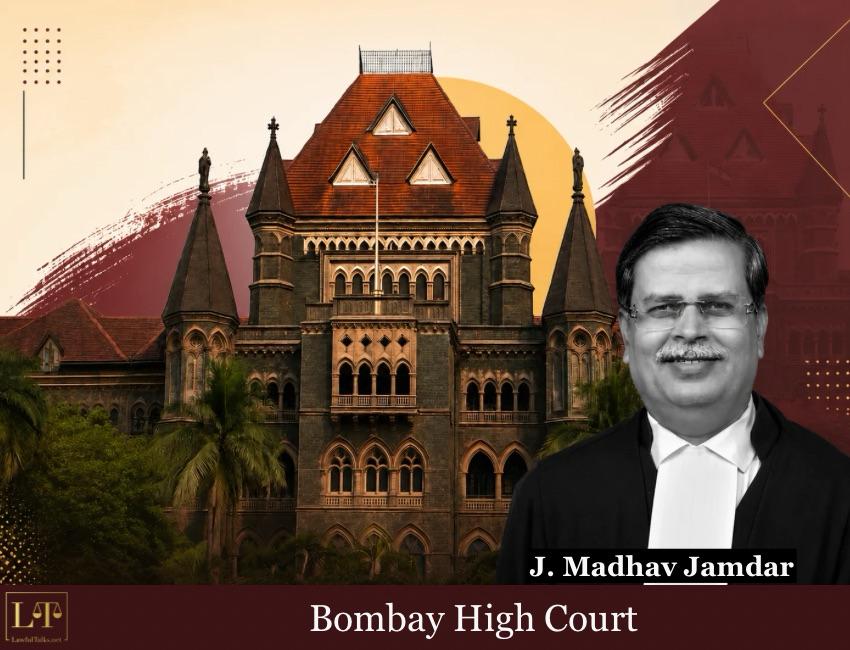
The Aurangabad Bench of the Bombay High Court recently ruled that when a court increases a punishment only to bring it up to the statutory minimum sentence required by law, this cannot be treated as an “enhancement of sentence” under Section 368 of the Code of Criminal Procedure (CrPC).

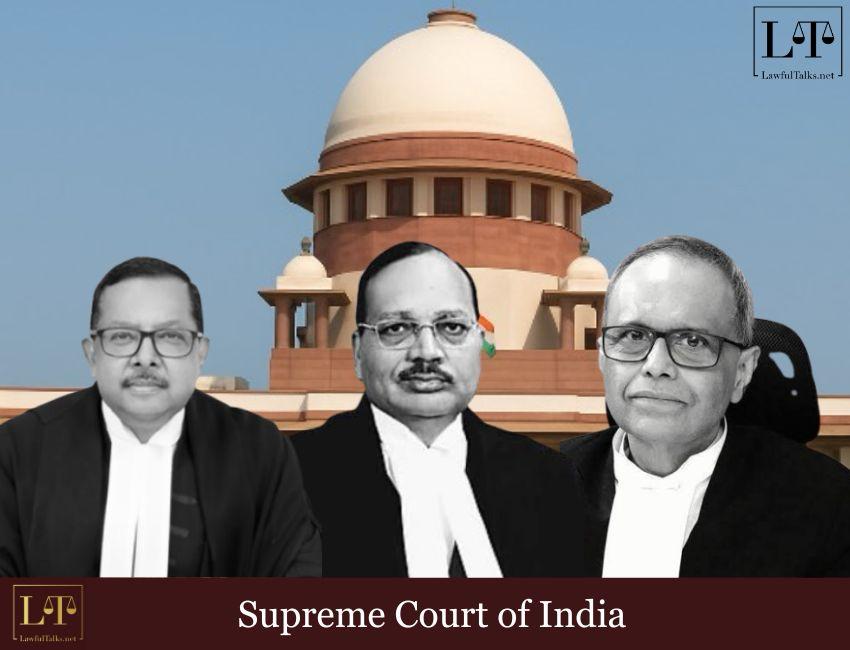
A Single Bench of Justice Rajnish R. Vyas explained that if an appellate court increases a sentence only to impose the legally mandatory minimum punishment, it is not using discretion. The court is instead correcting an illegal sentence that was wrongly awarded earlier.
Facts of the Case:
The accused was convicted for offences under Section 376(2)(n) (rape) of the Indian Penal Code, 1860 (IPC) and Section 5(1) (aggravated penetrative sexual assault) of the Protection of Children from Sexual Offences Act, 2012 (POCSO), and was acquitted of offences under Sections 363 and 366A of the Indian Penal Code.
Appeals Filed by Accused and Victim:
Because of this, he was sentenced to seven years’ rigorous imprisonment. The accused then filed an appeal against his conviction, claiming that the prosecution had not proved his guilt beyond doubt.
The victim filed an appeal under Section 372 of the Code of Criminal Procedure, 1973 (CrPC), challenging his acquittal under Sections 363 and 366A of the IPC and seeking the imposition of the statutory minimum sentence.
Questions Before the Court:
The Court had to decide two things: whether the Trial Court had correctly convicted and sentenced the accused, and whether the Appellate Court giving the minimum statutory sentence would count as an enhancement of the sentence.
Judgement and Analysis:
The Bench held that the prosecution had proved that the victim was a “child” under the POCSO Act. Therefore, even if the minor victim had given consent, it would be void and have no value in law.
The Bench observed, “...it is a well-settled principle of law that the consent of the minor victim is, in fact, no consent in the eyes of the law”, and concluded that the prosecution had proved the guilt of the accused.
The bench also clearly explained the difference between imposing the minimum statutory punishment and the “enhancement of sentence”. It said that enhancement of a sentence means increasing a punishment from the minimum to the maximum within a fixed range.
After relying on several sections of the IPC, CrPC and POCSO, as well as various judicial precedents, the Bench held that courts have no discretion to give a lesser punishment when the law fixes a higher minimum sentence. It called giving the statutory minimum sentence in such situations the “correction of an illegality” committed by the court.
The bench also considered the specific legislative intent behind the POCSO Act and the negative wording used in Section 6. It observed that awarding a 20 year sentence, which is the minimum punishment under that Section, is mandatory, and that “less than it would be against the provision of law”.
Higher Punishment Rule (Section 42 POCSO):
The Bench further examined Section 42 of the POCSO Act, which requires that when an offence is punishable under both the IPC and the POCSO Act, the accused must receive the punishment that is higher in degree.
Accordingly, the Bench dismissed the accused’s appeal against his conviction. It then imposed the statutory minimum sentence of 20 years’ rigorous punishment under the POCSO Act and 10 years under the IPC.
Case Details: Santosh Maroti Bhandare v. The State of Maharashtra & Anr. (Criminal Appeal No. 567 of 2024)


























































































































































































































































































































Sign up for free and be the first to get notified about curated content just for you.