Fraud Tag Returns: Major Blow To Anil Ambani In Bombay HC

- February 23, 2026


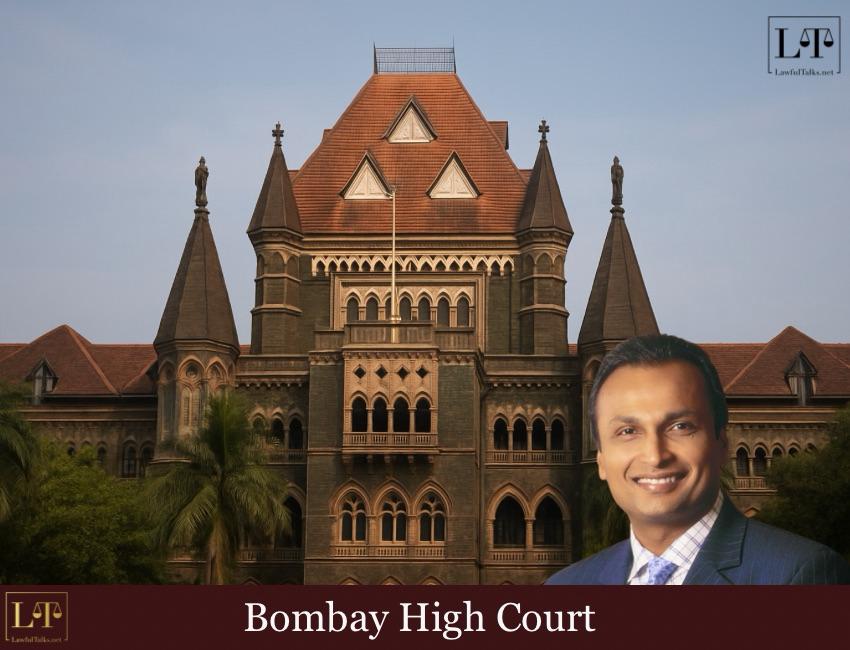
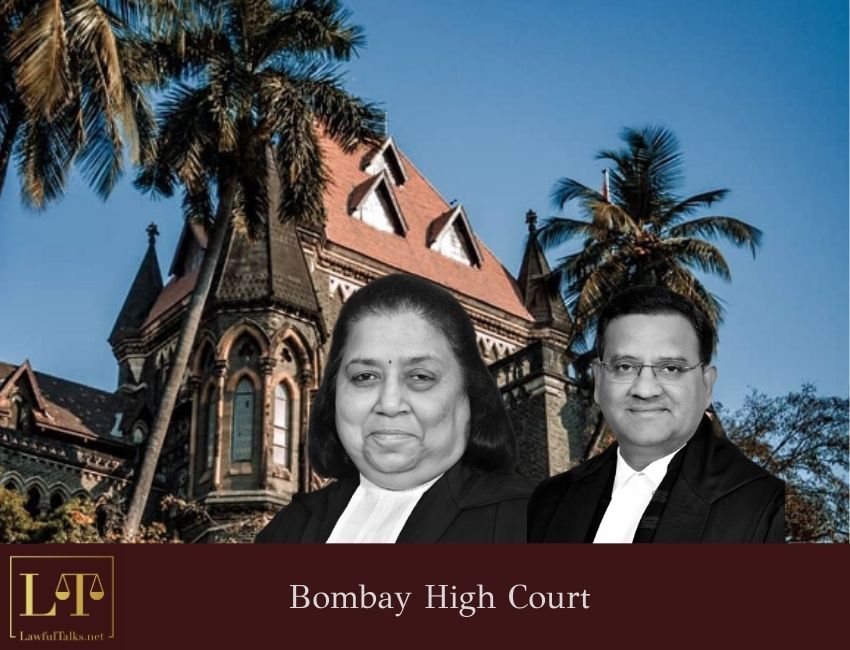
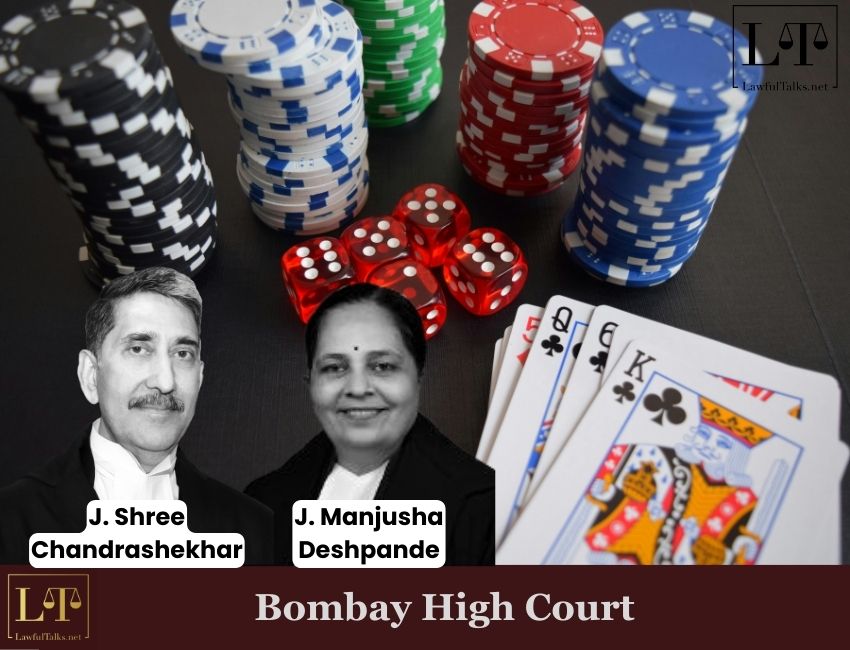
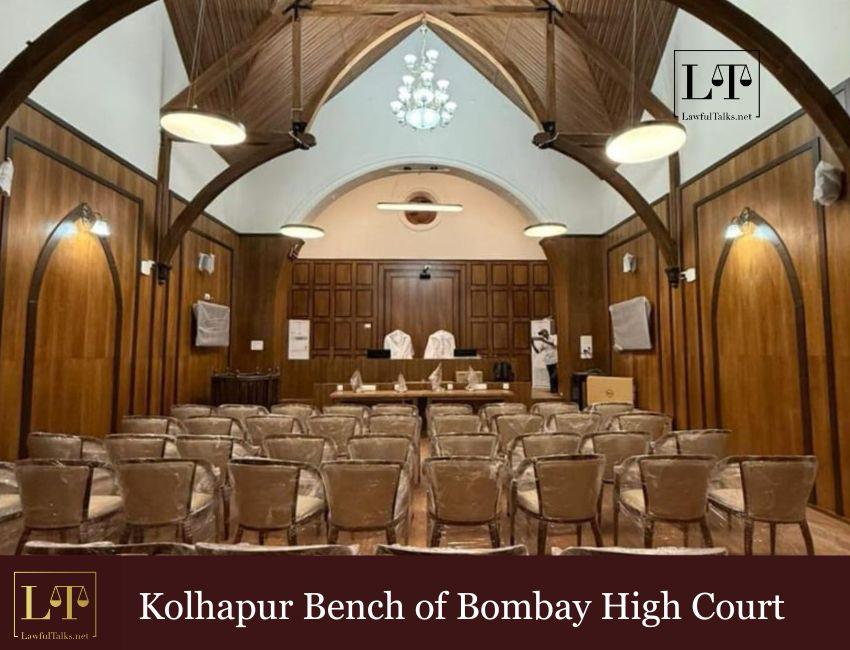
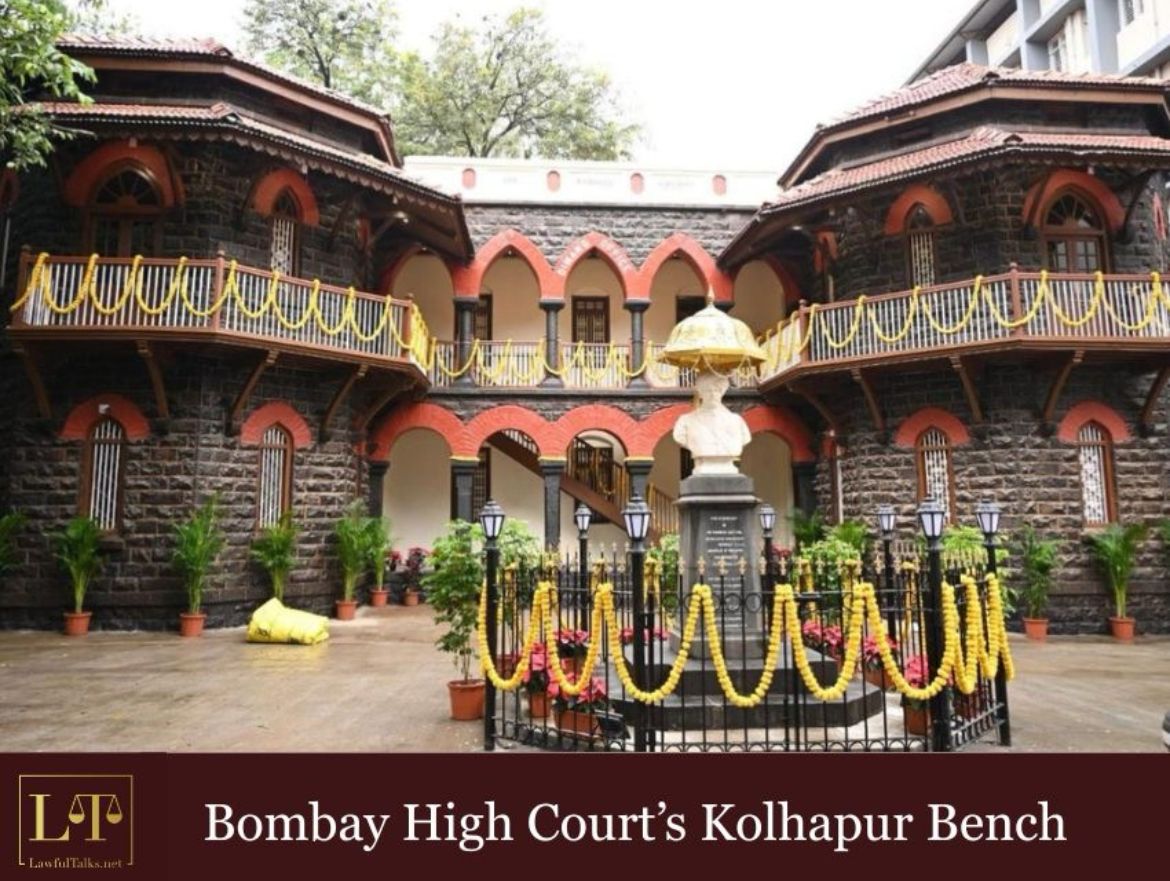
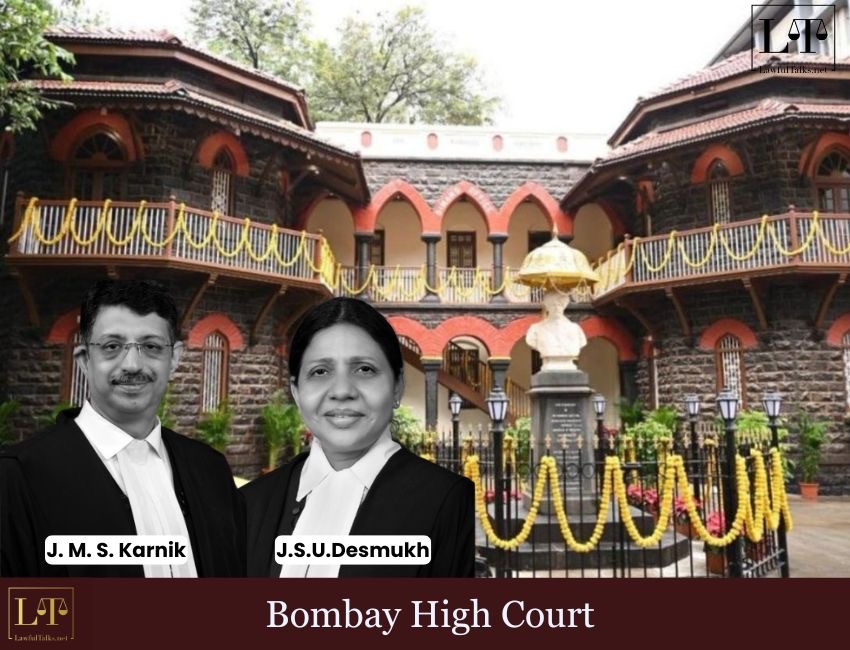
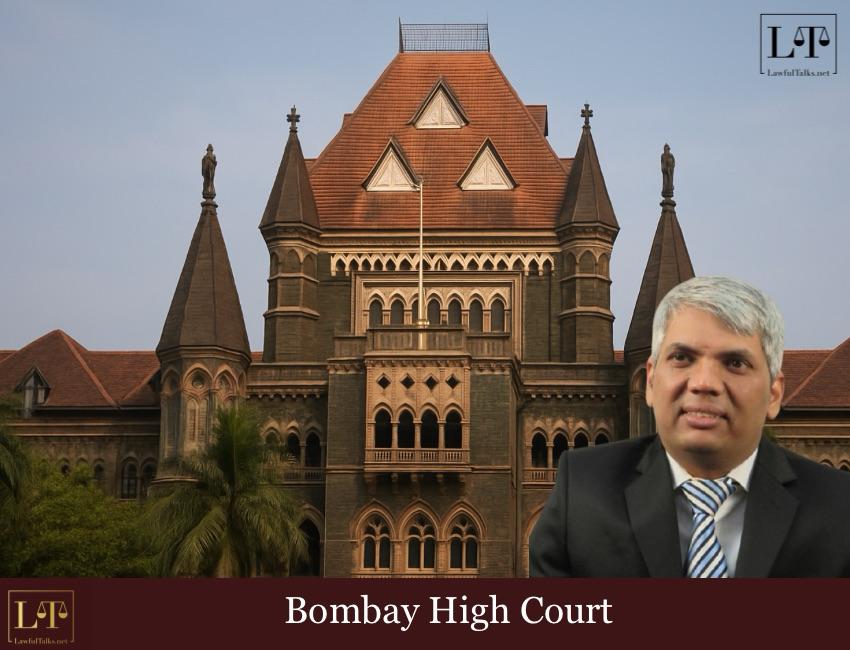
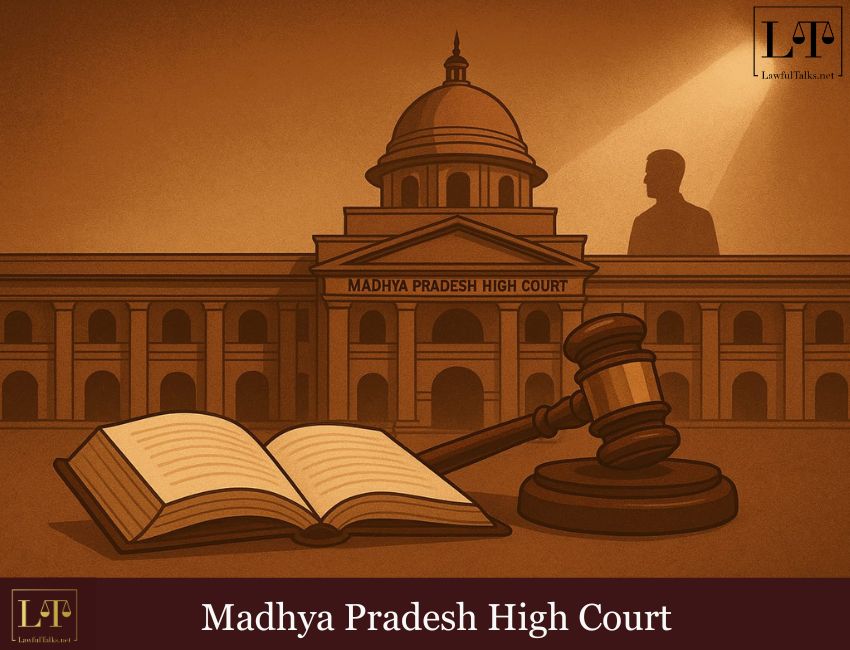
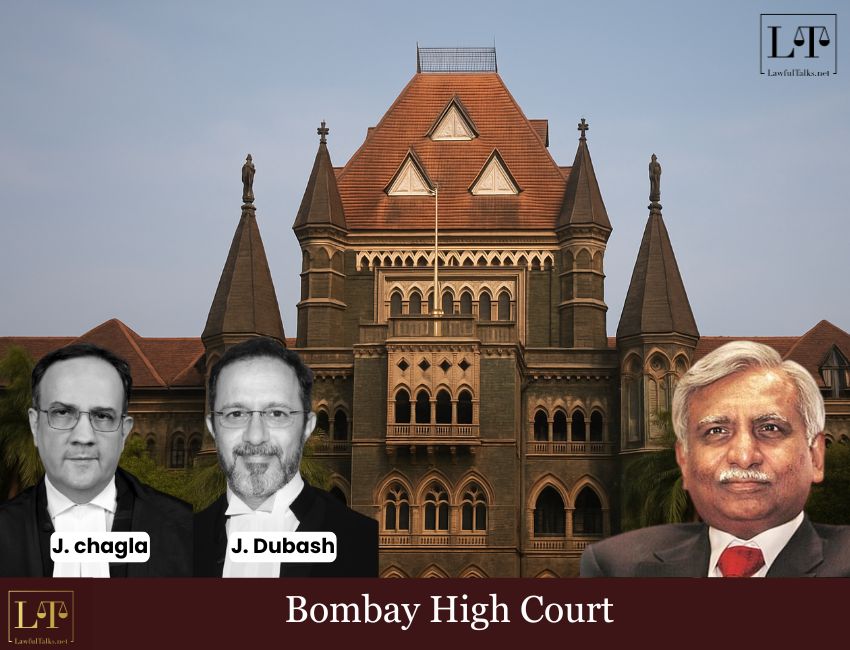
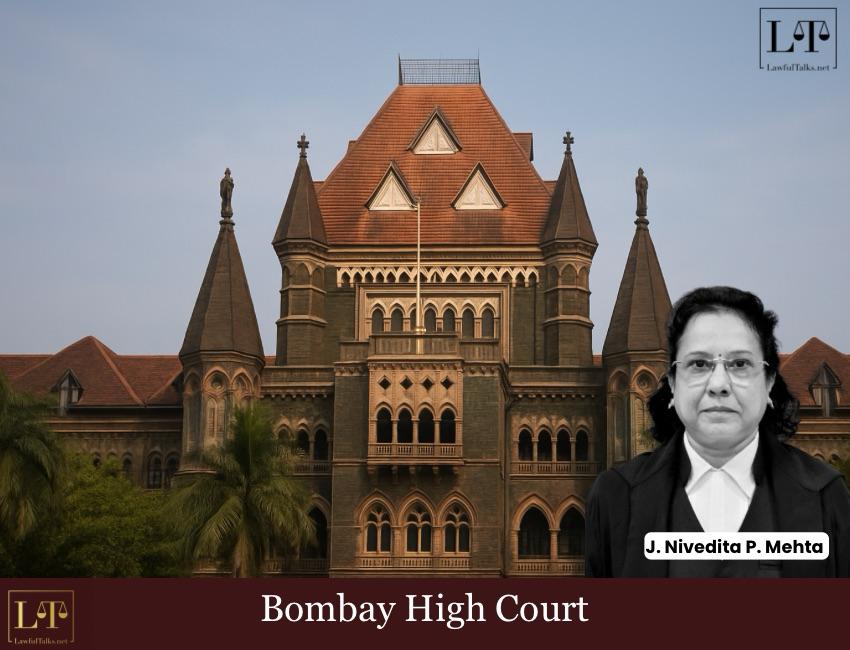
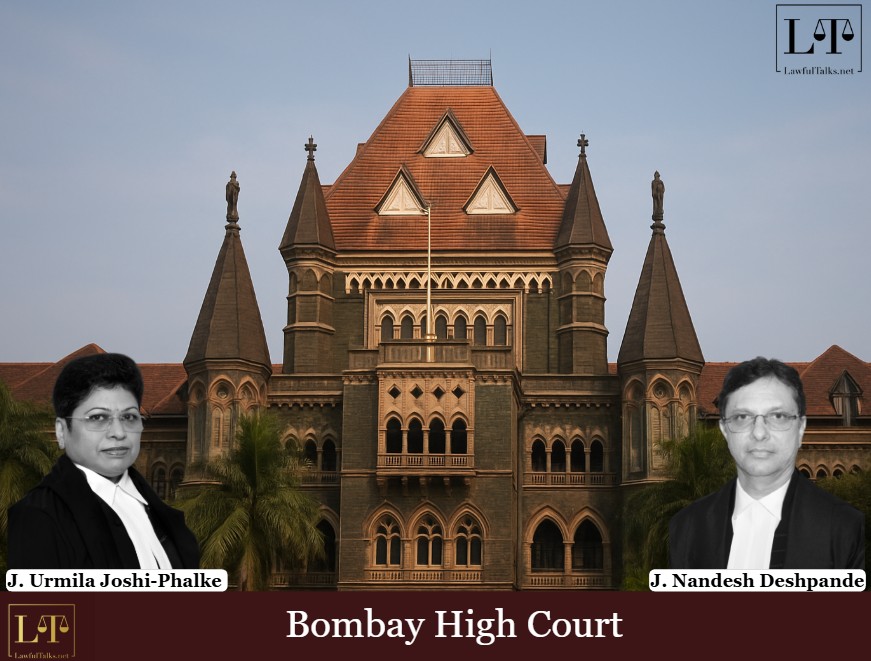
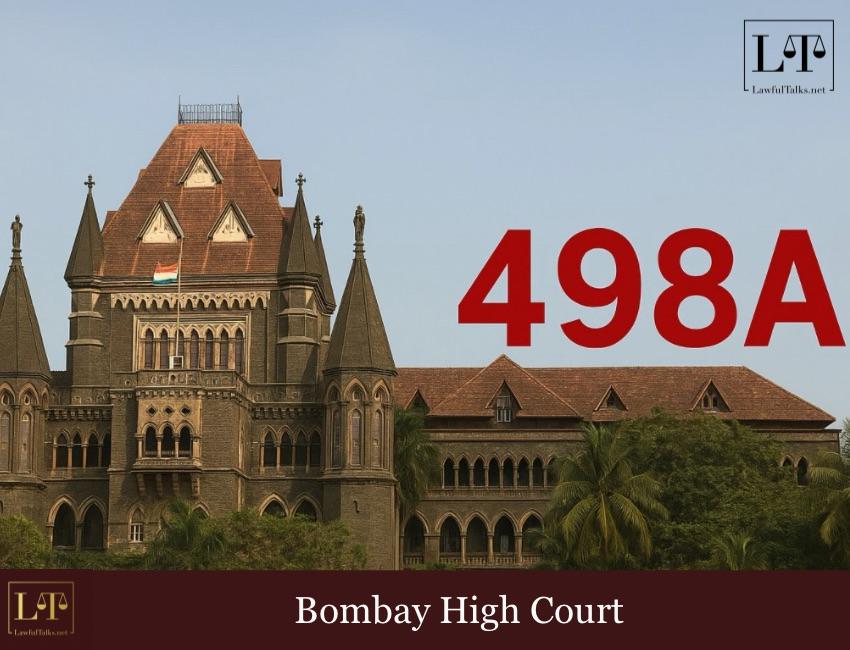
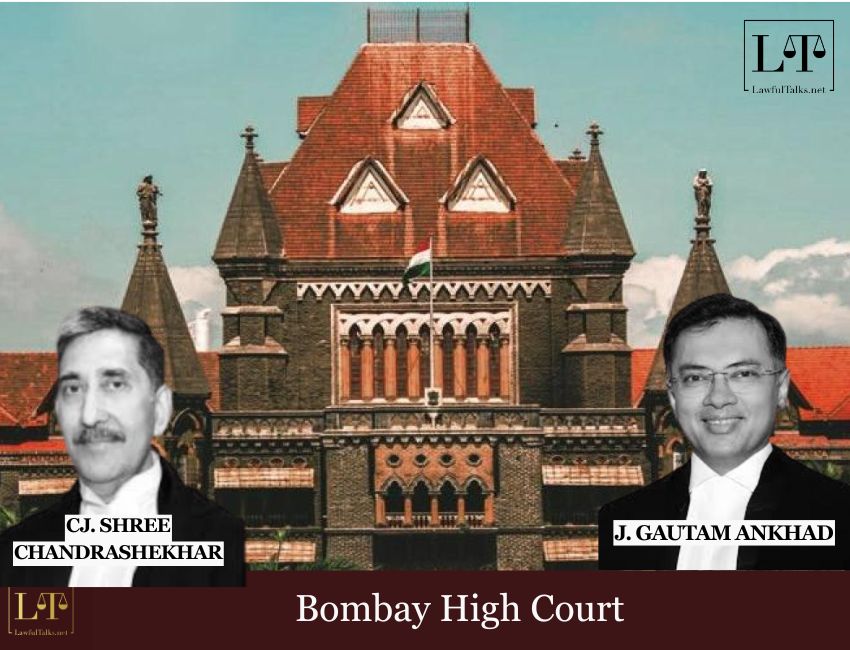
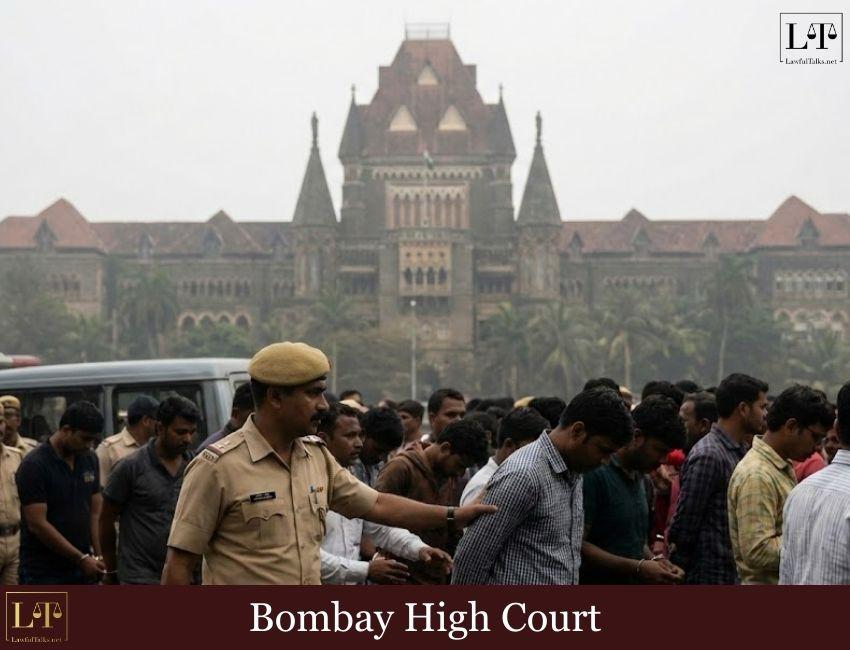
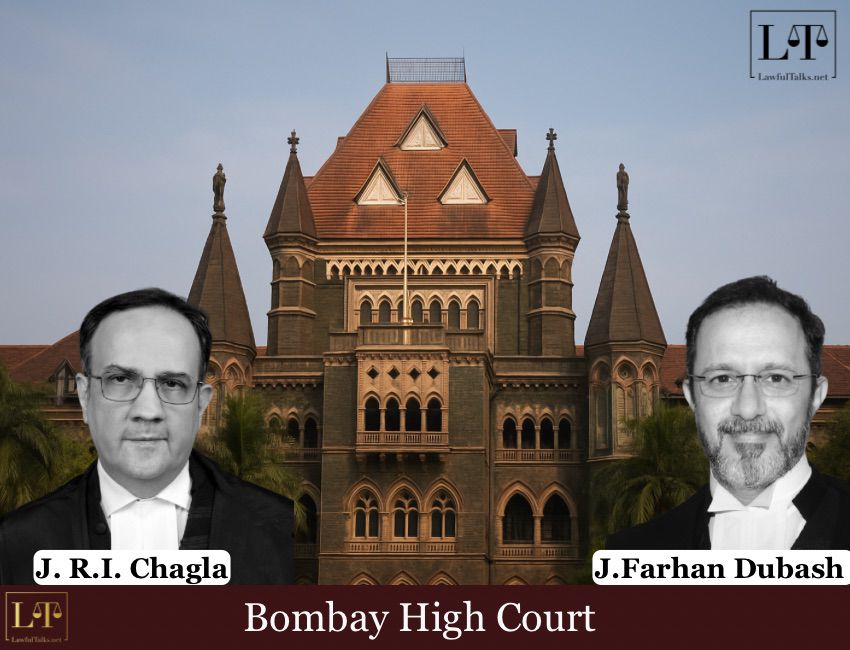
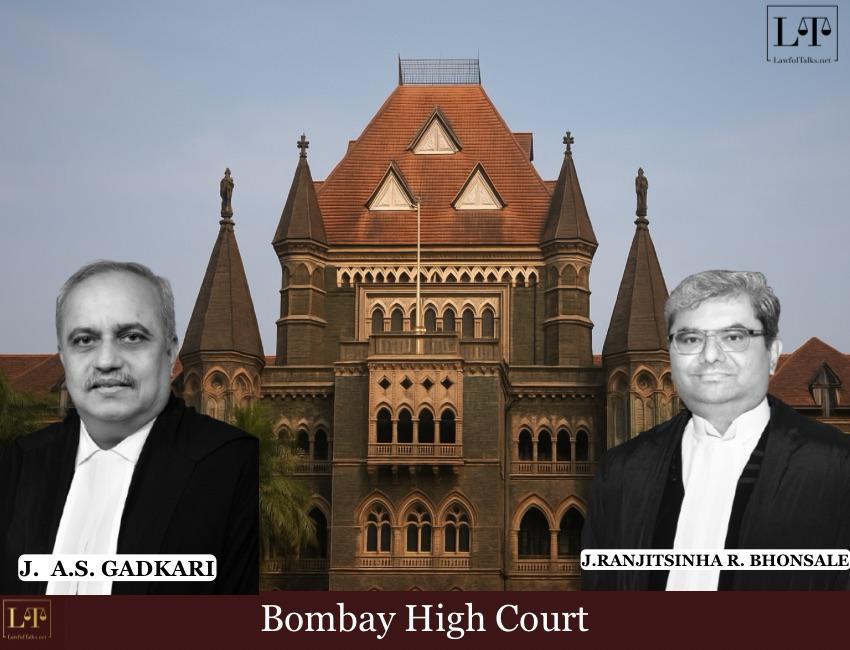
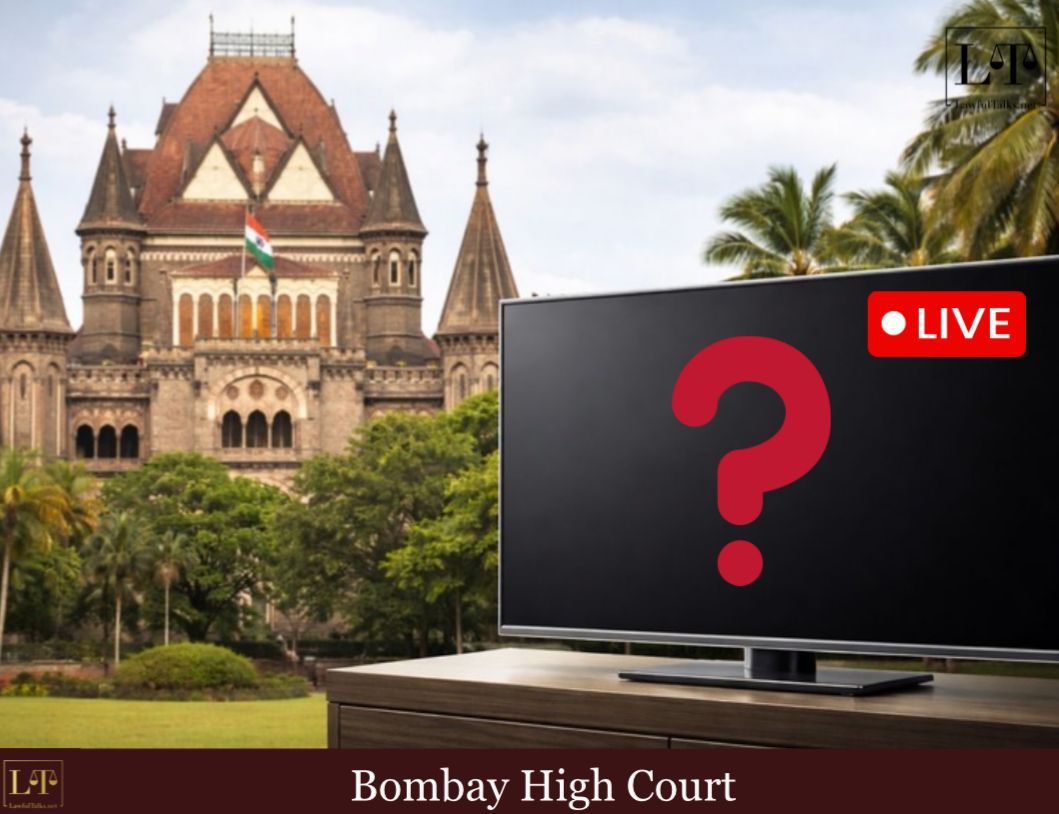
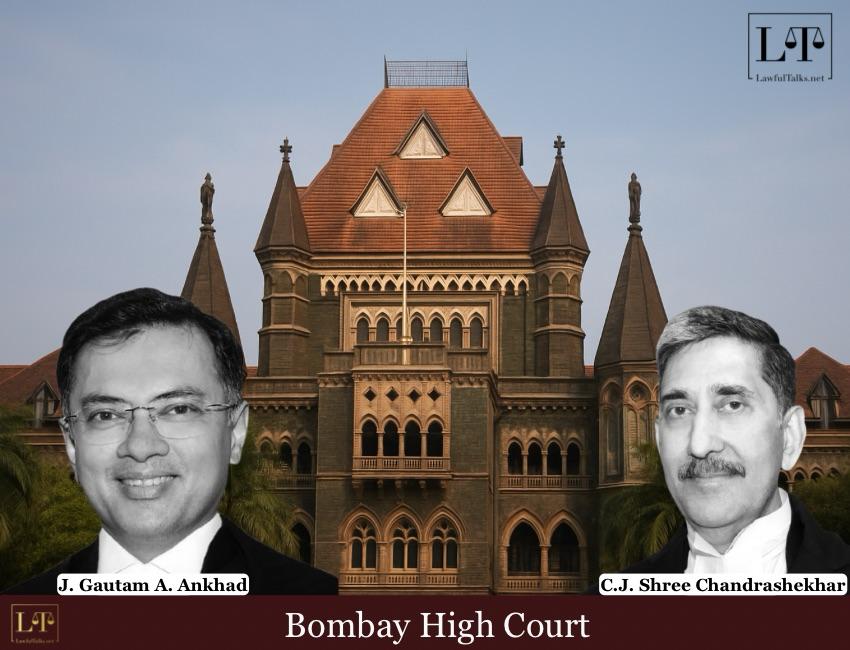
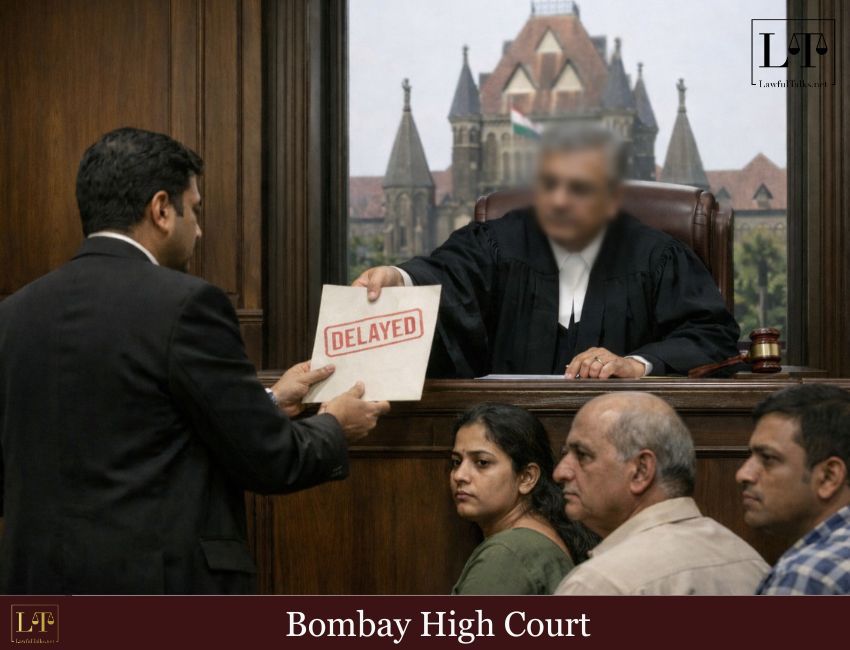
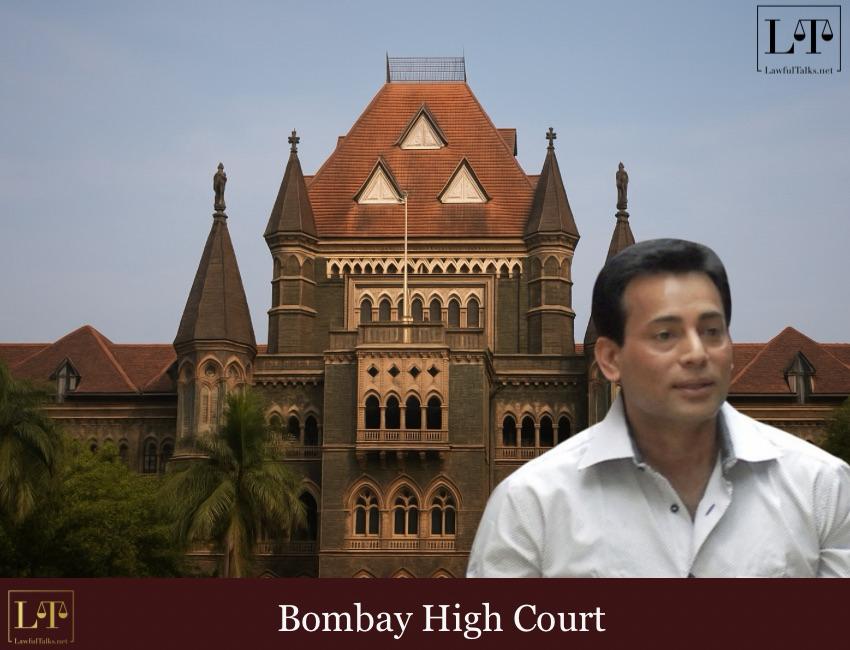
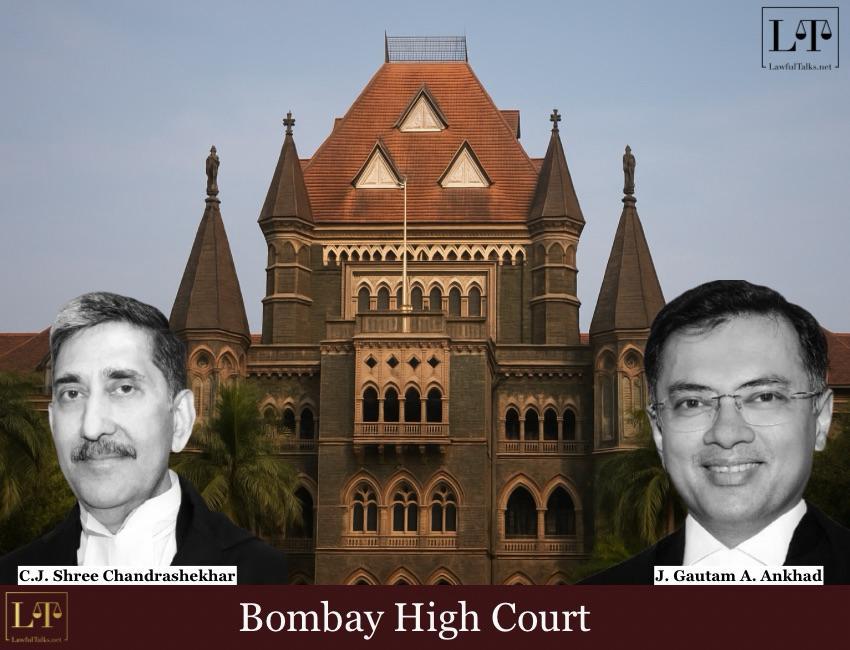
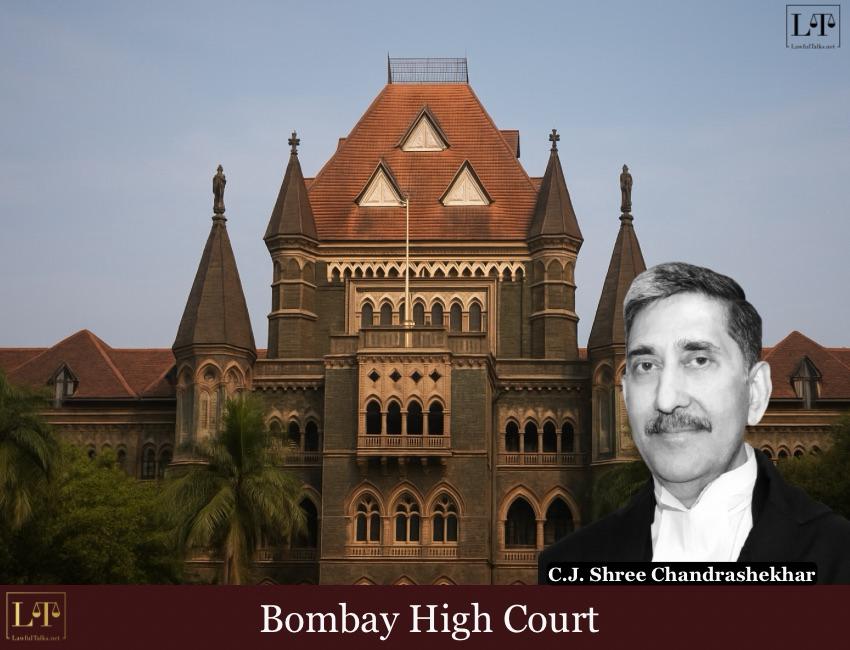
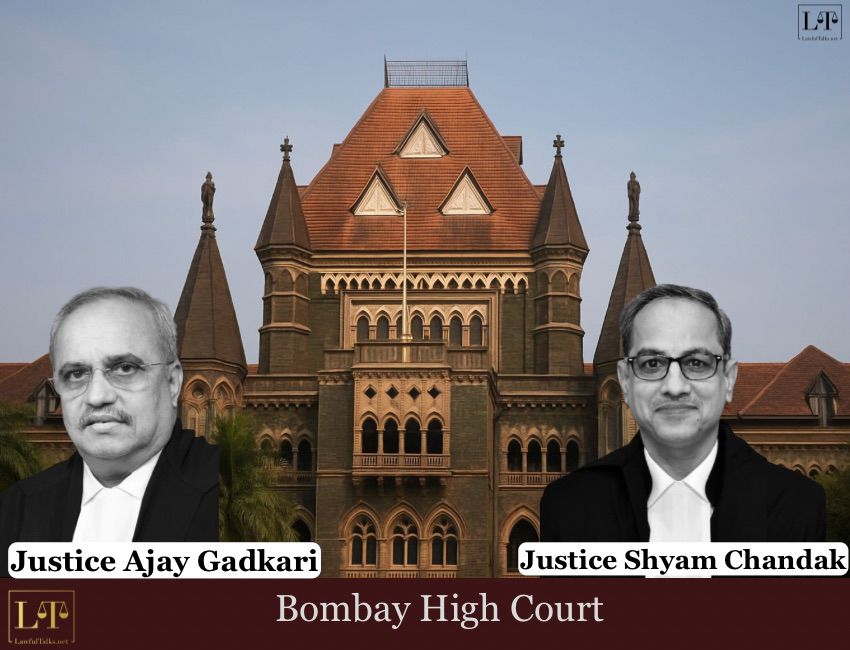
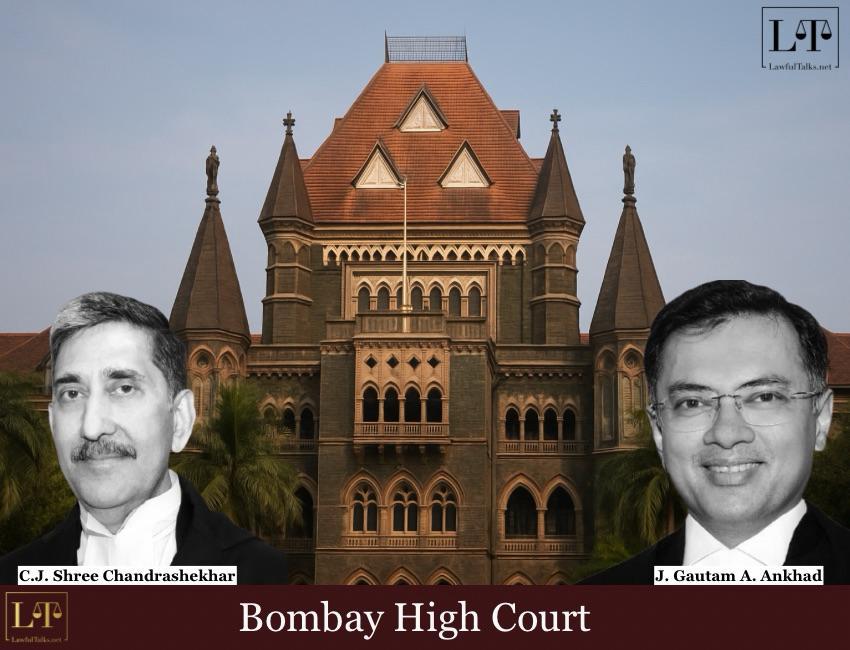
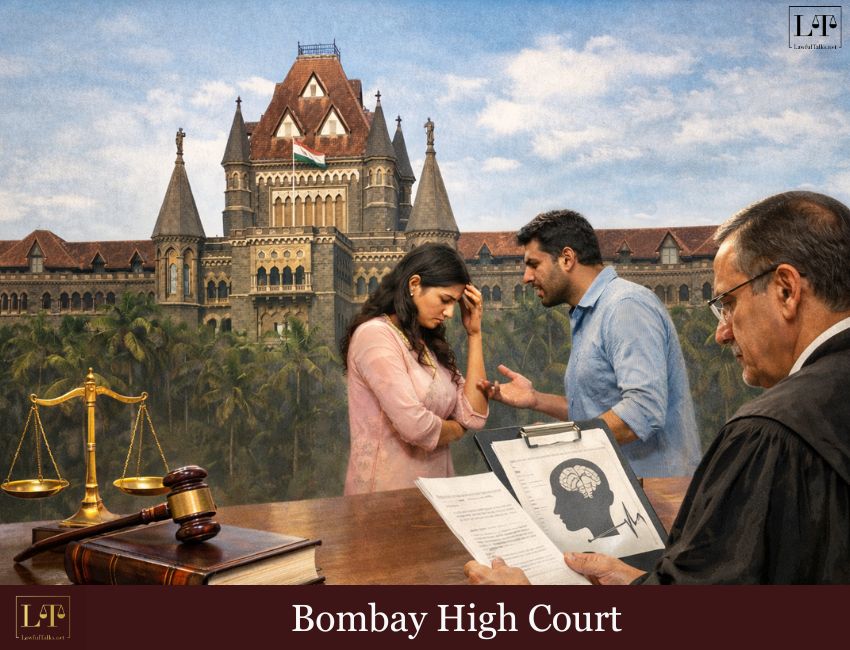
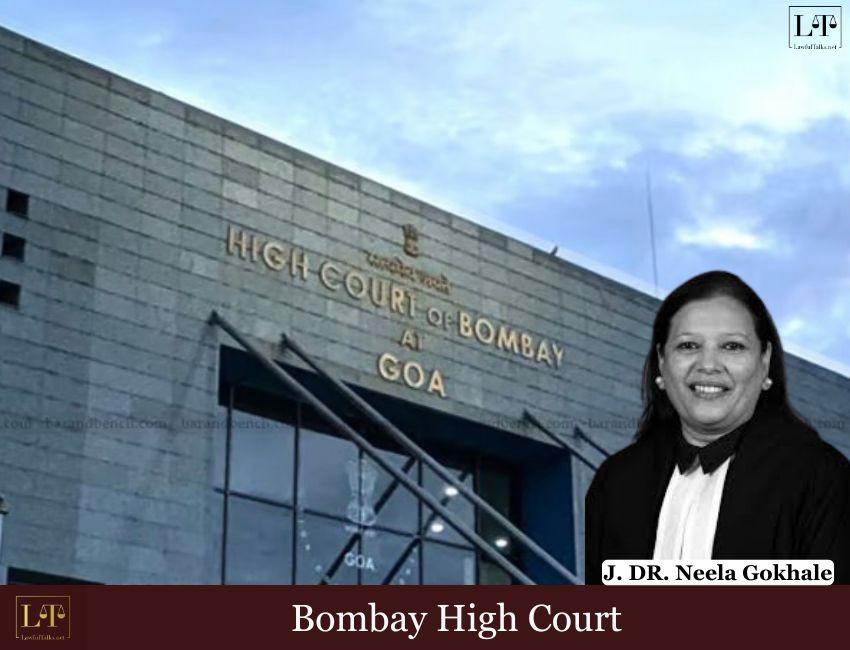
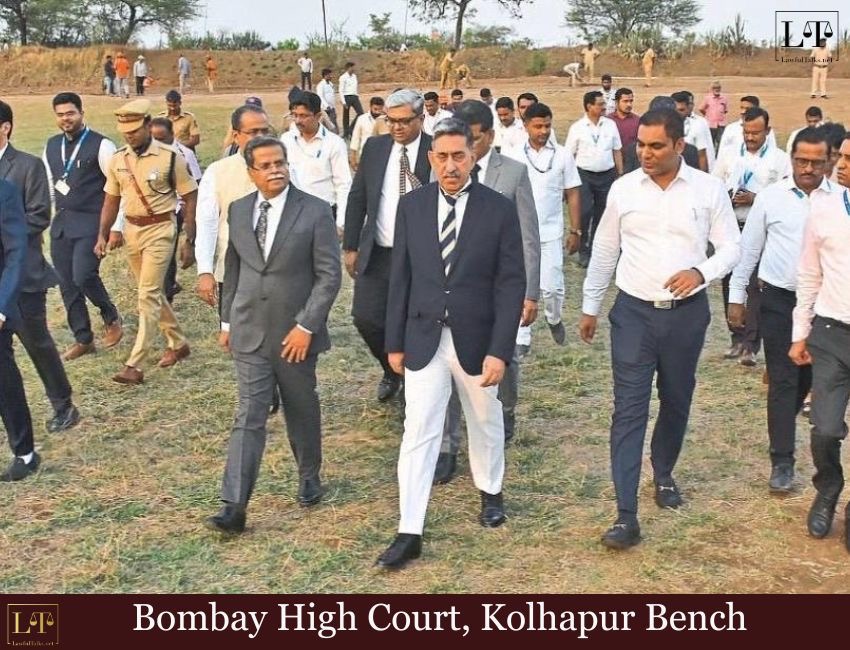
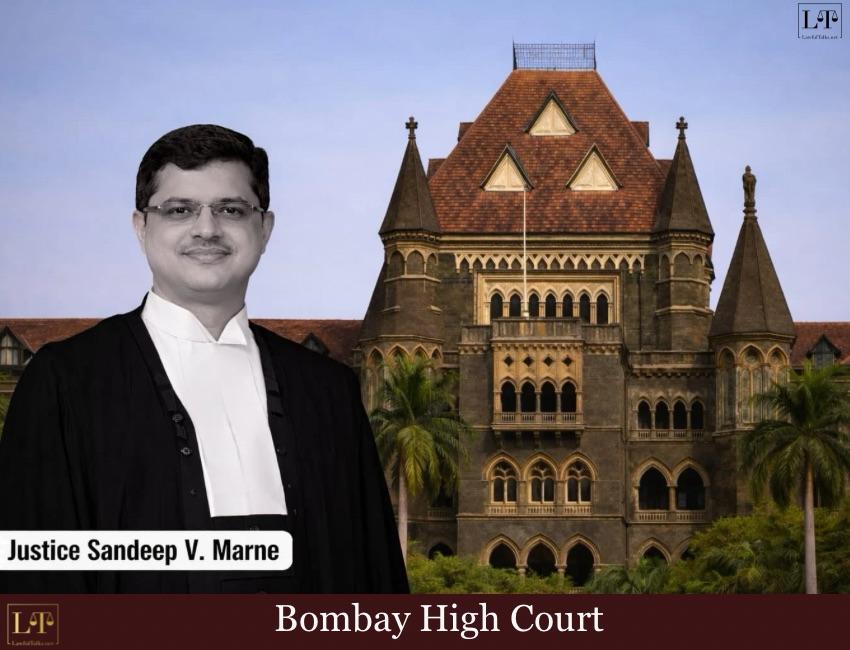
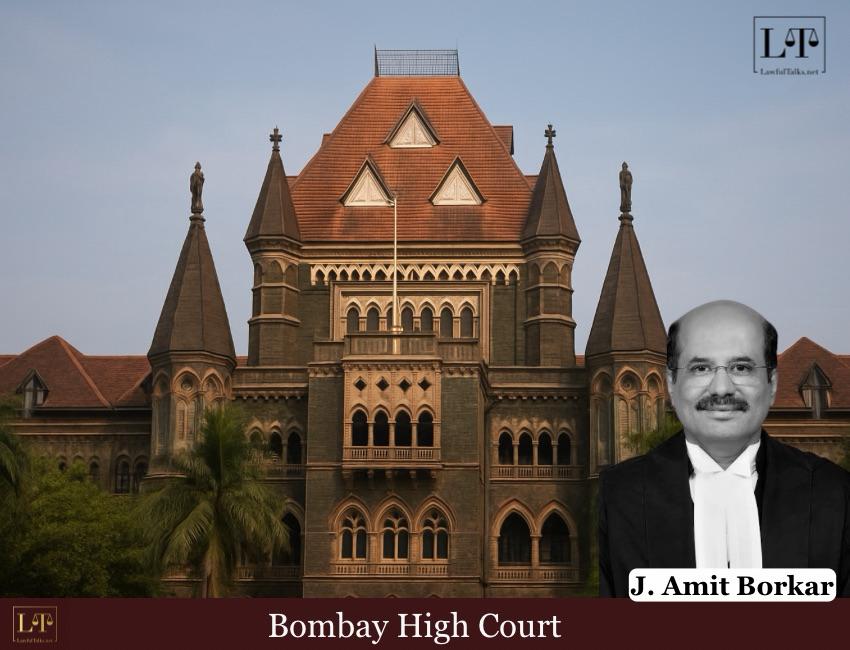
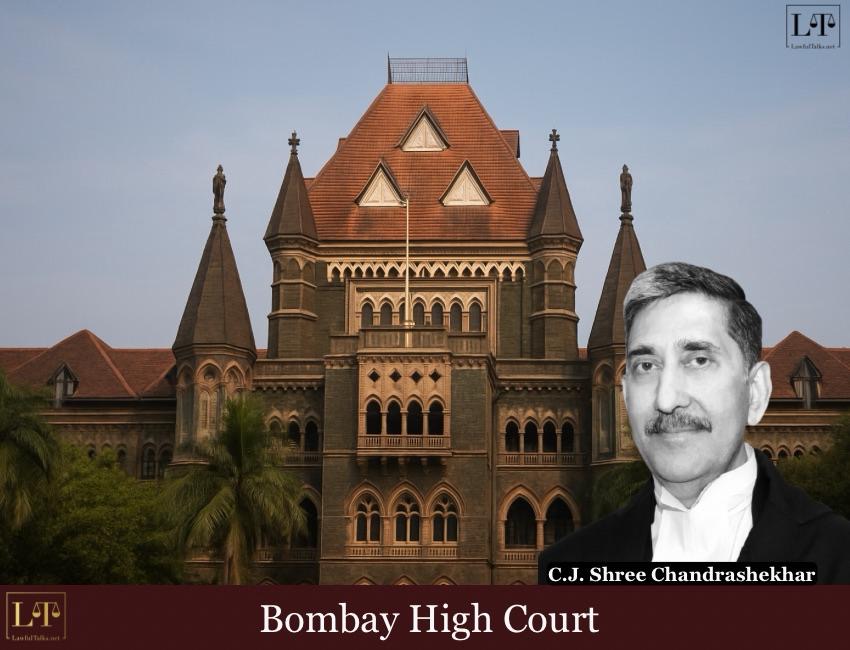
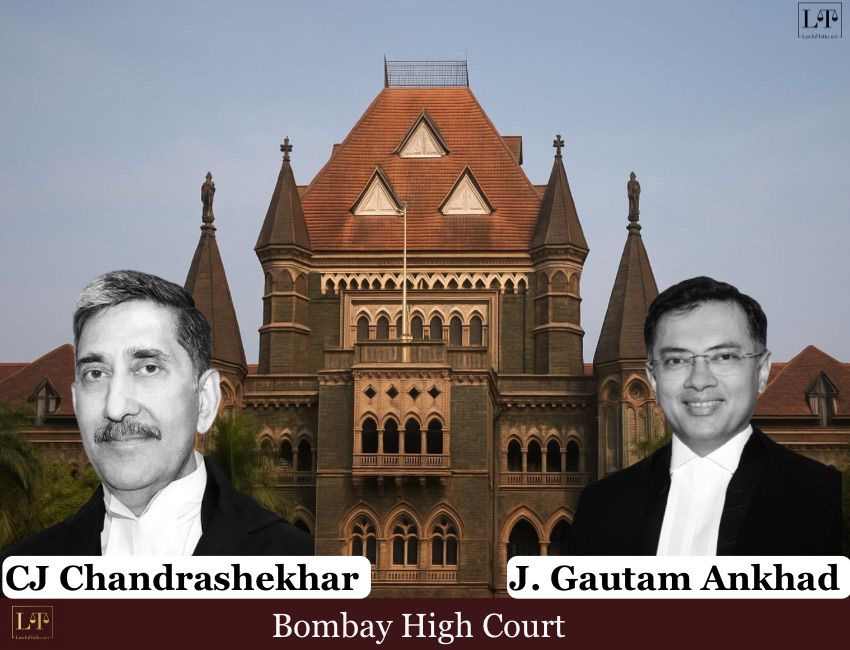
In a major setback for Anil Ambani, a division bench of the Bombay High Court, led by Chief Justice Shree Chandrashekhar and Justice Gautam Ankhad on Monday set aside a single judge’s order that had put on hold fraud classification proceedings initiated against him by Bank of Baroda, Indian Overseas Bank, and IDBI Bank.
Fraud Tag Based on 2020 Forensic Audit:
The fraud action had been initiated by the banks based on a forensic audit report dated October 15, 2020. The division bench noted serious flaws in this audit report, which had been used to label Ambani as a “fraud.”
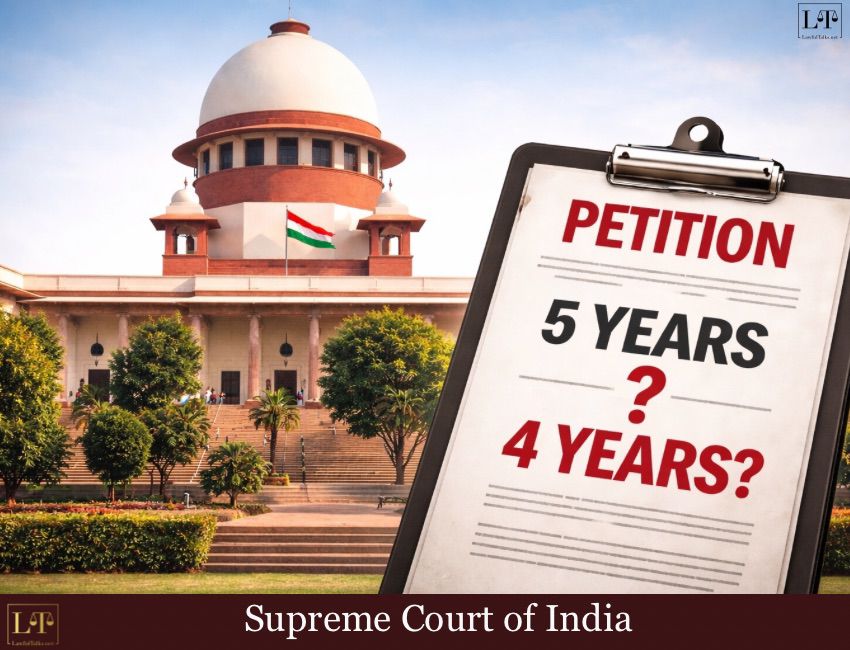
Although the detailed judgment is still awaited, Solicitor General Tushar Mehta, appearing for the banks, argued that Ambani had not challenged the October 15, 2020 forensic audit report for five years. He also said that in the proceedings before single judge Justice Milind Jadhav, Ambani challenged the forensic audit report only on technical grounds and did not dispute its findings on merits.
Banks: Ambani Challenged It Too Late
Mehta noted that Anil Ambani had first received a show-cause notice from the State Bank of India (SBI), after which he was declared a fraud based on a forensic audit. Ambani challenged this action, arguing that it violated the principles of natural justice laid down by the Supreme Court of India, as he was not given a proper hearing.
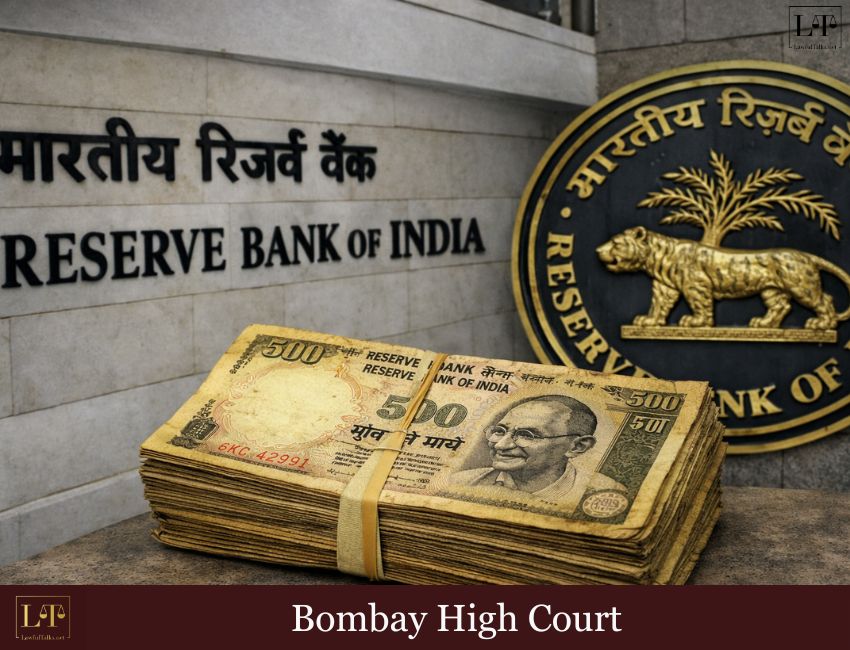
Following this, the Reserve Bank of India (RBI) revised its 2024 Master Circular, making it mandatory to give a personal hearing before classifying someone as a fraud.
The banks also argued that Ambani’s new technical objection — that the auditor, BDO LLP, was not qualified under the 2024 Circular — had no merit. They said there is no rule requiring an auditor to be affiliated with the ICA (Institute of Chartered Accountants) for such audits.
“Fraud Tag Is Civil Death”: Ambani’s Defence
Replying on behalf of Anil Ambani, Senior Advocate Gaurav Joshi said that calling his client a fraud was like a “civil death,” as it would destroy his ability to get loans or run businesses. He also described the forensic audit report as “inconclusive, incomplete and error-ridden.”
Joshi pointed out that the audit was carried out after insolvency proceedings had begun against Ambani’s company and after a Resolution Professional had been appointed. He argued that the report was only an “accounts” audit and did not meet proper forensic standards.
RCom Fund Transfers Explained:
He also criticised BDO LLP for treating normal fund transfers between Reliance Communications (RCom) subsidiaries as illegal diversions. According to him, these subsidiaries operated as a “single economic unit,” and such transfers were routine.
In its January 24 order, the single judge had said that the appointment of BDO LLP did not follow the qualification requirements for auditors under the Companies Act.
The judge warned about the risks of such appointments and said:
“Appointment of Auditor, whether internal or external even under the 2016 RBI Master directions has to conform to the applicable / relevant statute namely the Companies Act. It will otherwise lead to a disastrous situation wherein there will be a clear dichotomy for appointment of statutory Internal Auditor and External Forensic Auditor as any unqualified person having vast experience can get appointed in that case at the discretion of the Bank. This is not permissible.’’
Case Detail: Bank of Baroda vs. Anil Ambani & Ors. And Connected Petitions









































































































































Sign up for free and be the first to get notified about curated content just for you.