“Who Gave Them Law Degrees?”: SC Slams Drafting That Fuels Litigation

- February 23, 2026


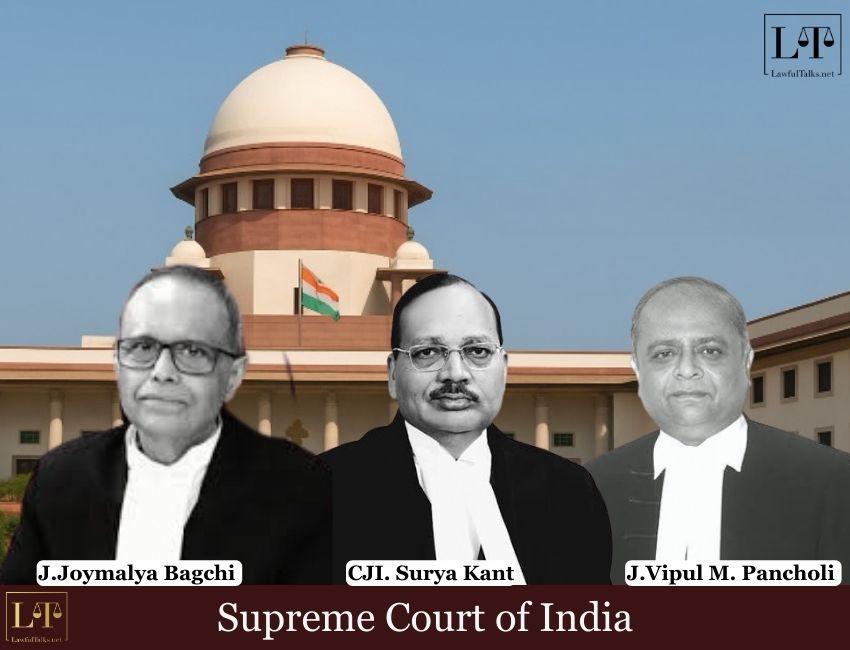
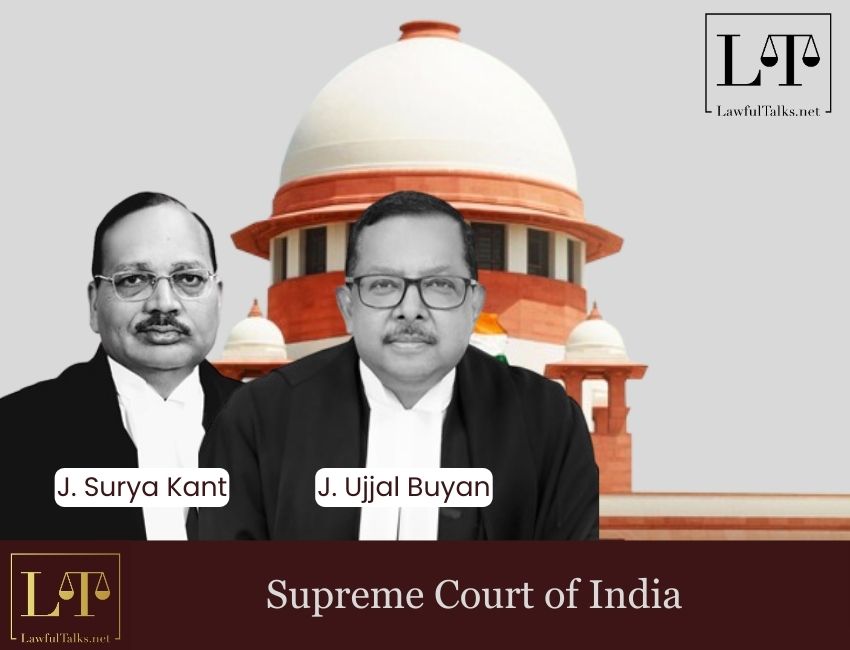
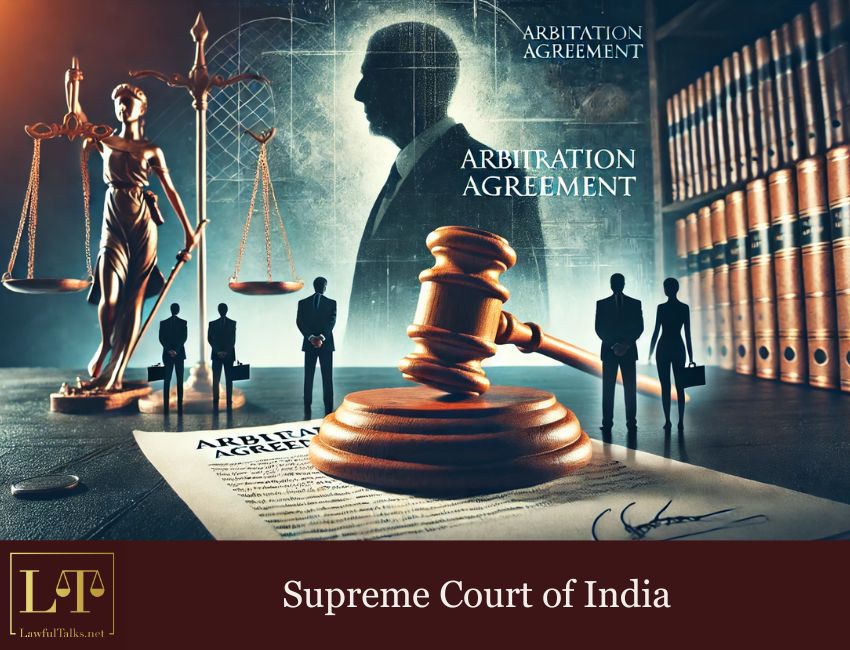
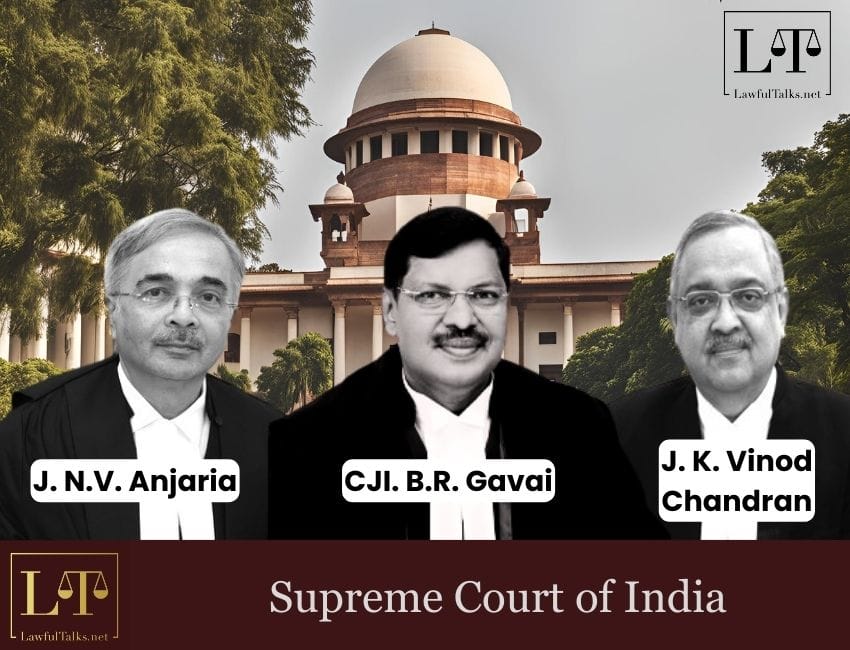
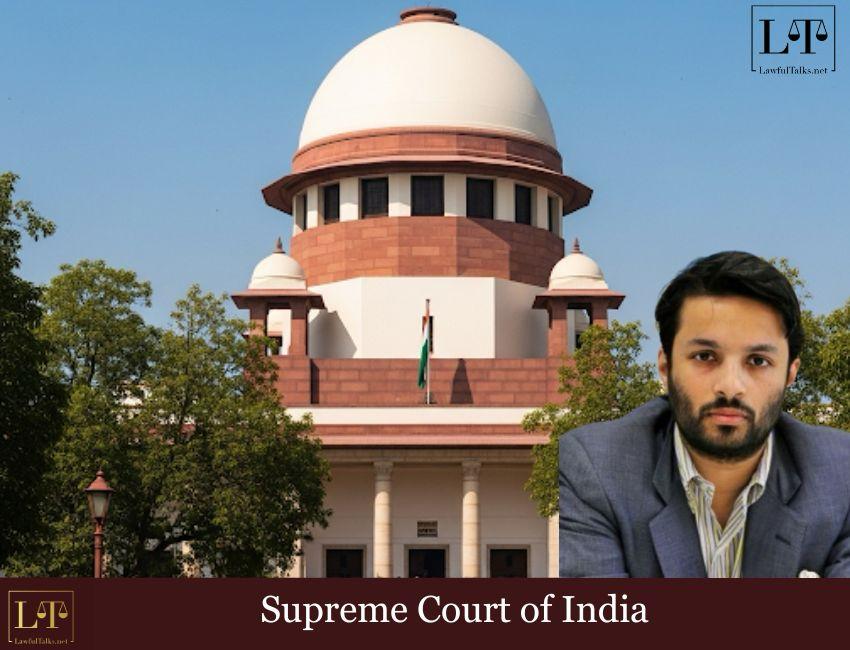
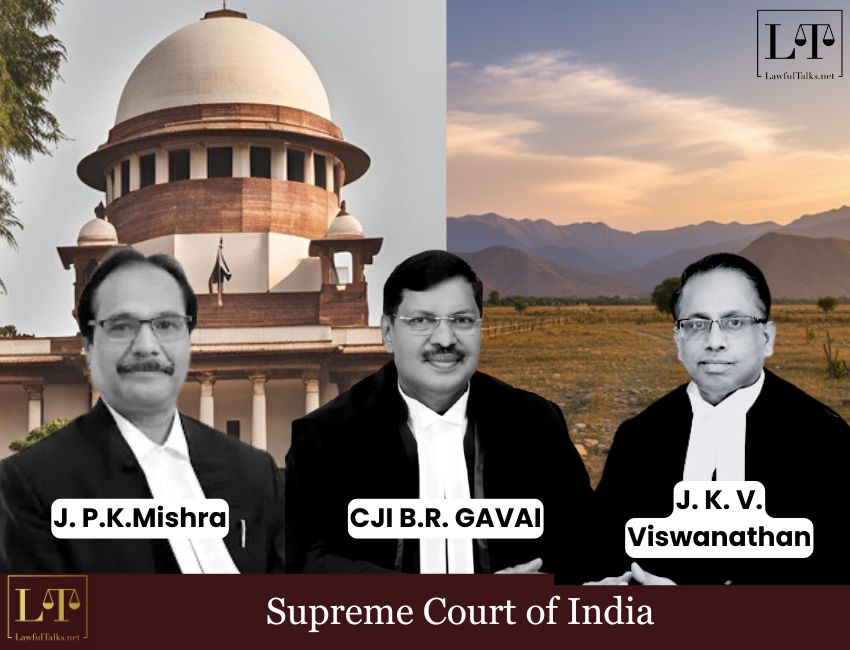
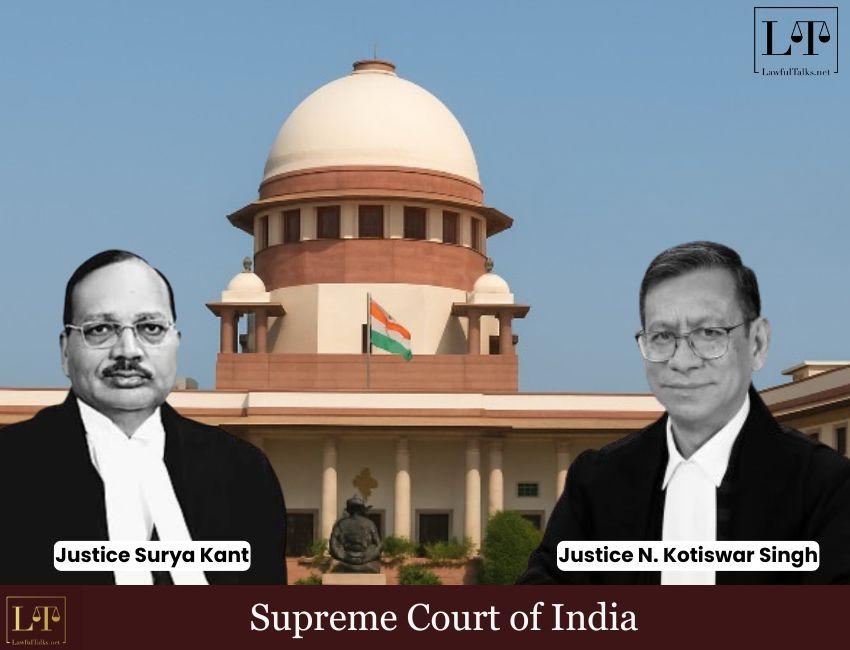
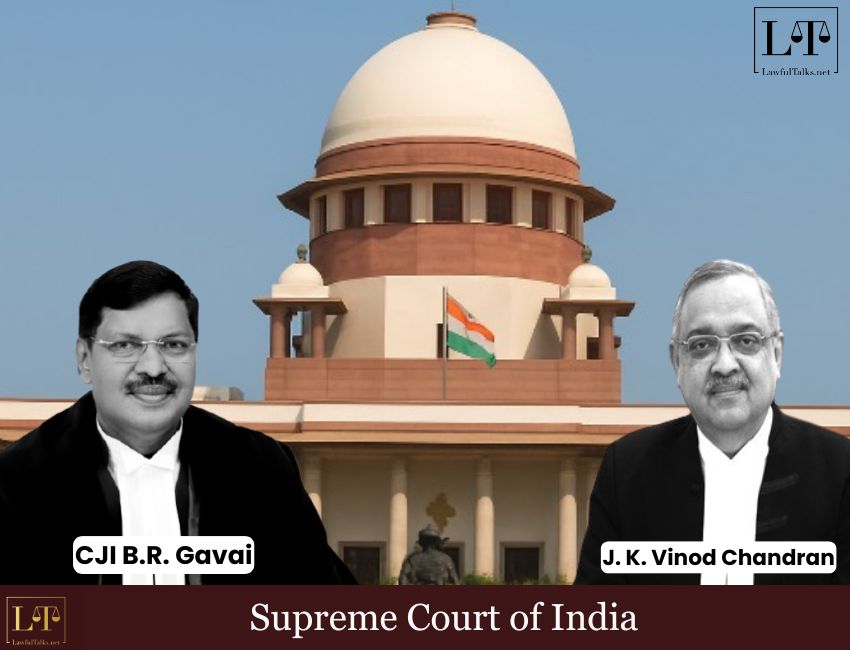
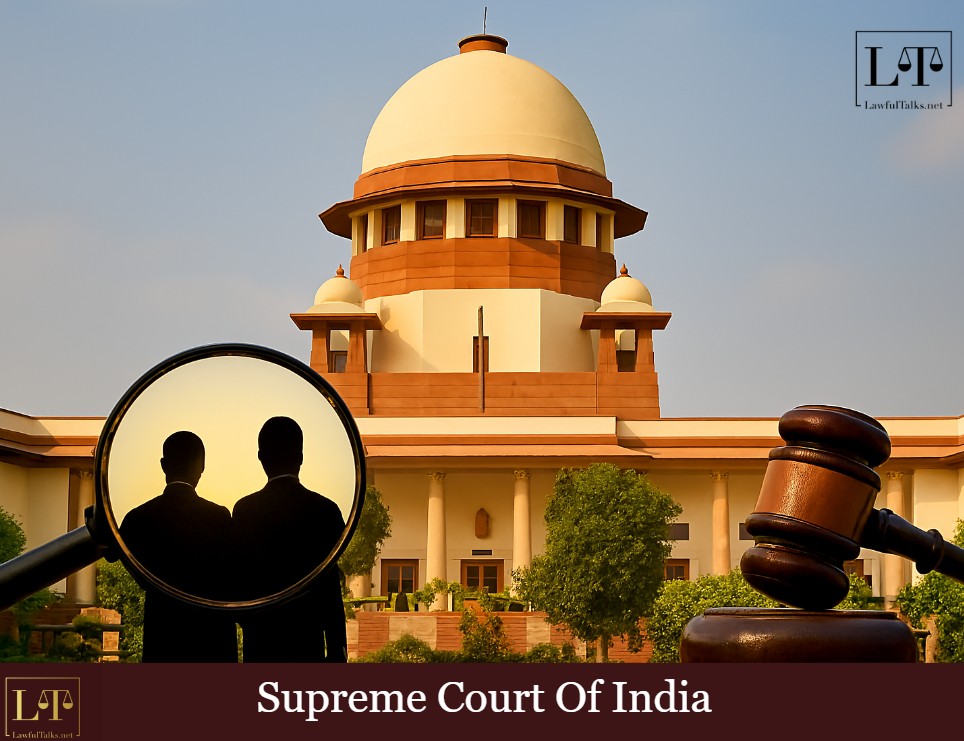
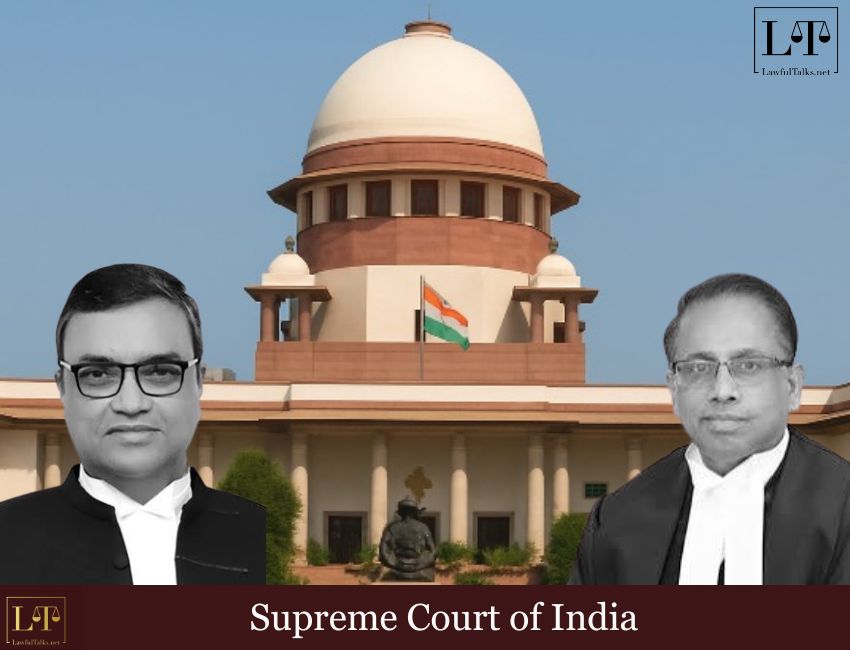
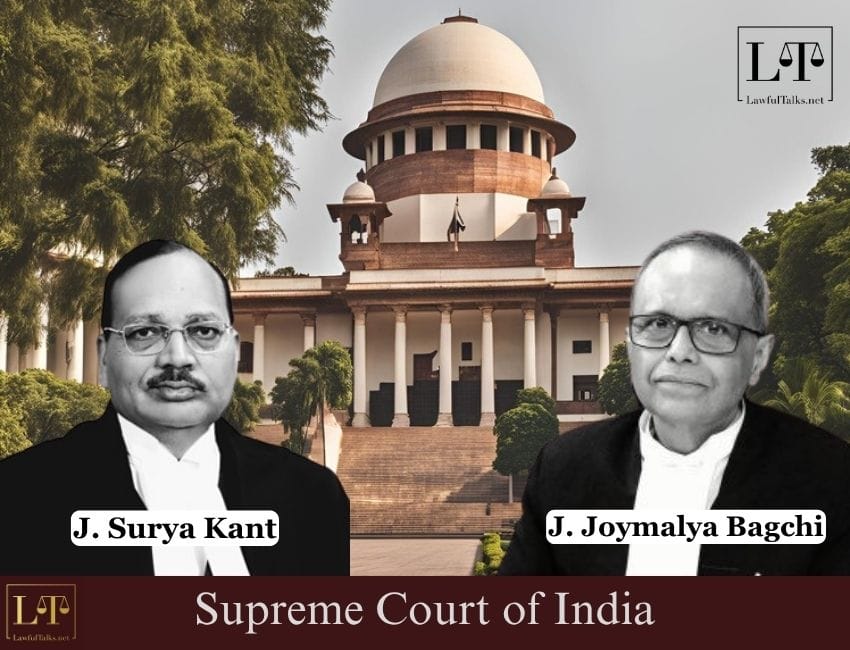
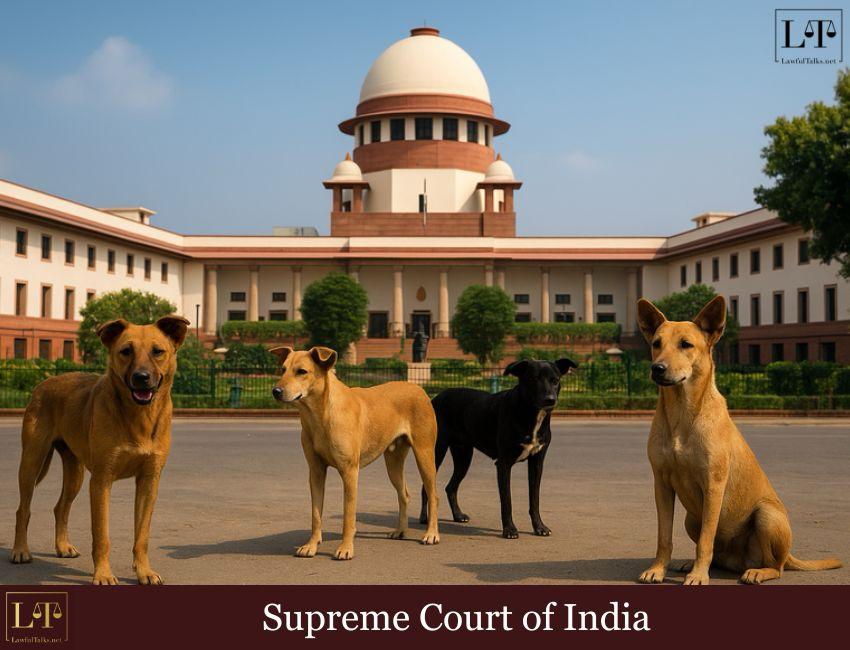
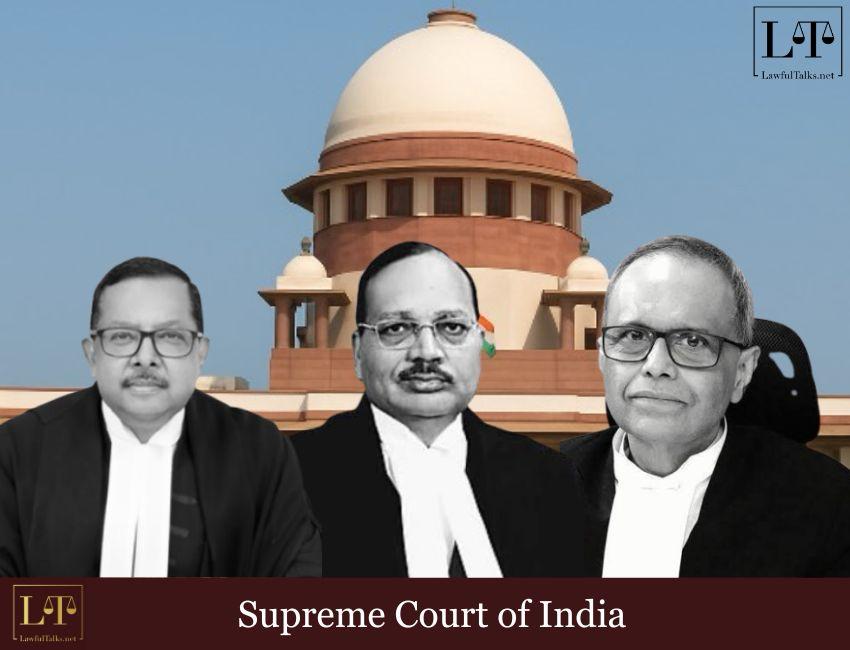
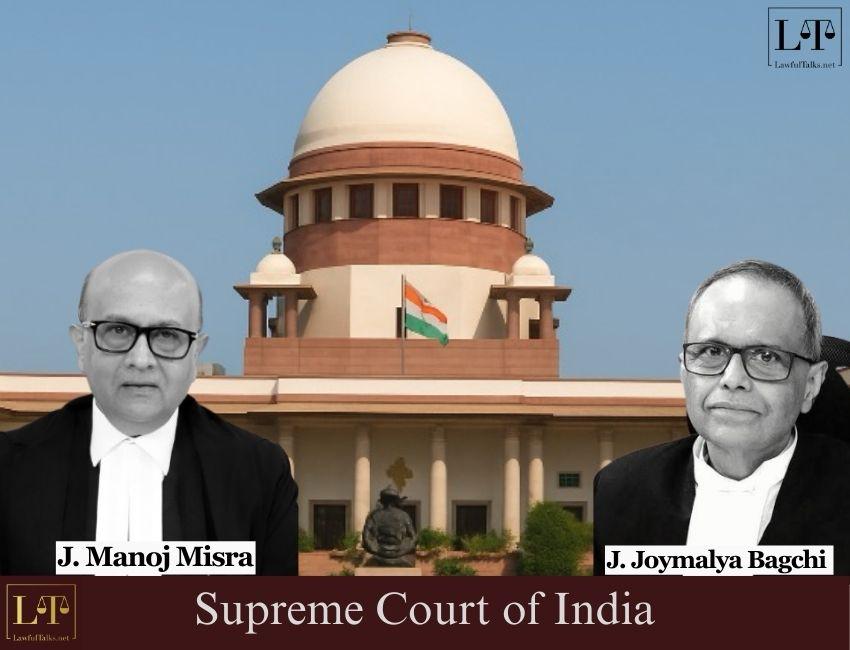
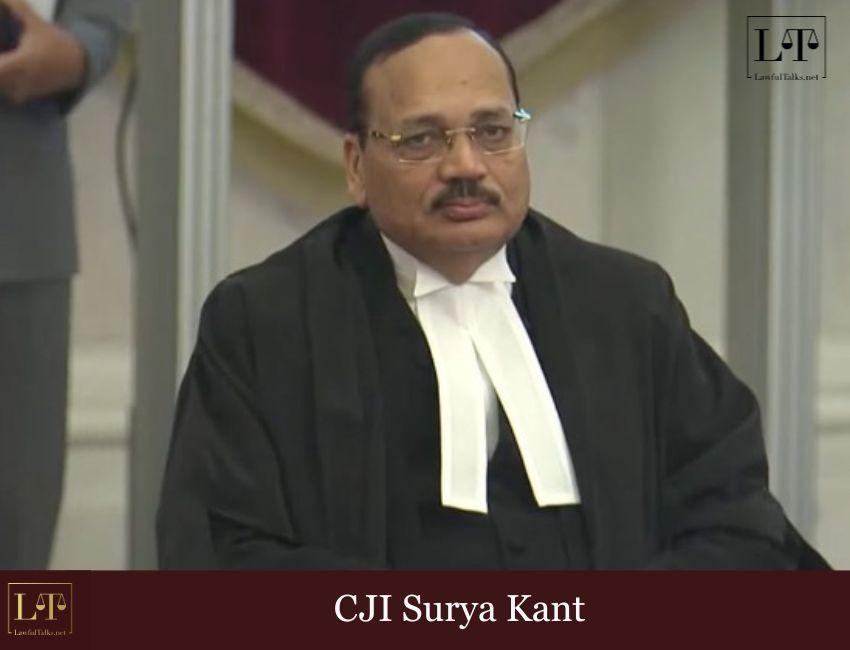
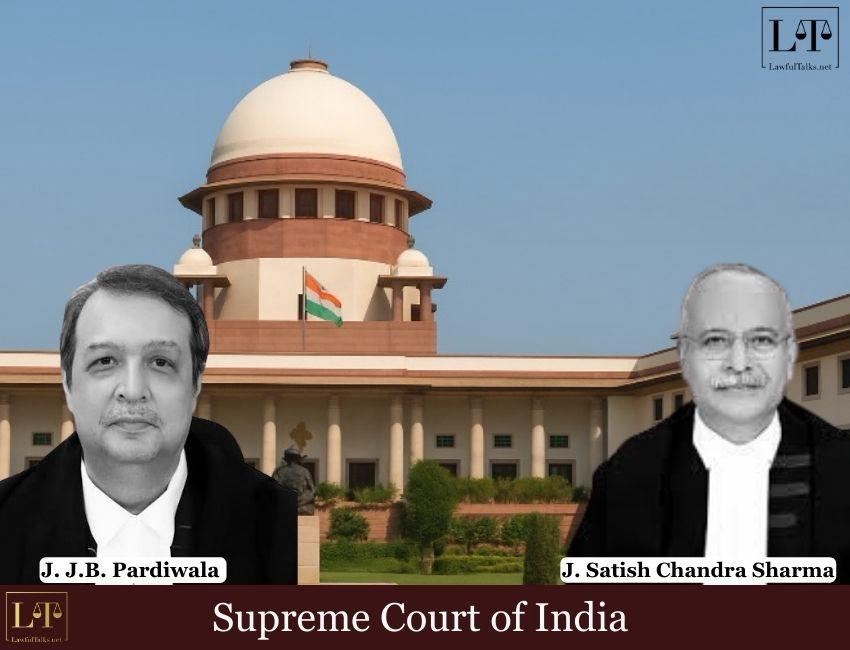
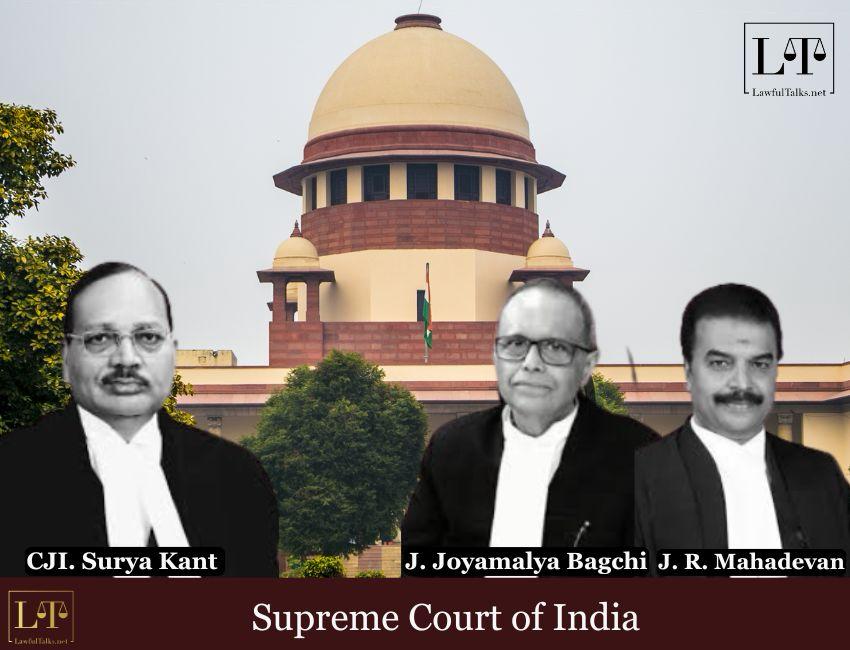
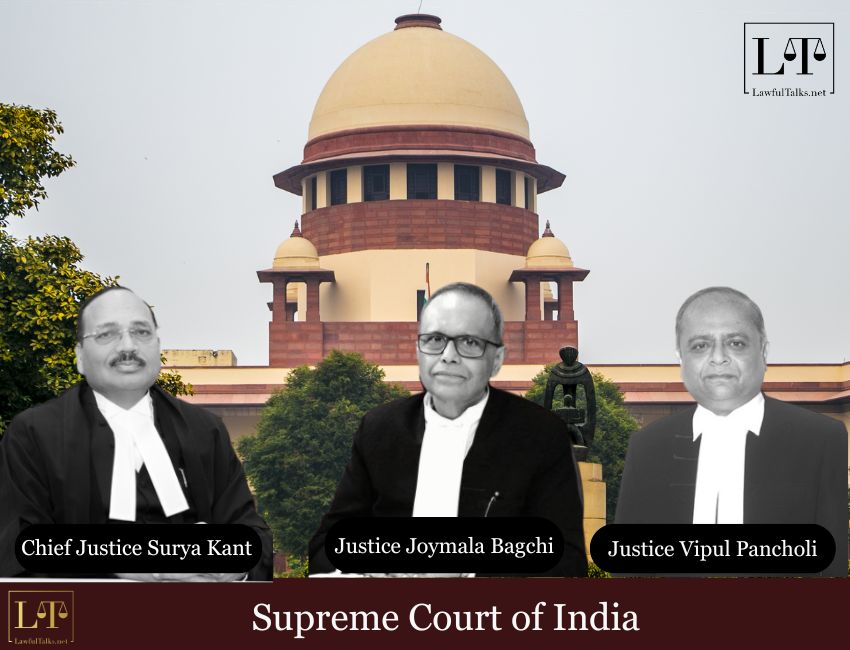
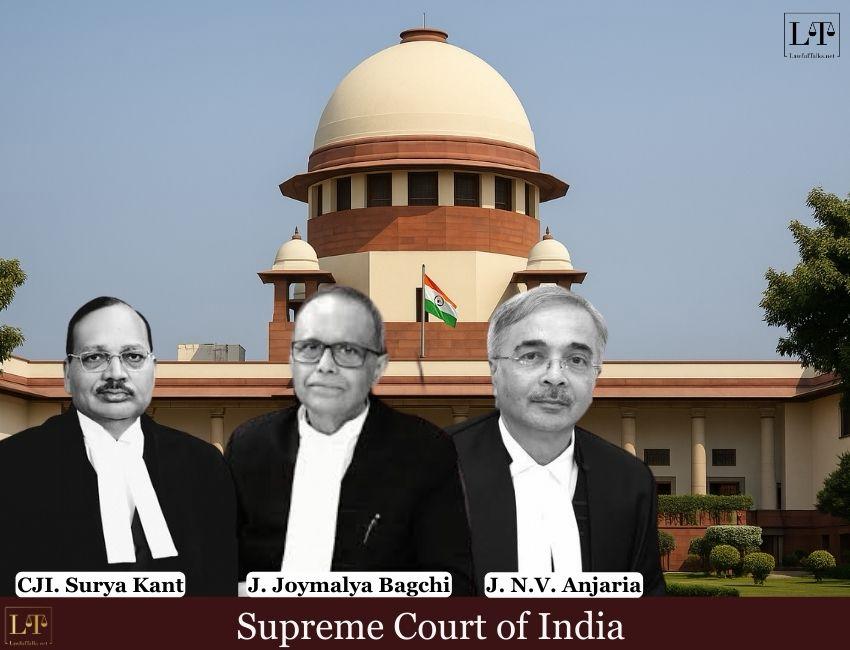
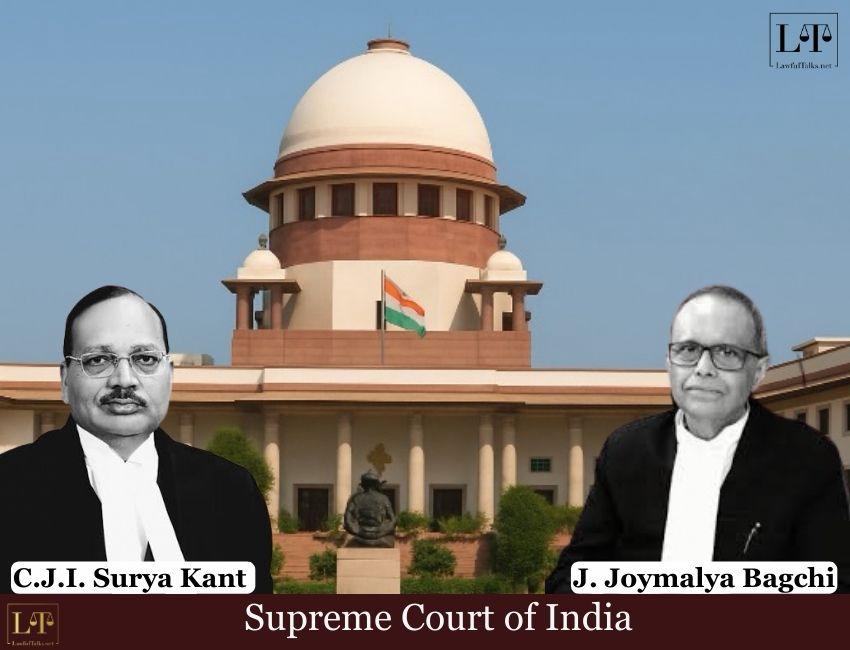
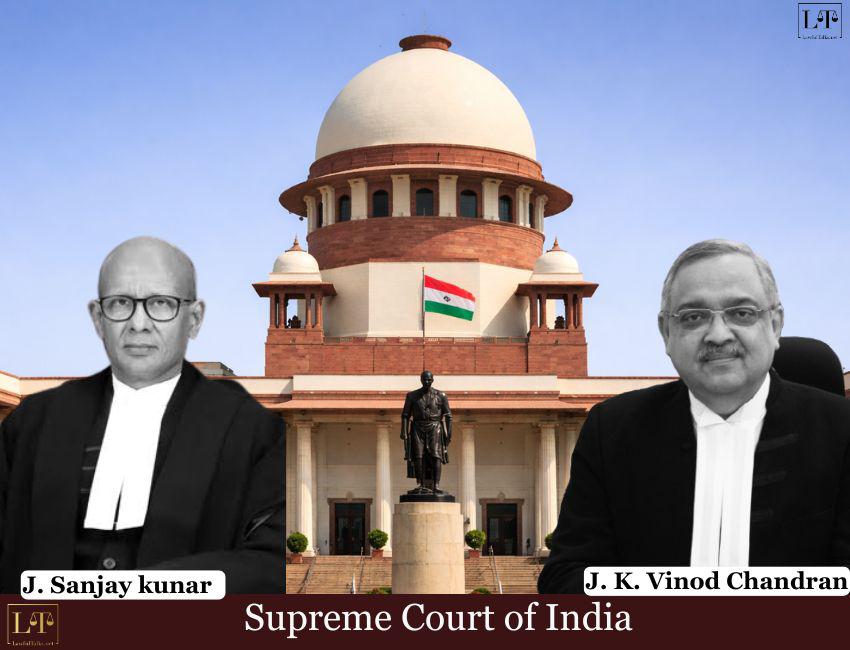
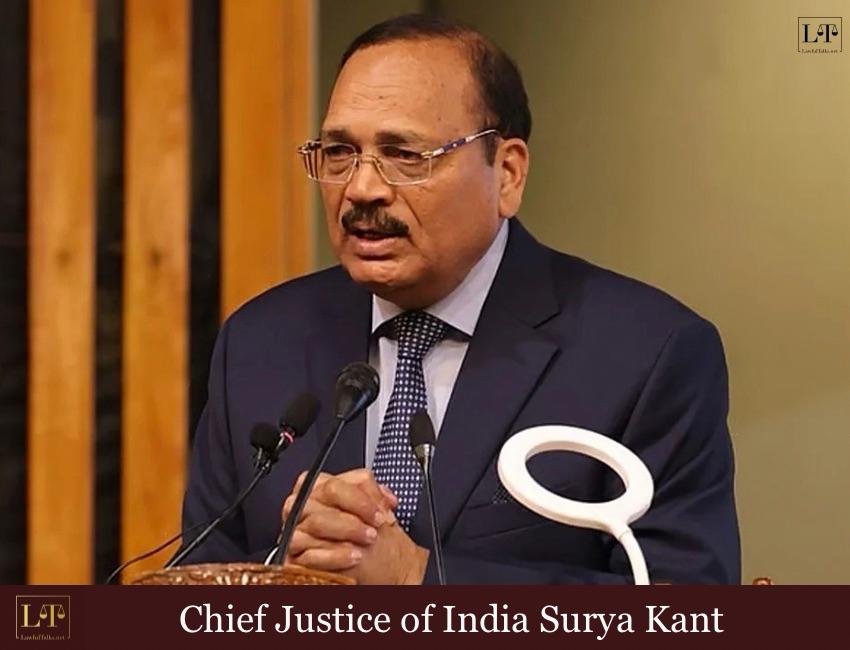
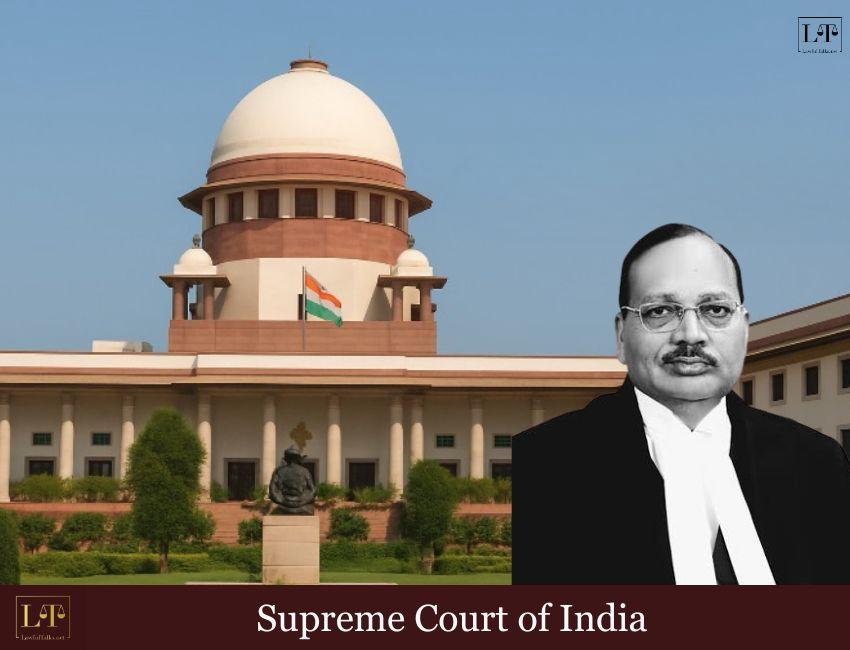
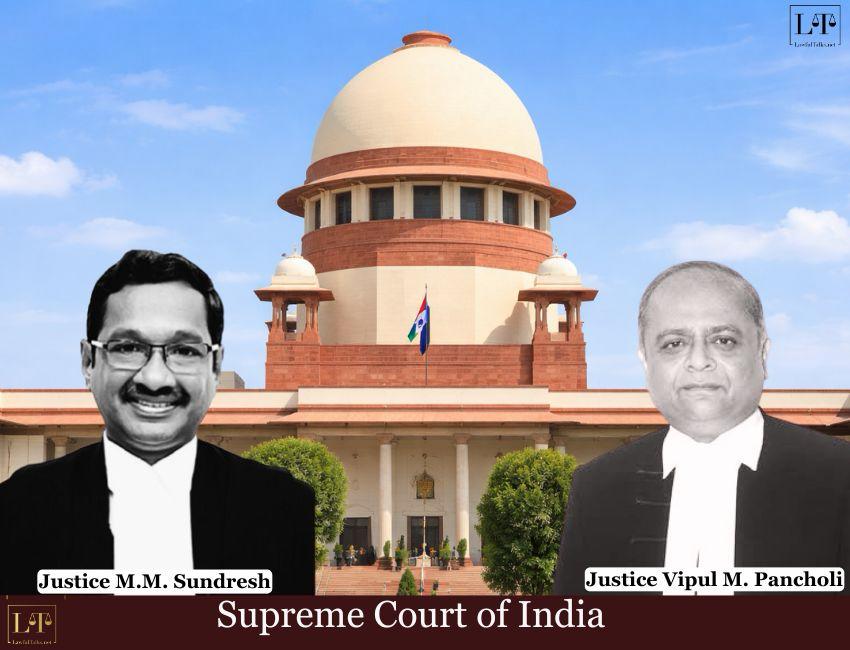
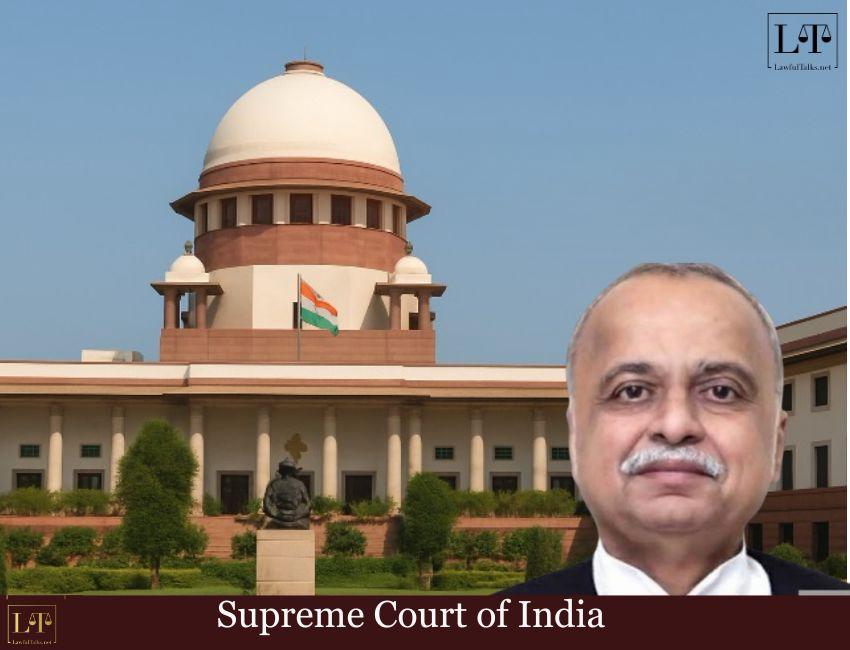
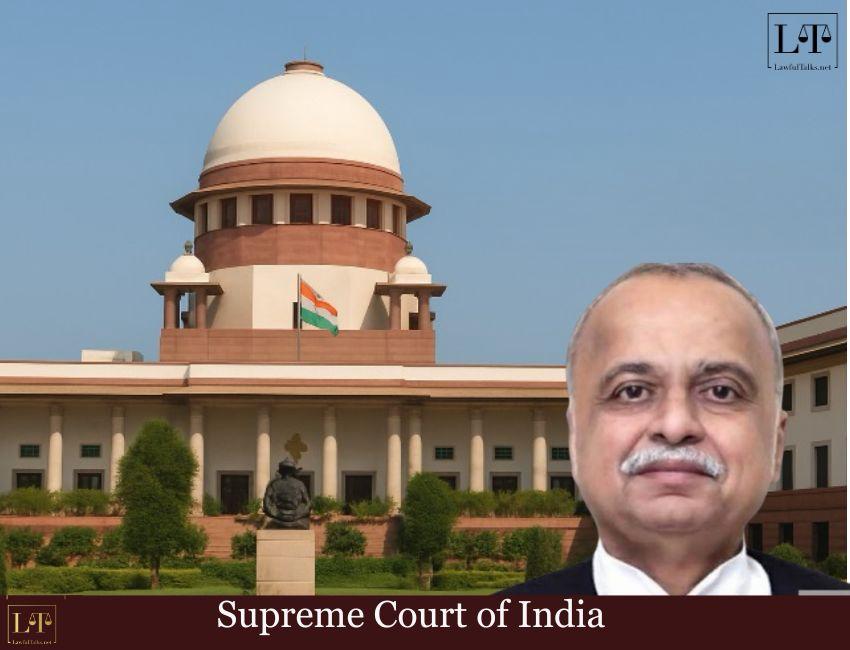
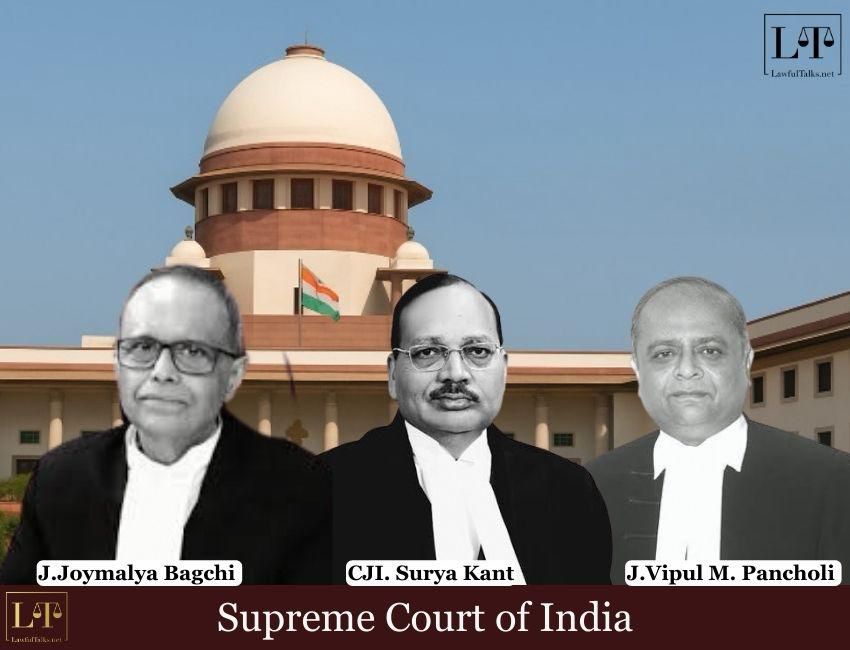
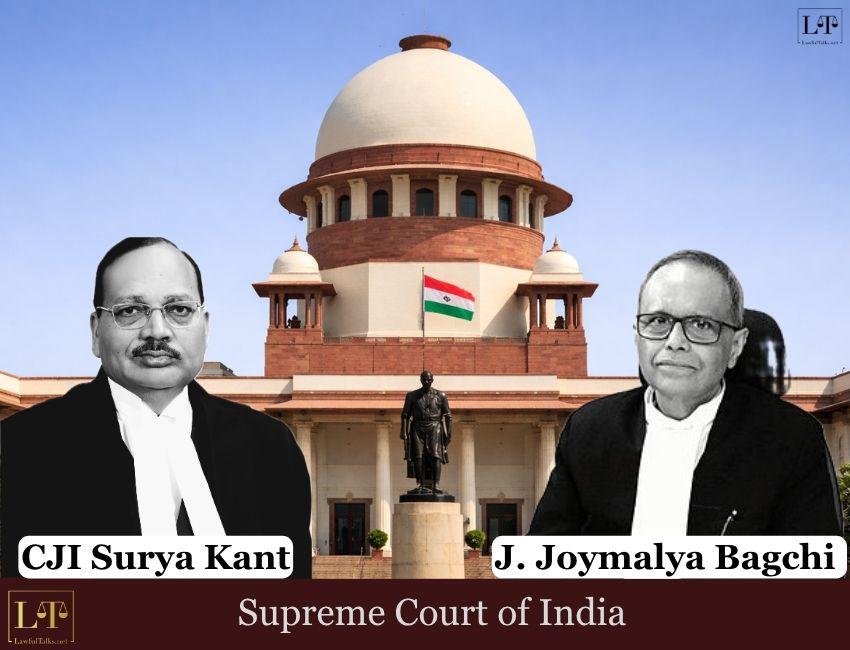
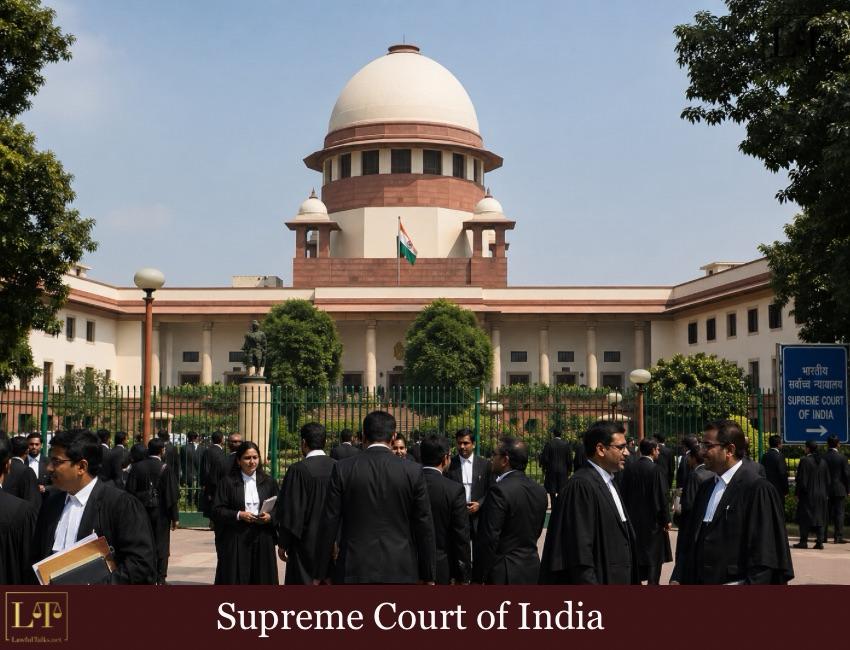
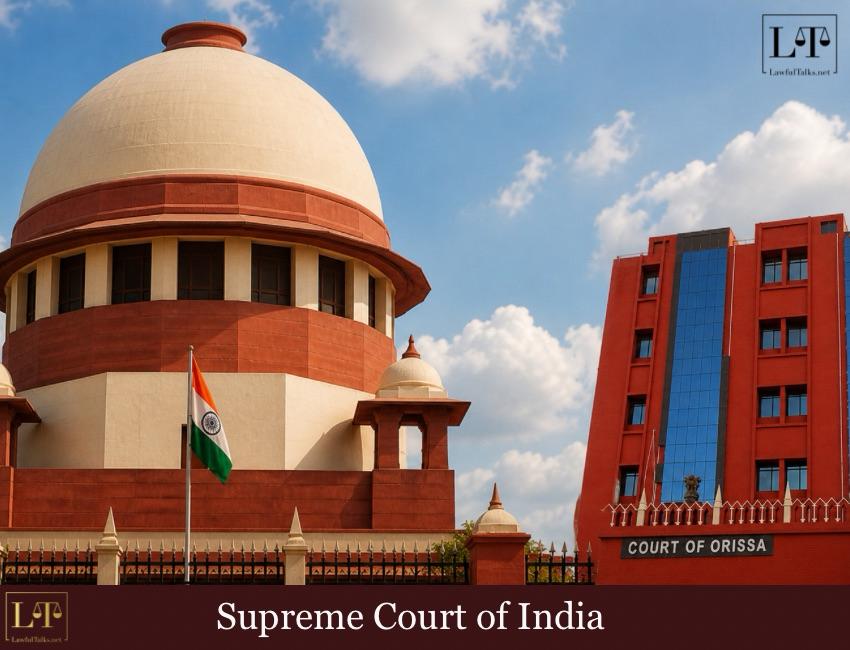
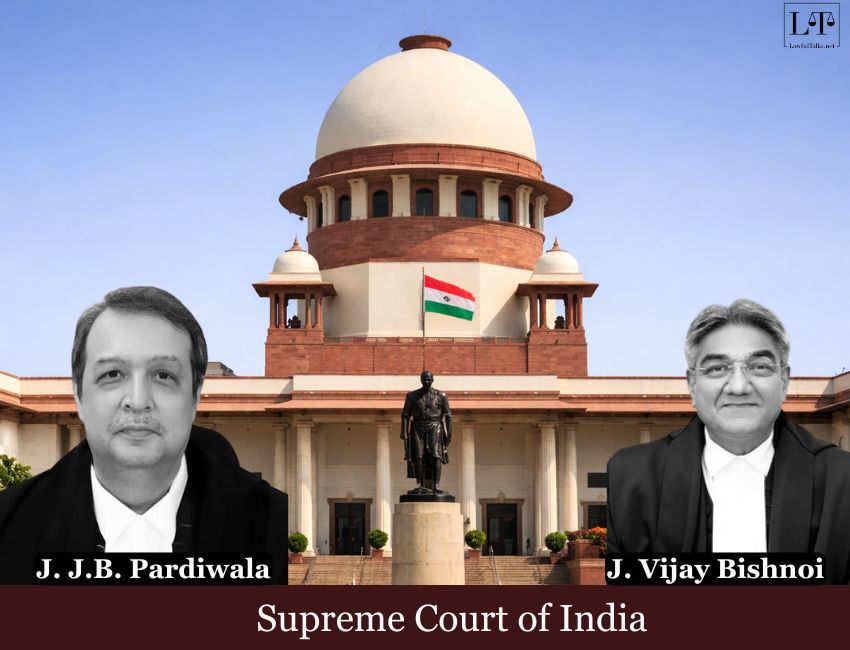
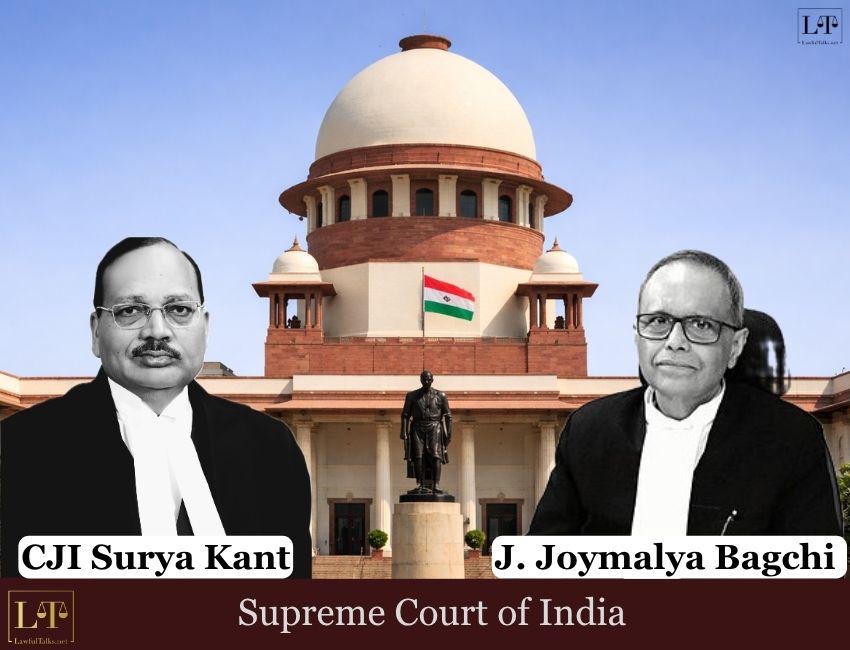
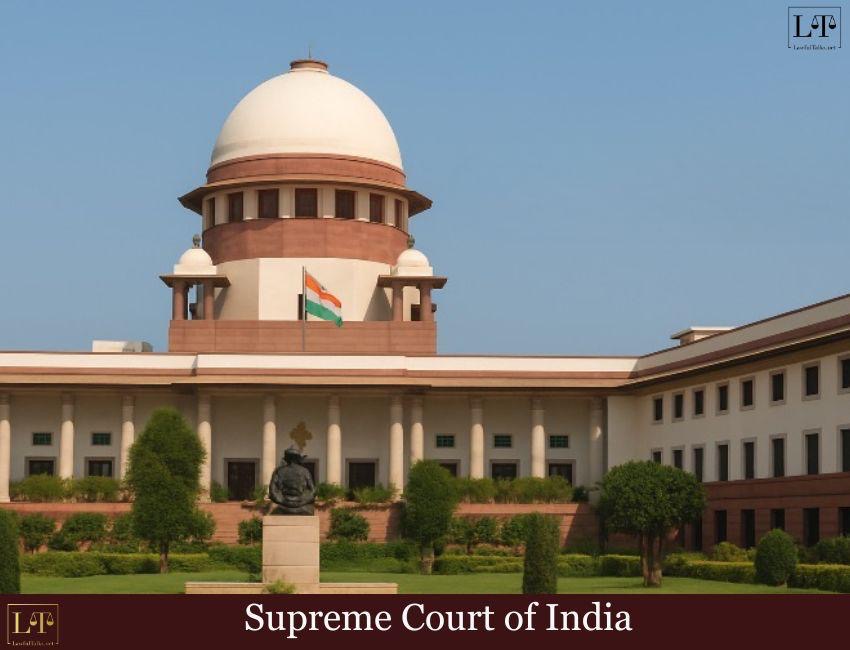
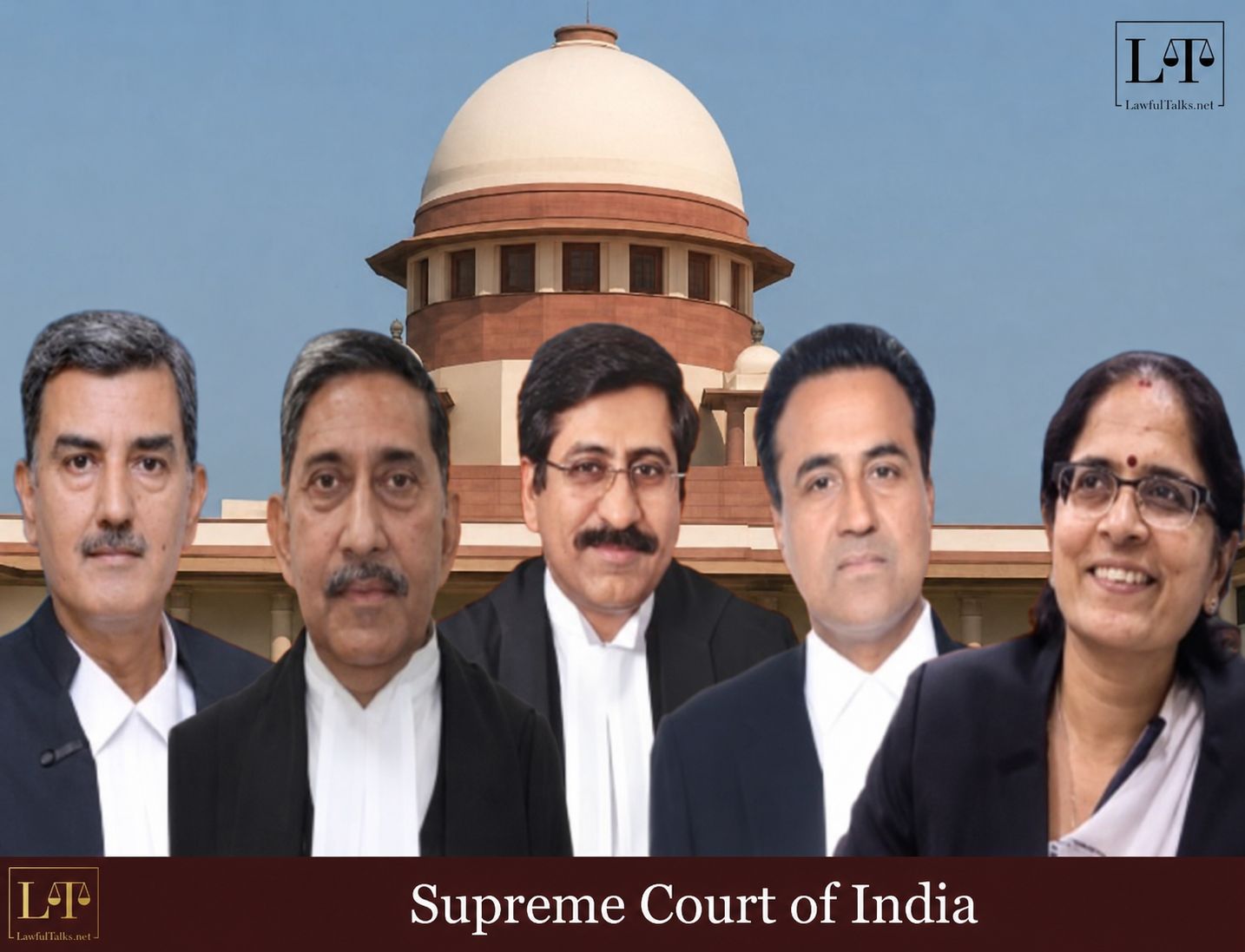
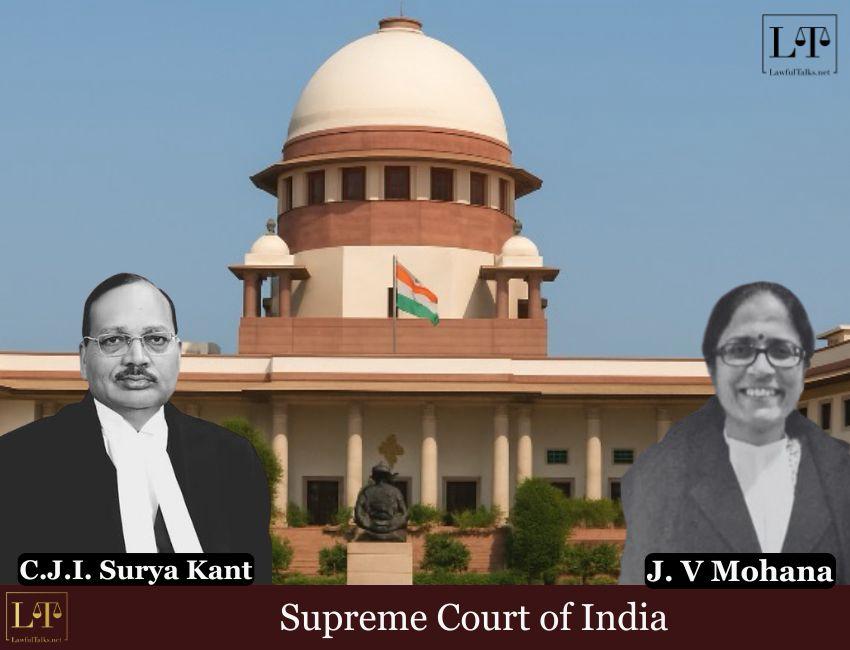
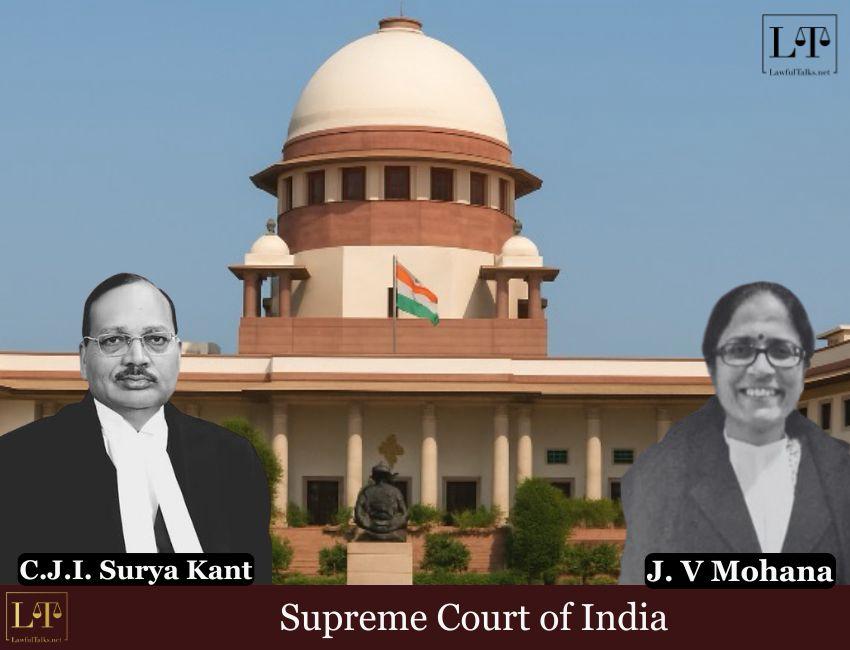
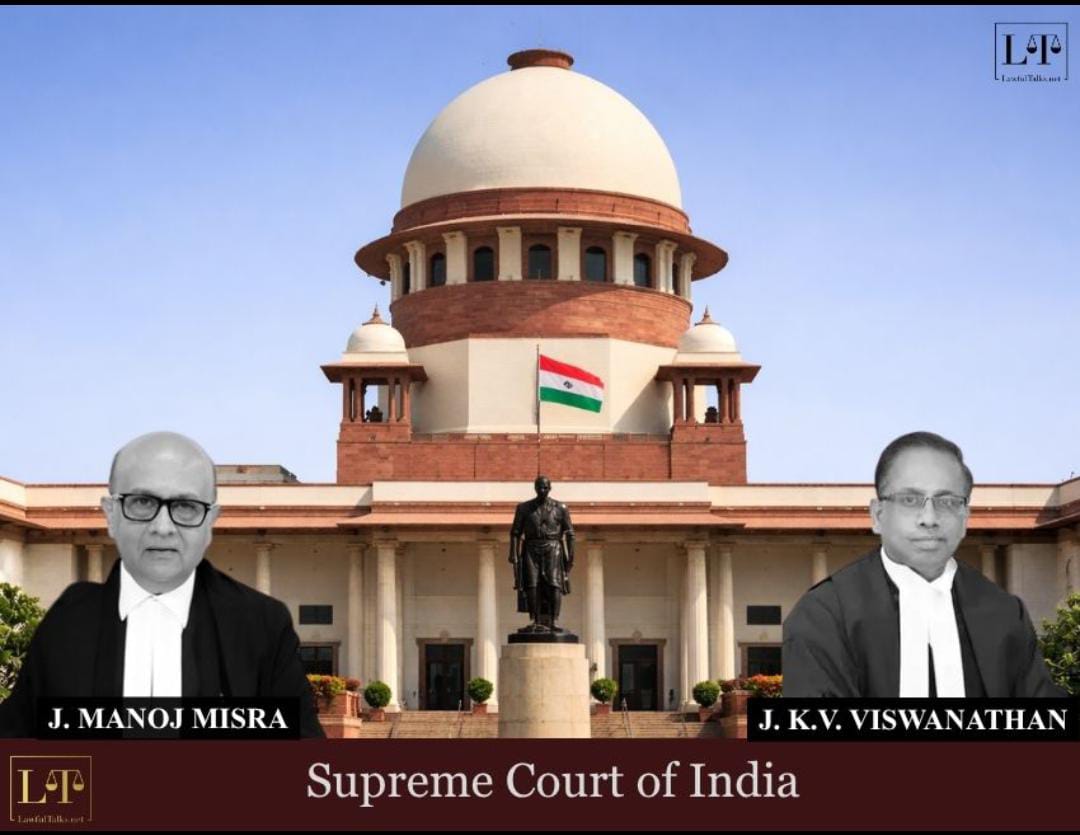
The Supreme Court, in a strong remark, criticised law firms for drafting overly complicated arbitration clauses that end up creating unnecessary court disputes. The bench, led by Chief Justice of India (CJI) Surya Kant and comprising Justices Joymalya Bagchi and Vipul Pancholi, said such drafting amounts to professional misconduct, especially at a time when courts are already burdened with heavy caseloads.
Contradiction Between Clause 13 and Clause 14:
The court made these remarks while hearing a petition that highlighted a contradiction within the same contract. Clause 14 of the agreement stated that disputes would be resolved through arbitration, with New Delhi as the venue. However, Clause 13 said that the contract would be governed by Indian law and that only the courts in Jajpur would have exclusive jurisdiction over related matters.
The court pointed out that including such contradictory clauses in one contract creates confusion, leads to avoidable litigation, and puts extra pressure on the judicial system.
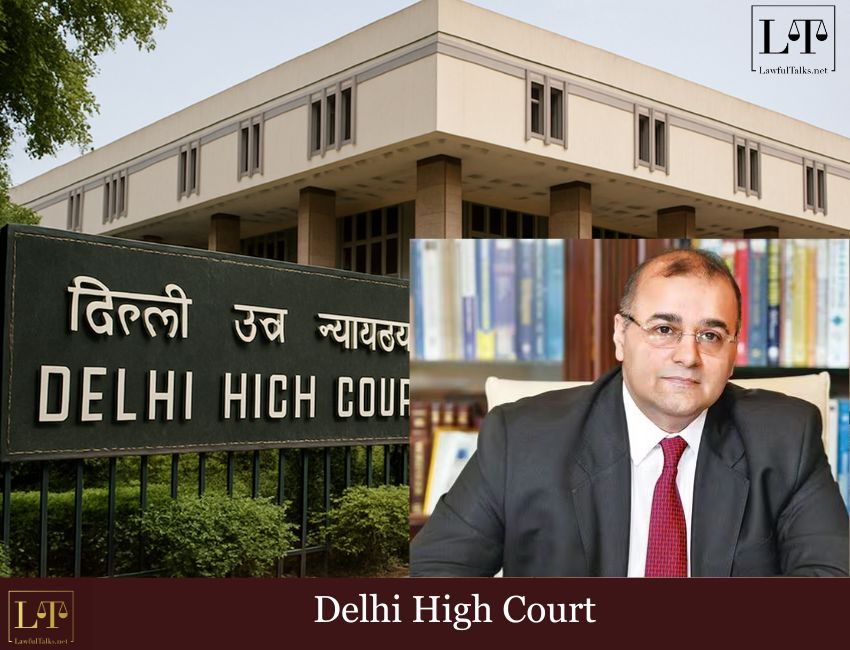
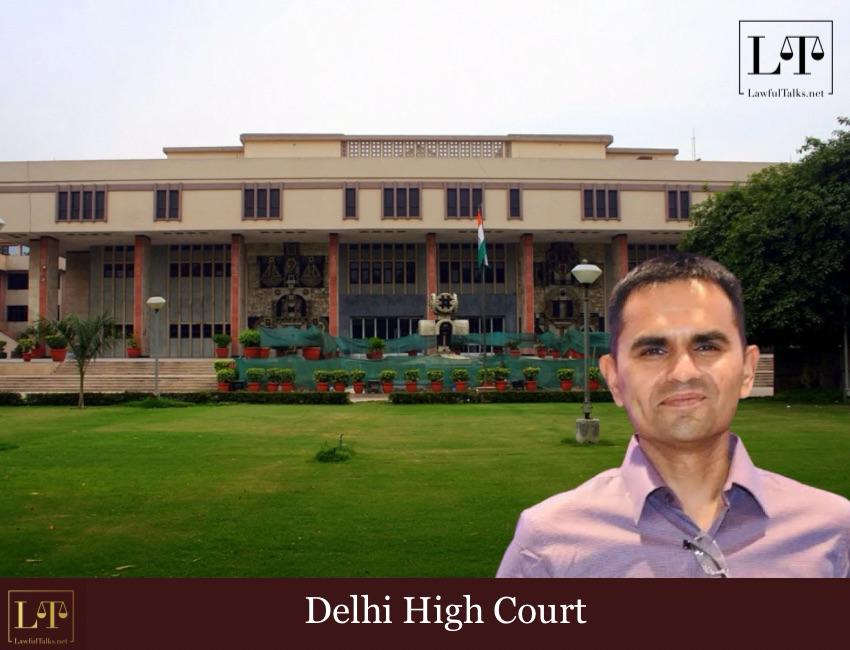
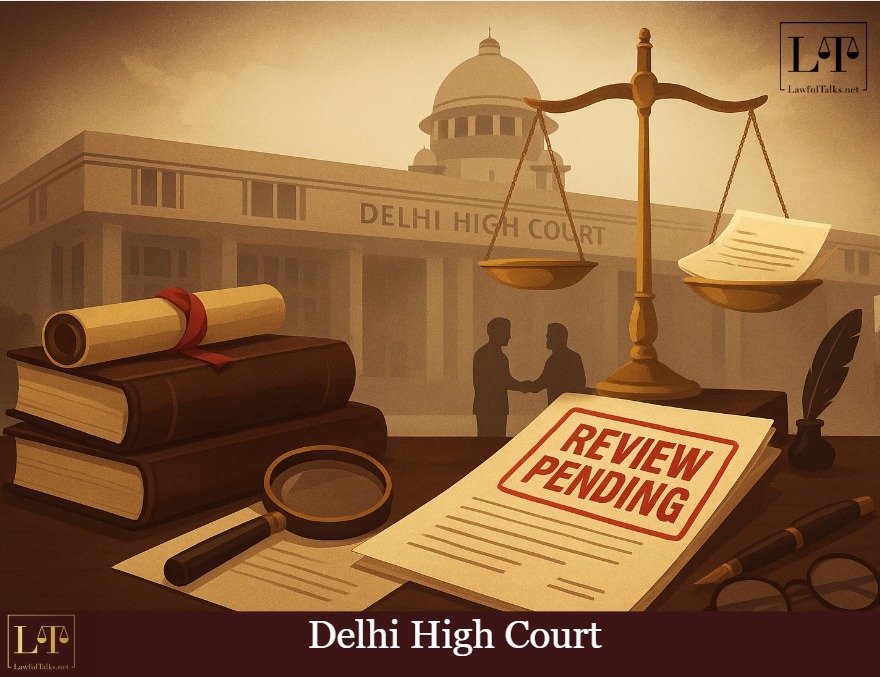
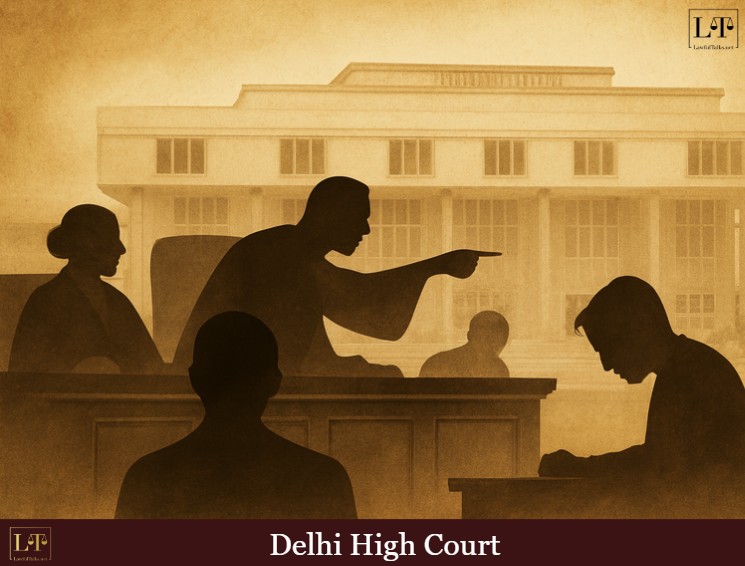
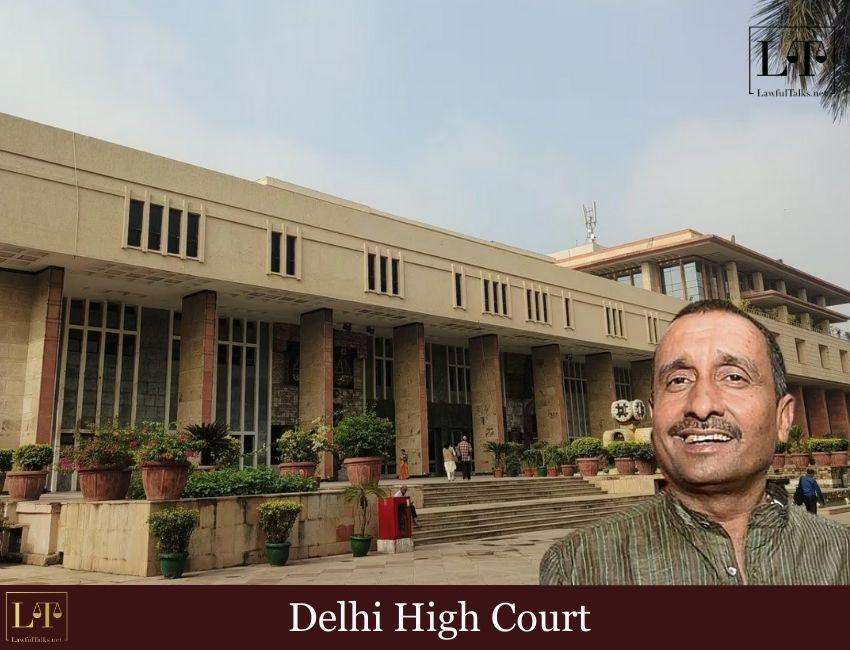
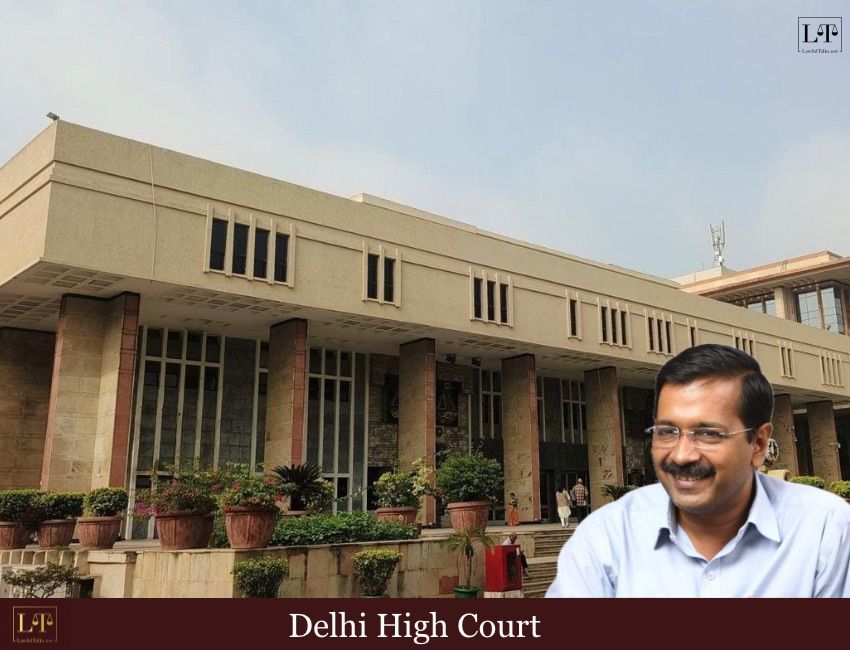
Relying on earlier judgments of the Supreme Court of India, the Delhi High Court held that it had the power to appoint an arbitrator based on the venue clause in the contract. It appointed Senior Advocate V. Mohana as the arbitrator under the Delhi International Arbitration Centre. This decision was challenged before the Supreme Court by Himadri Speciality Chemicals Limited.
Jurisdiction vs Venue Debate Raised:
Senior Advocate Jayant Mehta, appearing for the petitioner, argued that different High Courts have taken conflicting views on whether a jurisdiction clause can override a venue clause when deciding the arbitration seat. He said this question is important because if a place like Delhi is considered the arbitration seat, then all challenges under Sections 34 and 37 of the Arbitration Act would have to be filed only in Delhi, and not elsewhere. He stressed that the impact goes beyond just the appointment of an arbitrator.
Chief Justice Surya Kant dismissed these technical arguments. He said that an arbitrator still had to be appointed and asked the petitioner to suggest a name instead of delaying the matter over technical points.
‘Professional Misconduct’: Strong Words From CJI
He strongly criticised the drafting of such clauses and said:
“These are all deliberately, mischievously, designed kind of clauses. These law firms and the offices have started doing it. Why can't you simplify the clause when you enter into agreement that arbitration proceedings will be conducted at so and so place, in the event of dispute arising out of arbitration proceedings, so and so court will adjudicate it? One line you can resolve but deliberately with the youngsters sitting in so and so law firm they all... this is absurd. To my mind this is professional misconduct, misguiding your party. Creating, generating litigation is part of a serious professional misconduct on the part of the law professionals, those who indulge in this”, Justice Kant said.
The Chief Justice strongly criticised the lawyers who drafted the agreement for mixing up the concepts of venue, seat, and governing law. He questioned their competence and said:
“If you will ask us, then we are going to ask you that which was the law firm engaged to draft this agreement. Who are the persons responsible who didn’t understand? Who has granted them law degree and how have they formed a law firm when they do not know the difference between venue, the seat and the law governing the arbitration? What right they have to even sit over there and draft these things and indulge into deciding the fate of the litigation of this country?”.
Attack on ‘Luxury Clauses’:
He said the clause could have been written in a simple way, clearly stating where the arbitration would take place and which court would deal with matters after the arbitration. He criticised what he called “luxury clauses,” saying they only create more disputes. He pointed out that this often happens in cases involving big business houses that can afford long court battles and do not take the time to carefully read such agreements.
He said:
“I am going to catch the bull by horn. These kind of luxury clauses are generating litigation in this country. We are fighting hard to how to prevent, how to control it. Only because the two parties are business entities, big business houses. They can afford, they don’t have time to read anything”.
Justice Joymalya Bagchi also said that these detailed legal differences may be important in international commercial arbitration, but in domestic arbitration cases, the focus should be on resolving the dispute quickly rather than getting into technical arguments.
He said:
“Please understand also when it is a question of arbitration, we should expedite the entire process instead of going into all these legal issues. These become very important when it comes to international commercial arbitration because the subject law changes, the curial law changes, etc. But in domestic arbitration, why should we go into all this?”.
In the end, the bench rejected the plea. It said that although the issue might have merit and could be considered in a suitable case in the future, it would not interfere in this matter because an arbitrator had already been appointed and both parties had agreed to go ahead with the arbitration.
Case Details: Himadri Speciality Chemicals Limited v. Jindal Coke Limited, Special Leave to Appeal (C) No. 6470/2026























































































Sign up for free and be the first to get notified about curated content just for you.