Grabbed, Dragged, Stopped by Cries — SC Restores Rape Attempt Charge

- February 20, 2026


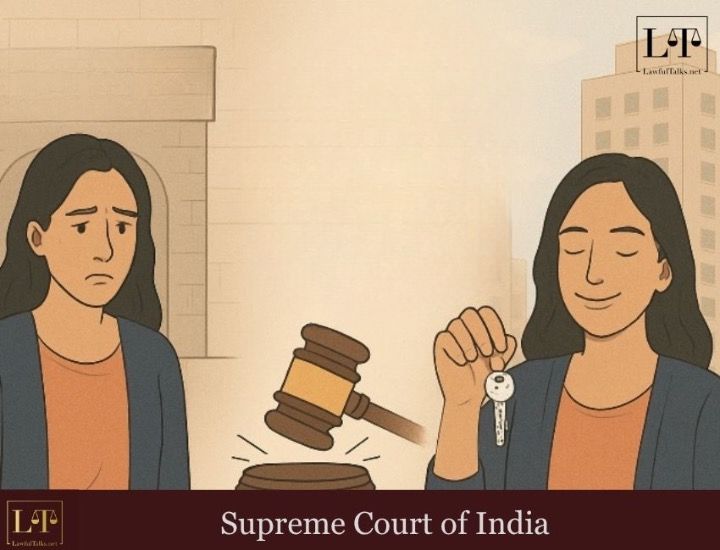
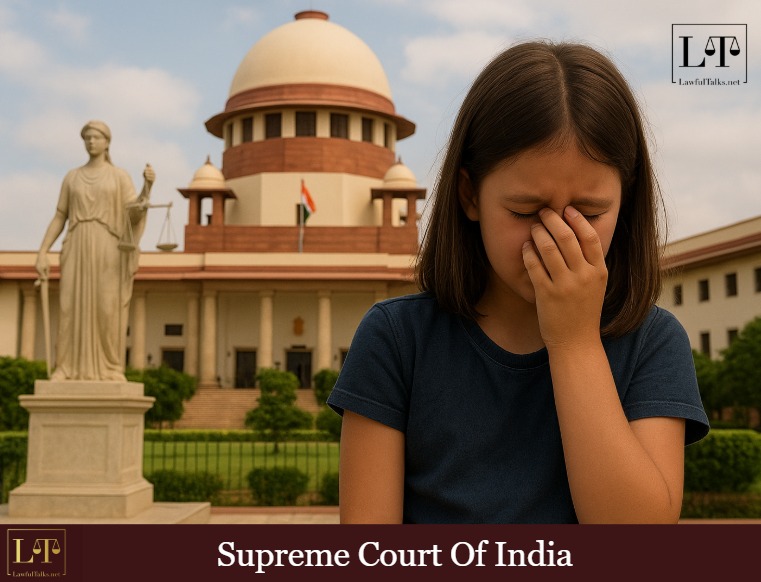
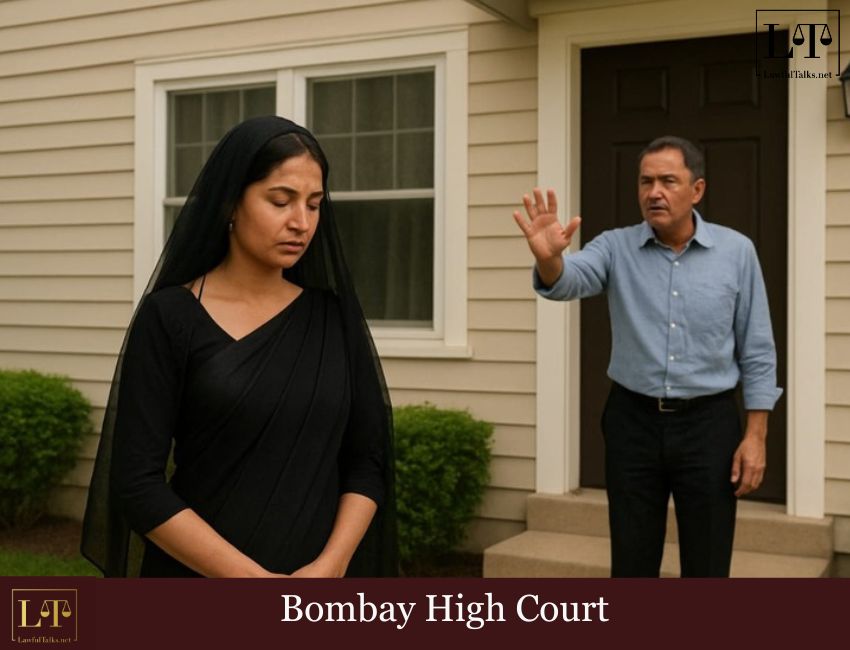
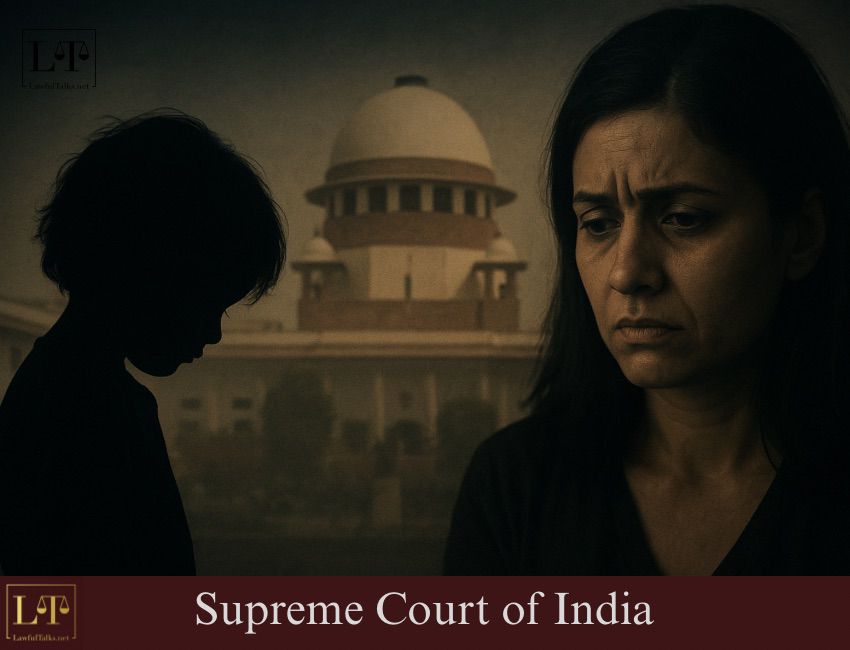
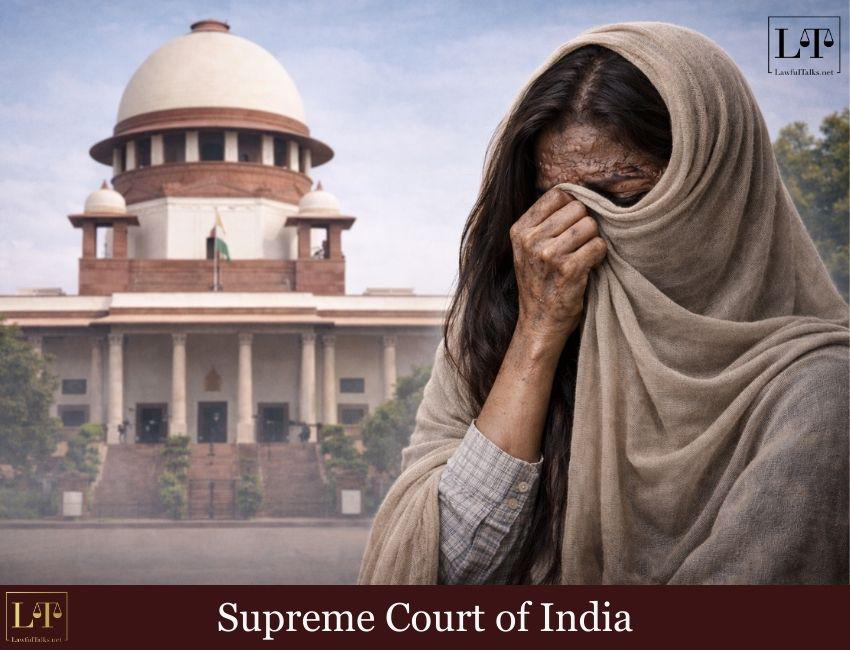
In a sharp criticism to judicial insensitivity, the Supreme Court has set aside an Allahabad High Court order which had held that groping the breasts of an 11-year-old girl and untying the string of her pyjama amounted only to “preparation” and not an attempt to rape.
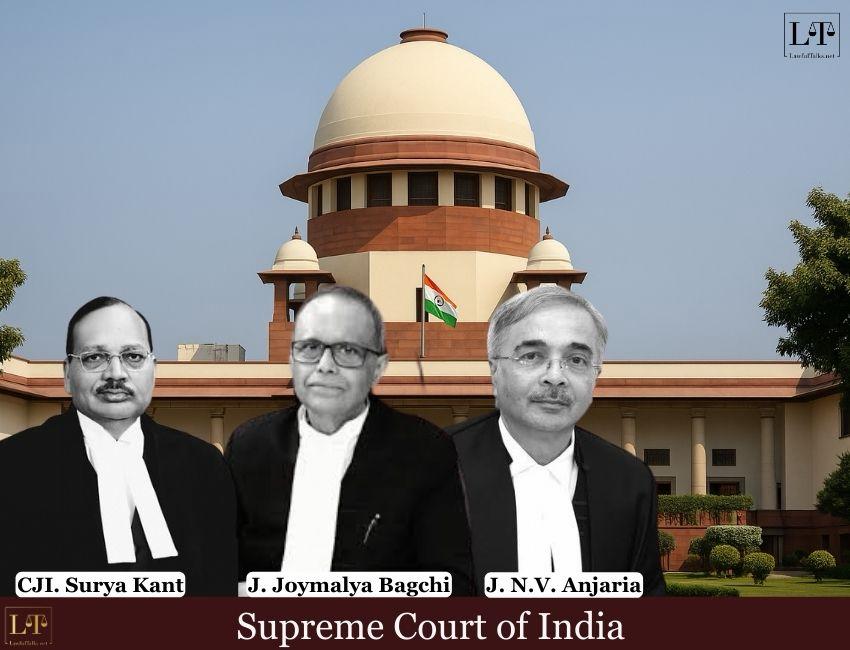
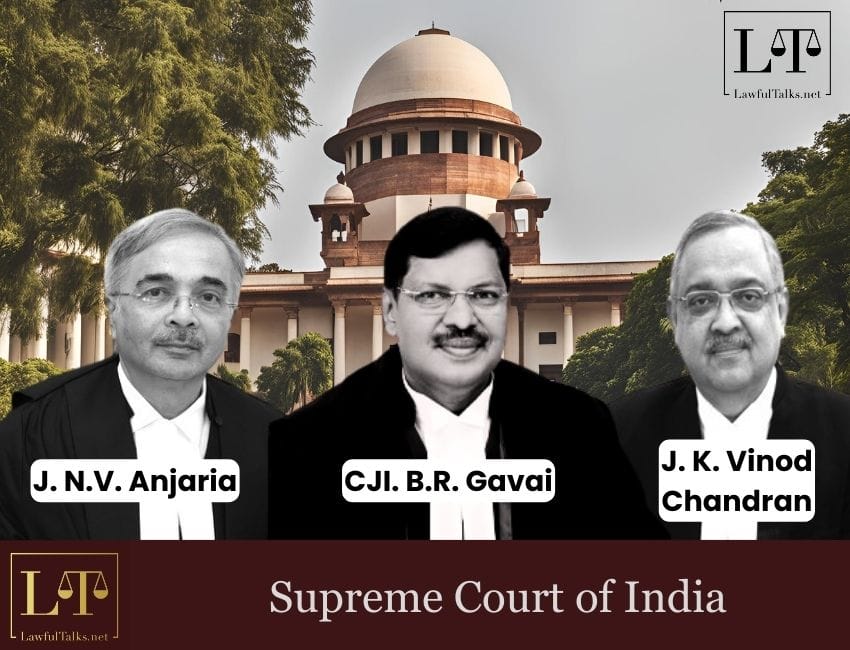
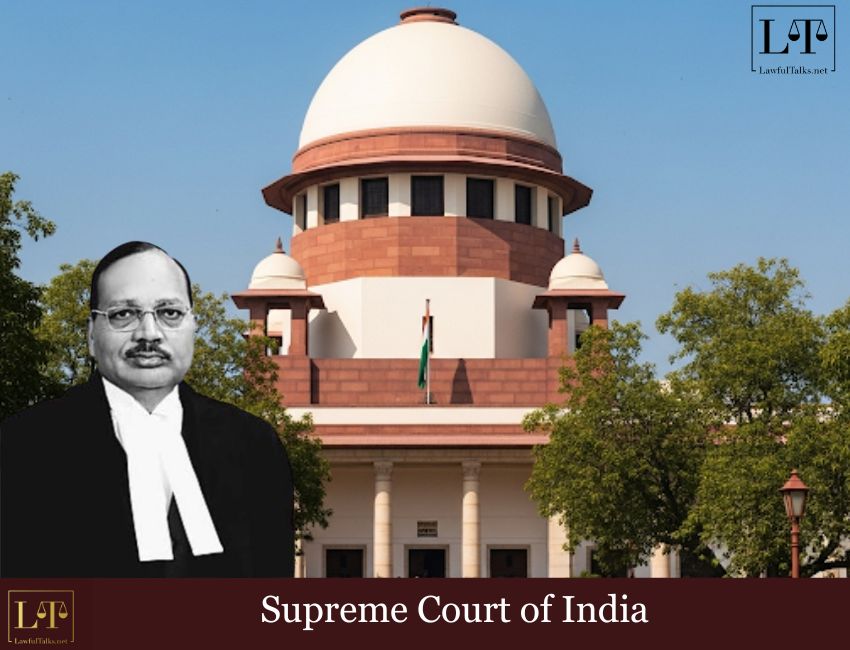
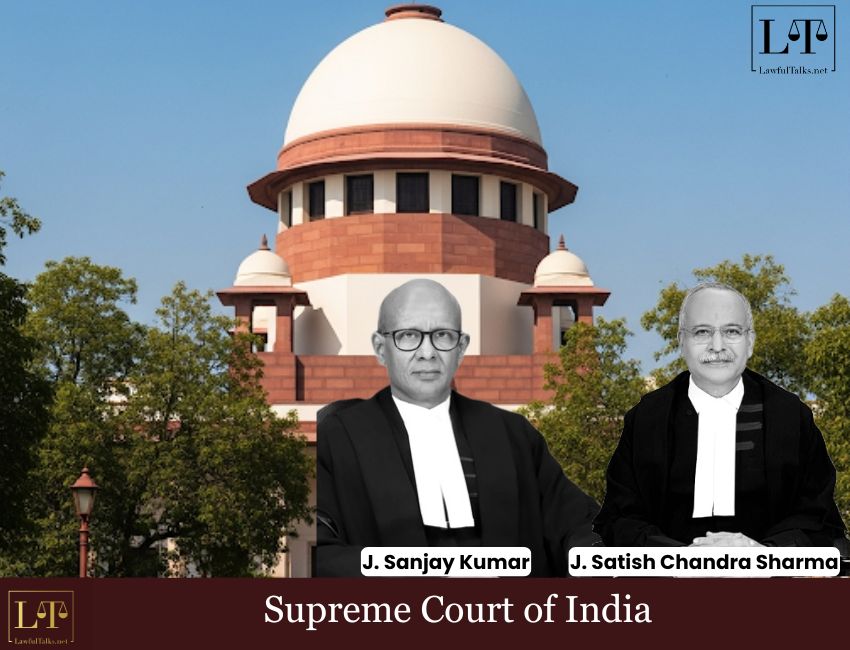
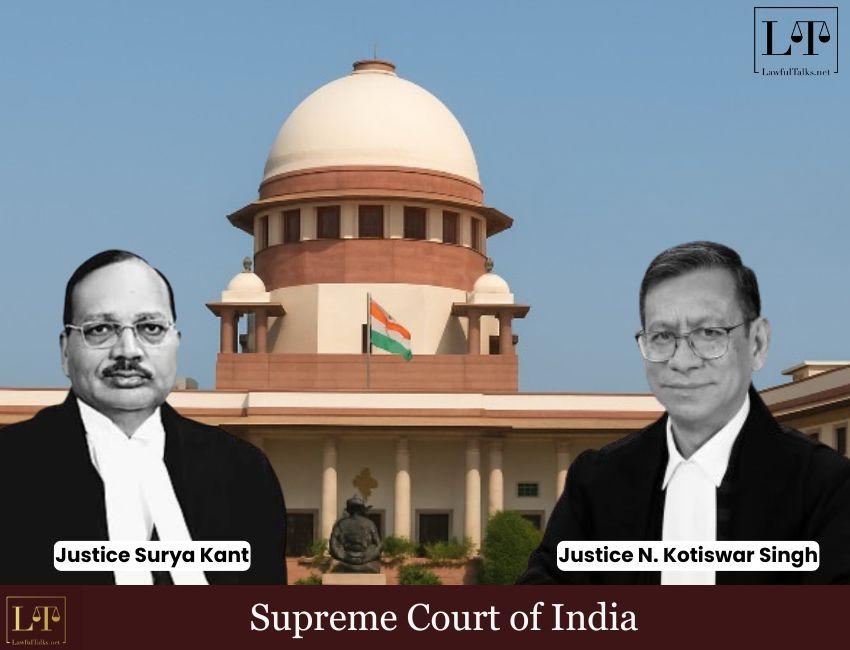
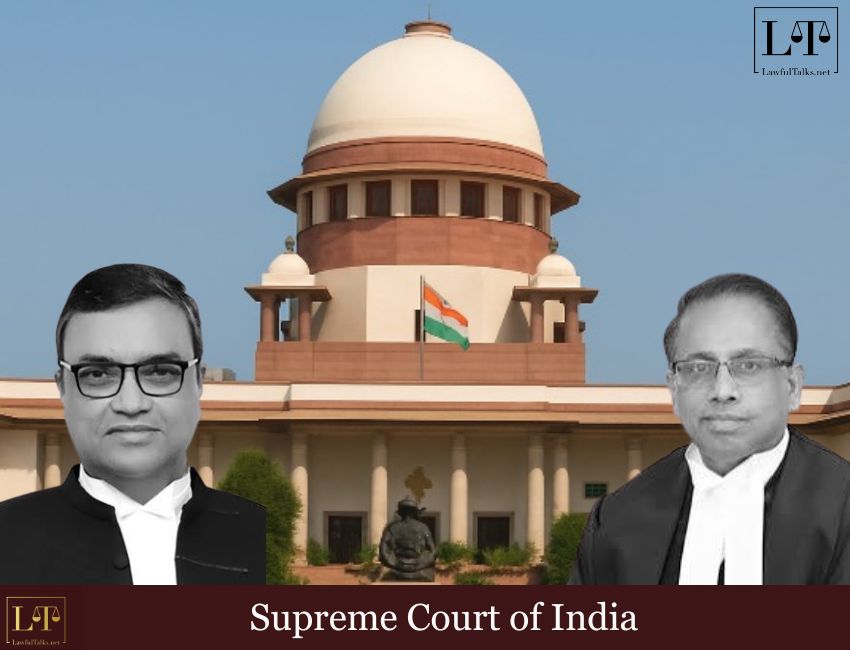
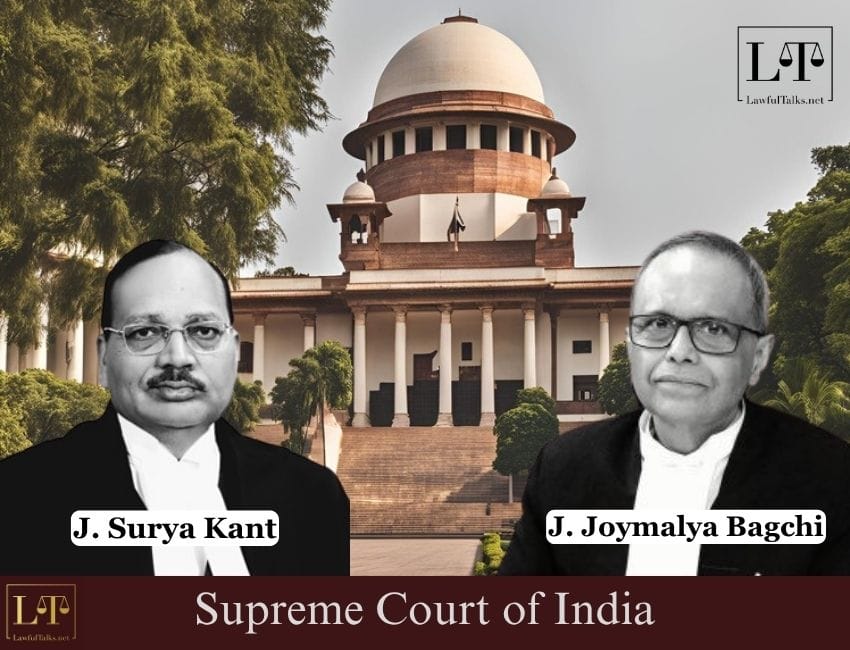
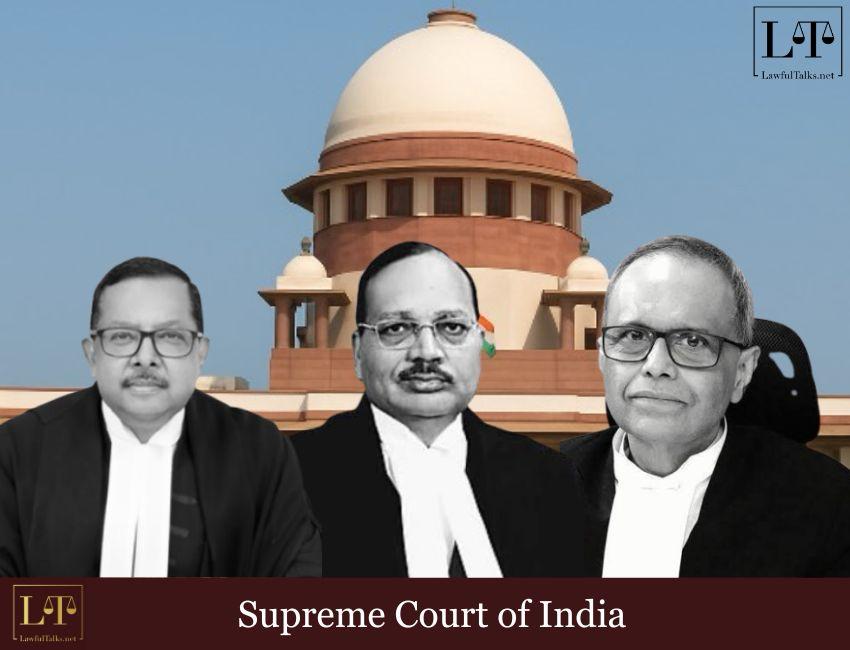
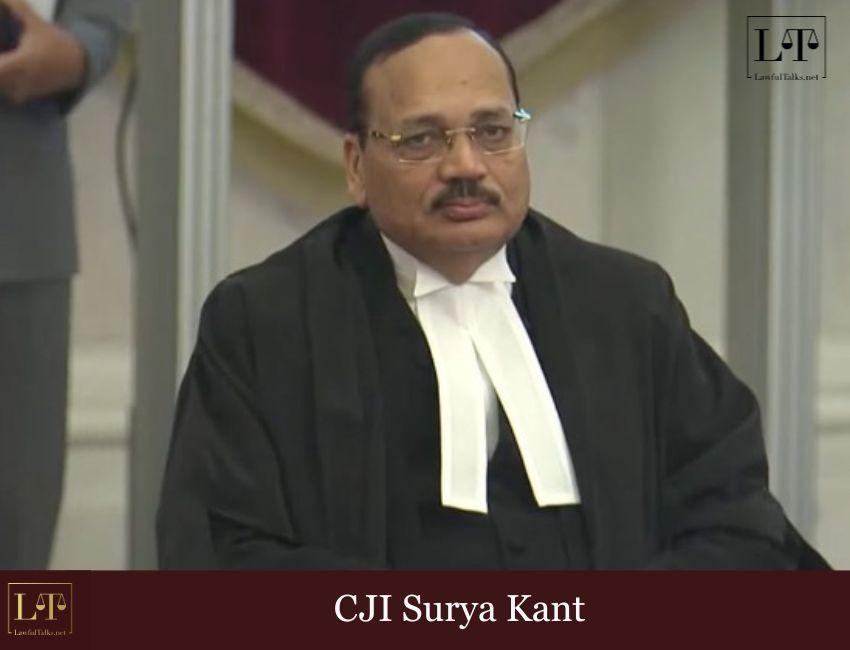
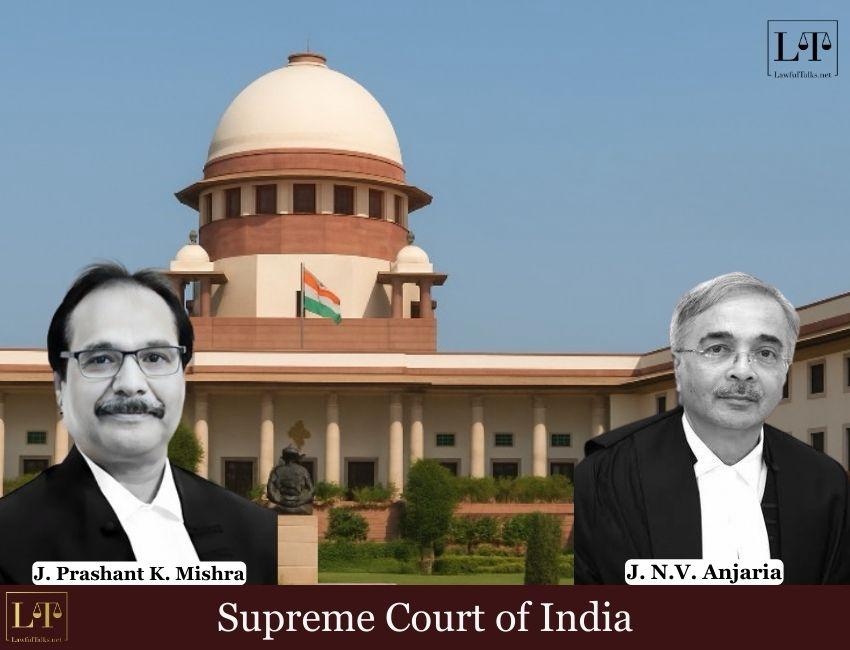
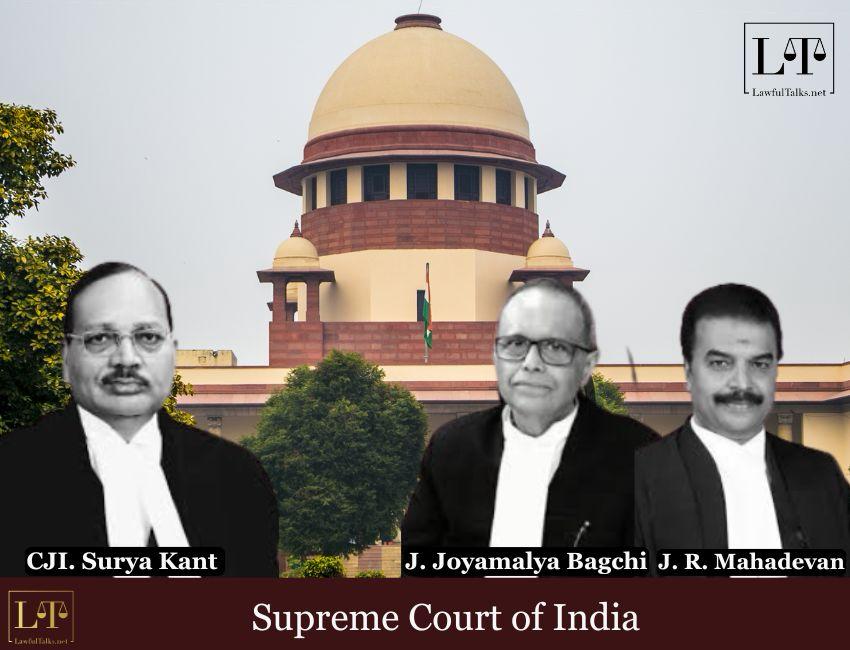
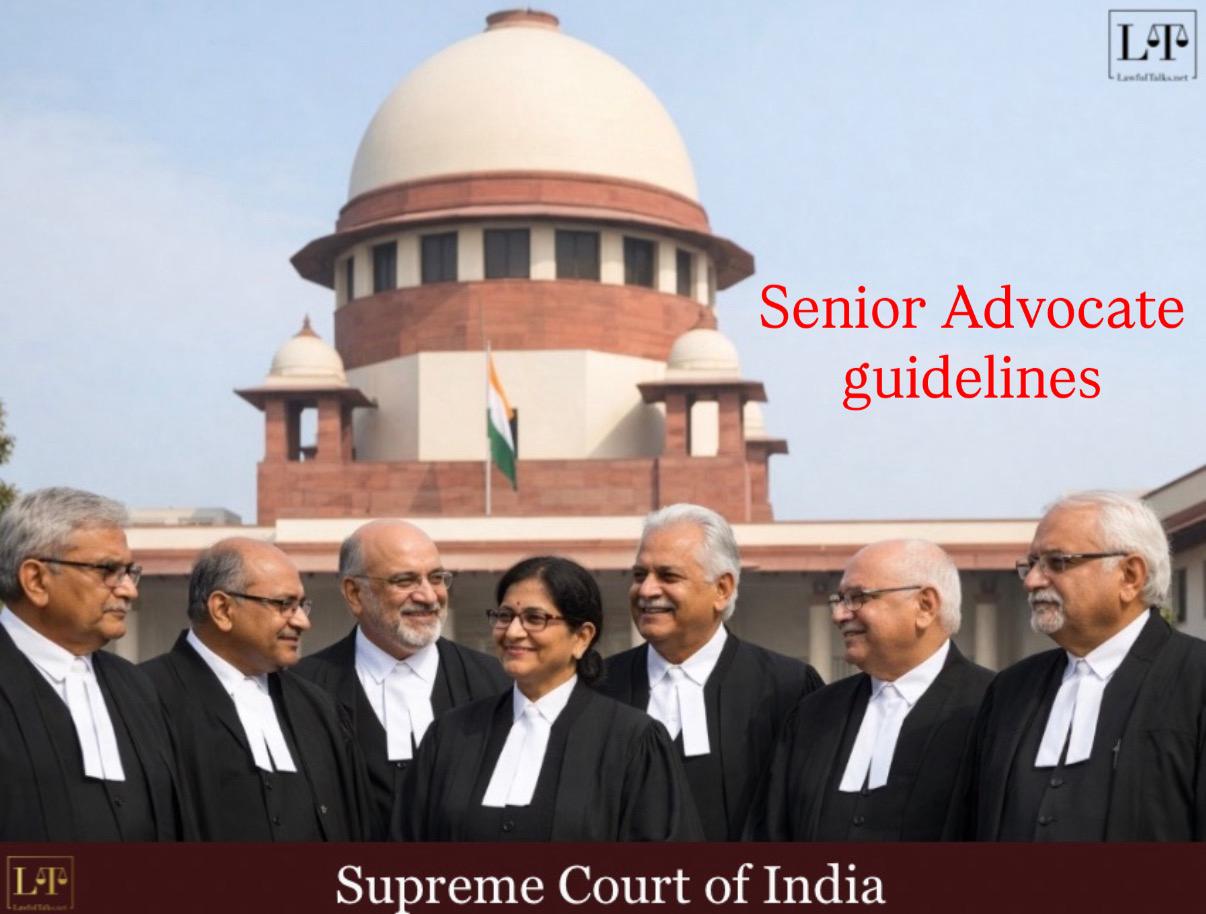
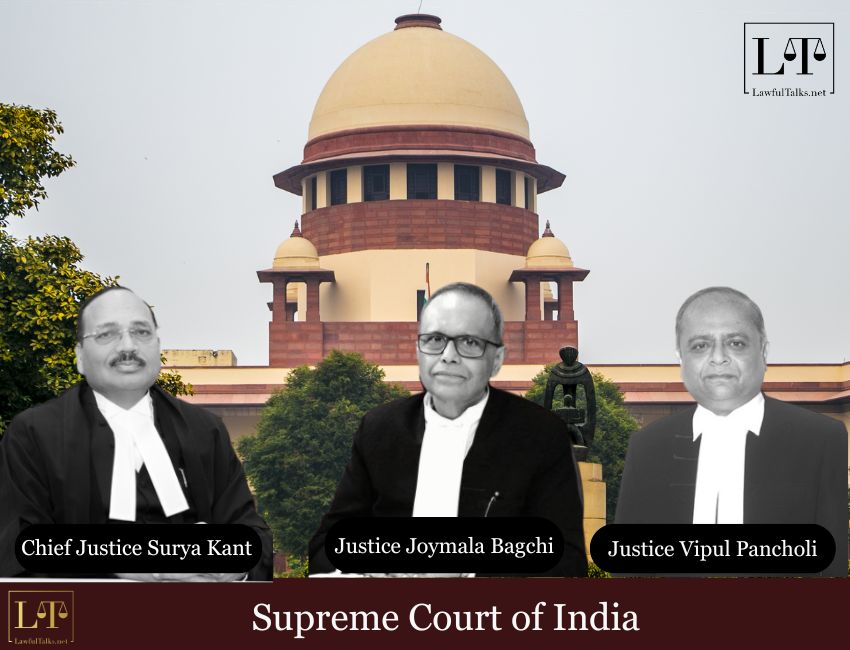
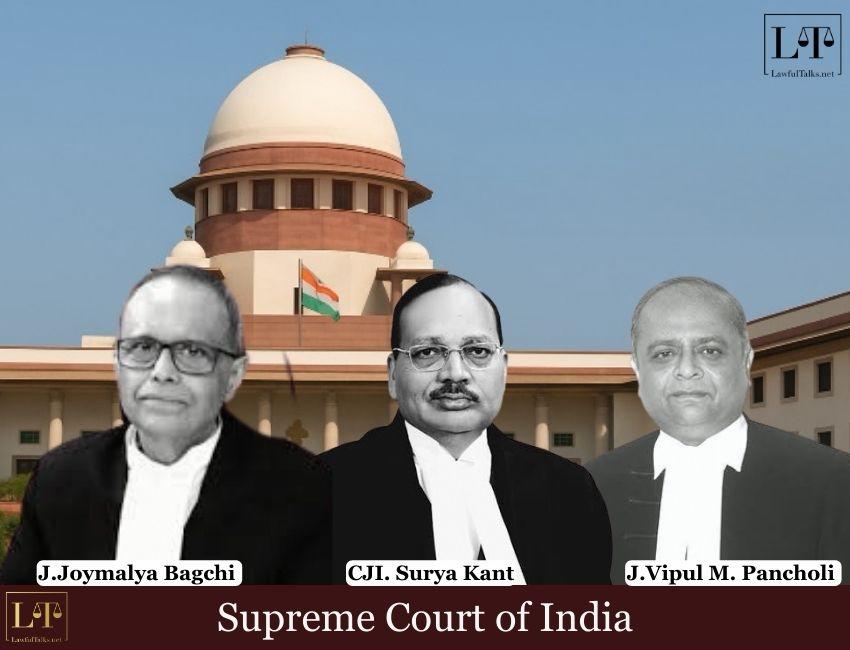
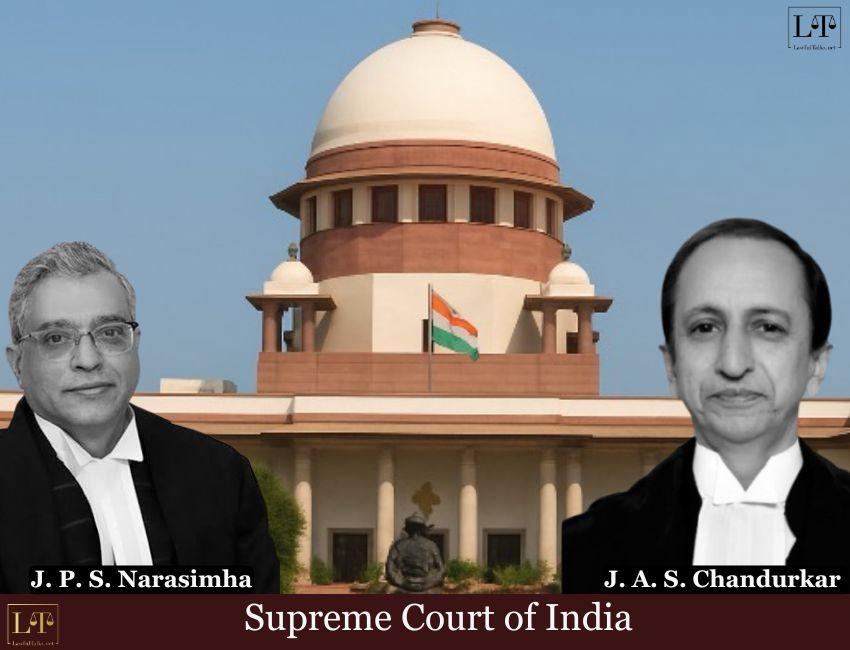
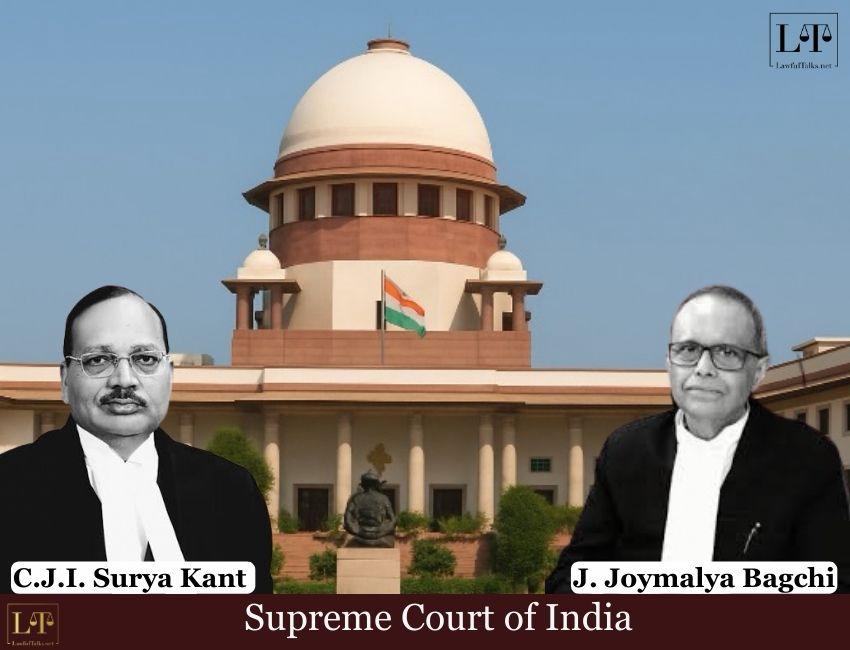
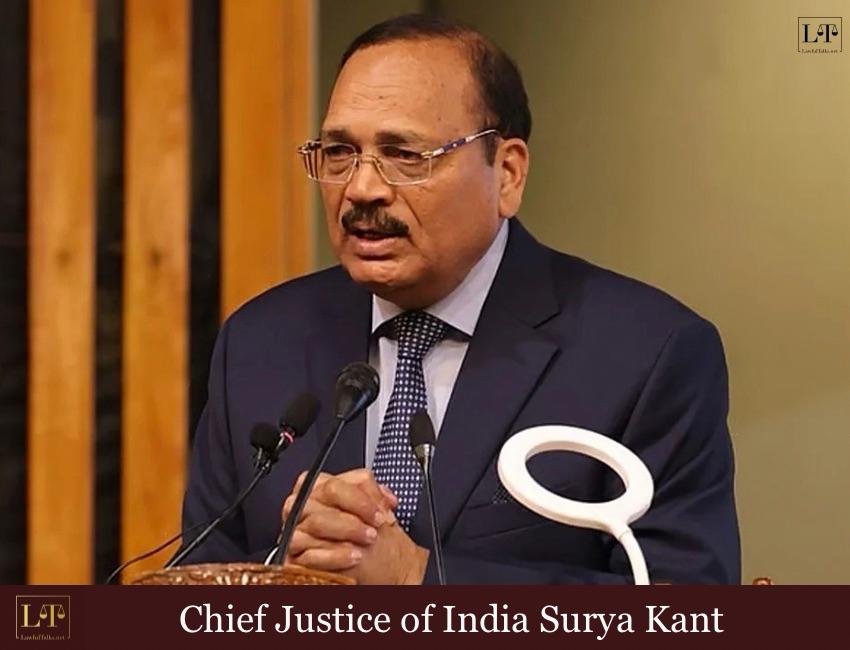
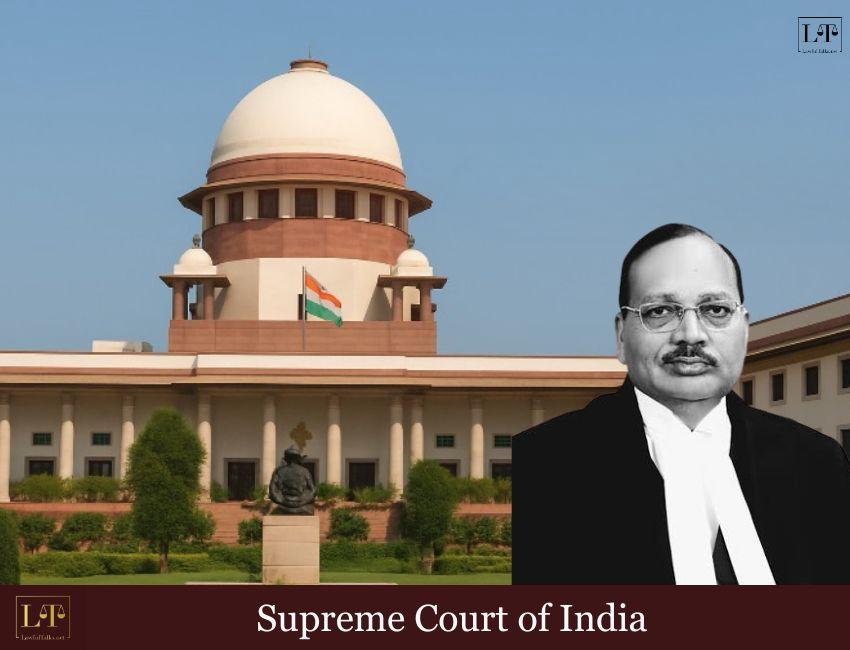
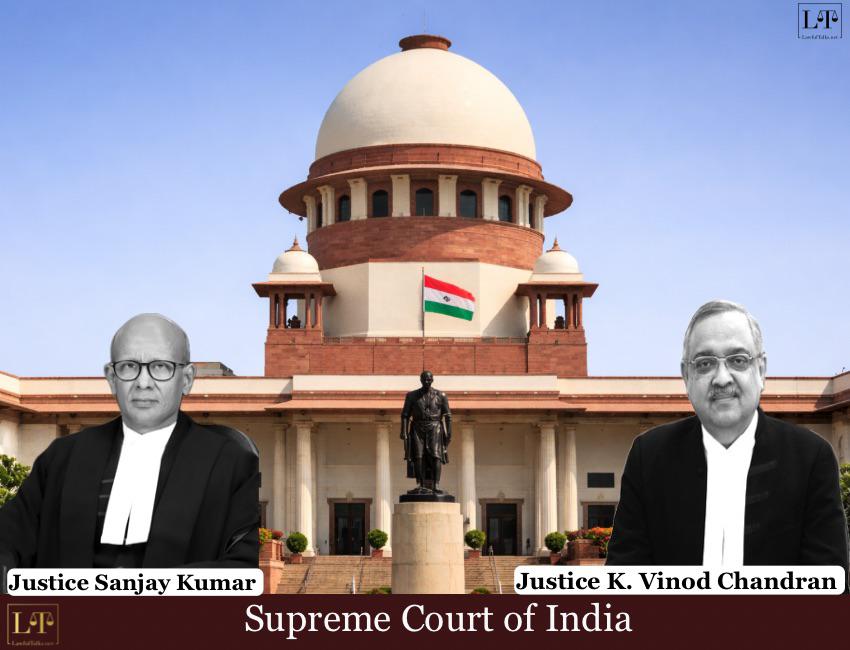
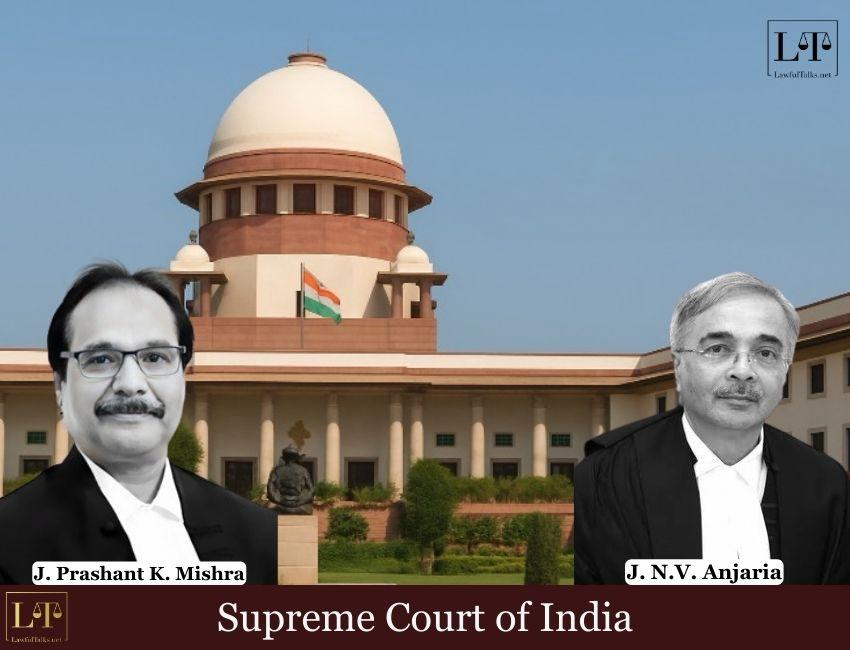
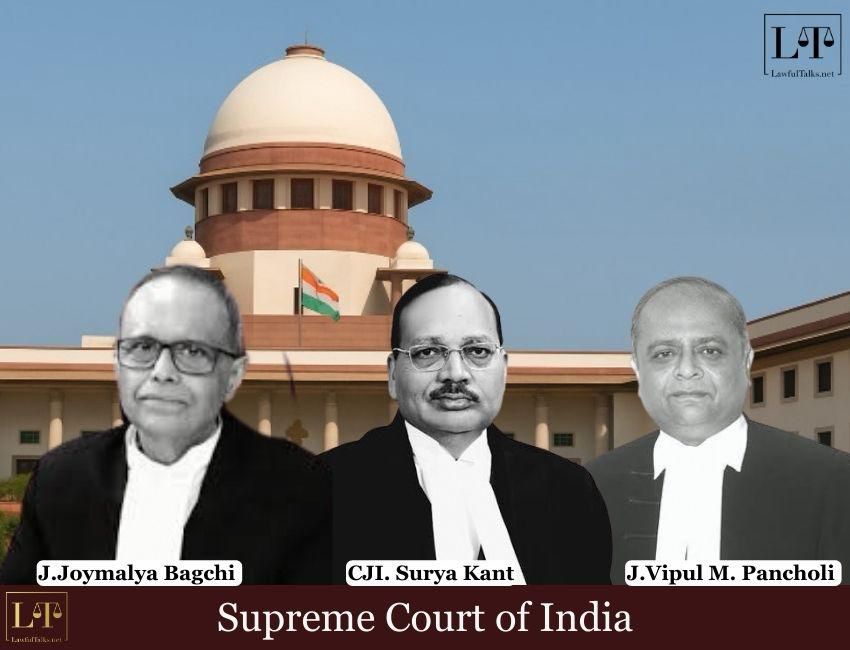
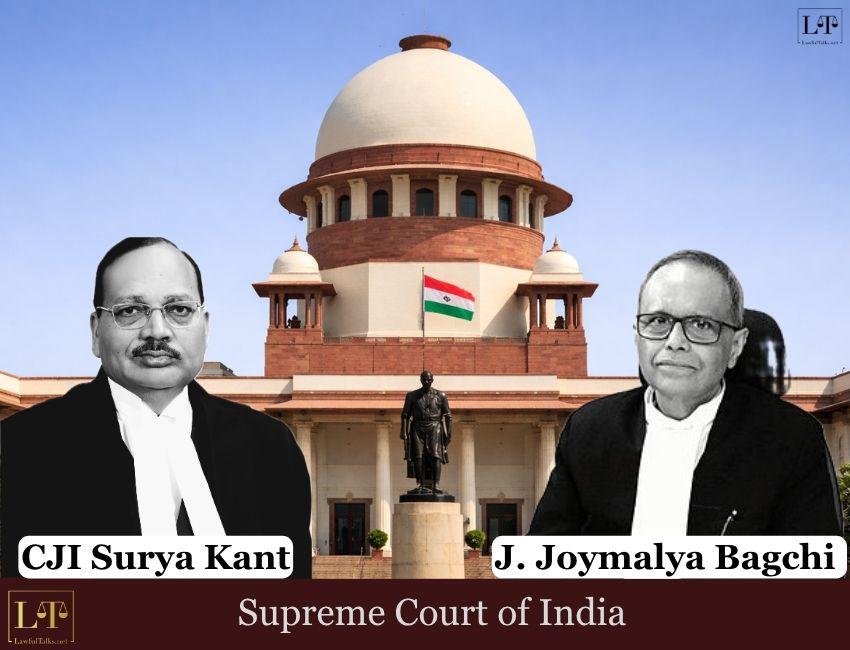
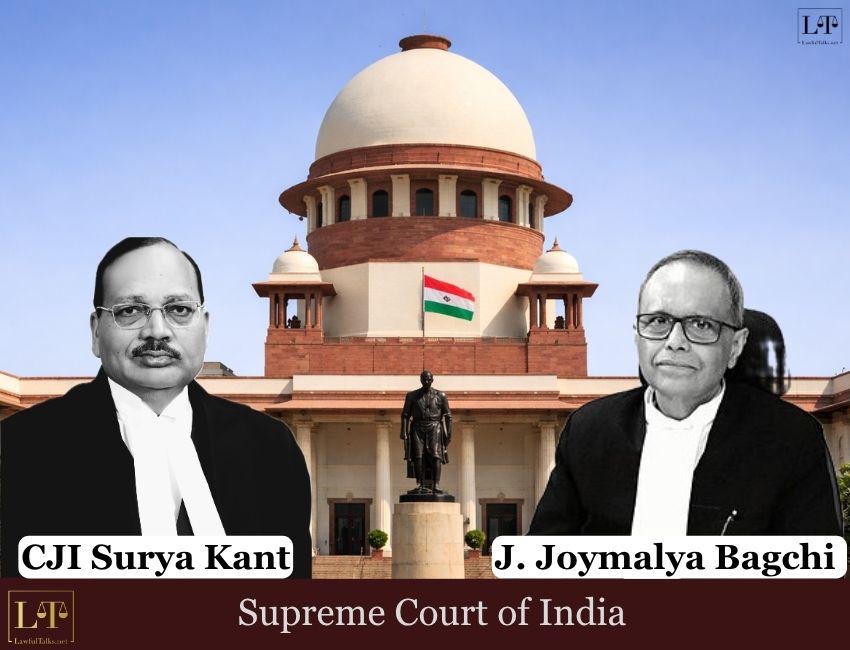
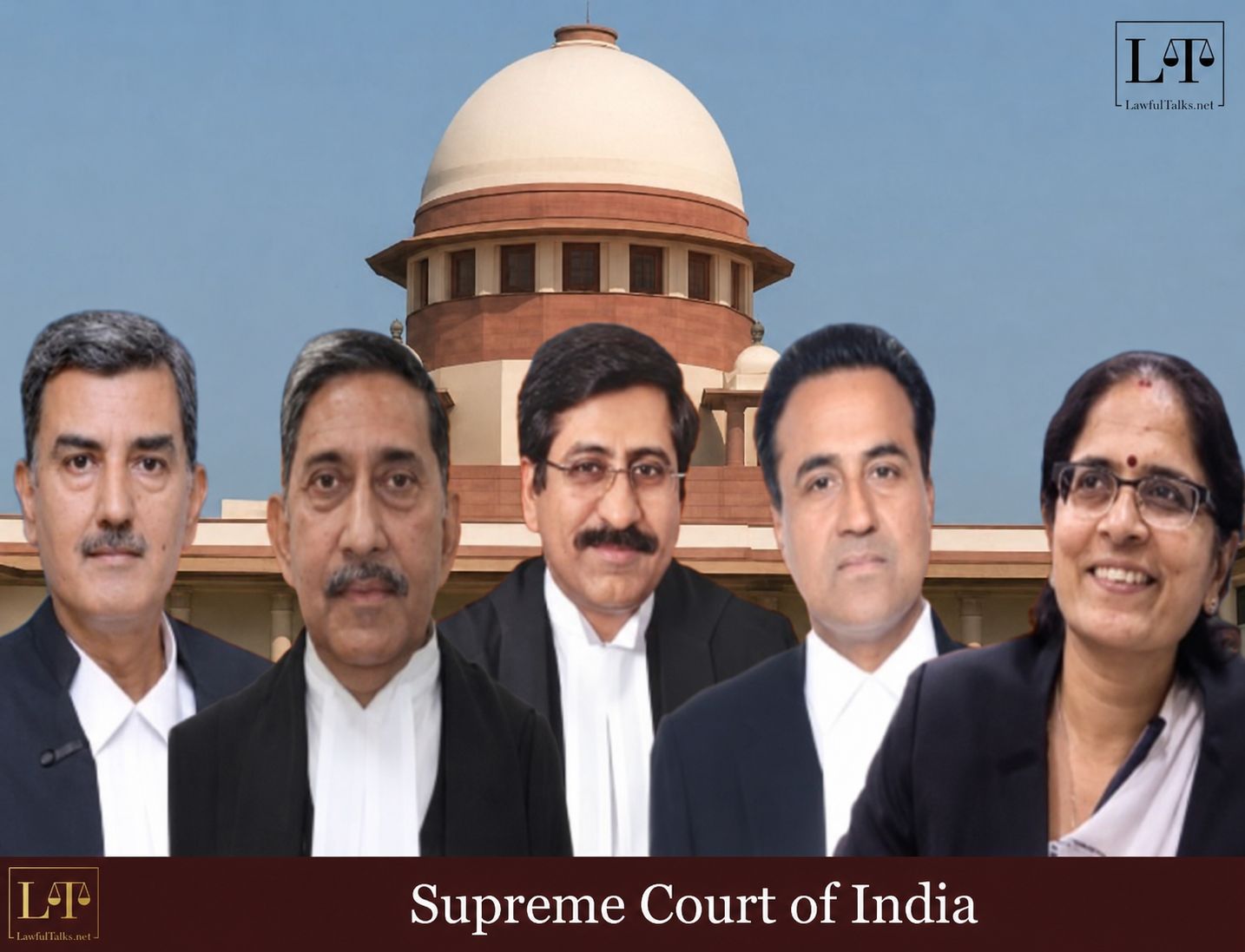
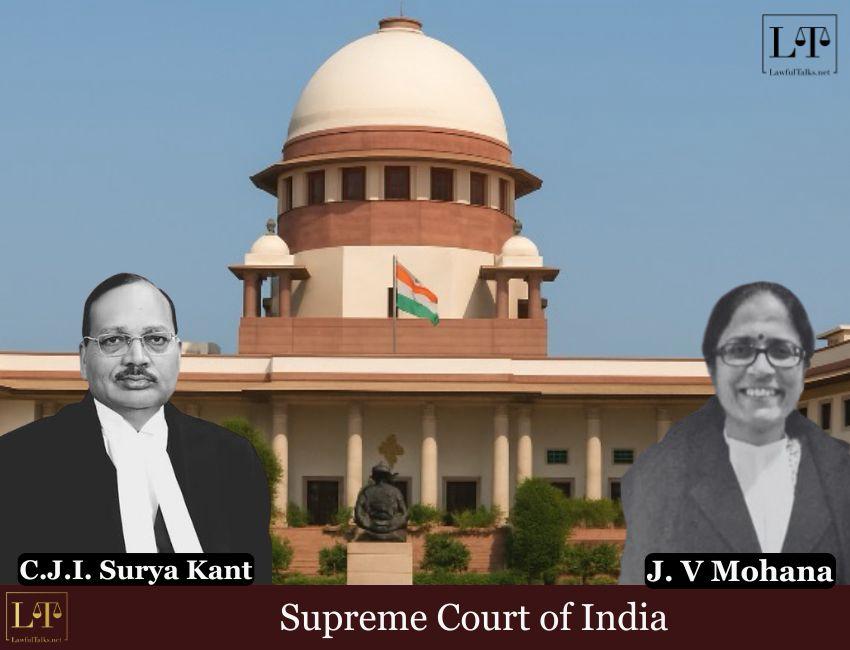
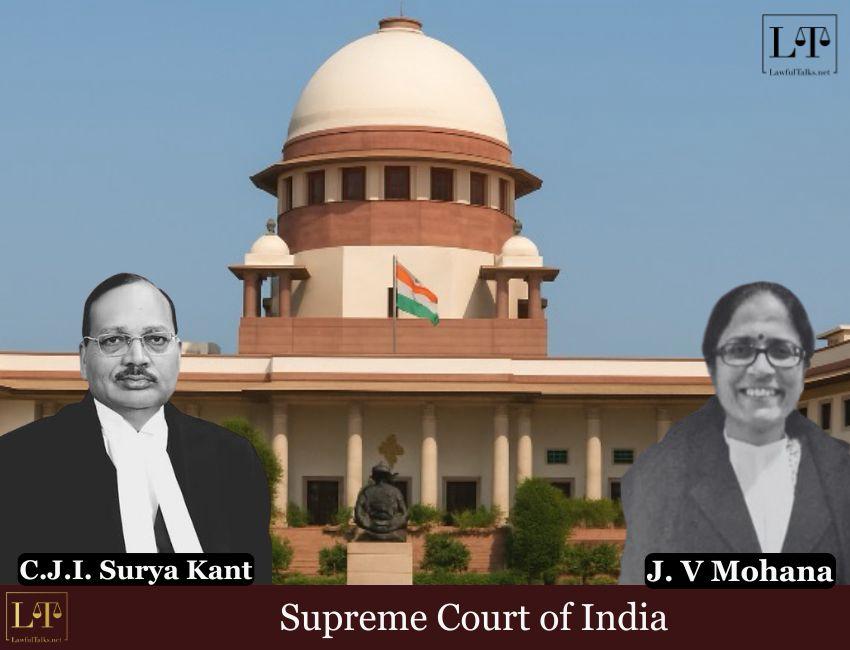
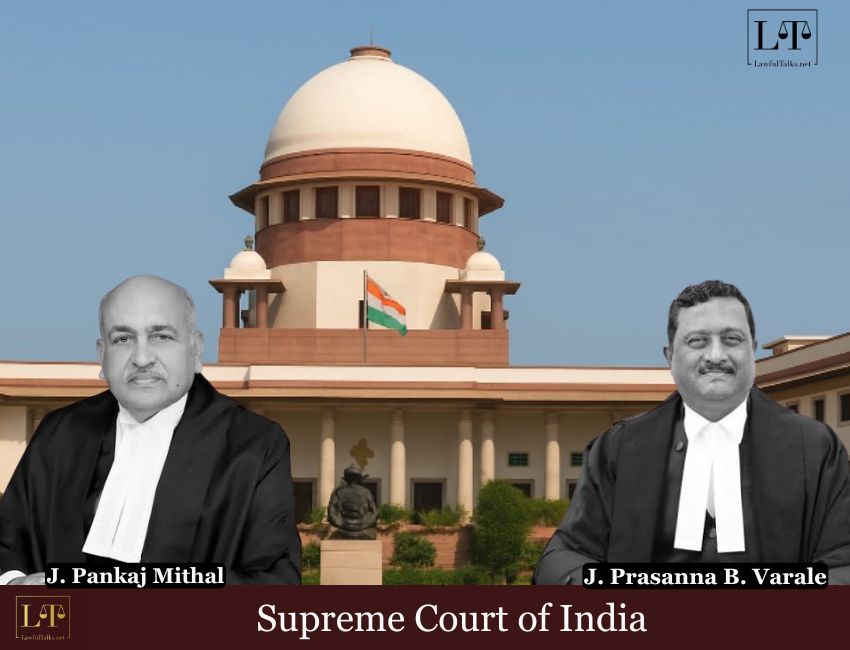
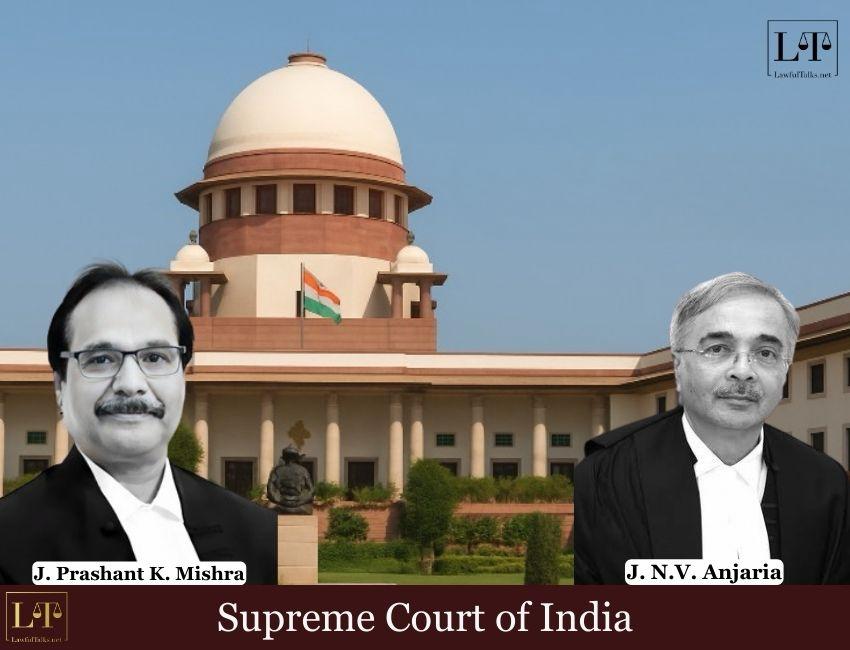
A three-judge Bench led by Chief Justice of India Surya Kant, including Justice Joymalya Bagchi and Justice N.V. Anjaria, restored the trial court’s original order summoning the accused under Section 376 of the IPC read with Section 18 of the POCSO Act. The Supreme Court took up the case suo moto last year after the High Court’s controversial ruling.
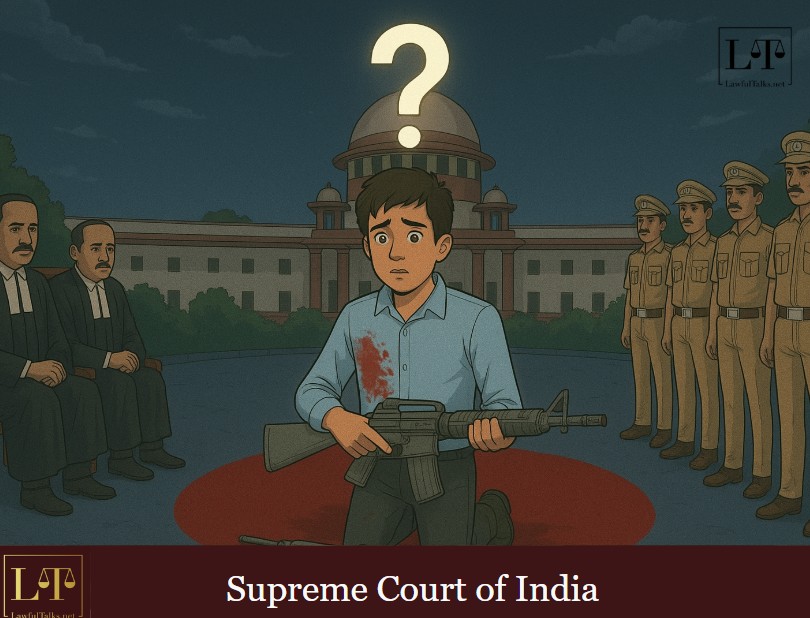
The Supreme Court criticised the High Court for wrongly applying basic principles of criminal law. It said that the assault was stopped only because bystanders arrived in time, preventing it from turning into rape.
The Court observed:
“The facts alleged being so, we cannot agree with the finding of the High Court that the allegations only amount to preparation, but not an attempt, towards the commission of the offence of rape. The attempt made by the accused persons appears clearly and inevitably leads us to conclude that, prima facie, a case for invoking the provisions of attempt to commit rape has been made out by the complainant and the prosecution. The impugned judgment, thus, is liable to be set aside on account of the patently erroneous application of the settled principles of criminal jurisprudence.”
Background of the Case:
The dispute originated from a mother's complaint regarding her minor daughter, which led the Special Judge (POCSO) in Kasganj to summon the accused, Pawan and Akash under the strict provisions relating to attempt to rape, following an application under Section 156(3) CrPC.
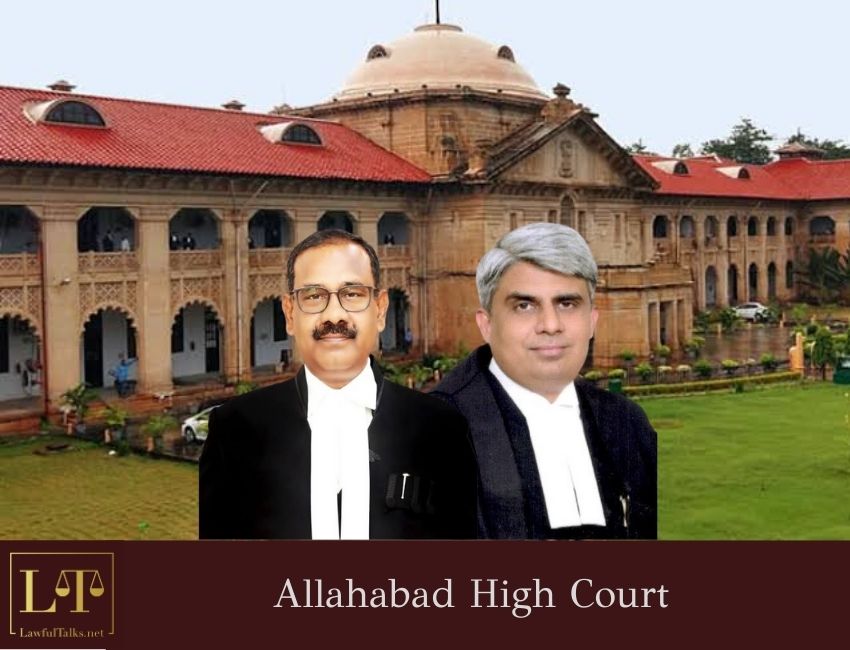
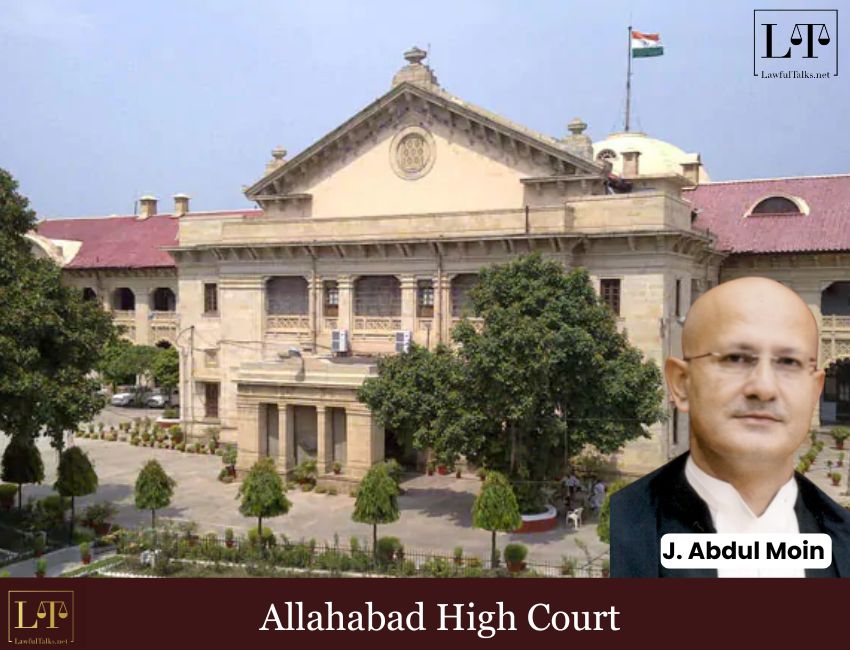
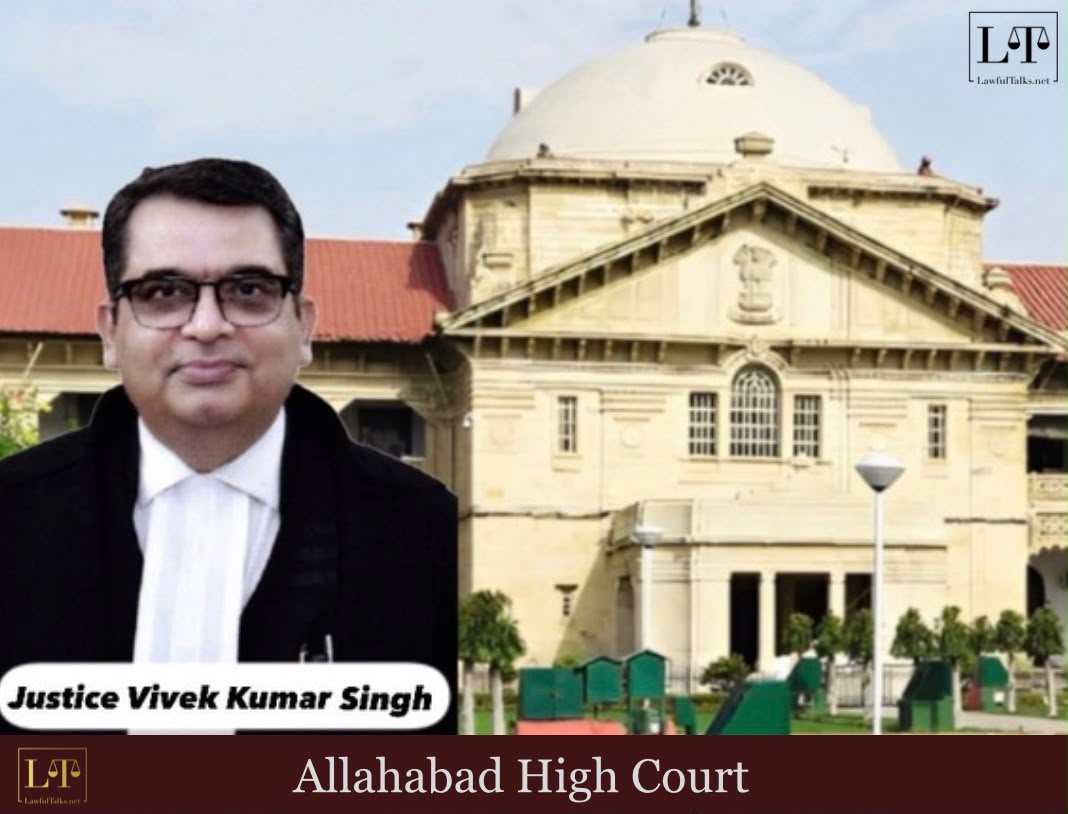
However, the Allahabad High Court, while hearing a criminal revision, reduced the charges to the lesser offence under Section 354B IPC — which deals with assault with intent to disrobe — along with Sections 9 and 10 of the POCSO Act. The High Court said the acts described did not amount to an “attempt” to rape but only to “preparation.”
Justice Ram Manohar Narayan Mishra observed:
“The allegations levelled against the accused Pawan and Akash and facts of the case hardly constitute an offence of attempt to rape in the case. In order to bring out a charge of attempt to rape the prosecution must establish that it had gone beyond the stage of preparation. The difference between preparation and actual attempt to commit an offence consists chiefly in the greater degree of determination.”
SC Clarifies Law on Attempt:
Referring to the 2022 judgment in State of Madhya Pradesh v. Mahendra alias Golu, which was written by then-Justice Surya Kant, the Supreme Court explained that an “attempt” begins when a person goes beyond just having the intention and actually starts carrying out the crime.
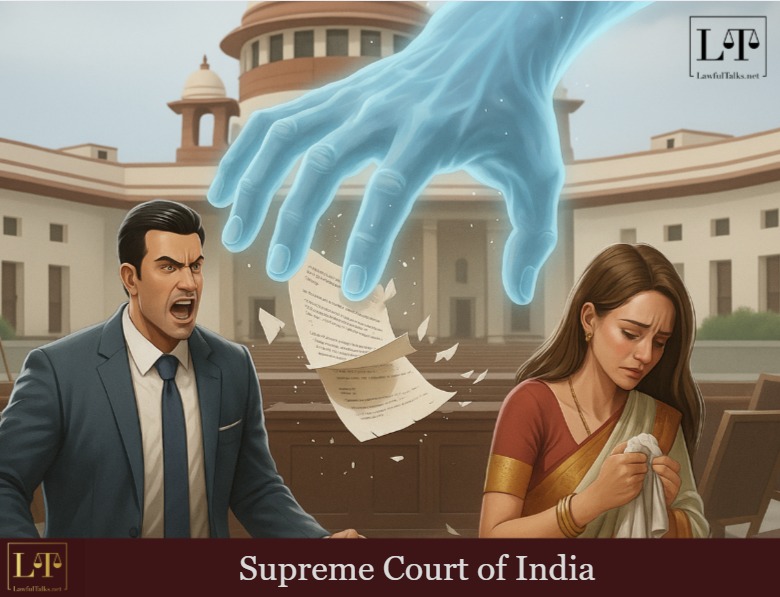
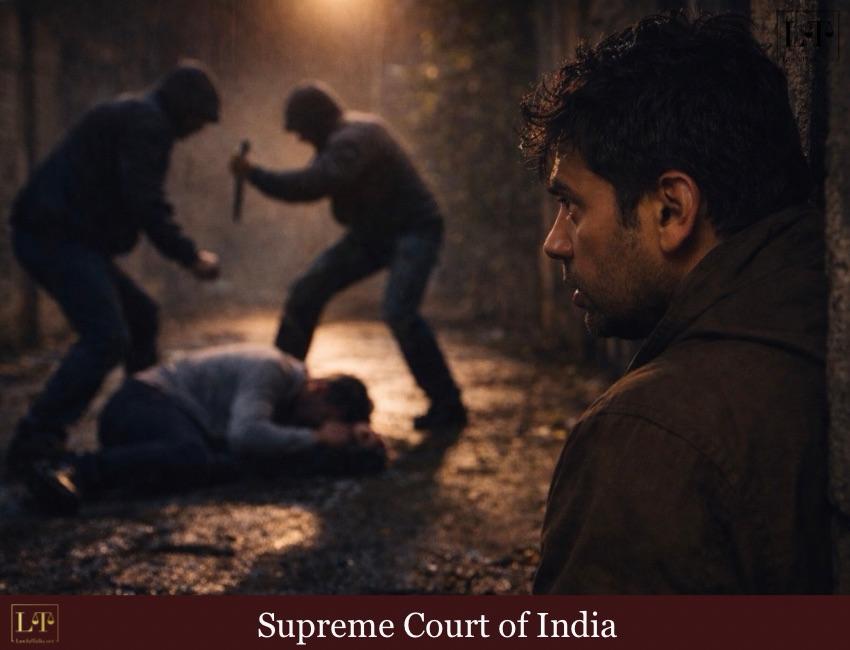
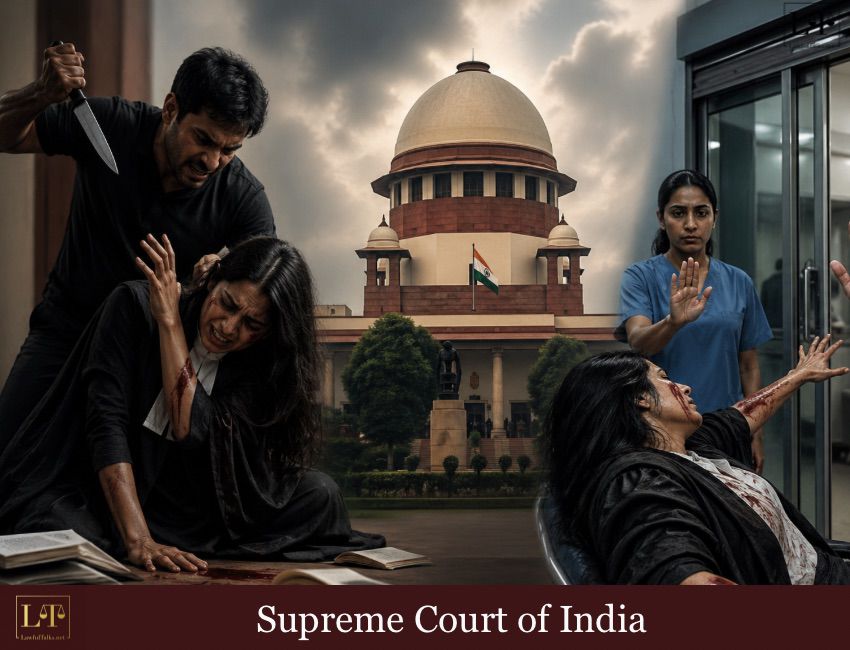
The Supreme Court pointed out that the accused grabbed the girl, broke the string of her pyjama, and dragged her under a culvert. They stopped only because her cries attracted people nearby. The Court said this clearly showed that they had moved forward with the intention to commit rape.
The Bench observed:
“A bare perusal of these allegations leaves no modicum of doubt that the case sought to be made out is that the accused persons proceeded with a pre-determined intent to commit an offence under Section 376 of the IPC on her. In light of the overt averments recorded in the Criminal Application filed by the complainant-mother under Section 156(3) of the Code of Criminal Procedure, 1973, it becomes readily apparent that,from the story of the complainant, the mens rea involved had begun to be executed. This understanding is bolstered by the High Court’s own recording that the only reason why the crime was not furthered was the above-mentioned intervention by third-party witnesses,” the bench noted.
Summons Reinstated, Trial to Proceed:
The Supreme Court restored the trial court’s order summoning the accused. It also upheld its interim order dated December 8, 2025, directing that the trial must proceed on the original charges and be conducted without any bias. The Court made it clear that its observations should not be treated as a final finding on the guilt of the accused.
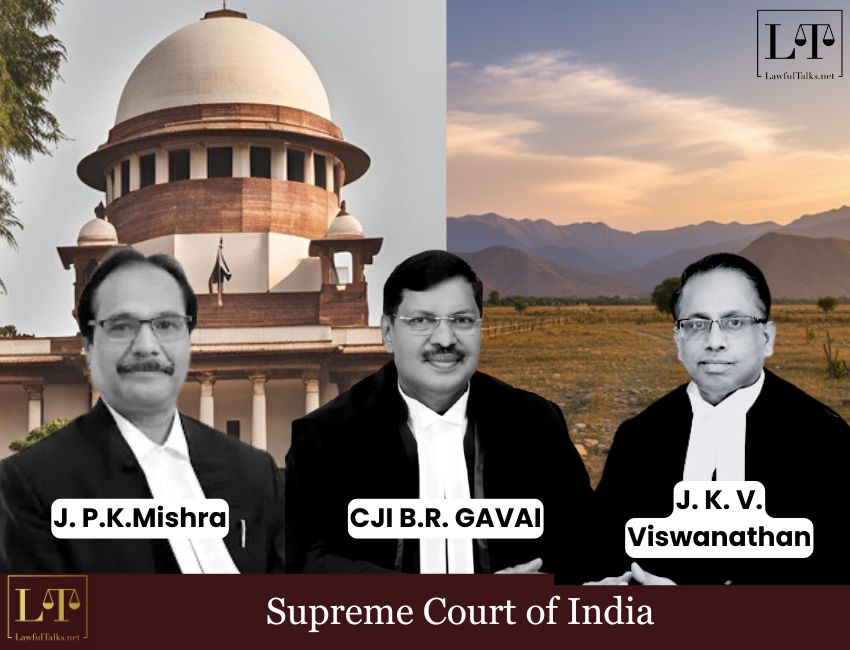
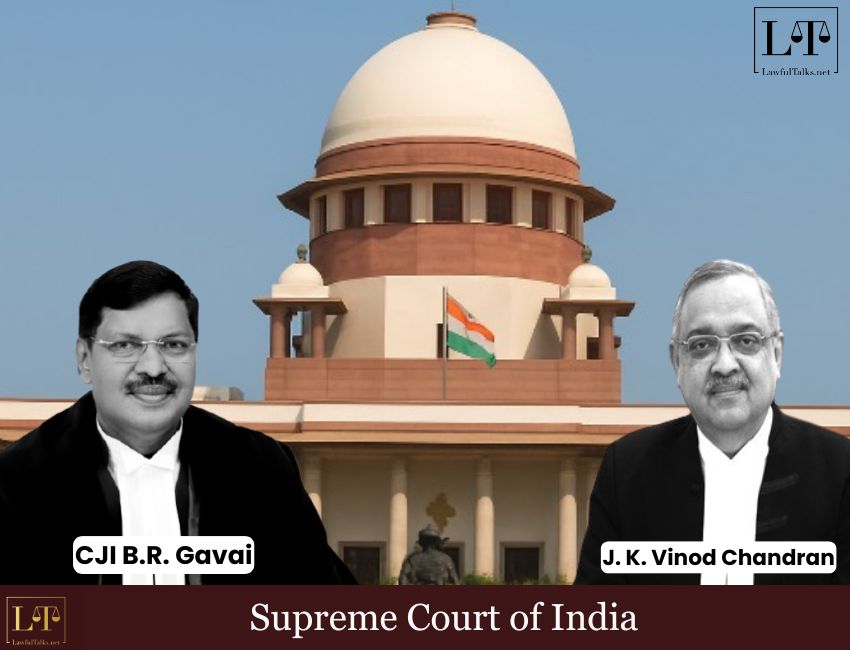
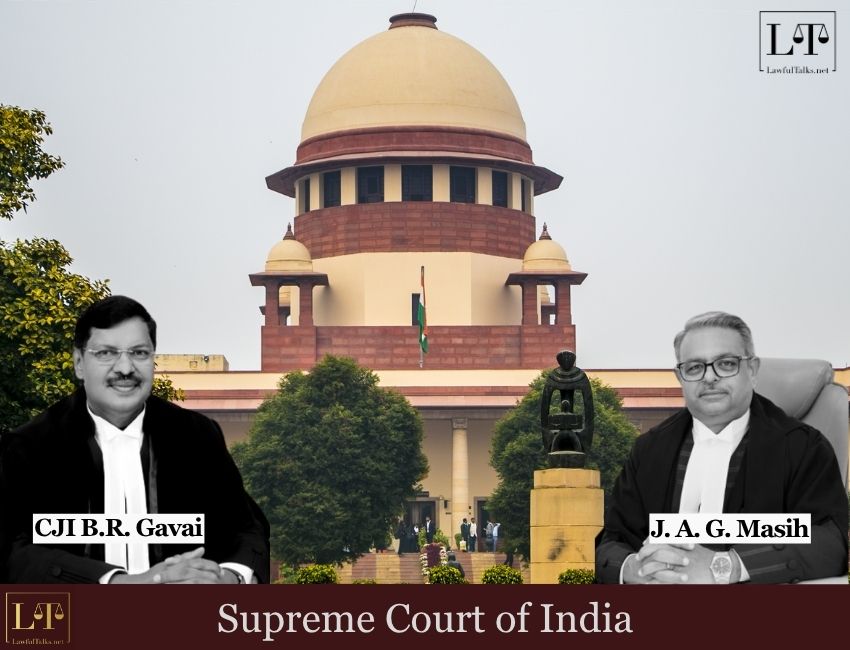
This decision came after the Supreme Court had already taken earlier action in the same case. On March 26 last year, a Bench of former Chief Justice of India (CJI) B.R. Gavai Justice A.G. Masih stayed important parts of the High Court’s order, calling it “shocking” and “insensitive.” Later, on December 8, the Court stayed the High Court’s judgment completely.
The issue reached the Supreme Court after senior advocate Shobha Gupta, appearing for the NGO ‘We the Women of India,’ sent a letter asking the Court to take cognizance of the matter.


























































Sign up for free and be the first to get notified about curated content just for you.