Garbage Emergency? SC Orders Nationwide Waste Shake-Up From April 1

- February 24, 2026


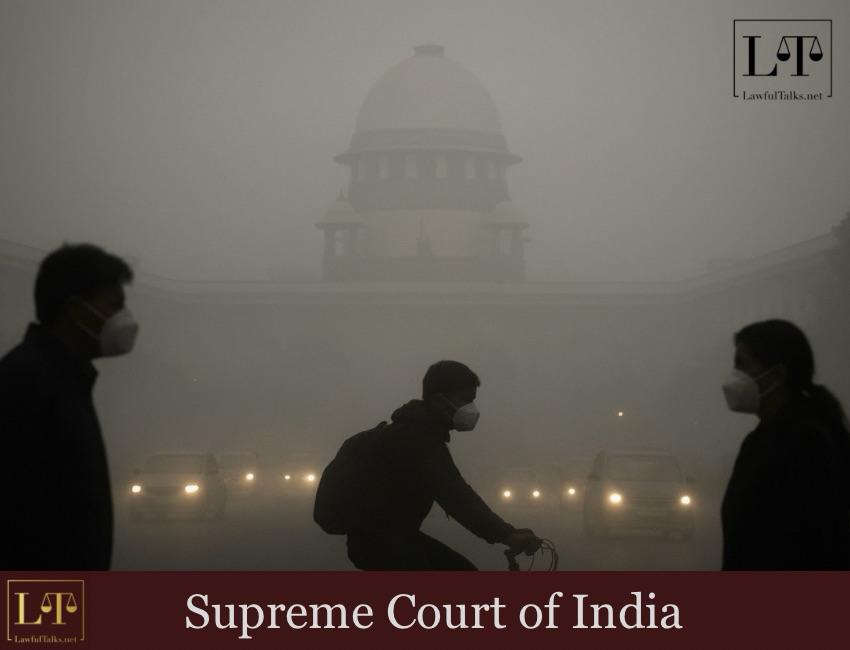
In a significant move to address India’s growing waste problem, the Supreme Court issued nationwide directions to strictly enforce the Solid Waste Management (SWM) Rules, 2026, which will come into effect on April 1.
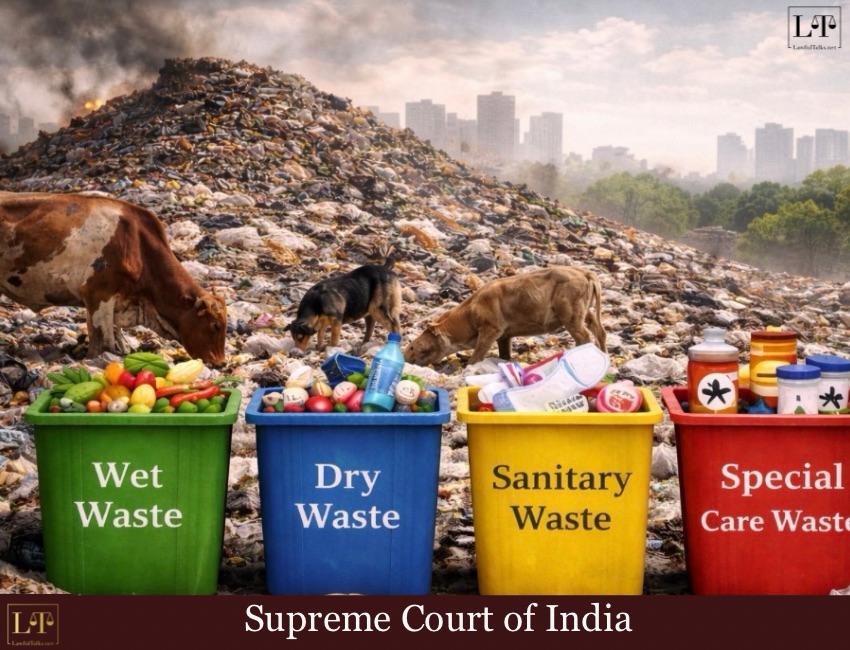
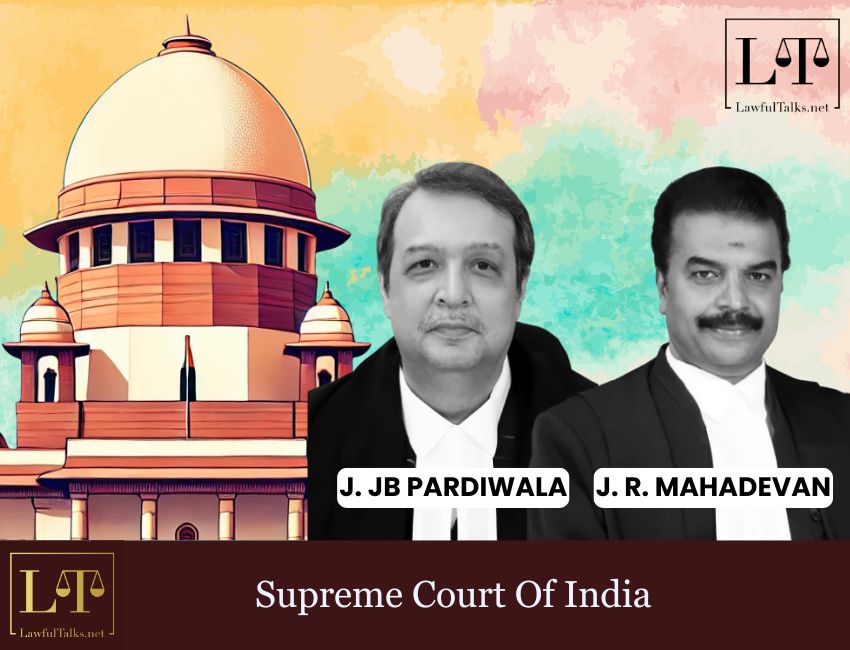
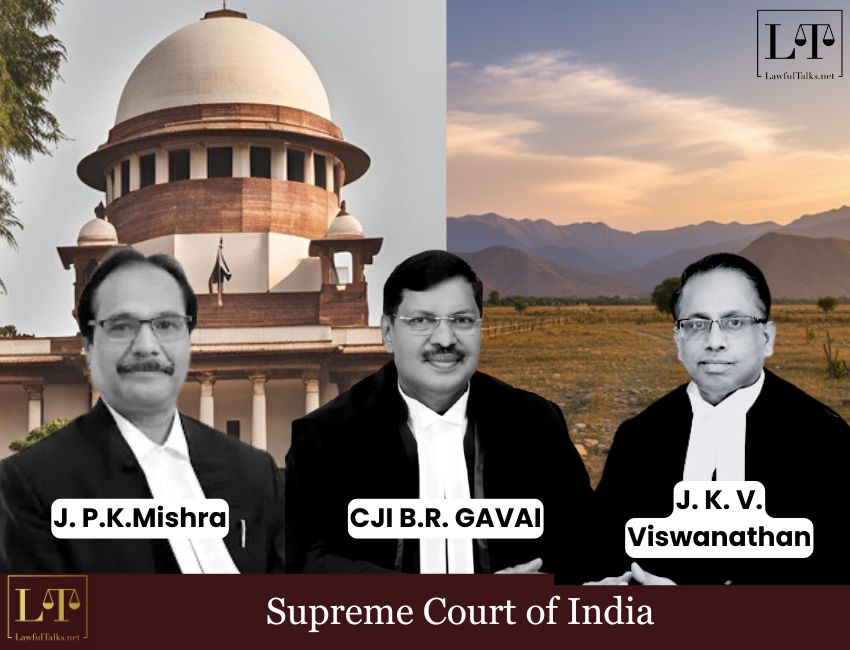
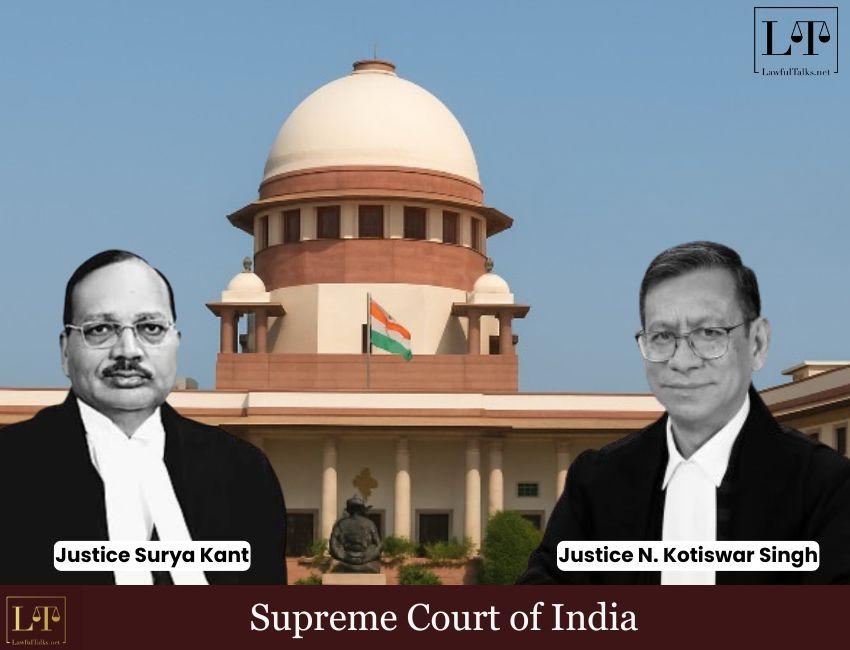
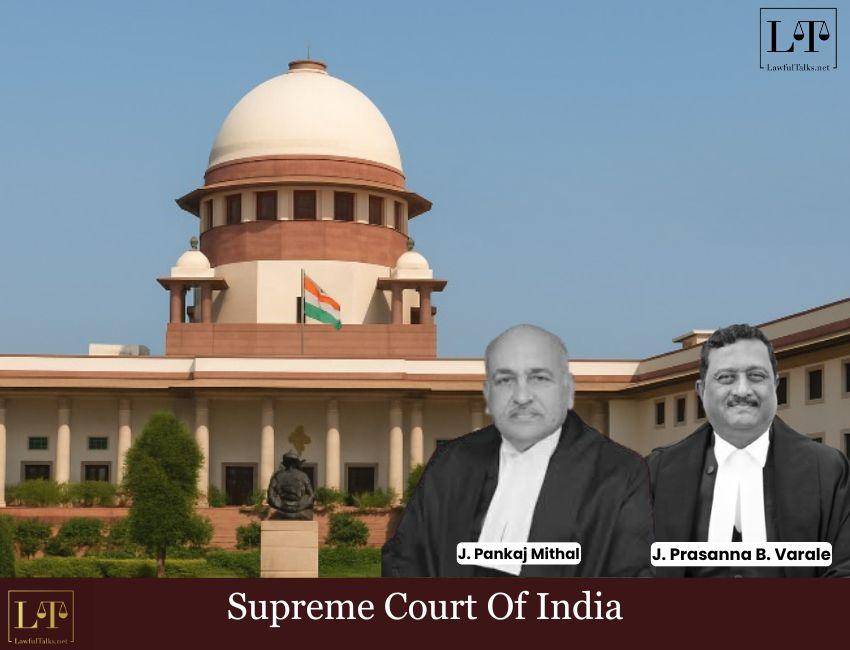
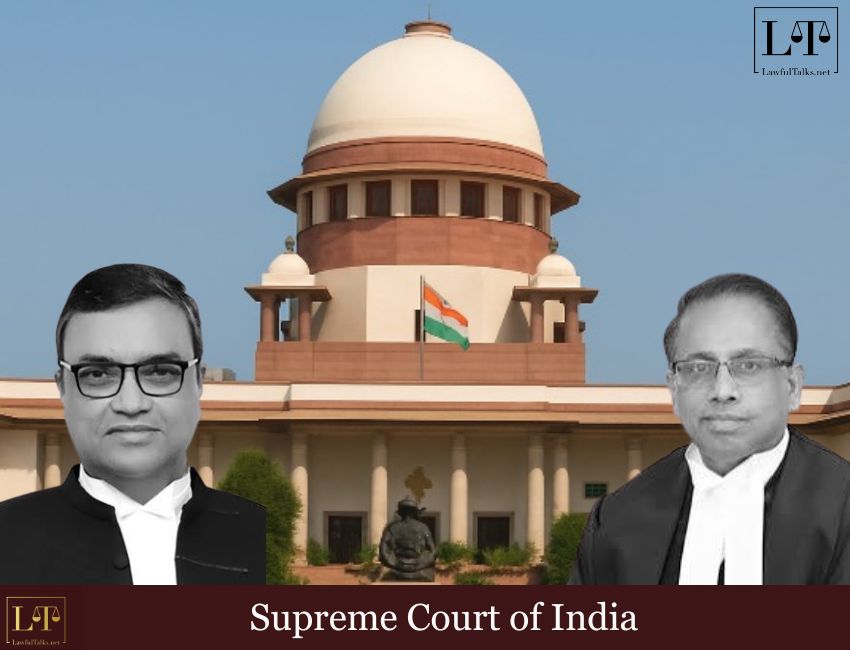
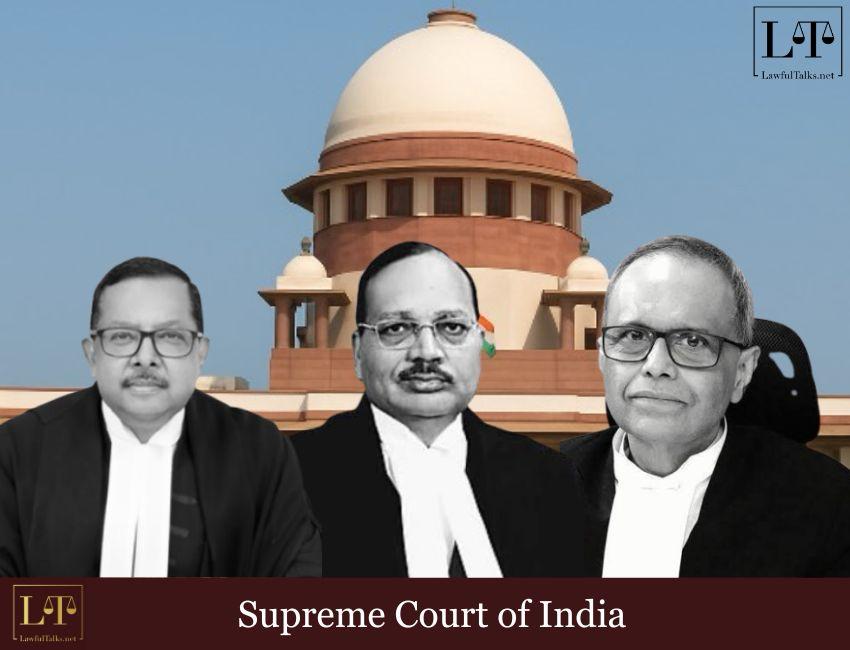
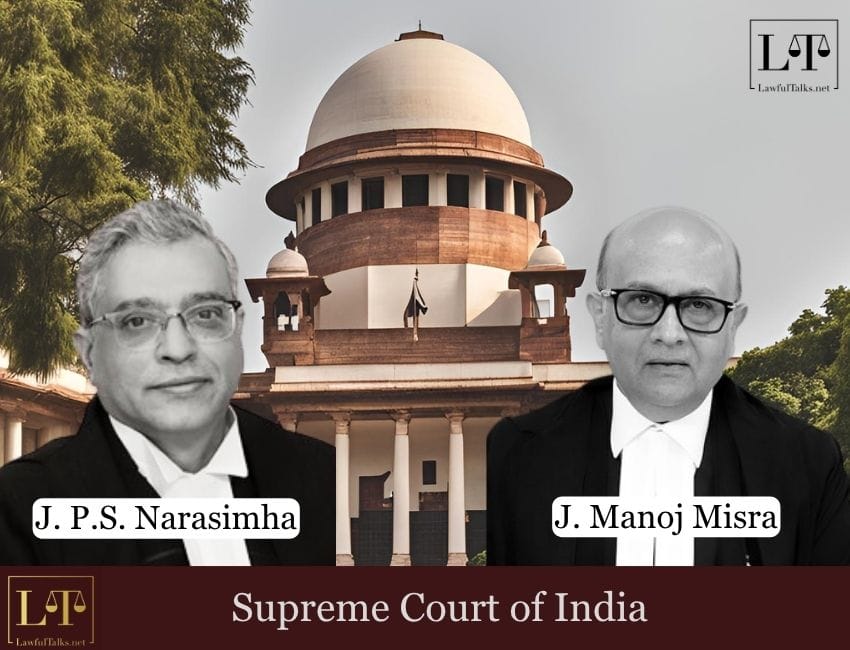
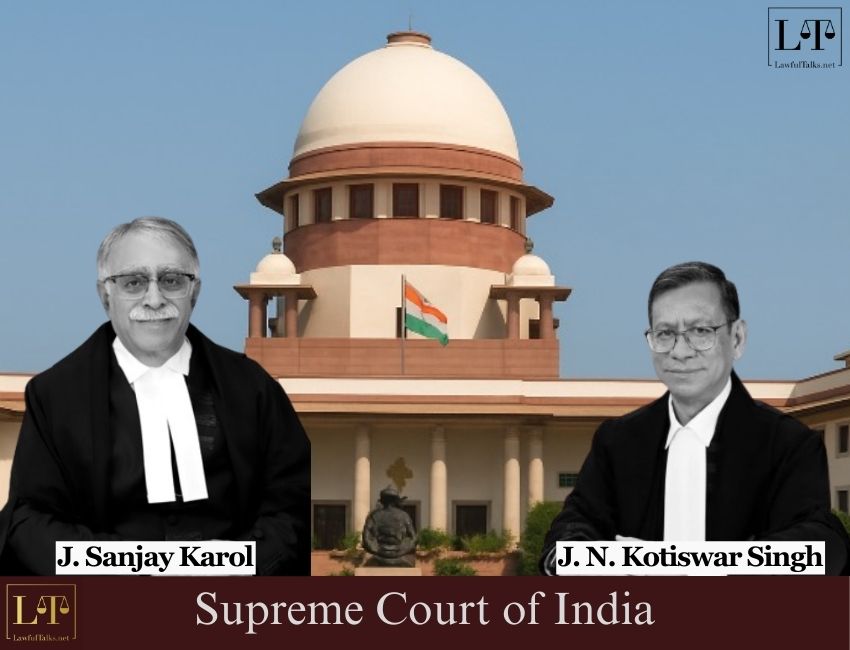
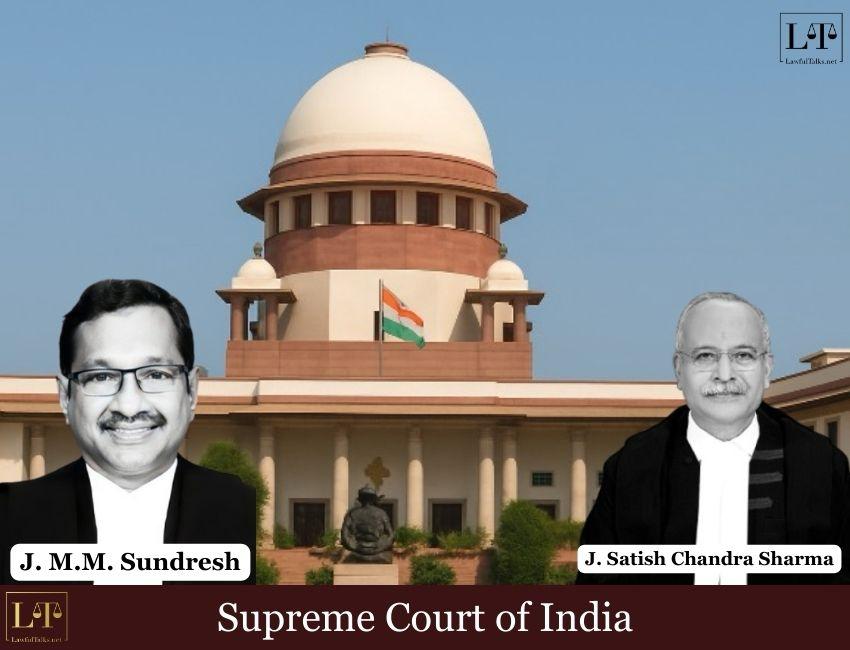
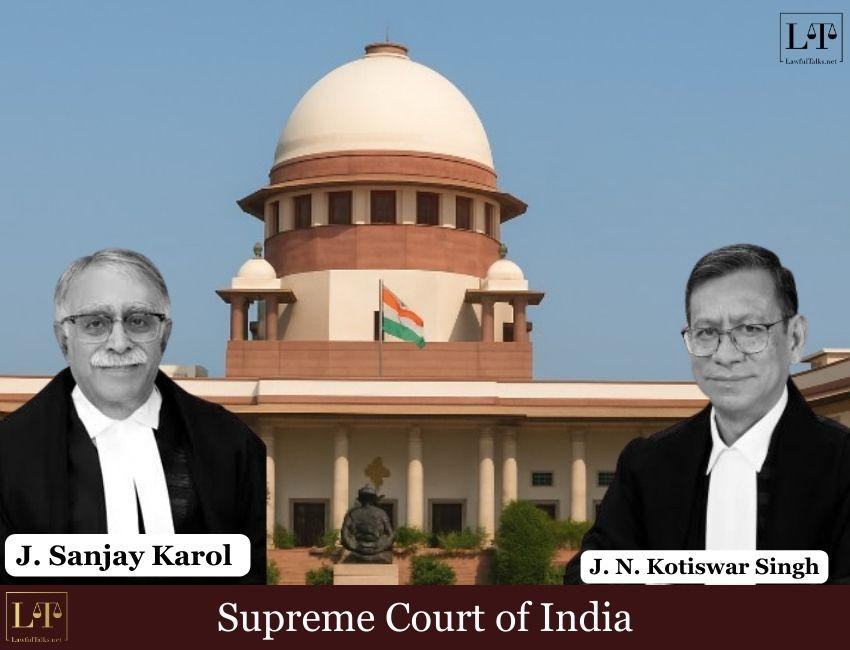
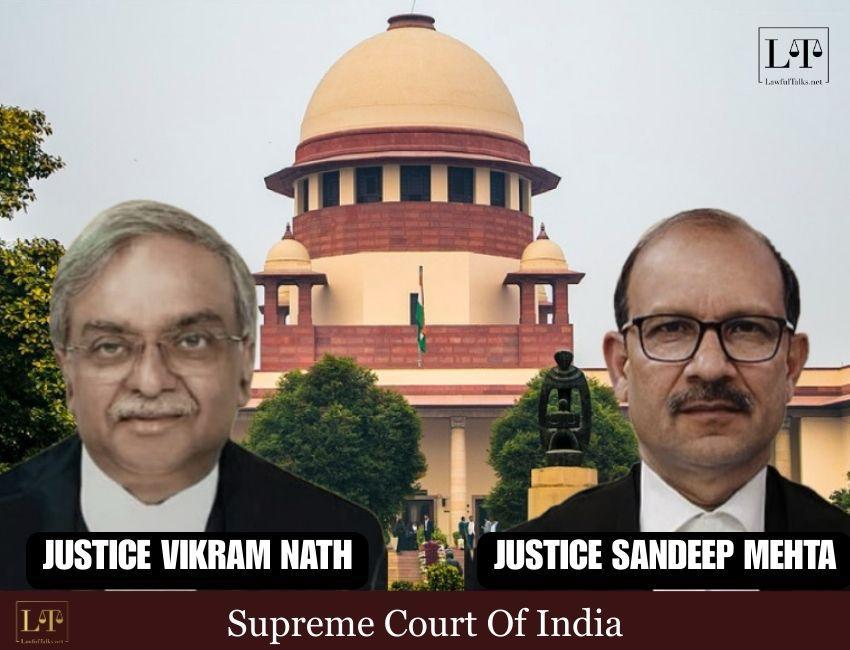
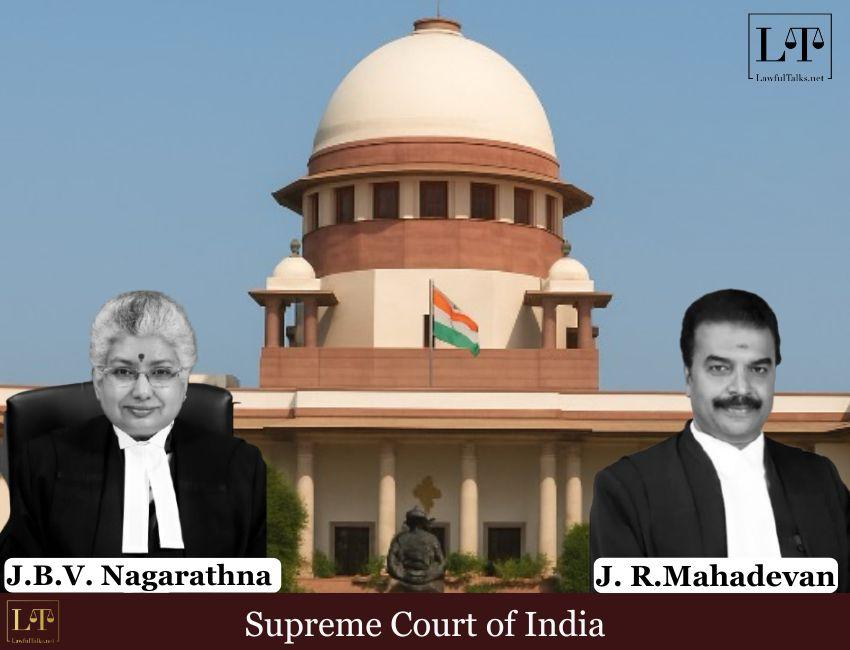
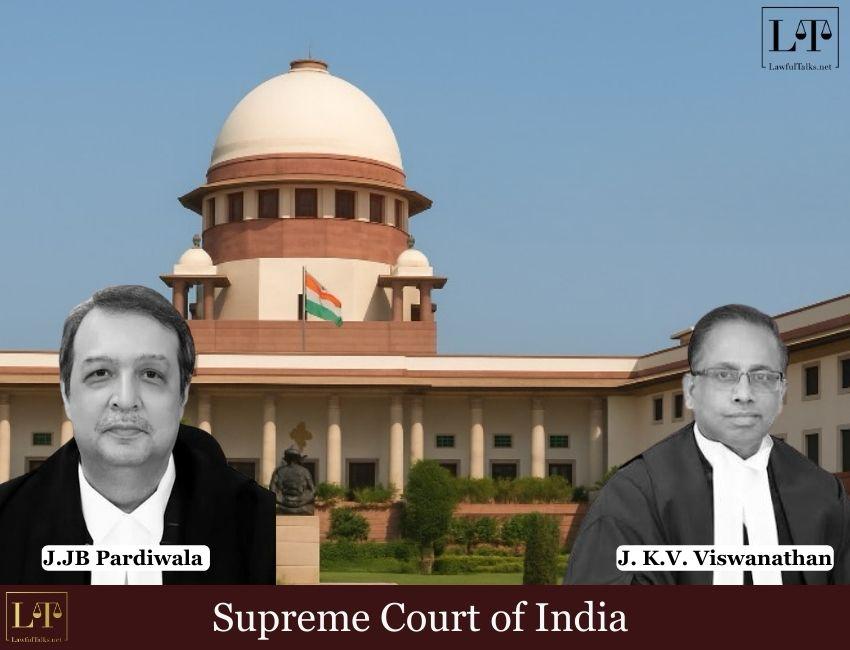
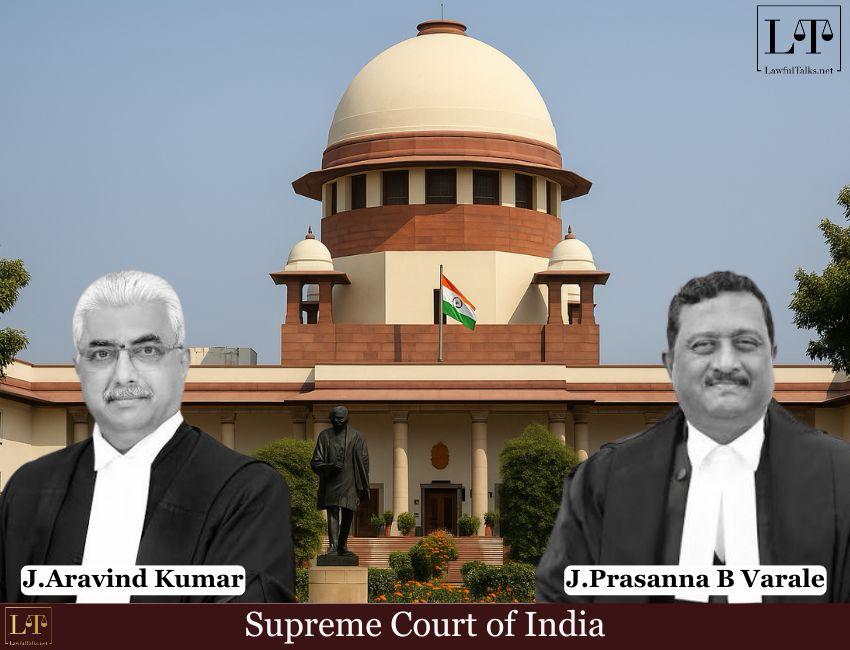
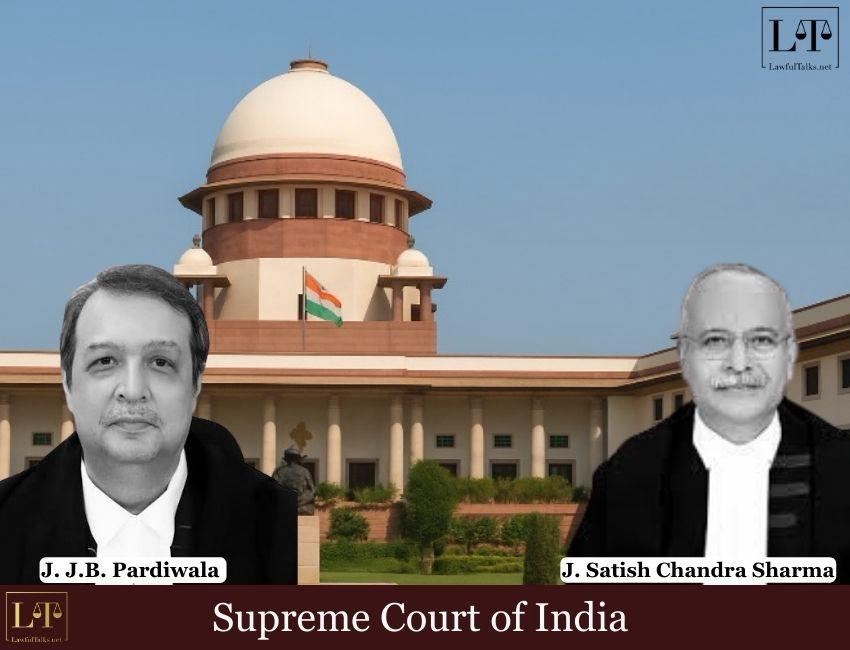
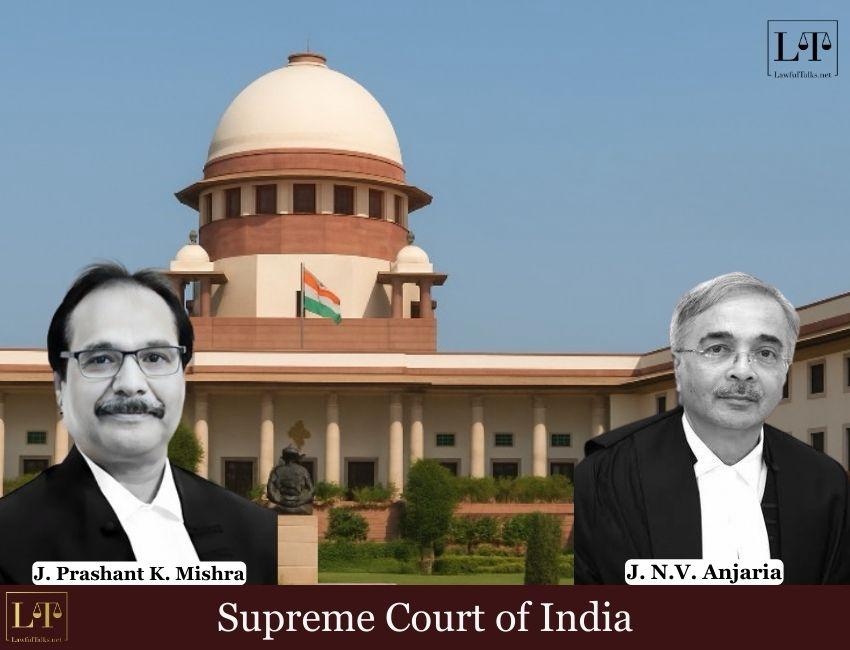
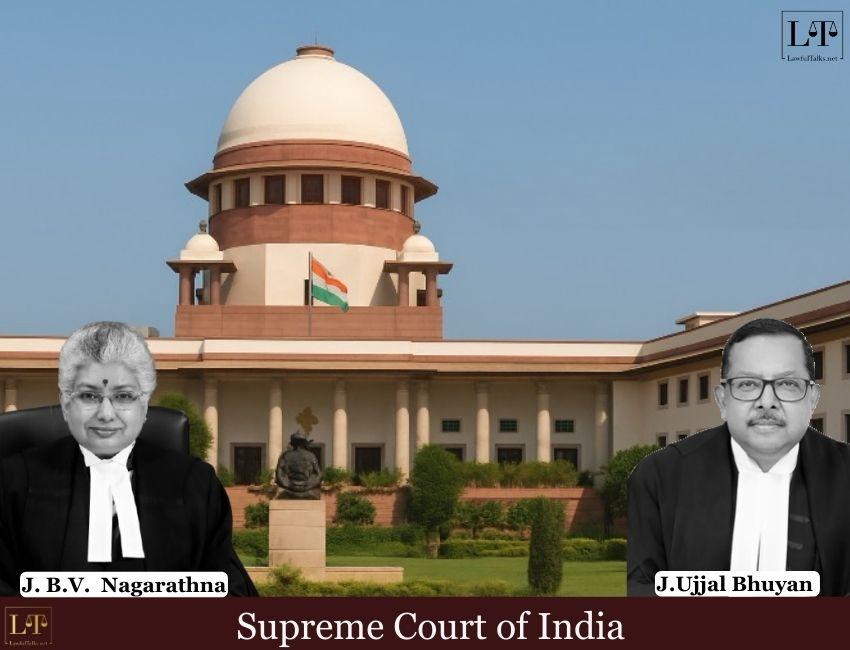
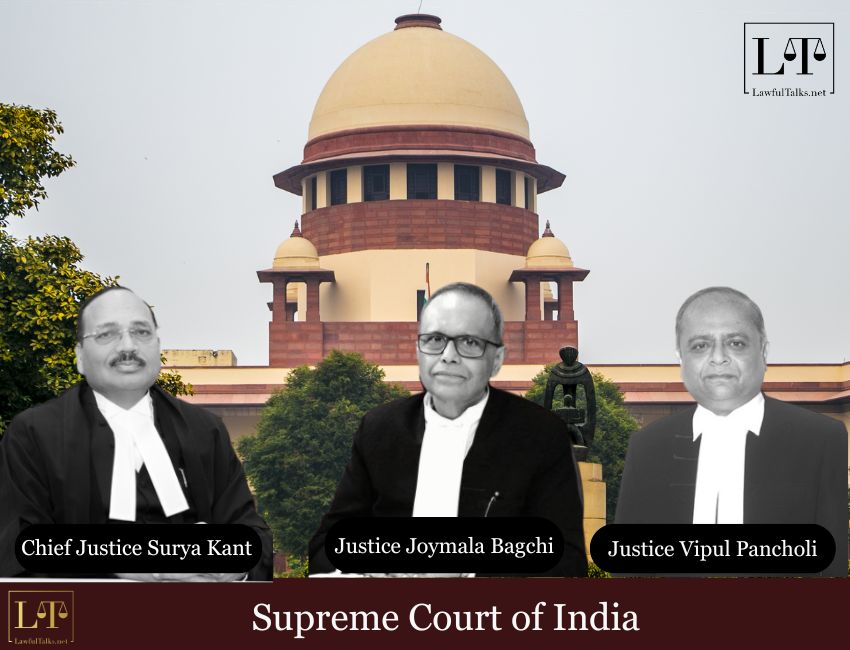
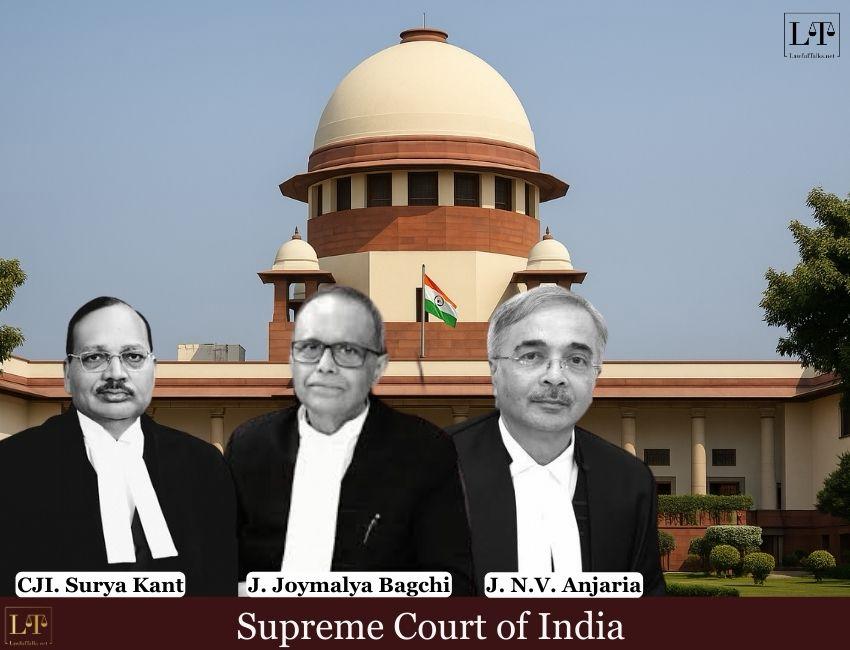
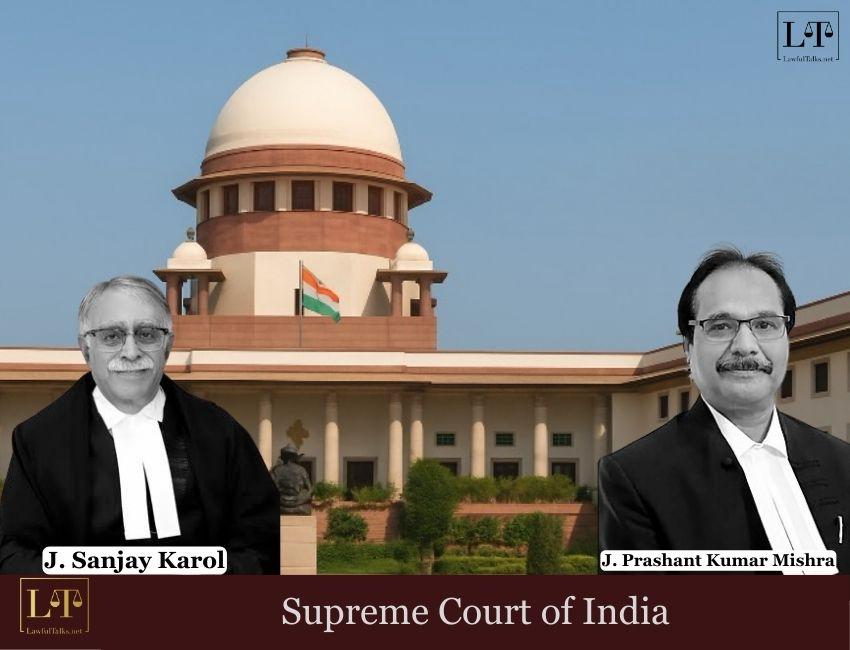
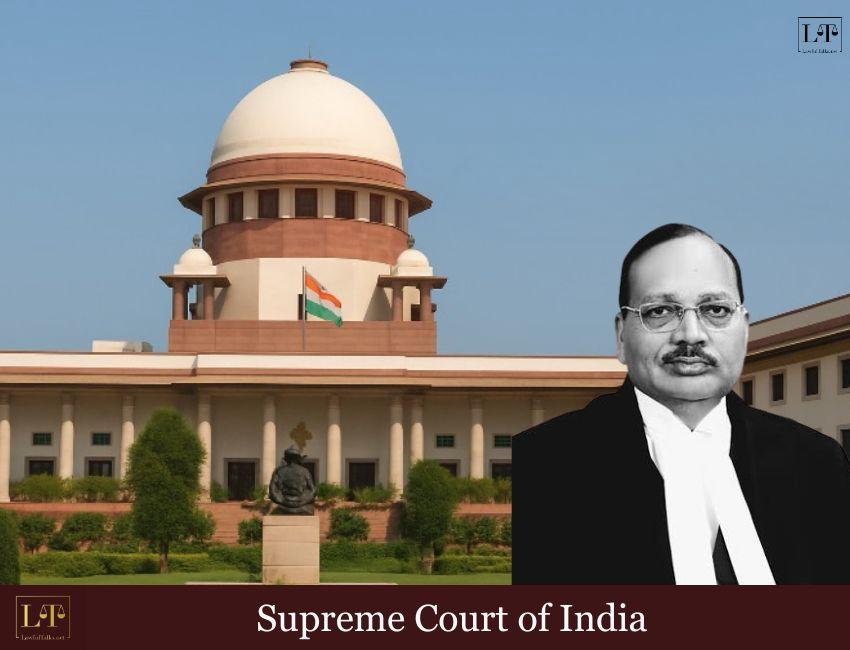
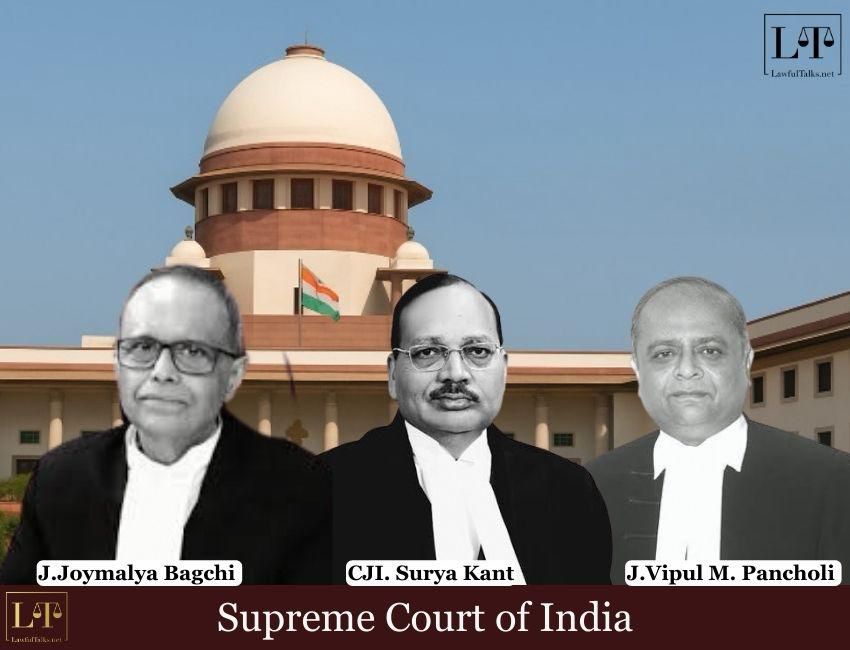
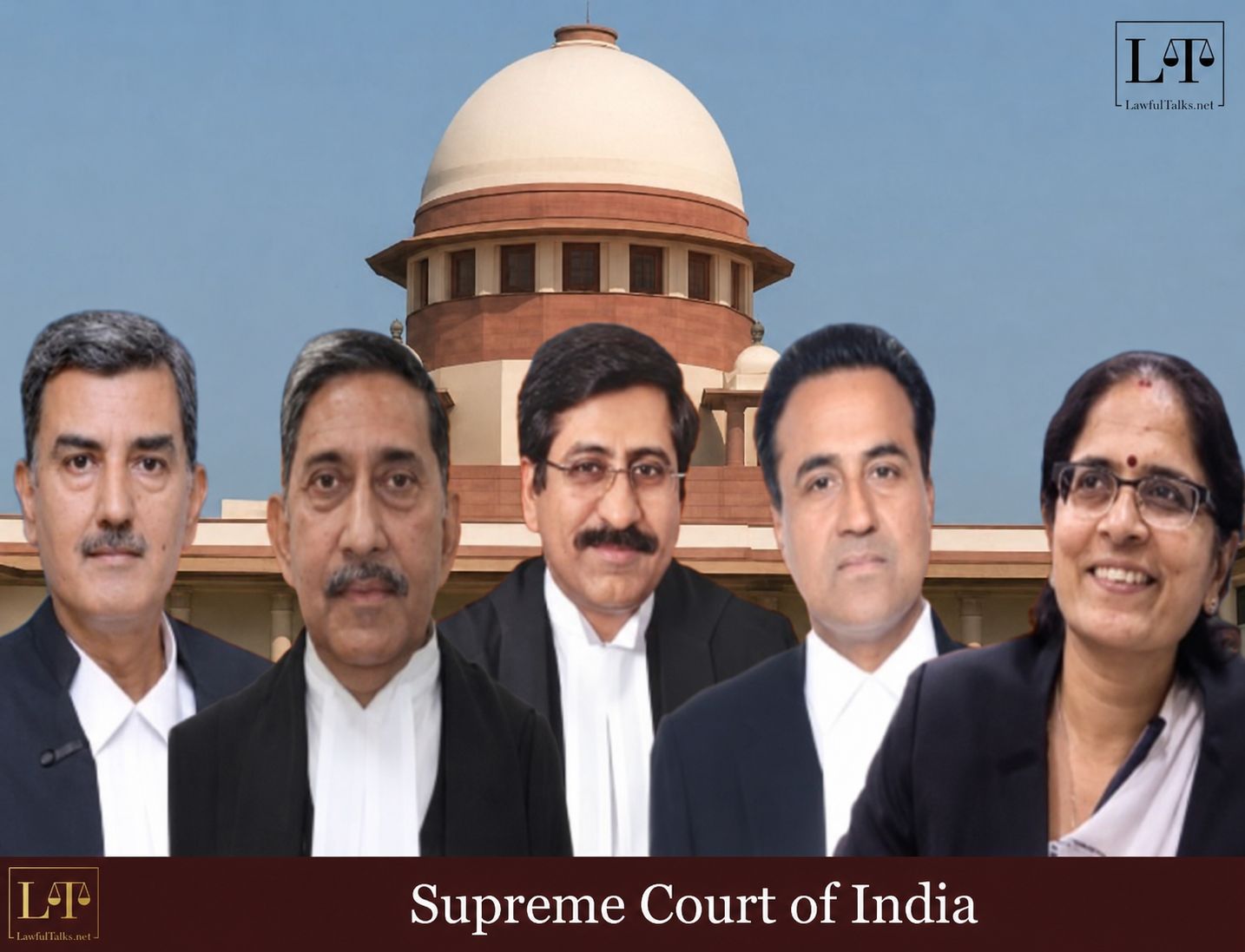
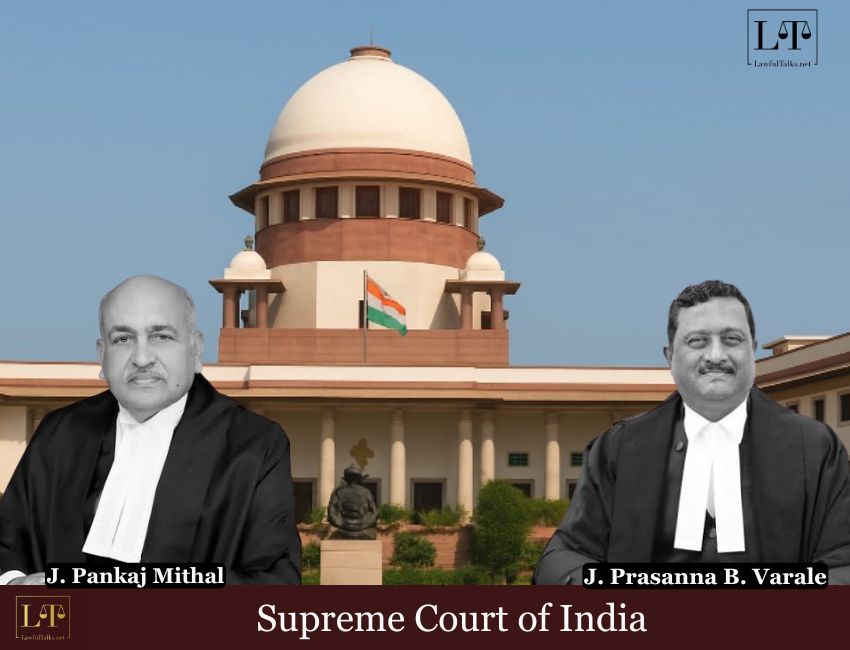
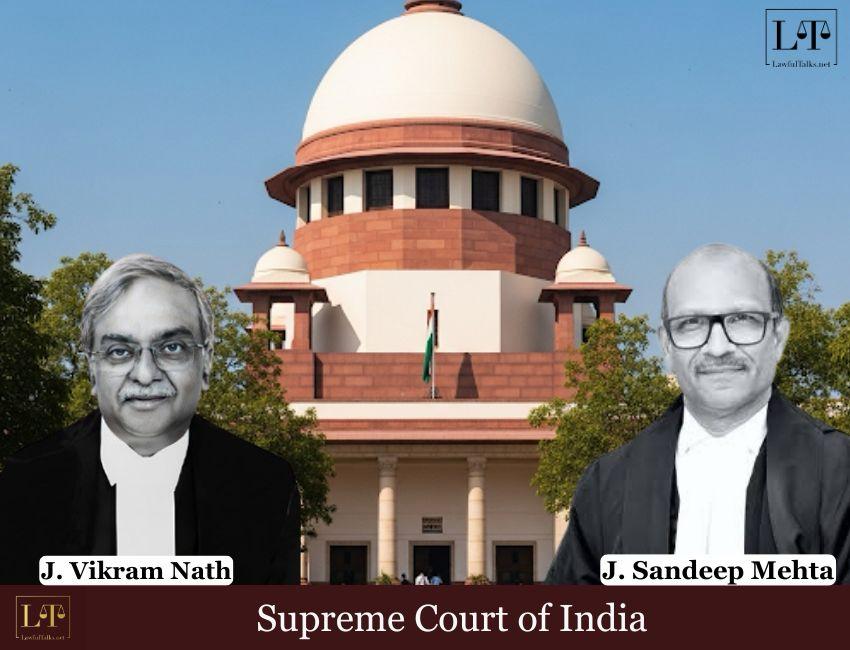
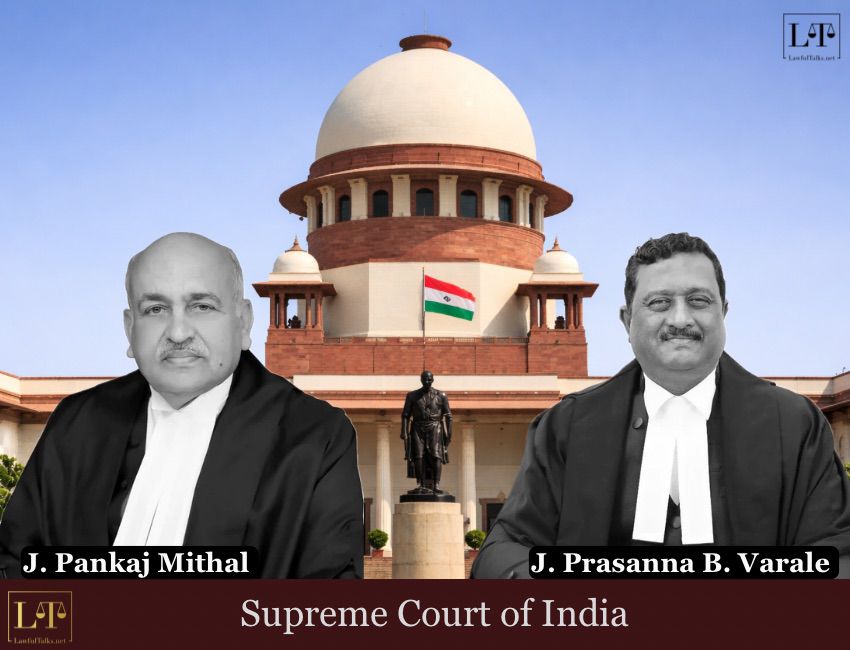
A bench of Justices Pankaj Mithal and SVN Bhatti pointed out serious gaps in how waste is being managed across the country, noting that rules are not being followed properly in both cities and villages.
The Court said:
“Compliance of MSW/SWM Rules meant to govern waste management remains uneven across India. While mandated at source, the segregation at source into wet, dry and hazardous streams is still not fully realised in many urban and rural areas. Massive dumpsites in metropolitan areas remain active, though bio-remediation efforts, as informed, have been initiated under the latest mandates.”
Case Background:
The ruling arose from appeals challenging orders passed by the National Green Tribunal regarding the Bhopal Municipal Corporation's compliance with the 2016 SWM Rules. The Bench said that a clean environment is part of the right to life under Article 21 of the Constitution. It made clear that its directions would apply across the country, not just to Bhopal.
The Bench stated:
“To ensure realisation of the objects of the SWM Rules, 2026, we consider it appropriate to issue directions which are applicable not only to the Bhopal Municipal Corporation but also to the entire country,” the Court stated.
Referring to data from the Central Pollution Control Board for 2021–2022, the Court noted that around 170,000 tonnes of municipal solid waste is generated daily. Of this, about 156,000 tonnes is collected, 91,000 tonnes is treated, and 41,000 tonnes is sent to landfills.
However, the Court observed that the ground reality does not match the claims made by local bodies, especially when it comes to waste processing. This has led to unscientific dumping and piles of uncollected garbage.
The court drew up a set of key directions, which include the following:
Four-stream segregation of wet, dry, sanitary and special care waste and building infrastructure for the same;
Empowering local bodies for implementing the SWM Rules;
Citizen participation;
Oversight by District Collectors; and
Fines and criminal prosecution of officials for non-compliance.
To ensure the rules are followed before they come into force, the Court laid down a detailed plan for implementation.
Councillors, Mayors, Chairpersons, Corporators and Ward members designated as lead facilitators for source segregation and to ensure citizen participation in the implementation of the rules.
The Ministry of Environment, Forest and Climate Change (MoEFCC) should exercise its powers under Section 5 of the Environment (Protection) Act to ensure proper implementation of the rules across all States and Union Territories.
District Collectors must review waste management infrastructure, identify gaps and report corrective steps to the Chief Secretary within a fixed timeline.
Local bodies should set and publicly announce clear deadlines for achieving full compliance.
District Collectors should oversee waste management by municipal corporations, municipalities and gram panchayats within their jurisdictions and to report any non-compliance to the concerned State and Central authorities.
Local bodies must submit compliance reports along with photographic evidence to demonstrate actual progress.
Pollution Control Boards should identify and expedite the commissioning of infrastructure facilities required for the four-stream segregation, including bulk (wet, dry, sanitary and special care).
Local bodies must communicate the SWM Rules, 2026 and a copy of this order to all identified Bulk Waste Generators (BWGs) immediately. All BWGs must be fully statutory compliant by March 31.
Solid waste management practices should be included in school curricula and key provisions of the rules should be translated into local languages and circulated to households through Ward Representatives.
Local bodies must strictly follow the rules by ensuring four-stream segregation of wet, dry, sanitary and special care waste and by implementing a time-bound plan to clear and treat legacy dumpsites.
Failure to comply with the rules will no longer be treated as a mere administrative lapse and there will be a three-tier enforcement framework:
*Immediate fines for initial violations by waste generators or local authorities;
*Criminal prosecution under environmental laws for continued non-compliance;
*Prosecution of all responsible persons, including officials who fail to carry out their statutory duties;
Offences relating to mismanagement of solid waste are punishable under environmental laws and said mobile courts may be deployed to address violations in real time.
MoEFCC will rank major municipal corporations based on their performance under the 2016 and 2026 Rules, with the results to be published on a centralised portal to ensure transparency.
To ensure monitoring, the Bench said multi-tier monitoring task forces must be set up on or before March 15.
Authorities must submit a joint sworn affidavit by March 25 verifying digital and physical setups, such as local body registrations on the CPCB portal, operational Material Recovery Facilities, four-stream vehicles, and environmental compensation escrow accounts. The Ministry will notify all Chief Secretaries to roll out multi-level oversight from states to gram panchayats. “It is now or never. Expecting high results without fundamental spadework of source segregation and infrastructure would be unreasonable. Every stakeholder is duty-bound to ensure the realisation of a waste-free India,” the Court warned.
The matter is listed for March 25, 2026.
Case Details: Bhopal Municipal Corporation v Dr Subhash C Pandey

















































































































































































































Sign up for free and be the first to get notified about curated content just for you.