‘Tainted Assets’ Can’t Hide Behind IBC: SC Drops the Hammer

- February 25, 2026


In a strong ruling against forum-shopping, the Supreme Court has ruled that the National Company Law Tribunal (NCLT) and the National Company Law Appellate Tribunal (NCLAT) do not have the power to examine or question attachment orders passed under the Prohibition of Benami Property Transactions Act, 1988.

The Court said this applies even if the attached properties are part of proceedings under the Insolvency and Bankruptcy Code, 2016 (IBC).
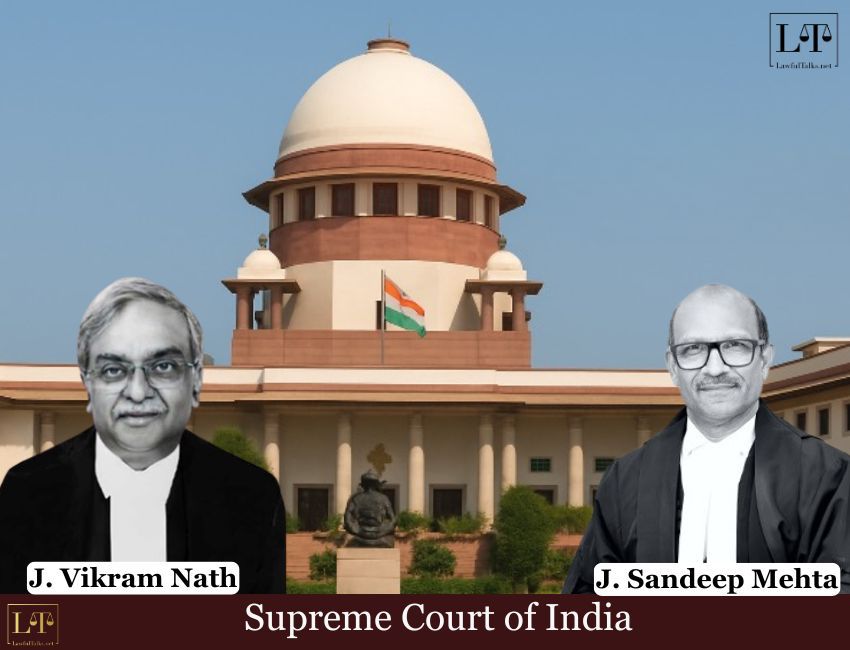
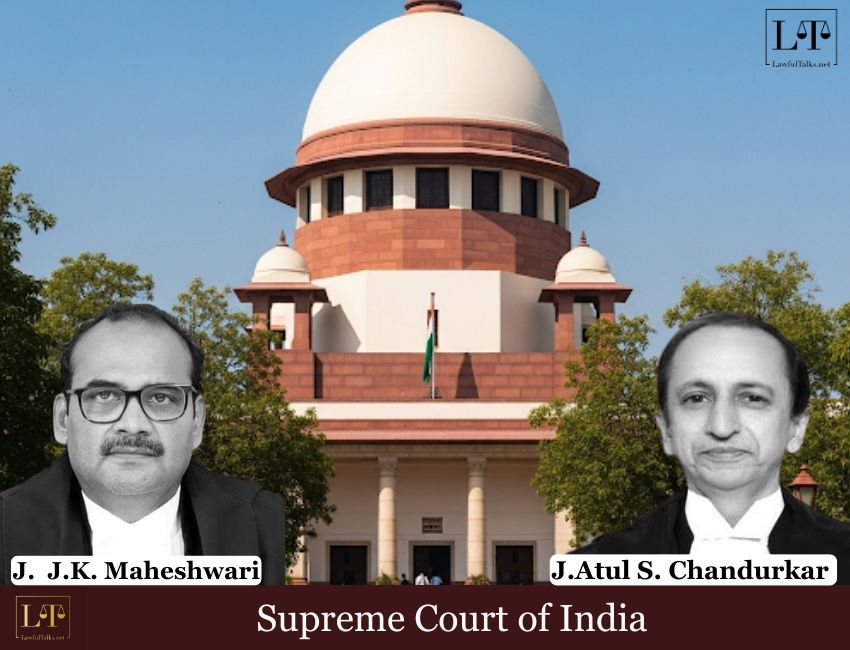
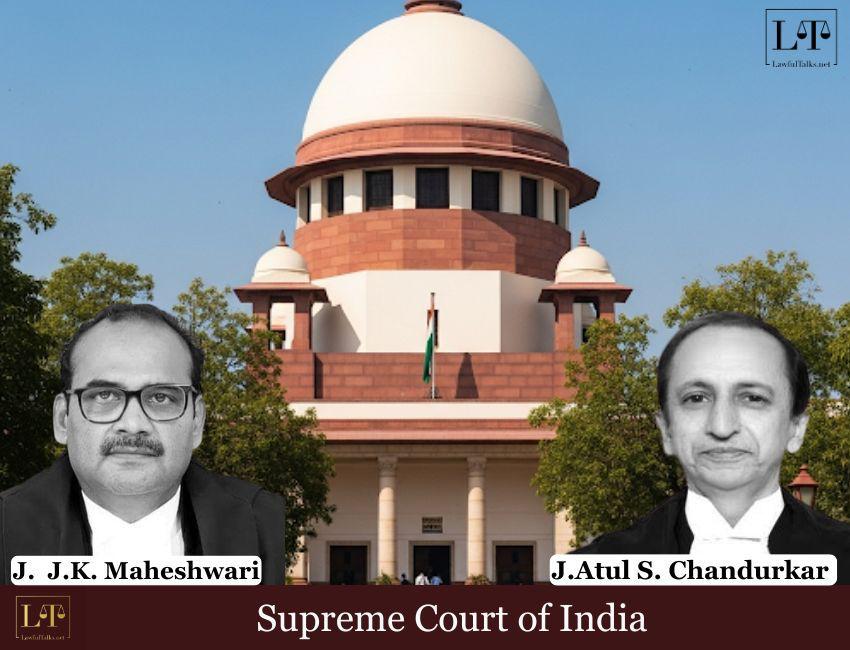
The judgment was delivered by Justices Pamidighantam Sri Narasimha and Atul S. Chandurkar, who dismissed appeals filed by liquidators who wanted to challenge such attachment orders before the NCLT and NCLAT.
Section 60(5) Clarified:
The bench said that the NCLT cannot use Section 60(5) of the IBC to examine whether attachment or adjudication orders under the Benami Act are valid. Doing so would wrongly turn the NCLT into a court that reviews government decisions. The Court said that earlier judgments, including the Embassy Property case and later decisions, have already clearly rejected this view.
The bench also made it clear that insolvency proceedings under the IBC cannot be used to distribute assets that are suspected to be benami properties.
The Court stated:
“Once the Adjudicating Authority under the Benami Act has concluded that the corporate debtor is a benamidar, beneficial ownership stands negated. The legality and validity of such determinations are subject matter of appeal under the provisions of Benami Act alone. Insolvency proceedings cannot be utilised to convert property held for another into distributable assets for creditors. The IBC contemplates distribution of the debtor’s estate, not assets impressed with a trust or held on behalf of a third party,” the Court held.
Case Background:
This dispute arose when authorities under the Benami Act provisionally attached properties of companies that were undergoing insolvency resolution or liquidation.
The resolution professionals, and later the liquidators, approached the NCLT. They argued that the attachments were invalid because of the moratorium under Section 14 of the IBC. They also claimed that the attached properties should form part of the liquidation estate.
However, the NCLT refused to interfere and told them to seek remedies under the Benami Act instead. The NCLAT agreed with this view and also refused to examine the decisions of the Benami authorities.
Issue Before Supreme Court:
The liquidators then approached the Supreme Court. They asked whether attachment orders passed under the Benami Act could be challenged before IBC tribunals like the NCLT and NCLAT. The Court said no.
IBC vs Benami Act:
The Court noted that although the IBC and the Benami Act may cover some of the same issues in some situations, they operate in different areas. The Court said that matters relating to property title, attachment, or confiscation must be decided under the Benami Act framework.
The judgment stated:
“Where the subject matter of the dispute pertains to the exercise of sovereign statutory power, particularly in relation to determination of legality of title, attachment, or confiscation and vesting thereof, the adjudicatory fora under the IBC must necessarily yield to the specialised mechanism created by such statute. Proceedings under Benami Act squarely fall within the public law domain. They are not in the nature of inter se disputes between private parties concerning proprietary rights, nor are they recovery proceedings capable of being subsumed within insolvency resolution,” the judgment stated.
State’s Power Under Benami Act
The Court further explained that the Benami Act is a law that allows the State to use its authority to find and stop benami transactions. Therefore, the NCLT cannot supervise or review actions taken under the Benami Act.
Moratorium Argument Rejected:
The Court dismissed arguments based on the IBC moratorium. It said,
“The moratorium is intended to protect the corporate debtor from ‘creditor actions’ aimed at debt recovery, not to shield ‘tainted assets’ from sovereign actions against crime.”
The bench strongly criticized the appellants’ approach. It said they were clearly misusing the legal process by trying to avoid the proper procedure under the Benami Act, even though the legal position was already settled.
Calling it an abuse of the process that wasted the time of the NCLT, NCLAT, and the Supreme Court, the bench imposed exemplary costs of ₹5 lakhs on them. The amount must be paid within four weeks to the Supreme Court Advocates on Record Association (SCAORA).
The Court said,
“The appellants have taken the precious time of the NCLT, NCLAT and also of this Court when the position of law is amply clear and there was no doubt whatsoever about the availability of the statutory remedies under the Benami Act,” it reasoned.
Case Detail: S Rajendran v. Deputy Commissioner of Income Tax (Benami Prohibition) and ors


































































































































































































































































































































































































































































































Sign up for free and be the first to get notified about curated content just for you.