Textiles Or Treasure? Bombay HC Sniffs Real Estate Motive Plot

- February 25, 2026


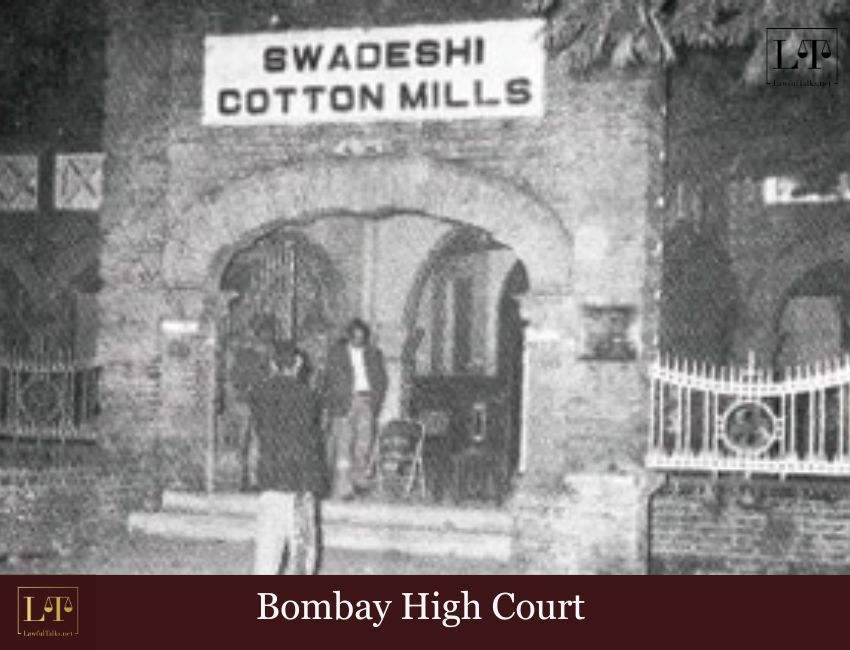
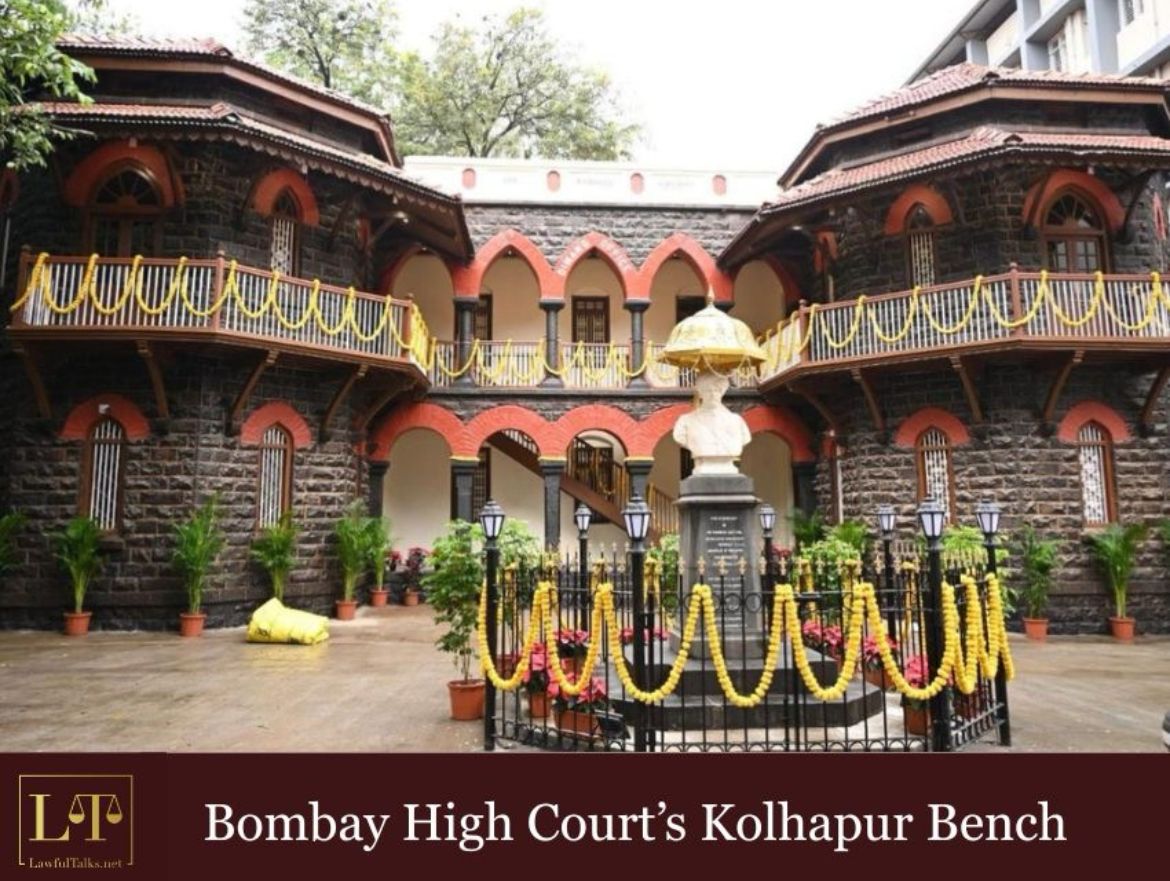
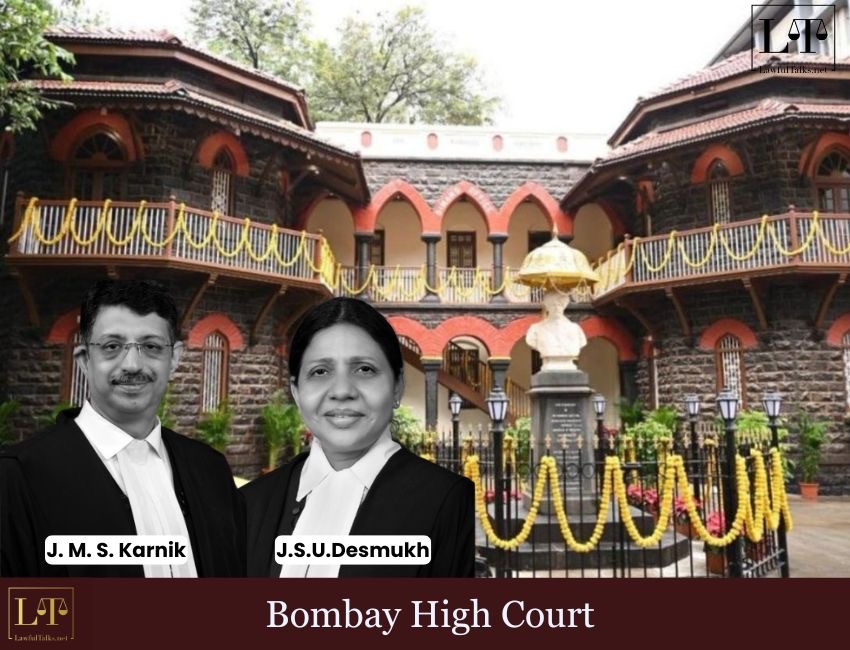
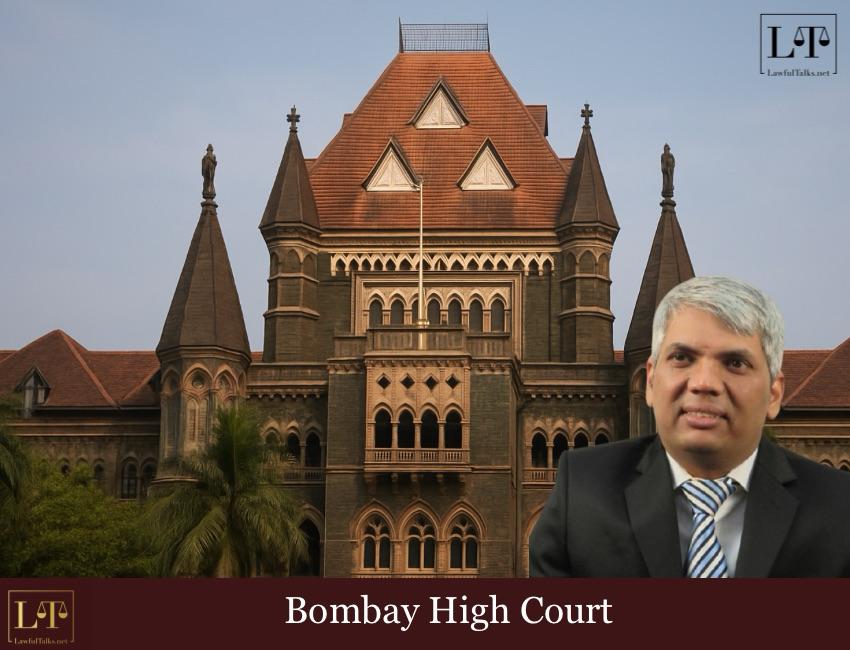
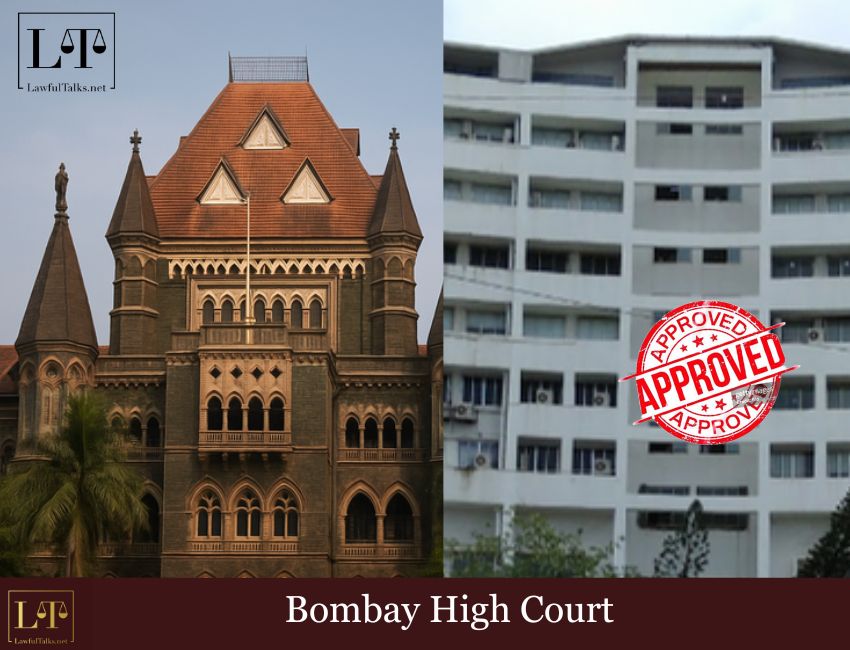
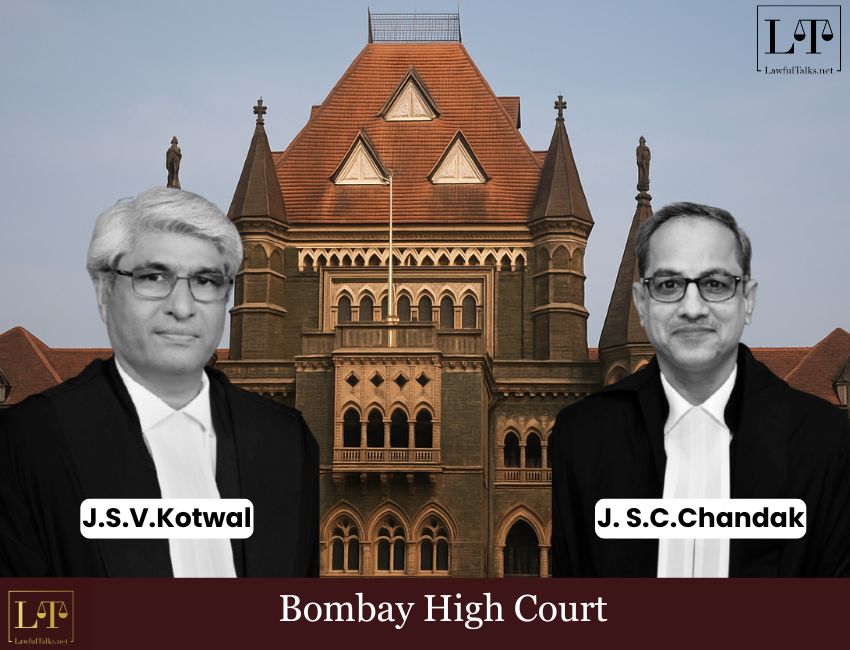
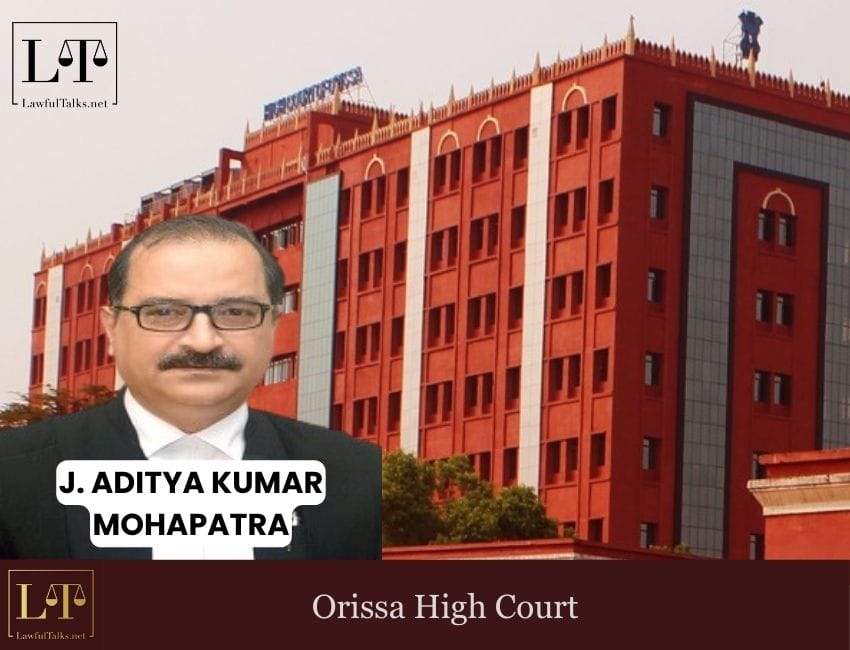
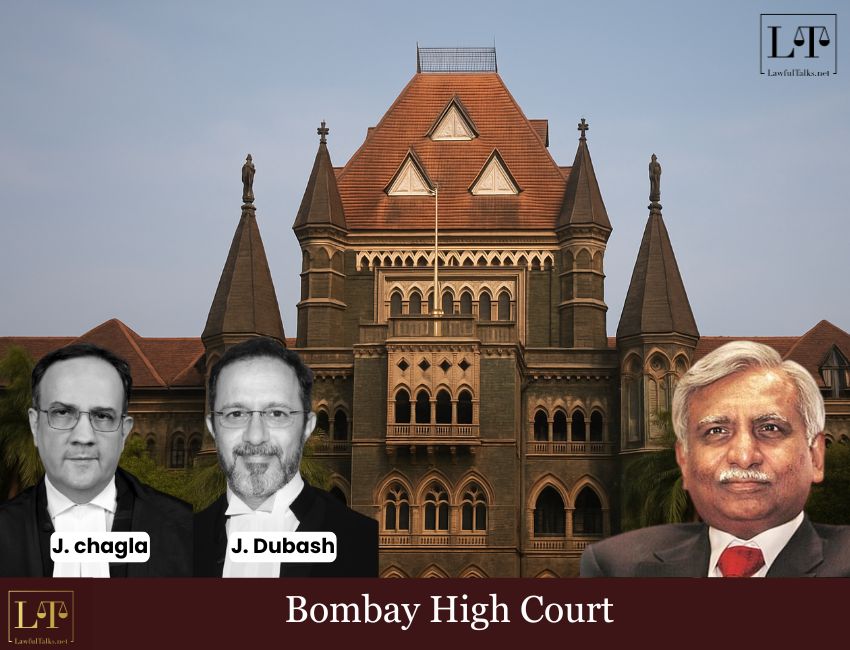
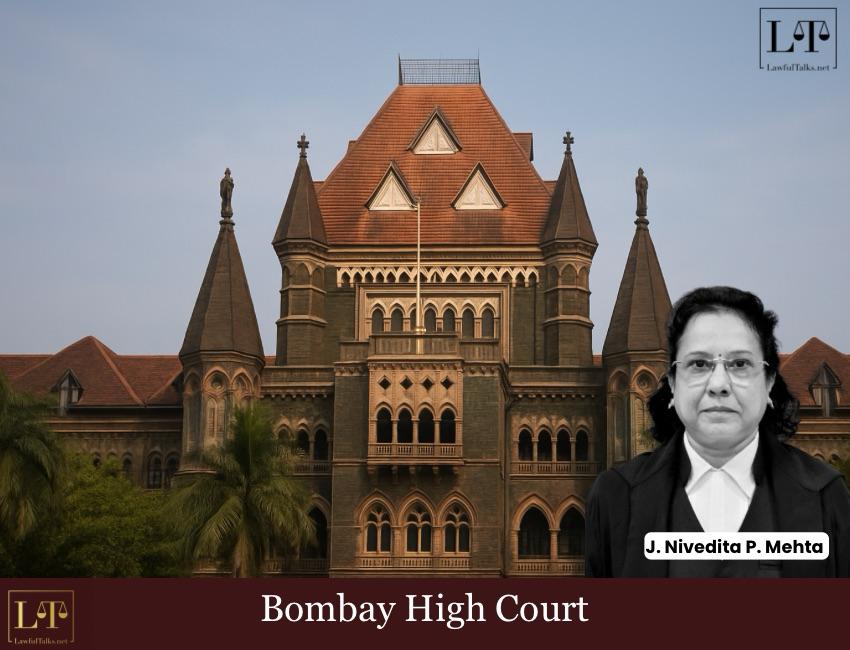
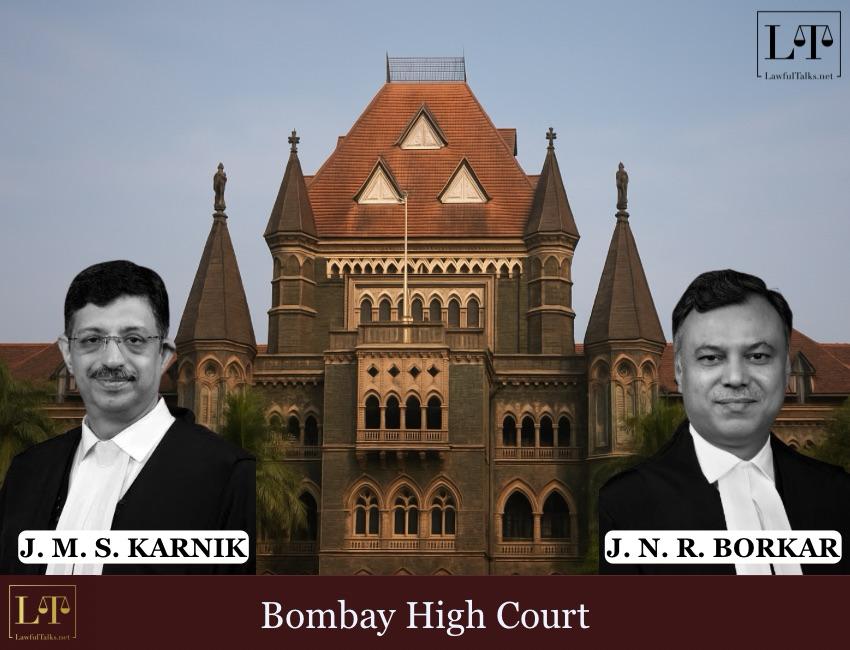
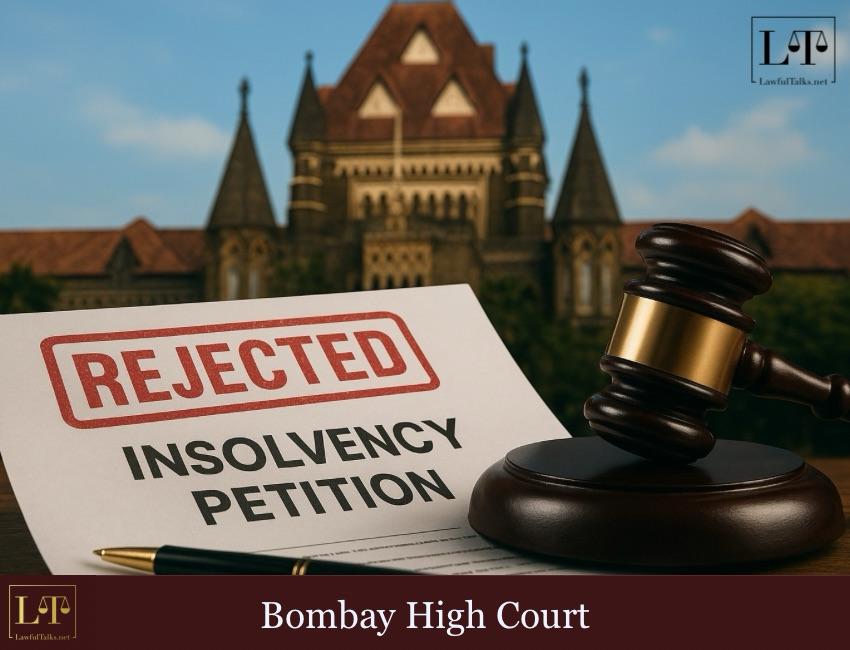
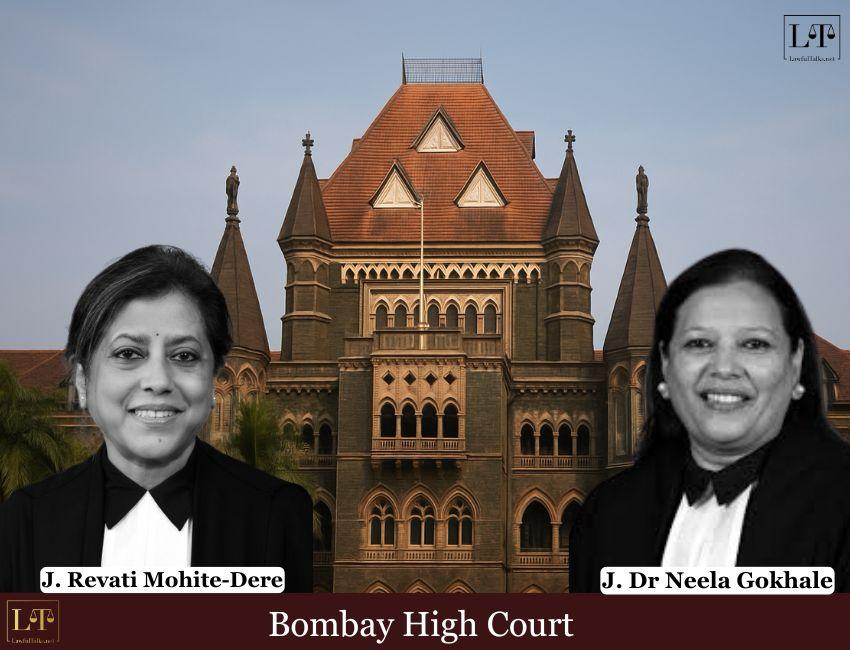
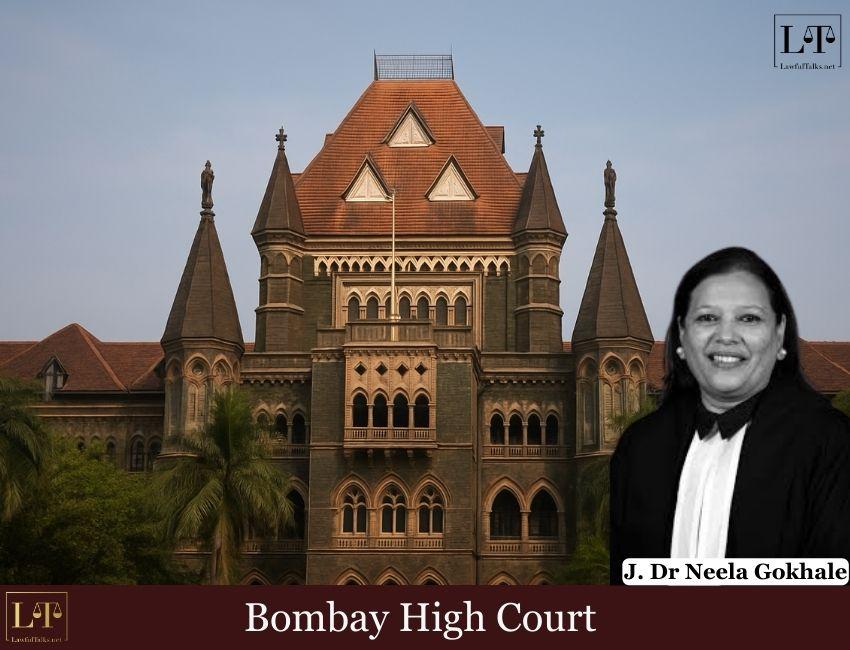
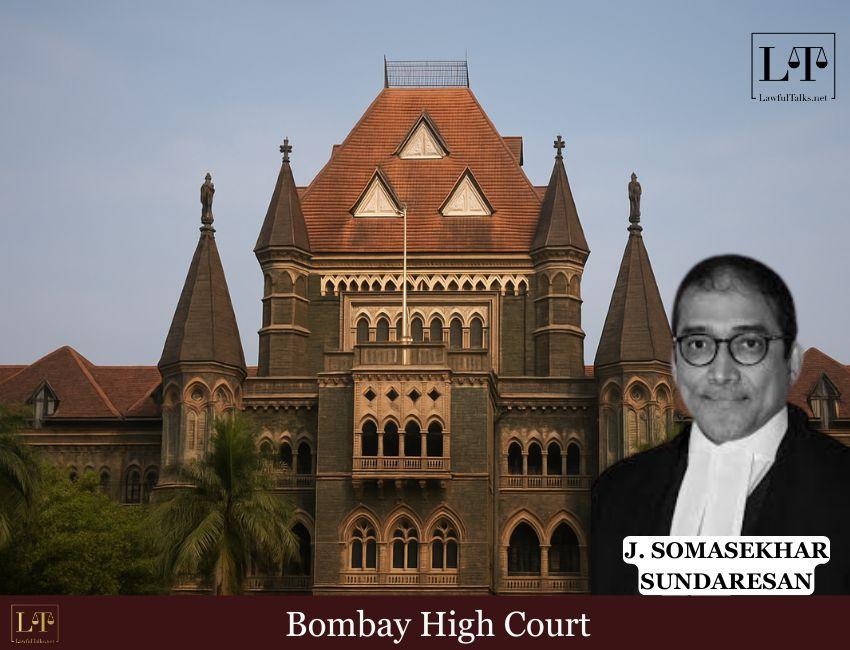
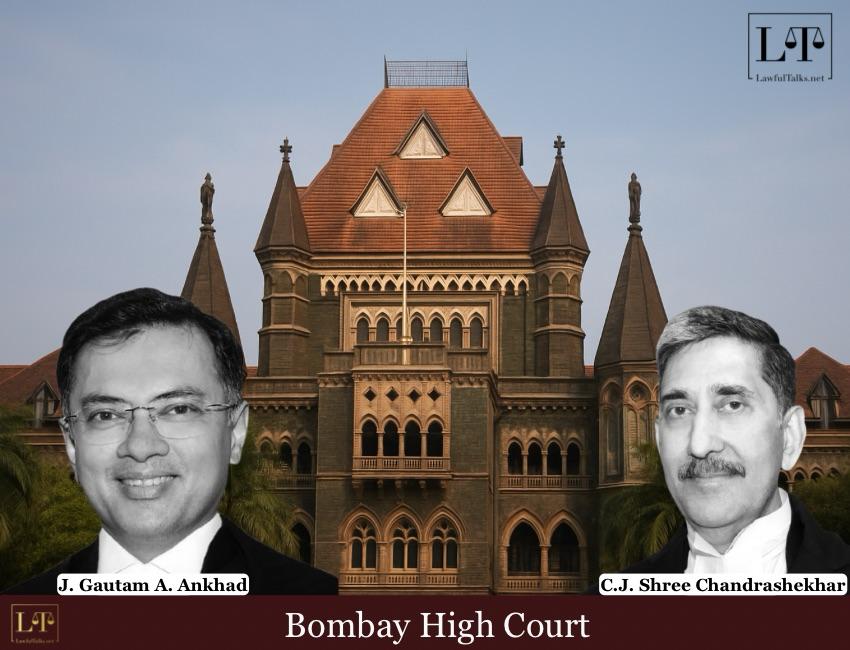
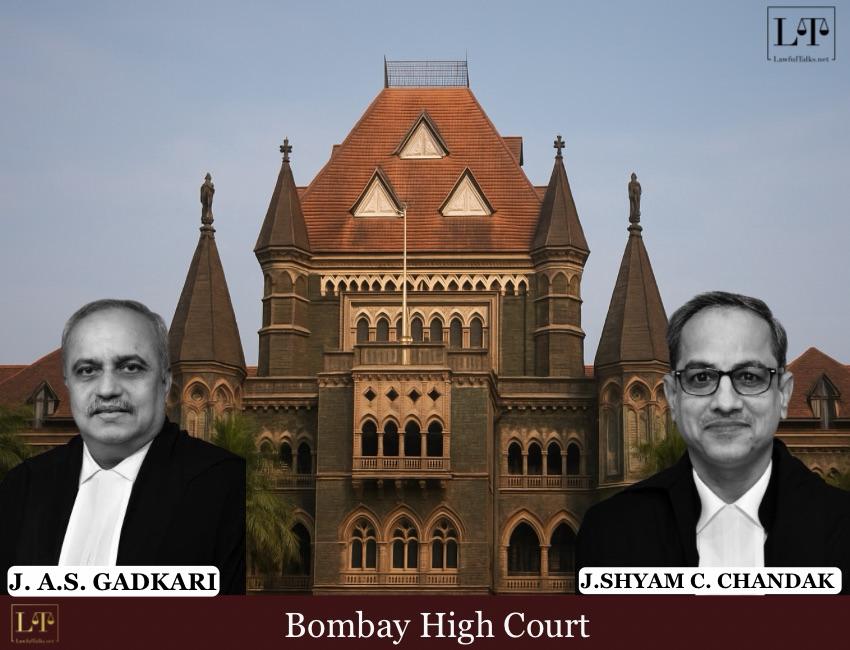
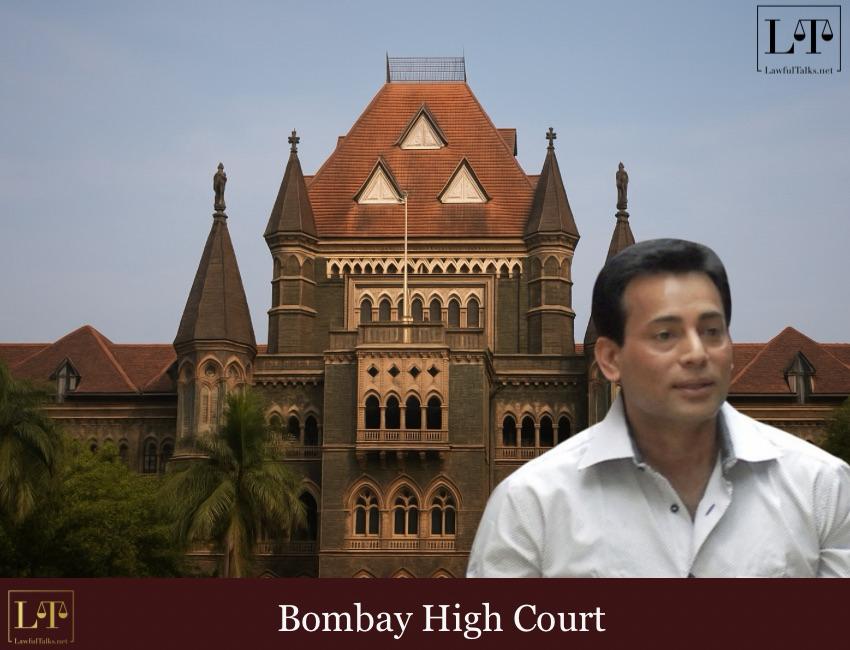
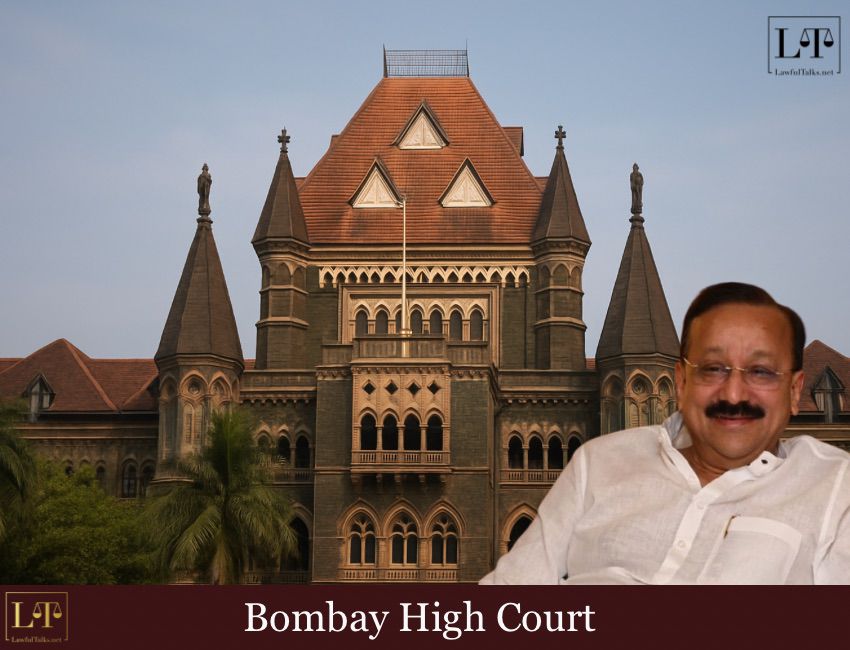
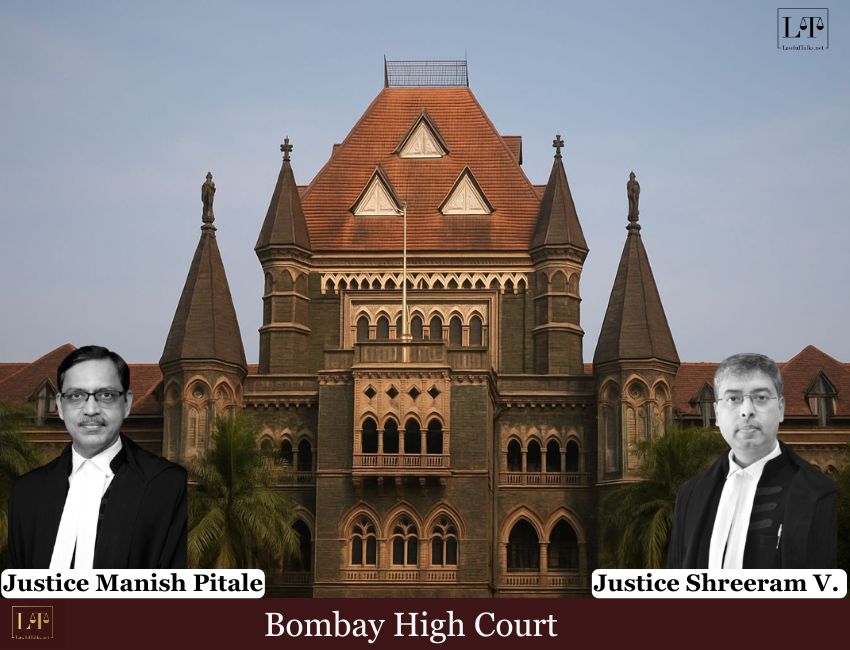
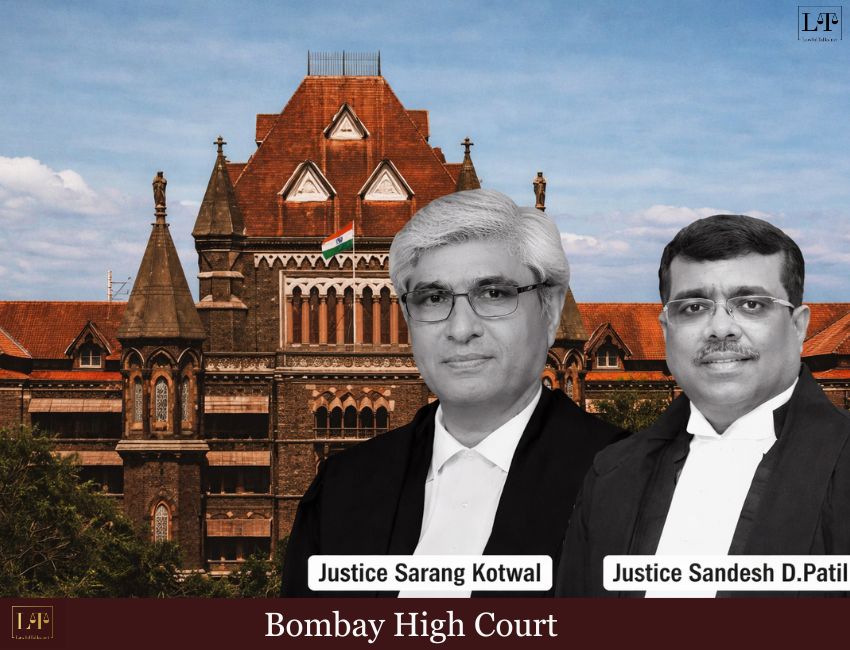
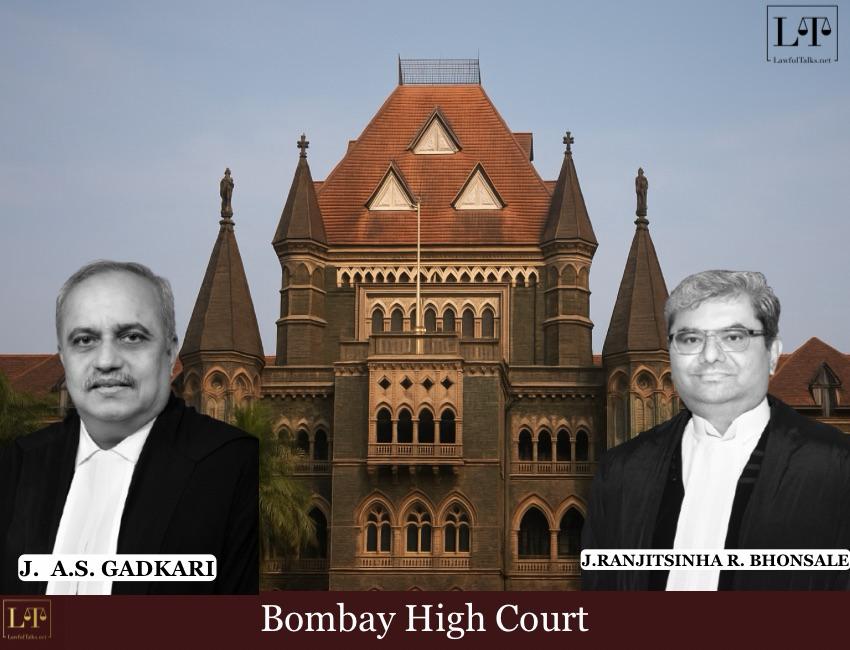
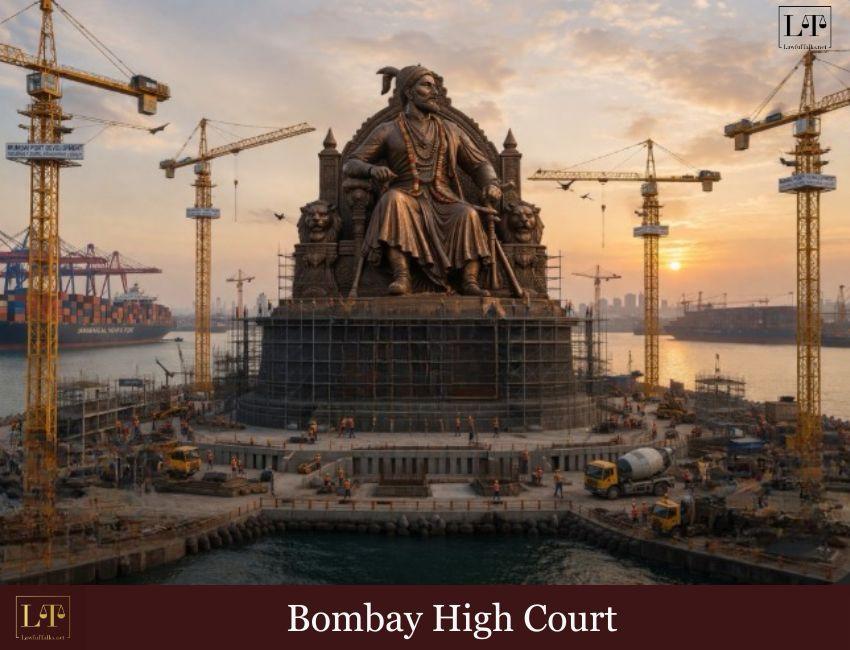
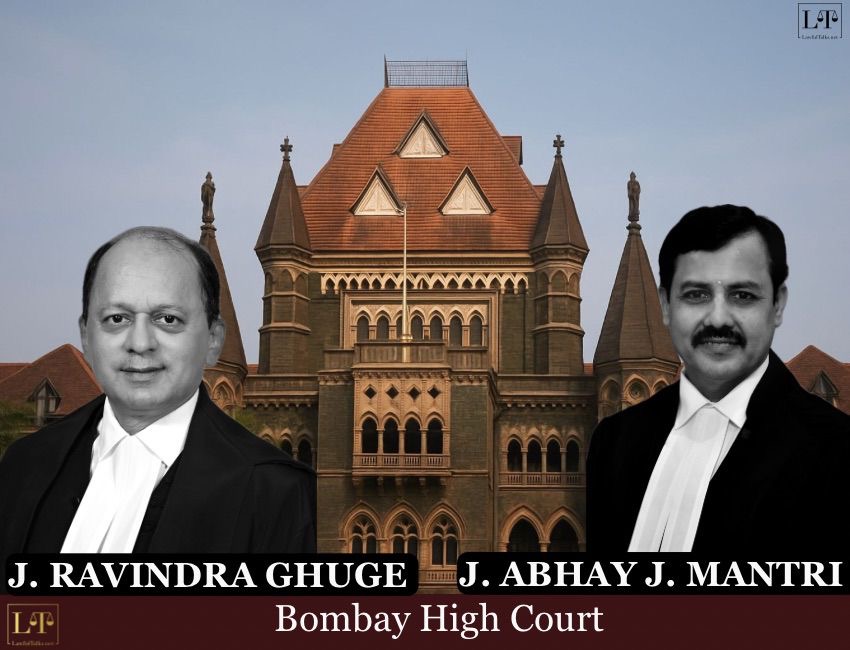
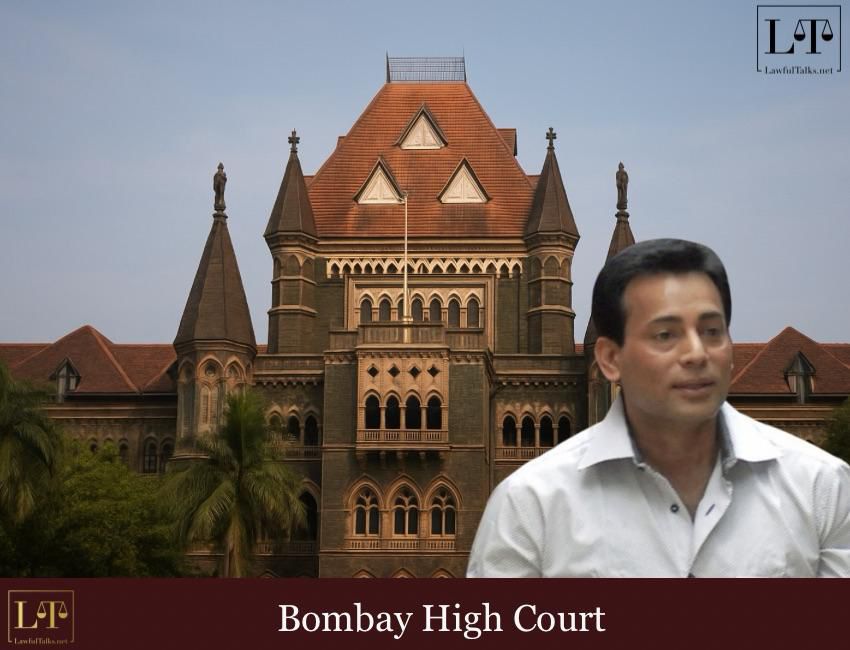
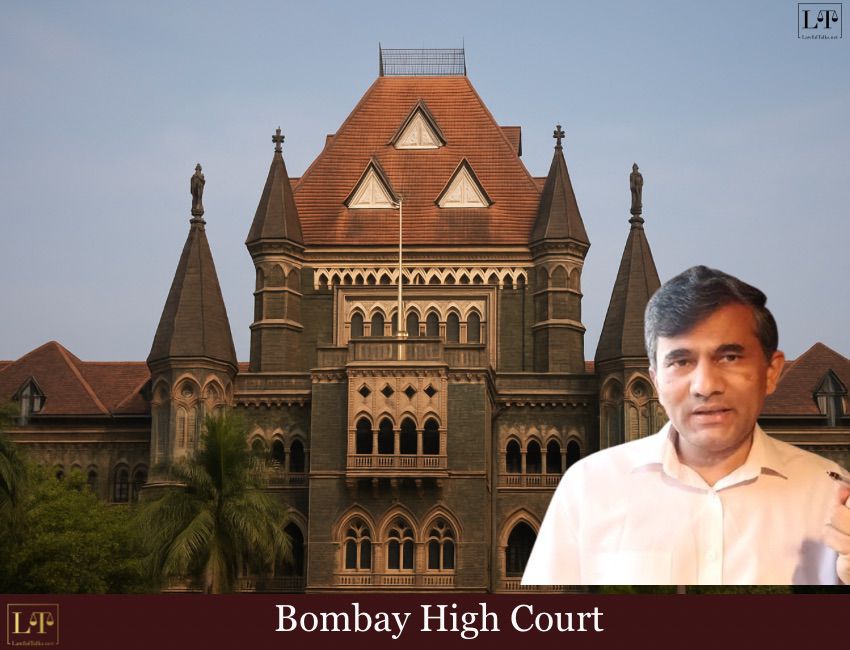
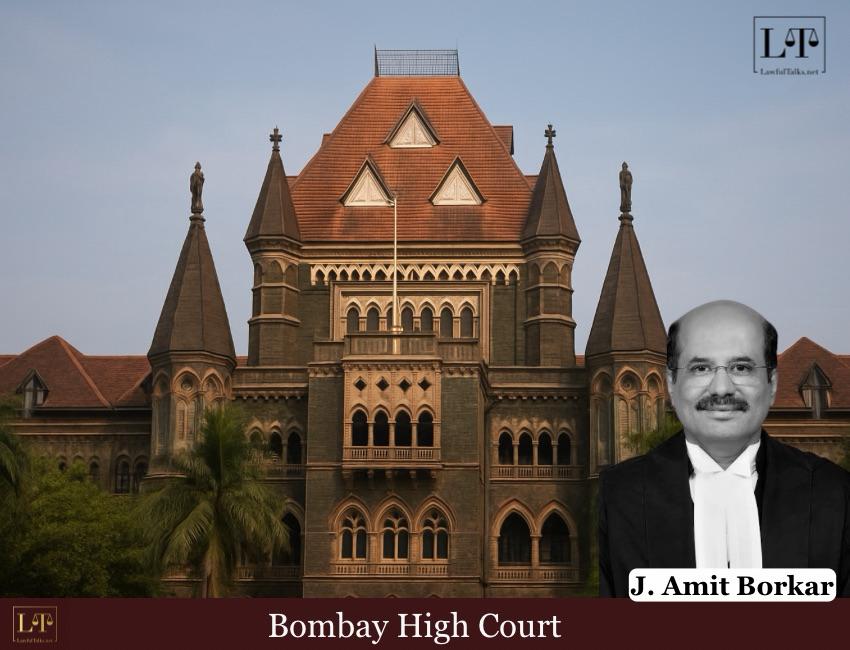
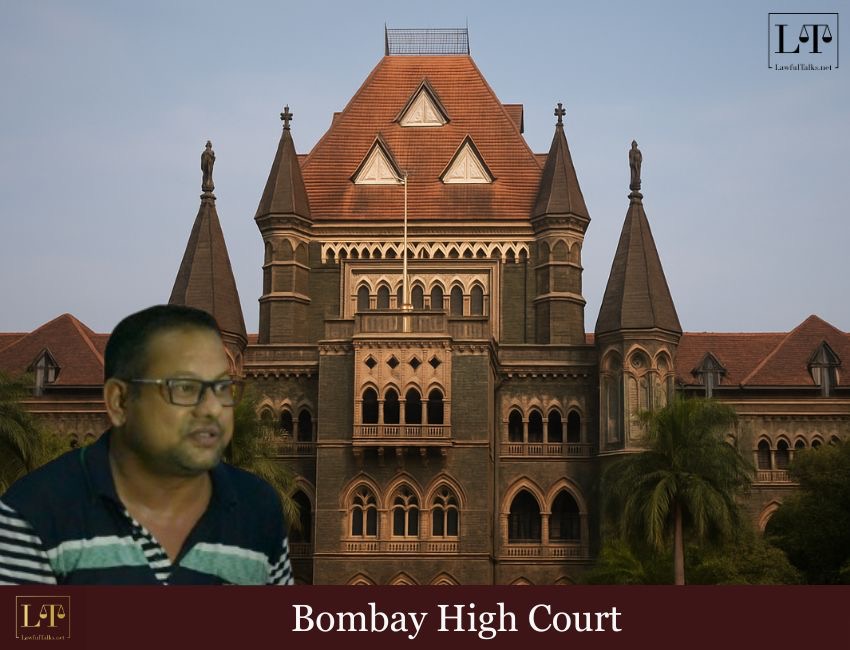
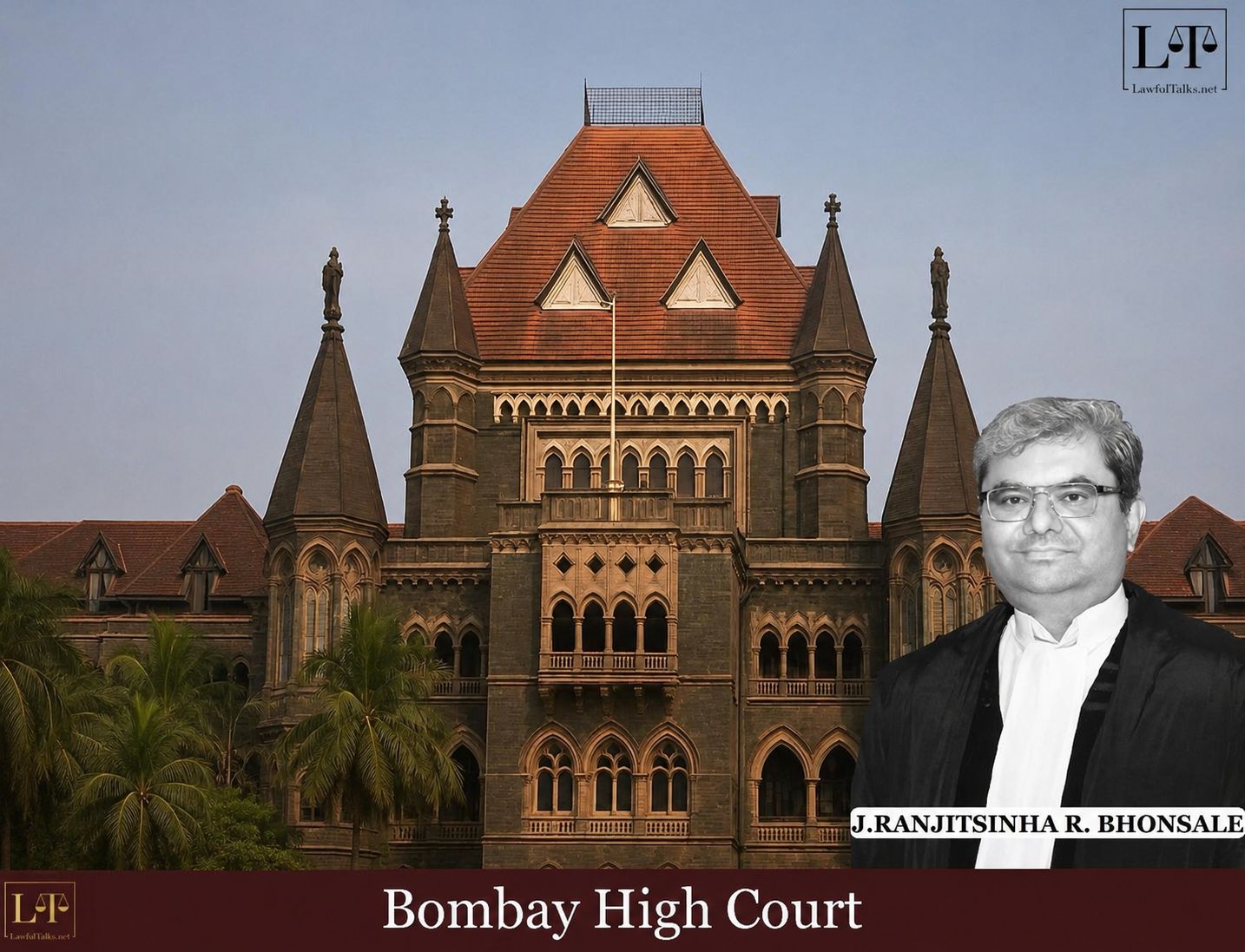
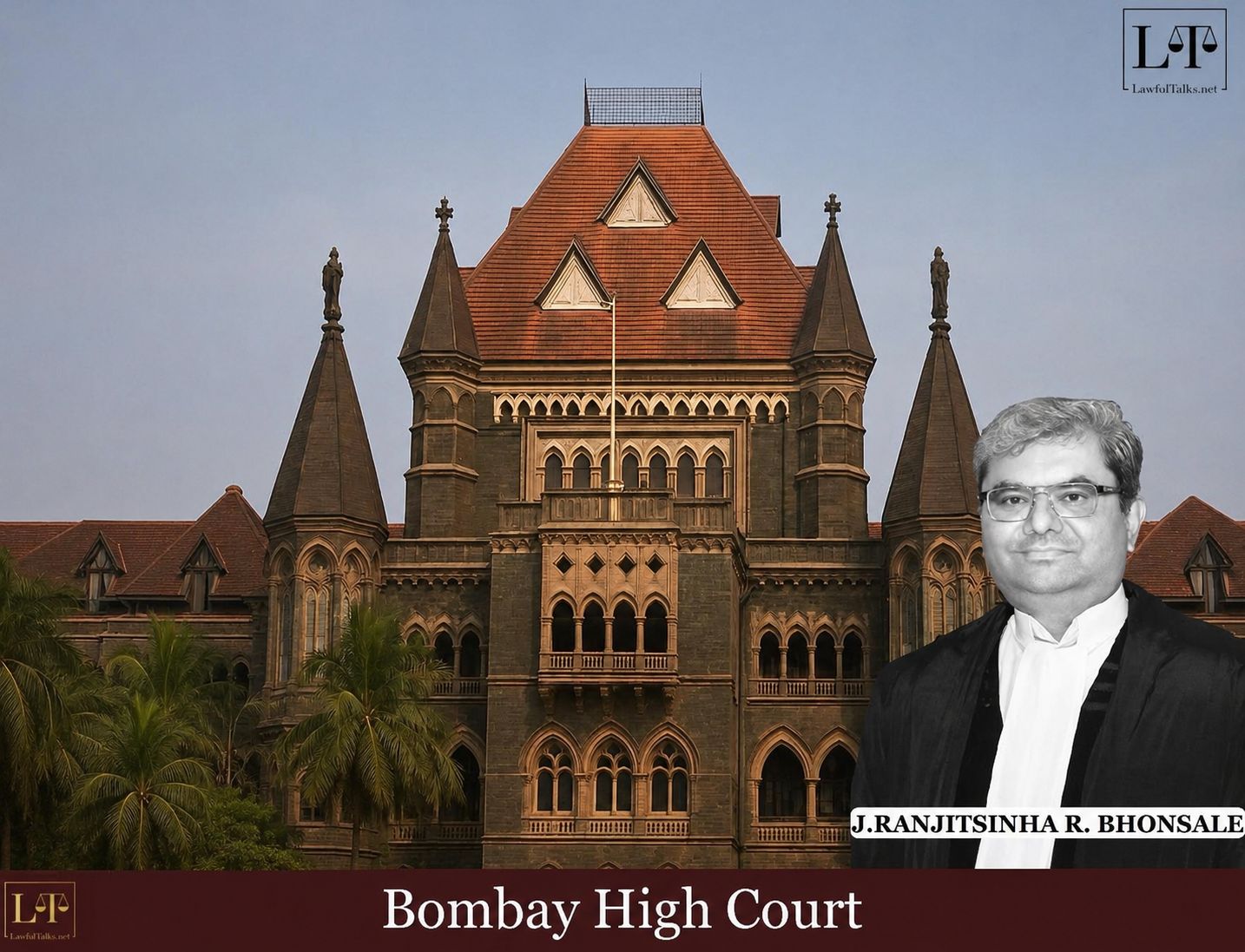
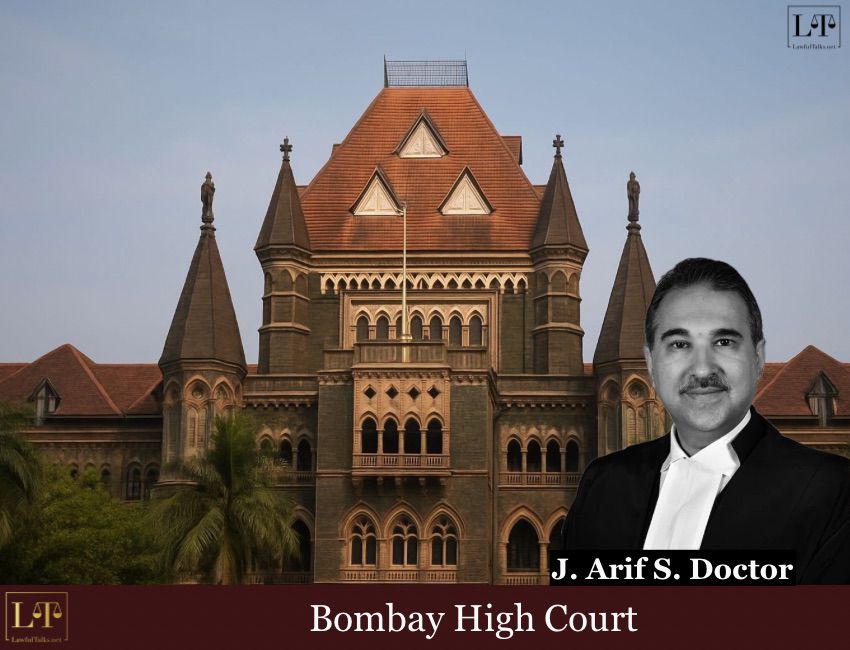
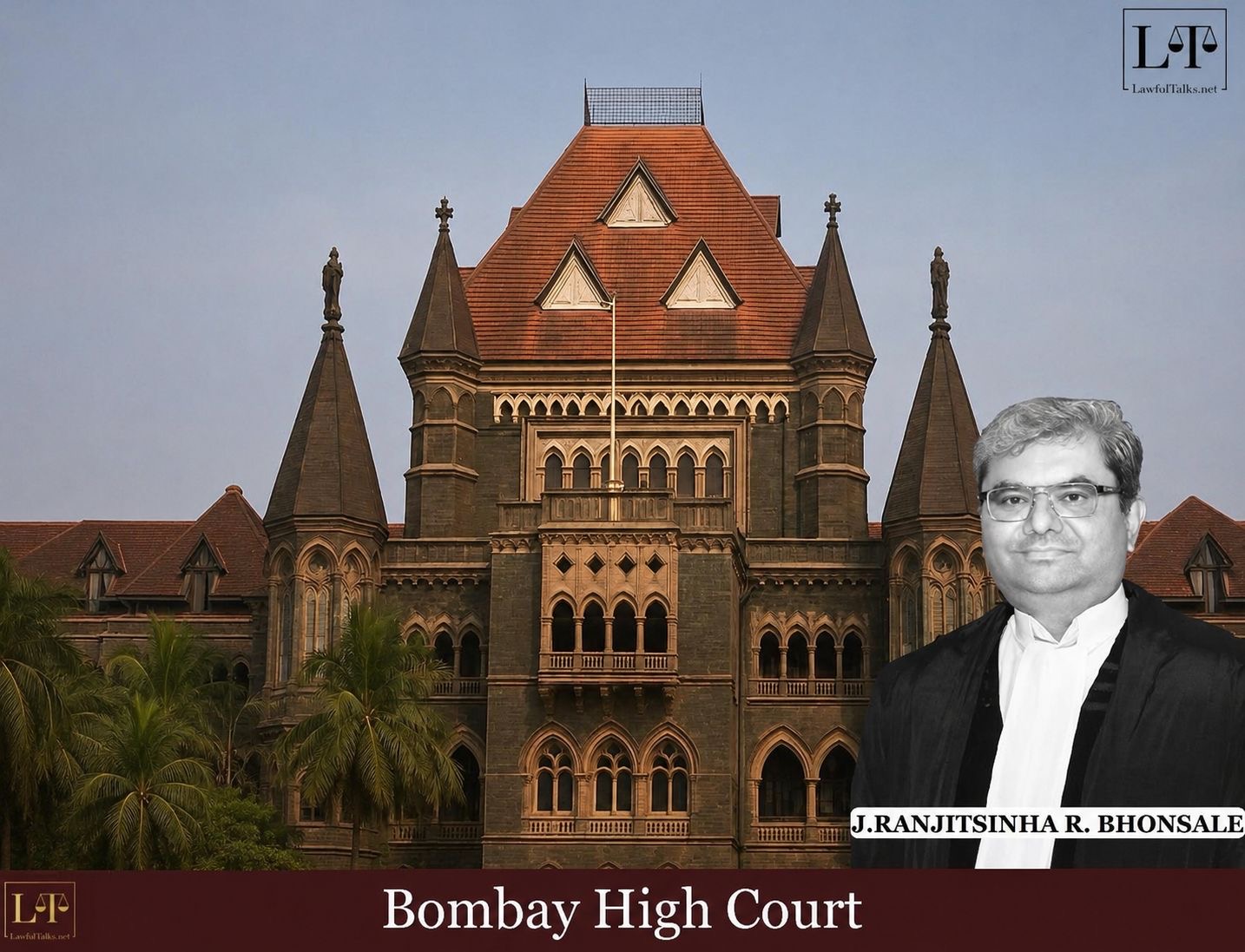
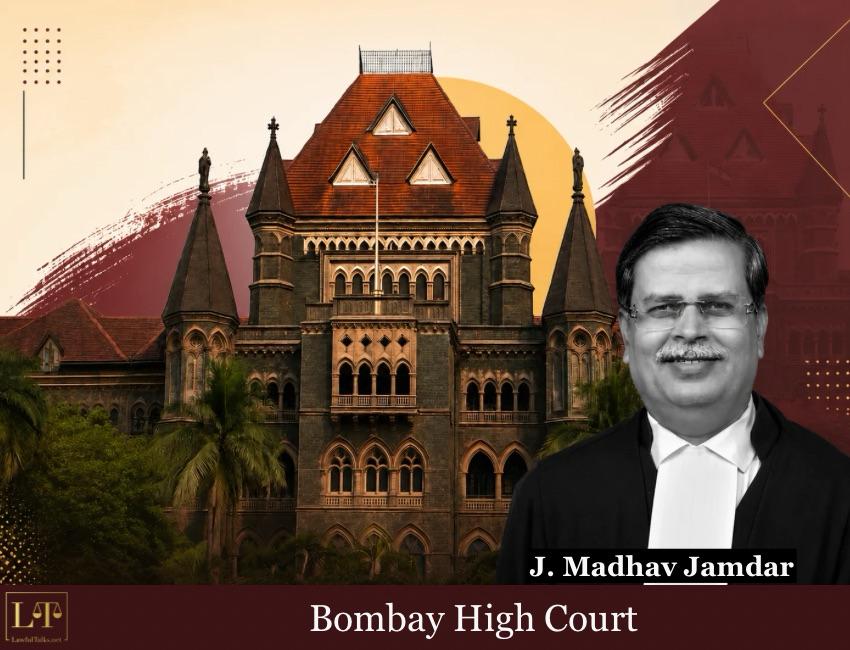
The Bombay High Court on Monday rejected an application seeking revival of Swadeshi Mills Company Ltd., holding that the proposal was not a genuine effort to restart the textile business but a move to profit from its valuable mill land through real estate development.
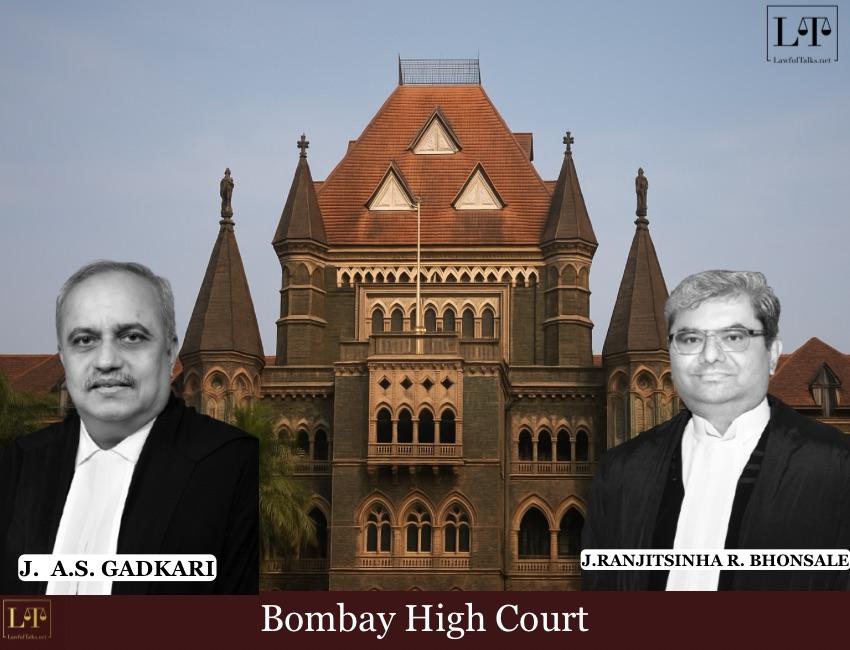
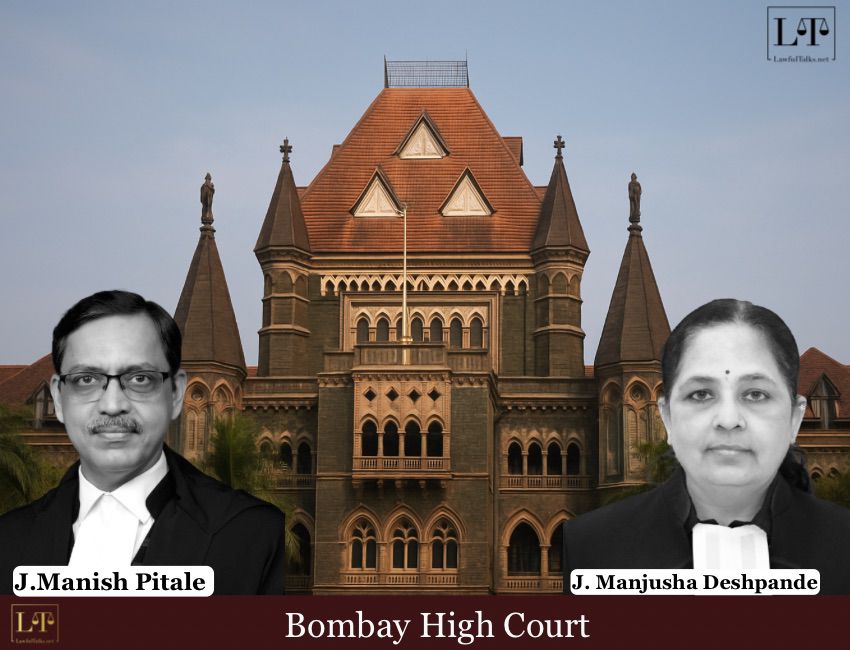
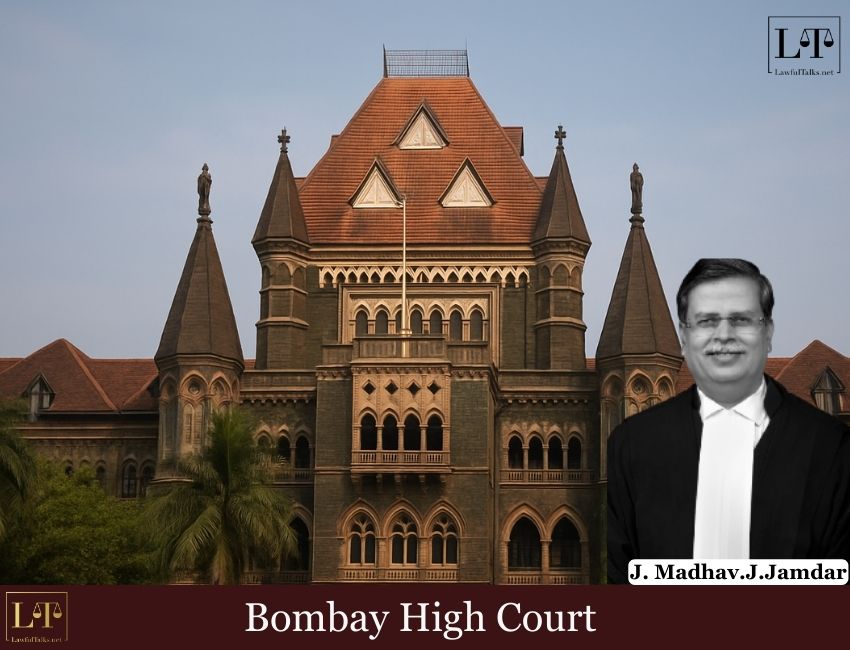
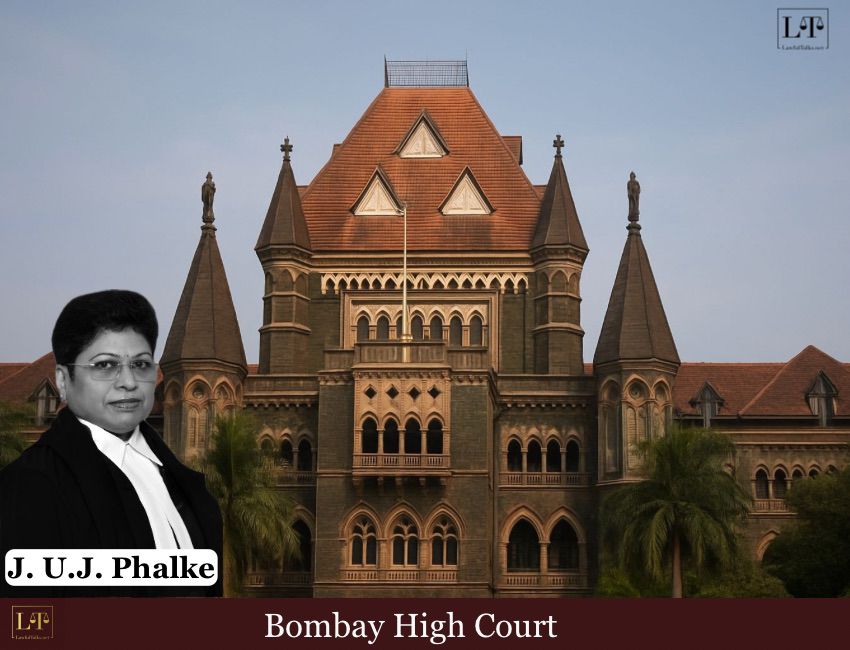
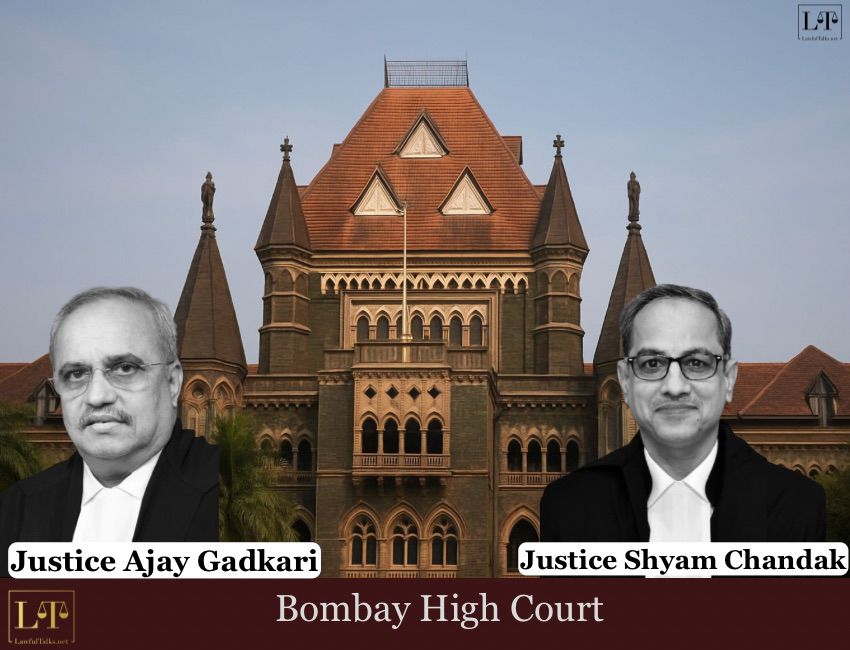
A single-judge bench of Justice Sharmila U. Deshmukh observed that the revival plan was, “nothing but a ruse to obtain the valuable land for exploitation in real estate market. At the core of the dispute lies 45 acres of land in the heart of city of Mumbai located in prime residential and commercial area which would command astronomical price given the potential of the property for development. The manner in which the Applicant has attempted to lay its hands on this valuable property of the company in liquidation leaves much to be desired,”
Background of Swadeshi Mills:
Swadeshi Mills, formerly engaged in textile manufacturing, was declared a sick company and ordered to be wound up on September 5, 2005. A provisional liquidator had been appointed in 2002, and the company’s plant and machinery were later sold.
Grand View Estates Pvt. Ltd. filed the present application under Section 466 of the Companies Act, 1956, seeking a stay on the winding-up process. The company claimed to be a secured creditor holding debts assigned from IDBI, Stress Assets Stabilisation Fund and Bank of Baroda, totalling around ₹985 crore, secured against Swadeshi Mills’ Chunnabhatti property in Mumbai.
Opposition by Minority Shareholders:
Minority shareholders opposed the plea, saying the proposal was similar to an earlier rejected plan and was really meant to acquire the prime land without a public auction. They argued that winding up the company would give shareholders the maximum value.
The recognised workers’ union supported reviving the company, saying the scheme would give them better payouts. The applicant argued that “changed circumstances” justified reconsidering the proposal, including settling workers’ dues and getting shareholder approval to amend the company’s object clause to allow real estate activity.
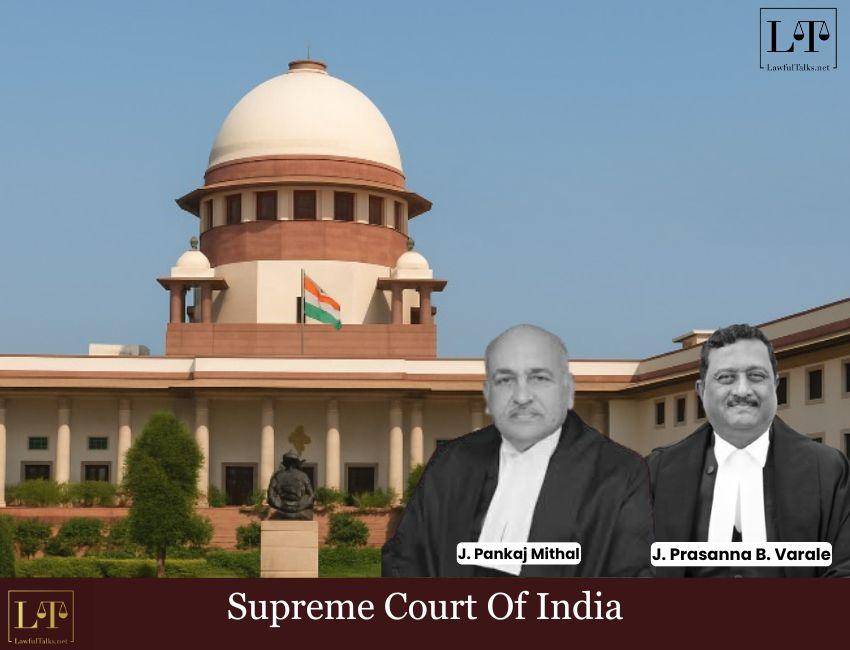
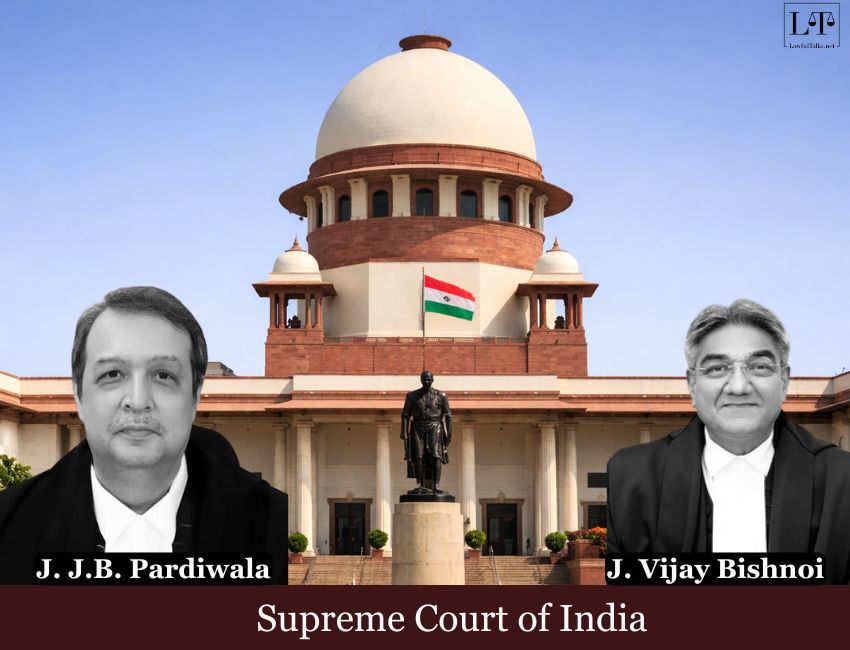
Referring to the Supreme Court’s ruling in Meghal Homes Pvt. Ltd. v. Shree Niwas Girni K.K. Samiti, the Court reiterated that to get a stay on winding-up, three conditions must be met: a genuine intent to revive the company, adherence to commercial morality, and acting in the public interest.
The Court held that simply settling liabilities does not count as reviving the company’s business. It found that the current proposal was largely the same as earlier rejected attempts and did not plan to restart textile operations, but aimed to ‘unlock the development potential’ of the mill land.
Final Decision:
Observing that the scheme would allow the applicant to take a “lion’s share” of redevelopment profits while leaving other stakeholders at a disadvantage, the Court held that workers’ consent alone could not justify approving the plan.
Accordingly, the Court dismissed the application, allowing the winding-up process to continue.






























































































































































































































Sign up for free and be the first to get notified about curated content just for you.