No Goods Recovered, Yet Convicted: SC Backs Section 108 Confession

- February 26, 2026


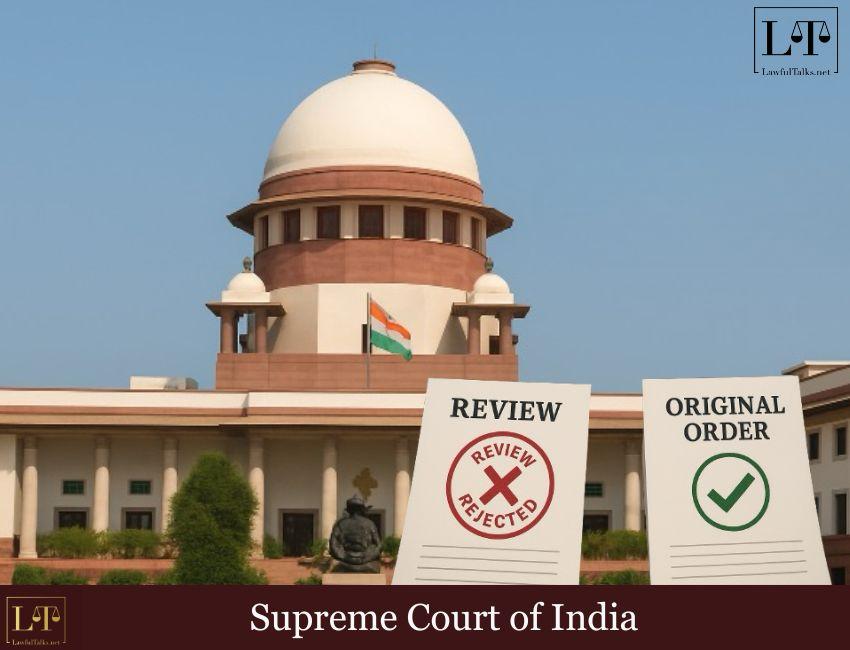
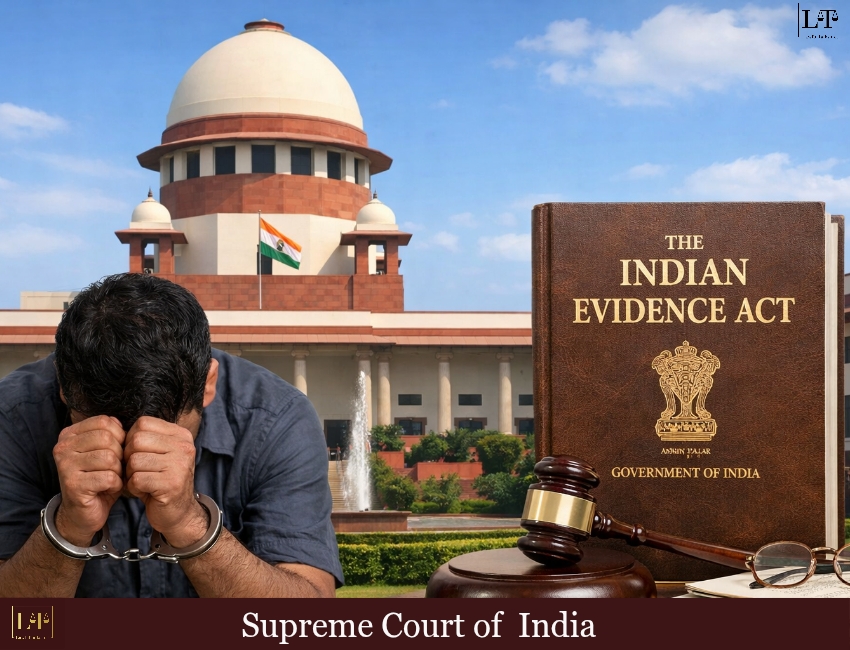
The Supreme Court has ruled that a person can be held liable under the Customs Act on the basis of a voluntary confession given u/s 108 of the Customs Act, 1962.

Background of the 1985 Smuggling Case:
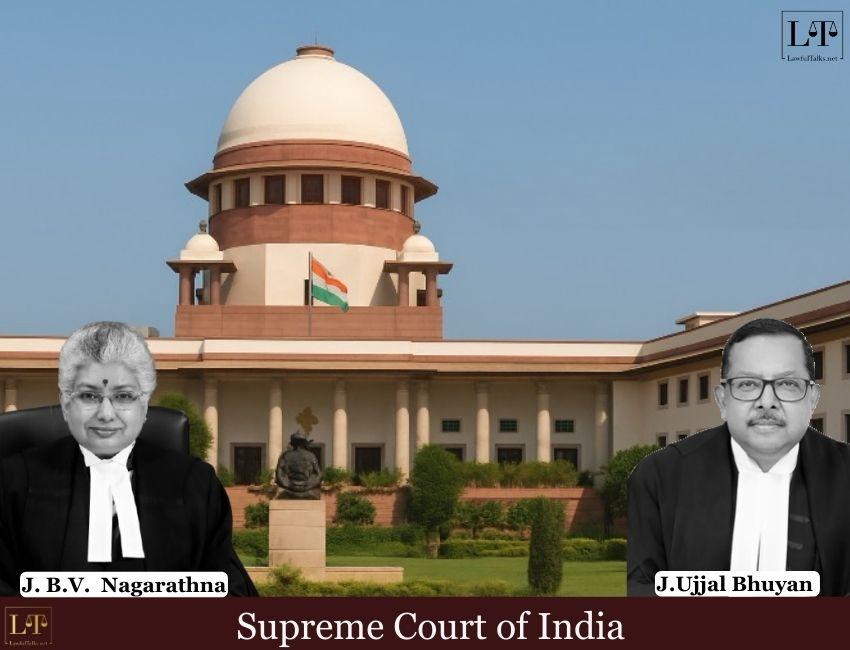
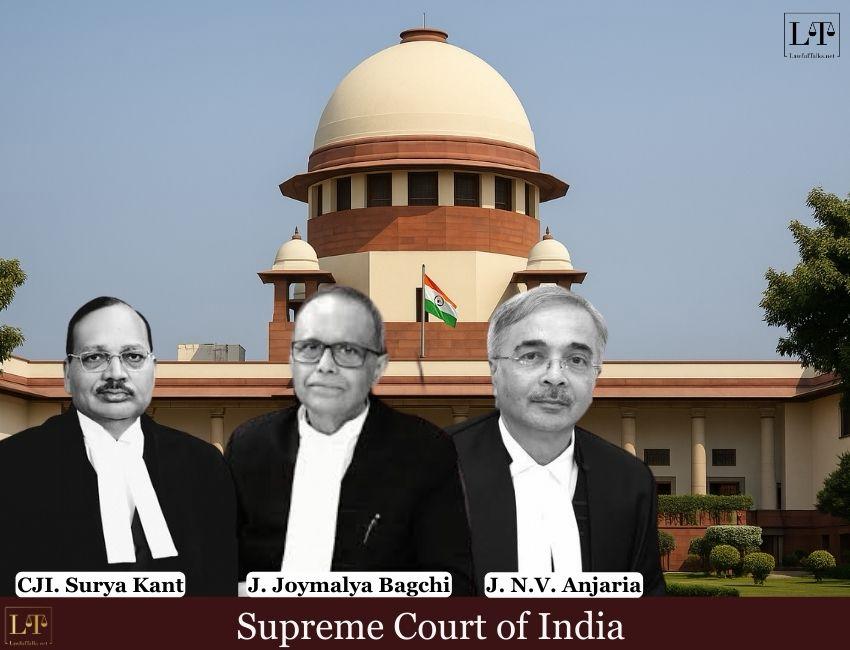
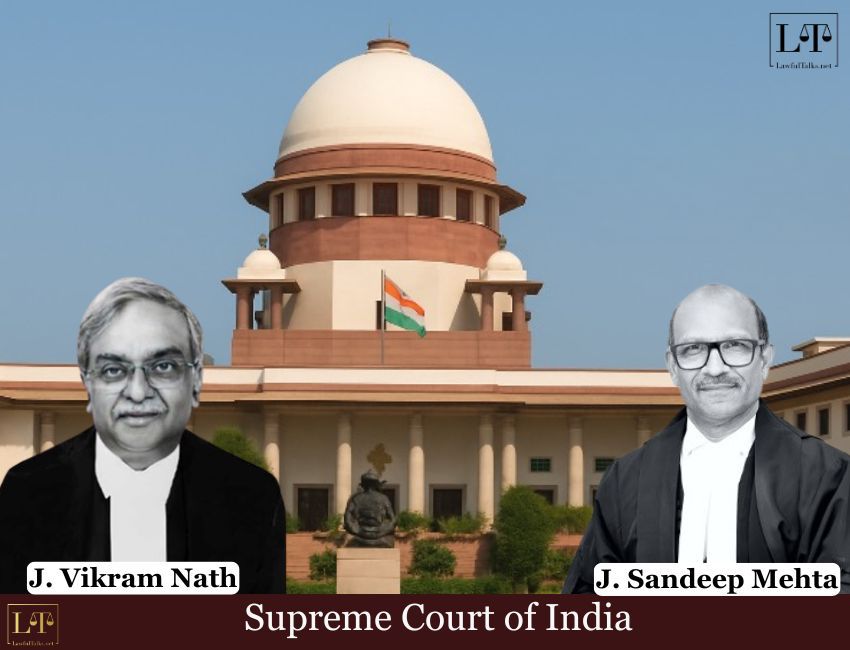
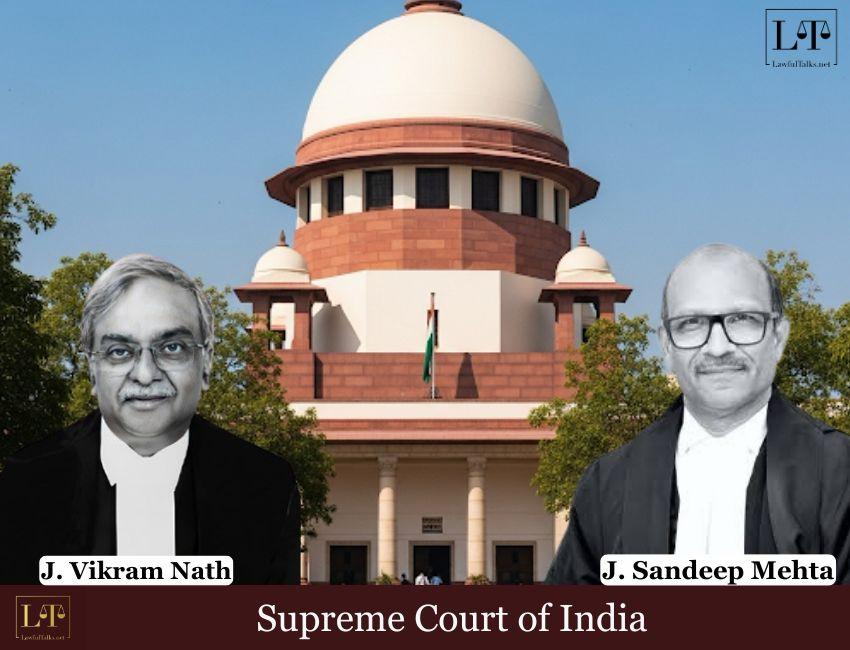
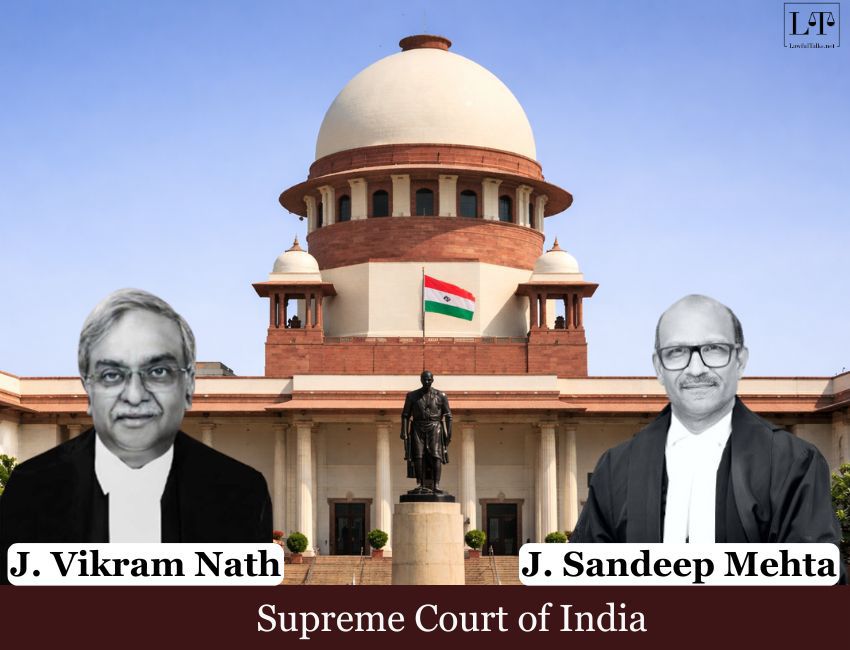
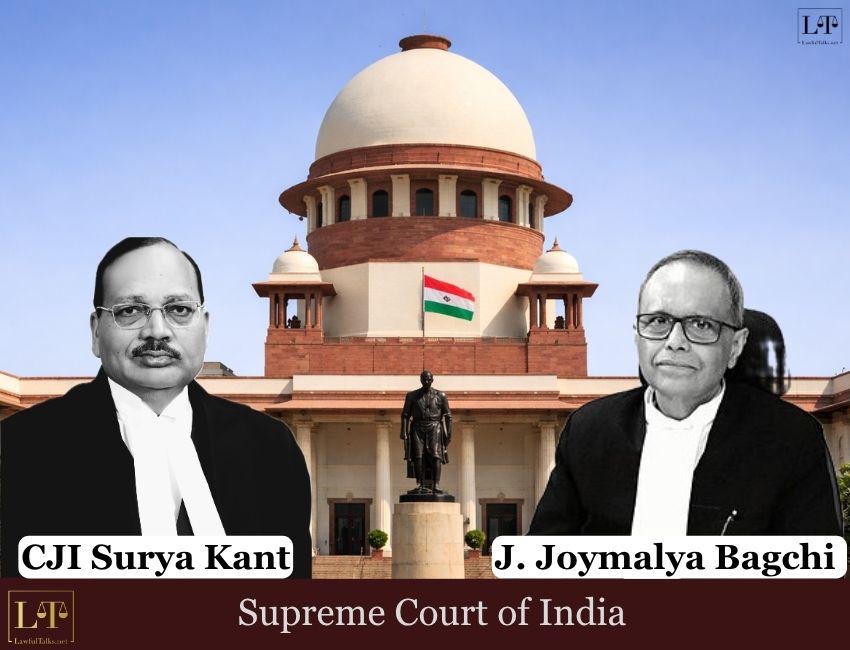
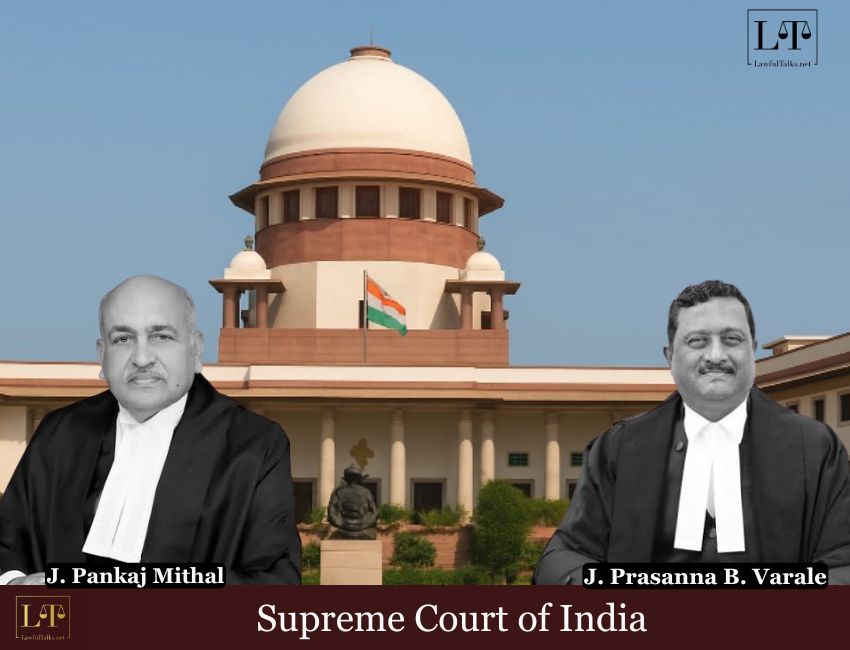
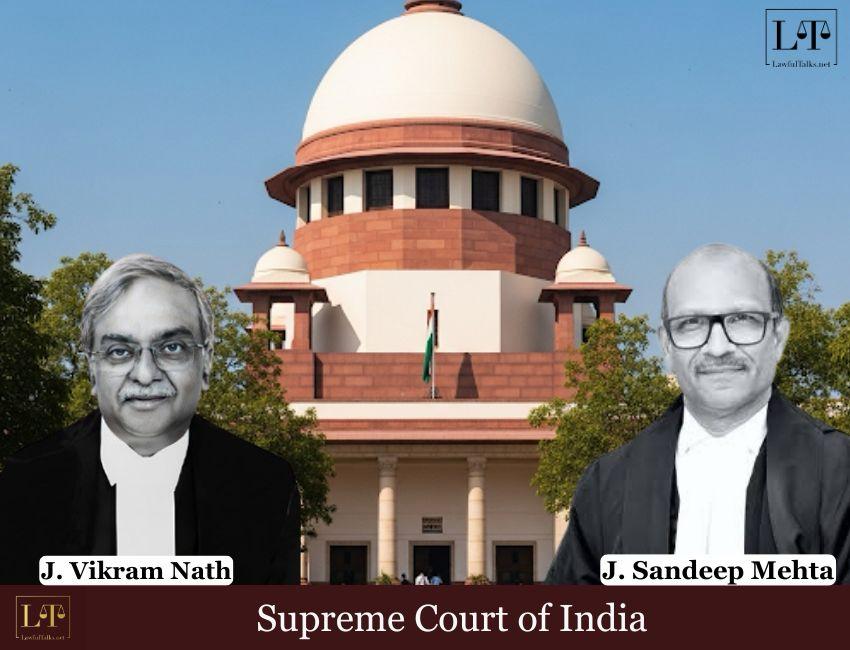
A division bench of Justice Vikram Nath and Justice Sandeep Mehta was hearing an appeal filed by two individuals who were convicted in a 1985 smuggling case from Mandvi, Gujarat. The case involved 777 foreign-made wristwatches and 879 wristwatch straps, valued at ₹2 lakh. Although the smuggled goods were not found in the possession of the appellants, they were convicted solely on the basis of their confessional statements.
Aggrieved by the impugned order of the High Court, the Appellants questioned whether a conviction can be based on confessional statements recorded by Customs officers under Section 108, particularly when there are allegations that such statements were obtained through coercion.
They argued that the prosecution’s case was largely based on these confessional statements. They also highlighted allegations of custodial torture involving a co-accused, whose statement allegedly led to further discoveries in the case.
Confession Admissible If Voluntary: SC
While dismissing the appeal, Justice Mehta reiterated that confessions recorded under Section 108 are admissible as substantive evidence as long as they are made voluntarily. Relying on K.I. Pavunny vs Assistant Collector, the court stated that such statements are not barred by Sections 24, 30 or 34 of the Evidence Act, and that the burden of proof lies on the accused to establish coercion.
The Court also upheld the powers of the Customs authorities powers, stating that :
“to collect relevant information and evidence relating to contraventions of the Act, and that such statements, if found to be voluntary, are substantive pieces of evidence capable of being relied upon in support of the prosecution case.”
Court Finds Corroborative Evidence:
Dismissing the Appellants’ argument that the lack of corroborative evidence would make the conviction invalid, the Court observed that, “the conviction of the appellants was not based merely on confessional statements, but in addition thereto, the prosecution provided tangible corroborative evidence. Therefore, the judgment of conviction did not suffer from perversity or legal infirmity.”
Final Order:
As the incident occurred nearly four decades ago, and considering that the appellants have already undergone a substantial period of incarceration and are now of advanced age, the Court upheld their conviction but reduced their sentence to the period already undergone.
Accordingly, the Appeal was partly allowed.
Case Details: Amad Noormamad Bakali vs The State of Gujarat & Ors (Criminal Appeal No. 1000 of 2012)








































































































































































































































































































































































































Sign up for free and be the first to get notified about curated content just for you.