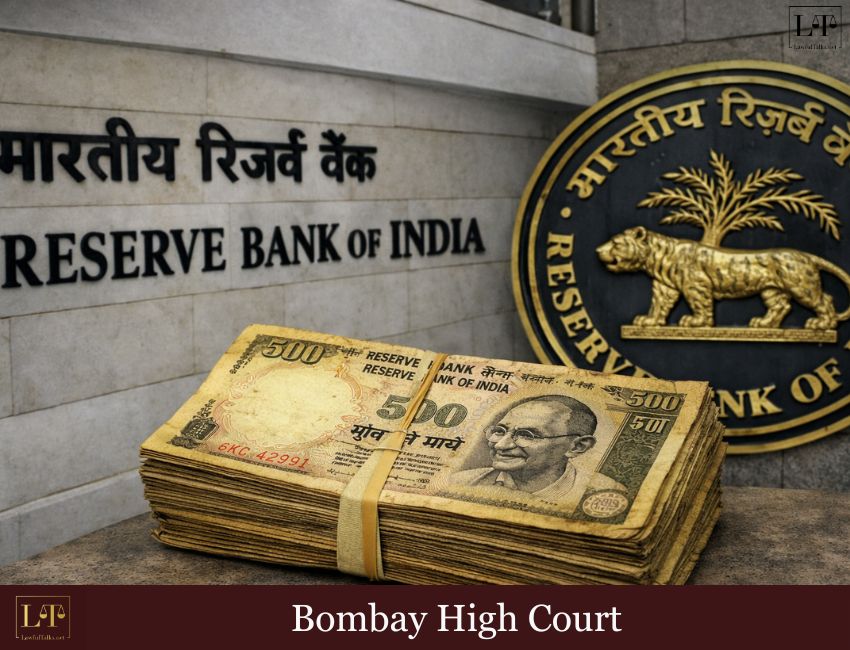
“Roving Inquiry Not Allowed”: Bombay HC Quashes CBI FIR In GTL Case

- March 06, 2026


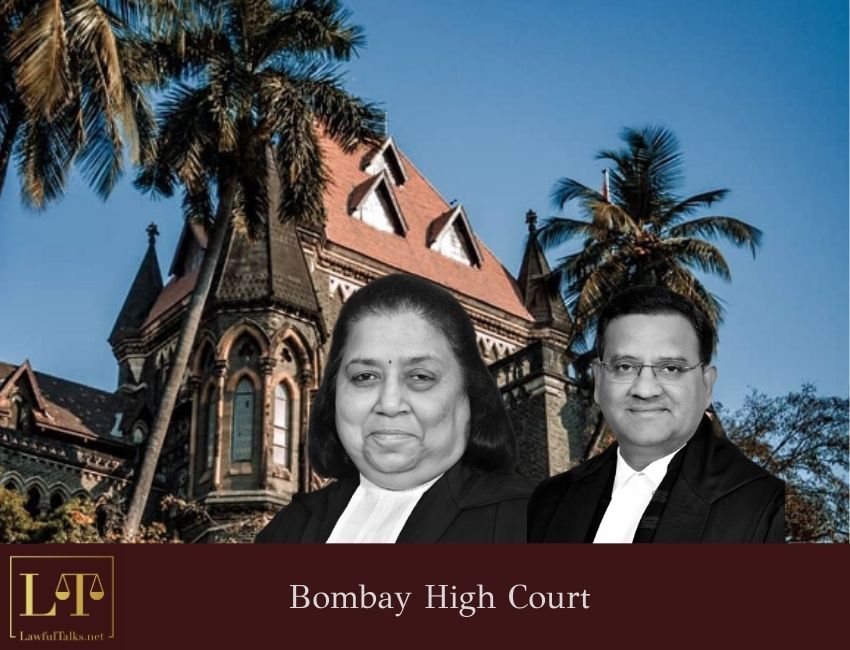
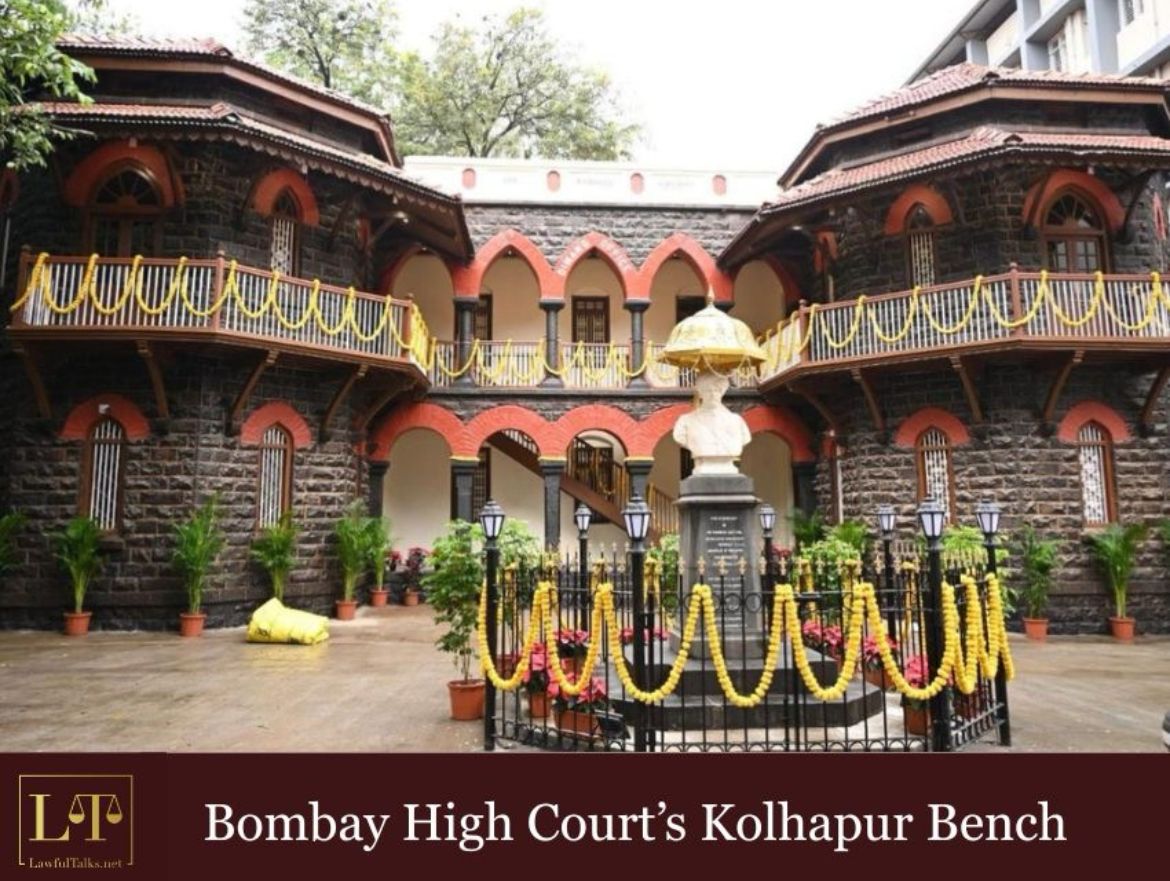
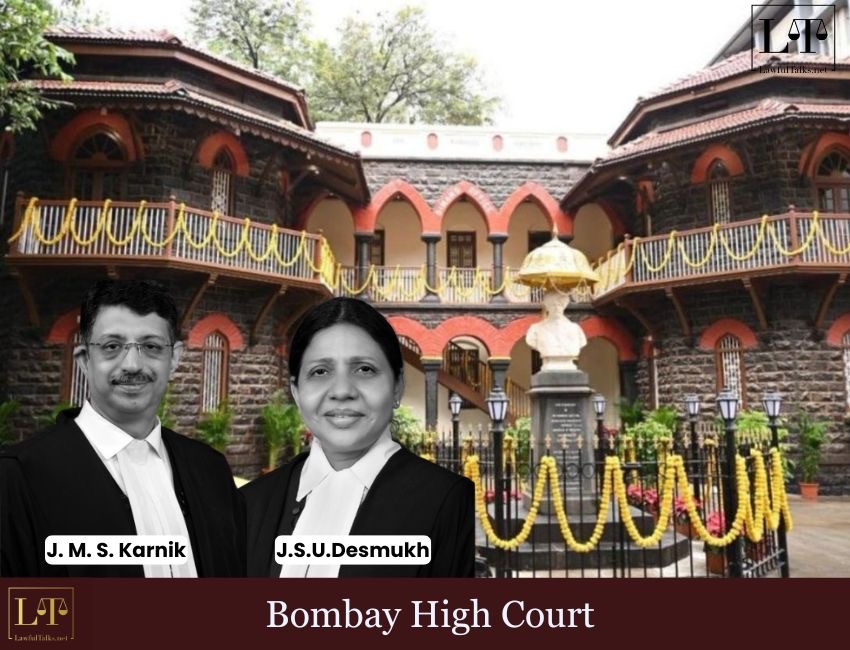
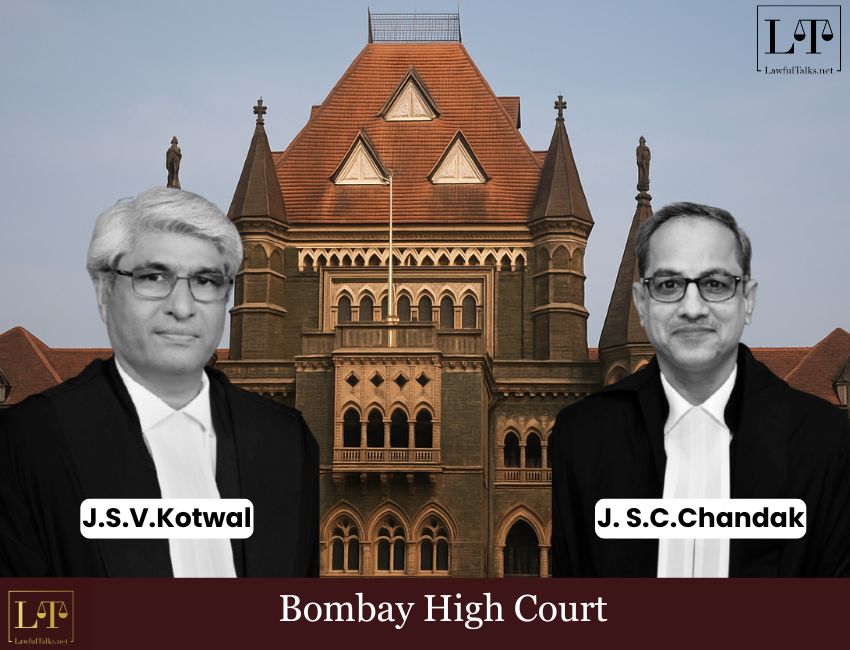
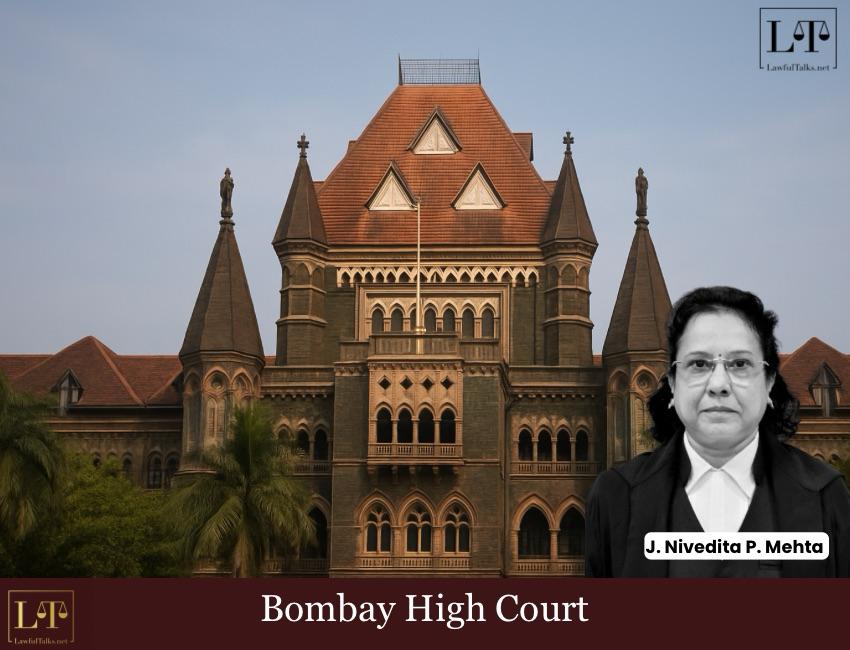
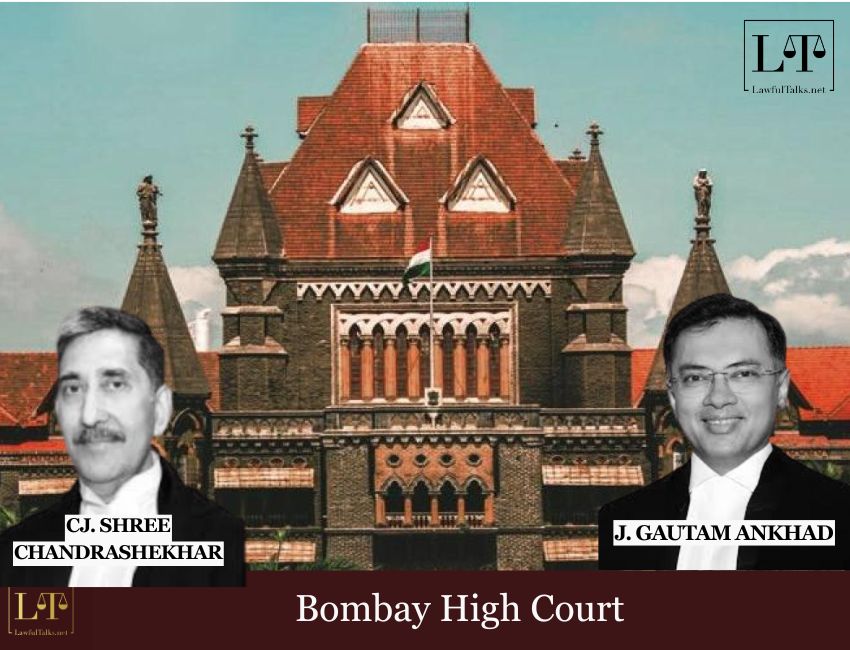
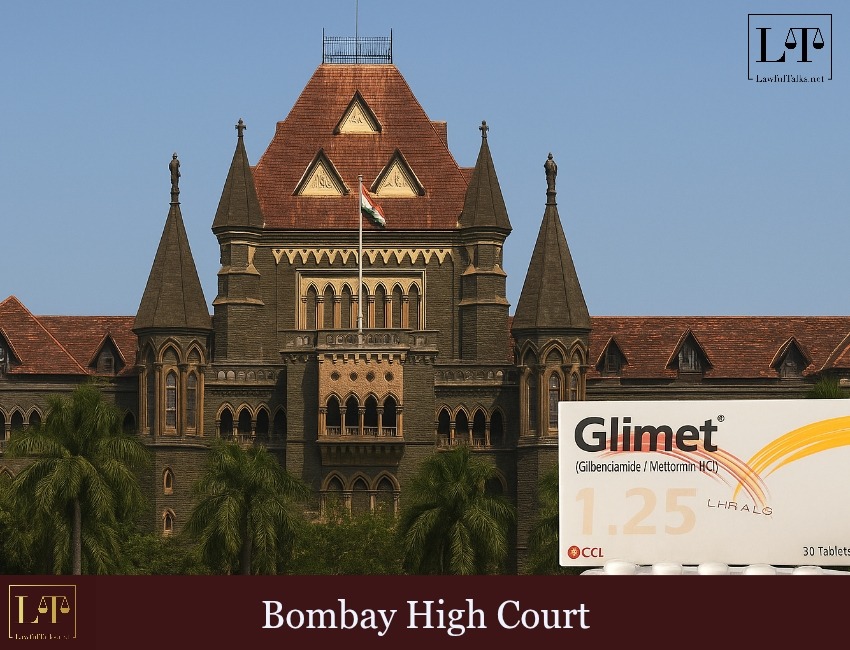
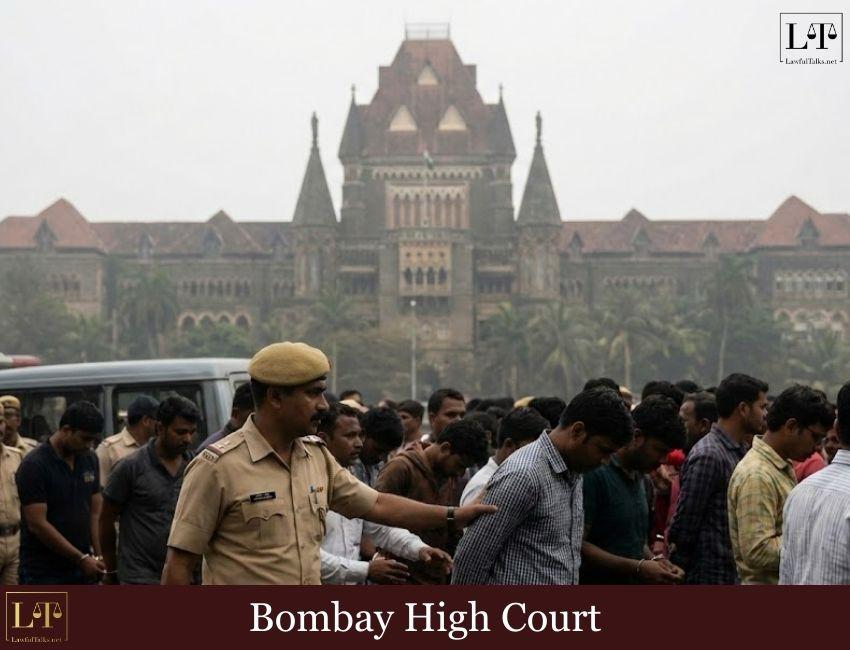
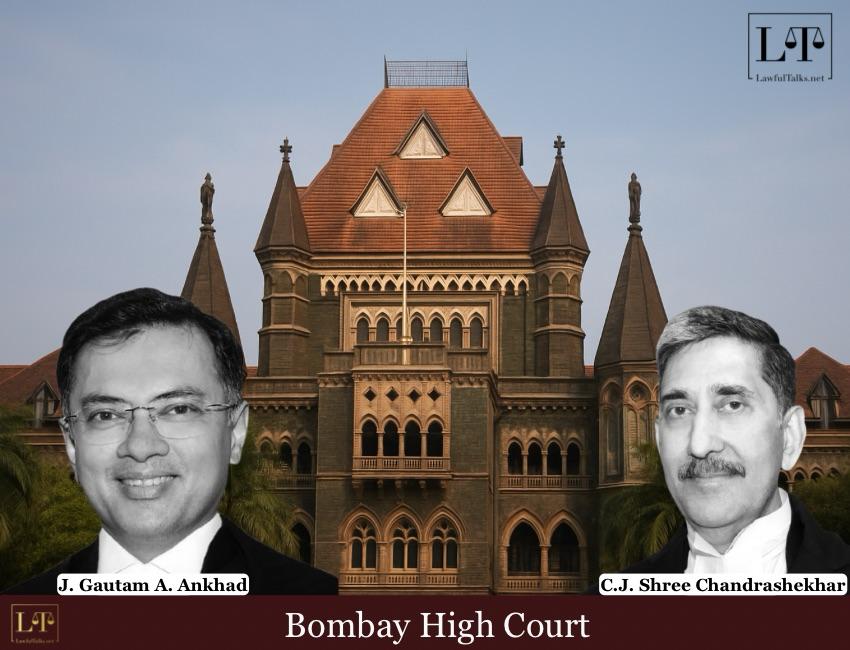
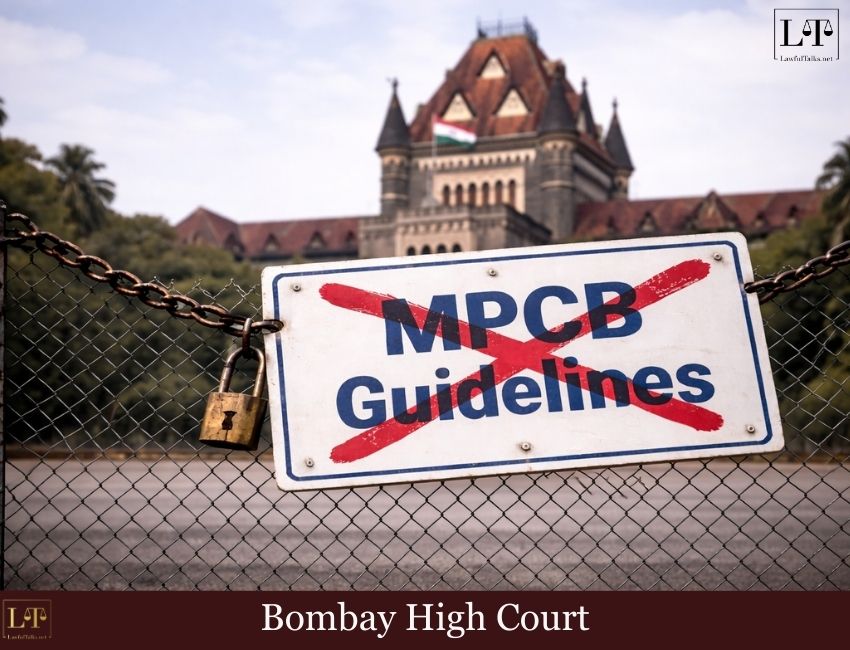
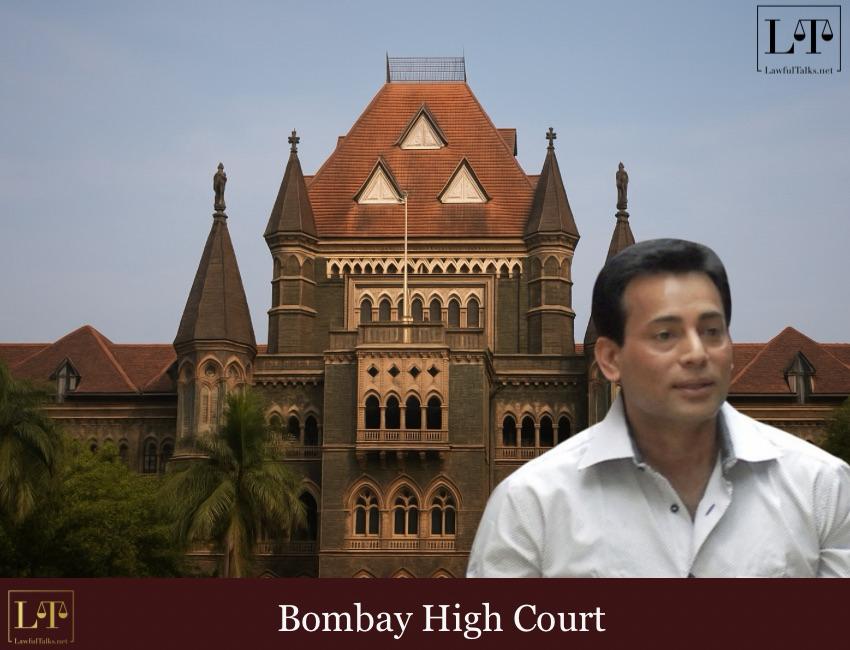
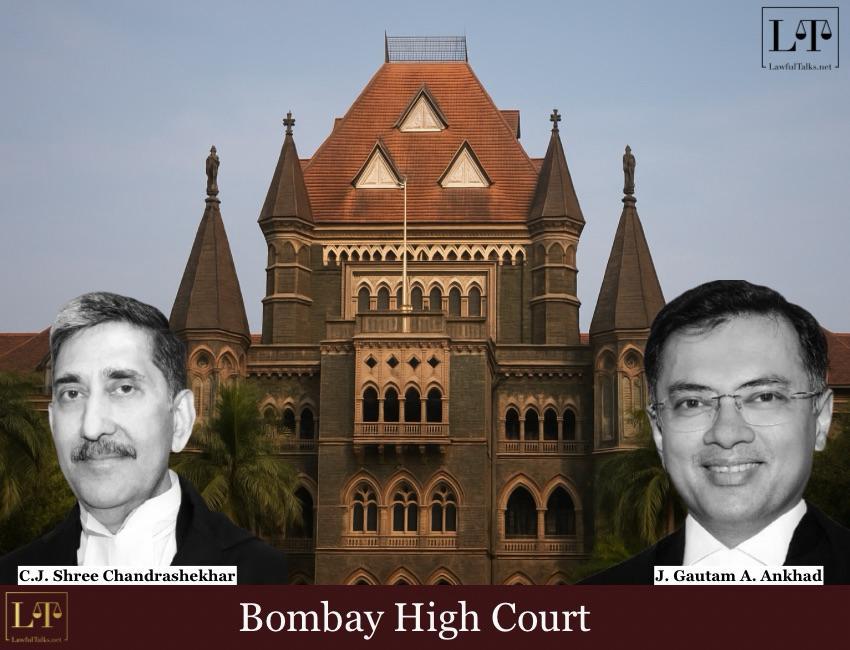
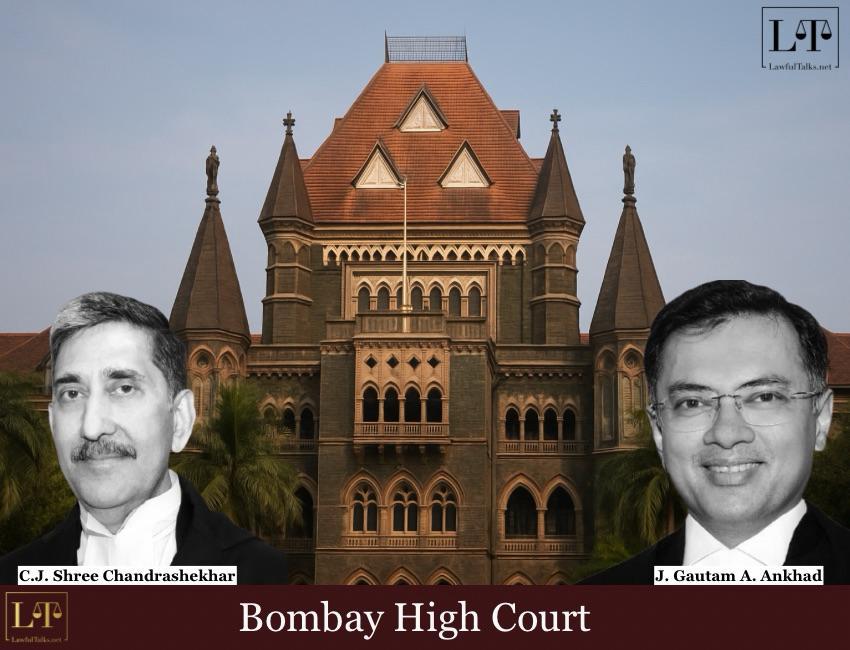
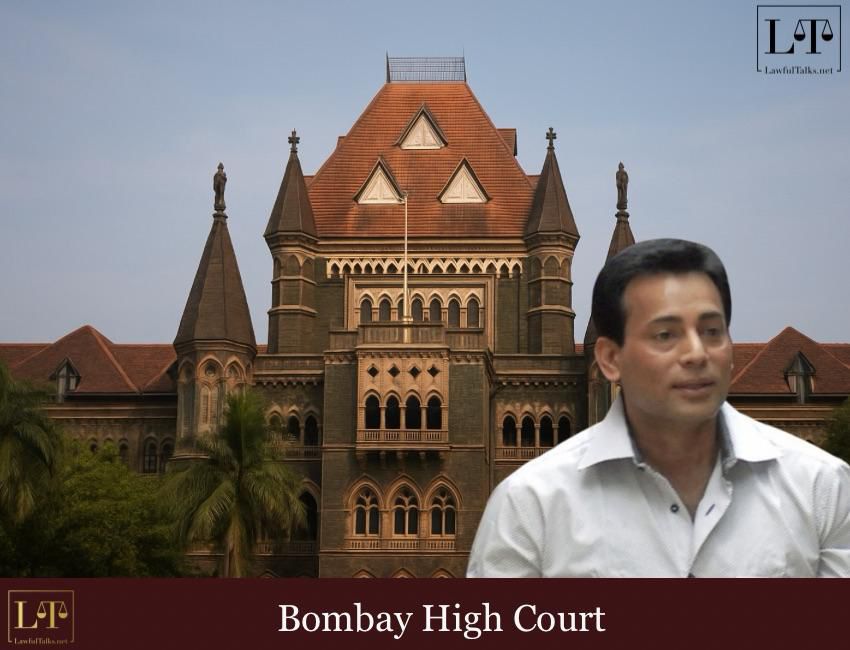
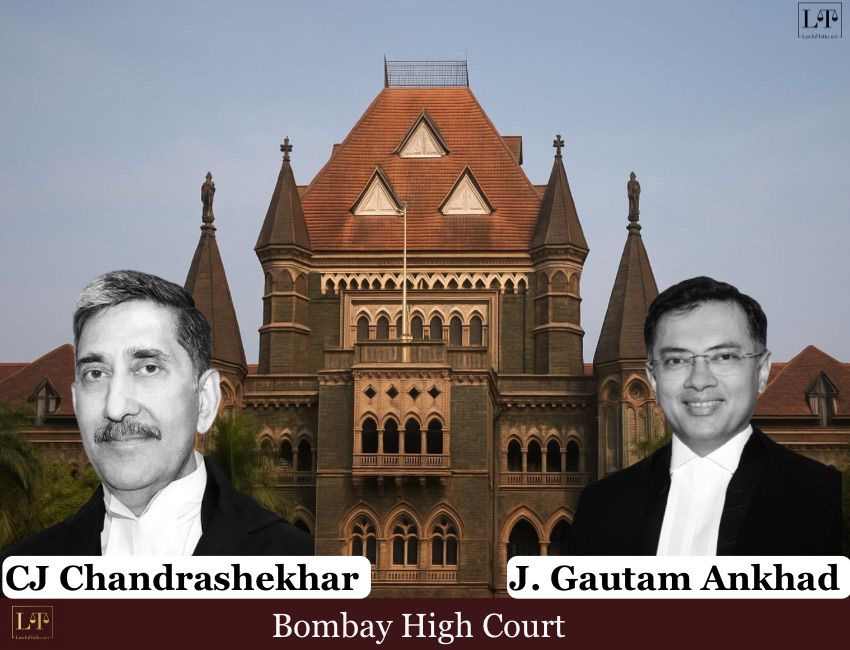
A division bench of the Bombay High Court led by Chief Justice Shree Chandrashekhar and Justice Gautam A. Ankhad held that an investigating agency cannot continue a criminal investigation simply in the hope of finding unknown accused persons when a preliminary enquiry has not revealed any prima facie offence.
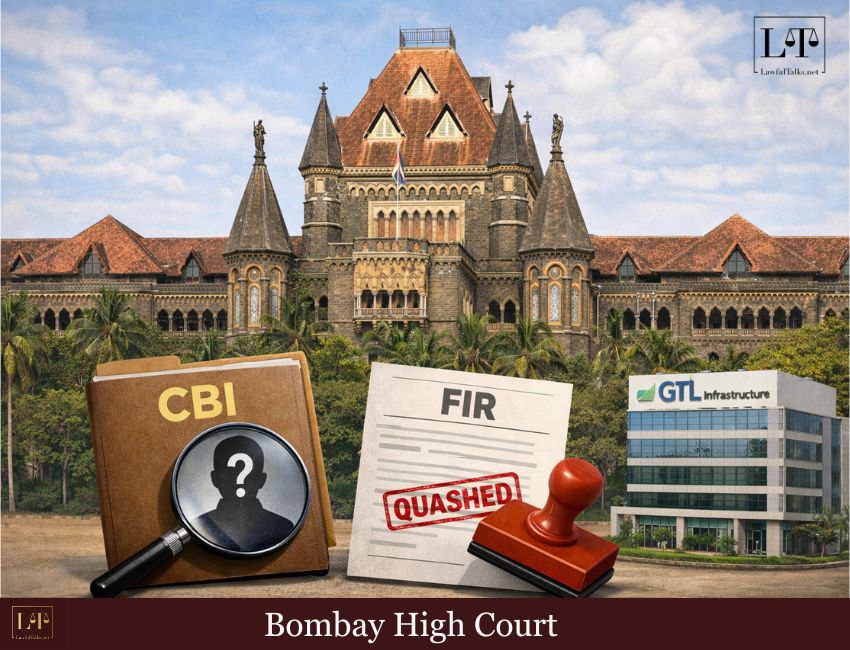
Petition By GTL Infrastructure Limited:
The judgement came while hearing a writ petition filed by GTL Infrastructure Limited, which sought the quashing of an FIR registered by the Central Bureau of Investigation (CBI) on 16 August 2023. The FIR alleged offences under Section 120-B read with Section 420 of the Indian Penal code and Section 13(2) read with Section 13(1)(d) of the Prevention of Corruption Act, 1988.
The FIR was registered after a preliminary enquiry was initiated into alleged financial irregularities in obtaining credit facilities from a consortium of nineteen banks and financial institutions.
However, the case was registered against the company along with “unknown public servants and unknown others.”
Court On Lack Of Prima Facie Offence:
The High Court observed that if a preliminary enquiry does not reveal the commission of any prima facie offence, the investigating agency cannot continue the investigation simply in the hope of identifying unknown accused persons.
The court also observed that the audit report did not establish any diversion of funds and that the transactions in the company’s accounts were not unusual or abnormal. The court further noted that the preliminary enquiry had continued for nearly two years, yet the CBI had failed to identify any specific individual involved in the alleged conspiracy.
During the proceedings, the investigating agency failed to form any opinion about the culpability of "unknown" public servants and “unknown” private persons, against whom the FIR had been registered.
Purpose Of Preliminary Enquiry Explained:
Considering these circumstances, the Court observed that such an approach is not legally allowed. The Court explained that a preliminary enquiry is conducted to check whether there is enough material to register a regular case and begin an investigation. If the enquiry does not reveal the commission of a cognizable offence or identify the persons responsible, the investigation cannot be continued just to look for possible offenders.
Court’s Strong Observation On Roving Inquiry:
The bench noted,“… the machinery of the criminal justice system cannot be put in motion for making a roving inquiry. The CBI cannot be permitted to continue with the investigation in this matter in the hope that some day it may identify the offender where no offence is disclosed… The continuance of criminal proceedings against the GTLIL cannot be permitted on the ground that the Investigating Officer may some day find the real culprits and form an opinion to file a charge sheet.”
Commercial Decisions Of Banks Not Criminal:
The court also highlighted that the allegations primarily related to commercial decisions taken by a consortium of banks about restructuring and assignment of debt. The bench stated that such decisions, “taken after due deliberation and in accordance with regulatory guidelines, cannot be treated as criminal conduct in the absence of evidence of fraud, collusion, or dishonest intention at the inception of the transaction.”
Consequently, the Bombay High Court quashed the FIR registered by the CBI and allowed the writ petition filed by GTL Infrastructure Limited.
Case details: GTL Infrastructure Limited v. Central Bureau of Investigation & Anr. [Writ Petition No. 3632 of 2024]










































































































































































































































































































Sign up for free and be the first to get notified about curated content just for you.