Income Alone Can’t Decide Creamy Layer”: SC Gives Big Relief To UPSC OBC Candidates

- March 13, 2026


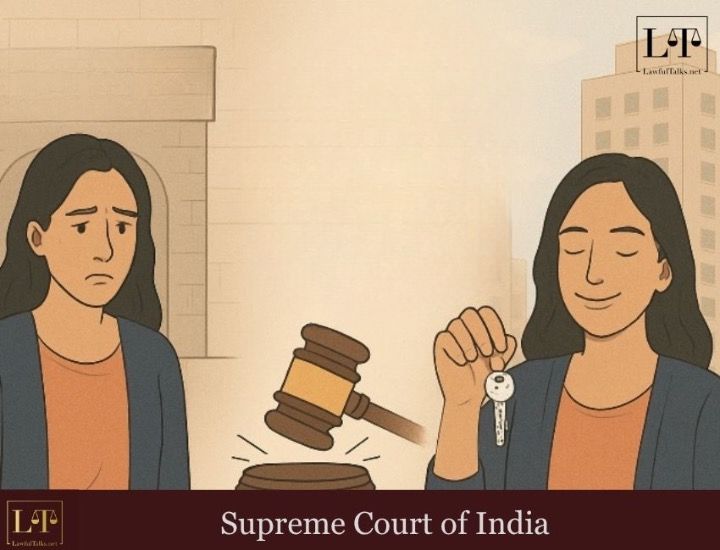
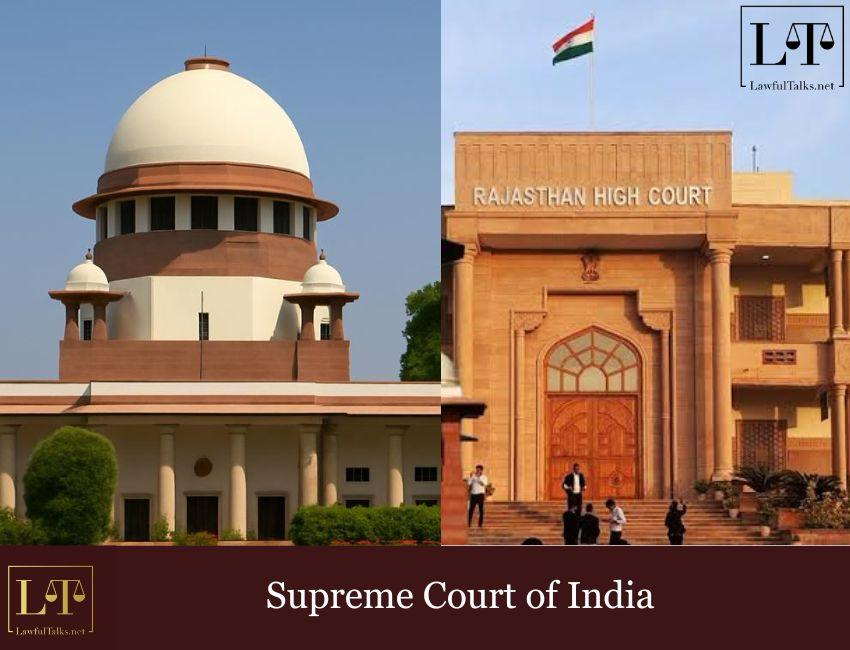
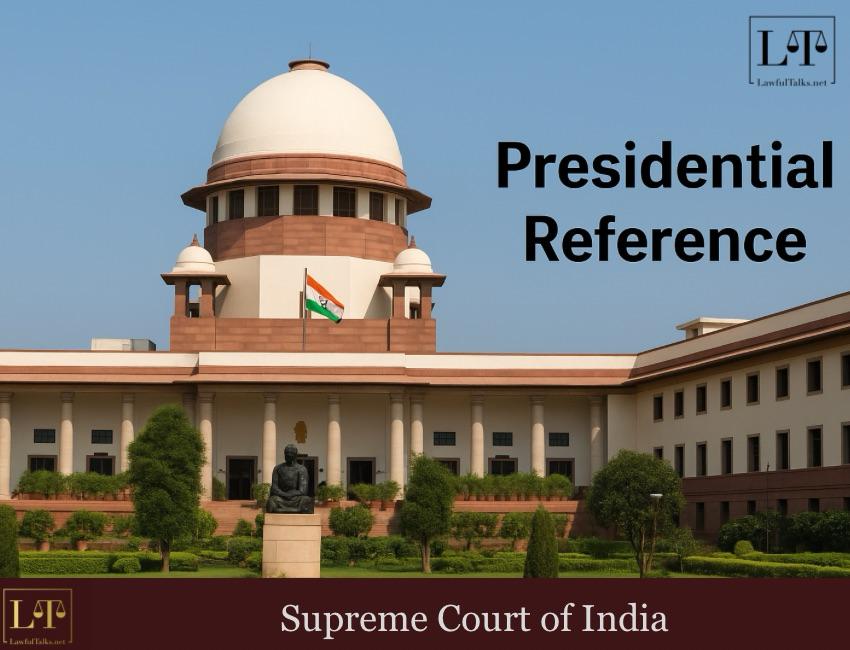
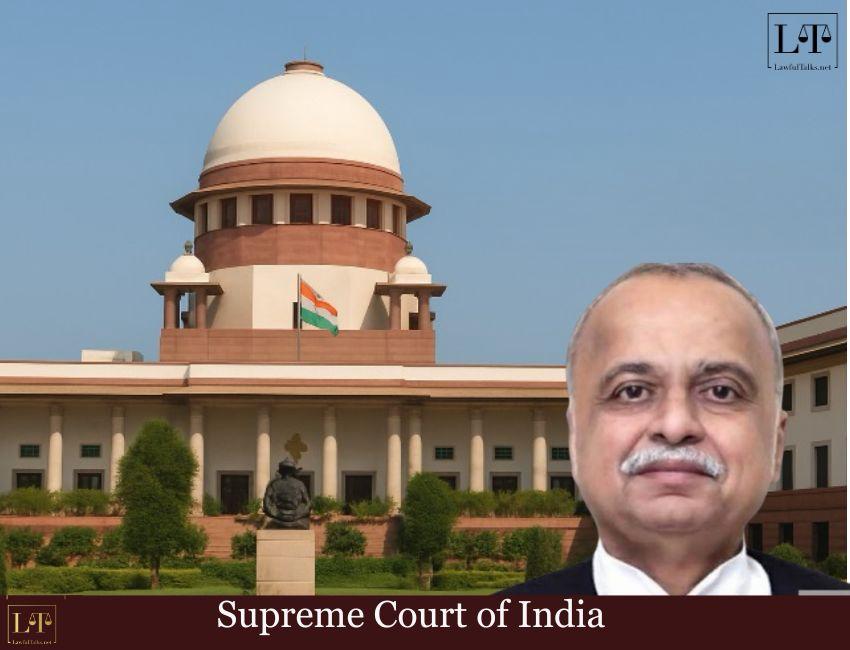
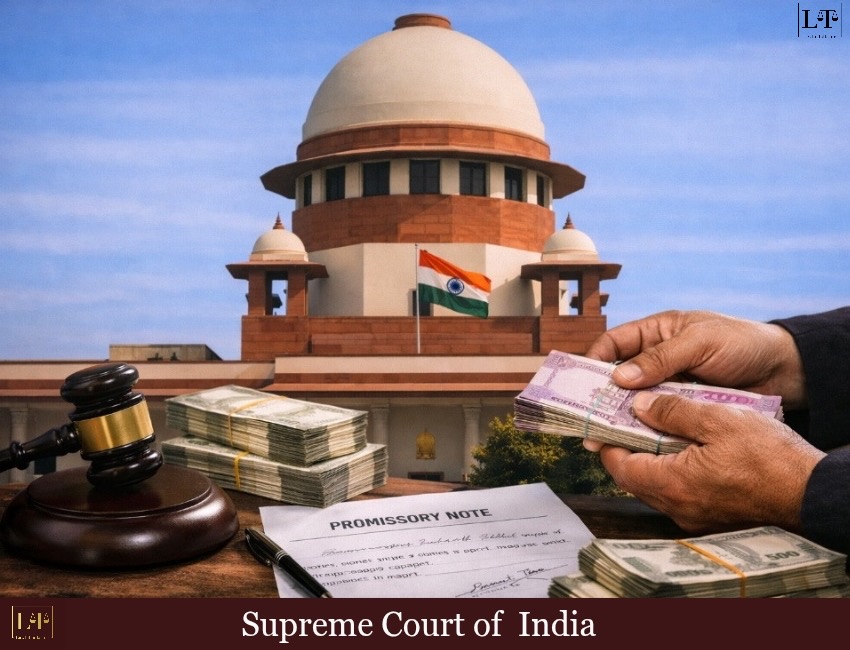
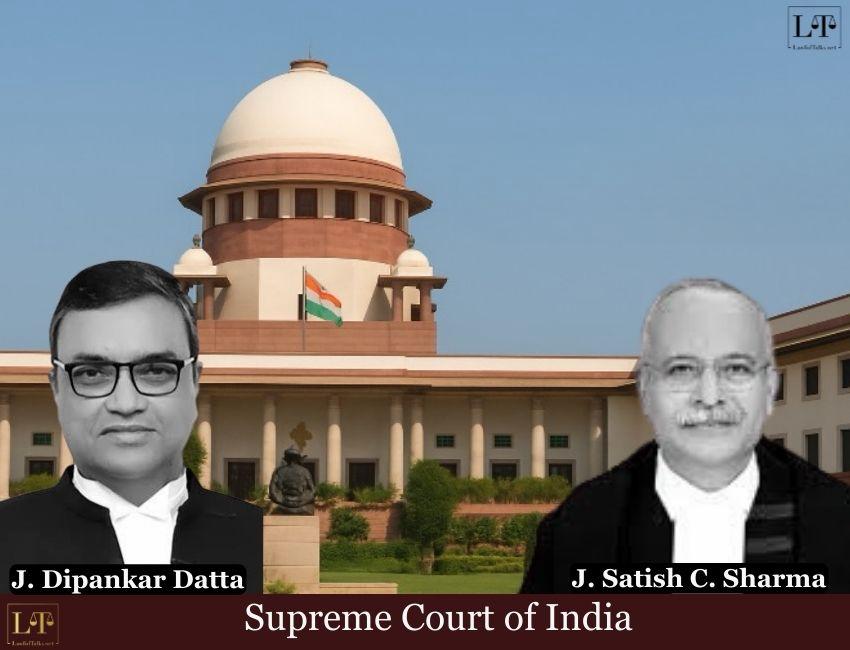
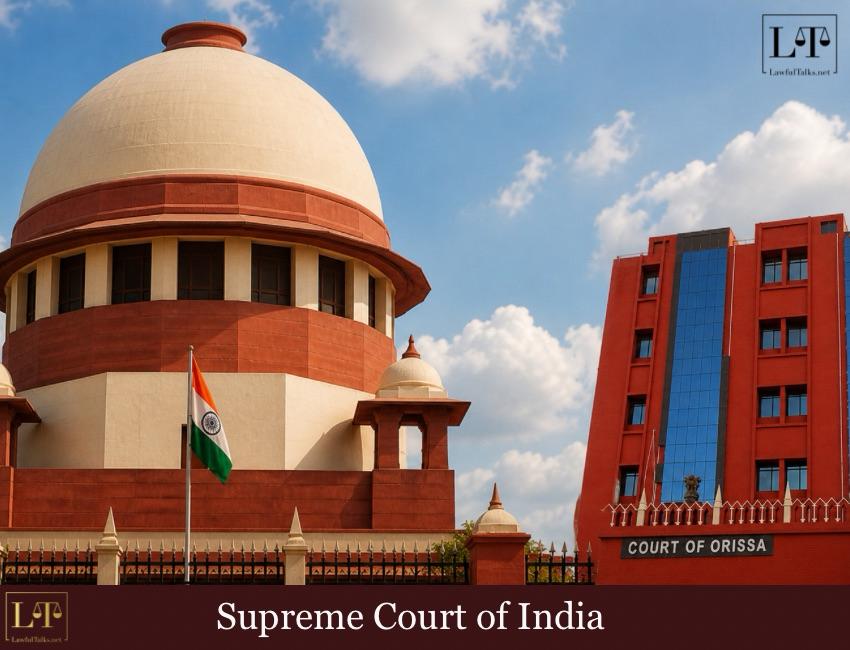
The Supreme Court in an important judgment has ruled that for Other Backward Classes (OBC), the ‘creamy layer’ status for reservation cannot be determined only based on Income of Parents. The court said the position and status of the parents in their organizations must also be considered.
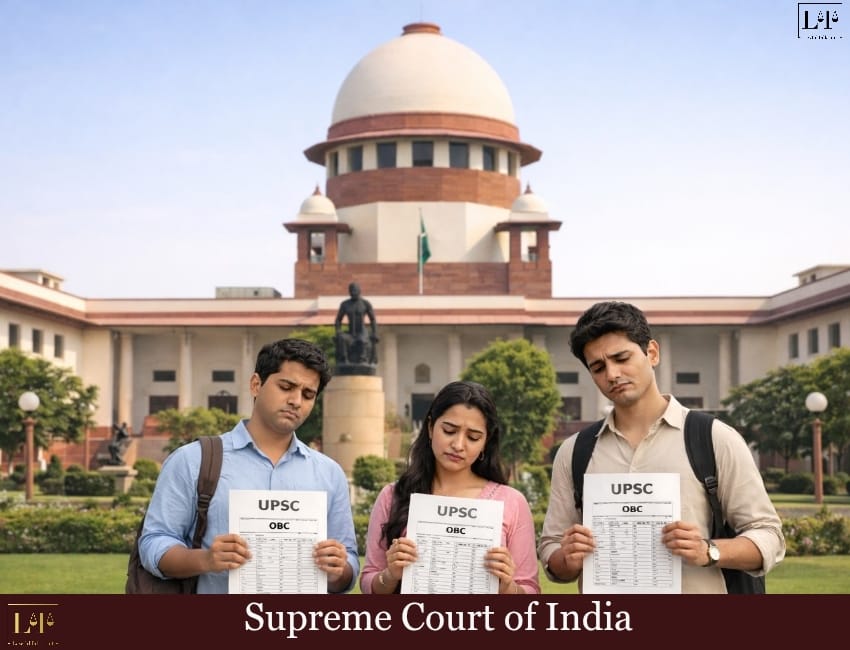
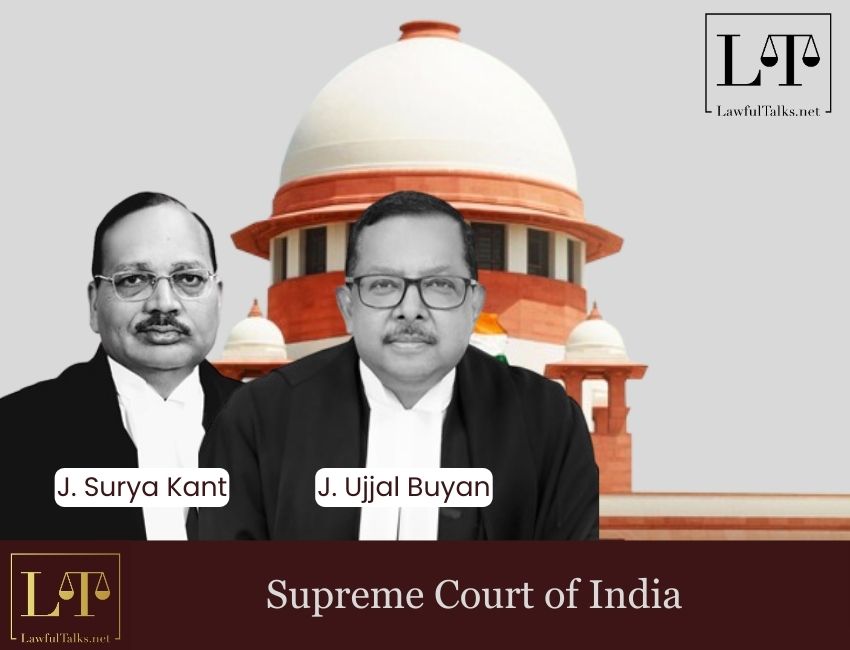
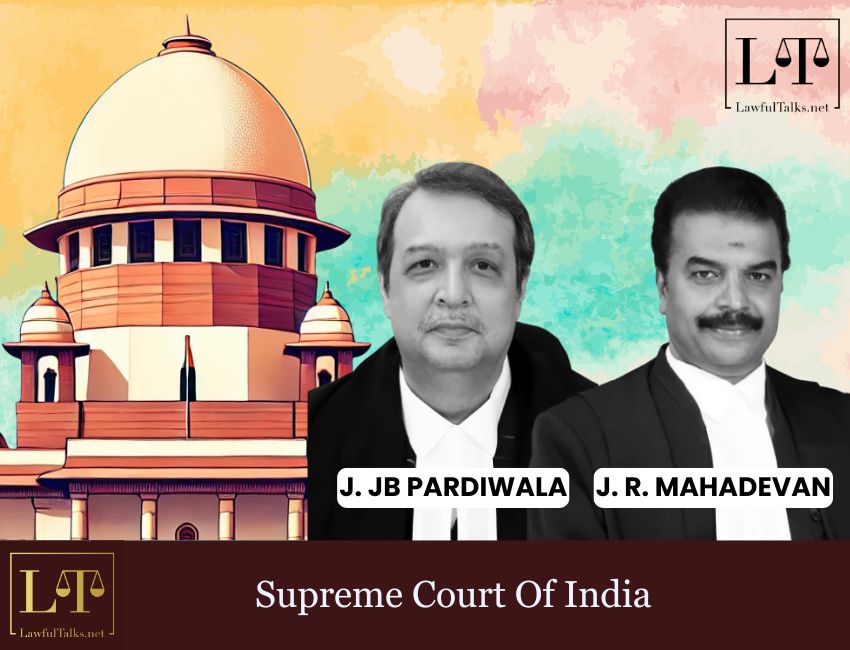
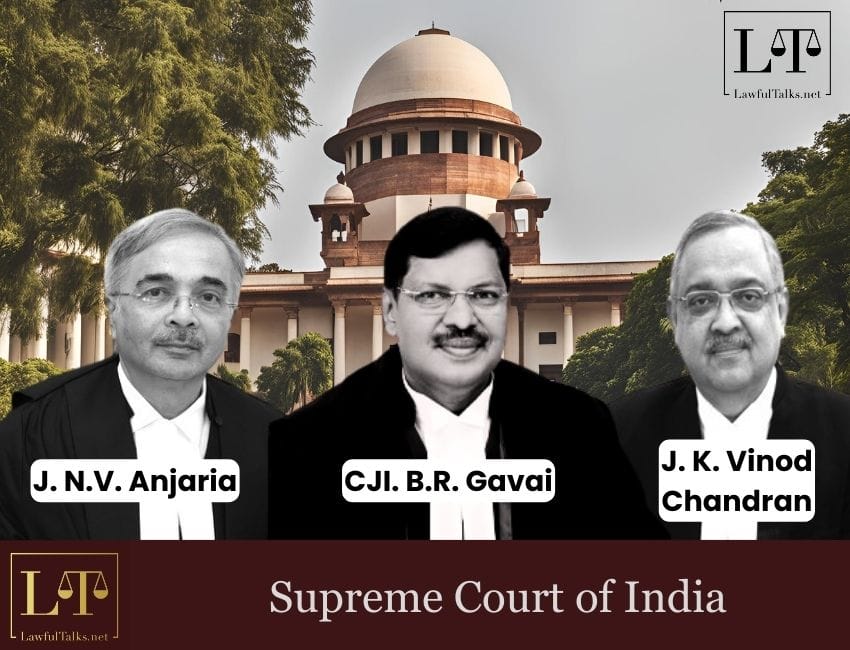
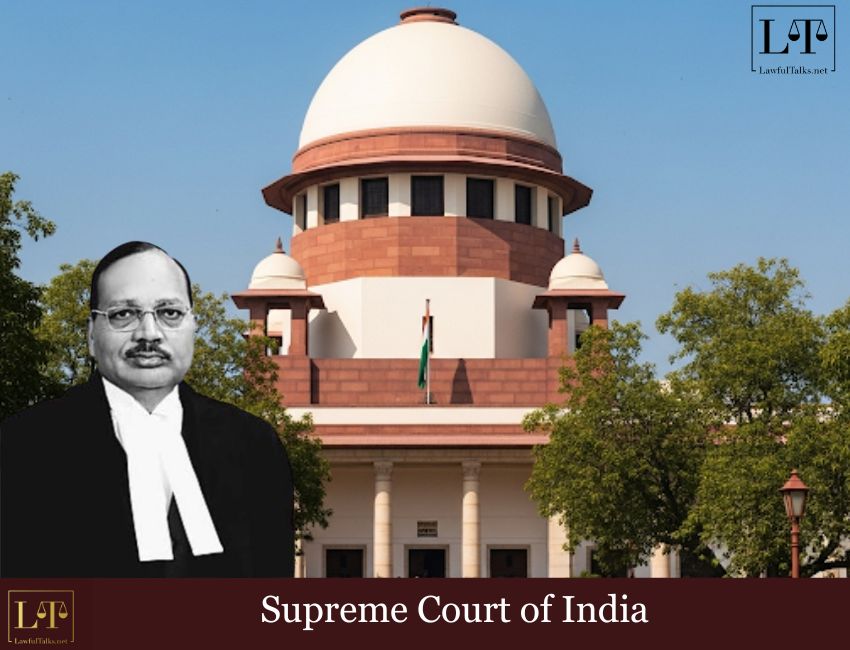
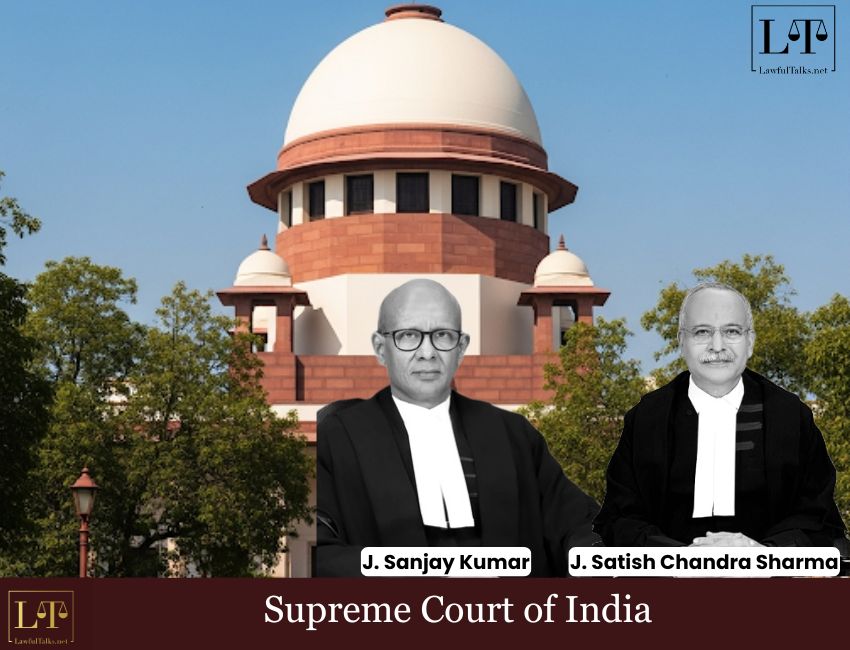
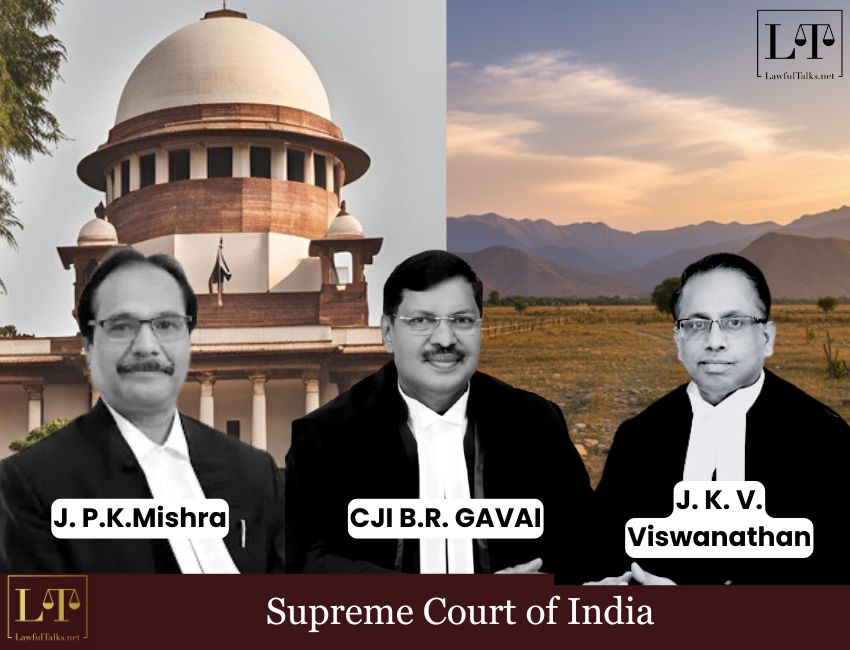
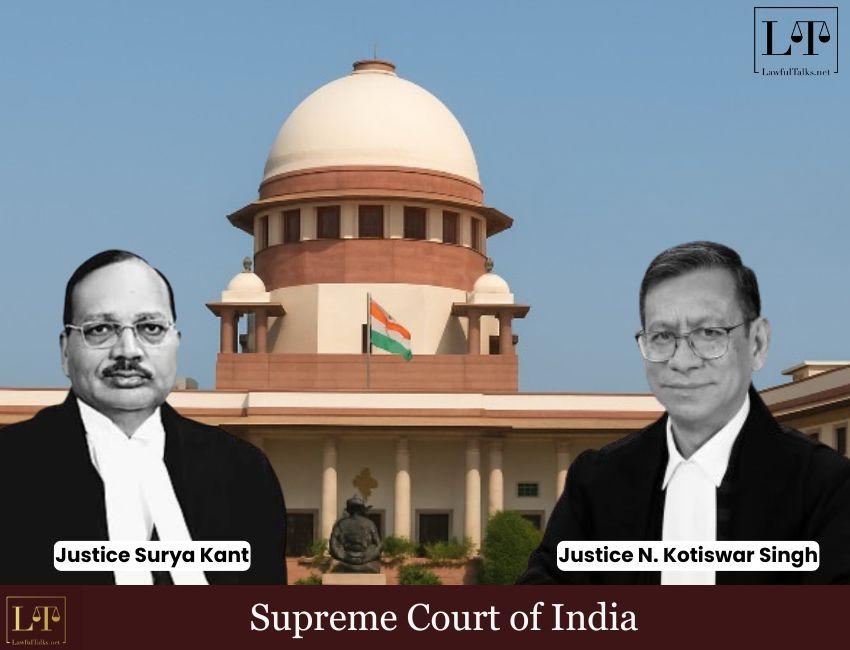
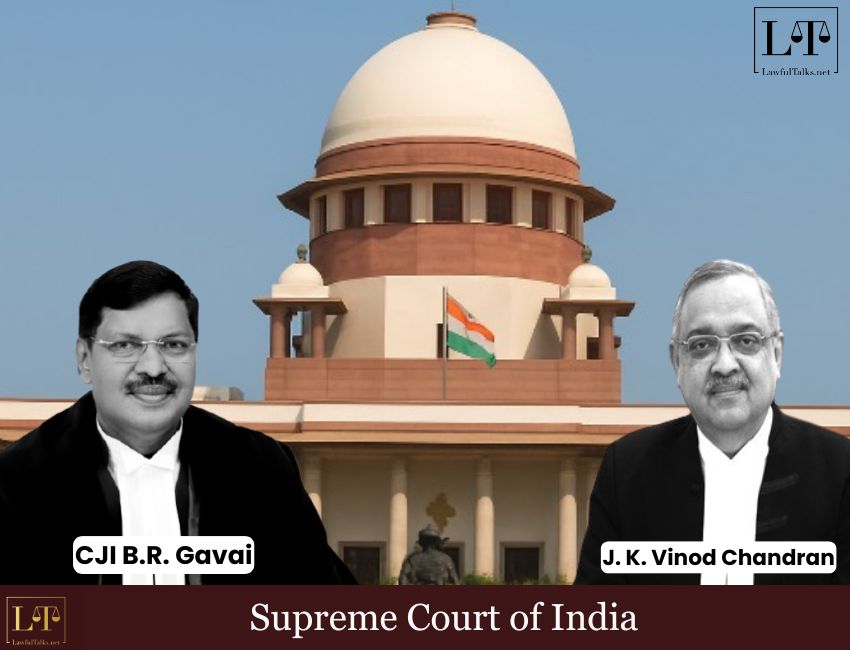
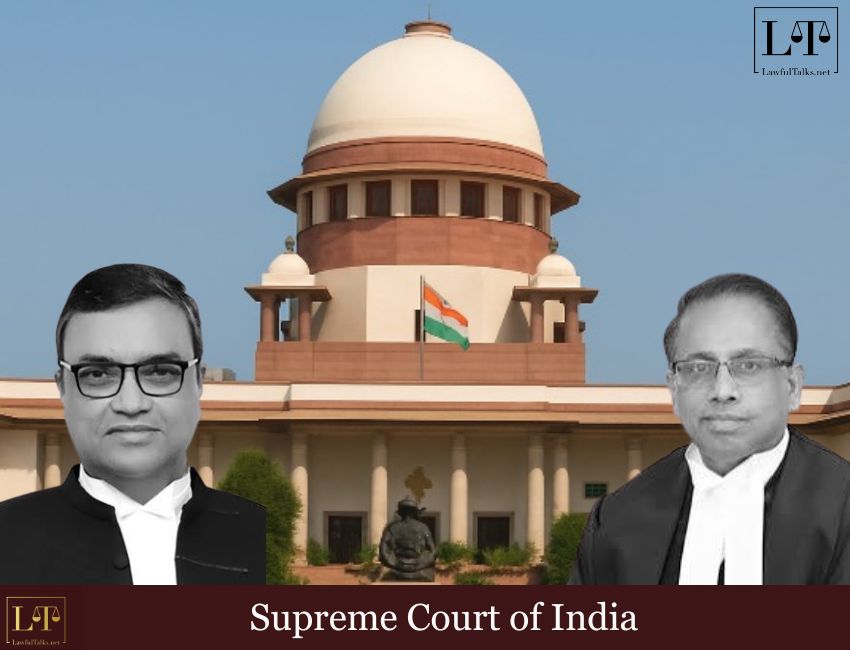
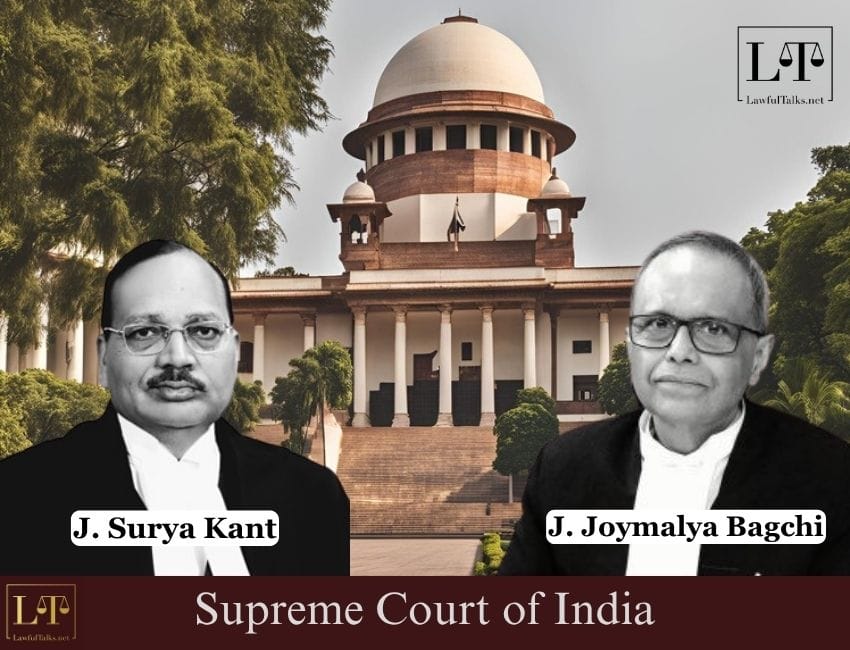
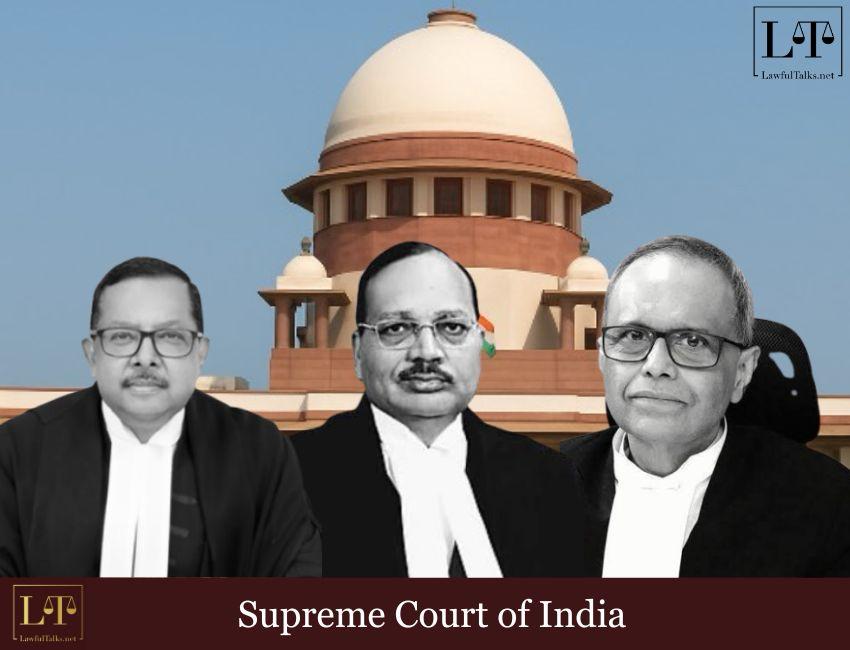
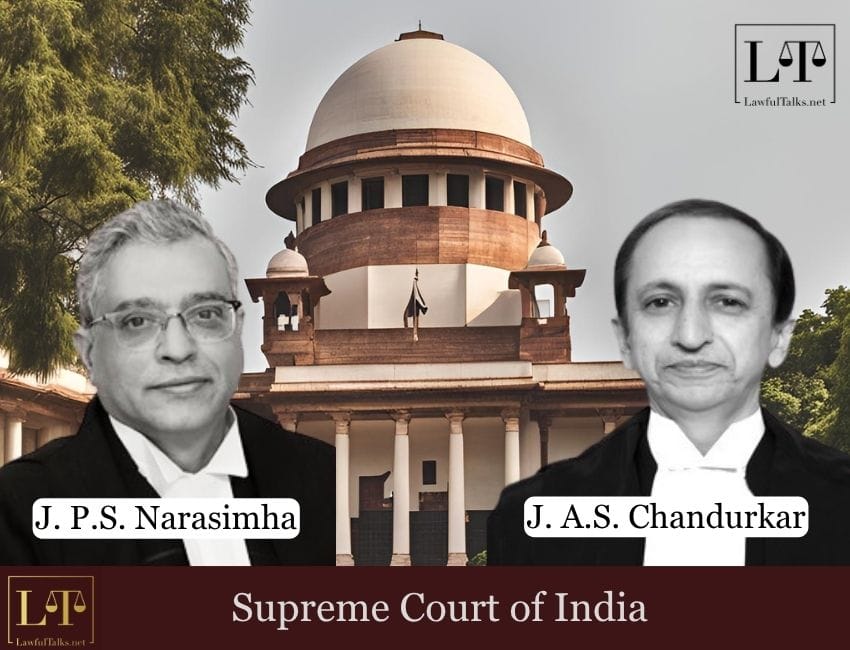
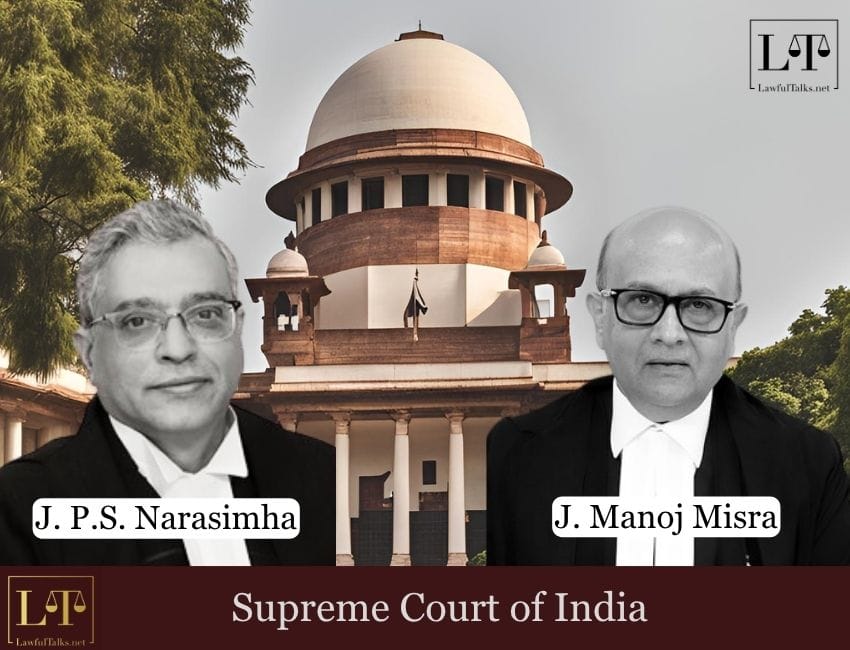
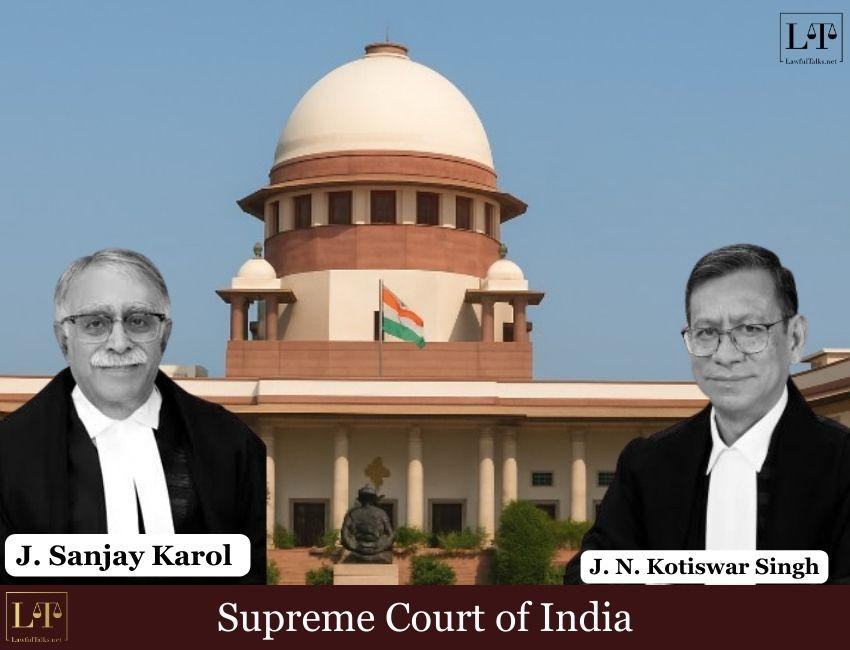
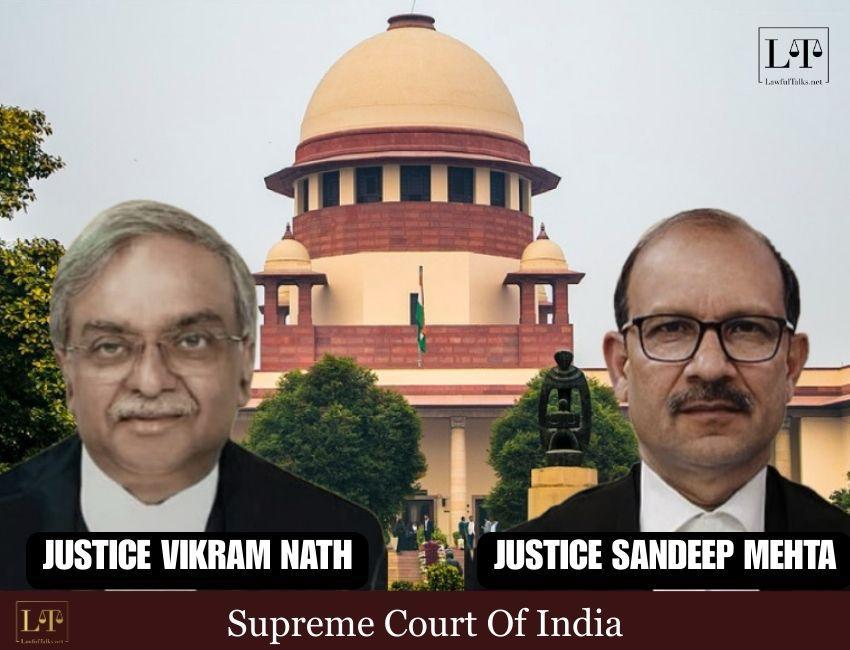
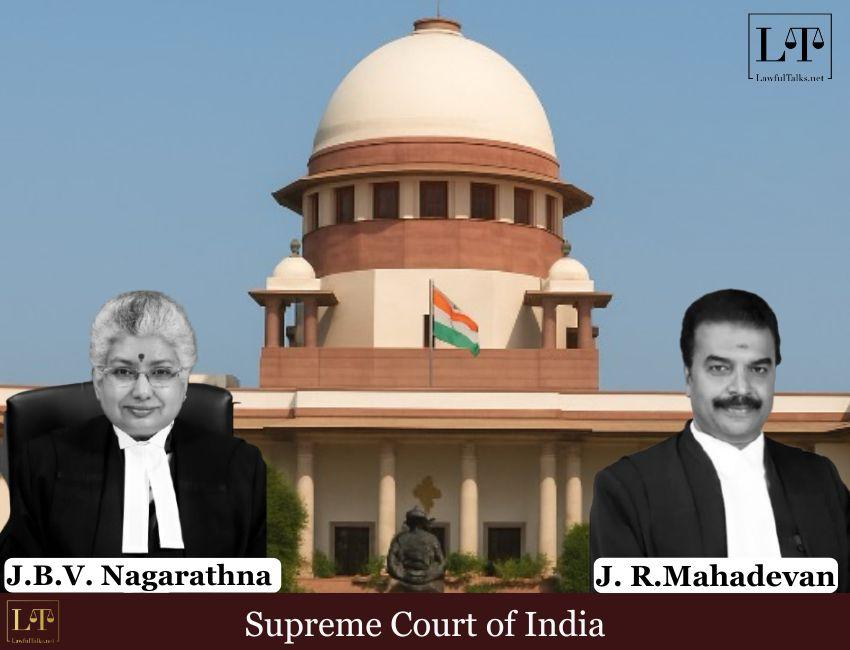
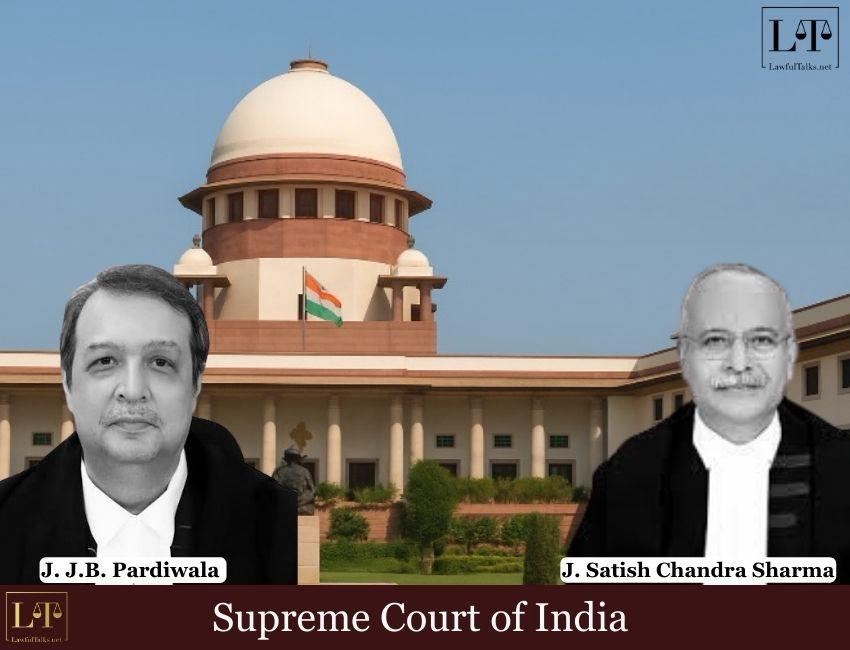
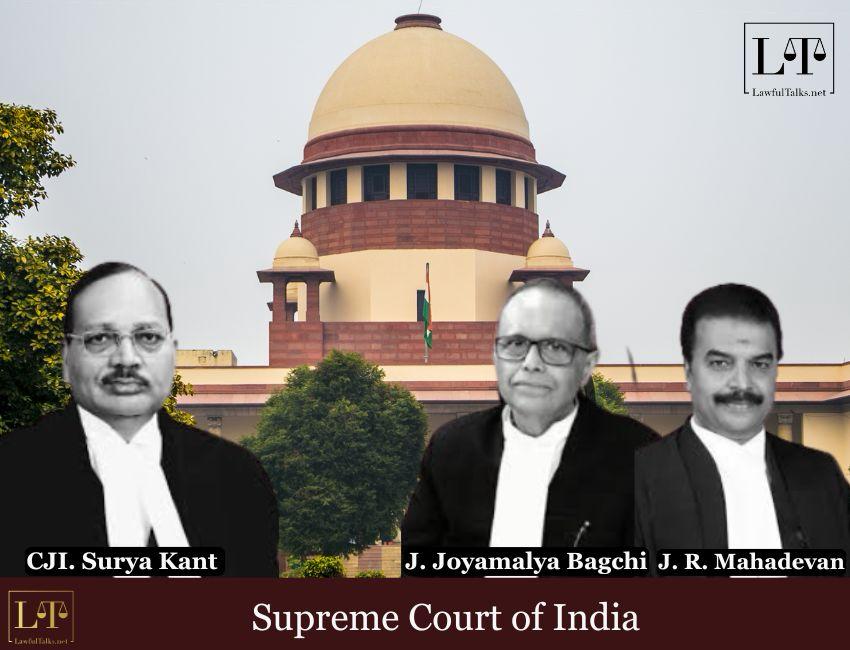
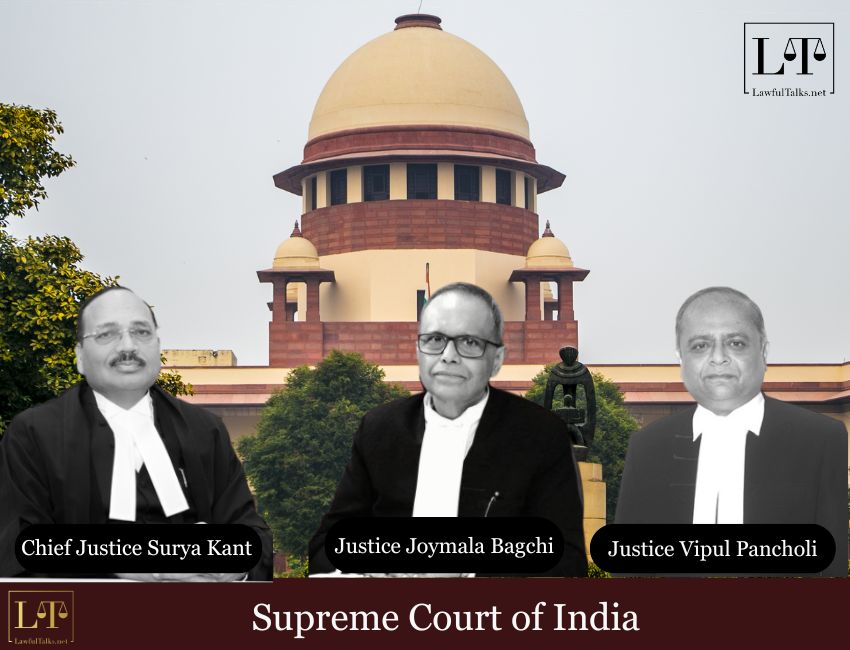
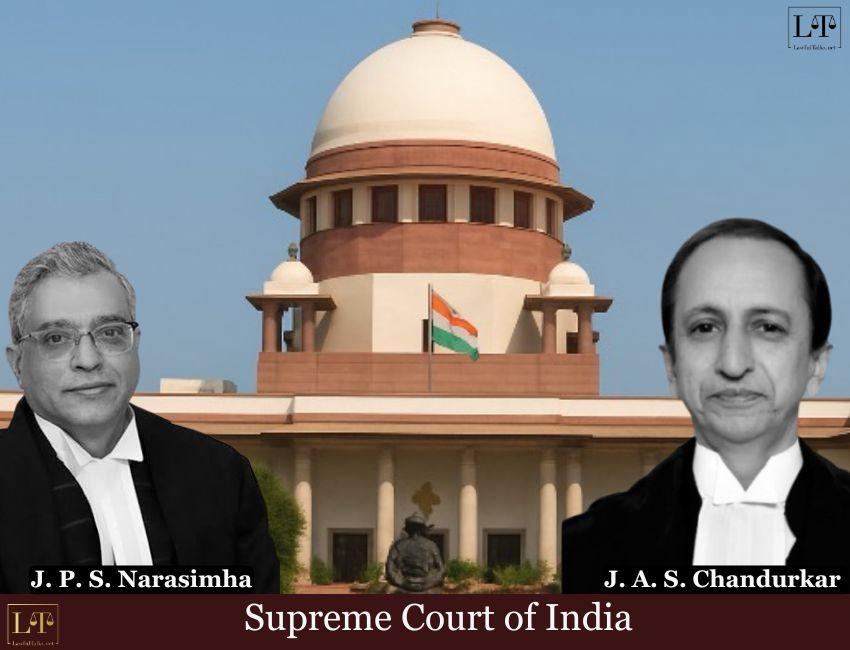
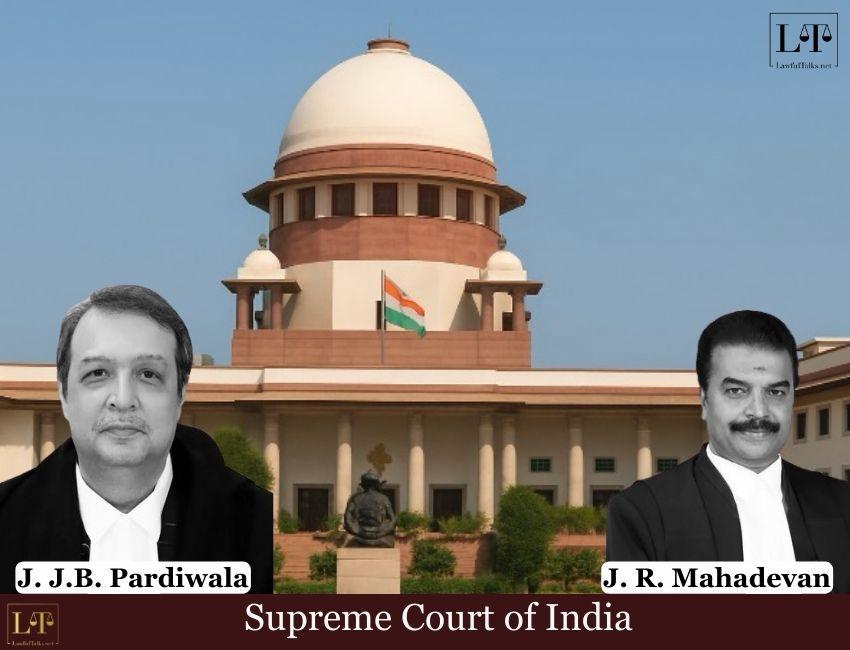
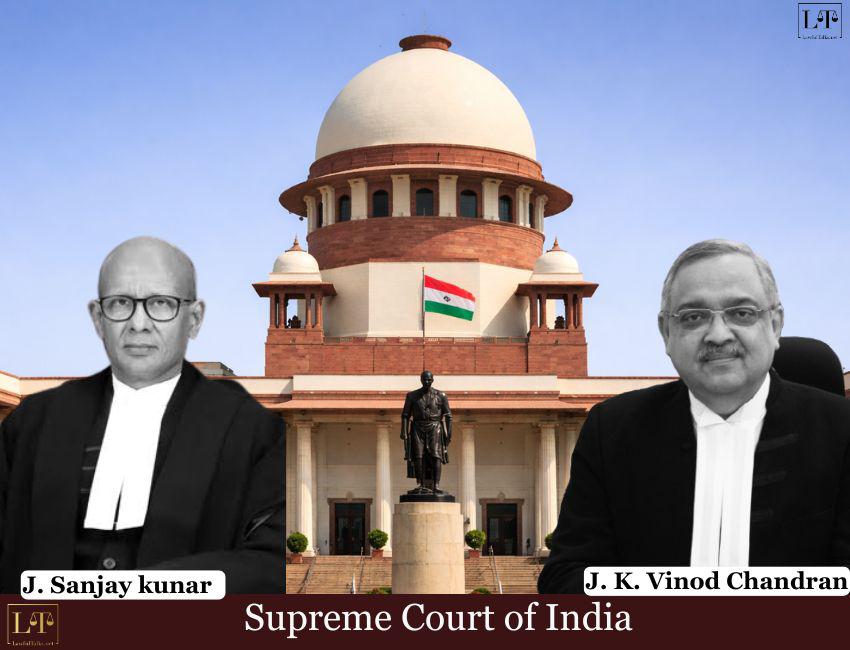
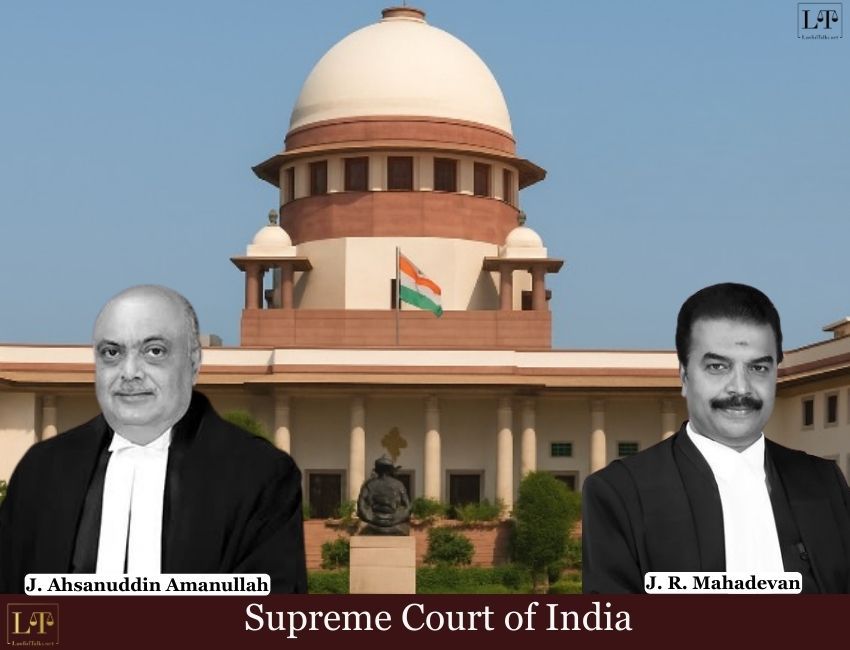
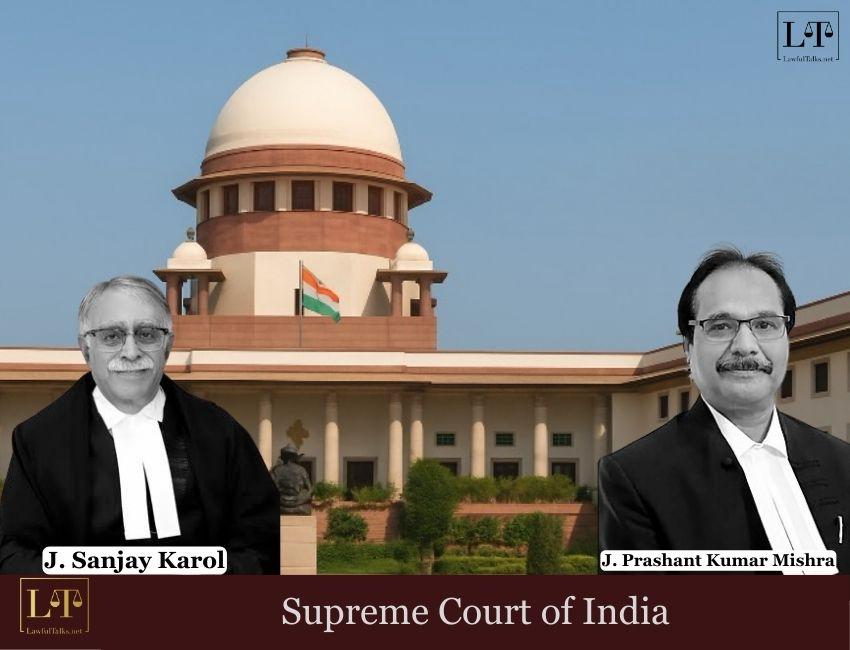
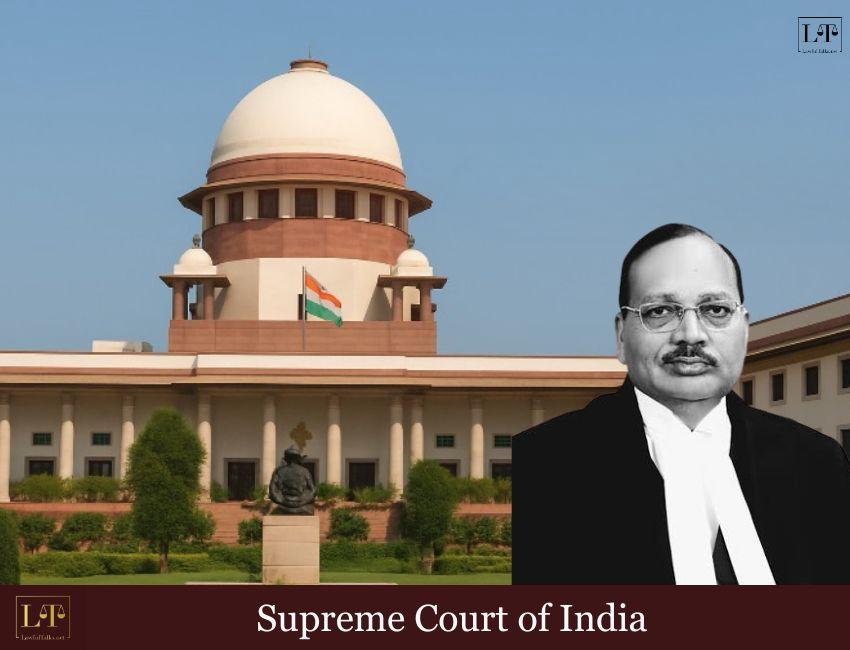
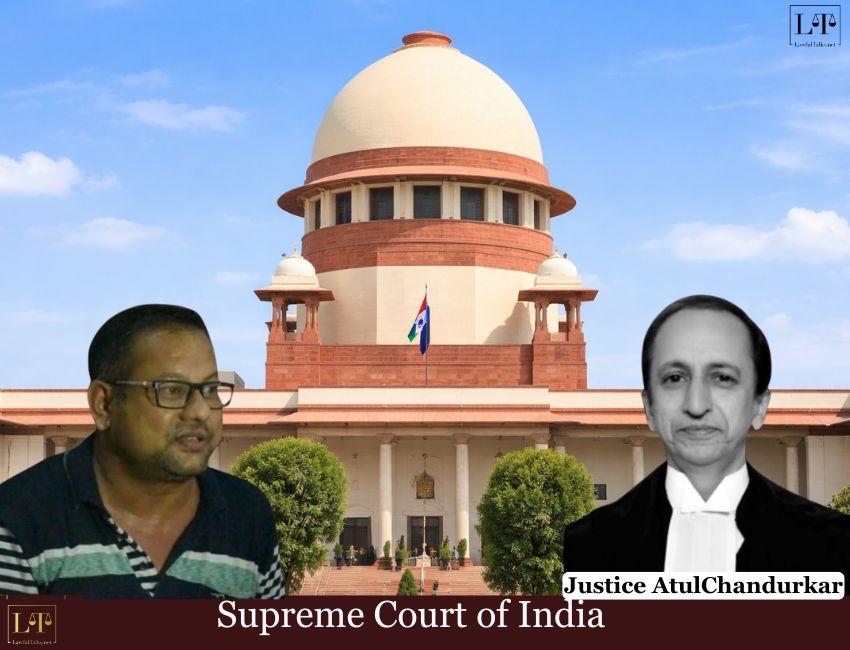
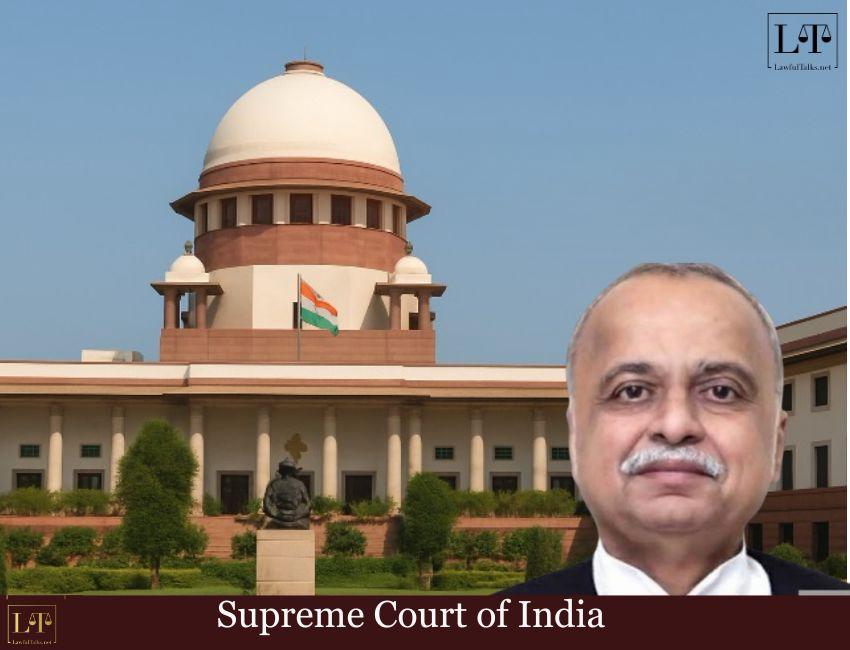
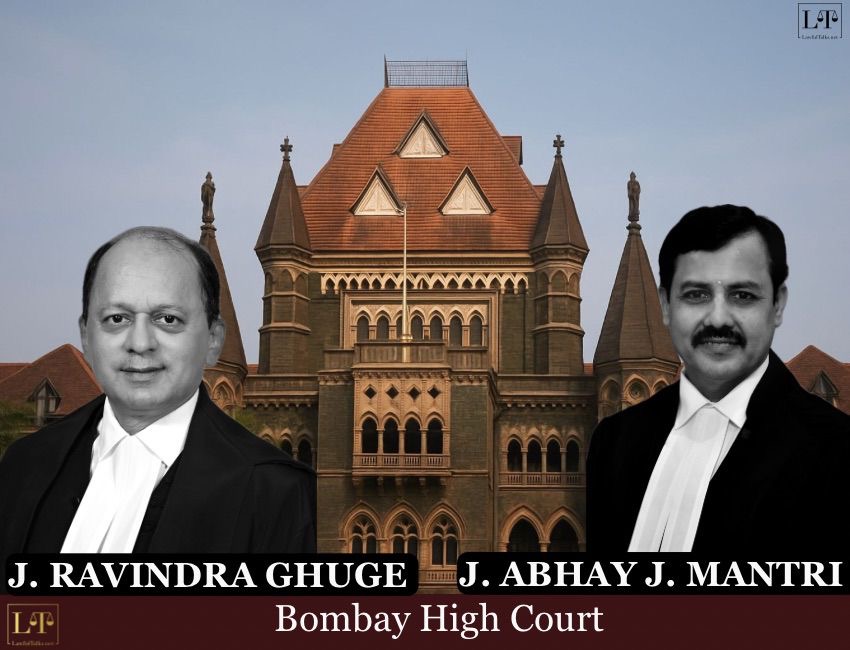
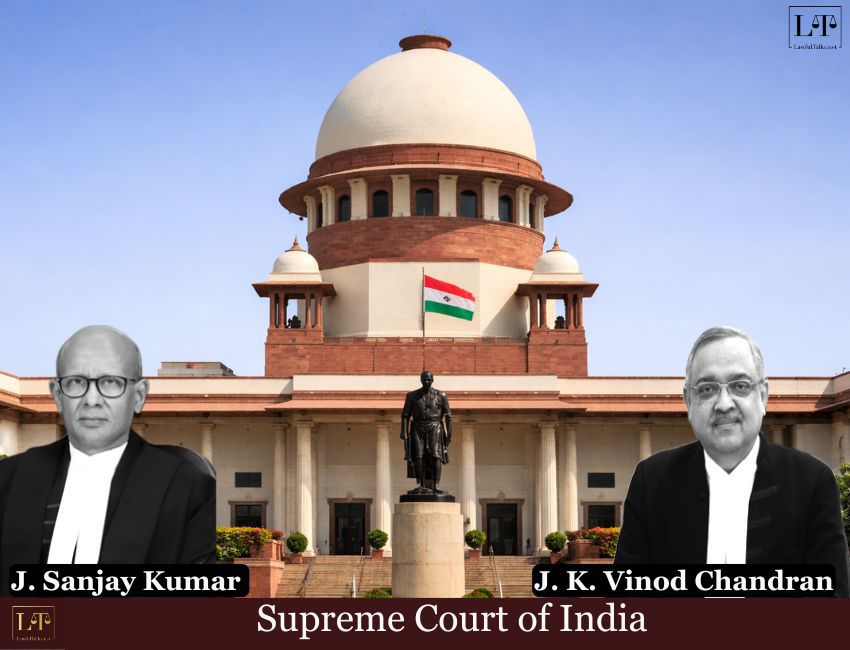
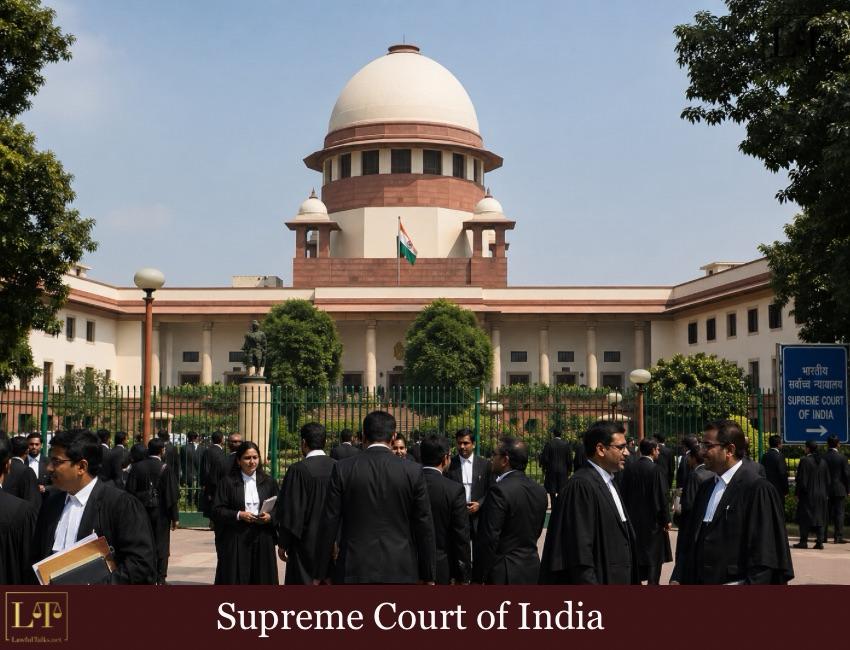
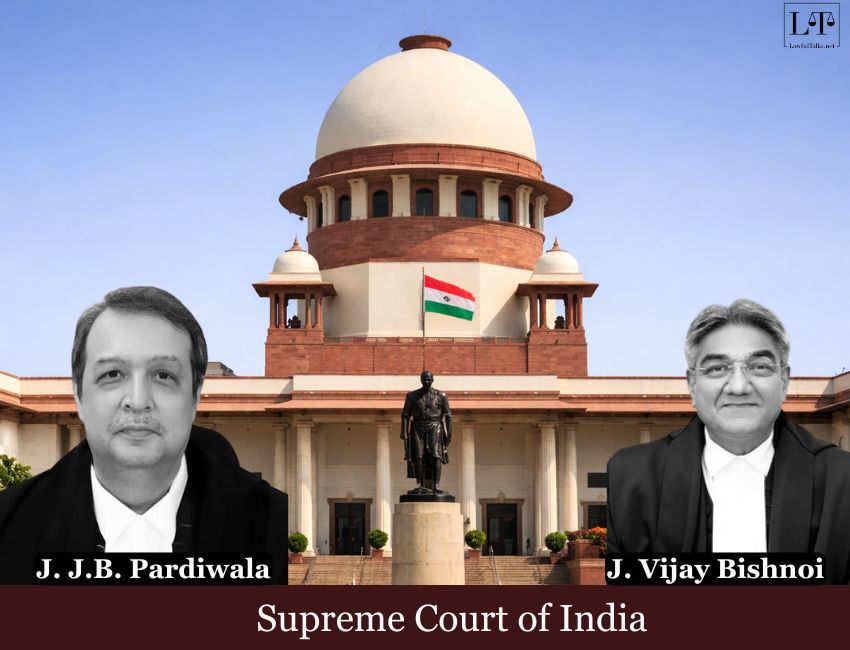
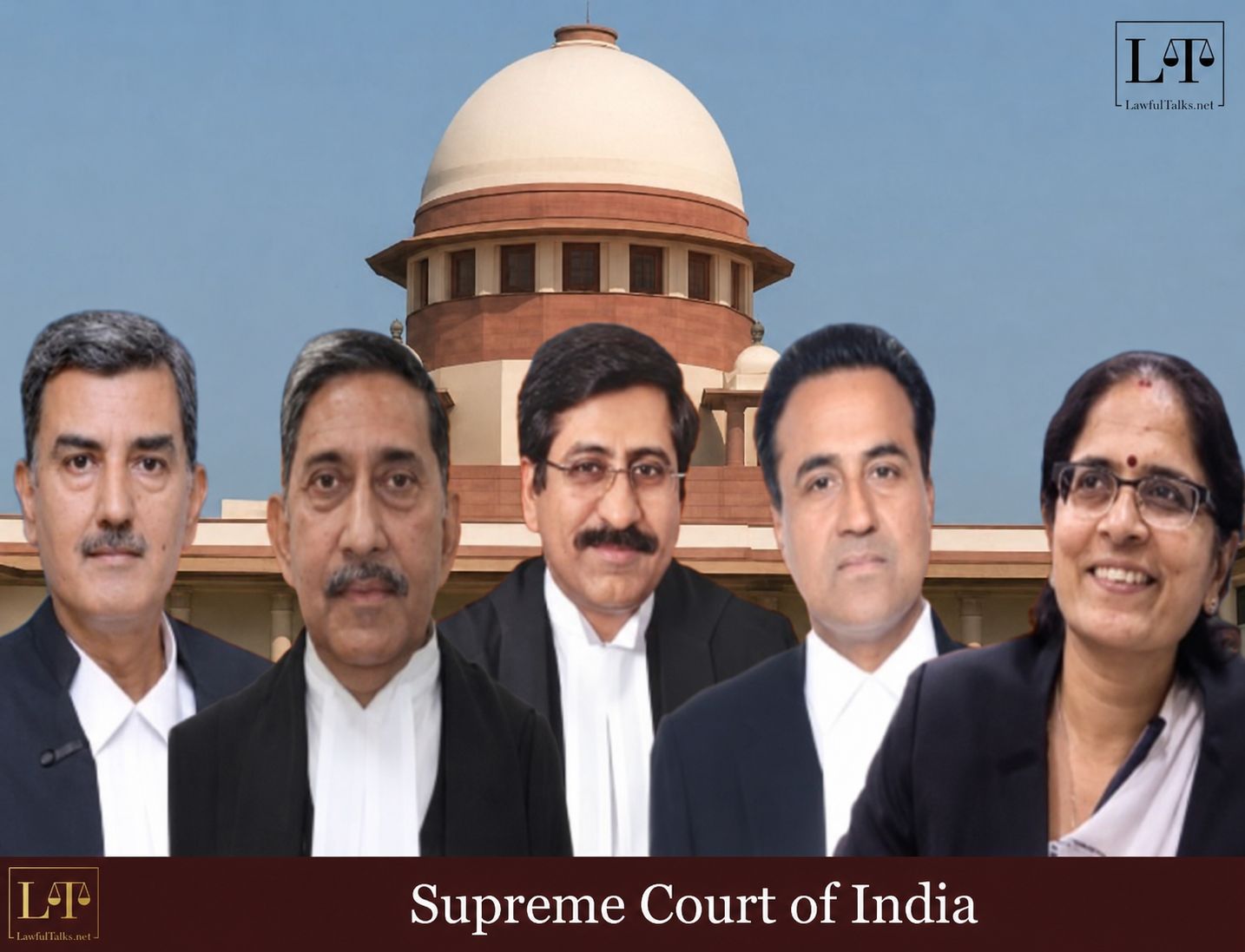
A bench of Justice PS Narasimha and Justice R. Mahadevan dismissed a set of appeals filed by the Union of India and granted relief to several UPSC candidates. These candidates had cleared the Civil Services Examination but were denied appointments because they were wrongly classified as part of the creamy layer.
Income Alone Cannot Decide Creamy Layer:
The Court noted that authorities had improperly used only income and wealth to decide the creamy layer, instead of following the correct status-based criteria to determine if a candidate truly belongs to the non-creamy OBC category.
Justice Mahadevan said,"Mere determination of the status of a candidate as to whether he/she falls within the creamy layer or the non-creamy layer of the OBCs cannot be decided solely on the basis of the income.”
How The Dispute Began:
The issue arose with Civil Services Examination candidates who claimed OBC reservation under the non-creamy layer category.
The Department of Personnel and Training (DoPT) treated them as part of the creamy layer after looking only at their parents’ salary income while checking eligibility.
The government relied on a 14 October 2004 letter, which said that if there is no clear comparison between PSU posts and government posts, salary income could be considered separately using the income/wealth test. Using this rule, candidates whose parents earned above the income limit were denied OBC reservation benefits.
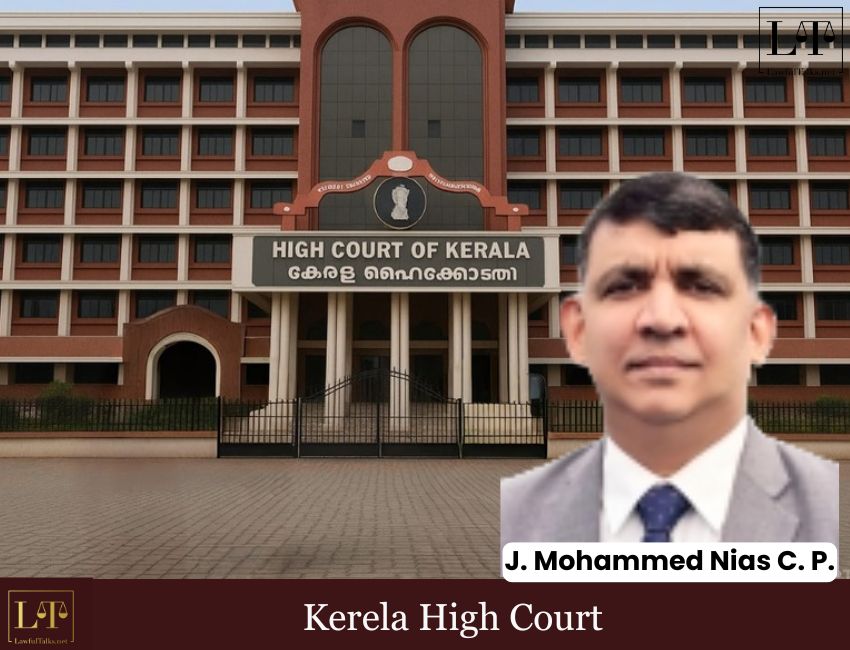
Several candidates challenged this decision before the Central Administrative Tribunal and the Madras, Delhi, and Kerala High Courts.
They argued that using only the income test went against the 1993 Office Memorandum, which said that parental income should not be used to decide creamy layer status.
The High Courts ruled in favor of the candidates, and the Union Government then appealed these rulings in the Supreme Court.
What the 1993 Policy says?
The 1993 Office Memorandum (OM) was based on the landmark Indira Sawhney judgment. It said that some socially advanced sections within OBCs should be excluded from reservation benefits mainly based on the parents’ position and status.
The OM also said the children of parents in similar positions in PSUs, banks, universities, and private jobs could be excluded too, once their equivalence with government posts is determined.
The OM introduced an Income/Wealth Test (Category VI) for cases where the status-based criteria do not apply. Under this test, families whose annual income from sources other than salary and agricultural land was above the limit for three years in a row would be treated as creamy layer.
Importantly, the OM said that income from salaries and agricultural land should not be combined with other sources when applying this test. This meant that income was only a secondary check, and parental status or position was the main factor.
About this the Supreme Court noted, " The plain language of these explanations makes it clear that salary income and agricultural income are consciously kept outside the common pool while determining exclusion under the Income / Wealth Test."
The 2004 Government Clarification:
Para 9 of the 14 October 2004 clarification deals with cases where the parent of an OBC candidate works in organisations such as PSUs, banks, universities or private companies, and the government has not yet decided if the parent's post is equivalent to a government job (like Group A or Group B).
It said that in such cases, the creamy layer status should be determined by using the income test. Under this test, the parents' salary income and income from other sources (excluding salary and agricultural income) must be assessed separately. If either the salary alone or income from other sources alone is more than ₹2.5 lakh per year for three years in a row, the candidate will be treated as creamy layer.
Supreme Court Finds 2004 Approach Wrong:
The Court said this approach in 2004 was wrong. The Supreme Court stated:
“Thus, determination of creamy layer status solely on the basis of income brackets, without reference to the categories of posts and status parameters enunciated in the 1993 OM is clearly unsustainable in law.”
Status Matters, Not Just Income:
The court further stated that:
"Salary income cannot be mechanically aggregated in a manner that defeats the constitutional objective articulated in Indra Sawhney."
“It is also evident from a comprehensive reading of the 1993 OM along with the clarificatory letter dated 14.10.2004 that income from salaries alone cannot be the sole criterion to decide whether a candidate falls within the creamy layer. The status as well as the category of post to which a candidate's parent or parents belong is essential.”
Court Backs High Court Judgments:
The judgement, written by Justice R. Mahadevan, agreed with the High Courts’ rulings. It said that the Union of India had wrongly decided the eligibility of the candidates based on the 2004 clarification letter. The Court noted that this ignored the 1993 Office Memorandum, which clearly said that parental income from salaries and agricultural sources should not be used to decide a candidate’s creamy layer status.
“Overemphasis on the 2004 Letter to the extent of making income alone determinative without regard to parental status or category of service would defeat the structural framework of exclusion envisaged under the 1993 OM…Thus, determination of creamy layer status solely on the basis of income brackets, without reference to the categories of posts and status parameters enunciated in the 1993 OM is clearly unsustainable in law.”, the court said.
The Supreme Court said that a clarification cannot change the main policy. The Court observed, “A clarificatory instruction cannot introduce a substantive condition that does not exist in the parent policy.”
Based on this, the Court ruled that the 2004 clarification cannot be read in a way that changes or weakens the 1993 policy framework.
The Supreme Court additionally examined whether the government's interpretation led to unequal treatment.
The Court noted that government employees in Group C and Group D are not automatically denied reservation benefits even if their salary increases over time. But under the government’s interpretation of the 2004 clarification, children of PSU or private sector employees could lose OBC reservation benefits if their parents’ salary crossed the income limit, even when their parents held positions similar to lower government posts.
Equality Issue Under Constitution:
The Court said this would go against the equality principle under Articles 14 and 16 of the Constitution. It observed that treating children of PSU or private sector employees differently from government employees in similar positions would amount to “equals being treated unequally.”
The Court further observed, “The object of excluding the creamy layer is to ensure that socially advanced sections within the OBCs do not appropriate benefits meant for the genuinely backward; it is not to create artificial distinctions between equally placed members of the same social class.”
The Court agreed with the High Courts that it would be hostile discrimination to treat employees of PSUs and private companies differently from government employees and their children when deciding reservation eligibility.
Re-examination Of Candidates Ordered:
As a result, the appeals were dismissed. The Court directed the Department of Personnel and Training (DoPT) to re-examine the candidates’ claims according to the rules set out in this judgment.
Six Months Deadline For Government:
It said that while deciding creamy layer status, the parents’ salary income should not be considered. The Court also directed that this exercise must be completed within six months.
The Court also said that if necessary, the authorities should create supernumerary posts. It noted that the government had earlier told a parliamentary committee that such posts could be created to accommodate the affected candidates.
Case Details: UNION OF INDIA AND OTHERS v/s ROHITH NATHAN AND ANOTHER, ETC. (with connected appeals)
https://api.sci.gov.in/supremecourt/2017/30325/30325_2017_13_1501_69248_Judgement_11-Mar-2026.pdf

















































































Sign up for free and be the first to get notified about curated content just for you.