Can ACJM Act Under SARFAESI Act? Bombay High Court Answers

- March 10, 2026


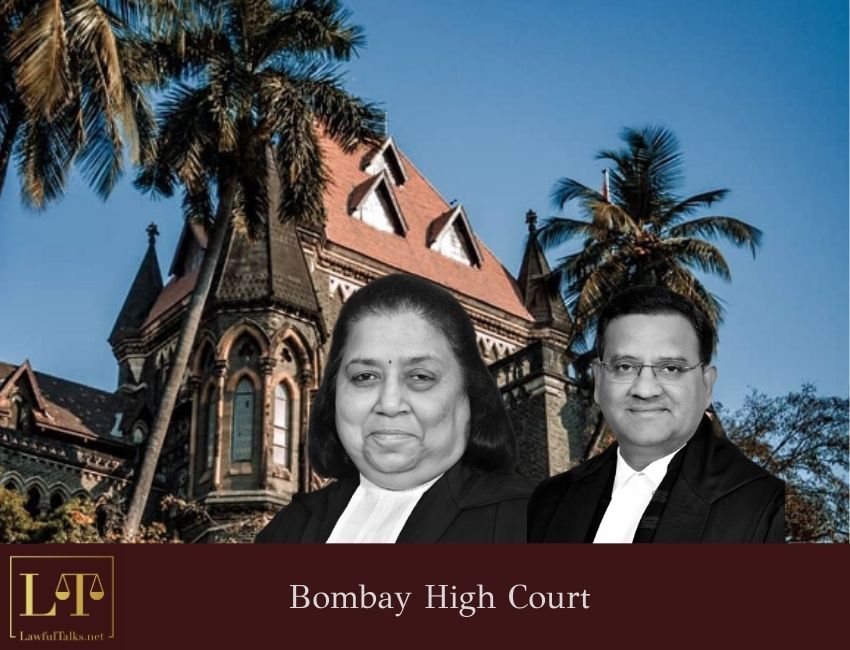
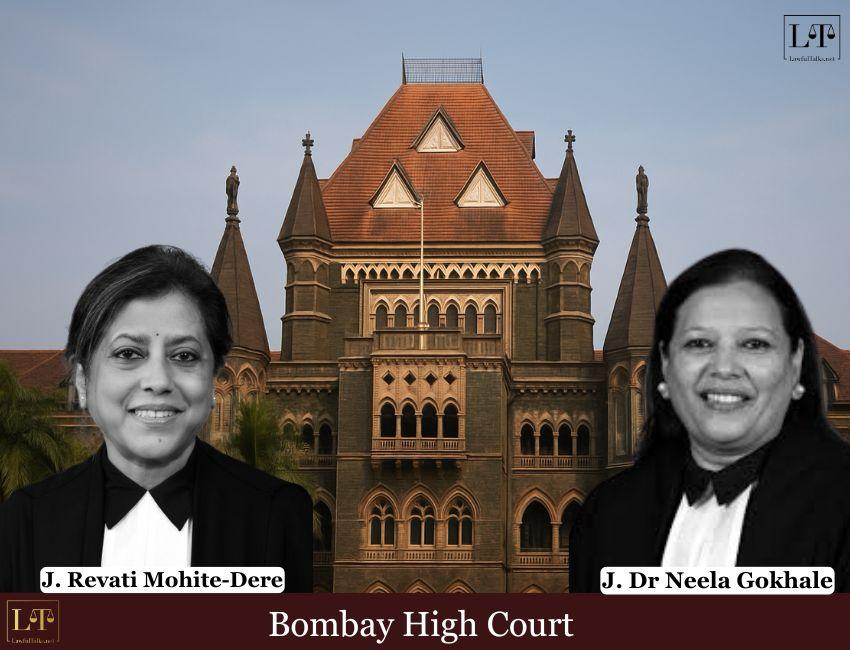
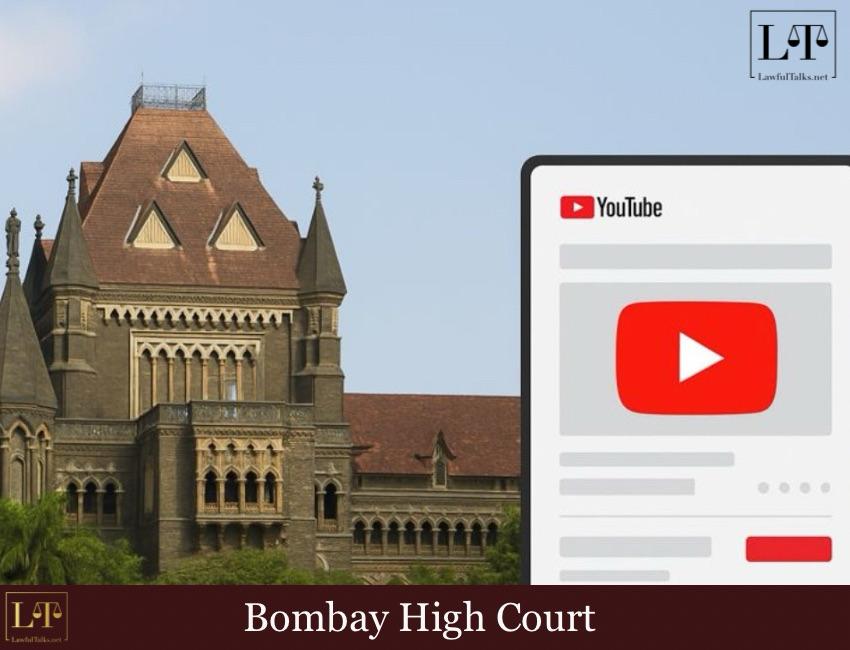
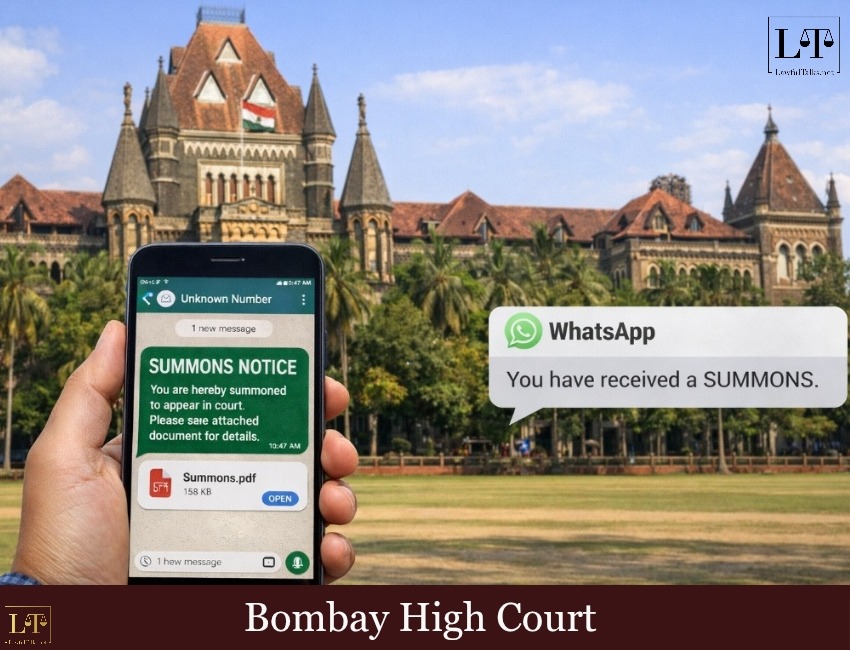
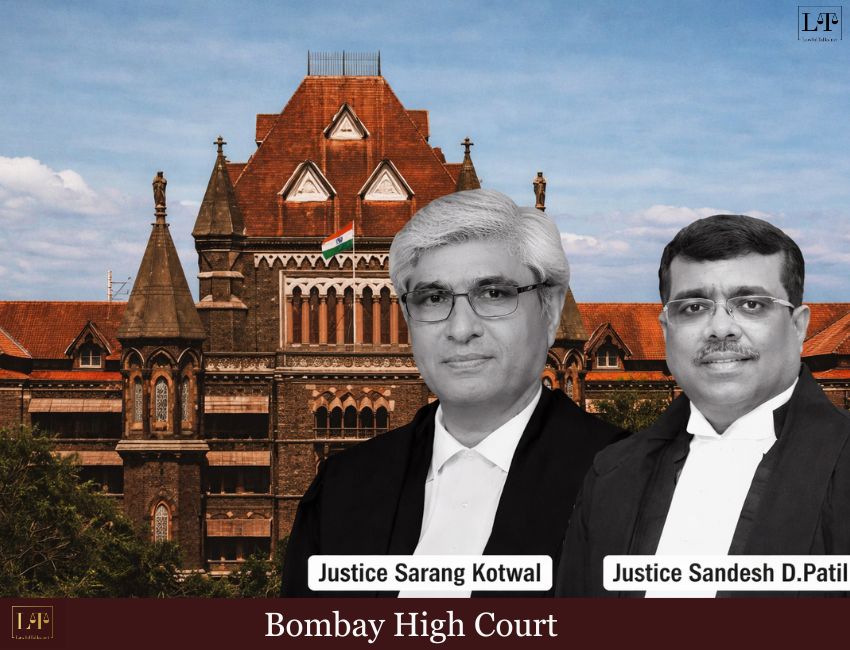
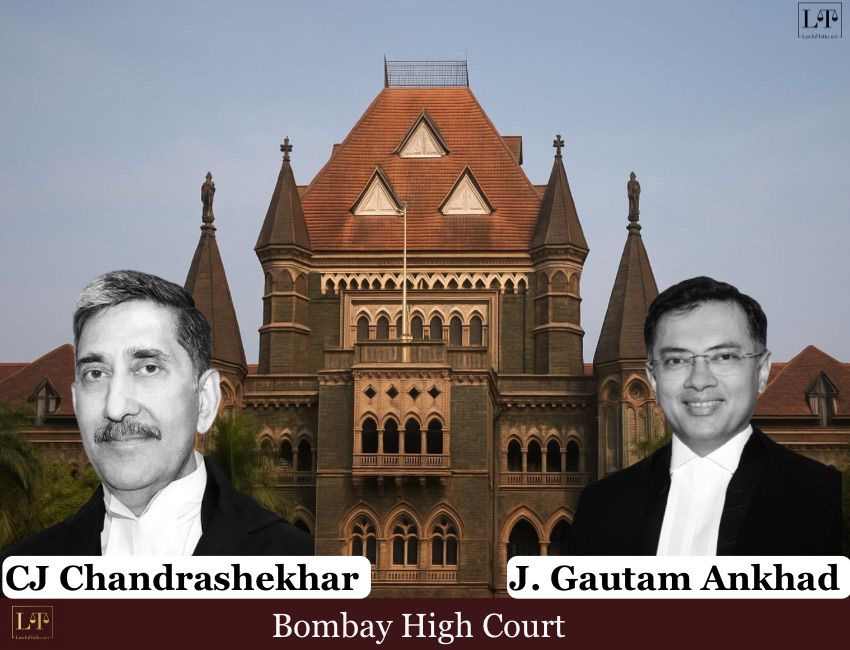
The Bombay High Court has recently observed that an Additional Chief Judicial Magistrate (ACJM) can hear applications under Section 14 of the Securitization and Reconstruction of Financial Assets and Enforcement of Security Interest Act, 2002, (SARFAESI Act). The court explained that an ACJM has the same judicial powers as a Chief Judicial Magistrate (CJM).

Petition Before High Court
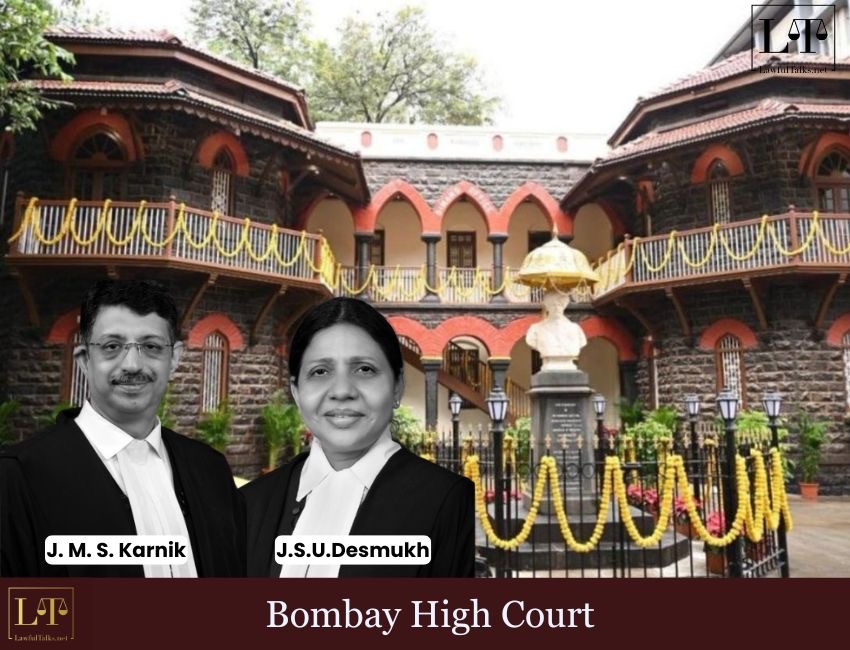
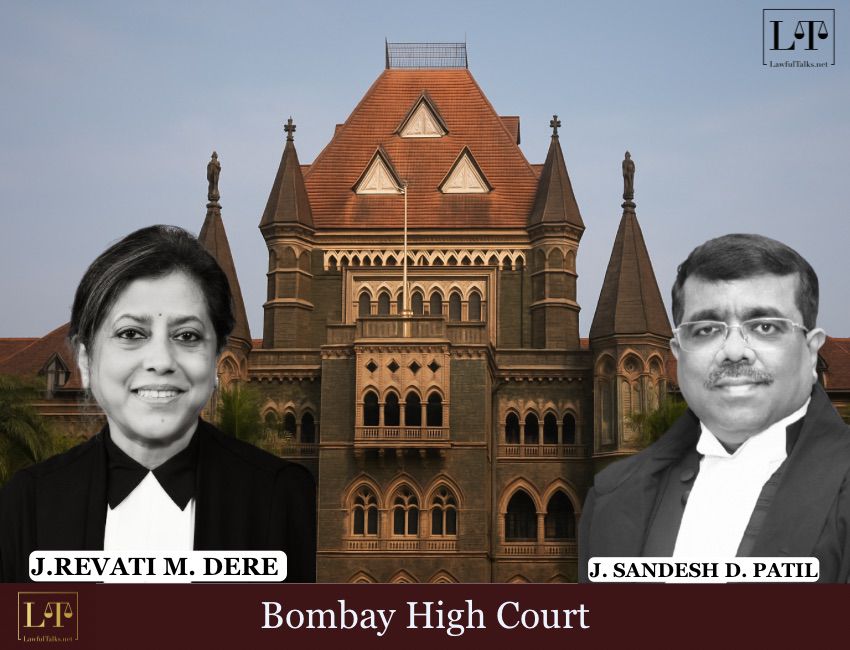
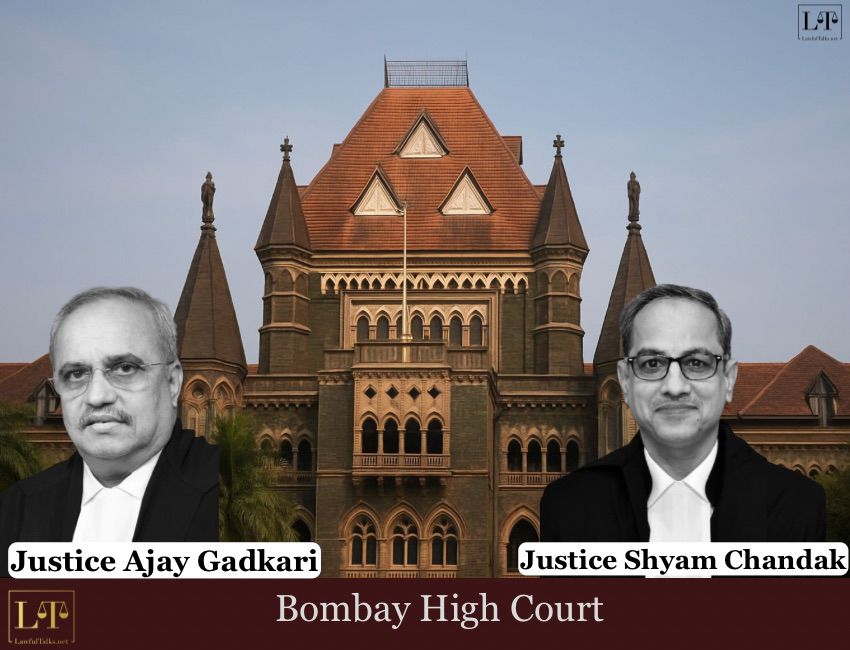
A single judge bench of Justice Urmila Joshi Phalke dismissed the criminal application filed by Shubham Flour Mill under Section 482 of the Criminal Procedure Code (CrPc). The application sought to quash and set aside the orders passed by the Additional Chief Judicial Magistrate and the Additional Sessions Judge.
Section 14 of the SARFAESI Act permits a secured creditor to approach a magistrate for help in taking physical possession of secured assets when a borrower fails to repay the loan.
Background of the Case:
Shubham Flour Mill, a proprietary concern located in Akola, had taken several loans and credit facilities from Indian Bank. For these loans, it pledged four immovable properties located in Akola, Akot and Nagpur.
After the borrower defaulted on the loan, the account was declared a Non- performing Asset. A demand notice was then issued under the SARFAESI Act. After this, the bank approached the Additional Chief Judicial Magistrate(ACJM), Akola under Section 14 of the SARFAESI Act and sought assistance to take possession of the pledged assets. The ACJM allowed the application and appointed a court commissioner to take possession of the secured assets.
When the Sessions Court rejected the borrower’s revision application, the borrowers approached the High Court.
Borrower’s Argument:
Shubham Four Mill argued that the ACJM lacked the jurisdiction to hear and allow the bank’s application under Section 14, as no specific notification had given such powers. It claimed that the possession order was therefore passed without authority of law.
Bank’s Argument:
The bank argued that an ACJM has the same judicial powers as a CJM. It said that the Chief Judicial Magistrate’s higher position is only administrative and not related to judicial powers.
While rejecting the borrowers’ argument, the Court held that under Section 12(2) of the Criminal Procedure Code (CrPc), an ACJM has all the judicial powers of a Chief Judicial Magistrate as directed by the High Court.
Administrative vs Judicial Powers:
The Court also clarified that the subordination of an Additional Chief Judicial Magistrate applies only to administrative work.
The court said:
“Thus, it is pertinent to note that the subordination of the Additional Chief Judicial Magistrate is only in regard to administrative functions. In regard to the judicial functions, Section 10(2) of the BNSS 2023 specifically provides that the Addition Chief Judicial Magistrate shall have all the powers of the Chief Judicial Magistrate.”
Remedy Before DRT:
The Court also noted that the SARFAESI Act provides a remedy under Section 17 before the Debt Recovery Tribunal(DRT) against the steps taken by a bank.
The court said:
“while the banks and financial institutions have been vested with stringent powers for the recovery of their dues, safeguards have also been provided for rectifying any error or wrongful use of such powers by vesting the DRT with authority after conducting an adjudication into the matter to declare any such action invalid and also to restore possession even though possession may have been made over to the transferee.”
The bench held that since an effective alternative remedy was available before the Debt Recovery Tribunal (DRT), the petition filed before the High Court under Section 482 of the Criminal Procedure Code (CrPC) was not maintainable.
Accordingly, the application was rejected. The Court also declined to stay the possession proceedings.
Case Details: Shubham Flour Mill and Anr vs State of Maharashtra and Ors. (Criminal Application No. 1523/2025)









































































































































































































































































































Sign up for free and be the first to get notified about curated content just for you.