“Reserved Since 2020, No Verdict: SC Pulls Case From Allahabad HC.”

- March 06, 2026


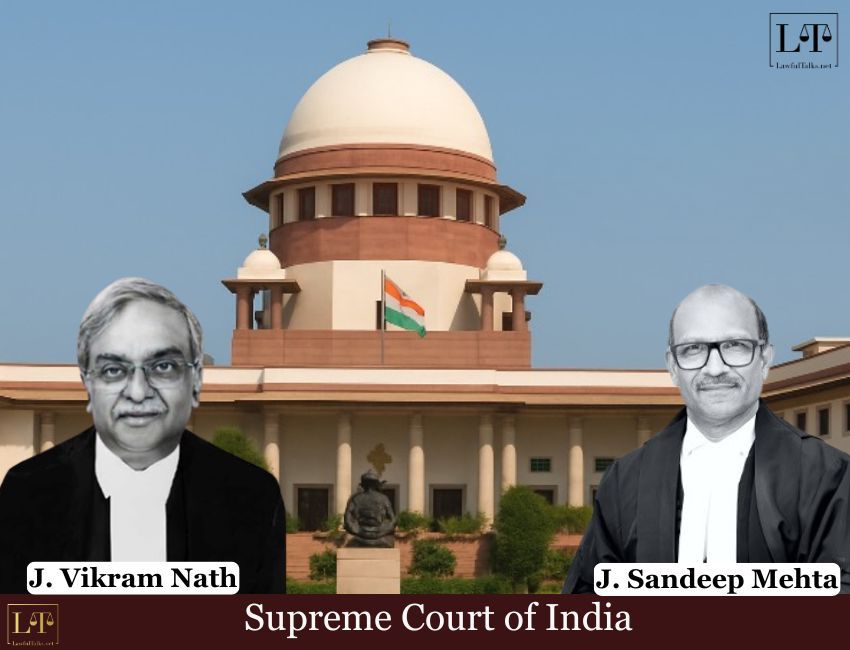
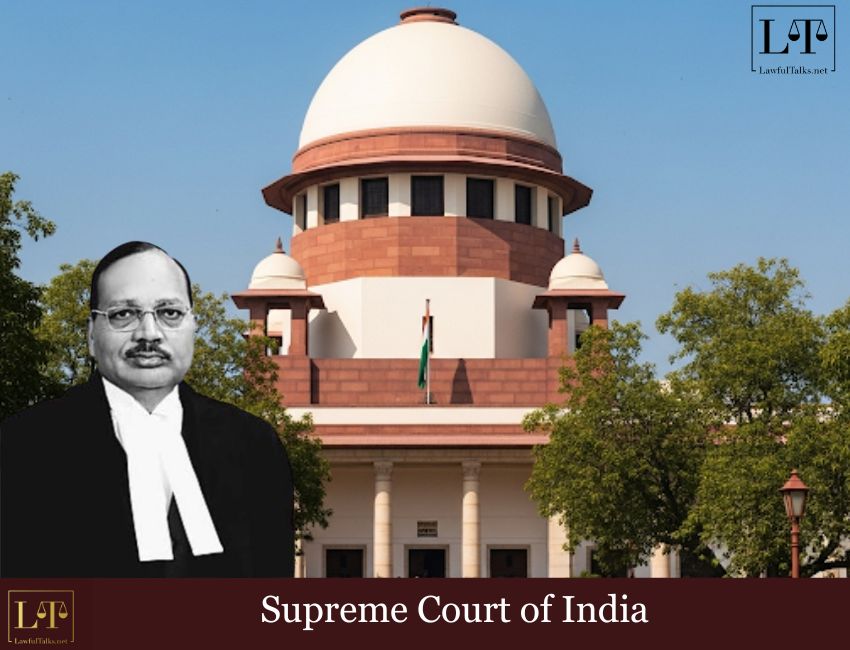
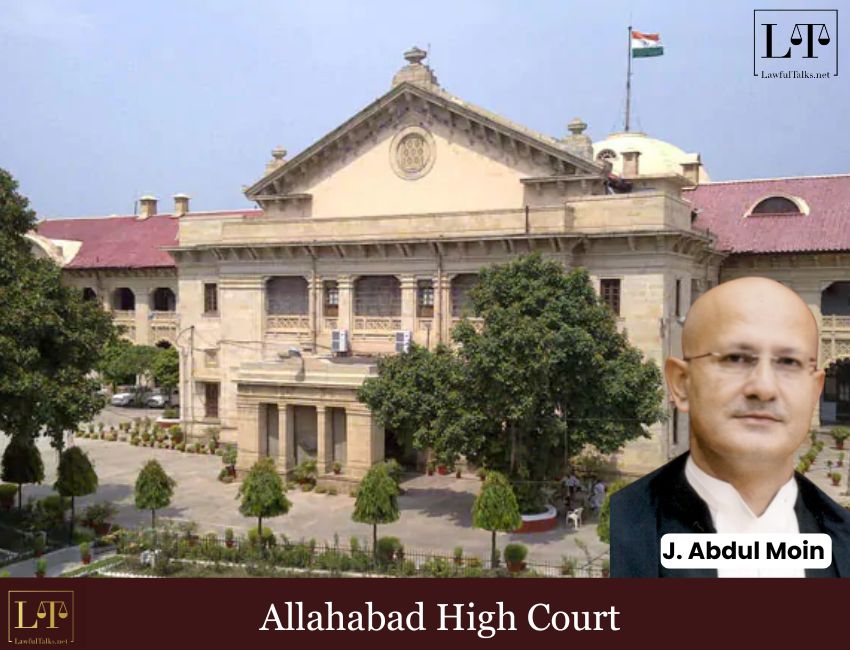
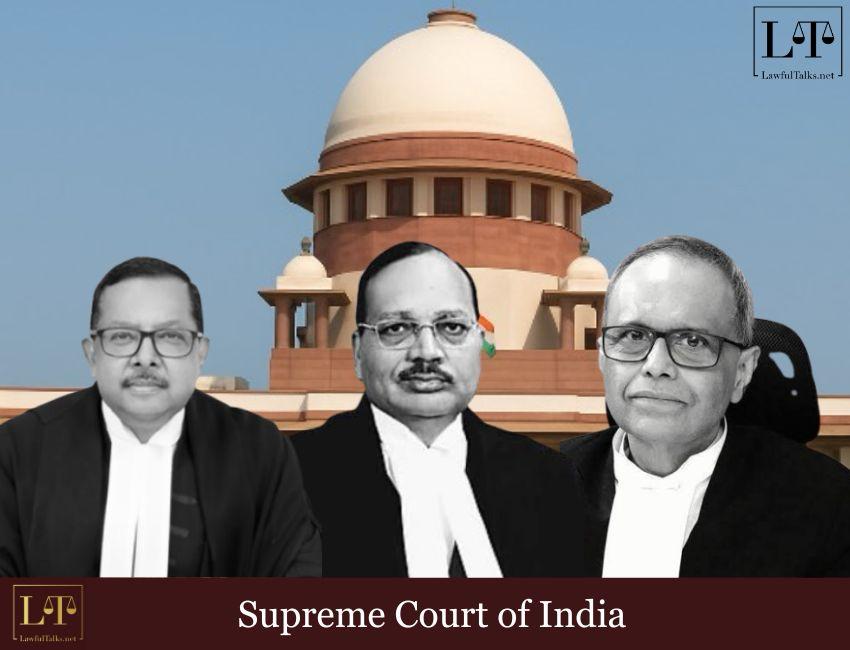
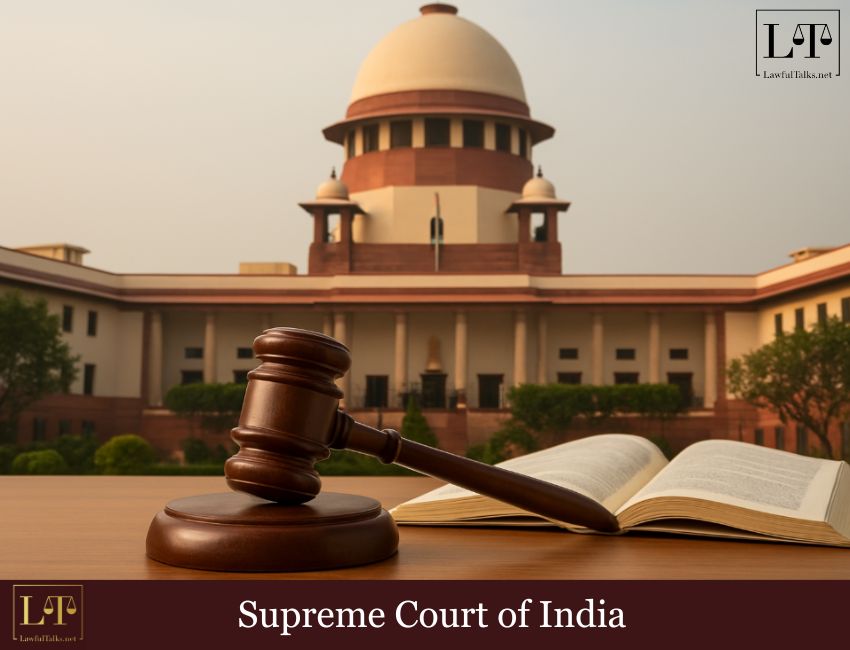
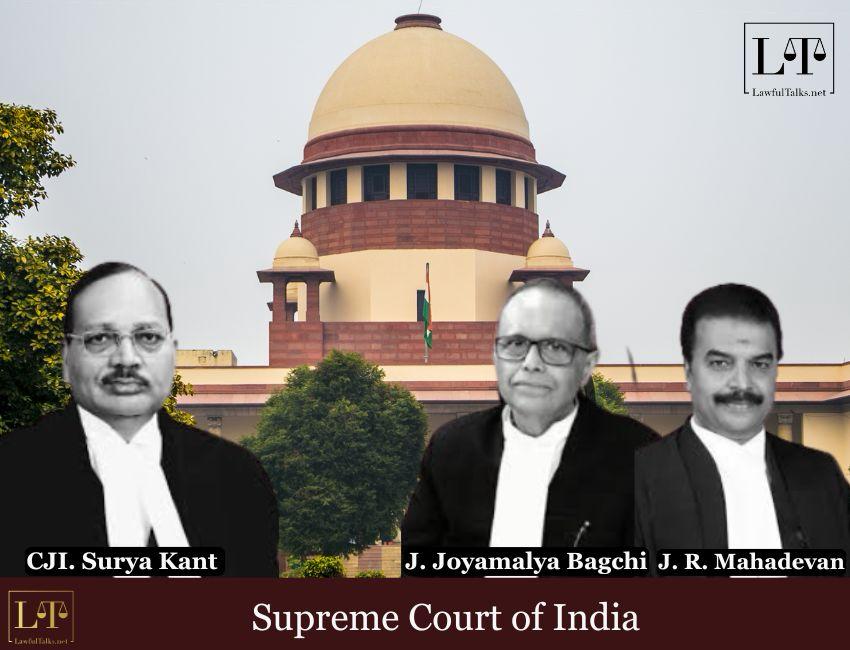
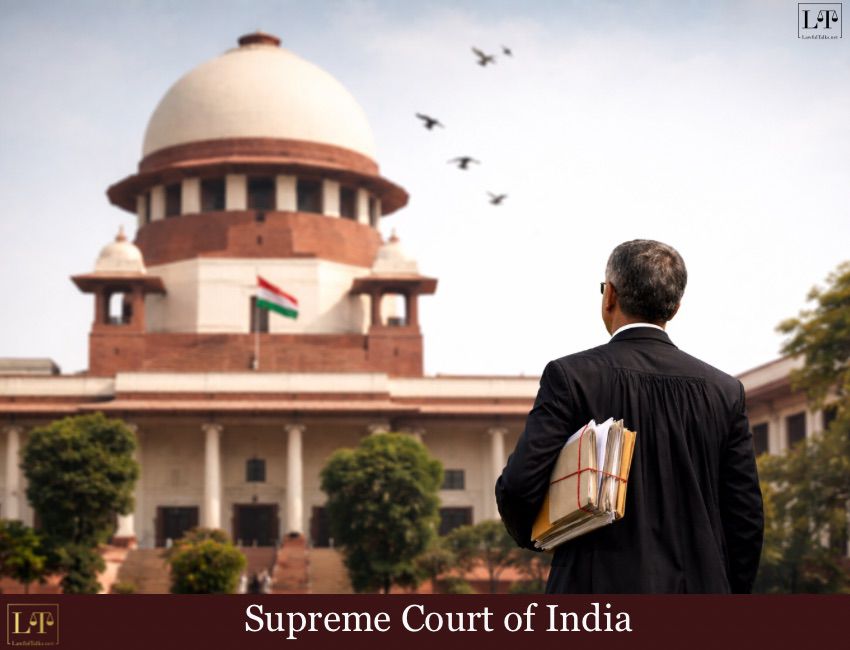
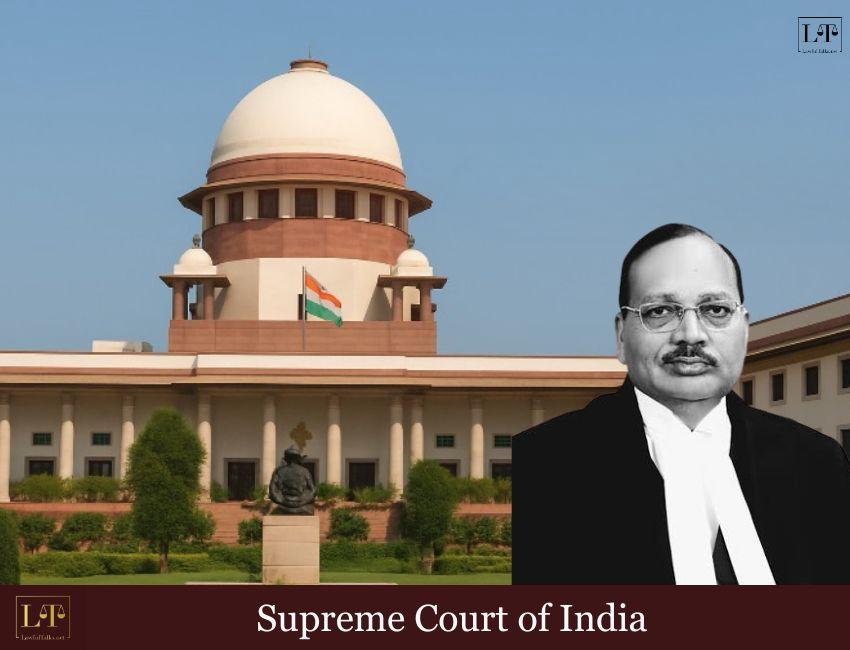
The Supreme Court has invoked Article 139A of the constitution of India, which allows the transfer of certain cases, and has moved three criminal revision petitions pending before the Allahabad High Court to itself. The High Court had reserved its judgment in these cases but had not delivered the orders.
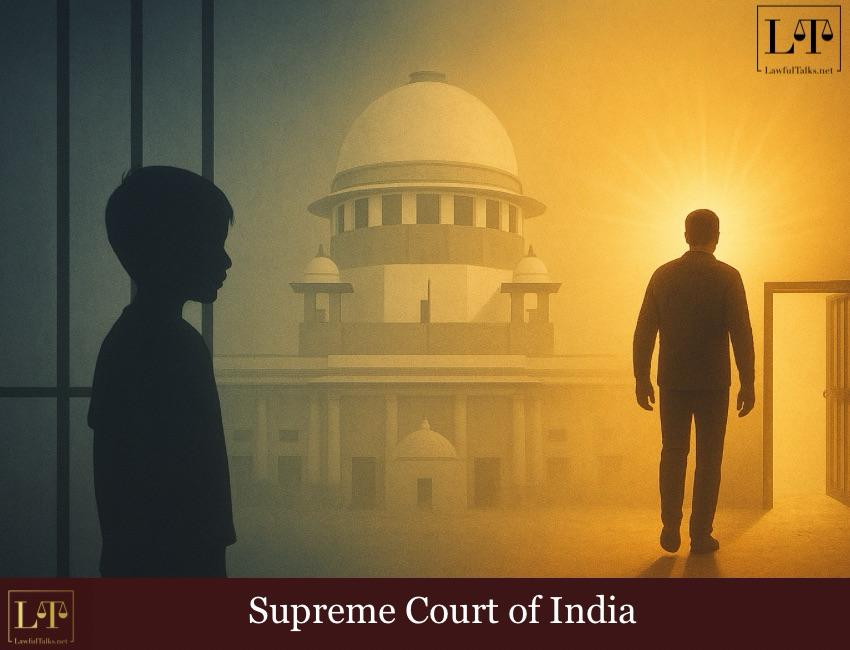
Because these criminal revision petitions were pending in the High Court, the trial in a murder case was stalled.
Why the Supreme Court Used Article 139A:
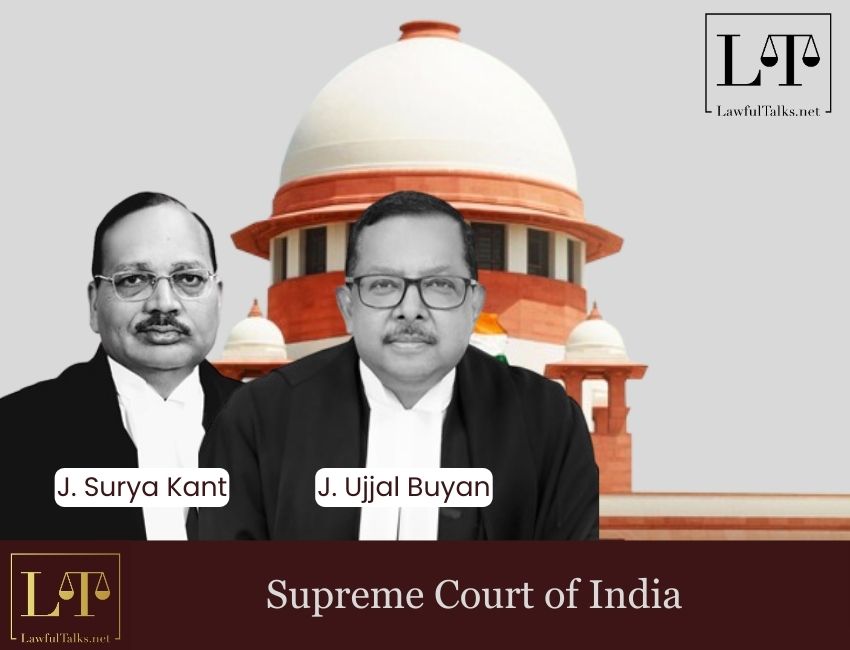
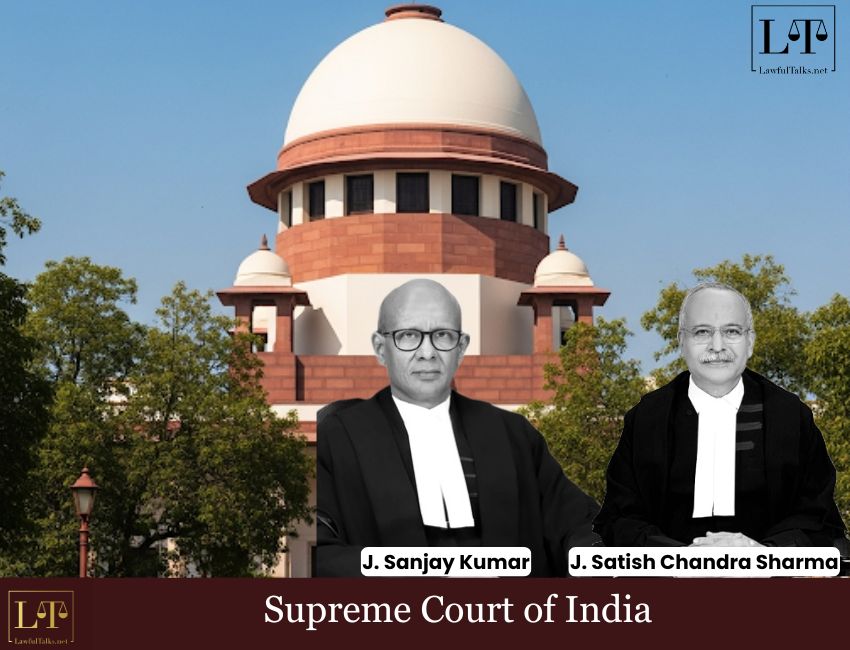
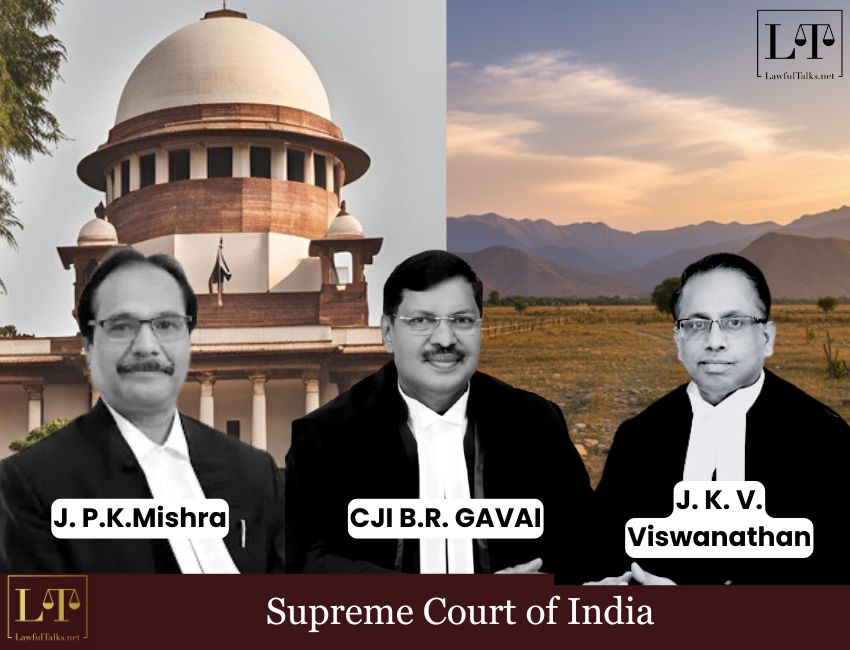
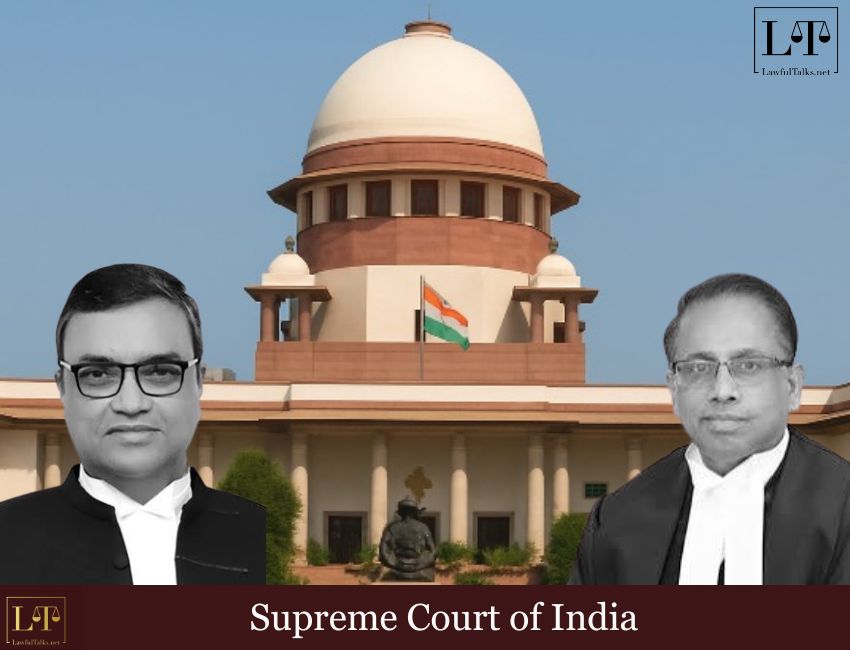
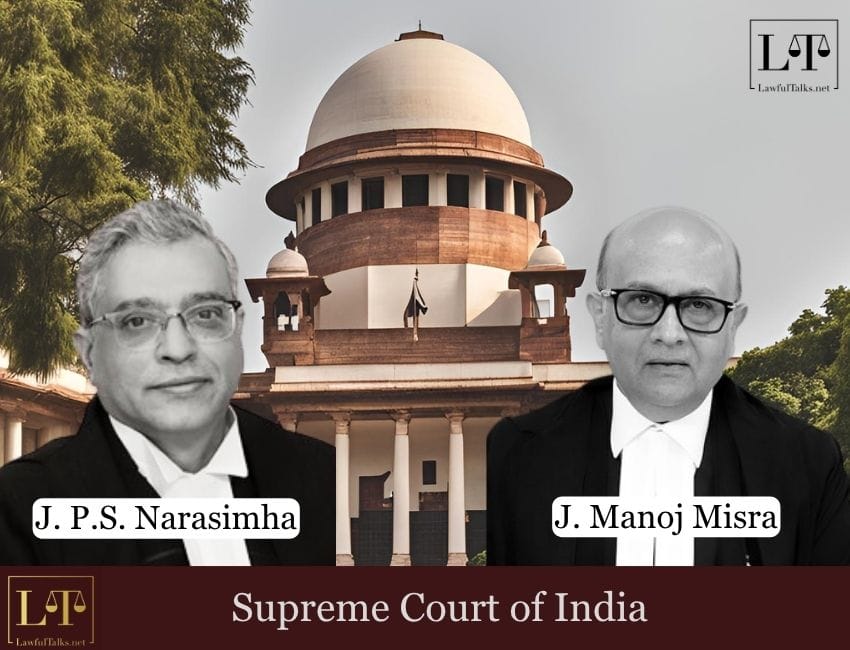
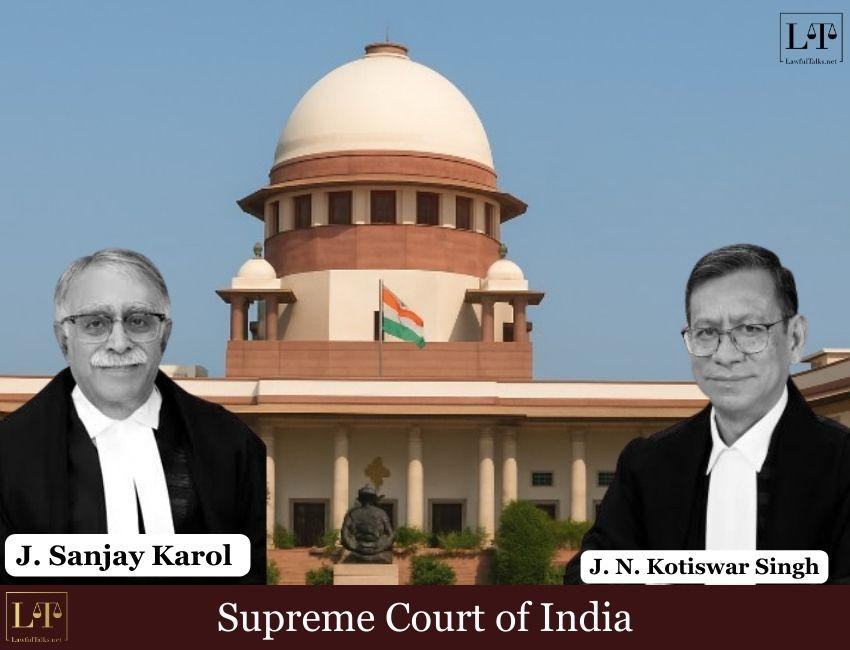
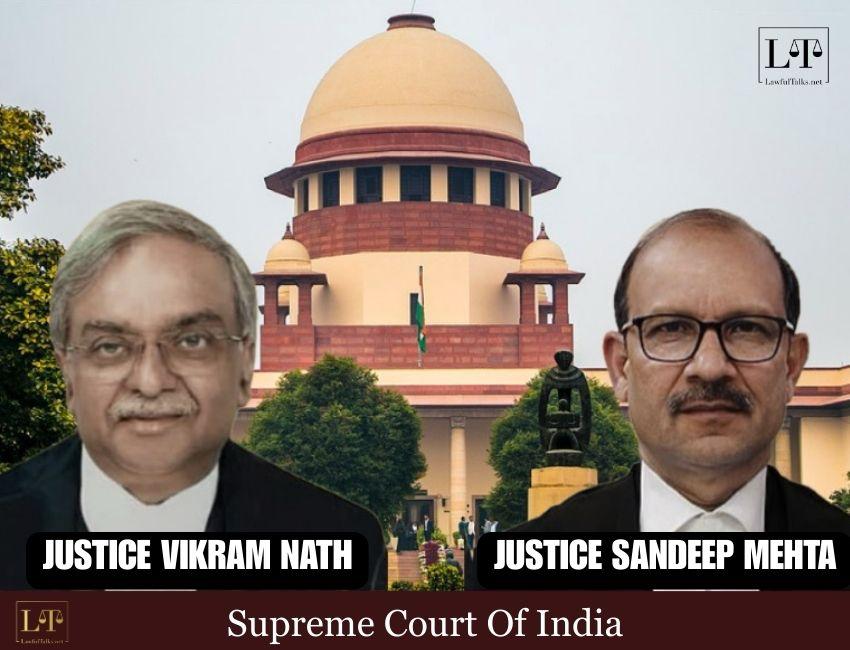
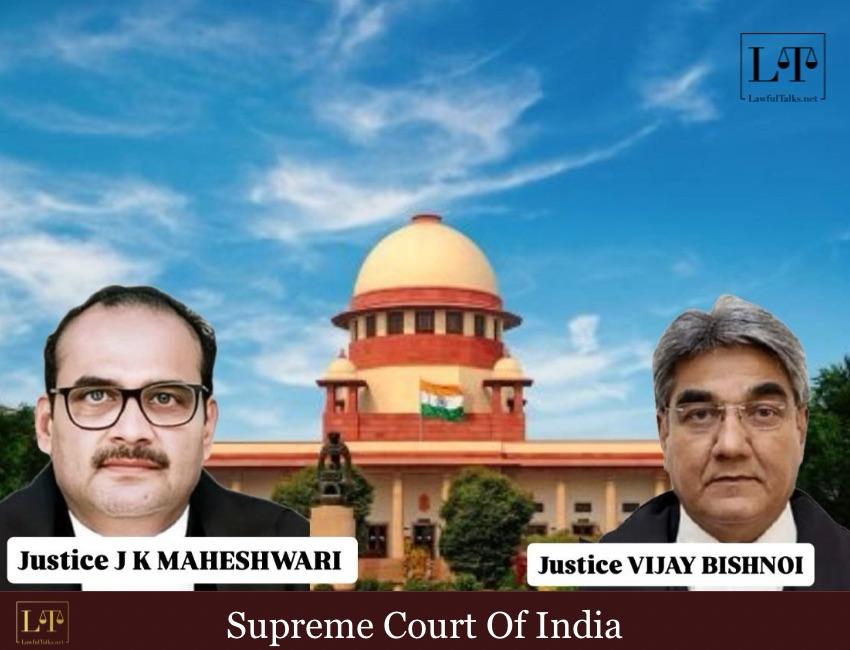
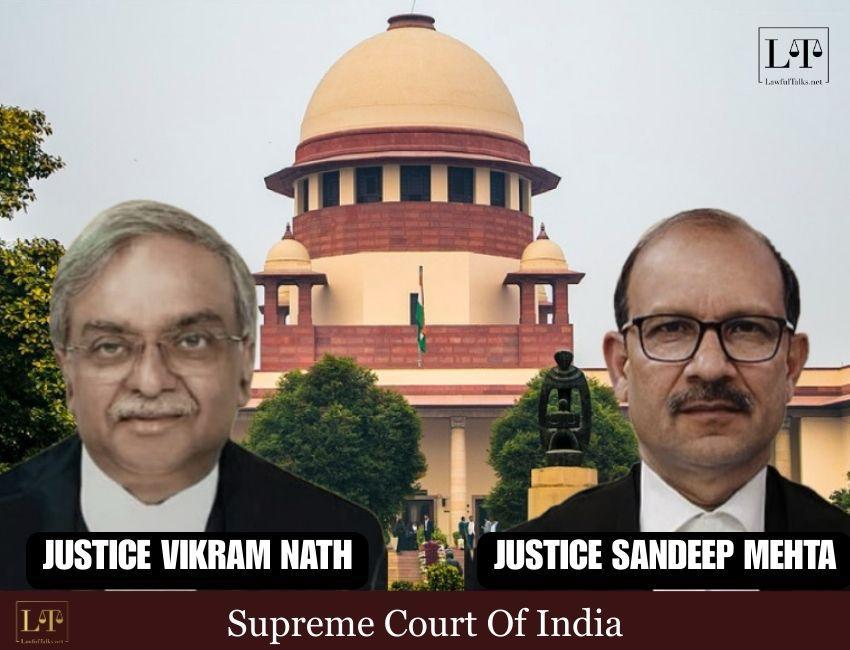
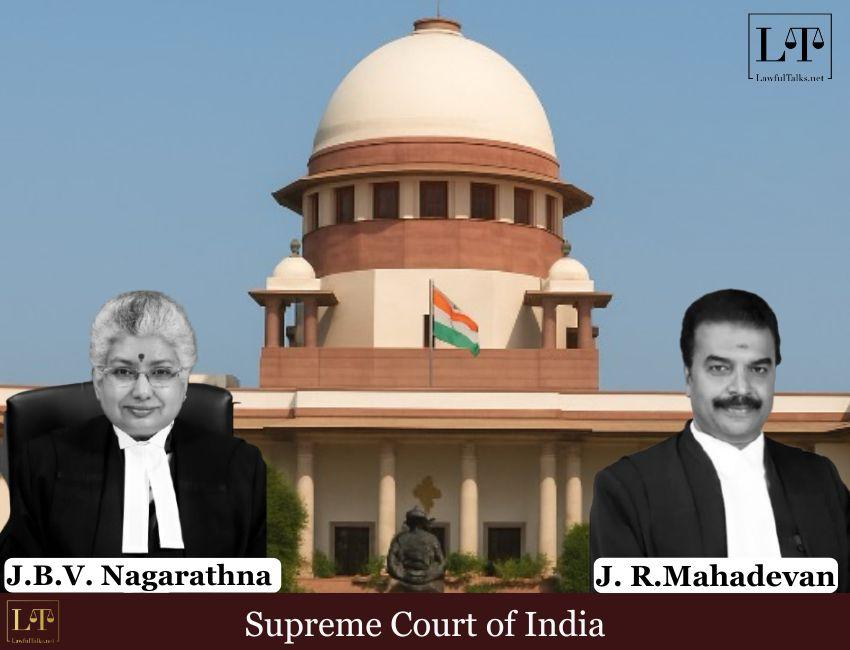
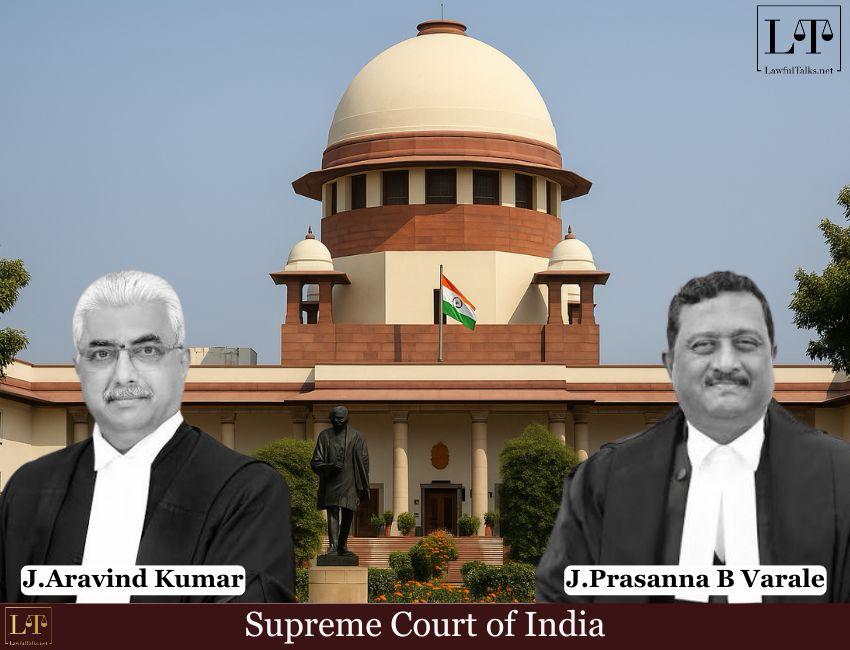
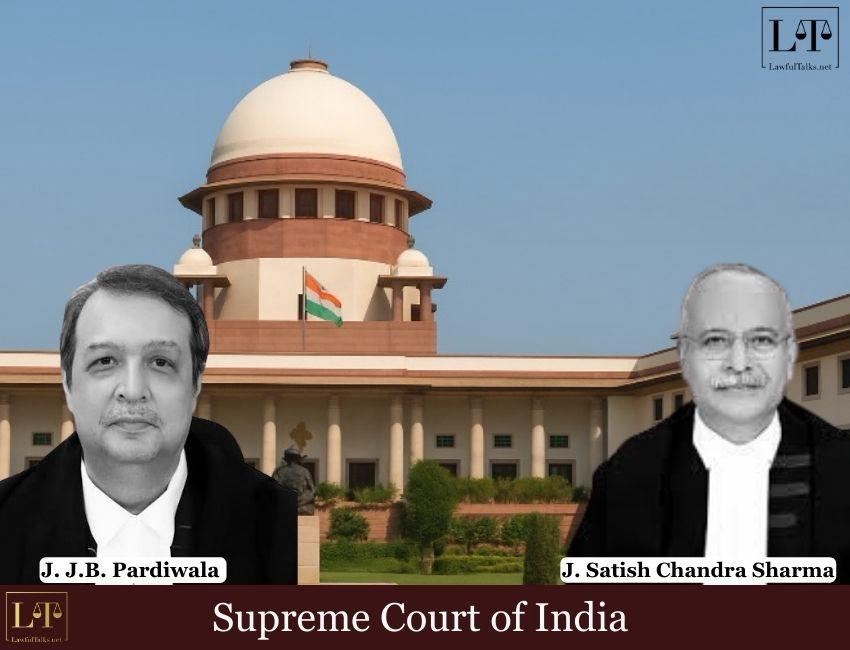
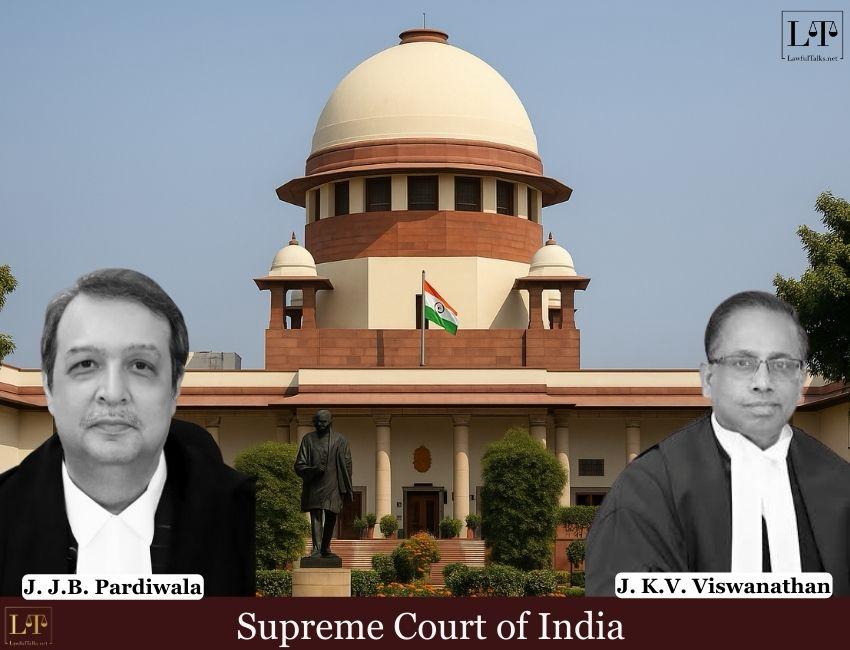
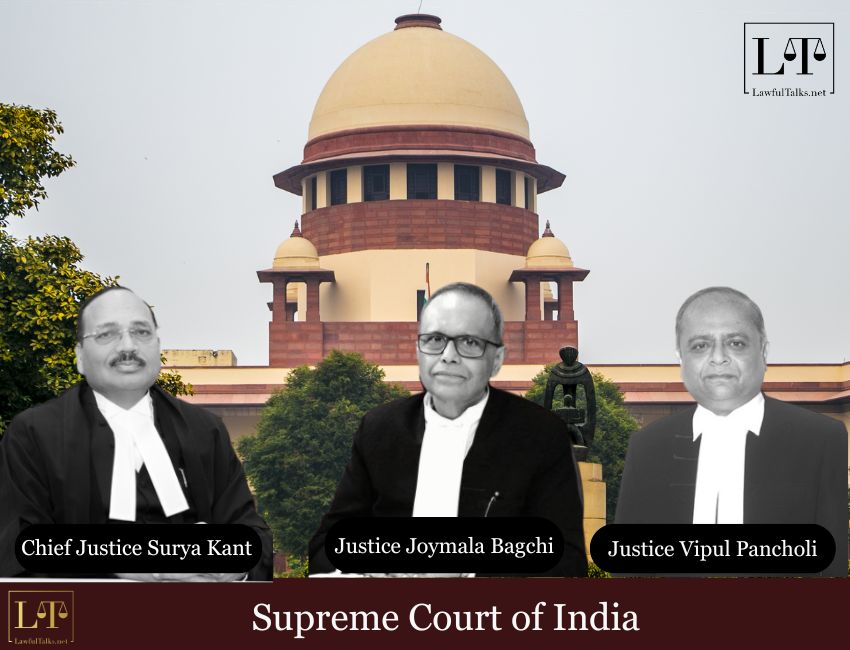
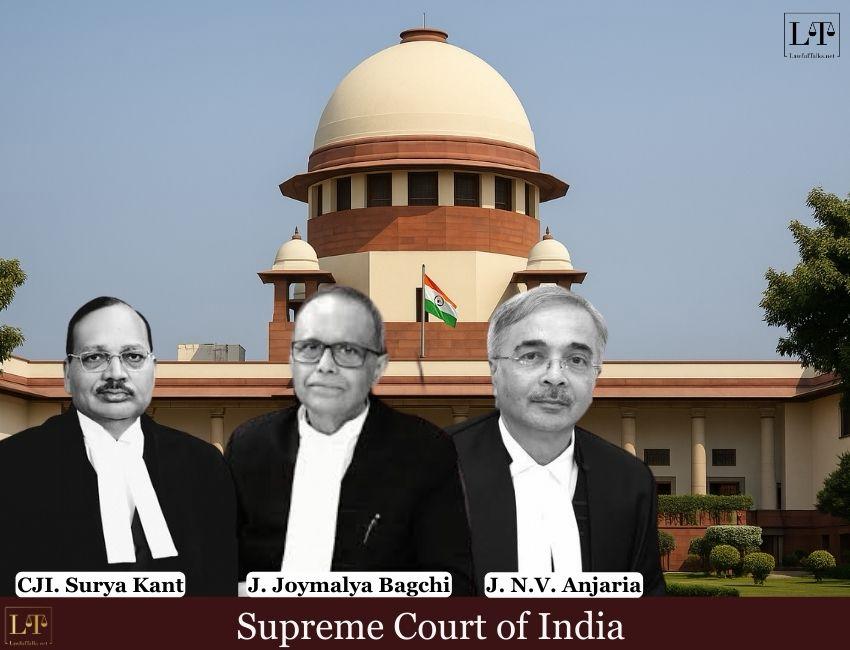
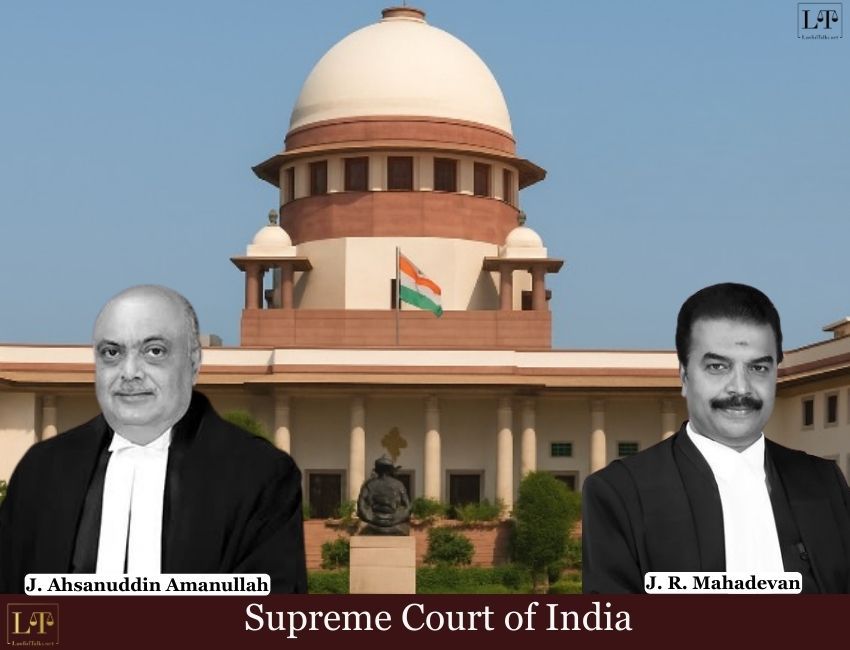
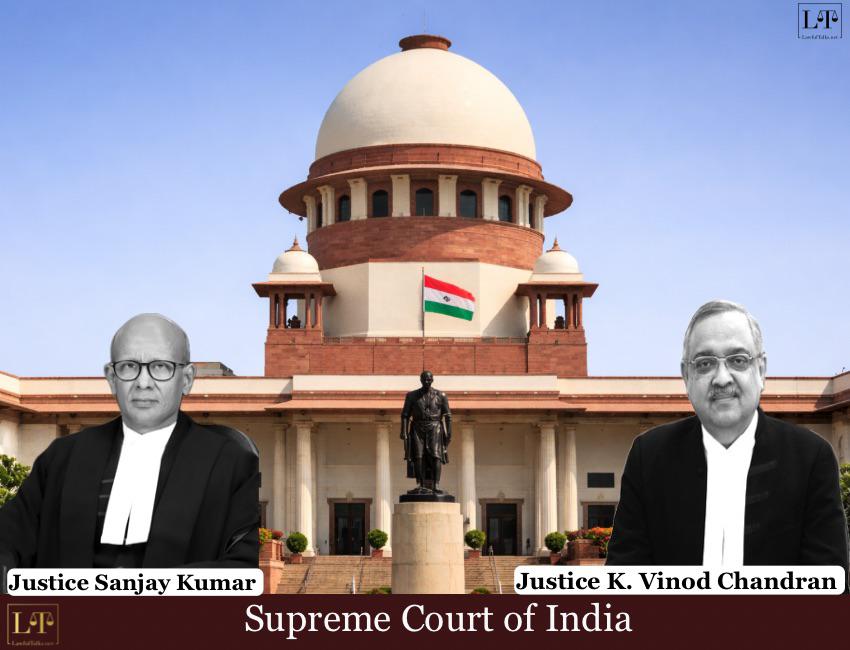
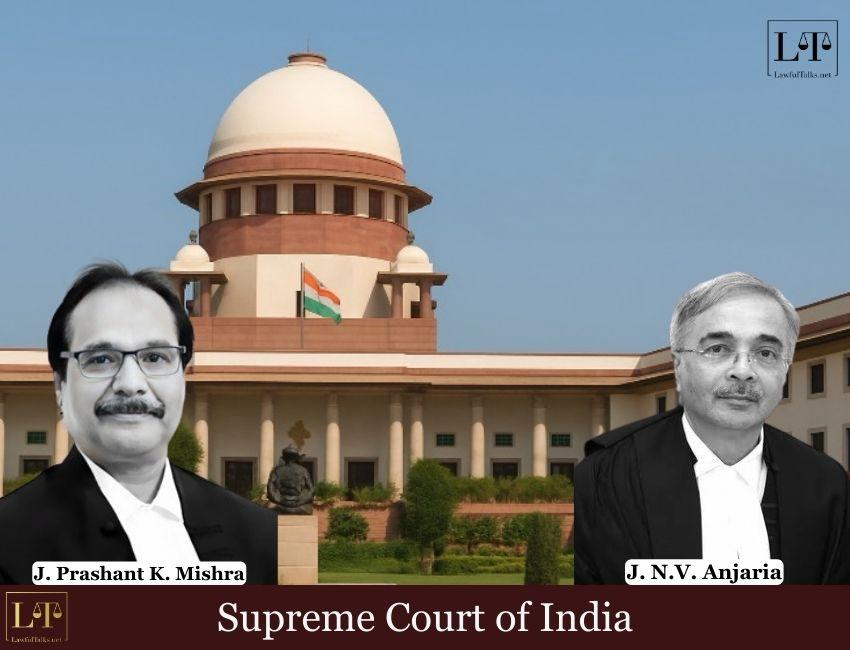
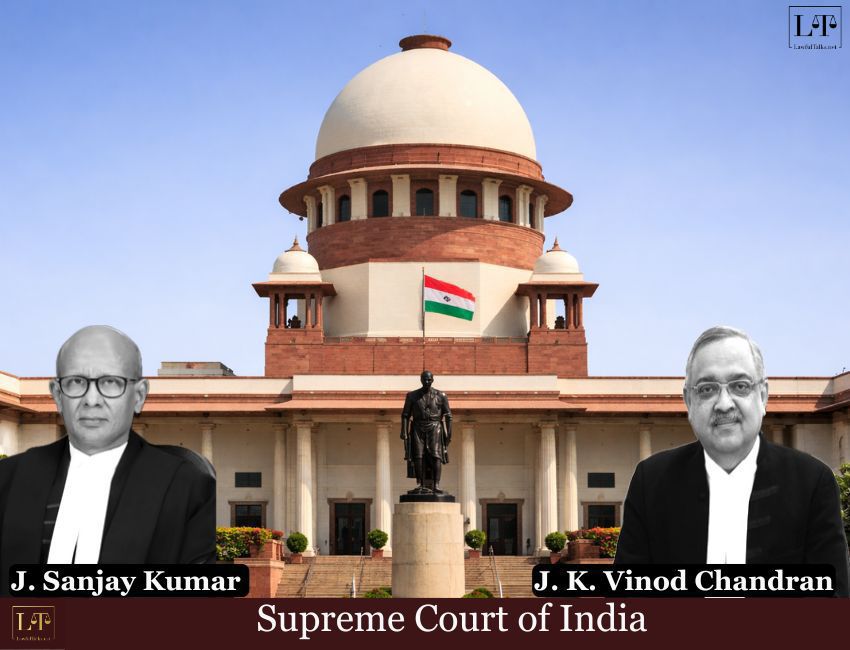
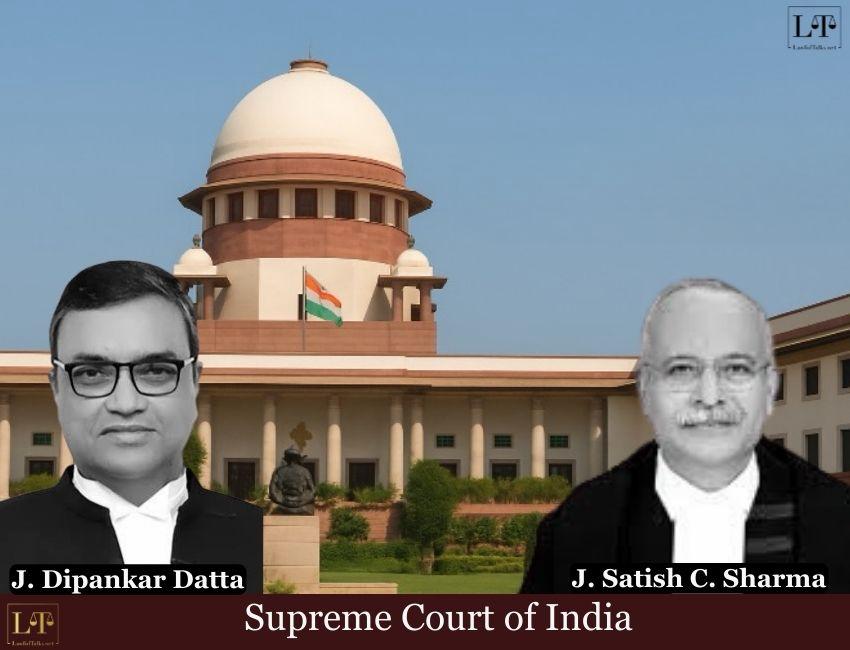
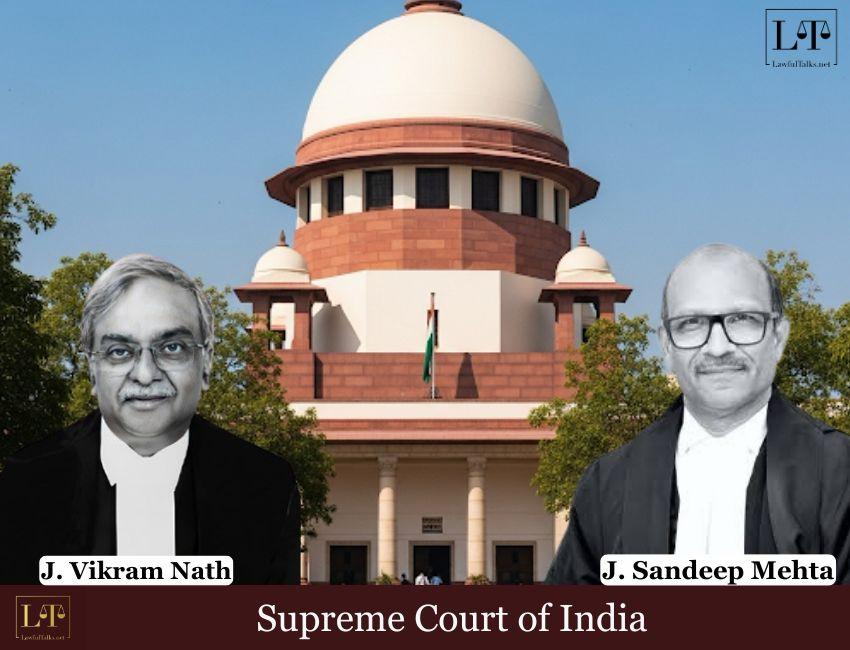
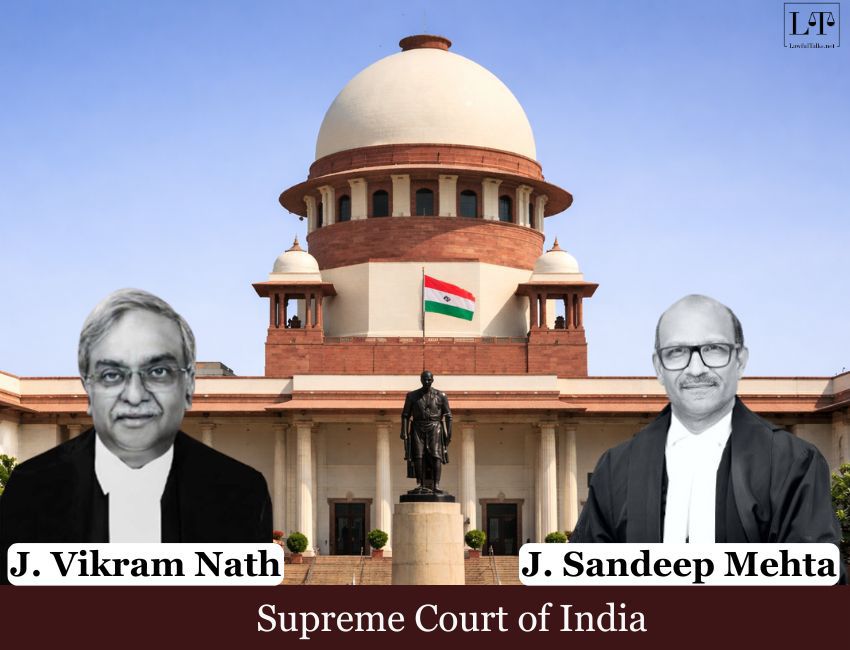
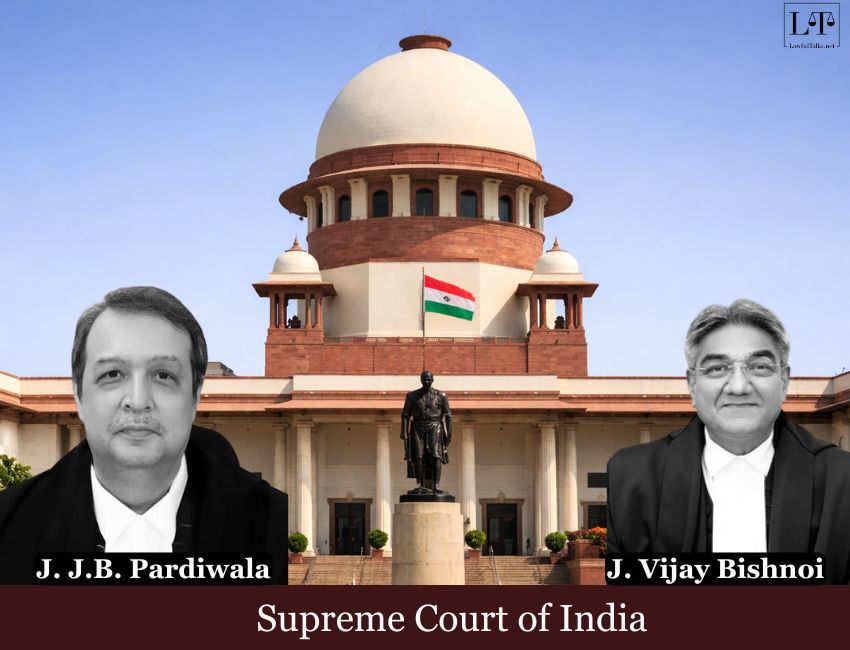
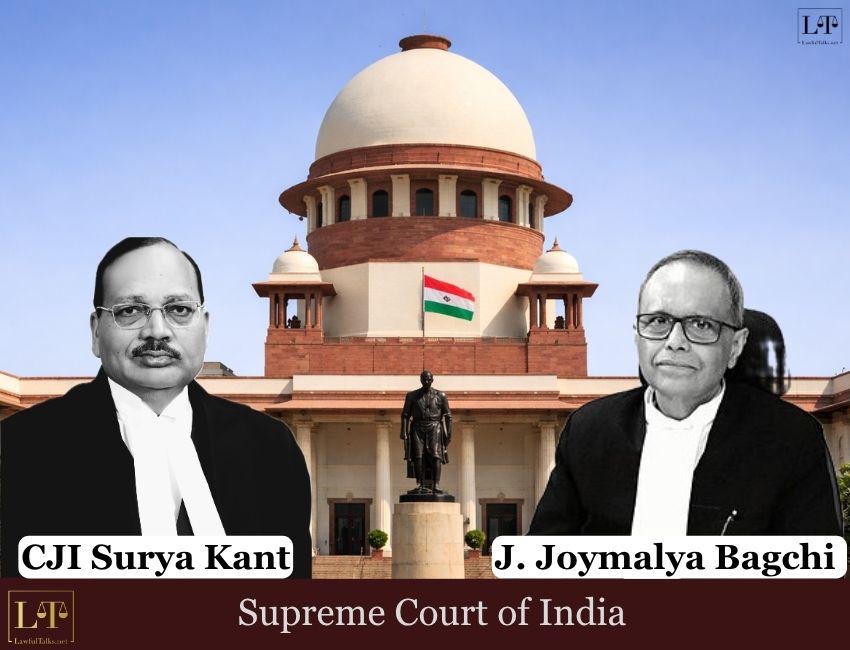
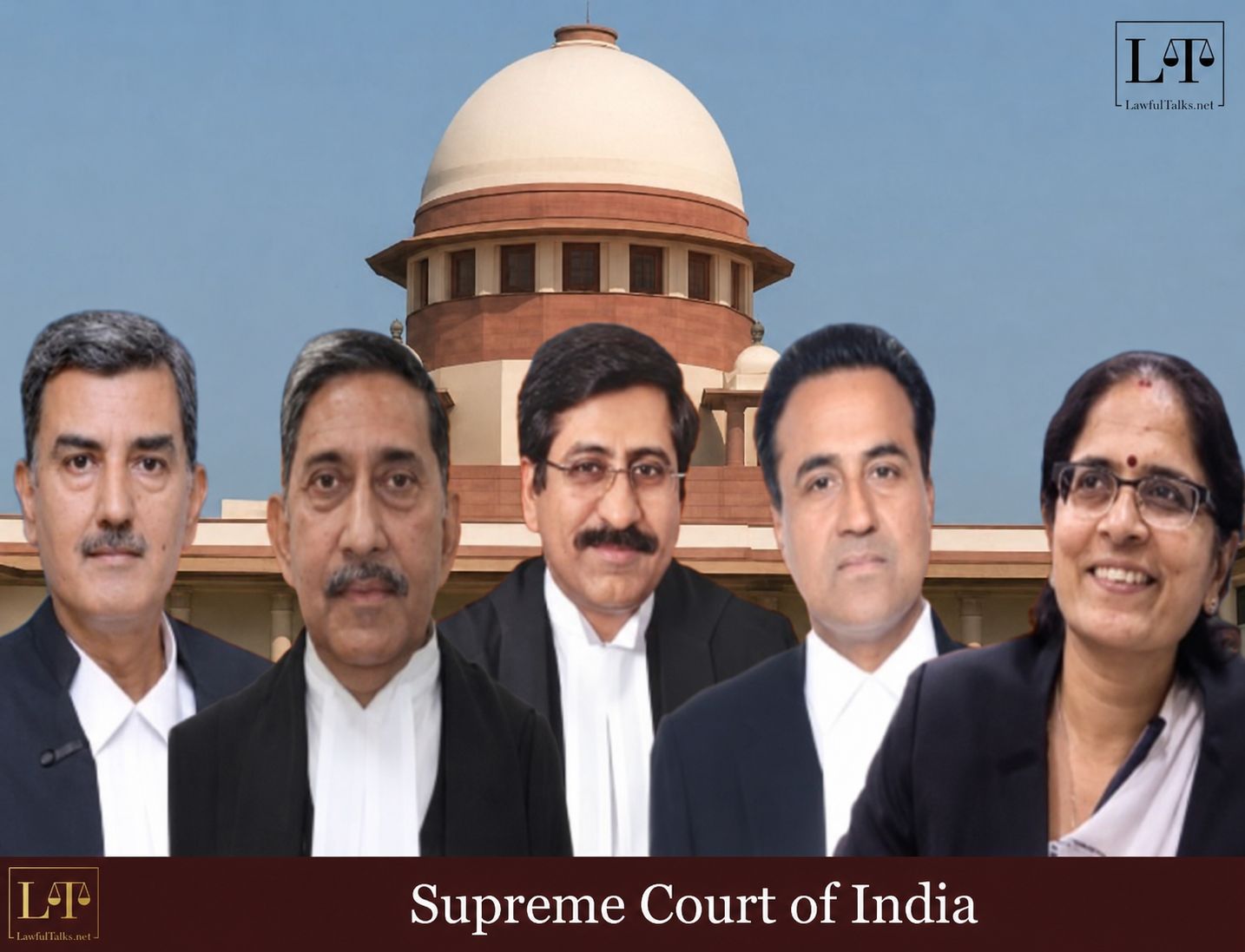
A division bench of Justice Vikram Nath and Justice Sandeep Mehta observed that courts normally do not use their extraordinary powers under Article 139A while hearing petitions filed under Article 32. However, the bench said that in this case the pending petitions in the High Court directly affected the petitioner’s right to speedy justice, because the criminal trial had come to a complete standstill.
The bench observed, "In the present proceedings, the record discloses that the continuance of Criminal Revision No. 1678 of 2012, Criminal Revision No. 1874 of 2012 and Criminal Revision No. 1900 of 2012 before the High Court has had a direct and continuing bearing on the petitioner's assertion of denial of speedy justice. The revisions were heard and judgment was reserved on 05.02.2020. No judgment has been pronounced thereafter and the proceedings have remained in a state of repeated listing and adjournment. Moreover, the case status of these matters reflected that the matters were last listed on 04.02.2026 and were again adjourned. The subsisting stay has, as pleaded, prevented the Trial Court from proceeding, with the result that criminal proceedings arising out of an incident of 30.05.1994 have remained stalled for decades."
While invoking Article 139A, the bench noted that the issues raised in the present petition are not limited to the private interest of the parties. It said the case raises serious questions about how long delays in trials can cause serious and irreversible harm.
The court observed:
"They implicate the effective enforcement of binding directions of this Court, the constitutional requirement of timely adjudication after a matter is heard and judgment is reserved, and the credibility of criminal process in serious offences where long delay itself produces irreversible prejudice. These are questions of substantial and general importance. Article 139A(1) of the Constitution therefore furnishes the constitutional mechanism by which this Court may withdraw the connected criminal revision petitions to itself and decide them, so that the adjudicatory process is not rendered illusory by prolonged pendency and that the mandate of the judgment dated 15.07.2024 is carried to its logical conclusion in an effective and time bound manner."
The bench issued a notice and directed that the pending criminal revision applications be withdrawn from the High Court and tagged with the present Writ Petitions for disposal.
Victim’s Legal Heir Approaches Supreme Court:
The Writ Petition under Article 32 was filed by the legal heir of the victim, seeking relief under Articles 14 and 21 in connection with three criminal revision petitions. The Allahabad High Court had reserved its judgment in these petitions on 5th February, 2020 but no judgment has been delivered yet.
Background of the 1995 Murder Case:
The First Information report(FIR) was registered in 1995 under Sections 147, 148, 149, 302 and 307 of the Indian Penal Code, 1860 against 9 Accused persons . The case against another accused who was absconding at that time came to be registered in 2004.
In 2008, the Government of Uttar Pradesh proposed withdrawing the charges against the accused, Chhotey Singh.
Later, in 2012, the government filed an application under Section 321 of the Code of Criminal Procedure seeking withdrawal of the prosecution. The application was later amended, and the government then sought to withdraw the case against all the accused persons.
By an order dated May 19th, 2012, the trial Court allowed the withdrawal of prosecution against Chotey Singh, but rejected the request to withdraw the case against the other accused persons.
High Court Stay on Trial Proceedings:
The Allahabad High Court later heard the criminal revision petition. It reserved its judgment on 5th February, 2020 and passed an order staying the trial proceedings, which has continued since then.
The High Court had upheld the trial court’s order allowing withdrawal of charges against Chhotey Singh. This order came to be challenged by the victim’s legal heir in the Supreme Court. The Supreme Court set aside the High Court’s order and directed the High Court to reconsider the matter.
Efforts Made to Get the Case Listed:
A supplementary affidavit was filed before the Allahabad High Court, placing the judgment dated 15 July on record along with several other listing applications. A letter was also sent to the Registrar General of the High Court, requesting that the matter be listed. Subsequently, the matter was listed on 4th February, but it was adjourned again.
The Supreme Court observed that courts generally should not entertain petitions under Article 32 that seek directions about listing, hearing, or disposal of cases. However, it said that when there is a serious violation of fundamental rights and no effective remedy is available, the Court can use Article 139A of the Constitution of India to transfer the case to itself.
Supreme Court Explains Scope of Article 139A:
The bench further explained the circumstances in which Article 139A can be invoked. It said:
"Article 139A(1) of the Constitution is intended to secure coherent and effective adjudication where the same or substantially the same questions of law arise in proceedings pending before this Court and before one or more High Courts. The provision enables this Court to withdraw the case or cases pending before the High Court and to dispose of all such cases itself when the questions of law are substantial and of general importance. The object is to ensure that a matter which raises questions of systemic significance is not left to travel through multiple layers in a fragmented manner, and that the determination of such questions is rendered with uniform authority."
Reference to the 15 July Supreme Court Order:
While referring to the implementation of the 15 July order of the Supreme Court, the bench noted that the Court had recorded its concern about the delay in the trial proceedings and the effect of repeated adjournments
It also observed that the revision petitions pending before the High Court cannot be decided without considering the legal and constitutional observations made in the 15 July judgment.
Case Details: Jaideep Kumar Srivastava vs State of Uttar Pradesh and ors (Writ Petition (Criminal) No. 56/2026)







































































Sign up for free and be the first to get notified about curated content just for you.