POCSO Case Crumbles: Niece Calls It a ‘Misunderstanding’, Bombay HC Quashes FIR

- March 05, 2026


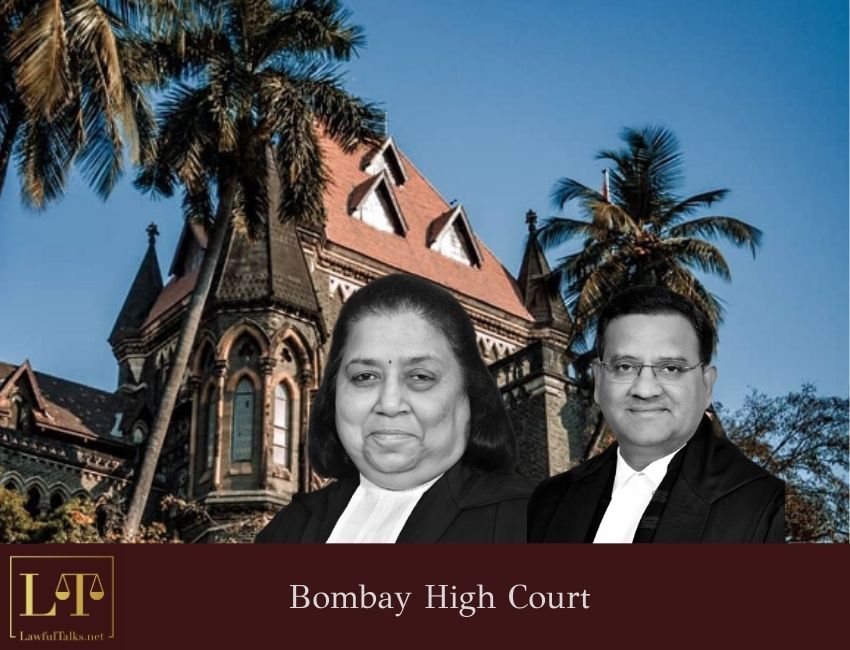
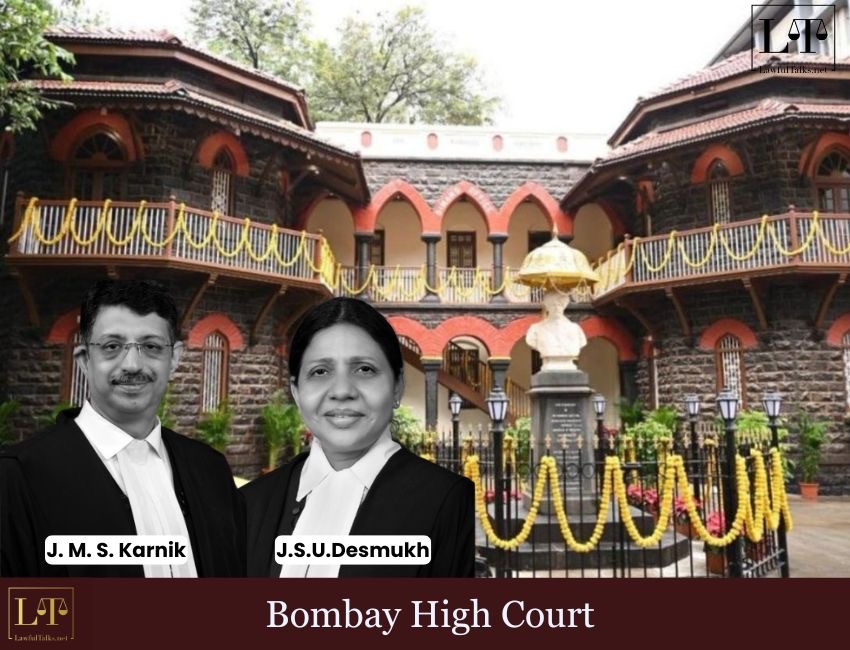
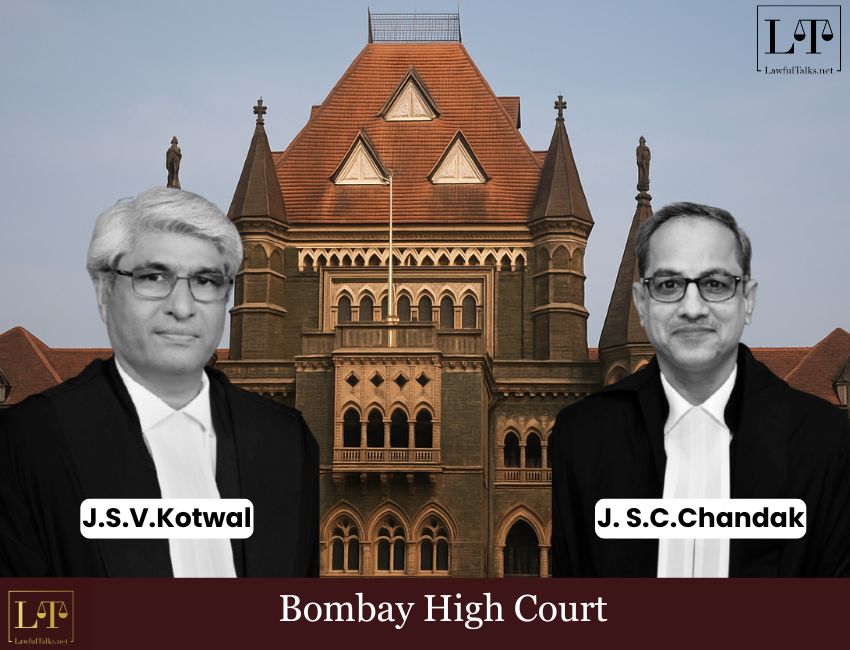
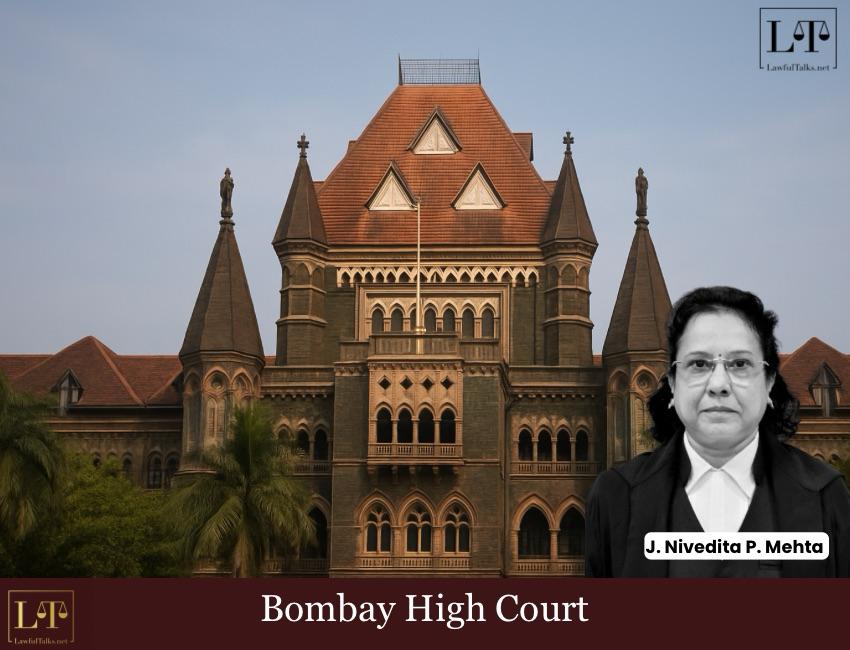
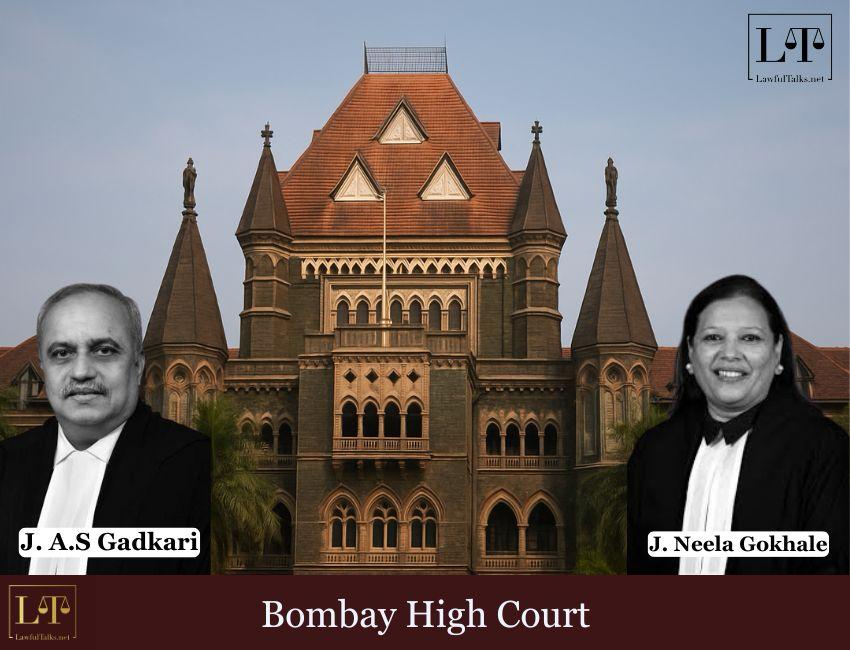
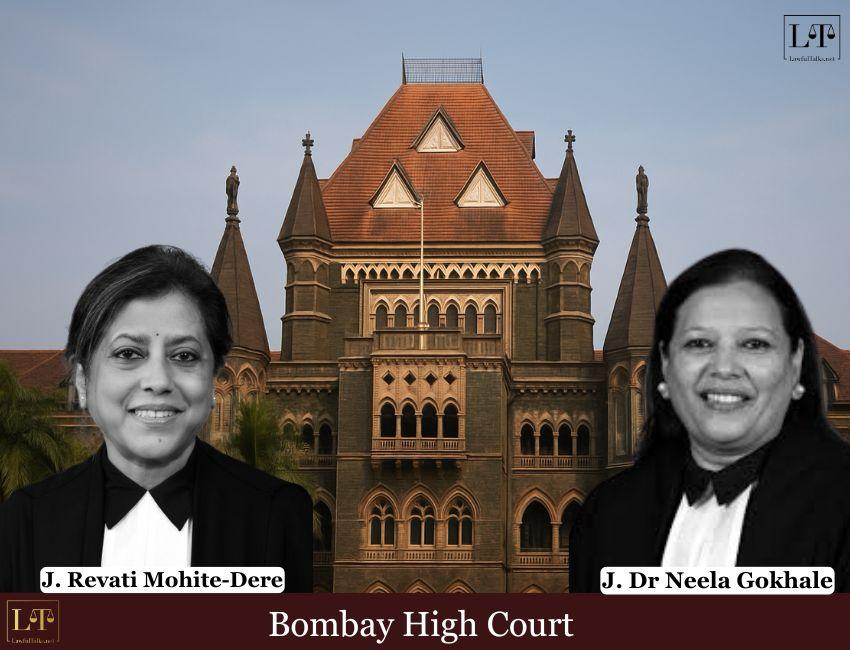
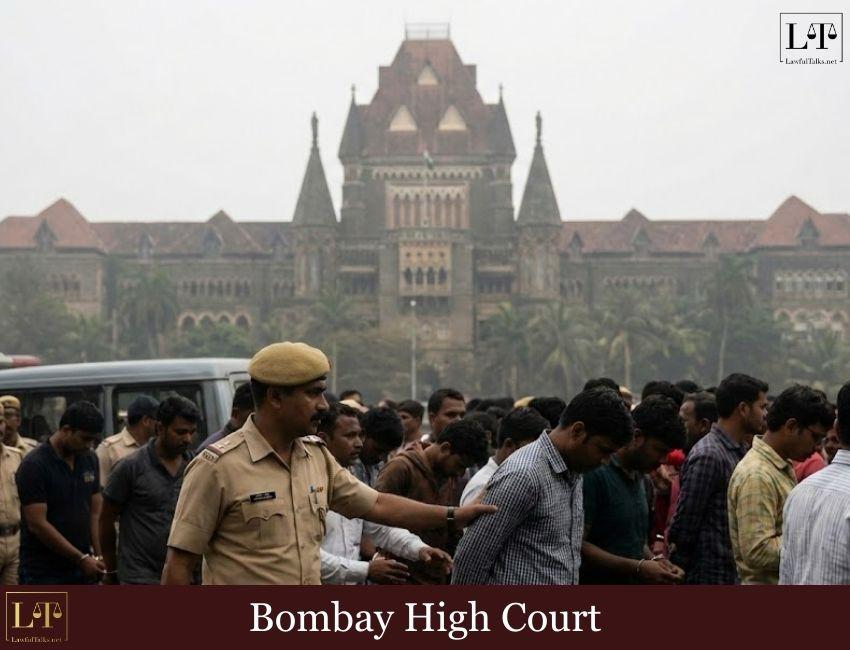
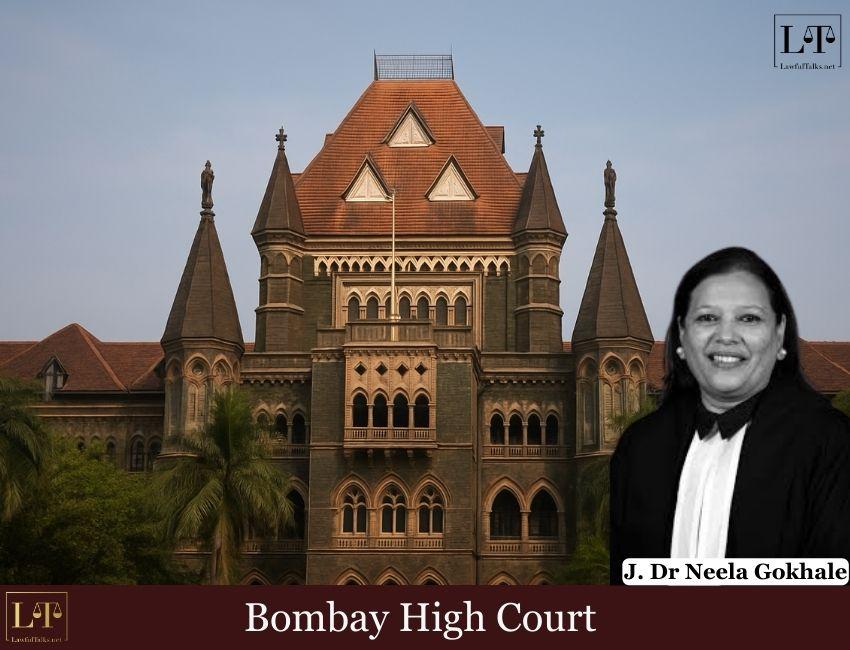
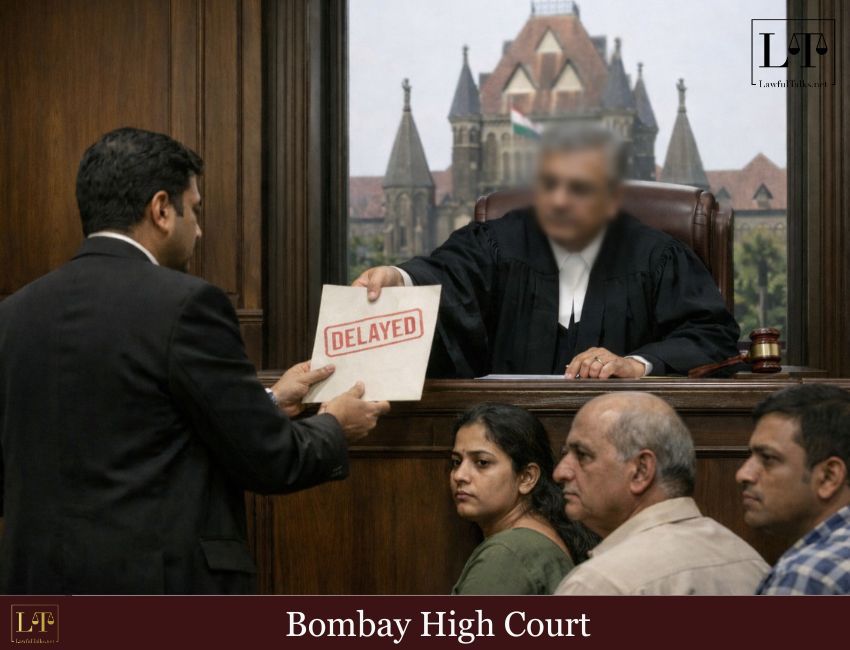
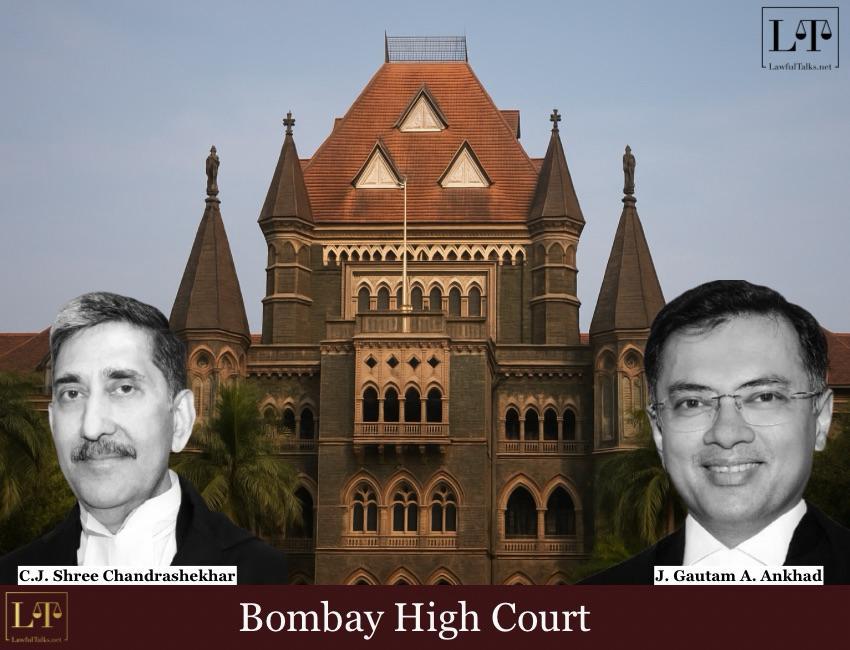
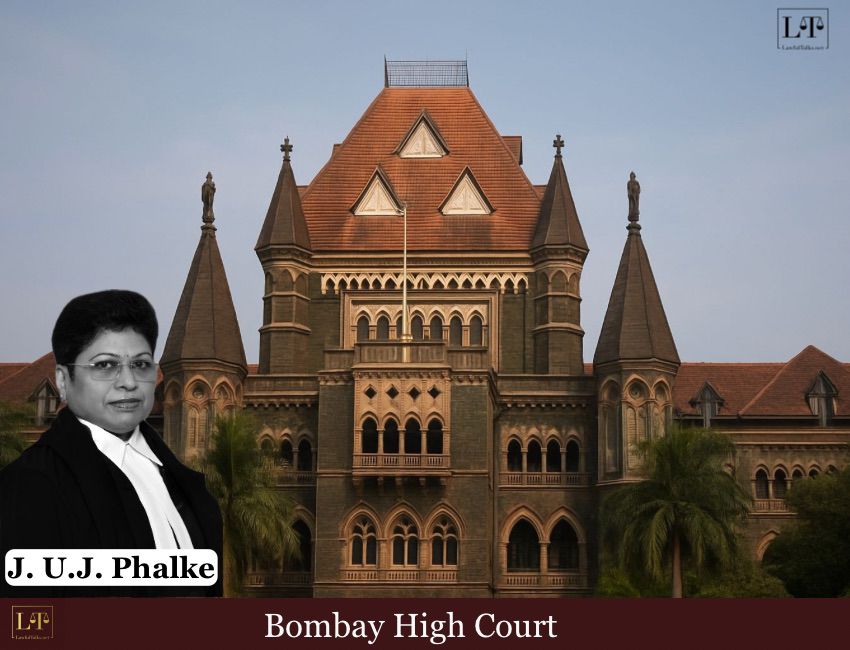
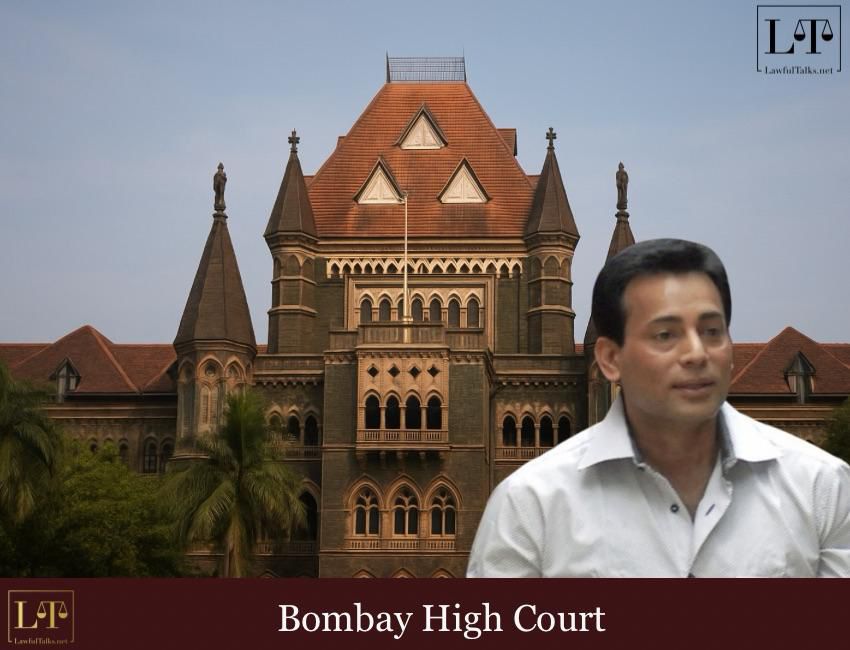
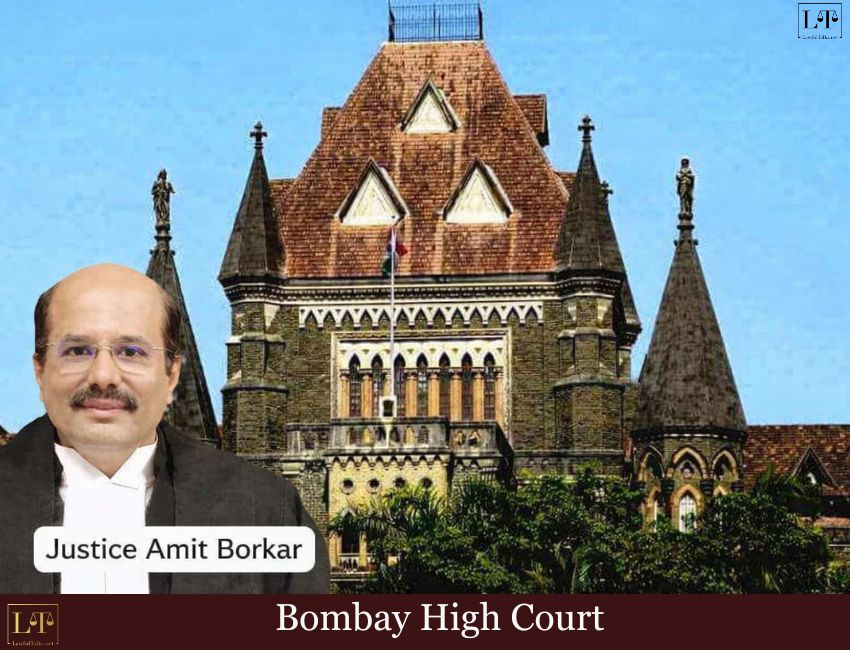
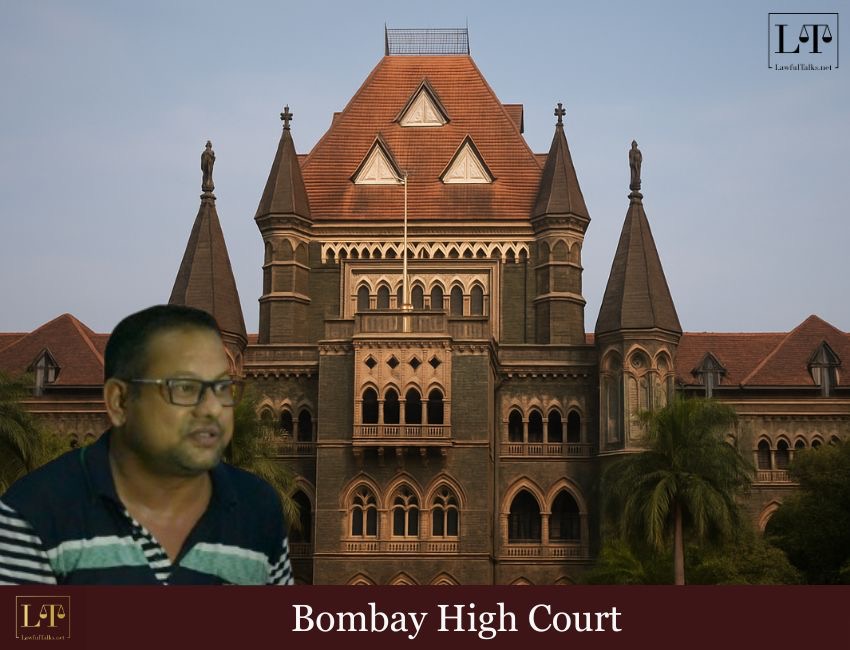
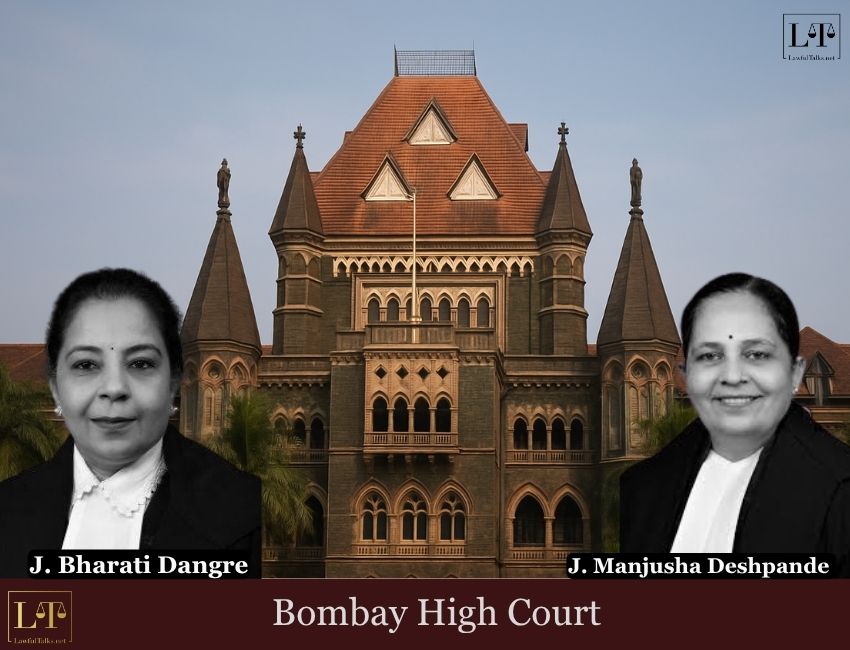
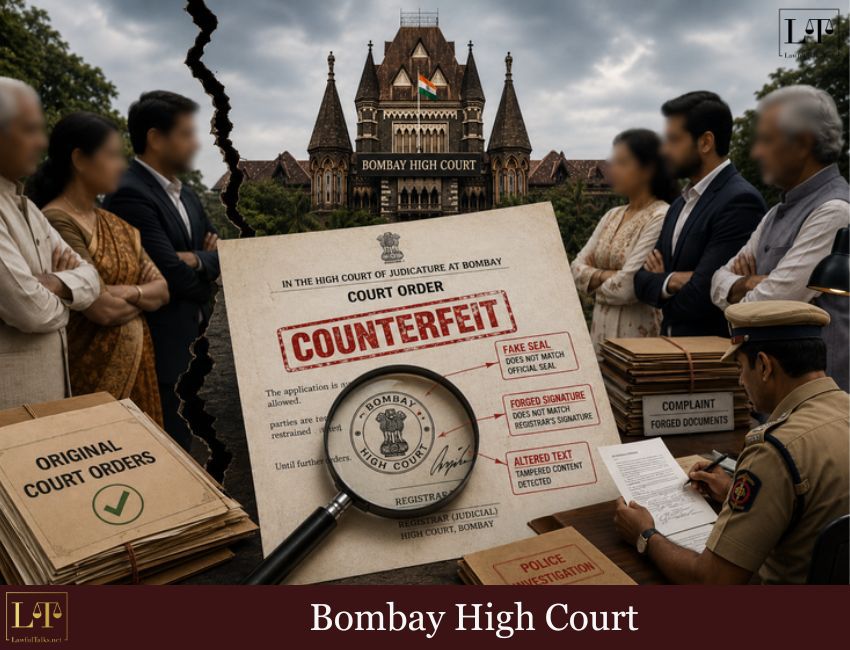
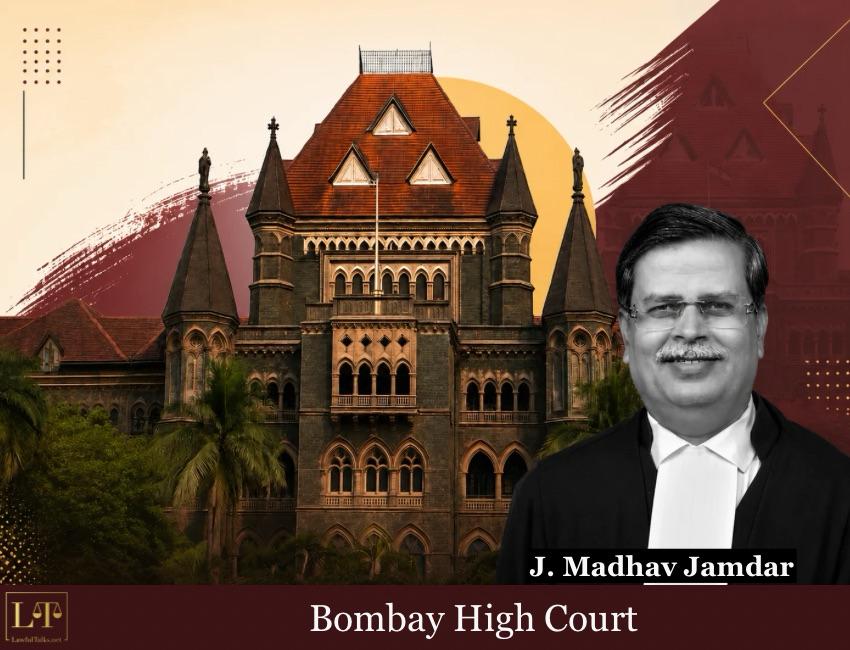
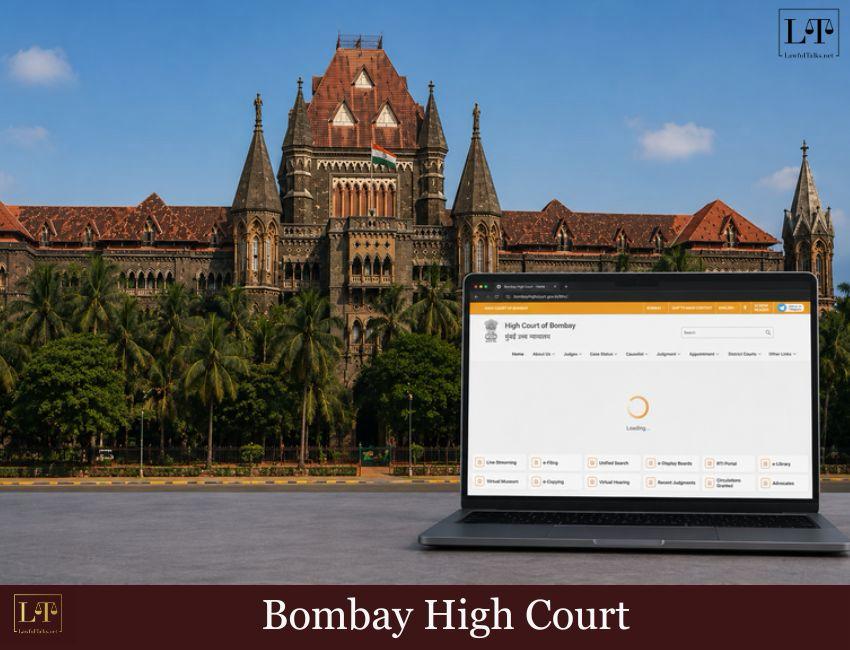
In a significant ruling, Justice Ashwin D. Bhobe of the Bombay High Court, allowed a writ petition seeking to quash criminal proceedings under the Protection of Children from Sexual Offences (POCSO Act), highlighting the importance of family reconciliation in such cases.

Background of the Case:
The case involved Mohan Maruti Jadhav, who is the uncle of the minor victim (Respondent No. 2).The dispute arose from an alleged incident that led to the registration of an FIR at Chaturshrungi Police Station, Pune. The FIR invoked Sections 8 and 12 of POCSO Act, along with Sections 74, 75, and 78 of the Bharatiya Nyaya Sanhita, 2023.
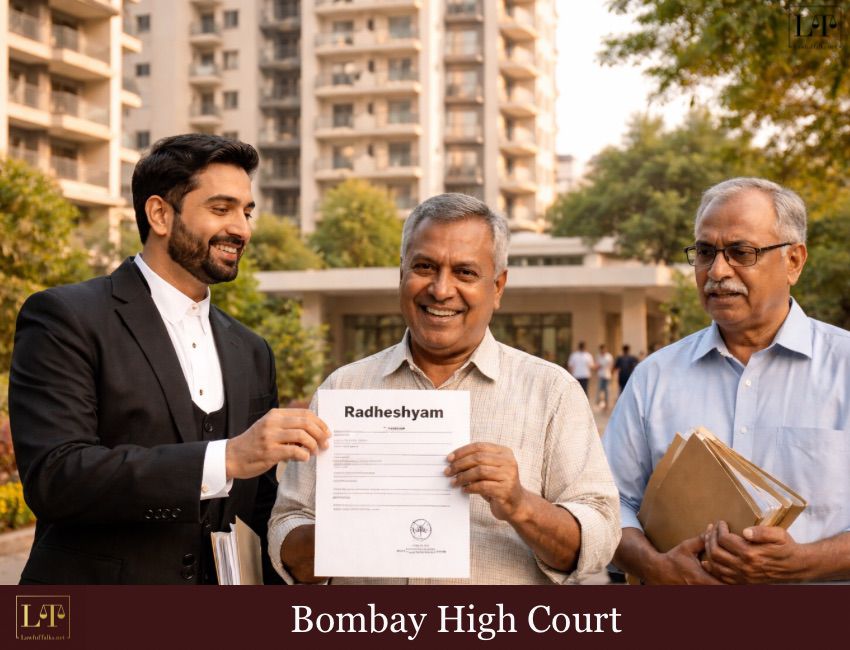
During the hearing, all parties appeared before the court, including the petitioner and the victim along with her parents—father Prakash Shreepati Kamble and her mother. Their counsel explained that the matter was a “misunderstanding between the Petitioner Uncle and Respondent No. 2 Niece.”
The petitioner told the court that he treats the victim as his daughter. The victim’s parents also stated that “the incident, as was alleged in the complaint, was out of a misunderstanding.”
A key factor in resolving the case was the victim’s affidavit dated December 22, 2025 (marked X-2). She confirmed the affidavit voluntarily in court, stating that it was “out of her own free will and without any pressure or coercion,” and that its contents were “as per her say.” She also reiterated her “no-objection to the quashing of the criminal proceedings,” particularly referring to paragraphs 4 to 11 of the affidavit.
The court also took note of her earlier statement recorded under Section 183 of the BNSS before the Judicial Magistrate.
Additional Public Prosecutor Ms. P. N. Dabholkar agreed that “no purpose would be served in continuing with the criminal proceedings.” However, she sought the imposition of costs, which the petitioner’s counsel accepted as “appropriate.”
Supreme Court Precedents Relied Upon:
Justice Bhobe relied on important Supreme Court judgments to justify quashing.
In Gian Singh vs. State of Punjab (2012) 10 SCC 303, the Supreme Court clarified that High Courts can use their powers under Section 482 CrPC to quash even non-compoundable offences when the parties have settled the dispute, if doing so helps secure the ends of justice. The Court also explained that this power is different from compounding allowed under the law under Section 320 CrPC and cannot be used for serious crimes such as murder or rape.
In Narinder Singh vs. State of Punjab (2014) 6 SCC 466, the Supreme court laid down guidelines for quashing non-compoundable offences that arise from private disputes. It held that proceedings can be quashed when continuing the case would serve no public interest, particularly when the parties have reached a genuine compromise.
The Court also referred to Parbatbhai Aahir vs. State of Gujarat (2017) 9 SCC 641, where the Supreme Court summarized the principles for using powers under Section 482 CrPC. It stated that these inherent powers are meant to prevent abuse of the court’s process and can be used when the allegations do not involve a public wrong and when the settlement between the parties is voluntary.
Relying on these judgments, Justice Bhobe held that “there is no impediment in allowing this Petition.”
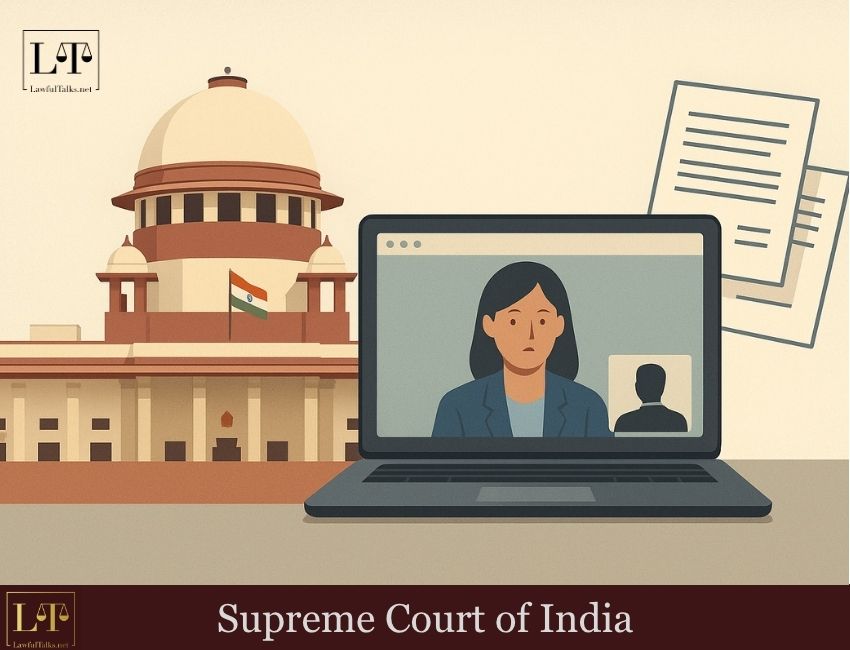
The petition was allowed subject to payment of costs of Rs. 1,50,000. The Court directed that the amount be used to purchase a MacBook laptop for the victim’s studies, and any remaining amount be deposited in the High Court Employees Medical Welfare Fund.
The FIR and the chargesheet were quashed, and the matter was listed for compliance on March 9, 2026.
Case Details: Mohan Maruti Jadhav … Petitioner V/s. The State of Maharashtra & Anr. (Criminal Writ Petition no.135/2026














































































































































































































Sign up for free and be the first to get notified about curated content just for you.