After 13 Years In Vegetative State, SC Allows Family To Let Son Die With Dignity

- March 11, 2026


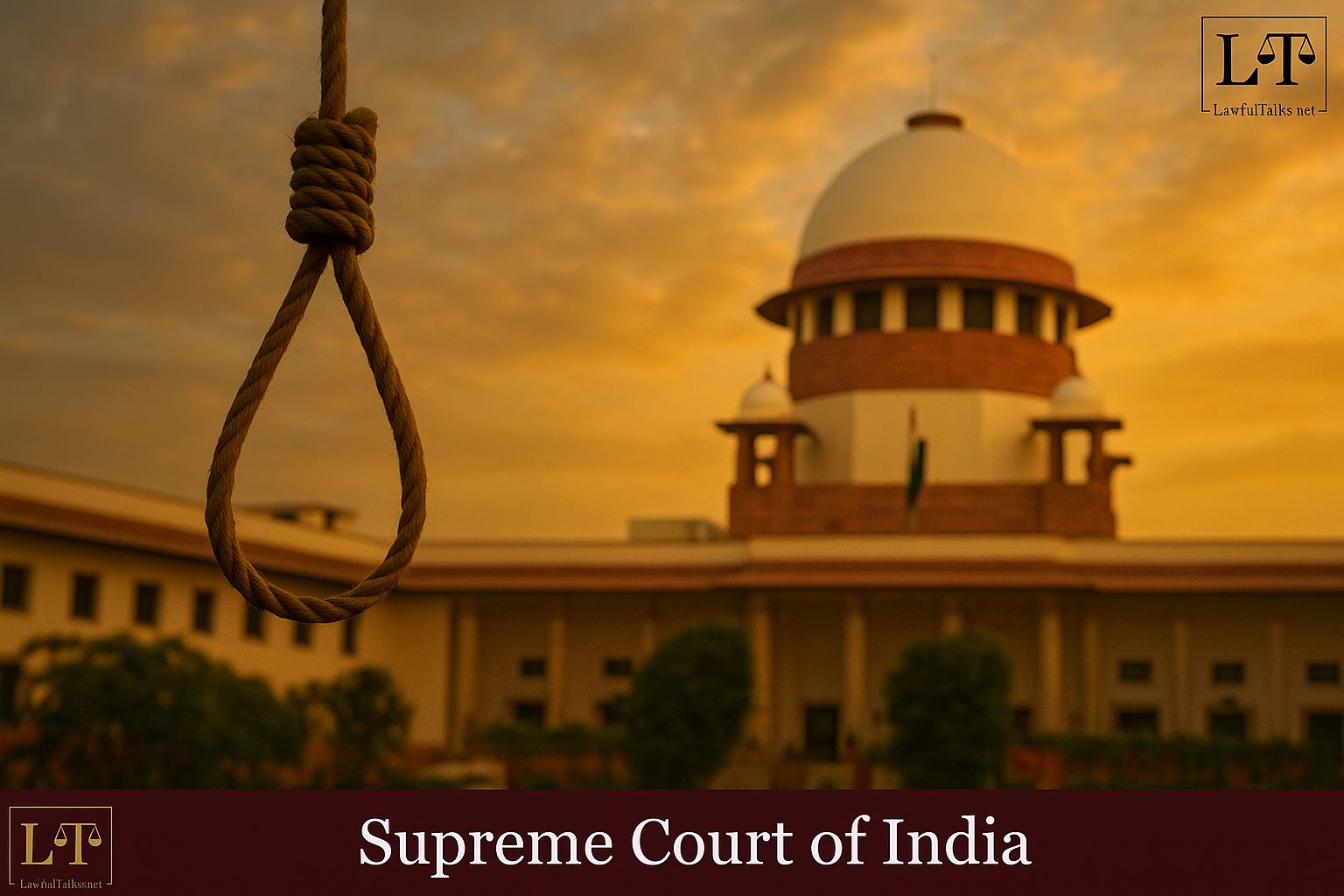
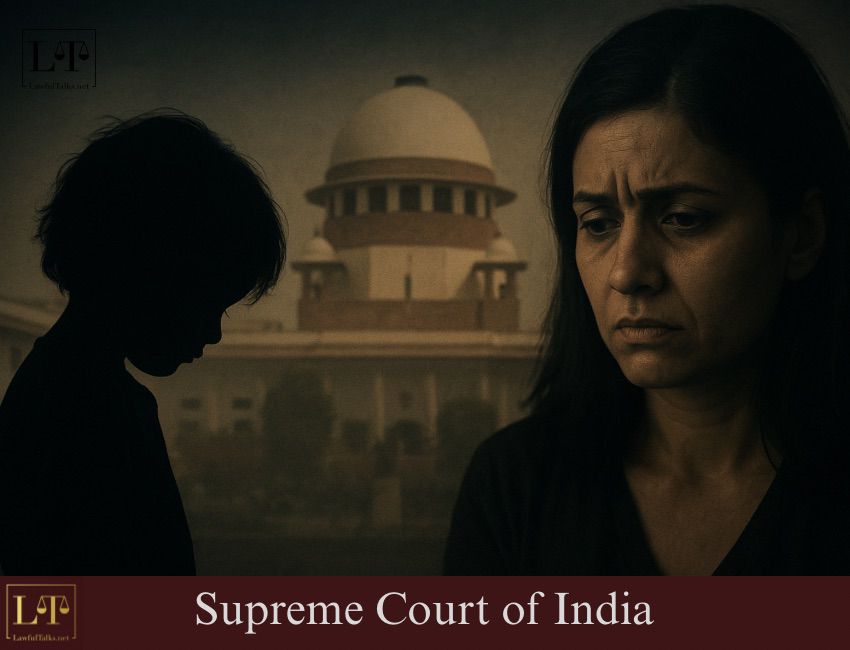
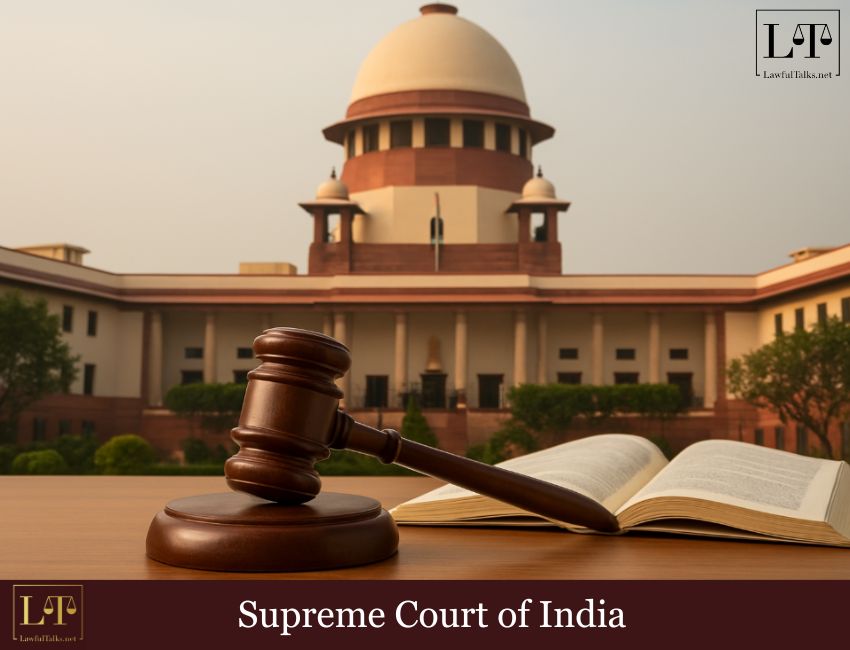
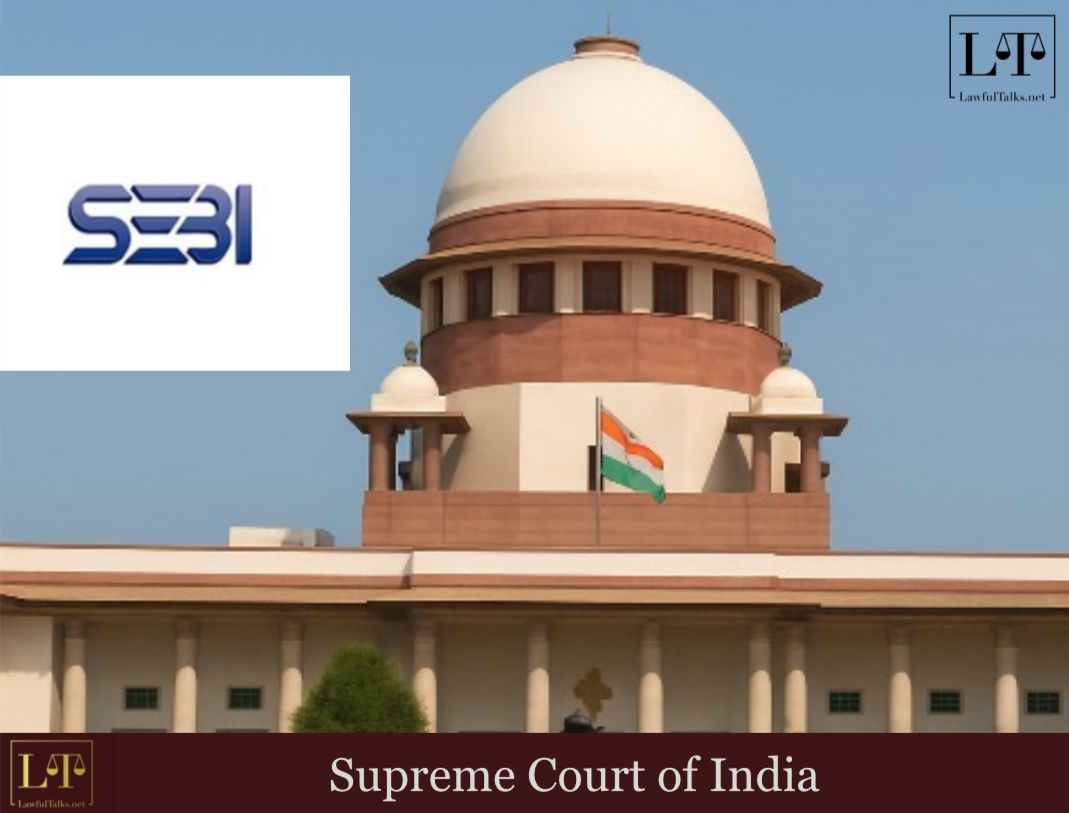
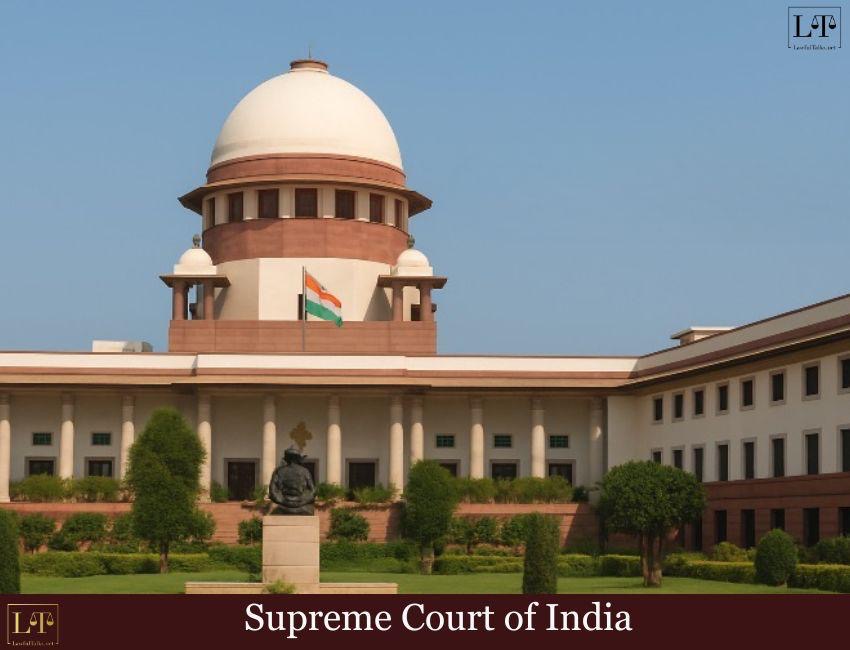
In a significant ruling, the Supreme Court, for the first time, applied its 2018 Common Cause judgment (refined in 2023) to allow the withdrawal of life support in a specific case.

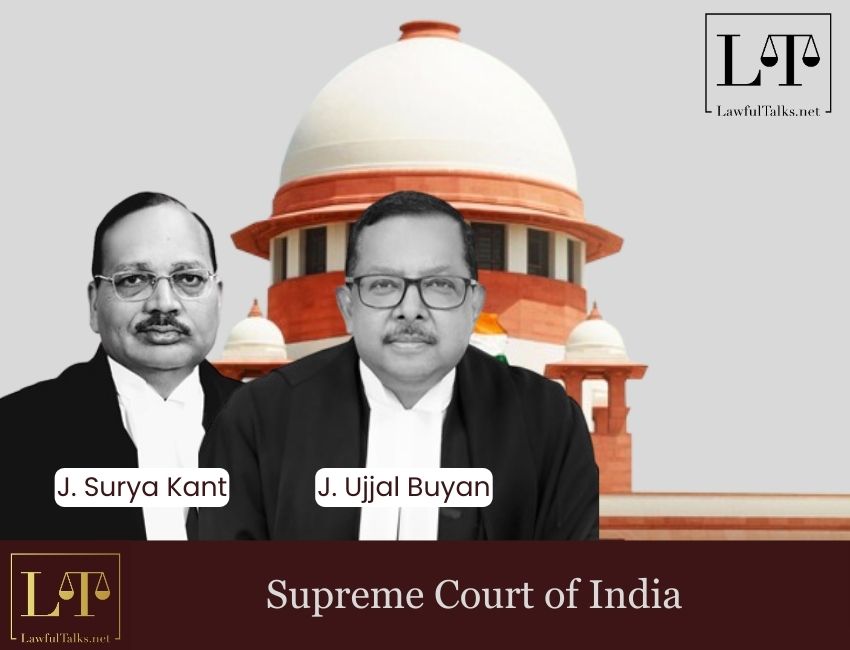
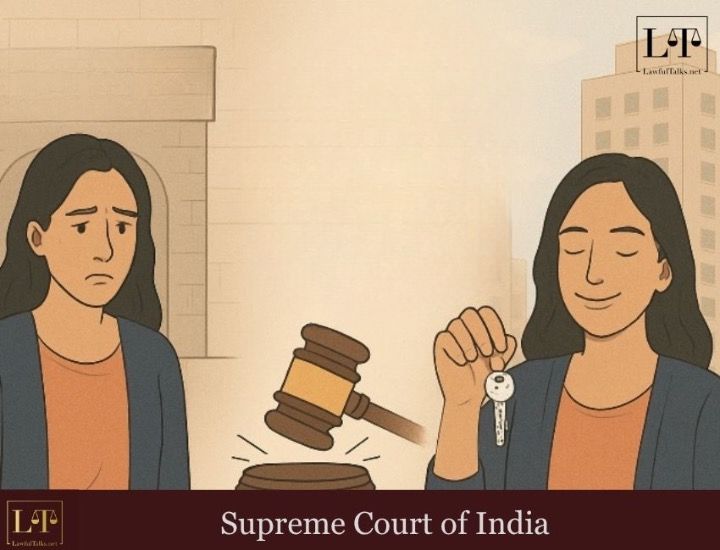
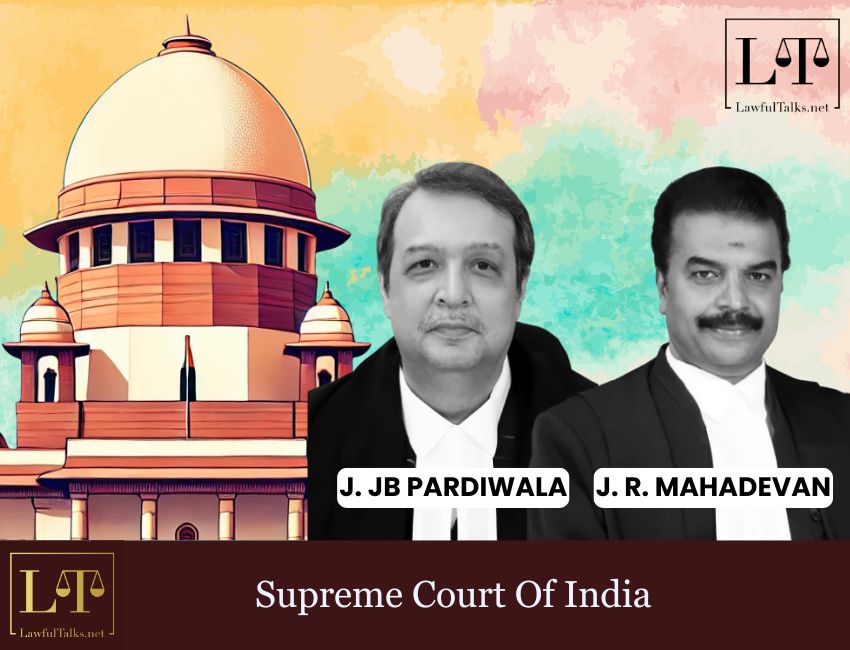
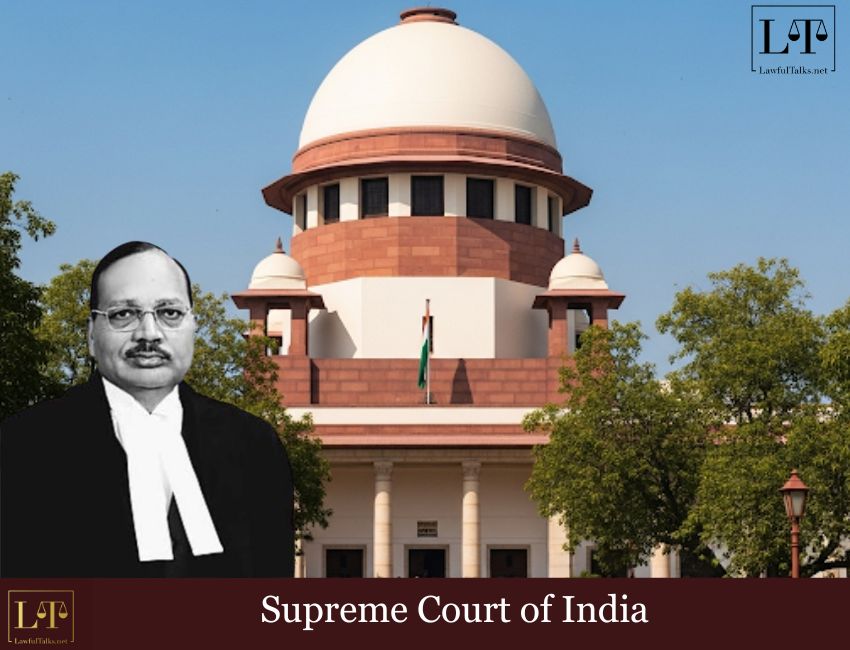
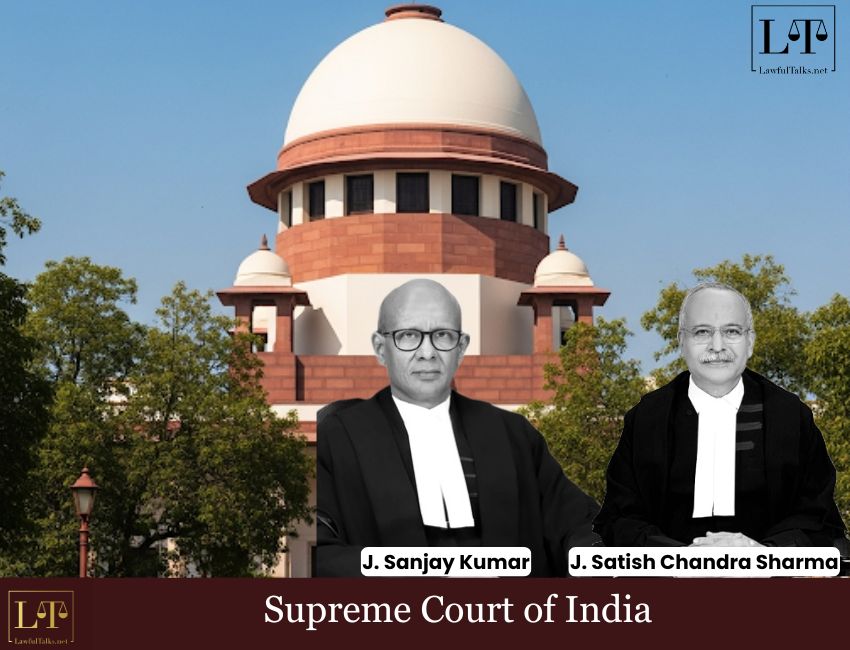
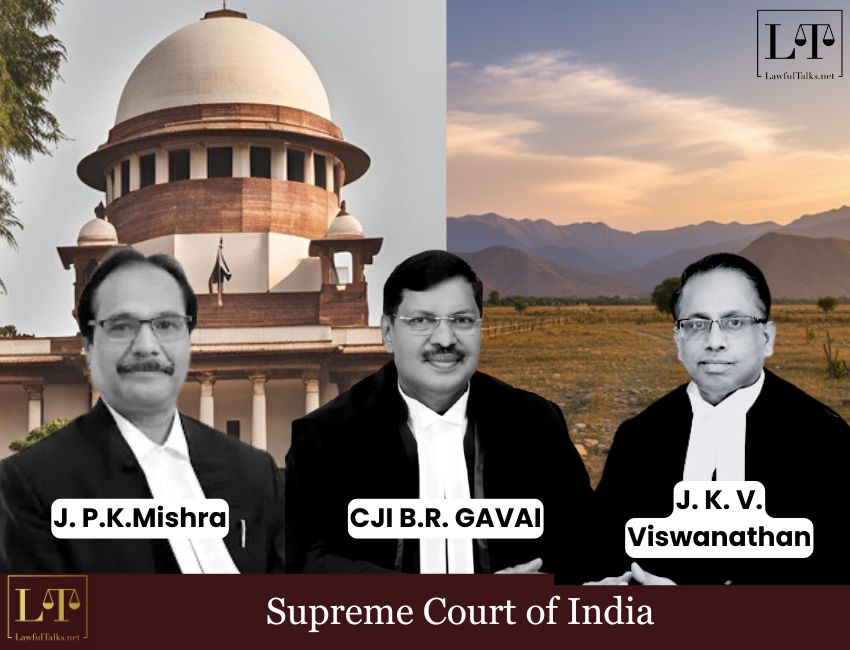
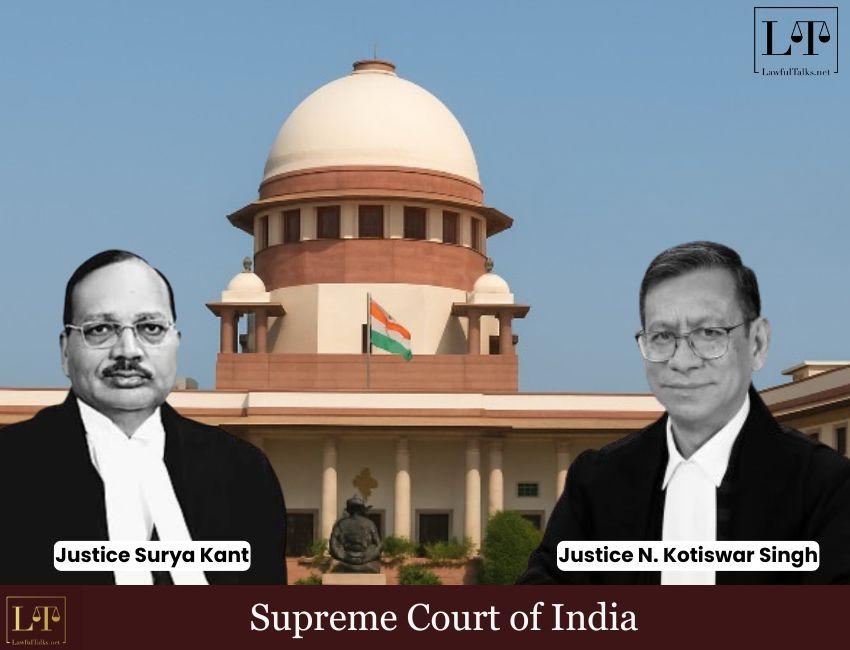
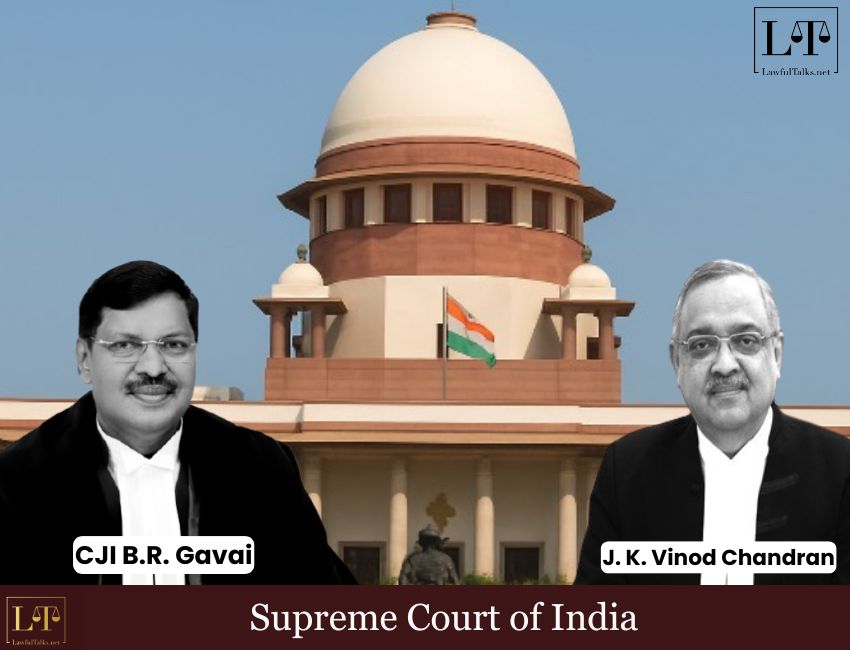
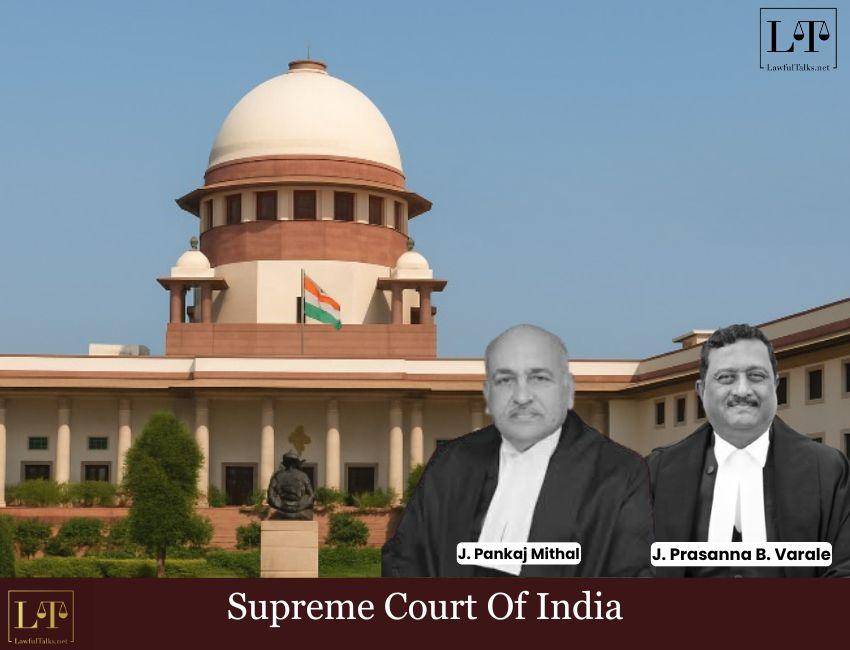
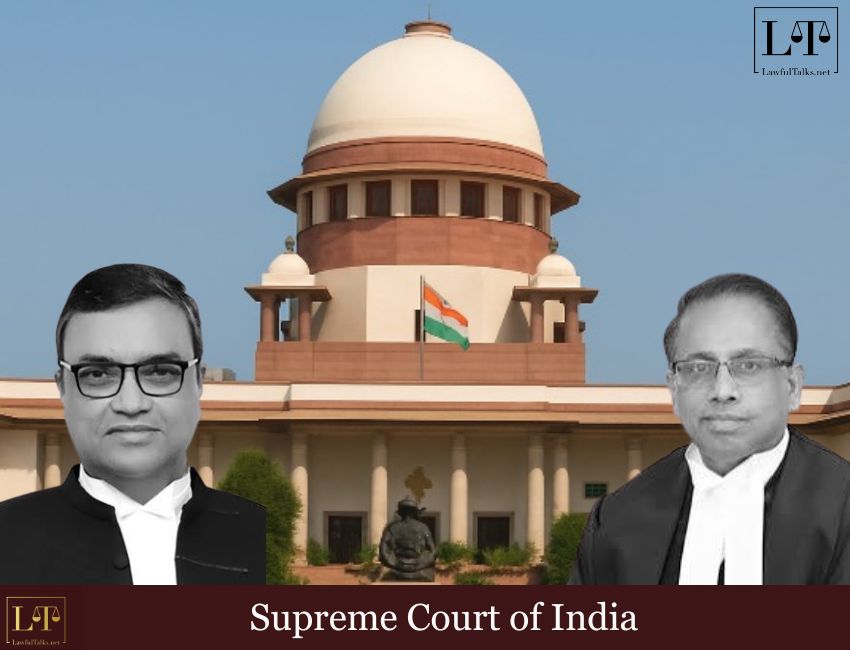
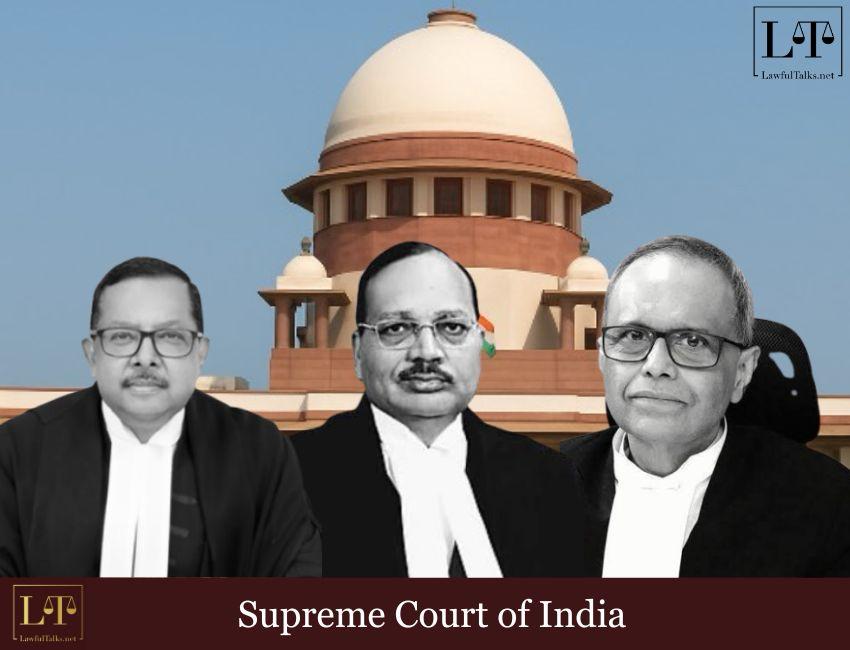
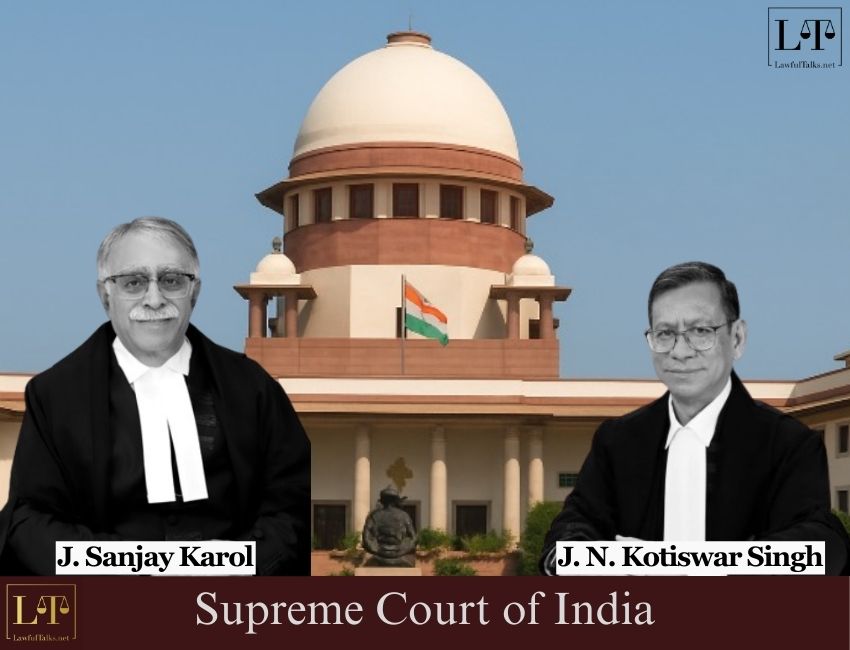
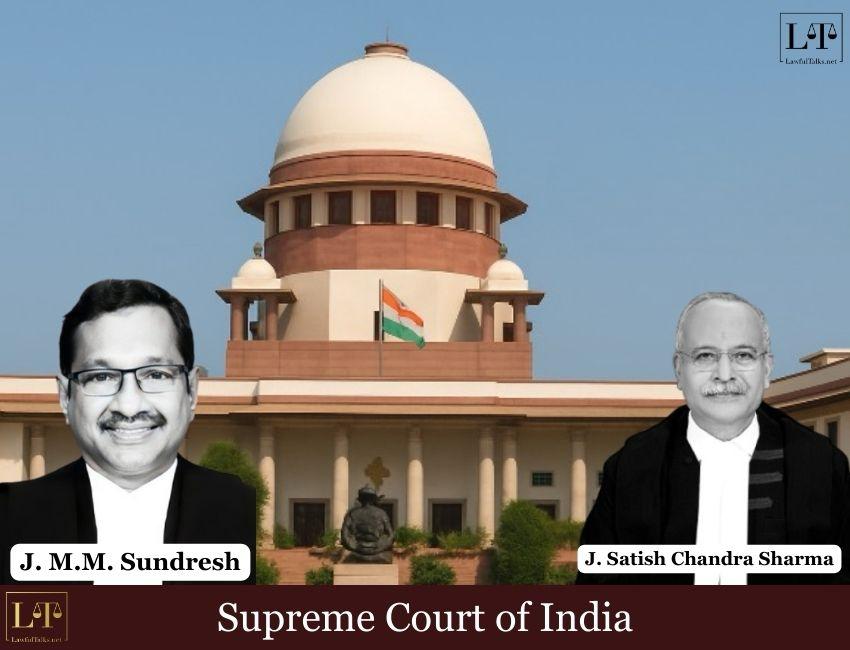
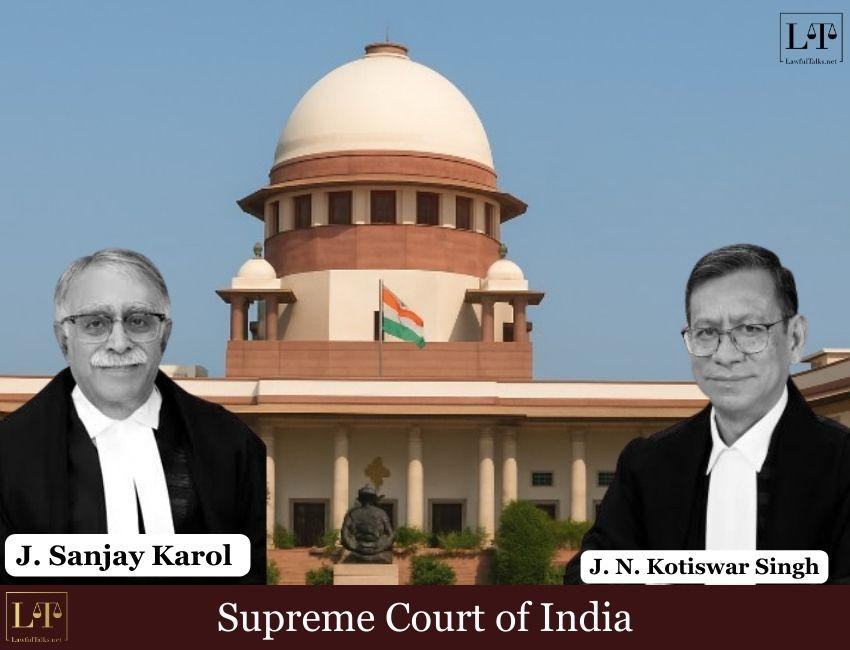
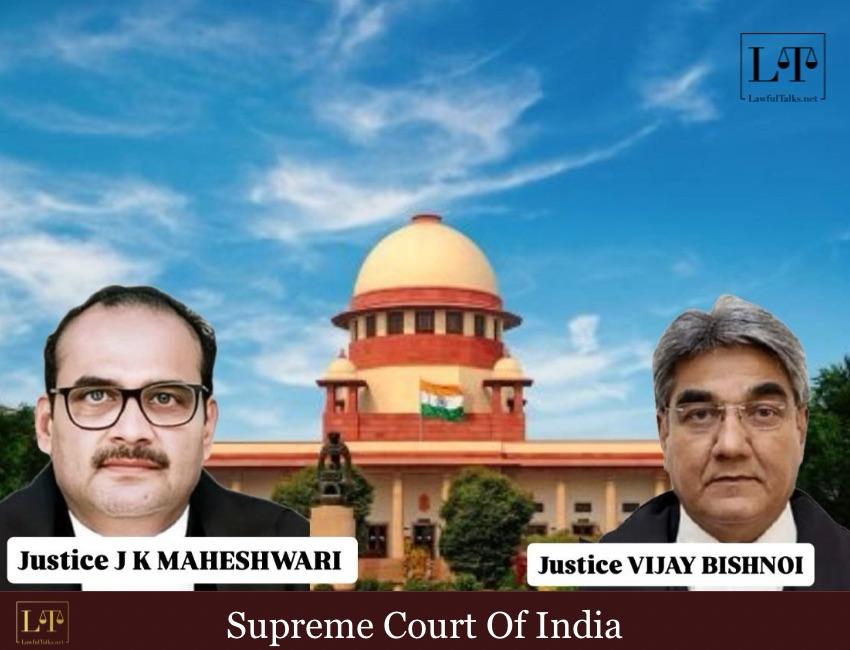
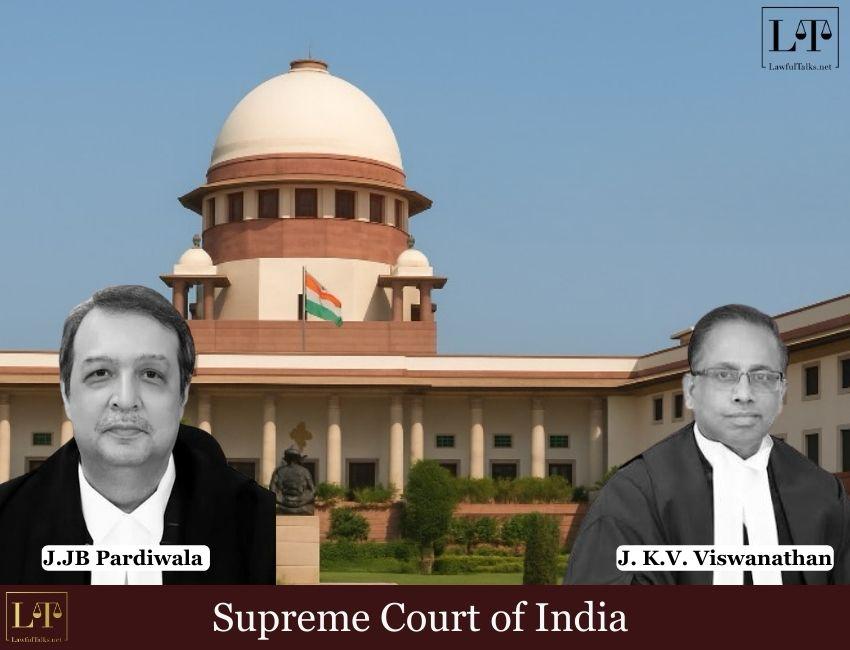
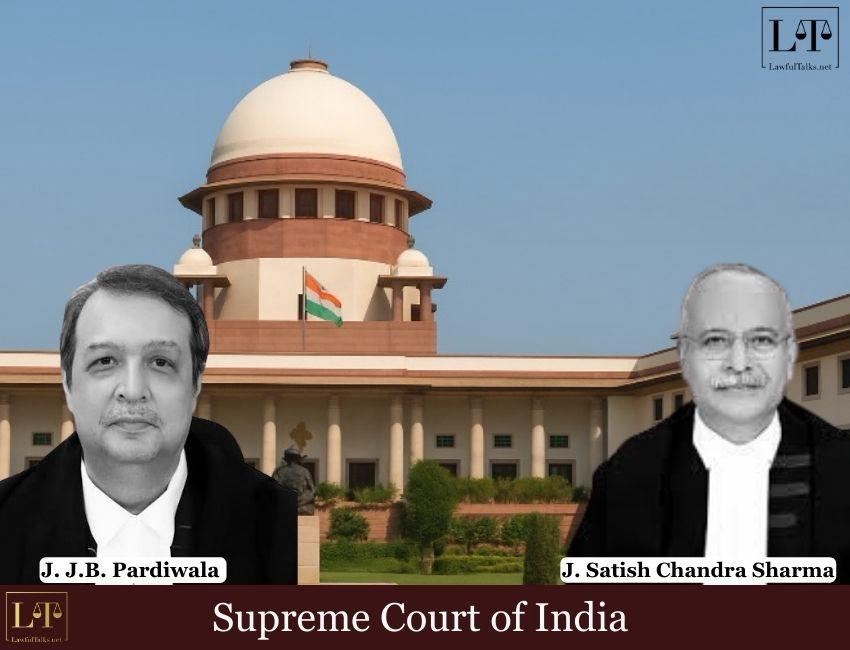
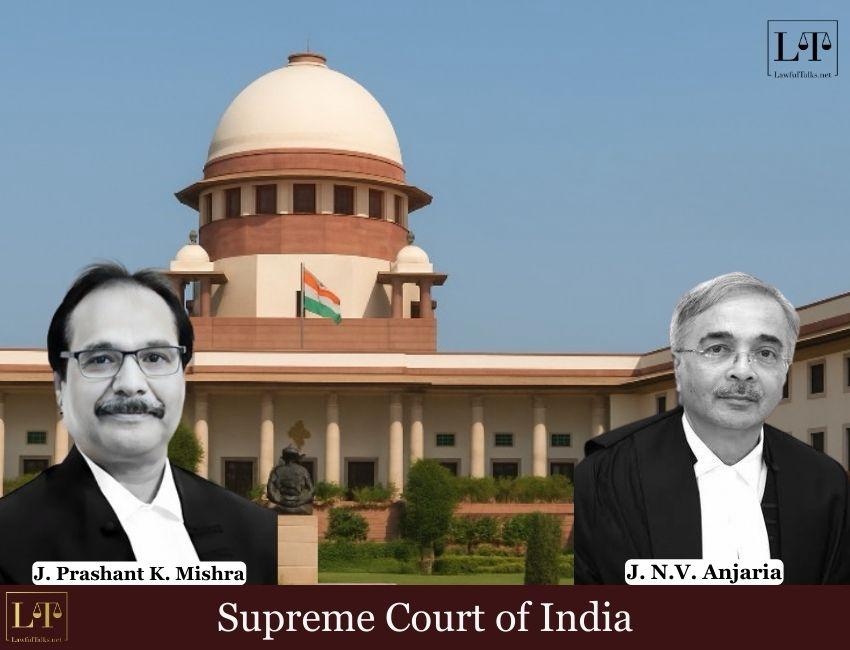
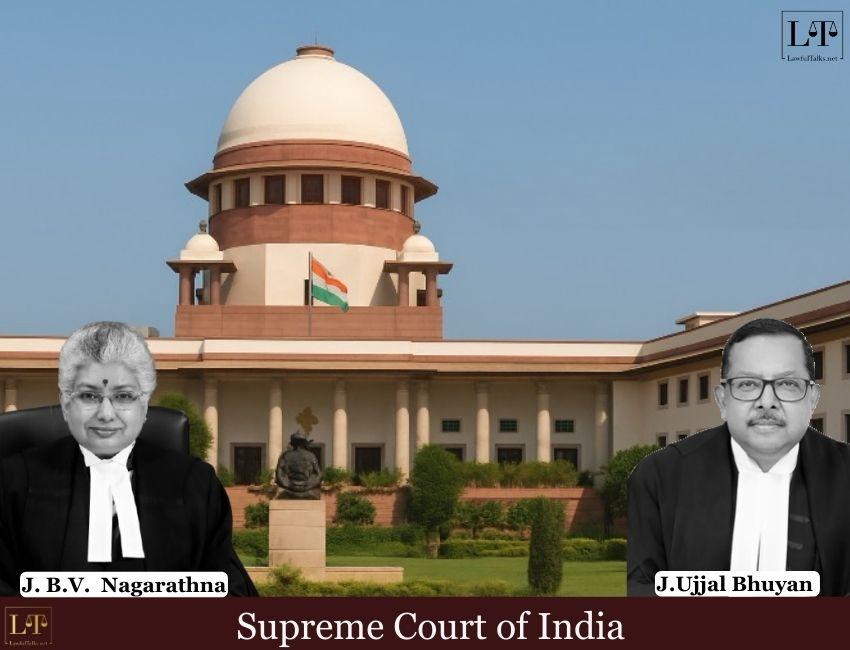
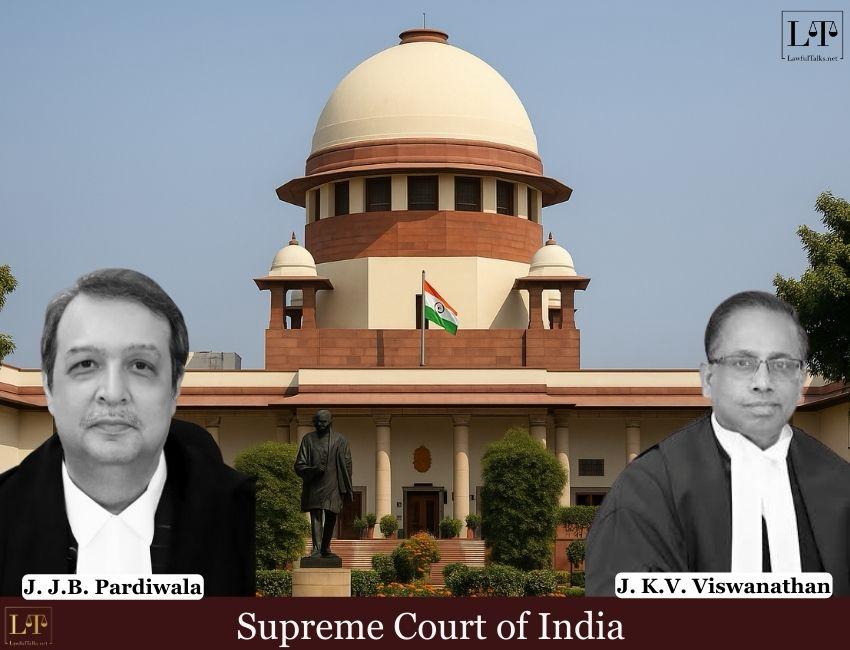
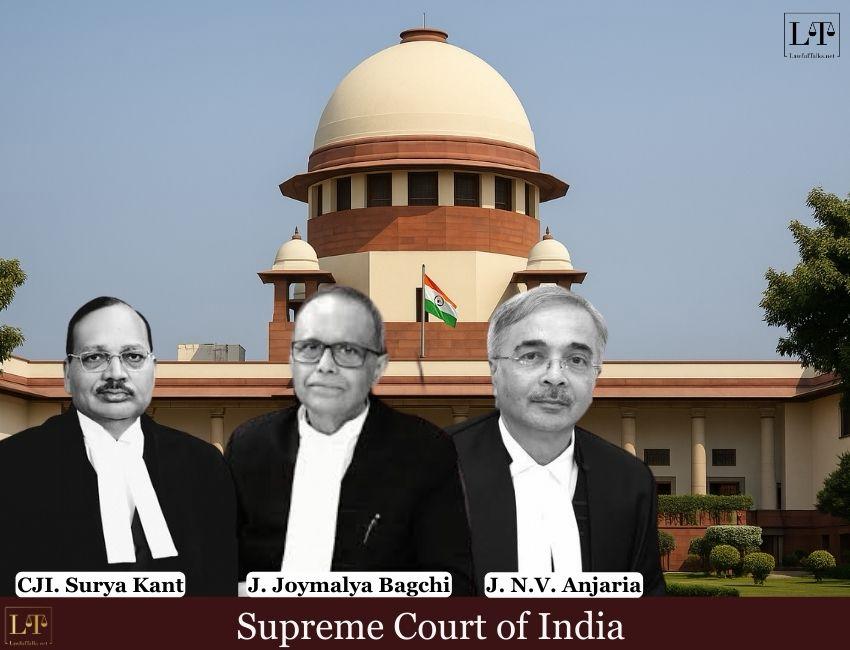
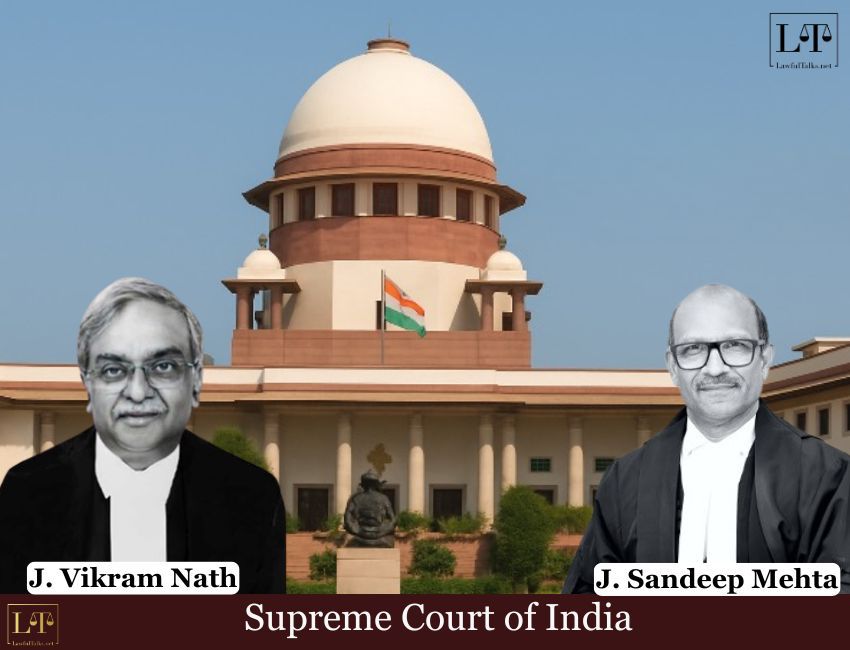
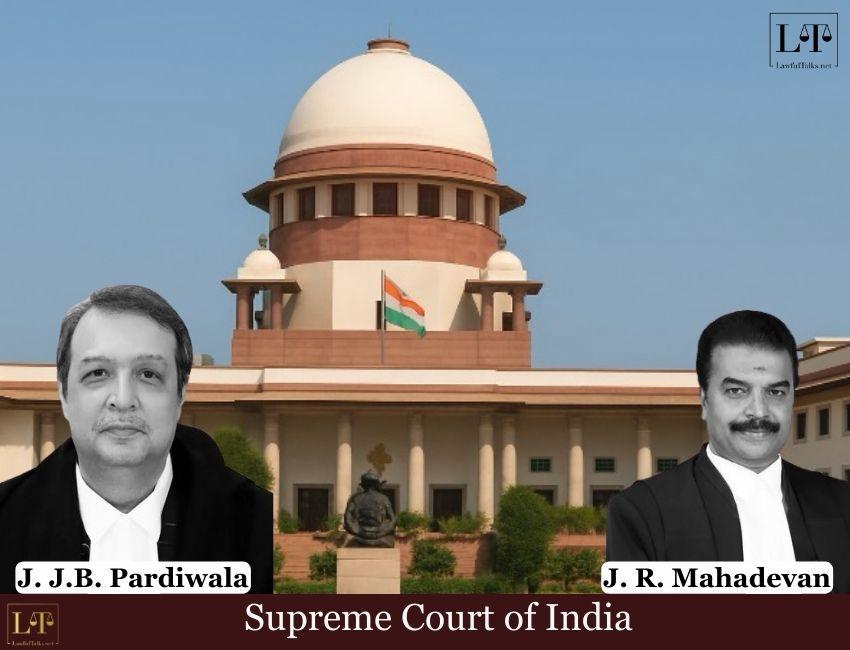
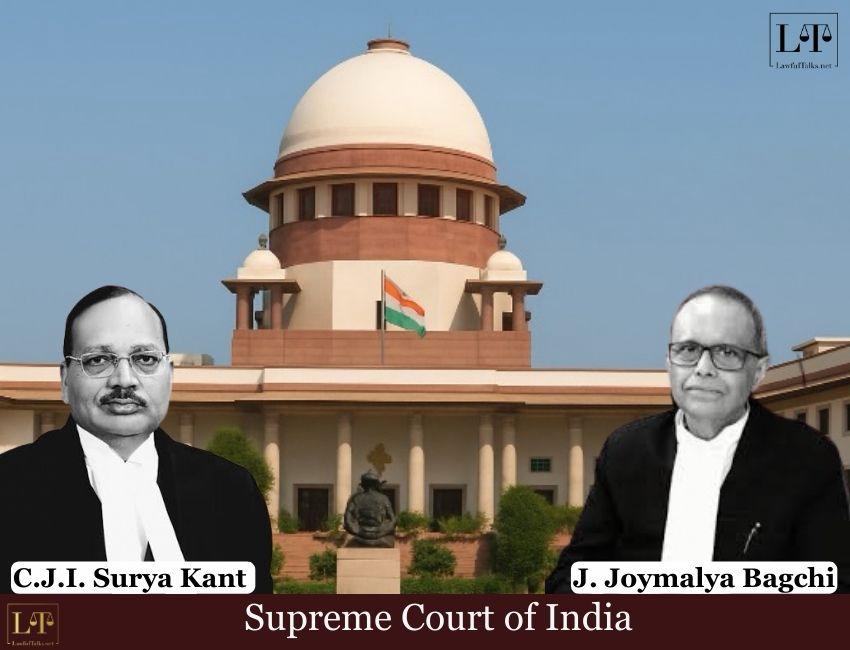
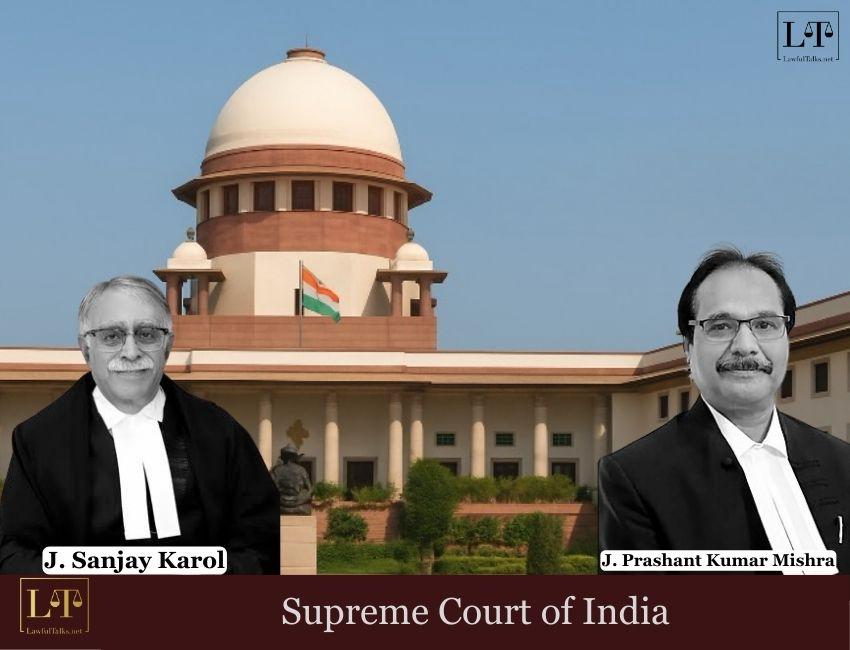
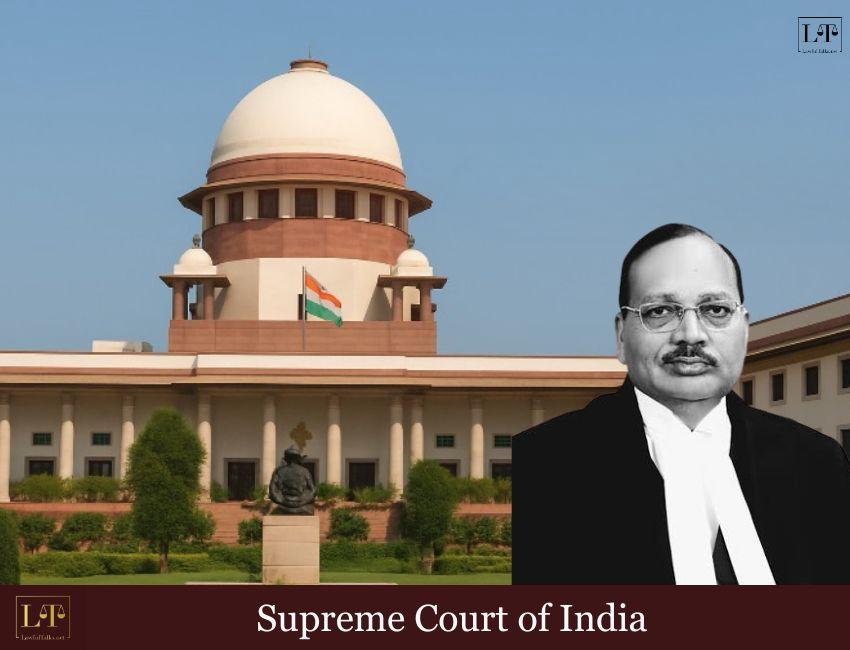
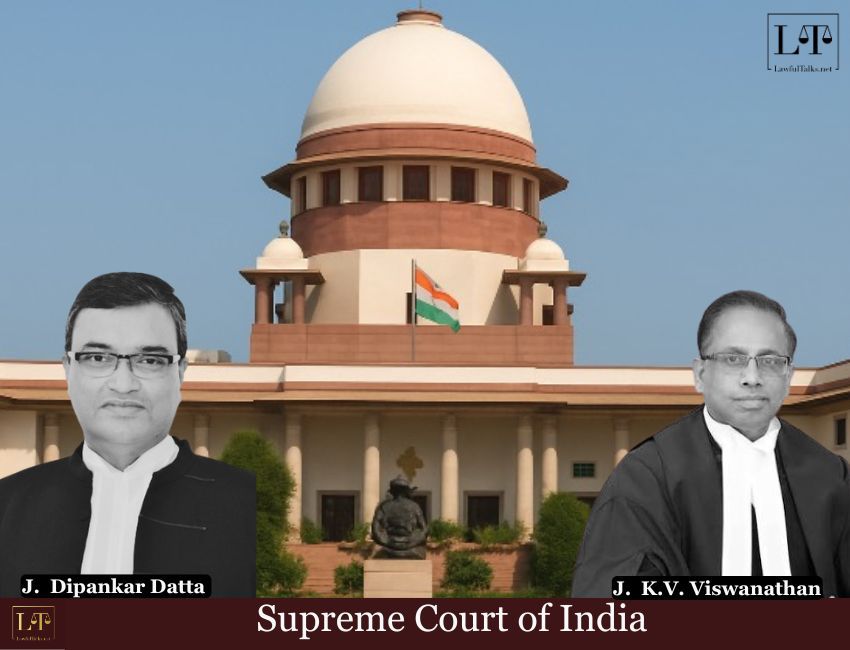
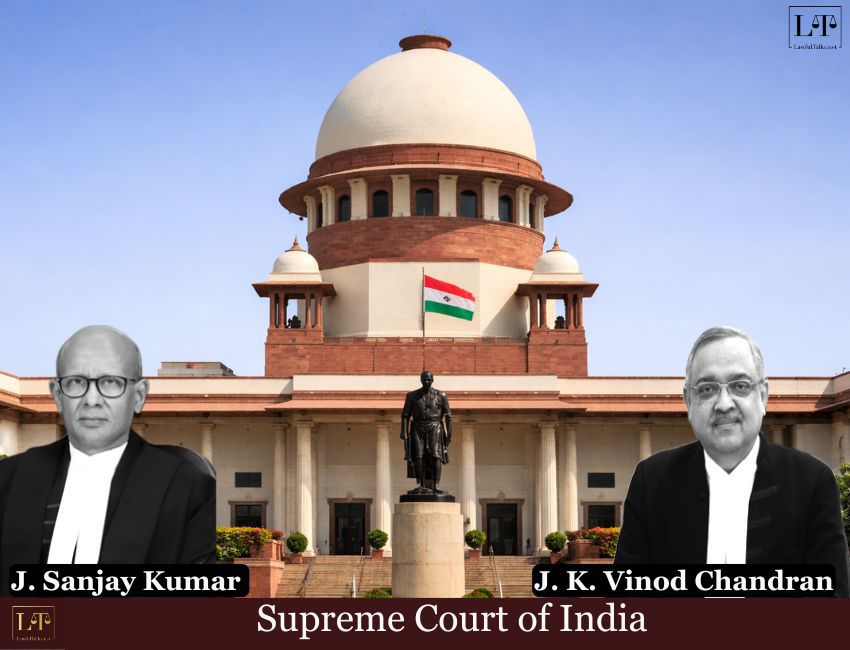
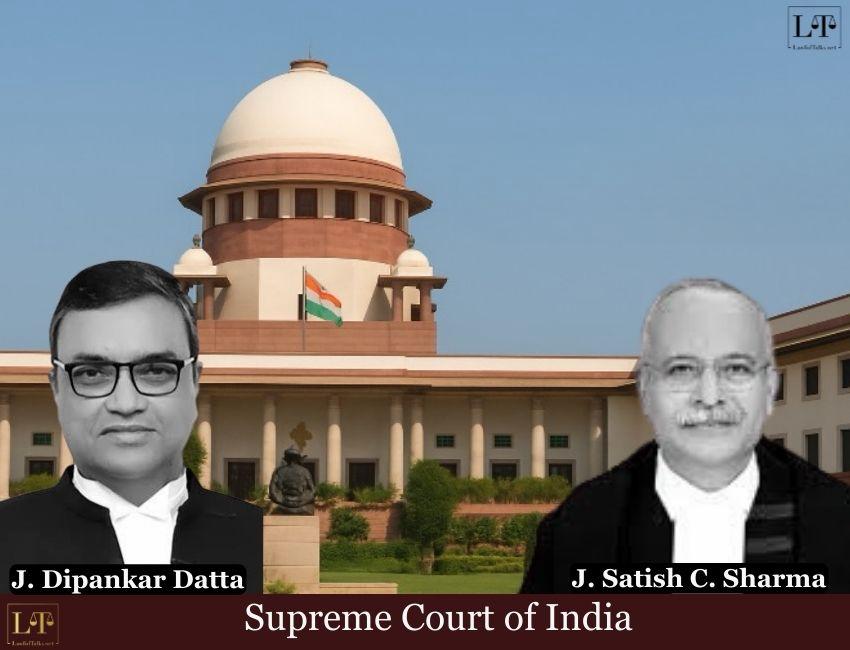
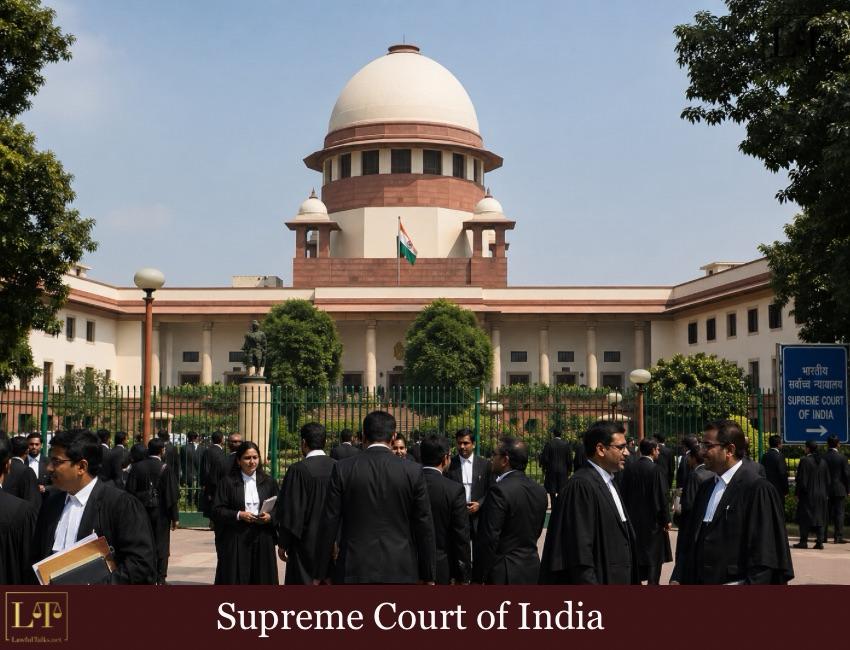
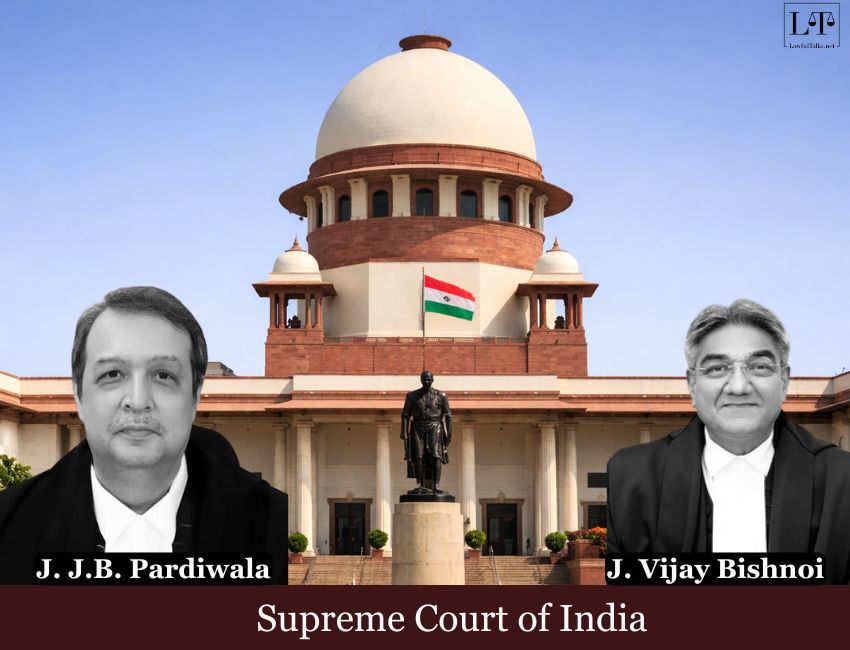
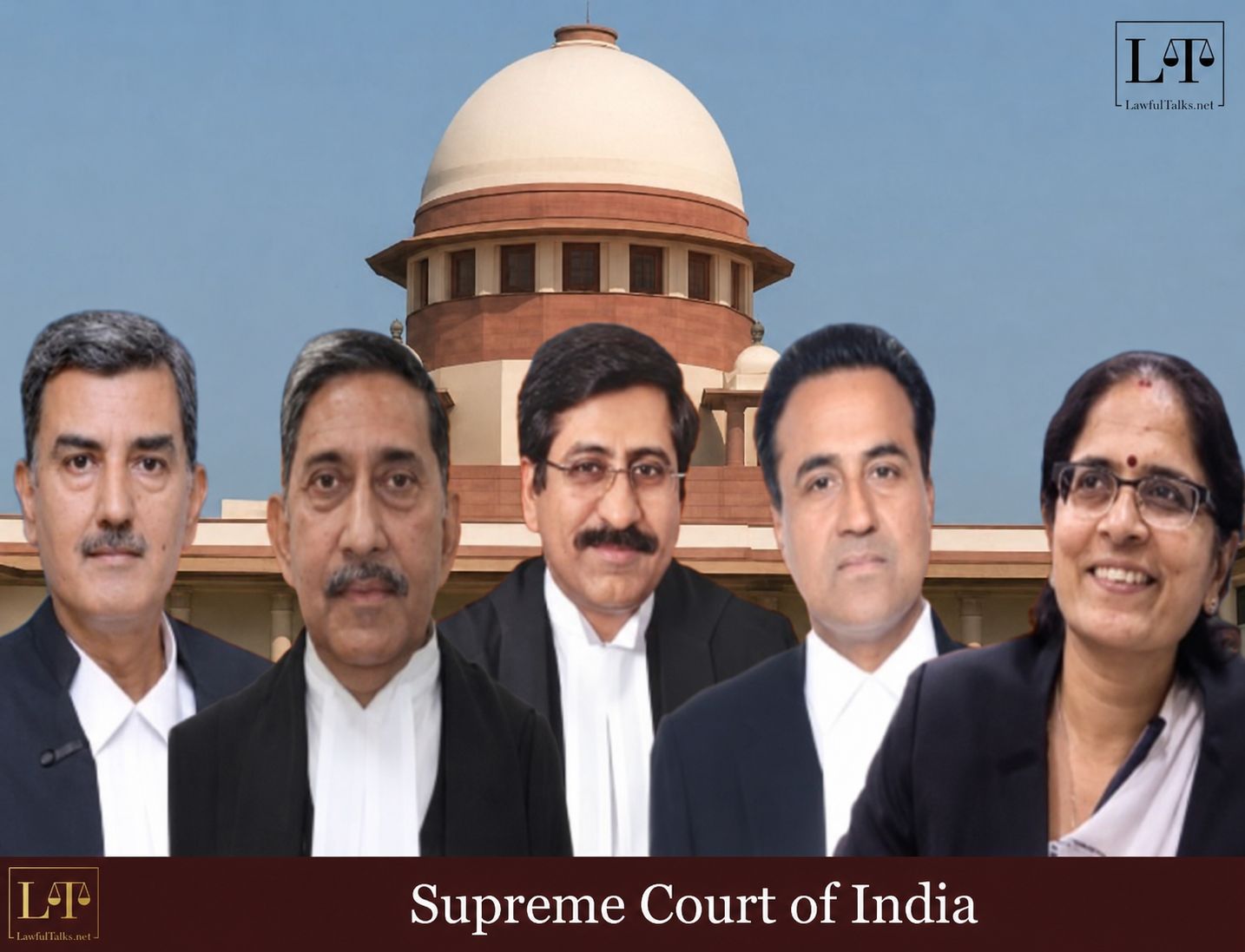
A bench of Justices JB Pardiwala and KV Viswanathan upheld the right to die with dignity and permitted life support to be withdrawn for Harish Rana, a 32-year-old man who has been in a permanent vegetative state for 13 years following a fall from the fourth floor of his paying guest accommodation.
Background of the Case:
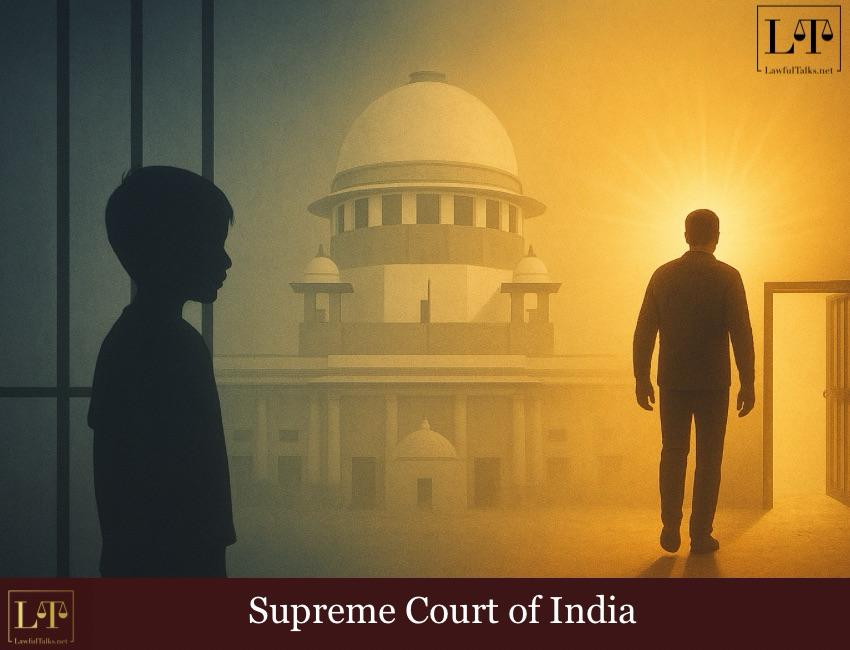
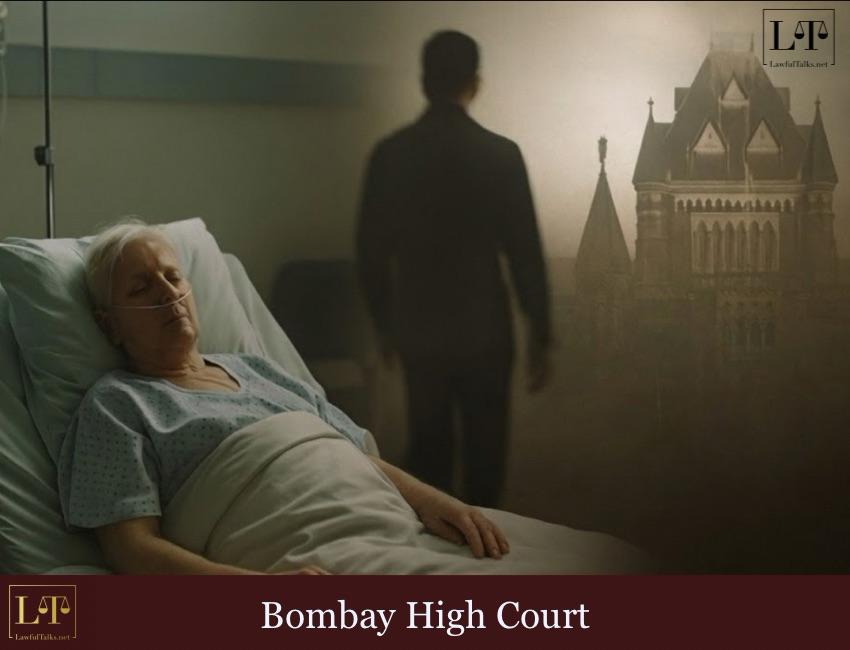
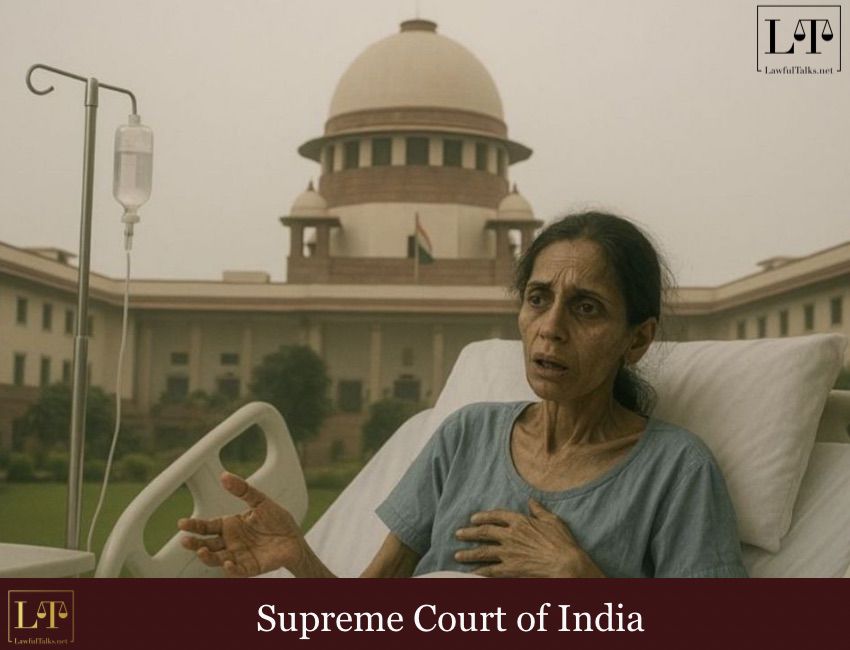
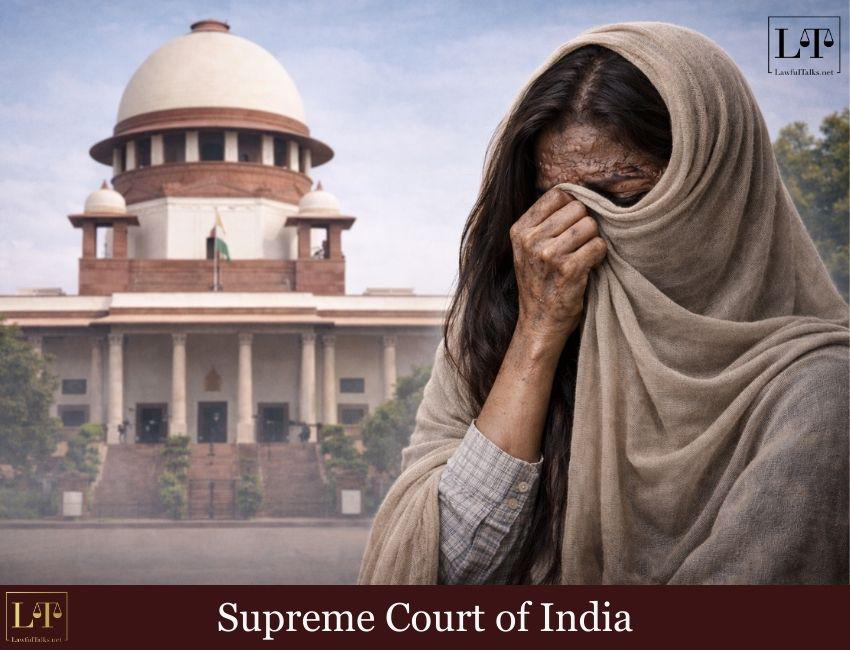
Harish Rana, once a vibrant young man, suffered severe brain trauma in the accident and now lives with total quadriplegia. According to medical reports, he is completely dependent on clinically administered nutrition through PEG tubes, and his condition has remained unchanged for years.
The court noted in its order:
“Harish Rana, presently aged 32 years, was once a young, bright boy. He met with a tragic life-altering accident after a fall from the fourth floor of his paying guest accommodation.”
His brain injury left him in a Persistent Vegetative State (PVS) with 100% quadriplegia. The Supreme Court noted that his condition has remained the same for years.
“His brain injury left him in a condition of Persistent Vegetative State (PSV) with 100% quadraplegia... Medical reports show that his medical condition has not improved in the past 13 years," the bench highlighted.
Artificial Nutrition as Treatment:
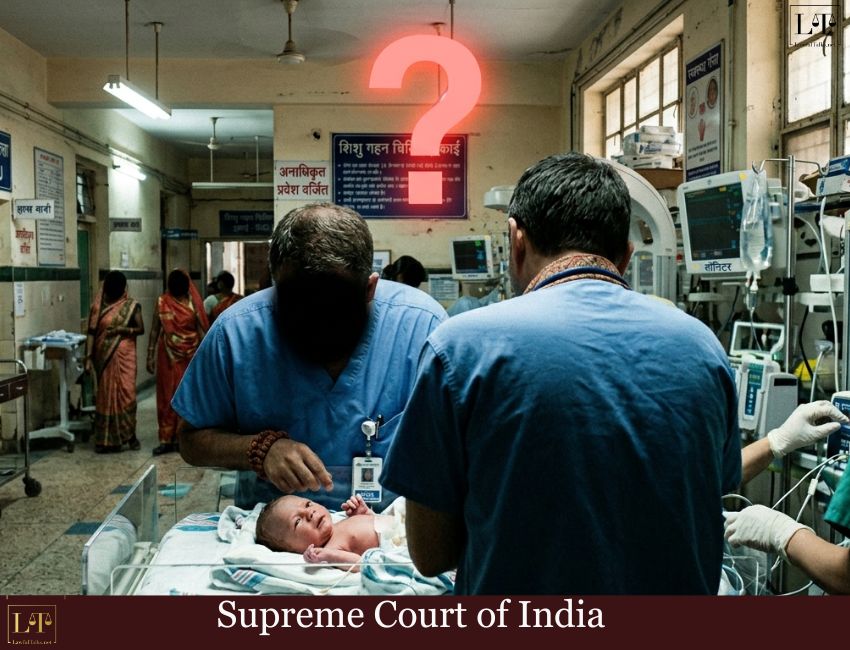
The Court said that the artificial nutrition given through PEG tubes is a form of medical treatment. Since it only keeps his body alive without any hope of recovery, the Court allowed doctors to stop this treatment, based on the opinion of both the primary and secondary medical boards.
The Court also noted that Rana’s parents and both medical boards agreed that stopping life support would be in his best interest. According to the guidelines, court permission was technically not required in such cases.
However, the Supreme Court said it was necessary to examine the matter because it was an important and precedent-setting case, and stressed that the process must be carried out with dignity.
The Court then issued the following directions:
1.The medical treatment, including the CAN administered to the patient, shall be withdrawn or withheld. The reconsideration period of 30 days stand waived.
2. AIIMS shall grant admission to the patient to its palliative care centre, so that the withdrawal of CAN be given effect to. AIIMS shall give all facilities for shifting the applicant from residence to the palliative care centre.
3. It must be ensured that life support is withdrawn with a tailored plan so that dignity is maintained.
4. The High Courts of all States shall issue directions to all Judicial Magistrates to receive intimations from hospitals, in accordance with the guidelines laid down in Common Cause, in the event the Primary Medical Board and Secondary Medical Board arrive at a unanimous decision to withdraw or withhold life support.
5.Union of India shall ensure that Chief Medical Officers in all districts maintain a panel of Registered Medical Practitioners for nomination to the secondary medical boards.
Judges’ Observations:
Justice Pardiwala wrote the main judgment,and Justice KV Viswanathan agreed with it in a separate opinion. The Court also praised the family for standing by Harish Rana throughout the years.
Justice Pardiwala said:
“His family never left his side…to love someone is to care for them even in the darkest times.”
Common Cause Judgment Explained:
The 2018 Constitution Bench judgment in Common Cause v. Union of India allowed passive euthanasia and laid down a detailed procedure involving two medical boards and magistrate-related formalities. In January 2023, the Supreme Court simplified these guidelines because the earlier process was considered too complicated.
This case is the first time those guidelines have been applied in practice.
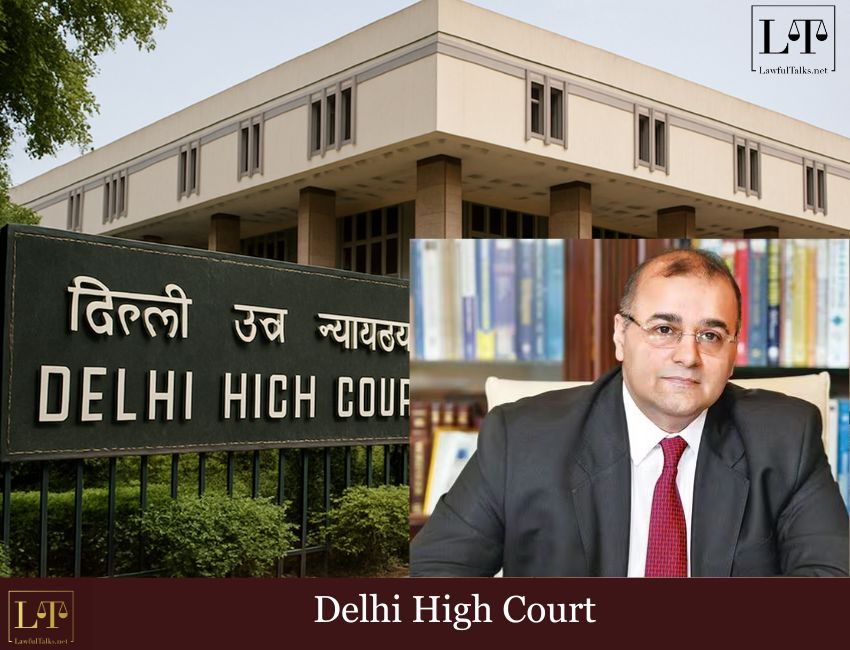
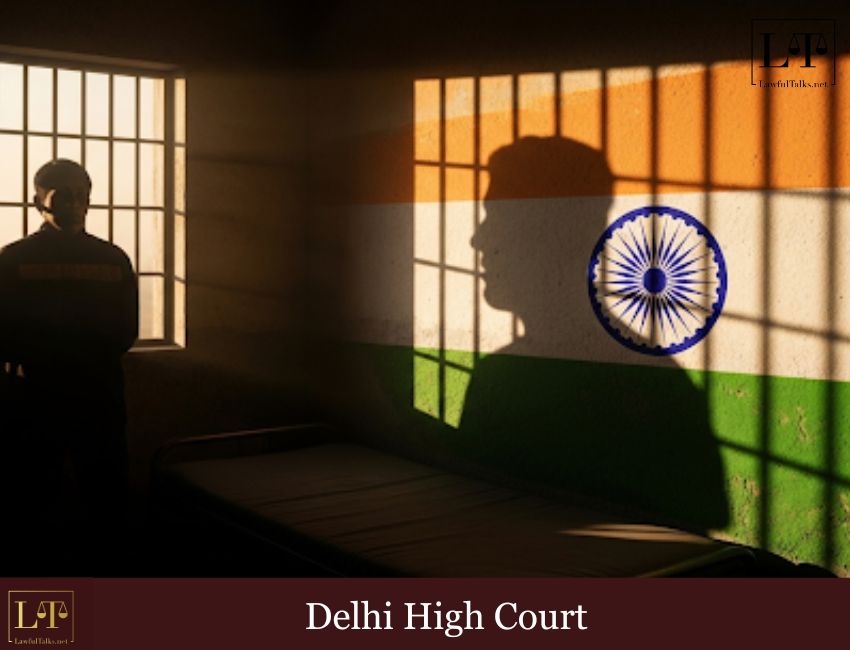
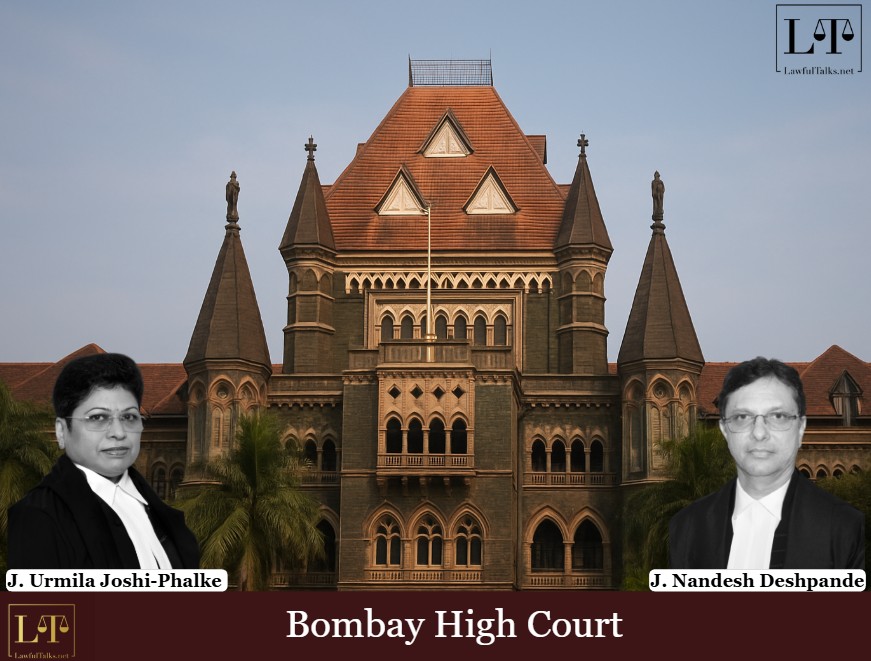
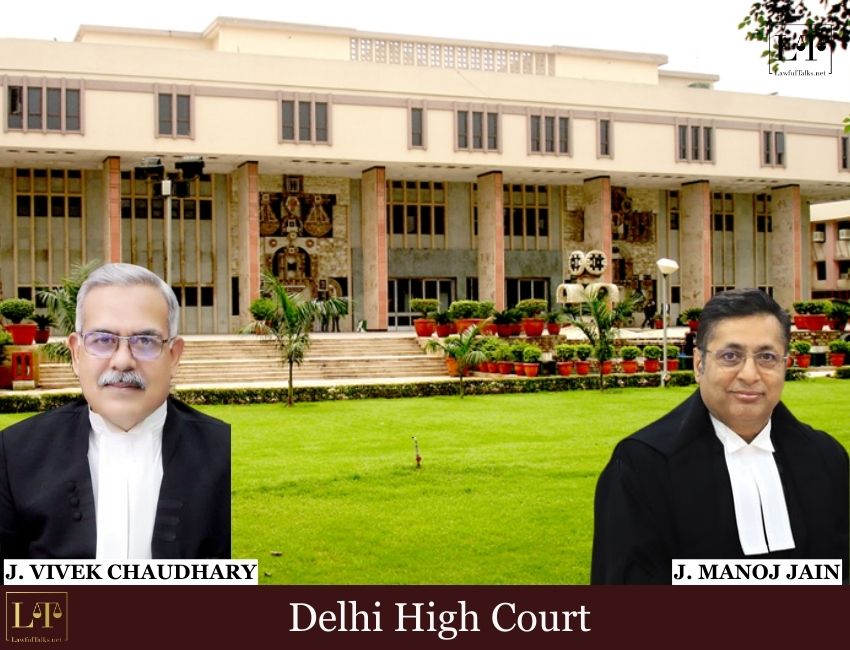
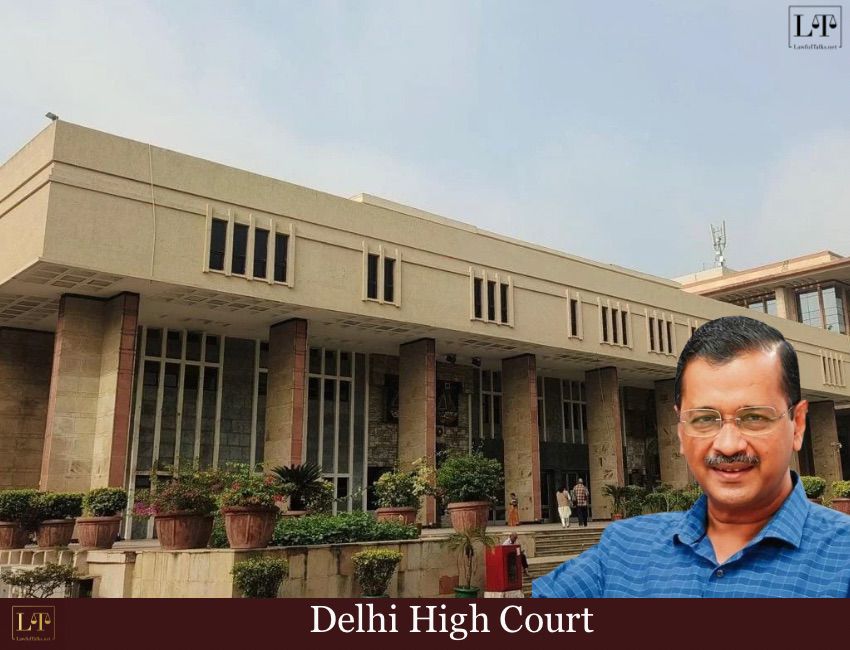
Earlier, Rana’s father had approached the Delhi High Court in 2024, but the request was rejected because Rana was not considered terminally ill. The matter then reached the Supreme Court. In August 2024, the Court did not pass a final order but directed the Uttar Pradesh government to provide financial support for his treatment.
Later, in 2025, medical reports showed that Harish Rana’s bedsores had worsened and that continuing treatment was medically futile. The Supreme Court then directed that medical boards examine his condition.
Final Supreme Court Decision:
After reviewing the opinions of the medical boards and meeting Rana’s parents, the Court finally passed an affirmative ruling allowing the withdrawal of life support.
Case Details: Harish Rana v. Union of India.











































Sign up for free and be the first to get notified about curated content just for you.