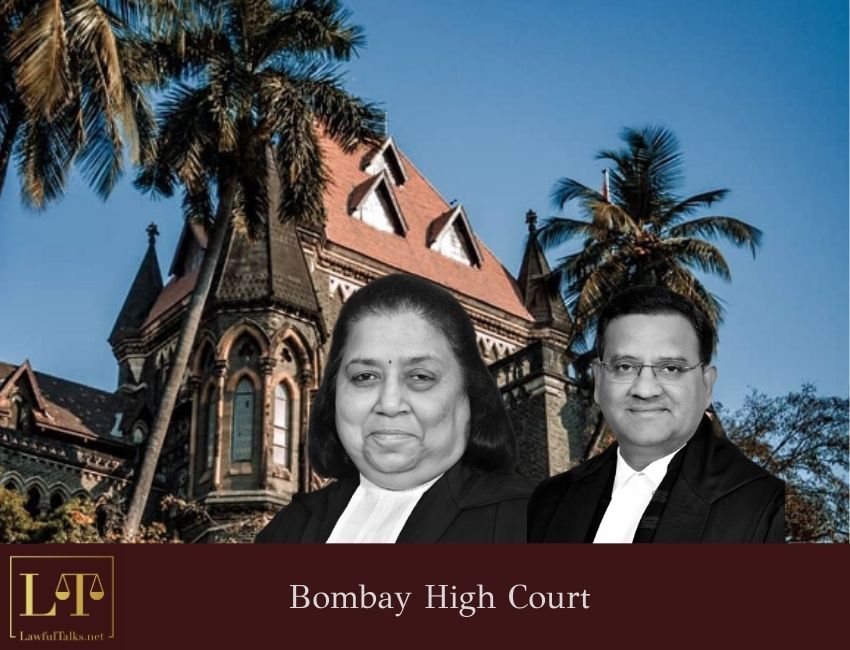
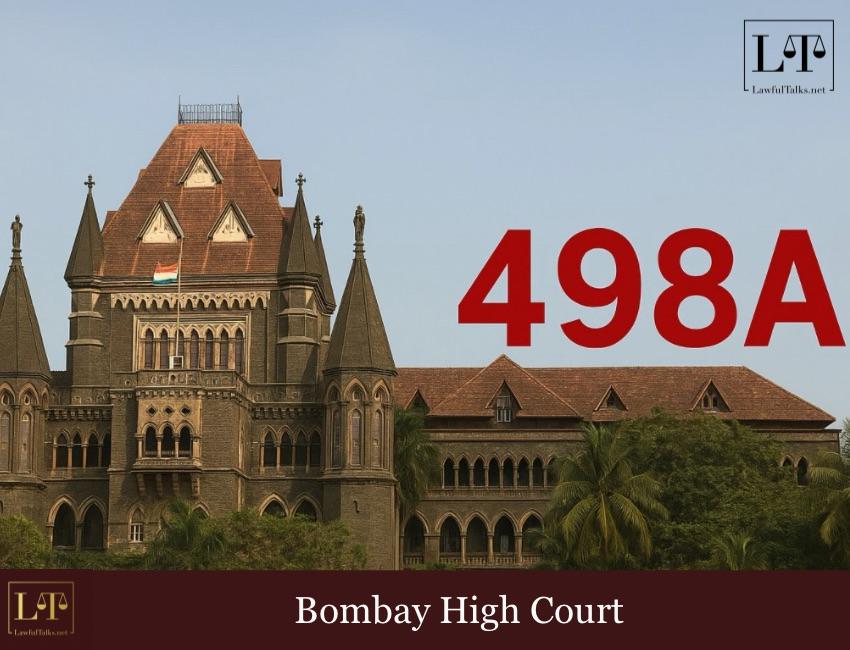
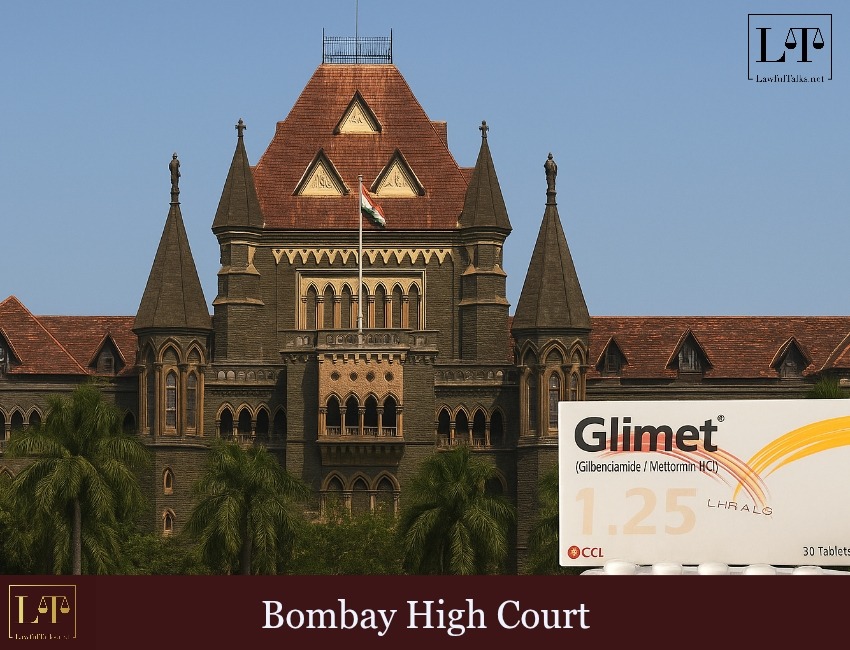
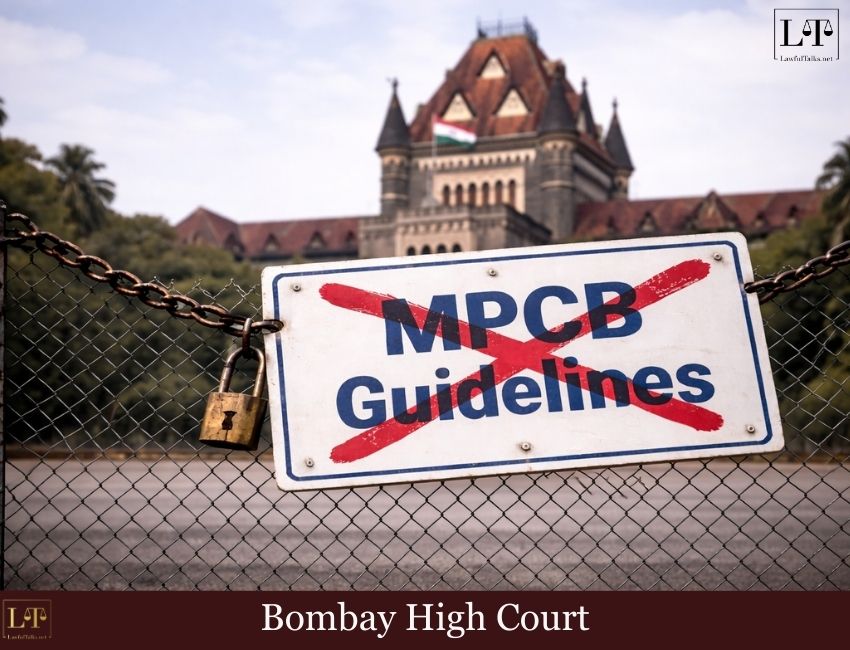
Second Shot After Final Rejection? Bombay HC Says No

- March 04, 2026



Challenge to January 9, 2023 Order:
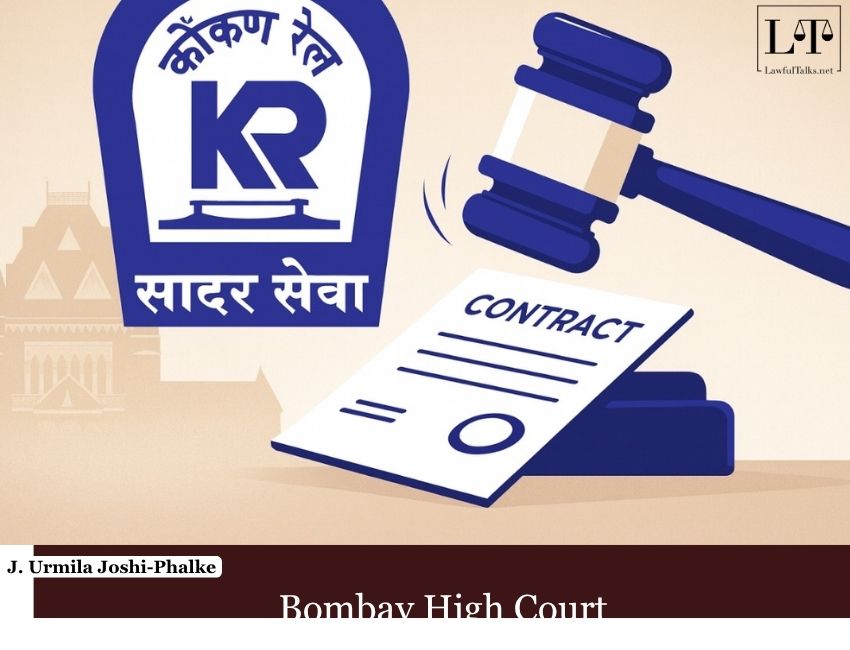
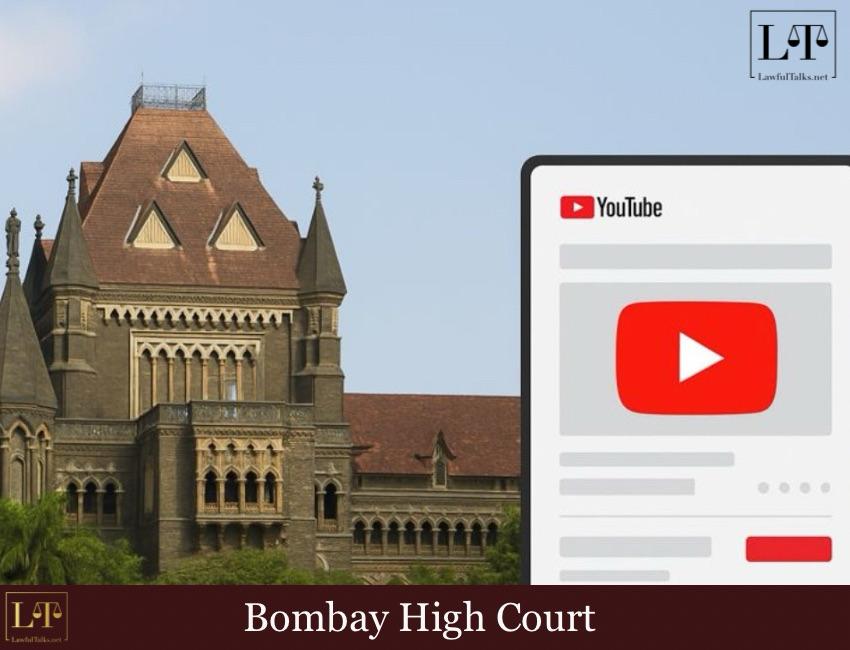
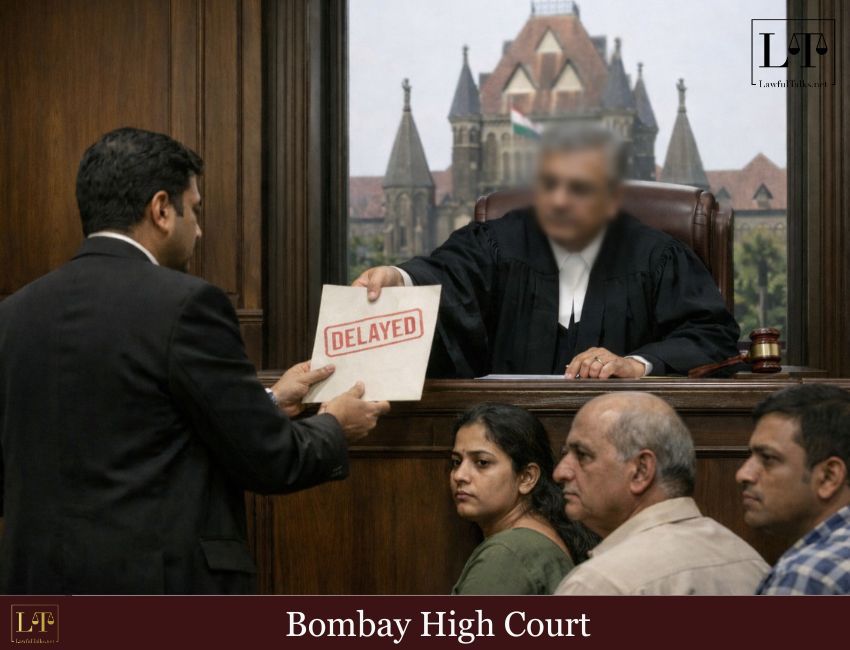
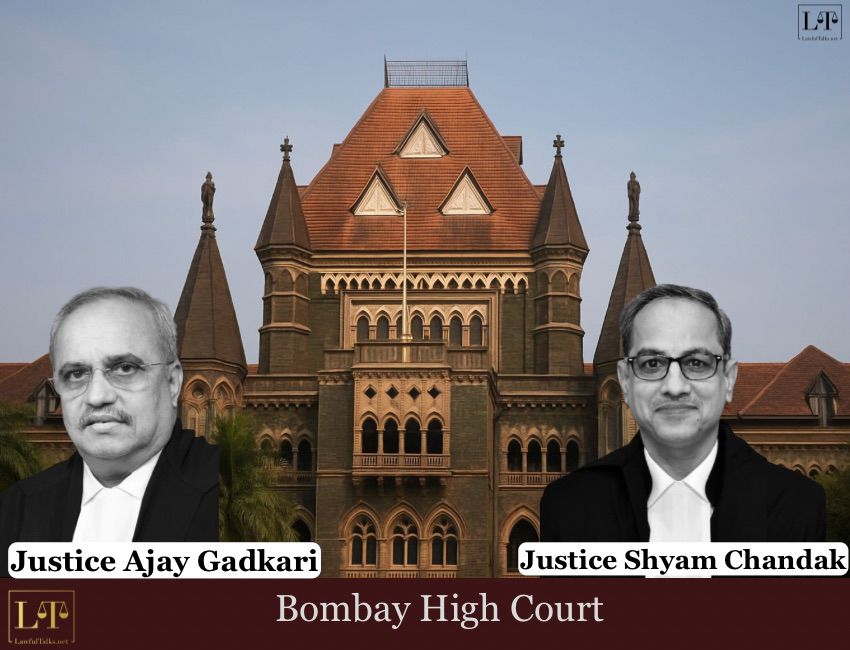
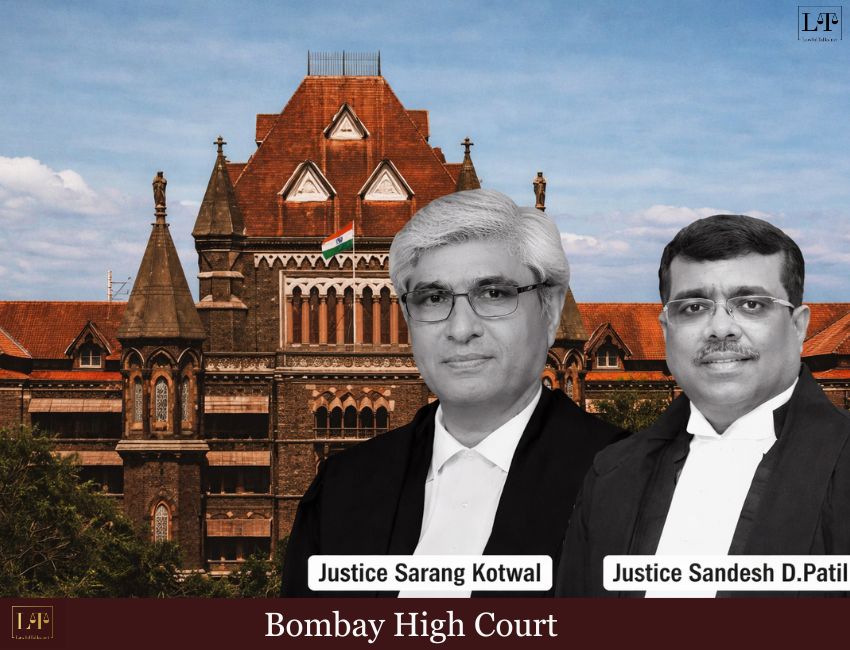
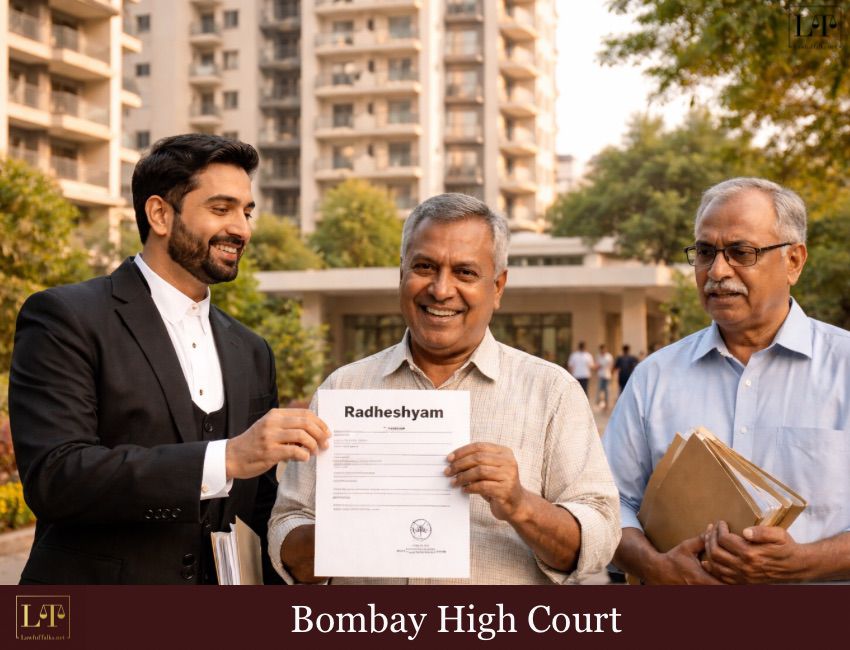
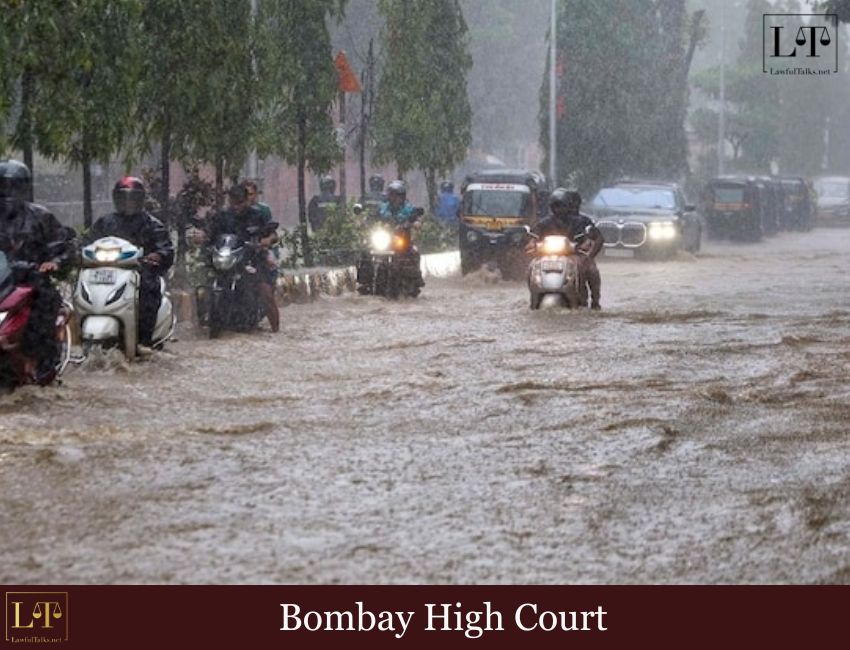
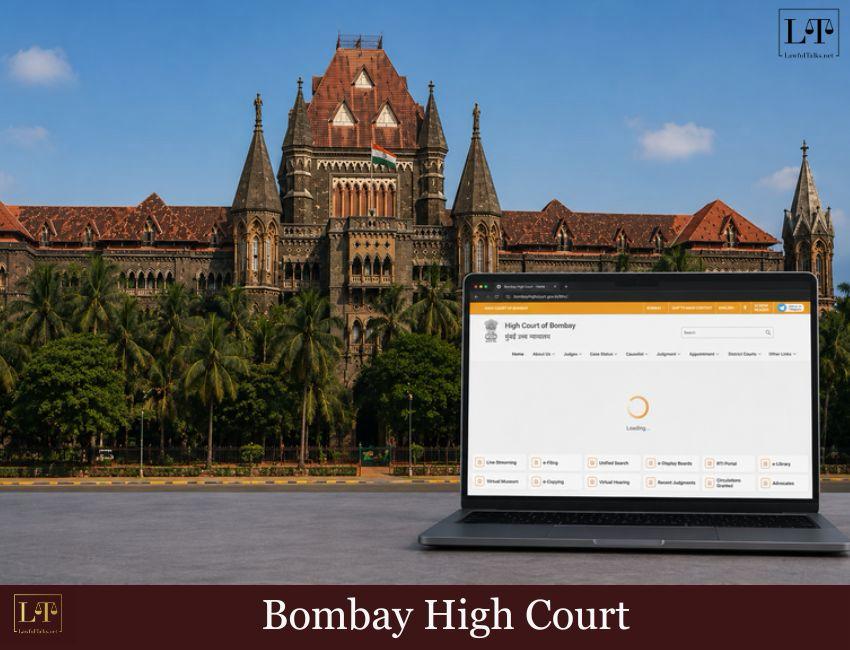
Justice Amit Borkar made this clear while deciding a writ petition challenging the order dated January 9, 2023, passed by the District Deputy Registrar. By that order, the Registrar had allowed unilateral deemed conveyance in favour of Magnum Tower CHS Ltd.
The petitioners argued that Respondent No. 3 had already sought conveyance for the full plot in an earlier bid. That earlier application was rejected by an order dated January 24, 2017. They pointed out that this 2017 order was never challenged and had therefore become final.
Despite the earlier rejection, Respondent No. 3 filed another application in 2022, this time claiming a smaller portion of the plot. This second application was approved.
Res Judicata Applies to Quasi-Judicial Bodies:
Respondent No. 3 argued that the earlier case involved a claim over the entire plot, while the new application was limited to a smaller area. On this basis, it claimed that the principle of res judicata would not apply.
After examining the matter closely, the Court said that quasi-judicial authorities must follow the principle of res judicata. It explained that even if an earlier decision is incorrect, it remains binding unless it is set aside in appeal or review.
The Court compared the 2017 and 2023 proceedings side by side. It found that in the 2017 order, the authority had fully examined the rights of Respondent No. 3 The application was rejected mainly because the claim included recreation grounds, internal roads, and common areas, which affected other housing societies.
The Court observed that the latest application was essentially the same as the earlier one. The only difference was minor changes in figures and a reduced area.
It noted that there were no new facts, no new circumstances, and no errors in jurisdiction that would justify hearing the matter again. The Court made it clear that simply reducing the claimed area or changing the wording of the request does not create a new or separate claim.
Court’s Clear Warning:
The Court warned that allowing such a tactic would weaken the principle of finality in legal decisions. It observed:
“Once a quasi-judicial authority has considered entitlement on merits and rejected the claim, the proper course for the aggrieved party is to challenge that order before a higher forum… The law does not allow a party to bypass that route by filing a fresh application with a slightly modified figure and seeking a different outcome from the same authority.”
The court noted that both applications related to almost the same land. The same issues regarding recreation grounds, internal roads, and common areas were present in both cases.
Accordingly, the writ petition was allowed. The Court set aside the order dated January 9, 2023, along with the Section 11 certificate granted in favour of Respondent No. 3.
Case Details: Magnum Unit 'A' CHS Limited & Ors. v. State of Maharashtra & Ors. [Writ Petition No. 11328 of 2023]


































































































































































































































































































































































Sign up for free and be the first to get notified about curated content just for you.