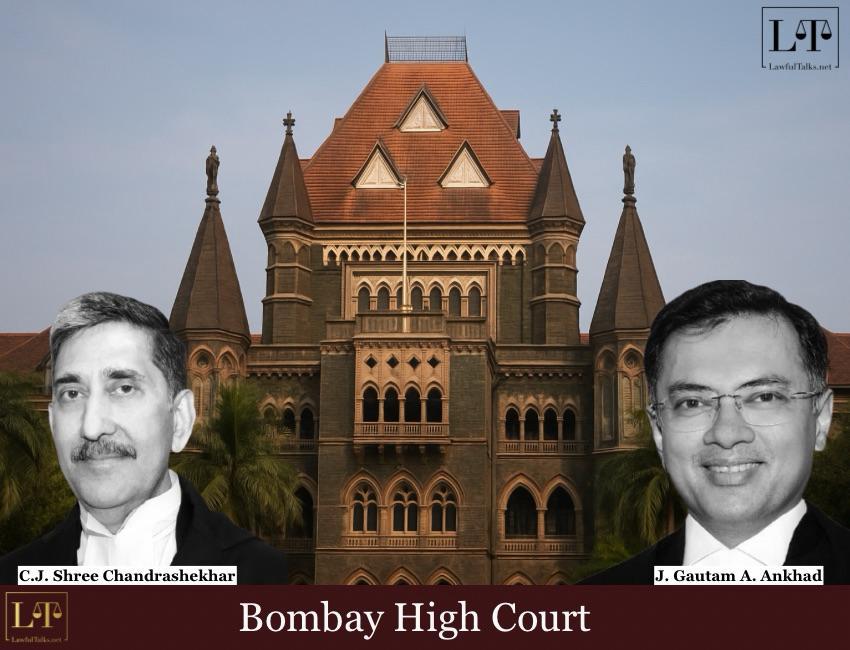
Only ‘Influence’, Not ‘Undue Influence’: Bombay HC Rejects Election Plea Over Shinde Roadshow

- March 09, 2026


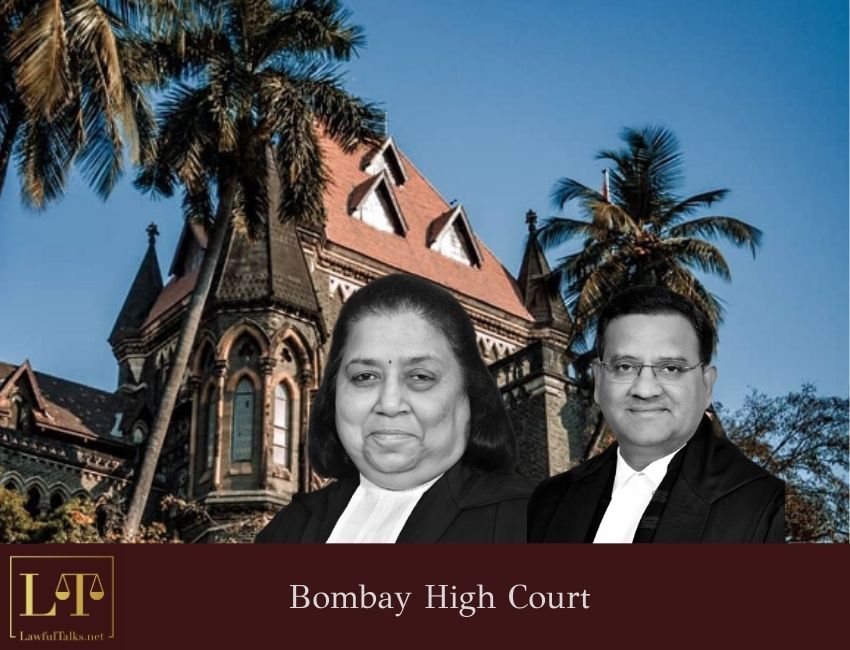
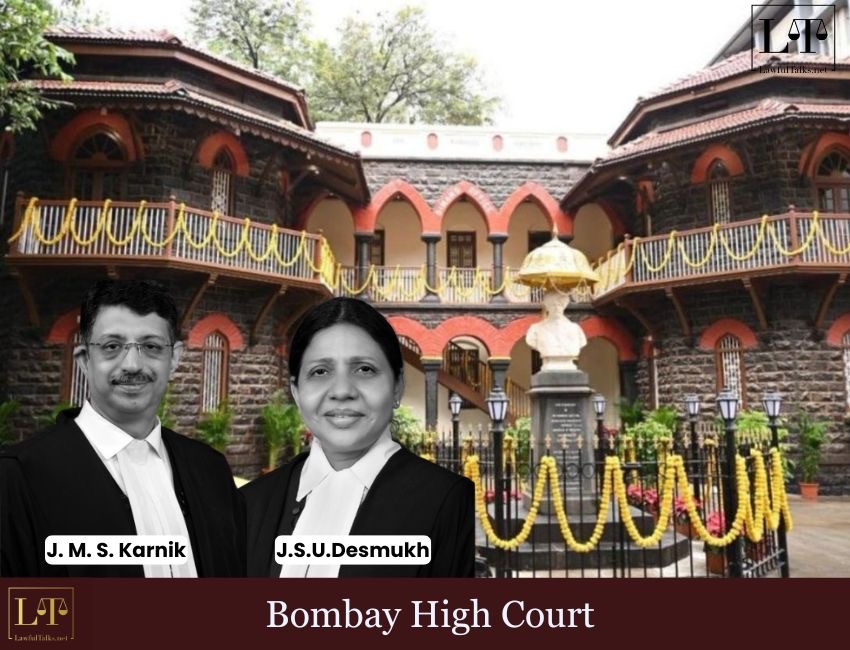
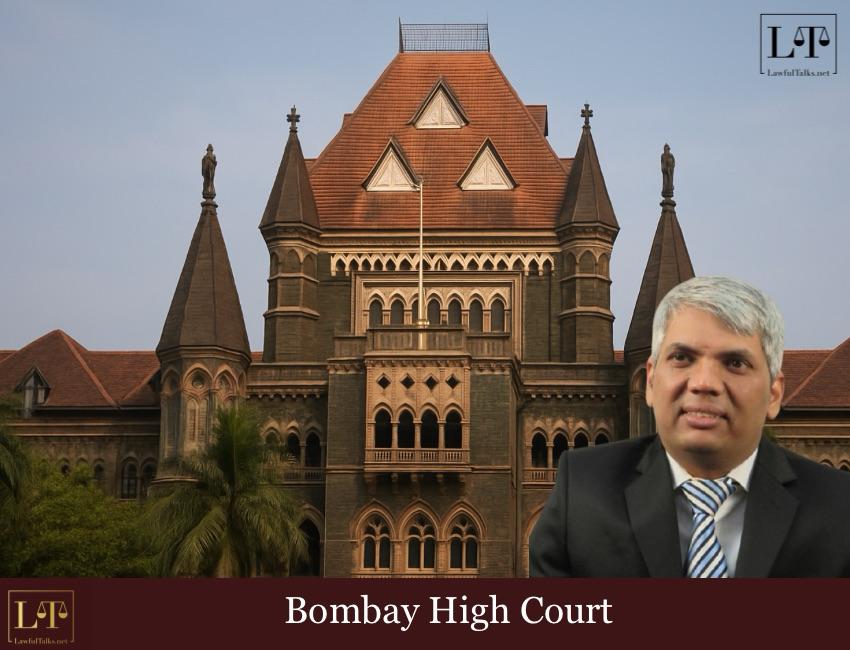
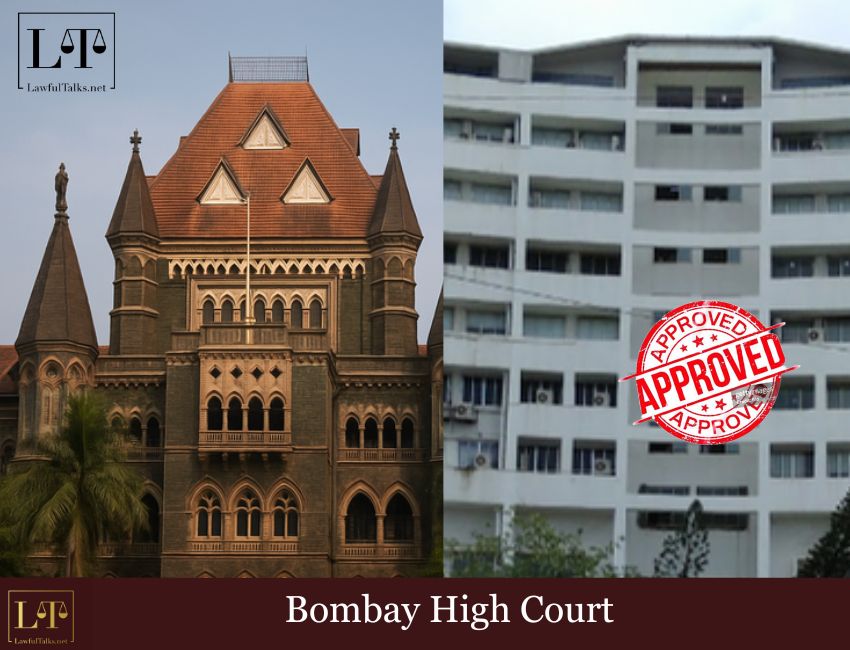
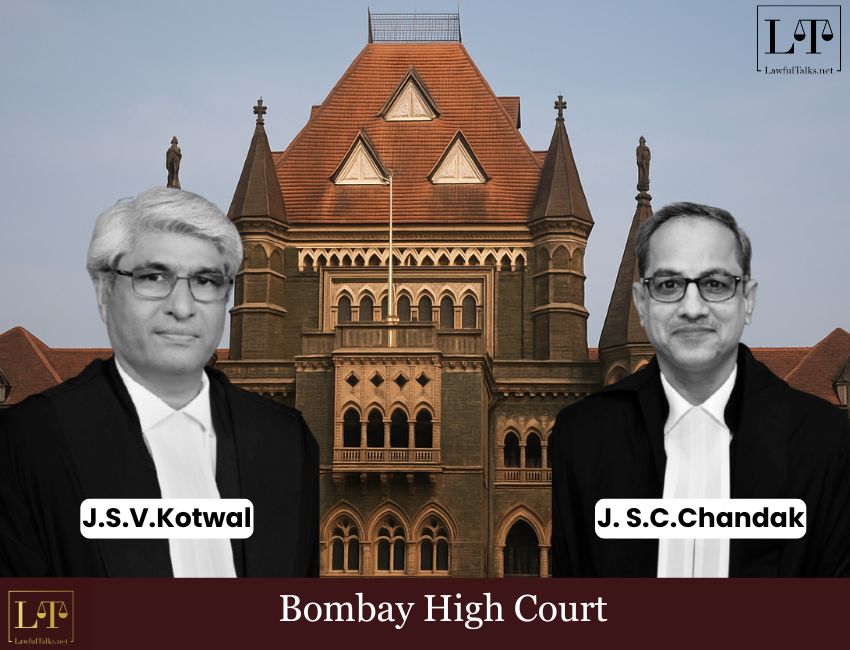
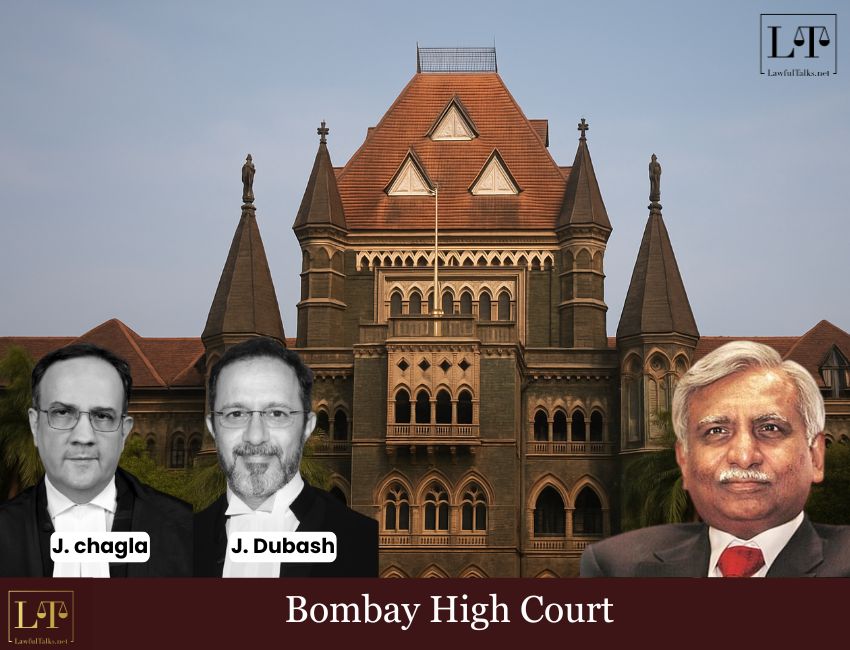
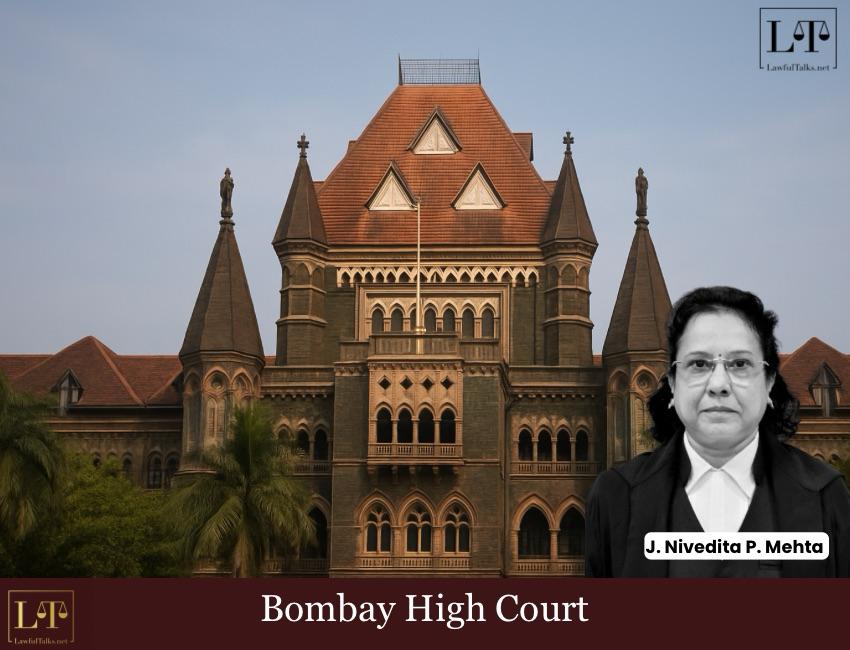
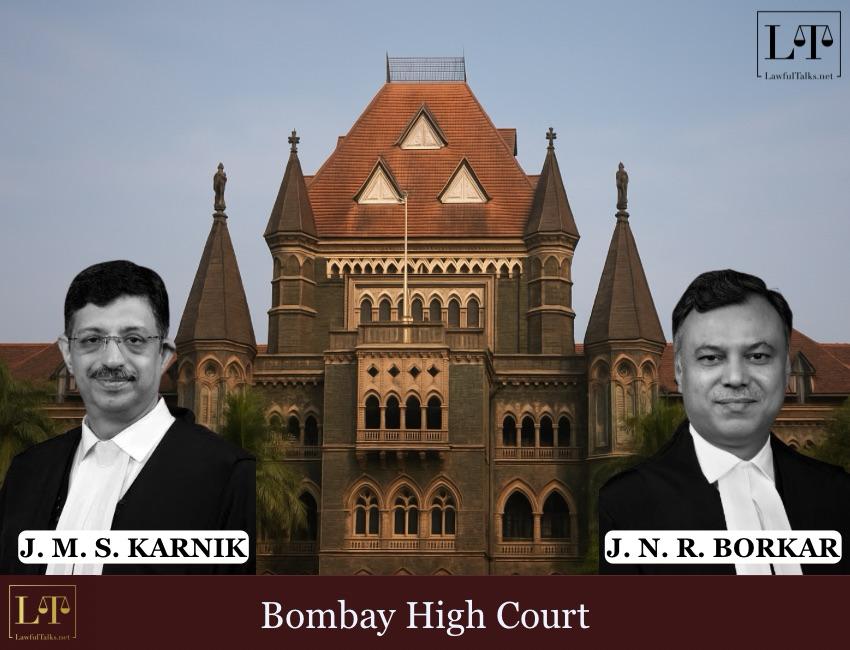
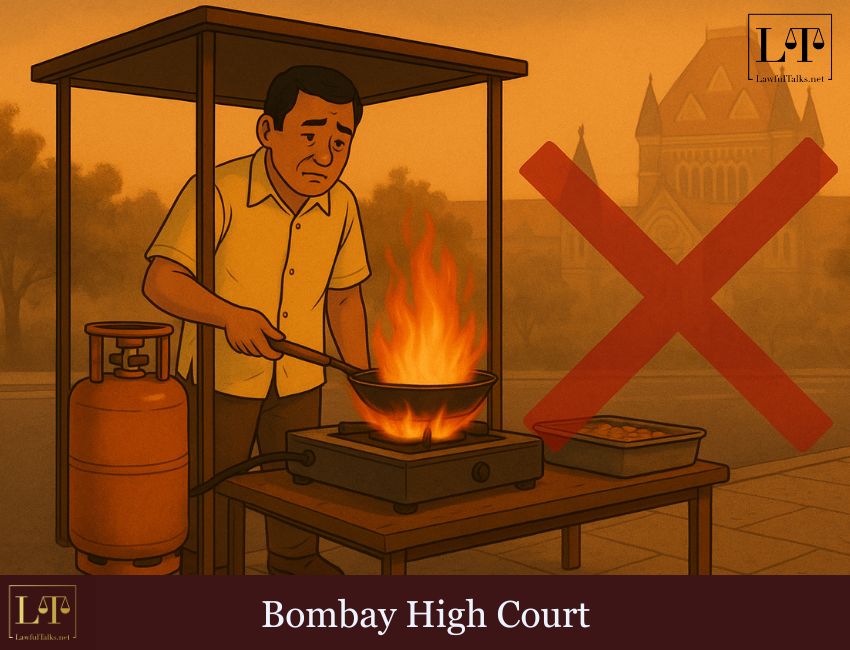
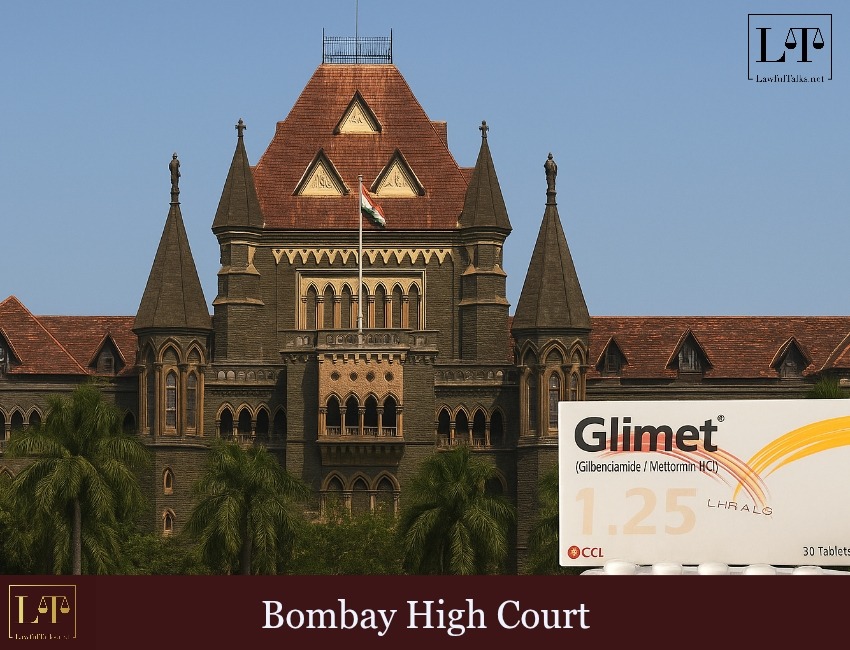
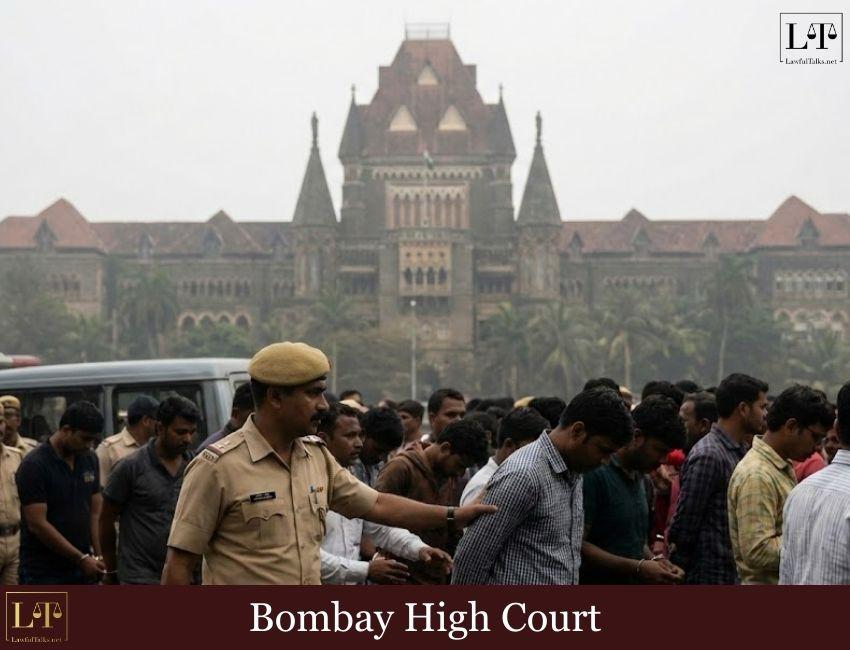
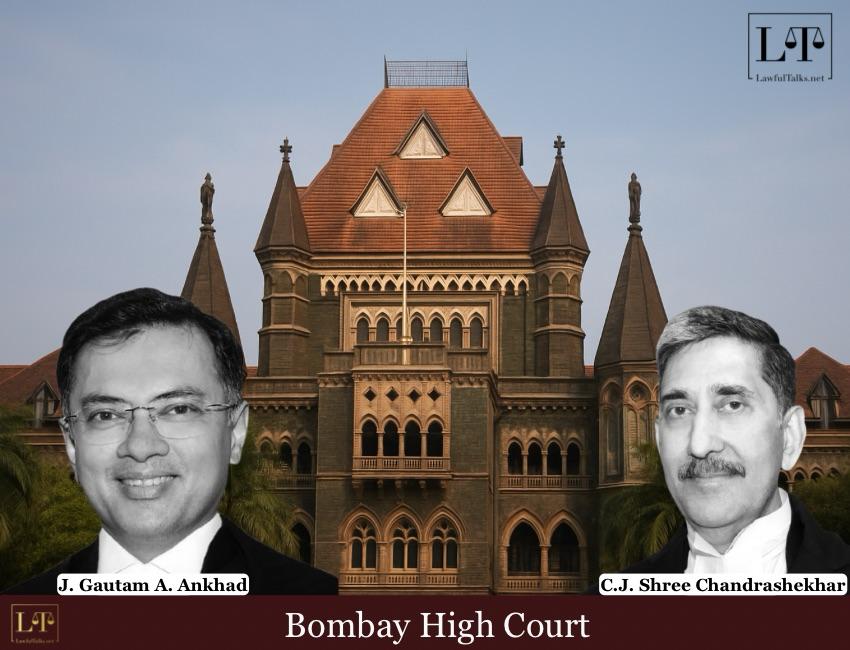
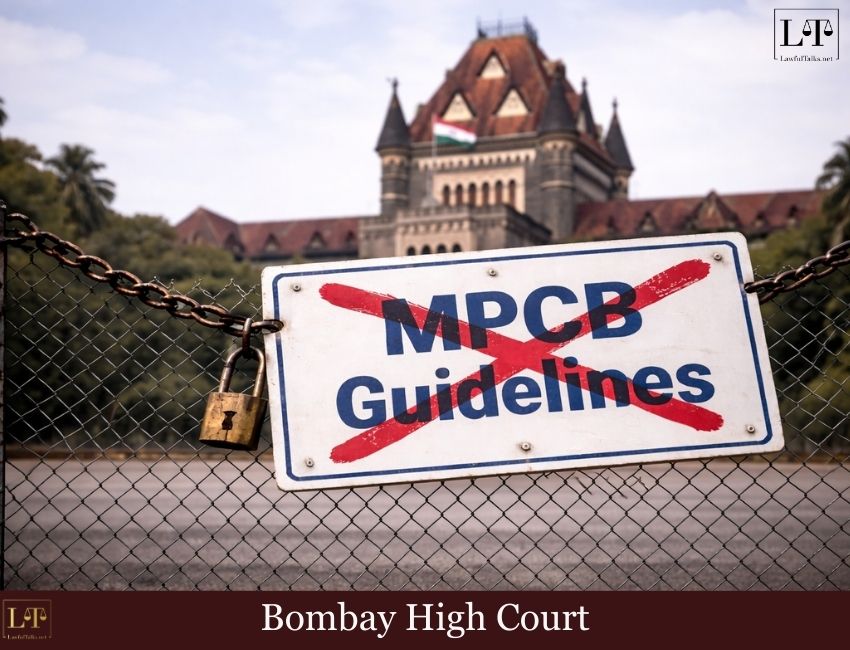
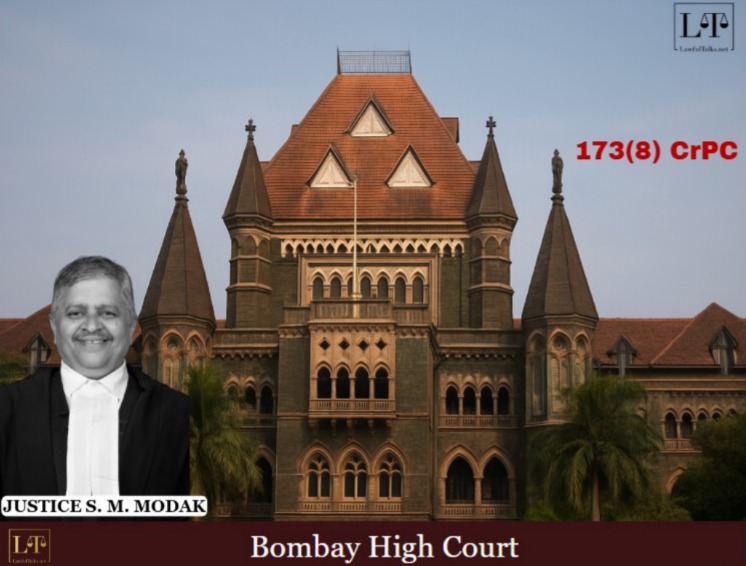
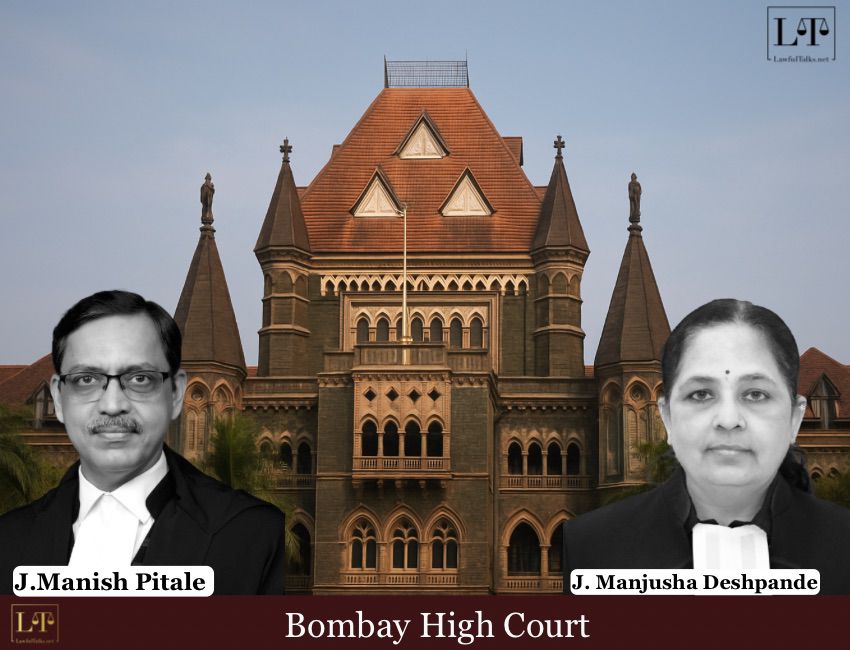
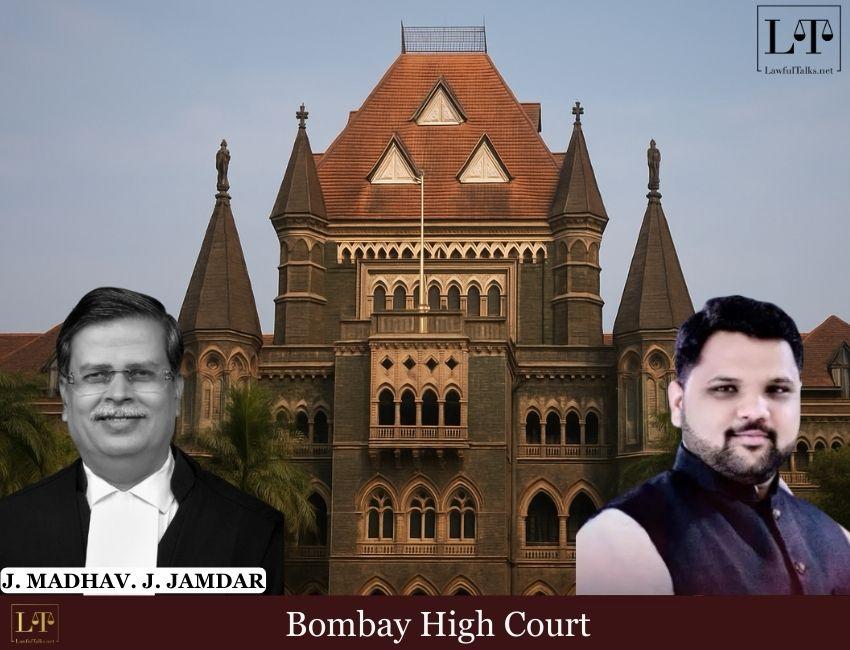
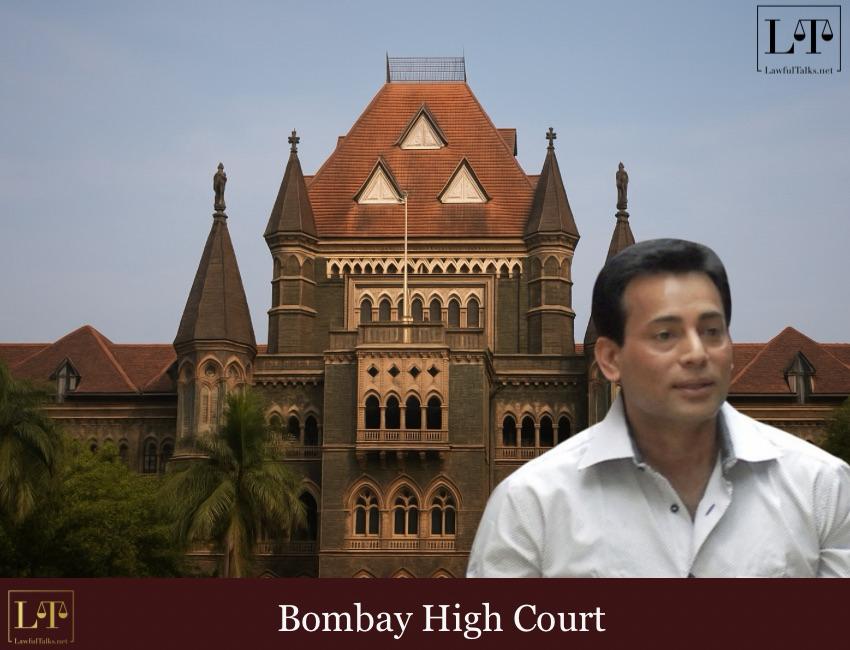
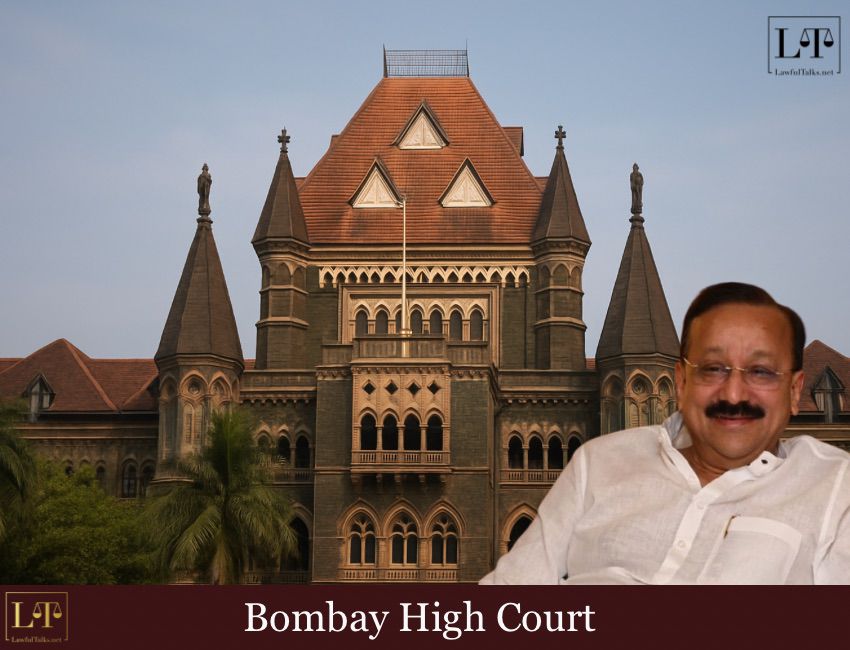
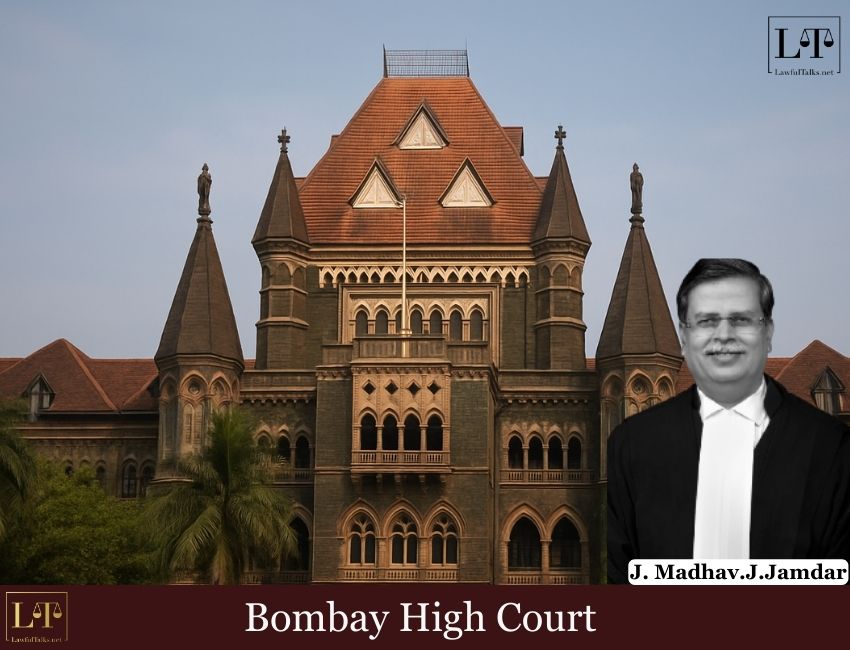
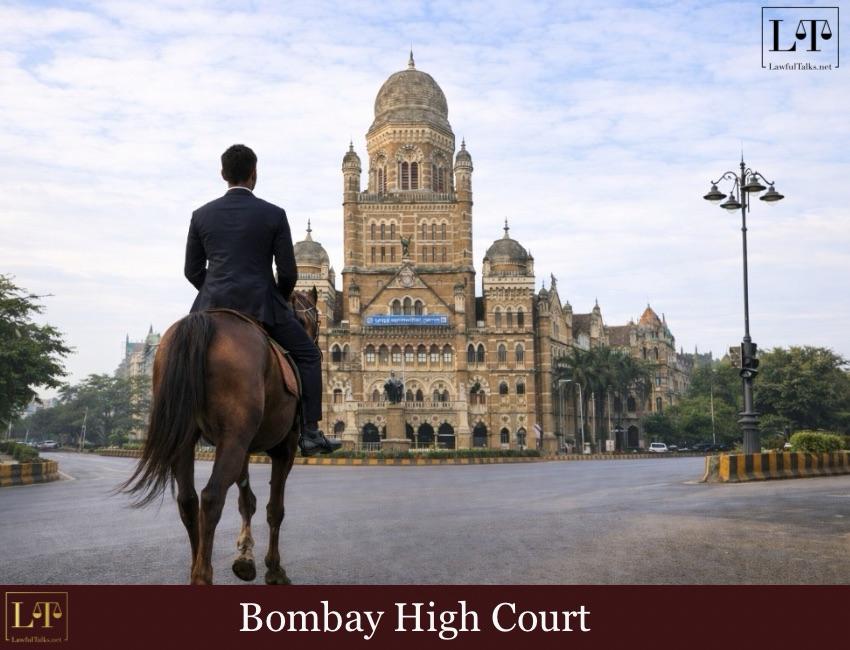
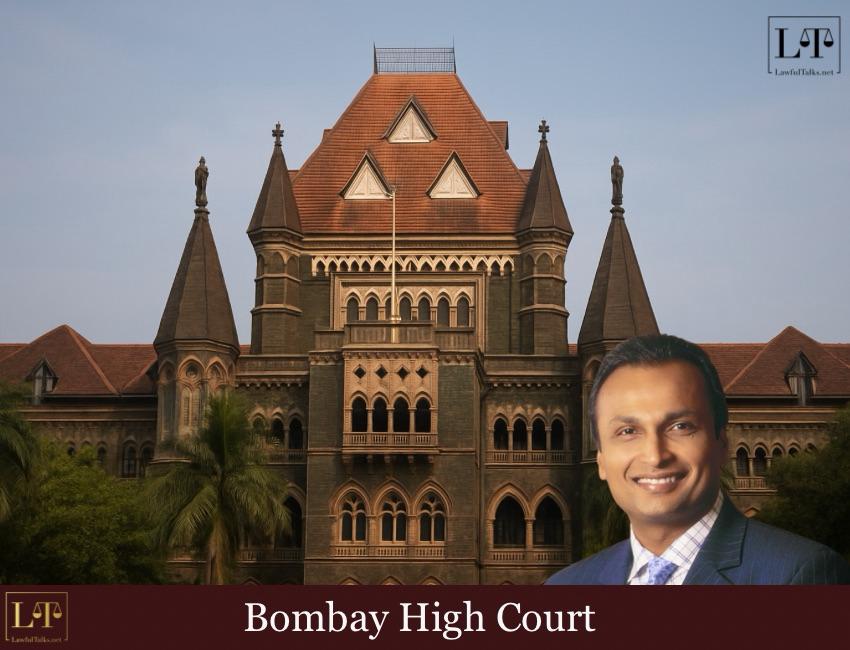
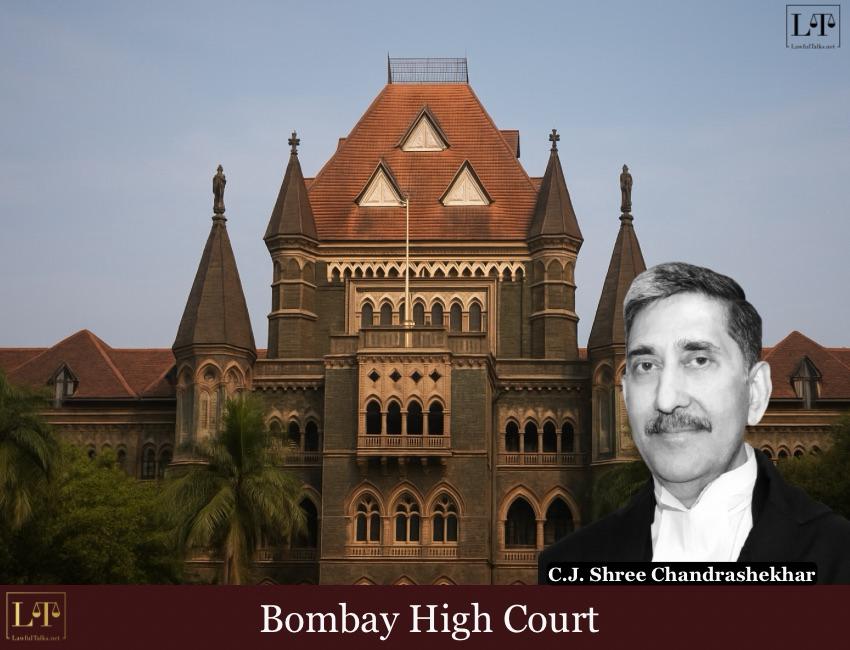
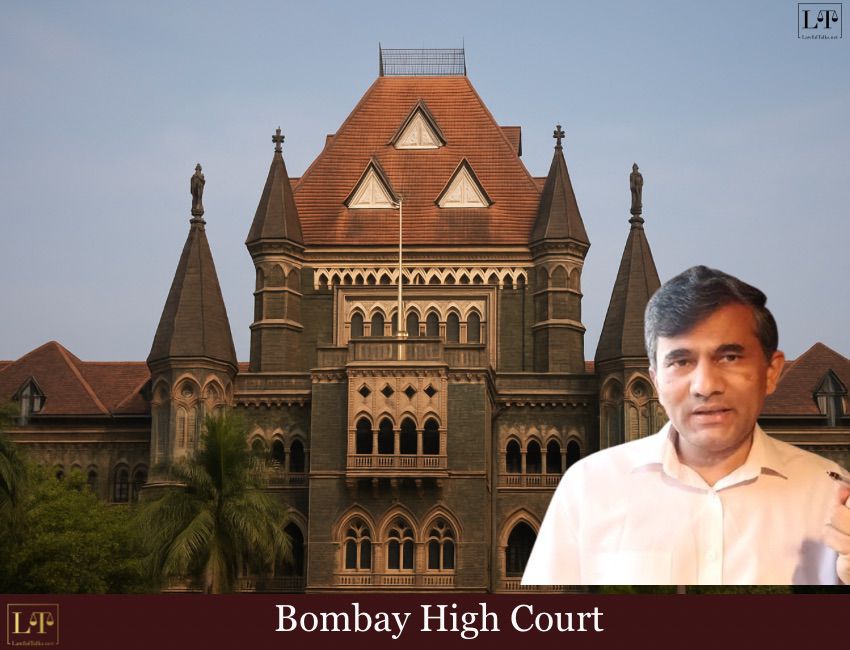
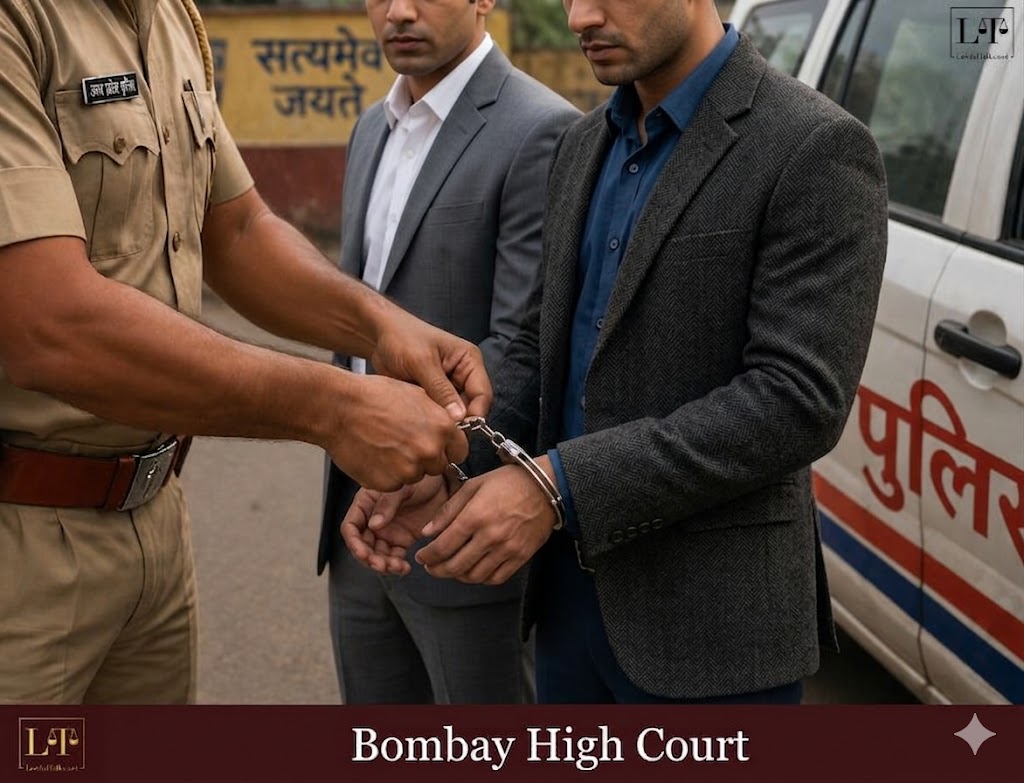
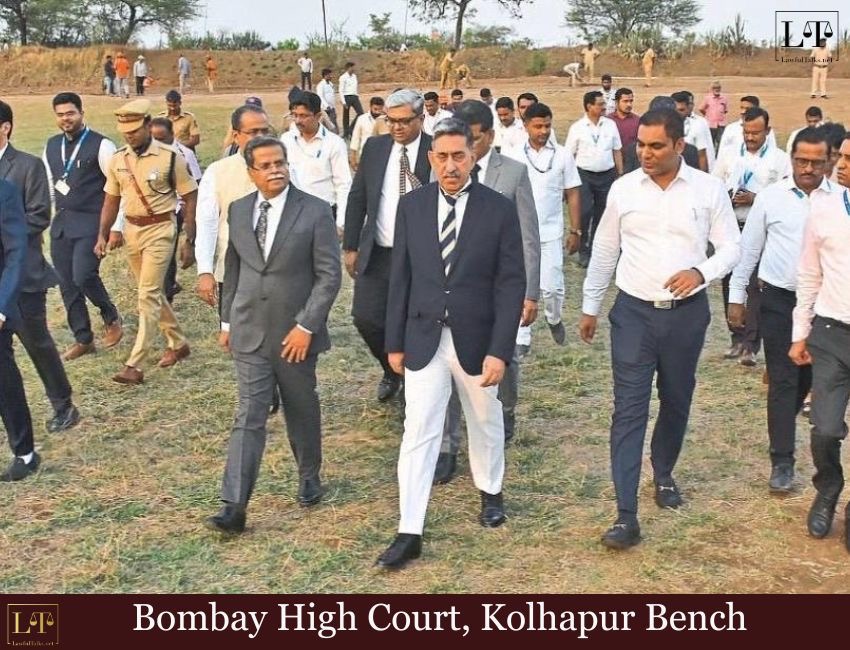
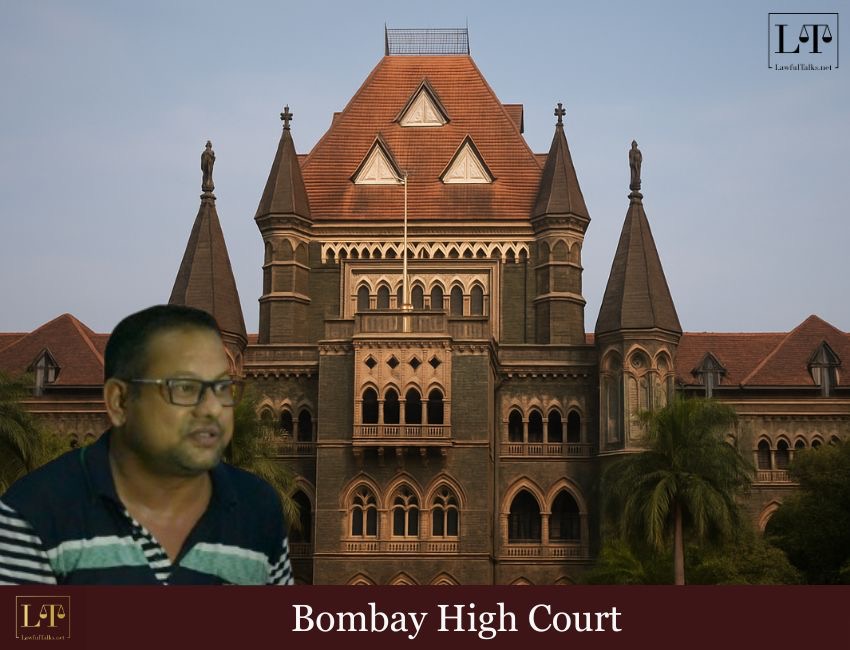
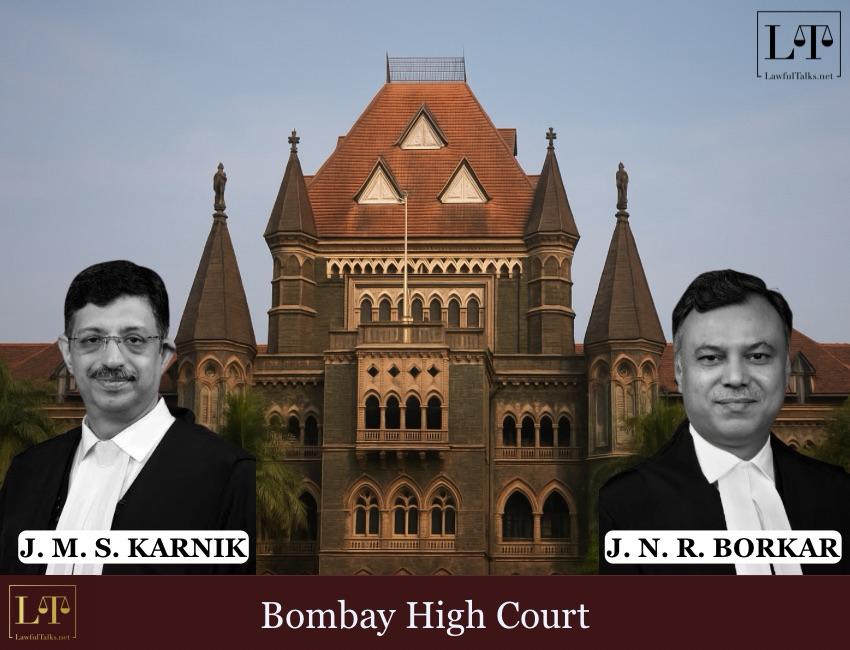
In a decisive ruling, the Bombay High Court dismissed a petition filed by Congress leader Md Arif (Naseem) Khan challenging the victory of Shiv Sena (Shinde faction) MLA Dilip Lande from the Chandivali assembly constituency in the 2024 elections.

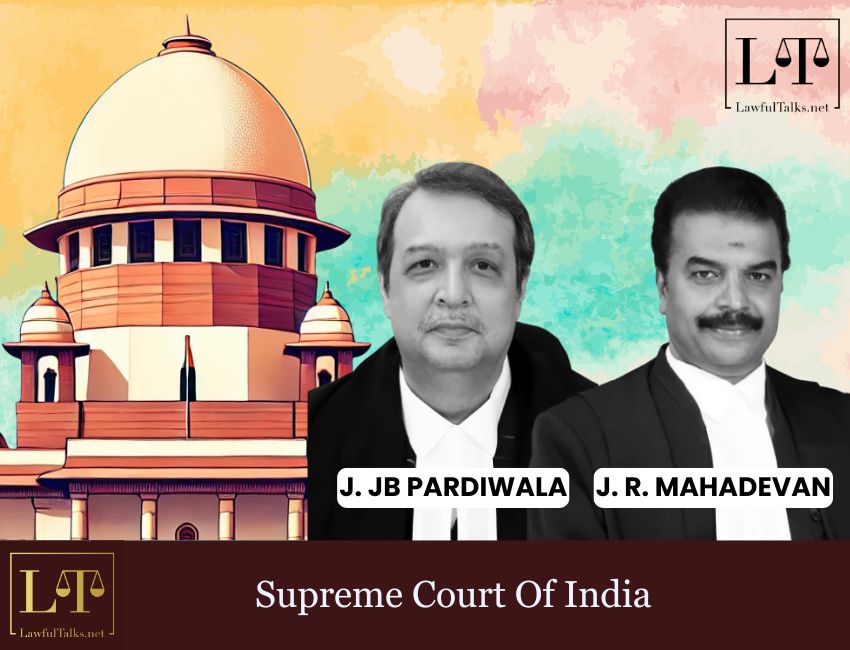
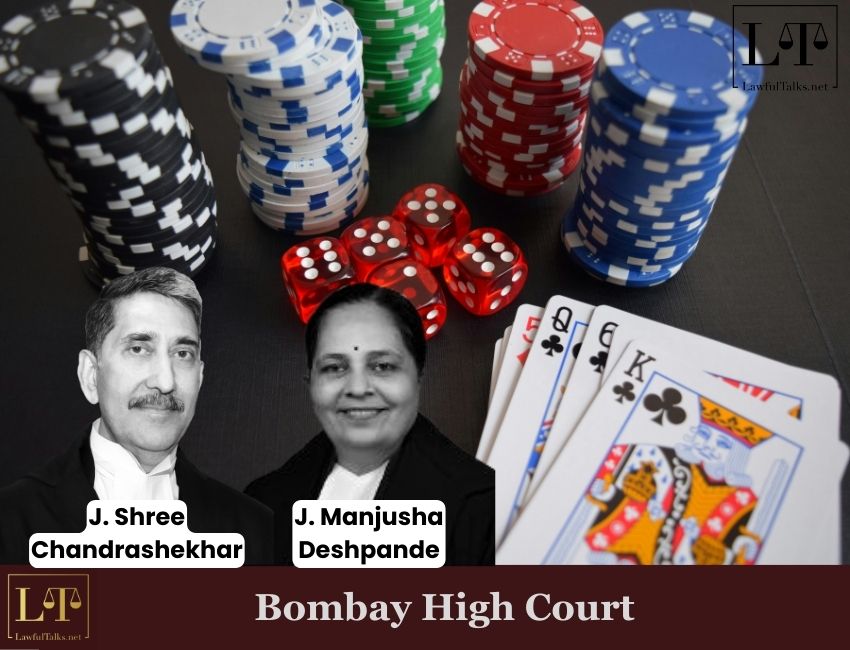
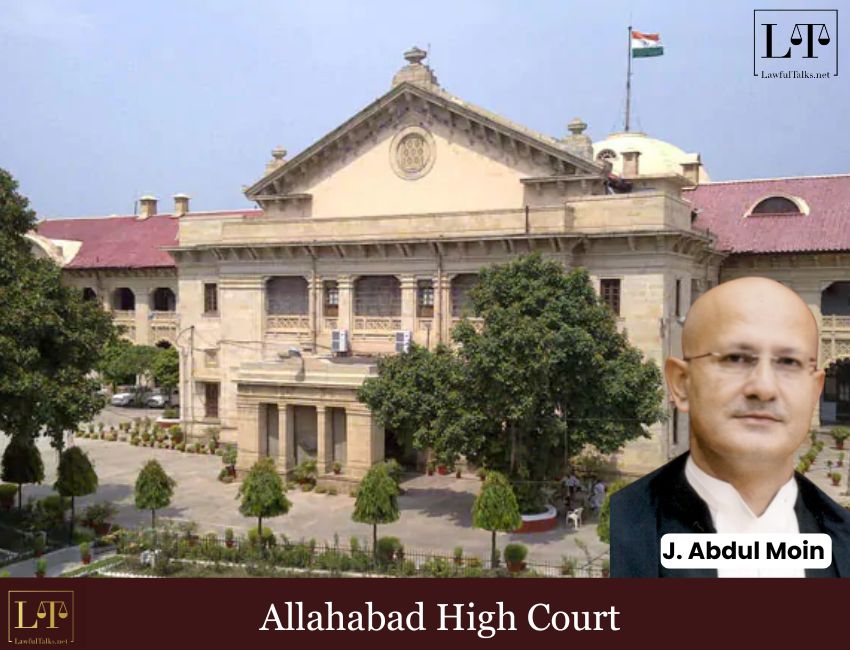
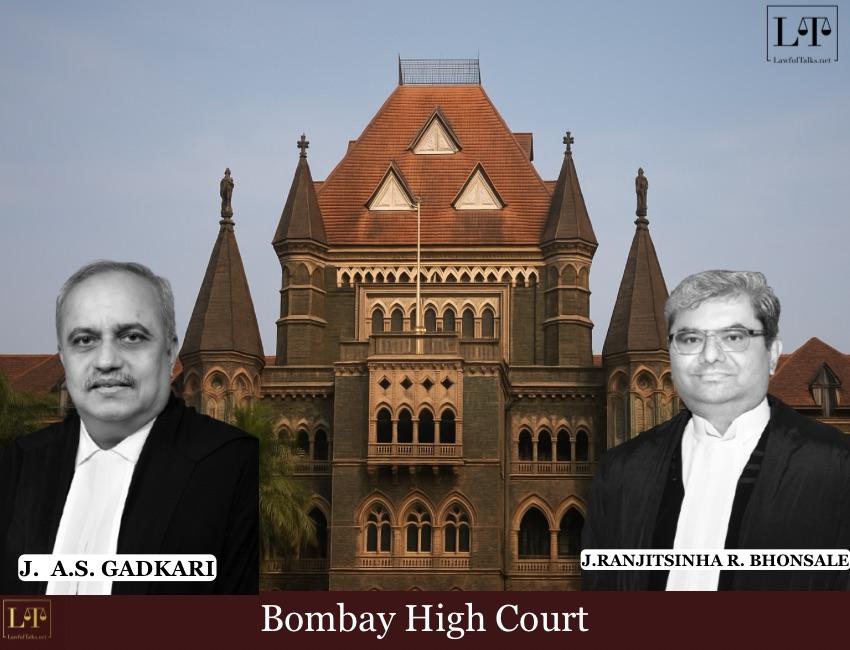
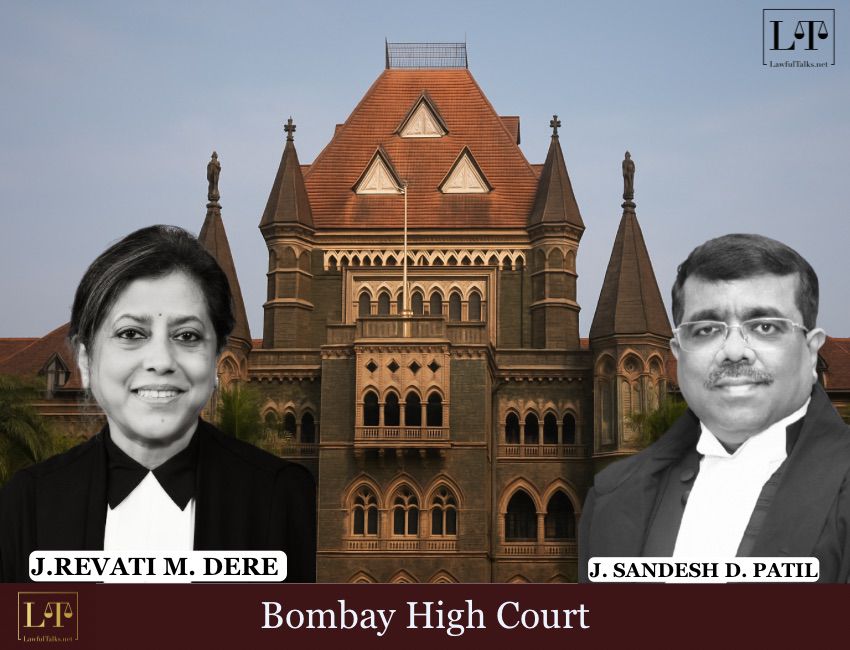
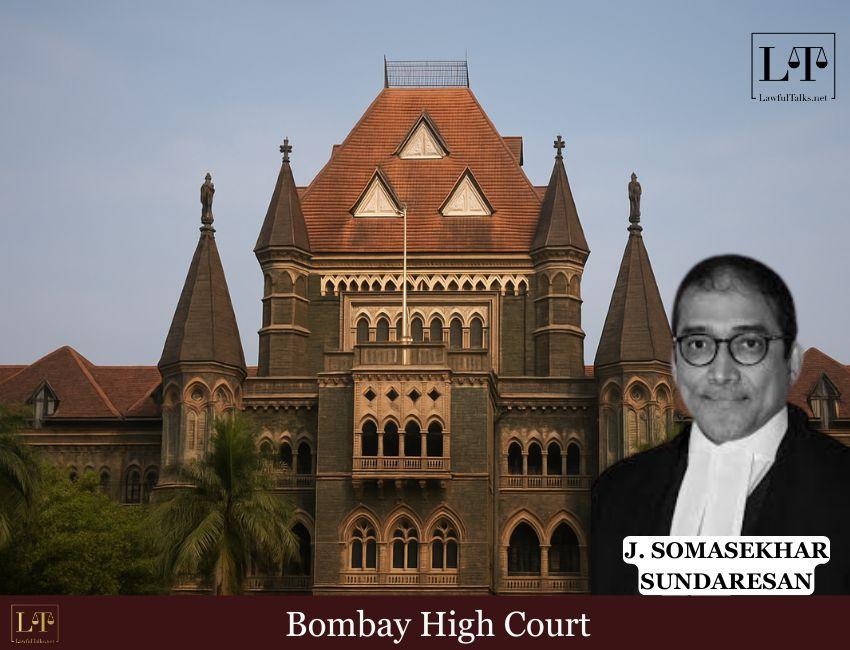
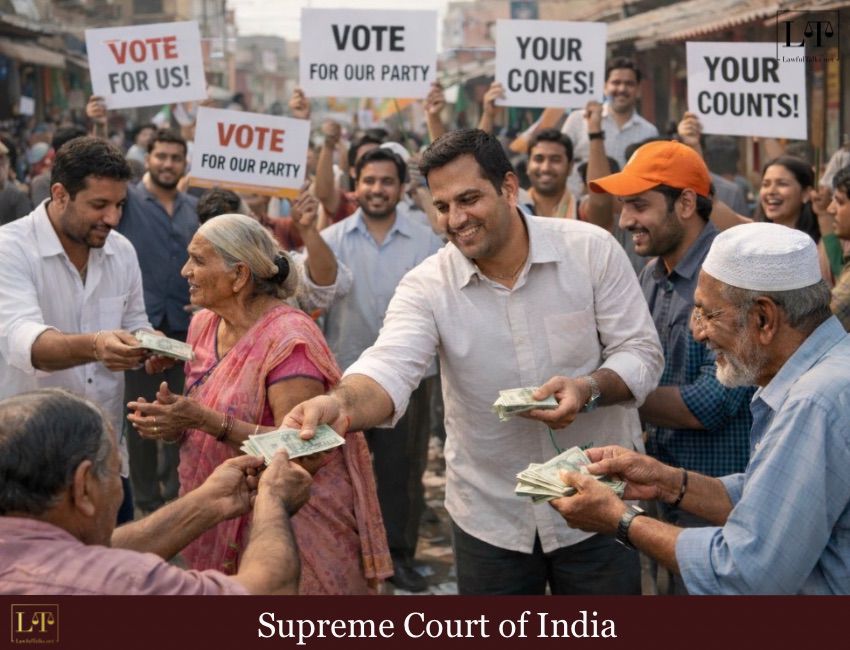
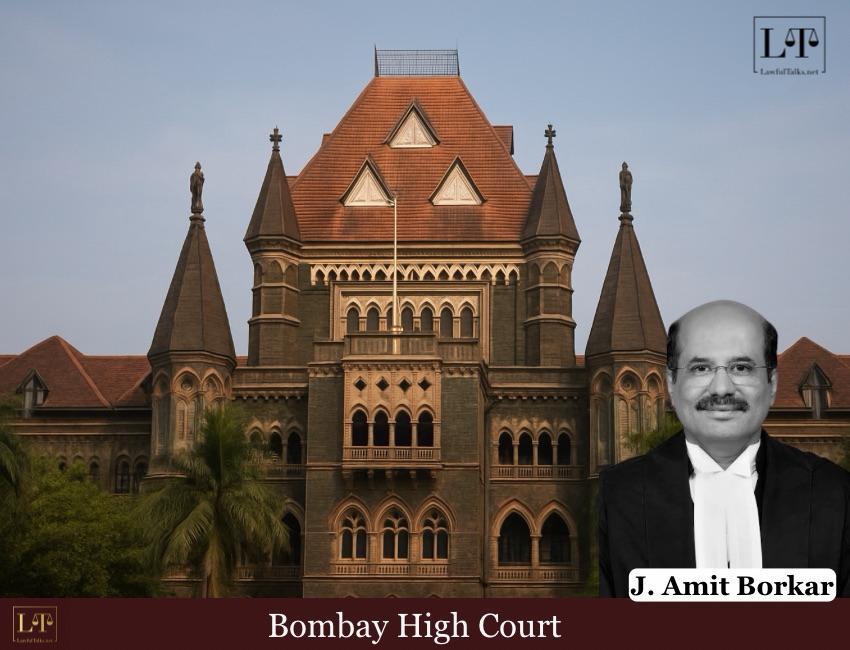
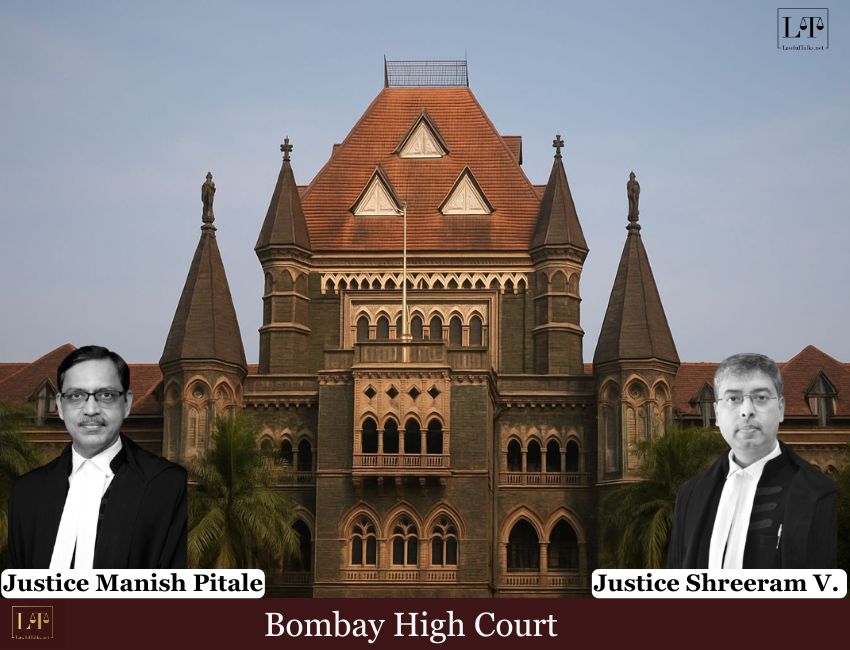
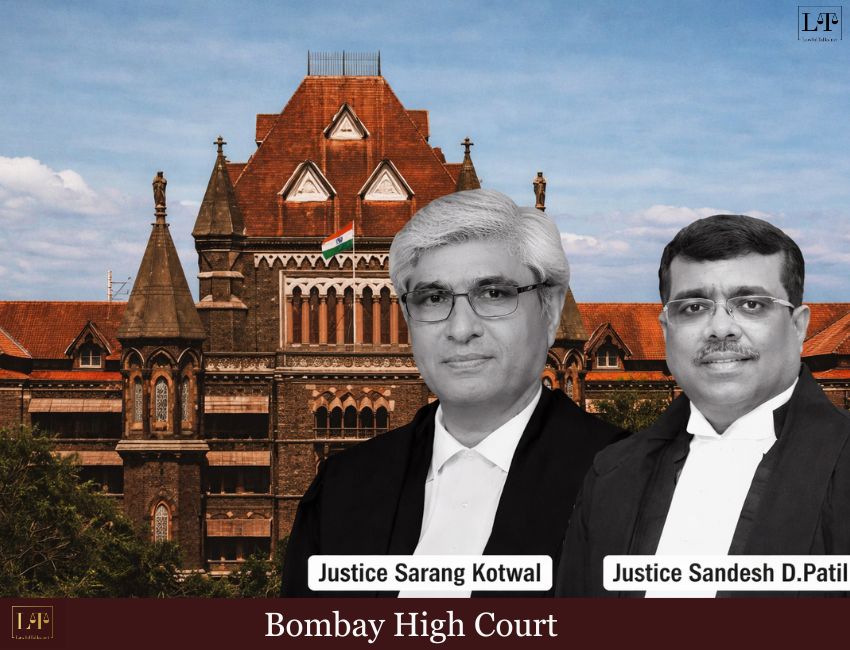
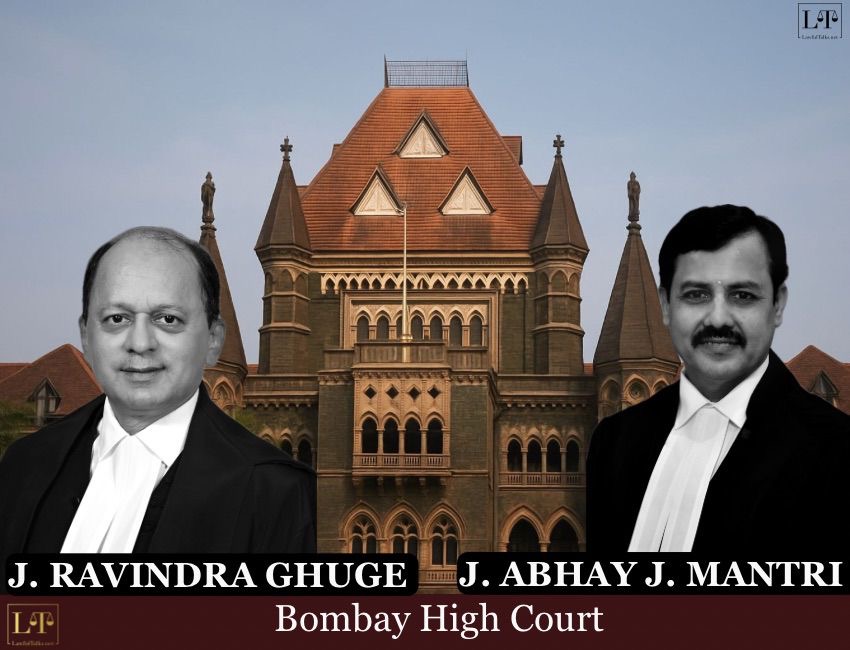
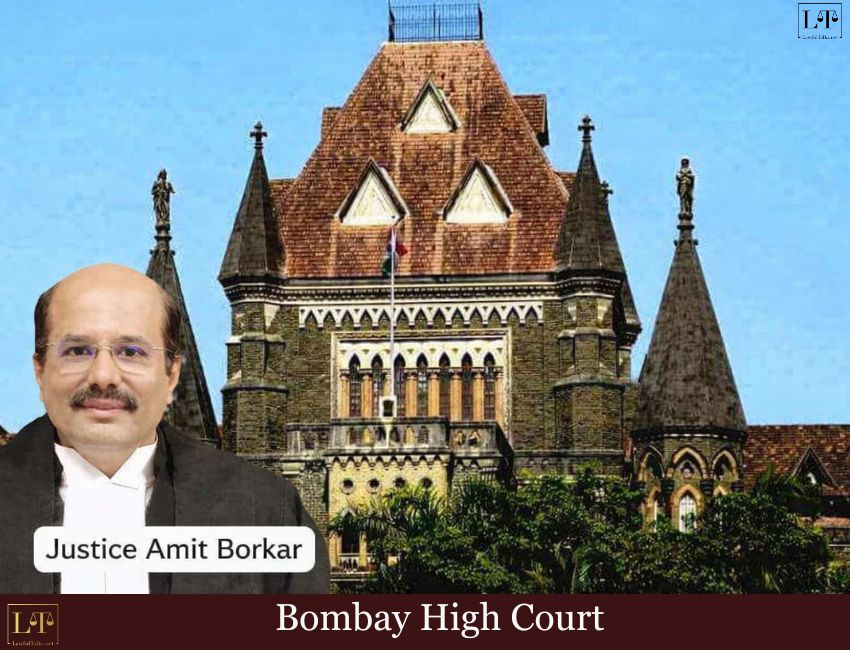
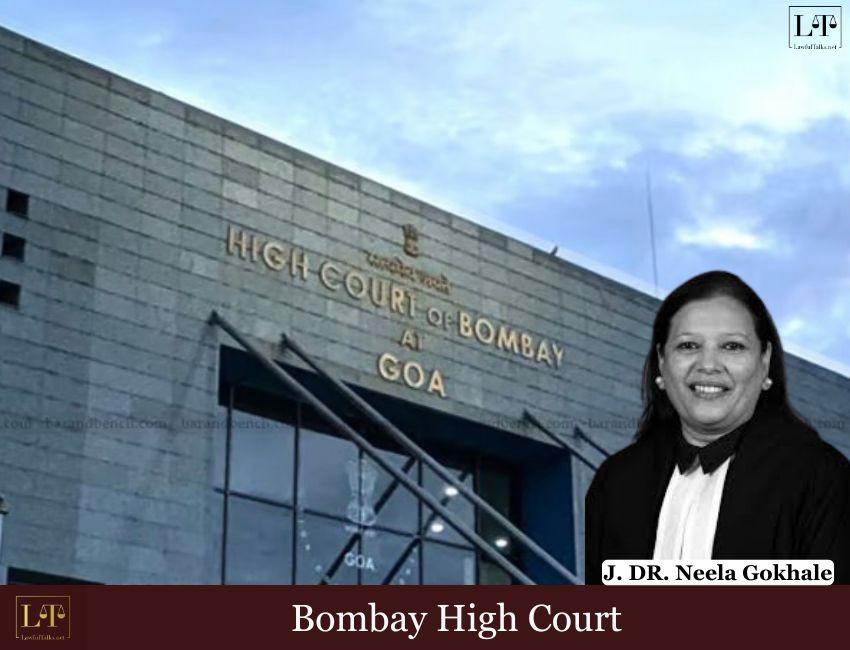
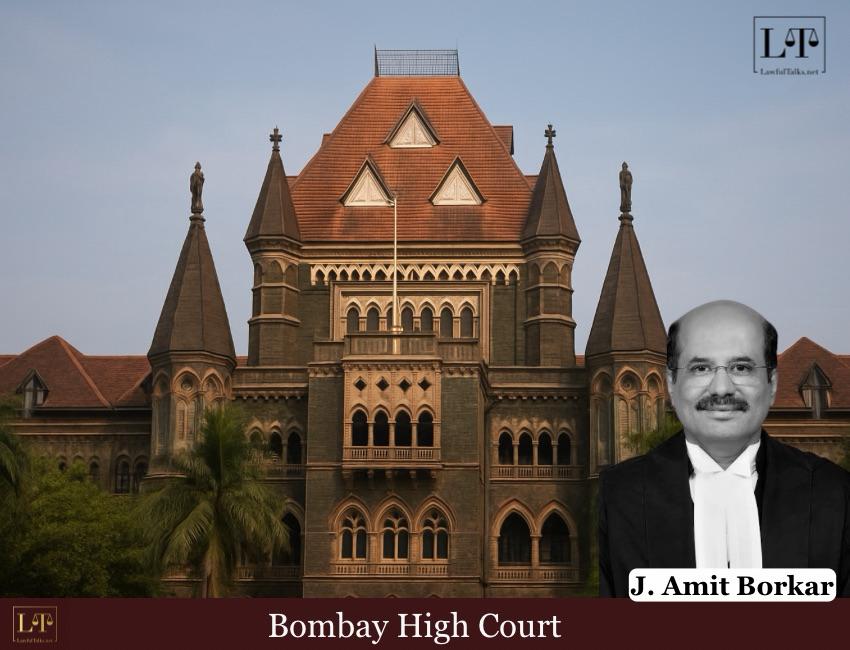
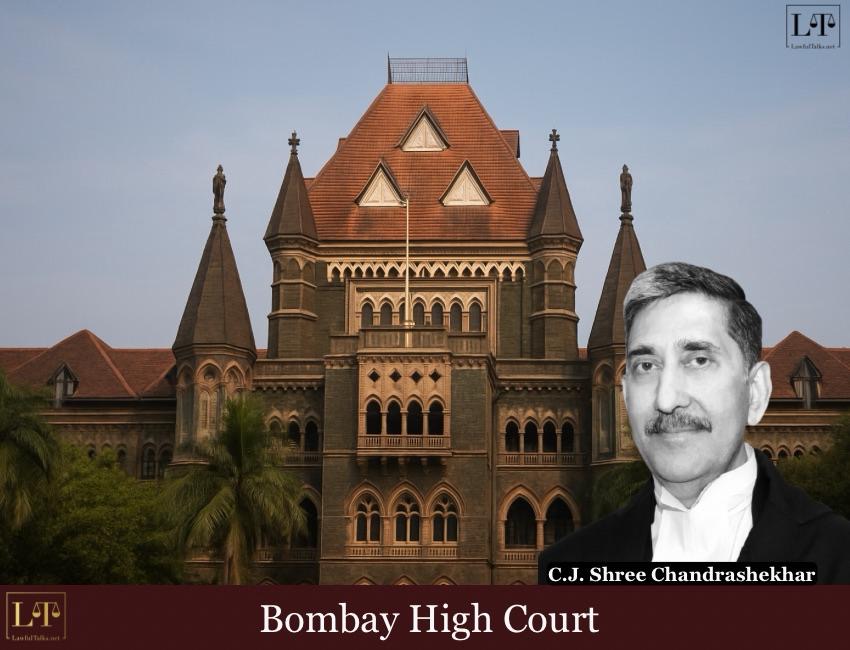
Justice Somasekhar Sundaresan held that Khan’s petition did not include the essential material facts required under Section 83 of the Representation of the People Act, 1951. The court pointed out that the petition did not give enough details while alleging that Deputy Chief Minister Eknath Shinde’s road show on polling day had caused “undue influence” on voters during the 48-hour pre-poll campaign blackout.
Election Results Should Not Be Easily Challenged:
The court accepted Lande’s application under Order VII Rule 11 of the Code of Civil Procedure and dismissed the petition. The court stressed that “Electoral outcomes in a democracy ought not to be lightly interfered with, without being subjected to the rigours of how Section 83 of the Act operates.”
Section 83 requires a clear summary of the main facts and complete details of any alleged corrupt practices. The judge said this requirement is mandatory.
Khan, who lost the election by 20,625 votes, raised three main issues. He claimed that Shinde held an unauthorized road show in Chandivali during the silent period under Section 126. He also alleged discrepancies in Lande’s very detailed Form 26 affidavit and expressed concerns about possible EVM manipulation.
Justice Sundaresan said that even if the petition appears to show a possible violation of Section 126 at first glance, it is not enough to prove “undue influence” as a corrupt practice under Section 123(2).
Court Finds No Proof of Voters Being Affected:
He observed, “When seen through this lens, I am afraid the petition does not indicate how the visit of Shinde interfered with the exercise of electoral will to constitute undue influence.” The judge stressed that such claims must clearly show how voters’ free choice was actually affected.
The Court also said, “In the absence of any pleading about how the conduct of Shinde interfered with the free exercise of electoral rights, the Petition evidently only indicates ‘influence’ and does not indicate ‘undue influence’.”
Extra Details in Affidavit Not Illegal:
On the issue of the affidavit, the judge said that no law prevents a candidate from giving extra details. He also noted that nothing showed these mistakes affected the election result or amounted to corruption.
EVM Allegations Based Only on Suspicion:
On the EVM issue, the court said Khan had spent ₹9.44 lakh to check 20 machines. However, the petition only raised suspicions and did not give specific details showing how this could be a ground to cancel the election under Section 100. The judge said, “Simply pointing to the EVMs listed in the application seeking a check would not constitute pleading of material particulars of how this facet leads to Section 100 being invoked.”
In the end, the court clarified that it had not given any opinion on whether there was a violation of Section 126. The bench said, “The due process for the pursuit of such alleged electoral offence may be resorted to uninfluenced by anything stated in this judgment.”
Case Details: Md. Arif Lalan Khan alias Naseem Khan v. Dilip Bhausaheb Lande & Ors

























































































































Sign up for free and be the first to get notified about curated content just for you.