“Grave Apprehension”: Kejriwal Urges Delhi HC Chief Justice To Move Liquor Policy Case From Justice Sharma

- March 12, 2026


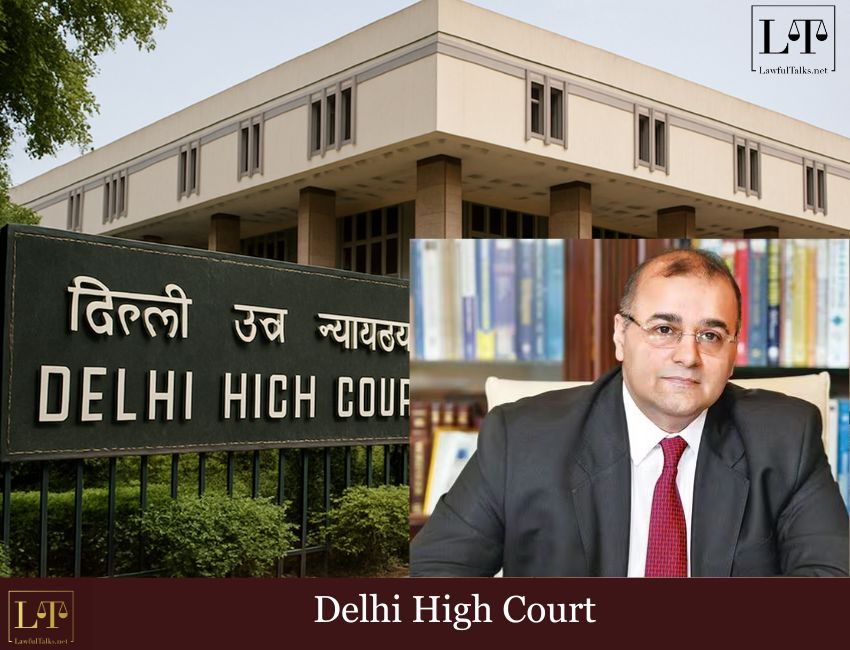
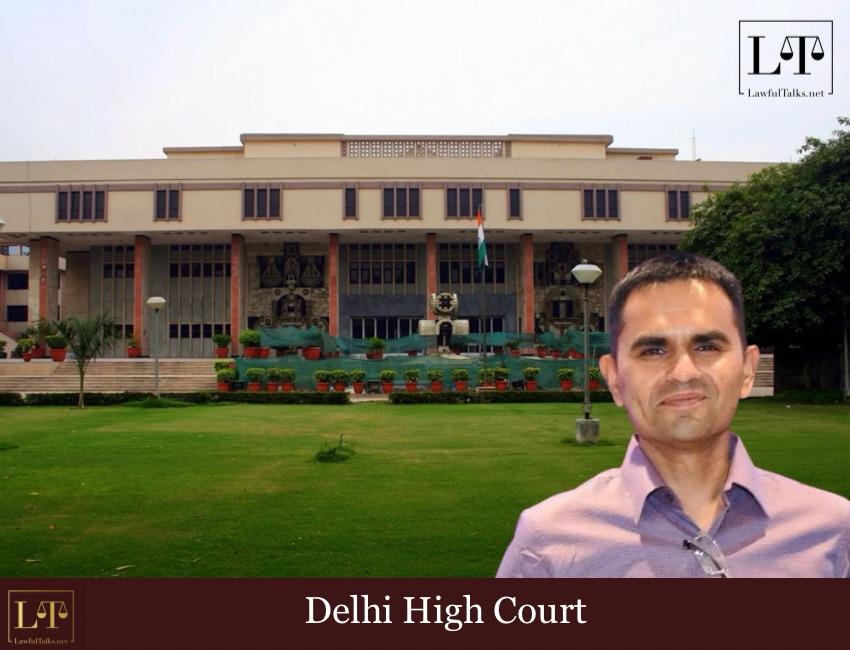
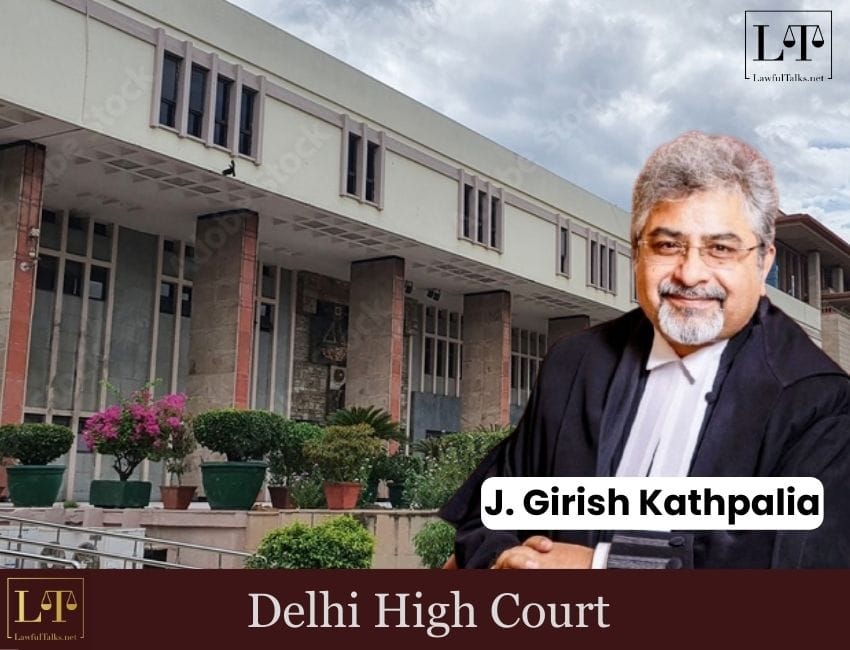
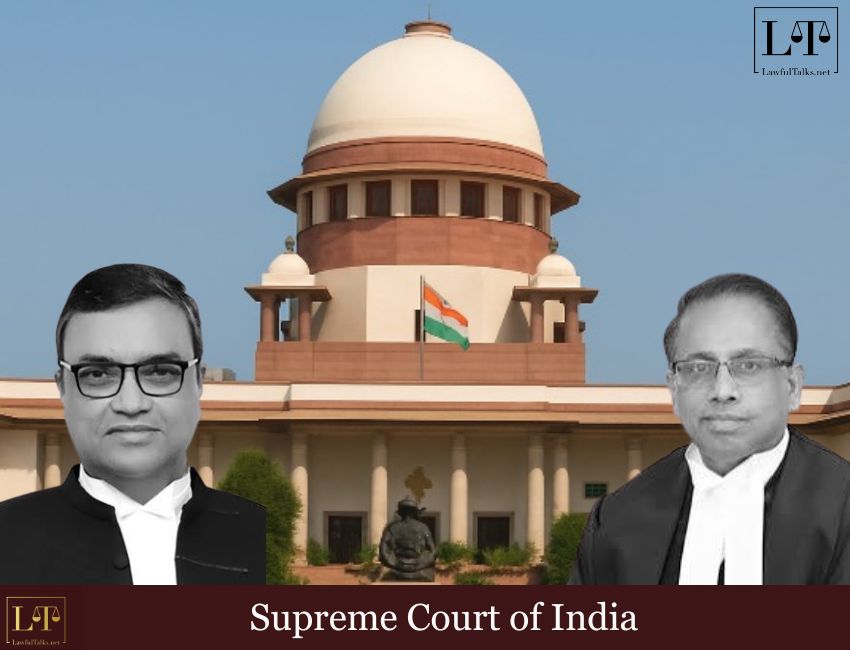
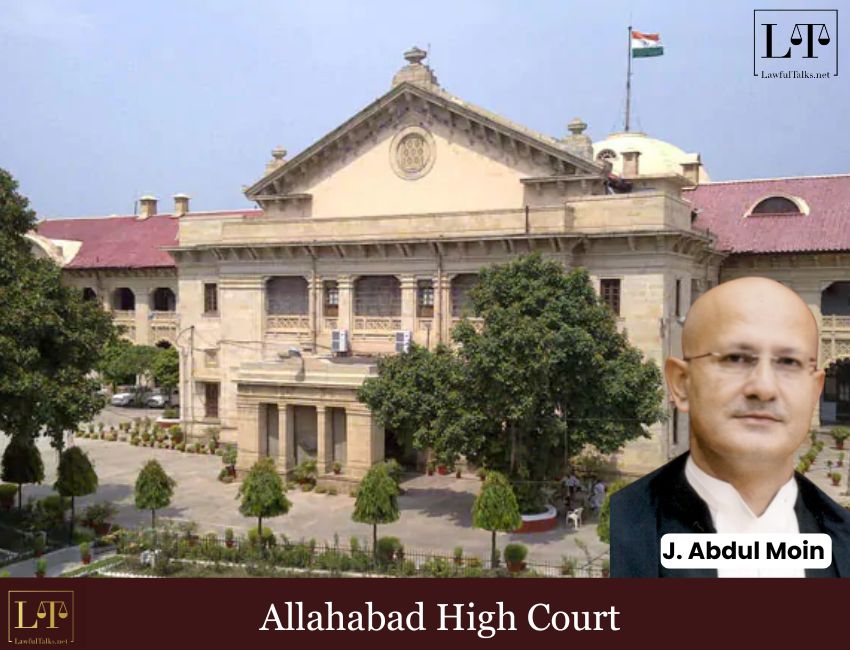
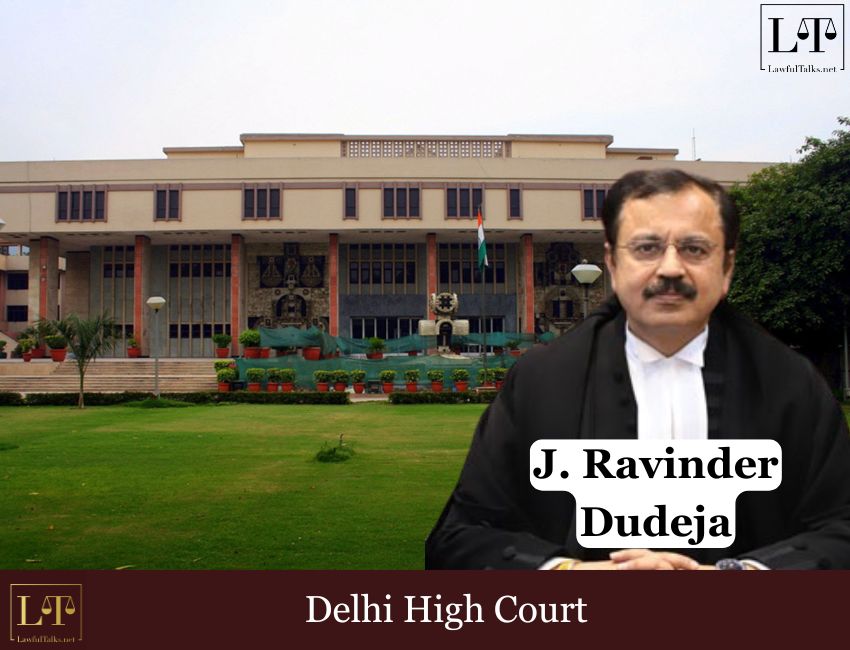
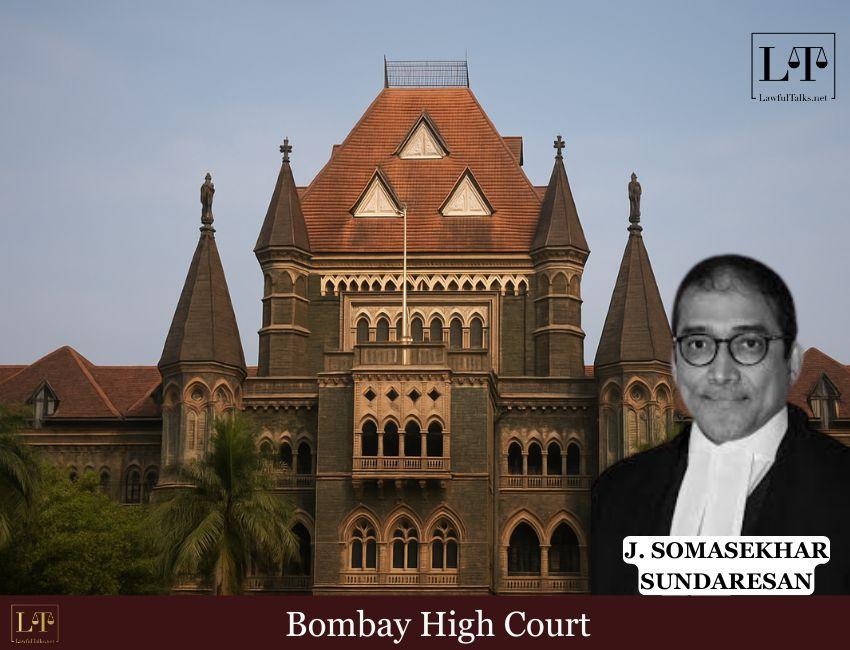
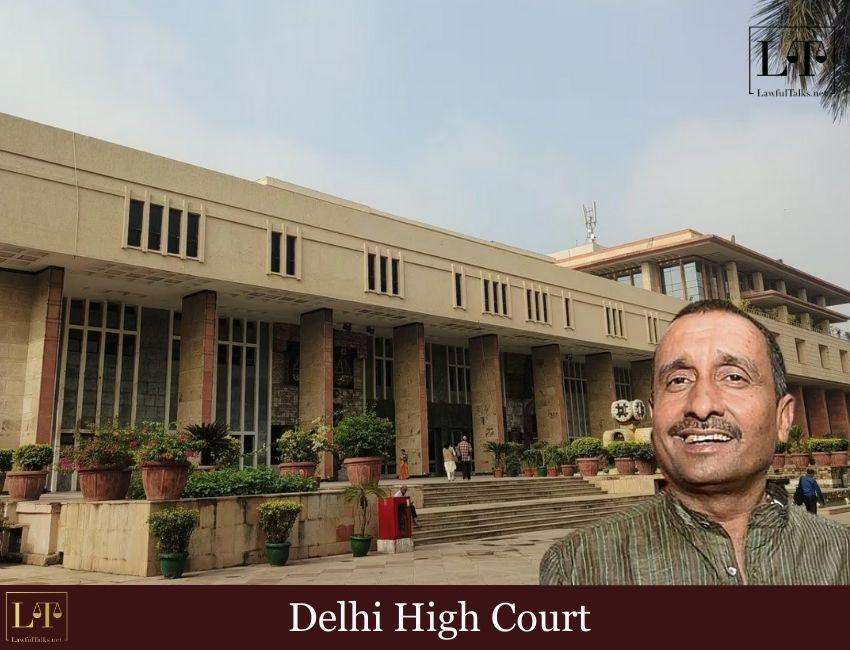
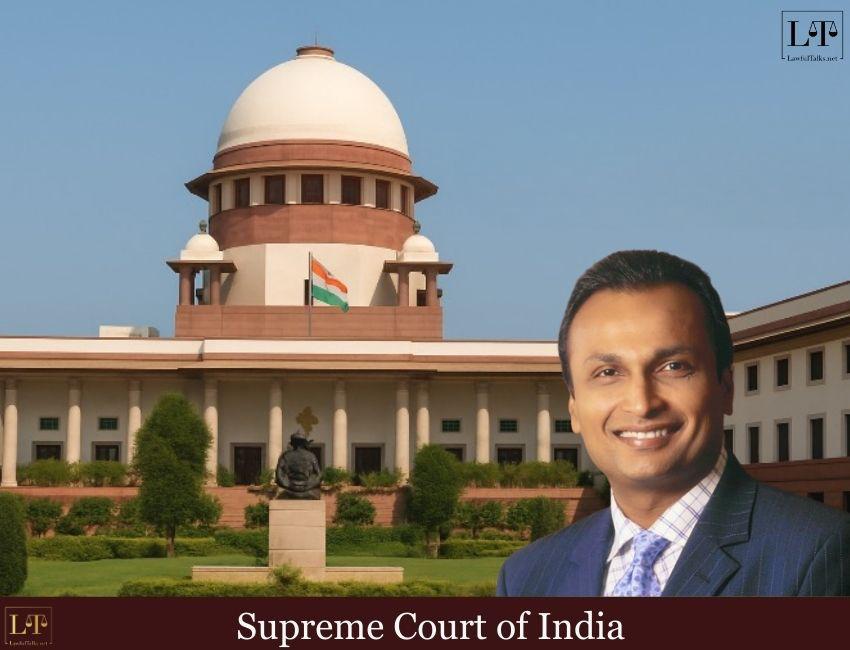
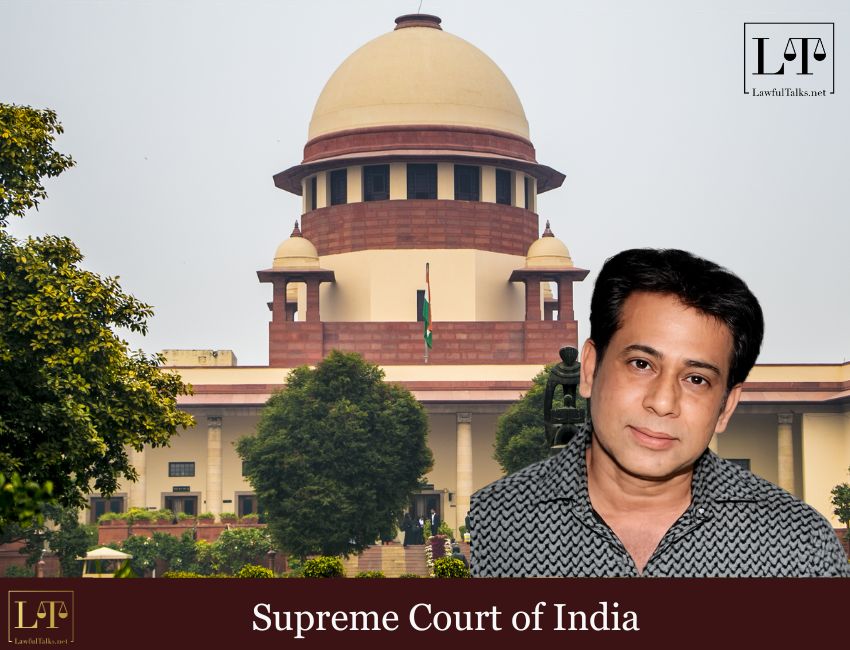
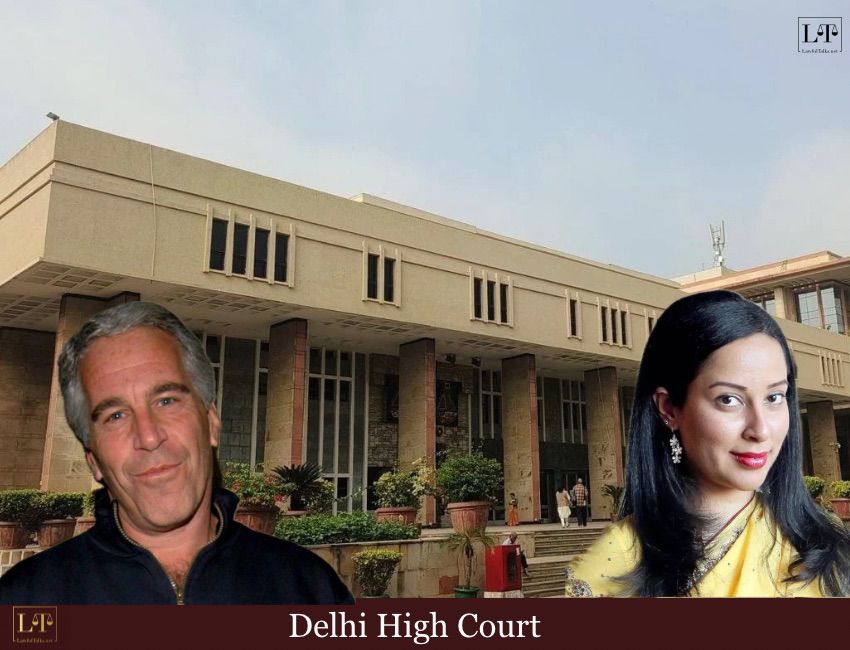
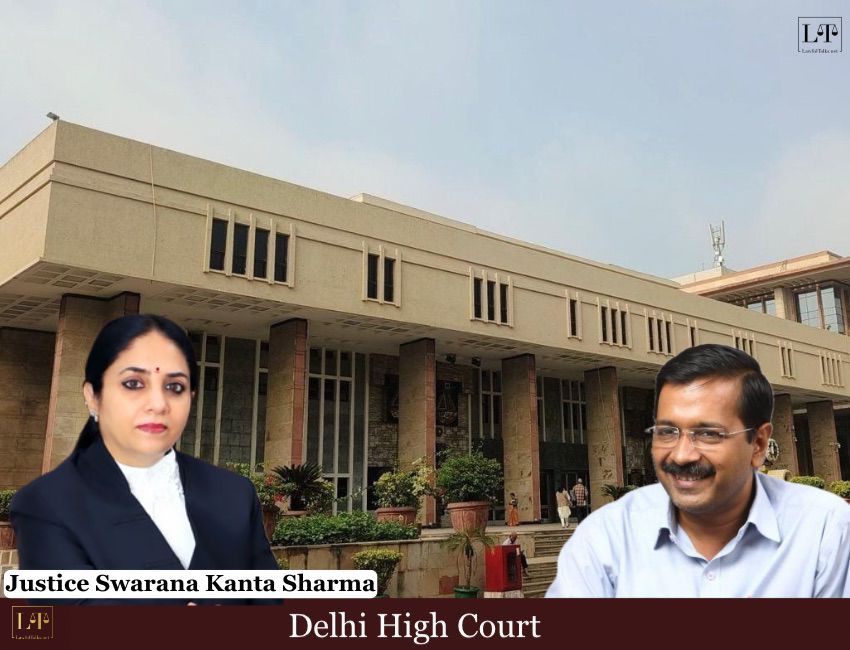
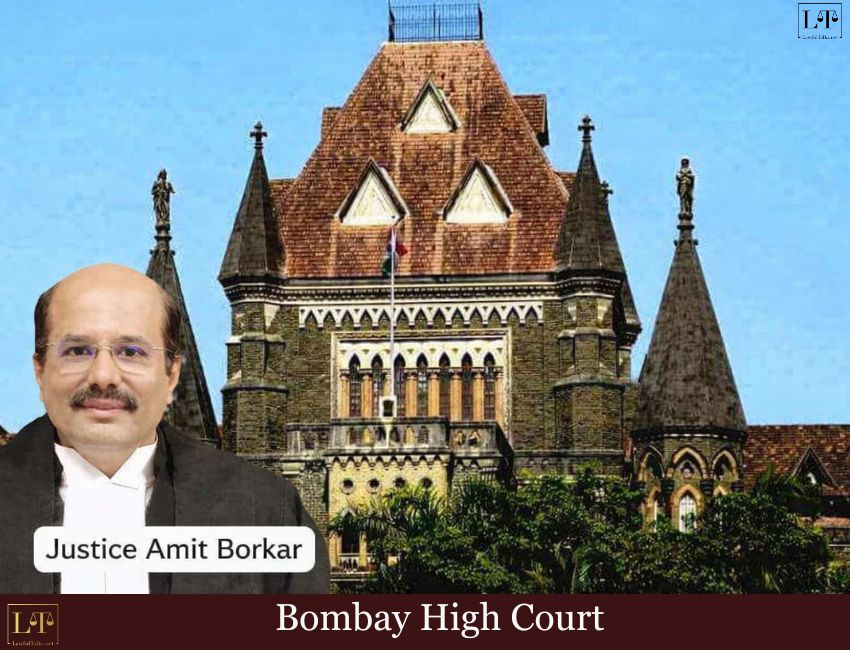
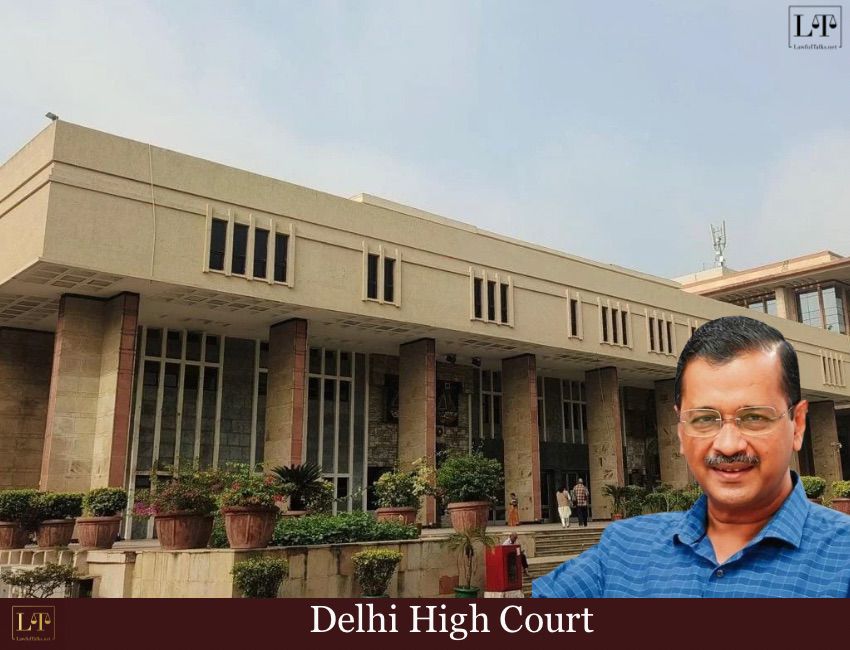
Aam Aadmi Party (AAP) leader Arvind Kejriwal has written to the Chief Justice of Delhi High Court, asking that the CBI excise policy case be transferred from Justice Swarana Kanta Sharma to another bench.
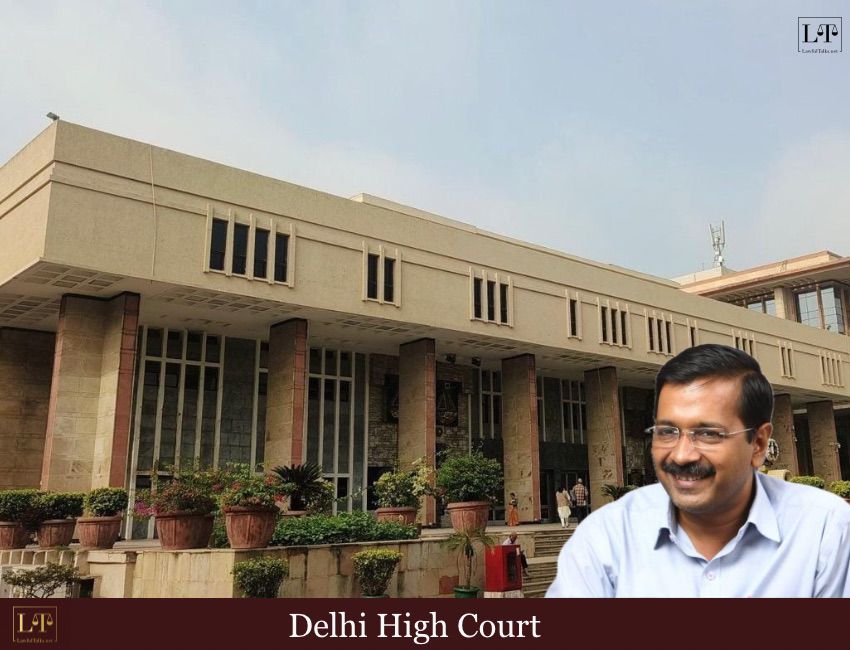
Kejriwal has sought the transfer of the Central Bureau of Investigation’s criminal petition, which challenges his discharge in the case.
High Court’s Observations:
On 9 March, the matter was listed before Justice Swarana Kanta Sharma, who issued notice on the plea filed by the Central Bureau of Investigation (CBI). The CBI’s plea challenges the discharge of Arvind Kejriwal, Manish Sisodia and others in the case related to the alleged liquor policy scam.
While issuing notice, the Delhi High Court had also said that the observations made by trial court while discharging Arvind Kejriwal, Manish Sisodia and other accused regarding the statements of witnesses and approvers at charge stage are “prima facie erroneous and need consideration”
Kejriwal has said that the March 9 order does not explain the reasons for the “specific perversity” in the trial court’s observation.
He also stated that the concerned bench had already decided multiple cases related to the excise policy matter, where it had recorded prima facie observations and dismissed petitions filed by the accused persons.
The AAP leader has sought transfer of the case on the ground of a “grave, bona fide, and reasonable apprehension that the matter may not receive a hearing marked by impartiality and neutrality.”
Trial Court Discharges Accused:
The trial court had found that the allegations against Arving Kejriwal were based on statements of co-accused or witnesses. However, there was no independent corroboration connecting him to any criminal conspiracy.
The court also said that the CBI had repeatedly re-recorded the statements of the approver over a long period, "ostensibly to fill gaps, improve the prosecution narrative, implicate additional accused, or artificially weave missing links in the chain of circumstances.”
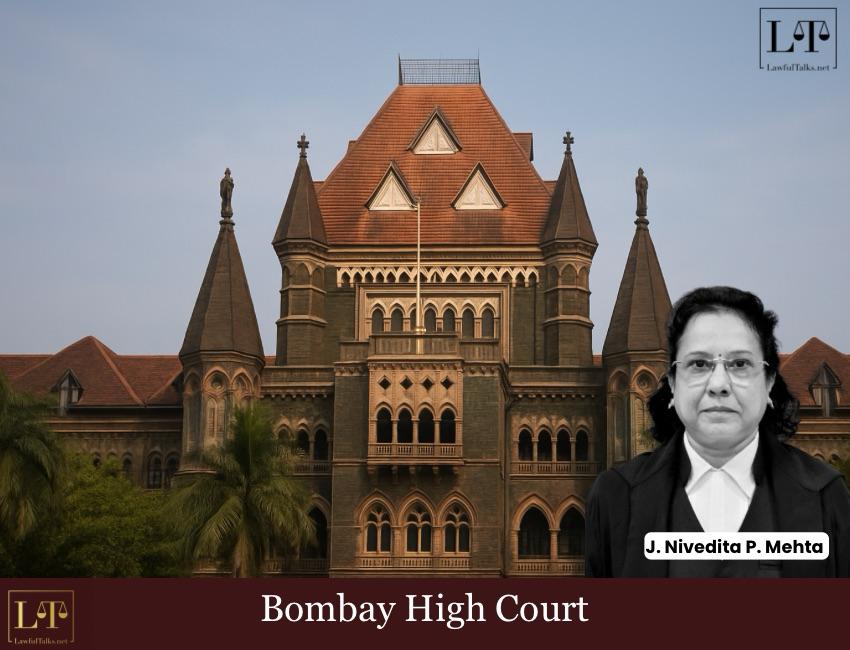
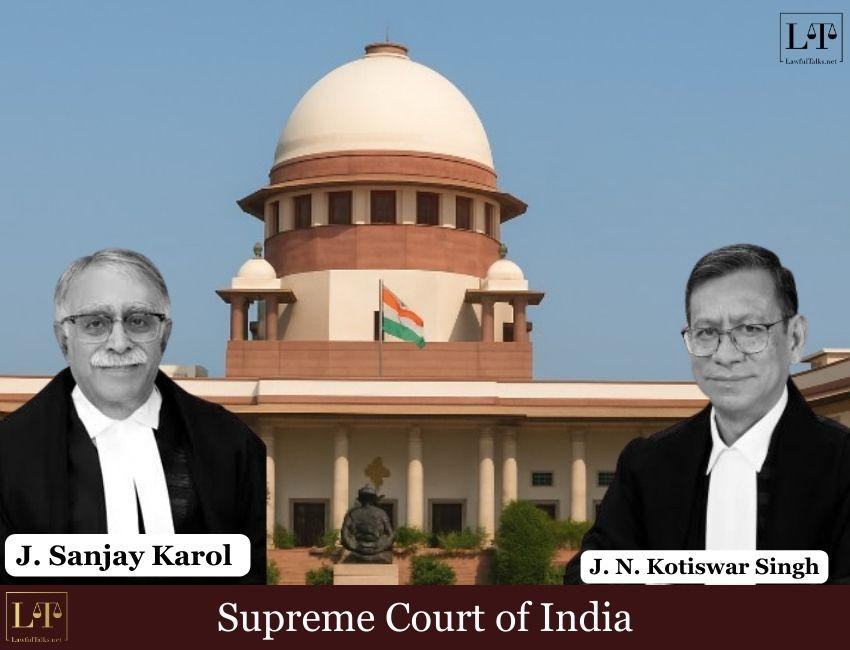
Justice Swarana Kanta Sharma stated, "certain factual discrepancies pointed out in the impugned order, the observations made by the learned Trial Court regarding statements of the witnesses and the approvers, at the stage of charge itself, prima facie appear erroneous, and need consideration’’.
The judge also added that the scathing remarks made against the CBI Investigating Officer, saying that he abused his official position to conduct an unfair investigation, are prima facie “foundationally misconceived especially when made at the stage of charge itself.”
Taking note of this, the judge stayed the observations made against the Investigating Officer, including the direction recommending departmental action against him.
On February 27th, the trial court discharged all 23 accused persons in the case. These include Kuldeep Singh, Narender Singh, Vijay Nair, Abhishek Boinpally, Arun Pillai, Mootha Gautam, Sameer Mahendru, Manish Sisodia, Amandeep Singh Dhall, Arjun Pandey, Butchibabu Gorantla, Rajesh Joshi, Damodar Prasad Sharma, Prince Kumar, Arvind Kumar Singh, Chanpreet Singh, K Kavitha, Arvind Kejriwal, Durgesh Pathak, Amit Arora, Vinod Chauhan, Ashish Chand Mathur and Sarath Reddy.
The trial Court also criticised the CBI for lapses in its investigation. It said the “voluminous chargesheet” contained many lacunae and was not supported by any witness or statement.
The Delhi Government introduced the excise policy in 2021 to increase revenue and improve the liquor trade. However, the policy was later withdrawn after alleged irregularities in its implementation.
After this, Lieutenant Governor Vinay Kumar Saxena ordered a probe by the Central Bureau of Investigation (CBI) into the policy.
What Is the Excise Policy Case?
According to the Enforcement Directorate (ED) and the CBI, the policy was meant to completely privatise the liquor trade in the Capital, but it was used to give undue advantage to private businesses at the cost of public money and showed signs of corruption.
Why Kejriwal Was Arrested:
The CBI also said that Arvind Kejriwal was arrested because he gave ambiguous replies and did not cooperate with the investigation, even after he was confronted with evidence.
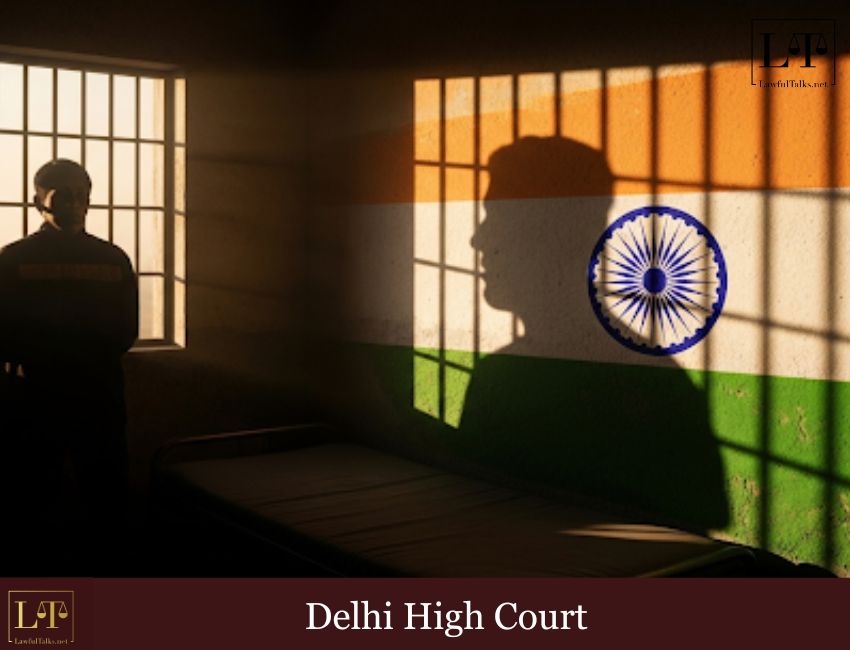
Kejriwal was arrested by the CBI on 26 June 2024, while he was already in the custody of the Enforcement Directorate in the money laundering case that allegedly arose from the liquor policy scam.




















































Sign up for free and be the first to get notified about curated content just for you.