₹2000 Crore Shock? Bombay HC Blows Lid Off ‘Protection Shield’ for Corrupt Officials!”

- April 06, 2026


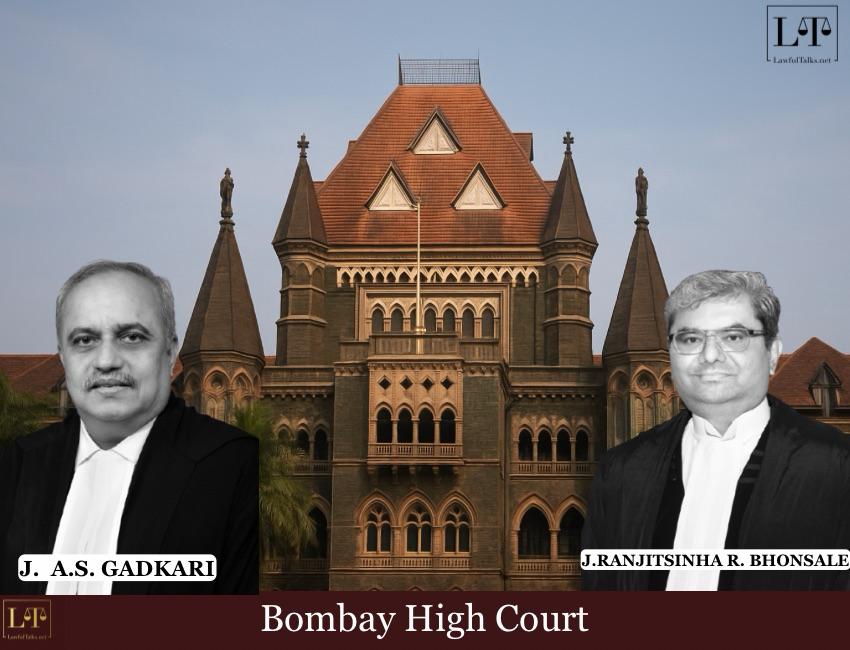
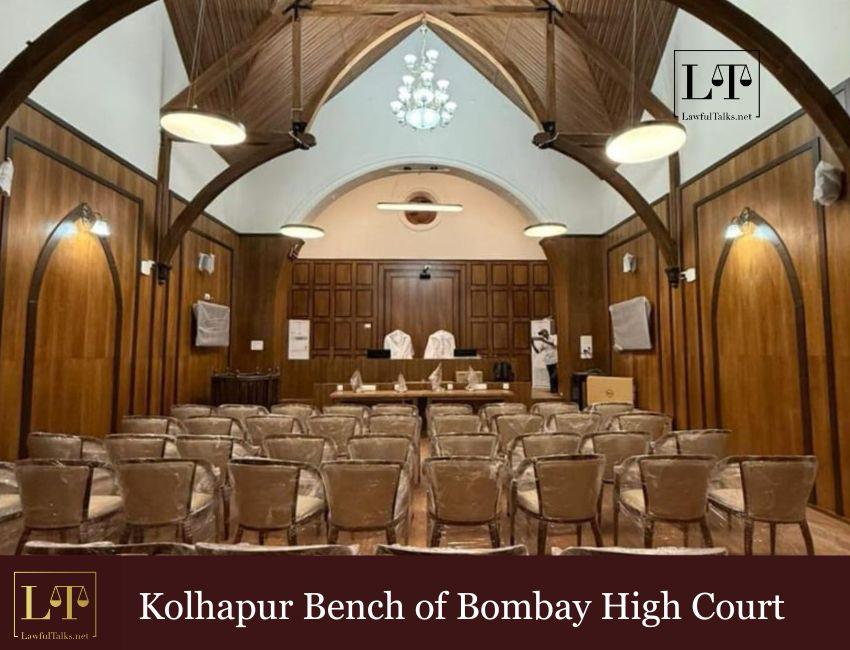
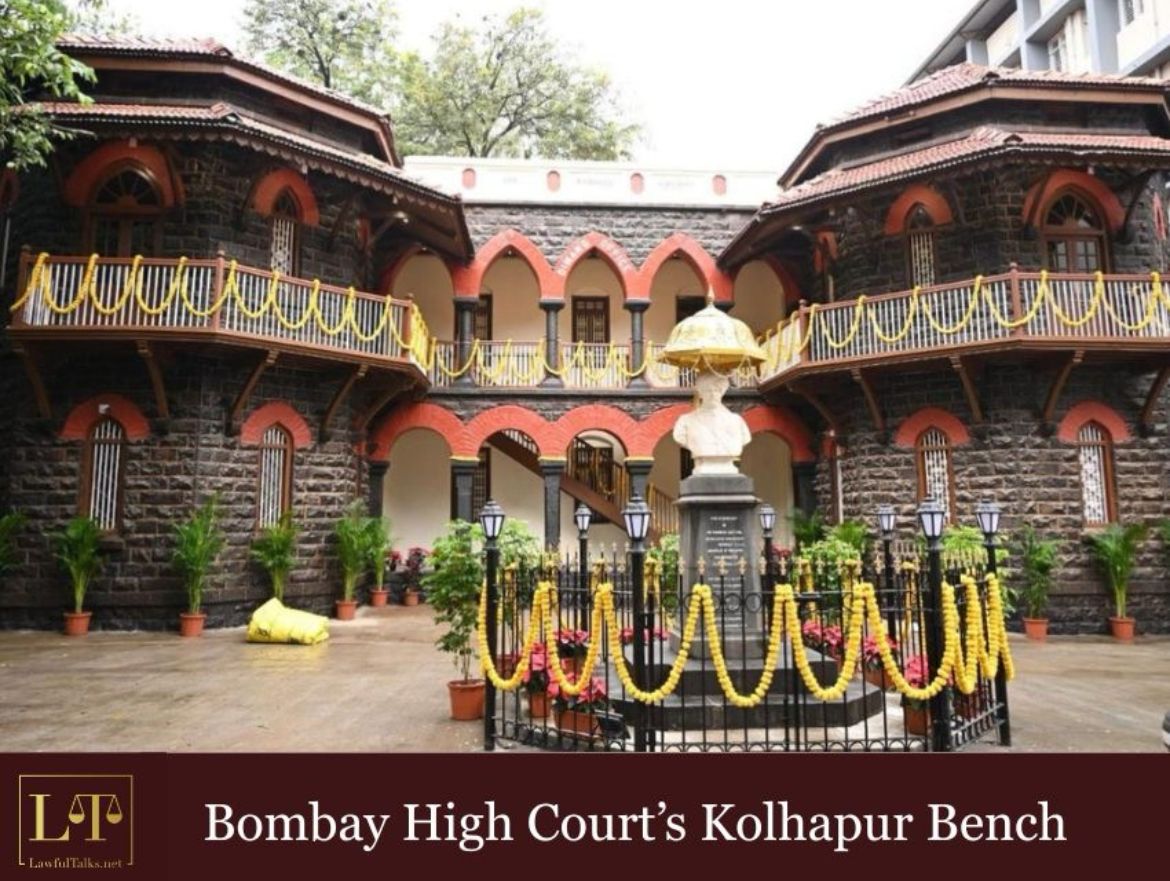
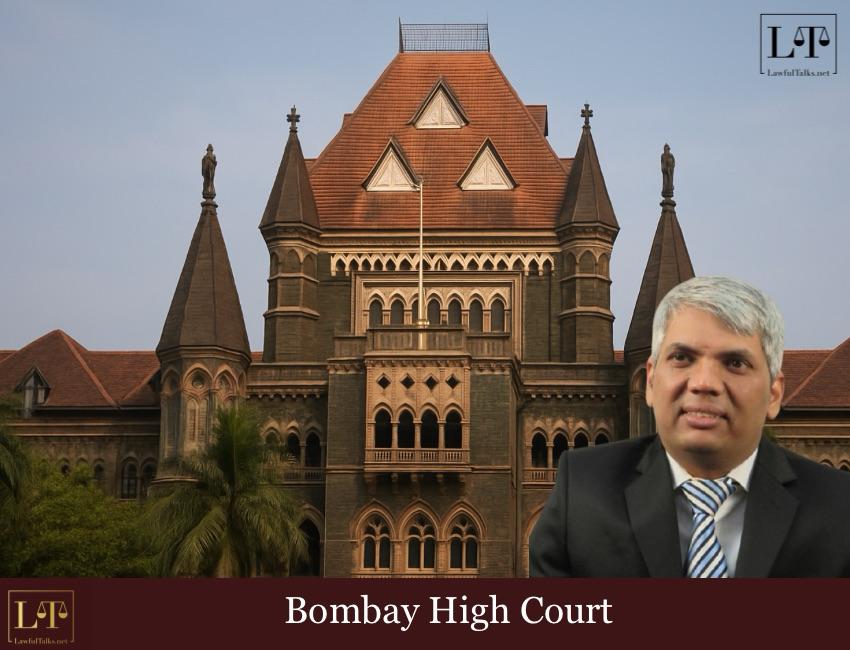
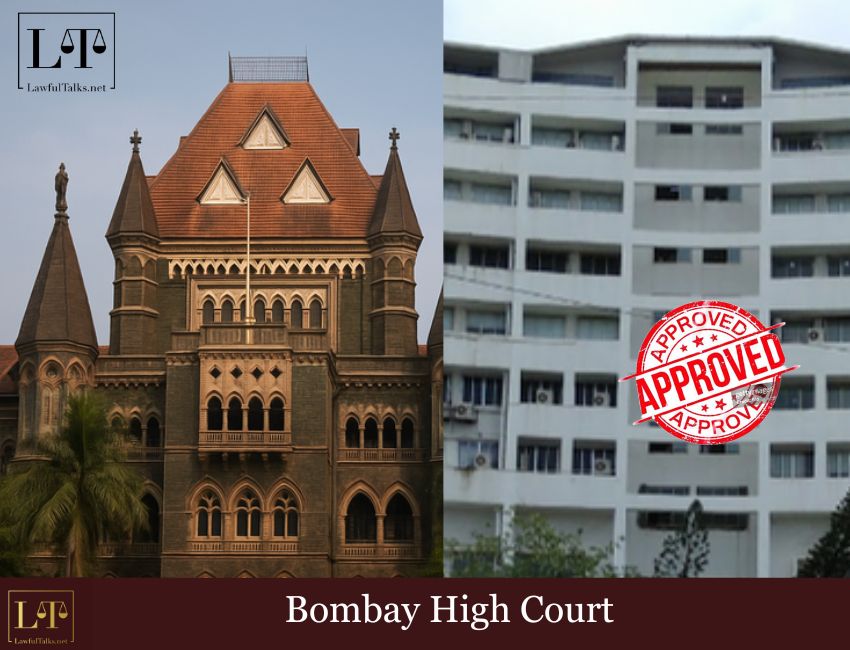
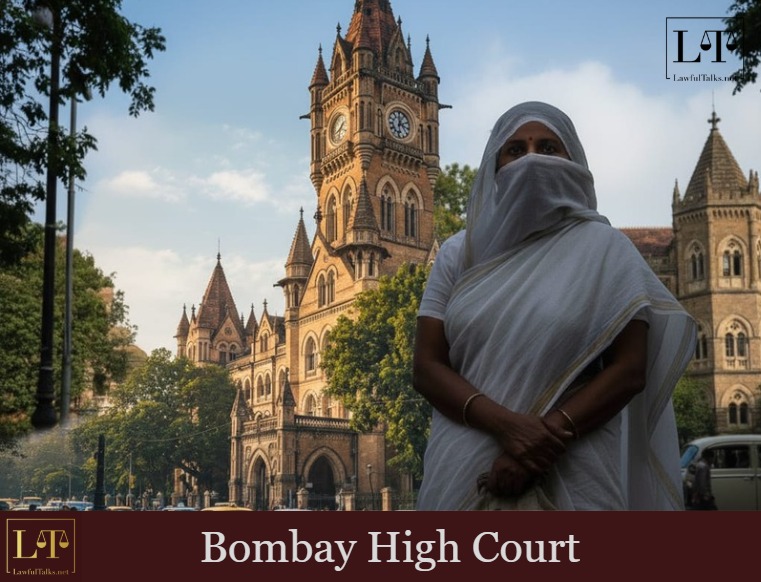
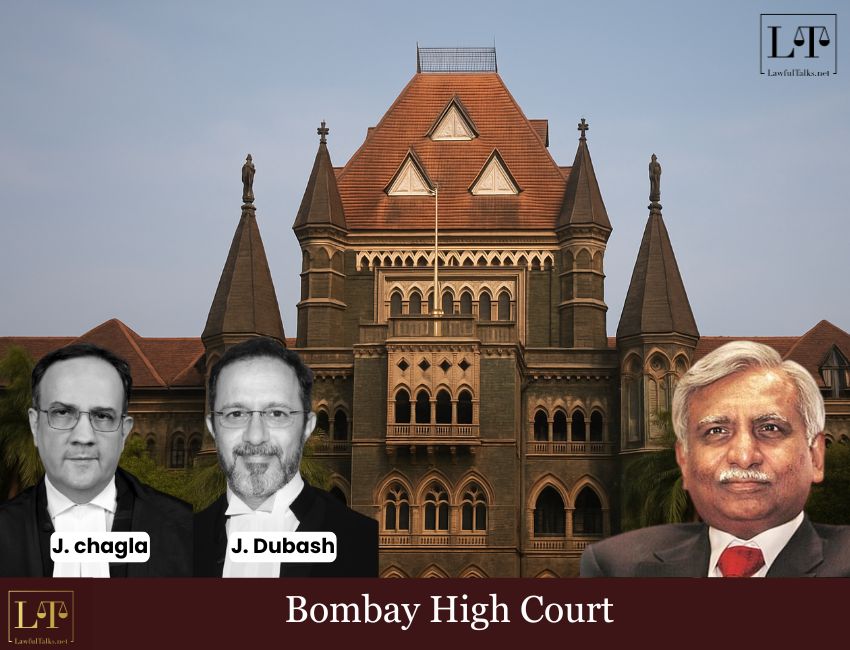
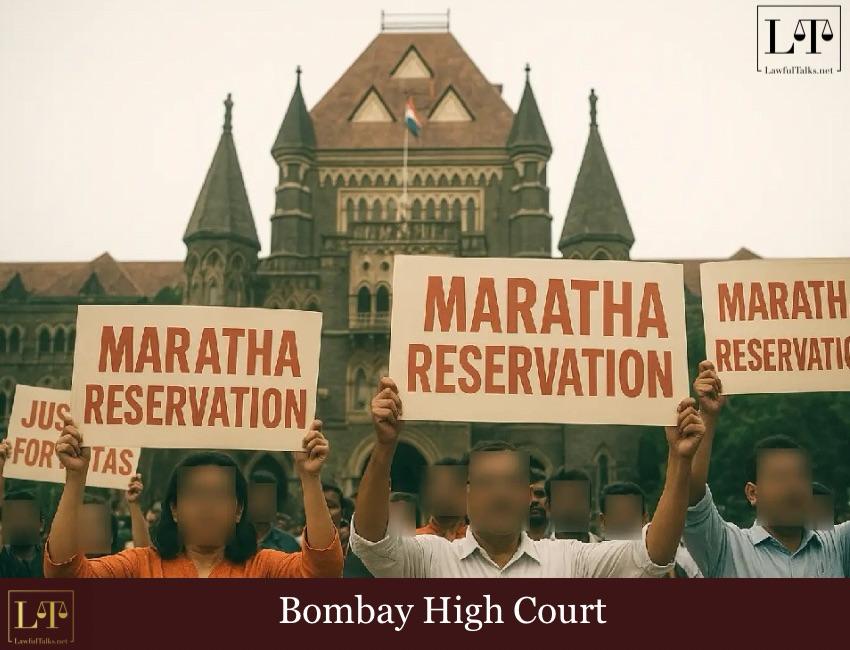
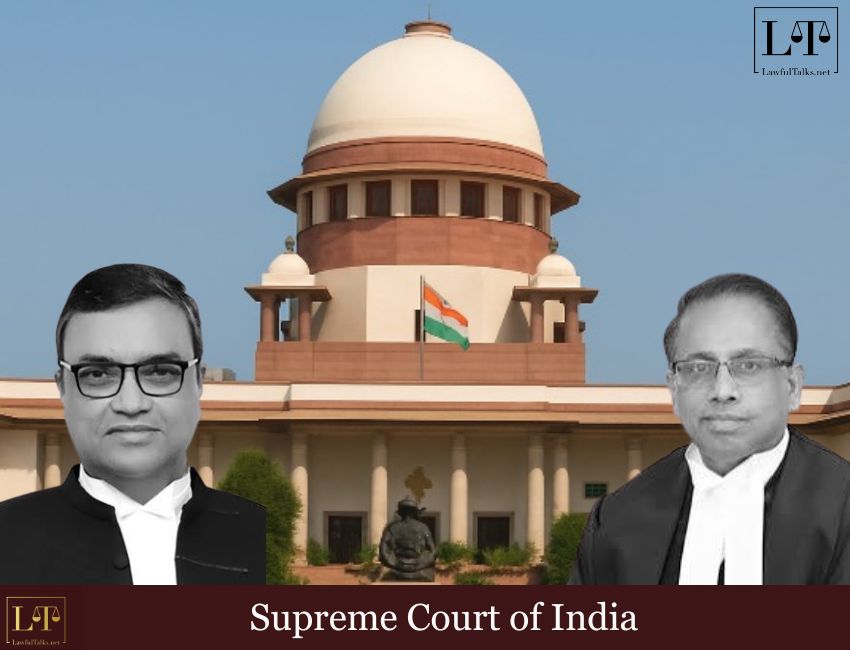
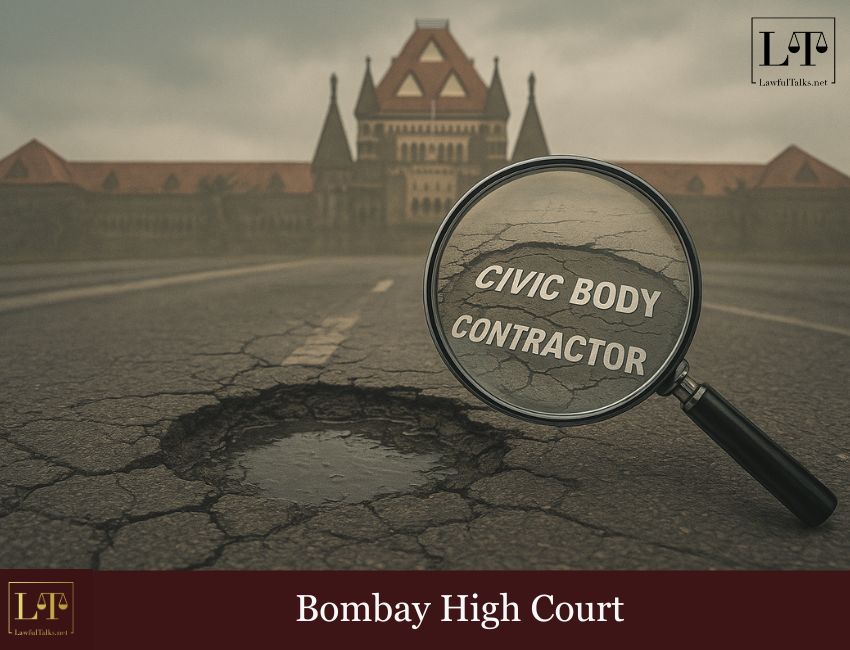
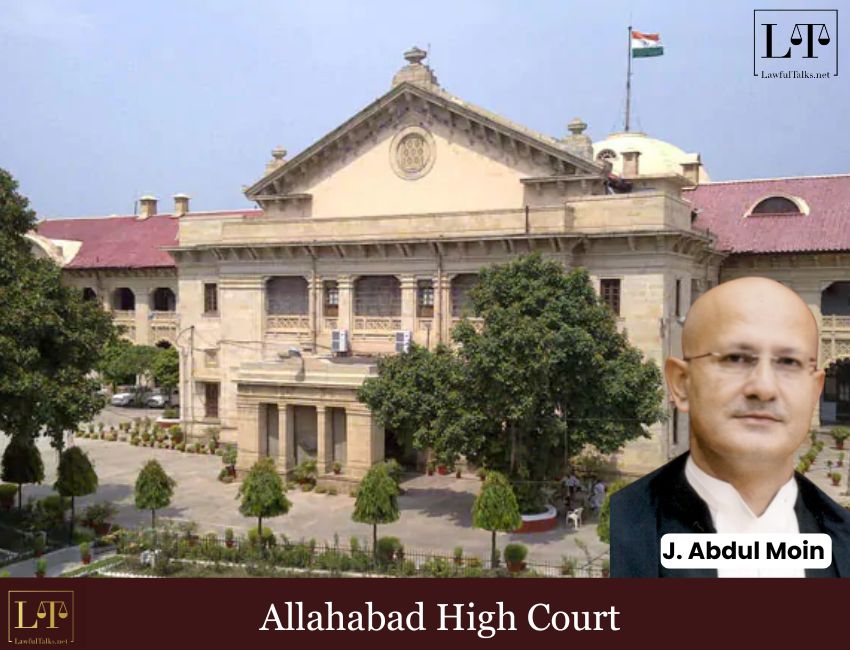
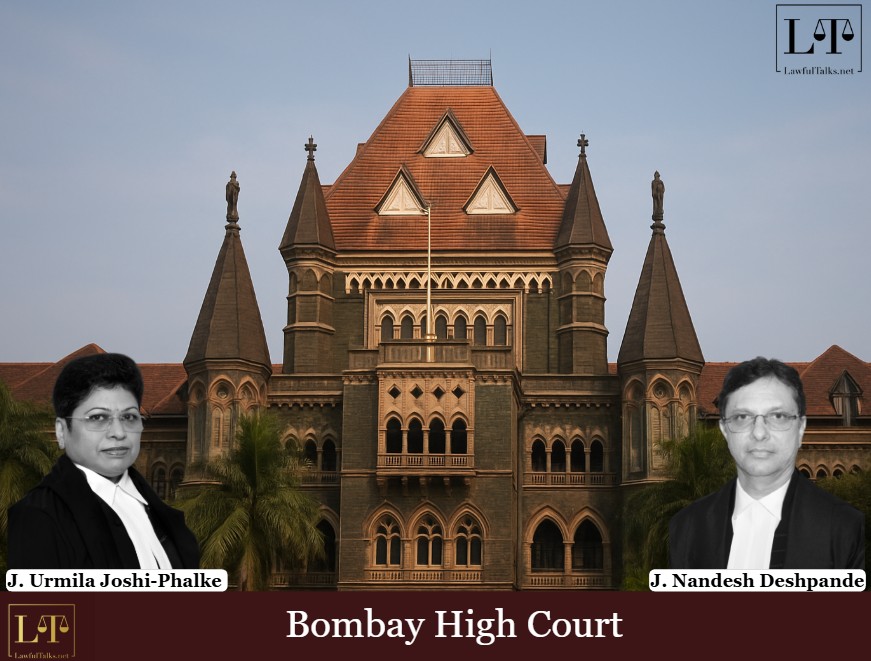
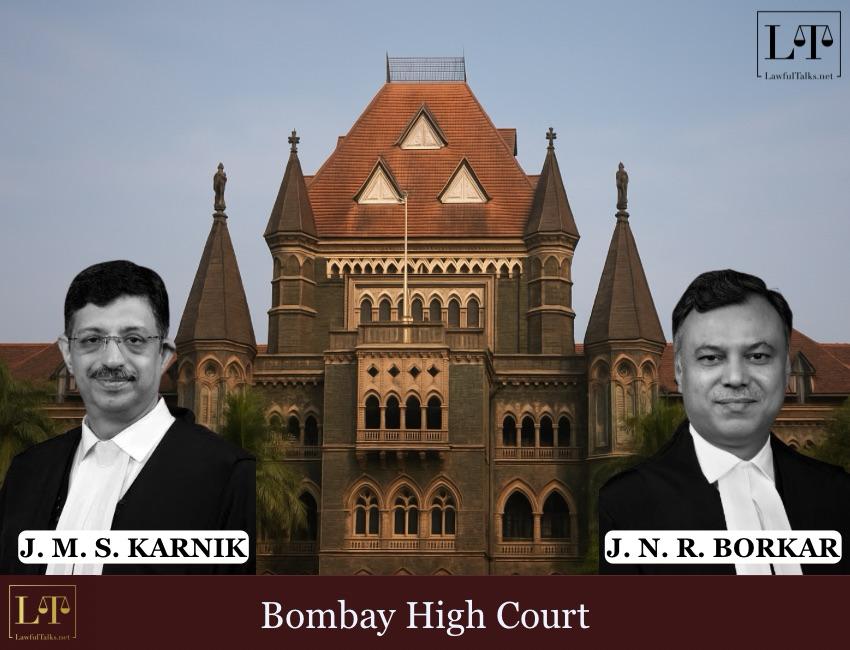
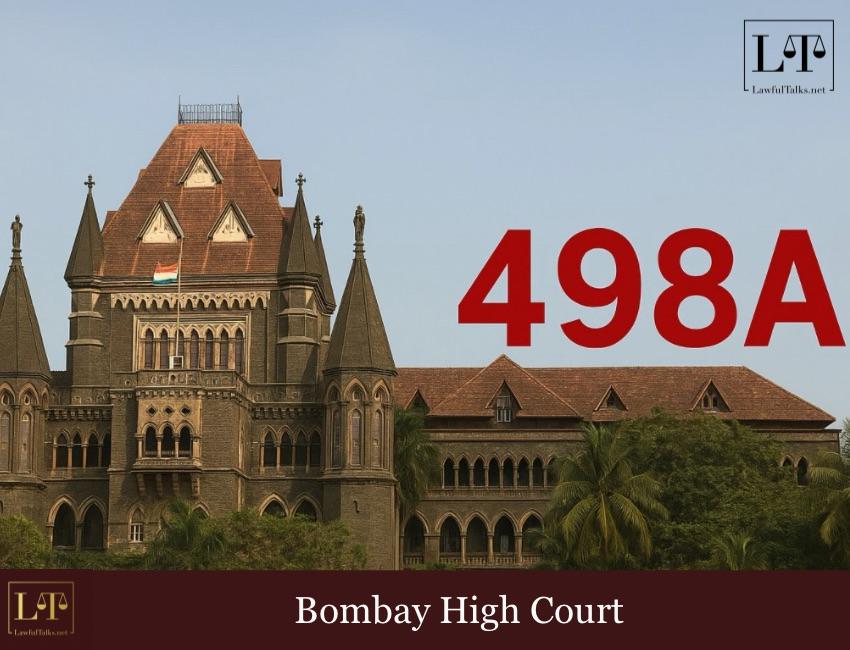
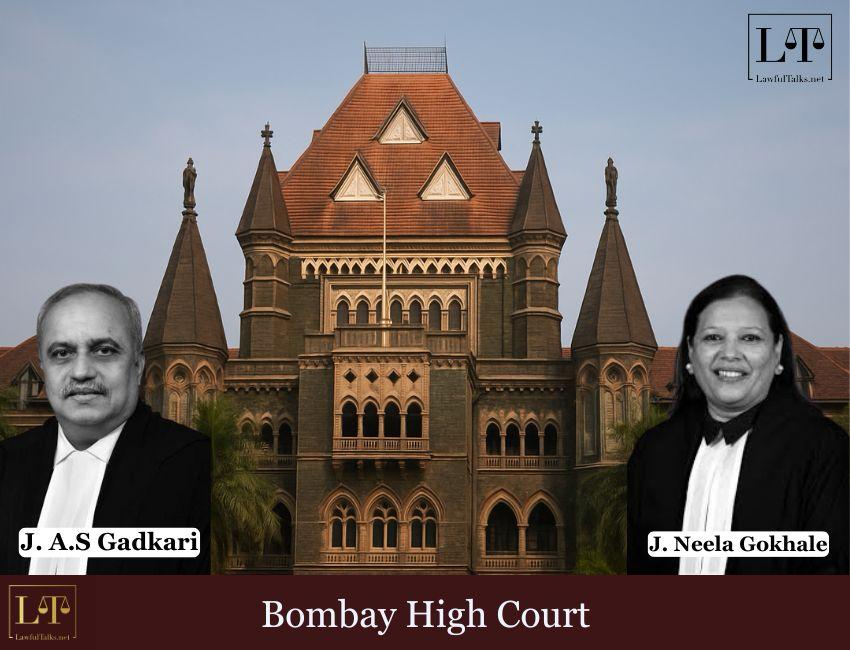
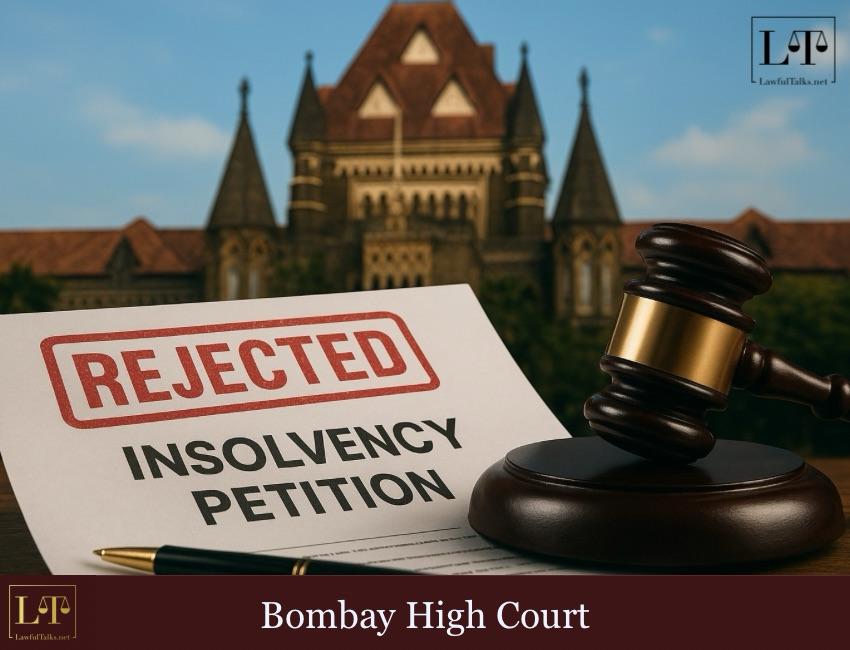
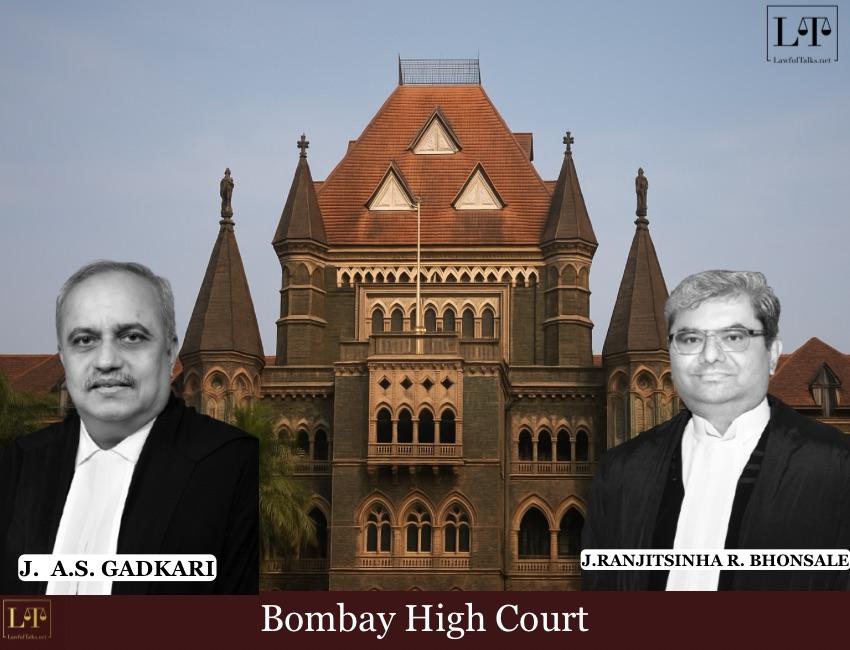
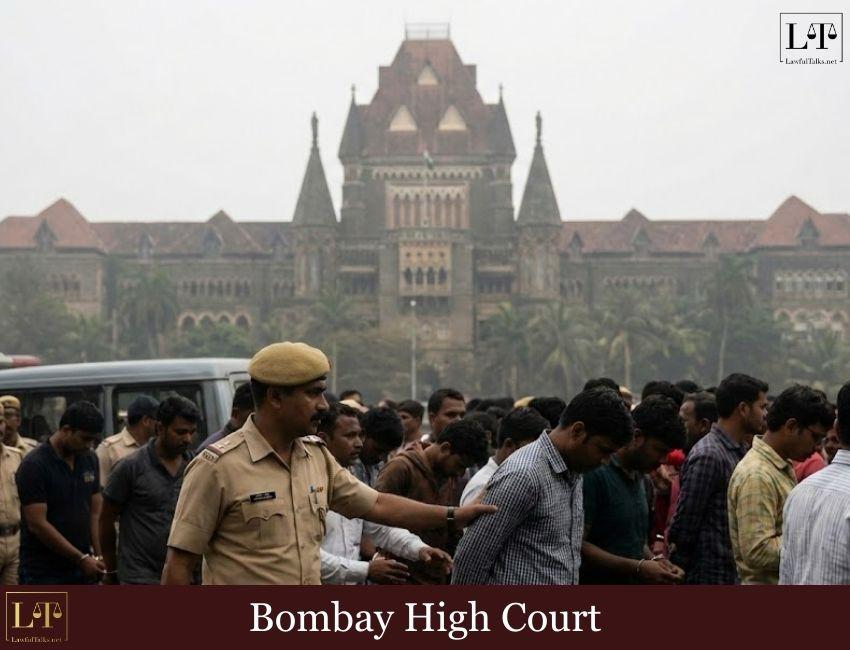
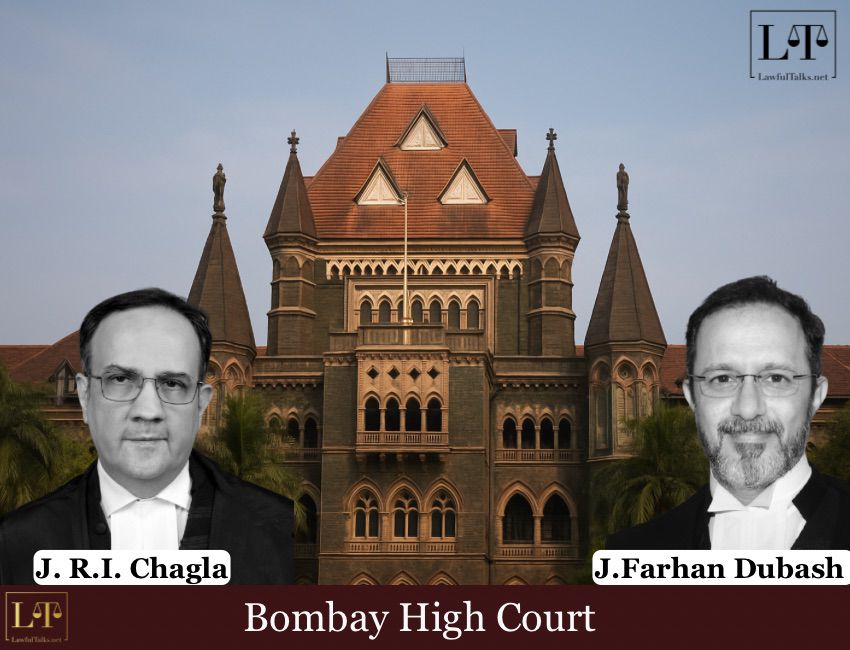
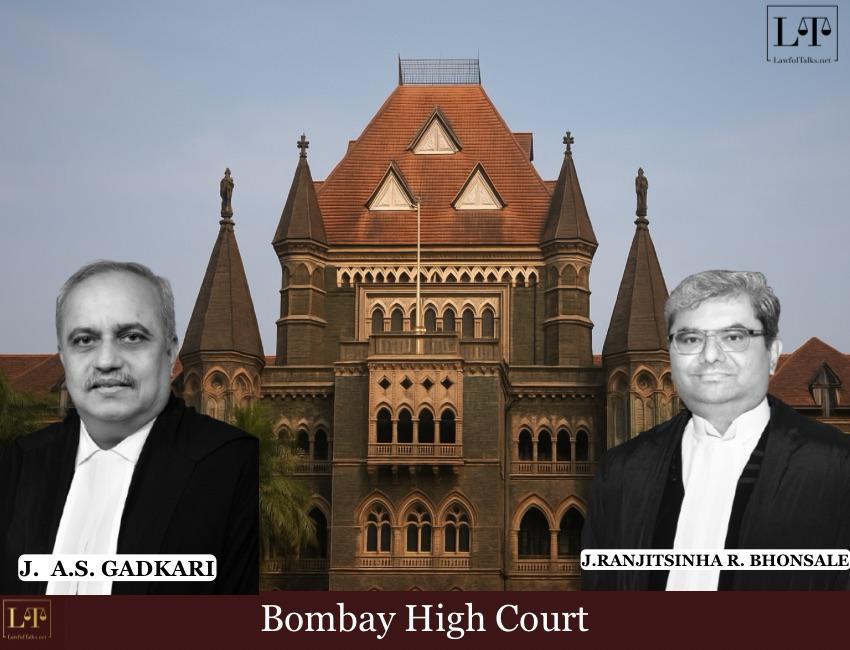
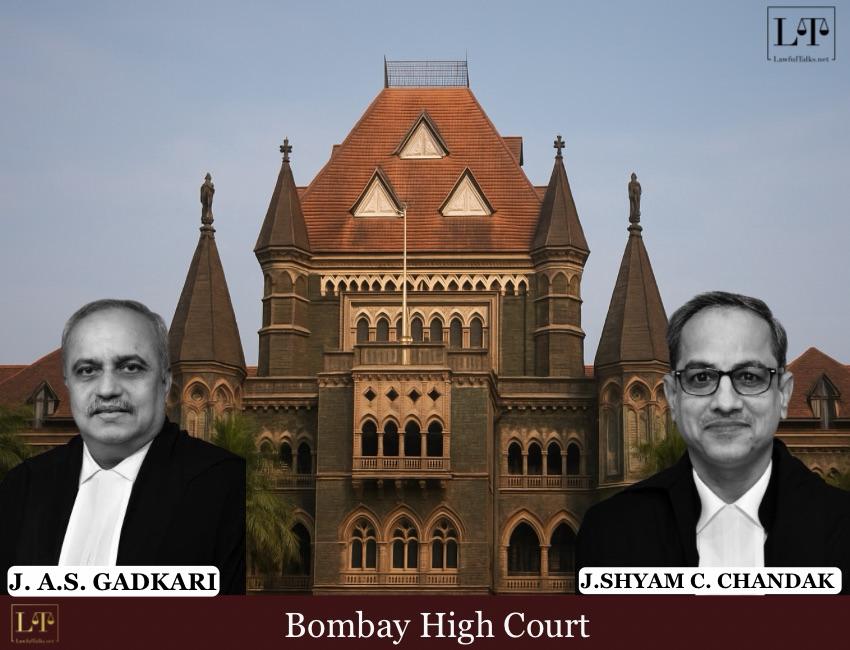
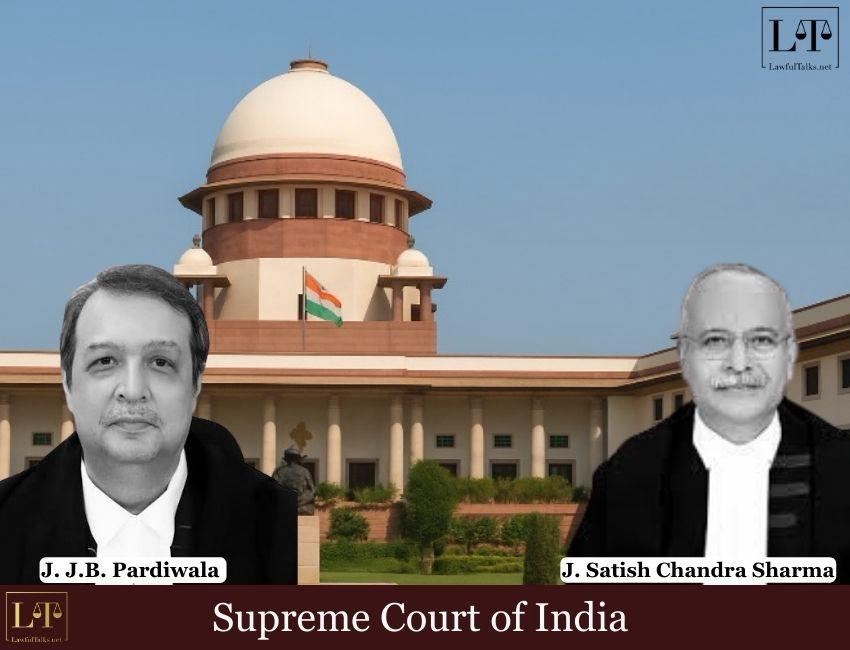
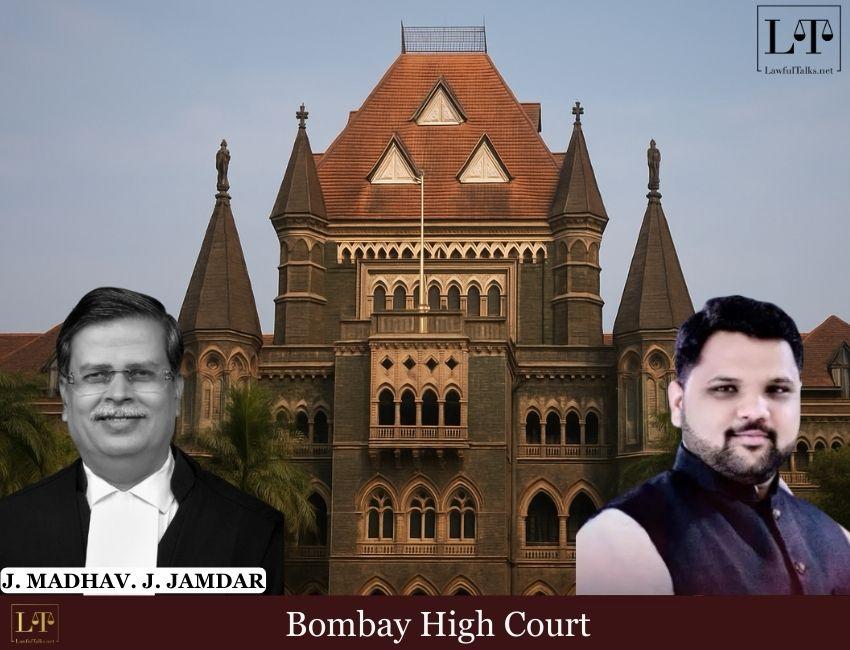
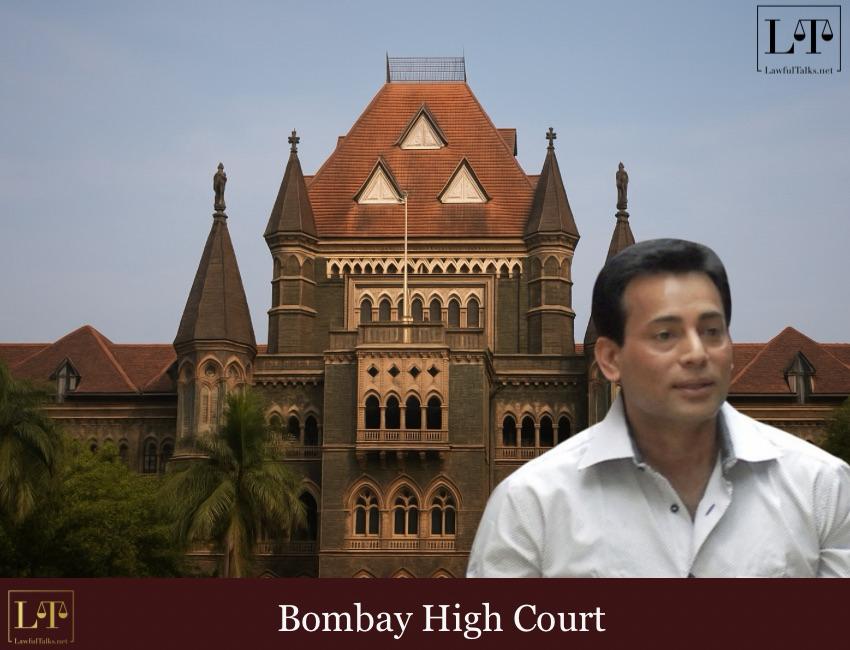
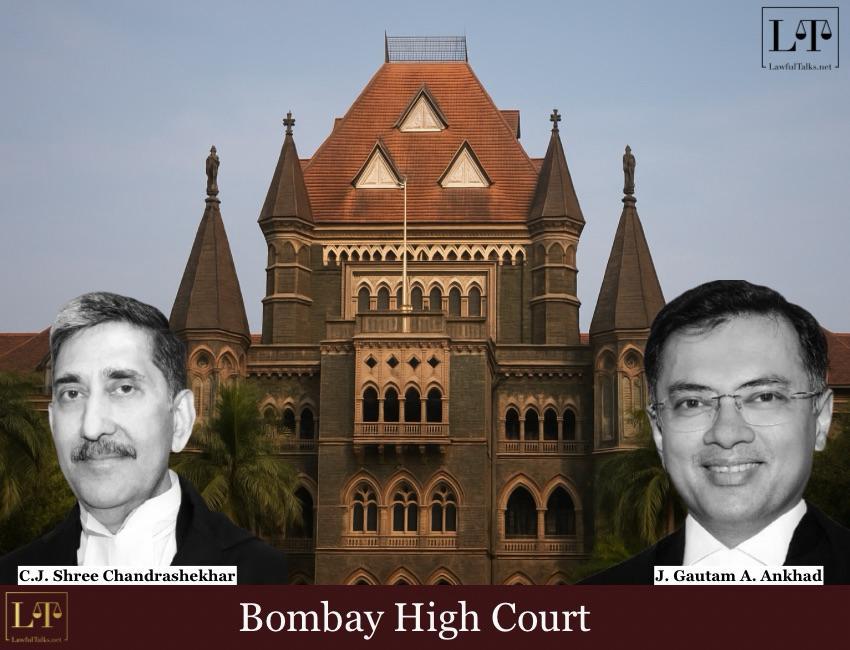
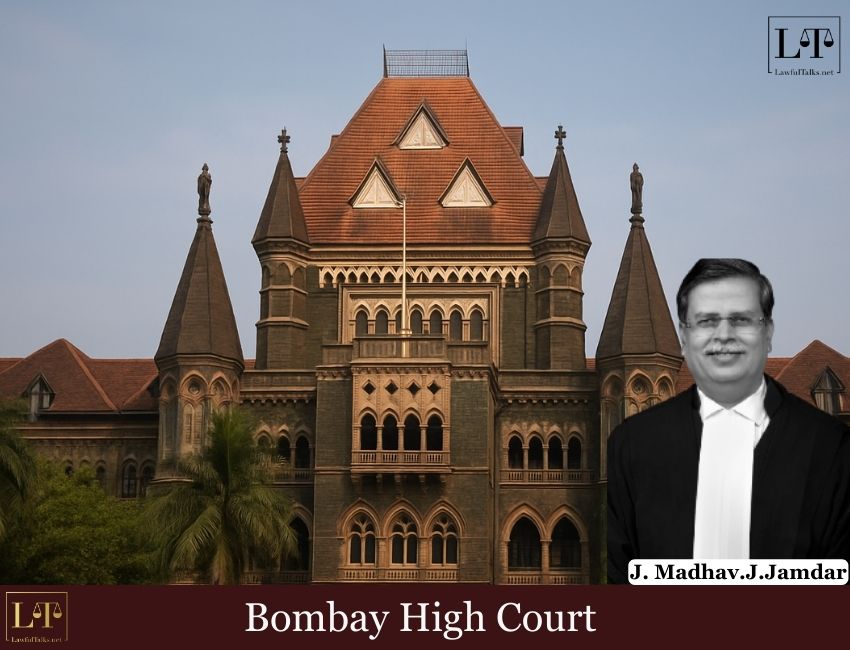
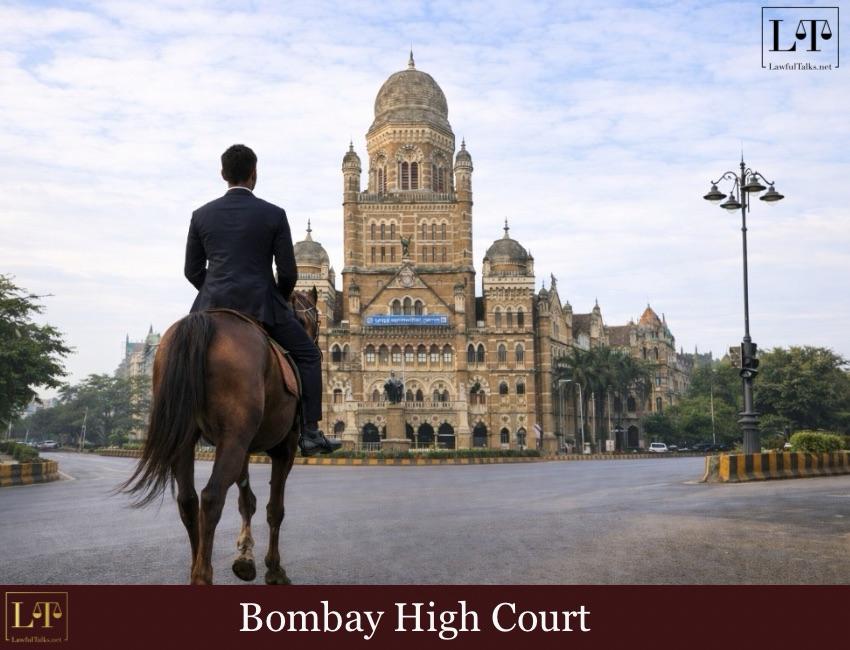
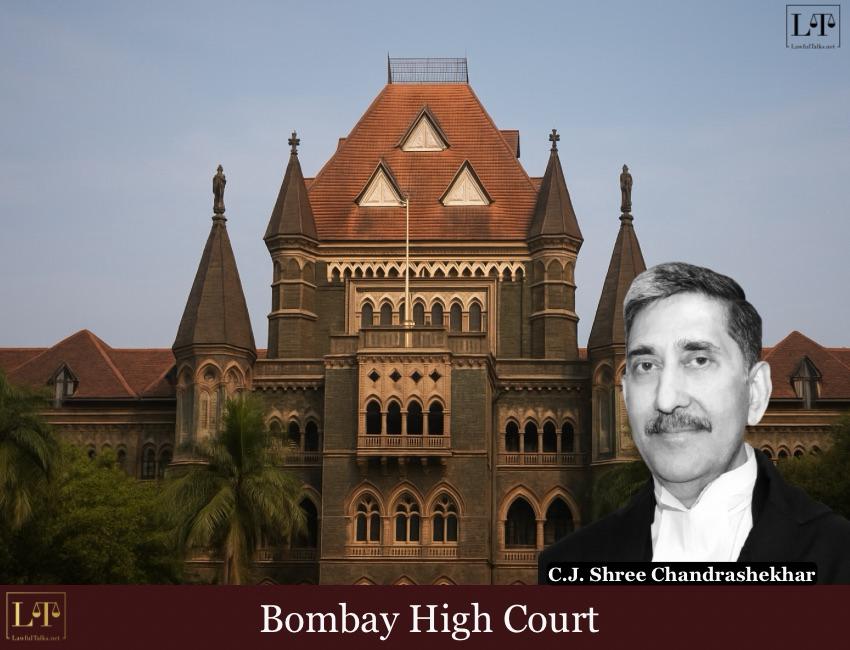
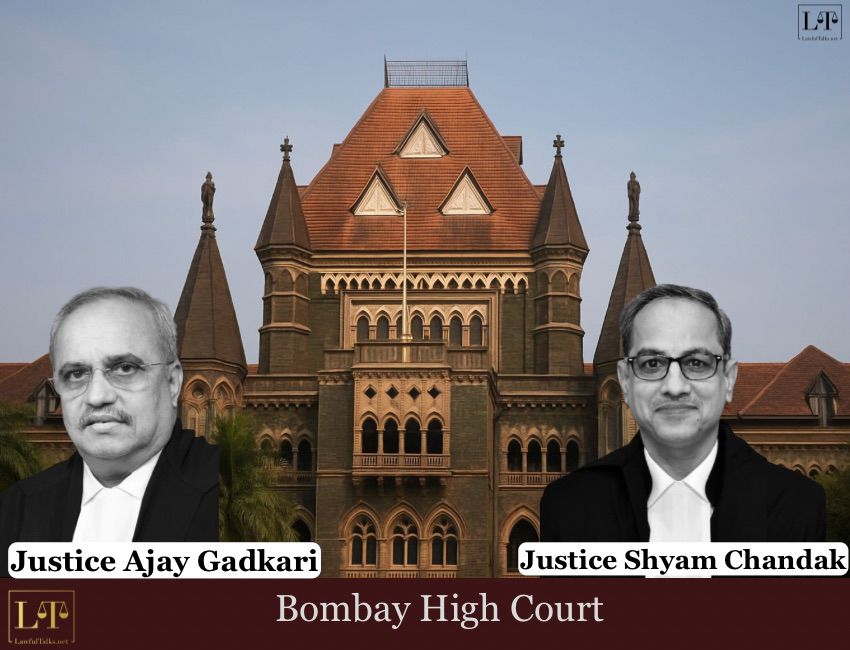
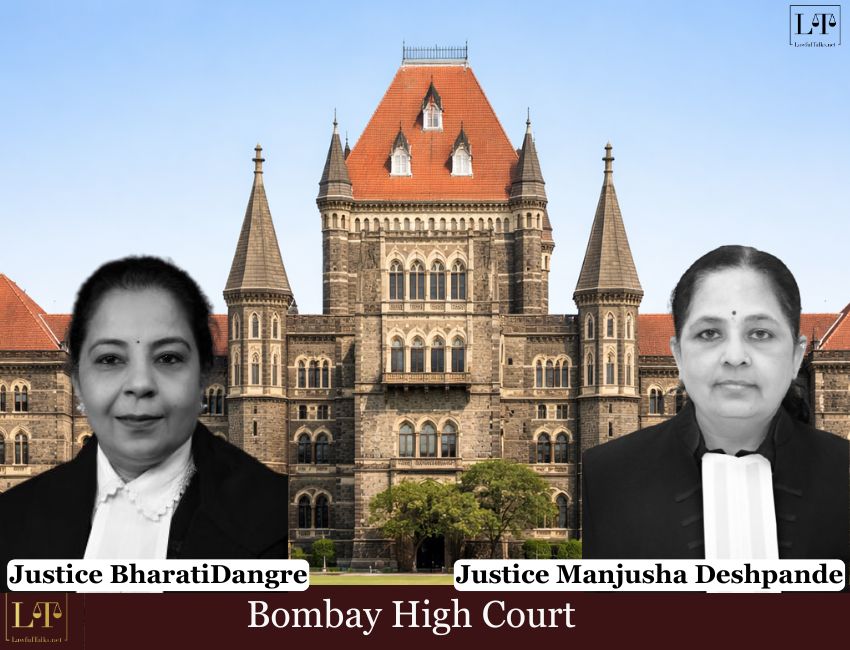
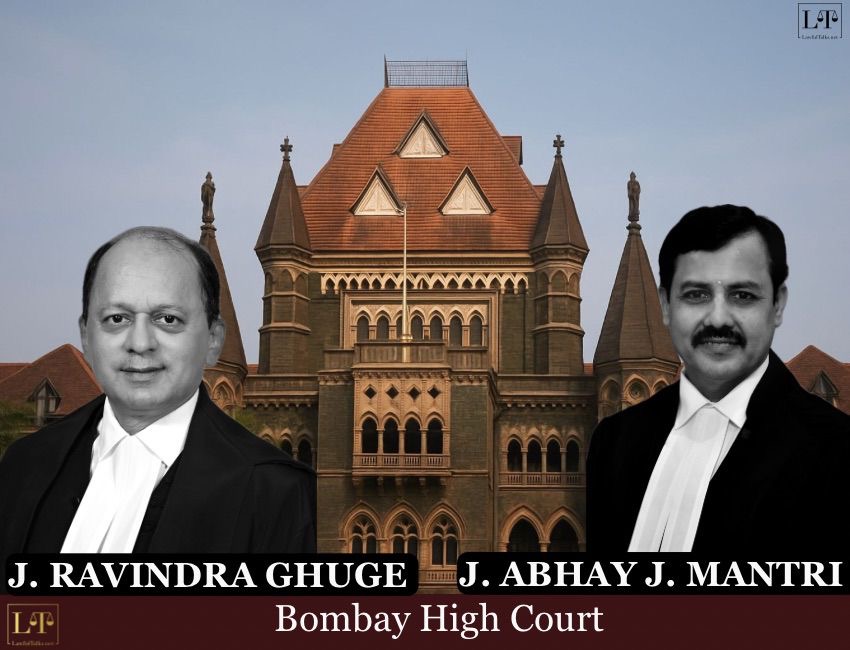
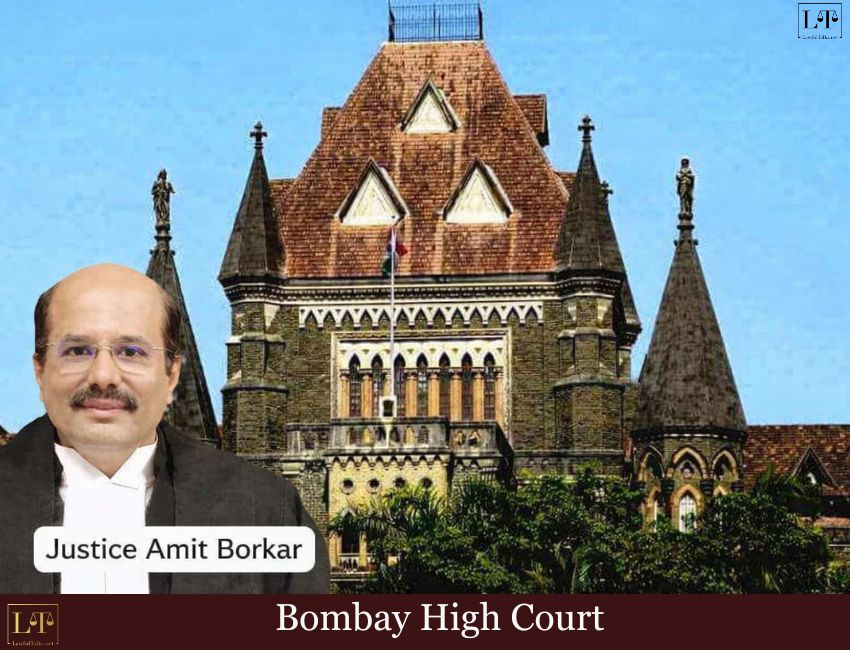
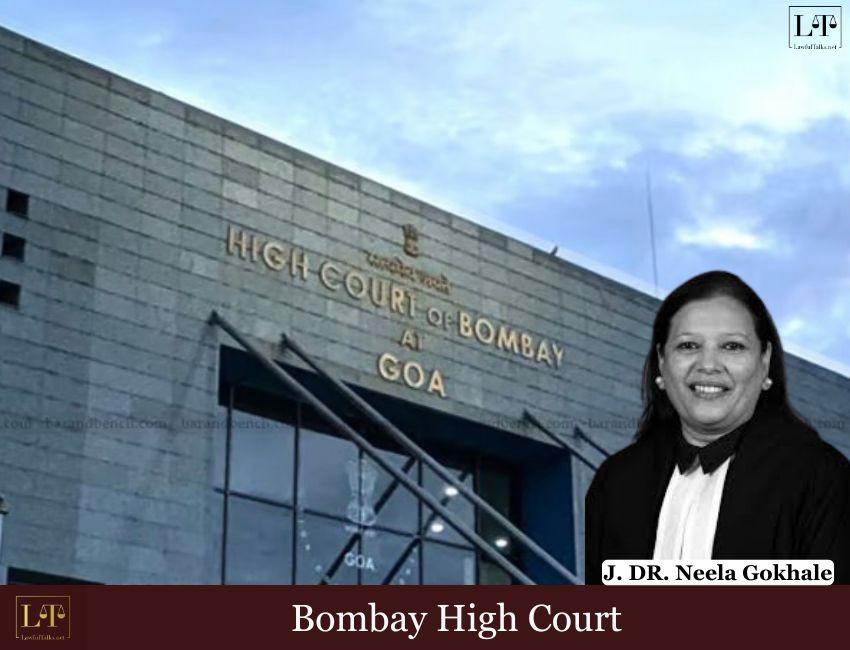
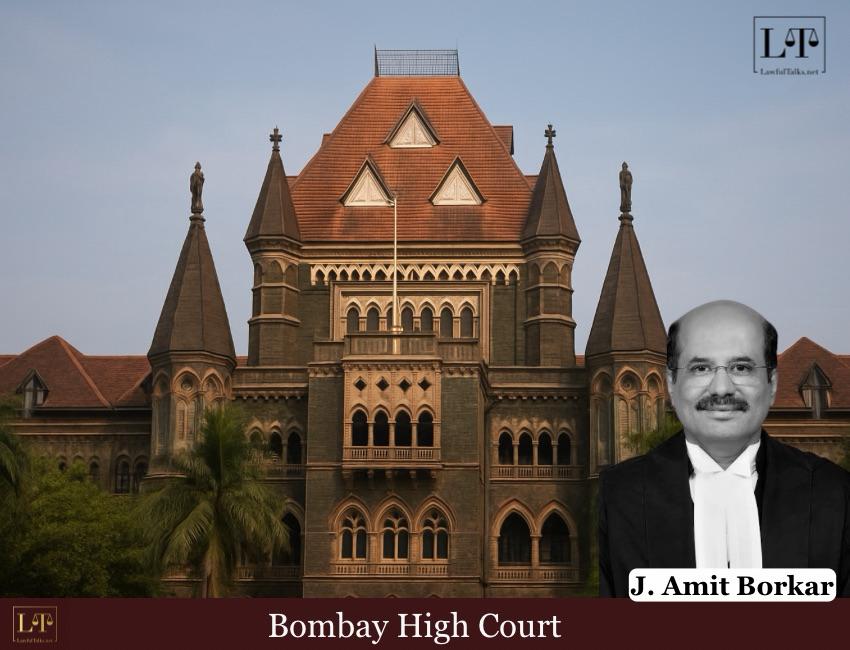
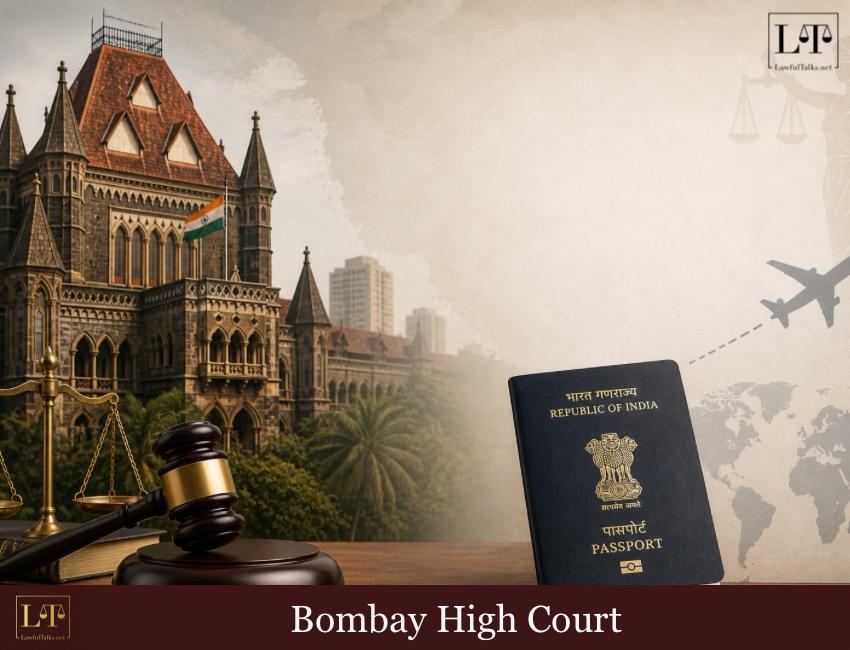
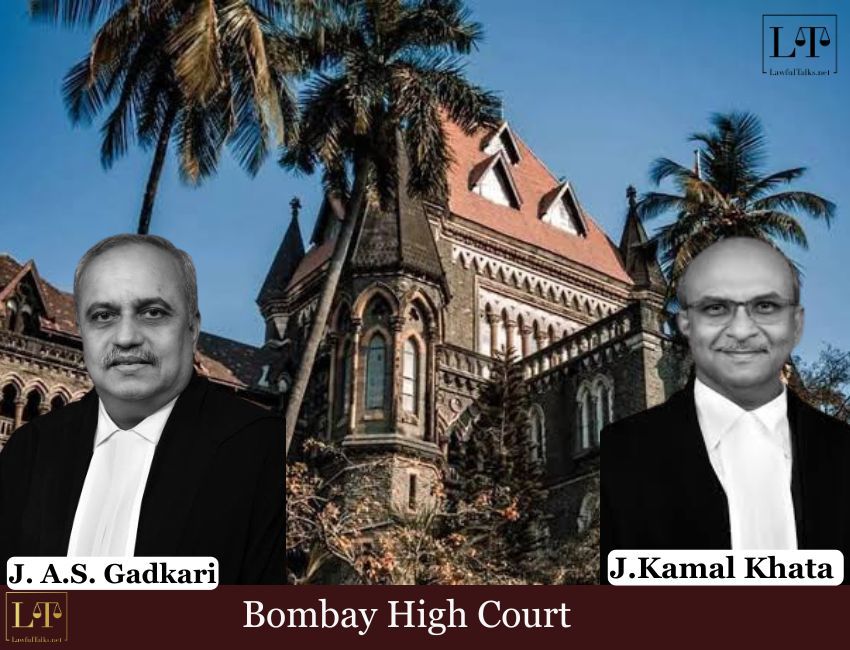
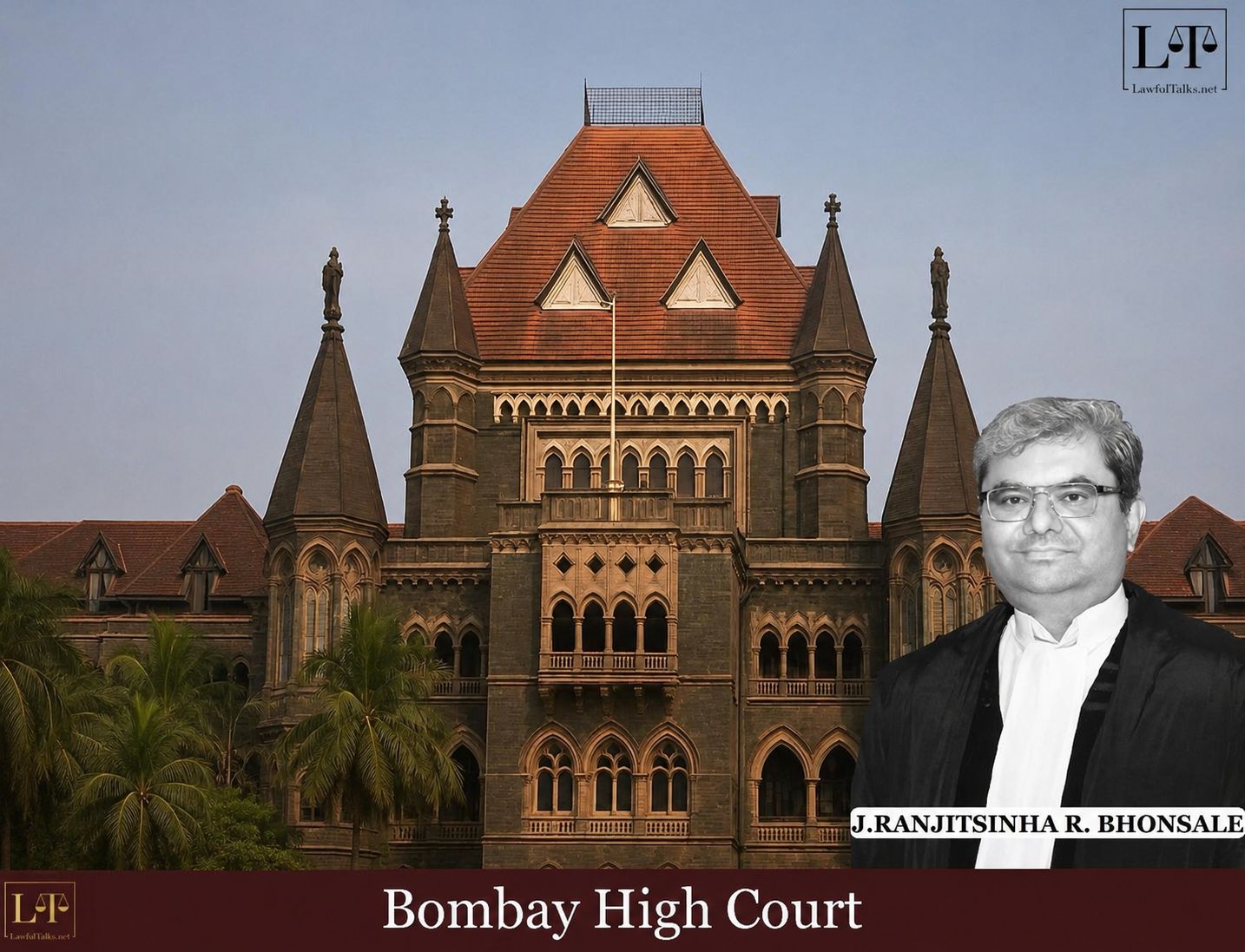
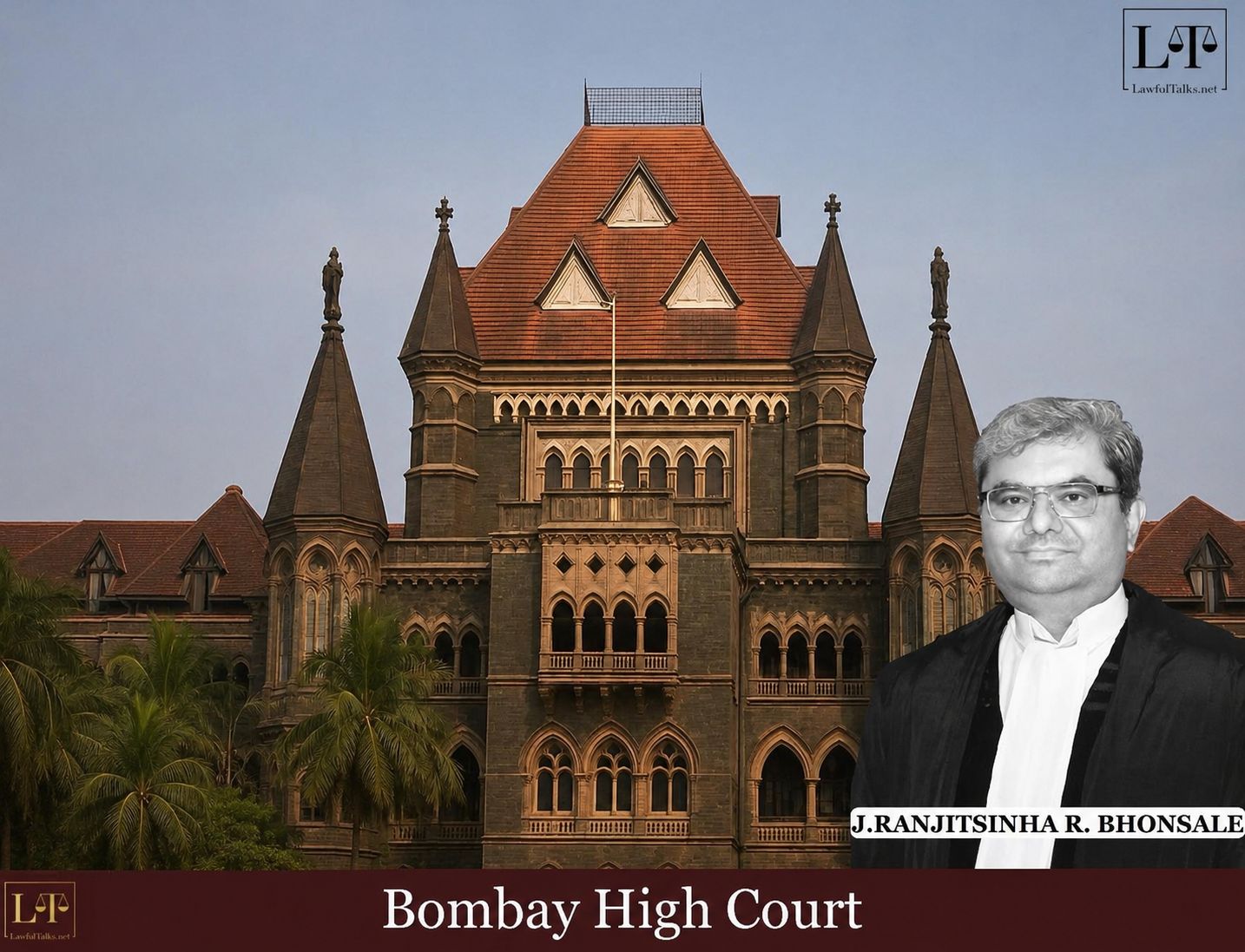
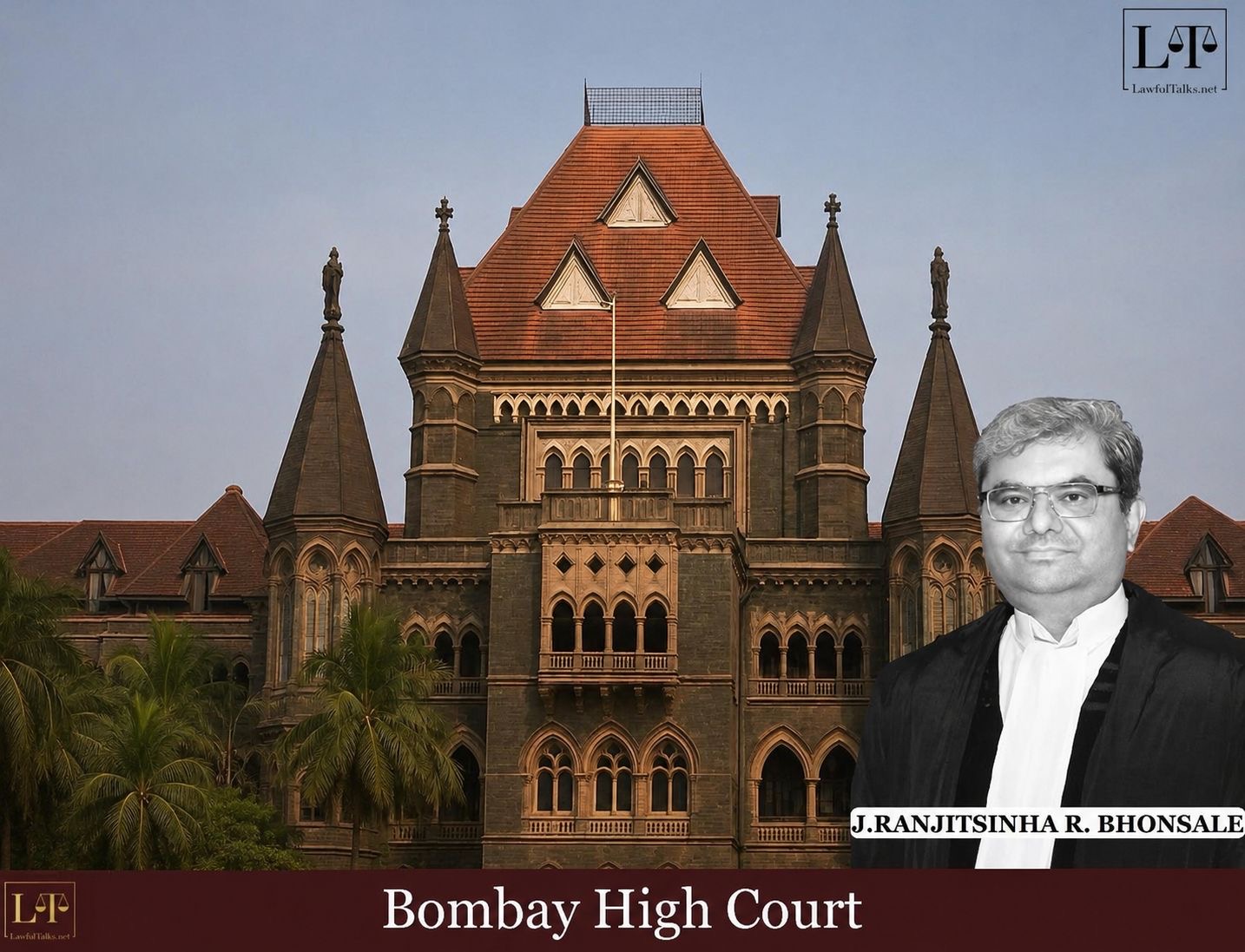
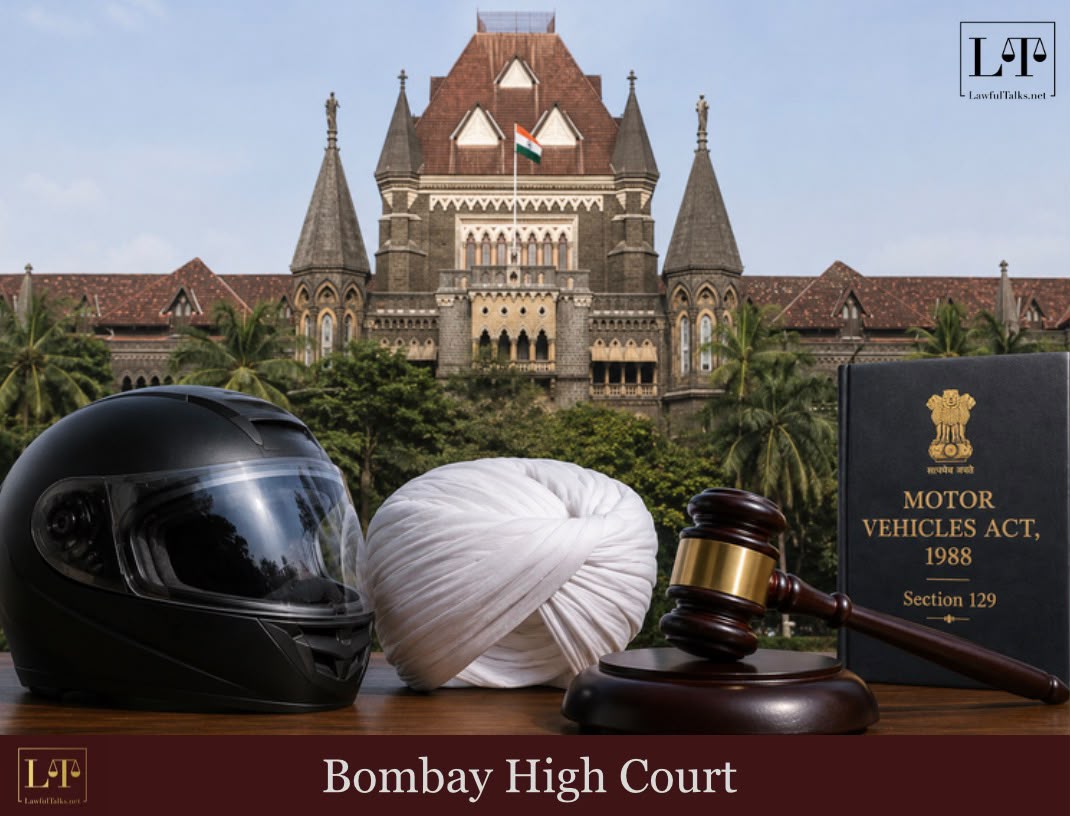
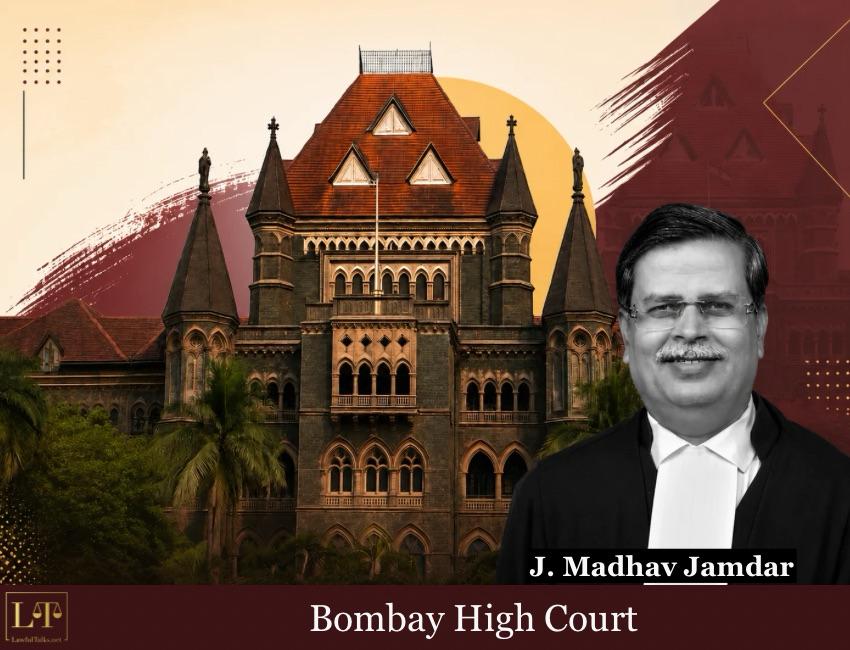
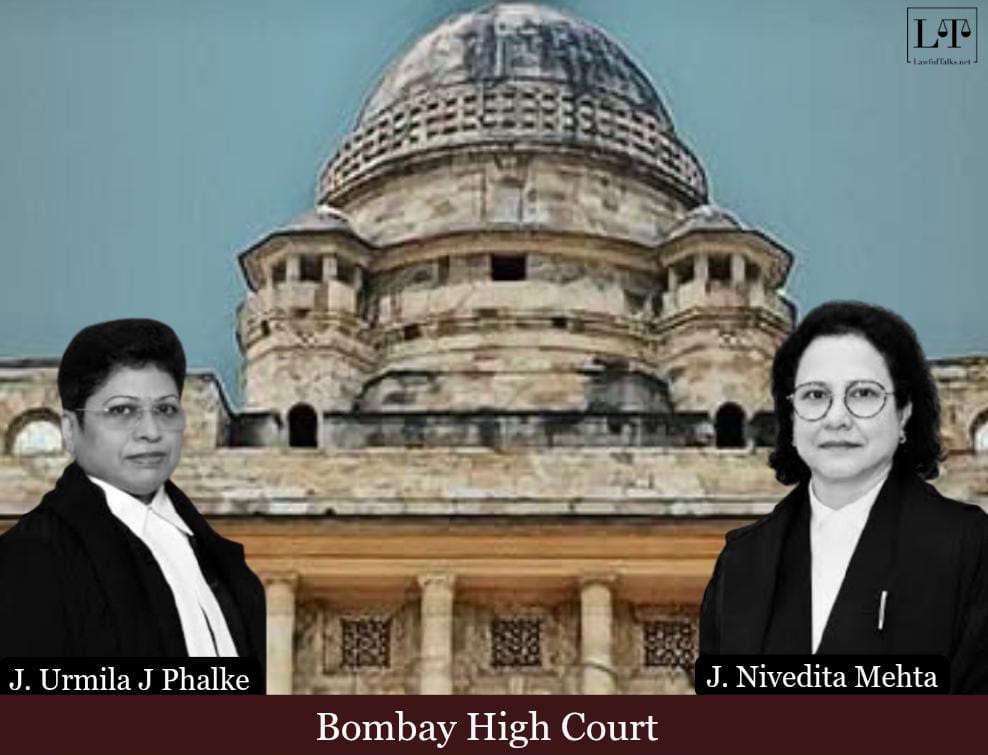
In a major ruling, the Bombay High Court, through Justices A. S. Gadkari and Ranjitsinha Raja Bhonsale, clarified that Section 17A of the Prevention of Corruption Act has strict limits, especially in cases involving disproportionate assets.
Background of the Case:
The case began with a complaint filed in May 2016 by Tanaji Balasaheb Gambhire, a self-employed man from Pune. He accused Prashant Madhukar Waghmare, the former City Engineer and Head of the Building Permission Department at the Pune Municipal Corporation, of collecting assets far beyond his known income.
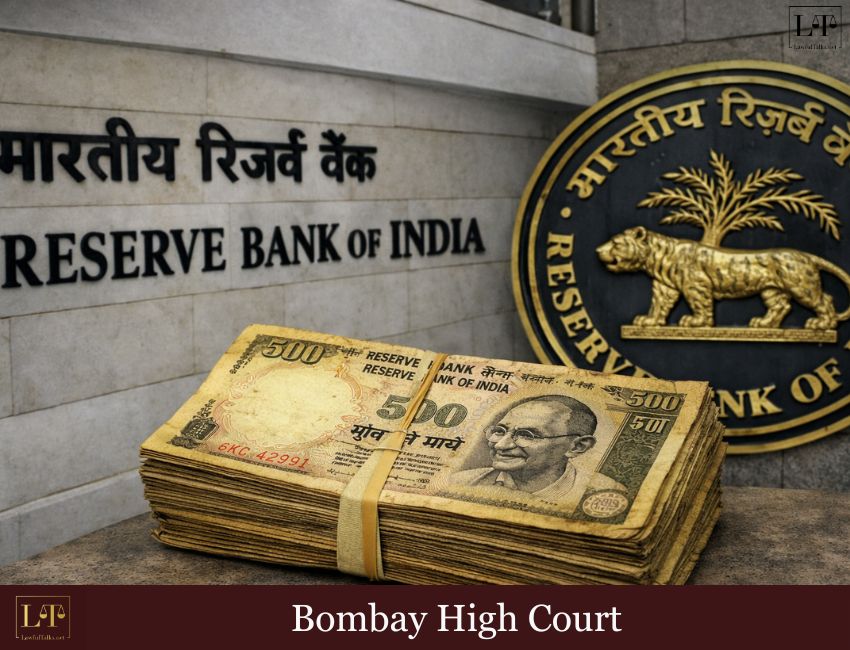
Gambhire claimed that Waghmare had built assets worth around Rs. 2000 crores through corrupt practices. These included protecting illegal constructions, misusing Transferable Development Rights (TDR) on plots that were not eligible, and moving illegal money through his family members—his wife Pradnya, his brother Pramod, and several companies.
According to the complaint, these companies were set up after Waghmare became an engineer in 1994 and were linked to construction work in Pune. They were allegedly used to hide and move money taken from builders and architects, showing a misuse of his public position.
He did not provide information about his son’s education expenses, foreign trips, shares, bank and postal deposits, immovable properties, his wife’s income and expenses (saying it was her personal privacy), and the financial records of five construction companies owned by his mother, wife, and brother.
The ACB Superintendent agreed with the recommendation and sent it to the Pune Municipal Corporation Commissioner for prior approval under Section 17A, as he was the competent authority.
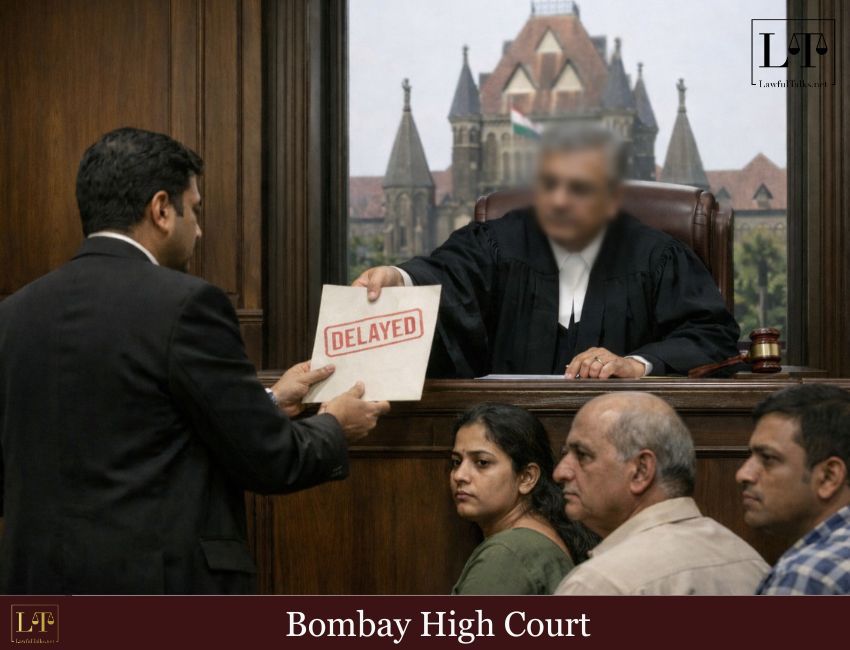
However, on April 16 and 25, 2019, the PMC Commissioner refused to give approval. Before deciding, he gave Waghmare a hearing and looked at documents that Waghmare had selectively provided—details he had earlier not given to the ACB.
In his orders, the Commissioner said there were no disproportionate assets and that Waghmare’s wealth came from legal income and ancestral property. After this, the Anti-Corruption Bureau (ACB) closed the enquiry in June–July 2019.
Delivering the judgment on April 2, 2026 (reserved on December 2, 2025), Justice Ranjitsinha Raja Bhonsale, speaking for the bench, began by referring to the Supreme Court's strong views on corruption in Subramanian Swamy v. CBI (2014).
He quoted:
“Corruption is an enemy of nation and tracking down corrupt public servant, howsoever high he may be, and punishing such person is a necessary mandate under the PC Act, 1988. The status or position of public servant does not qualify such public servant from exemption from equal treatment.” The bench further cited, “Corruption corrodes the moral fabric of the society... harmful to the national economy and national interest,” and stressed interpreting anti-corruption laws to “strengthen the fight against corruption.”
While examining the law, the judges explained the roles of different sections of the Prevention of Corruption Act.
They said:
Section 17 allows senior police officers to carry out investigations.
Section 17A requires prior approval only when the offence is connected to an official recommendation or decision.
Section 19 deals with sanction for prosecution after the investigation is complete.
The judges made it clear that Section 17A does not apply to disproportionate assets cases, because such cases are separate from official duties.
They supported this view by referring to earlier rulings like Dhandapani v. Vigilance Commissioner, Shankara Bhat v. State of Kerala, and Lala Bala Naga Dharma Singh v. State of A.P..
The bench also repeated from earlier judgments:
“In offences for allegedly acquiring assets disproportionate to income, previous approval under Section 17A of PC Act is not at all necessary,”
It said that the Commissioner wrongly gave Waghmare a hearing (which is not required under Section 17A), examined the evidence like a mini-trial, and concluded that no offence was made out. The court said this was actually the job of the Anti-Corruption Bureau under Section 17.
The judges clearly stated:
“The Competent Authority under section 17A, cannot and ought not to take over the role and duties of the authorized Enquiry Officer,”
They explained that at this stage, the authority only needs to see if there is some basic (prima facie) material or suspicion—not proof of guilt.
The court also pointed out that Waghmare had refused to give certain information to the ACB but gave the same information to the Pune Municipal Corporation. The bench noted:
“Surprisingly the very same information has been very promptly forwarded… to the Competent Authority,”
This raised doubts about fairness and impartiality.
The court also criticized the reply affidavit, saying it tried to justify the decision after the fact. It called this an “attempt to cover up” and said it could “obstruct… an independent, thorough, fair and impartial enquiry.”
The court framed key questions about the scope of Section 17A and whether authorities can decide in advance if an offence is made out. It gave a clear answer.
It said that the competent authority should only check whether the matter is connected to official acts and whether there is some basic (prima facie) material. It should not give hearings or decide the merits of the case.
The judgment clearly stated:
“Section 17A… does not protect offences like… case of disproportionate assets. The said offences… would be beyond its scope,”
The court relied on decisions like Nara Chandrababu Naidu v. State of A.P. and State of Karnataka v. Channakeshava H.D. to support this view.
It said that the law should be interpreted in a way that helps remove corruption, not protect it. The court quoted:
“The protection against malicious prosecution… cannot become a shield to protect corrupt officials.”
It also made it clear that public servants do not have a right to give an explanation before an FIR is registered in such cases.
In the end, the bench set aside the April 2019 orders and the closure of the enquiry, calling them “without jurisdiction.” It also declared that Section 17A does not apply in this case.
The court directed the Anti-Corruption Bureau (ACB) to restart the open enquiry and continue as per the Prevention of Corruption Act. This could include registering an FIR and seeking sanction under Section 19 after the investigation.
The court ordered:
“Petition is allowed… Authorities will… take swift and appropriate action in accordance with law,”
However, on the request of the Pune Municipal Corporation, the court stayed the implementation of its order for two weeks.
Case Details: Mr. Tanaji Balasaheb Gambhire vs. The State of Maharashtra & Ors.(CRIMINAL WRIT PETITION NO. 4680 OF 2021)









































































































































Sign up for free and be the first to get notified about curated content just for you.