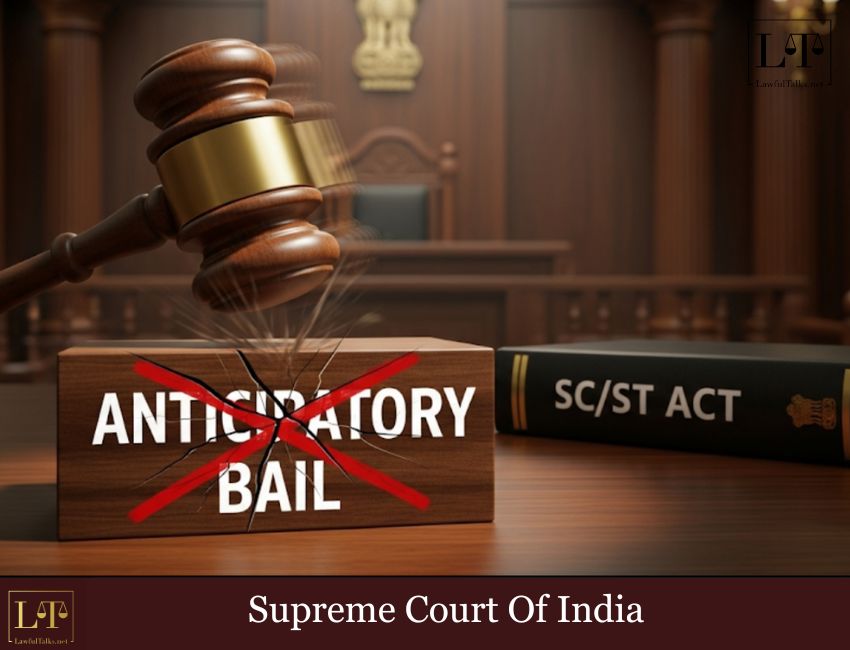
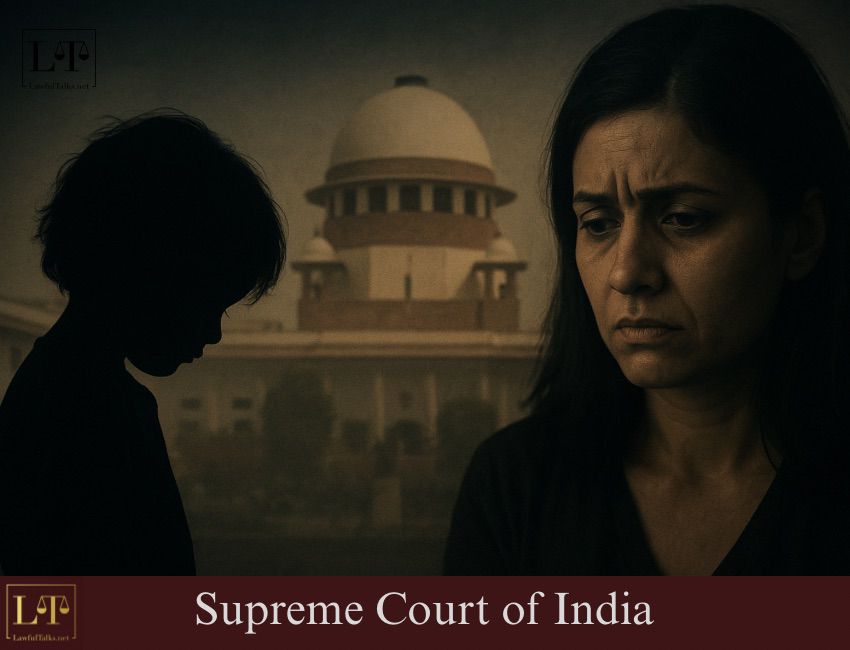
SC Draws A Ruthless Line: No Scheduled Caste Status For Christian Converts!”

- March 25, 2026


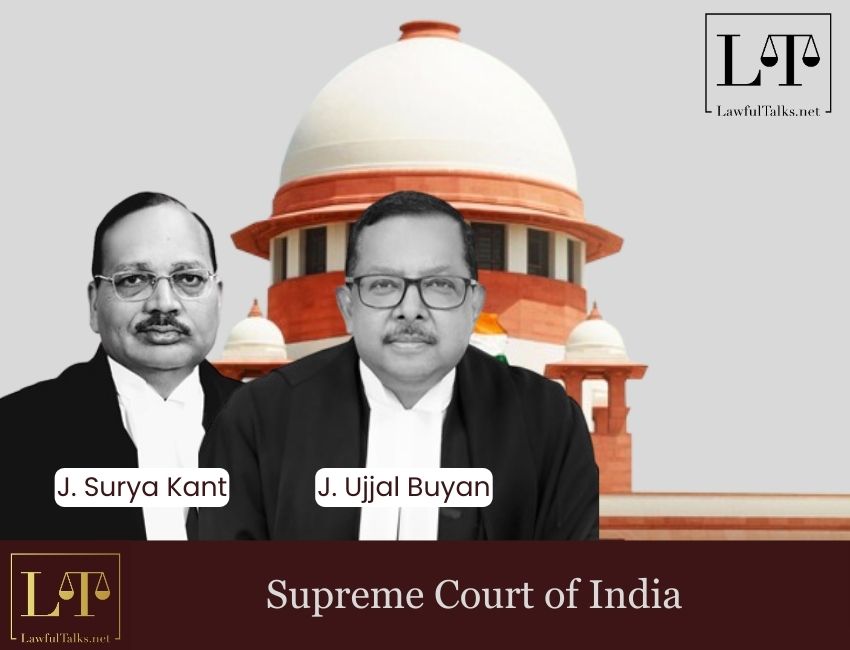
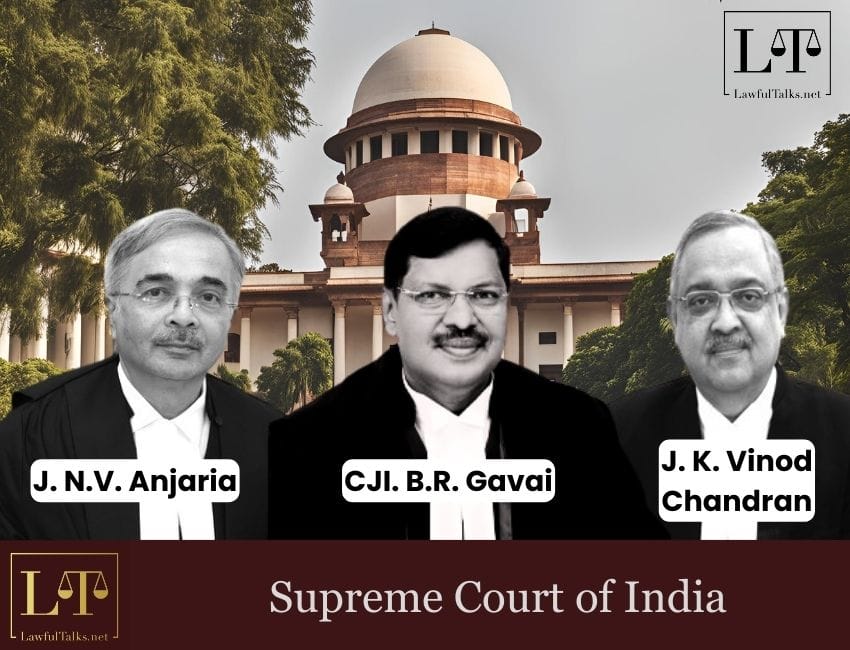
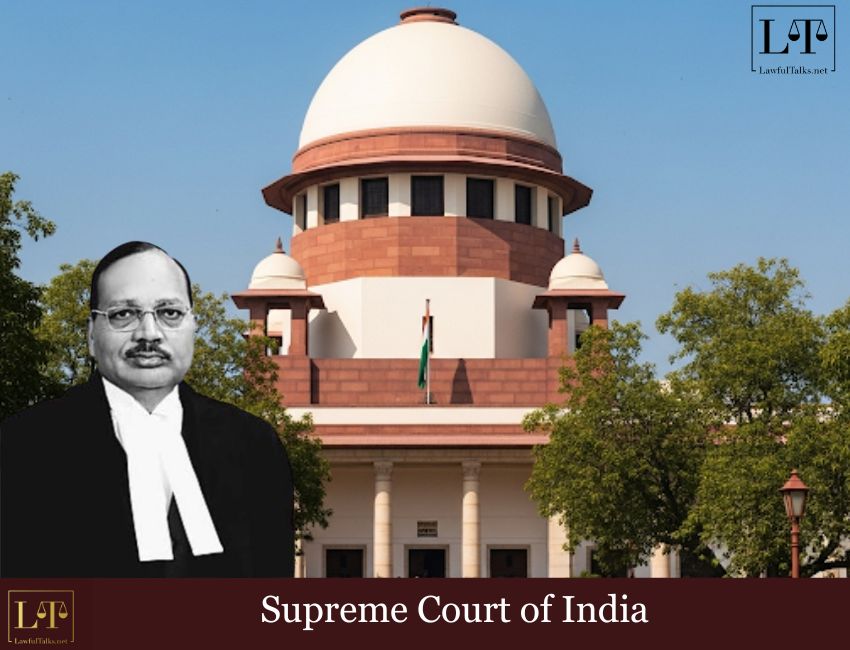
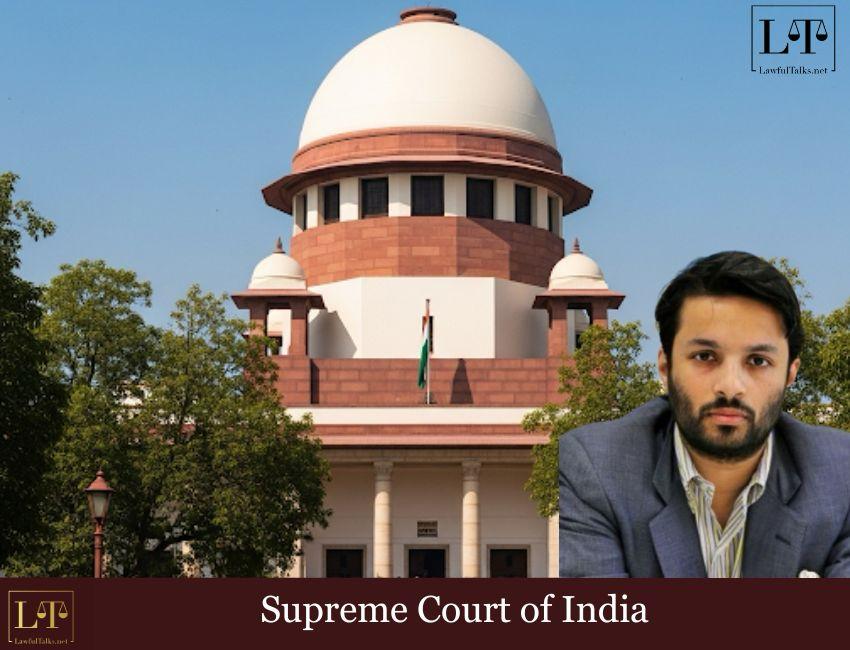
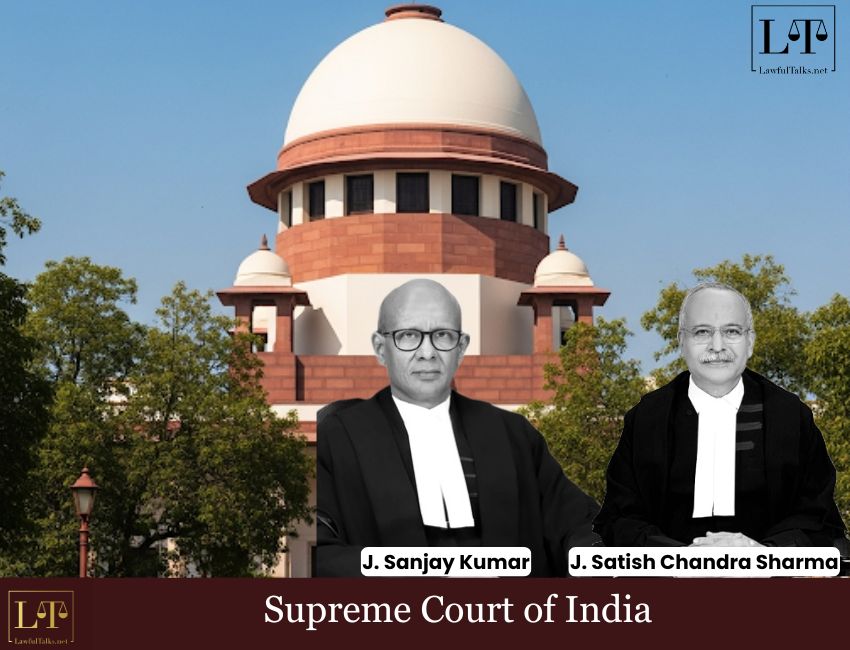
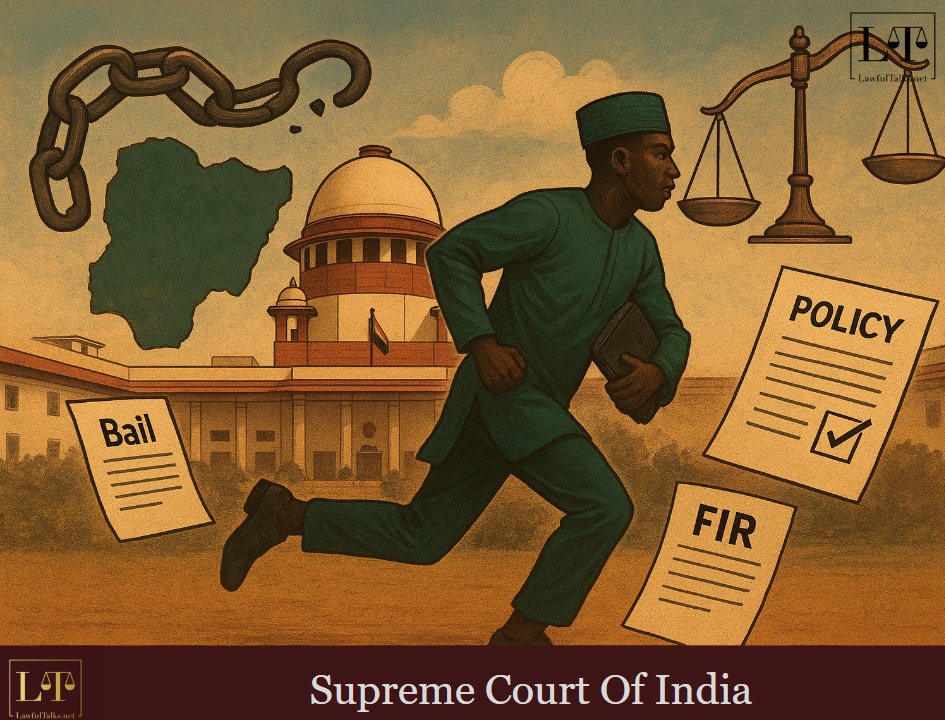
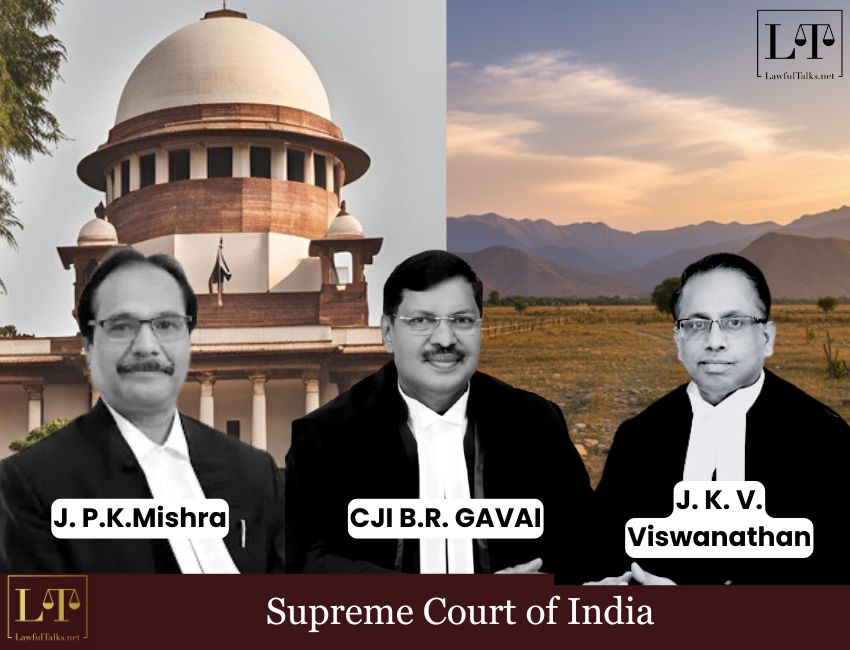
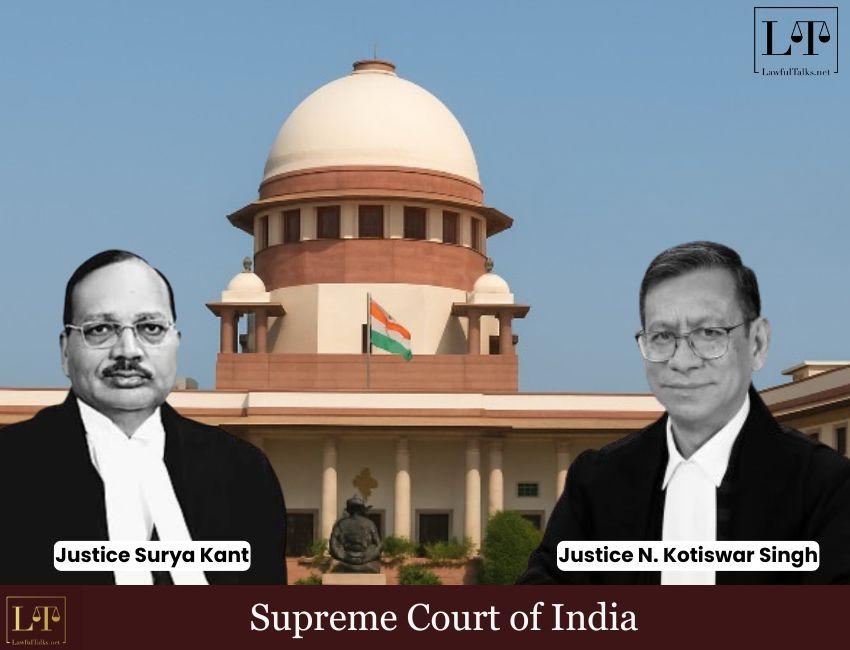
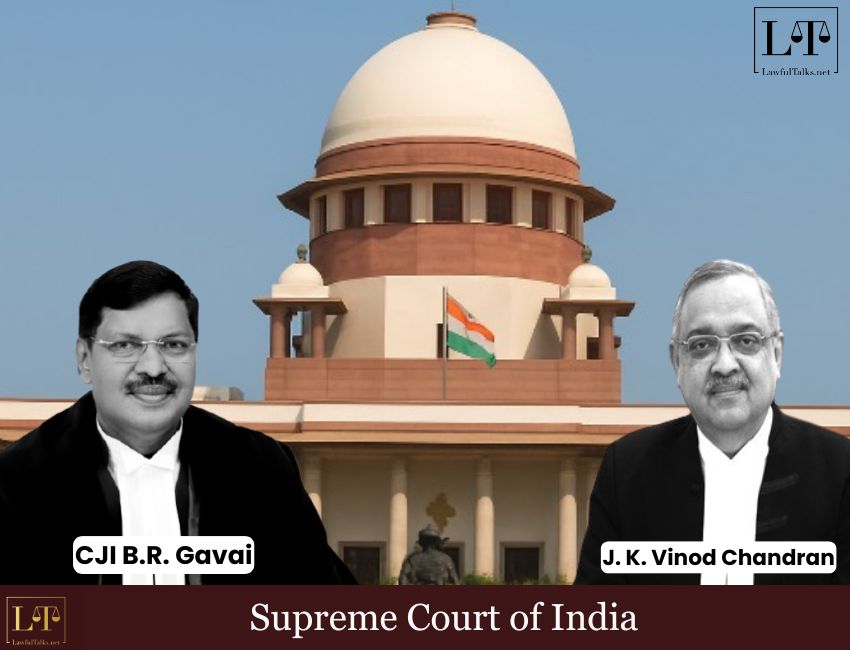
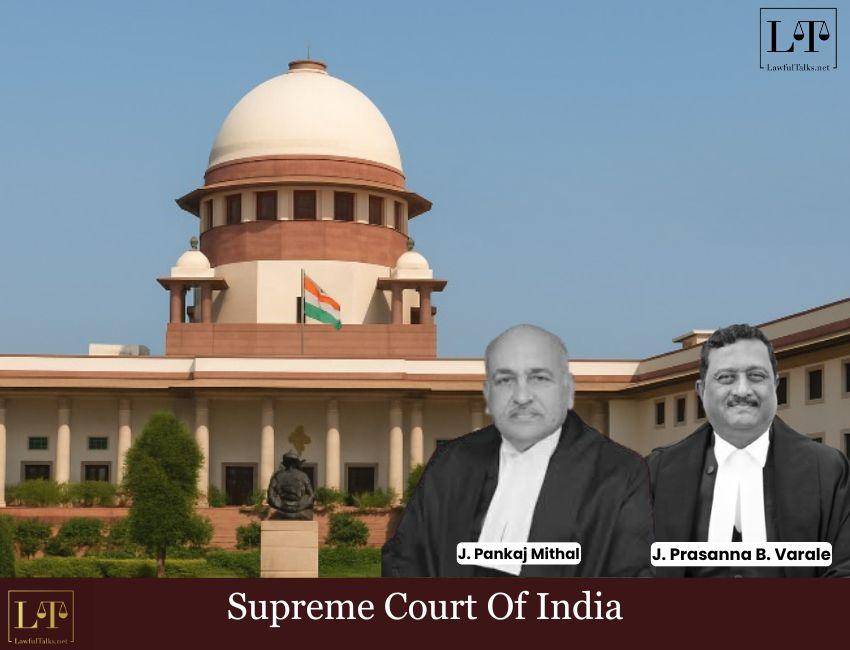
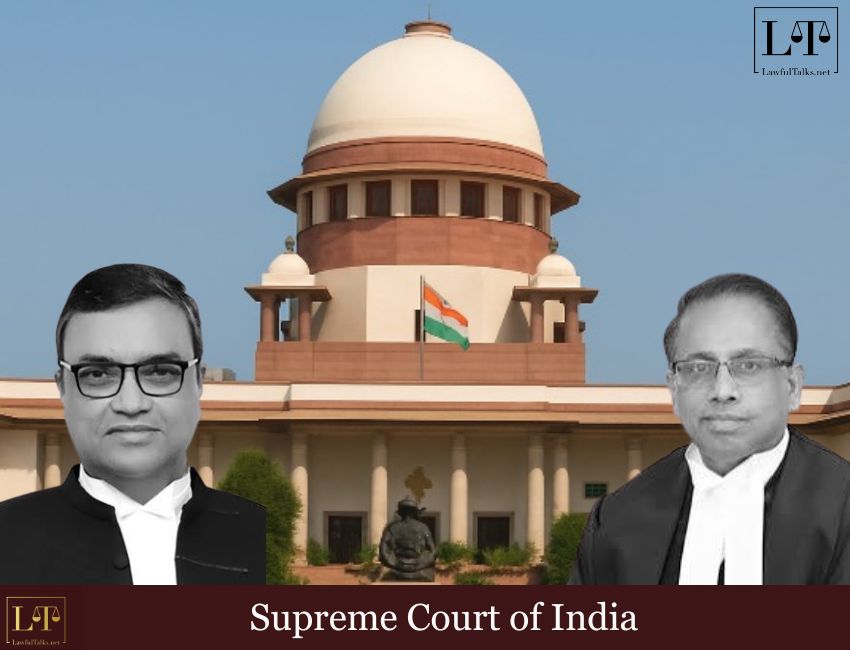
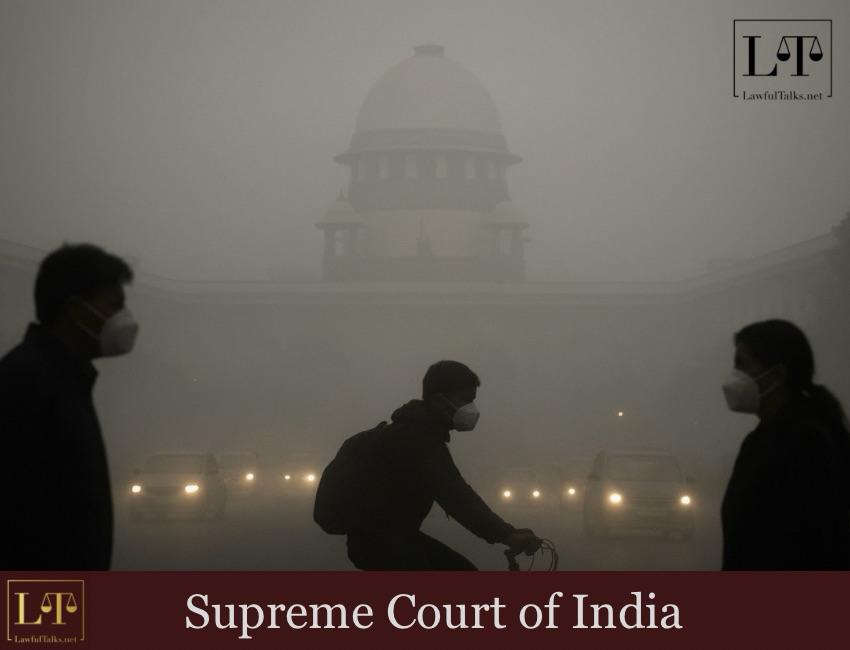
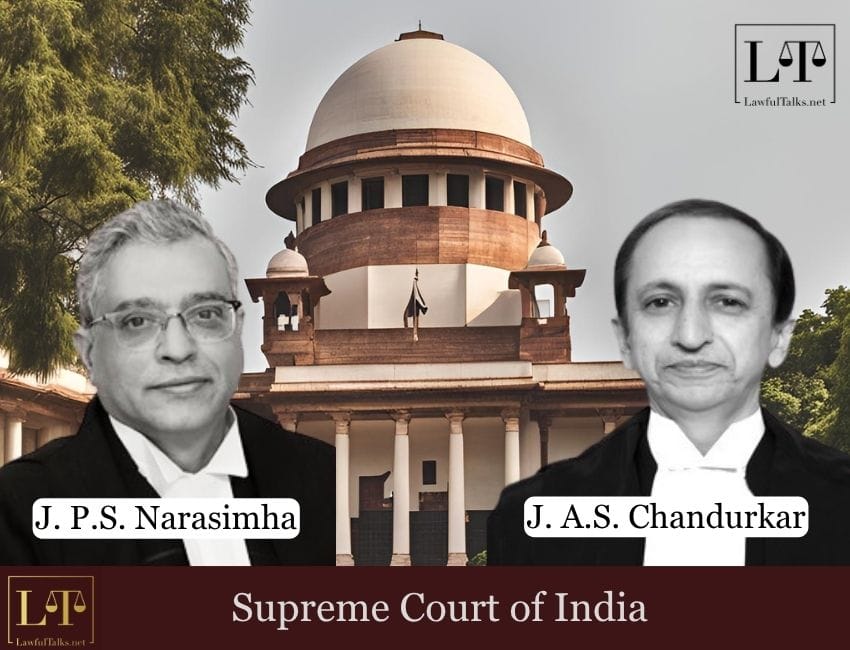
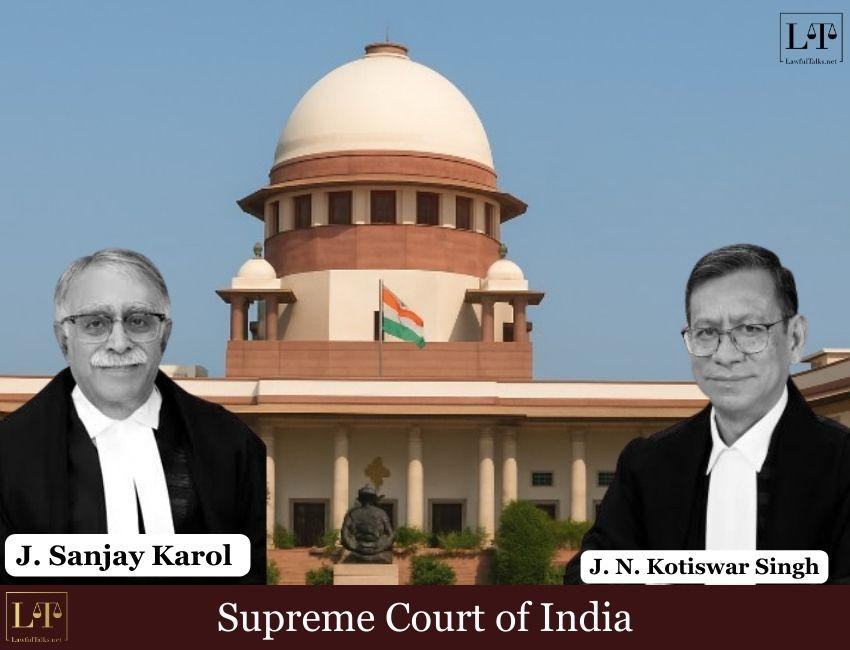
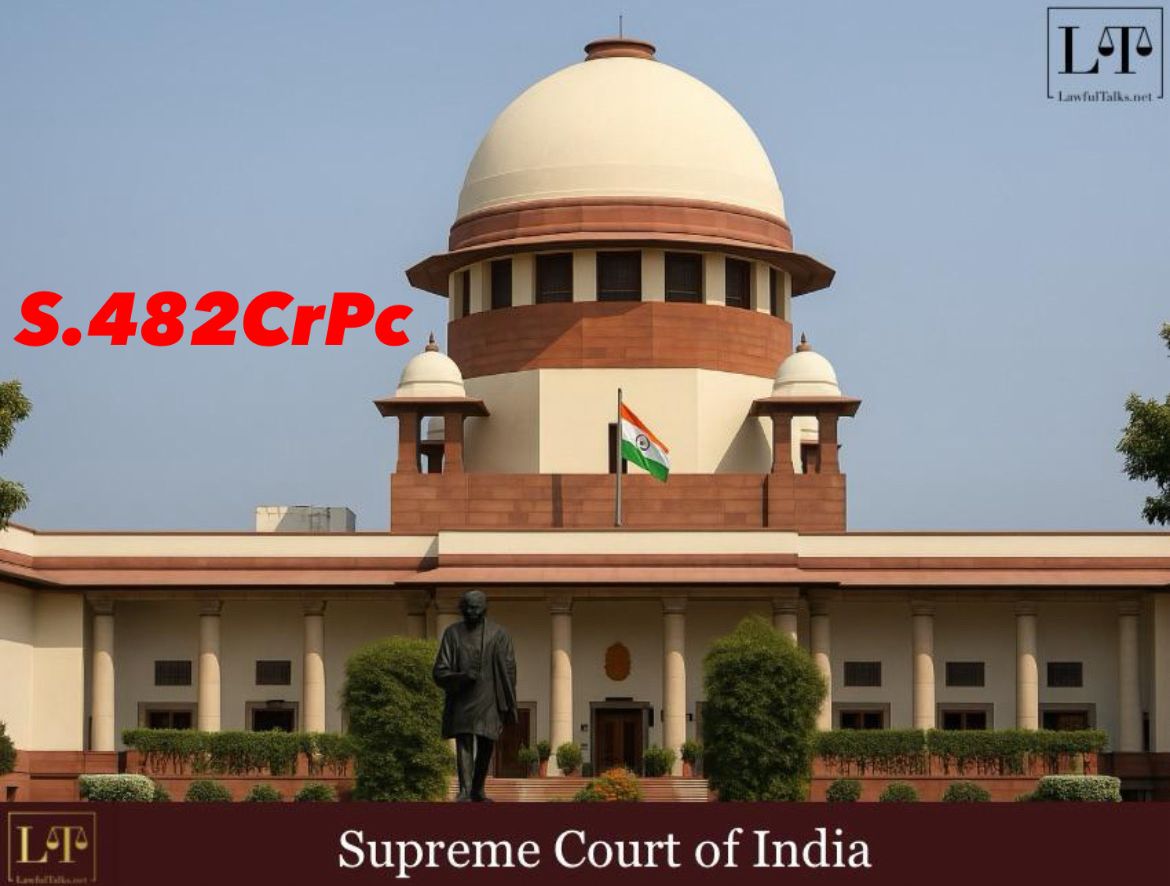
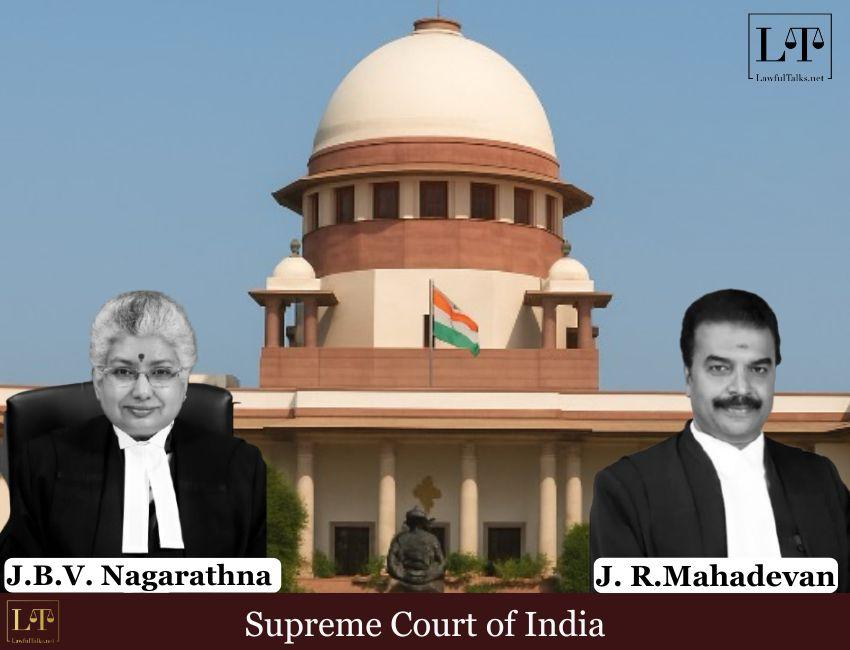
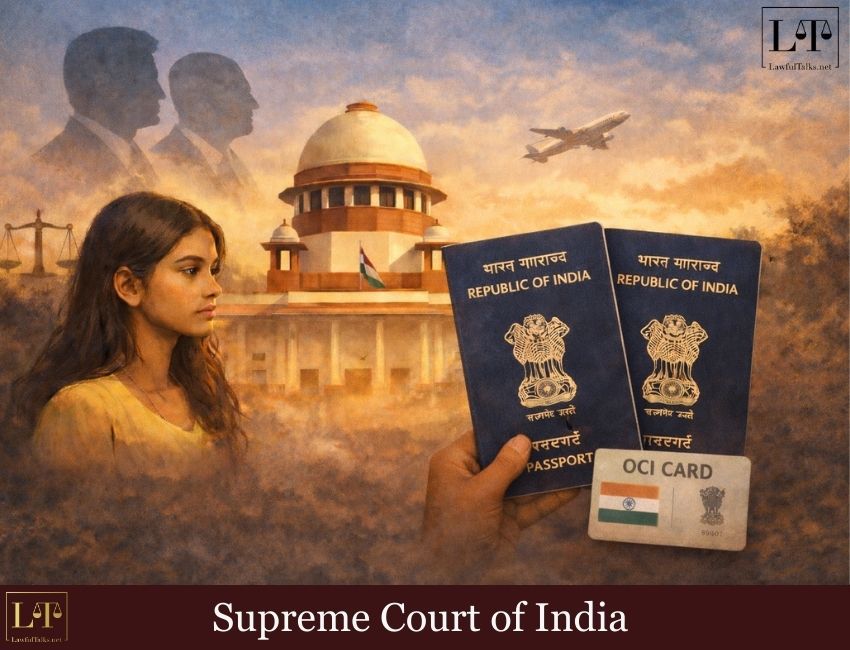
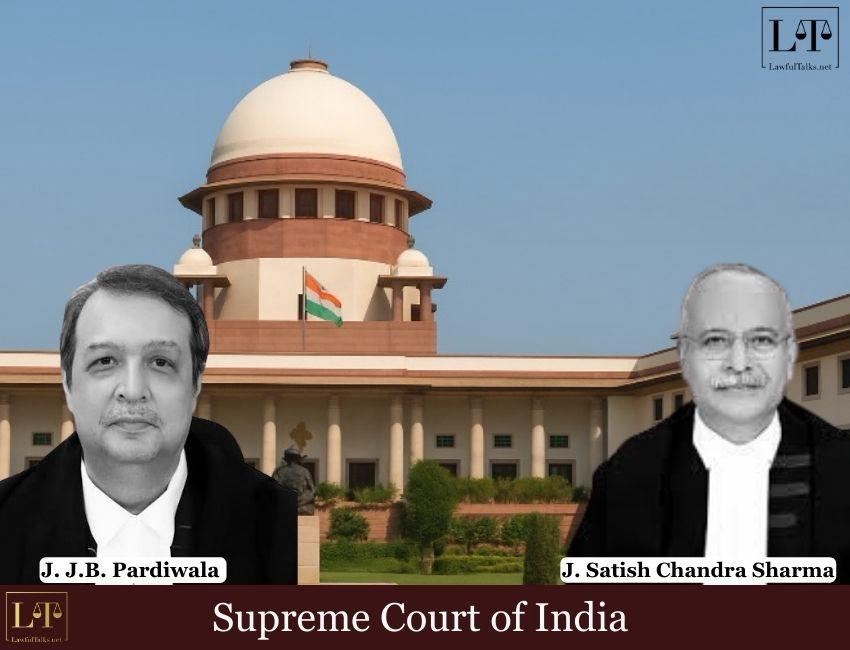
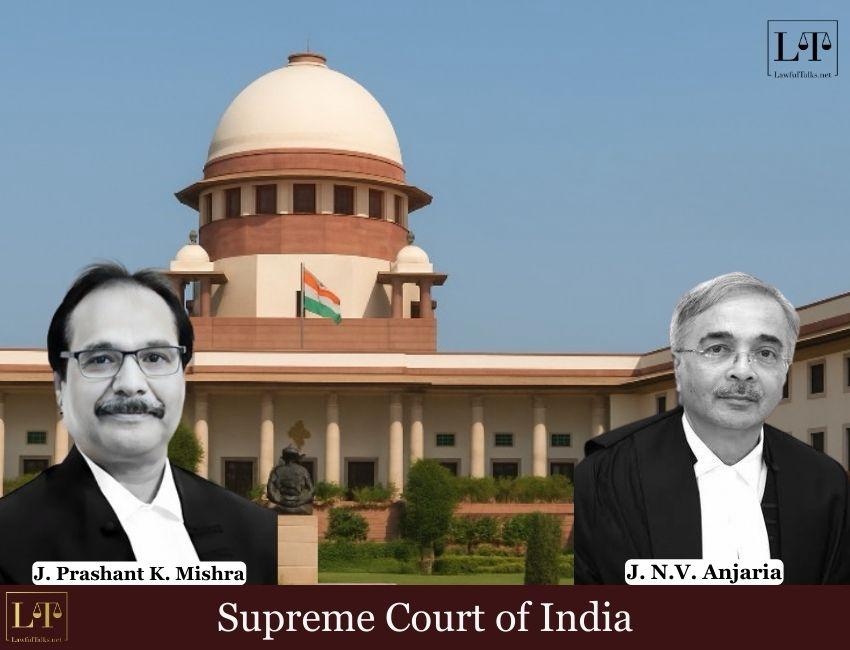
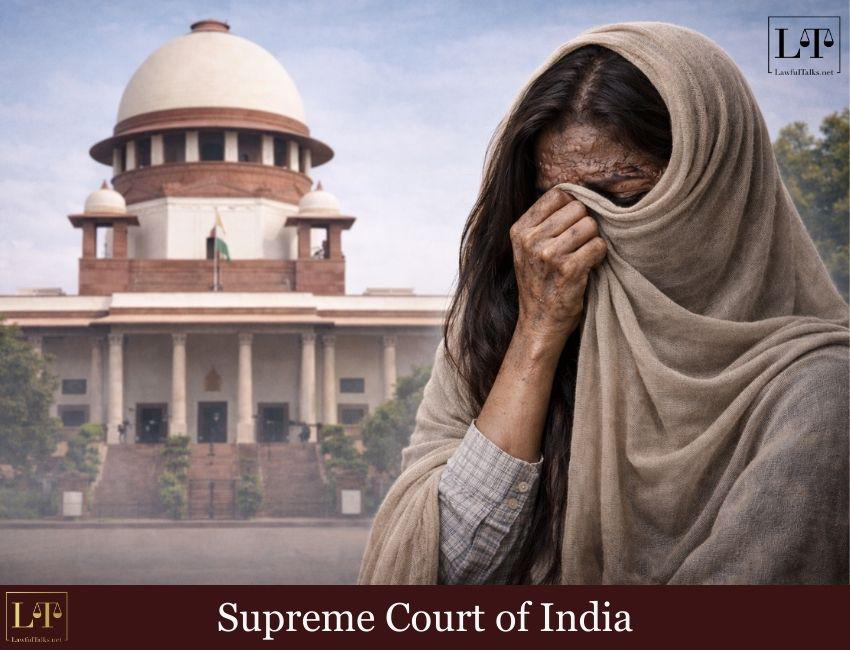
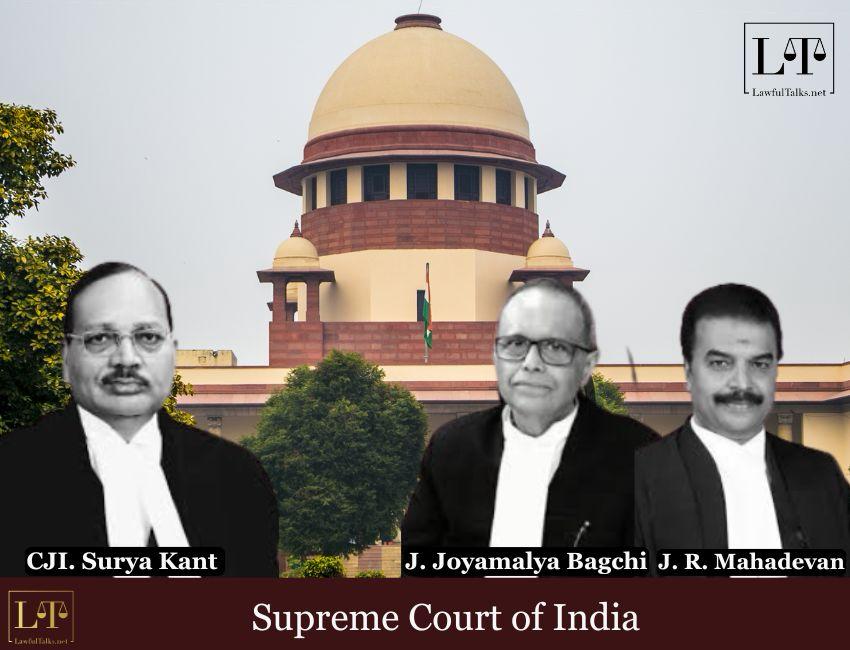
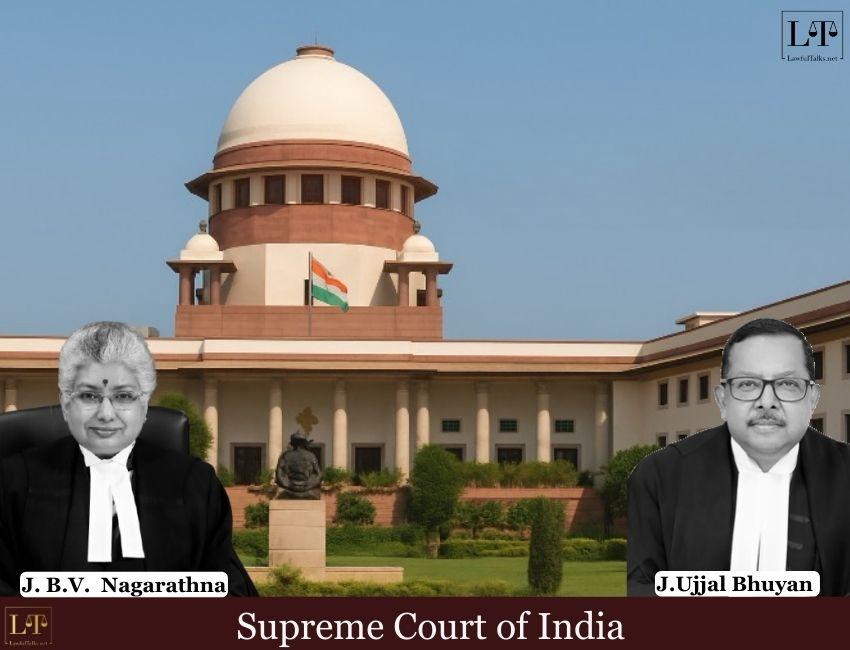
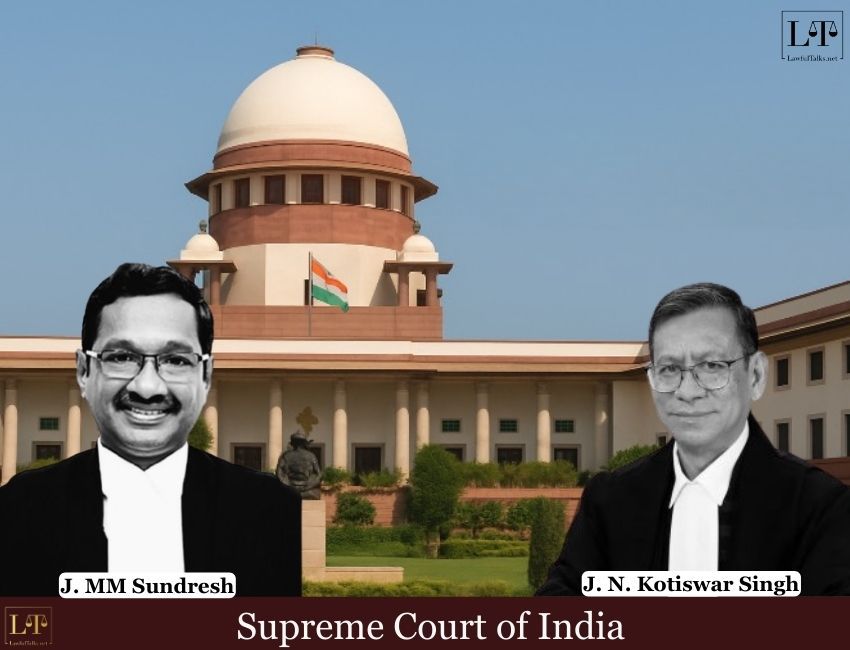
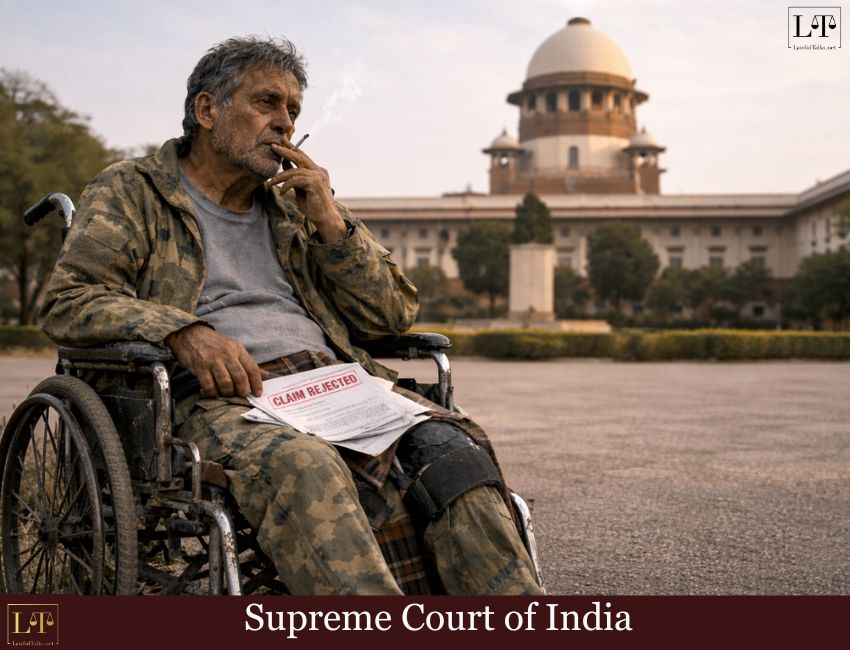
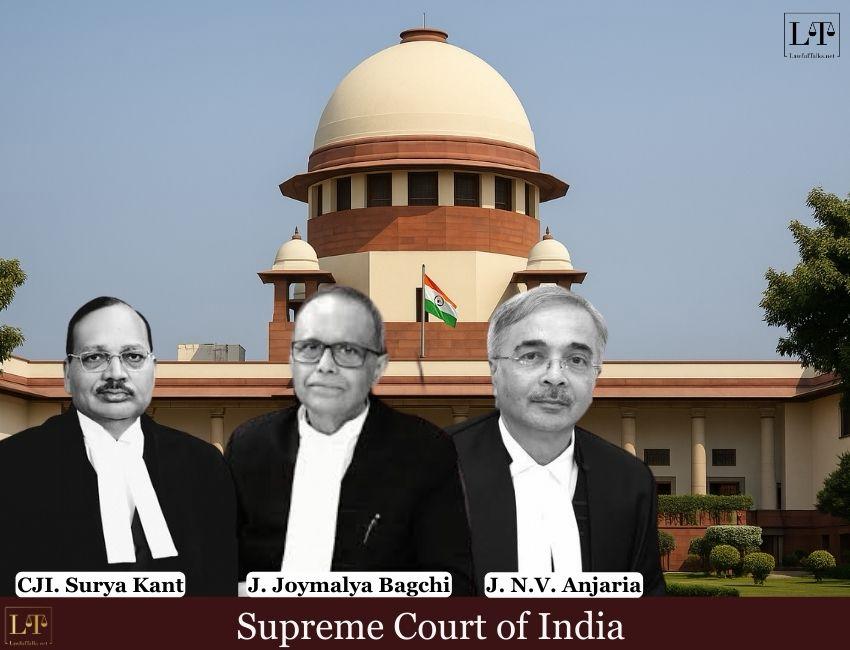
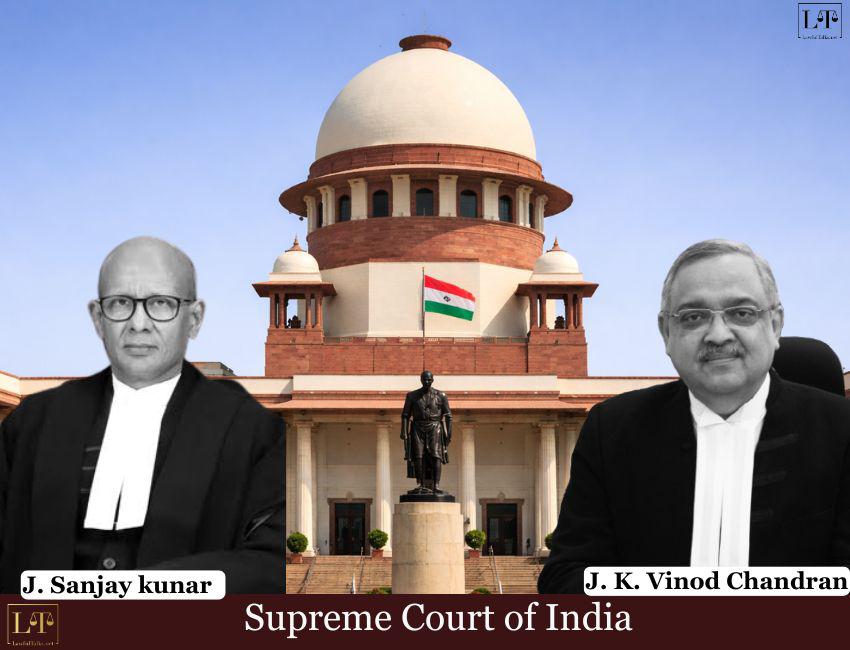
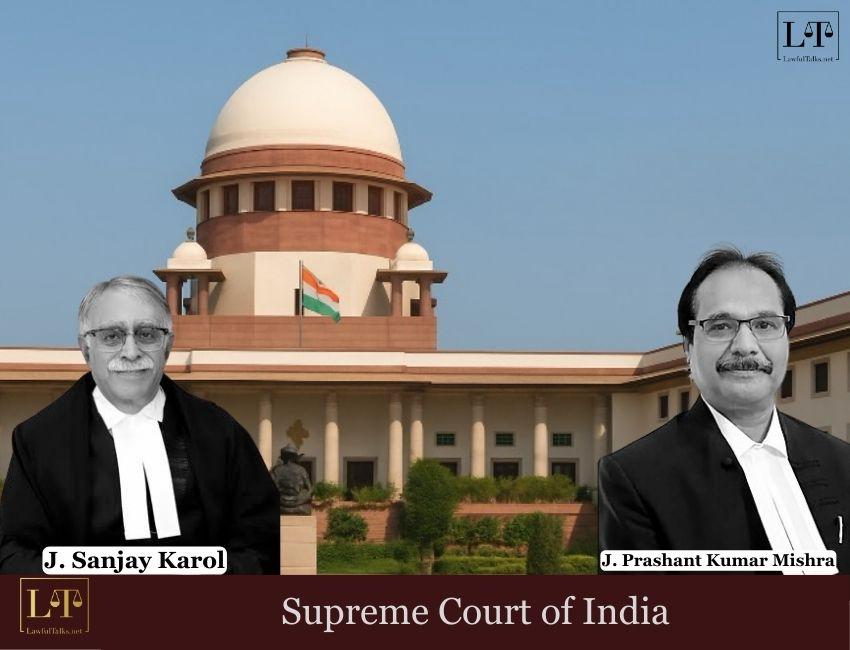
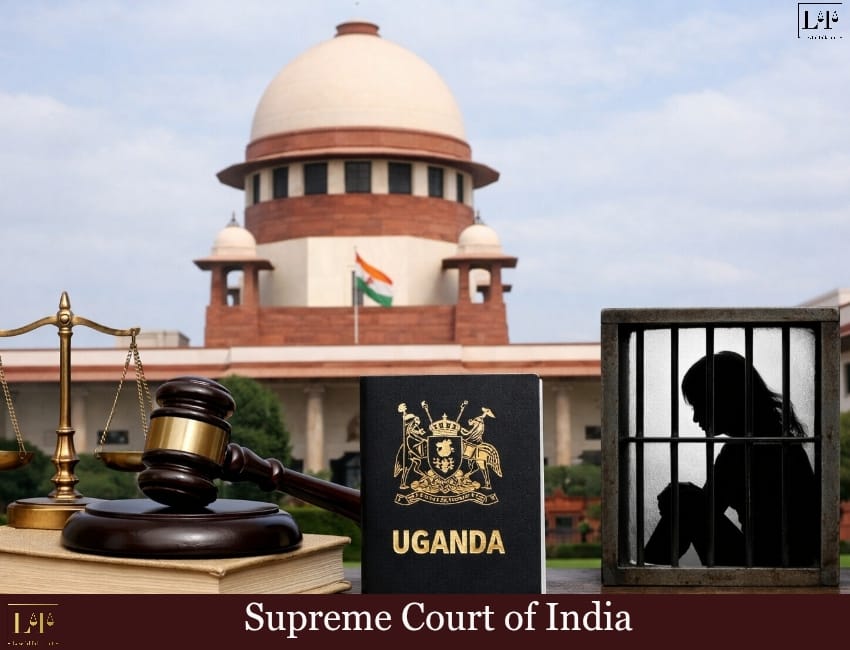
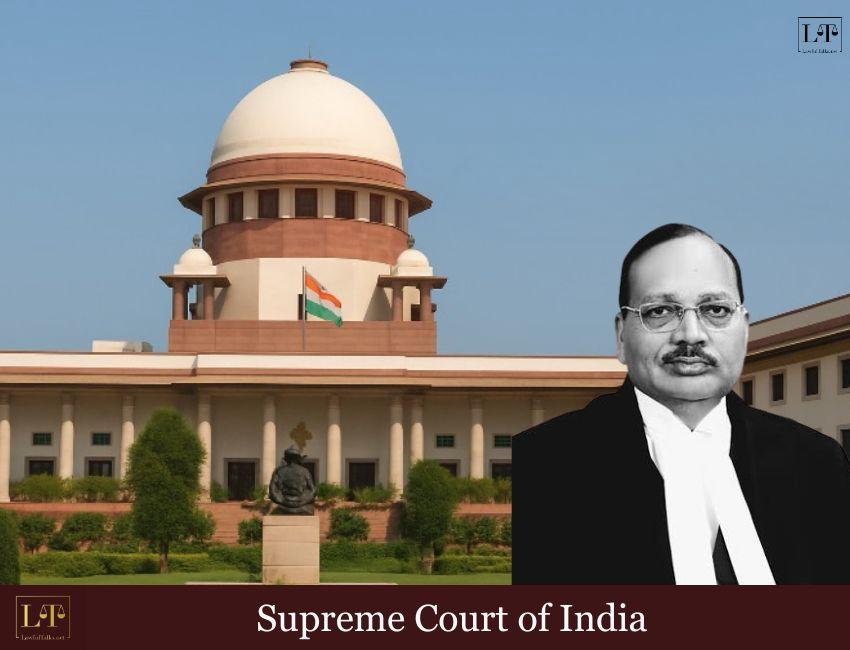
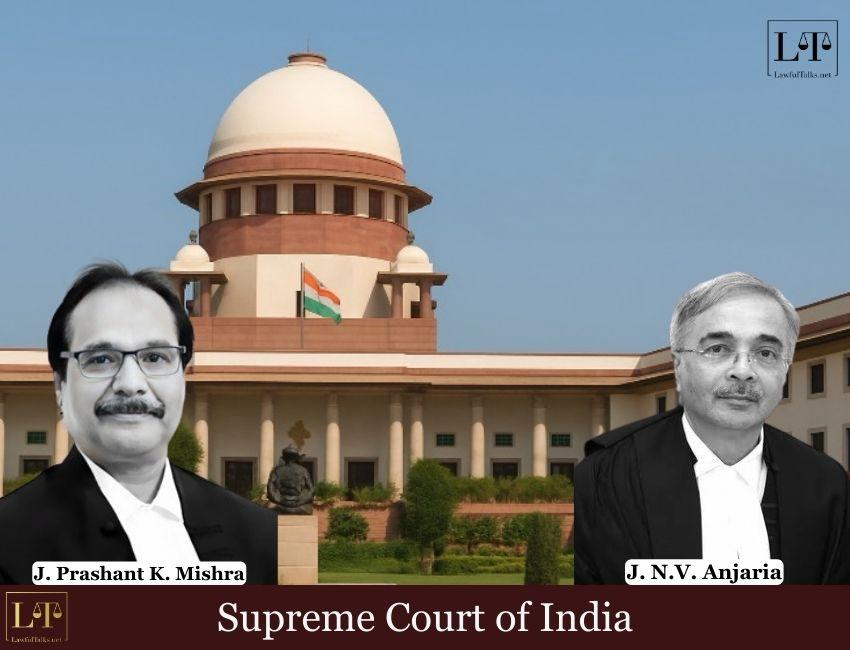
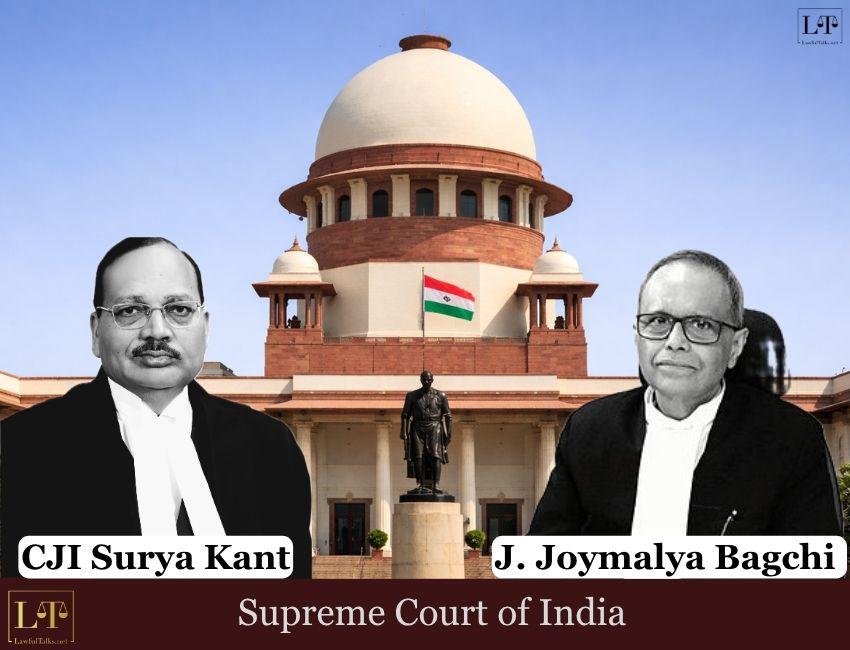
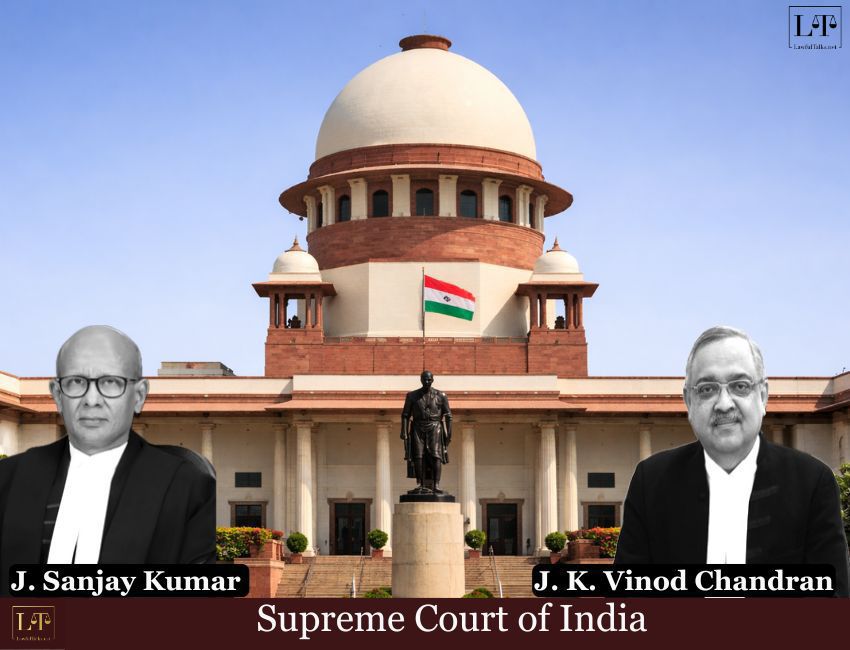
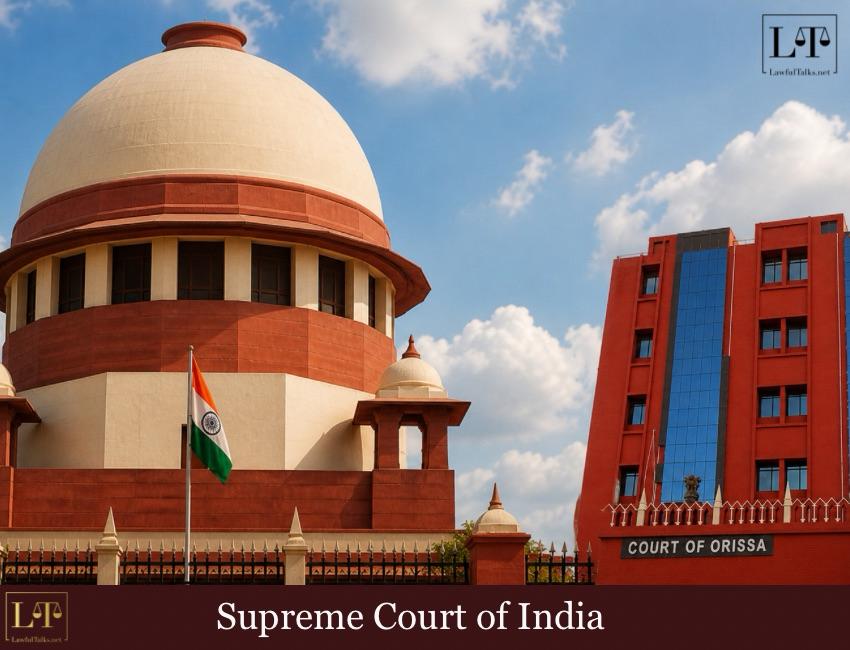
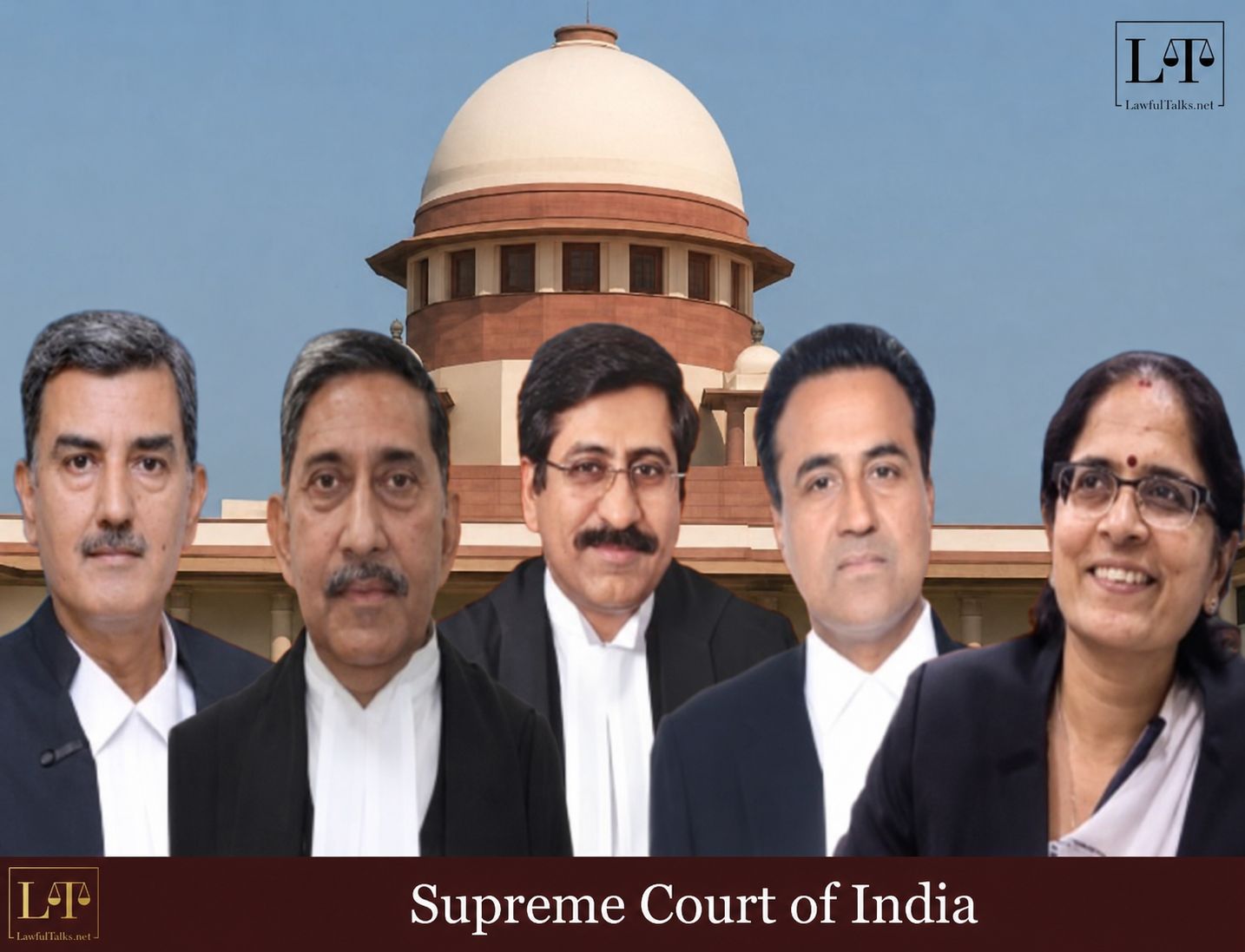
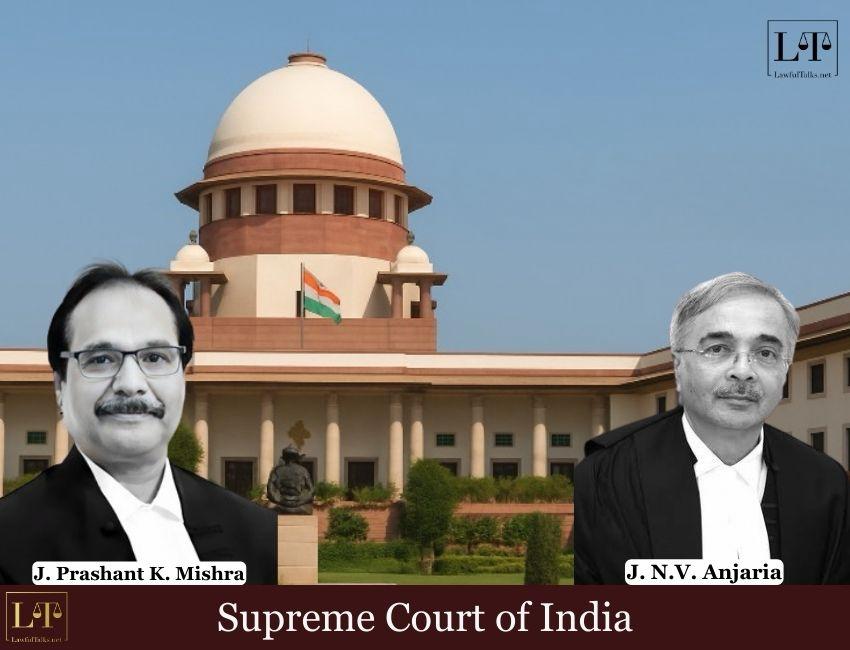
In a landmark judgment written by Justice Prashant Kumar Mishra, the Supreme Court of India has clarified how religious conversion affects Scheduled Caste status and protection under the law.
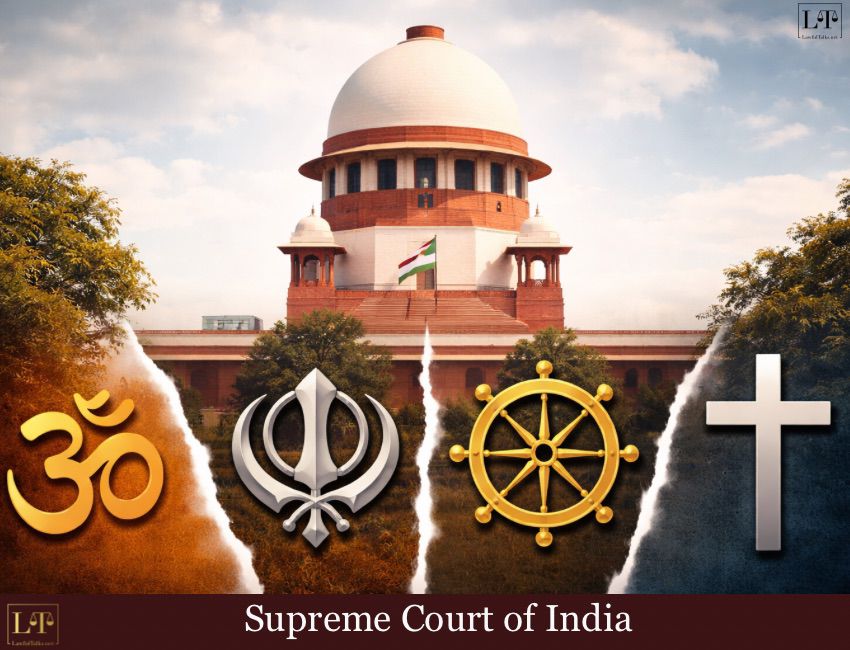
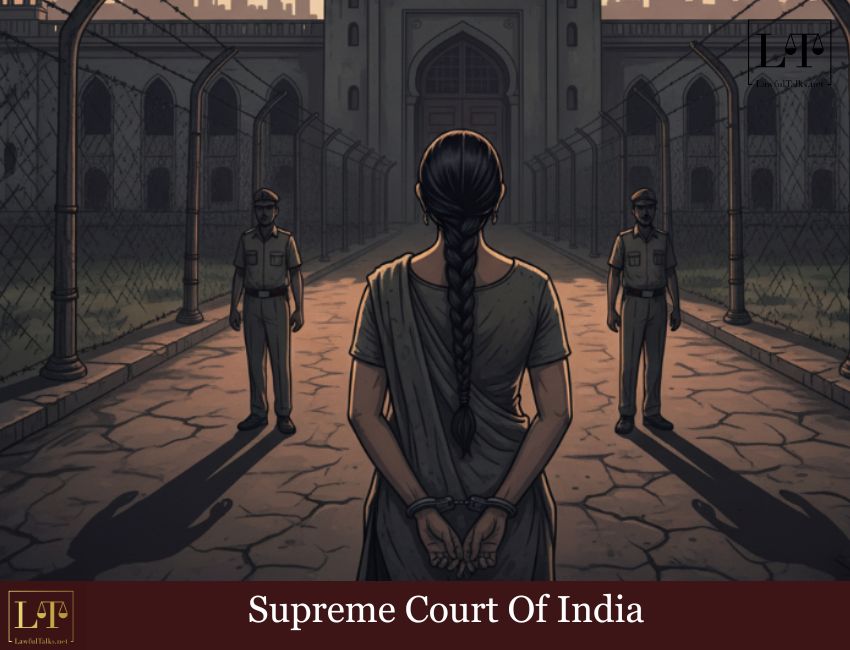
The case involved a person from the Madiga community who had converted to Christianity and alleged caste-based assault. The Court clarified how such situations should be handled under the Scheduled Castes and Scheduled Tribes (Prevention of Atrocities) Act, 1989.
Background of the Case:
The appellant, Chinthada Anand, is from Kothapalem Village in Guntur District, Andhra Pradesh. He belongs to the Madiga Scheduled Caste but had been openly practicing Christianity as a Pastor for nearly ten years. He used to hold Sunday prayer meetings in villagers’ homes, including the house of Doma Koti Reddy.
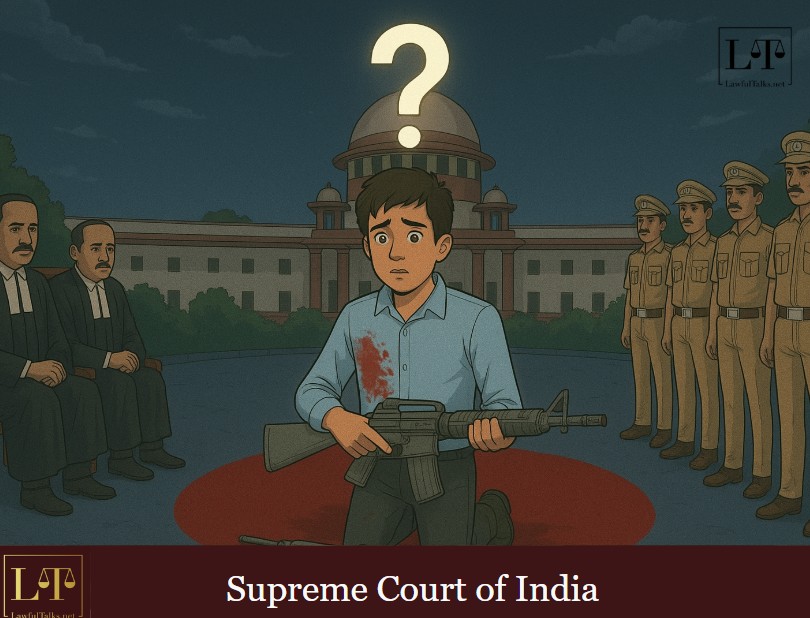
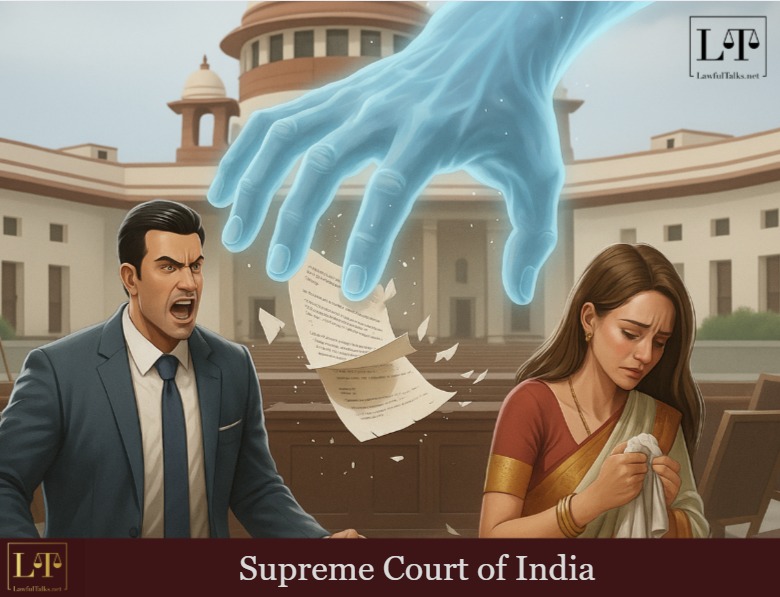
Anand said that from December 2020, he started receiving phone calls where he was abused with caste slurs because of his pastoral work. On January 3, 2021, during a prayer meeting, one accused person allegedly dragged him outside, slapped him, abused him by caste, and warned him not to continue such meetings.
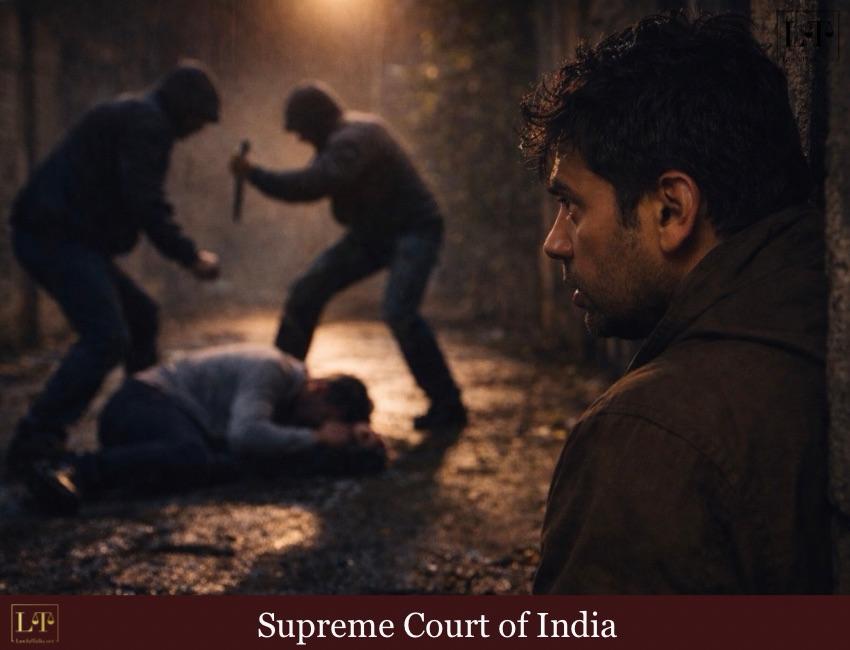
He also claimed that on January 24, 2021, after a prayer meeting while he was going home, respondents 2 to 7 along with 25 others stopped him. They allegedly took his phone and keys, dragged him, beat him, and abused him in public using caste slurs. He also said they threatened to kill his family.
The accused then went to the High Court under Section 482 of the CrPC to quash the case. They argued that Anand could not claim Scheduled Caste status after converting to Christianity, based on Clause 3 of the Constitution (Scheduled Castes) Order, 1950.
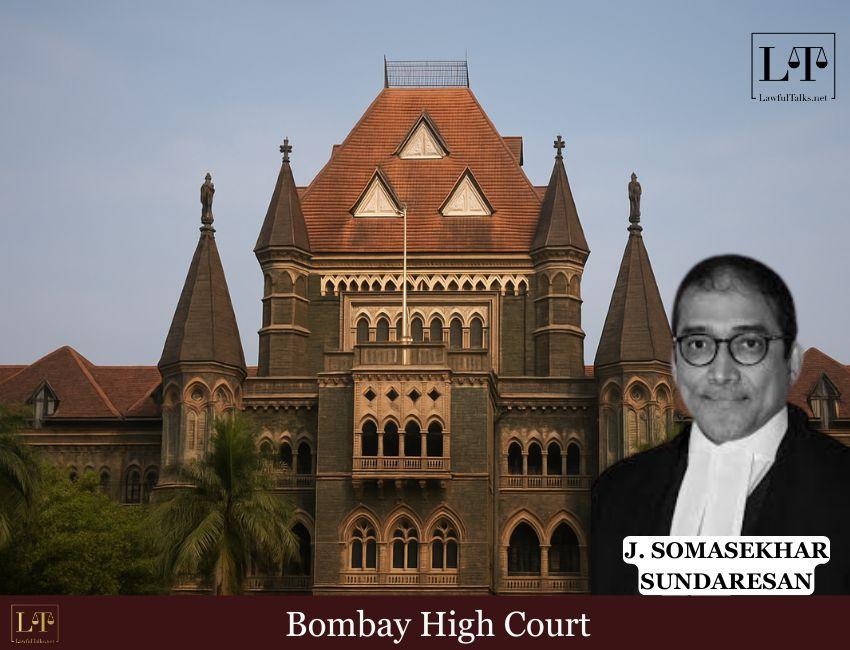
The High Court accepted their argument and quashed the case. It held that Anand “cannot claim protection under the SC/ST Act since he had been openly professing Christianity and working as a Pastor for about a decade.” The Court also said that “caste system is not recognised in Christianity.” It further noted that the witness support was weak and the injuries were simple, and therefore continuing the case would be an abuse of the legal process.
The respondents argued that Clause 3 of the Constitution (Scheduled Castes) Order, 1950 does not allow people who follow religions other than Hinduism, Sikhism, or Buddhism to claim Scheduled Caste status. They said the word “profess” means openly practicing a religion, and Anand had clearly done so for about ten years as a Pastor.
Justice Prashant Kumar Mishra examined the issue by referring to Articles 341–342 of the Constitution, which give the President power to identify Scheduled Castes and Scheduled Tribes for protection of backward classes.
For Scheduled Tribes, the Court referred to the case of State of Kerala v. Chandramohan. It explained that a tribe is identified by things like family ties and customs. The Court said: “If by reason of conversion to a different religion a long time back, he/his ancestors have not been following the customs, rituals… he may not be accepted to be a member of a tribe.”
For Scheduled Castes, the Court relied on C.M. Arumugam v. S. Rajagopal. It said caste is linked to Hindu society and is a “social combination.” The Court quoted: “whenever a person renounces Hinduism and embraces another religious faith, he automatically ceases to be a member of the caste… the convert ceases to have any caste.”
The meaning of the word “profess” was explained using the case Punjabrao v. D.P. Meshram. The Court said it means “to declare one’s belief in… an open declaration or practice.” Since Anand worked as a Pastor, preached, and even served as a treasurer, the Court found that he was openly practicing Christianity.
The Court also noted that Christianity teaches equality, as seen in the line: “neither Jew nor Gentile… all one in Christ Jesus” (Galatians 3:28), which shows that the religion does not recognise caste.
G.O. Rejected:
The court rejected G.O. Ms. No. 341. It said the order only gives “non-statutory concessions” like financial aid, and clearly states that “statutory concessions i.e., reservations… only to scheduled castes with reference to the Constitution (Scheduled Castes) Order 1950.” This means that people who convert are not eligible for such benefits.
It also noted that in 2021, the Lok Sabha confirmed that the SC/ST Act of the central government does not apply to Christians.
The Court relied on earlier cases as well. In Guntur Medical College v. Y. Mohan Rao, it was held that Madigas who are not Hindu or Sikh cannot claim SC status. In C.M. Arumugam, the Court said: “once such a person ceases to be a Hindu… it is no longer necessary to give him protection.”
The Court concluded that after conversion, a person cannot claim SC benefits, unless they convert back and prove it.
Because of this, a person cannot get statutory benefits like protection under the SC/ST Act without having SC status. The Court also said a person cannot follow two religions at the same time.
For reconversion, the Court said some conditions must be met. These include proof of the original caste, a genuine intention to return, openly leaving the new religion, and acceptance by the community. All these conditions are compulsory, and the person claiming must prove them.
For Scheduled Tribes (ST), the Court said there is no strict religion bar, but the person must still follow tribal customs and be accepted by the community.
In Anand’s case, the Court found that he did not meet these requirements. So, it held that he “cannot be a person aggrieved under the SC/ST Act.”
For the IPC charges, the Court applied the Bhajan Lal principles and found that there was no prima facie case. It noted that Anand’s version was not supported by others—his wife was not present, other witnesses only heard shouting but did not see any assault, and there was no evidence of a mob. The injuries were also simple, and even the charge-sheet did not mention any mob.
Because of this, the Court said: “requirements under Sections 341, 506, 323 read with 34 of IPC cannot be made out even after full fledged trial.”
The High Court’s decision was upheld, and the appeal was dismissed. The Court said: “We find no substance in the Appeal which fails.” It added that this approach prevents misuse of the SC/ST Act while following the constitutional link between religion and caste.
Case Details: CHINTHADA ANAND v STATE OF ANDHRA PRADESH AND ORS.|SLP(Crl) No. 9231/2025

































































Sign up for free and be the first to get notified about curated content just for you.