“Why Is A Court Order Needed?”: CJI Grills Plea To Cut 5-Year Law Course

- March 16, 2026


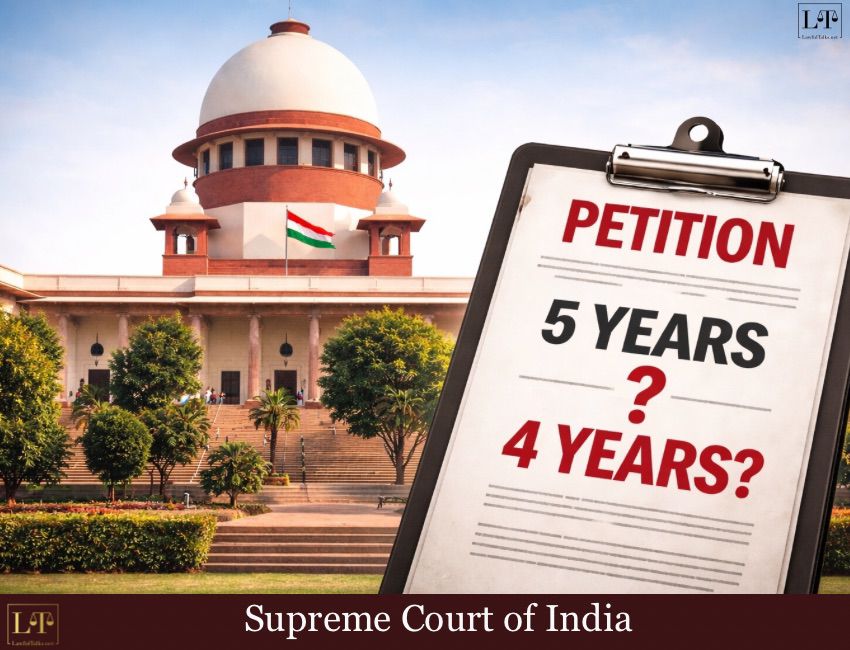
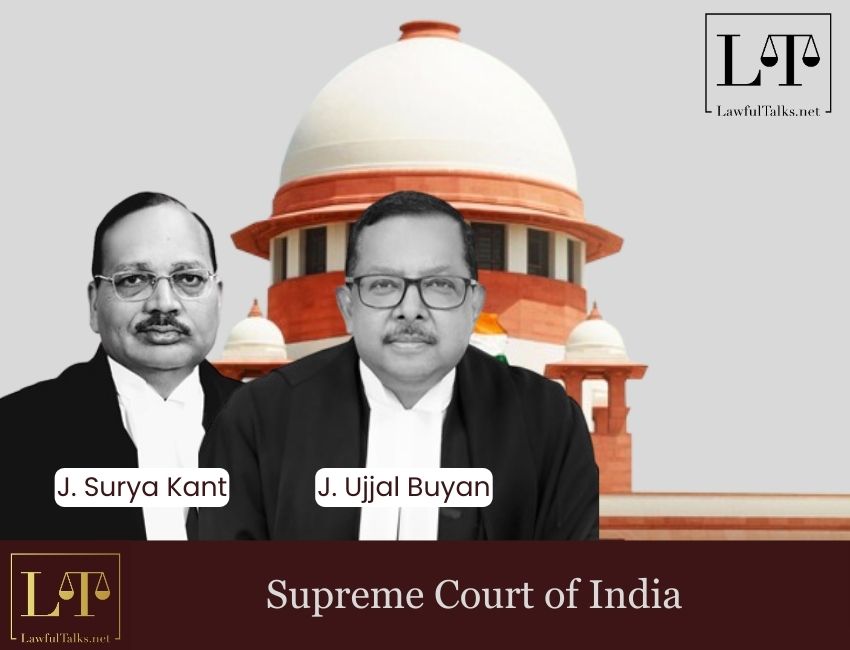
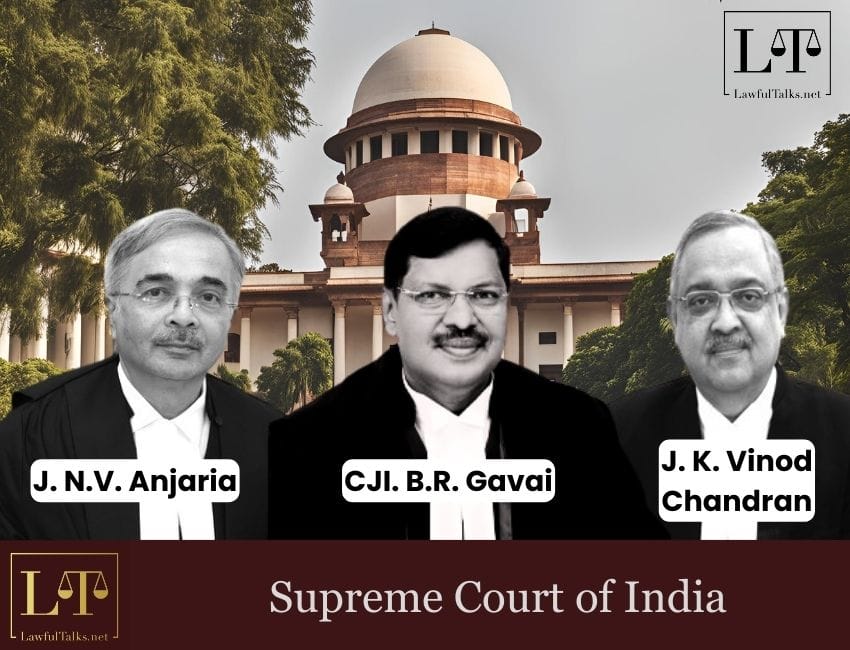
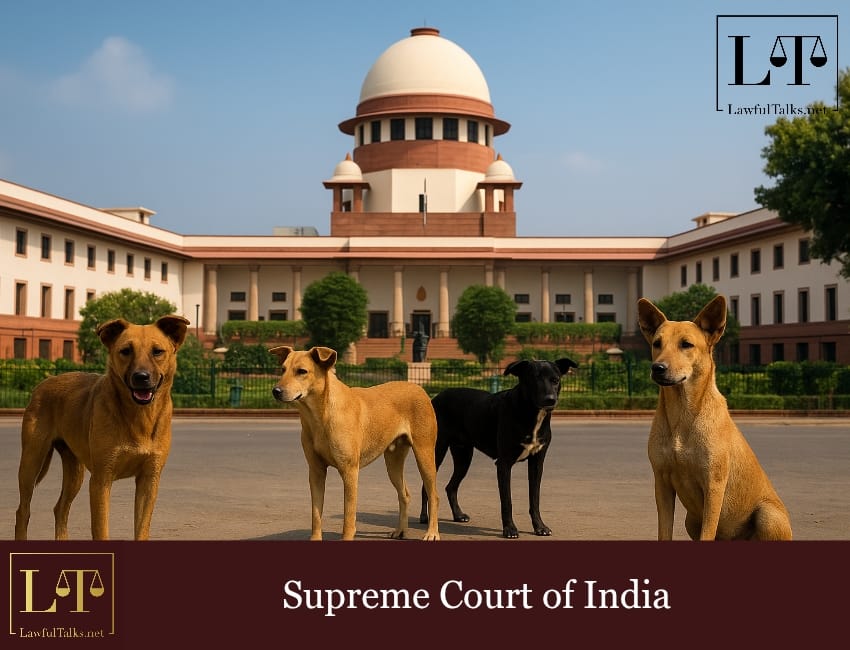
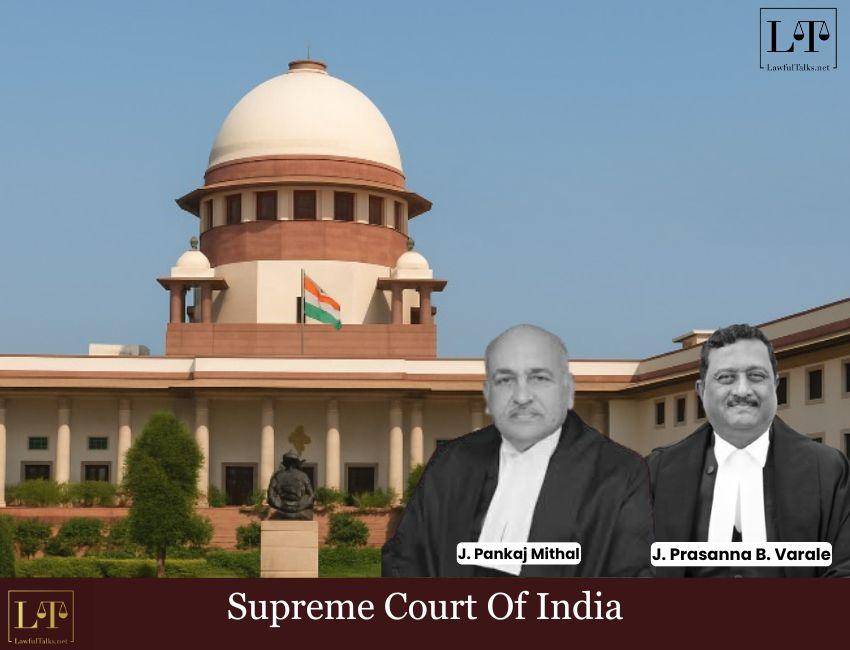
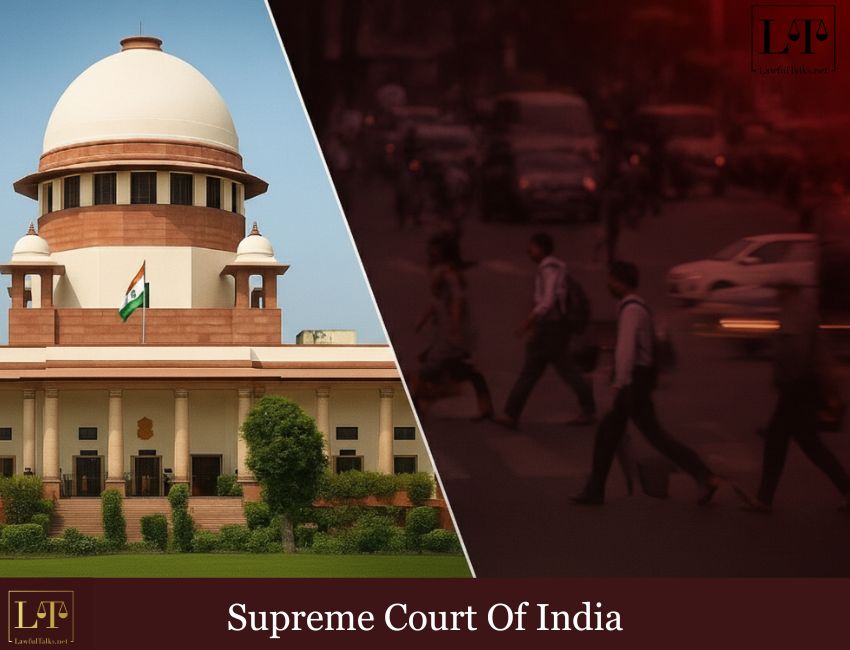
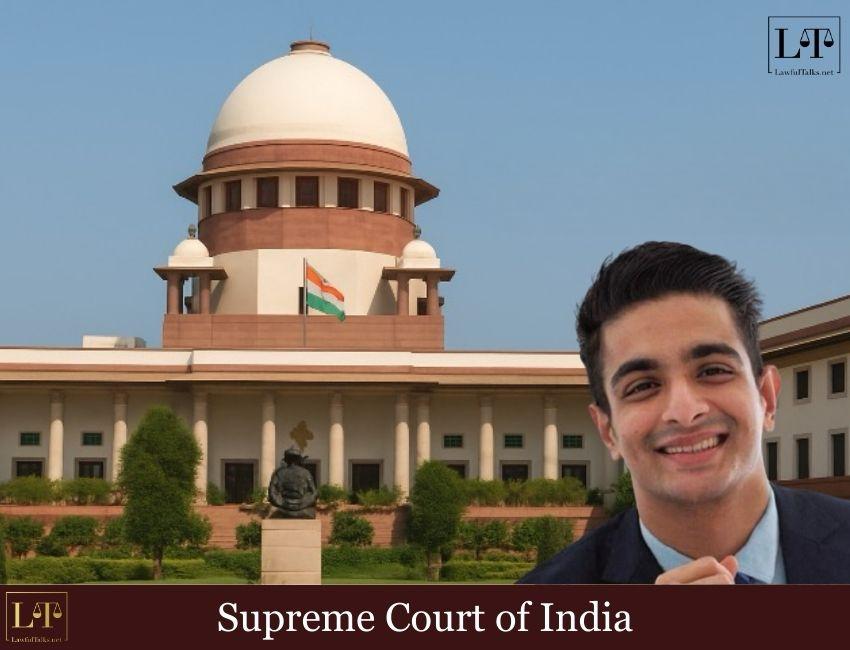
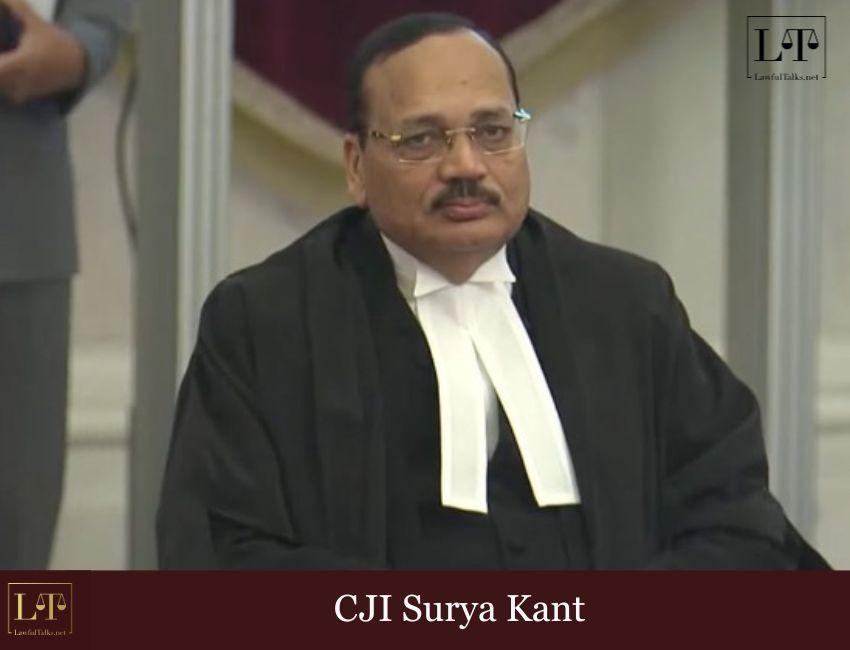
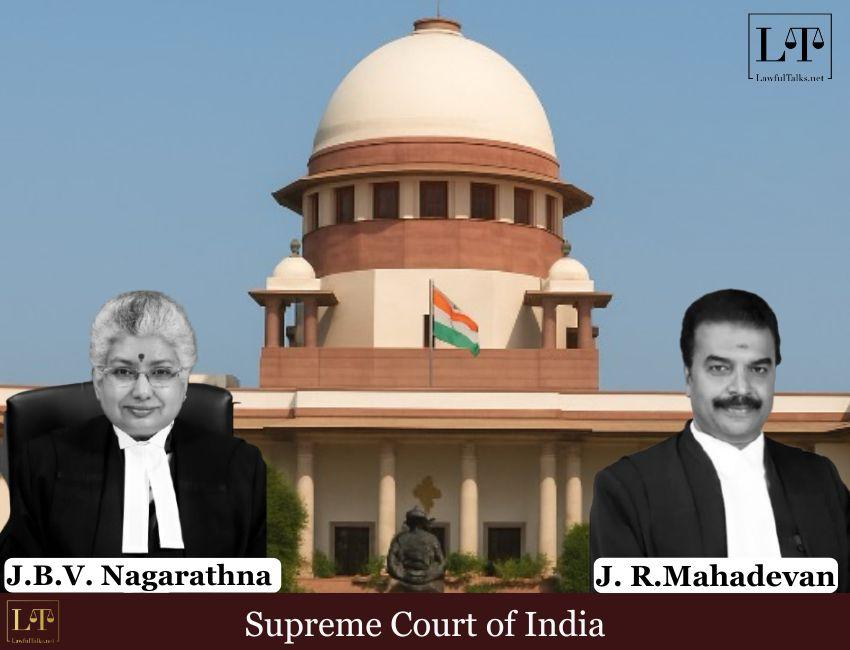
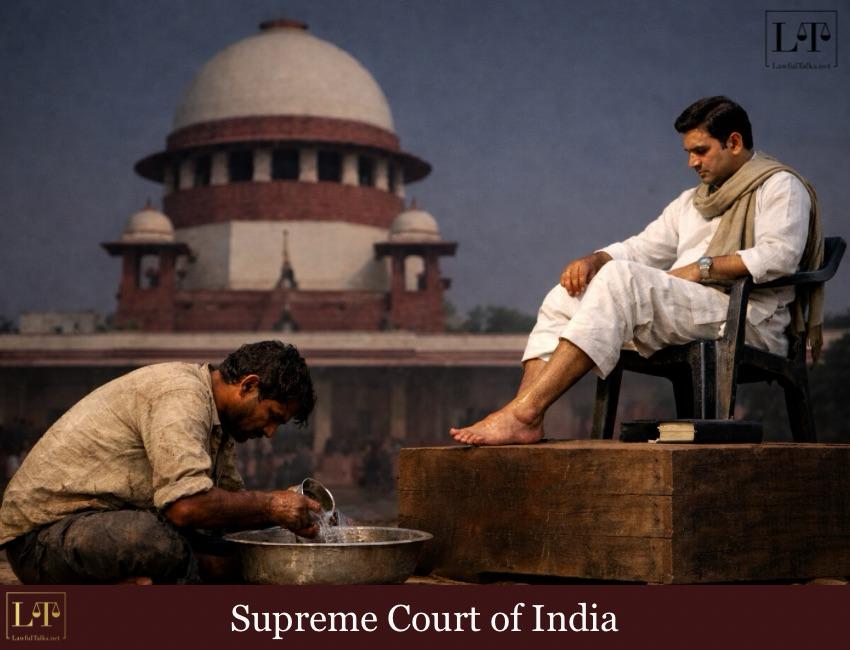
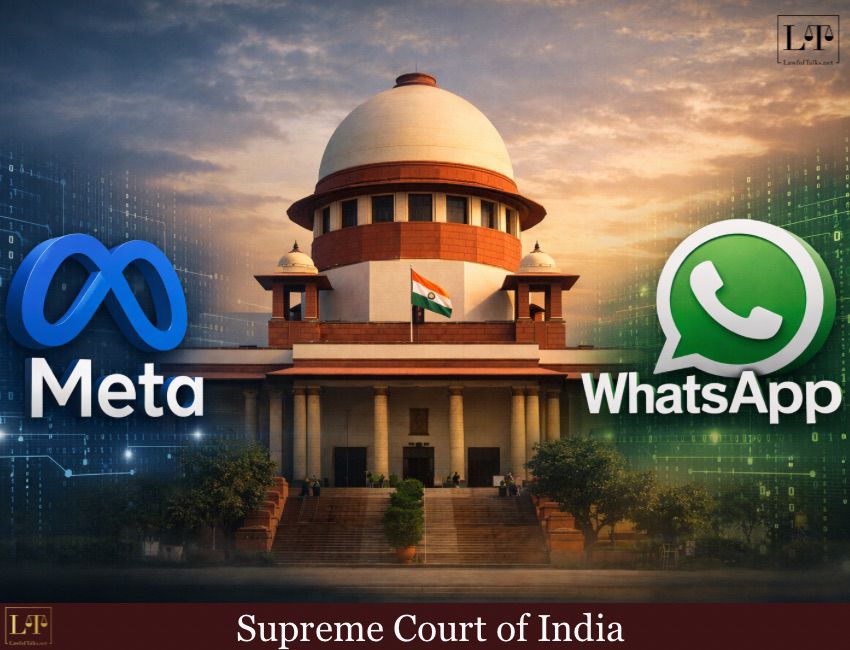
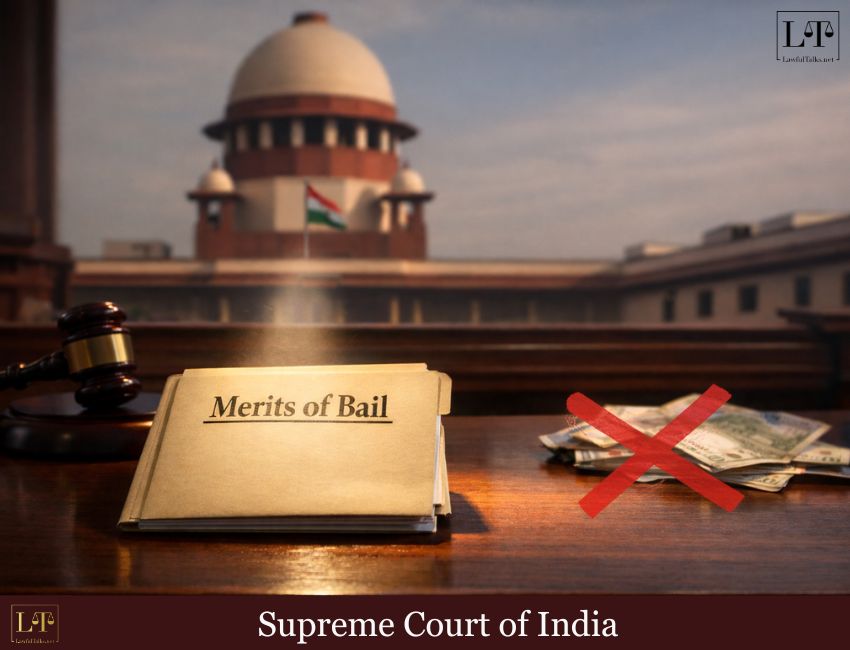
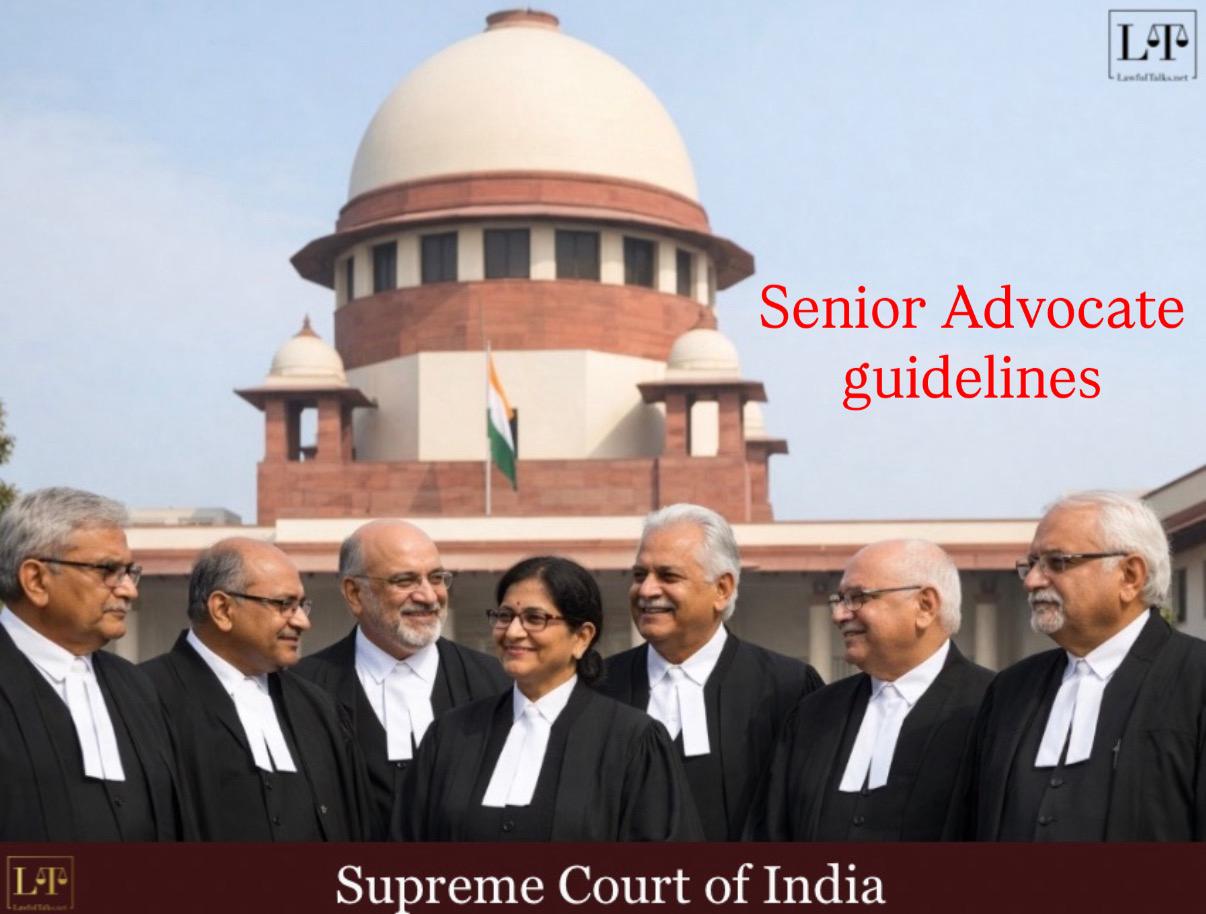
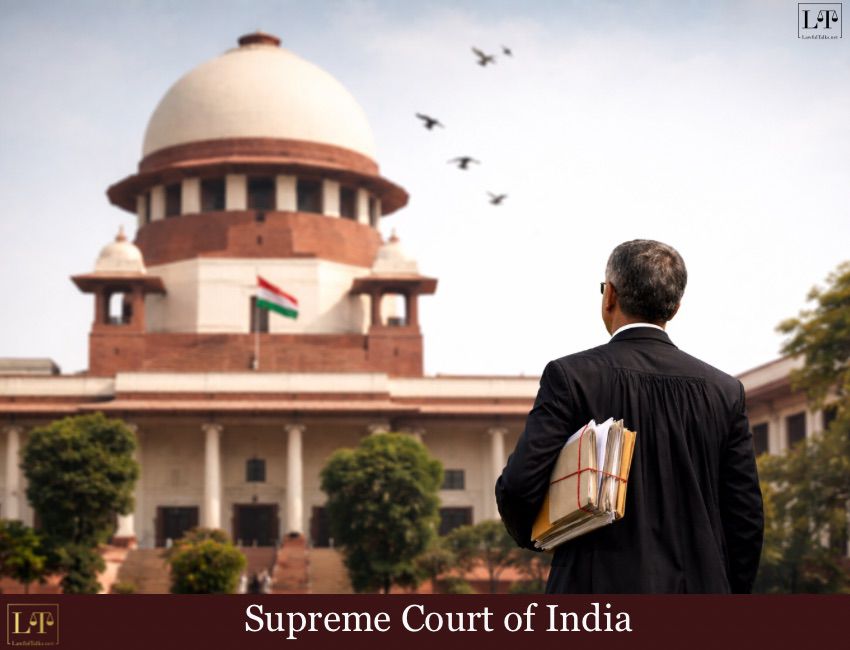
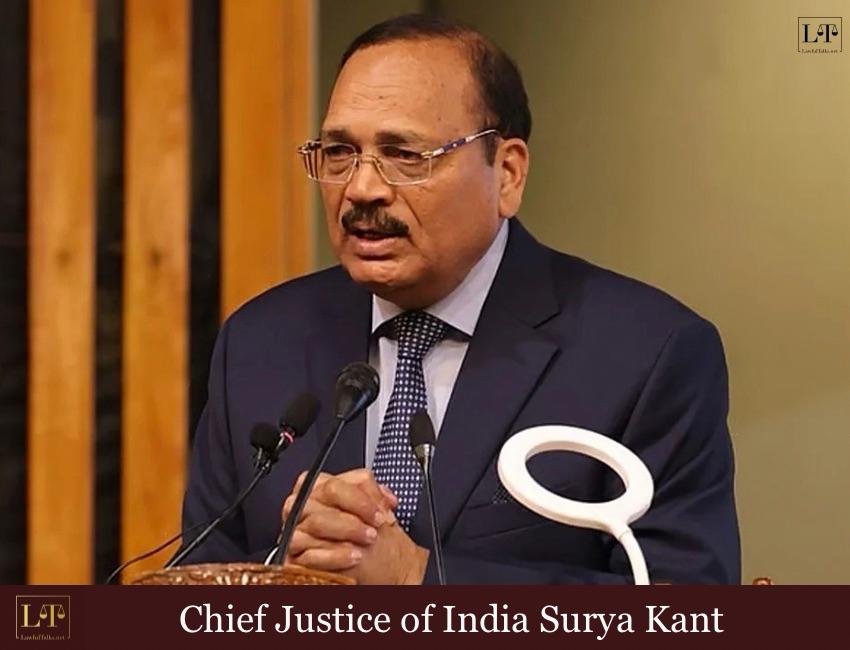
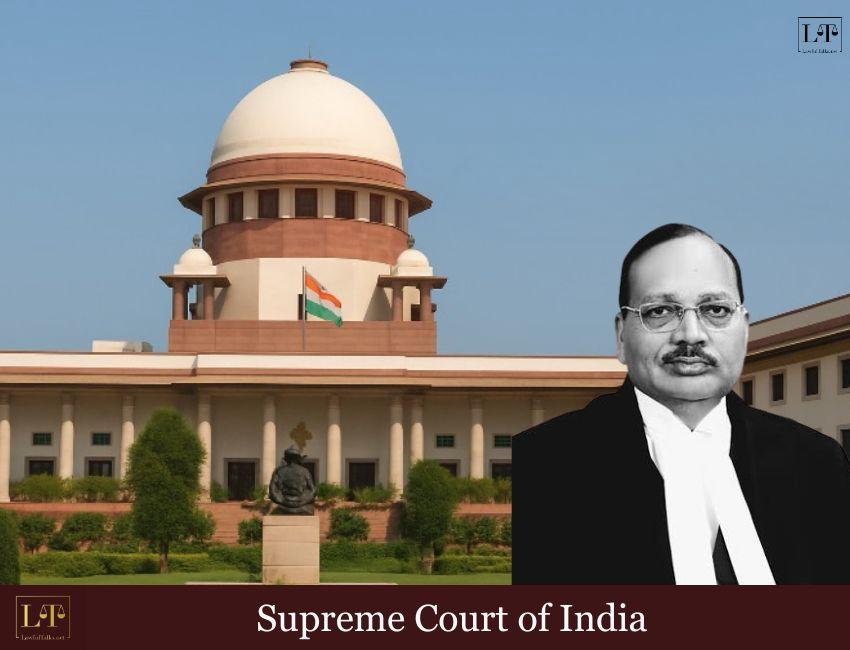
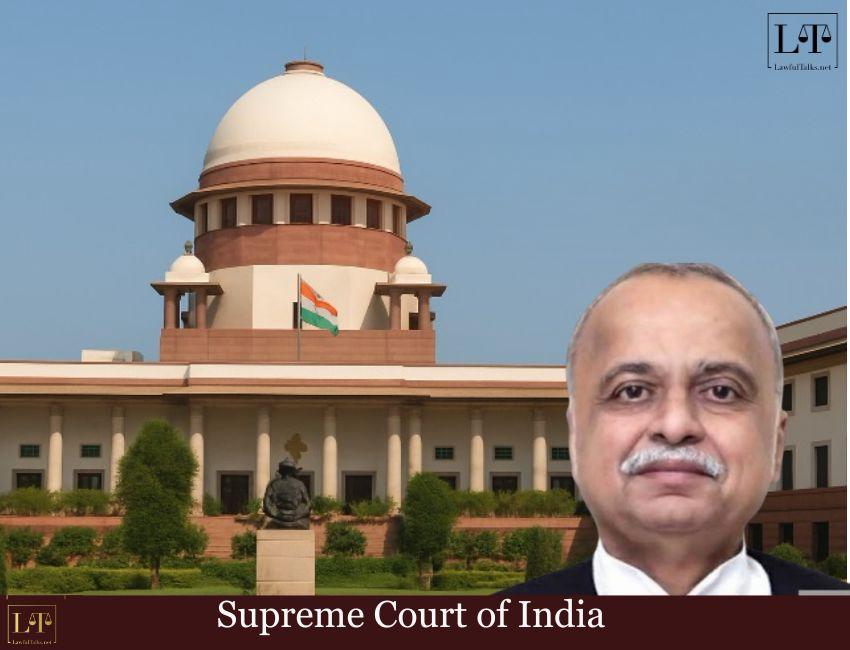
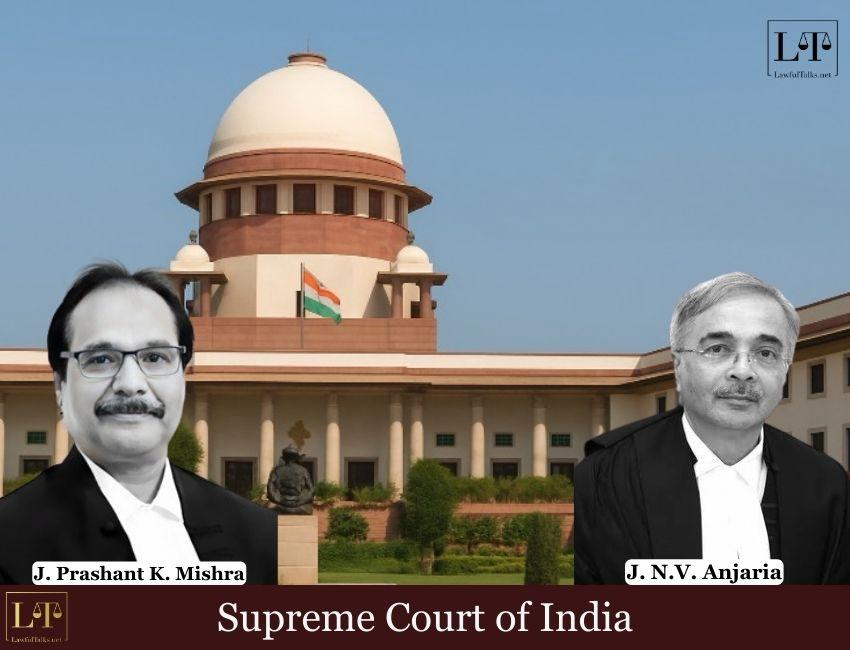
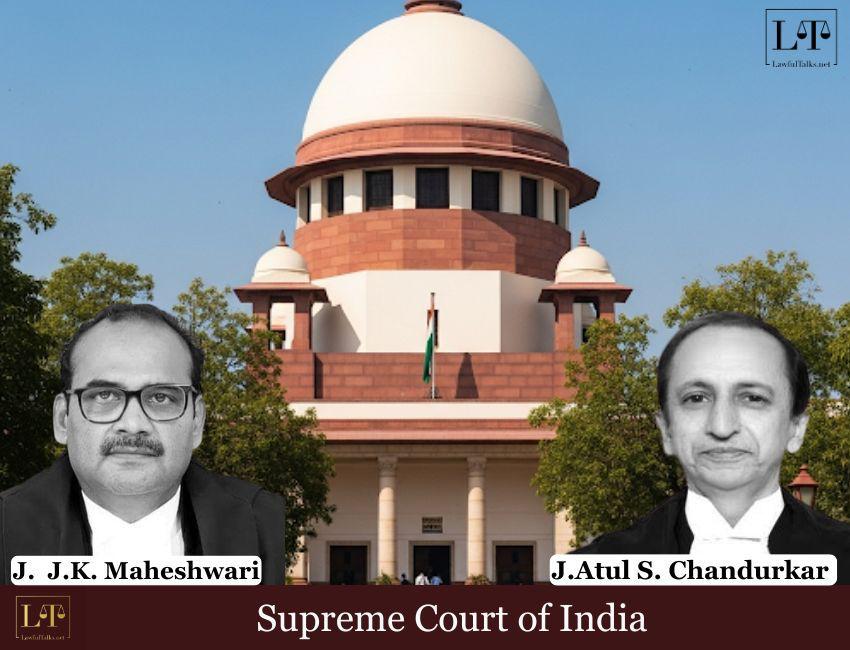
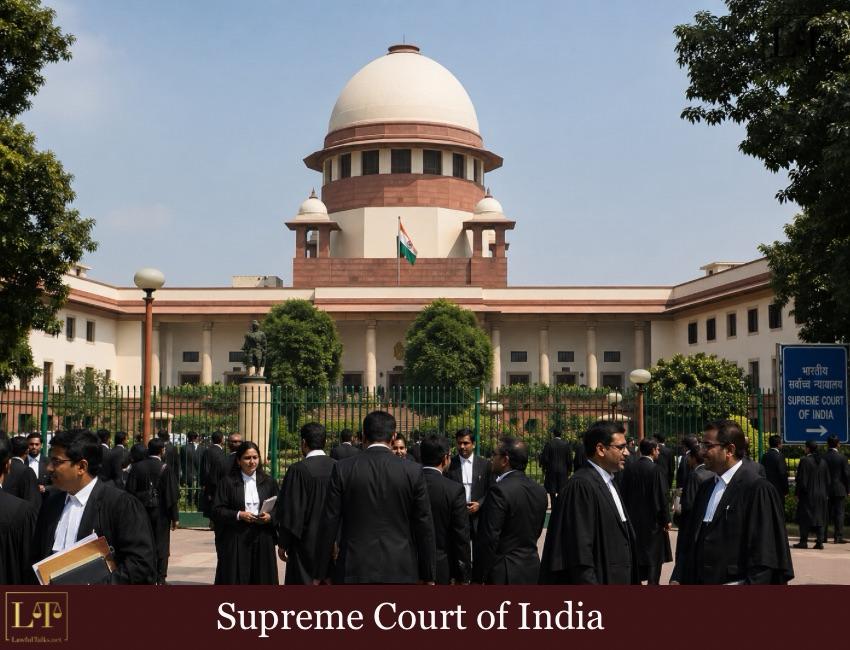
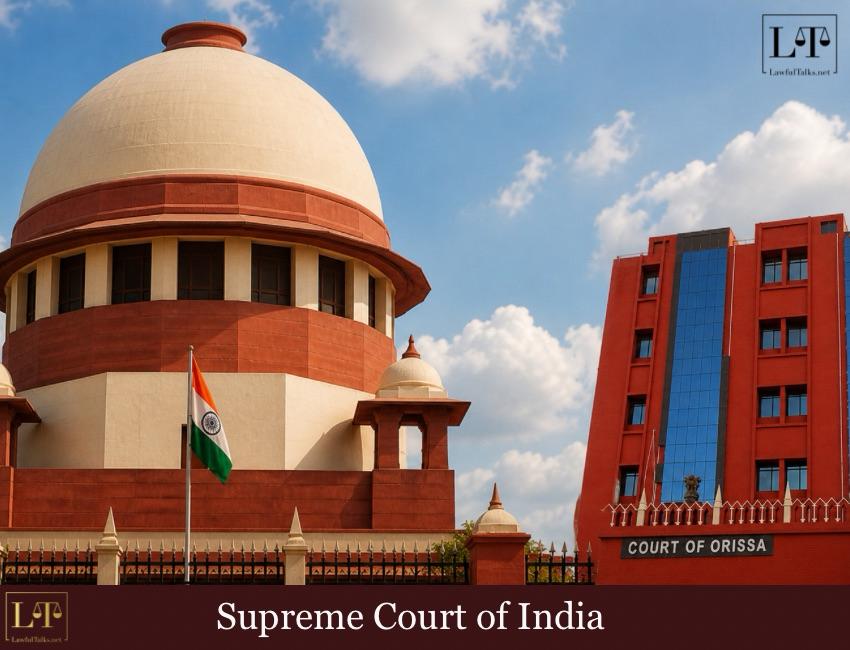
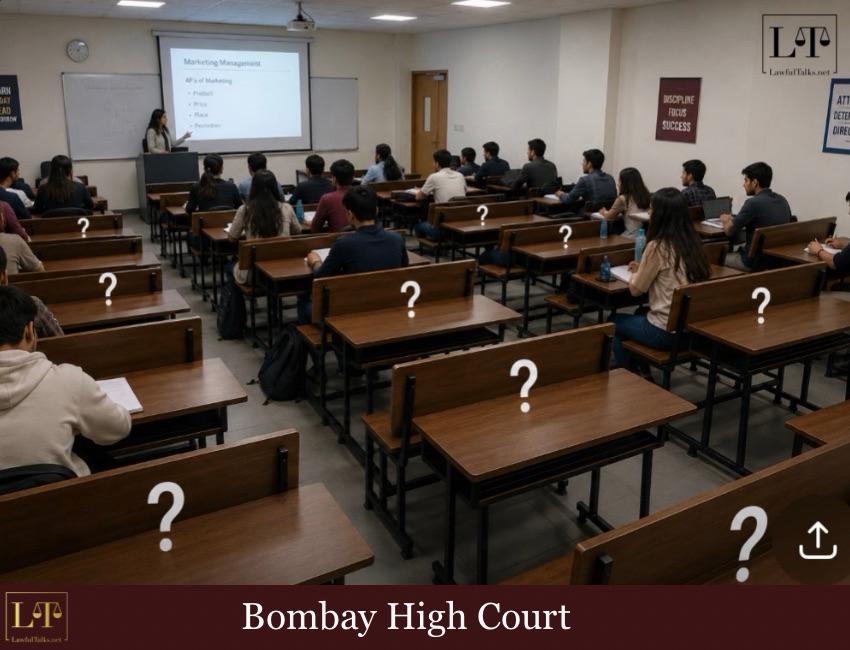
The Supreme Court on Monday said it cannot impose its views on issues related to legal education while hearing a Public Interest Litigation seeking to reduce the duration of the five-year integrated LL.B. course to four years.
Petition Seeks Legal Education Commission:
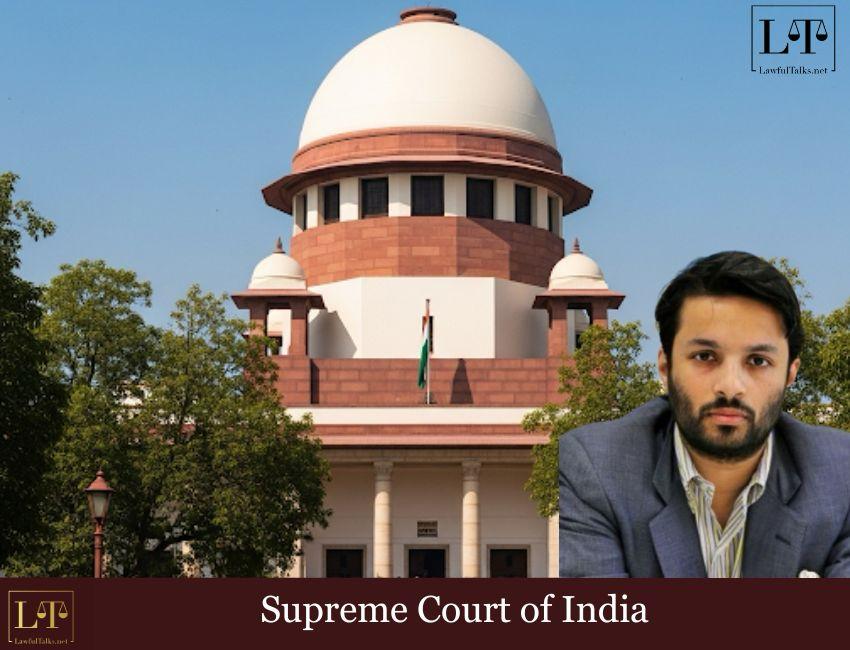
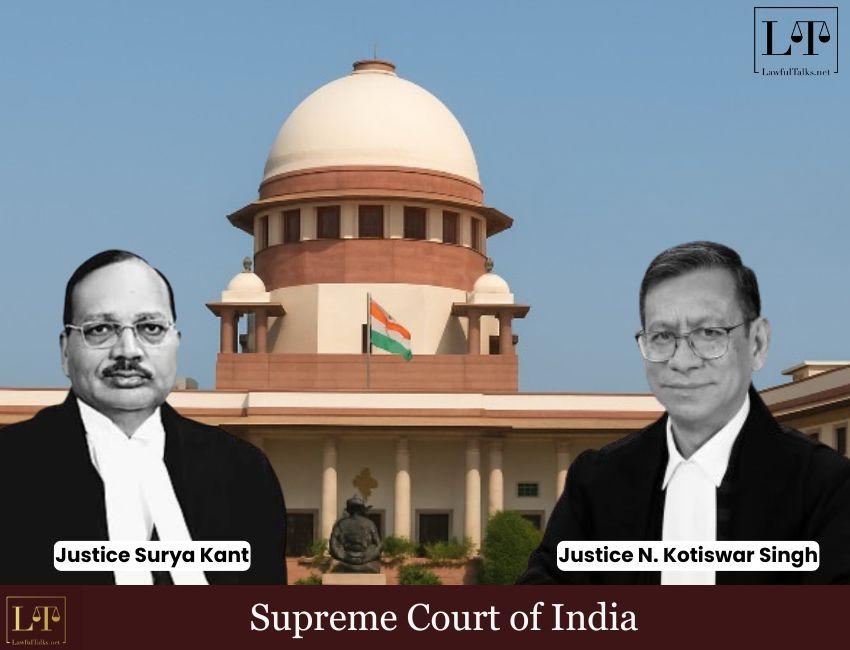
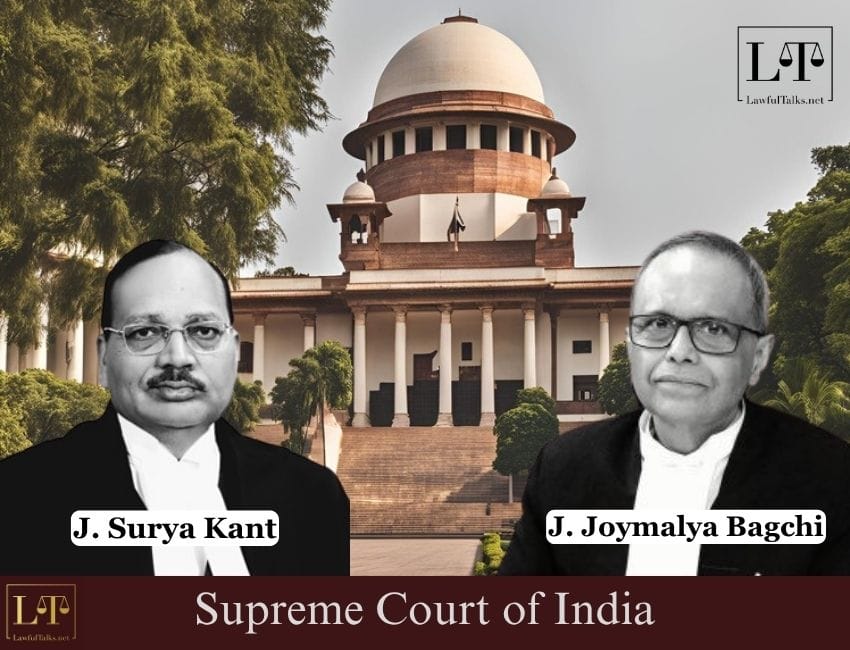
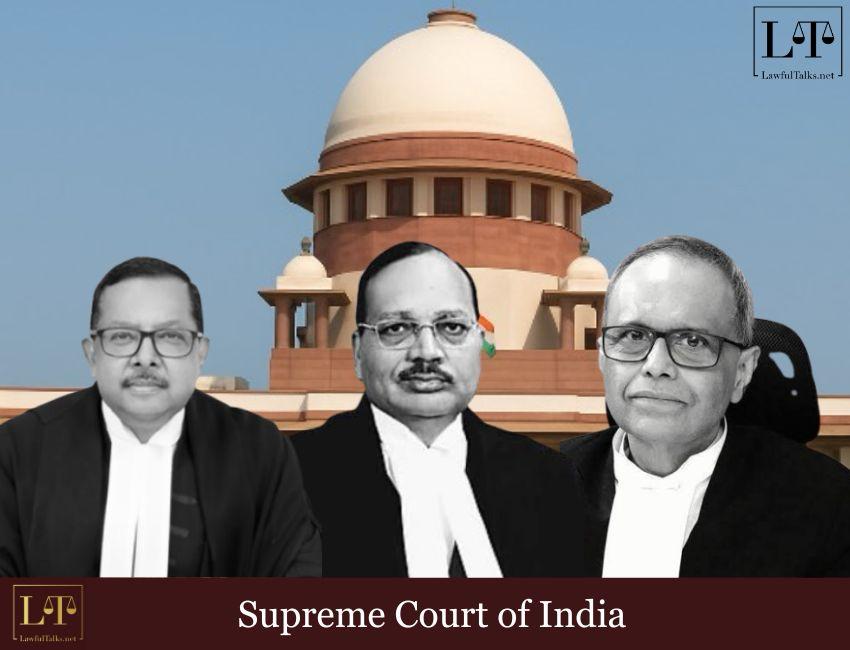
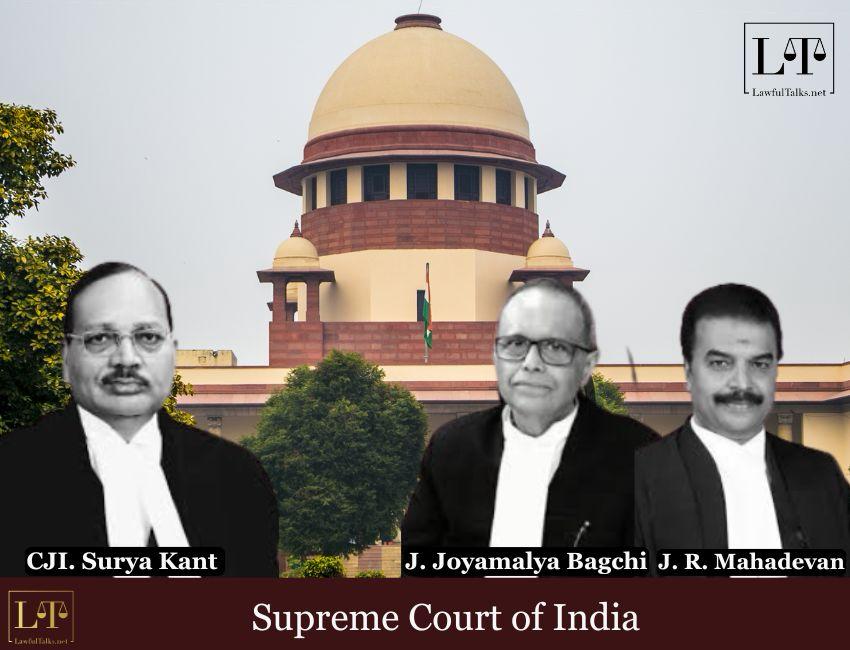
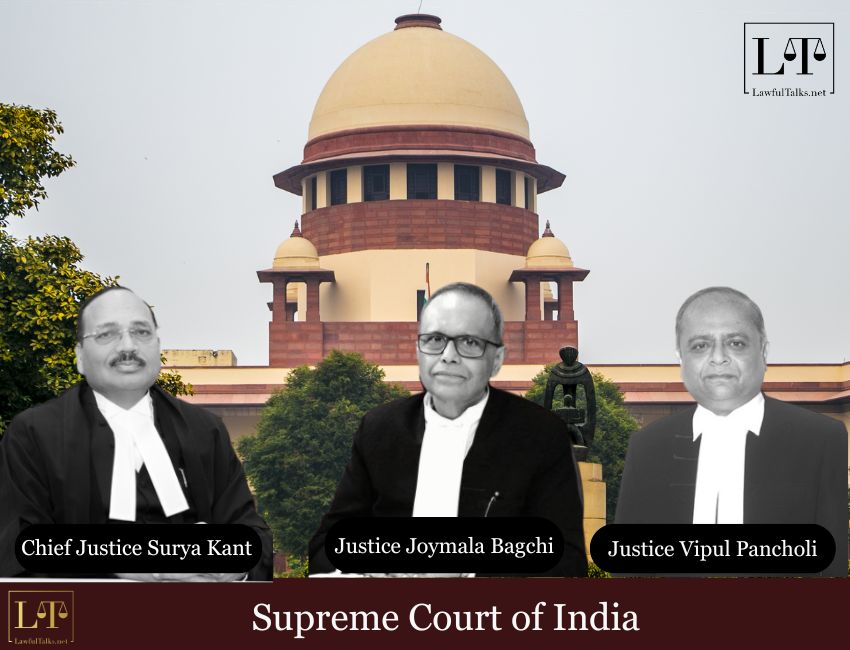
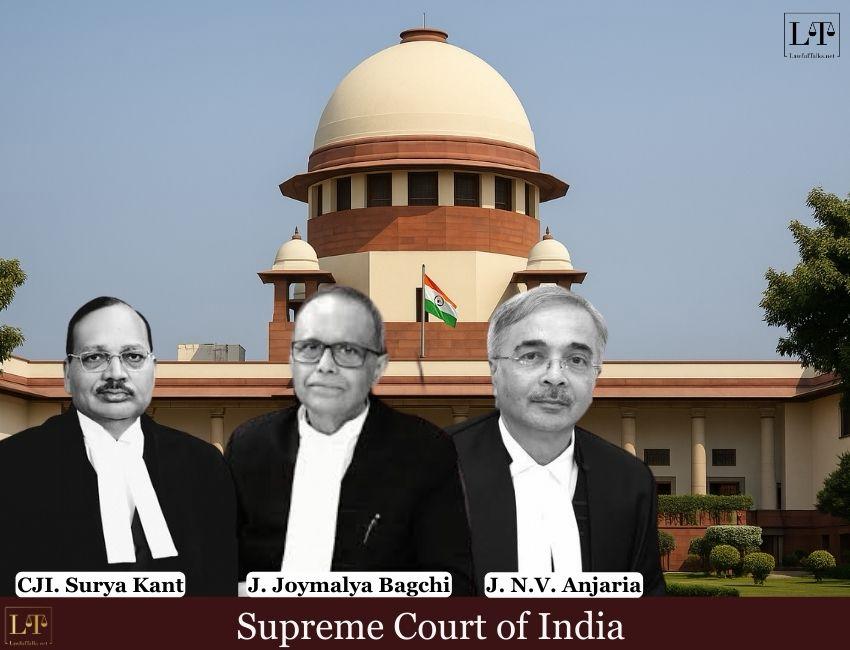
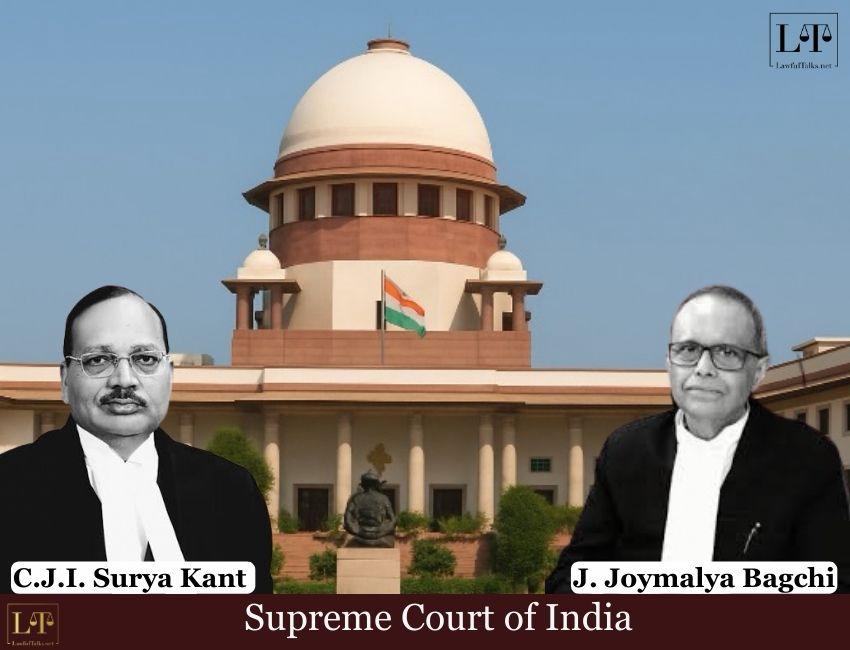
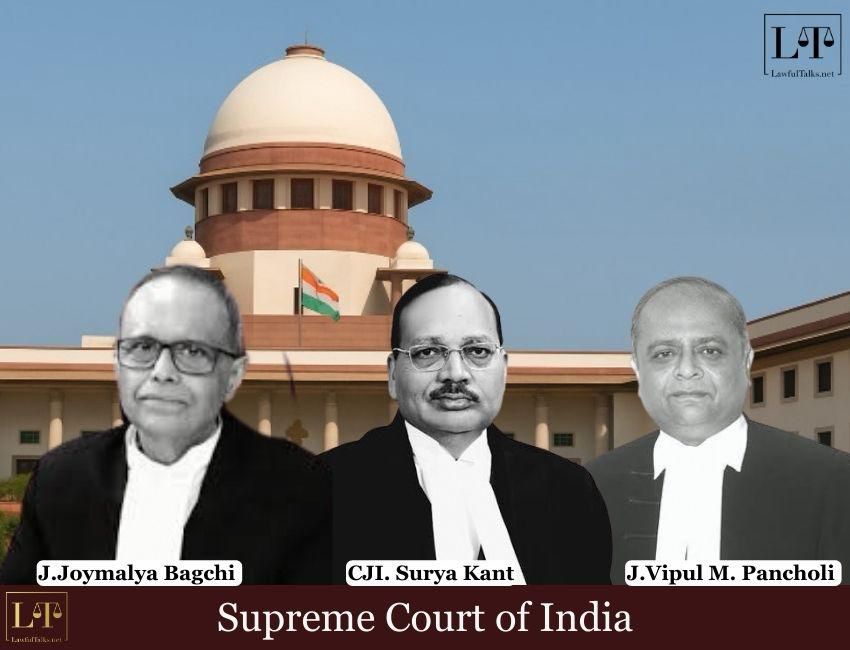
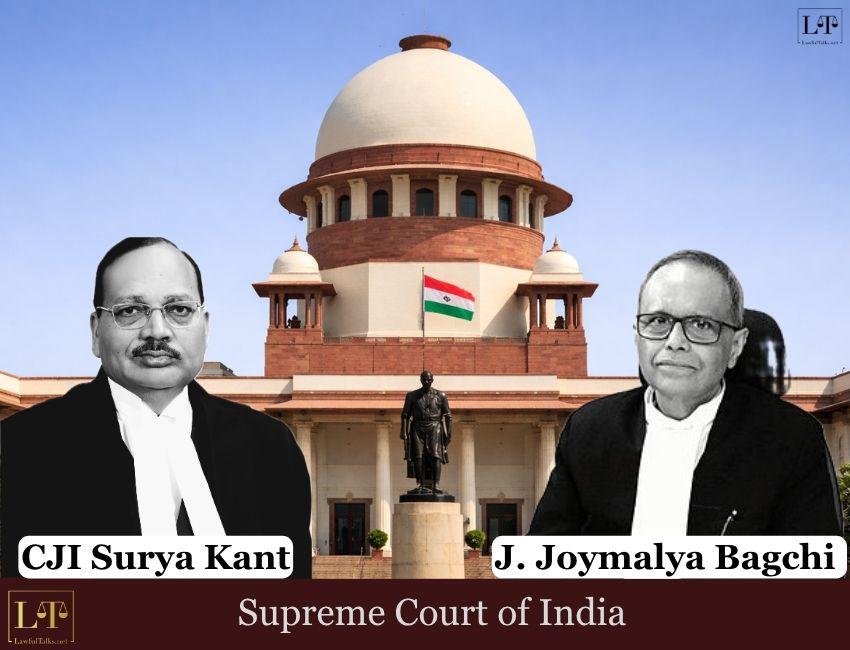
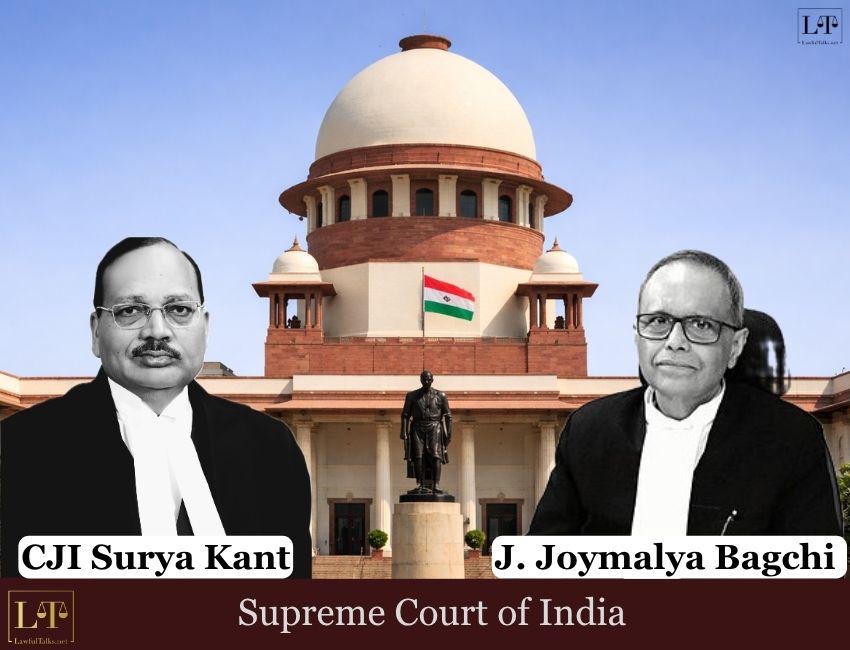
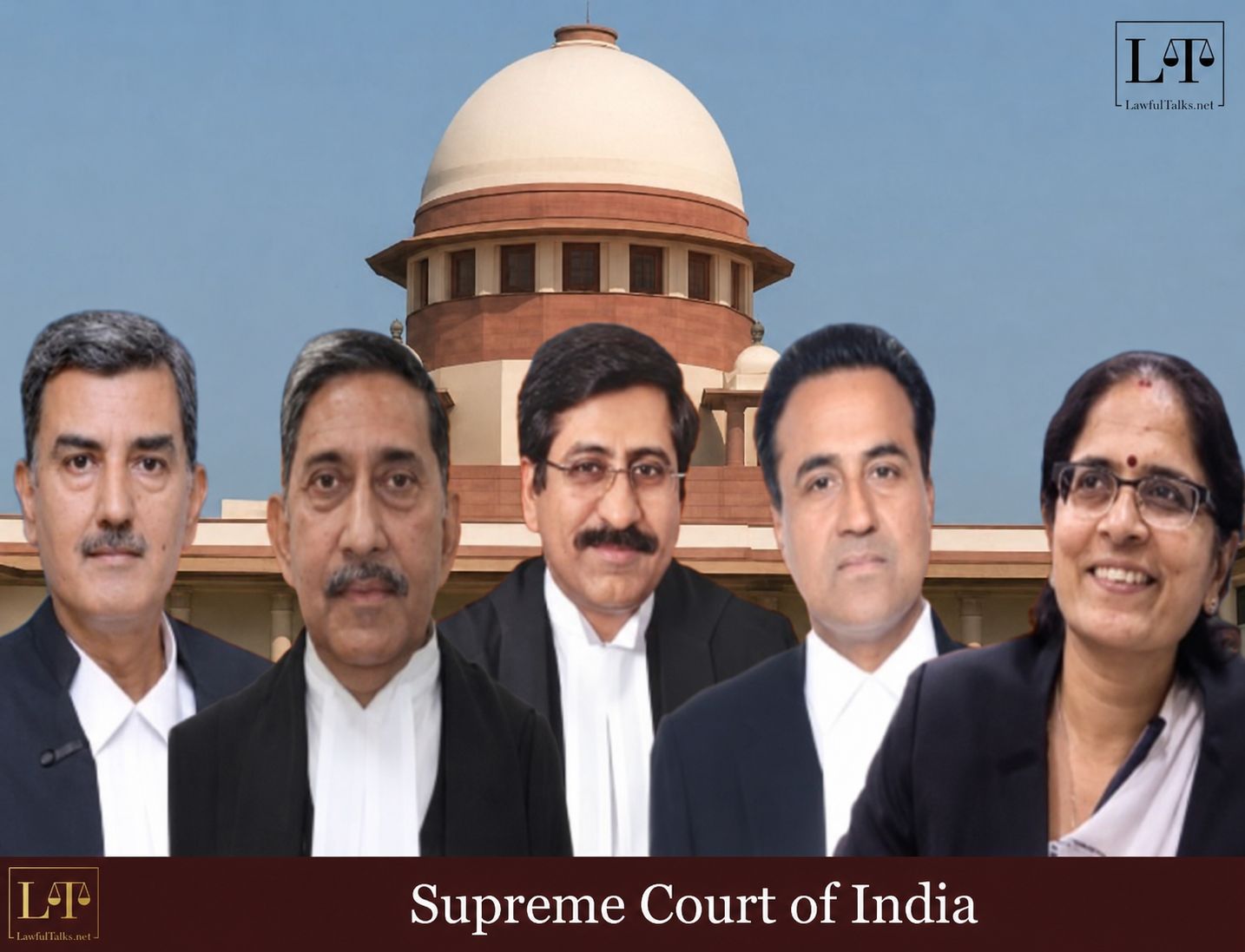
A bench of Chief Justice of India (CJI) Surya Kant and Justice Joymala Bagchi was hearing a petition filed by Advocate Ashwini Upadhyay. The petition sought the creation of a Legal Education Commission to reform the legal education framework, including the duration and syllabus of law courses.
Mentioning the matter, Upadhyay said the petition had been filed in 2025 and requested the court to list it urgently.
Law Course Length Discourages Talent: Upadhyay
He argued that most professional courses in India, such as Chartered Accountancy and Bachelor of Technology, are of four years. According to him, the five-year law course discourages talented students from choosing the profession.
“This is a PIL to form a Legal Education Commission consisting of eminent jurists to form the syllabus. All professional courses like CA, B.Tech are for four years and law is five. It is failing to attract the best talent,”
CJI Recalls History of 5-Year Law Course:
The Chief Justice of India (CJI) held that issues related to legal education require wider consultation with all stakeholders and cannot be decided only by the judiciary. CJI also referred to the history of the five year law course in India.
CJI Surya Kant also spoke about the history of the five-year law course in India.
“The pioneer of the five year course was not National Law School Bangalore but Maharshi Dayanand University, Rohtak. The first batch was around 1982 or 1983,”
Judiciary Cannot “Thrust” Its Views:
The bench further said that the judiciary is only one of the many stakeholders involved in framing legal education policy and therefore cannot “thrust” its views.
“But the judiciary is only one stakeholder. We cannot thrust our views. Academicians, jurists, the Bar, social and policy researchers are there. There should be deliberation with theme.”
When Ashwin Upadhyay argued that majority university chancellors disapproved of the five year course, the bench questioned why a court order was needed if universities themselves were against the present system.
“Then why can't they reduce the term? Why is a court order needed?” the CJI asked. Upadhyay replied that the Bar Council of India would also have to take a decision on the issue.
Case To Be Heard In April 2026:
After hearing the submissions, the Court directed that the petition be listed for further consideration in April 2026.
Case Details: Ashwini Kumar Upadhyay vs Union of India and Ors. (WP (C ) No. 453/2025)



































































































Sign up for free and be the first to get notified about curated content just for you.