“Lost Abroad, Tried Again In India—Supreme Court Says ‘No Second Chance!’”

- April 02, 2026


In a landmark ruling, the Supreme Court said that if a foreign arbitral award has already been upheld by the court at the seat of arbitration, Indian courts cannot refuse to enforce it on “public policy’’ grounds under Section 48 of the Arbitration and Conciliation Act, 1996.
The Court applied the doctrine of “transnational issue estoppel,” meaning that once an issue has been decided by the seat court, it cannot be argued again in India.
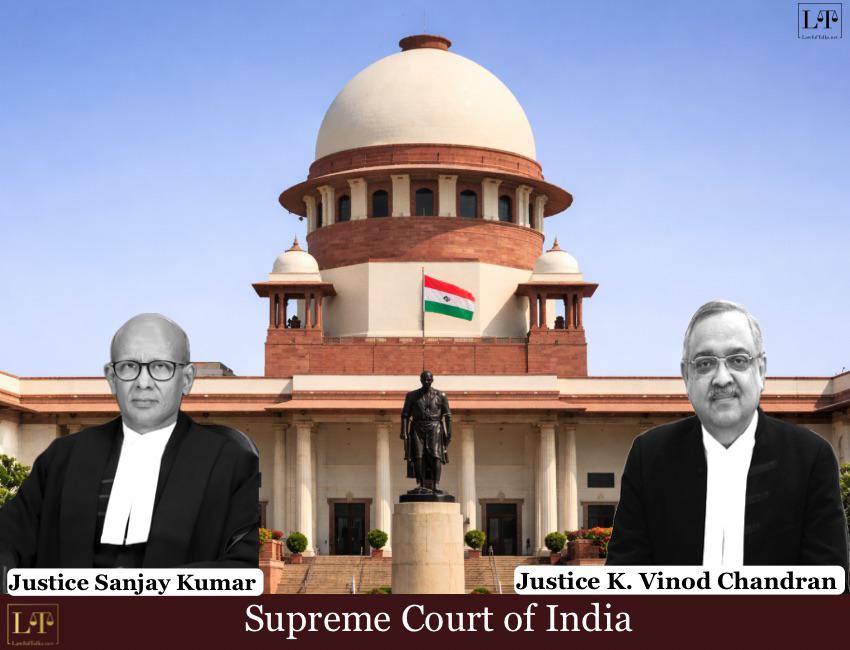
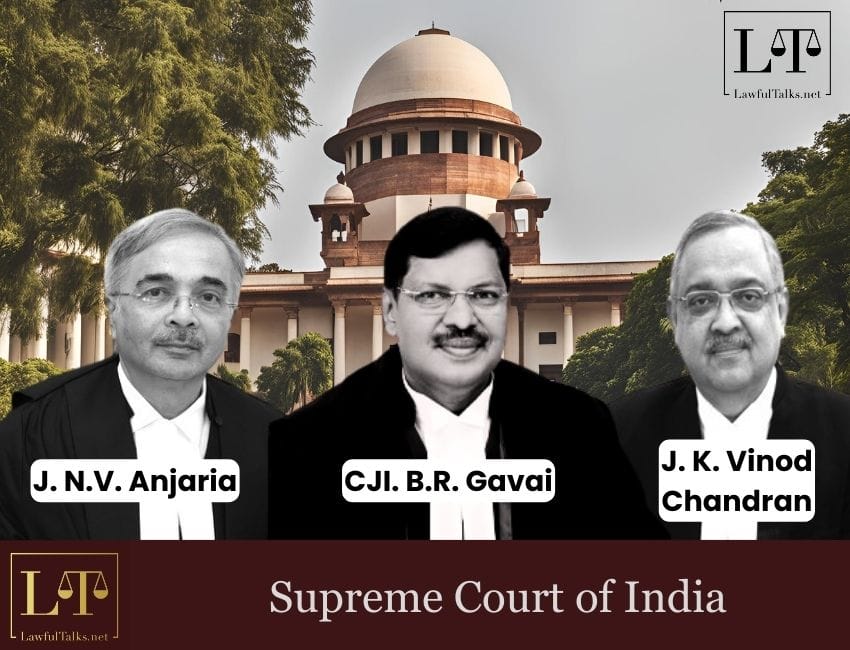
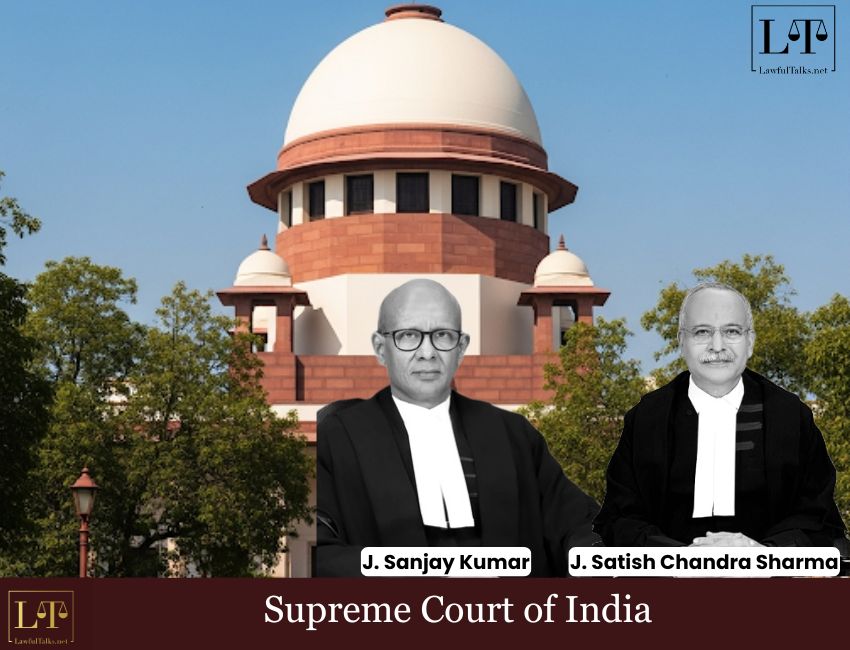
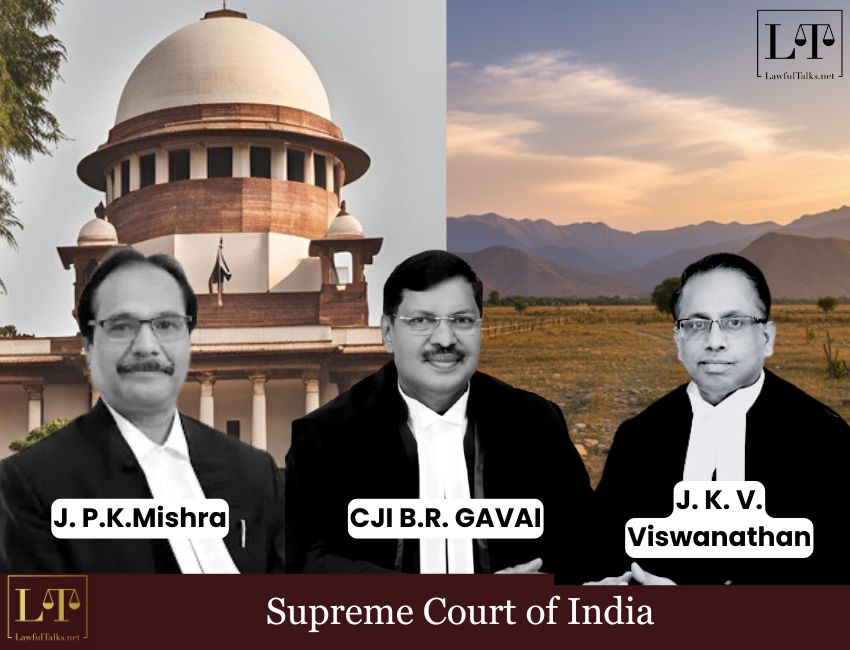
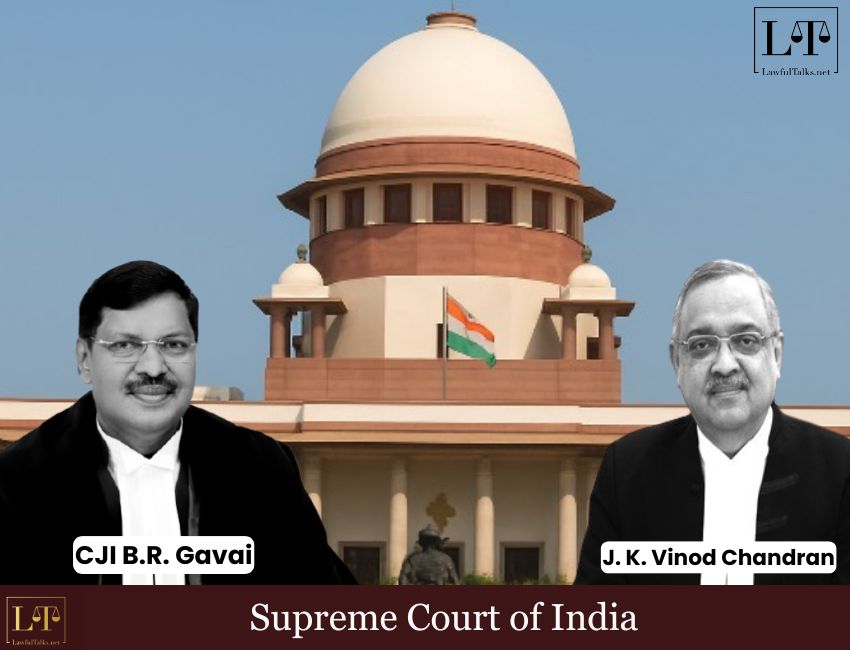
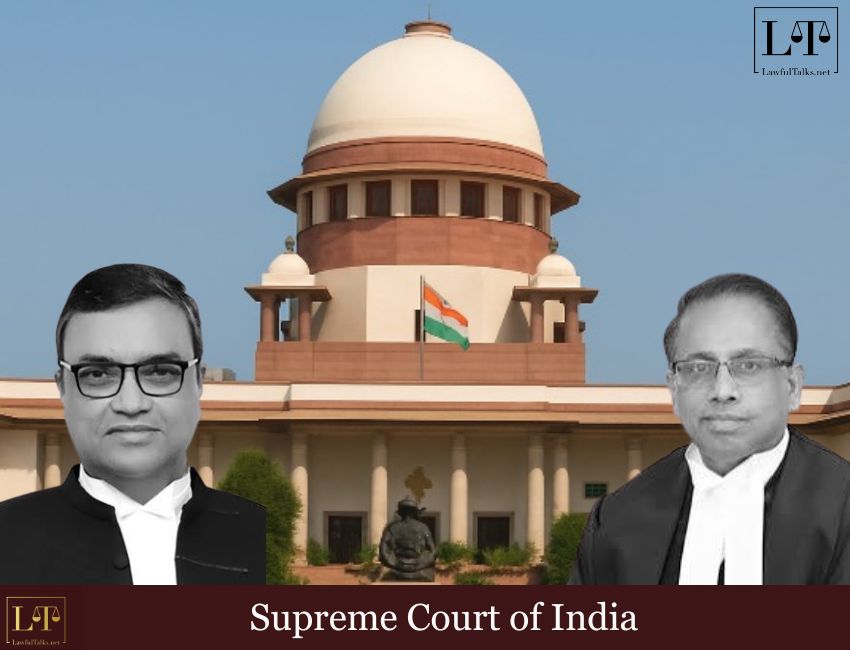
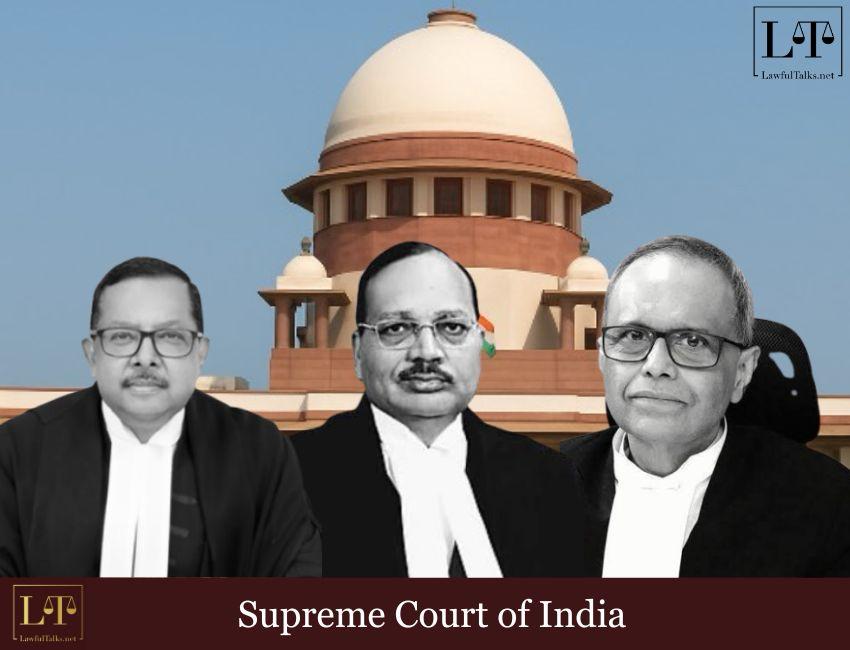
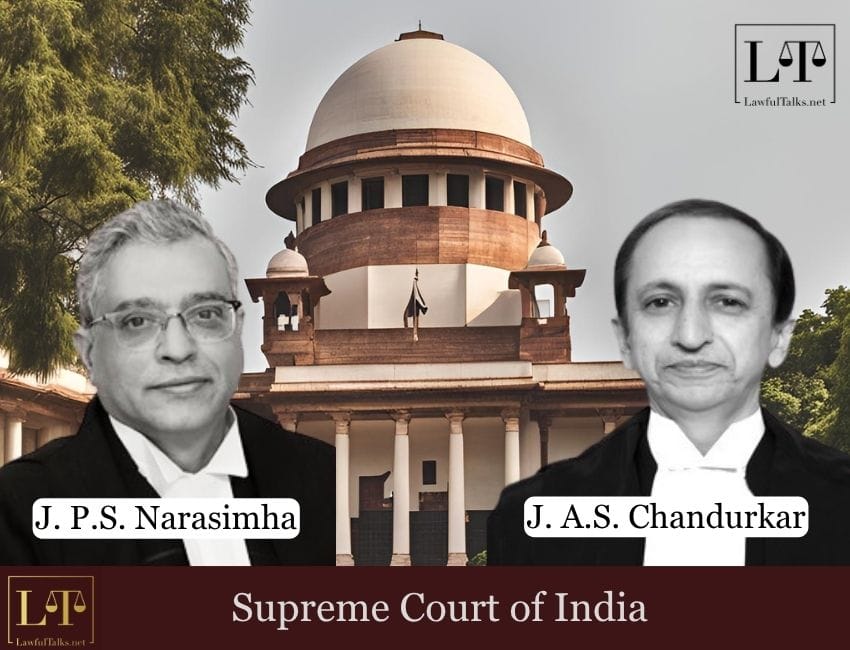
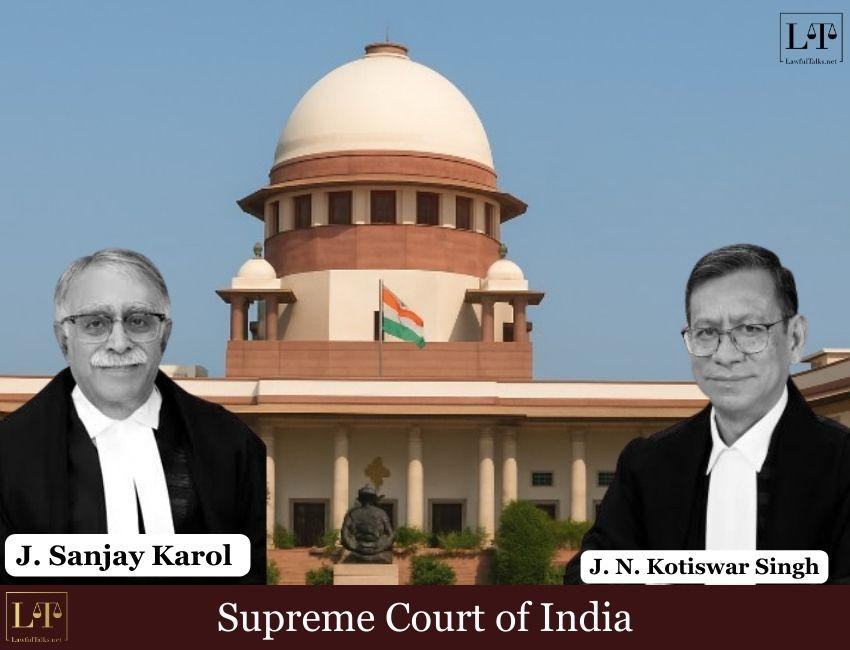
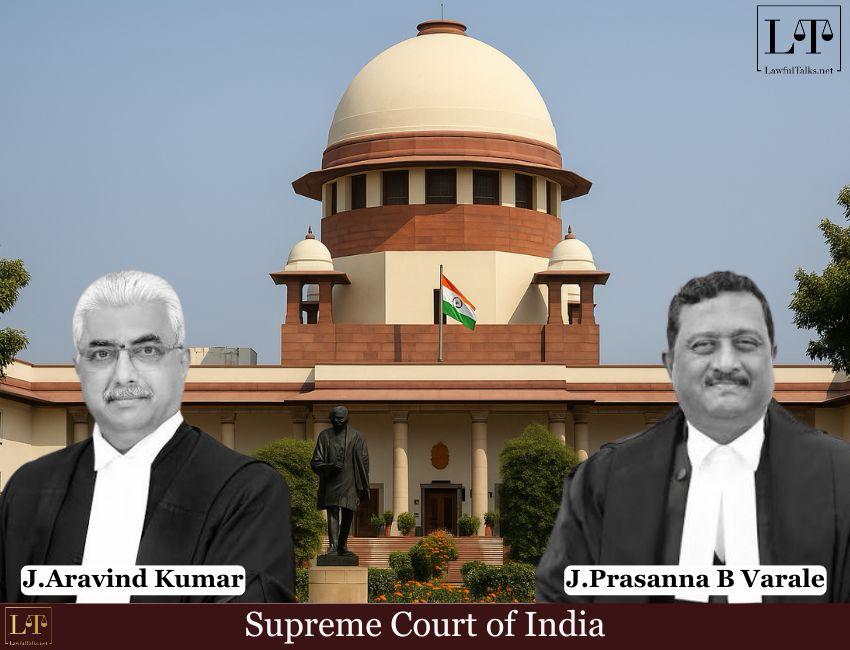
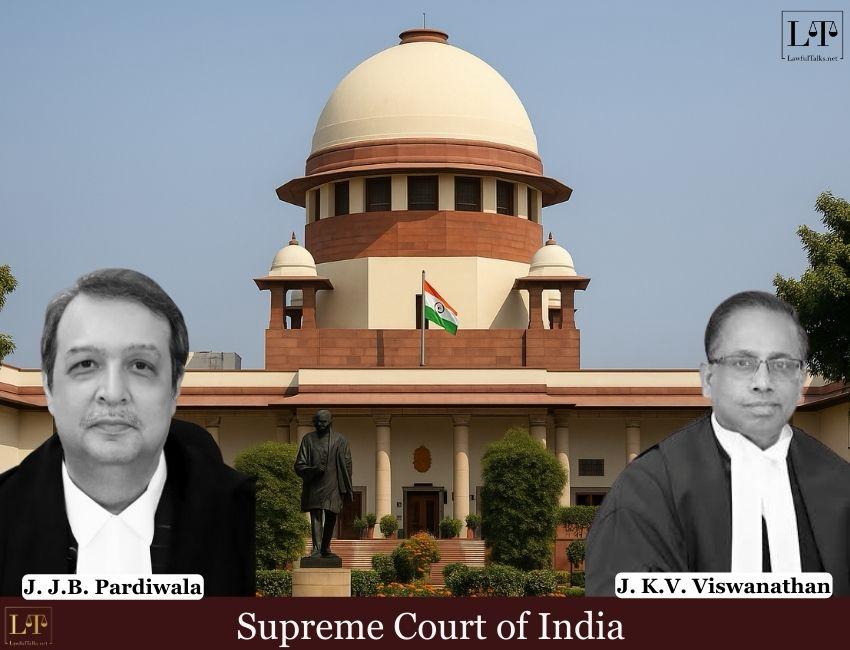
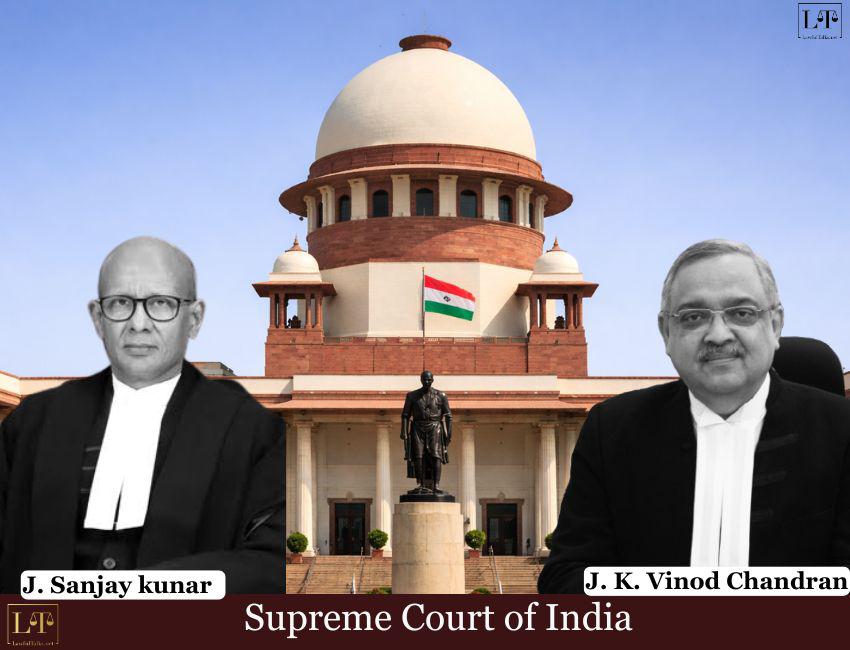
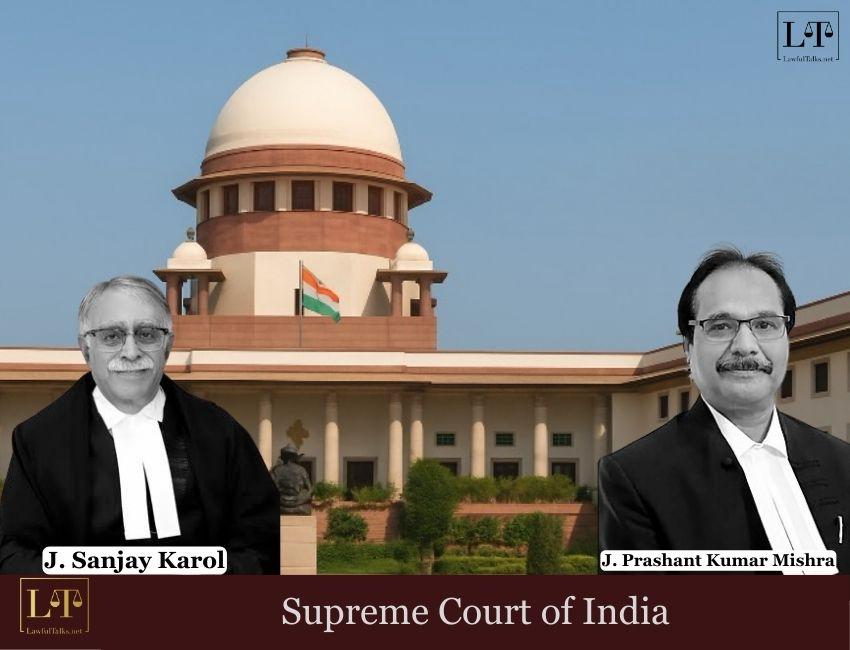
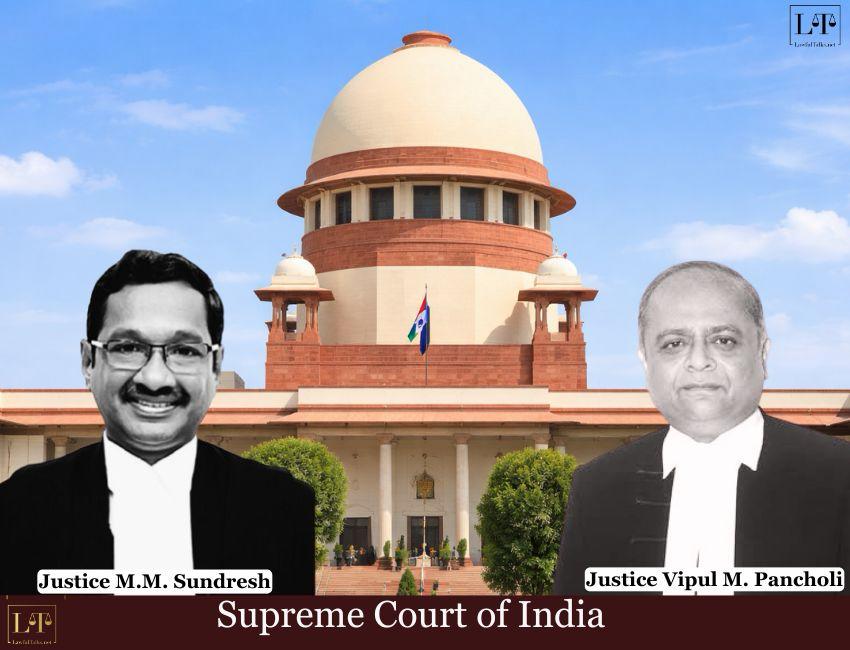
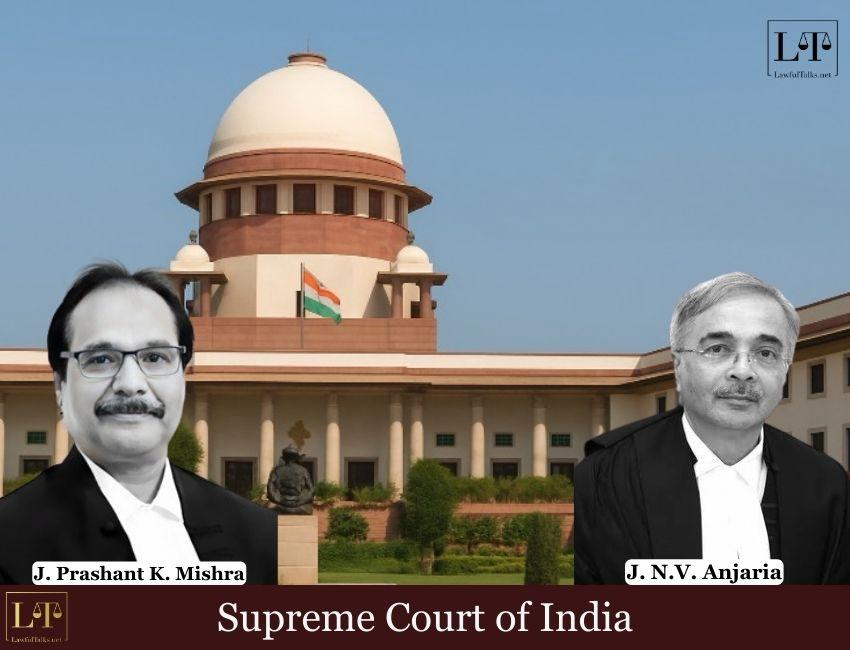
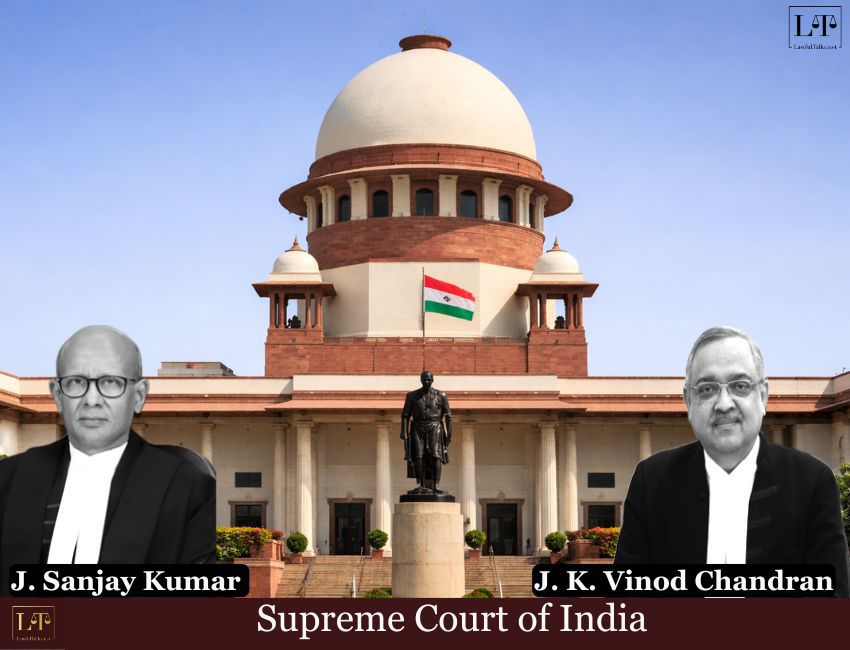
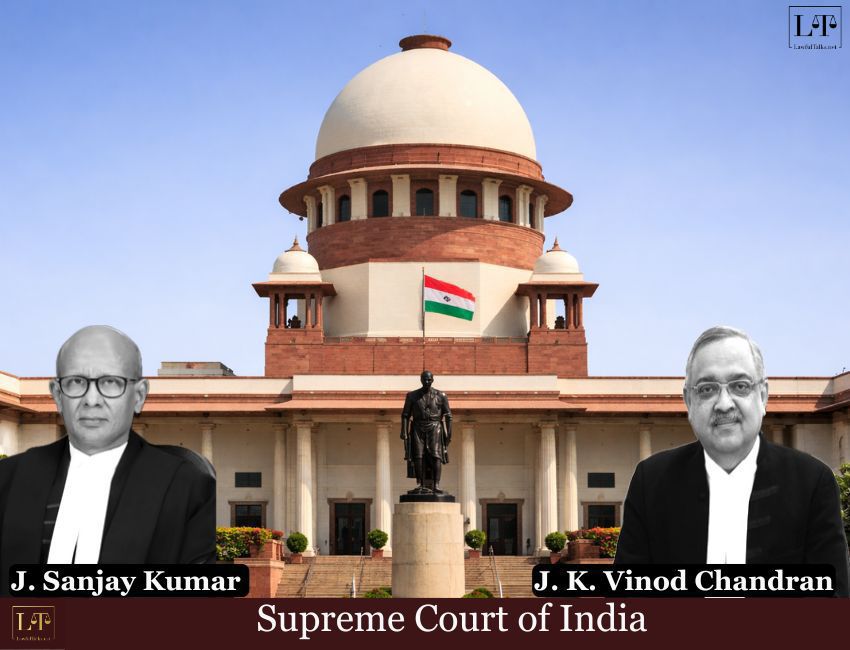
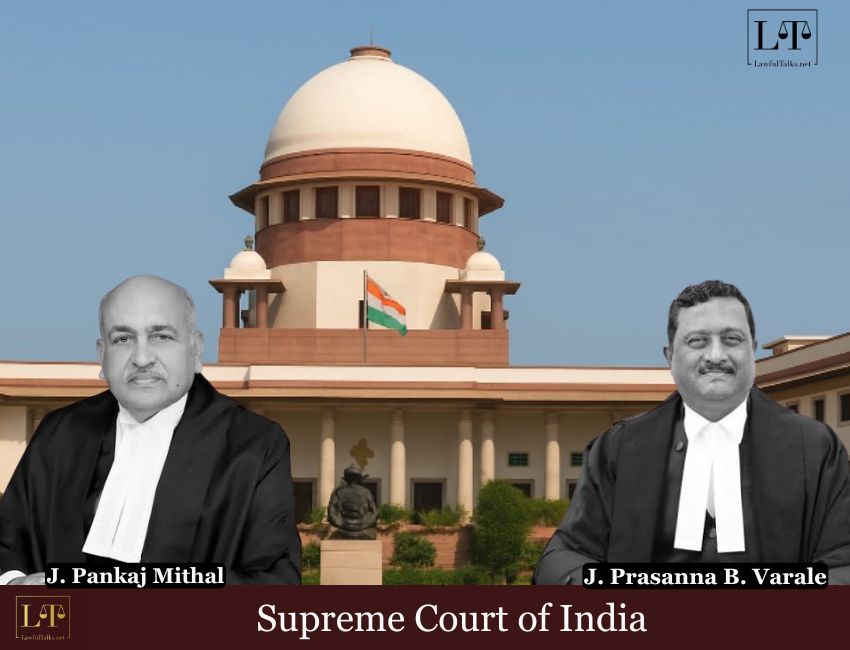
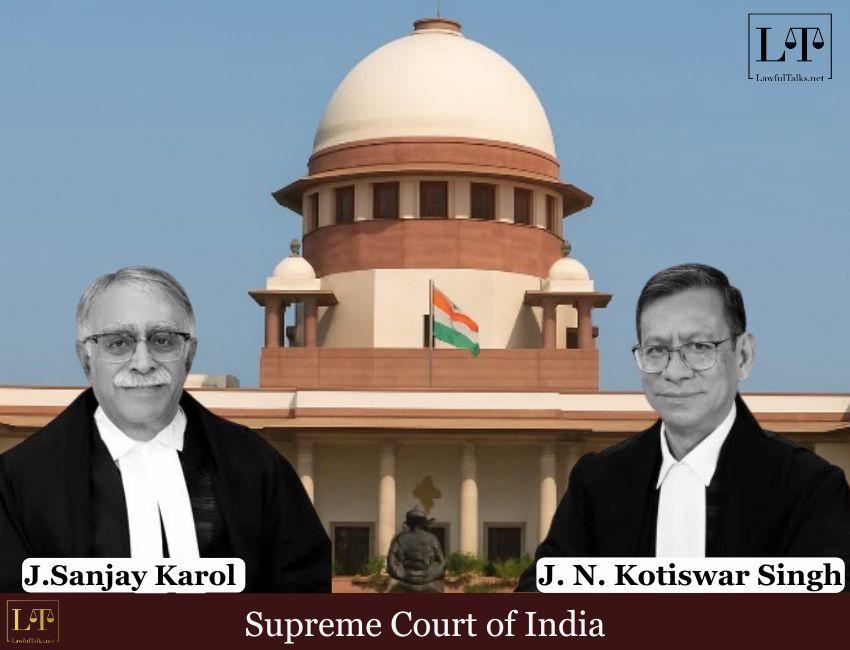
Justices Sanjay Kumar and K. Vinod Chandran stated:
“we must necessarily bear in mind that though the grounds under Section 48 of the Arbitration Act would have to be applied independently, in the course of such an exercise by the enforcement court in India, a party which has failed in its challenge to the arbitral award before the seat court cannot seek to reopen factual issues that were argued on merits and settled by such court once again before the enforcement court.”
One must remember that it is the sovereign commitment of India to honour foreign awards, except on the exhaustive grounds provided under Article V of the New York Convention.” The Court clarified that enforcement proceedings don't allow a fresh dive into factual disputes already resolved abroad, underscoring: “a merits-based evaluation cannot be resorted to by the enforcement court and it cannot reopen factual issues which were conclusively settled on merits by the decision of the seat court.”
The investors then approached the Singapore International Arbitration Centre. In July 2024, the tribunal passed an award saying FSSPL and its promoters must pay more than ₹1,400 crore as damages, along with interest. It also allowed a strategic sale if the amount was not paid.
The promoters challenged this award in the Singapore High Court, but their challenge failed in February 2025. They did not file any appeal after that.
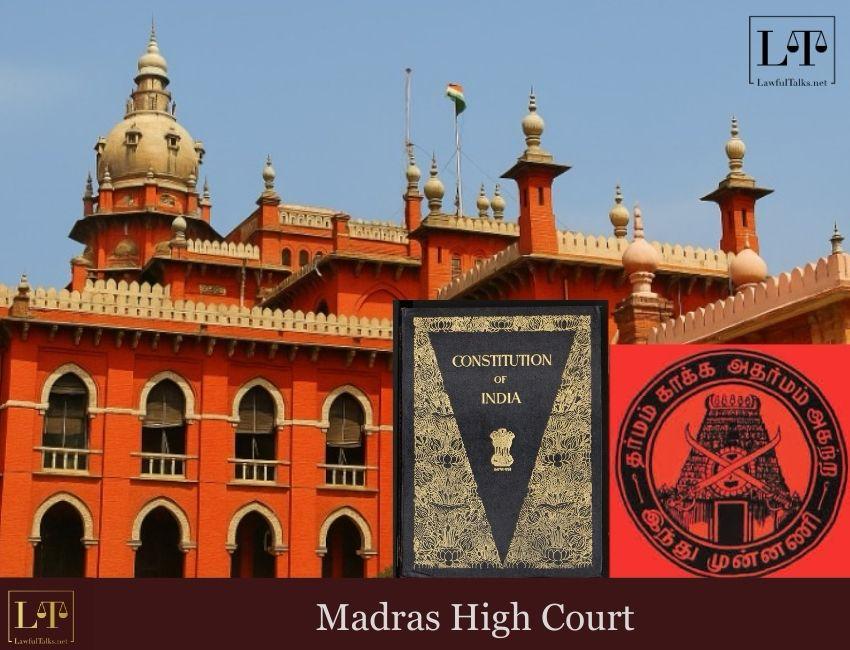
The investors then came to India to enforce the award. The promoters opposed it, but the Madras High Court allowed enforcement. It rejected the “public policy’’ objections, including the argument that giving up shares after paying damages would be an illegal buyback under the Companies Act,2013. The Court also imposed costs of ₹25 lakh on the promoters for trying to raise issues that had already been decided.
The promoters then went to the Supreme Court, but the Court rejected their appeal. Justice Sanjay Kumar said their “public policy’’ argument was just a repeat of what had already failed and could not be raised again because of “transnational issue estoppel.”
The Court held:
“…it is not open to a party whose contentions on the merits of a particular issue on facts have been rejected by the seat court to seek review thereof by the enforcement court. Such a ‘merits-based’ evaluation is beyond the scope of the enforcement court’s jurisdiction under Section 48 of the Arbitration Act and would be barred by application of the doctrine of ‘transnational issue estoppel’.”
The Court explained that this doctrine is like “issue estoppel” but used in international arbitration cases, to stop parties from arguing the same facts again in different countries.
As the Court noted:
“the application of the doctrine of ‘transnational issue estoppel’ would effectively curb the propensity of parties to relitigate settled factual issues taking advantage of the fact that they are before a different court in a different jurisdiction, viz., the enforcement court in a country other than the situs of the seat court. This would invariably narrow the scope of interference by the enforcement court with an arbitral award that has already passed muster with the seat court. This would add value and augment the efficiency of arbitration as a dispute resolution mechanism to settle trans-border commercial disputes.”
The Court explained the difference from res judicata. It said res judicata stops courts from hearing a dispute again once it is finally decided between parties, while issue estoppel stops the losing party from raising the same decided issue again, even in another case.
“res judicata debars a court from exercising its jurisdiction to determine the lis if it has attained finality between the parties whereas the doctrine of 'issue estoppel' is invoked against the party if such an issue has been decided against him, he would be estopped from raising the same in a later proceeding.”
For transnational issue estoppel to apply, these must hold:
"(1) that the judgment must be given by a foreign court of competent jurisdiction;
(2) that the judgment must be final and conclusive and on the merits;
(3) that there must be identity of parties; and
(4) that there must be identity of subject matter, which means that the issue decided by the foreign court must be the same as that arising in the later proceeding."
The Court rejected the argument that the award violated the Companies Act. It said that giving up shares is different from a buyback, and the award does not say that the shares must be given back to FSSPL.
The Court explained:
“…there is no indication in the arbitral award as to whom the surrender of shares is to be made. Logically, if the Mylandlas themselves make the payments due under the award, the shares would be surrendered to them, which would, in effect, increase their shareholding in FSSPL and would not be either a buy-back by FSSPL or reduction of its share capital. Therefore, on the face of it, the provisions of Sections 66 to 68 of the Companies Act have no application and the contention of the Mylandlas that enforcement of the award would result in violation thereof, and in consequence, violation of the public policy of India, has no legs to stand upon.”
The Court also said that a party cannot change how it presents facts just to bring the case under “public policy” in Section 48(2)(b). If the seat court has already decided the issue, it cannot be raised again because of “transnational issue estoppel.”
The Court stated:
“…we may also note that by giving a different colour to a factual issue, it is not open to a party to the foreign award to seek to bring it within the ambit of Section 48(2)(b) of the Arbitration Act by raising a’ public policy’ ground. The doctrine of ‘transnational issue estoppel’ would bar the same. Once the seat court held that there was no buy-back of shares and only a surrender of shares by the Investors, that issue stood settled once and for all and it is not open to the Mylandlas to seek to reopen the same on the anvil of Section 48(2)(b) of the Arbitration Act. Such a ground would have been available to them only if the seat court had agreed that the transaction in question amounted to a buy-back of shares but stopped short of granting relief on that score. The Mylandlas could have built upon such a finding so as to require examination thereof apropos a ‘public policy’ ground under Section 48(2)(b) of the Arbitration Act. As rightly held by the learned Judge, once such an issue stood decided by the seat court against the Mylandlas, ‘transnational issue estoppel’ would apply.”
The Court affirmed:
“notwithstanding the decision of the seat court upholding an arbitral award, the same can still be subjected to examination by the enforcement court against the parameters of the ‘public policy’ of the State in which enforcement of such award is sought.”
In the end, the appeal was dismissed, and costs of ₹25 lakhs were imposed on the Mylandlas to be paid to each investor.
Case Details: Nagaraj V. Mylandla versus PI Opportunities Fund-I and others Etc.











































































































































































































































































































































































































Sign up for free and be the first to get notified about curated content just for you.