“Earned It for Years—Still Not Yours? Bombay HC’s Big Tender Twist!”

- March 26, 2026


The Bombay High Court recently ruled that contractors who have been working for a long time cannot demand a permanent or exclusive right to continue just because they depend on that work for their livelihood.

The Court noted that existing contractors should be protected, but this must be done through a fair and transparent tender process that gives equal opportunity to others in the same situation.
Background of the case:
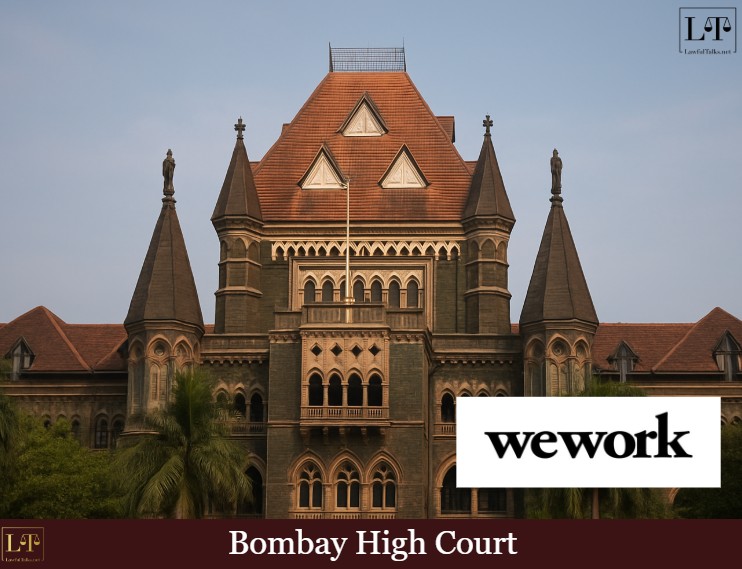
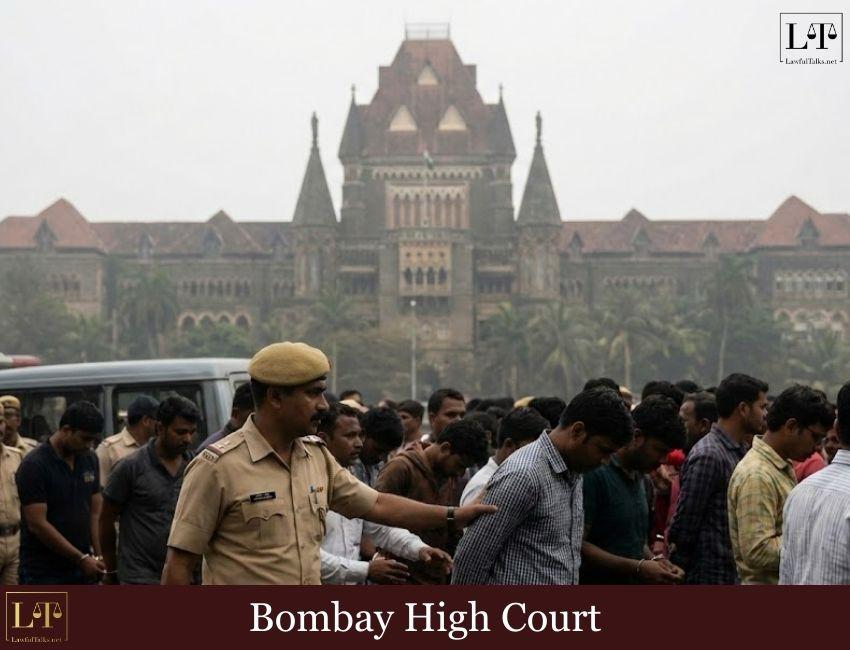
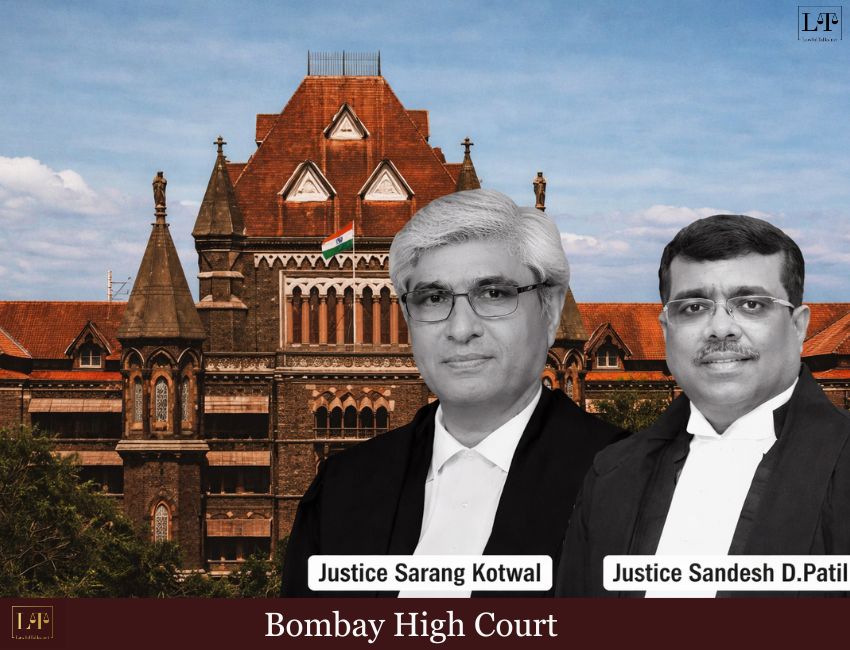
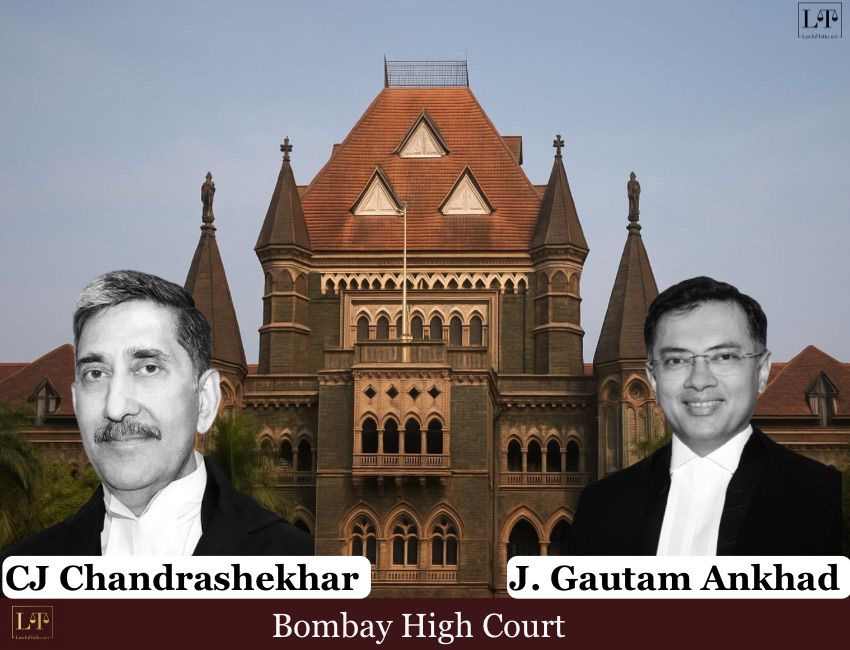
A bench of the Bombay High Court, comprising Justices Bharati Dangre and Manjusha Deshpande was hearing a writ petition filed by the Bombay Shoe-Shine Workers Co-operative Society. This case challenged the Shoe-Shine Policy, 2018 and the Railways' system of open tenders.
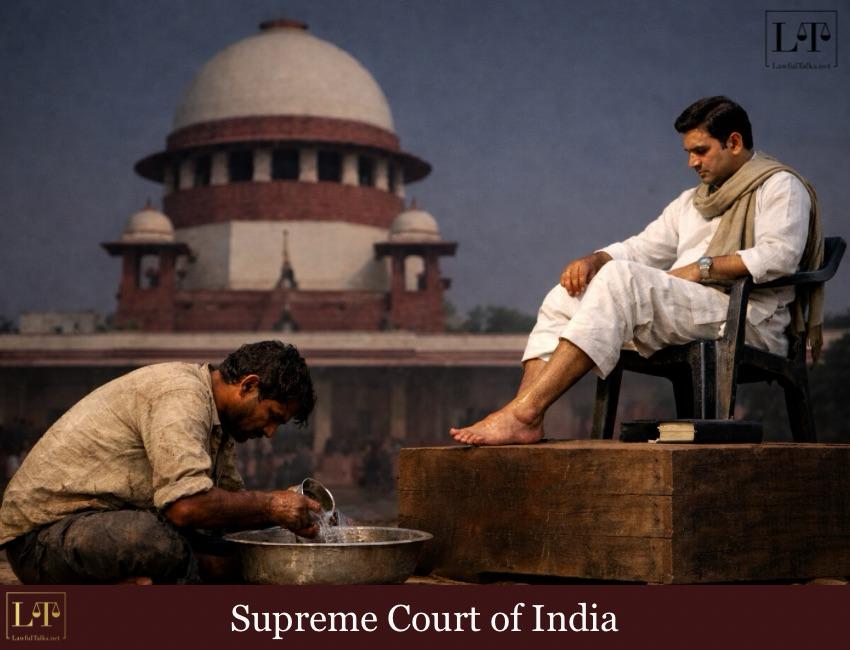
The petitioner, a cooperative organization that has been cleaning shoes at train stations since 1985, said that the new policy and tender procedure endangered the livelihood of its members who had been doing this work for decades.
It also said that earlier policies were welfare-based, gave preference to societies made up of members from Scheduled Castes, Scheduled Tribes, and other weaker sections, and included rules to ensure minimum wages.
It was argued that the 2018 policy changed the original purpose and put long-time workers at risk of losing their jobs. This happened because the policy removed earlier protections and introduced an open tender system without giving any preference.
The Court said that an open tender system cannot be criticised just because it affects existing contracts. The Court said this system promotes transparency, fairness, and equal opportunity. It also said that if the petitioner society is allowed to continue alone, it would create a monopoly and stop other qualified groups from participating.
The bench held:
“ We find that the Railways has adopted a mechanism of tender process, which in our view shall ensure transparency in the process and since we are informed that there are other Cooperative Societies of Shoe-shine boys which are now registered, every one will be entitled for participation in an open, fair and documented process and each one of them will have their own level playing field skill, and since ultimately the one who bids for a larger amount of license fee shall be awarded the Contract for a period of 3 years which shall be subject to further renewal subject to its performance.”
The court accepted that the members of the petitioner society had been doing this work for a long time and depended on it for their livelihood. However, the Court said that this concern cannot be more important than having a fair and competitive system, especially when others in similar situations also have a right to get work opportunities.
The bench said that there was nothing unfair in the policy or the tender process. It held that the petitioner society is free to take part in the tender and compete with others. The Court also said that the society’s past experience can be taken into account when reviewing bids, but it does not give them a special or exclusive right to continue.
“We have also noted that the impugned Policy has done away with the requirement of providing minimum wages to the workers/employees engaged by the Contractor and we do not approve of the same. We, therefore, direct Respondent Nos.1 and 2 to ensure that while fixing the tender price or allotting the contract, one of the condition subject to which the contract shall be awarded shall be of payment of minimum wages as per the applicable law to the members of the society. In fact, we also direct Respondent No.2 to include this as a condition in the tender itself.”
Accordingly, the Court dismissed the writ petition, upheld the validity of the 2018 policy and the open tender process. It also told the Railways to consider the petitioner’s experience and make sure that minimum wage rules are followed.



















































































































































































































































































































































































































Sign up for free and be the first to get notified about curated content just for you.