“Bought a ‘Flat’ That Was Actually a Refuge Area? Bombay HC Drops a Big Twist!”

- March 30, 2026


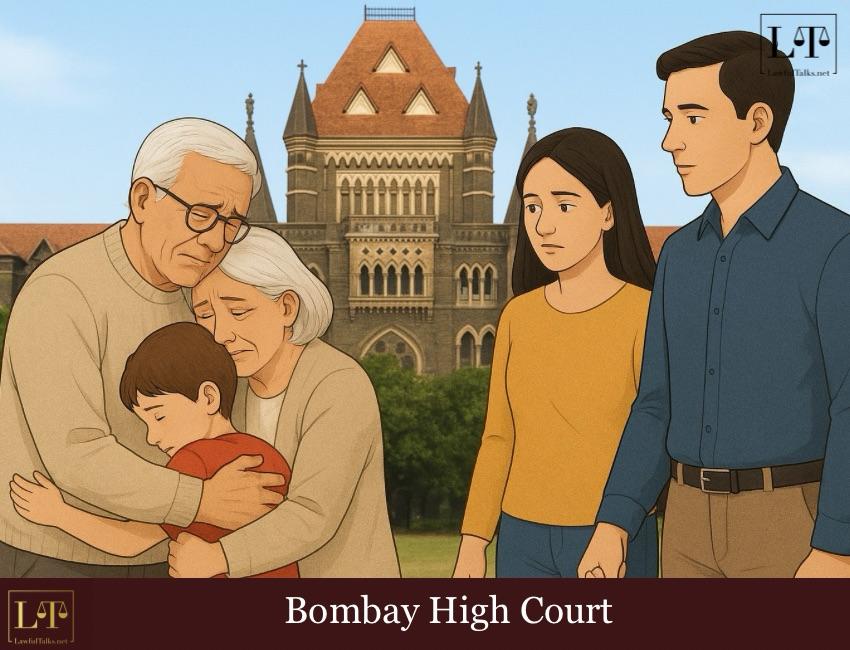
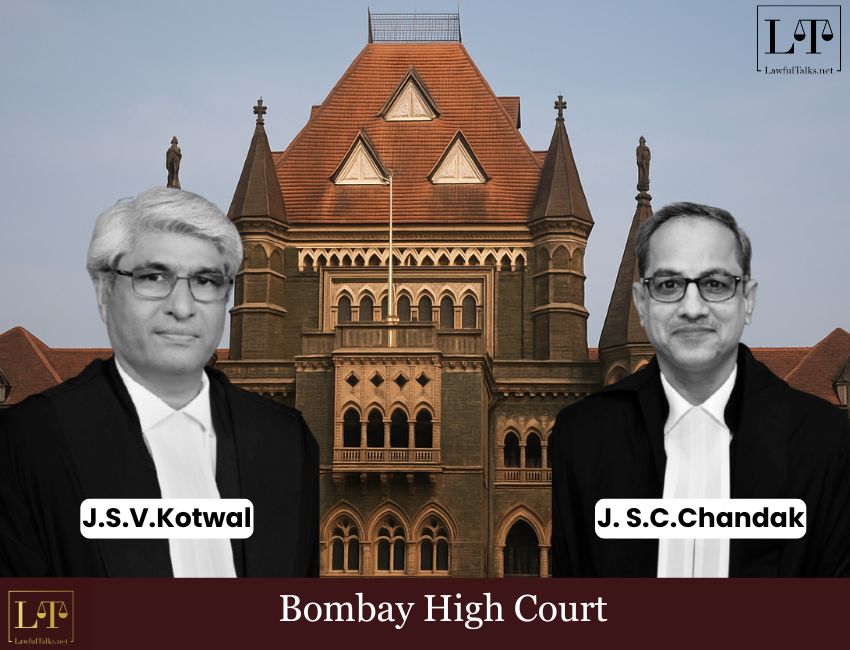
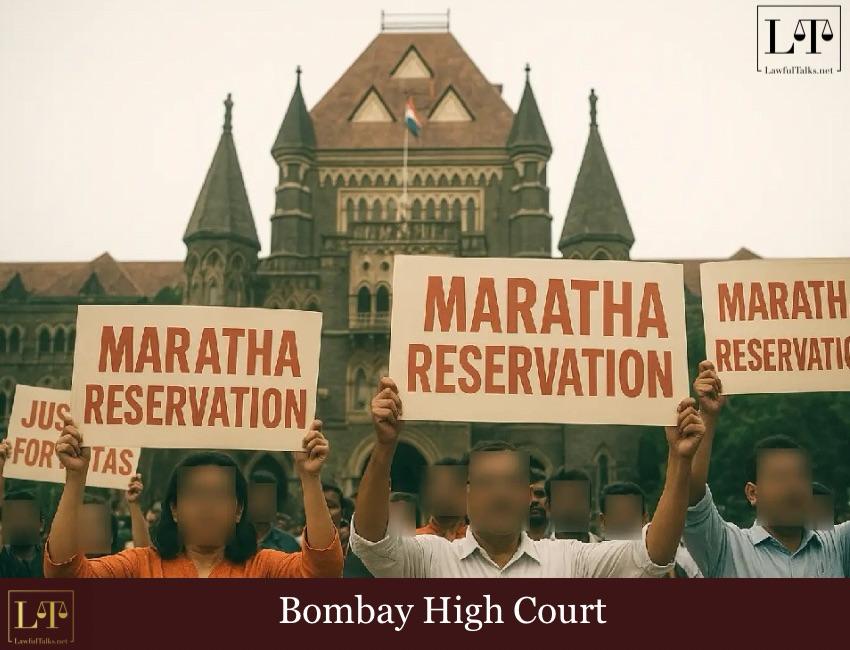
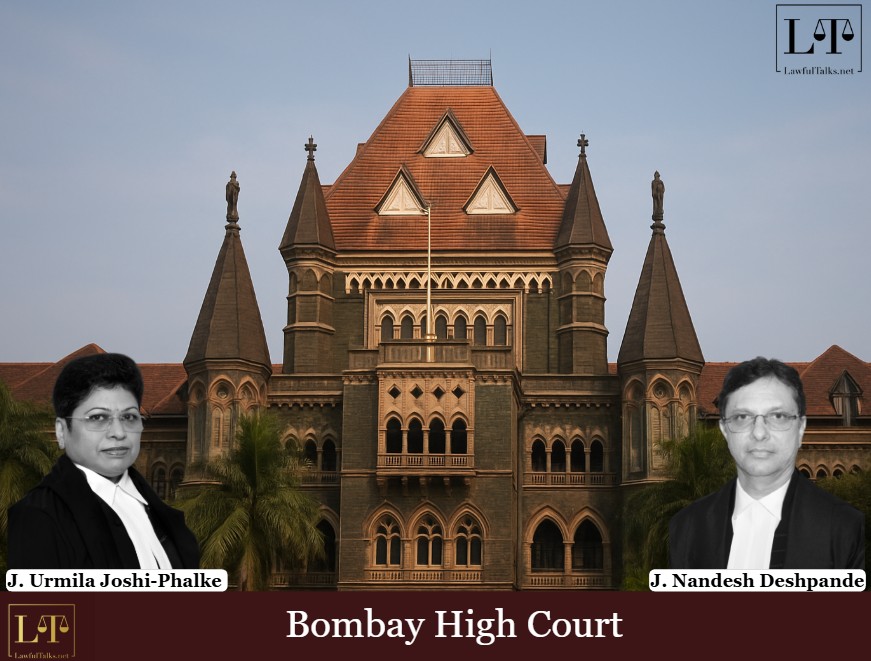
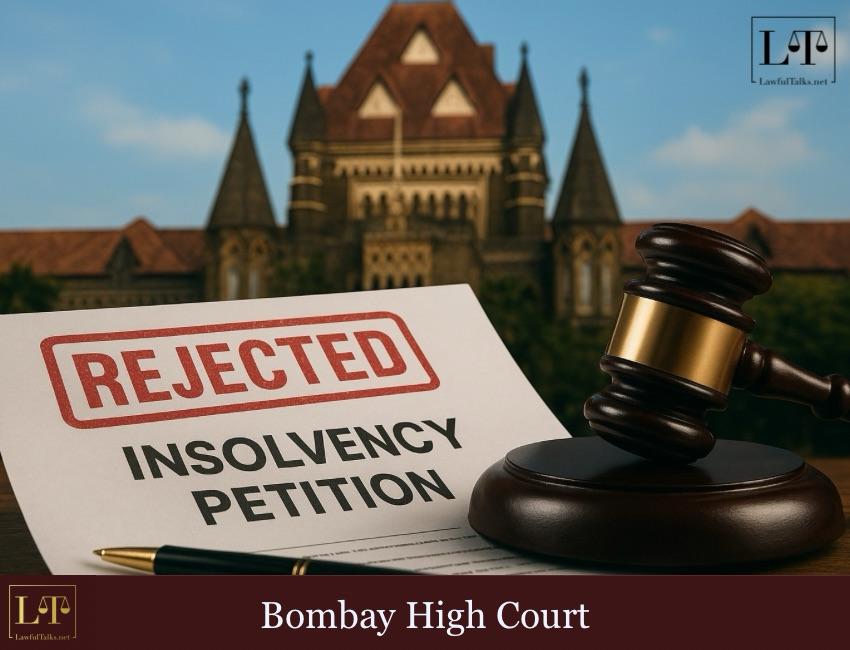
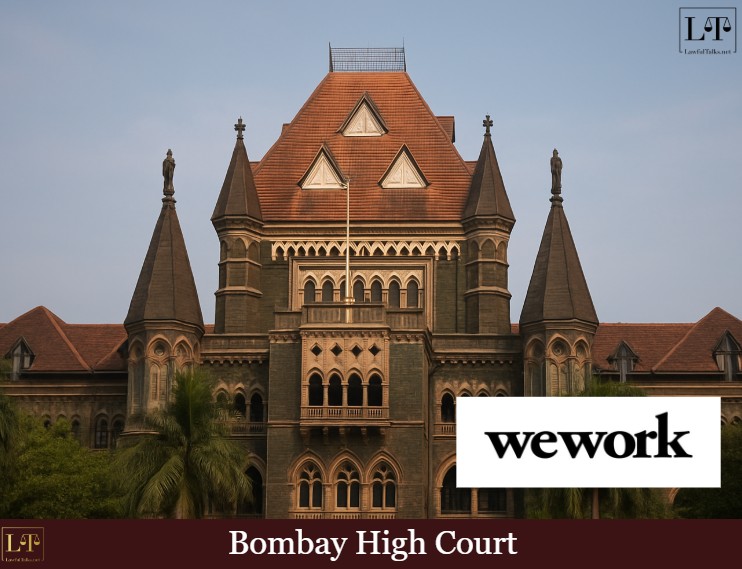
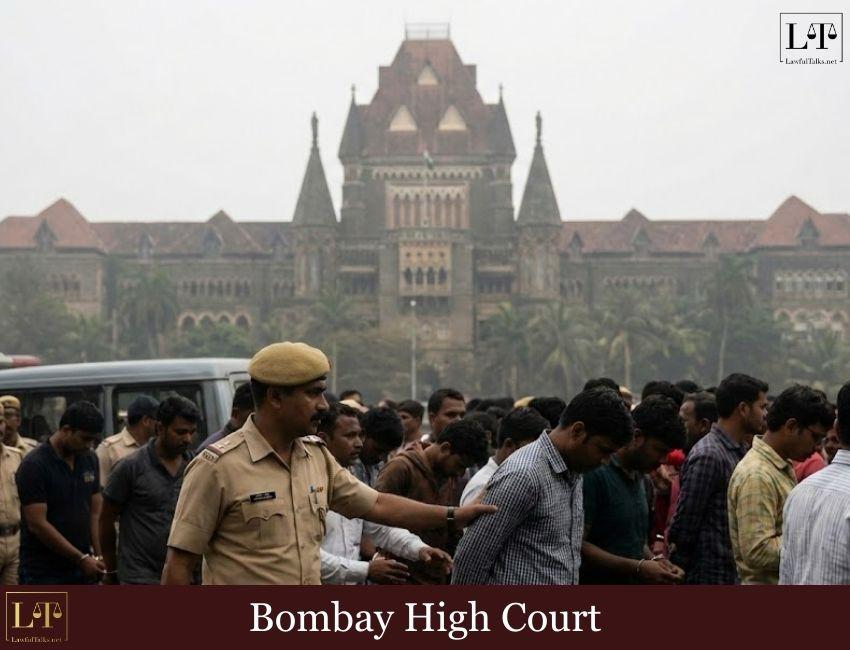
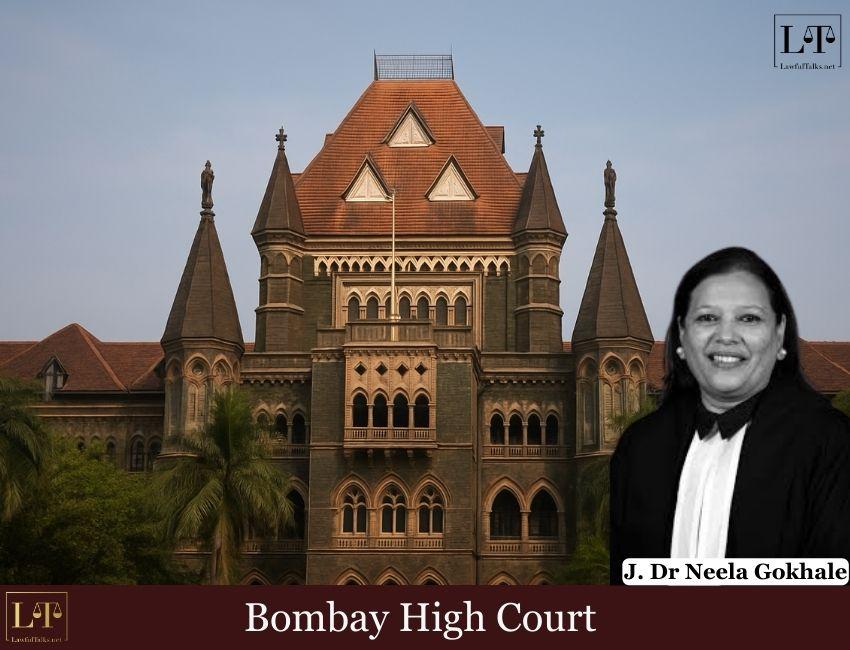
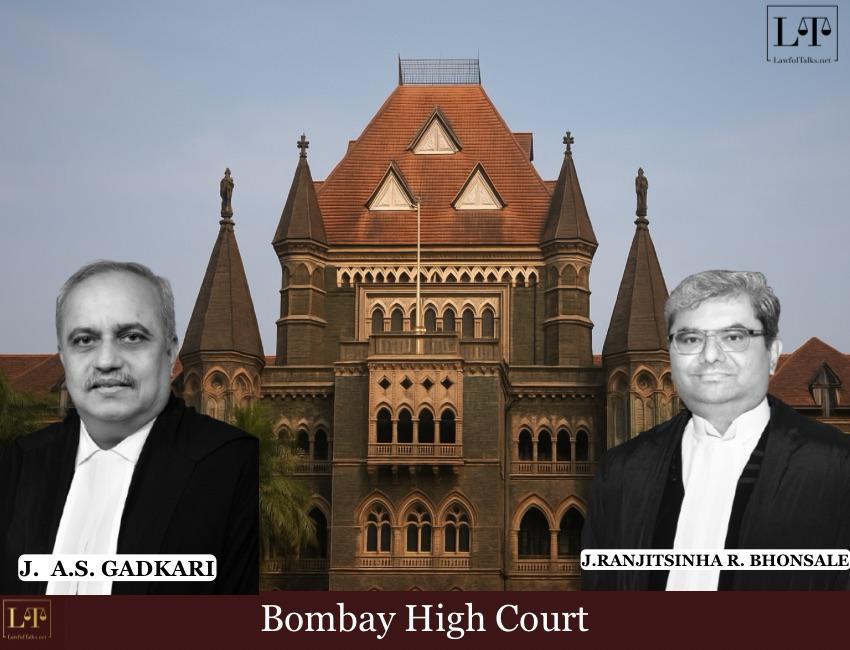
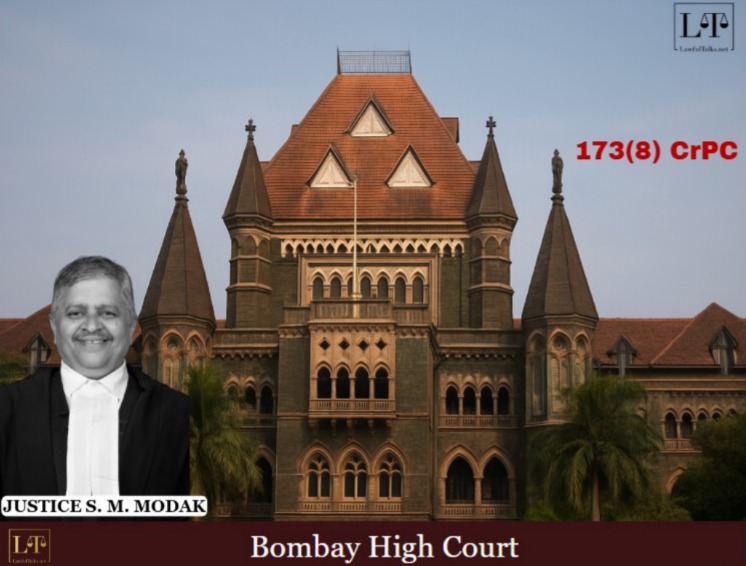
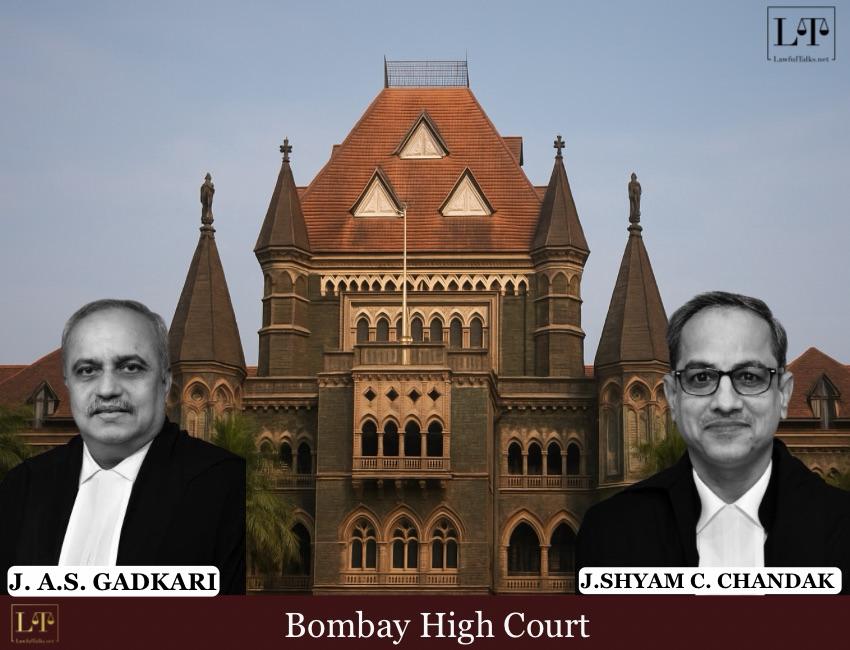
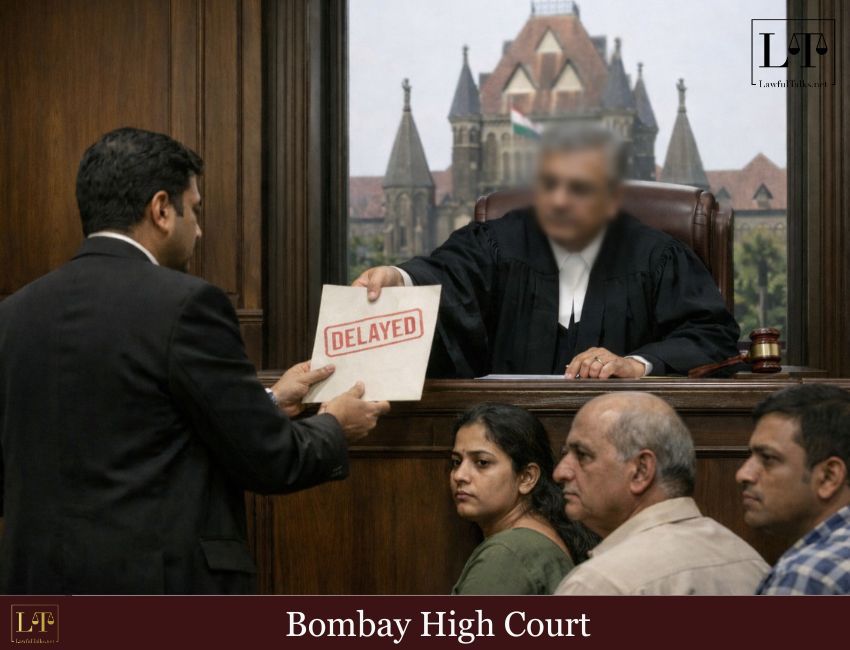
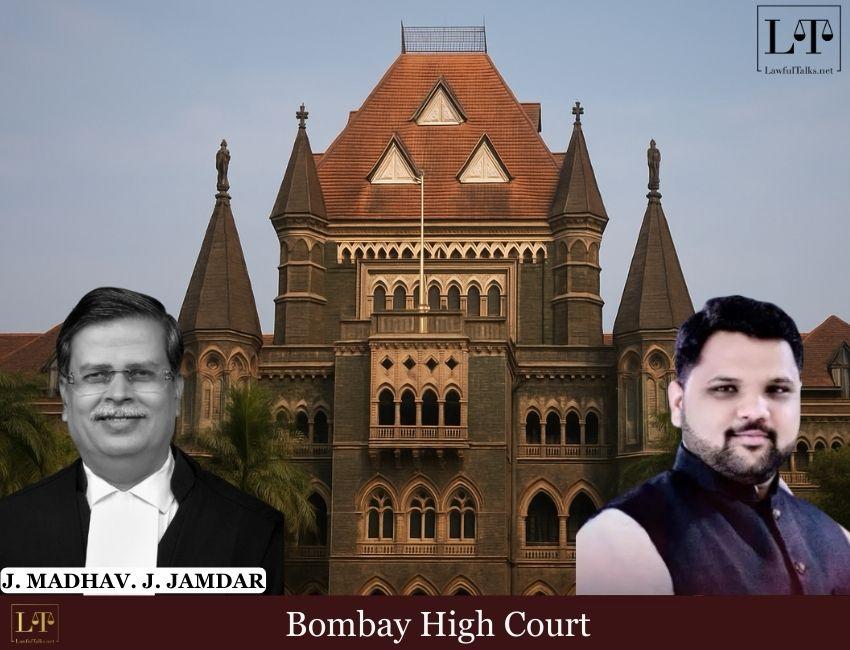
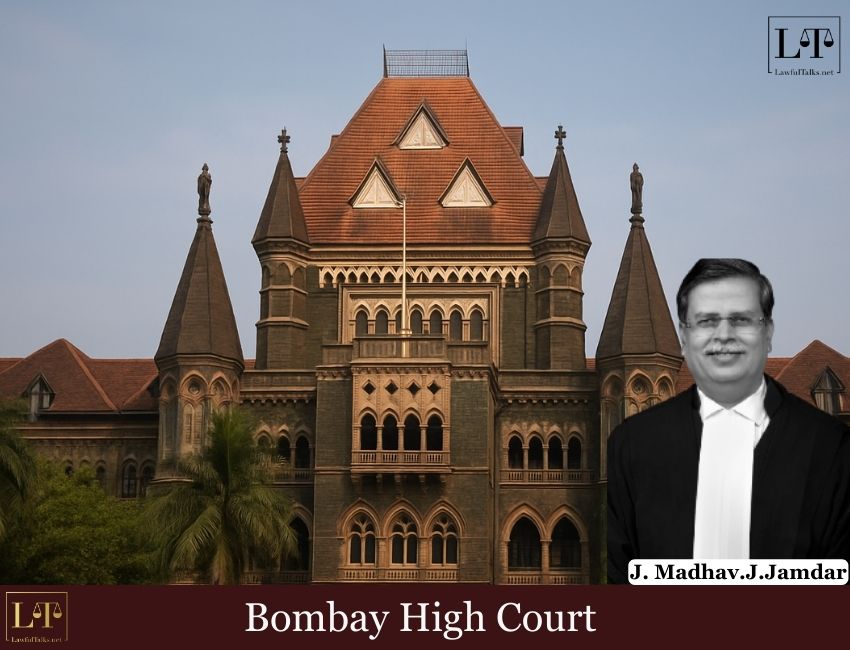
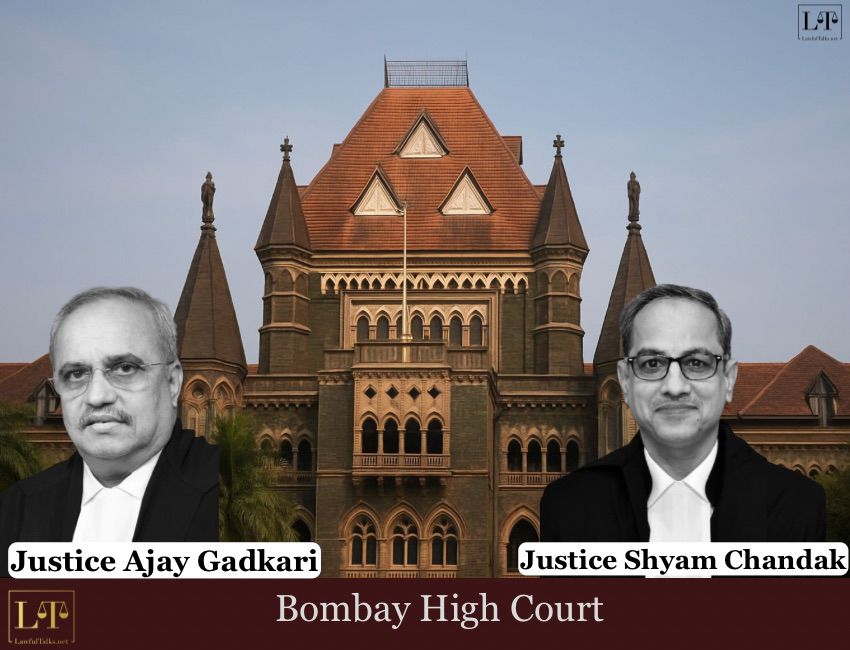
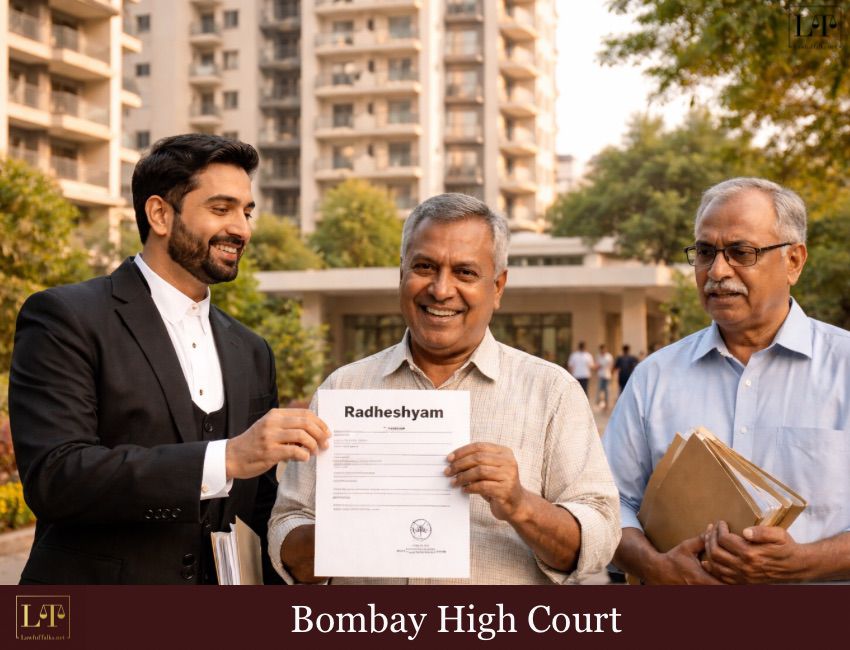
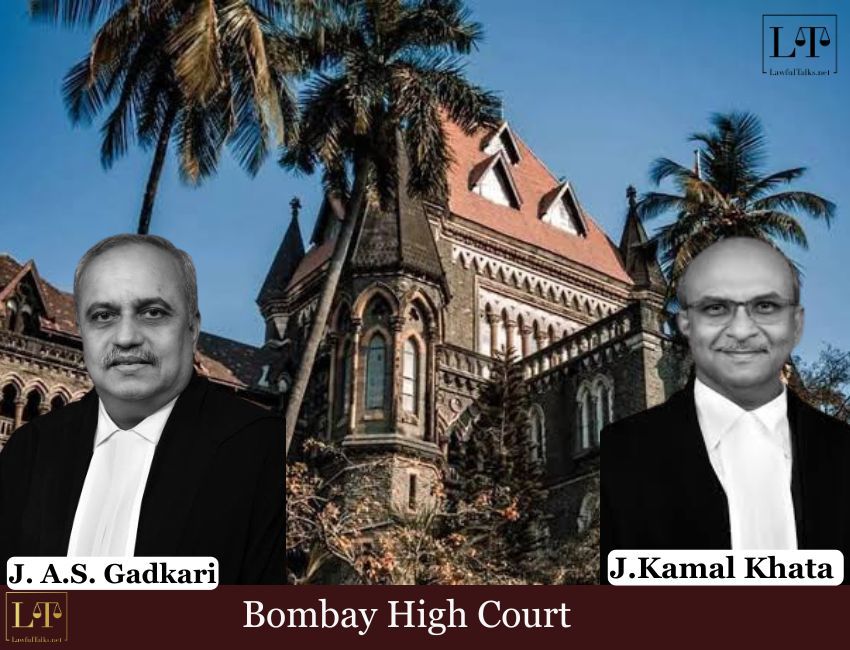
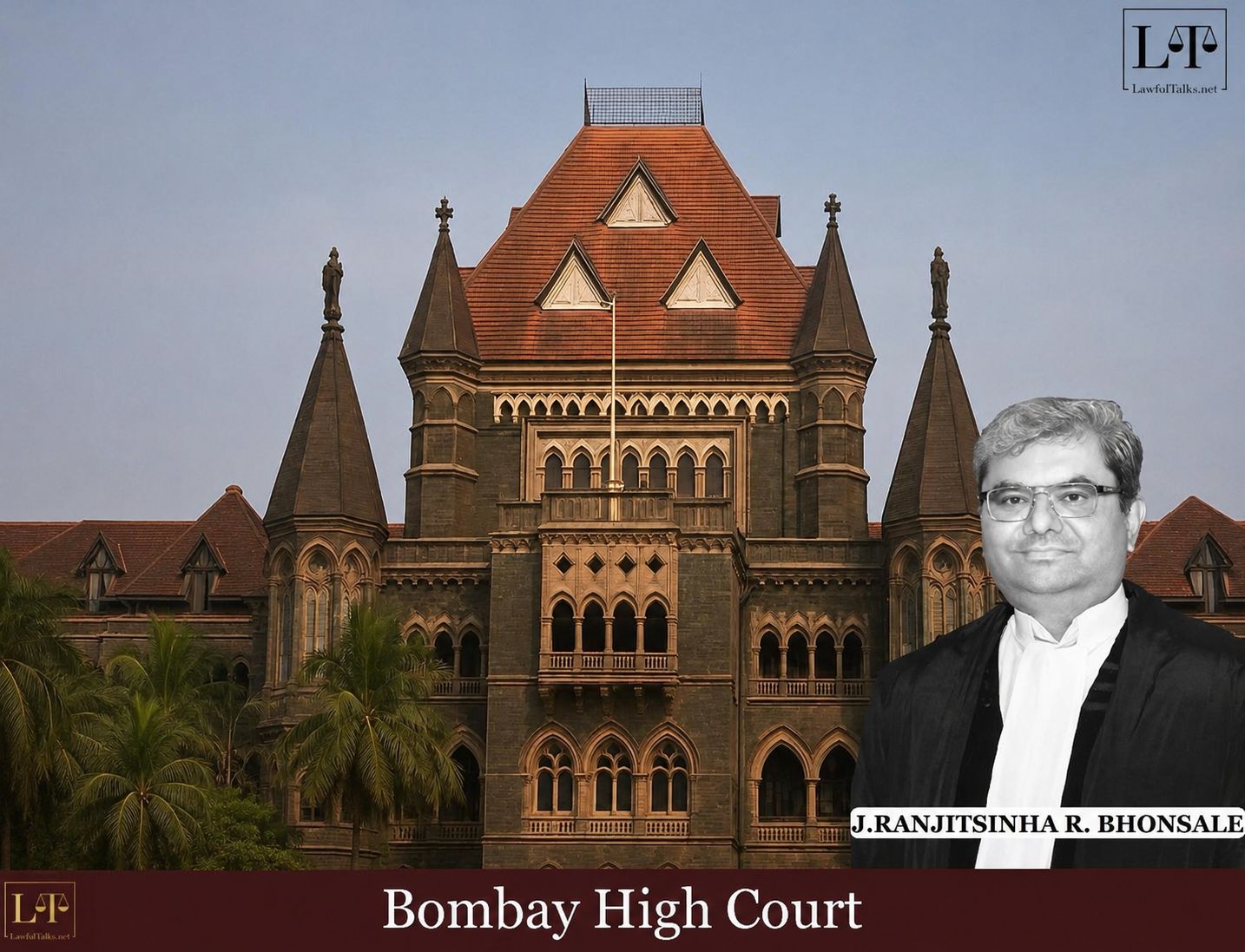
In a significant ruling, the Bombay High Court has held that a co-operative housing society can refuse to give membership to buyers if a builder has wrongly sold refuge areas as residential flats. Justice Firdosh P. Pooniwalla emphasized that admitting such buyers to become members would contravene Section 154B-5 of the Maharashtra Co-operative Societies Act, 1960.
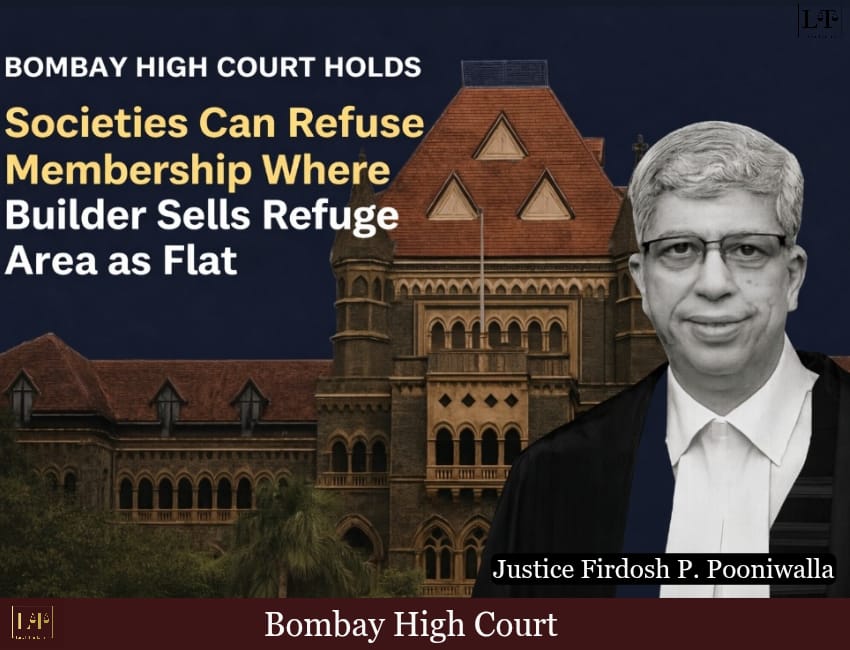
The Court also clearly stated that the flats claimed by Respondent Nos. 3 and 4 are not real flats, but are actually refuge areas.
Case Background:
The case arose after the Divisional Joint Registrar ordered the housing societies to give membership to two buyers based on agreements for sale executed in 2019. The societies contended that these so-called flats did not actually exist and were really refuge areas.
The Court agreed with the societies and said:
“The Floor Plan annexed to the Registered Agreements of flats constructed and sold to the members of the Petitioner Societies discloses the area of the flats claimed by Respondent Nos. 3 and 4 as a refuge area. The Floor Plan annexed to the Registered Agreements of constructed and sold flats on 8th floor, Wing I discloses the unconstructed and open space on the 8th floor as refuge area. Similarly, the Floor Plans annexed to the Registered Agreements of constructed and sold flats of 15th floor of wing D, wing I, wing P and wing O disclose the unconstructed and open spaces on the 15th floor as refuge areas. This clearly shows that the flats claimed by Respondent Nos. 3 and 4 are actually refuge areas and not flats.”
No Right to Sell After 2017:
Justice Pooniwalla emphasized that the developer had no right to sell these spaces after the deemed conveyance certificate was issued in 2017.
He stated:
“The Certificate of Entitlement for Deemed Conveyance was issued by the District Deputy Registrar on 31st May, 2017. It is the case of the Petitioners that, upon issuance of the above mentioned Certificate of Entitlement of the Deemed Conveyance, Respondent No.7 – Developer stood divested of its rights under the Flat Purchase Agreements executed by Respondent No.7 with the members of the Petitioners, and any subsequent Agreements for Sale purportedly entered into by the. Developer are without contractual authority, not binding, illegal, non est,void ab-initio and incapable of being enforced against the Petitioners.”
The Court also highlighted that municipal authorities had always treated these spaces as refuge areas, not residential flats, and had not levied any property tax on them. This is another reason showing that the flats claimed by Respondent Nos. 3 and 4 do not exist.
Law on Membership Limit:
A key issue in the case was Section 154B-5 of the MCS Act, which says that a housing society cannot have more members than the number of flats available.
Justice Pooniwalla explained:
“27) Section 154B-5 of the MCS Act provides that a housing society shall not admit to its membership persons exceeding the number of flats available for allotment in that Co-operative Housing Society. Since, as stated herein above, the flats sold by Respondent No.7 to Respondent Nos. 3 and 4 do not exist, if Respondent Nos. 3 and 4 are admitted as members of the Petitioner Societies, then that would be a direct violation of Section 154B-5 of the MCS Act as the members would exceed the number of flats available for allotment.”
Different from Earlier Cases:
While discussing earlier precedents like Videocon Appliances Ltd. v. Maker Chambers V Premises Co-op. Society, the Court noted that while housing societies cannot refuse membership merely on the ground of illegality of construction, the present case was very different:
The court explained:
“The situation would be very much different in a case like the present one where the flats simply do not exist and what has been sold… is the refuge area. As rightly submitted by the Petitioners, the refuge area cannot be considered as a flat or even a raw flat.”
Ultimately, the Court quashed the orders that had compelled the housing societies to admit the buyers as members. It also restored the societies’ earlier decision to reject their membership applications.
Justice Pooniwalla clearly noted that the statutory bar under Section 154B-5 cannot be ignored or bypassed.



























































































































































































































































Sign up for free and be the first to get notified about curated content just for you.