“Who Owns The Dead’s Money? SC Demands Answers From Govt, RBI”

- March 20, 2026


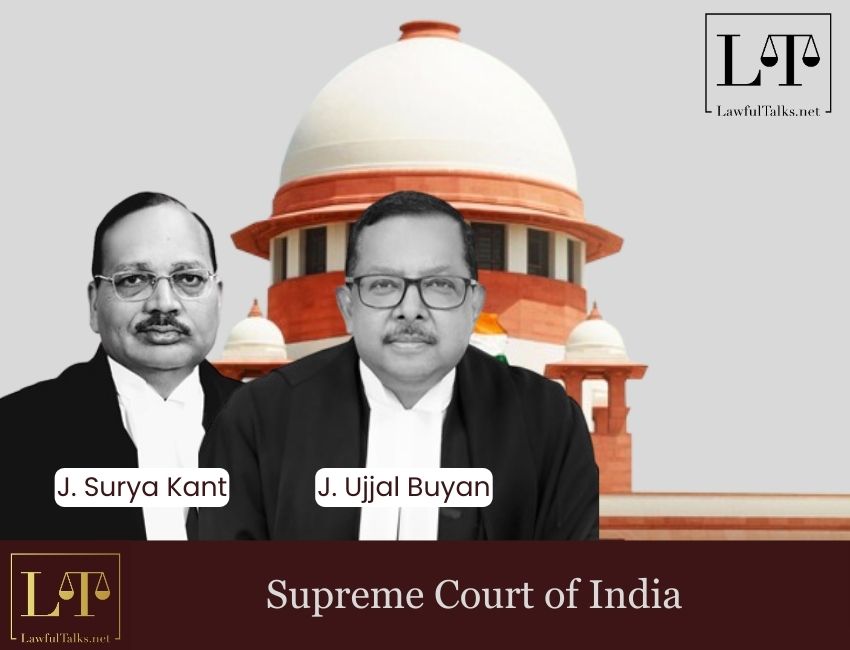
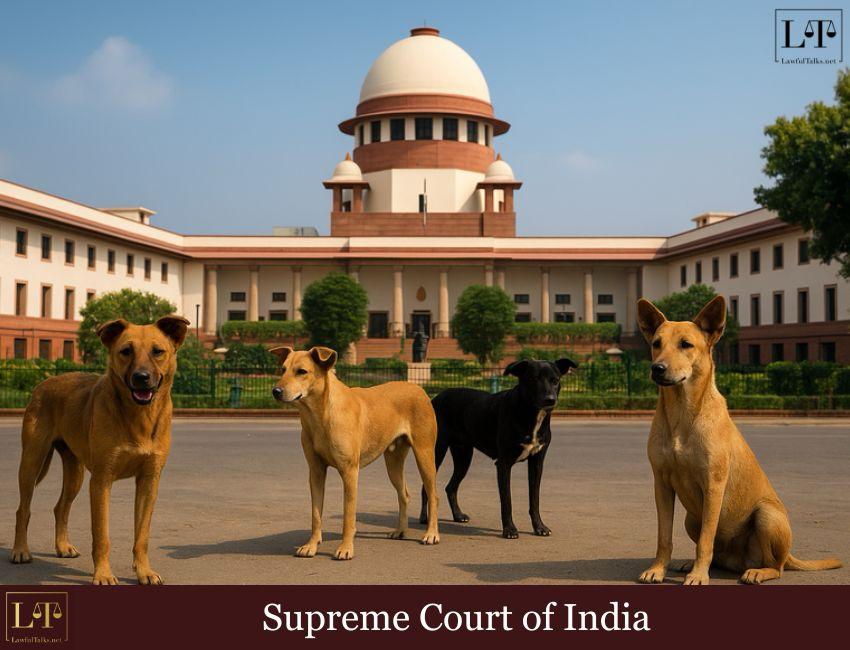
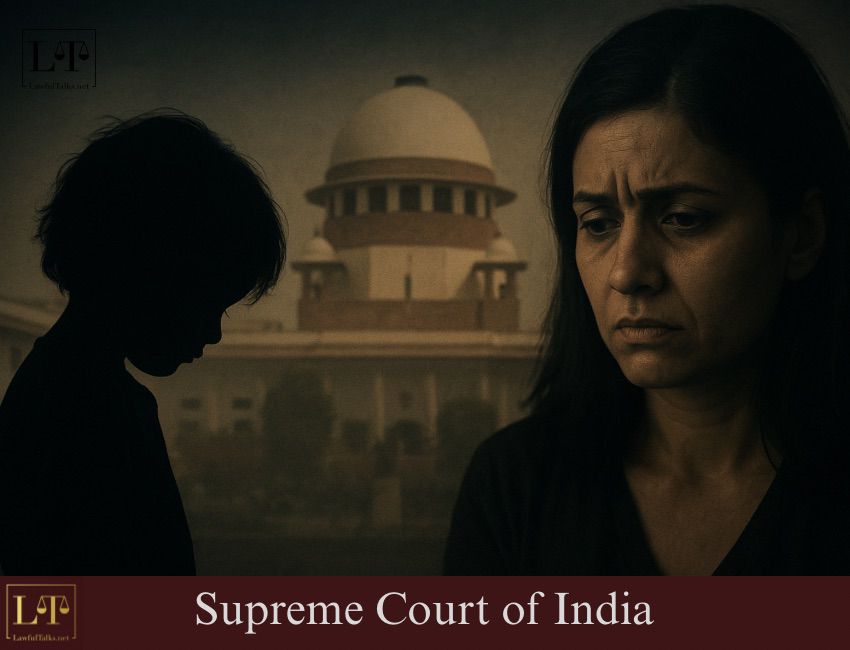
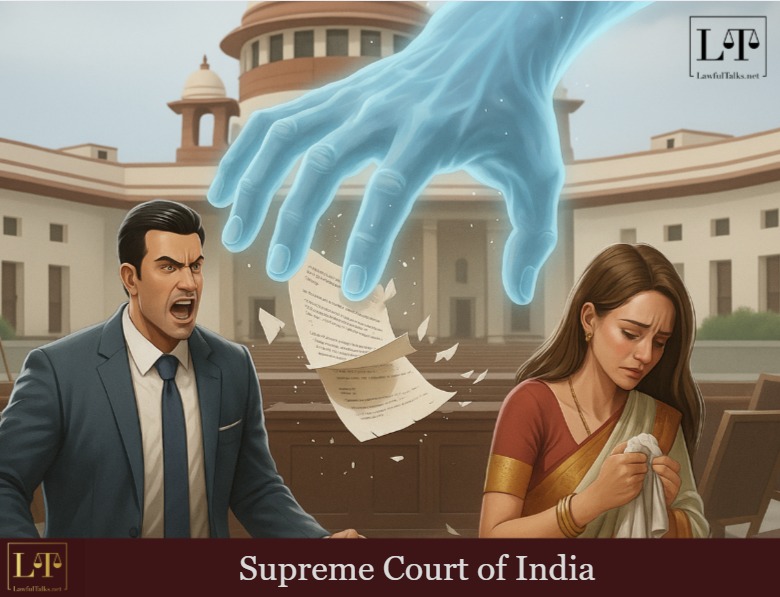
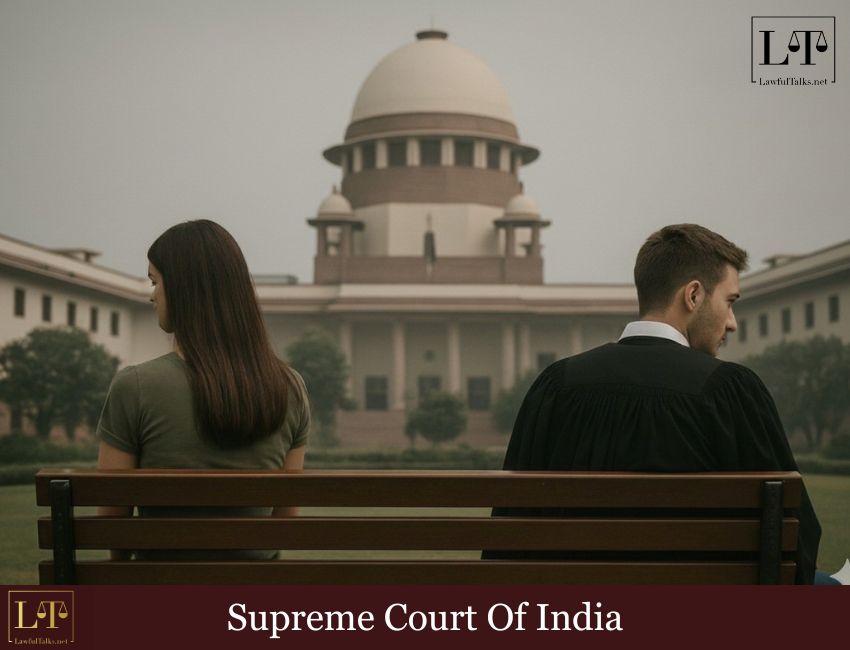
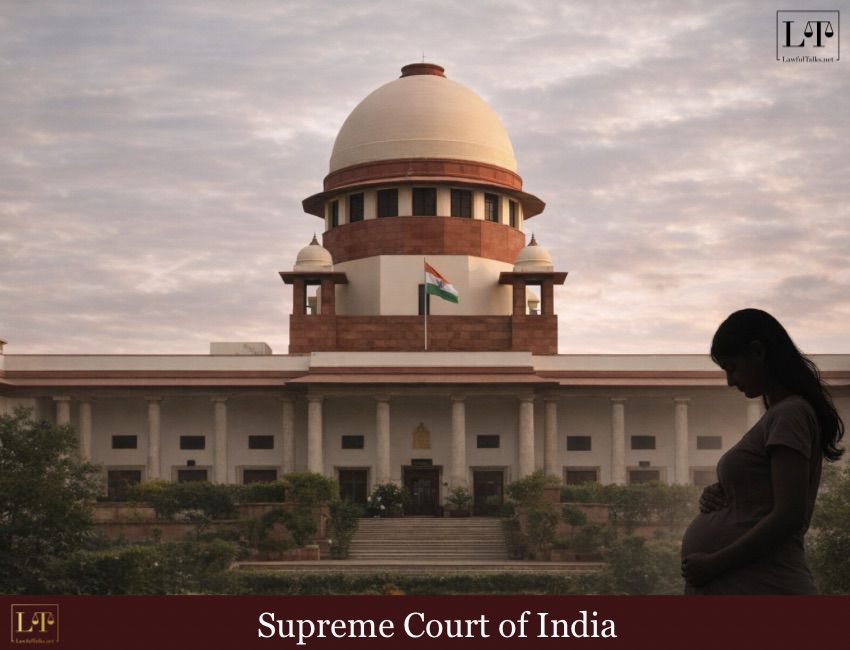
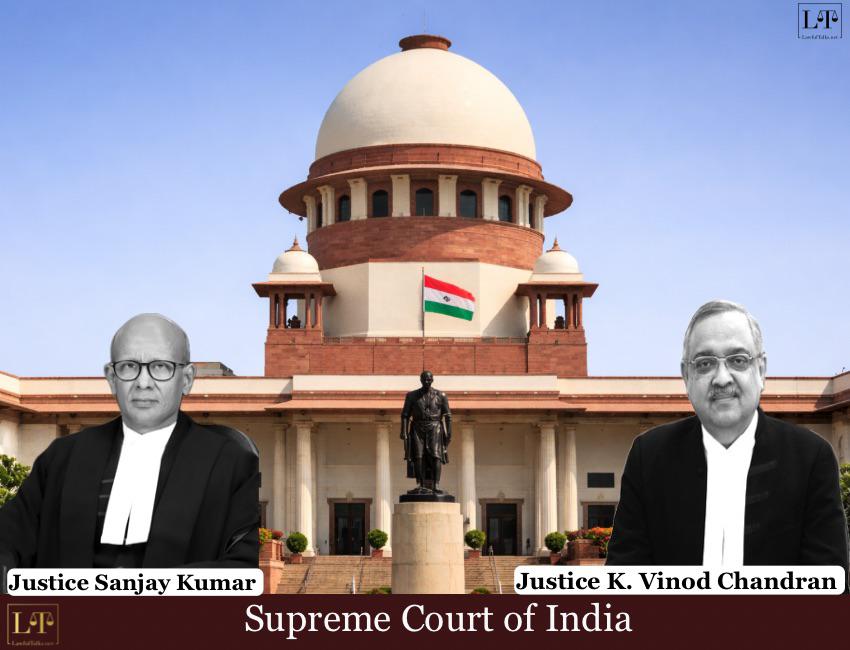
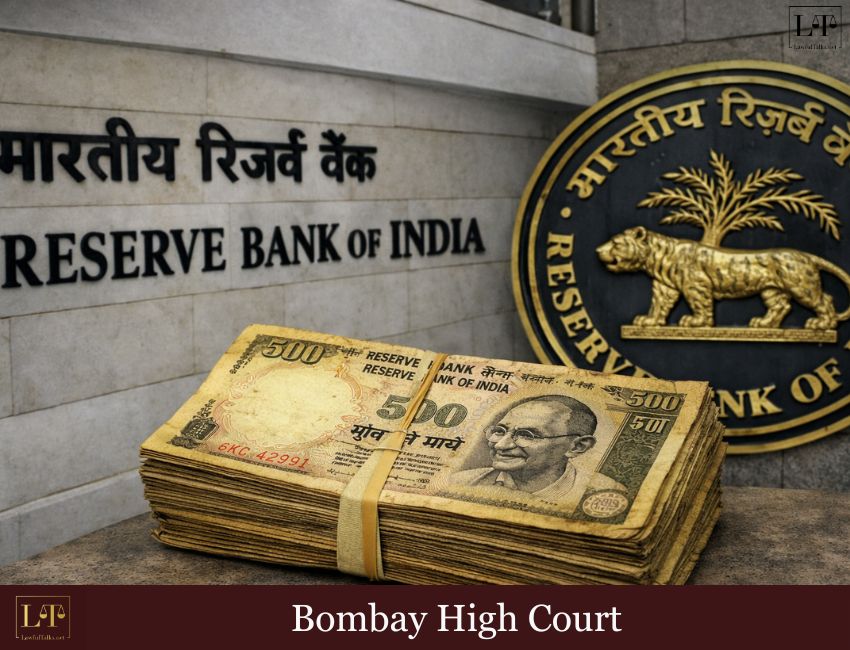
The Supreme Court has directed the Union Government and the Reserve Bank of India to submit fresh affidavits in a case about setting up a centralized system to help legal heirs claim money left behind by deceased persons in bank accounts and other financial instruments.
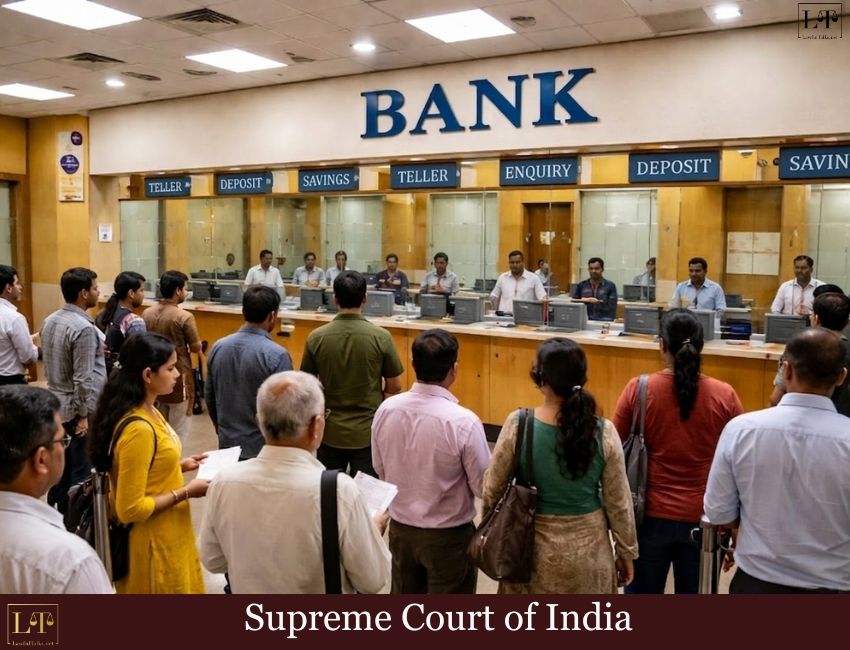
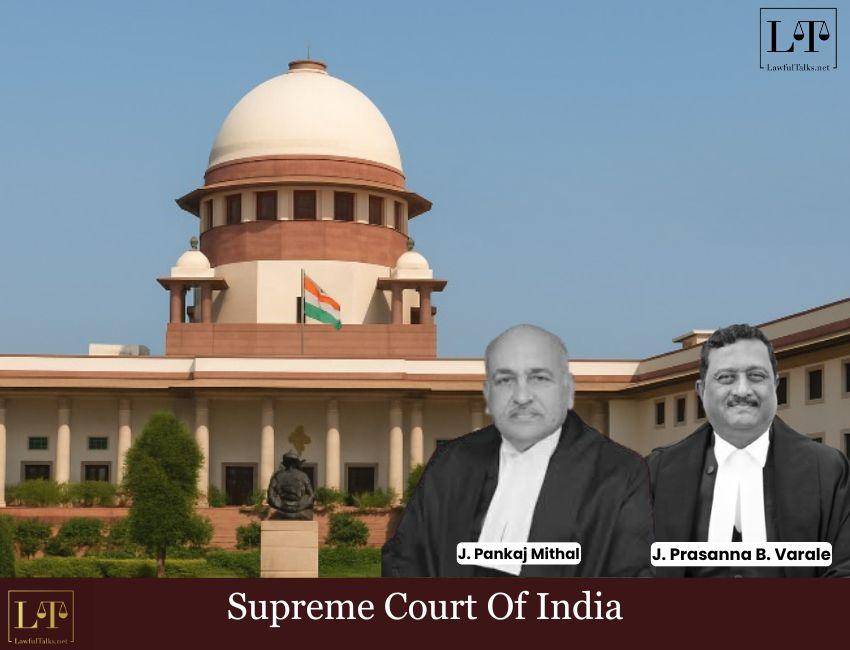
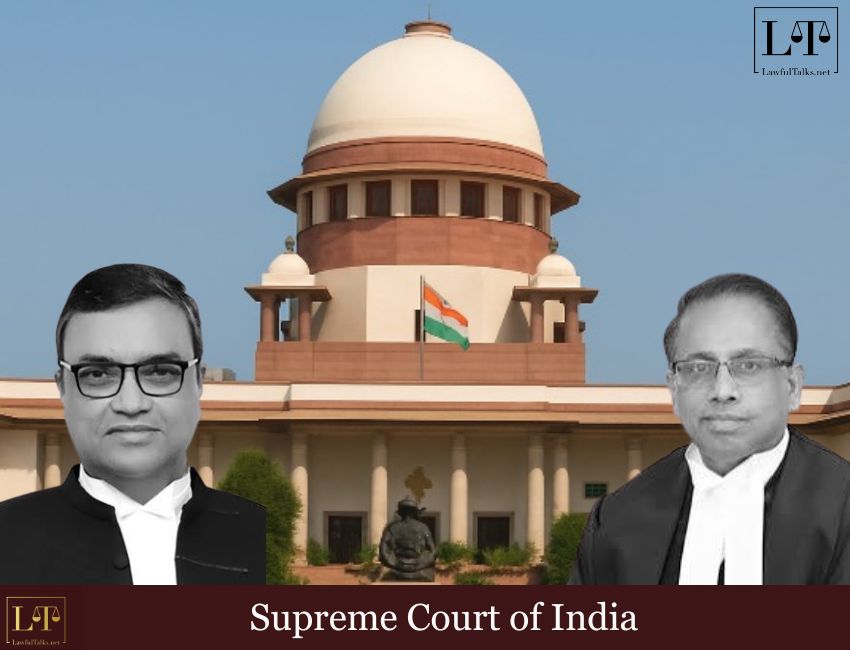
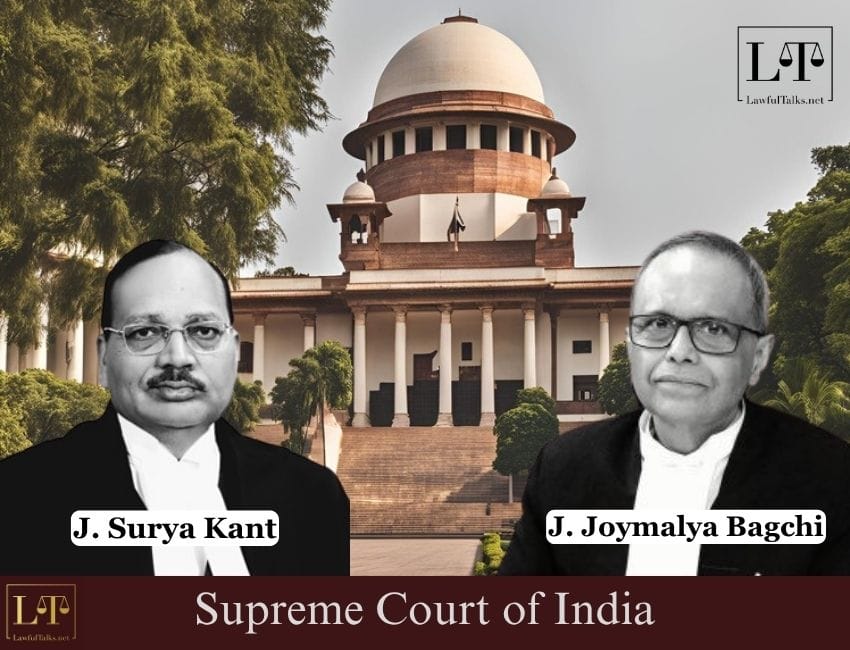
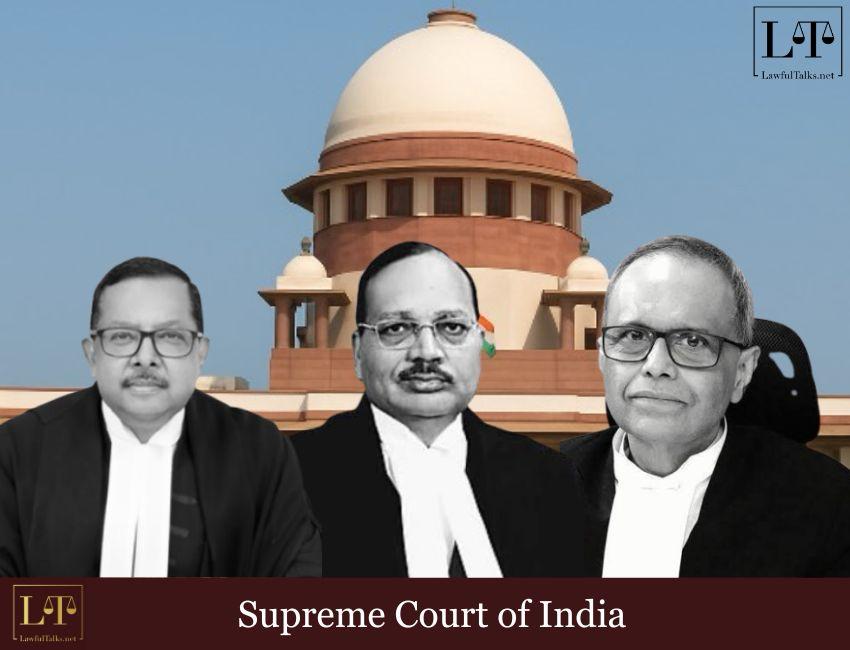
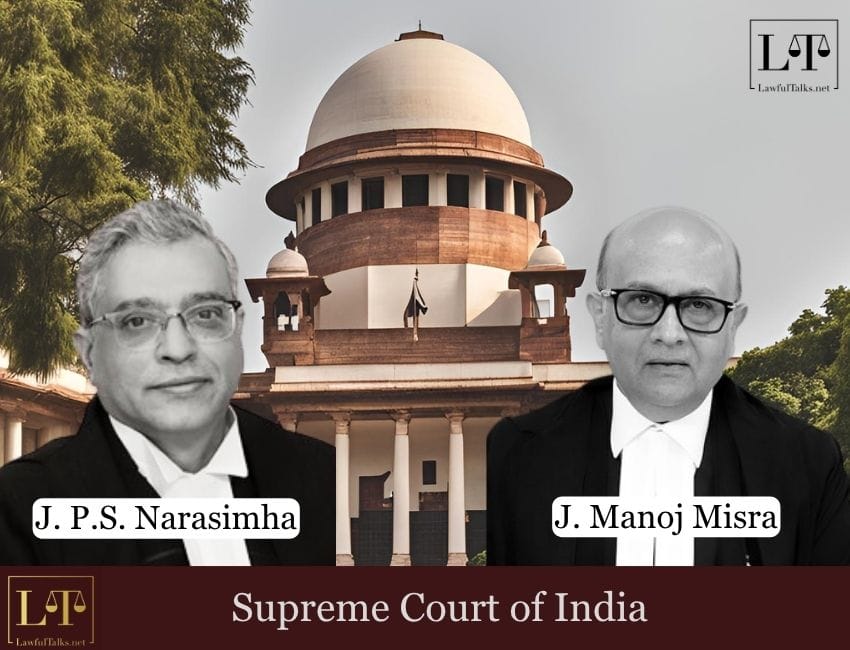
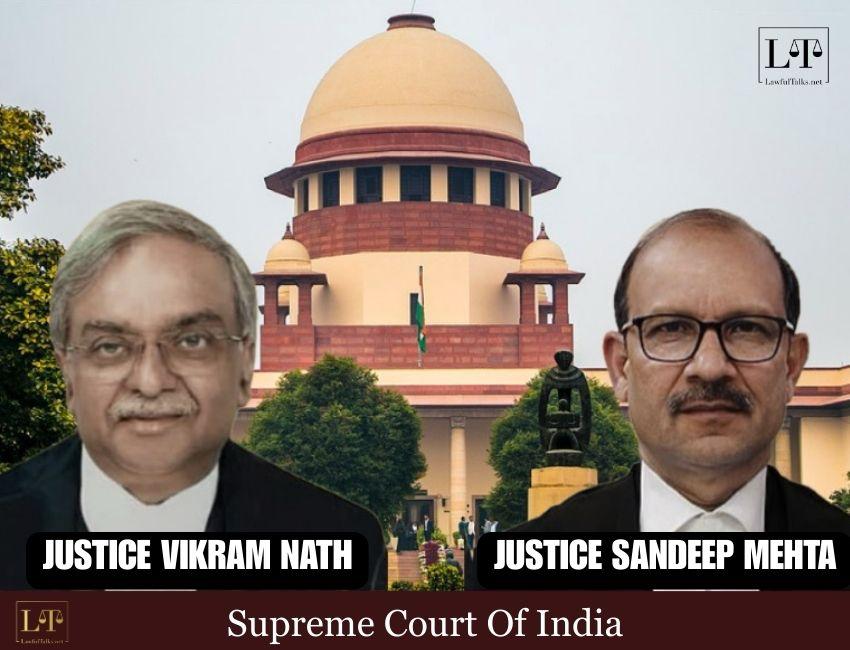
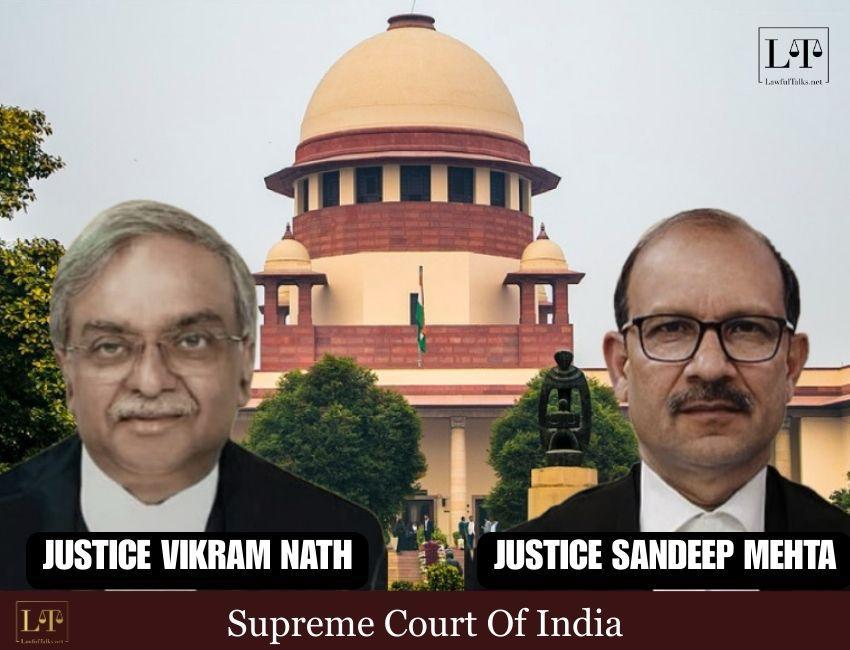
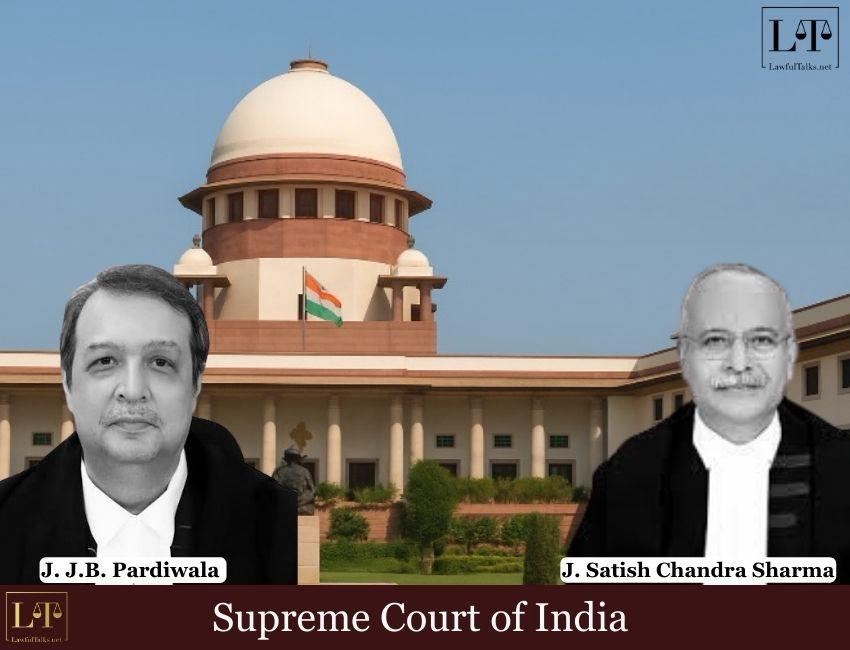
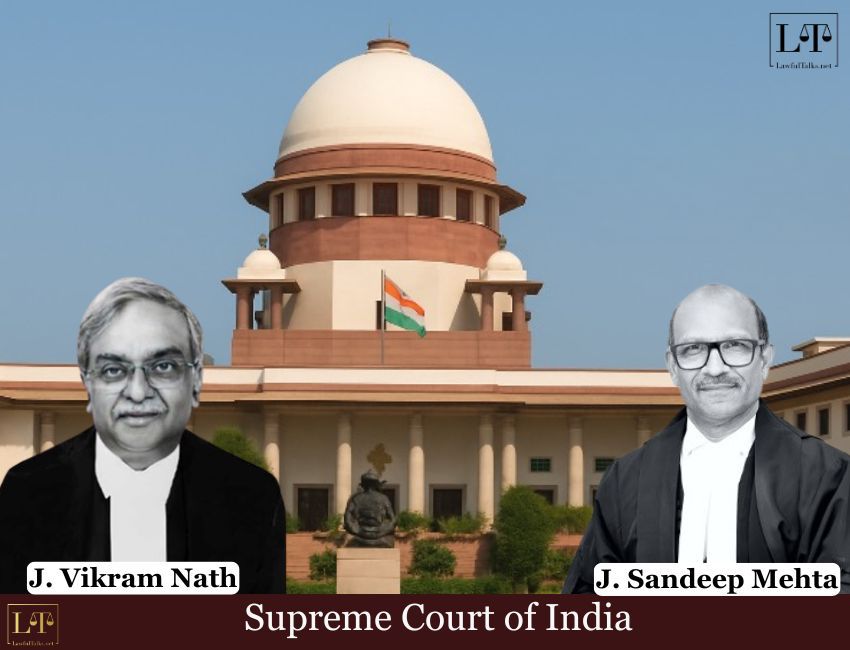
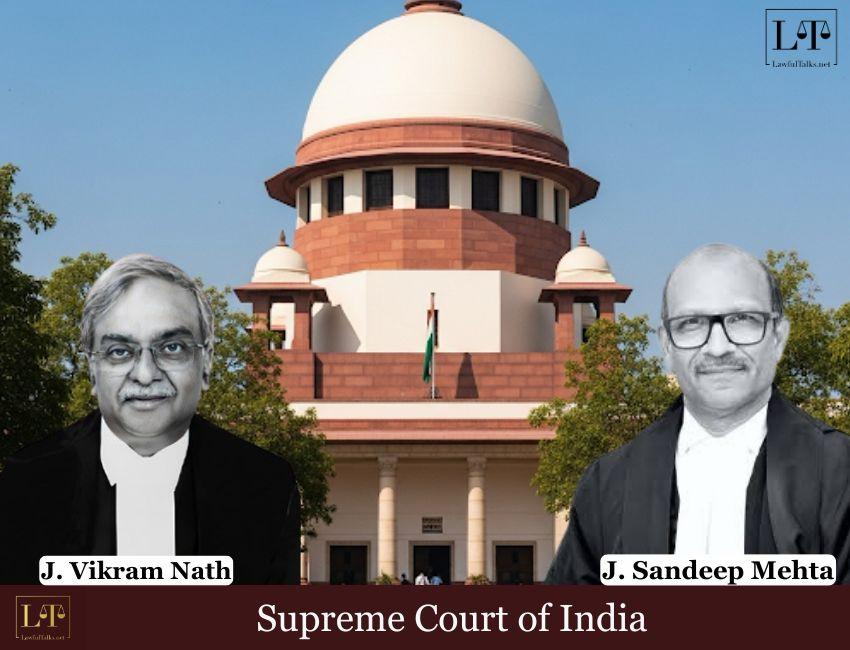
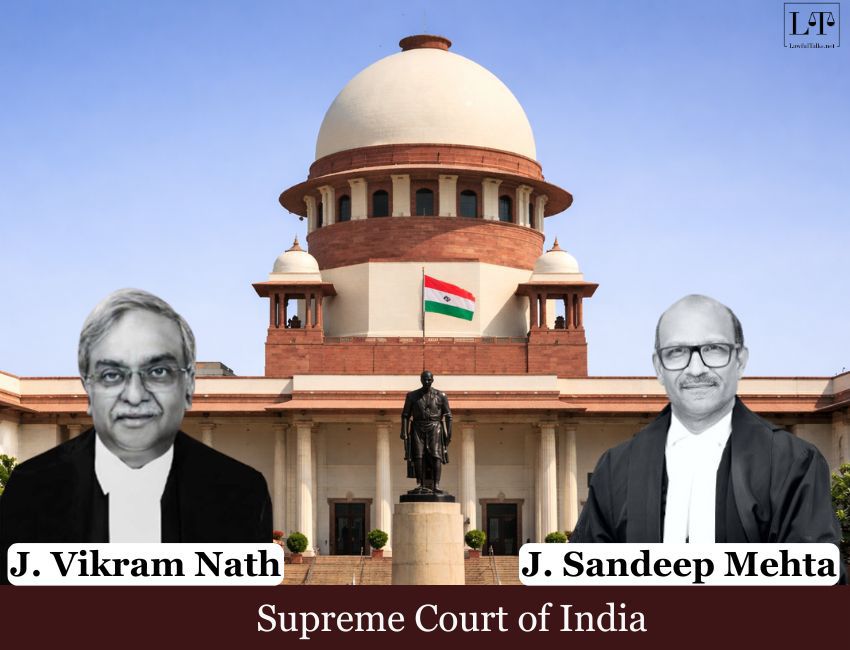
The bench of Justices Vikram Nath and Sandeep Mehta was hearing a PIL filed in 2022 by journalist Sucheta Dalal. The petition says that large sums of money remain unclaimed because the rightful heirs find it difficult to access these funds (Sucheta Dalal vs. Union of India)
Details of the Case :
The petition filed by journalist Sucheta Dalal in 2022 highlights that large sums of money belonging to deceased investors and depositors remain unclaimed because their legal heirs or nominees often do not know these accounts exist.
Money from dormant or inactive accounts is transferred to government owned schemes like the Depositor’s Education and Awareness Fund (DEAF), Investor’s Education and Protection Fund (IEPF), and Senior Citizen’s Welfare Fund (SCWF).
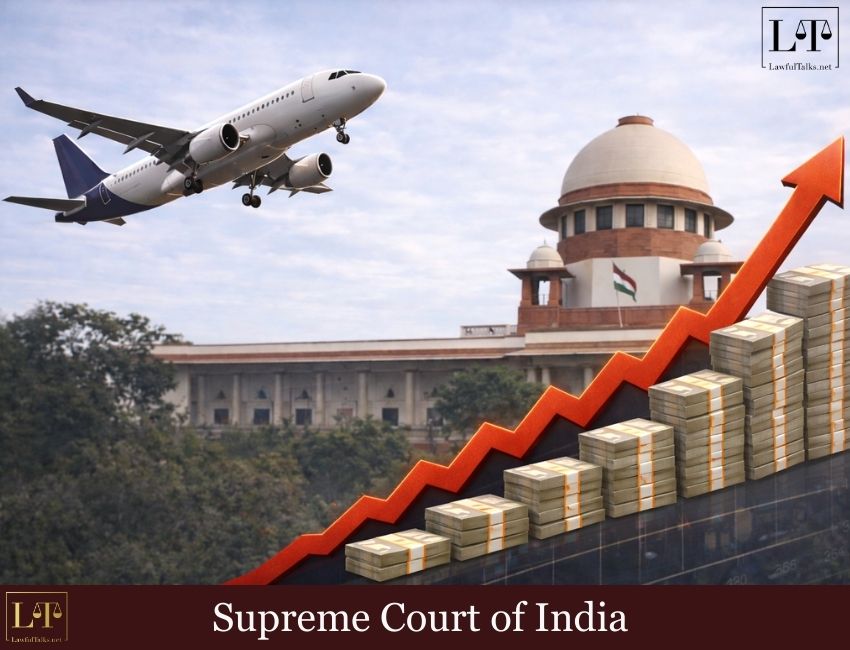
However, heirs find it difficult to access this money due to lack of information, technical glitches on the IEPF website, and banks not informing families about dormant accounts. The petition also states that the amount lying with IEPF increased from ₹400 crore in 1999 to ₹4,100 crore in 2020, showing how big the problem is.
Solution Asked:
To address this issue, the petitioner has requested the Supreme Court to order the creation of a central online database under the Reserve Bank of India. In this system, banks and financial institutions would have to share details of deceased account holders, such as their name, address, and last transaction date. This would help rightful heirs claim the money easily without depending on middlemen.
Court Question:
The Supreme Court asked the Union Government and the Reserve Bank of India to explain why details of bank accounts of deceased persons cannot be shared with their heirs so they can access unclaimed money.
Arguments:
Advocate Prashant Bhushan, appearing for Suchita Dalal, argued that heirs often do not even know how many accounts or funds are left behind. He said the petition asks for these details to be made public.
He also told the Court that even the RBI had suggested a central searchable database so heirs could find accounts of deceased relatives, not just in banks but also in insurance, post office and securities.
Justice Mehta, however, cautioned that publishing such information could lead to online fraud, with people pretending to be heirs to claim the money.
Additional Solicitor General N Venkataraman, appearing for the Union, explained that money left unclaimed in bank accounts for 10 years is transferred to the Depositor Education and Awareness Fund, which supports public awareness programs. He clarified that heirs can still claim the money if they prove their right, and added that the petition does not provide supporting data.
Justice Mehta asked how heirs would find such details if a person had many accounts, even abroad, without proper (Know Your Customer) KYC. The Union’s lawyer said this was a policy matter, but Justice Mehta replied that giving account details to heirs is not about policy, but about fairness. The lawyer replied that privacy concerns and risk of misuse make it difficult to put such information in the public domain.
Senior Advocate Ranjith Kumar, appearing for RBI, explained that a Central KYC system already exists and that banks hold the money in trust. He added that banks can ask for indemnity bonds before releasing funds if they are not fully satisfied with the person making the claim.
The Supreme Court then directed the Union and RBI to file their replies within four weeks, with the matter scheduled for hearing on May 5.
Case Details : SUCHETA DALAL v. UNION OF INDIA AND ORS. | W.P. (C) No. 185/2022











































































































































































































































Sign up for free and be the first to get notified about curated content just for you.