A Question No One Could Answer? Careers At Stake As SC Ends Exam Chaos

- March 18, 2026


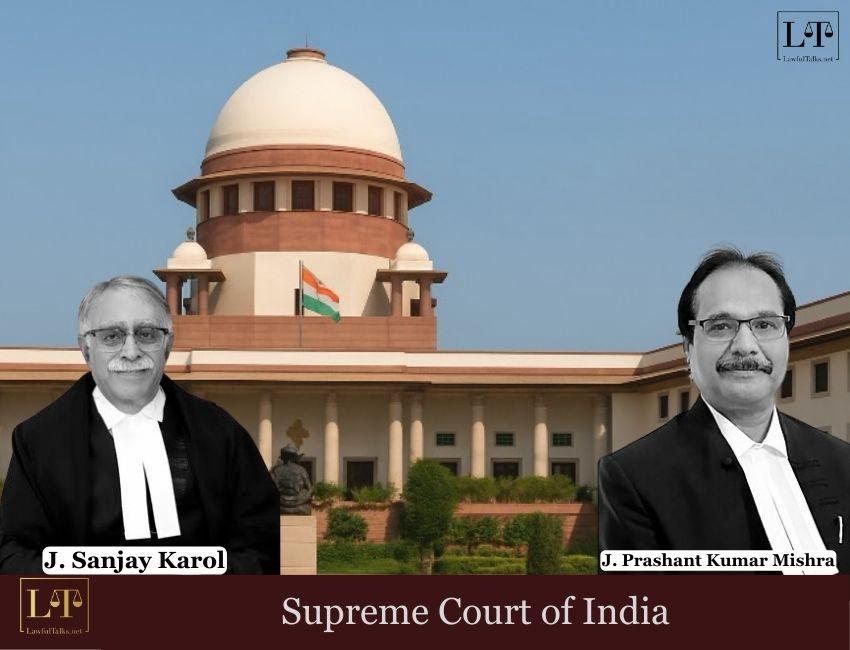
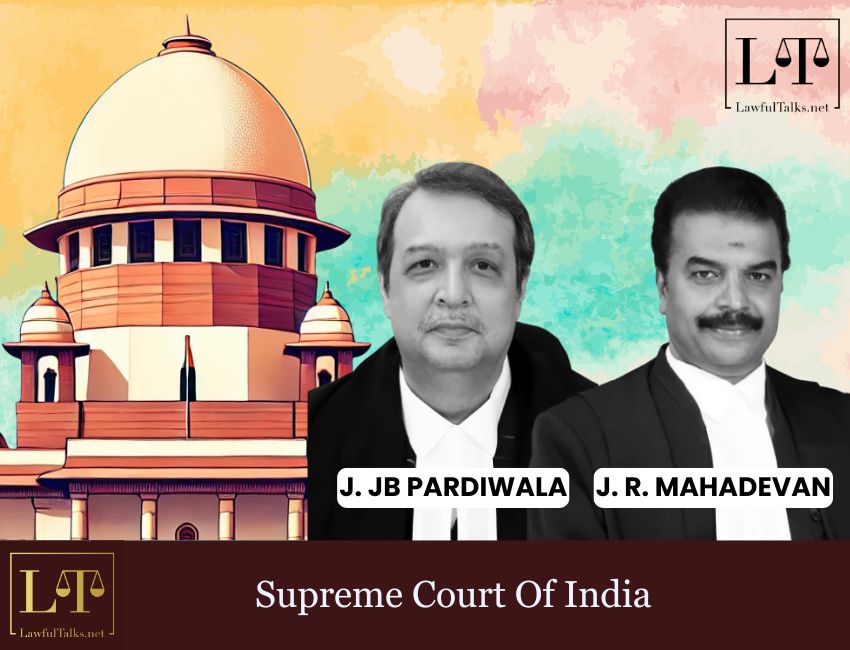
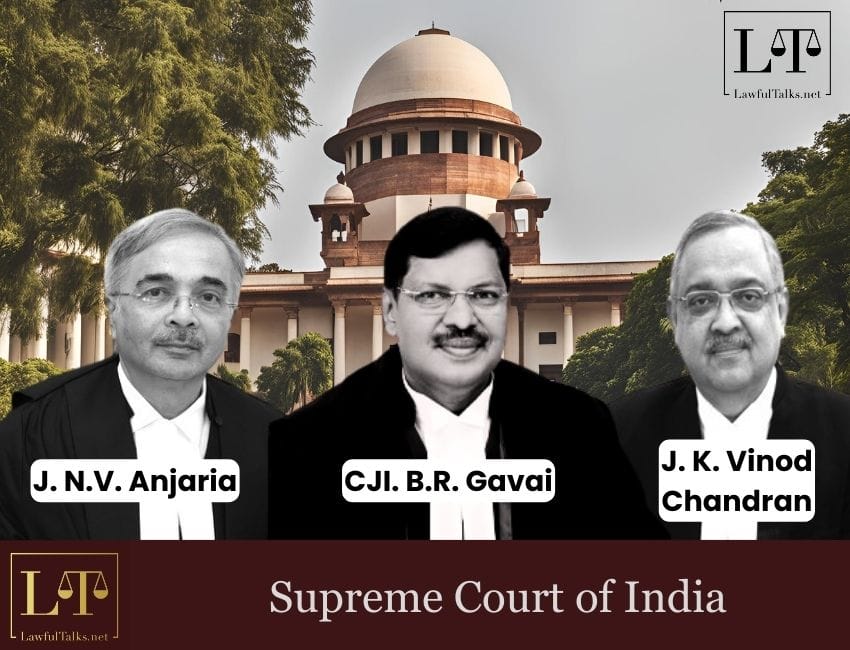
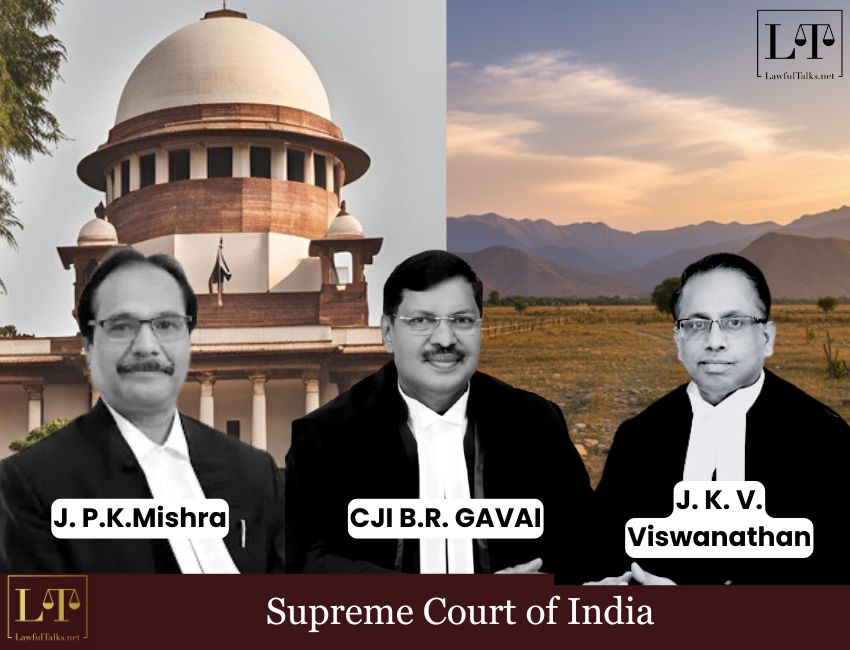
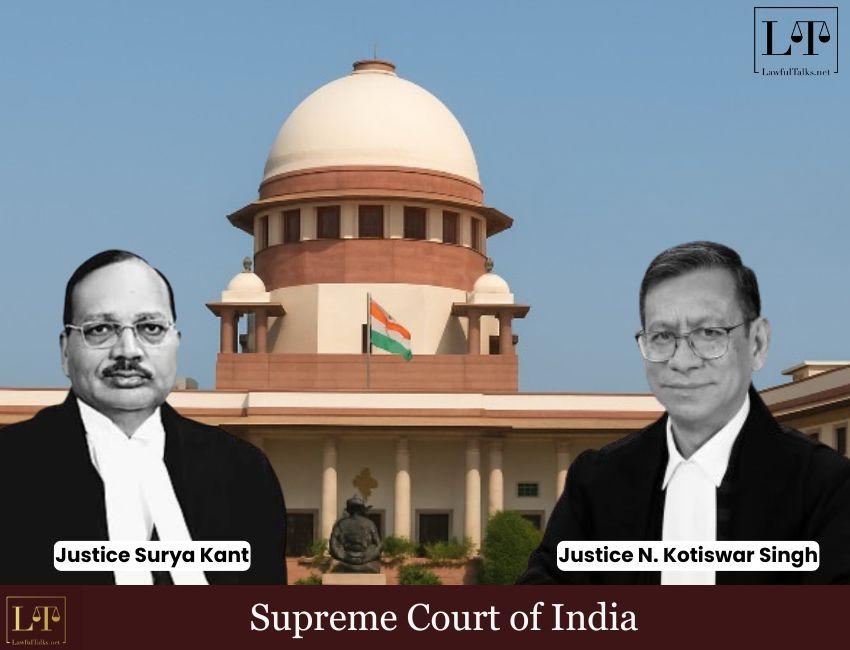
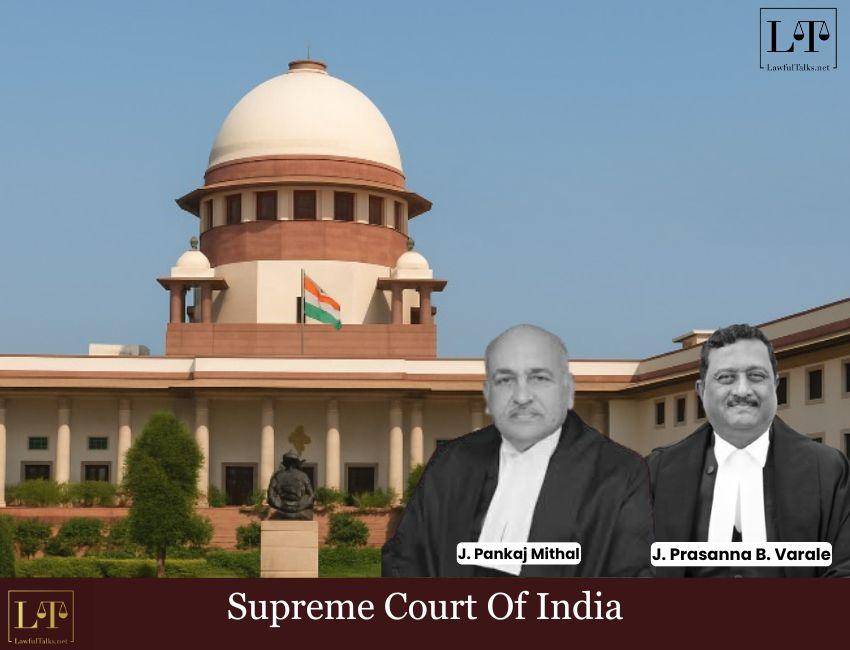
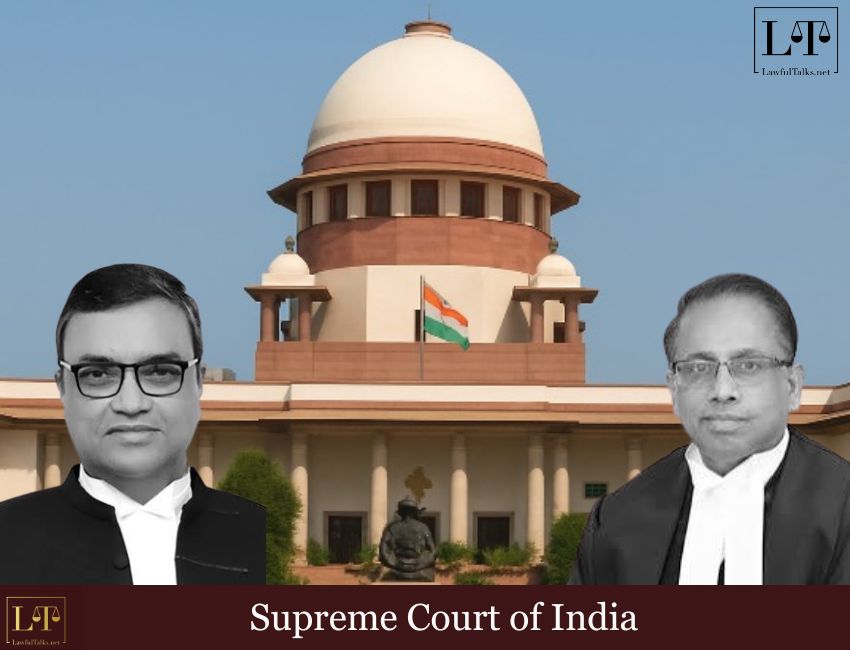
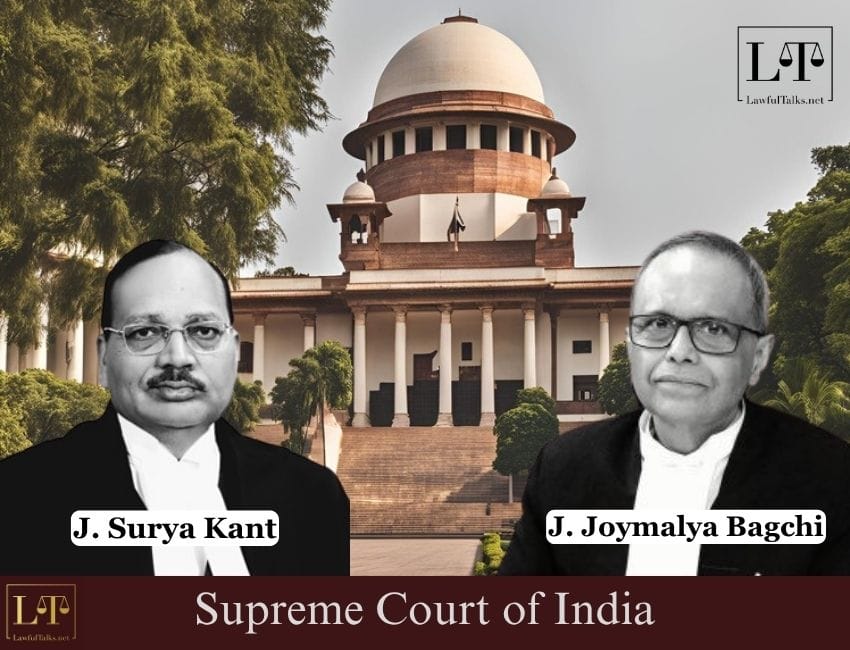
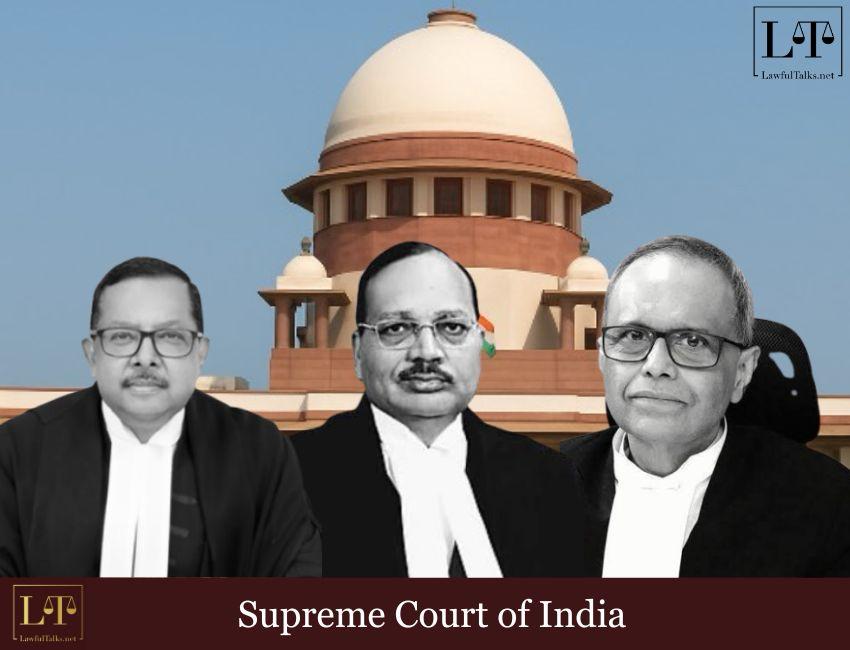
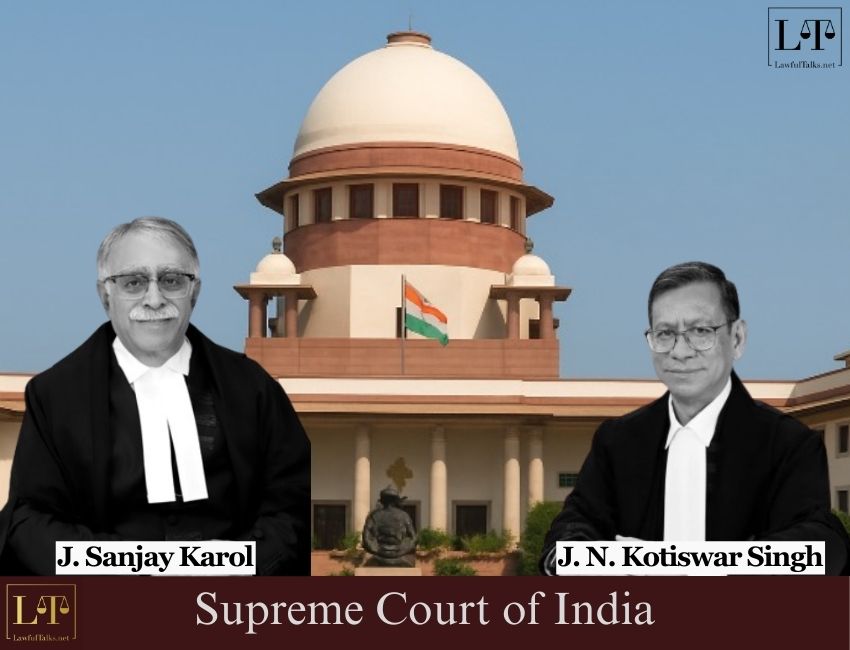
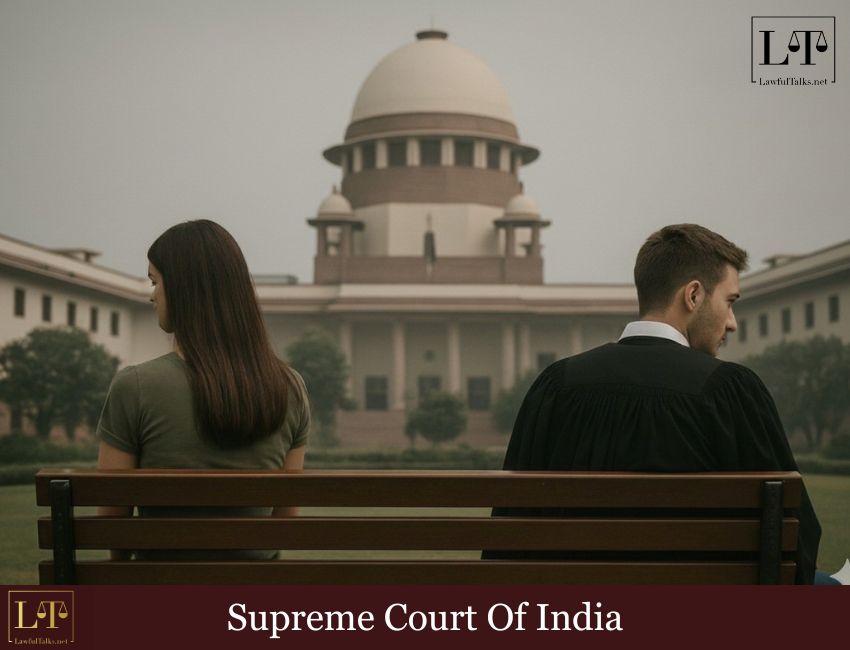
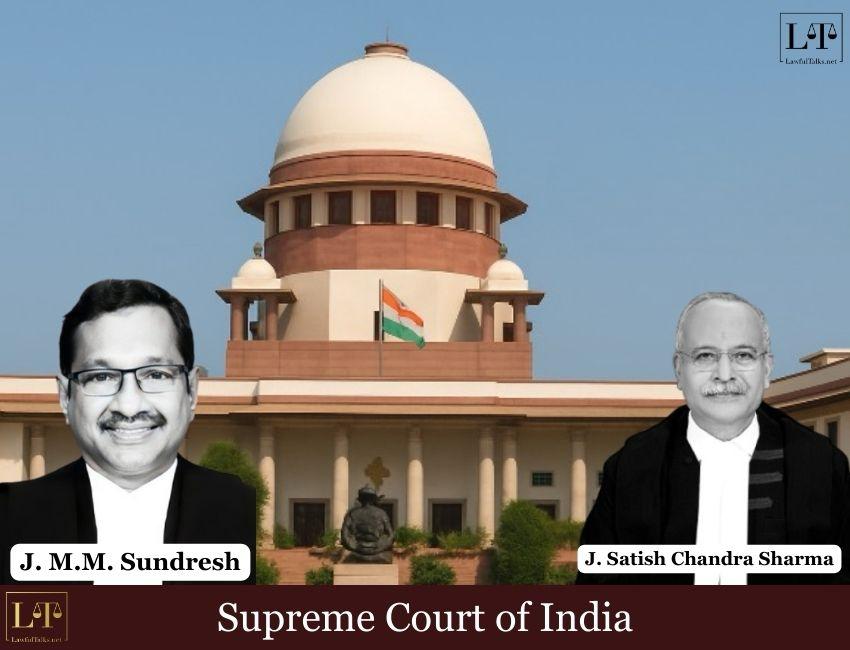
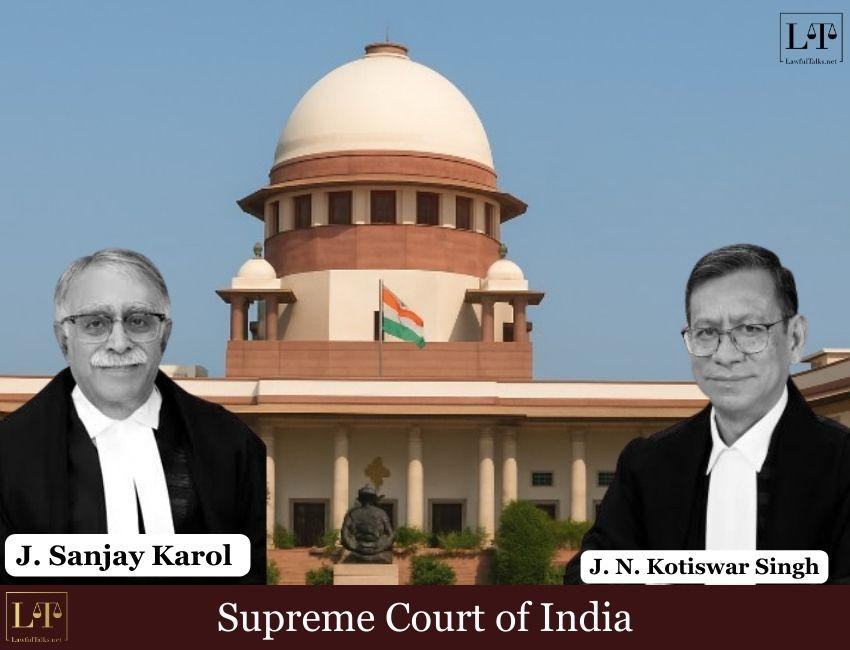
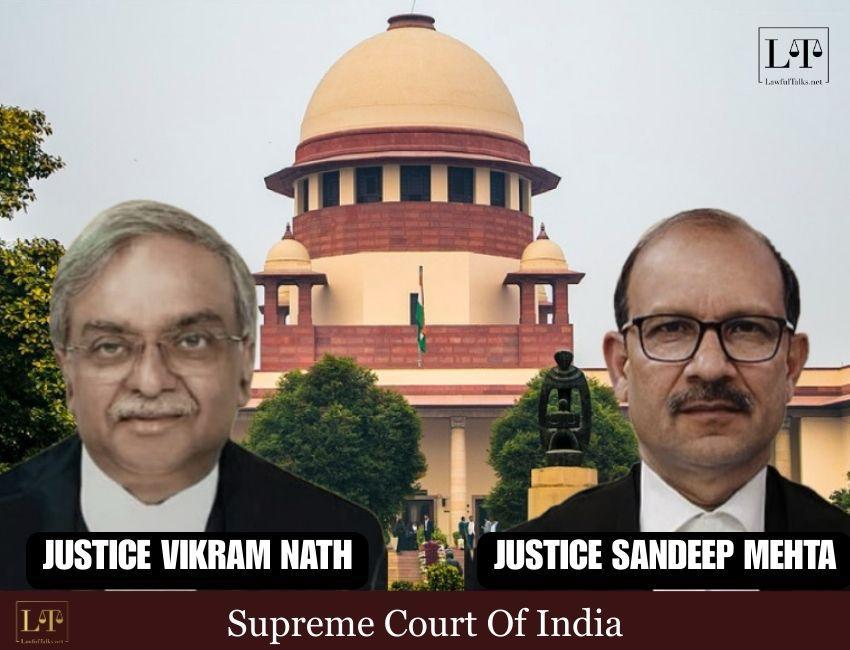
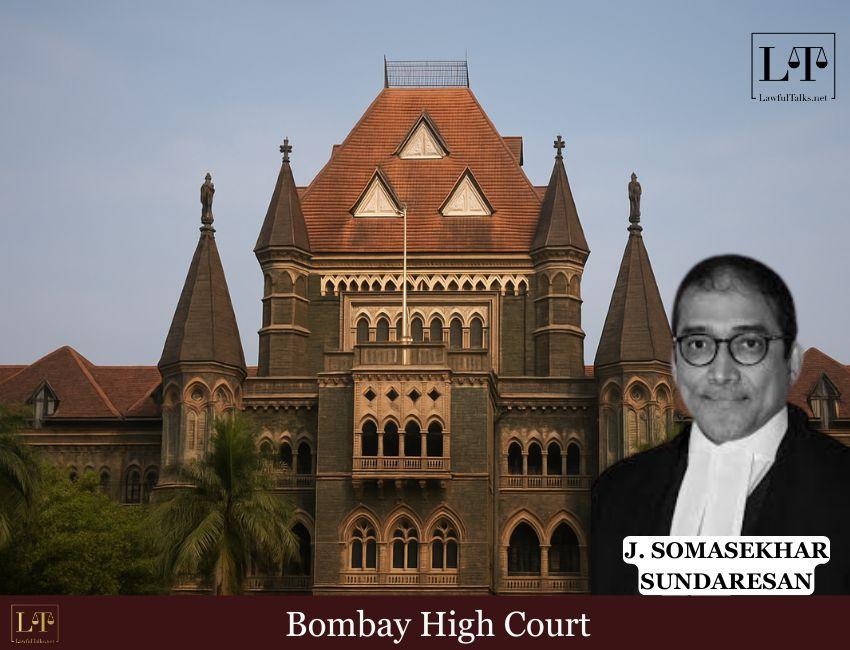
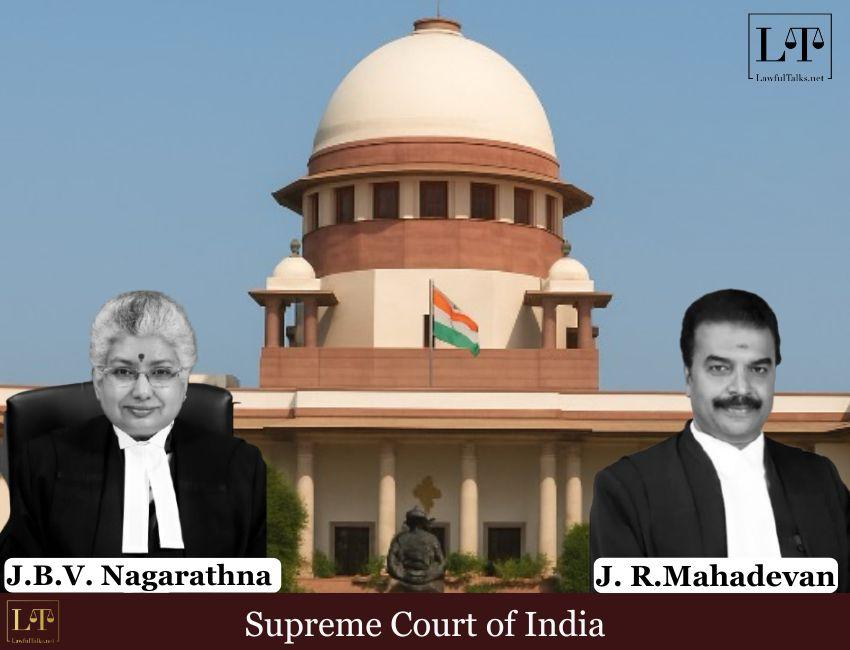
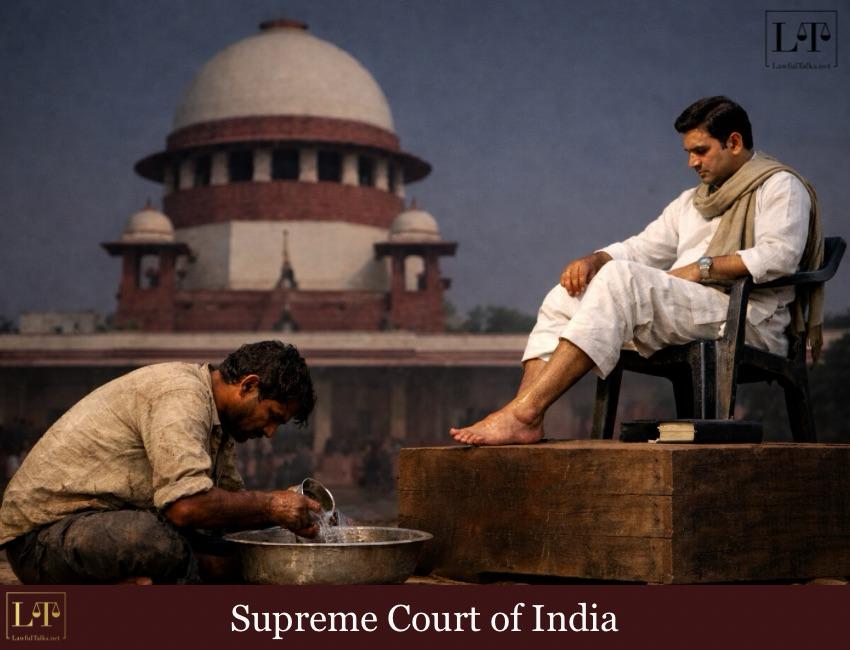
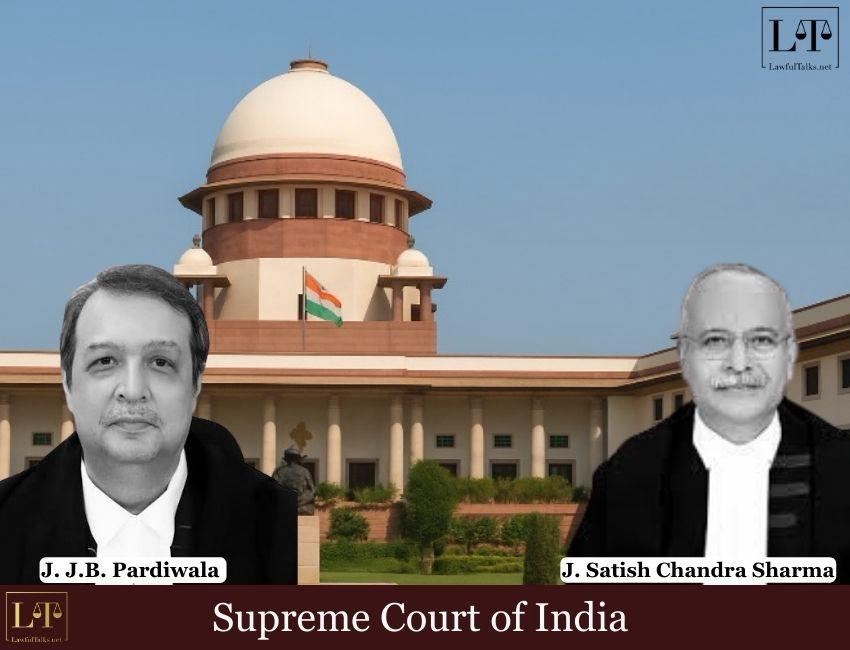
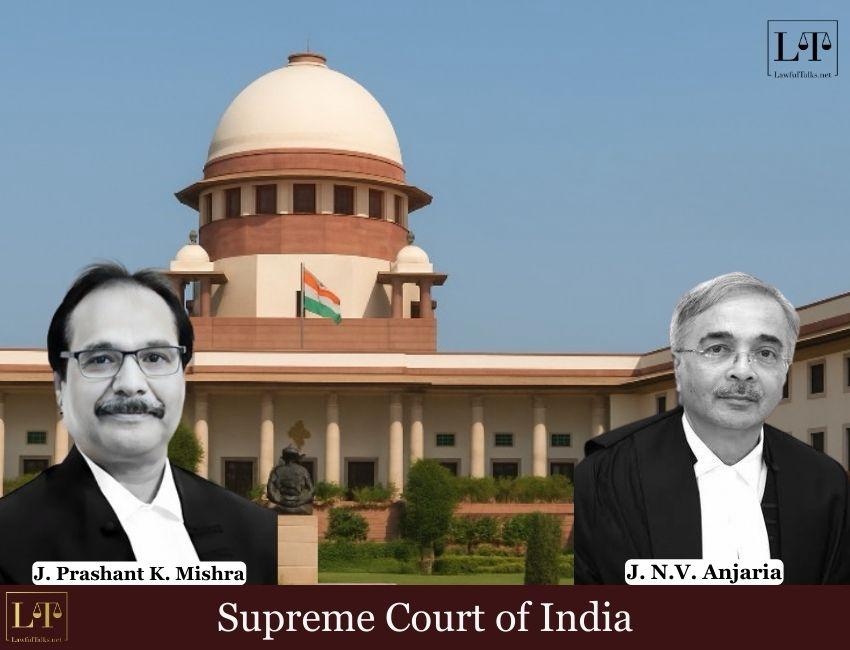
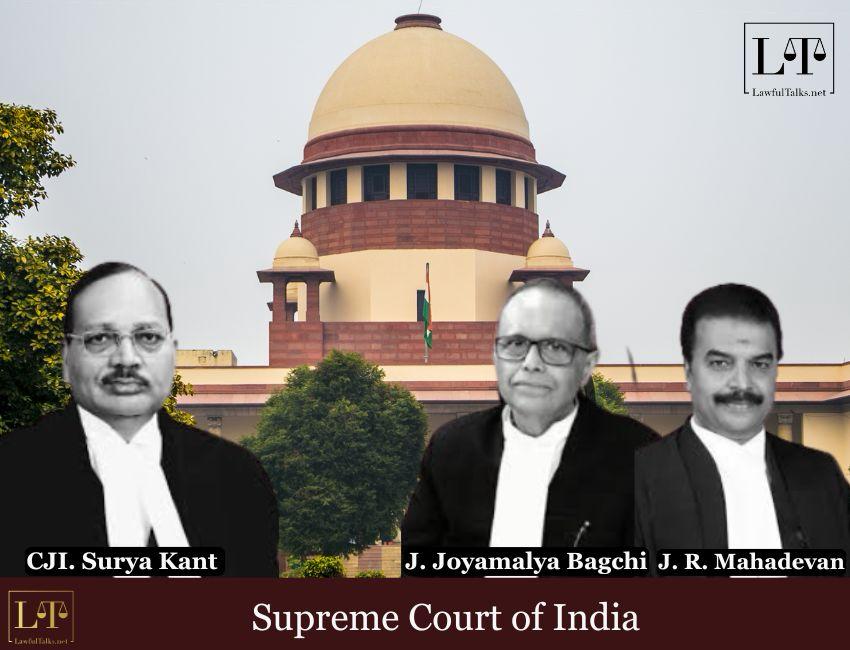
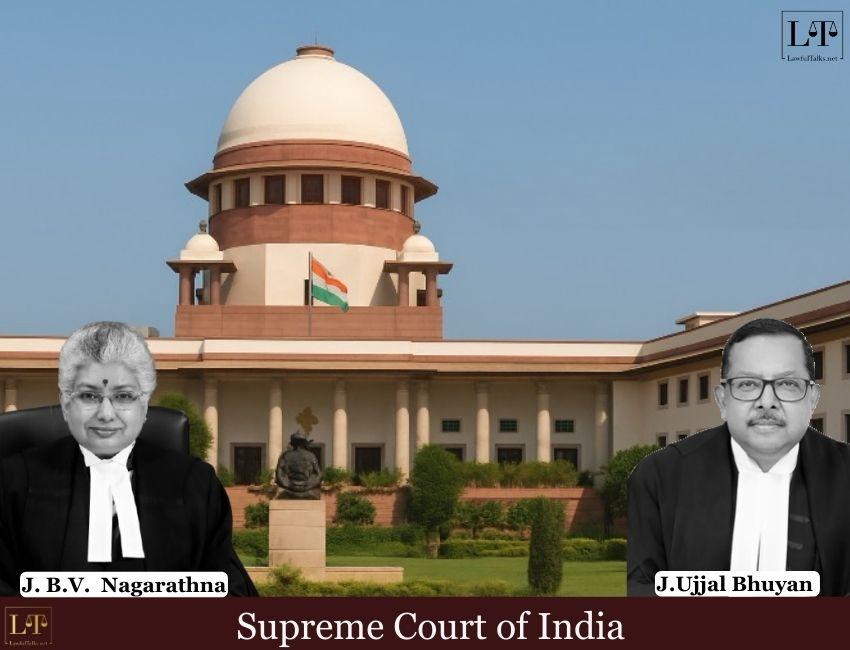
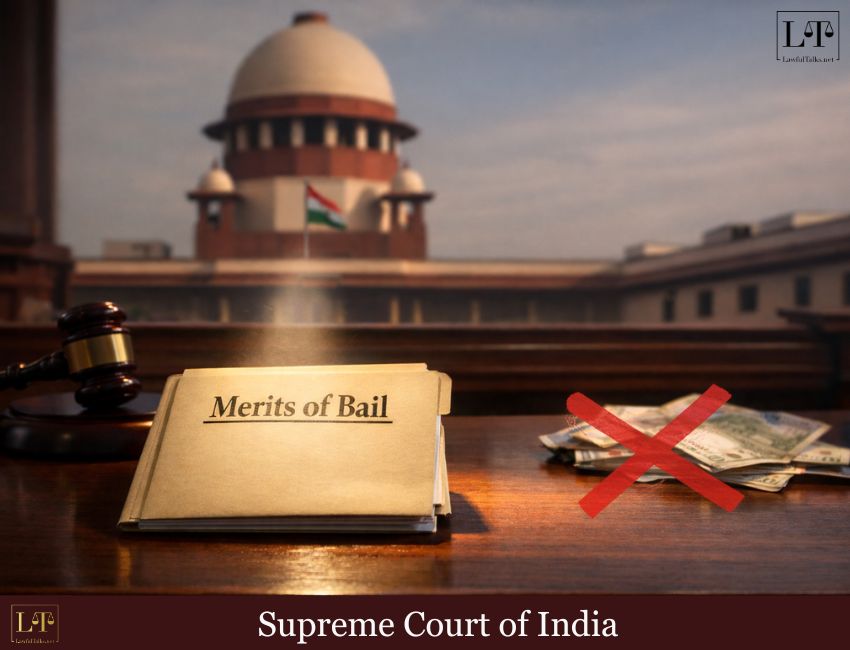
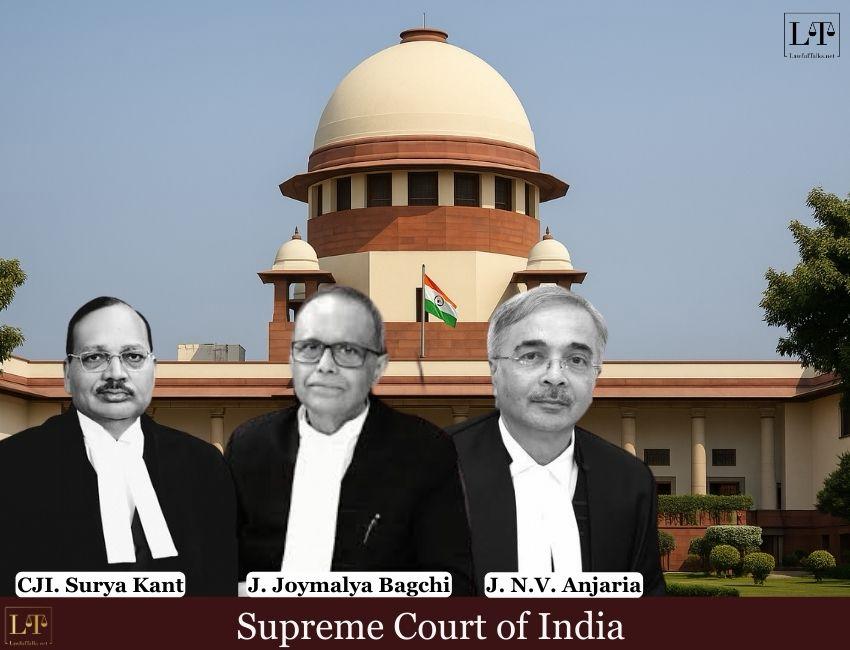
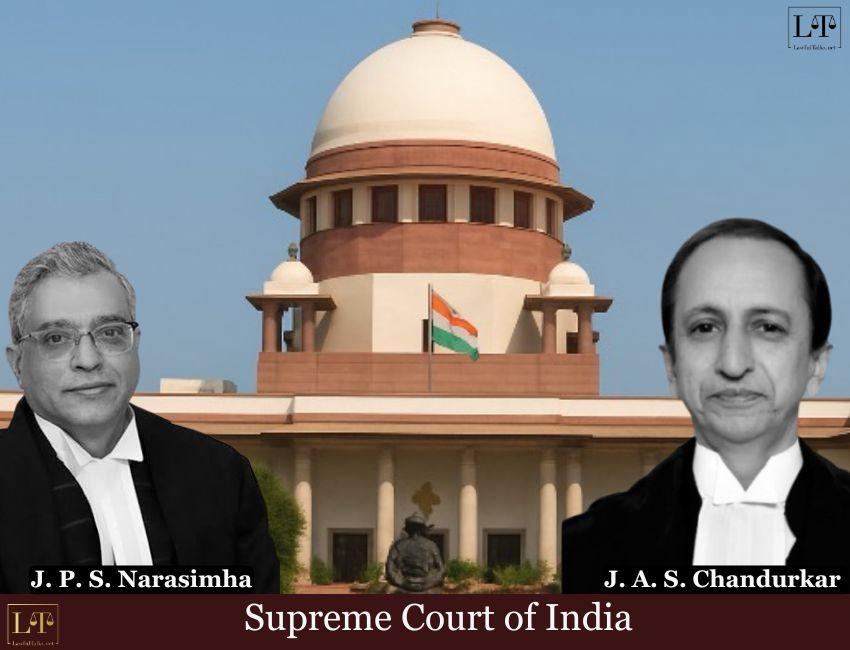
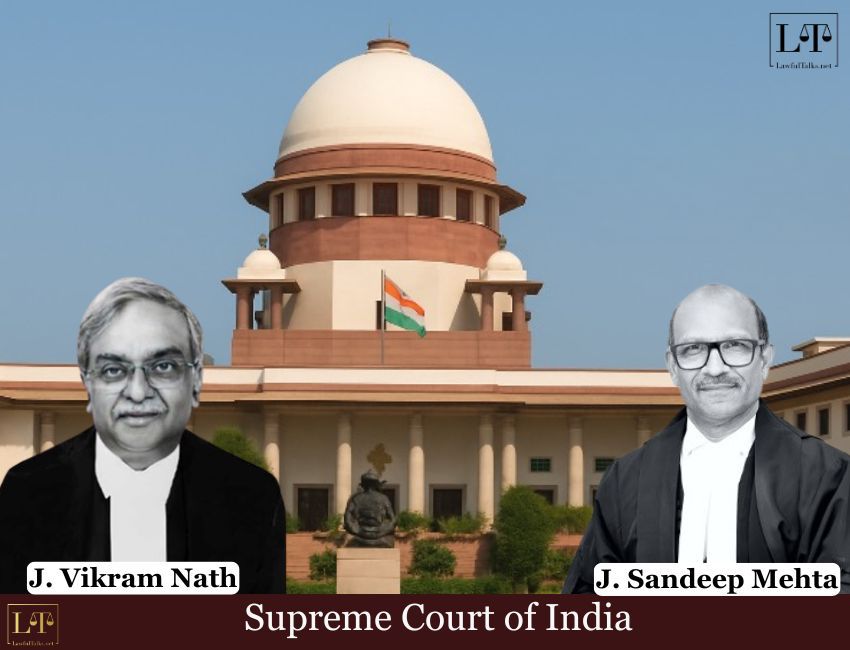
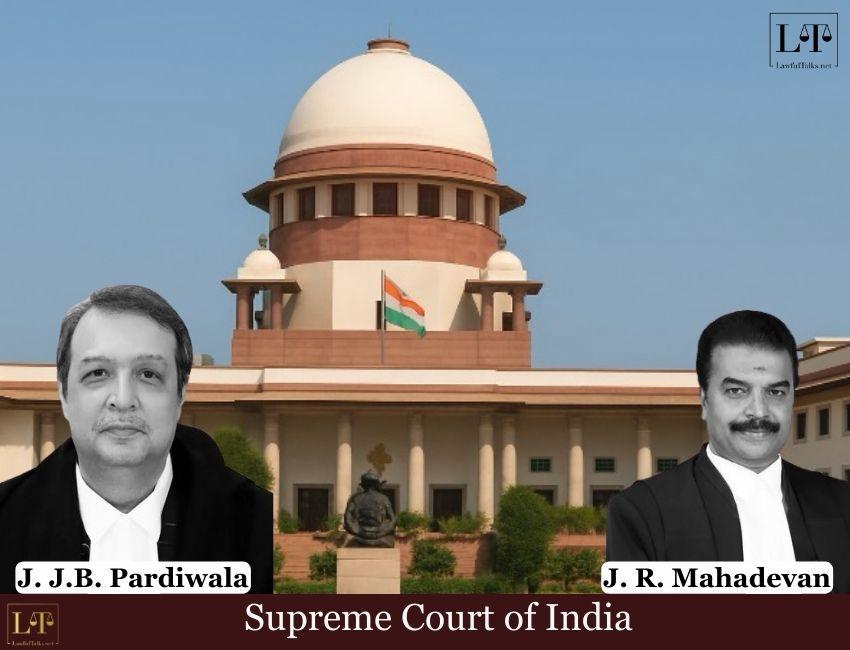
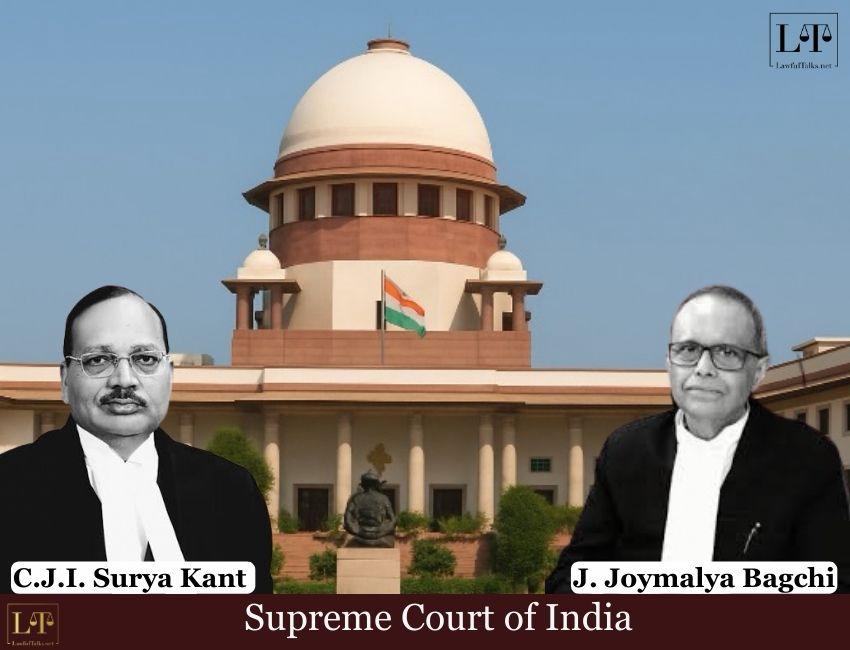
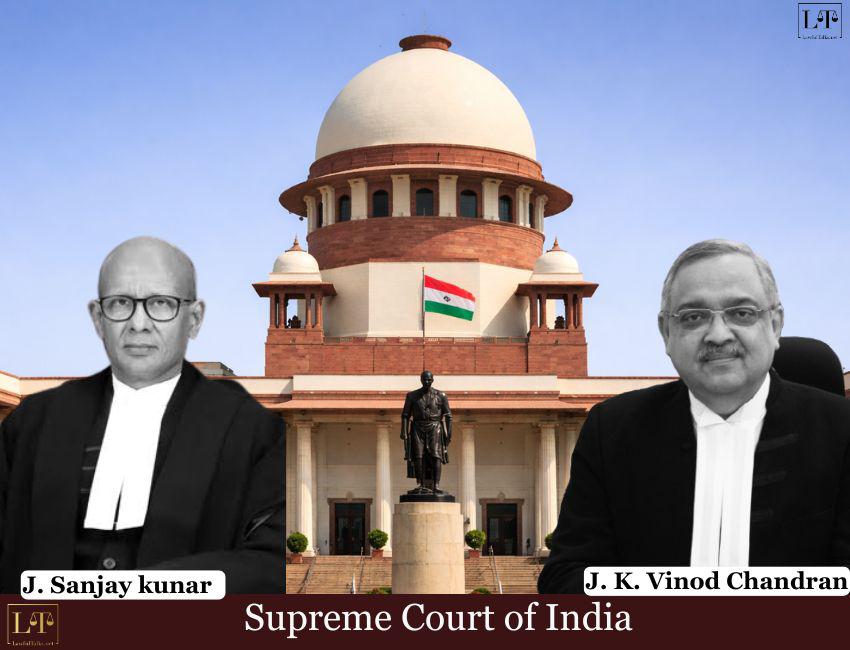
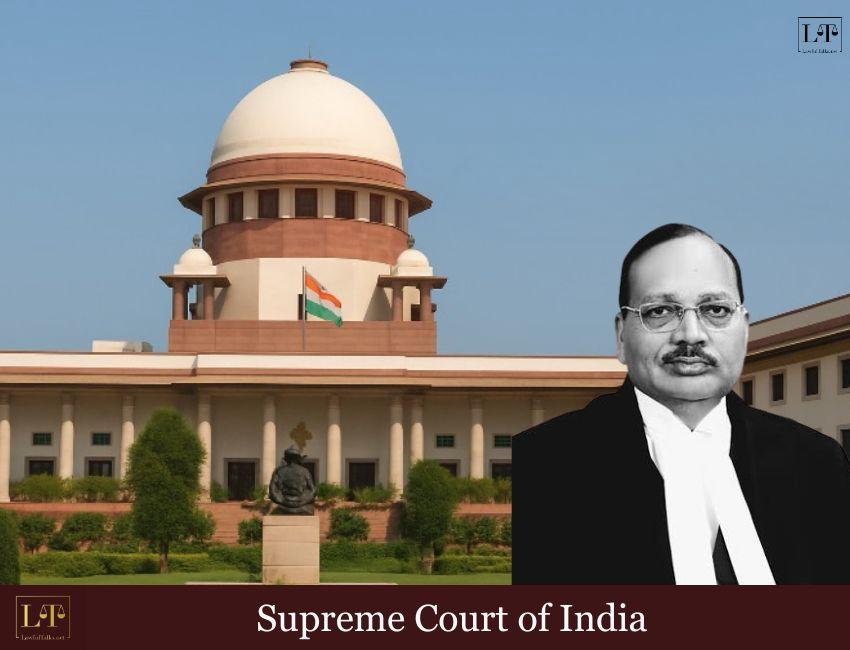
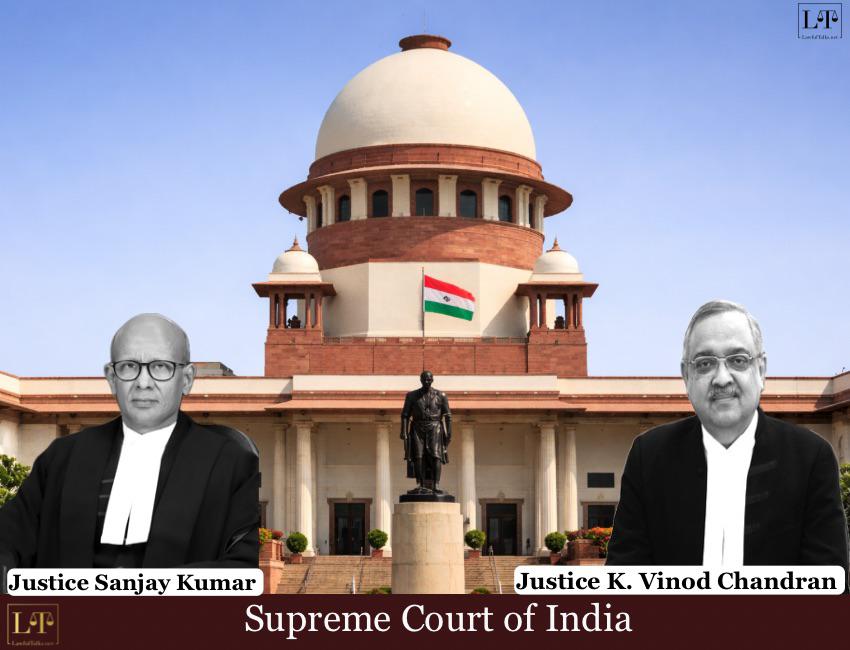
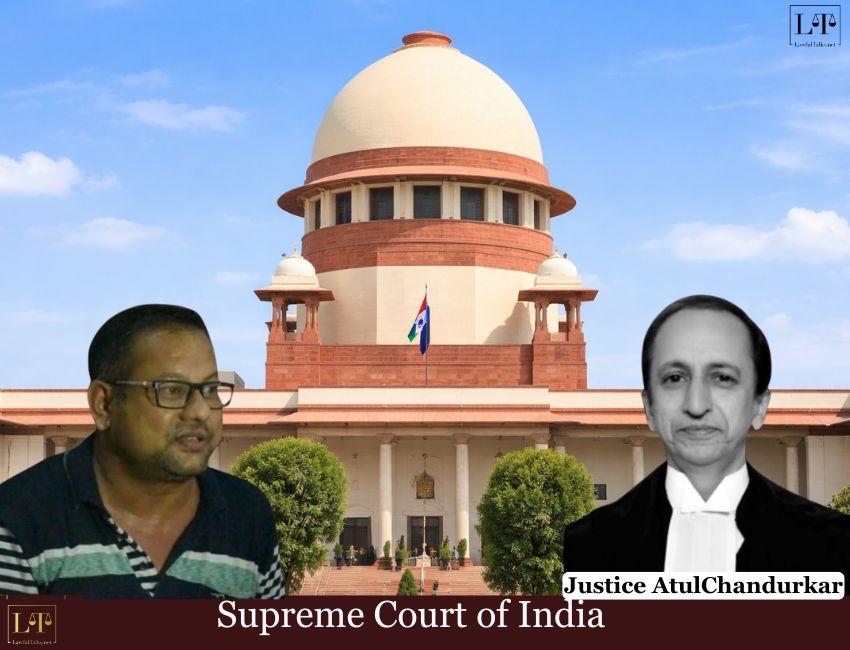
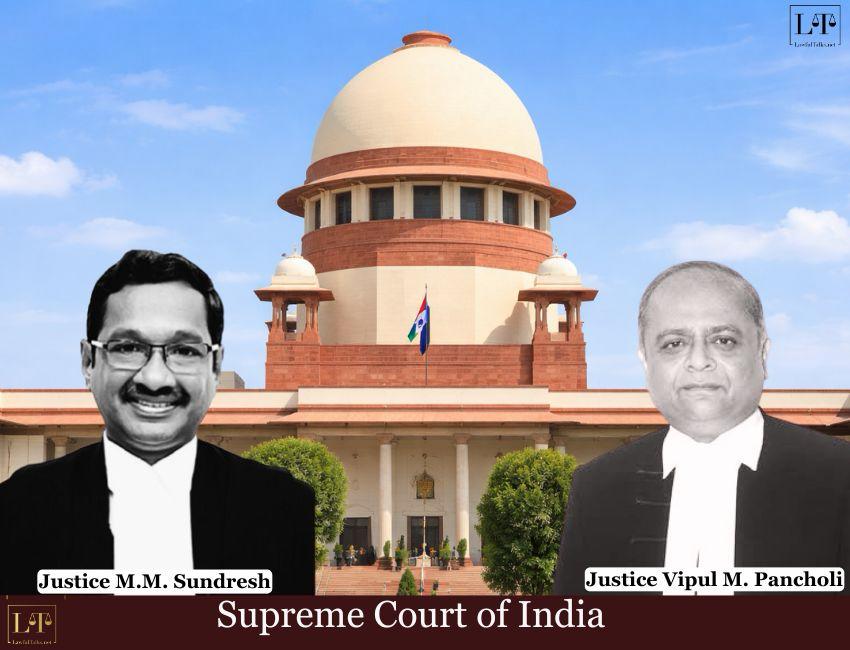
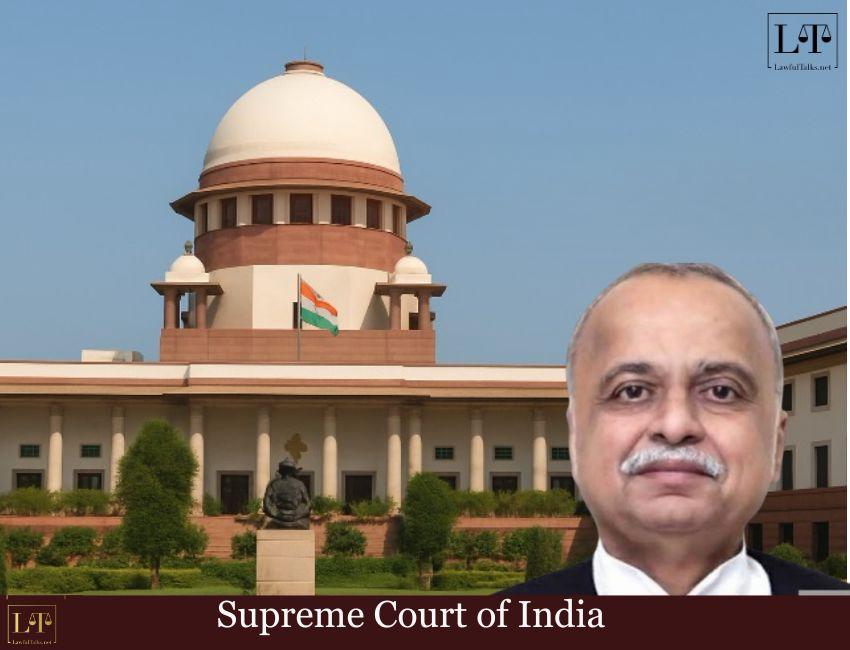
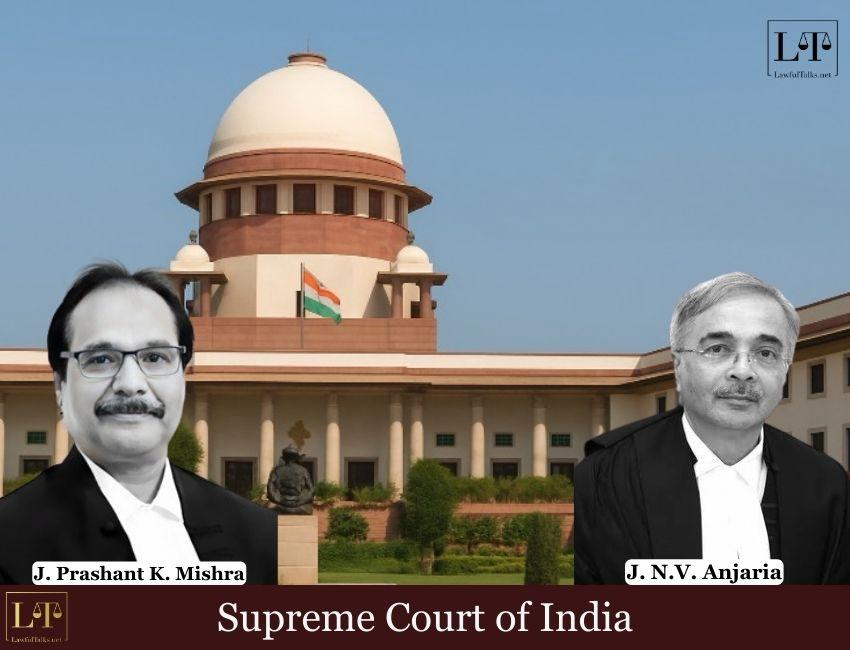
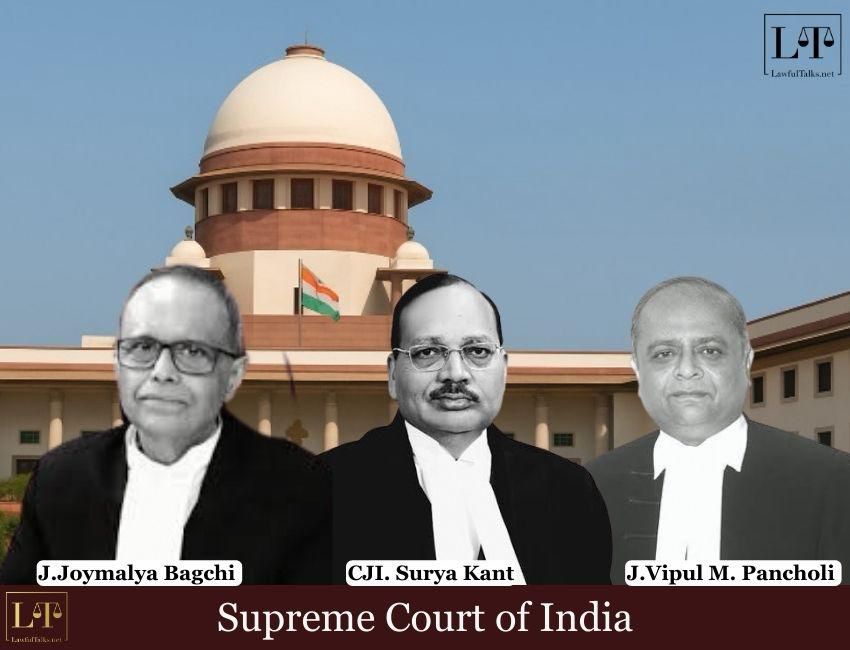
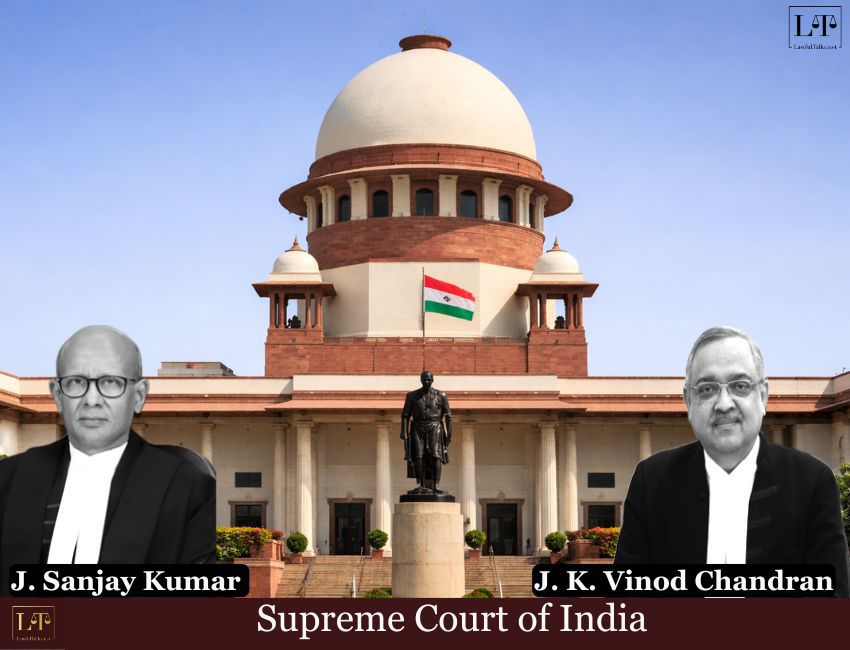
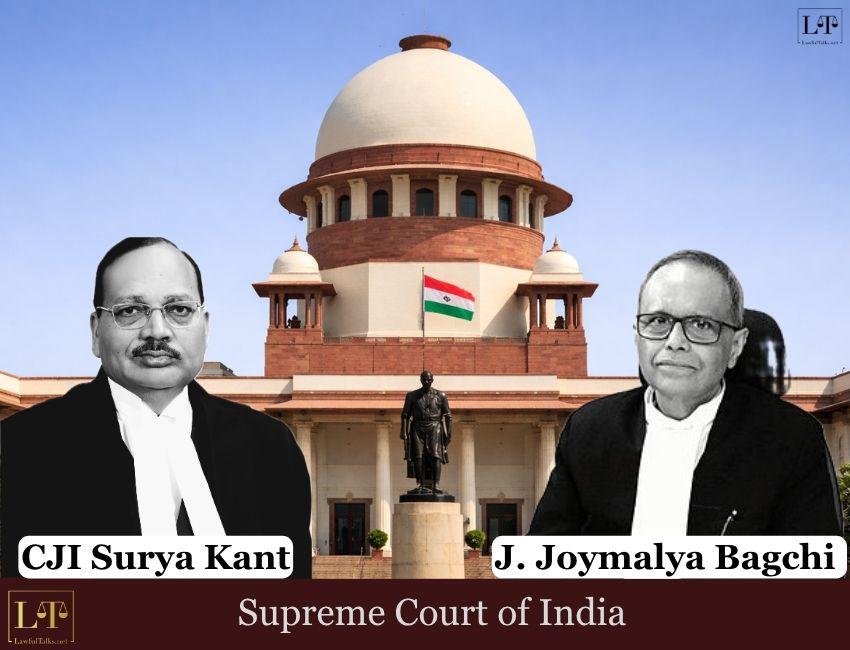
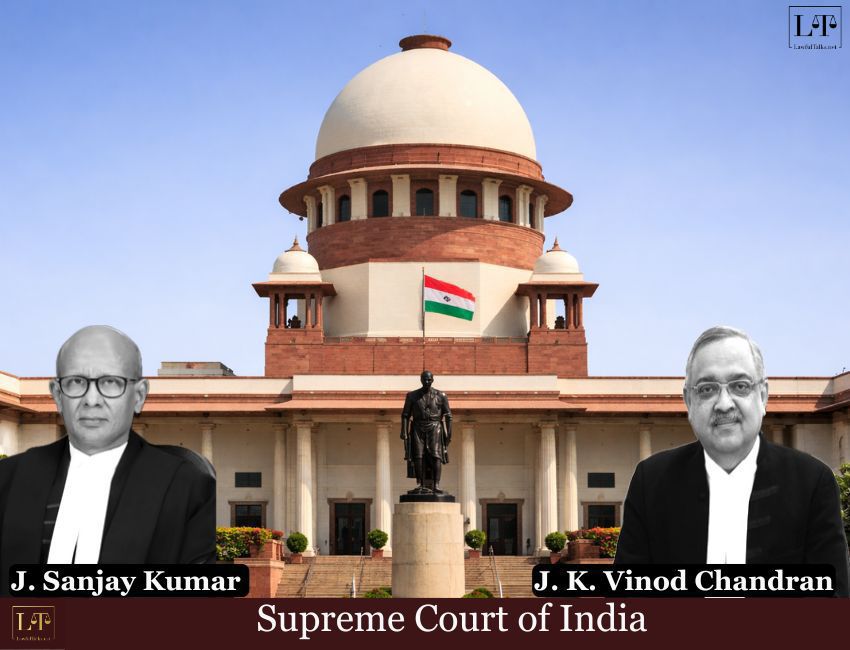
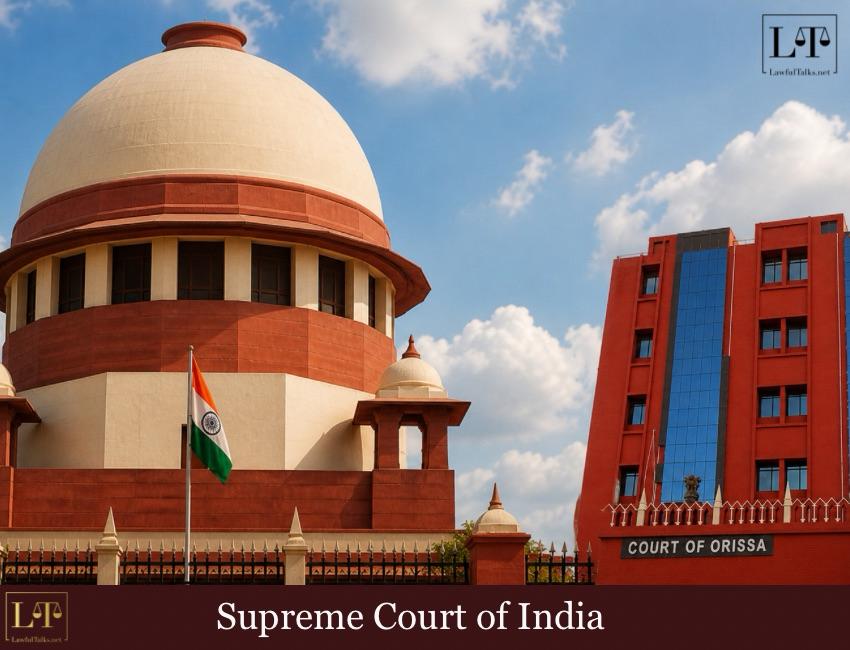
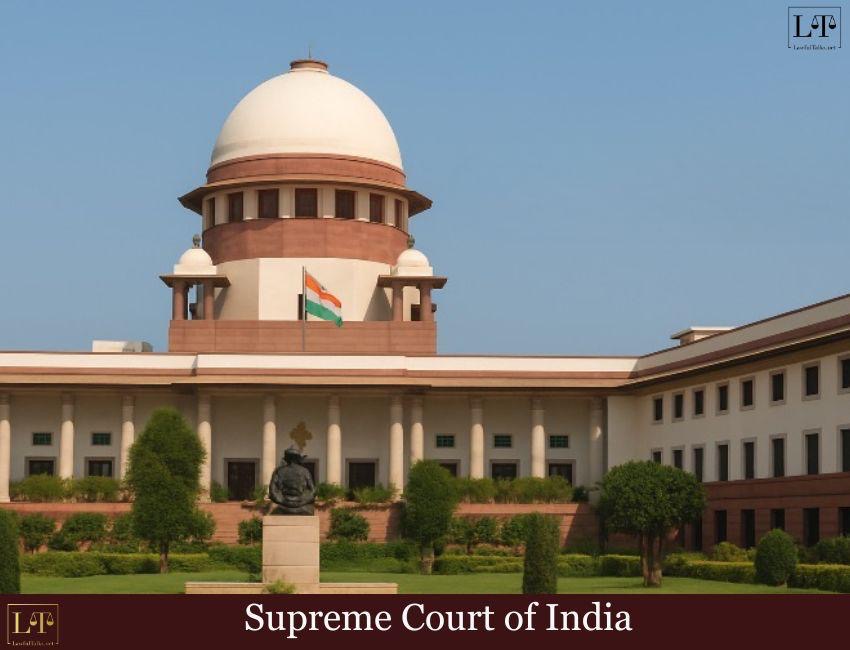
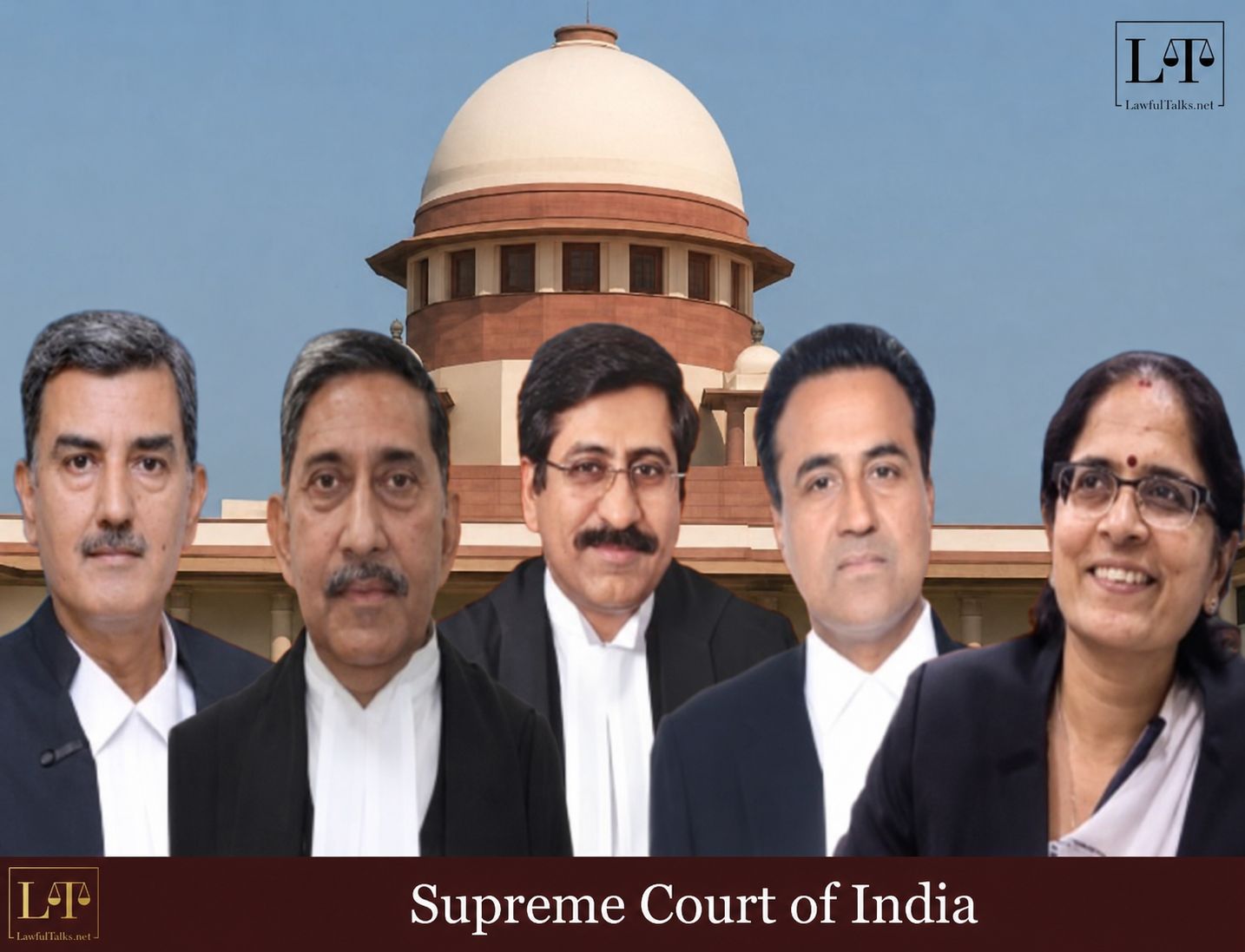
In a clear and practical decision, Supreme Court judges Sanjay Karol and Prashant Kumar Mishra stepped in to fix a recruitment issue that had confused different High Courts. They also resolved a tough constitutional question from the Chandigarh law officer exam.
The Question:
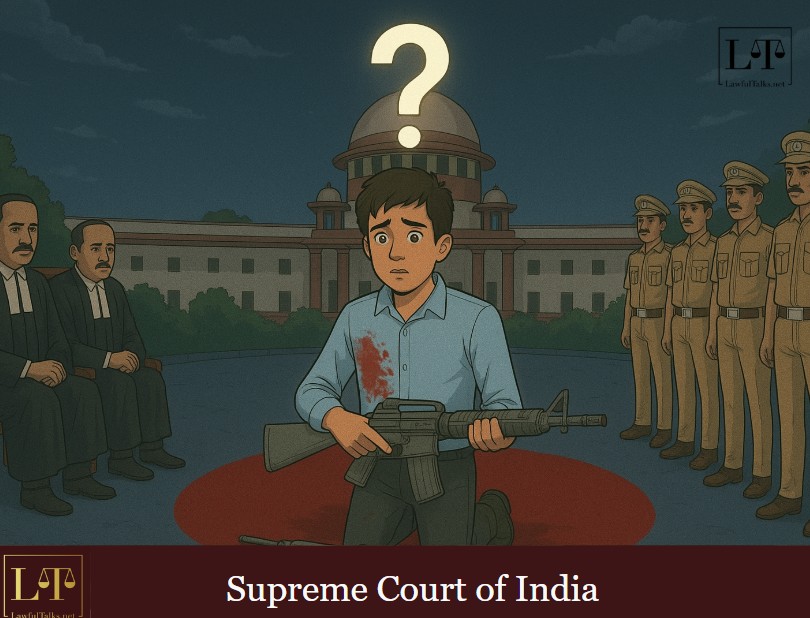
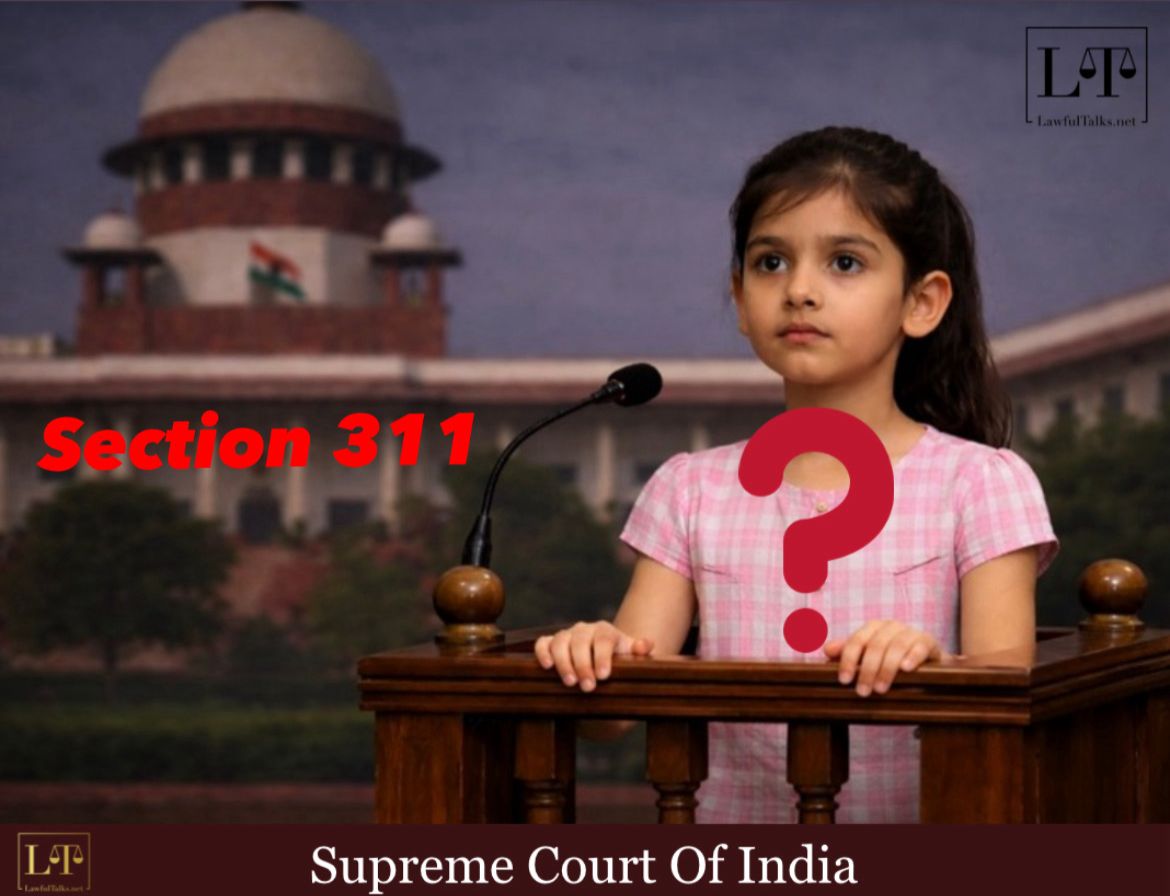
The disputed question was: “Which of the following Schedule of the Constitution is immune from judicial review on the grounds of violation of fundamental rights?” The options were (a) Seventh Schedule, (b) Ninth Schedule, (c) Tenth Schedule, and (d) None of the above.
Why It Was Confusing:
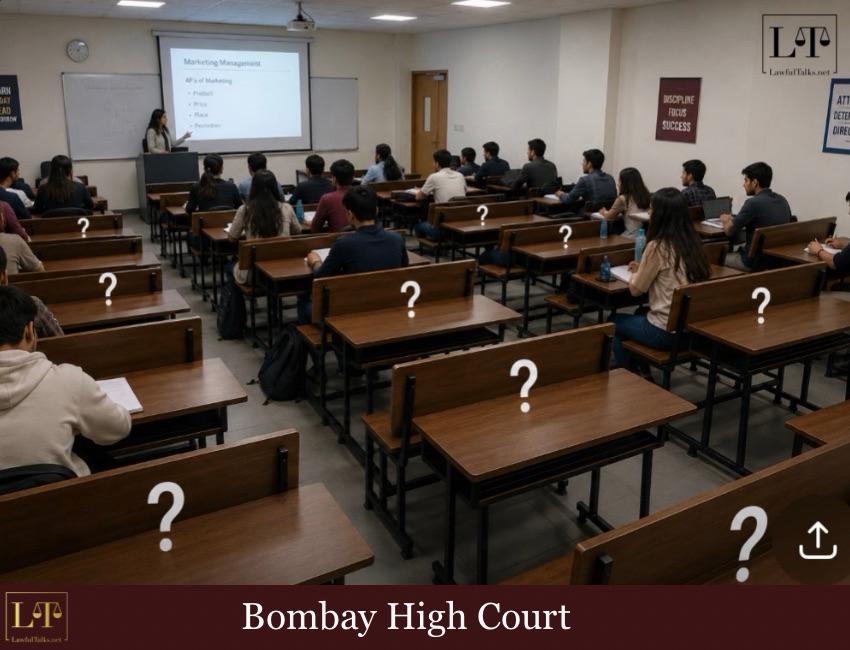
The Supreme Court said this question was confusing and had already divided High Court judges. It said it was unfair to expect law graduates appearing for a Municipal Corporation Law Officer post to solve such a difficult question in a multiple-choice format, especially since it involves many years of Supreme Court judgments.
The Court said: “When the Judges of the High Court are at variance in their opinion as to the correct answer to Question No.73, it is least expected from mere law graduates, who are competing for a post of Law Officer in the Municipal Corporation, to reach to a correct conclusion while answering the multiple-choice question by process of interpretation of Constitutional provisions involving this Court’s judgments in several decades.”
Final Answer:
In the end, the Court said both (b) Ninth Schedule and (d) None of the above can be treated as correct answers. It explained that the Ninth Schedule may look correct at first, but after later judgments like IR Coelho, no Schedule has complete protection from judicial review.
Court’s Reasoning:
The Court said: “From a law graduate’s point of view, both the answers may be correct, although Option ‘B’ (Ninth Schedule) appears to be more appropriate considering the language of the question asked. However, on a deeper analysis… Option ‘D’ (None of the above) can also be considered to be correct.”
Background :
The issue arose from a 100-question written exam with negative marking for the Chandigarh Municipal Corporation’s Law Officer post. The authority treated Ninth Schedule as the correct answer and marked a candidate wrong for choosing “None of the above,” which was based on changing legal interpretations.
High Court Split:
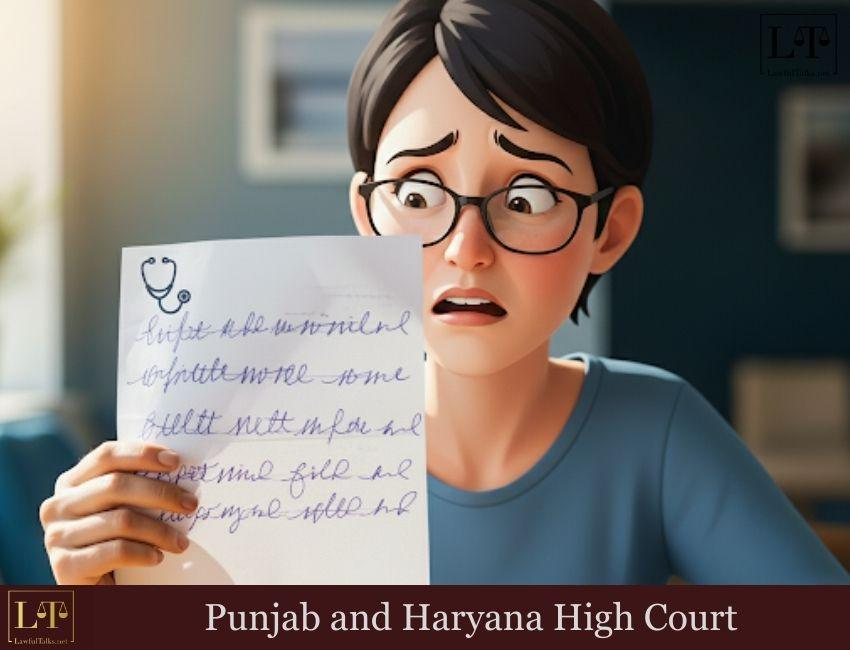
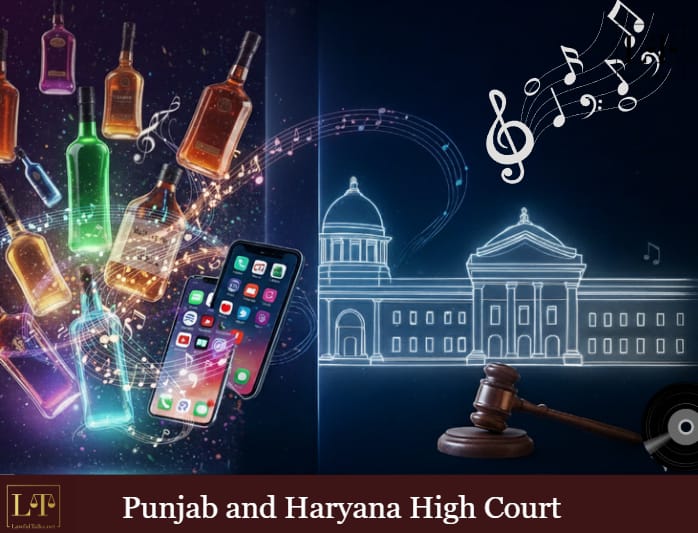
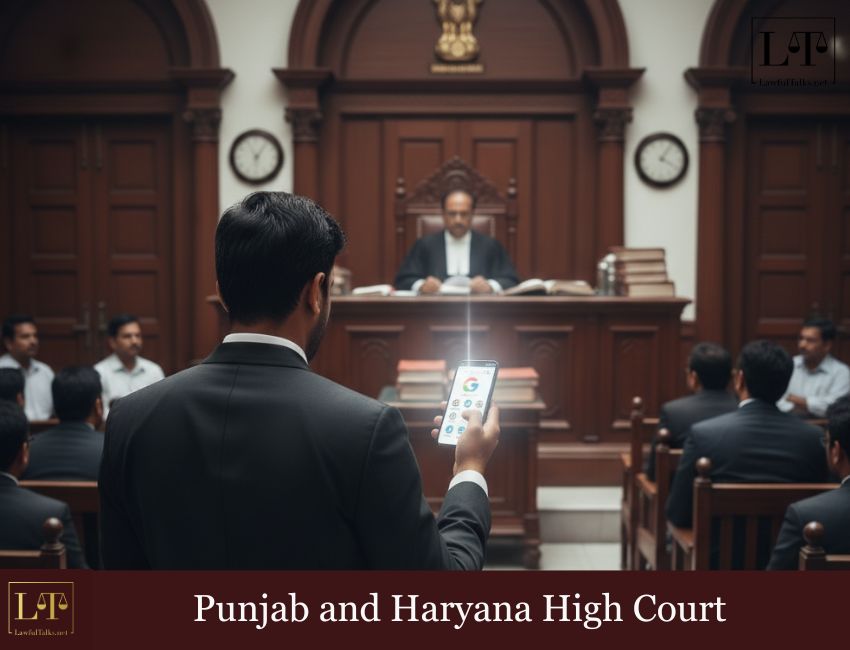
The candidate challenged this in the Punjab and Haryana High Court. A single judge agreed with the official answer, but a Division Bench later disagreed, which put the selected candidate’s job at risk. This led to an appeal in the Supreme Court.
Supreme Court Decision:
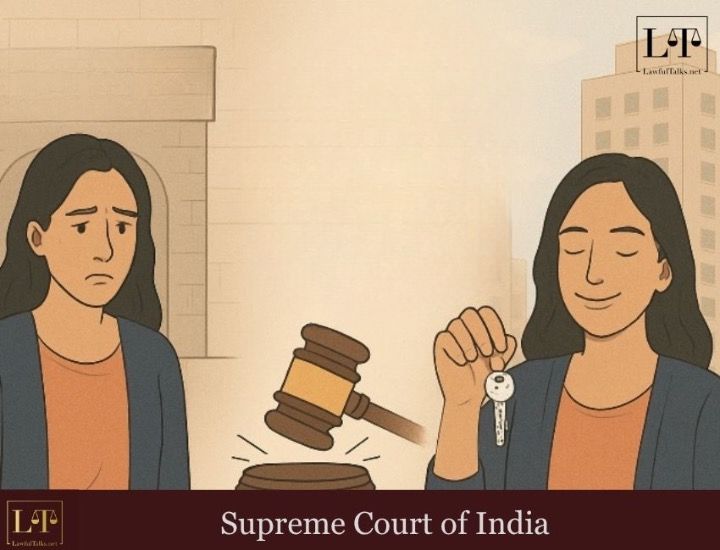
The Supreme Court decided not to disturb the recruitment. It accepted both answers as correct and ordered the creation of an extra post for the second candidate, while keeping the first selected candidate’s seniority safe.
Case Details: Charan Preet Singh vs. Municipal Corporation Chandigarh & Ors.
































































Sign up for free and be the first to get notified about curated content just for you.