“A Trial Without Defence? Bombay HC Says ‘Start Again’!”

- March 27, 2026


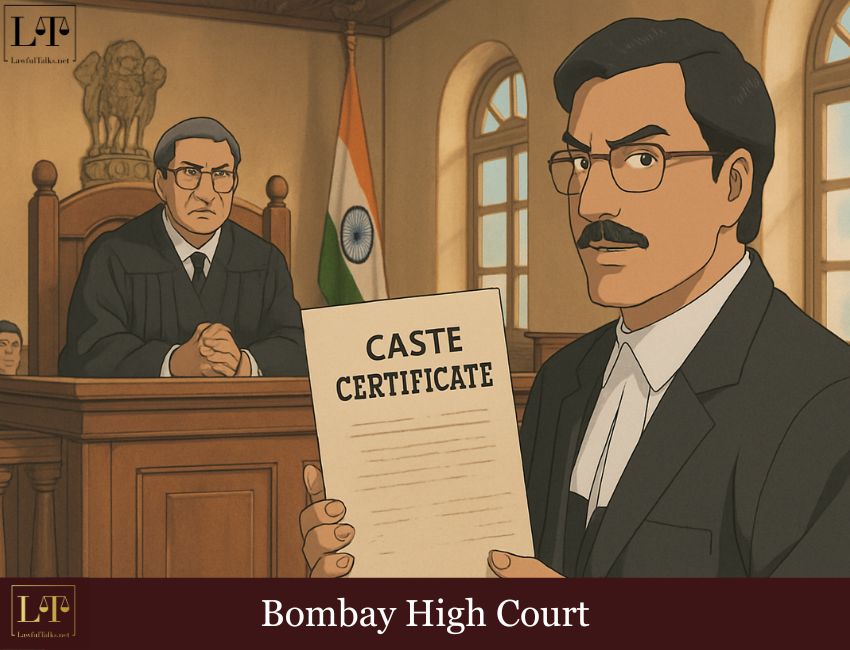
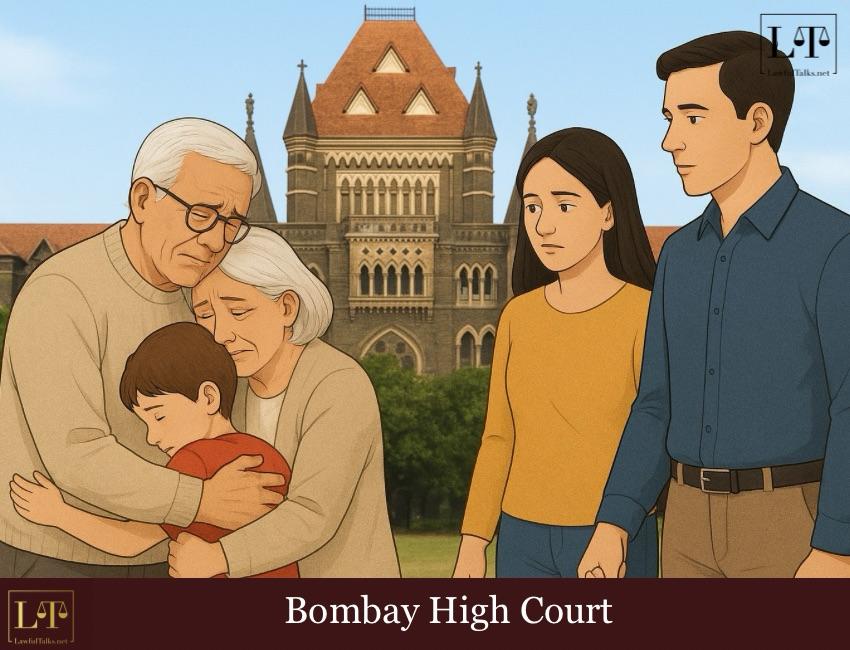
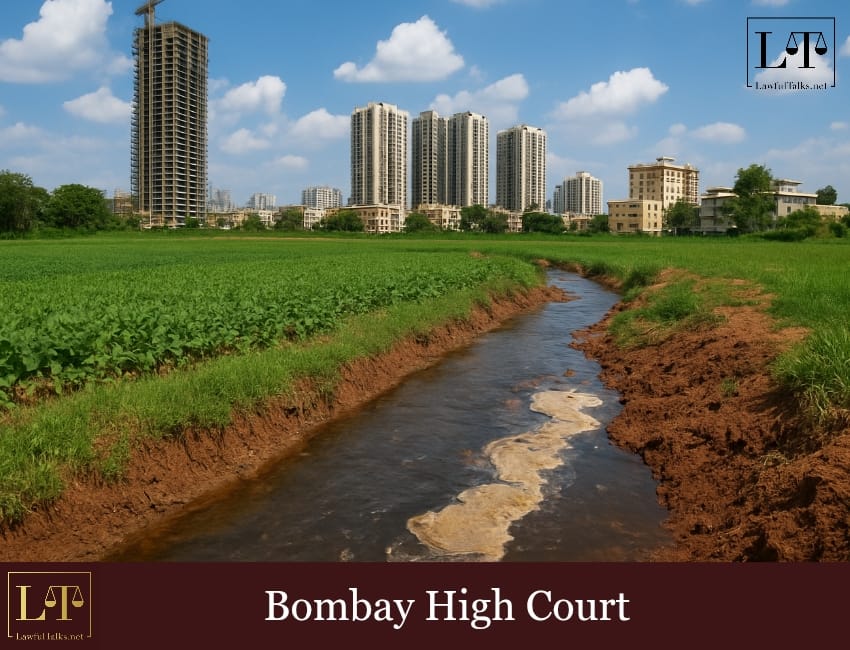
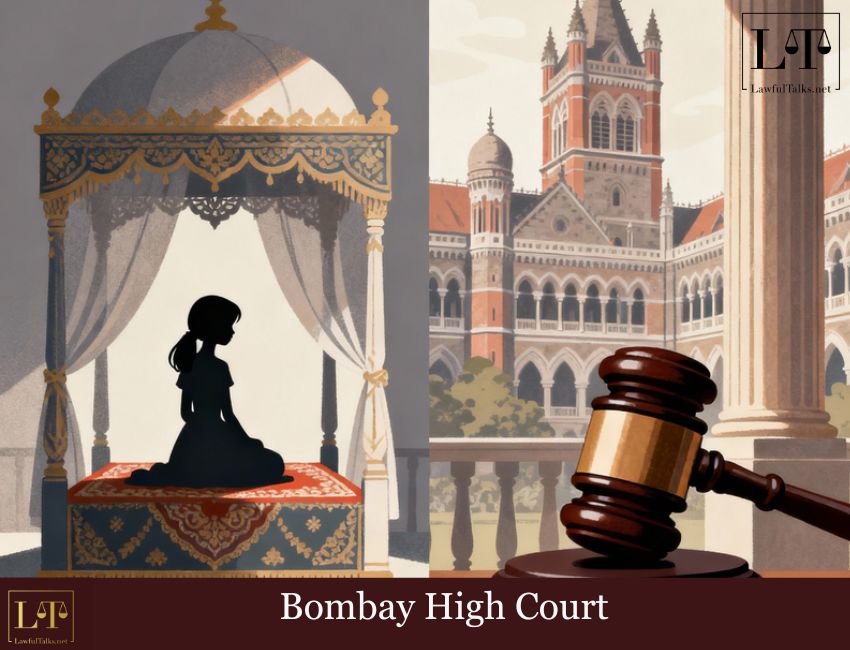
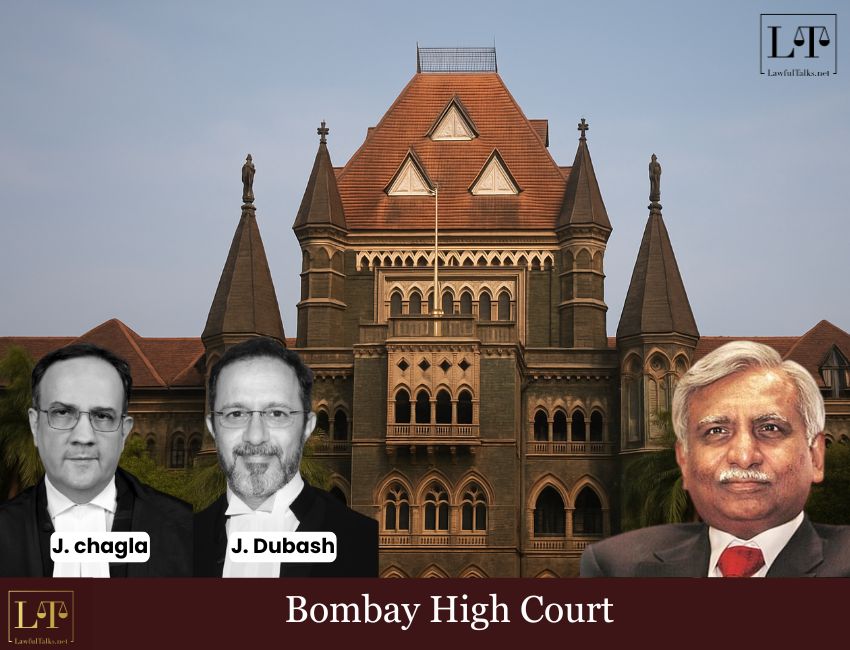
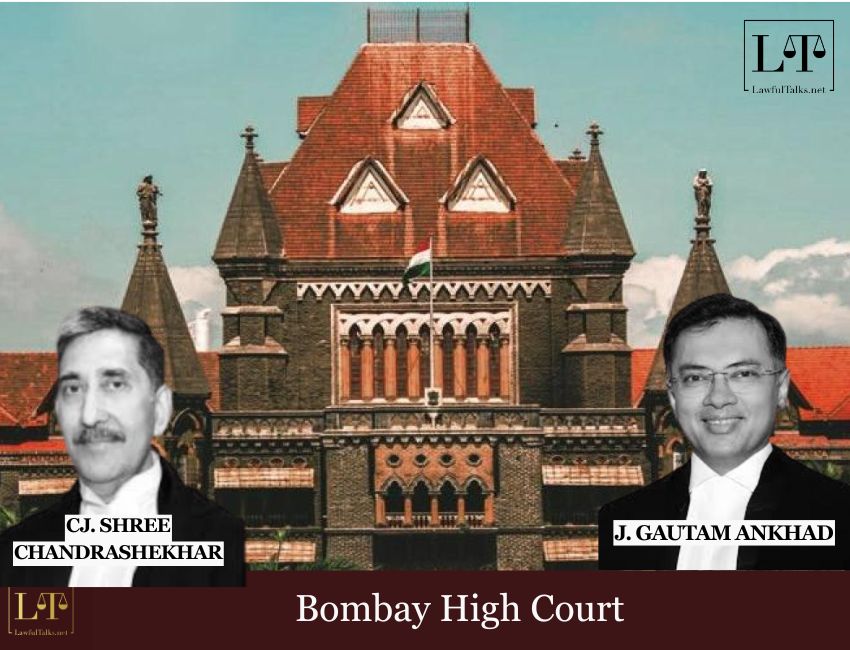
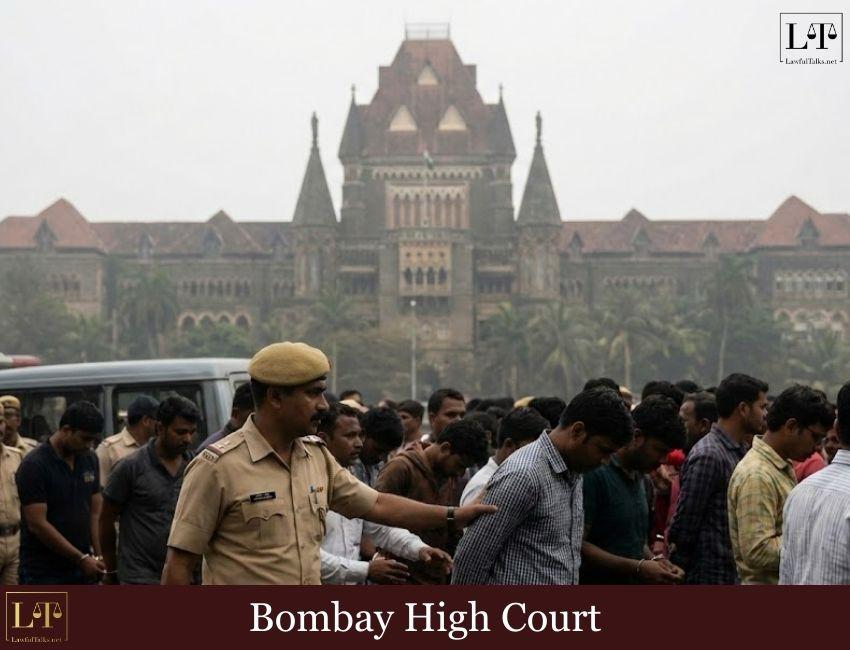
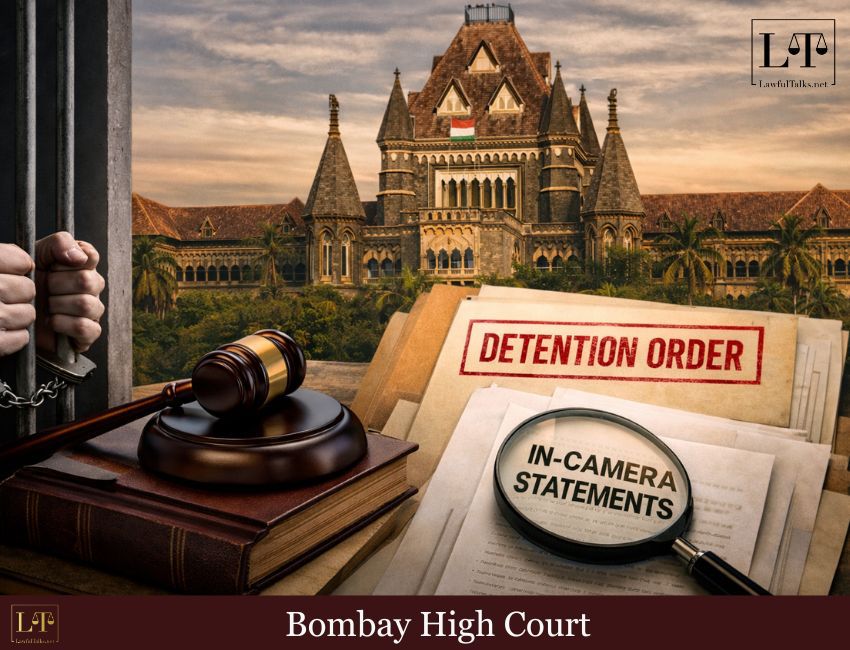
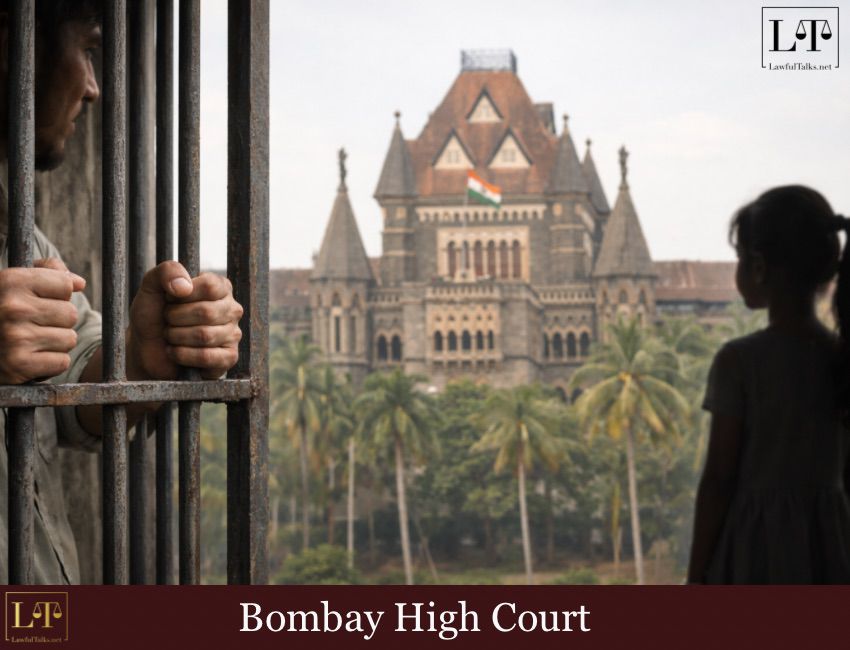
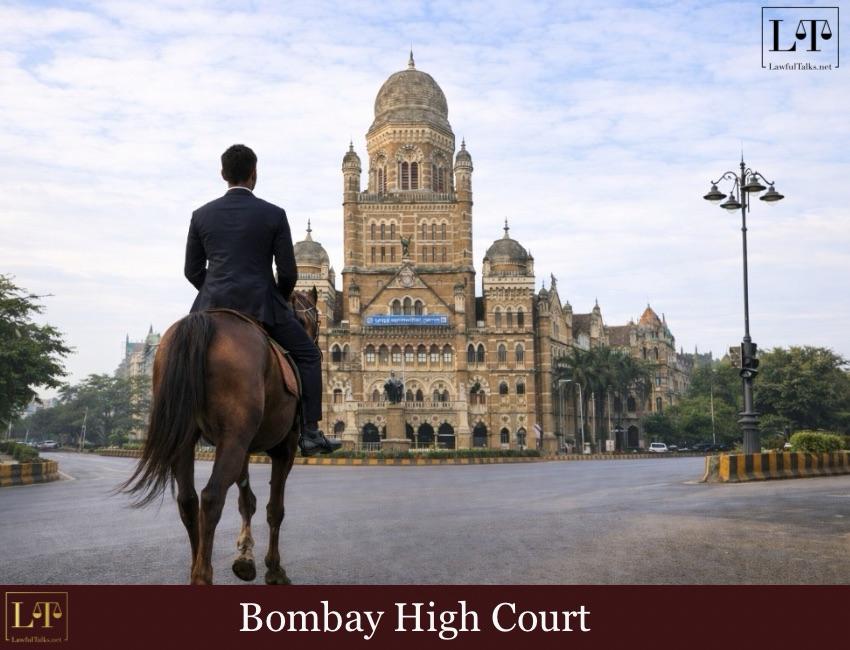
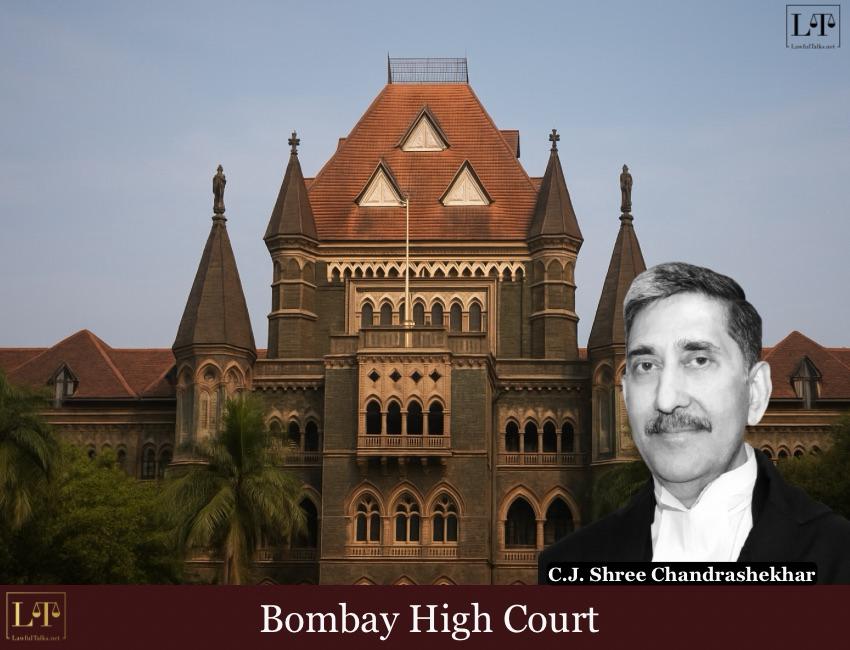
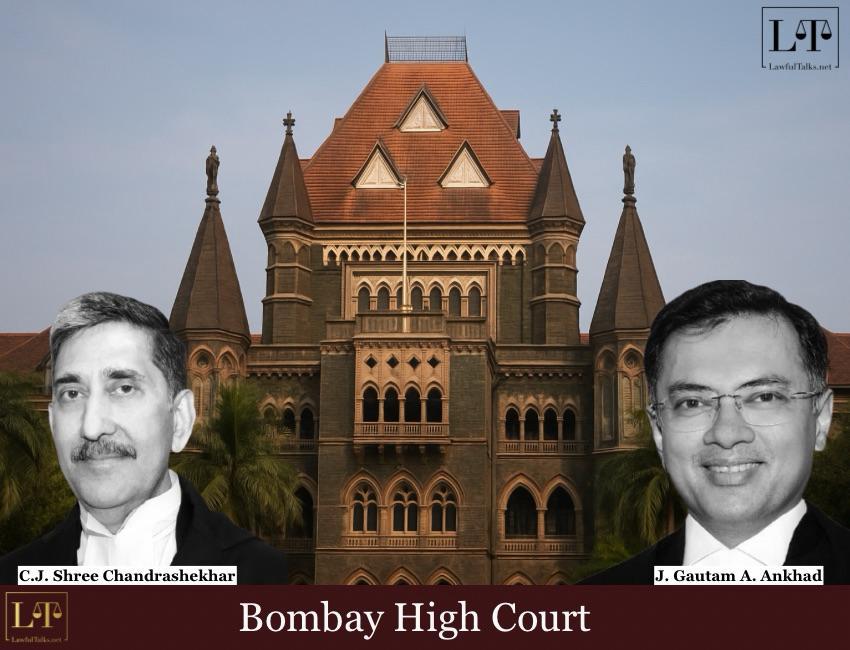
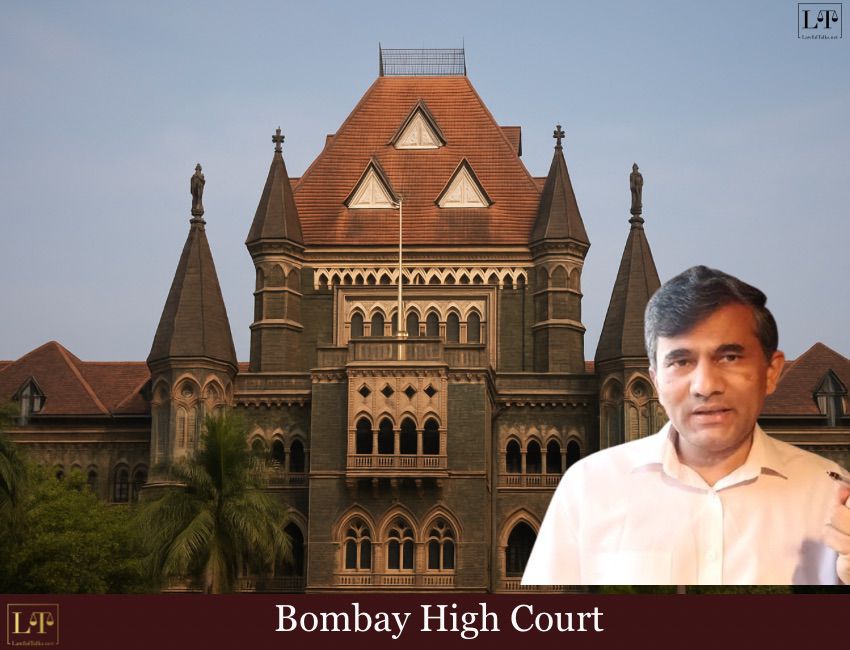
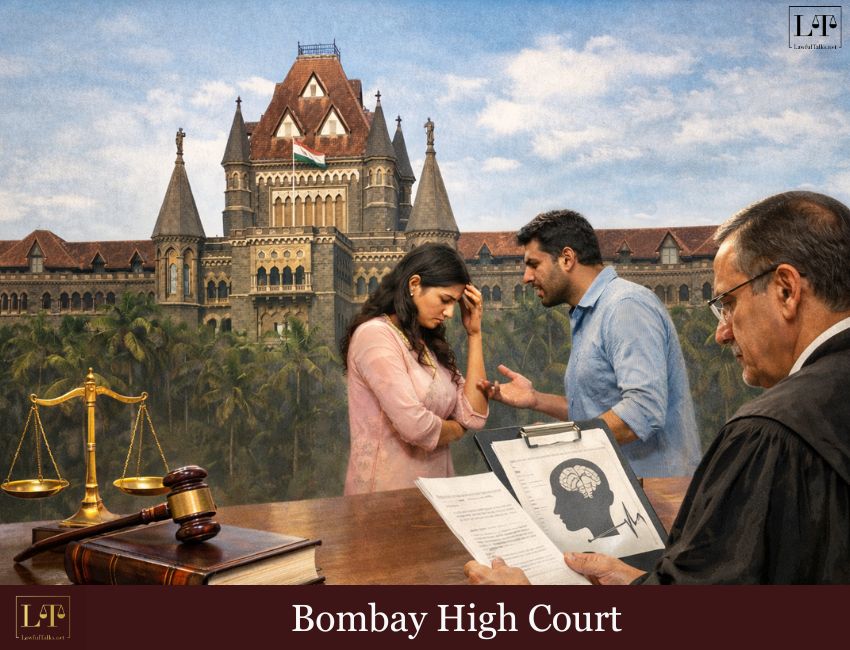
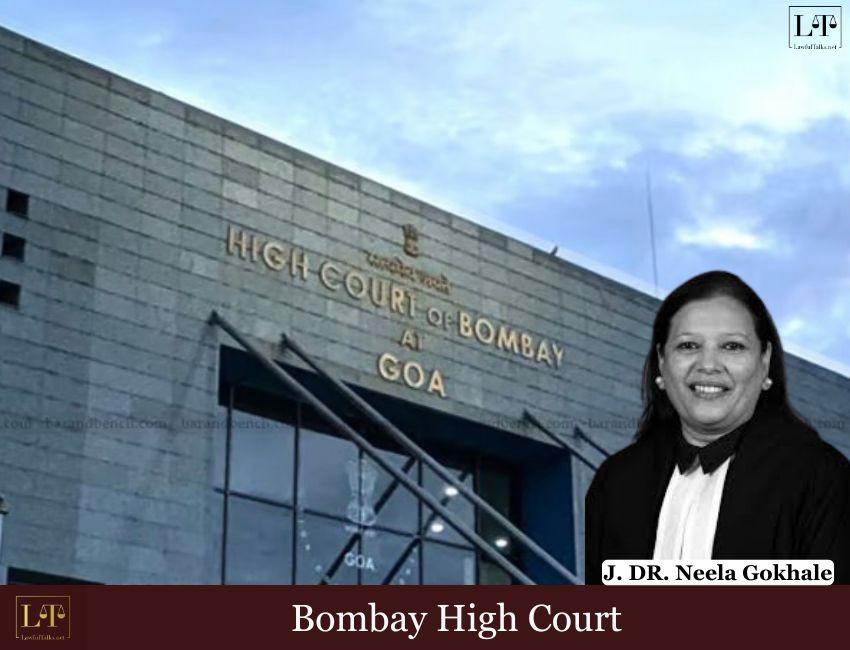
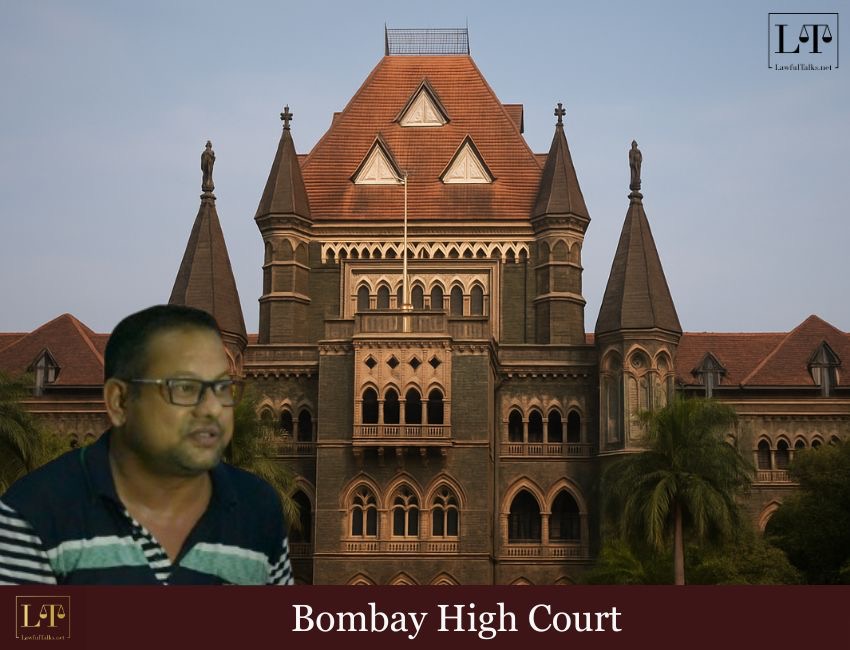
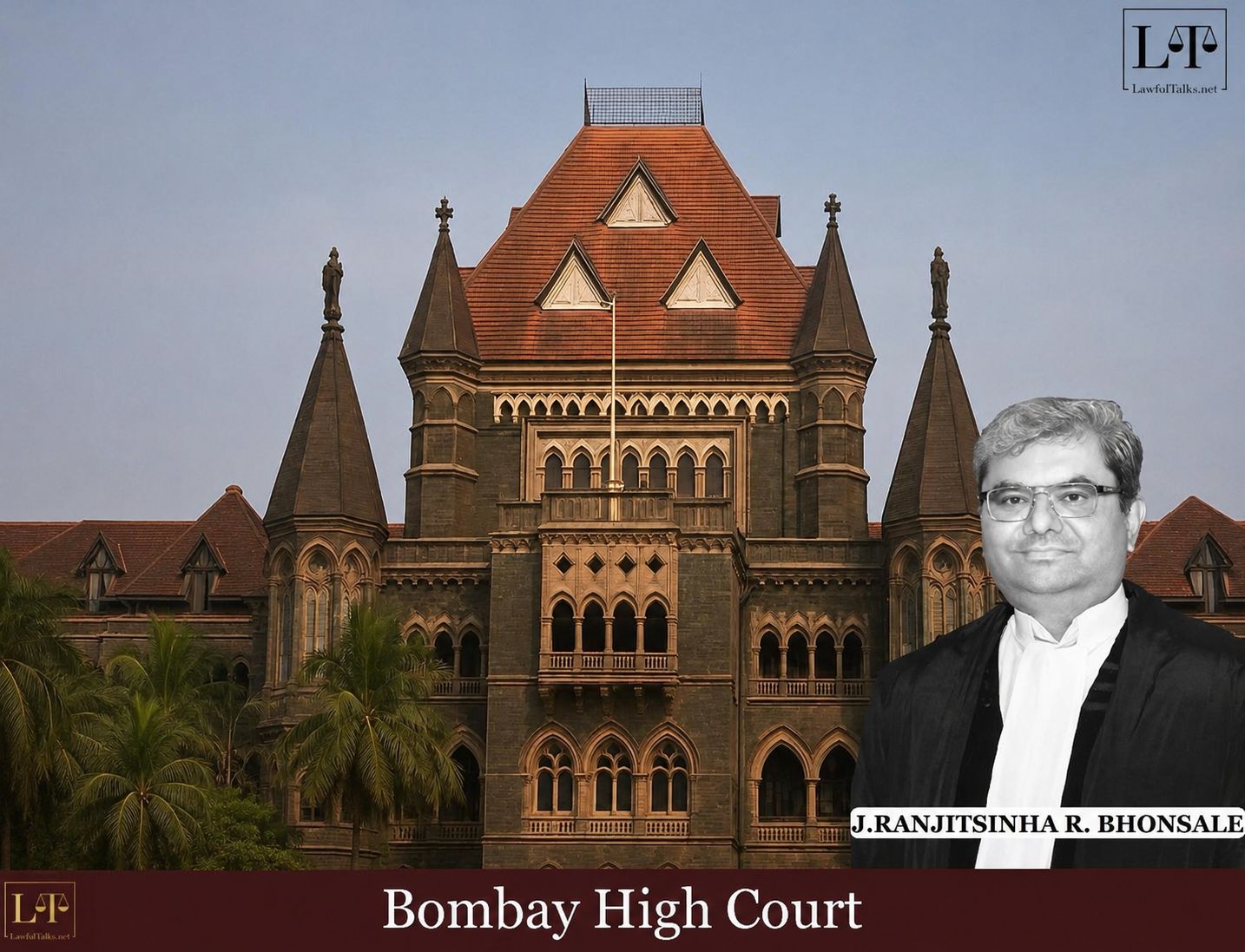
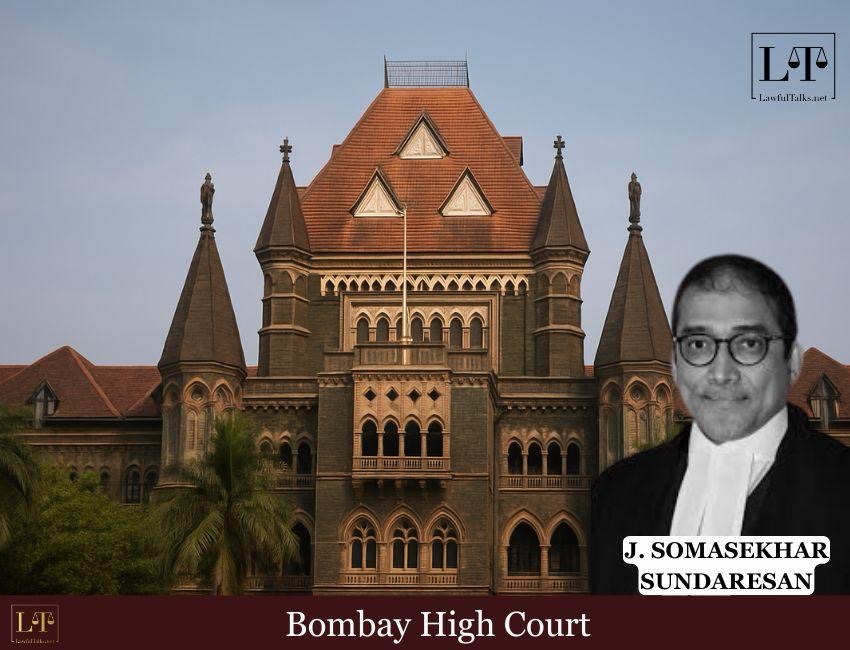
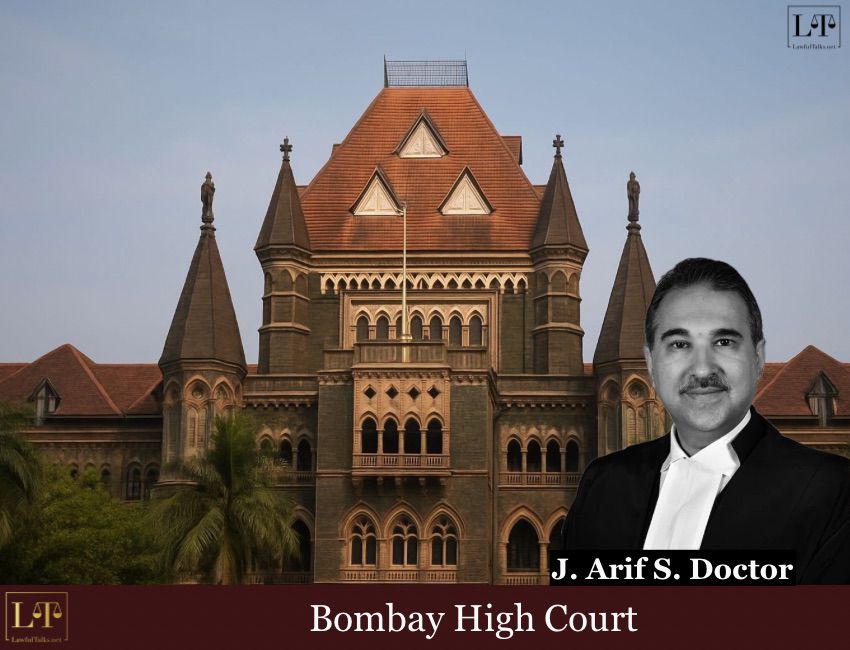
The Bombay High Court recently set aside the conviction and death sentence in a rape‑murder case involving a minor, holding that the entire trial was invalid because the accused’s right to a fair trial under Article 21was violated.
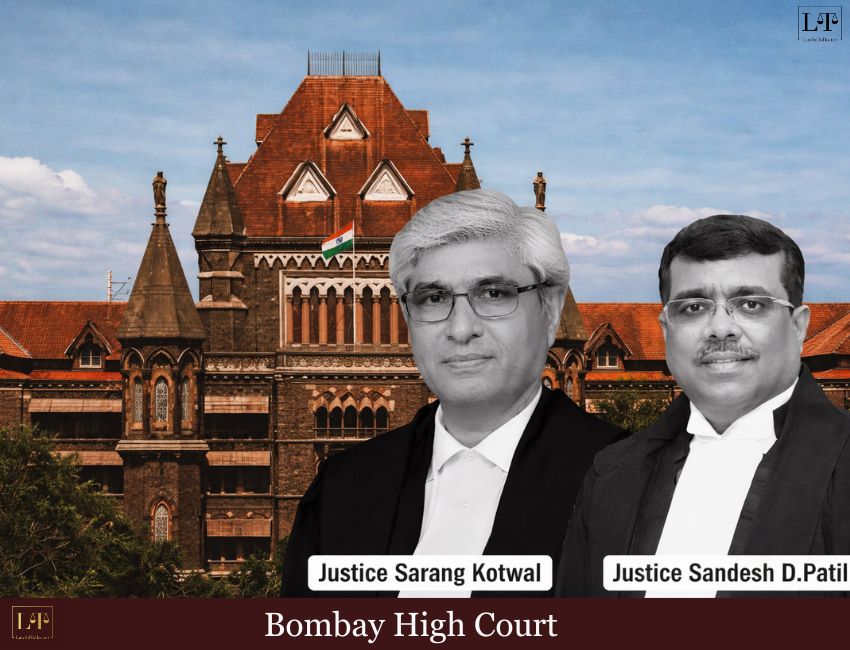
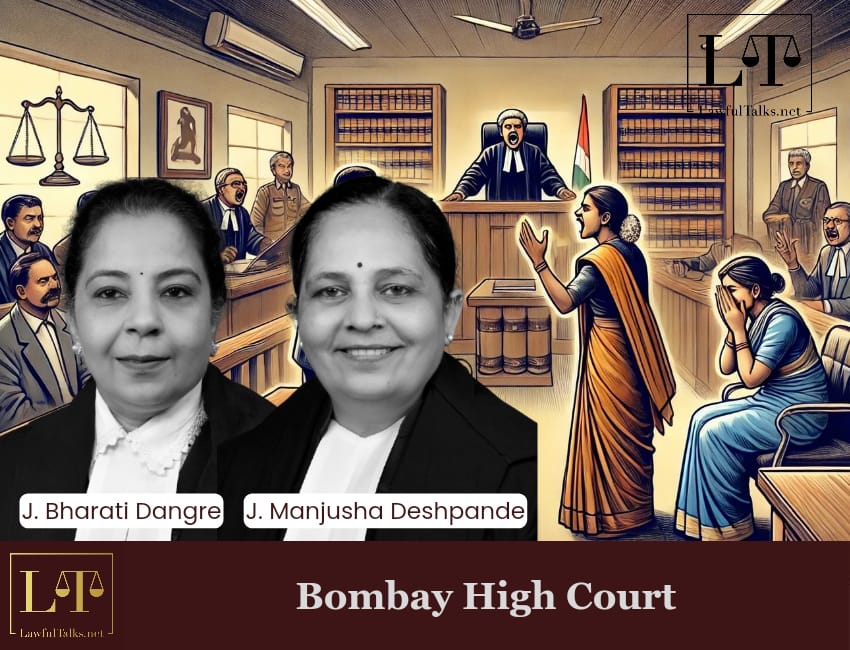
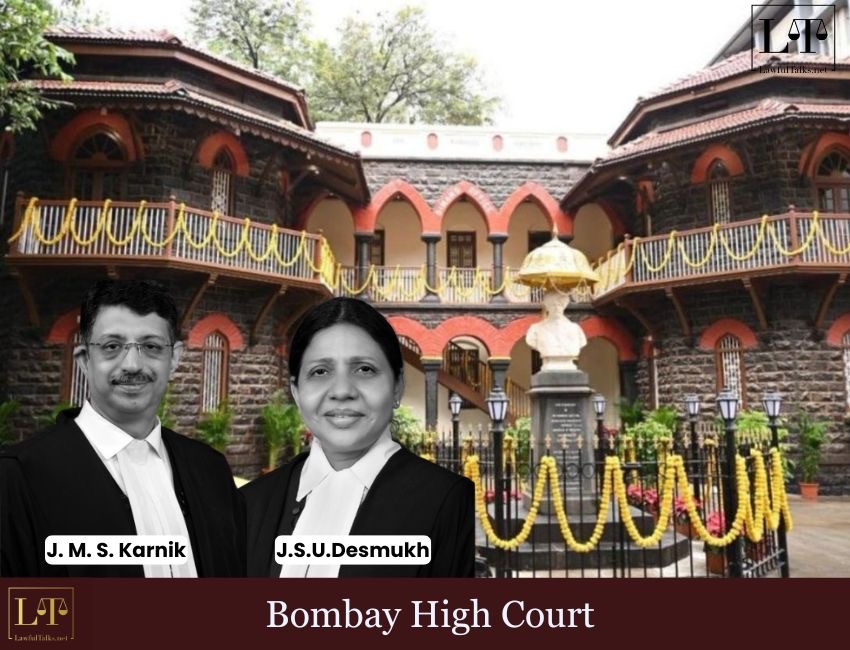
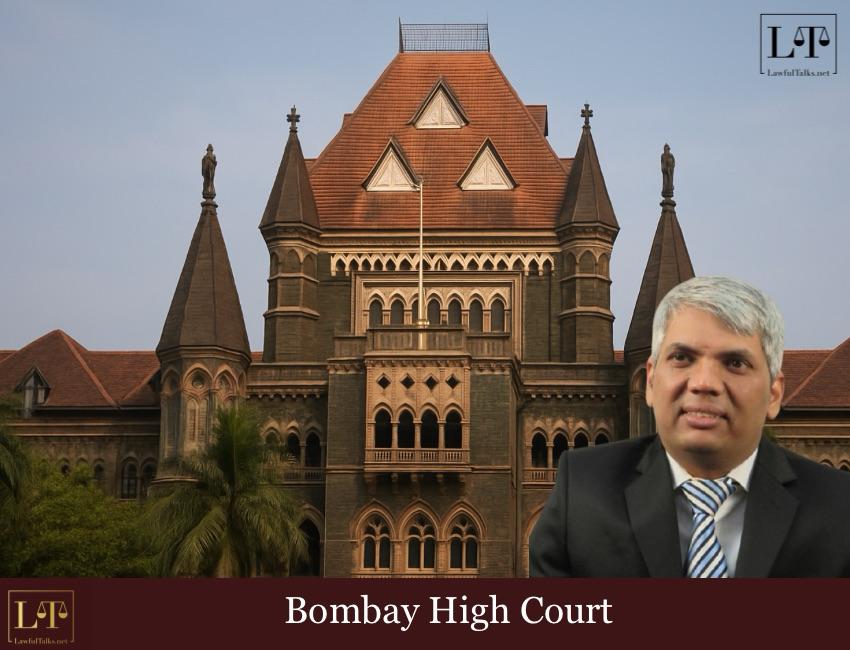
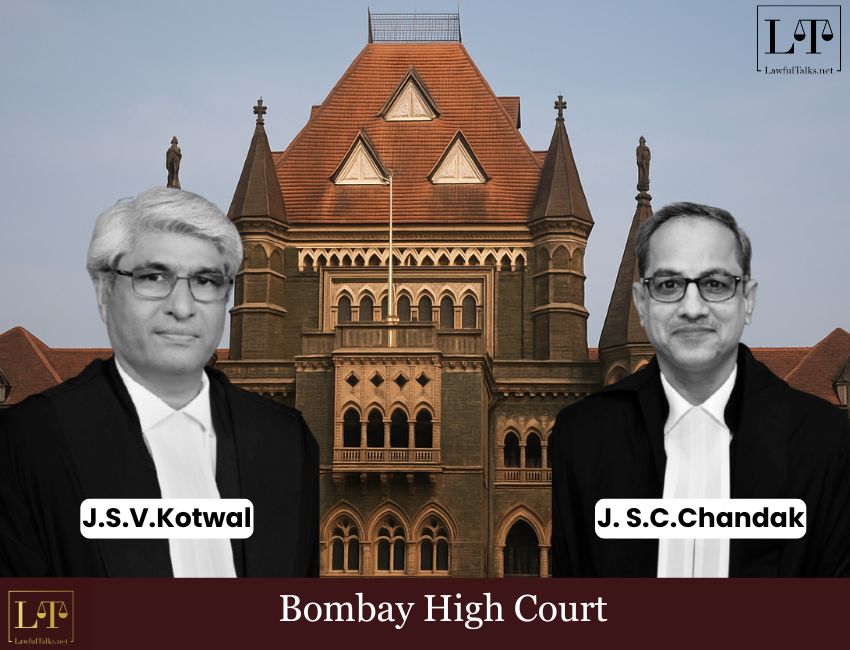
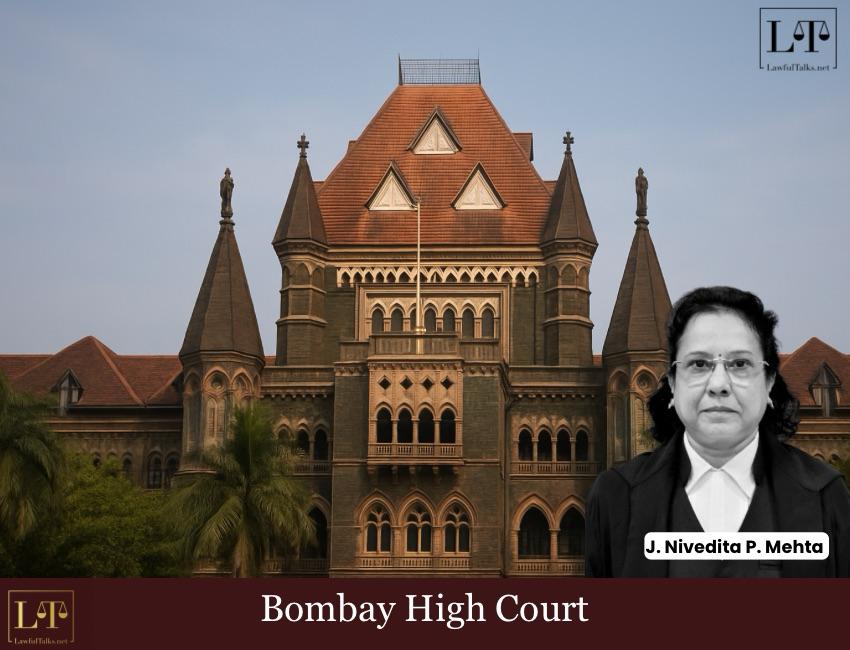
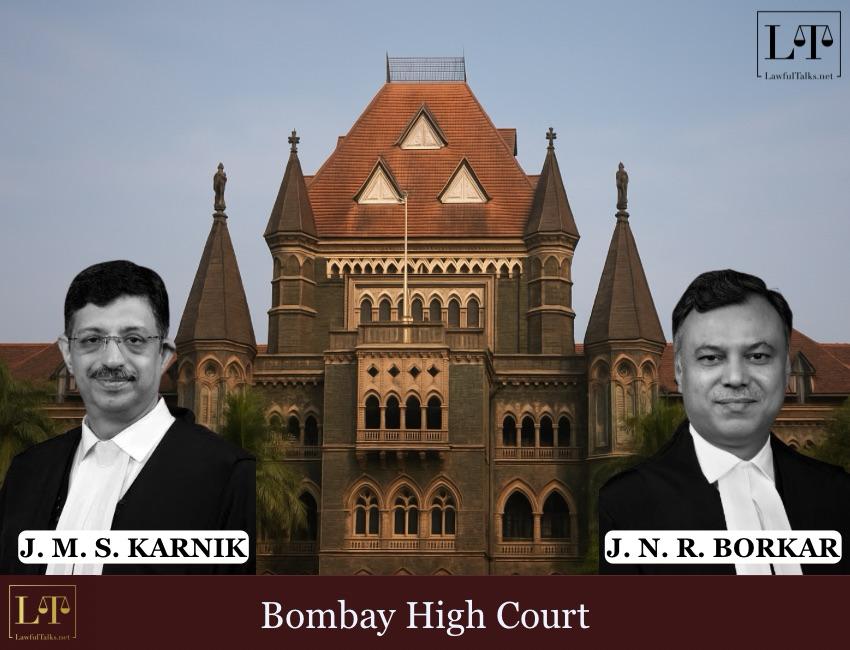
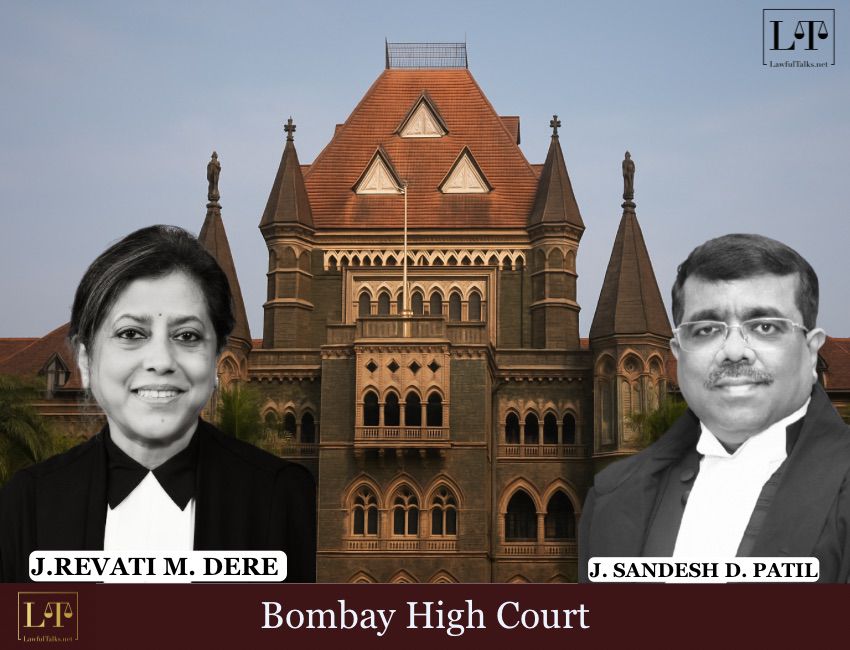
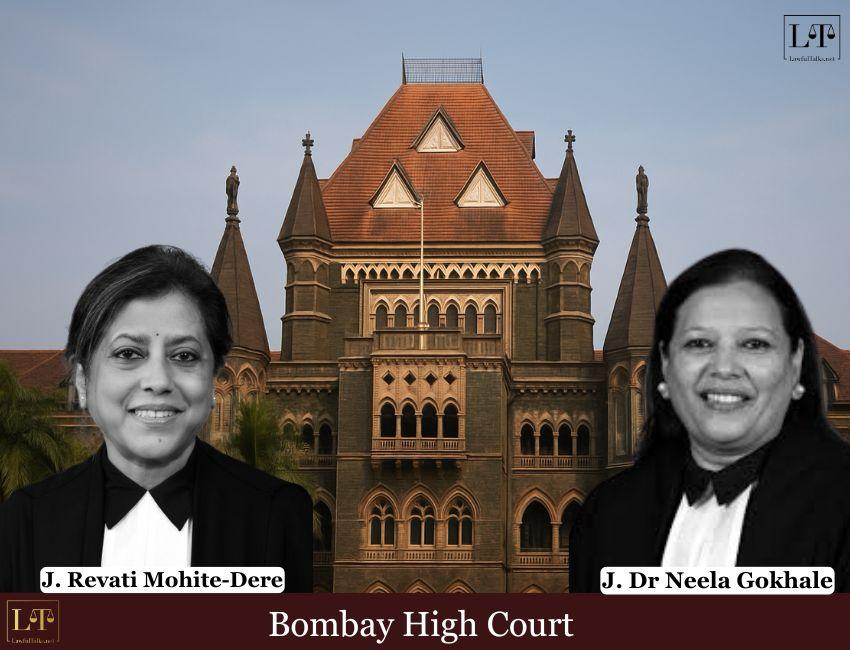
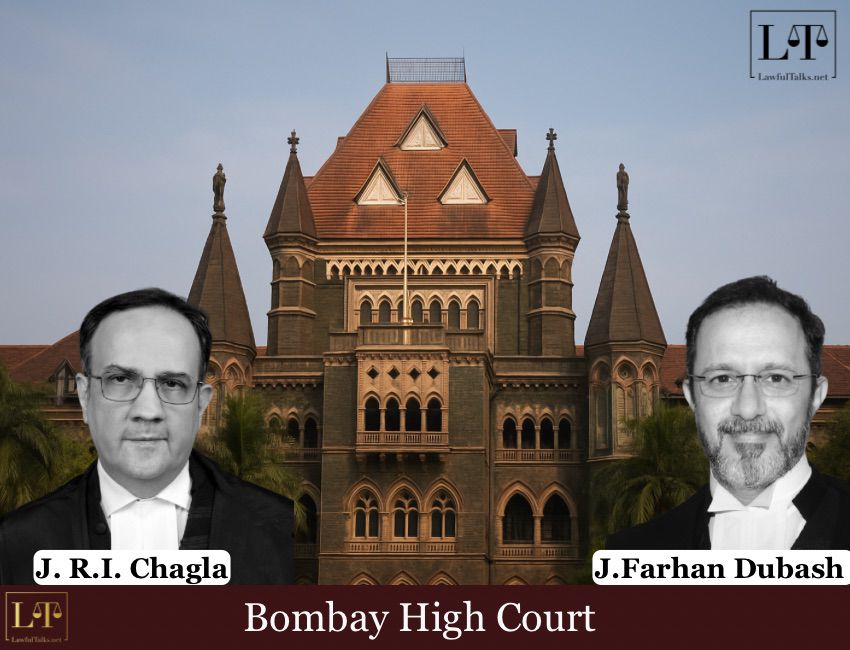
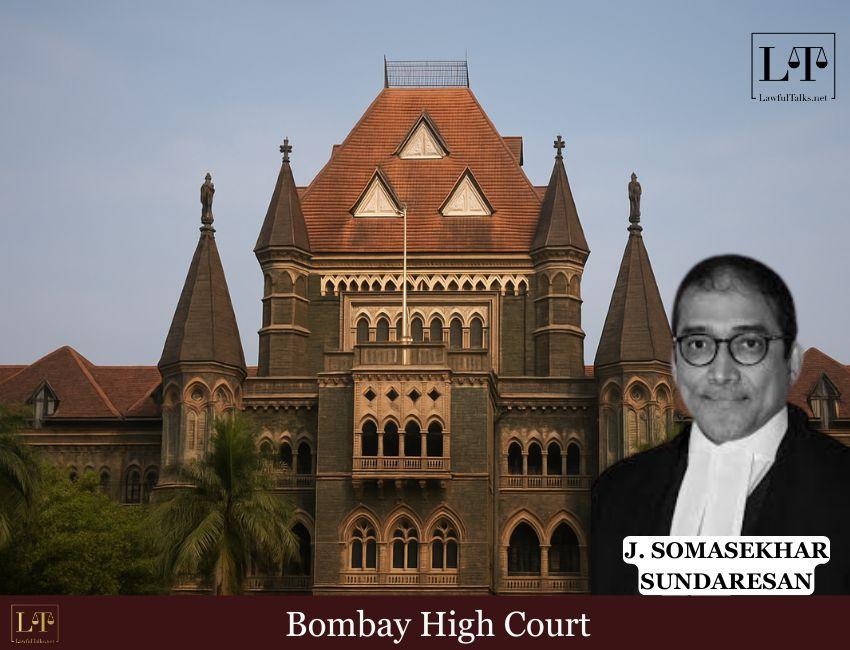
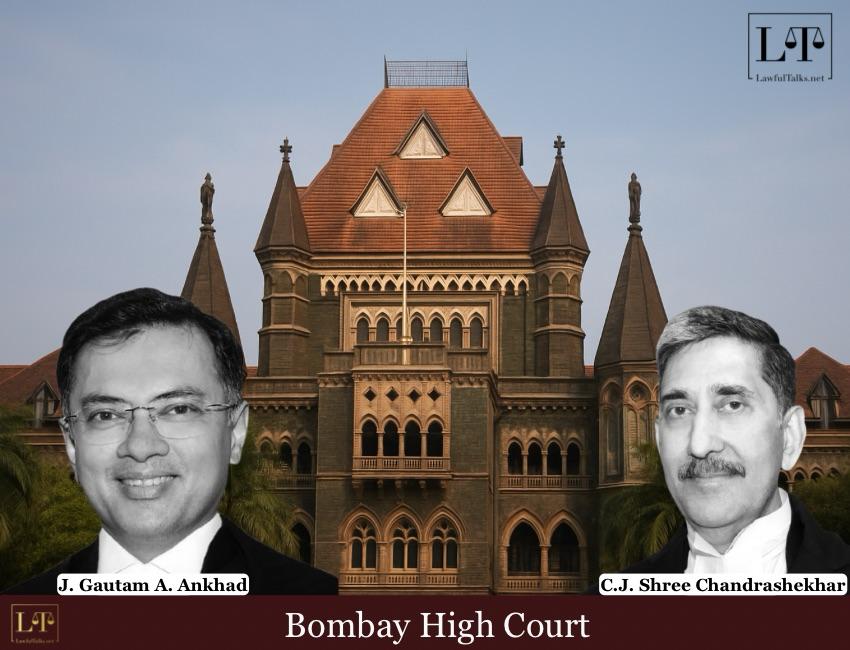
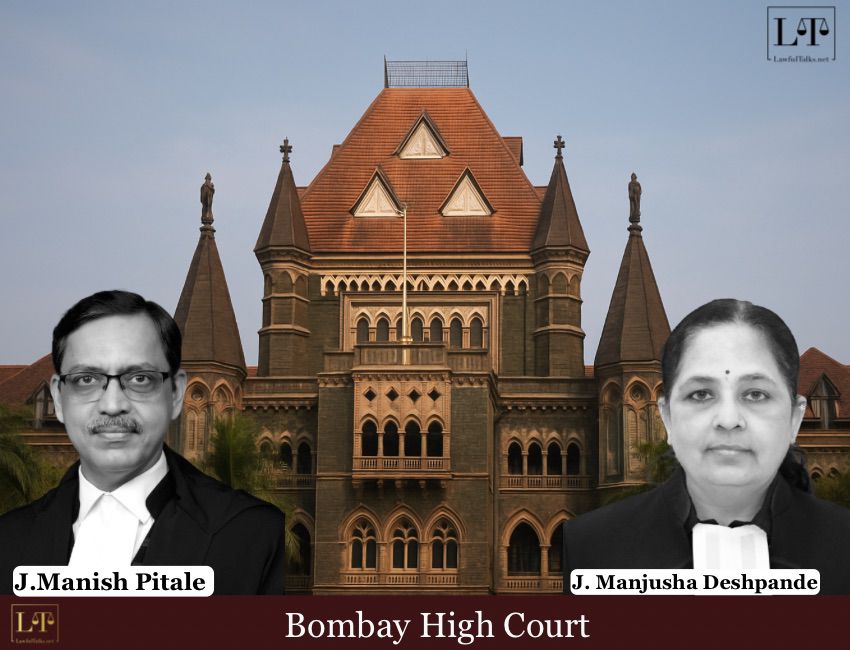
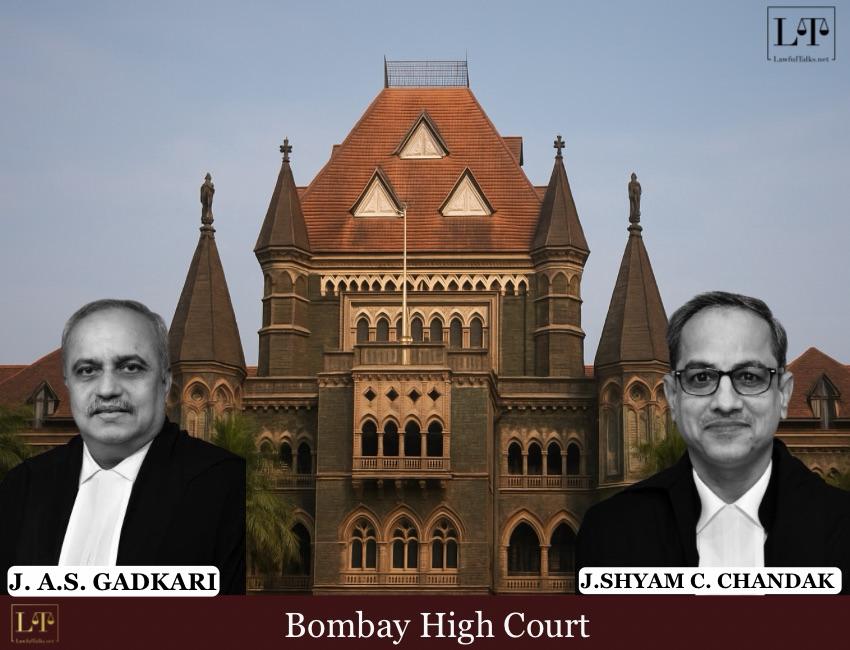
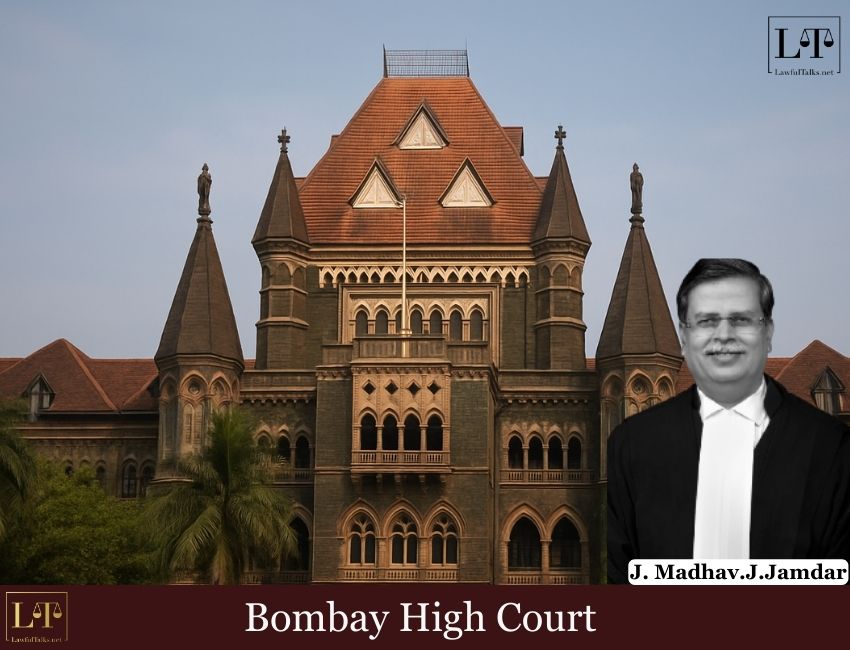
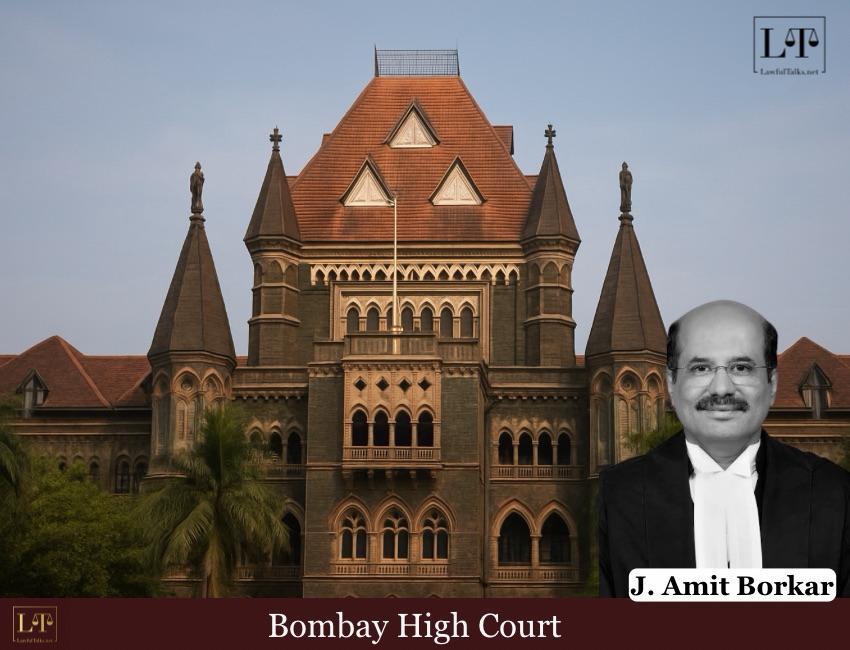
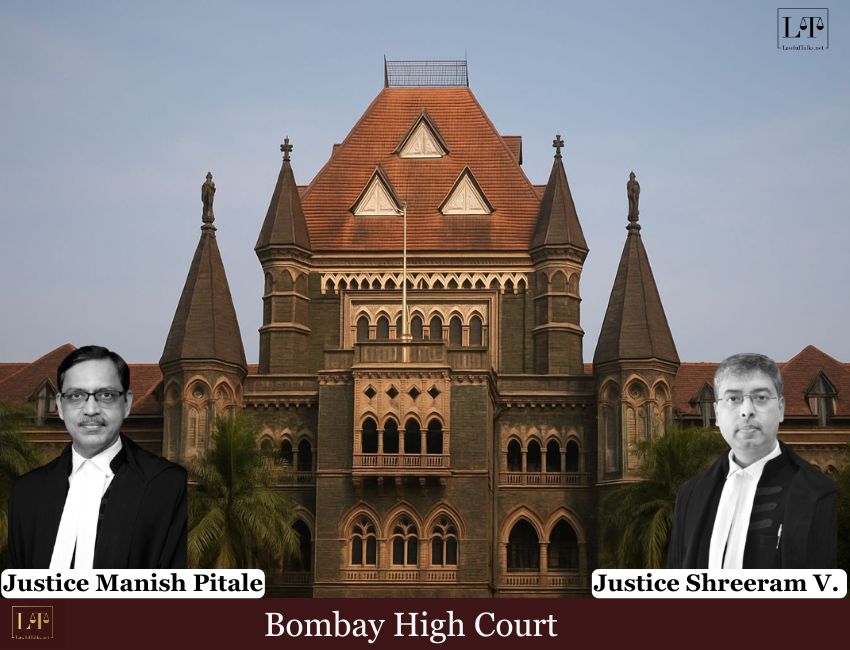
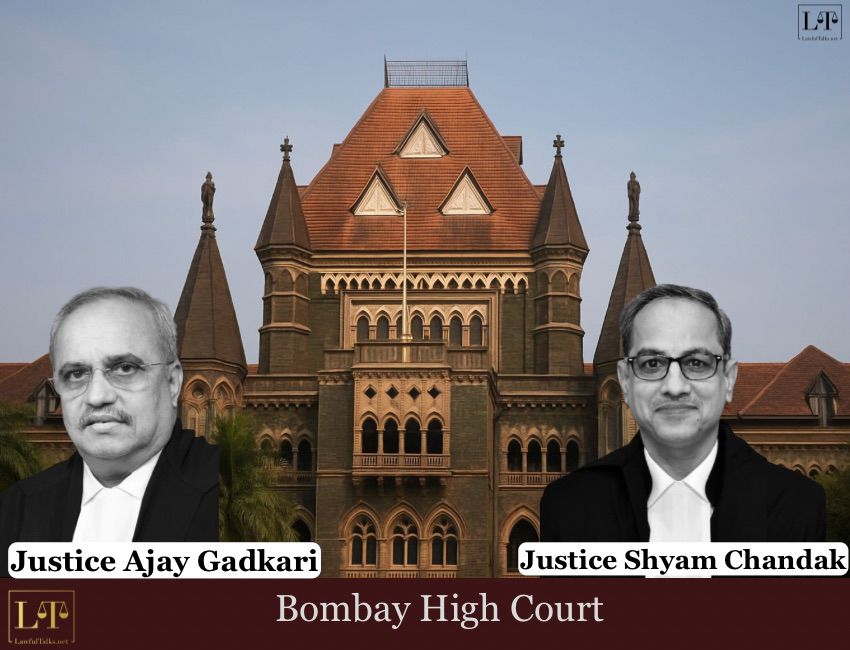
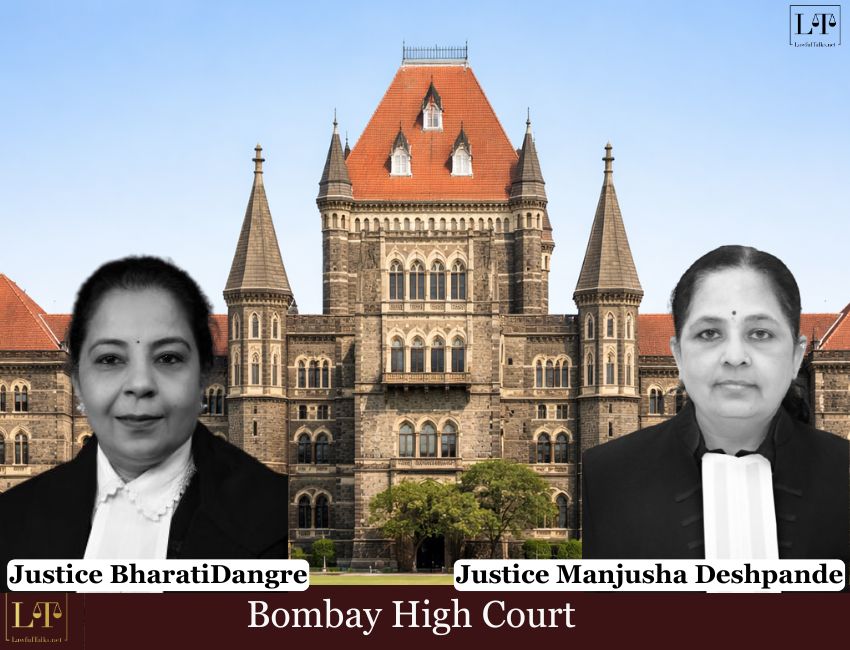
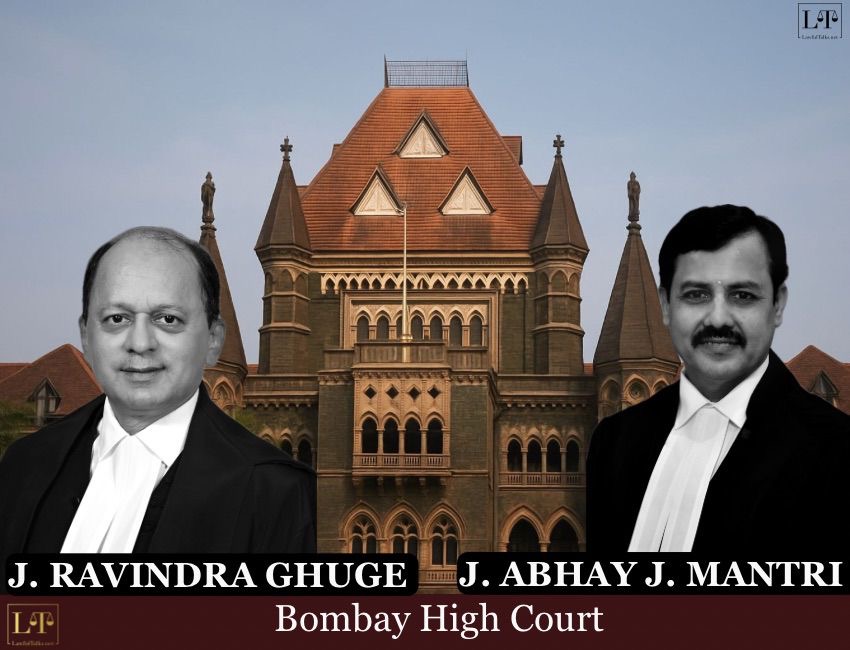
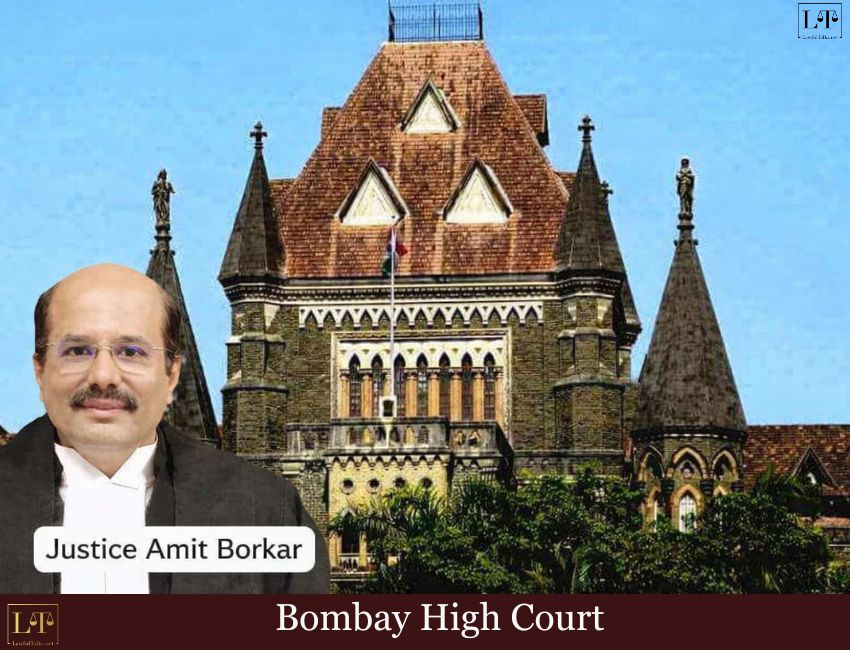
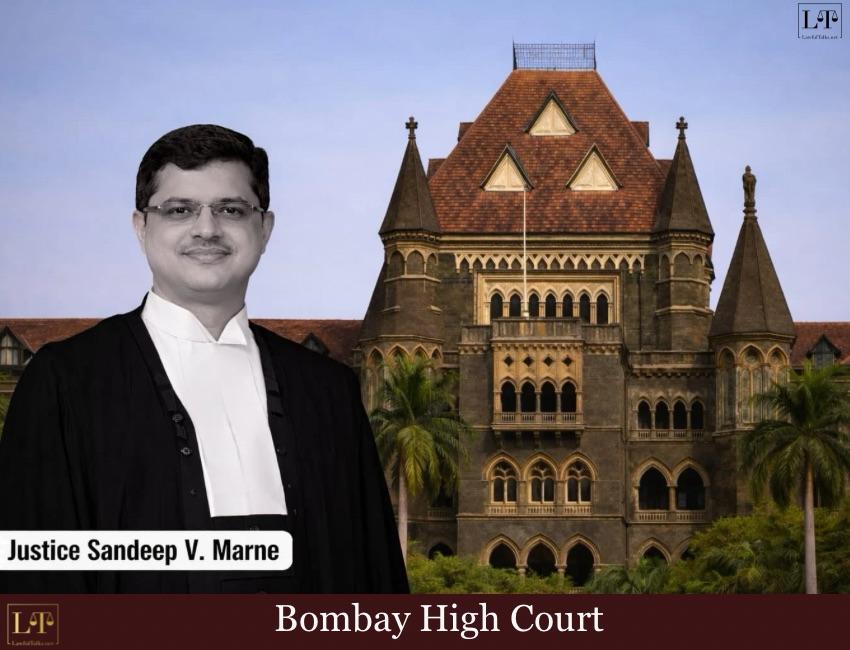
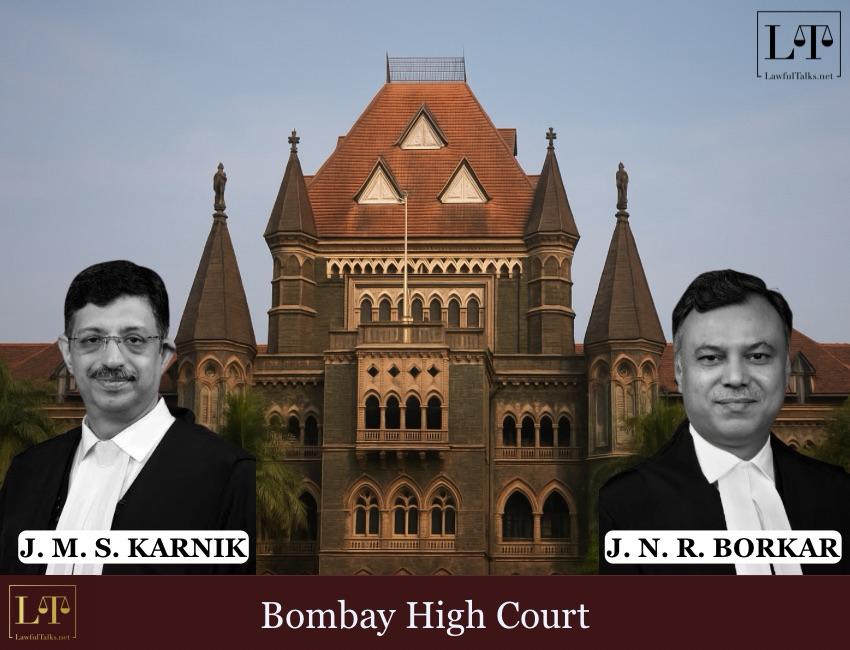
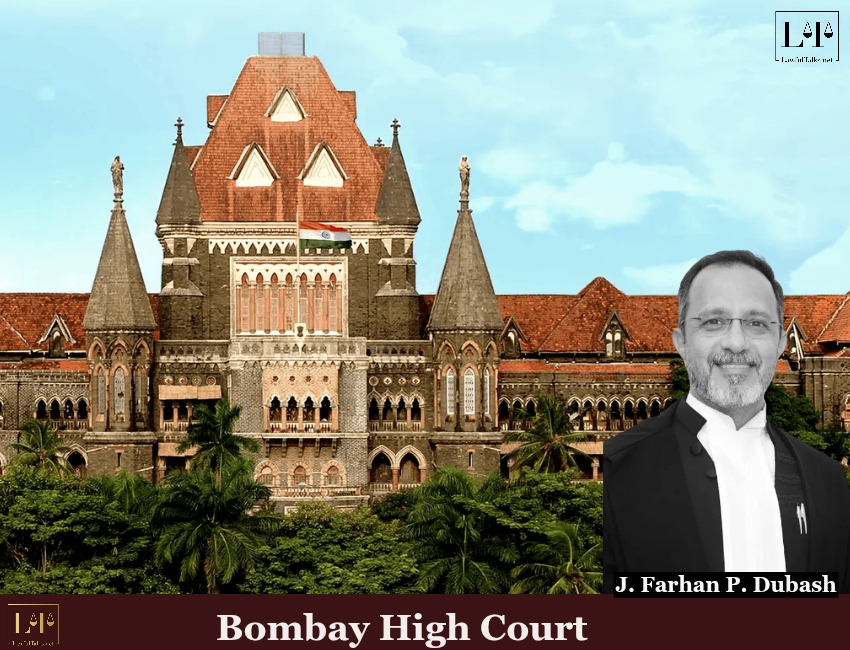
A Division Bench of Justice Sarang V. Kotwal and Justice Sandesh D. Patil held that the accused did not receive proper legal representation at important stages of the trial. As a result, the court ruled that the denial of effective representation during crucial stages amounted to miscarriage of justice.
Case Background:
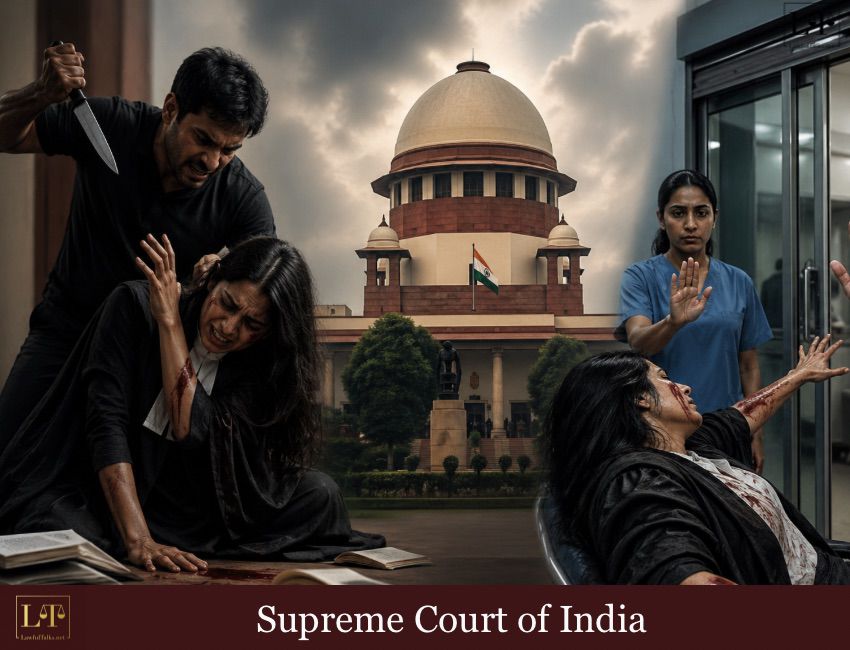
In April 2017, a seven‑year‑old girl from Male Dumala village, Nashik, went out to buy ice‑cream. According to the prosecution, the girl was lured into the home of Vilas Annasaheb Mahale,(Accused No.1). There he allegedly raped and strangled her and then hid the body under a basket in his locked house.
When the child did not return home, her family and other villagers began a search. They eventually broke open the lock of the accused’s house and discovered her body inside. An FIR was lodged the same evening. The investigation included postmortem results and forensic evidence, and the recovery of a key found based on information he provided.
Trial Court Judgment (2019):
The trial court found the accused parties guilty. It sentenced Vilas Mahale ( Accused No. 1) to death for the murder of the child, plus additional punishments for sexual offences, while his relatives were convicted for helping conceal evidence and sentenced to seven years’ imprisonment.
Accused No.1 filed an appeal against his conviction and death sentence, while Accused Nos.3 and 4 challenged their convictions in a separate appeal. The proceedings against Accused No.2 came to an end during this stage as he passed away.
Delays In Legal Aid:
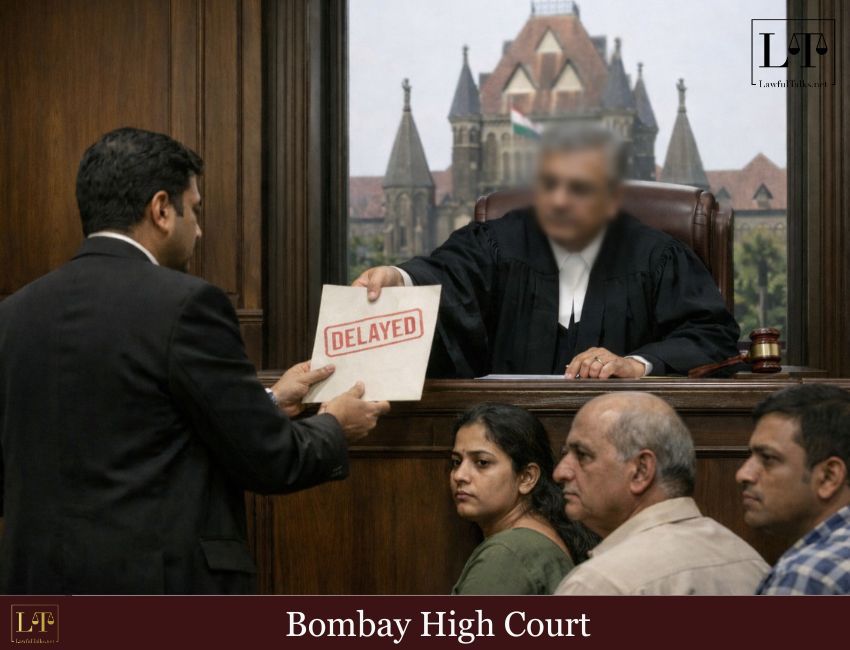
The High Court pointed out that although the accused repeatedly sought legal aid, there were long delays in appointing a lawyer. There were also frequent changes of counsel, and at times, lawyers either remained absent or withdrew because they had not received the case papers. Because of this, the accused was left without legal representation during the examination of several key witnesses and could not be properly cross-examined.
The Court also observed that even when some witnesses were later recalled, the cross‑examinations were weak , limited to mere suggestions. They did not amount to an effective defence. In fact, certain crucial witnesses were never cross examined at all, which seriously harmed the accused’s case.
The bench observed :
“Thus, it can be seen that throughout the trial right from the time of framing of the charges and examination of the important witnesses, the accused No.1 was not represented by any Advocate. Even the documents were not made available to the Legal Aid Counsel.”
Calling these lapses a breach of Article 21, the Bench stressed that free legal aid is an essential part of a fair trial. It emphasised that in cases where the death penalty is possible, courts must be especially careful to ensure that the accused has competent and effective legal assistance at every stage .
The Court noted that :
“Therefore, there is a clear violation of the principles of fair trial. The accused No.1 was denied an opportunity to defend himself. This is in violation of his rights under Article 21 of the Constitution of India.”
The Bench directed that before the further proceedings begin, the trial Court must ensure that all accused are properly represented. If required, legal aid must be provided through the District Legal Services Authority. The prosecution has been given permission to re‑examine witnesses and present additional evidence, as the trial will begin afresh.
Accused No.1 will remain in custody, while Accused Nos.3 and 4 are allowed to continue on bail subject to fresh bonds. The High Court ordered that the retrial be conducted swiftly and, as far as possible, completed within ten months. The matter will be listed on April 6, 2026 before the trial court. The accused must be present and given full opportunity to engage a lawyer or avail legal aid.
Directions to Trial Court:
Emphasising fairness, the Court directed that appointed lawyers be supplied with all necessary papers without delay and given adequate time to prepare. It also clarified that the Sessions Court must decide the case independently on its merits, without being influenced by the earlier judgment, which has now been set aside.
The Court also directed that important Supreme Court rulings on fair trial and legal aid, such as Anokhilal v. State of Madhya Pradesh and Ashok v. State of Uttar Pradesh, be circulated to all trial courts and District Legal Services Authorities.
With these directions, the confirmation case and connected appeals were disposed of.
Case Details: State of Maharashtra v. Vilas Annasaheb Mahale







































Sign up for free and be the first to get notified about curated content just for you.