“Is Every Teen Romance a Crime? Meghalaya HC Raises Big Question!”

- April 01, 2026


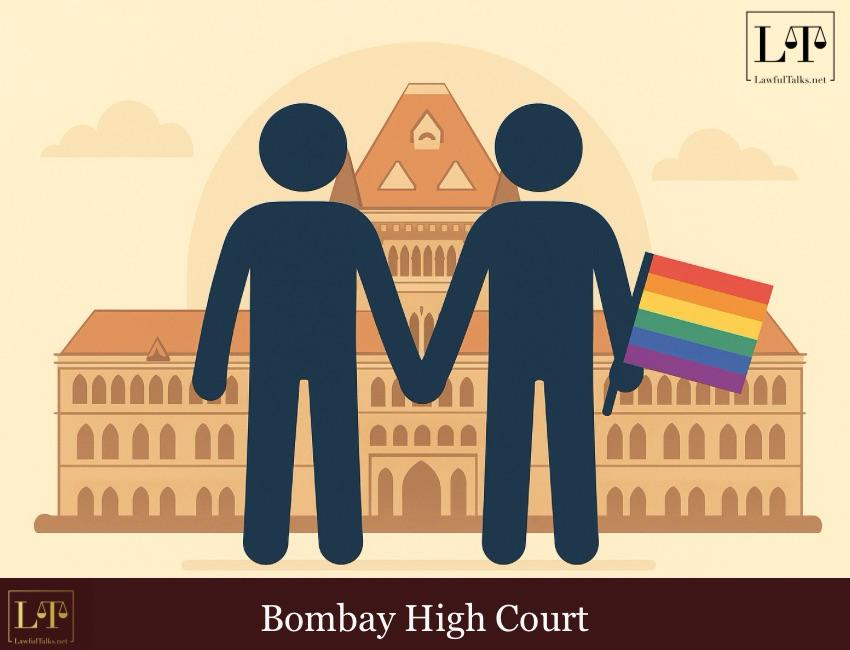
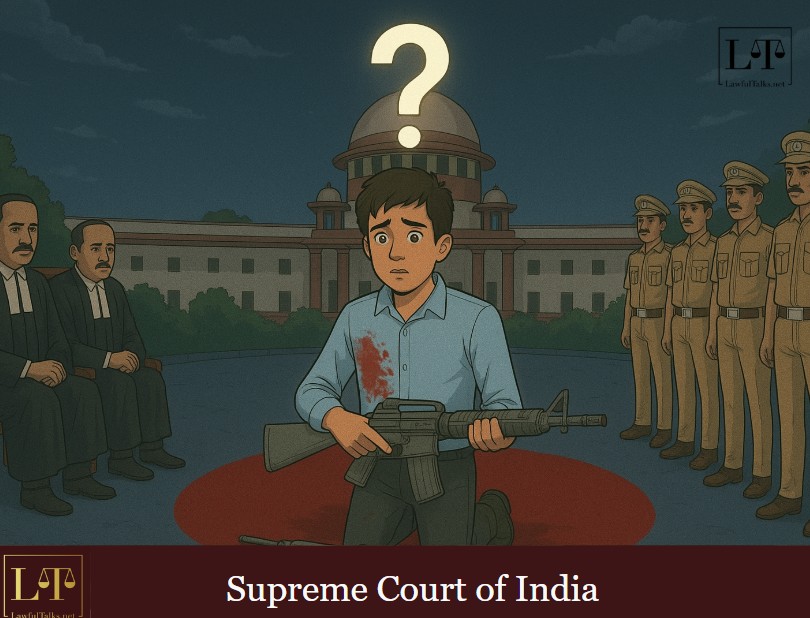
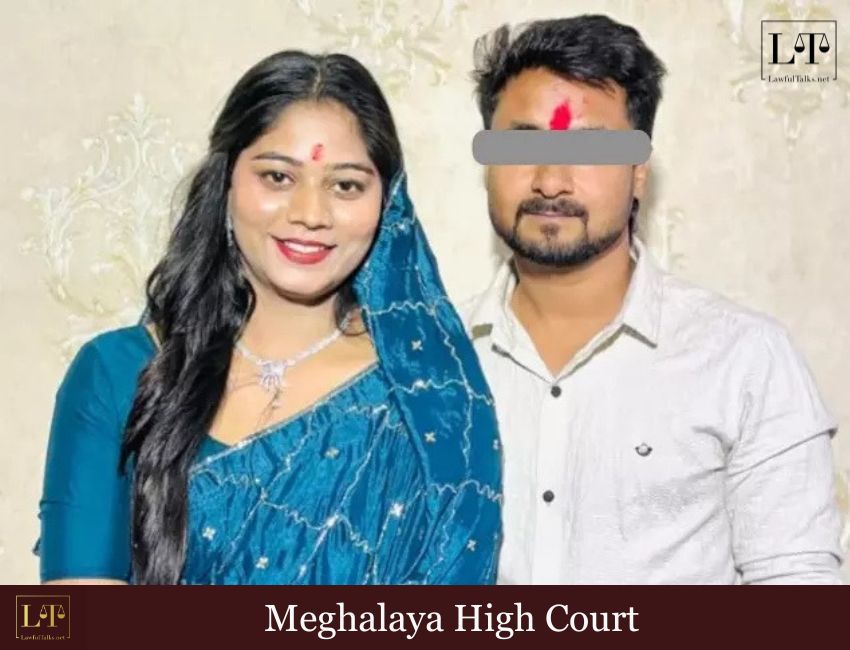
In a landmark ruling, the Meghalaya High Court has held that courts can quash Protection of Children from Sexual Offences(POCSO) proceedings in rare cases involving consensual teenage relationships. This can be done by considering “ground realities” along with the strict legal age of consent, to avoid unnecessary hardship.
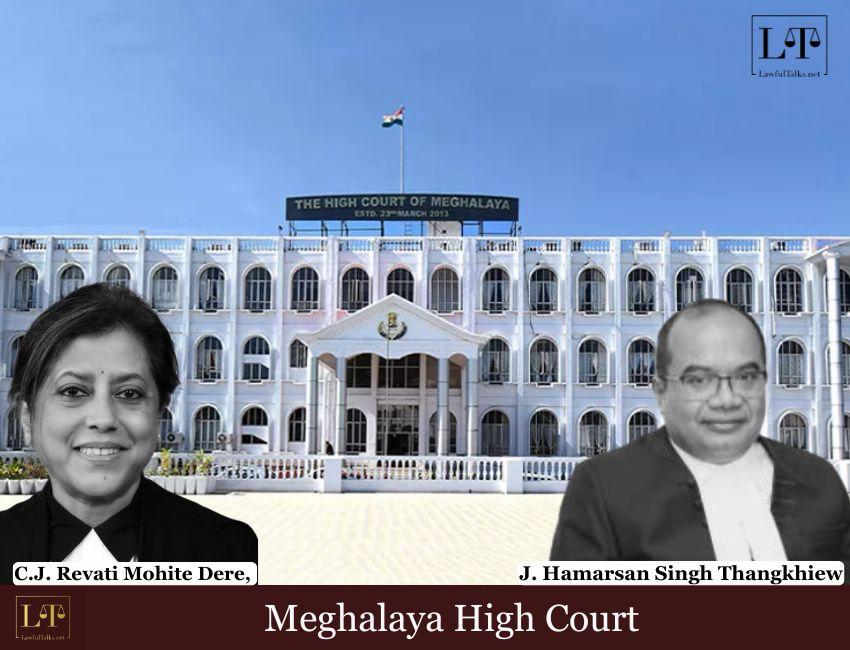
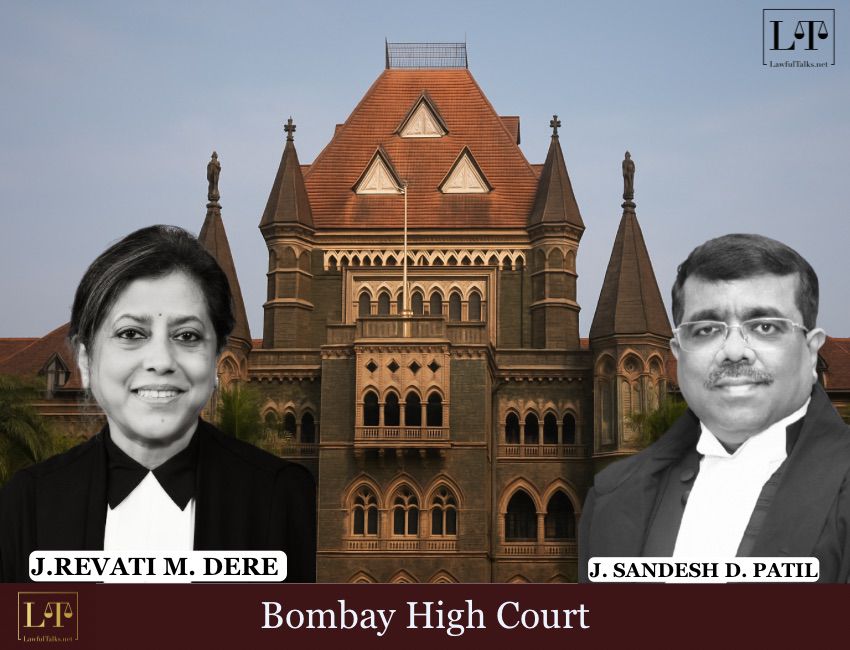
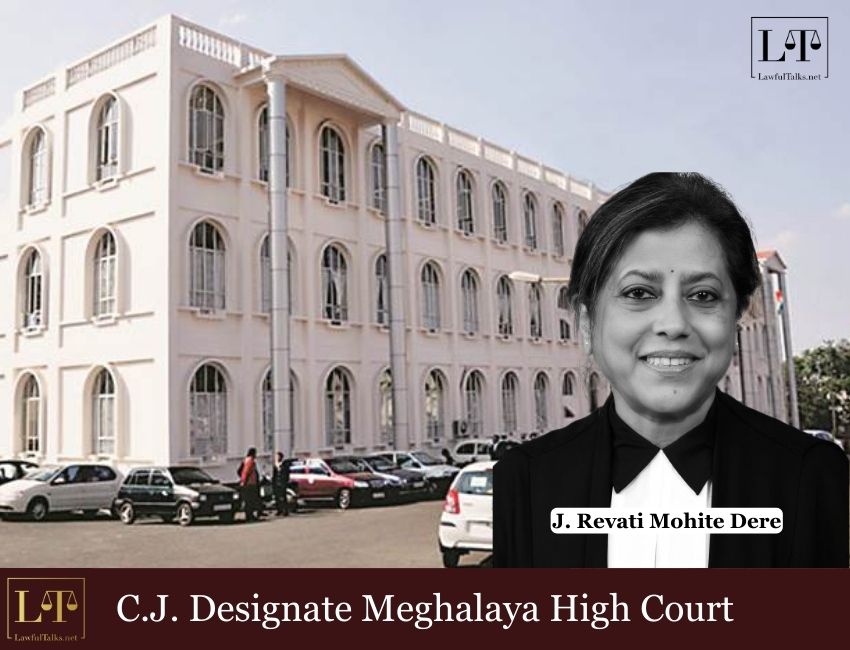
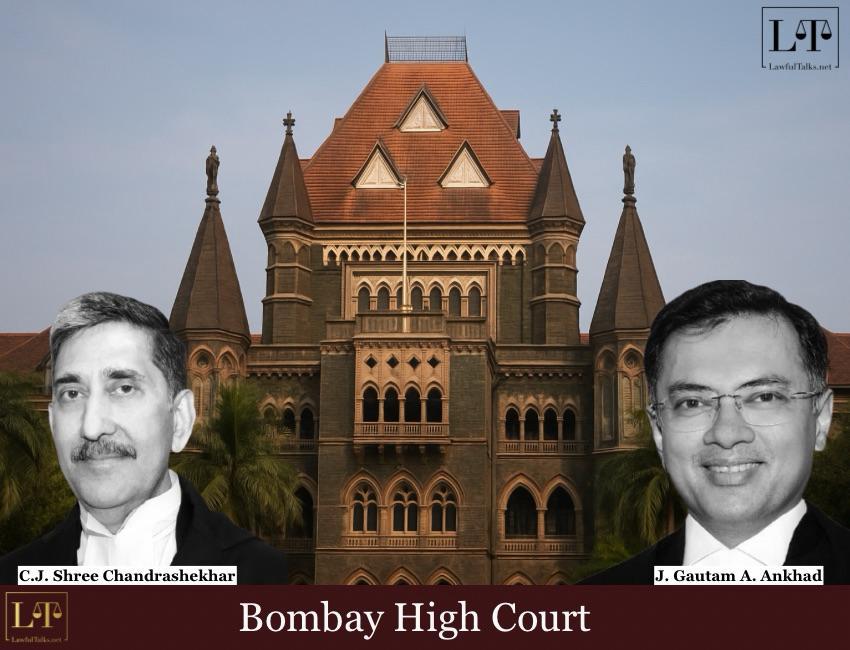
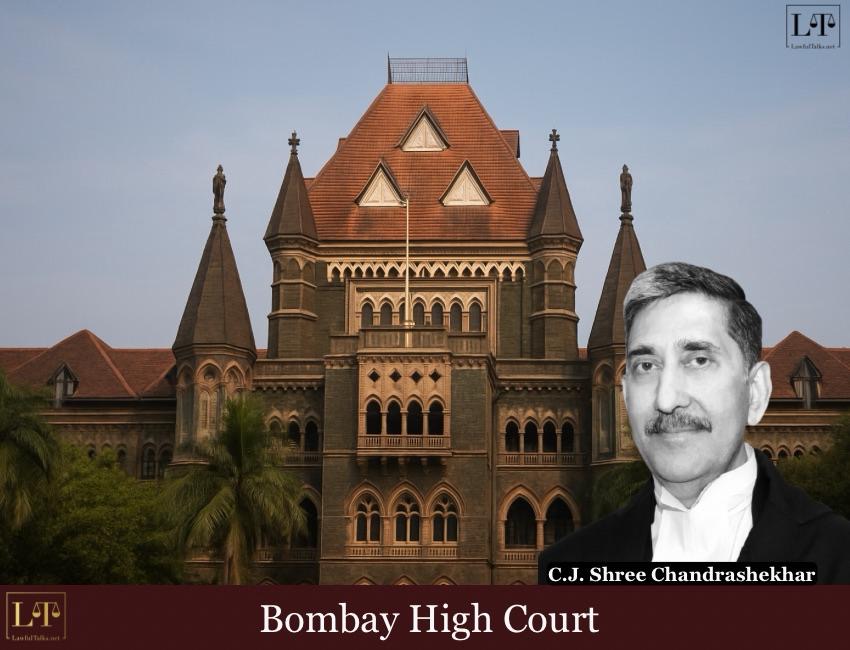
A Division Bench comprising Chief Justice Revati Mohite Dere and Justice H.S. Thangkhiew clarified: “What emerges… is that although the statutory age of consent remains binding… the facts of each case, particularly the age proximity, voluntariness of the relationship and the future wellbeing of the individuals… must be taken into consideration so that the object of the law is preserved without doing manifest injustice to the parties.”
Power to Quash Cases:
The court was examining a legal question about whether cases can be quashed under Section 528 of the BNSS, even though the POCSO law has overriding provisions. It held that courts still have wide inherent powers to ensure justice and prevent misuse of the legal process, but these powers should be used only in rare and exceptional situations.
The court also followed guidelines given by the Supreme Court and clarified that there is no fixed rule—courts can consider factors like the age difference between the parties, consent, marriage, or whether they have children.
Problem in Law:
The judges pointed out a basic problem in the POCSO law. They said that because the age of consent is 18, even consensual relationships between teenagers can turn into serious criminal cases, where consent is not legally recognised. They also noted that the law has strict minimum punishments, which does not allow much flexibility or different kinds of decisions.
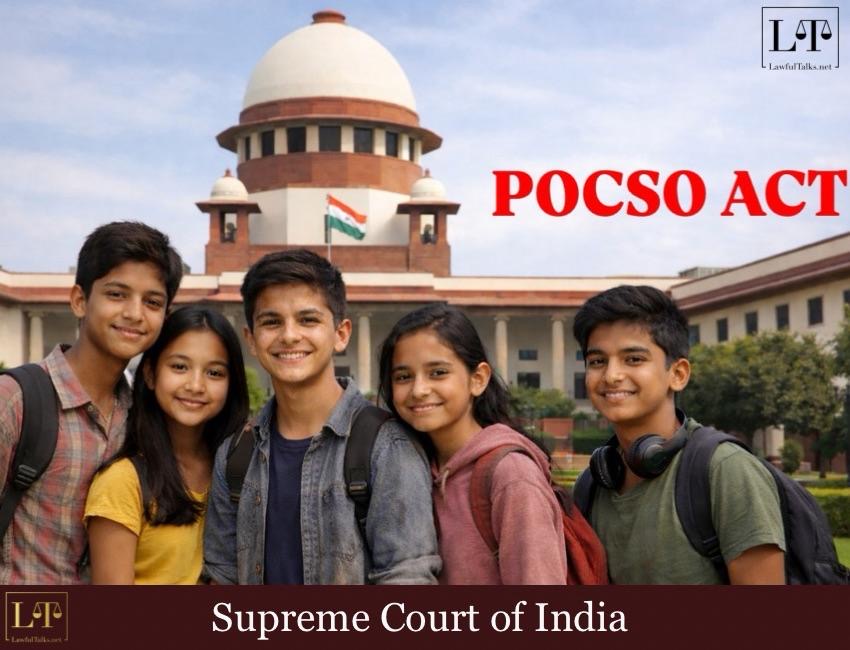
They said many such cases involve 16 to 18-year-old boys and girls who are classmates or neighbours. These relationships often turn into legal cases because of family opposition, and sometimes witnesses become hostile during the case. The judges also noted that even if boys are later found not guilty, the trial process itself can cause long-term damage, affecting their studies and future careers.
Meghalaya Context:
In Meghalaya's context, the bench highlighted the region’s unique tribal customs, such as elopements, live-in relationships, and early unions in Khasi, Garo, and Jaintia matrilineal societies. It also noted that legal resources are limited in remote areas. The bench warned that applying the single age of consent rule strictly in every situation could weaken the actual purpose of the law.
At the same time, the court said that POCSO cases are crimes against society, not just personal disputes, so courts must be careful. It also said courts should check safeguards, like whether the consent was real and given with full understanding.
Final View:
In the end, the court said cases can be quashed if continuing them would harm justice. It observed: “Rendering justice demands… that it be tempered with fairness, compassion and empathy… Where the victim and the boy are married or living together… sending the boy to jail would not serve the cause of justice… the Court may consider quashing the case.”
Case Details: Case Title: Shri Shalenbor Wahlang & Anr v. State of Meghalaya & Anr





























































Sign up for free and be the first to get notified about curated content just for you.