“The Arrest Failed On Paper: Supreme Court’s Unforgiving Ruling”

- April 07, 2026


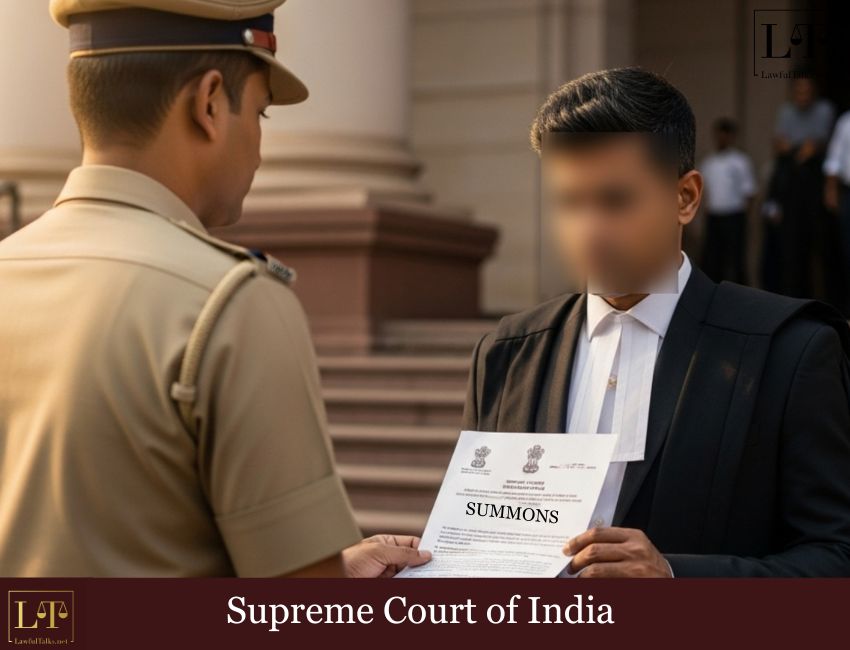
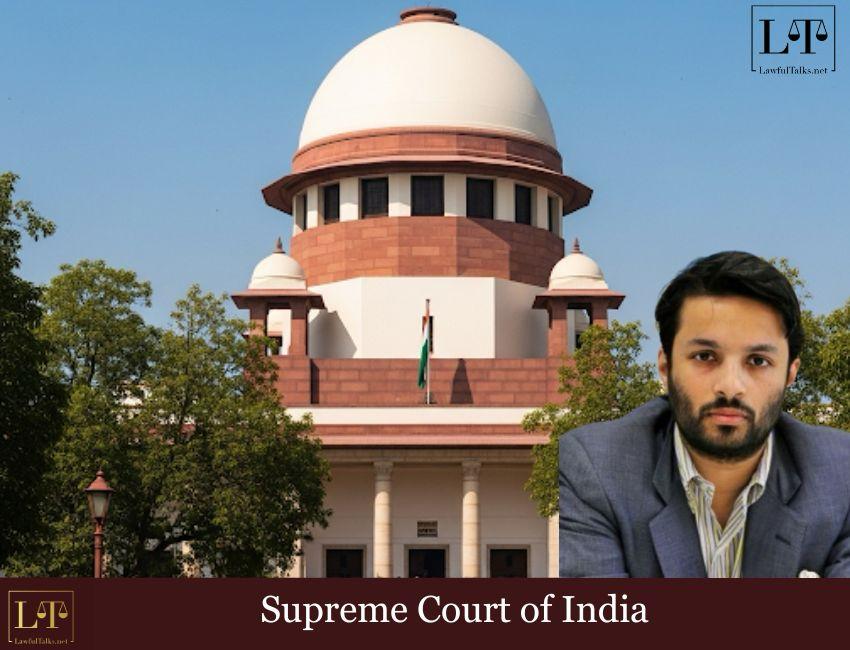
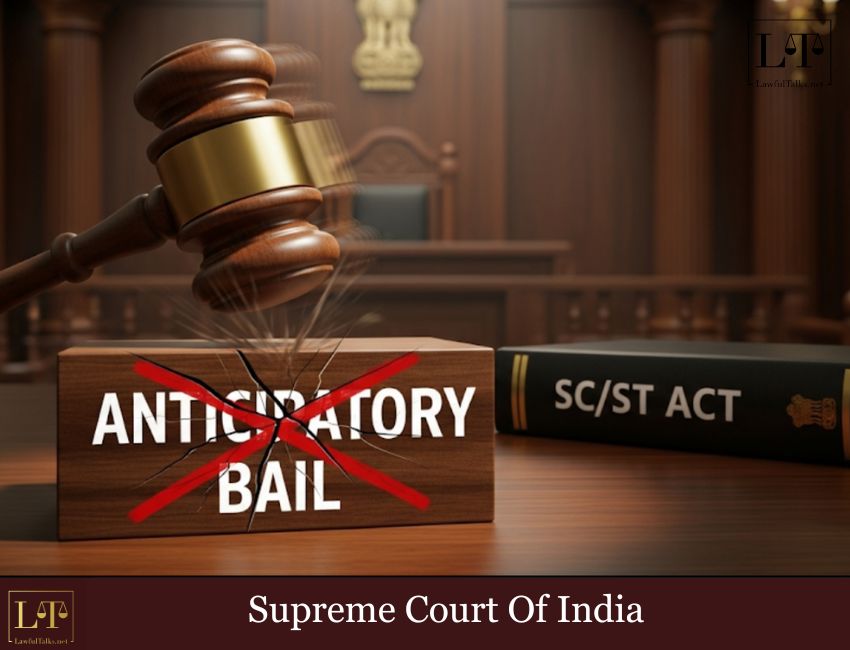
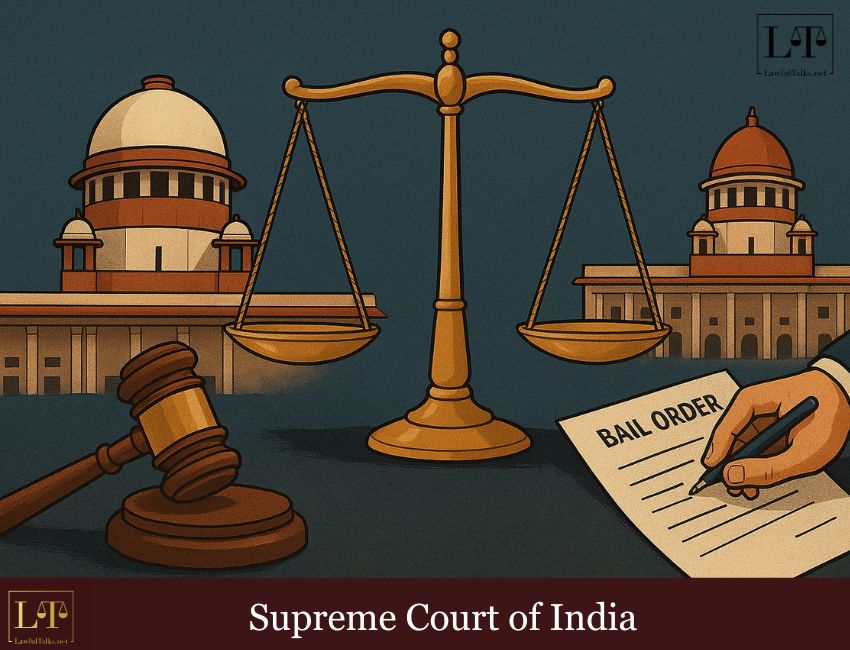
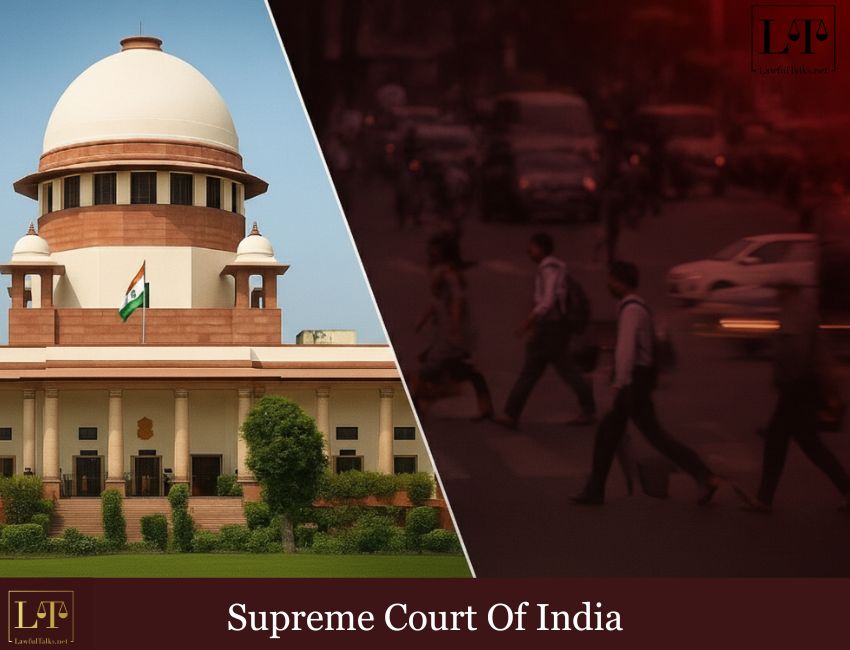
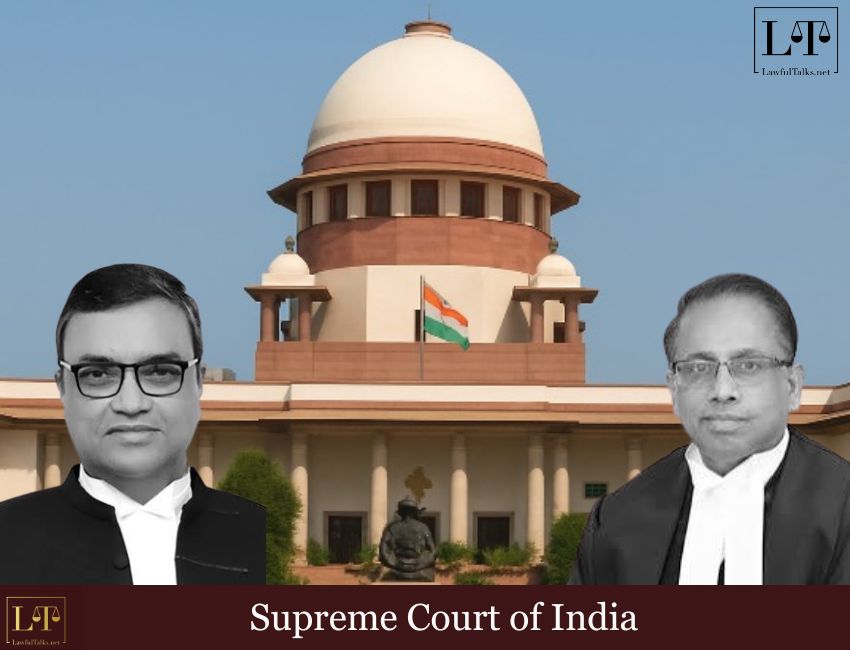
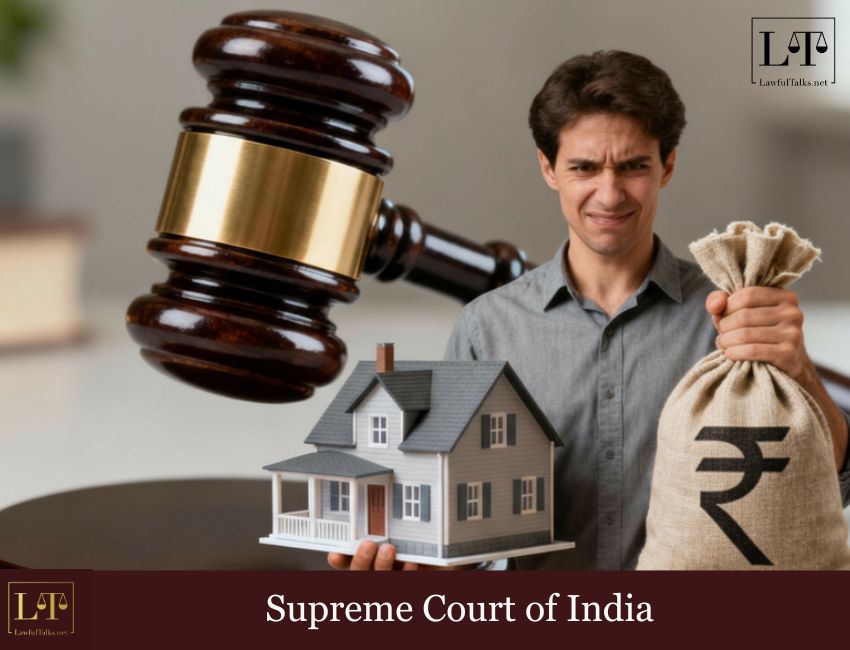
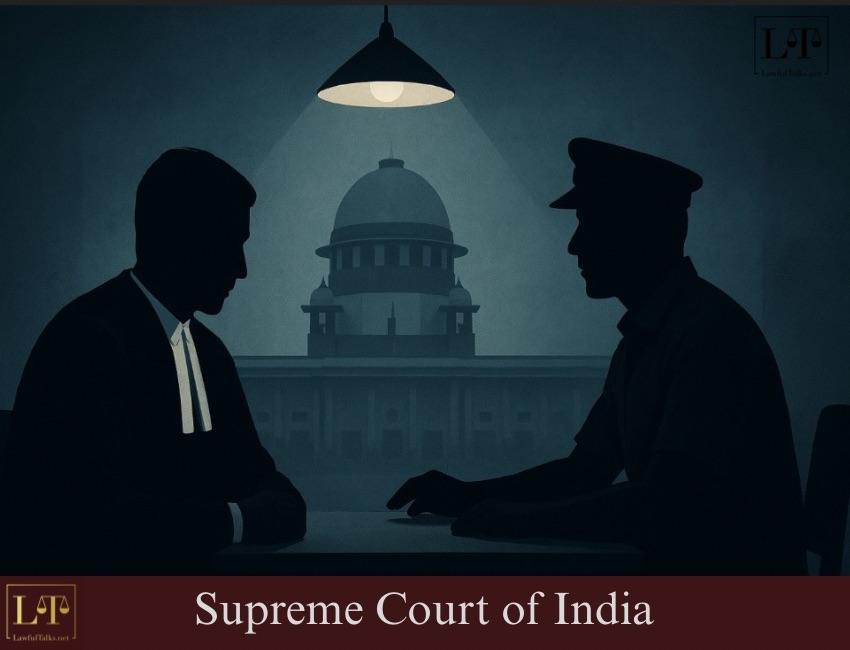
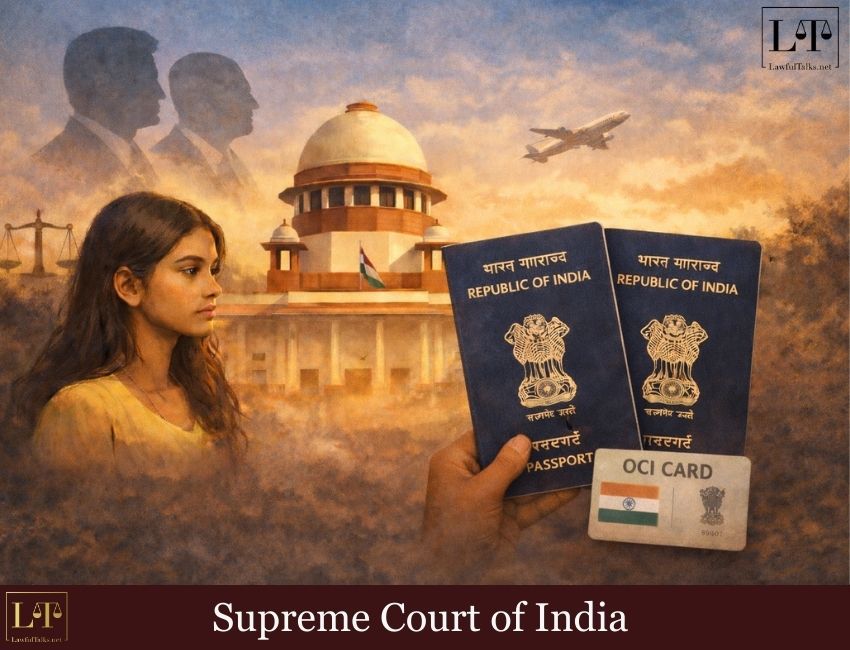
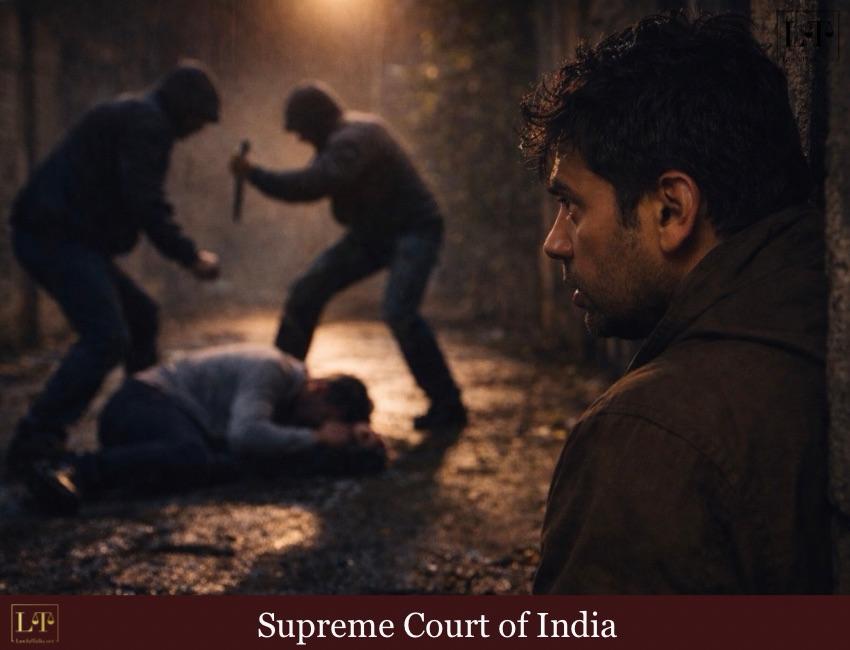
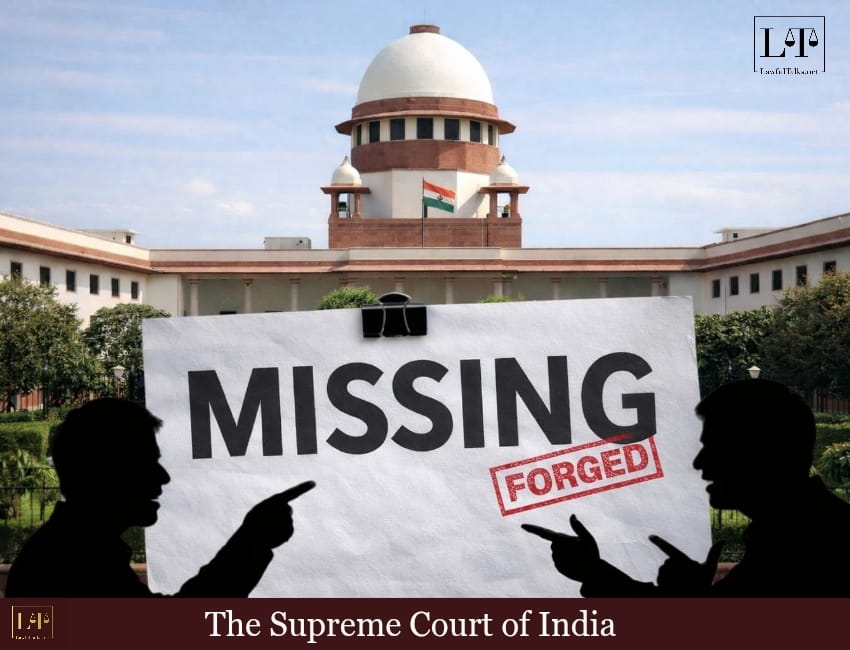
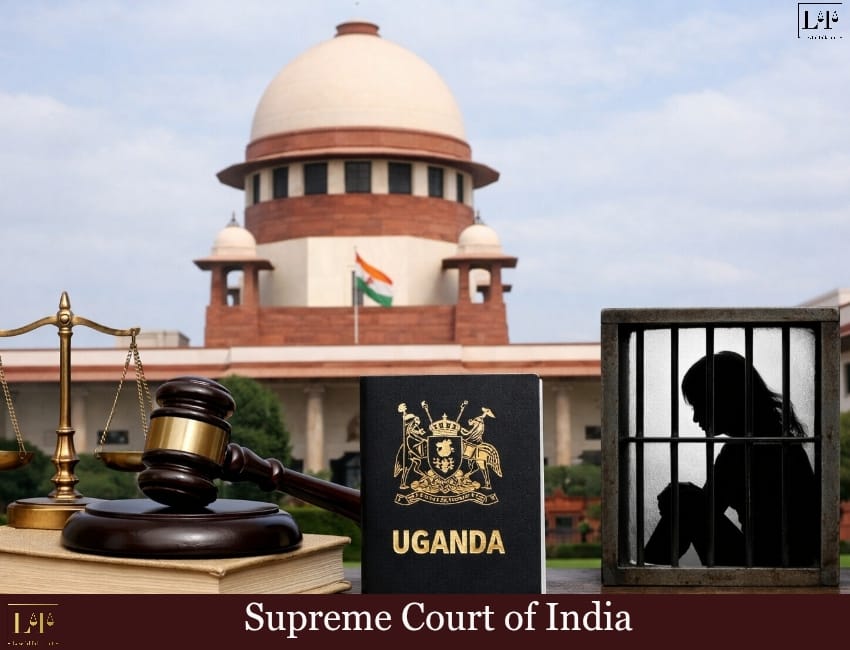
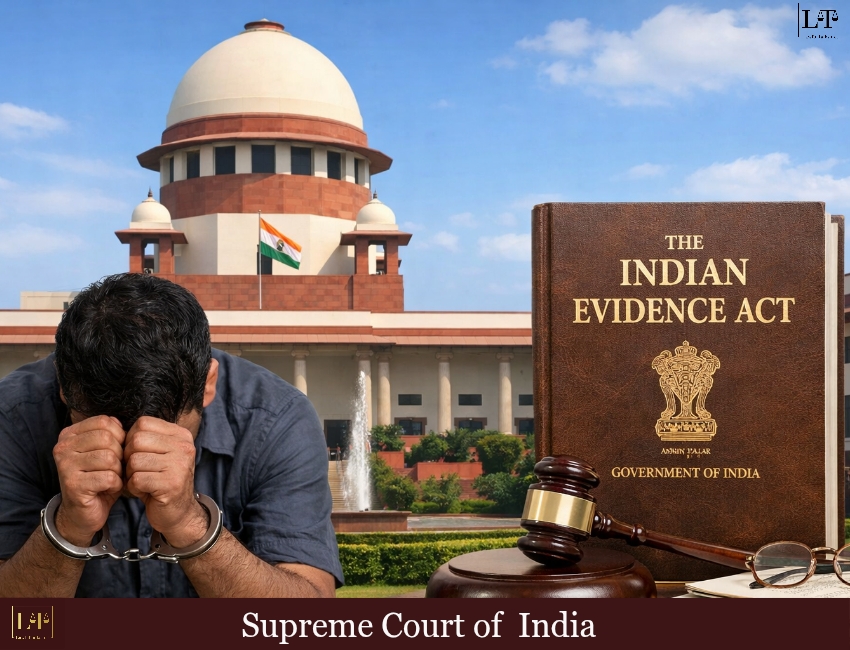
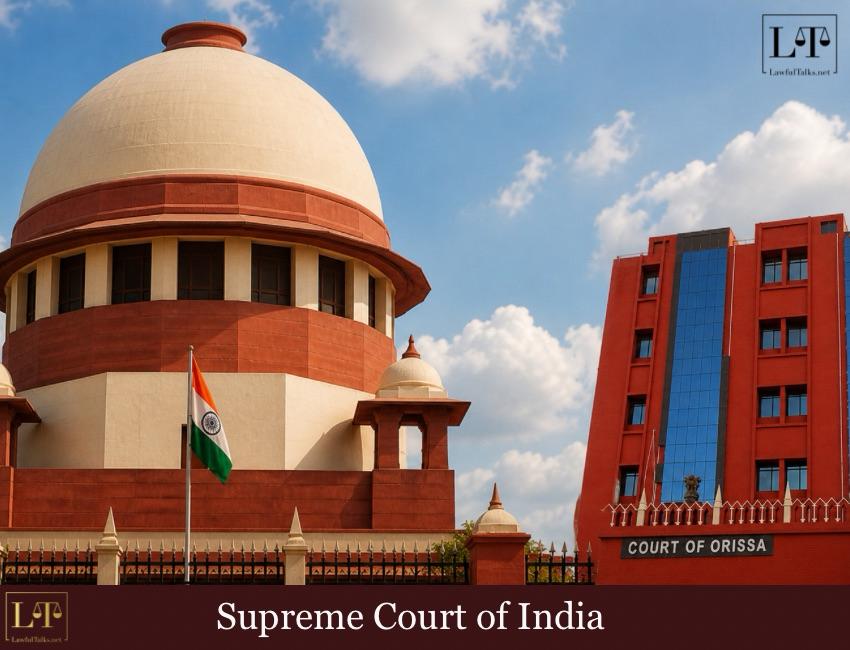
The Supreme Court has granted bail to two doctors accused in a narcotics case, stating that their arrest was illegal. The Court found that the authorities did not provide them with written grounds of arrest before producing them before a Magistrate.
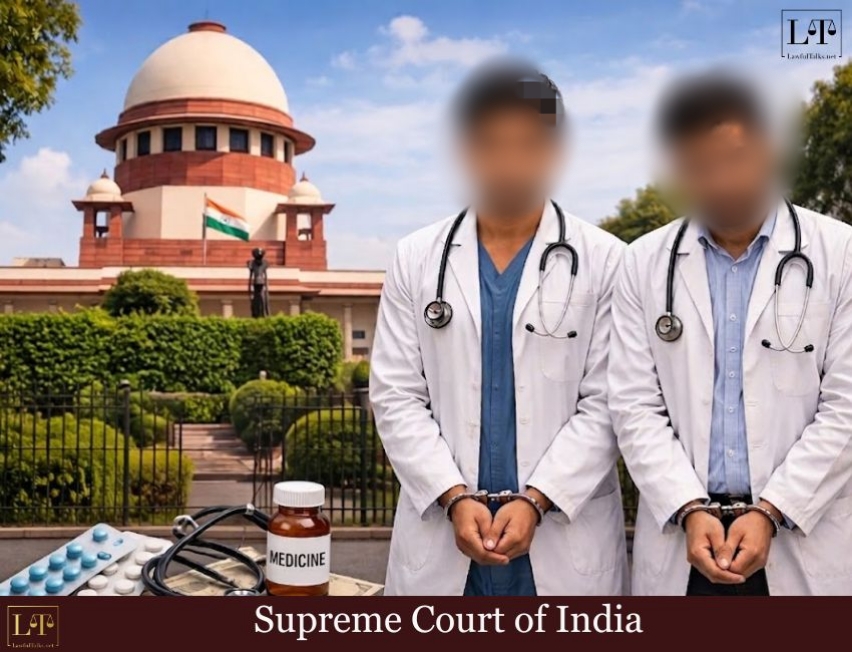
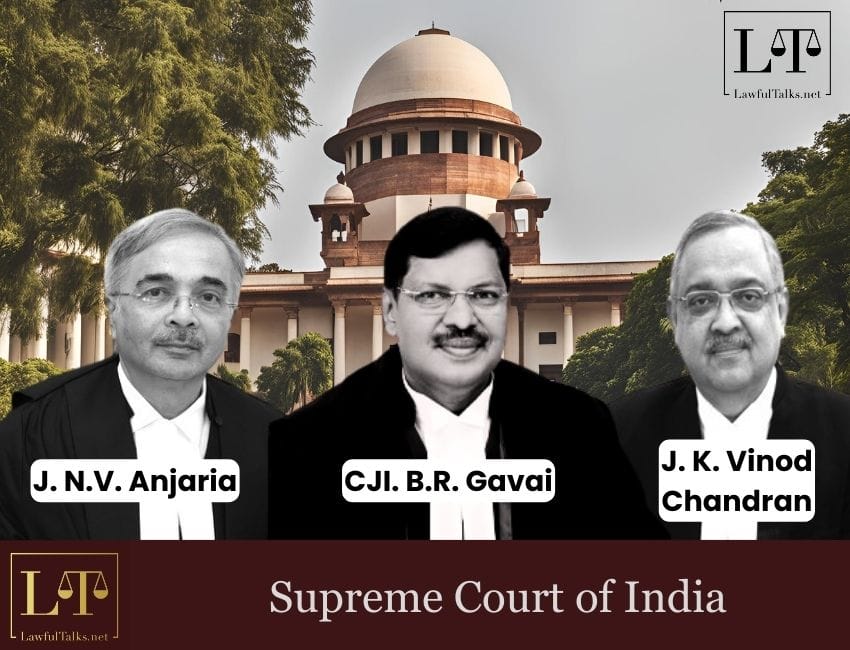
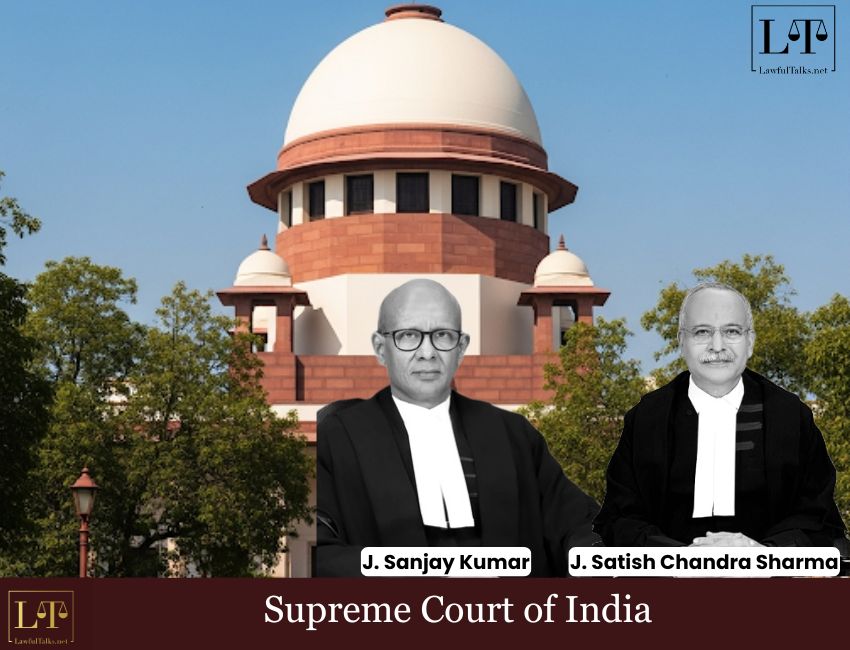
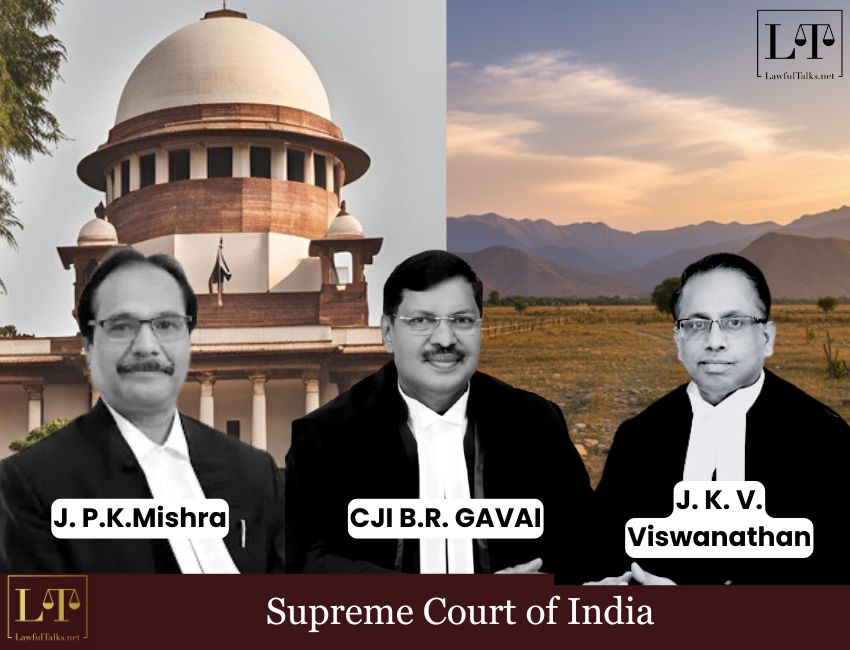
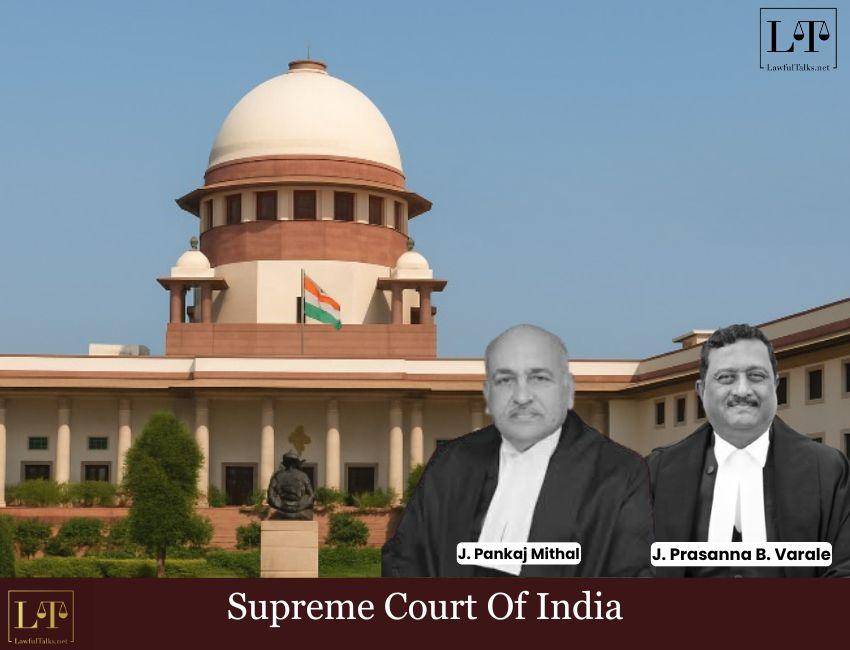
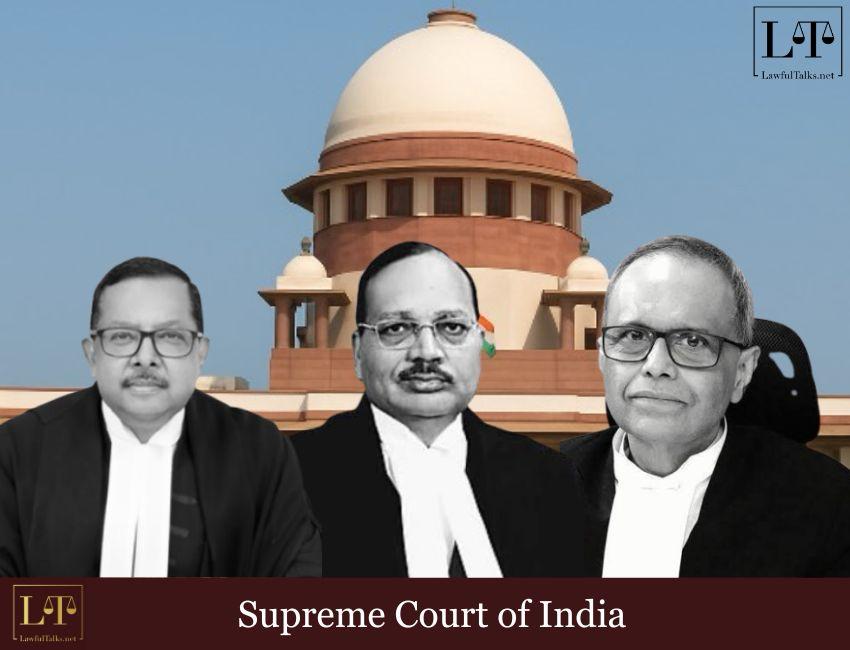
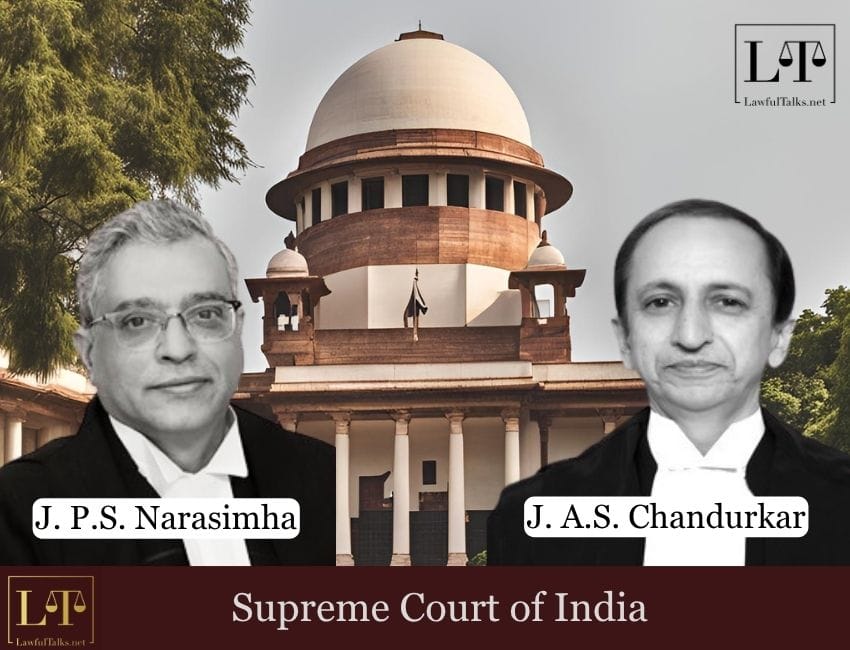
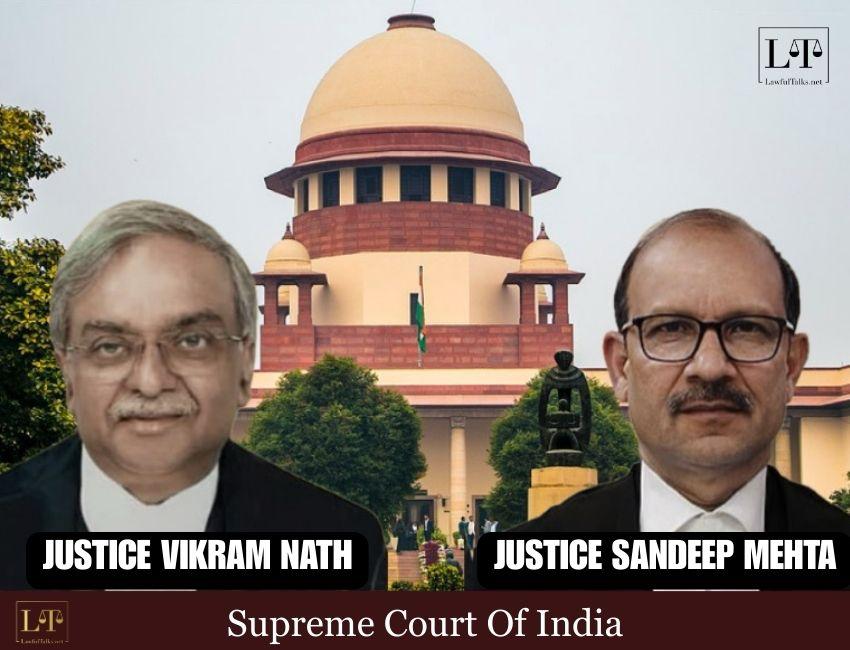
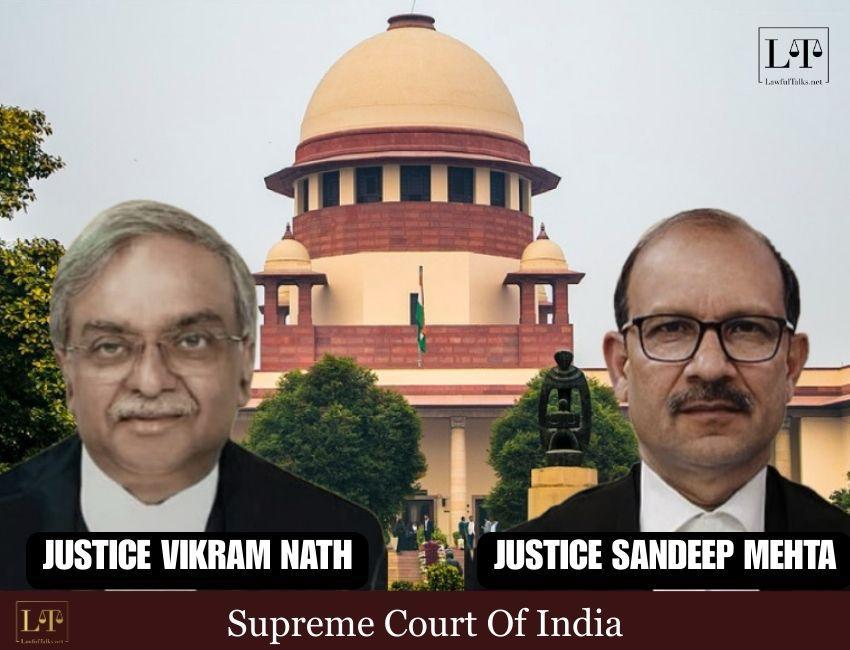
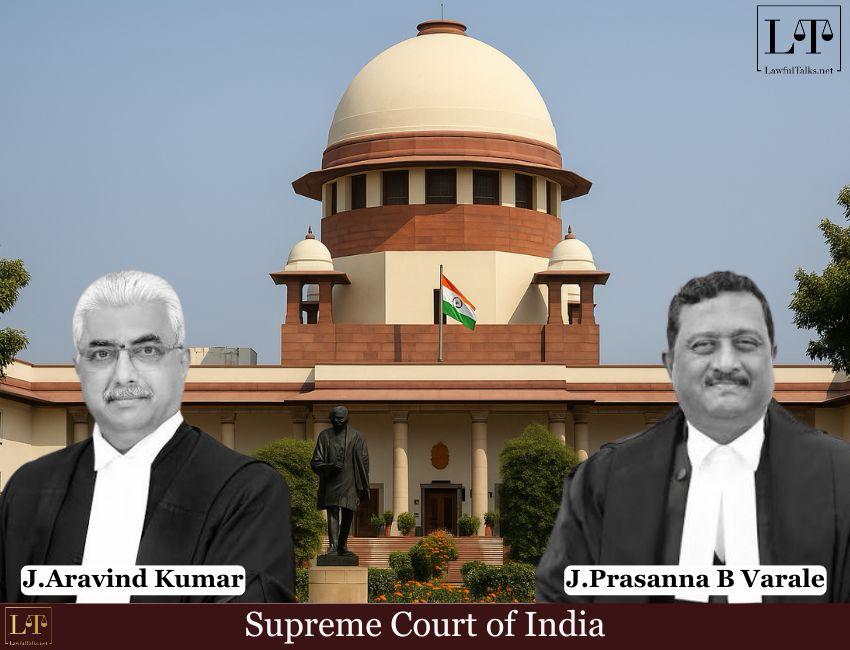
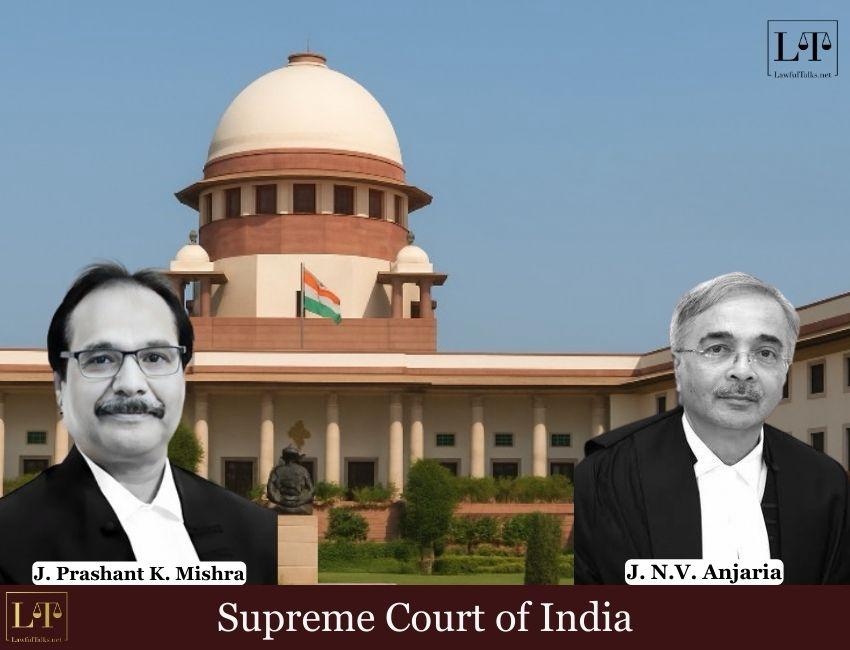
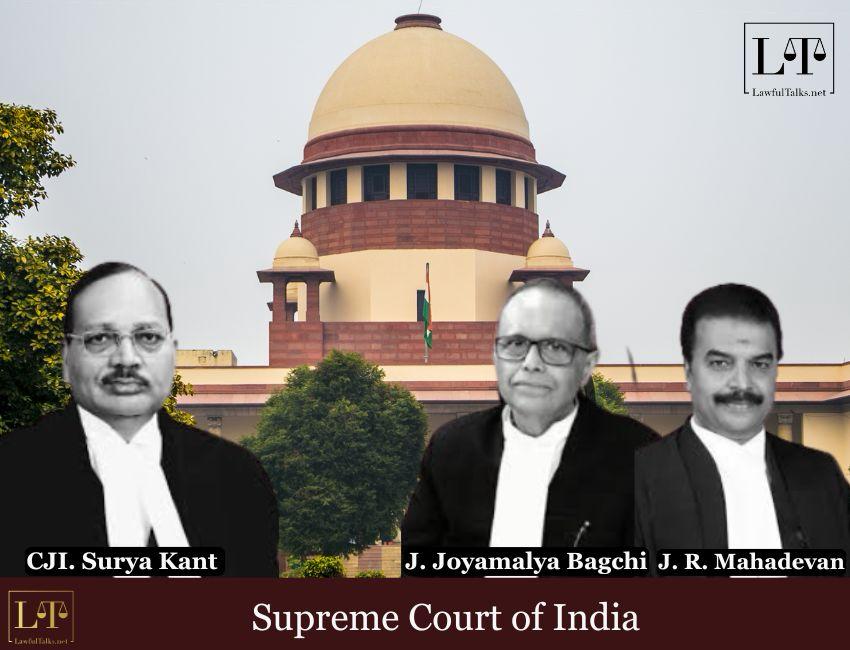
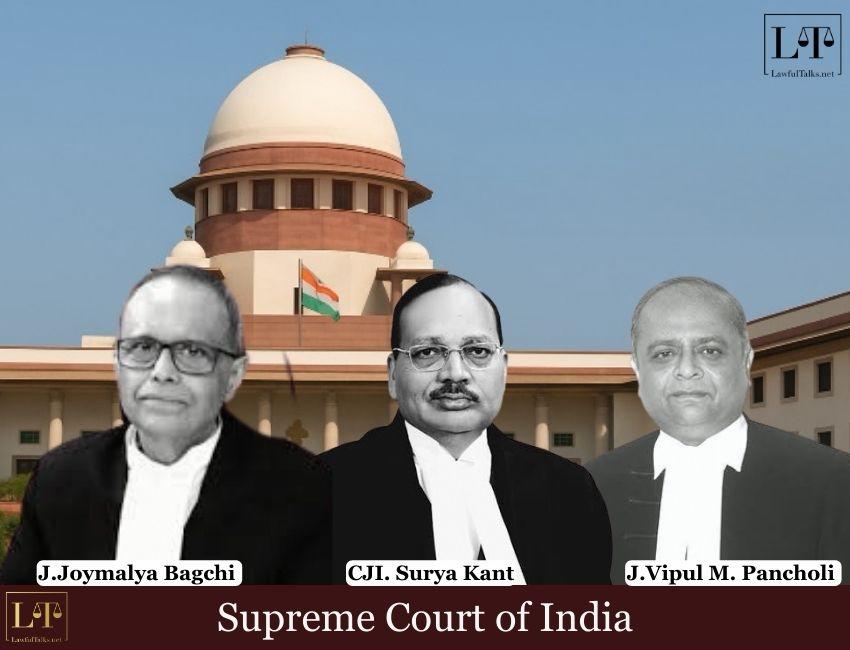
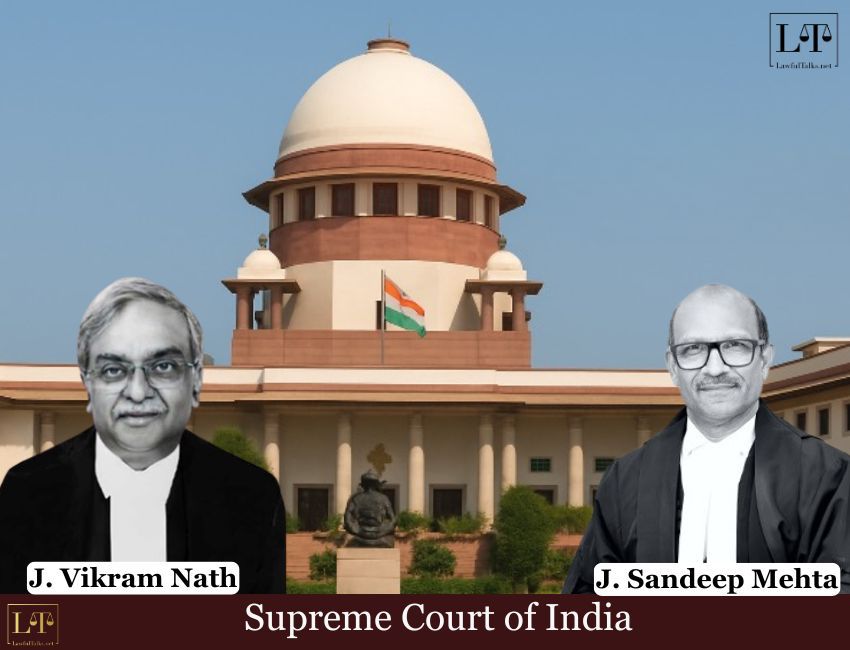
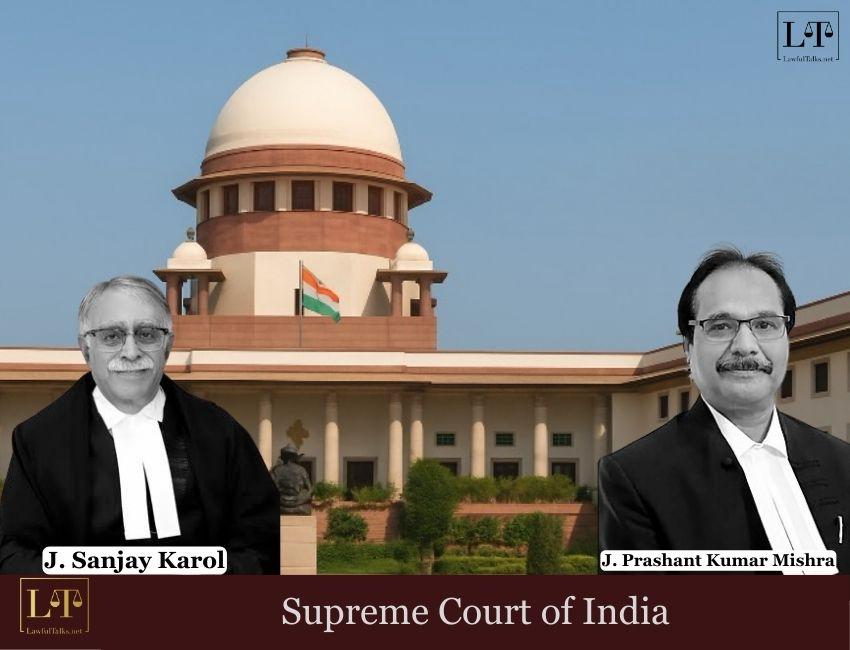
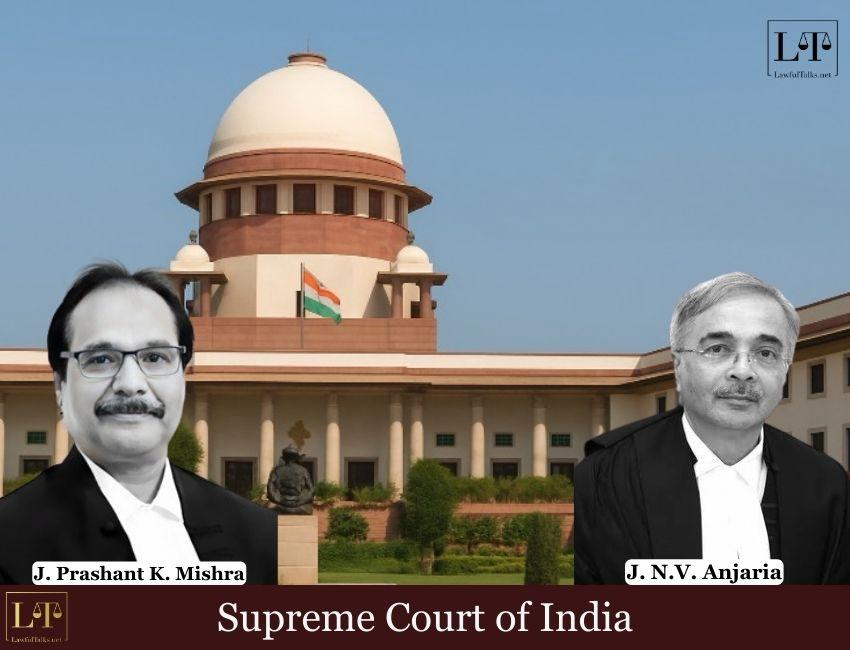
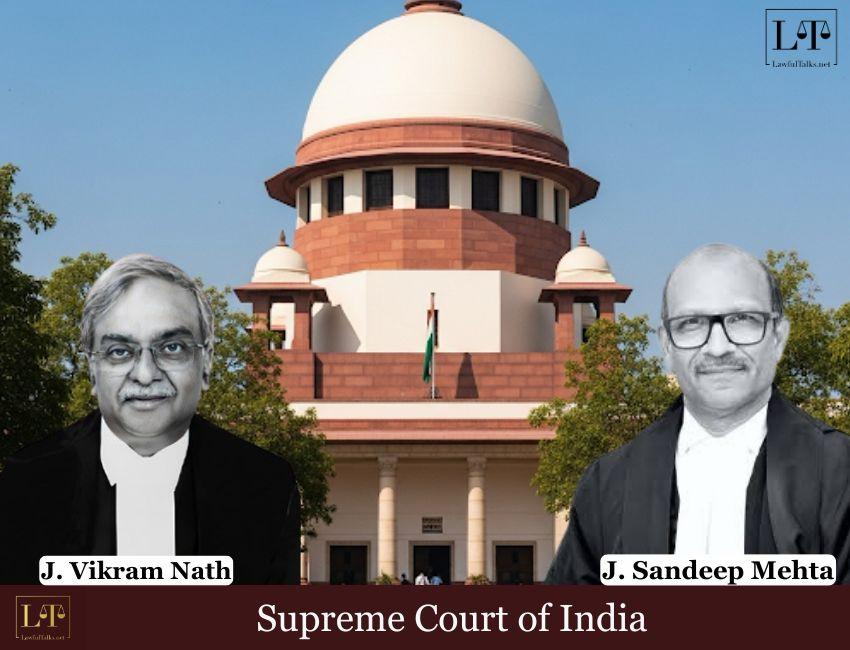
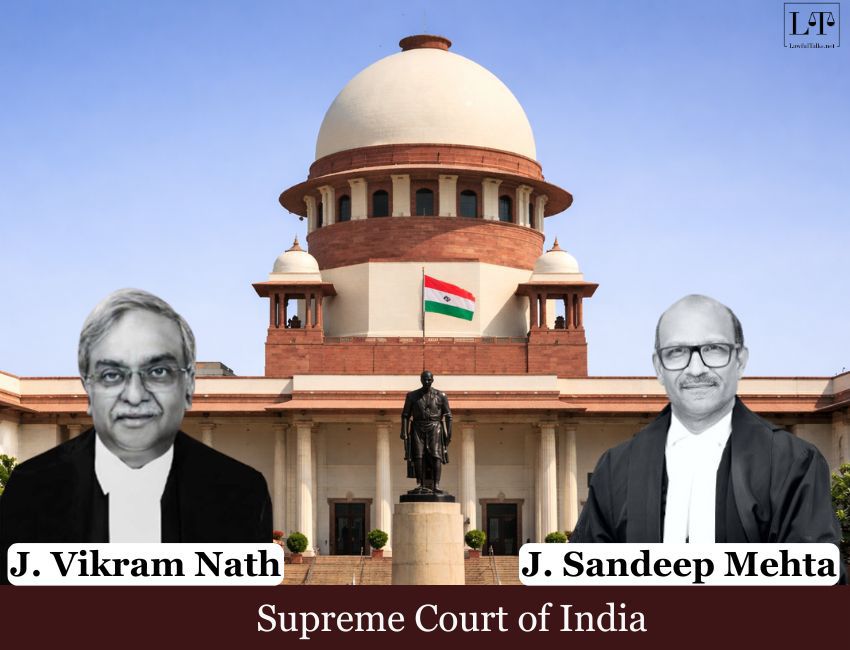
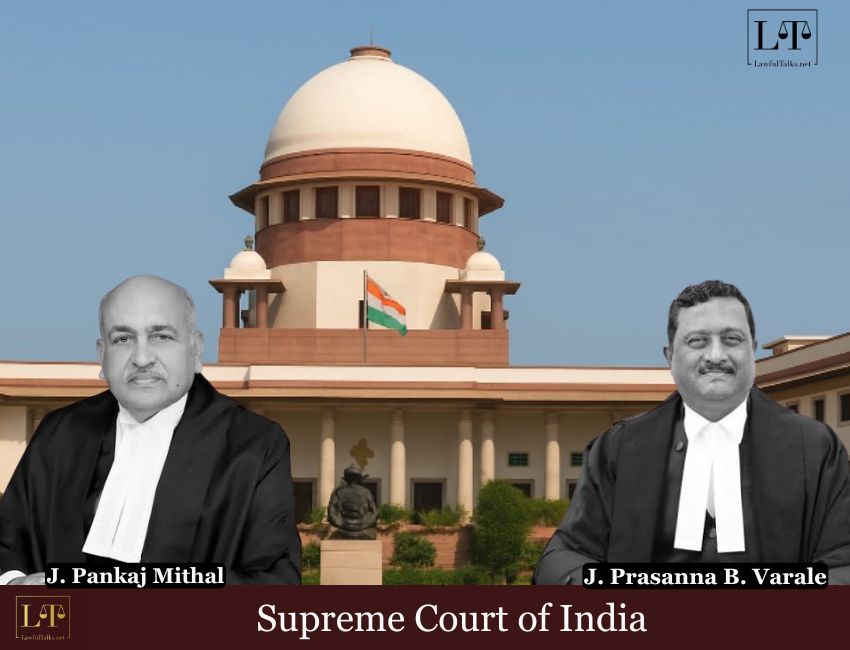
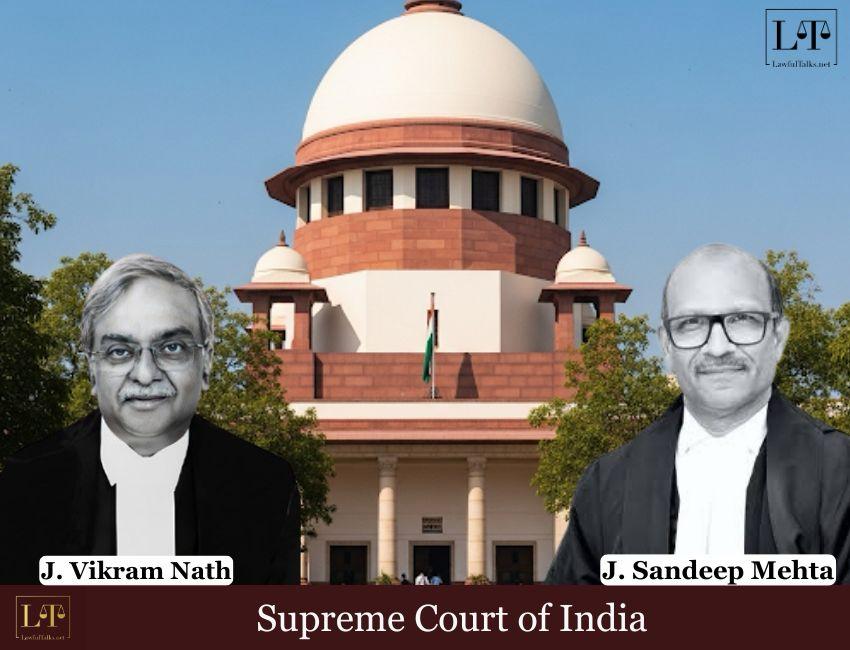
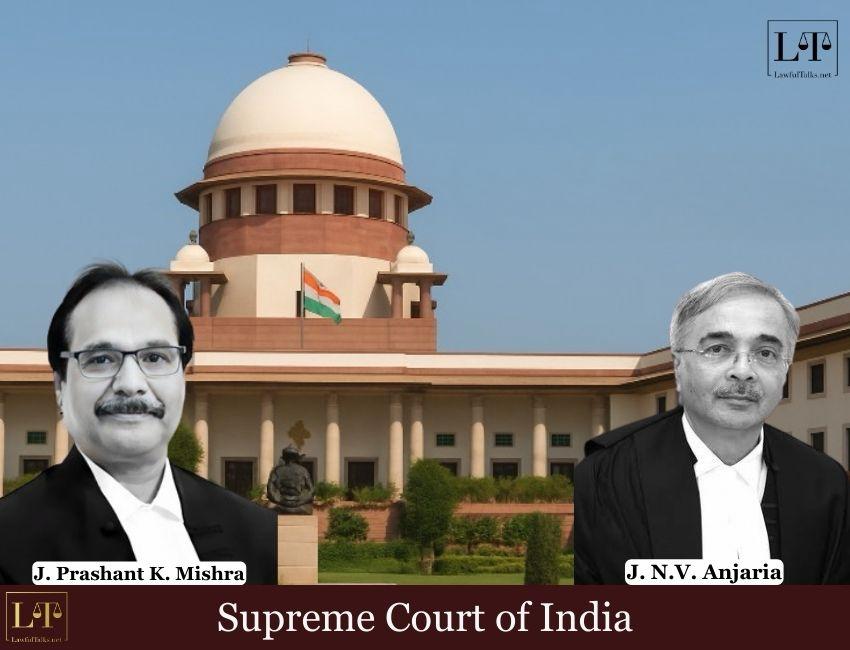
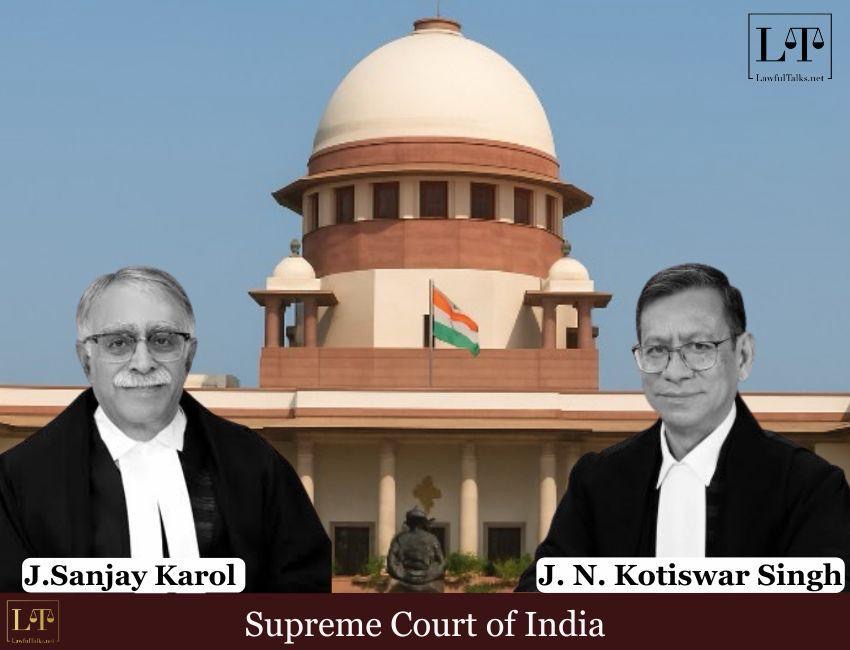
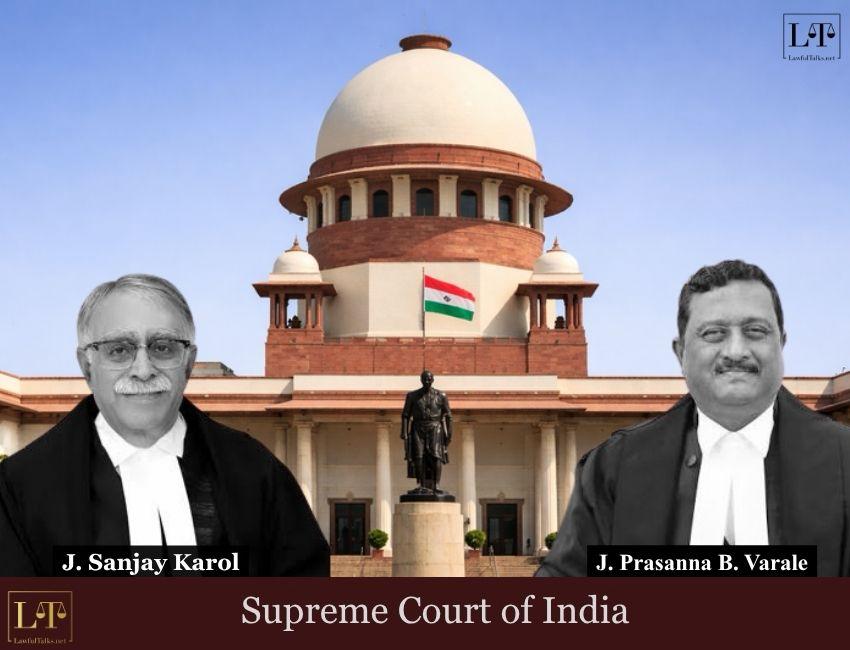
A bench of Justices Vikram Nath and Sandeep Mehta held that this requirement is mandatory, as laid down in the Mihir Rajesh Shah v. State of Maharashtra case, and must be followed in every arrest.
Case Background:
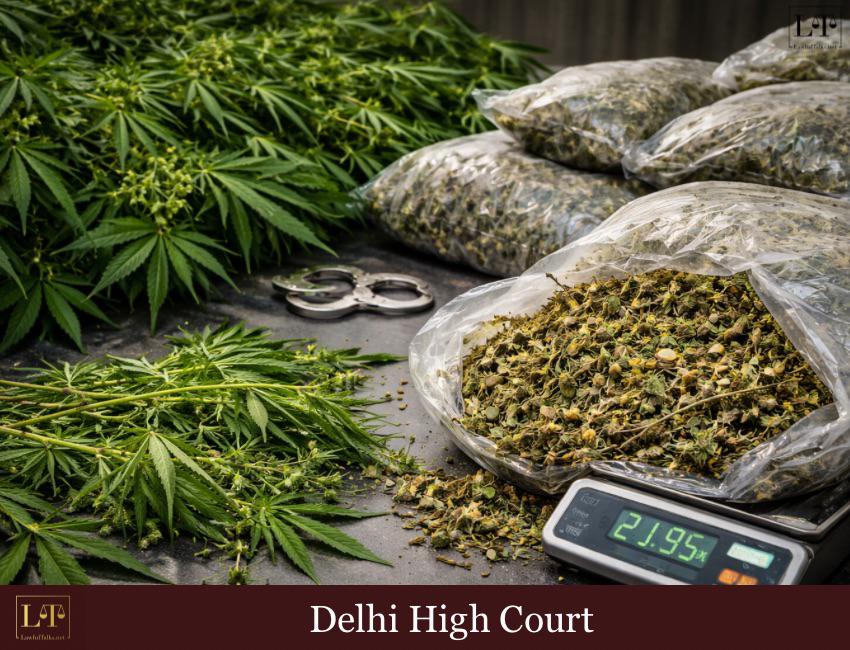
The case involves two doctors- Dr. Rajinder Rajan an orthopaedic surgeon and hospital owner and Dr. Jatinder Malhotra, a pharmacy proprietor. They came under investigation after 2000 tablets of Tramadol were found at Corporate Hospital in Amritsar.
The hospital stated that it had ordered only 200 tablets, but the manufacturer, M/s Ballista Pharmaceuticals, mistakenly sent 2000 tablets. The doctors said the extra tablets were kept sealed and that they had already asked the company to take them back before the Narcotics Control Bureau (NCB) conducted the raid.
Despite this, the NCB registered a case, seized the tablets from the hospital, and arrested both doctors based on their statements.
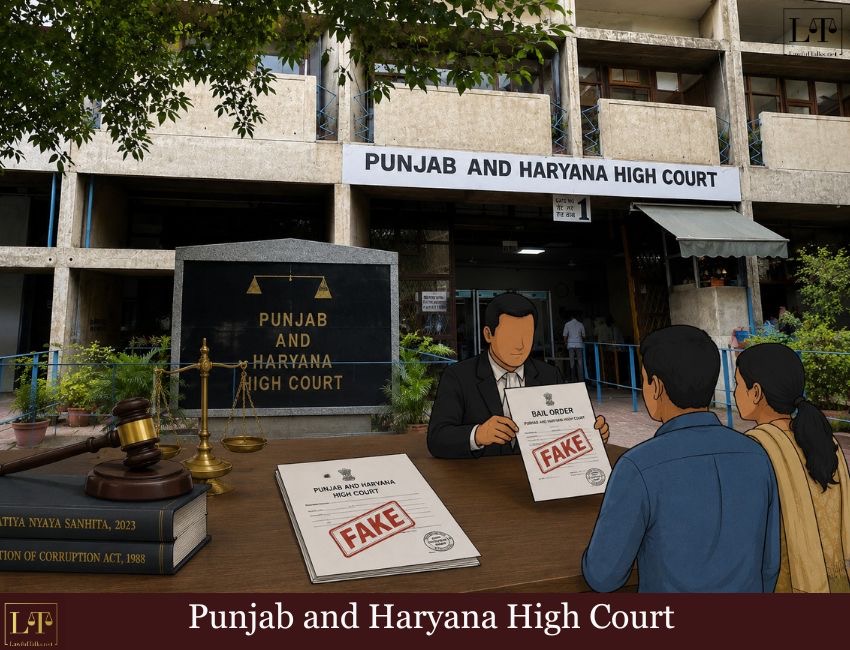
Later, both doctors applied for bail before the Punjab and Haryana High Court, specifically arguing that they were not given the grounds of arrest before being taken into custody. However, their pleas were rejected. Aggrieved by this, they approached the Supreme Court.
Appellants Arguments:
The appellants argued that their arrest was unlawful because they were not given written grounds of arrest, as required under constitutional safeguards.
They said that simply mentioning case details in the arrest memo does not meet the legal requirement of providing the grounds of arrest in writing.
Relying on the Supreme Court’s ruling in Mihir Rajesh Shah v. State of Maharashtra , they stated :
“… failure to furnish the ‘grounds of arrest’ to an accused in writing amounts to violation of the fundamental rights guaranteed under Articles 21 and 22 of the Constitution of India. It was submitted that where the arrested person has not been informed of the grounds of arrest, the inevitable consequence would be that the arrest is illegal and such person is entitled to be released from custody.”
Respondent’s Stand :
The Union of India opposed the bail plea, maintaining that the grounds of arrest had been orally explained to the doctors and were also recorded in the arrest memo. The order states :
“Learned Additional Solicitor General, Shri Anil Kaushik, appearing for the respondents, vehemently and fervently opposed the submissions advanced by learned counsel for the appellants. He urged that the grounds of arrest have been specifically set out in the arrest memo itself and the mandatory requirement in Mihir Rajesh Shah (supra) stands complied with and thus, the appellants do not deserve to be released on bail.”
They pointed out that a compliance report under Section 57 of the NDPS Act confirmed that the grounds of arrest were explained. The respondents also alleged that the appellants had deliberately procured a large consignment of Tramadol tablets, even though the hospital’s license specifically excluded this drug.
Based on this, they argued that there was no violation of law or legal precedent, and that bail should not be granted.
Supreme Court Findings :
The Supreme Court, after examining the submissions and the record, held that the directions laid down in Mihir Rajesh Shah v. State of Maharashtra had not been complied with in this case. Although the authorities claimed that the grounds of arrest were orally conveyed to the accused, the Court noted that they were never furnished in writing, which is a constitutional requirement.
The Court stated :
"It is no longer res integra that supplying the grounds of arrest to the accused in writing before the arrest or, in a given case, under exceptional circumstances, immediately thereafter, is the mandate of the constitutional guarantees provided under Article 22(1) read with Article 21 of the Constitution of India. The ratio of the judgment in Mihir Rajesh Shah (supra) conclusively holds that any deviation from the above principle would lead to the arrest of the accused being declared illegal entitling such accused to be released forthwith", the Court said.”
Accordingly, bail was granted to Appellants.
Case Details :DR. RAJINDER RAJAN VERSUS UNION OF INDIA & ANR, SLP(Crl.) No(s). 3326 of 2026












































































































































Sign up for free and be the first to get notified about curated content just for you.