“The Supreme Court Steps Into a Shrine—and Draws a Line the Law Must Respect”

- April 07, 2026


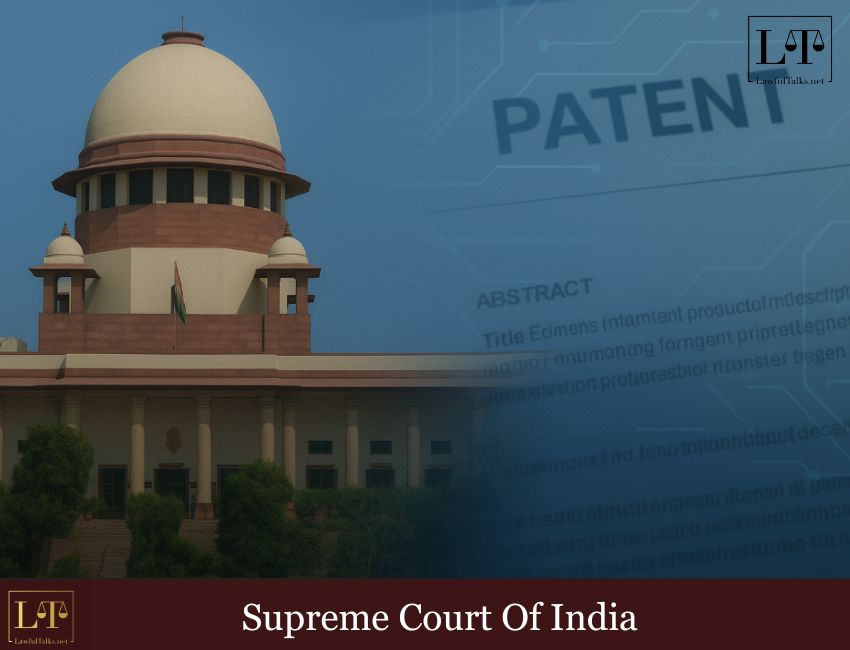
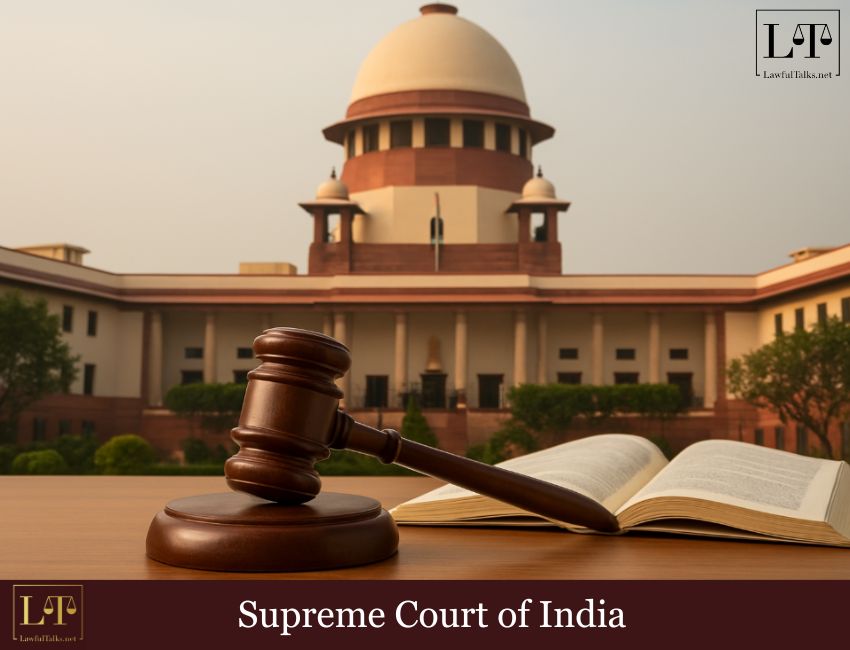
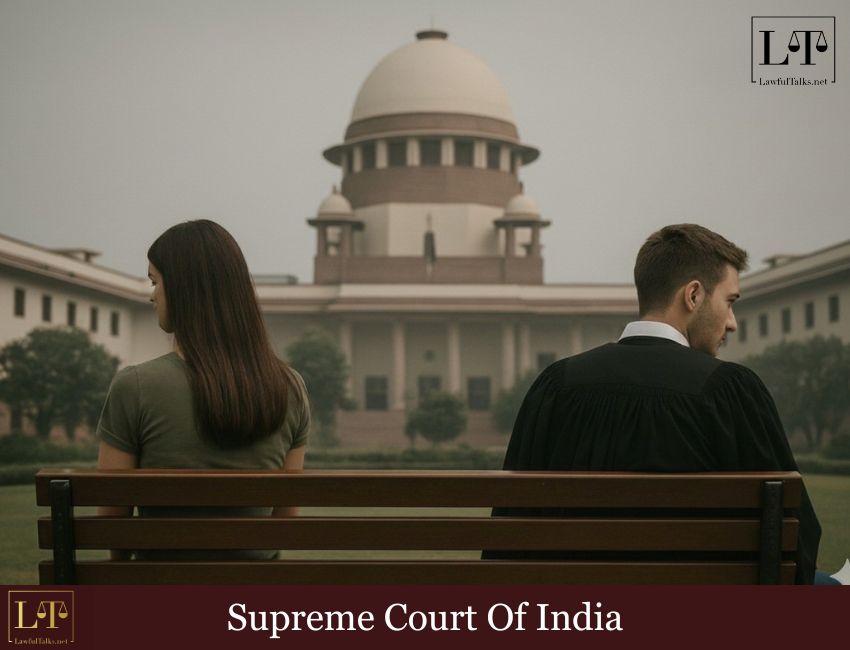
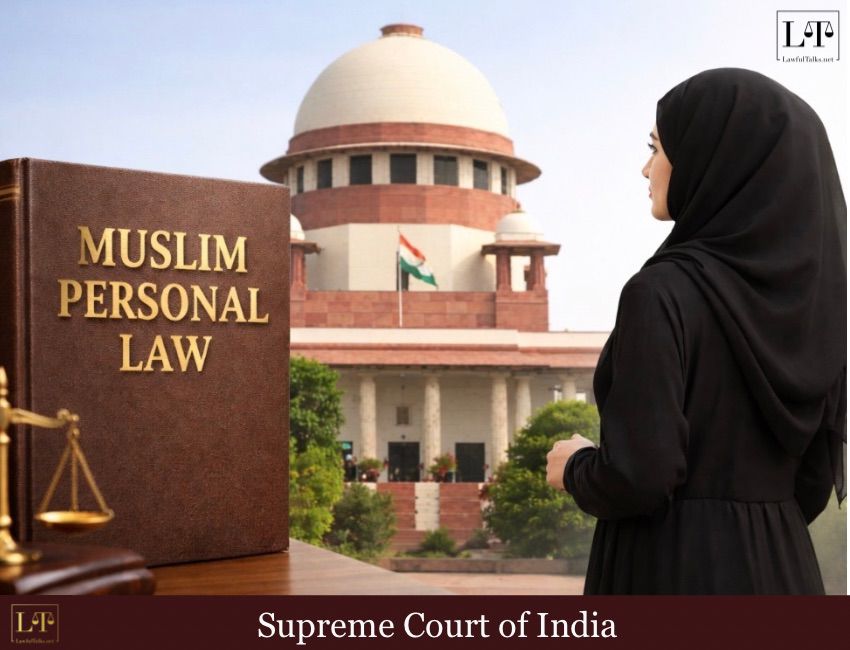
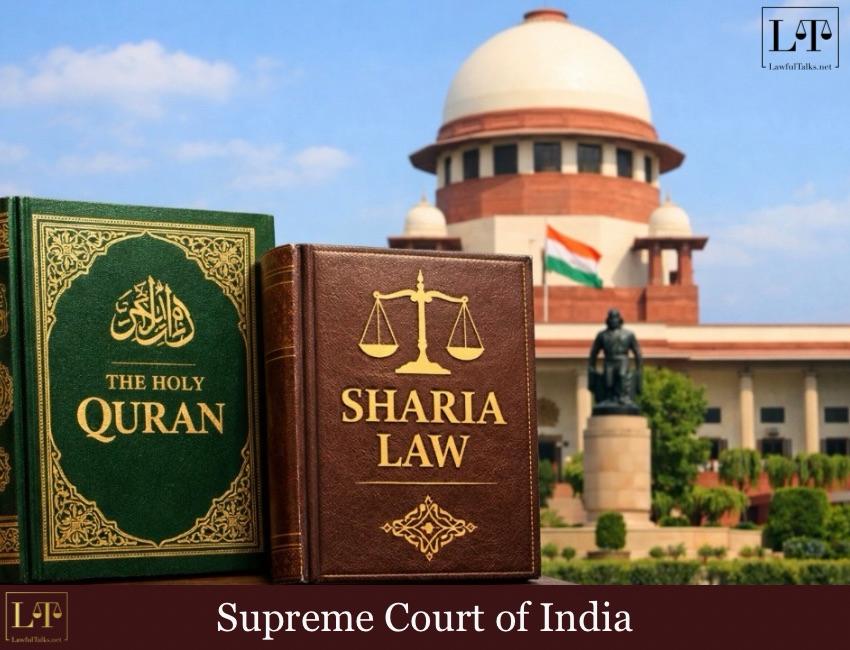
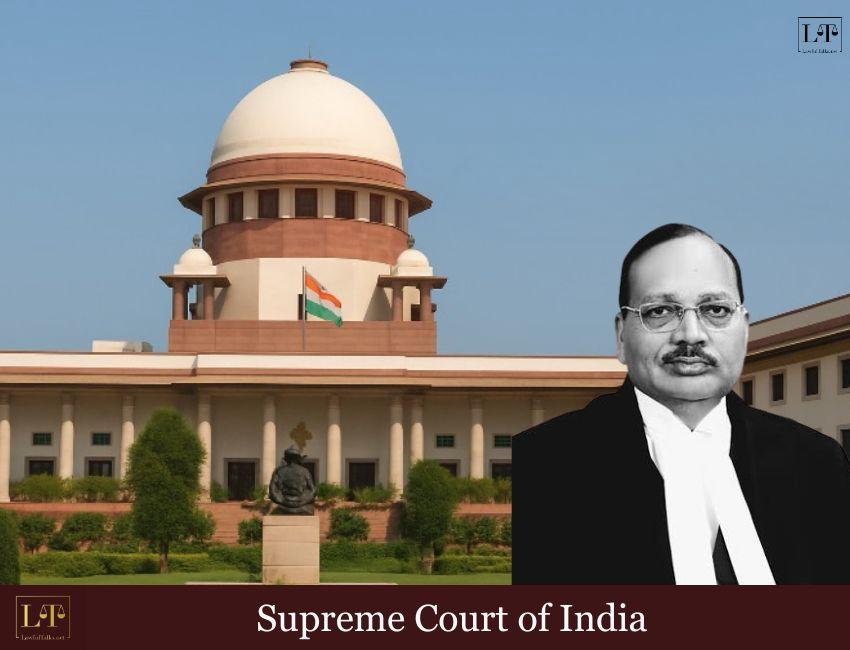
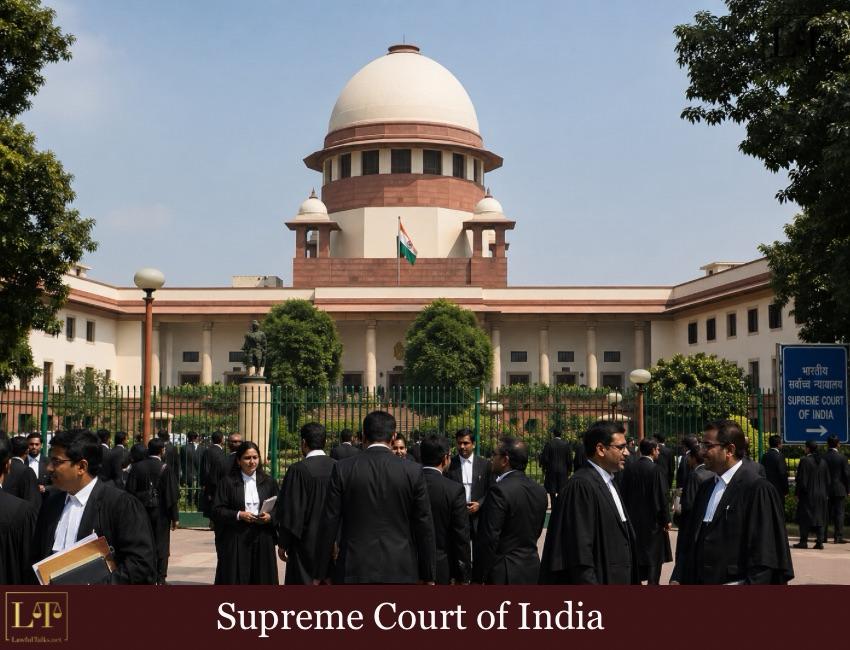
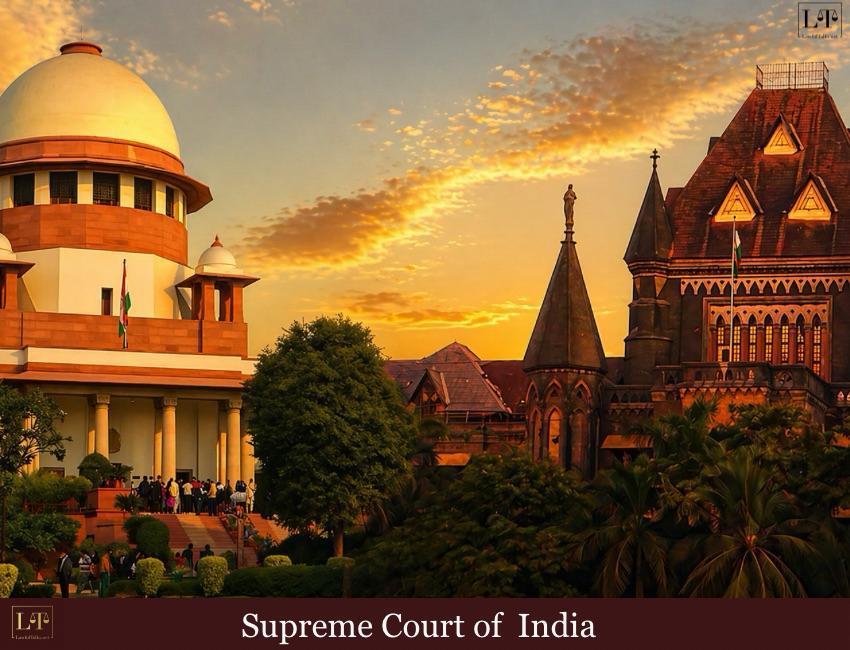
In a significant ruling, the Supreme Court has clarified the difference between spiritual and administrative roles in Islamic religious institutions. It held that a Sajjadanashin at a Dargah has a purely spiritual role, which is different from the managerial role of a Mutawalli in a Waqf.
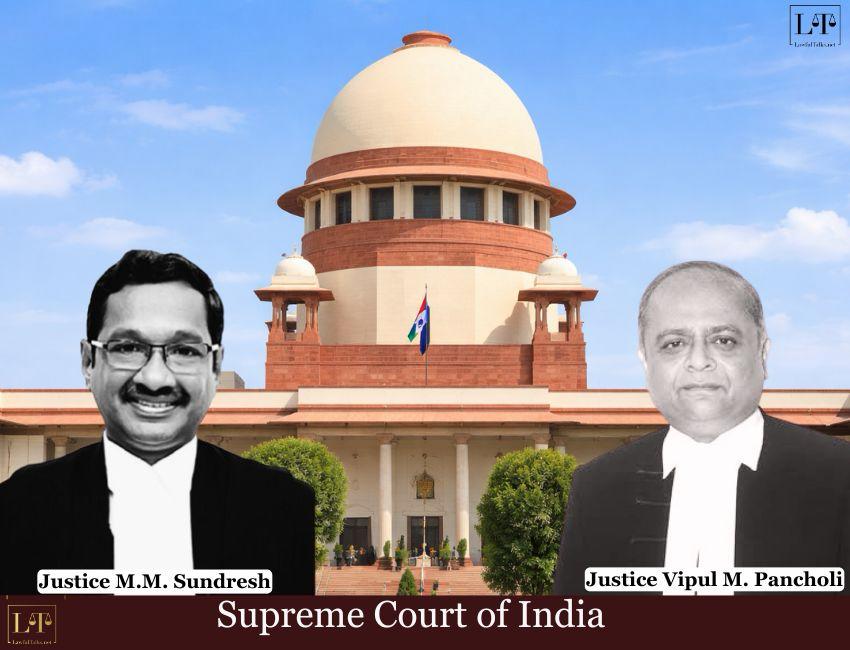
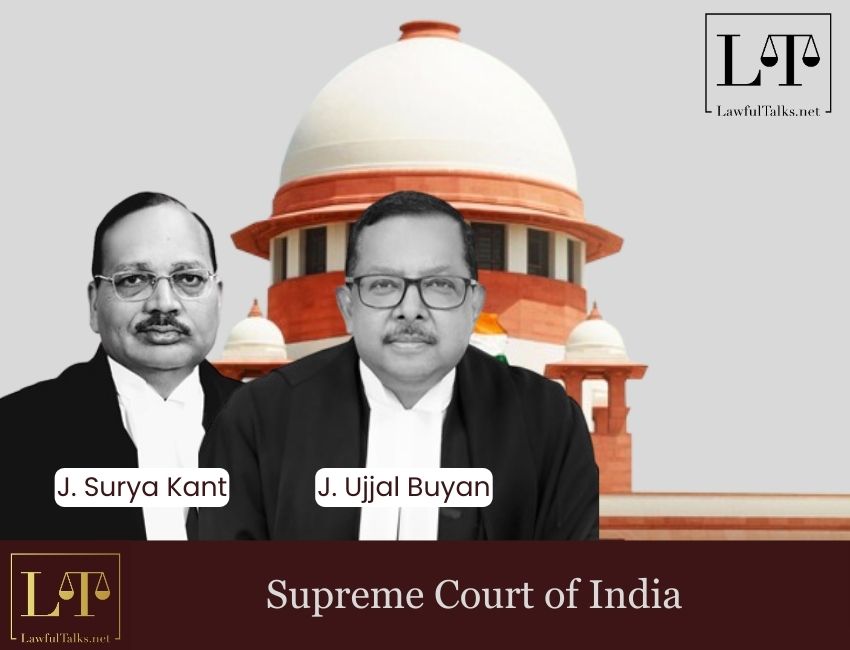
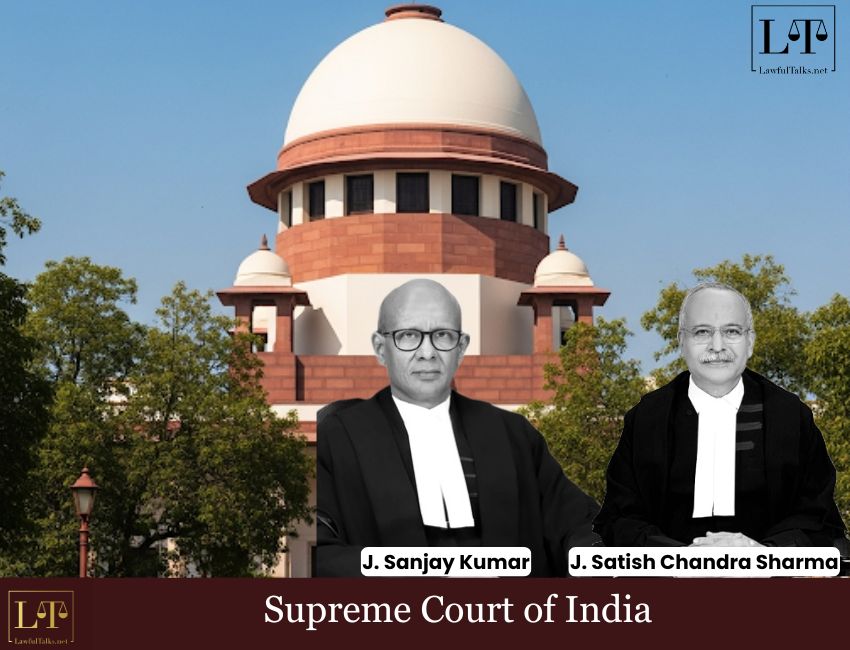
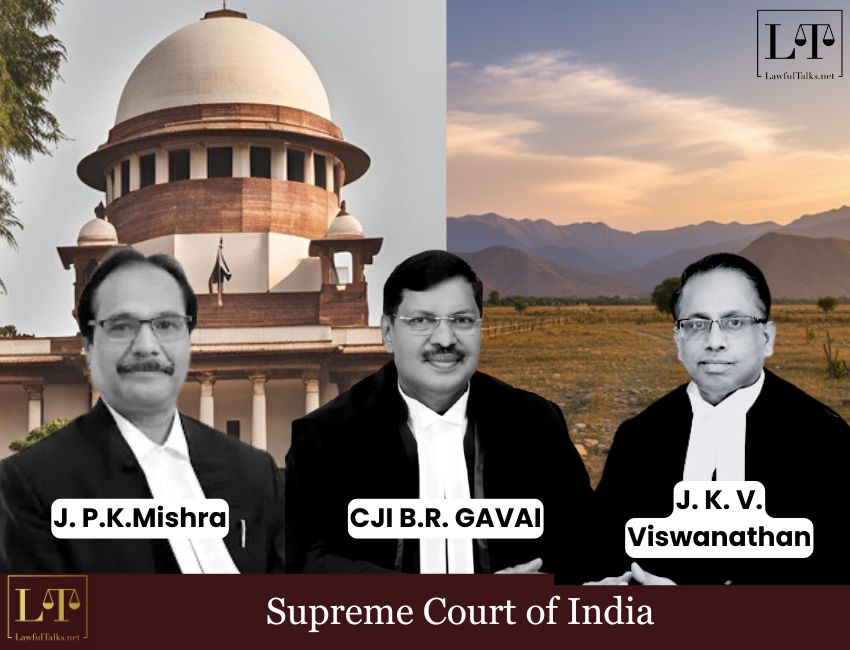
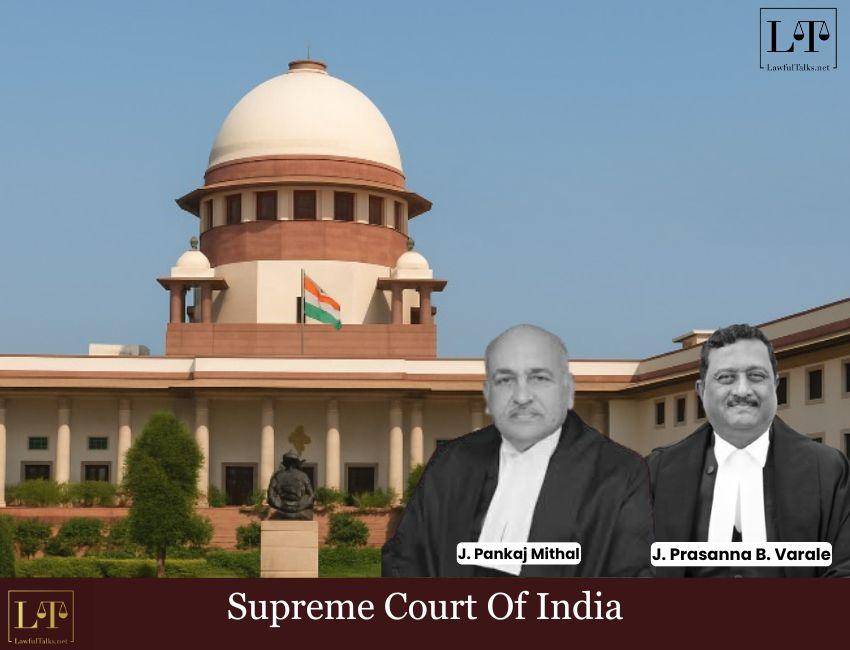
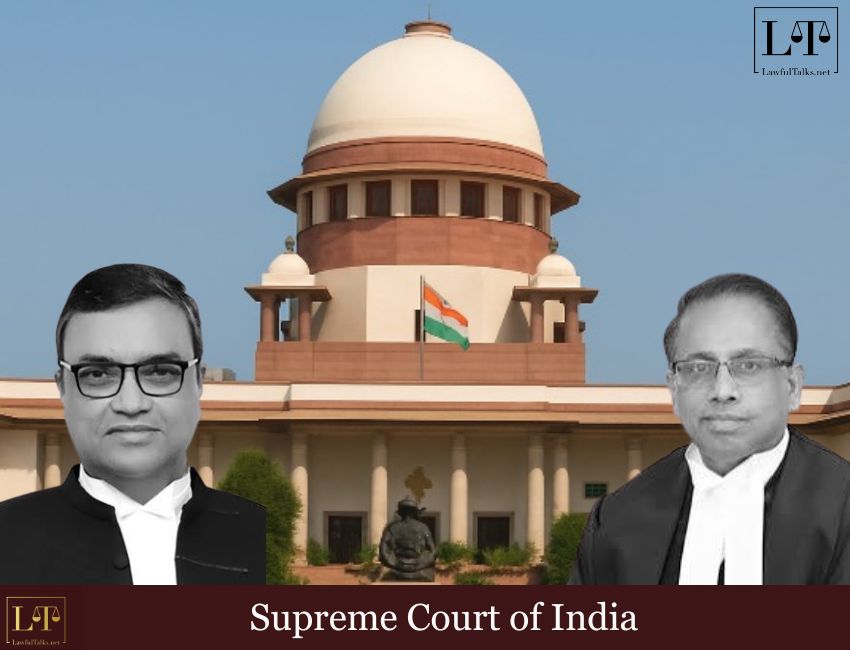
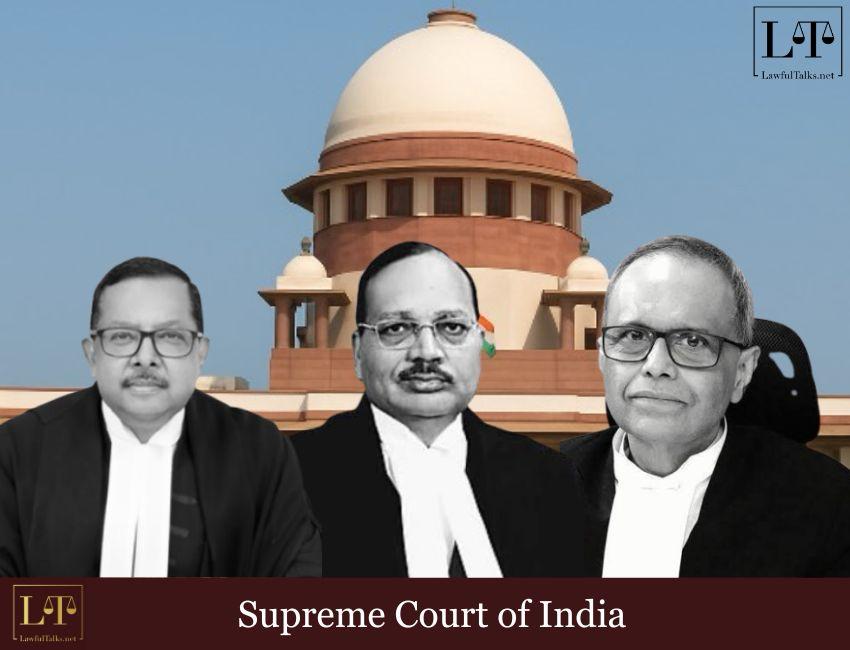
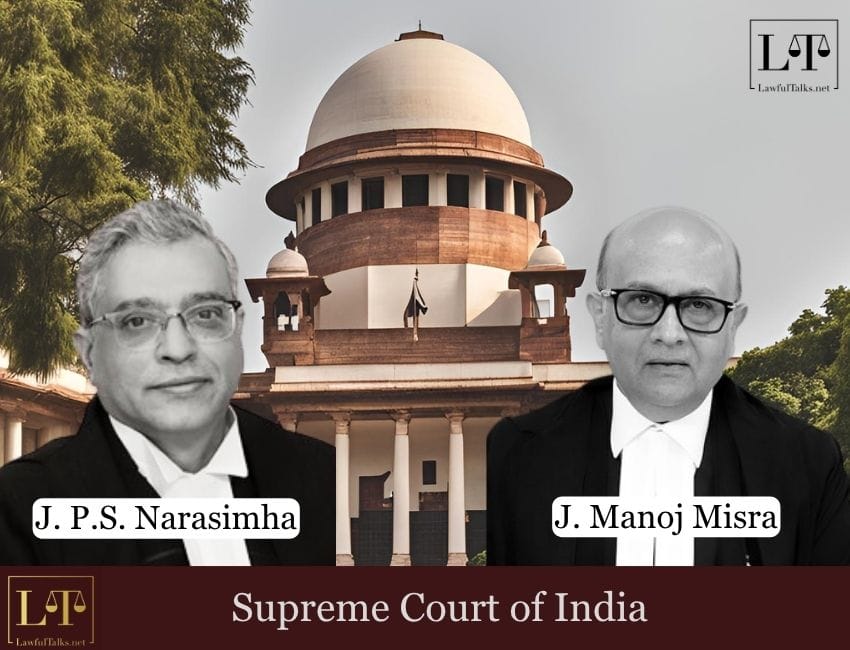
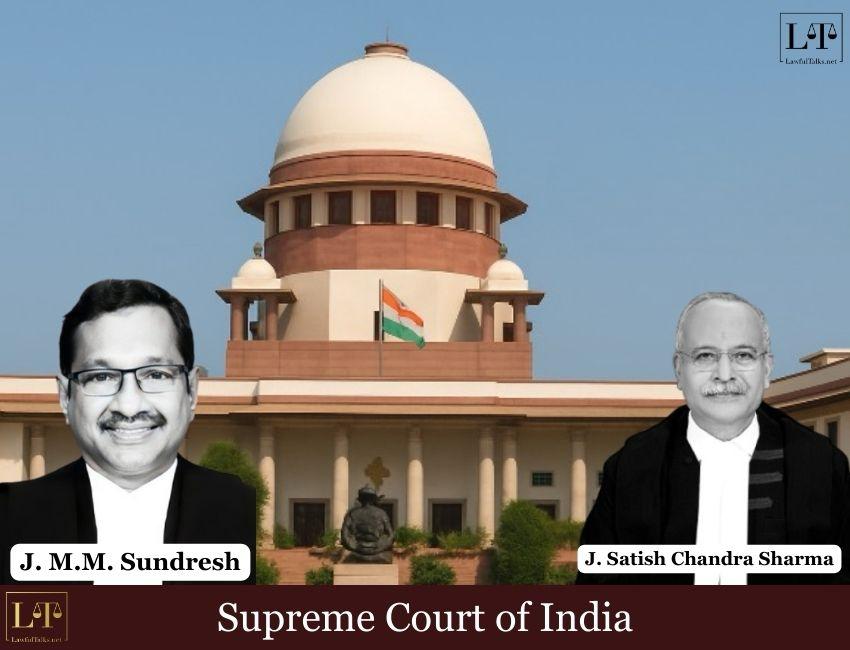
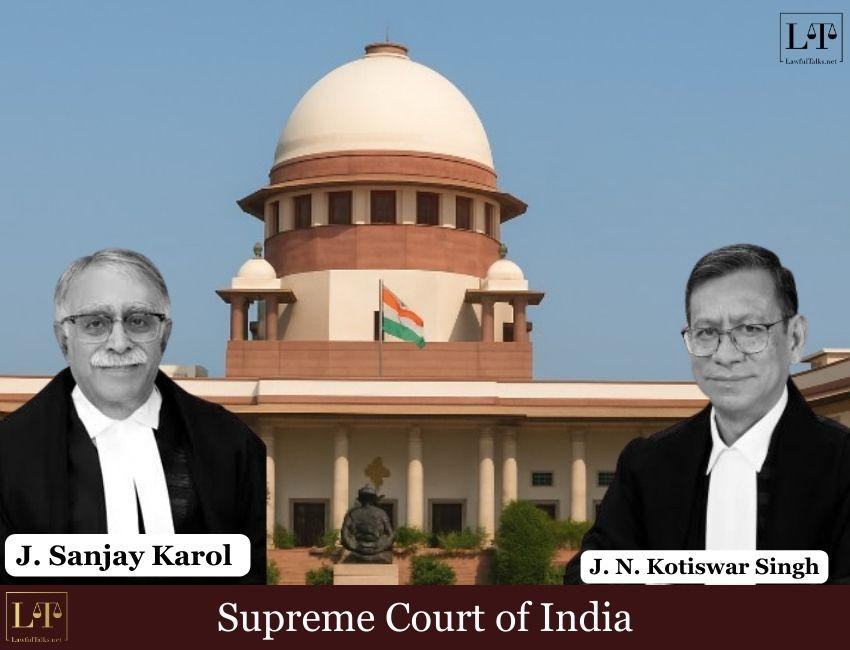
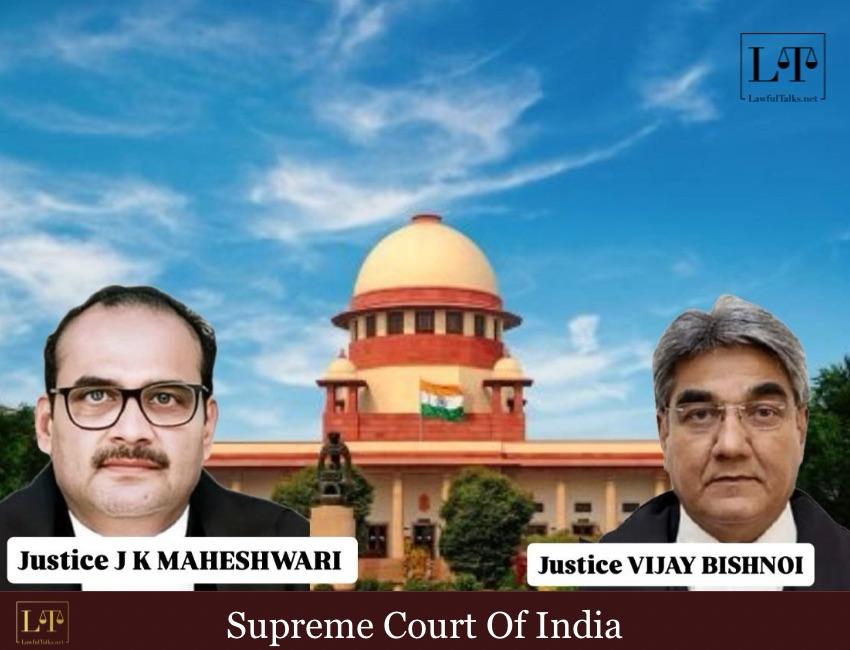
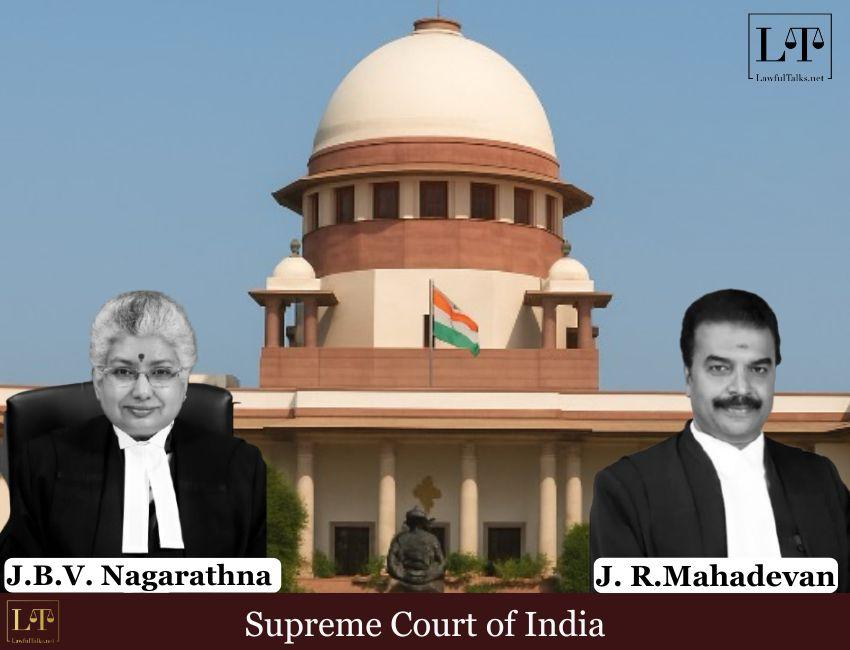
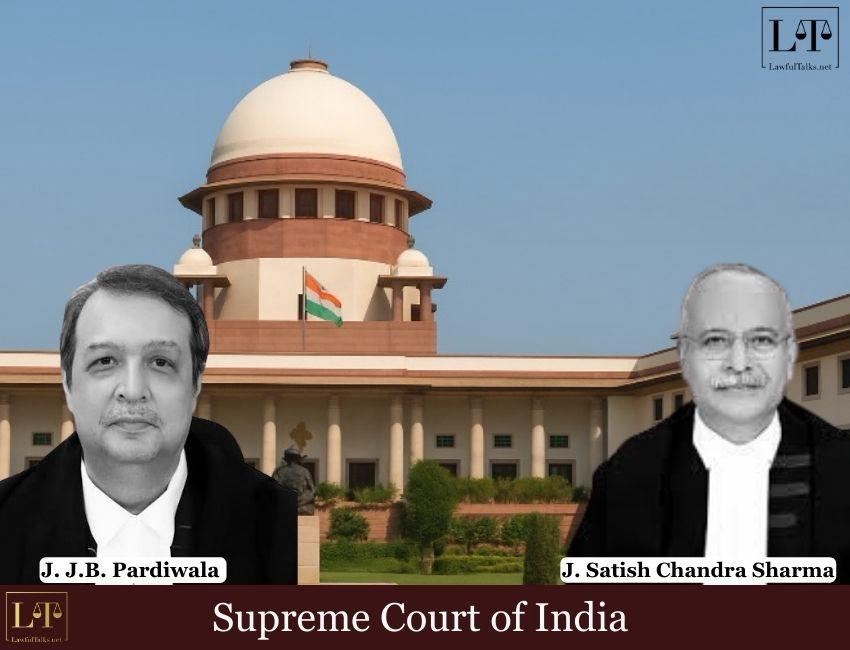
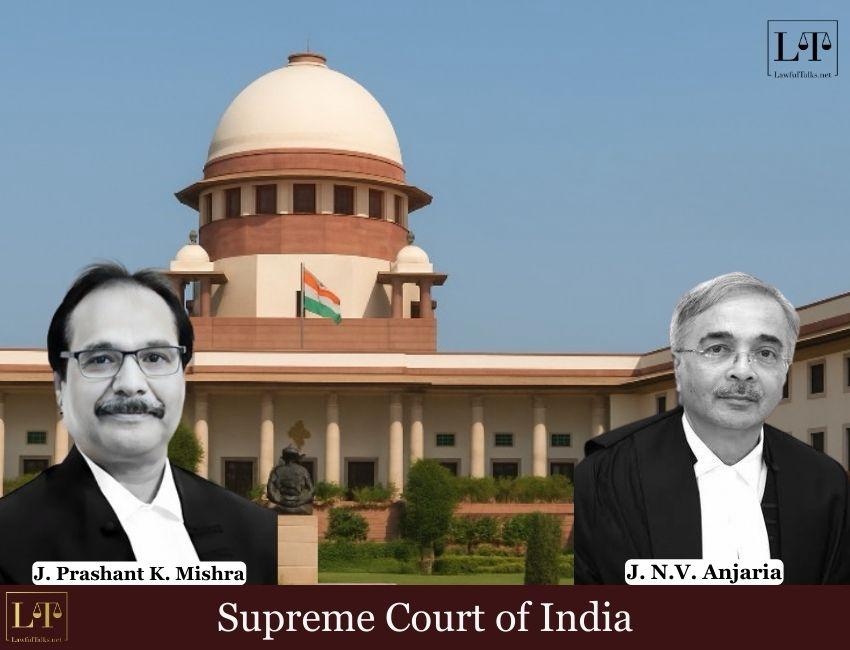
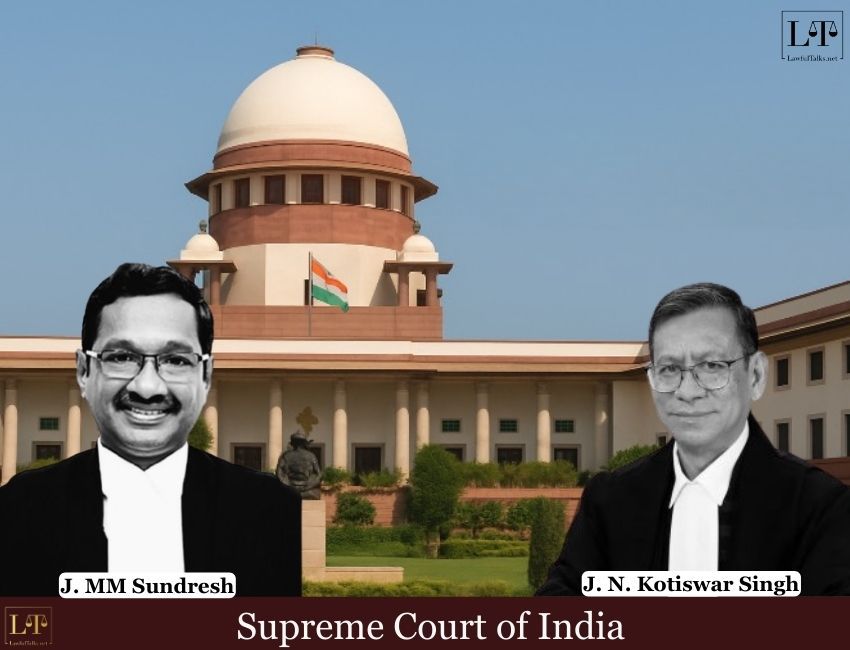
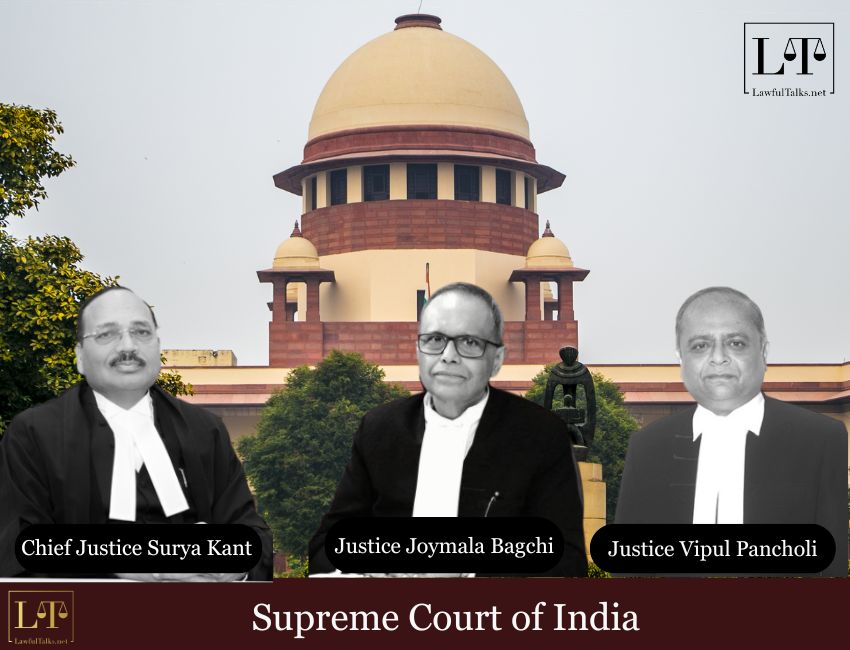
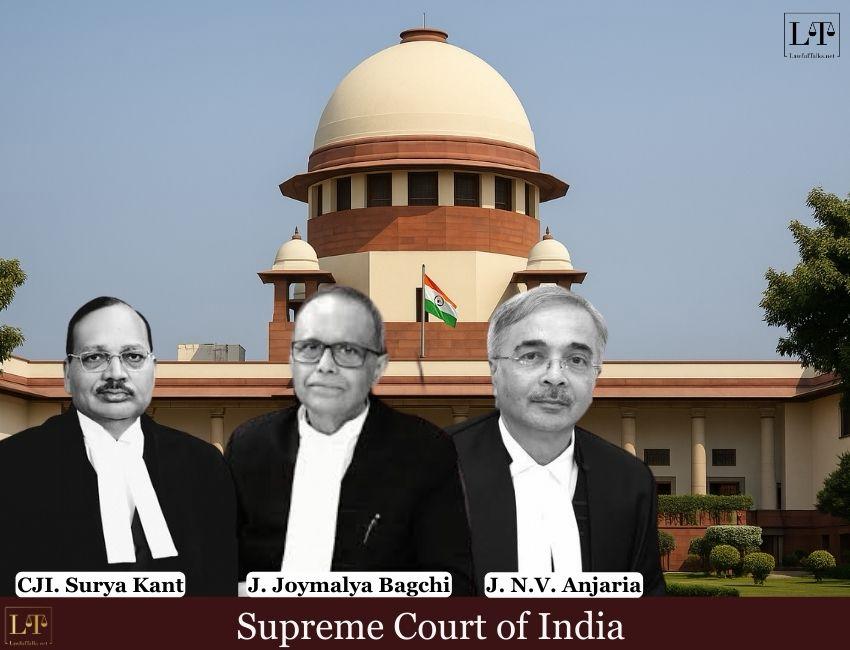
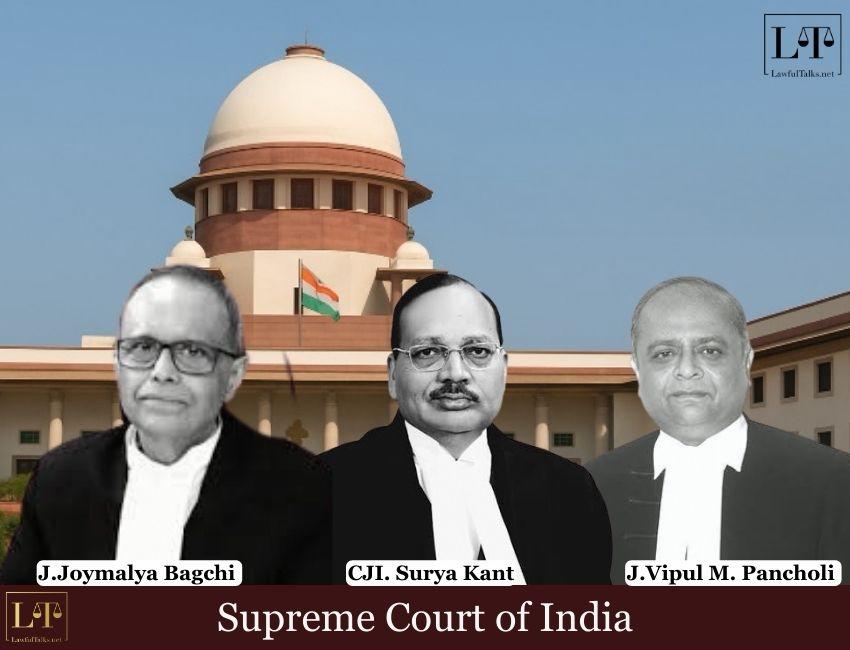
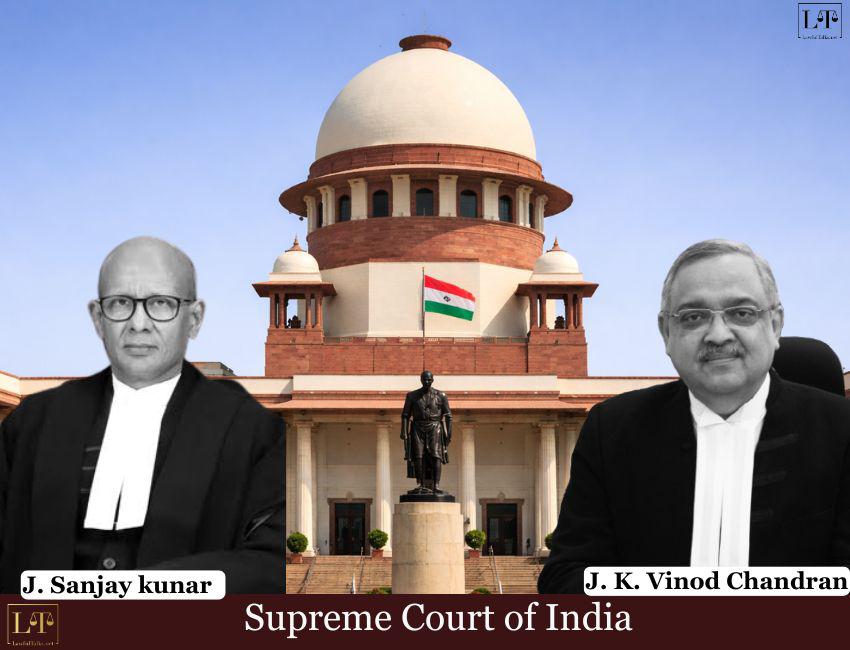
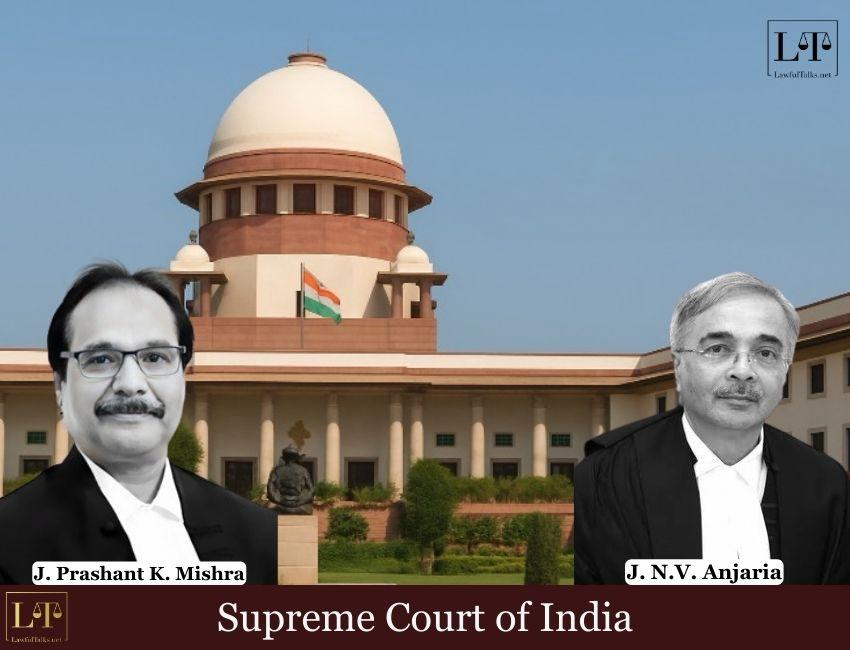
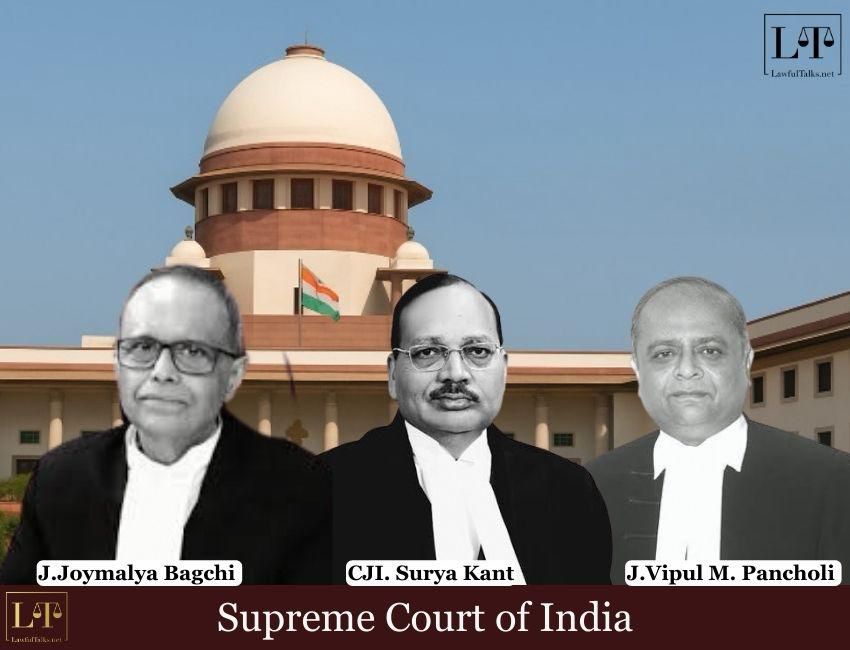
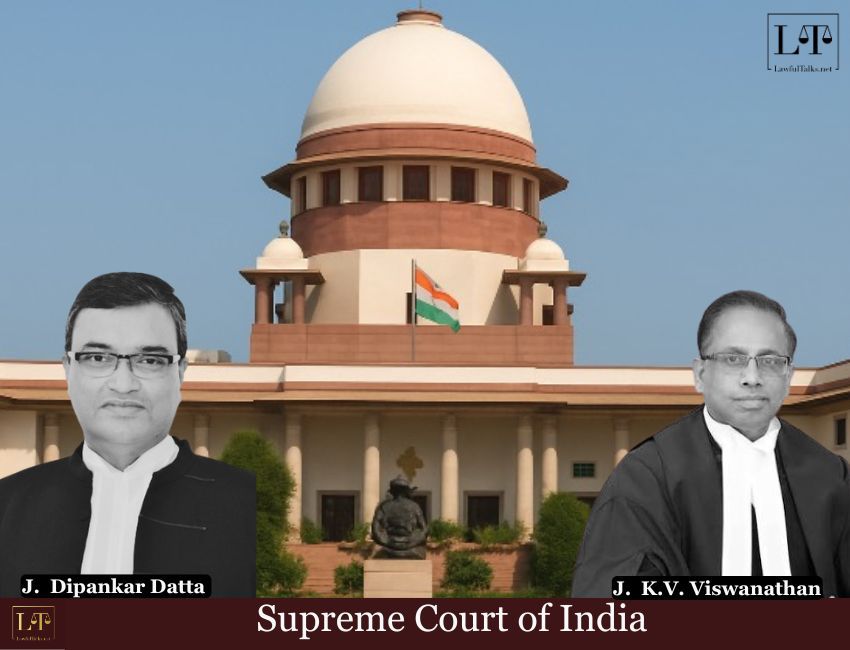
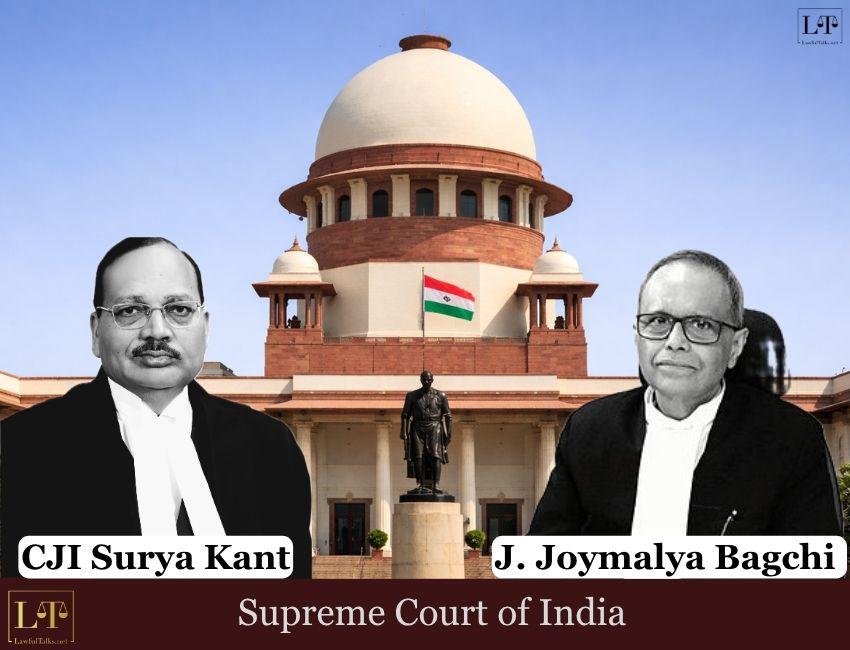
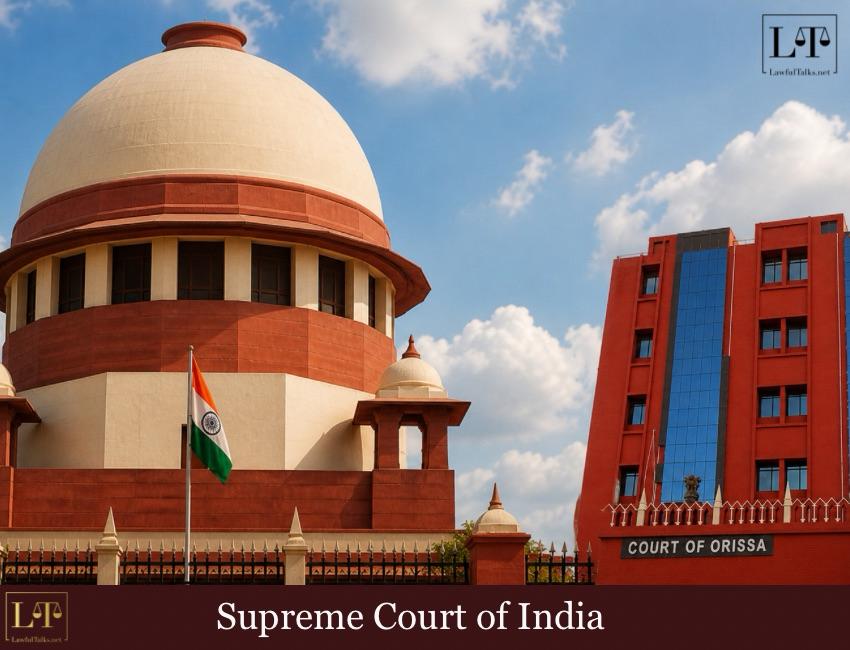
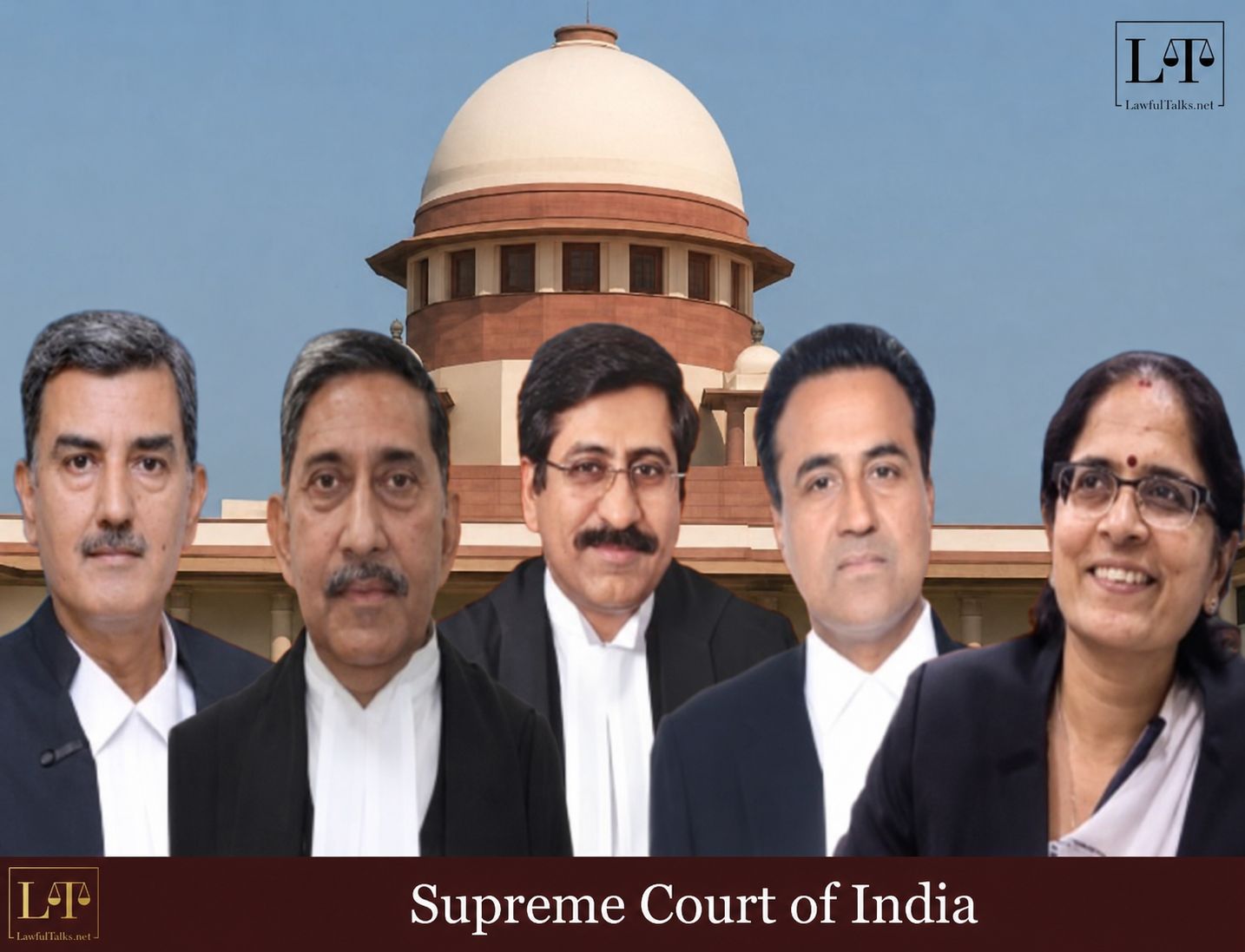
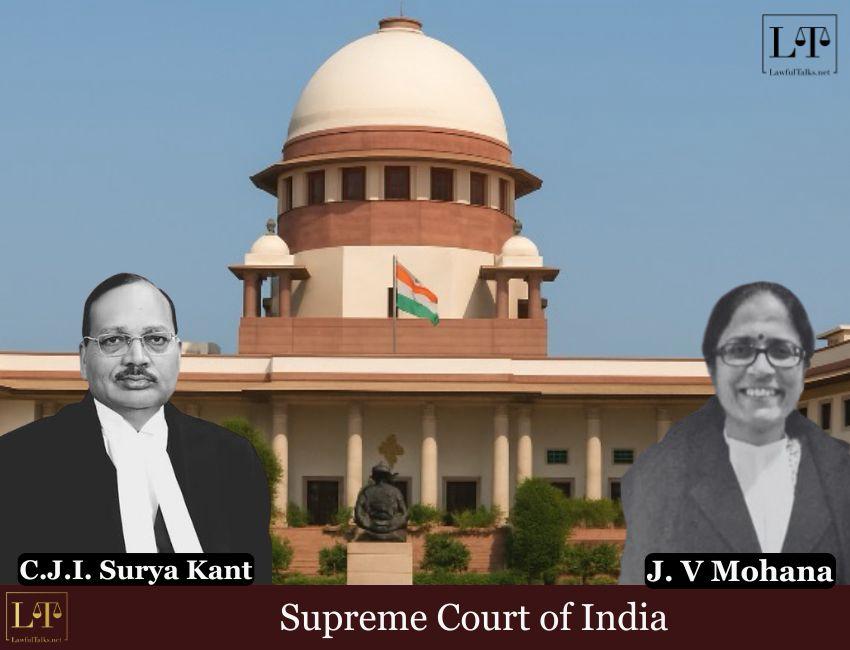
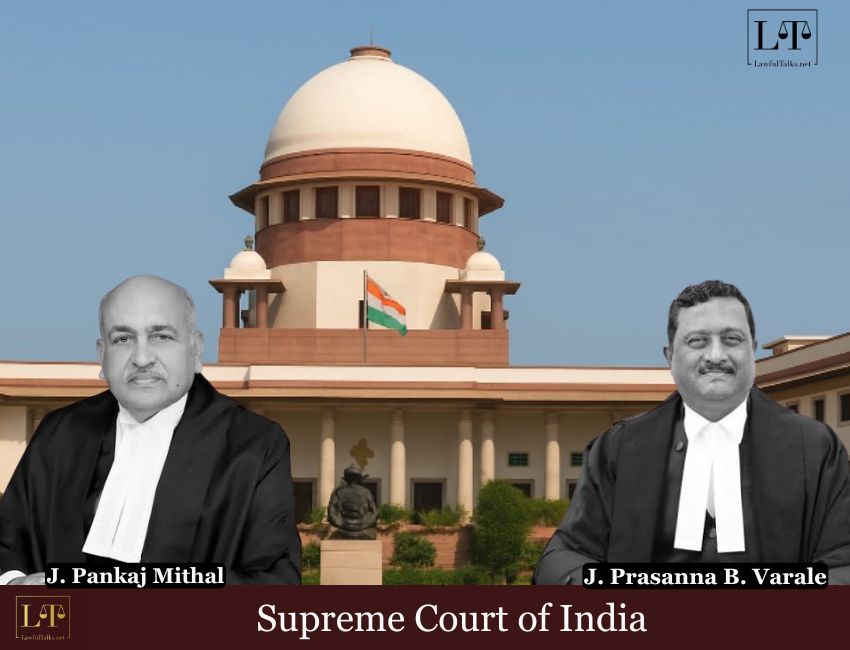
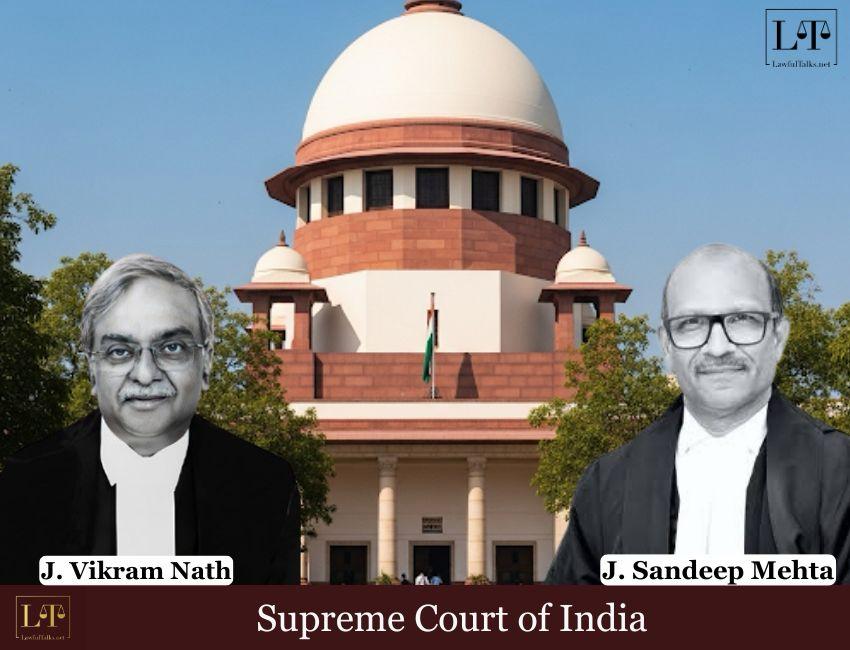
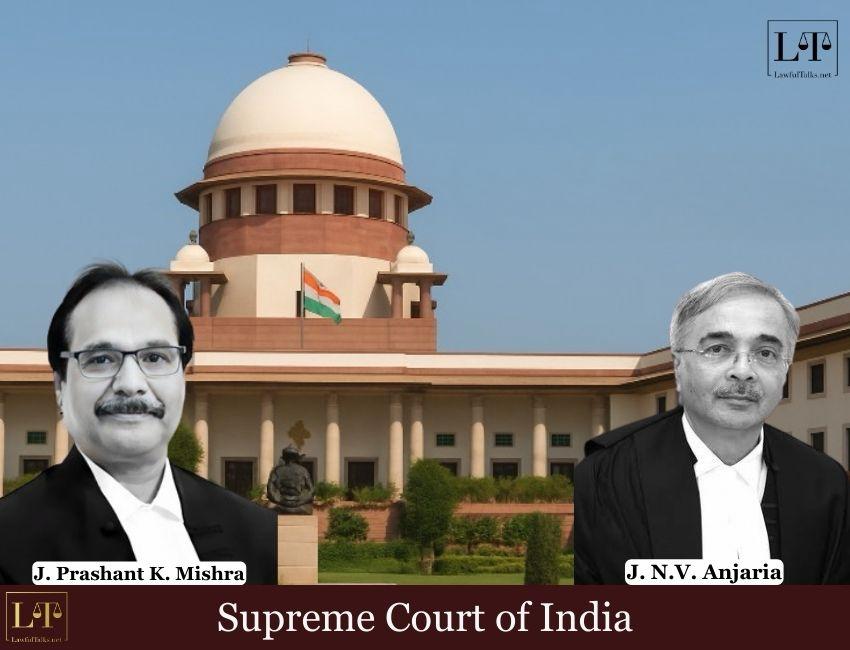
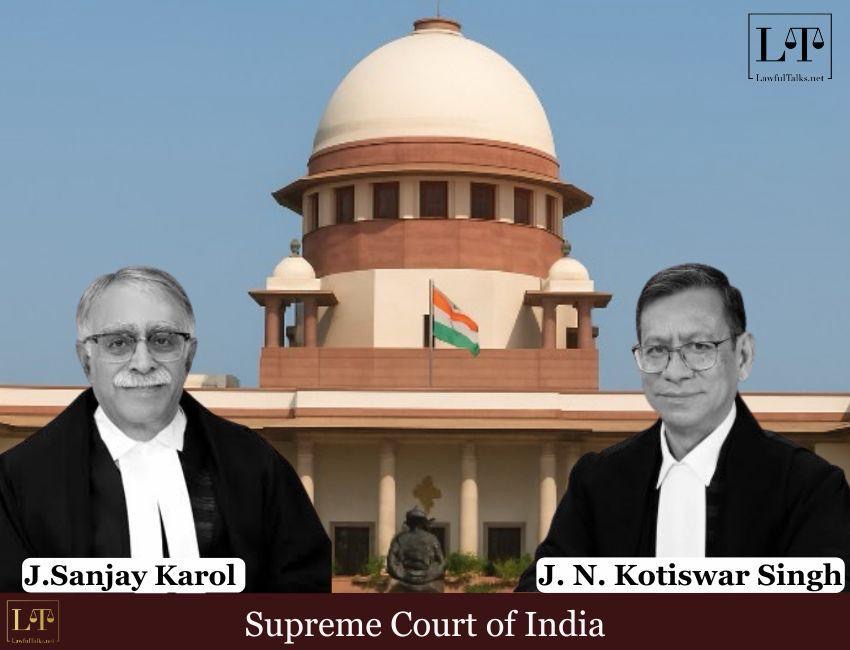
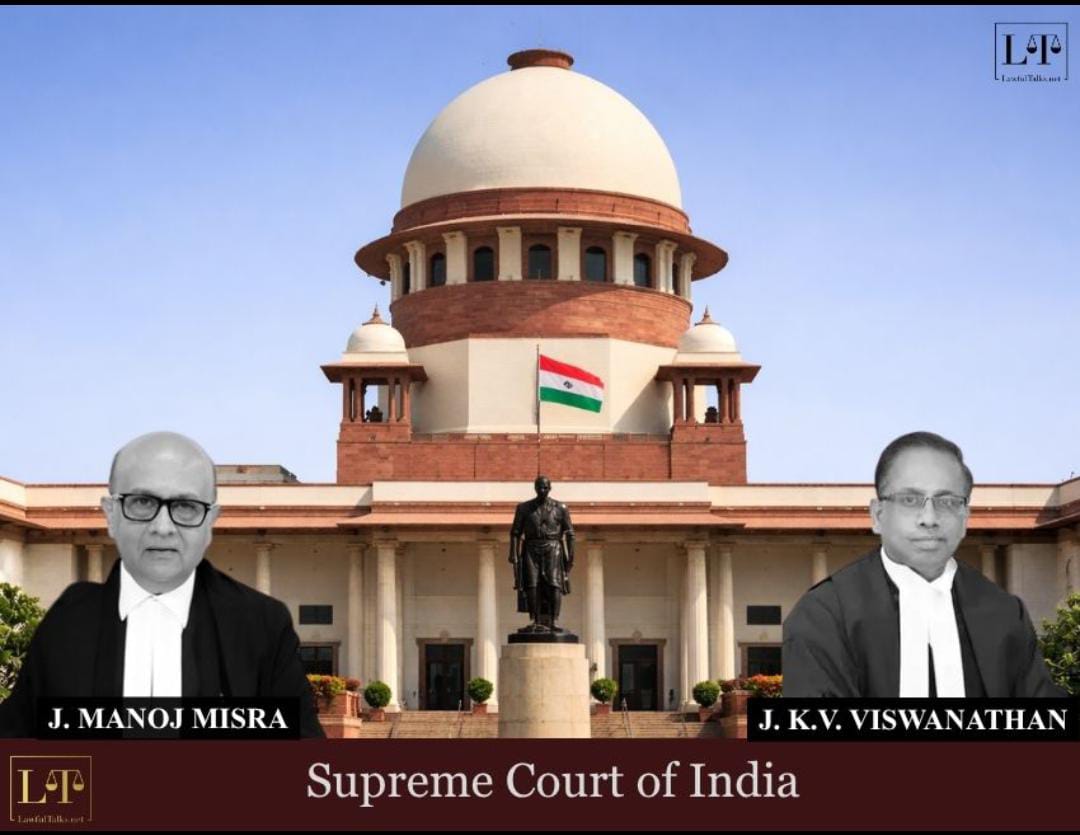
Justices M.M. Sundresh and Vipul M. Pancholi gave this ruling while hearing a dispute over the Sajjadanashin position at Karnataka’s Hazarat Akhil Shah Quadri Dargah.
Clear Role Difference:
The Court said:
“The office of the mutawalli and Sajjadanashin cannot be said to be one and the same in view of the aforesaid discussion. Sajjadanashin of a Waqf can also discharge the function of its Mutawalli, if appointed under Section 32(2)(g) of the Waqf Act of 1995, however, Mutawalli under Section 32(2)(g) cannot function as a Sajjadanashin but can only perform the duties as prescribed under the Act and the Rules.”
Sajjadanashin is the spiritual head of Waqf and declaration of Sajjadanashin is a religious affair, however, role of Mutawalli of a Waqf only pertains to the administration and management of the Waqf."
Jurisdiction Dispute:
The case arose from a dispute over which court had the authority to hear the matter. Respondent No.1 argued that civil courts did not have the power to decide the issue since the Dargah was a notified Waqf, and that the case should instead go before the Waqf Tribunal.
High Court View
The High Court agreed with this argument. It set aside the decisions of the lower courts and held that the power to appoint lay with the Waqf Board.
Supreme Court Disagrees:
However, the Supreme Court disagreed. It said the dispute was about the succession of the Sajjadanashin, not about the duties of a Mutawalli. The Court also said the High Court was wrong to dismiss the lower courts’ decisions on the ground of lack of jurisdiction.
The Supreme Court then set aside the High Court’s order, restored the trial court and appellate court decisions, and sent the case back for a fresh decision on merits. It also directed that the matter be completed within nine months.
The High Court agreed with this view. It set aside the decisions of the lower courts and said that the power to appoint rests with the Waqf Board.
However, the Supreme Court disagreed. It said the dispute was about the succession of the Sajjadanashin, not about the duties of a Mutawalli. The Court also said the High Court was wrong to dismiss the lower courts’ decisions on the ground of lack of jurisdiction.
The Supreme Court then set aside the High Court’s order, restored the trial court and appellate court decisions, and sent the case back for a decision on merits. It also asked that the matter be completed within nine months.
Succession Rules Explained:
The Court also explained how succession to such religious posts usually works. It said these positions are generally decided based on long-standing customs, traditions, or by nomination from the current holder, rather than strict inheritance rules.
Related Dargah Case:
For Muslim shrines, this often means that the current holder names a successor. The Court referred to a related case involving the Hazarath Mardane-e-Gaib Dargah in Karnataka’s Chamarajanagar District.
In that case, the original Sajjadanashin had first appointed his eldest son as successor, but the son died early. Later, a 1981 Khilfatnama named his grandson, Respondent No.1—Syed Mohammed Adil Pasha Khadri—as the successor.
After the elder’s death in 1988, Respondent No.1 took over the position. However, the appellant—the original’s youngest son—challenged this, relying on a General Power of Attorney and a handwritten Khilafatnama.
Lower Courts’ Findings:
The lower courts ruled in favour of Respondent No.1. They said the post is hereditary but also depends on nomination. They accepted the 1981 Khilafatnama as valid and rejected the appellant’s documents, saying they were not enough to claim a spiritual position.
The appeals were dismissed up to the High Court. The High Court also agreed that the post follows both heredity and nomination, and that the 1981 Khilafatnama was properly proved.
Supreme Court on Evidence
When the matter reached the Supreme Court, which had ordered status quo in 2009, the appellant claimed that the document was fake. However, the Court found no merit in this claim. It said the document clearly showed an intention to pass spiritual authority to Respondent No.1, even though it did not specifically use the word “Sajjadanashin.”
The Court also rejected the argument that only a son can succeed, saying there was no evidence for this. It upheld the power of nomination and clarified:
“a document which merely authorises another person to act on behalf of the executant cannot be construed as conferring succession to a spiritual office such as that of a Sajjadanashin.”
Rights Not Affected:
The Court also addressed concerns that recognizing Respondent No.1 as Sajjadanashin would take away the family’s rights over the Waqf property. It clarified:
“The recognition of one individual as Sajjadanashin does not determine or extinguish the independent legal rights of other beneficiaries under Wakf law.”
Final Decision:
The Court said there was no important legal question for the High Court to consider. It dismissed the appeal, removed the earlier status quo order, and confirmed the decisions of the lower courts in favour of Syed Mohammed Adil Pasha Khadri as the rightful Sajjadanashin.
Case Details: SYED MOHAMMED GHOUSE PASHA KHADRI versus SYED MOHAMMED ADIL PASHA KHADRI & ORS. ETC., CIVIL APPEAL NOS. 13345 - 13346 OF 2015

















































































































Sign up for free and be the first to get notified about curated content just for you.