“The Slash in the Consent Form That Saved a Surgeon: Supreme Court Rules”

- April 07, 2026


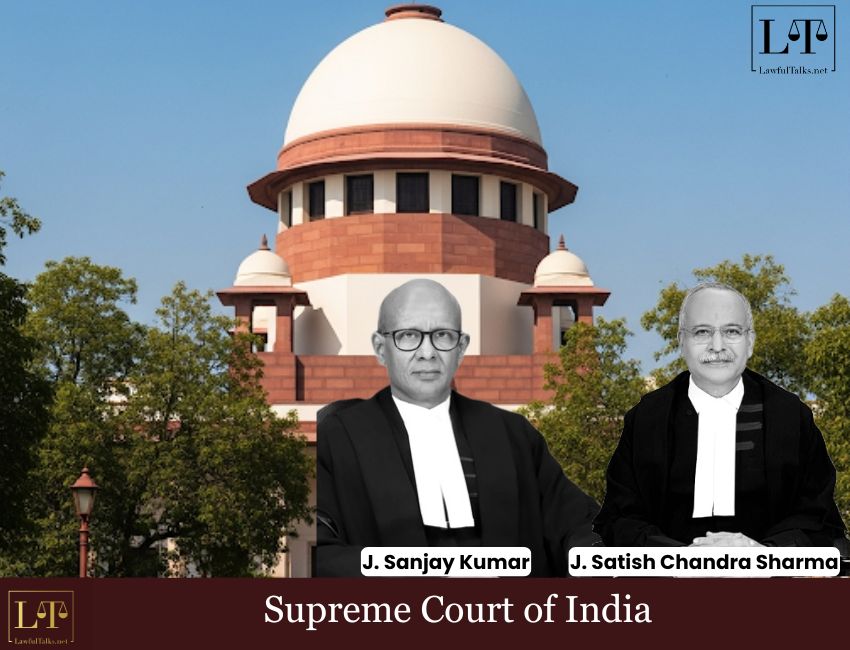
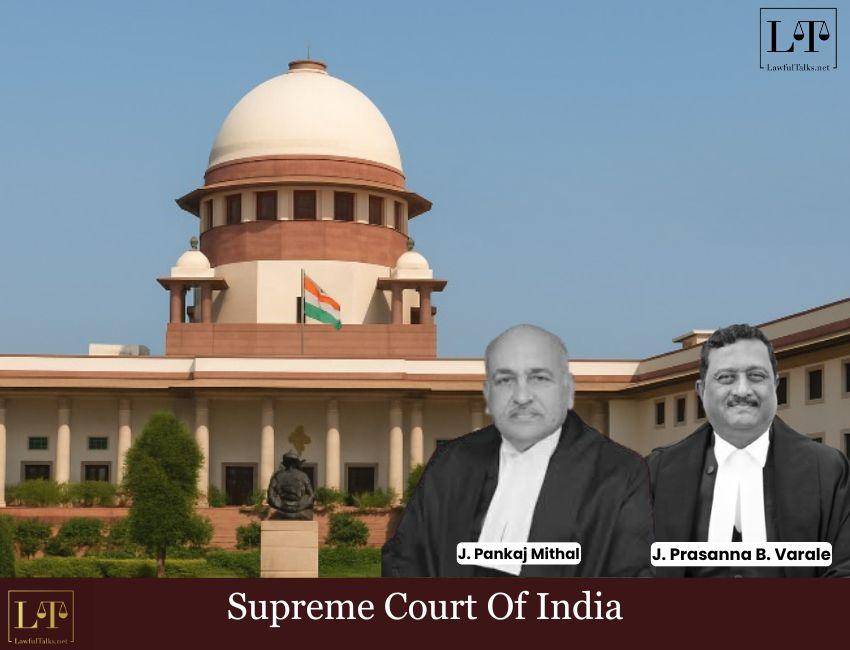
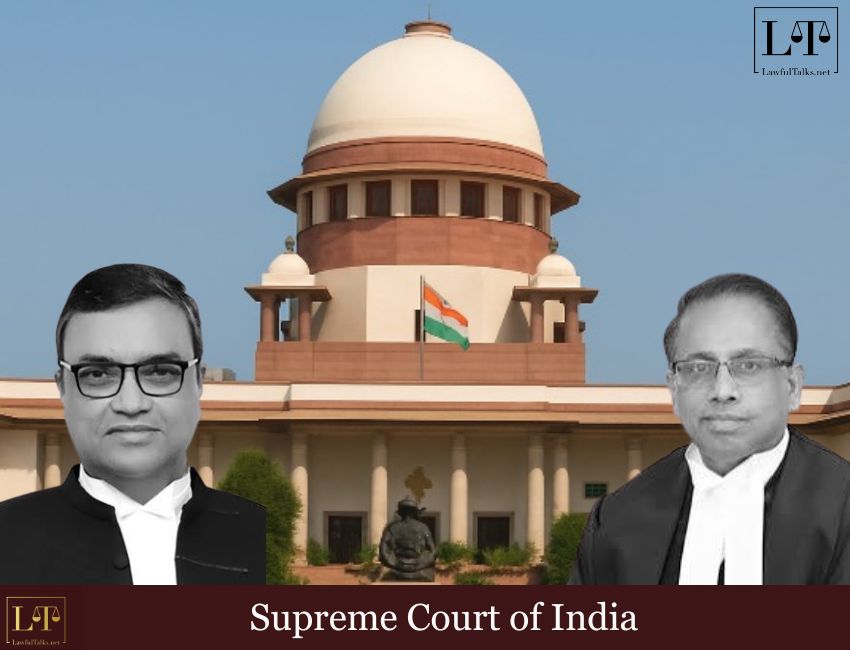
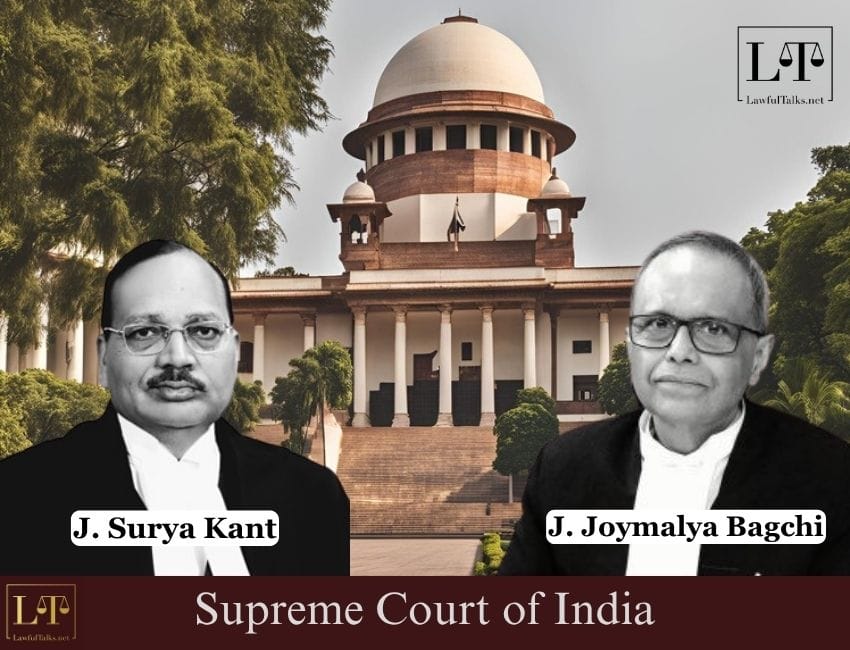
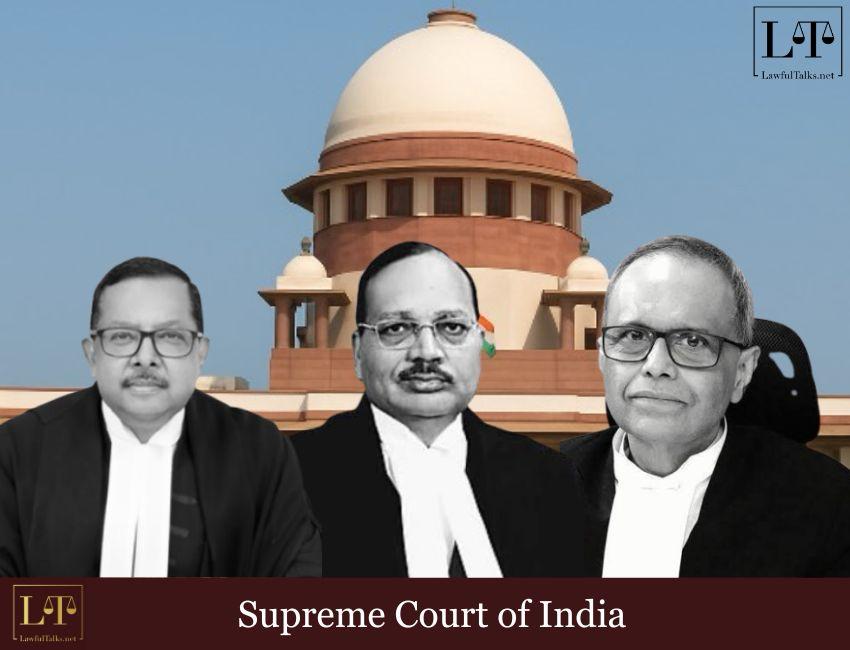
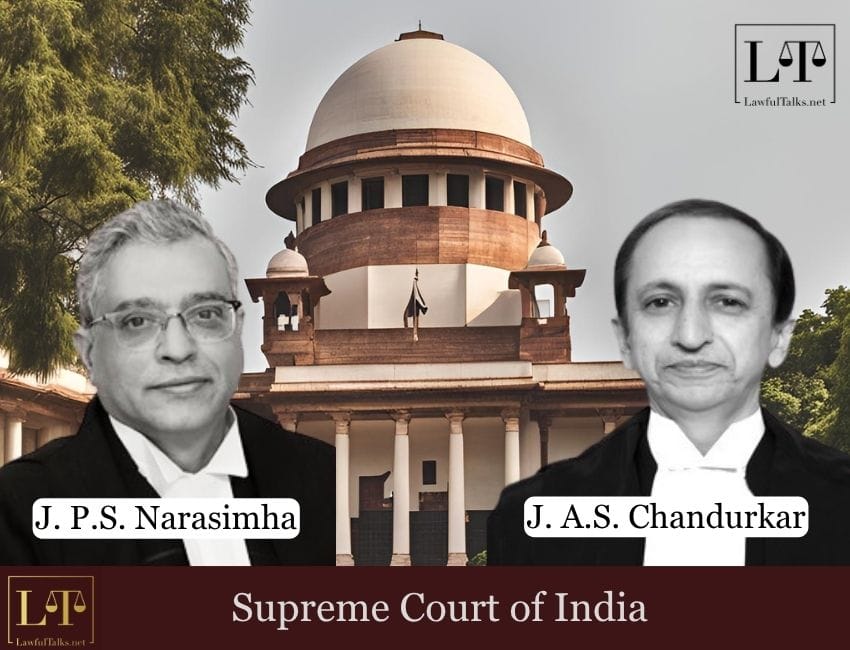
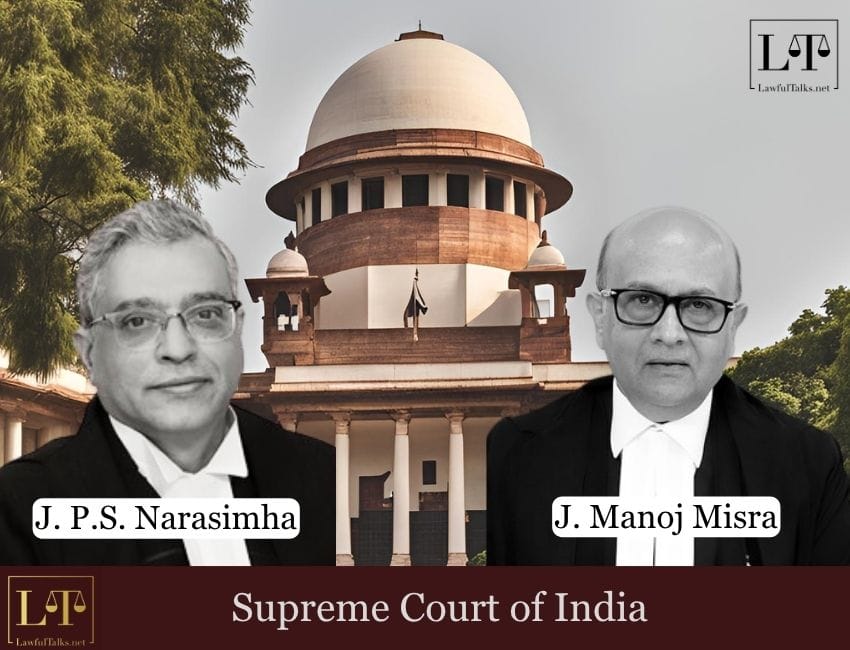
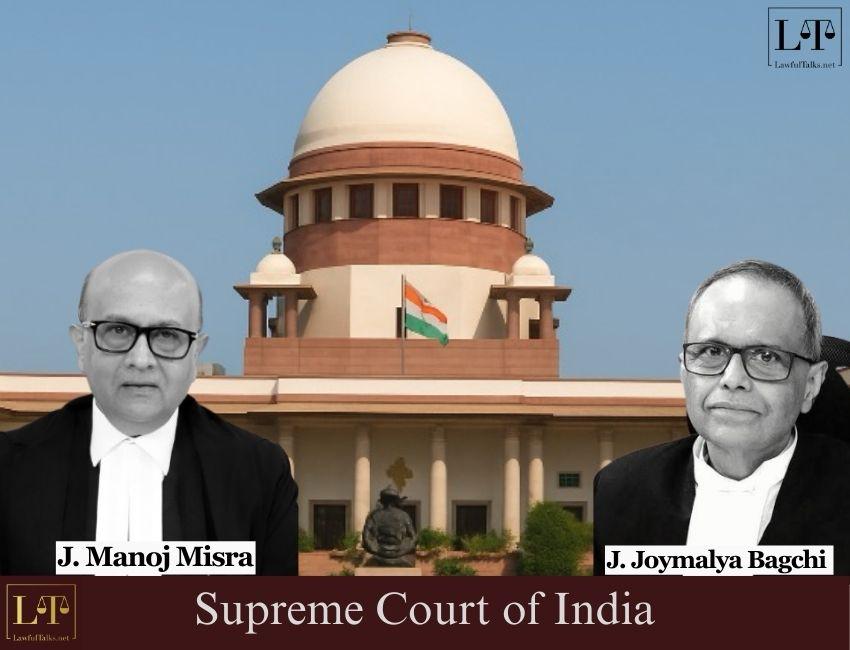
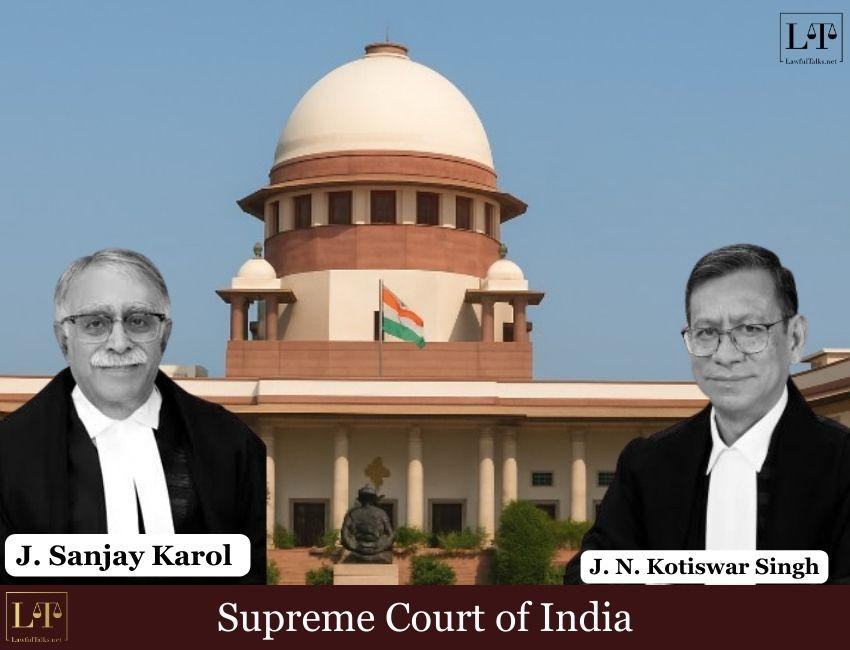
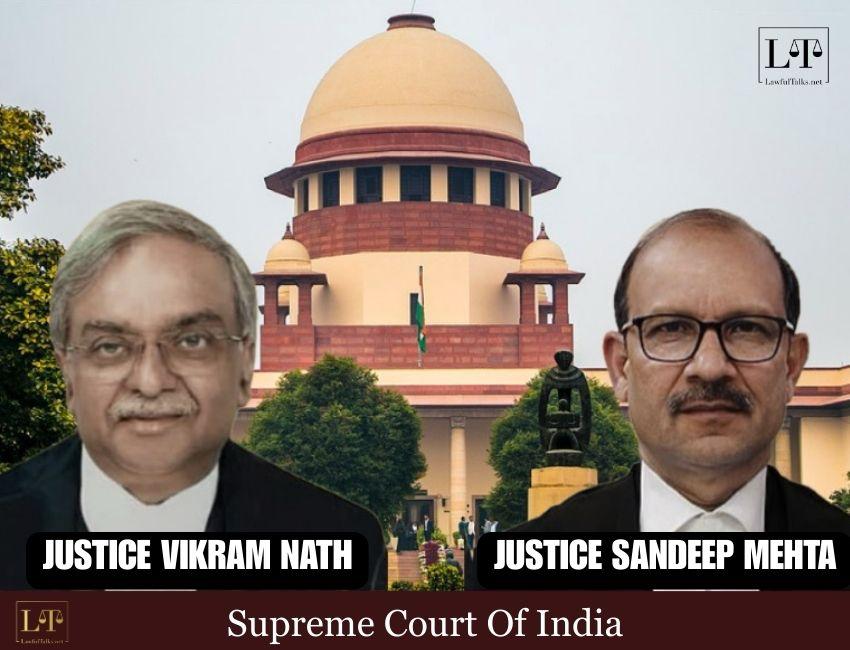
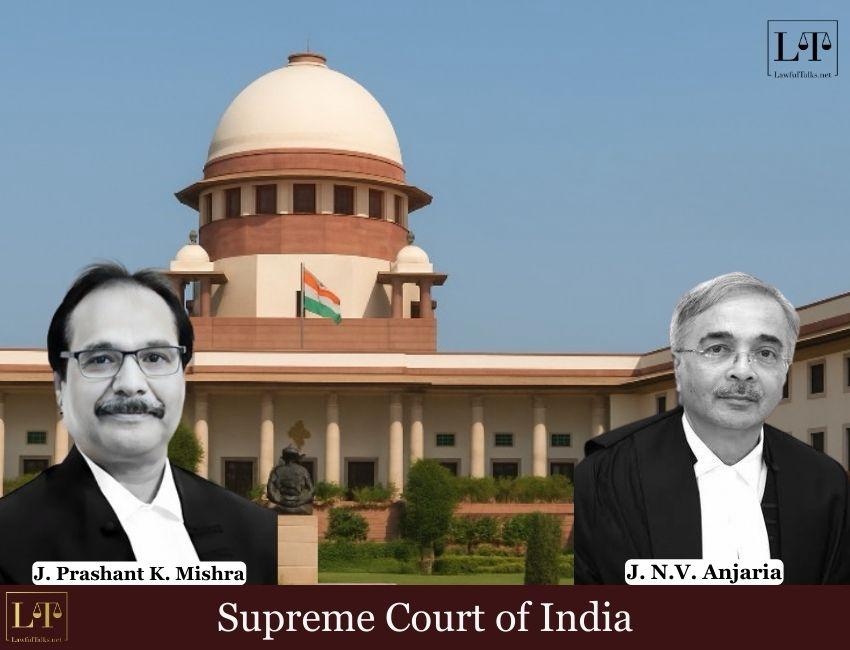
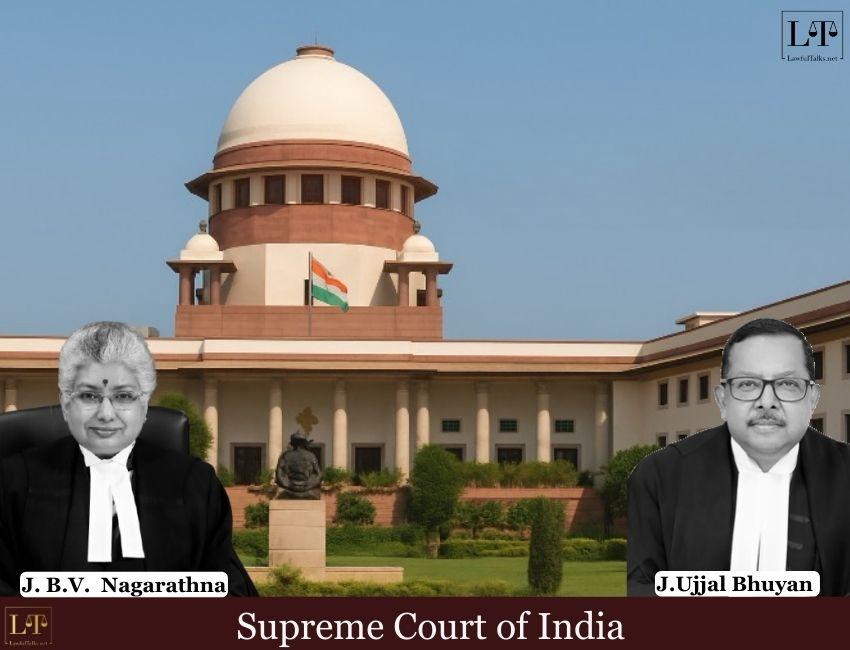
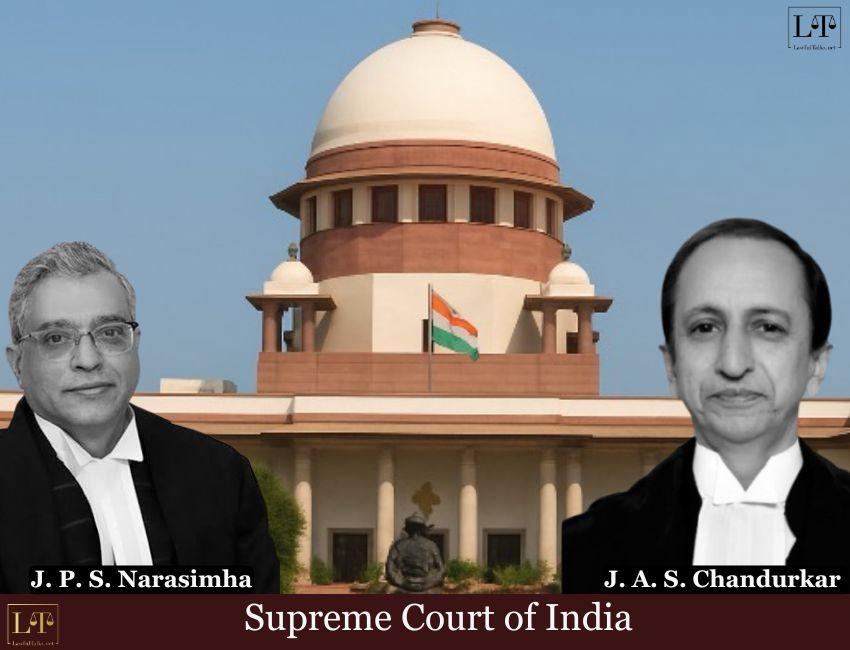
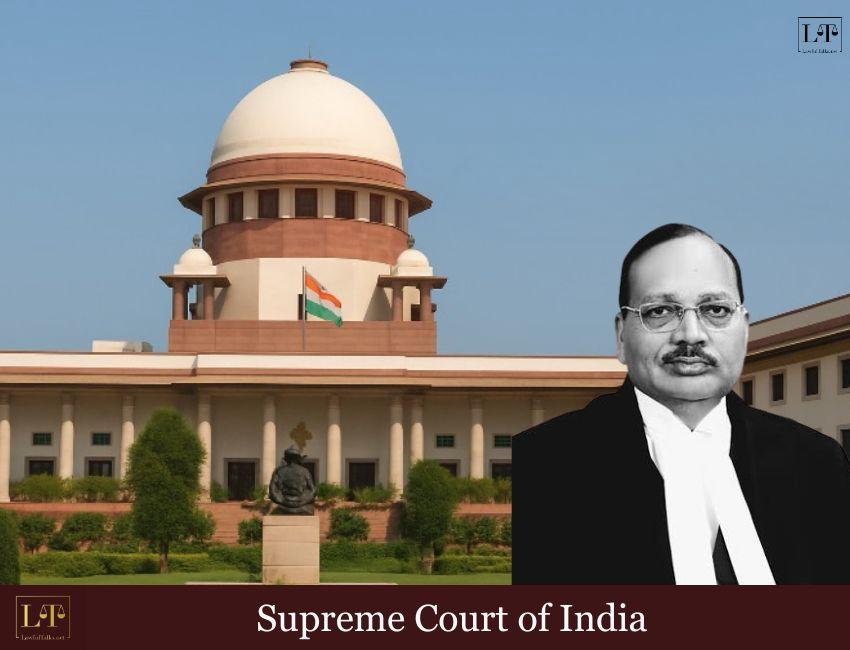
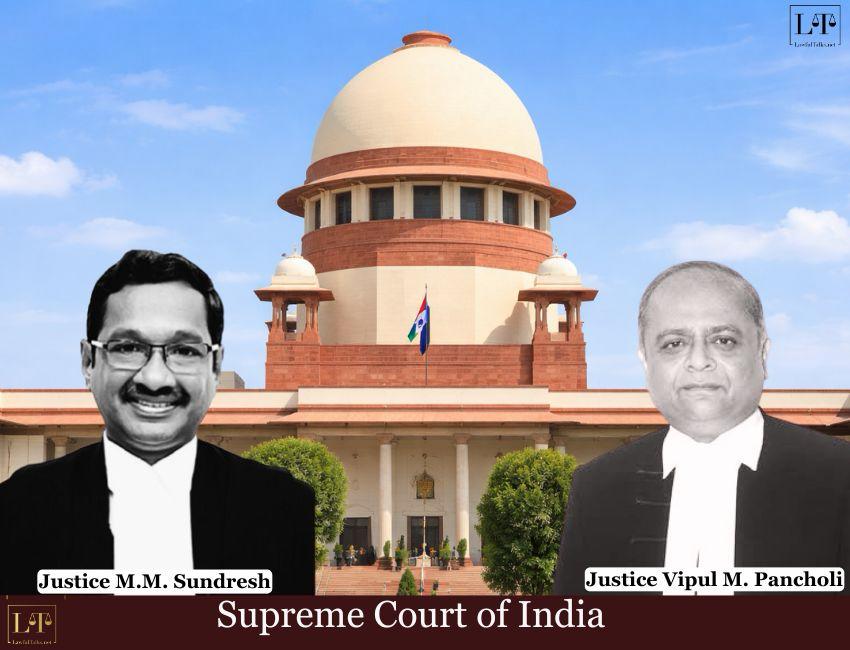
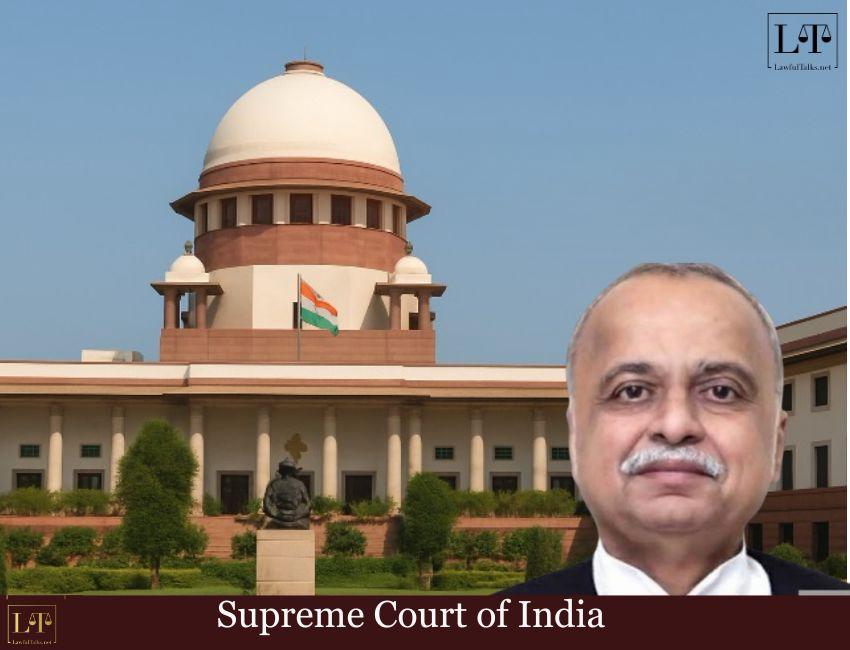
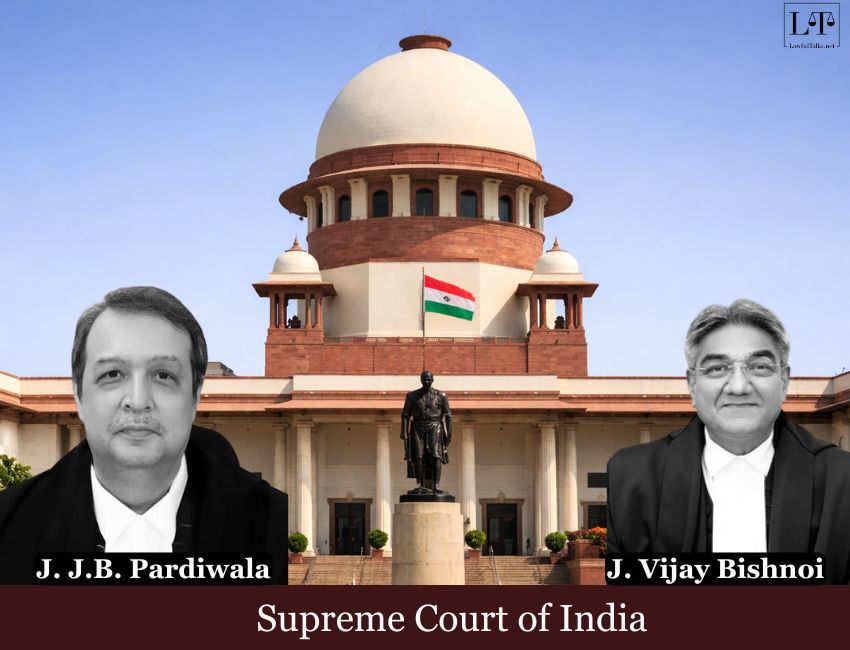
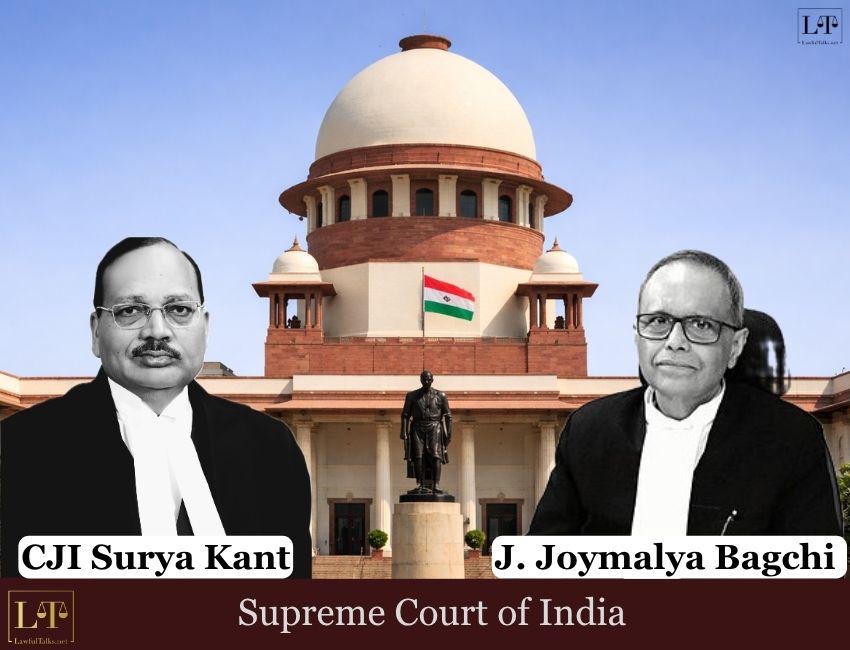
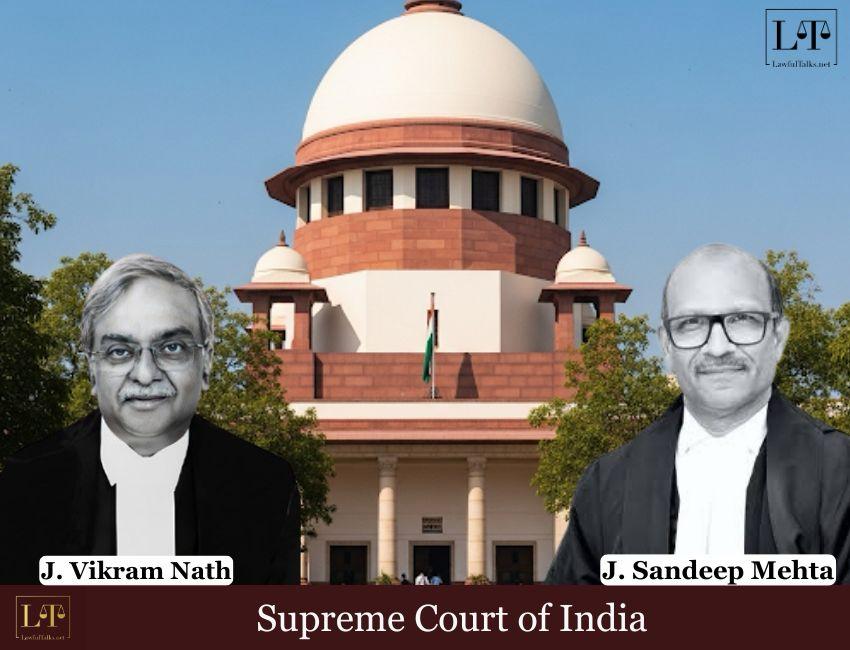
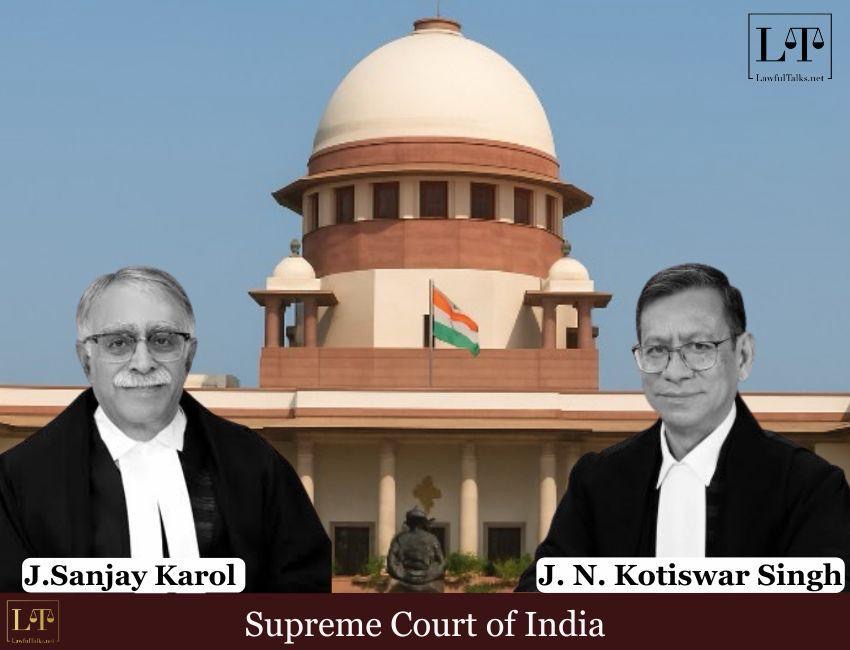
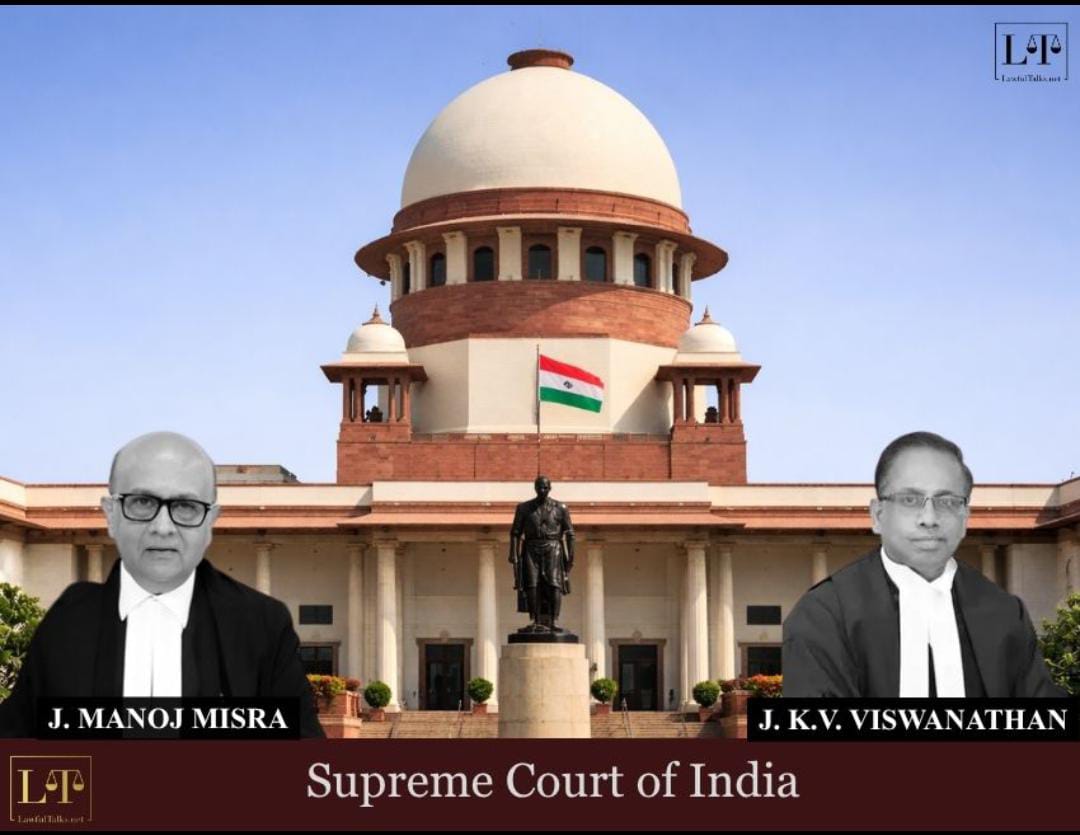
The Supreme Court of India recently set aside criminal proceedings against a paediatric surgeon who was accused of removing a testicle (orchidectomy) from a 1.5‑year‑old child without proper consent. The case was heard by Justice P.S. Narasimha and Justice Manoj Misra.
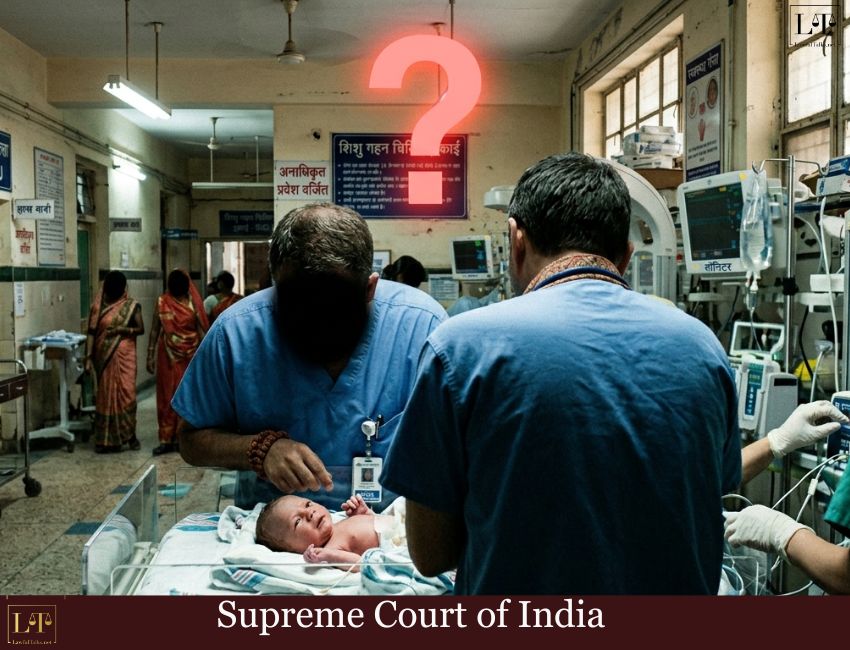
The child’s father maintained that he had only agreed to an orchidopexy (a corrective surgery to reposition an undescended testicle). However, he alleged that the surgeon instead performed an orchidectomy and later changed the consent form to make it look like permission had been given for the more serious procedure.
What Happened:
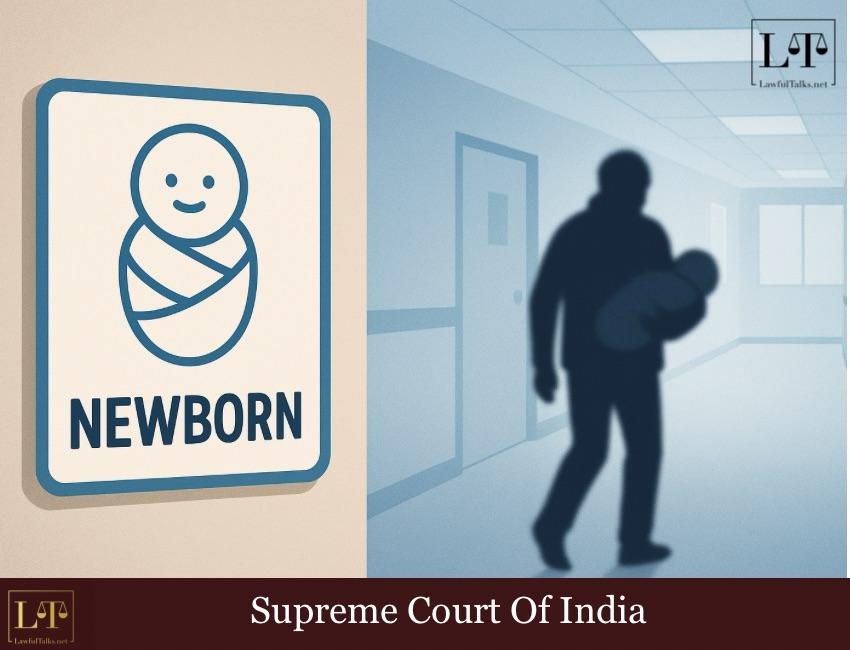
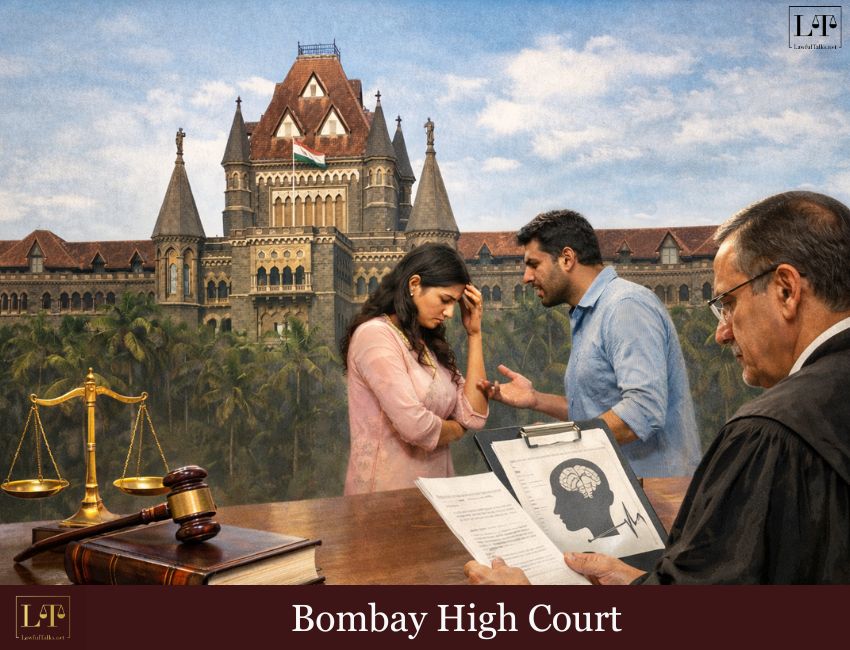
A 1.5‑year‑old child was admitted to a hospital in Chennai for surgery because one of his testicles had not descended into the scrotum. The father alleged that he had agreed only to an orchidopexy, a surgery to reposition the undescended testicle. However, he alleged that the surgeon instead performed an orchidectomy, i.e., removal of the testicle, without his approval. He further claimed that the consent form was later changed to include orchidectomy.
Based on this complaint, an FIR was registered in 2006 under various provisions of the Indian Penal Code, including rash and negligent act, forgery, and use of forged documents. The police later filed a charge sheet against the surgeon, accusing him of negligence and altering the consent form.
Medical Board View:
A Medical Board constituted by the Madras High Court examined the case and opined that the testicle was small, cystic, and dysplastic, and that performing an orchidectomy was an appropriate and ethical procedure in such a situation, since an undescended testis carries a risk of malignancy.
High Court Refuses Relief:
Despite this, the High Court refused to quash the proceedings. It held that the question of consent should be decided during the trial. The surgeon then appealed to the Supreme Court.
Supreme Court Decision:
“Appeal Allowed; Proceedings Quashed”
The Supreme Court said that since consent was given for surgery and both procedures were mentioned as options, there was no clear proof that the doctor acted without consent.
It said :
“In the instant case, no malice is attributed to the doctor and there is no dispute that the consent form was executed for undertaking a medical procedure. Further, the medical opinion is to the effect that the procedure adopted by the doctor was one of the alternatives recognized to meet such a medical exigency. No doubt, the Medical Board’s opinion indicates that such procedure should be carried out after obtaining consent, but there is nothing to indicate that the consent form already obtained was not in order or that no consent was obtained. Besides, the consent letter has been brought on record as Annexure P-2. A perusal thereof would indicate that in the column where the nature of proposed surgery is to be mentioned, both types of surgery i.e., Orchidopexy and Orchiectomy are mentioned by putting a slash (/), which means that the other surgery, namely, Orchidectomy, was one of the options available.”
Final Outcome:
Based on this, the appeal was allowed, the order of the Madras High Court was set aside, and the criminal proceedings were quashed.
Case Details : DR. S. BALAGOPAL VERSUS STATE OF TAMIL NADU & ANR.






















































































Sign up for free and be the first to get notified about curated content just for you.